
त्रिमंदिर
अडालज, तालुका गांधीनगर, जिल्हा गांधीनगर
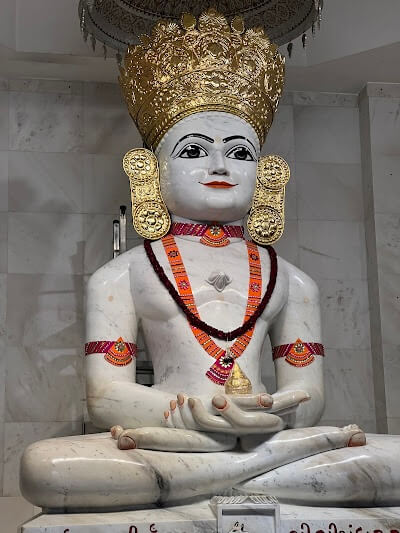 निधर्मीपणाचा पुरस्कार आणि सांप्रदायिकतेचा त्याग करणाऱ्या भारतातील सर्व त्रिमंदिरांपैकी सर्वात मोठे त्रिमंदिर अडालज येथे स्थित आहे. जाती आणि धर्मांमधील अदृश्य भिंती पाडण्याच्या उद्देशाने बांधलेले हे मंदिर शांतता, एकता आणि शाश्वत आनंद वाढवण्यासोबतच लोकांचे आध्यात्मिक ज्ञान समृद्ध करण्याचे ध्येय ठेवते. ४०,१७५ चौरस फुटांवर पसरलेल्या या भव्य मंदिरात जैन, शैव, वैष्णव आणि इतर धर्मांतील देवता विराजमान आहेत. दरवर्षी सुमारे ७,००,००० भाविक या मंदिराला भेट देतात.
त्रिमंदिराची संकल्पना दादा भगवान यांच्याकडून आली आहे, जे एक जैन आध्यात्मिक नेते आणि ‘अक्रम विज्ञान’ (स्वयंप्रकाशित आत्मसाक्षात्काराचे विज्ञान) चे संस्थापक होते. ७ नोव्हेंबर १९०८ रोजी गुजरातच्या तरसाली येथे अंबालाल मूलजीभाई पटेल म्हणून जन्मलेले दादा भगवान हे बालपणापासूनच आध्यात्मिक कल असलेले स्वयंशिक्षित व्यक्ती होते. १० वी नंतर औपचारिक शिक्षण सोडल्यानंतर, ते व्यवसायासाठी मुंबईला गेले आणि पटेल अँड कंपनीमध्ये कंत्राटदार म्हणून काम केले, जी मुंबई बंदरातील ड्राय डॉक्सची देखभाल करत असे. जून १९५८ मध्ये सुरत रेल्वे स्थानकाच्या ३ क्रमांकाच्या प्लॅटफॉर्मवर बसलेले असताना त्यांना आत्मसाक्षात्कार झाल्याचा दावा केला जातो. १९६० च्या दशकात त्यांनी ‘अक्रम विज्ञान’ चळवळीची स्थापना केली.
दादा भगवान फाऊंडेशननुसार, अक्रम विज्ञान हा आत्मसाक्षात्काराचा एक शॉर्टकट मार्ग आहे. सांसारिक जीवनाचा त्याग आणि कडक शिस्त मागणाऱ्या पारंपारिक आध्यात्मिक मार्गांच्या विपरीत, 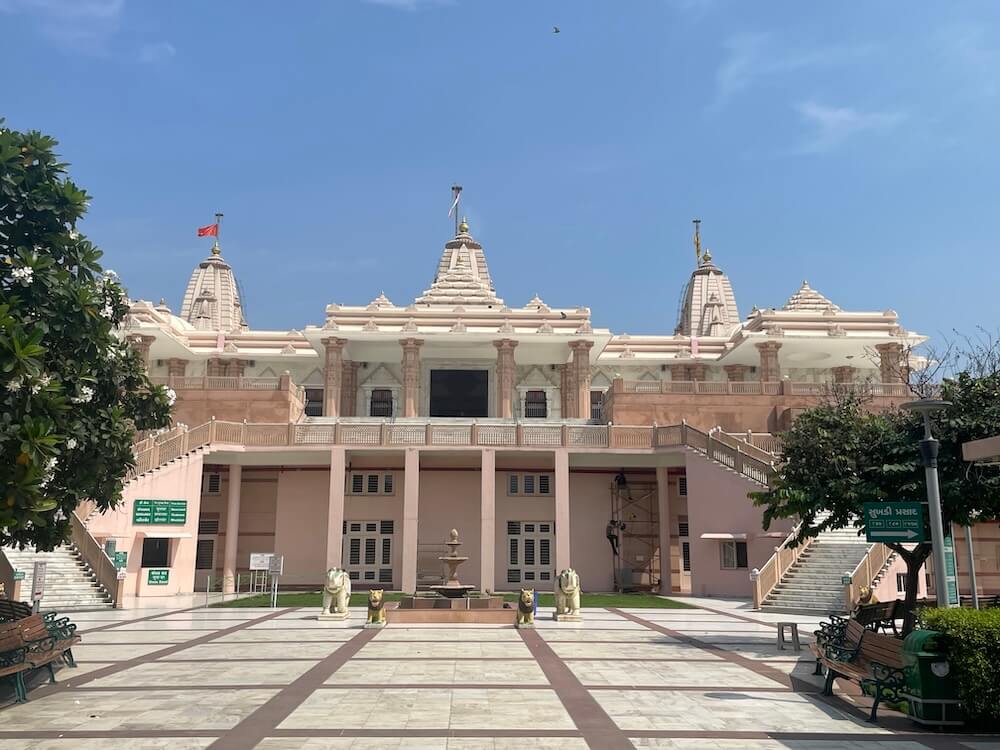 अक्रम विज्ञान एका ज्ञानी व्यक्तीच्या कृपेने आत्म्याचे (आत्मज्ञान) त्वरित ज्ञान देते. ‘ज्ञान विधी’ म्हणून ओळखली जाणारी ही प्रक्रिया केवळ दोन तासांत आत्मसाक्षात्कार करून देते असे मानले जाते. अक्रम विज्ञानाचा सार ‘ज्ञान भक्ती’ आहे – सीमंधर स्वामी (दुसऱ्या लोकात राहणारे जिवंत तीर्थंकर) आणि त्यांचे माध्यम, दादा भगवान यांच्याप्रती पूर्ण समर्पण.
जैन परंपरेनुसार, सीमंधर स्वामी हे एक जिवंत तीर्थंकर आहेत, जे सध्या महाविदेह क्षेत्रात, म्हणजेच दुसऱ्या लोकात राहतात. १७ वे तीर्थंकर कुंथुनाथ आणि १८ वे तीर्थंकर अरहनाथ यांच्या काळात त्यांचा जन्म झाला असल्याचे मानले जाते, सीमंधर स्वामींचे भौतिक स्वरूप सुमारे १,५०० फूट उंच आहे आणि त्यांचे वय सुमारे १,५०,००० वर्षे आहे. ते आणखी १,२५,००० वर्षे जगतील असे मानले जाते. राजा दशरथाने त्यांच्याकडून दीक्षा घेतली होती असे सांगितले जाते.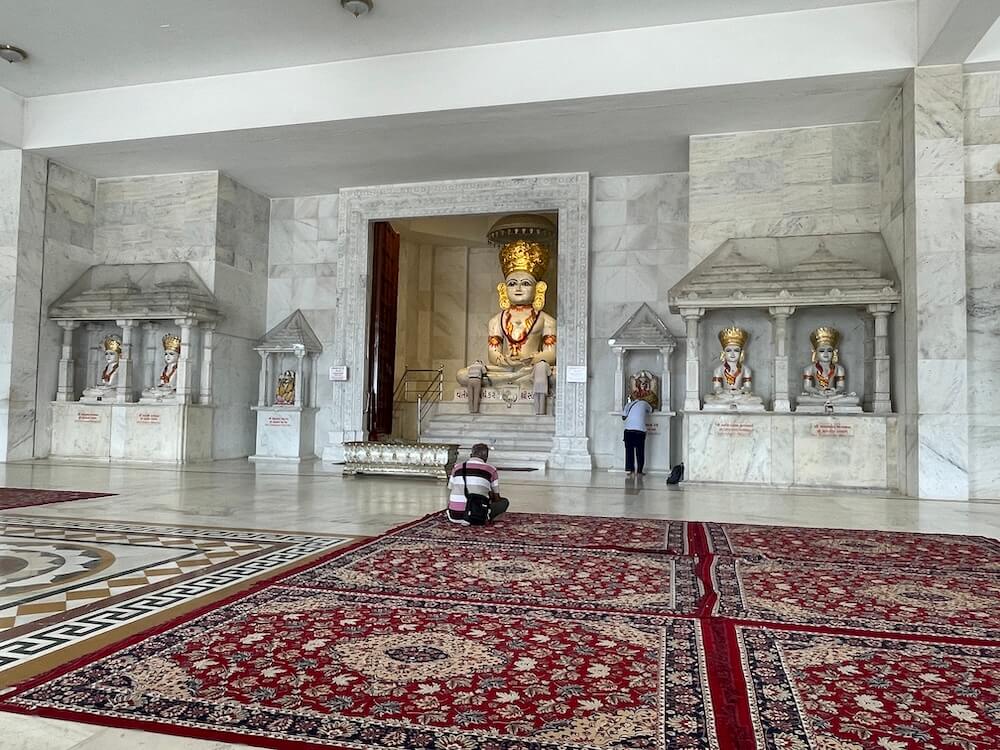 दादा भगवान फाऊंडेशनद्वारे बांधलेल्या त्रिमंदिरांमध्ये सीमंधर स्वामी हे मुख्य दैवत आहेत, ज्यांची अत्यंत भक्तीने पूजा केली जाते.
त्रिमंदिर ही एक क्रांतिकारी धार्मिक संकल्पना मानली जाते. जैन, शैव, वैष्णव आणि इतर धर्मांतील देवतांना एकाच व्यासपीठावर आणून त्यांना समान आदराने वागवणे, ही यामागची मुख्य कल्पना आहे – जेणेकरून वैश्विक धार्मिक सलोखा वाढवता येईल. दादा भगवान शिकवत असत, “लोकांनी स्वतःच देव आणि धर्माची विभागणी केली आहे. एकच देव निवडण्याऐवजी, आपण सर्व धर्मांची मूळ तत्त्वे समजून घेतली पाहिजेत आणि आचरणात आणली पाहिजेत. सर्व देवता आपल्याला आत्म्याचे आकलन आणि आत्मसाक्षात्कार मिळवण्याकडे मार्गदर्शन करतात.”
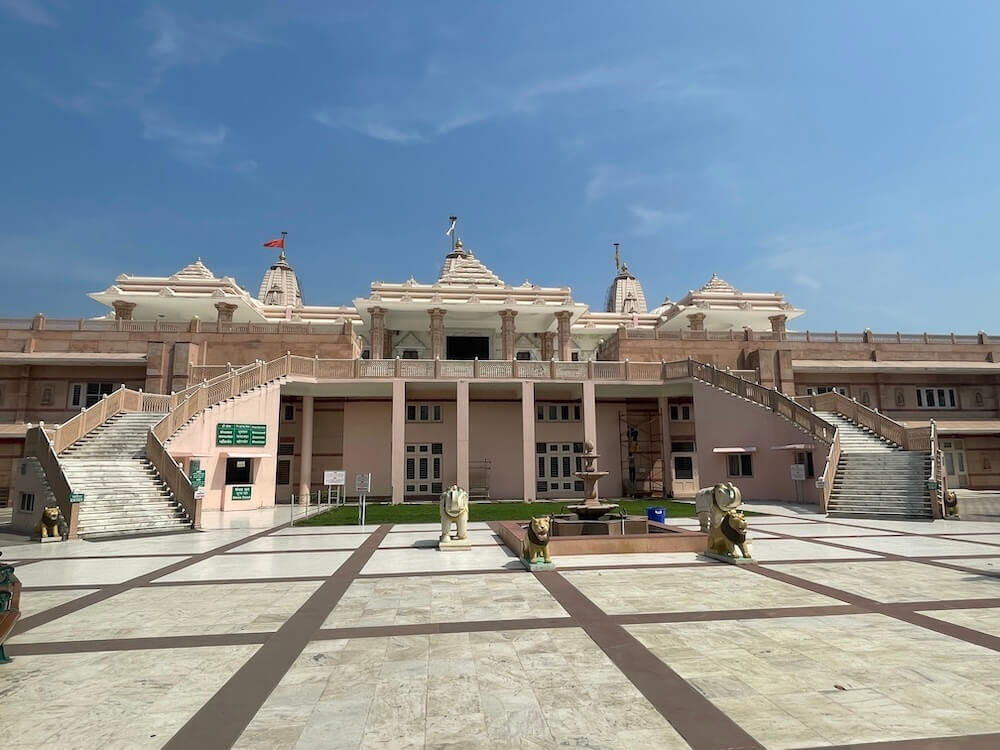
या तत्त्वज्ञानावर आधारित, अनेक ठिकाणी त्रिमंदिरे बांधली गेली आहेत. 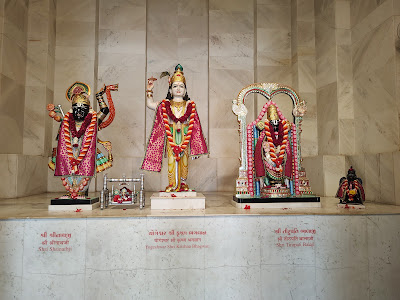 असेच एक मंदिर गांधीनगरपासून सुमारे १० किमी अंतरावर, अहमदाबाद-कलोल महामार्गावर, एका विस्तीर्ण संकुलात स्थित आहे. २००२ मध्ये पांढऱ्या संगमरवरातून बांधलेले हे दोन मजली मंदिर ४०,१७५ चौ. फूट जागेवर उभे असून ते हिरवळीने वेढलेले आहे. सिंह आणि हत्तींच्या शिल्पांनी वेढलेले एक भव्य कारंजे प्रवेशद्वाराची शोभा वाढवते. त्रिमंदिर शैलीनुसार, खालच्या मजल्यावर ३१,८६१ चौ. फुटांचा सत्संग हॉल आहे, तर मुख्य मंदिर वरच्या मजल्यावर आहे.
दोन्ही बाजूंना असलेल्या पायऱ्या वरच्या मजल्यावर जातात. वृद्ध आणि चालण्यास त्रास असलेल्या लोकांसाठी मागील बाजूस लिफ्ट उपलब्ध आहे. व्हीलचेअर देखील उपलब्ध आहेत.
पायऱ्या चढल्यावर, अभ्यागतांचे स्वागत सिंह शिल्पांद्वारे केले जाते. मंदिराच्या खांबांवर कोरीव काम केलेले आहे.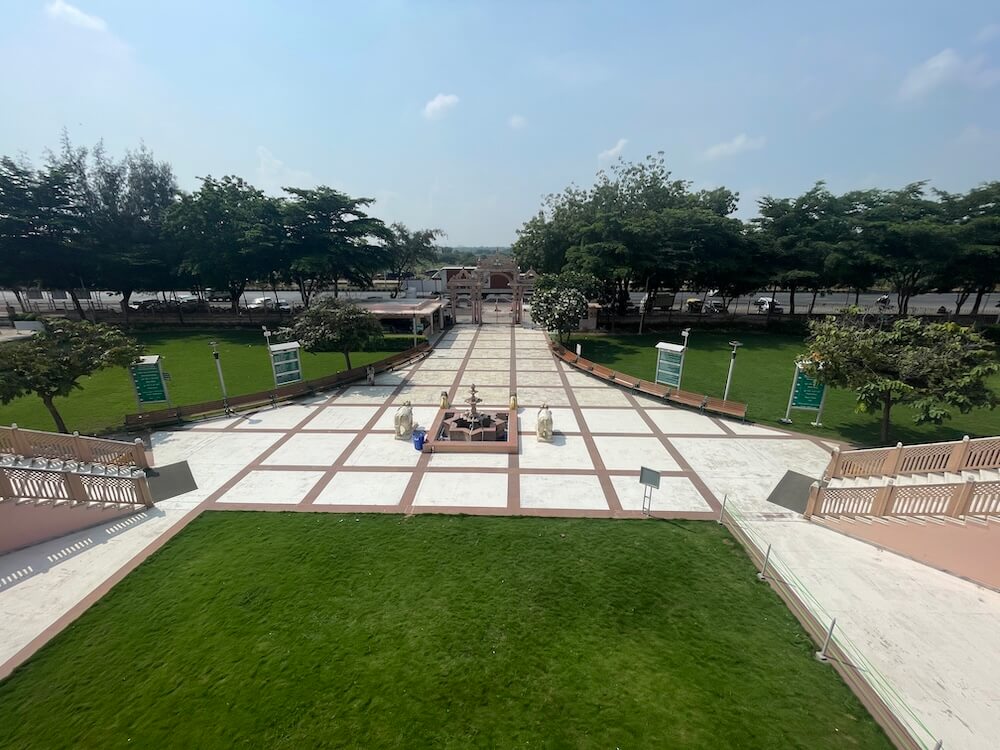 भव्य प्रवेशद्वारावर द्वारपाल आहेत. १०,००० चौ. फुटांच्या सभामंडपाच्या मध्यभागी असलेल्या एका विशाल झुंबरामुळे मध्यवर्ती हॉलमधील वातावरण शांत आणि उत्साहवर्धक वाटते.
मध्यभागी असलेल्या गर्भगृहात सीमंधर स्वामींची १३ फूट उंच संगमरवरी मूर्ती आहे. डाव्या बाजूला चंद्रानन यक्ष आणि पंचगुली देवीची मंदिरे आहेत. लहान मंदिरांमध्ये भगवान महावीर आणि भगवान पार्श्वनाथ आहेत. जवळच भगवान अजितनाथ आणि भगवान ऋषभदेव यांच्या मूर्ती आहेत. उजव्या बाजूला चक्रेश्वरी देवी आहे, ज्यांच्या समोर दादा भगवान यांची मोठी प्रतिमा आणि त्यांच्या पादुका आहेत. अधिक उजवीकडे विष्णुलोक आहे, ज्यामध्ये श्रीनाथजी, भगवान कृष्ण आणि तिरुपती बालाजी यांच्या मूर्ती आहेत. कृष्णाच्या मूर्तीच्या डाव्या बाजूला बाळ कृष्णाचा पाळणा आहे.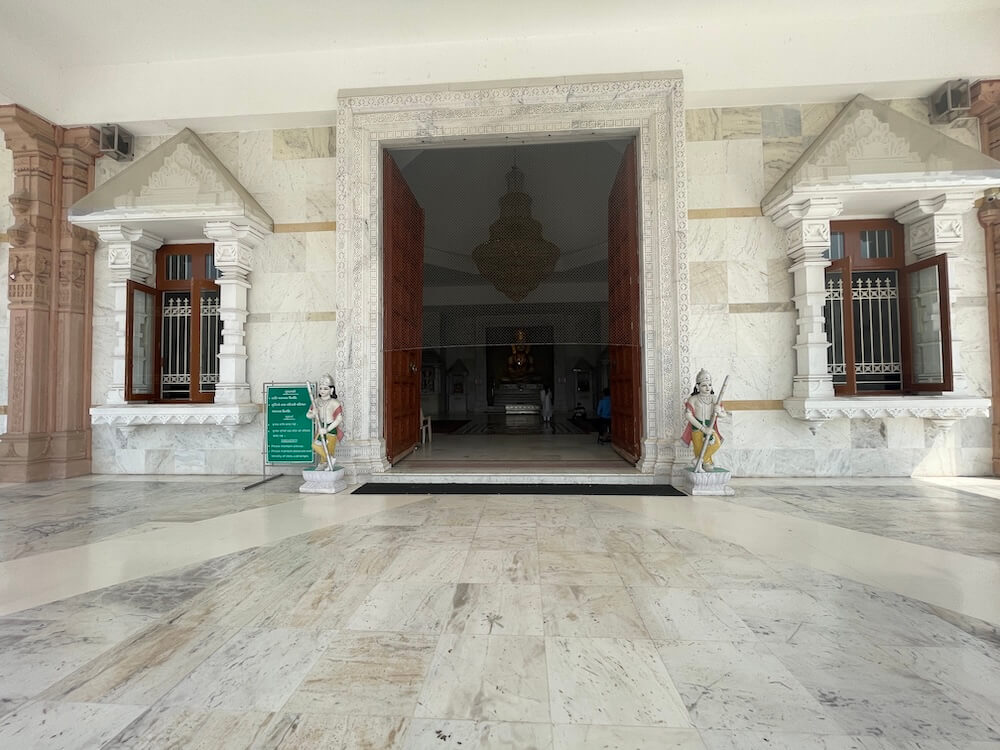 गर्भगृहाच्या बाहेर अंबा माता आणि भद्रकाली देवीची मंदिरे आहेत.
सीमंधर स्वामींच्या गर्भगृहाच्या डाव्या बाजूला शिवलोक आहे, ज्याच्या समोर नंदी आहे. बाहेर हनुमान आणि गणेशाच्या मूर्ती आहेत, तर गर्भगृहात शिवलिंग आहे आणि त्याच्या मागे पार्वती देवीची मूर्ती कोरलेली आहे. मंदिर संकुलात पद्मनाभ देव, पद्मावती देवी आणि साई बाबांसाठीही मंदिरे आहेत.
मंदिर दररोज सकाळी ५ ते रात्री १० पर्यंत खुले असते. गुरु पौर्णिमा, रक्षाबंधन, गणेश चतुर्थी, नवरात्री, पर्युषण पर्व, दिवाळी आणि नवीन वर्ष हे प्रमुख सण साजरे केले जातात. साप्ताहिक भक्ती कार्यक्रमही आयोजित केले जातात.
मंदिर संकुलात एक संग्रहालय आणि मिनी-थिएटर आहे जे दादा भगवान यांचे जीवन दर्शवते, ज्यामध्ये गुजराती, हिंदी आणि इंग्रजी भाषेत शो होतात. संकुलाच्या आत ‘विज्ञान भांडार’ आहे, जे अक्रम विज्ञानावर आधारित आध्यात्मिक साहित्य, ऑडिओ सीडी आणि डीव्हीडी इंग्रजी, हिंदी, जर्मन, पोर्तुगीज, स्पॅनिश आणि विविध भारतीय भाषांमध्ये उपलब्ध करून देणारे पुस्तकविक्री केंद्र आहे.
येथे आधुनिक ‘अंबा हेल्थ सेंटर’ आहे जे ॲलोपॅथिक, आयुर्वेदिक आणि होमिओपॅथिक उपचार प्रदान करते. मुलांसाठी मनोरंजनाच्या सुविधा उपलब्ध आहेत, ज्यामध्ये ‘बाल दुनिया’ मध्ये १५ मिनिटांचे मोफत थीम शो समाविष्ट आहेत.
मुख्य वैशिष्ट्ये :
- गांधीनगरपासून १२ किमी अंतरावर स्थित
- सार्वजनिक आणि खाजगी वाहतुकीद्वारे पोहोचता येते
- खाजगी वाहने थेट मंदिरापर्यंत पोहोचू शकतात
- जवळच निवास आणि अल्पोपहाराची सोय उपलब्ध
- संपर्क: मंदिर कार्यालय – +९१ ९३२८६ ६११६६
- वेबसाइट: https://www.trimandir.org
Trimandir
Adalaj, Taluka Gandhinagar, District Gandhinagar
Emphasizing secularism and rejecting sectarianism, the largest of all Trimandirs in India is located at Adalaj. Built with the purpose of breaking invisible walls between castes and religions, the temple aims to foster peace, unity and eternal joy while enriching people’s spiritual understanding. Spread across 40,175 square feet, this grand temple houses deities from Jainism, Shaivism, Vaishnavism and even other faiths. Every year, around 700,000 devotees visit this temple.
The Trimandir concept originated from Dada Bhagwan, a Jain spiritual leader and founder of Akram Vignan (science of spontaneous self-realization). Born Ambalal Muljibhai Patel on November 7, 1908, in Tarsali, Gujarat, Dada Bhagwan was a self-taught man with a spiritual inclination since childhood. After leaving formal education post-10th grade, he moved to Mumbai for business and worked as a contractor at Patel & Co., which maintained dry docks at Mumbai port. He claimed to have experienced self-realization in June 1958 while sitting on platform number 3 of Surat railway station. In the 1960s, he founded the Akram Vignan movement.
According to the Dada Bhagwan Foundation, Akram Vignan is a shortcut path to Self-Realization. Unlike traditional spiritual paths that demand renunciation of worldly life and strict self-discipline, Akram Vignan enables instant knowledge of the self (Atma Gnan) through the grace of an enlightened person. This process, known as Gnan Vidhi, reportedly imparts self-realization in just two hours. The essence of Akram Vignan is Gnan Bhakti—complete surrender to Simandhar Swami (a living Tirthankar in another realm) and his medium, Dada Bhagwan.
According to Jain tradition, Simandhar Swami is a living Tirthankar, currently residing in Mahavideh Kshetra, that is in another realm. Believed to have been born during the era of 17th Tirthankar Kunthunath and 18th Tirthankar Arhanath, Simandhar Swami’s physical form is said to be about 1,500 feet tall and his age is around 150,000 years. He is believed to live for another 125,000 years. King Dasharath is said to have taken initiation from him. Trimandirs built by the Dada Bhagwan Foundation feature Simandhar Swami as the central deity, worshipped with deep devotion.
The Trimandir is considered a revolutionary religious concept. Its core idea is to bring together deities from Jain, Shaiva, Vaishnava and other faiths on a single platform, treated with equal reverence – to promote universal religious harmony. Dada Bhagwan taught, “People themselves have divided God and religion. Instead of choosing one deity, we should understand and practice the core principles of all religions. All deities guide us towards understanding the soul and attaining self-realization.”
Based on this philosophy, Trimandirs have been built in several places. One such temple lies about 10 km from Gandhinagar, on the Ahmedabad-Kalol highway, within a vast complex. Constructed in 2002 from white marble, this two-storey temple stands on 40,175 sq ft surrounded by lush greenery. A grand fountain, flanked by lion and elephant sculptures, adorns the entrance. True to the Trimandir style, the lower floor houses a 31,861 sq ft satsang hall, while the main temple is located on the upper floor.
Staircases on both sides lead to the upper level. An elevator is available at the rear for the elderly and those with mobility issues. Wheelchairs are also available.
Upon climbing the stairs, visitors are welcomed by lion sculptures. Intricate carvings embellish the temple’s pillars. The massive gateway features Dwarpals (divine gatekeepers). The atmosphere inside the central hall is serene and uplifting, enhanced by a giant chandelier at the center of the 10,000 sq ft sabhamandap.
In the sanctum at the center is a 13-foot-tall marble idol of Simandhar Swami. To the left are temples of Chandrayana Yaksha and Panchaguli Devi. Smaller shrines house Lord Mahavir and Lord Parshvanath. Nearby are idols of Lord Ajitnath and Lord Rishabhdev. On the right is Chakreshwari Devi, with a large image of Dada Bhagwan and his Paduka (sacred footprints) in front. Further right is Vishnulok, containing idols of Shrinathji, Lord Krishna and Tirupati Balaji. To the left of Krishna’s idol is a cradle with Bal Krishna. Outside the sanctum, the temples of Amba Mata and Bhadrakali Devi are located.
To the left of Simandhar Swami’s sanctum is Shivlok, with Nandi in front. Outside are idols of Hanuman and Ganesha, while the sanctum features a Shivalinga, with Goddess Parvati sculpted behind it. The temple complex also features shrines for Padmanabh Dev, Padmavati Devi and Sai Baba.
The temple remains open daily from 5 AM to 10 PM. Major festivals celebrated include Guru Purnima, Raksha Bandhan, Ganesh Chaturthi, Navratri, Paryushan Parva, Diwali and New Year. Weekly devotional programs are also held.
In the temple complex there is a museum and mini-theatre showcasing Dada Bhagwan’s life, with shows in Gujarati, Hindi and English. Inside the complex is Vignan Bhandar, a bookstore offering spiritual literature, audio CDs and DVDs on Akram Vignan in English, Hindi, German, Portuguese, Spanish and various Indian languages.
There is a modern Amba Health Centre offering allopathic, Ayurvedic and homeopathic treatments. For children, entertainment facilities are available, including 15-minute free theme shows at Bal Dunia.
Key Features :
- Located 12 km from Gandhinagar
- Accessible via public and private transport
- Private vehicles can reach the temple directly
- Accommodation and refreshments available nearby
- Contact: Temple Office – +91 93286 61166
- Website: https://www.trimandir.org
त्रिमंदिर
अदालज, तालुका गांधीनगर, जिला गांधीनगर
धर्मनिरपेक्षता पर जोर देते हुए और संप्रदायवाद को नकारते हुए, भारत के सभी त्रिमंदिरों में सबसे विशाल मंदिर अदालज में स्थित है। जातियों और धर्मों के बीच की अदृश्य दीवारों को तोड़ने के उद्देश्य से निर्मित, इस मंदिर का लक्ष्य शांति, एकता और शाश्वत आनंद को बढ़ावा देना है, साथ ही लोगों की आध्यात्मिक समझ को समृद्ध करना है। ४०,१७५ वर्ग फुट में फैला यह भव्य मंदिर जैन धर्म, शैव धर्म, वैष्णव धर्म और अन्य आस्थाओं के देवी-देवताओं का निवास स्थान है। हर साल, लगभग ७,००,००० भक्त इस मंदिर के दर्शन करते हैं।
त्रिमंदिर की अवधारणा दादा भगवान से उत्पन्न हुई, जो एक जैन आध्यात्मिक गुरु और अक्रम विज्ञान (सहज आत्म-साक्षात्कार का विज्ञान) के संस्थापक थे। ७ नवंबर, १९०८ को गुजरात के तरसाली में जन्मे अंबालाल मूलजीभाई पटेल, दादा भगवान बचपन से ही आध्यात्मिक झुकाव वाले एक स्व-शिक्षित व्यक्ति थे। १०वीं कक्षा के बाद औपचारिक शिक्षा छोड़ने के बाद, वे व्यवसाय के लिए मुंबई चले गए और पटेल एंड कंपनी में ठेकेदार के रूप में काम किया, जो मुंबई बंदरगाह पर ड्राई डॉक का रखरखाव करती थी। उन्होंने दावा किया कि जून १९५८ में सूरत रेलवे स्टेशन के प्लेटफॉर्म नंबर ३ पर बैठे हुए उन्हें आत्म-साक्षात्कार का अनुभव हुआ। १९६० के दशक में, उन्होंने अक्रम विज्ञान आंदोलन की स्थापना की।
दादा भगवान फाउंडेशन के अनुसार, अक्रम विज्ञान आत्म-साक्षात्कार का एक संक्षिप्त मार्ग है। पारंपरिक आध्यात्मिक मार्गों के विपरीत, जिनमें सांसारिक जीवन का त्याग और कठोर आत्म-अनुशासन की आवश्यकता होती है, अक्रम विज्ञान एक आत्मज्ञानी पुरुष की कृपा से आत्मा के तत्काल ज्ञान (आत्म ज्ञान) को सक्षम बनाता है। ज्ञान विधि के रूप में जानी जाने वाली यह प्रक्रिया, कथित तौर पर केवल दो घंटों में आत्म-साक्षात्कार प्रदान करती है। अक्रम विज्ञान का सार ज्ञान भक्ति है—सीमंधर स्वामी (एक अन्य लोक में स्थित जीवित तीर्थंकर) और उनके माध्यम, दादा भगवान के प्रति पूर्ण समर्पण।
जैन परंपरा के अनुसार, सीमंधर स्वामी एक जीवित तीर्थंकर हैं, जो वर्तमान में महाविदेह क्षेत्र में निवास करते हैं, जो कि एक अन्य लोक है। माना जाता है कि उनका जन्म १७वें तीर्थंकर कुंथुनाथ और १८वें तीर्थंकर अरहनाथ के युग के दौरान हुआ था, सीमंधर स्वामी का भौतिक स्वरूप लगभग १,५०० फुट लंबा बताया जाता है और उनकी आयु लगभग १,५०,००० वर्ष है। माना जाता है कि वे अगले १,२५,००० वर्षों तक जीवित रहेंगे। कहा जाता है कि राजा दशरथ ने उनसे दीक्षा ली थी। दादा भगवान फाउंडेशन द्वारा निर्मित त्रिमंदिरों में सीमंधर स्वामी मुख्य देवता के रूप में विराजमान हैं, जिनकी गहरी भक्ति के साथ पूजा की जाती है।
त्रिमंदिर को एक क्रांतिकारी धार्मिक अवधारणा माना जाता है। इसका मूल विचार जैन, शैव, वैष्णव और अन्य धर्मों के देवी-देवताओं को एक ही मंच पर लाना है, जिन्हें समान सम्मान दिया जाता है – ताकि सार्वभौमिक धार्मिक सद्भाव को बढ़ावा मिल सके। दादा भगवान ने सिखाया, “लोगों ने स्वयं ही ईश्वर और धर्म को विभाजित किया है। एक देवता को चुनने के बजाय, हमें सभी धर्मों के मूल सिद्धांतों को समझना और उनका अभ्यास करना चाहिए। सभी देवता हमें आत्मा को समझने और आत्म-साक्षात्कार प्राप्त करने की दिशा में मार्गदर्शन करते हैं।”
इस दर्शन के आधार पर, कई स्थानों पर त्रिमंदिर बनाए गए हैं। ऐसा ही एक मंदिर गांधीनगर से लगभग १० किमी दूर, अहमदाबाद-कलोल राजमार्ग पर, एक विशाल परिसर के भीतर स्थित है। २००२ में सफेद संगमरमर से निर्मित, यह दो मंजिला मंदिर ४०,१७५ वर्ग फुट में खड़ा है और चारों ओर हरी-भरी हरियाली से घिरा है। प्रवेश द्वार पर शेर और हाथी की मूर्तियों से सुसज्जित एक भव्य फव्वारा है। त्रिमंदिर शैली के अनुरूप, निचली मंजिल पर ३१,८६१ वर्ग फुट का सत्संग हॉल है, जबकि मुख्य मंदिर ऊपरी मंजिल पर स्थित है।
दोनों तरफ की सीढ़ियाँ ऊपरी स्तर तक जाती हैं। बुजुर्गों और चलने-फिरने में कठिनाई वाले लोगों के लिए पीछे की तरफ एक लिफ्ट उपलब्ध है। व्हीलचेयर भी उपलब्ध हैं।
सीढ़ियाँ चढ़ने पर, आगंतुकों का स्वागत शेर की मूर्तियों द्वारा किया जाता है। मंदिर के खंभों पर जटिल नक्काशी की गई है। विशाल प्रवेश द्वार में द्वारपाल (दिव्य द्वारपाल) हैं। केंद्रीय हॉल के अंदर का वातावरण शांत और उत्साहवर्धक है, जो १०,००० वर्ग फुट के सभामंडप के केंद्र में एक विशाल झूमर द्वारा और भी भव्य हो जाता है।
केंद्र में गर्भगृह में सीमंधर स्वामी की १३ फुट ऊंची संगमरमर की मूर्ति है। बाईं ओर चंद्रानन यक्ष और पंचगुली देवी के मंदिर हैं। छोटे मंदिरों में भगवान महावीर और भगवान पार्श्वनाथ विराजमान हैं। पास ही भगवान अजितनाथ और भगवान ऋषभदेव की मूर्तियाँ हैं। दाईं ओर चक्रेश्वरी देवी हैं, जिनके सामने दादा भगवान की एक बड़ी छवि और उनकी पादुका (पवित्र चरण चिह्न) है। दाईं ओर और आगे विष्णुलोक है, जिसमें श्रीनाथजी, भगवान कृष्ण और तिरुपति बालाजी की मूर्तियाँ हैं। कृष्ण की मूर्ति के बाईं ओर बाल कृष्ण के साथ एक पालना है। गर्भगृह के बाहर, अंबा माता और भद्रकाली देवी के मंदिर स्थित हैं।
सीमंधर स्वामी के गर्भगृह के बाईं ओर शिवलोक है, जिसके सामने नंदी हैं। बाहर हनुमान और गणेश की मूर्तियाँ हैं, जबकि गर्भगृह में एक शिवलिंग है, जिसके पीछे देवी पार्वती की मूर्ति है। मंदिर परिसर में पद्मनाभ देव, पद्मावती देवी और साईं बाबा के लिए भी मंदिर हैं।
मंदिर प्रतिदिन सुबह ५ बजे से रात १० बजे तक खुला रहता है। मनाए जाने वाले प्रमुख त्योहारों में गुरु पूर्णिमा, रक्षा बंधन, गणेश चतुर्थी, नवरात्रि, पर्युषण पर्व, दिवाली और नया साल शामिल हैं। साप्ताहिक भक्ति कार्यक्रम भी आयोजित किए जाते हैं।
मंदिर परिसर में एक संग्रहालय और मिनी-थिएटर है जो दादा भगवान के जीवन को प्रदर्शित करता है, जिसमें गुजराती, हिंदी और अंग्रेजी में शो होते हैं। परिसर के अंदर विज्ञान भंडार है, जो एक किताबों की दुकान है जहाँ अंग्रेजी, हिंदी, जर्मन, पुर्तगाली, स्पेनिश और विभिन्न भारतीय भाषाओं में अक्रम विज्ञान पर आध्यात्मिक साहित्य, ऑडियो सीडी और डीवीडी उपलब्ध हैं।
यहाँ एक आधुनिक अंबा हेल्थ सेंटर है जो एलोपैथिक, आयुर्वेदिक और होम्योपैथिक उपचार प्रदान करता है। बच्चों के लिए, बाल दुनिया में १५ मिनट के मुफ्त थीम शो सहित मनोरंजन की सुविधाएं उपलब्ध हैं।
मुख्य विशेषताएं :
- गांधीनगर से १२ किमी दूर स्थित
- सार्वजनिक और निजी परिवहन द्वारा सुलभ
- निजी वाहन सीधे मंदिर तक पहुँच सकते हैं
- पास में आवास और जलपान की सुविधा उपलब्ध
- संपर्क: मंदिर कार्यालय – +९१ ९३२८६ ६११६६
- वेबसाइट: https://www.trimandir.org
ત્રિમંદિર
અડાલજ, તાલુકો ગાંધીનગર, જિલ્લો ગાંધીનગર
ધર્મનિરપેક્ષતા પર ભાર મૂકતા અને સાંપ્રદાયિકતાનો ત્યાગ કરતા, ભારતના તમામ ત્રિમંદિરોમાં સૌથી મોટું ત્રિમંદિર અડાલજ ખાતે આવેલું છે. જ્ઞાતિઓ અને ધર્મો વચ્ચેની અદ્રશ્ય દીવાલોને તોડવાના ઉદ્દેશ્યથી નિર્મિત આ મંદિરનો હેતુ લોકોની આધ્યાત્મિક સમજને સમૃદ્ધ કરવાની સાથે શાંતિ, એકતા અને શાશ્વત આનંદને પ્રોત્સાહન આપવાનો છે. ૪૦,૧૭૫ ચોરસ ફૂટમાં ફેલાયેલા આ ભવ્ય મંદિરમાં જૈન, શૈવ, વૈષ્ણવ અને અન્ય ધર્મોના દેવી-દેવતાઓ બિરાજમાન છે. દર વર્ષે આશરે ૭,૦૦,૦૦૦ ભક્તો આ મંદિરની મુલાકાત લે છે.
ત્રિમંદિરની વિભાવના દાદા ભગવાન પાસેથી ઉતરી આવી છે, જેઓ એક જૈન આધ્યાત્મિક નેતા અને અક્રમ વિજ્ઞાન (સ્વયં-સાક્ષાત્કારનું વિજ્ઞાન) ના સ્થાપક હતા. ૭ નવેમ્બર, ૧૯૦૮ના રોજ ગુજરાતના તરસાલીમાં જન્મેલા અંબાલાલ મૂળજીભાઈ પટેલ, દાદા ભગવાન બાળપણથી જ આધ્યાત્મિક વૃત્તિ ધરાવતા સ્વયં-શિક્ષિત વ્યક્તિ હતા. ૧૦મા ધોરણ પછી ઔપચારિક શિક્ષણ છોડીને, તેઓ વ્યવસાય માટે મુંબઈ ગયા અને પટેલ એન્ડ કંપનીમાં કોન્ટ્રાક્ટર તરીકે કામ કર્યું, જે મુંબઈ બંદરે ડ્રાય ડોક્સનું સંચાલન કરતી હતી. તેમણે જૂન ૧૯૫૮માં સુરત રેલવે સ્ટેશનના ૩ નંબરના પ્લેટફોર્મ પર બેઠા હતા ત્યારે આત્મસાક્ષાત્કારનો અનુભવ કર્યો હોવાનું જણાવ્યું હતું. ૧૯૬૦ના દાયકામાં, તેમણે અક્રમ વિજ્ઞાન આંદોલનની સ્થાપના કરી.
દાદા ભગવાન ફાઉન્ડેશન અનુસાર, અક્રમ વિજ્ઞાન એ આત્મસાક્ષાત્કારનો ટૂંકો માર્ગ છે. પરંપરાગત આધ્યાત્મિક માર્ગોથી વિપરીત, જેમાં સંસારનો ત્યાગ અને કડક શિસ્તની જરૂર હોય છે, અક્રમ વિજ્ઞાન એક જ્ઞાની પુરુષની કૃપાથી આત્મજ્ઞાનની ત્વરિત પ્રાપ્તિ કરાવે છે. જ્ઞાનવિધિ તરીકે ઓળખાતી આ પ્રક્રિયા દ્વારા માત્ર બે કલાકમાં આત્મસાક્ષાત્કાર થાય છે. અક્રમ વિજ્ઞાનનો સાર જ્ઞાન ભક્તિ છે—સીમંધર સ્વામી (અન્ય લોકમાં બિરાજમાન જીવંત તીર્થંકર) અને તેમના માધ્યમ દાદા ભગવાન પ્રત્યે સંપૂર્ણ સમર્પણ.
જૈન પરંપરા અનુસાર, સીમંધર સ્વામી એક જીવંત તીર્થંકર છે, જે હાલમાં મહાવિદેહ ક્ષેત્રમાં, એટલે કે અન્ય લોકમાં નિવાસ કરે છે. માનવામાં આવે છે કે તેમનો જન્મ ૧૭મા તીર્થંકર કુંથુનાથ અને ૧૮મા તીર્થંકર અરહનાથના સમયગાળા દરમિયાન થયો હતો, સીમંધર સ્વામીનું ભૌતિક સ્વરૂપ આશરે ૧,૫૦૦ ફૂટ ઊંચું છે અને તેમની ઉંમર આશરે ૧,૫૦,૦૦૦ વર્ષ છે. તેઓ હજુ ૧,૨૫,૦૦૦ વર્ષ જીવશે તેમ માનવામાં આવે છે. રાજા દશરથે તેમની પાસેથી દીક્ષા લીધી હોવાનું કહેવાય છે. દાદા ભગવાન ફાઉન્ડેશન દ્વારા નિર્મિત ત્રિમંદિરોમાં સીમંધર સ્વામી મુખ્ય દેવતા તરીકે બિરાજમાન છે, જેમની અત્યંત ભક્તિભાવ સાથે પૂજા કરવામાં આવે છે.
ત્રિમંદિરને એક ક્રાંતિકારી ધાર્મિક વિભાવના માનવામાં આવે છે. તેનો મુખ્ય વિચાર જૈન, શૈવ, વૈષ્ણવ અને અન્ય ધર્મોના દેવી-દેવતાઓને એક જ મંચ પર લાવવાનો છે, જેમને સમાન આદર આપવામાં આવે છે – જેથી સાર્વત્રિક ધાર્મિક સંવાદિતાને પ્રોત્સાહન મળે. દાદા ભગવાને શીખવ્યું હતું કે, “લોકોએ પોતે જ ભગવાન અને ધર્મને વહેંચી દીધા છે. એક દેવતા પસંદ કરવાને બદલે, આપણે તમામ ધર્મોના મૂળ સિદ્ધાંતોને સમજવા અને તેનું પાલન કરવું જોઈએ. તમામ દેવી-દેવતાઓ આપણને આત્માને સમજવા અને આત્મસાક્ષાત્કાર પ્રાપ્ત કરવા તરફ દોરી જાય છે.”
આ ફિલસૂફીના આધારે, અનેક સ્થળોએ ત્રિમંદિરો બનાવવામાં આવ્યા છે. આવું જ એક મંદિર ગાંધીનગરથી આશરે ૧૦ કિમી દૂર, અમદાવાદ-કલોલ હાઈવે પર, એક વિશાળ સંકુલમાં આવેલું છે. ૨૦૦૨માં સફેદ આરસપહાણમાંથી બનેલું આ બે માળનું મંદિર ૪૦,૧૭૫ ચોરસ ફૂટમાં ફેલાયેલું છે અને હરિયાળીથી ઘેરાયેલું છે. પ્રવેશદ્વાર પર સિંહ અને હાથીની મૂર્તિઓથી સુશોભિત એક ભવ્ય ફુવારો છે. ત્રિમંદિર શૈલી મુજબ, નીચેના માળે ૩૧,૮૬૧ ચોરસ ફૂટનો સત્સંગ હોલ છે, જ્યારે મુખ્ય મંદિર ઉપરના માળે આવેલું છે.
બંને બાજુના દાદર ઉપરના માળે જાય છે. વૃદ્ધો અને દિવ્યાંગો માટે પાછળના ભાગે લિફ્ટની સુવિધા ઉપલબ્ધ છે. વ્હીલચેર પણ ઉપલબ્ધ છે.
દાદર ચઢતા જ, મુલાકાતીઓનું સ્વાગત સિંહની મૂર્તિઓ દ્વારા કરવામાં આવે છે. મંદિરના સ્તંભો પર સુંદર કોતરણી કરવામાં આવી છે. વિશાળ પ્રવેશદ્વાર પર દ્વારપાળો છે. કેન્દ્રીય હોલની અંદરનું વાતાવરણ શાંત અને ઉત્સાહવર્ધક છે, જે ૧૦,૦૦૦ ચોરસ ફૂટના સભામંડપની મધ્યમાં રહેલા વિશાળ ઝુમ્મરથી વધુ શોભે છે.
મધ્યમાં ગર્ભગૃહમાં સીમંધર સ્વામીની ૧૩ ફૂટ ઊંચી આરસની મૂર્તિ છે. ડાબી બાજુએ ચંદ્રાનન યક્ષ અને પંચાંગુલી દેવીના મંદિરો છે. નાના મંદિરોમાં ભગવાન મહાવીર અને ભગવાન પાર્શ્વનાથ બિરાજમાન છે. નજીકમાં ભગવાન અજીતનાથ અને ભગવાન ઋષભદેવની મૂર્તિઓ છે. જમણી બાજુએ ચક્રેશ્વરી દેવી છે, જેની સામે દાદા ભગવાનની મોટી તસવીર અને તેમના પાદુકા છે. વધુ જમણી બાજુએ વિષ્ણુલોક છે, જેમાં શ્રીનાથજી, ભગવાન કૃષ્ણ અને તિરુપતિ બાલાજીની મૂર્તિઓ છે. કૃષ્ણની મૂર્તિની ડાબી બાજુએ બાળ કૃષ્ણ સાથેનો પારણું છે. ગર્ભગૃહની બહાર અંબા માતા અને ભદ્રકાળી દેવીના મંદિરો આવેલા છે.
સીમંધર સ્વામીના ગર્ભગૃહની ડાબી બાજુએ શિવલોક છે, જેની સામે નંદી છે. બહાર હનુમાન અને ગણેશની મૂર્તિઓ છે, જ્યારે ગર્ભગૃહમાં શિવલિંગ છે, જેની પાછળ દેવી પાર્વતીની મૂર્તિ કંડારેલી છે. મંદિર સંકુલમાં પદ્મનાભ દેવ, પદ્માવતી દેવી અને સાંઈ બાબા માટે પણ મંદિરો છે.
મંદિર દરરોજ સવારે ૫ થી રાત્રે ૧૦ વાગ્યા સુધી ખુલ્લું રહે છે. ઉજવાતા મુખ્ય તહેવારોમાં ગુરુ પૂર્ણિમા, રક્ષાબંધન, ગણેશ ચતુર્થી, નવરાત્રી, પર્યુષણ પર્વ, દિવાળી અને નૂતન વર્ષનો સમાવેશ થાય છે. સાપ્તાહિક ભક્તિ કાર્યક્રમો પણ યોજાય છે.
મંદિર સંકુલમાં એક સંગ્રહાલય અને મિની-થિયેટર છે જે દાદા ભગવાનના જીવનને દર્શાવે છે, જેમાં ગુજરાતી, હિન્દી અને અંગ્રેજીમાં શો યોજાય છે. સંકુલની અંદર વિજ્ઞાન ભંડાર છે, જે એક પુસ્તકાલય છે જ્યાં અંગ્રેજી, હિન્દી, જર્મન, પોર્ટુગીઝ, સ્પેનિશ અને વિવિધ ભારતીય ભાષાઓમાં અક્રમ વિજ્ઞાન પર આધ્યાત્મિક સાહિત્ય, ઓડિયો સીડી અને ડીવીડી ઉપલબ્ધ છે.
અહીં એક આધુનિક અંબા હેલ્થ સેન્ટર છે જે એલોપેથિક, આયુર્વેદિક અને હોમિયોપેથિક સારવાર આપે છે. બાળકો માટે મનોરંજનની સુવિધાઓ ઉપલબ્ધ છે, જેમાં બાલ દુનિયામાં ૧૫ મિનિટના મફત થીમ શોનો સમાવેશ થાય છે.
મુખ્ય વિશેષતાઓ :
- ગાંધીનગરથી ૧૨ કિમી દૂર આવેલું
- જાહેર અને ખાનગી પરિવહન દ્વારા સુલભ
- ખાનગી વાહનો સીધા મંદિર સુધી પહોંચી શકે છે
- નજીકમાં રહેવાની અને ભોજનની સુવિધા ઉપલબ્ધ
- સંપર્ક: મંદિર કાર્યાલય – +૯૧ ૯૩૨૮૬ ૬૧૧૬૬
- વેબસાઇટ: https://www.trimandir.org
திரிமந்திர்
அடாலஜ், காந்திநகர் தாலுகா, காந்திநகர் மாவட்டம்
மதச்சார்பின்மையை வலியுறுத்தி, மதப் பிரிவினைகளை நிராகரிக்கும் வகையில், இந்தியாவில் உள்ள அனைத்து திரிமந்திர்களிலும் மிகப்பெரியது அடாலஜில் அமைந்துள்ளது. சாதி மற்றும் மதங்களுக்கு இடையிலான கண்ணுக்குத் தெரியாத சுவர்களை உடைக்கும் நோக்கத்துடன் கட்டப்பட்ட இந்த ஆலயம், அமைதி, ஒற்றுமை மற்றும் நித்திய மகிழ்ச்சியை வளர்ப்பதையும், மக்களின் ஆன்மீக புரிதலை மேம்படுத்துவதையும் நோக்கமாகக் கொண்டுள்ளது. ౪௦,௧௭௫ சதுர அடி பரப்பளவில் அமைந்துள்ள இந்த பிரம்மாண்டமான ஆலயத்தில் சமணம், சைவம், வைணவம் மற்றும் பிற மதங்களைச் சேர்ந்த தெய்வங்கள் வீற்றிருக்கின்றன. ஒவ்வொரு ஆண்டும், சுமார் ௭,௦௦,௦௦௦ பக்தர்கள் இந்த ஆலயத்திற்கு வருகை தருகின்றனர்.
திரிமந்திர் என்ற கருத்து, சமண ஆன்மீகத் தலைவரும், அக்ரம் விஞ்ஞானத்தின் (தன்னிச்சையான சுய-உணர்தல் அறிவியல்) நிறுவனருமான தாதா பகவானிடமிருந்து உருவானது. ௧௯௦௮ நவம்பர் ௭ அன்று குஜராத்தின் தர்சாலியில் அம்பாலால் முல்ஜிபாய் படேலாகப் பிறந்த தாதா பகவான், சிறுவயதிலிருந்தே ஆன்மீக நாட்டம் கொண்ட சுயமாகக் கற்றுக்கொண்ட மனிதர். ௧௦-ஆம் வகுப்புக்குப் பிறகு முறையான கல்வியைக் கைவிட்டு, வணிகத்திற்காக மும்பைக்குச் சென்ற அவர், மும்பை துறைமுகத்தில் உலர் கப்பல்துறைகளைப் பராமரிக்கும் படேல் அண்ட் கோ நிறுவனத்தில் ஒப்பந்ததாரராகப் பணியாற்றினார். ௧௯௫௮ ஜூன் மாதம் சூரத் ரயில் நிலையத்தின் ௩-வது நடைமேடையில் அமர்ந்திருந்தபோது தனக்கு சுய-உணர்தல் ஏற்பட்டதாக அவர் கூறினார். ௧௯௬௦-களில், அவர் அக்ரம் விஞ்ஞான இயக்கத்தைத் தொடங்கினார்.
தாதா பகவான் அறக்கட்டளையின்படி, அக்ரம் விஞ்ஞானம் என்பது சுய-உணர்தலுக்கான ஒரு குறுக்குவழிப் பாதையாகும். உலக வாழ்க்கையைத் துறப்பதையும், கடுமையான சுயக்கட்டுப்பாட்டையும் கோரும் பாரம்பரிய ஆன்மீகப் பாதைகளைப் போலன்றி, அக்ரம் விஞ்ஞானம் ஒரு ஞானியின் அருளால் ஆன்மாவைப் பற்றிய உடனடி அறிவை (ஆத்ம ஞானம்) வழங்குகிறது. ஞான விதி என்று அழைக்கப்படும் இந்த செயல்முறை, வெறும் இரண்டு மணி நேரத்தில் சுய-உணர்தலை அளிப்பதாகக் கூறப்படுகிறது. அக்ரம் விஞ்ஞானத்தின் சாராம்சம் ஞான பக்தி ஆகும்—இது சீமந்தர் சுவாமிக்கும் (மற்றொரு உலகில் வாழும் தீர்த்தங்கரர்) அவரது ஊடகமான தாதா பகவானுக்கும் செய்யப்படும் முழுமையான சரணாகதியாகும்.
சமண மரபின்படி, சீமந்தர் சுவாமி என்பவர் தற்போது மகாவிதேக க்ஷேத்திரத்தில், அதாவது மற்றொரு உலகில் வசிக்கும் ஒரு வாழும் தீர்த்தங்கரர் ஆவார். ௧௭-வது தீர்த்தங்கரர் குந்துநாத் மற்றும் ௧௮-வது தீர்த்தங்கரர் அரஹநாத் காலத்தில் பிறந்ததாகக் கருதப்படும் சீமந்தர் சுவாமியின் உடல் வடிவம் சுமார் ௧,௫௦௦ அடி உயரம் என்றும், அவரது வயது சுமார் ௧,௫௦,௦௦௦ ஆண்டுகள் என்றும் கூறப்படுகிறது. அவர் இன்னும் ௧,௨௫,௦௦௦ ஆண்டுகள் வாழ்வார் என்று நம்பப்படுகிறது. தசரத சக்கரவர்த்தி அவரிடம் தீட்சை பெற்றதாகக் கூறப்படுகிறது. தாதா பகவான் அறக்கட்டளையால் கட்டப்பட்ட திரிமந்திர்கள், சீமந்தர் சுவாமியை முதன்மைக் கடவுளாகக் கொண்டு, ஆழ்ந்த பக்தியுடன் வழிபடப்படுகின்றன.
திரிமந்திர் ஒரு புரட்சிகரமான மதக் கருத்தாகக் கருதப்படுகிறது. சமண, சைவ, வைணவ மற்றும் பிற மதங்களின் தெய்வங்களை ஒரே தளத்தில் கொண்டு வந்து, சமமான மரியாதையுடன் நடத்துவதே இதன் முக்கிய நோக்கமாகும் – இது உலகளாவிய மத நல்லிணக்கத்தை மேம்படுத்துவதற்காகும். தாதா பகவான், “மக்களே கடவுளையும் மதத்தையும் பிரித்துவிட்டனர். ஒரு தெய்வத்தைத் தேர்ந்தெடுப்பதற்குப் பதிலாக, அனைத்து மதங்களின் அடிப்படைத் தத்துவங்களைப் புரிந்துகொண்டு அதன்படி நடக்க வேண்டும். அனைத்து தெய்வங்களும் நம்மை ஆன்மாவைப் புரிந்துகொள்ளவும், சுய-உணர்தலை அடையவும் வழிகாட்டுகின்றன” என்று போதித்தார்.
இந்த தத்துவத்தின் அடிப்படையில், பல இடங்களில் திரிமந்திர்கள் கட்டப்பட்டுள்ளன. இத்தகைய ஒரு ஆலயம் காந்திநகரிலிருந்து சுமார் ௧௦ கி.மீ தொலைவில், அகமதாபாத்-கலோல் நெடுஞ்சாலையில், ஒரு பரந்த வளாகத்திற்குள் அமைந்துள்ளது. ௨௦௦௨-ல் வெள்ளை பளிங்குக் கற்களால் கட்டப்பட்ட இந்த இரண்டு அடுக்கு ஆலயம், பசுமையான சூழலில் ౪௦,௧௭௫ சதுர அடி பரப்பளவில் நிற்கிறது. சிங்க மற்றும் யானைச் சிற்பங்கள் சூழப்பட்ட ஒரு பிரம்மாண்டமான நீரூற்று நுழைவாயிலை அலங்கரிக்கிறது. திரிமந்திர் பாணிக்கு ஏற்ப, கீழ் தளத்தில் ௩௧,௮௬௧ சதுர அடி கொண்ட சத்சங்க மண்டபம் உள்ளது, அதே சமயம் பிரதான ஆலயம் மேல் தளத்தில் அமைந்துள்ளது.
இருபுறமும் உள்ள படிக்கட்டுகள் மேல் தளத்திற்கு இட்டுச் செல்கின்றன. முதியவர்கள் மற்றும் நடமாடும் திறன் குறைந்தவர்களுக்காக பின்புறத்தில் மின் தூக்கி (லிஃப்ட்) வசதி உள்ளது. சக்கர நாற்காலிகளும் கிடைக்கின்றன.
படிக்கட்டுகளில் ஏறியவுடன், பார்வையாளர்களை சிங்கச் சிற்பங்கள் வரவேற்கின்றன. ஆலயத்தின் தூண்களில் நுணுக்கமான வேலைப்பாடுகள் செதுக்கப்பட்டுள்ளன. பிரம்மாண்டமான நுழைவாயிலில் துவாரபாலகர்கள் உள்ளனர். ௧௦,௦௦௦ சதுர அடி சபாமண்டபத்தின் மையத்தில் உள்ள ஒரு பிரம்மாண்டமான சரவிளக்கு, உள்ளே இருக்கும் சூழலை அமைதியாகவும் உற்சாகமாகவும் மாற்றுகிறது.
மையத்தில் உள்ள கருவறையில் ௧௩ அடி உயர சீமந்தர் சுவாமியின் பளிங்குச் சிலை உள்ளது. இடதுபுறத்தில் சந்திரயான யக்ஷர் மற்றும் பஞ்சாகுளி தேவியின் ஆலயங்கள் உள்ளன. சிறிய சன்னதிகளில் பகவான் மகாவீரர் மற்றும் பகவான் பார்சுவநாதர் வீற்றிருக்கின்றனர். அருகில் பகவான் அஜிதநாதர் மற்றும் பகவான் ரிஷபதேவர் சிலைகள் உள்ளன. வலதுபுறத்தில் சக்ரேஸ்வரி தேவி உள்ளார், அவருக்கு முன்னால் தாதா பகவானின் பெரிய உருவப்படமும் அவரது பாதுகைகளும் (புனிதமான பாதச்சுவடுகள்) உள்ளன. மேலும் வலதுபுறத்தில் விஷ்ணுலோகம் உள்ளது, அதில் ஸ்ரீநாத்ஜி, பகவான் கிருஷ்ணர் மற்றும் திருப்பதி பாலாஜி சிலைகள் உள்ளன. கிருஷ்ணர் சிலைக்கு இடதுபுறத்தில் பால கிருஷ்ணர் தொட்டிலில் உள்ளார். கருவறைக்கு வெளியே, அம்பா மாதா மற்றும் பத்ரகாளி தேவியின் ஆலயங்கள் அமைந்துள்ளன.
சீமந்தர் சுவாமி கருவறைக்கு இடதுபுறத்தில் சிவலோகம் உள்ளது, அதற்கு முன்னால் நந்தி உள்ளது. வெளியே அனுமன் மற்றும் விநாயகர் சிலைகள் உள்ளன, கருவறையில் சிவலிங்கம் உள்ளது, அதற்குப் பின்னால் பார்வதி தேவி செதுக்கப்பட்டுள்ளார். ஆலய வளாகத்தில் பத்மநாப தேவர், பத்மாவதி தேவி மற்றும் சாய்பாபாவிற்கான சன்னதிகளும் உள்ளன.
ஆலயம் தினமும் காலை ௫ மணி முதல் இரவு ௧௦ மணி வரை திறந்திருக்கும். குரு பூர்ணிமா, ரக்ஷா பந்தன், விநாயகர் சதுர்த்தி, நவராத்திரி, பர்யுஷண் பர்வா, தீபாவளி மற்றும் புத்தாண்டு ஆகியவை முக்கிய பண்டிகைகளாகக் கொண்டாடப்படுகின்றன. வாராந்திர பக்தி நிகழ்ச்சிகளும் நடைபெறுகின்றன.
ஆலய வளாகத்தில் தாதா பகவானின் வாழ்க்கையை விளக்கும் அருங்காட்சியகம் மற்றும் மினி-தியேட்டர் உள்ளது, இதில் குஜராத்தி, இந்தி மற்றும் ஆங்கில மொழிகளில் காட்சிகள் காட்டப்படுகின்றன. வளாகத்திற்குள் விக்ஞான் பண்டார் என்ற புத்தக நிலையம் உள்ளது, இது ஆங்கிலம், இந்தி, ஜெர்மன், போர்த்துகீசியம், ஸ்பானிஷ் மற்றும் பல்வேறு இந்திய மொழிகளில் அக்ரம் விஞ்ஞானம் குறித்த ஆன்மீக இலக்கியங்கள், ஆடியோ சிடிக்கள் மற்றும் டிவிடிகளை வழங்குகிறது.
நவீன அம்பா சுகாதார மையம் உள்ளது, இது அலோபதி, ஆயுர்வேத மற்றும் ஹோமியோபதி சிகிச்சைகளை வழங்குகிறது. குழந்தைகளுக்காக, பால் துனியாவில் ௧௫ நிமிட இலவச தீம் ஷோக்கள் உட்பட பொழுதுபோக்கு வசதிகள் உள்ளன.
முக்கிய அம்சங்கள் :
- காந்திநகரிலிருந்து ௧௨ கி.மீ தொலைவில் அமைந்துள்ளது
- பொது மற்றும் தனியார் போக்குவரத்து மூலம் அணுகலாம்
- தனியார் வாகனங்கள் நேரடியாக ஆலயத்தை அடையலாம்
- அருகில் தங்குமிடம் மற்றும் சிற்றுண்டி வசதிகள் உள்ளன
- தொடர்பு: ஆலய அலுவலகம் – +௯௧ ௯௩௨௮௬ ௬௧௧௬௬
- இணையதளம்: https://www.trimandir.org
త్రిమందిర్
అడాలజ్, తాలూకా గాంధీనగర్, జిల్లా గాంధీనగర్
లౌకికవాదాన్ని నొక్కి చెబుతూ, మతతత్వాన్ని తిరస్కరిస్తూ, భారతదేశంలోని అన్ని త్రిమందిరాలలోకెల్లా అతిపెద్దది అడాలజ్లో ఉంది. కులాలు మరియు మతాల మధ్య అదృశ్య గోడలను బద్దలు కొట్టే ఉద్దేశంతో నిర్మించిన ఈ ఆలయం, ప్రజల ఆధ్యాత్మిక అవగాహనను పెంపొందిస్తూ శాంతి, ఐక్యత మరియు శాశ్వత ఆనందాన్ని పెంపొందించడం లక్ష్యంగా పెట్టుకుంది. ౪౦,౧౭౫ చదరపు అడుగుల విస్తీర్ణంలో ఉన్న ఈ గొప్ప ఆలయంలో జైన, శైవ, వైష్ణవ మరియు ఇతర మతాలకు చెందిన దైవ విగ్రహాలు ఉన్నాయి. ప్రతి సంవత్సరం, సుమారు ౭,౦౦,౦౦౦ మంది భక్తులు ఈ ఆలయాన్ని సందర్శిస్తారు.
త్రిమందిర్ భావన జైన ఆధ్యాత్మిక నాయకుడు మరియు అక్రమ్ విజ్ఞాన్ (స్వయం సాక్షాత్కార శాస్త్రం) వ్యవస్థాపకుడైన దాదా భగవాన్ నుండి ఉద్భవించింది. ౧౯౦౮, నవంబర్ ౭న గుజరాత్లోని తర్సాలిలో అంబాలాల్ ముల్జీభాయ్ పటేల్గా జన్మించిన దాదా భగవాన్, చిన్నప్పటి నుండే ఆధ్యాత్మిక మొగ్గు ఉన్న స్వయంకృషి గల వ్యక్తి. ౧౦వ తరగతి తర్వాత చదువు మానేసి, వ్యాపారం కోసం ముంబైకి వెళ్లి, ముంబై పోర్టులో డ్రై డాక్లను నిర్వహించే పటేల్ అండ్ కోలో కాంట్రాక్టర్గా పనిచేశారు. ఆయన ౧౯౫౮, జూన్ నెలలో సూరత్ రైల్వే స్టేషన్లోని ౩వ ప్లాట్ఫారమ్పై కూర్చున్నప్పుడు ఆత్మసాక్షాత్కారం పొందినట్లు పేర్కొన్నారు. ౧౯౬౦వ దశకంలో, ఆయన అక్రమ్ విజ్ఞాన్ ఉద్యమాన్ని స్థాపించారు.
దాదా భగవాన్ ఫౌండేషన్ ప్రకారం, అక్రమ్ విజ్ఞాన్ అనేది ఆత్మసాక్షాత్కారానికి ఒక సంక్షిప్త మార్గం. లౌకిక జీవితాన్ని త్యజించడం మరియు కఠినమైన స్వీయ-క్రమశిక్షణను డిమాండ్ చేసే సాంప్రదాయ ఆధ్యాత్మిక మార్గాల వలె కాకుండా, అక్రమ్ విజ్ఞాన్ ఒక జ్ఞాని యొక్క కృప ద్వారా ఆత్మజ్ఞానాన్ని తక్షణమే పొందేలా చేస్తుంది. జ్ఞాన విధి అని పిలువబడే ఈ ప్రక్రియ, కేవలం రెండు గంటల్లోనే ఆత్మసాక్షాత్కారాన్ని కలిగిస్తుందని చెబుతారు. అక్రమ్ విజ్ఞాన్ యొక్క సారాంశం జ్ఞాన భక్తి—సిమంధర్ స్వామి (మరో లోకంలో ఉన్న జీవించి ఉన్న తీర్థంకరుడు) మరియు ఆయన మాధ్యమమైన దాదా భగవాన్కు సంపూర్ణ శరణాగతి.
జైన సంప్రదాయం ప్రకారం, సిమంధర్ స్వామి ప్రస్తుతం మహావిదేహ క్షేత్రంలో, అంటే మరో లోకంలో నివసిస్తున్న జీవించి ఉన్న తీర్థంకరుడు. ౧౭వ తీర్థంకర కుంతునాథ్ మరియు ౧౮వ తీర్థంకర అర్హనాథ్ కాలంలో జన్మించారని నమ్ముతారు, సిమంధర్ స్వామి భౌతిక రూపం సుమారు ౧,౫౦౦ అడుగుల ఎత్తు ఉంటుందని మరియు ఆయన వయస్సు సుమారు ౧,౫౦,౦౦౦ సంవత్సరాలని చెబుతారు. ఆయన మరో ౧,౨౫,౦౦౦ సంవత్సరాలు జీవిస్తారని నమ్ముతారు. దశరథ మహారాజు ఆయన వద్దే దీక్ష తీసుకున్నారని చెబుతారు. దాదా భగవాన్ ఫౌండేషన్ నిర్మించిన త్రిమందిరాలలో సిమంధర్ స్వామి ప్రధాన దైవంగా ఉంటారు, ఆయనను ఎంతో భక్తితో పూజిస్తారు.
త్రిమందిరం ఒక విప్లవాత్మక మతపరమైన భావనగా పరిగణించబడుతుంది. జైన, శైవ, వైష్ణవ మరియు ఇతర మతాల దైవాలను ఒకే వేదికపైకి తీసుకురావడం, అందరినీ సమానంగా గౌరవించడం దీని ప్రధాన ఉద్దేశ్యం – తద్వారా సార్వత్రిక మత సామరస్యాన్ని ప్రోత్సహించడం. దాదా భగవాన్ ఇలా బోధించారు, “ప్రజలే దేవుడిని మరియు మతాన్ని విభజించారు. ఒక దైవాన్ని ఎంచుకునే బదులు, మనం అన్ని మతాలలోని ప్రధాన సూత్రాలను అర్థం చేసుకుని ఆచరించాలి. అన్ని దైవాలు మనల్ని ఆత్మను అర్థం చేసుకోవడానికి మరియు ఆత్మసాక్షాత్కారాన్ని పొందడానికి మార్గనిర్దేశం చేస్తాయి.”
ఈ తత్వశాస్త్రం ఆధారంగా, అనేక ప్రదేశాలలో త్రిమందిరాలు నిర్మించబడ్డాయి. అటువంటి ఒక ఆలయం గాంధీనగర్ నుండి సుమారు ౧౦ కి.మీ దూరంలో, అహ్మదాబాద్-కలోల్ హైవేపై, ఒక విశాలమైన ప్రాంగణంలో ఉంది. ౨౦౦౨లో తెల్లని పాలరాతితో నిర్మించిన ఈ రెండు అంతస్తుల ఆలయం ౪౦,౧౭౫ చదరపు అడుగుల విస్తీర్ణంలో పచ్చని చెట్ల మధ్య ఉంది. ప్రవేశ ద్వారం వద్ద సింహం మరియు ఏనుగు శిల్పాలతో కూడిన ఒక గొప్ప ఫౌంటెన్ ఉంది. త్రిమందిర శైలికి అనుగుణంగా, కింది అంతస్తులో ౩౧,౮౬౧ చదరపు అడుగుల సత్సంగ హాలు ఉంది, ప్రధాన ఆలయం పై అంతస్తులో ఉంది.
రెండు వైపులా ఉన్న మెట్లు పై అంతస్తుకు దారితీస్తాయి. వృద్ధులకు మరియు నడవలేని వారికి వెనుక వైపు లిఫ్ట్ అందుబాటులో ఉంది. వీల్ చైర్లు కూడా అందుబాటులో ఉన్నాయి.
మెట్లు ఎక్కిన తర్వాత, సందర్శకులకు సింహాల శిల్పాలు స్వాగతం పలుకుతాయి. ఆలయ స్తంభాలపై అద్భుతమైన చెక్కడాలు ఉన్నాయి. భారీ ప్రవేశ ద్వారం వద్ద ద్వారపాలకులు ఉన్నారు. ౧౦,౦౦౦ చదరపు అడుగుల సభామండపం మధ్యలో ఉన్న భారీ షాండ్లియర్ (దీపపు ఝుమ్మర్) లోపలి వాతావరణాన్ని ప్రశాంతంగా మరియు ఉల్లాసంగా మారుస్తుంది.
మధ్యలో ఉన్న గర్భాలయంలో ౧౩ అడుగుల ఎత్తైన సిమంధర్ స్వామి పాలరాతి విగ్రహం ఉంది. ఎడమ వైపున చంద్రానన యక్ష మరియు పంచాగుళి దేవి ఆలయాలు ఉన్నాయి. చిన్న చిన్న గుడులలో మహావీర భగవాన్ మరియు పార్శ్వనాథ భగవాన్ ఉన్నారు. సమీపంలో అజితనాథ భగవాన్ మరియు రిషభదేవ భగవాన్ విగ్రహాలు ఉన్నాయి. కుడి వైపున చక్రేశ్వరి దేవి, ముందు భాగంలో దాదా భగవాన్ యొక్క పెద్ద చిత్రం మరియు ఆయన పాదుకలు ఉన్నాయి. ఇంకా కుడి వైపున విష్ణులోకం ఉంది, ఇందులో శ్రీనాథ్జీ, శ్రీకృష్ణుడు మరియు తిరుపతి బాలాజీ విగ్రహాలు ఉన్నాయి. కృష్ణుడి విగ్రహానికి ఎడమ వైపున బాలకృష్ణుడి ఉయ్యాల ఉంది. గర్భాలయం వెలుపల అంబా మాత మరియు భద్రకాళి దేవి ఆలయాలు ఉన్నాయి.
సిమంధర్ స్వామి గర్భాలయానికి ఎడమ వైపున శివలోకం ఉంది, ముందు నంది ఉంది. బయట హనుమంతుడు మరియు గణేశుడి విగ్రహాలు ఉన్నాయి, గర్భాలయంలో శివలింగం ఉంది, దాని వెనుక పార్వతీ దేవి శిల్పం ఉంది. ఆలయ ప్రాంగణంలో పద్మనాభ దేవ్, పద్మావతి దేవి మరియు సాయిబాబా కోసం కూడా గుడులు ఉన్నాయి.
ఆలయం ప్రతిరోజూ ఉదయం ౫ నుండి రాత్రి ౧౦ గంటల వరకు తెరిచి ఉంటుంది. జరుపుకునే ప్రధాన పండుగలలో గురు పూర్ణిమ, రక్షా బంధన్, గణేశ చతుర్థి, నవరాత్రి, పర్యుషణ పర్వ, దీపావళి మరియు నూతన సంవత్సరం ఉన్నాయి. వారపు ఆధ్యాత్మిక కార్యక్రమాలు కూడా జరుగుతాయి.
ఆలయ ప్రాంగణంలో దాదా భగవాన్ జీవితాన్ని ప్రదర్శించే మ్యూజియం మరియు మినీ-థియేటర్ ఉన్నాయి, ఇందులో గుజరాతీ, హిందీ మరియు ఆంగ్ల భాషలలో ప్రదర్శనలు ఉంటాయి. ప్రాంగణంలో విజ్ఞాన్ భండార్ అనే పుస్తక విక్రయశాల ఉంది, ఇది ఆంగ్లం, హిందీ, జర్మన్, పోర్చుగీస్, స్పానిష్ మరియు వివిధ భారతీయ భాషలలో అక్రమ్ విజ్ఞాన్పై ఆధ్యాత్మిక సాహిత్యం, ఆడియో సీడీలు మరియు డీవీడీలను అందిస్తుంది.
అలోపతిక్, ఆయుర్వేద మరియు హోమియోపతిక్ చికిత్సలను అందించే ఆధునిక అంబా హెల్త్ సెంటర్ ఉంది. పిల్లల కోసం, బాల్ దునియాలో ౧౫ నిమిషాల ఉచిత థీమ్ షోలతో సహా వినోద సౌకర్యాలు అందుబాటులో ఉన్నాయి.
ముఖ్య లక్షణాలు :
- గాంధీనగర్ నుండి ౧౨ కి.మీ దూరంలో ఉంది
- ప్రజా మరియు ప్రైవేట్ రవాణా ద్వారా చేరుకోవచ్చు
- ప్రైవేట్ వాహనాలు నేరుగా ఆలయానికి చేరుకోవచ్చు
- సమీపంలో వసతి మరియు అల్పాహార సౌకర్యాలు ఉన్నాయి
- సంప్రదించండి: ఆలయ కార్యాలయం – +౯౧ ౯౩౨౮౬ ౬౧౧౬౬
- వెబ్సైట్: https://www.trimandir.org
ത്രിമന്ദിർ
അഡാലജ്, താലൂക്ക് ഗാന്ധിനഗർ, ജില്ല ഗാന്ധിനഗർ
മതേതരത്വത്തിന് ഊന്നൽ നൽകുകയും വർഗീയതയെ നിരാകരിക്കുകയും ചെയ്യുന്ന ഇന്ത്യയിലെ ഏറ്റവും വലിയ ത്രിമന്ദിർ അഡാലജിലാണ് സ്ഥിതി ചെയ്യുന്നത്. ജാതിമത ഭേദമന്യേ മനുഷ്യർക്കിടയിലുള്ള അദൃശ്യമായ മതിലുകൾ തകർക്കുക എന്ന ലക്ഷ്യത്തോടെ നിർമ്മിച്ച ഈ ക്ഷേത്രം, സമാധാനവും ഐക്യവും ശാശ്വത സന്തോഷവും വളർത്താനും ജനങ്ങളുടെ ആത്മീയ അറിവ് വർദ്ധിപ്പിക്കാനും ലക്ഷ്യമിടുന്നു. ൪൦,൧൭൫ ചതുരശ്ര അടിയിൽ വ്യാപിച്ചുകിടക്കുന്ന ഈ ബൃഹത്തായ ക്ഷേത്രത്തിൽ ജൈനമതം, ശൈവമതം, വൈഷ്ണവമതം തുടങ്ങിയ വിവിധ വിശ്വാസങ്ങളിലെ ദേവതകളെ പ്രതിഷ്ഠിച്ചിരിക്കുന്നു. എല്ലാ വർഷവും ഏകദേശം ൭,൦൦,൦൦൦ ഭക്തർ ഈ ക്ഷേത്രം സന്ദർശിക്കുന്നു.
ജൈന ആത്മീയ നേതാവും അക്രം വിജ്ഞാൻ (സ്വയം സാക്ഷാത്കാരത്തിന്റെ ശാസ്ത്രം) സ്ഥാപകനുമായ ദാദ ഭഗവാനിൽ നിന്നാണ് ത്രിമന്ദിർ എന്ന ആശയം ഉത്ഭവിച്ചത്. ൧൯൦൮ നവംബർ ൭-ന് ഗുജറാത്തിലെ തർസാലിയിൽ അംബാലാൽ മുൽജിഭായ് പട്ടേൽ എന്ന പേരിൽ ജനിച്ച ദാദ ഭഗവാൻ, കുട്ടിക്കാലം മുതൽക്കേ ആത്മീയ ചായ്വുള്ള സ്വയം പഠിച്ച വ്യക്തിയായിരുന്നു. പത്താം ക്ലാസിന് ശേഷം ഔദ്യോഗിക വിദ്യാഭ്യാസം ഉപേക്ഷിച്ച്, അദ്ദേഹം ബിസിനസ്സിനായി മുംബൈയിലേക്ക് മാറി. മുംബൈ തുറമുഖത്തെ ഡ്രൈ ഡോക്കുകൾ പരിപാലിച്ചിരുന്ന പട്ടേൽ ആൻഡ് കമ്പനിയിൽ കോൺട്രാക്ടറായി ജോലി ചെയ്തു. ൧൯൫൮ ജൂണിൽ സൂറത്ത് റെയിൽവേ സ്റ്റേഷനിലെ ൩-ാം നമ്പർ പ്ലാറ്റ്ഫോമിൽ ഇരിക്കുമ്പോൾ തനിക്ക് ആത്മസാക്ഷാത്കാരം ലഭിച്ചതായി അദ്ദേഹം അവകാശപ്പെട്ടു. ൧൯൬൦-കളിൽ അദ്ദേഹം അക്രം വിജ്ഞാൻ പ്രസ്ഥാനം സ്ഥാപിച്ചു.
ദാദ ഭഗവാൻ ഫൗണ്ടേഷന്റെ അഭിപ്രായത്തിൽ, ആത്മസാക്ഷാത്കാരത്തിലേക്കുള്ള ഒരു കുറുക്കുവഴിയാണ് അക്രം വിജ്ഞാൻ. ലൗകിക ജീവിതം ഉപേക്ഷിക്കണമെന്നും കർശനമായ സ്വയം അച്ചടക്കം പാലിക്കണമെന്നും ആവശ്യപ്പെടുന്ന പരമ്പരാഗത ആത്മീയ പാതകളിൽ നിന്ന് വ്യത്യസ്തമായി, അക്രം വിജ്ഞാൻ ഒരു ജ്ഞാനിയുടെ അനുഗ്രഹത്തിലൂടെ ആത്മജ്ഞാനം തൽക്ഷണം സാധ്യമാക്കുന്നു. ജ്ഞാനവിധി എന്ന് വിളിക്കപ്പെടുന്ന ഈ പ്രക്രിയയിലൂടെ വെറും രണ്ട് മണിക്കൂറിനുള്ളിൽ ആത്മസാക്ഷാത്കാരം ലഭിക്കുന്നു. സിമന്ധർ സ്വാമി (മറ്റൊരു ലോകത്ത് വസിക്കുന്ന ജീവനുള്ള തീർത്ഥങ്കരൻ) അദ്ദേഹത്തിന്റെ മാധ്യമമായ ദാദ ഭഗവാൻ എന്നിവരോടുള്ള പൂർണ്ണമായ സമർപ്പണമാണ് അക്രം വിജ്ഞാനത്തിന്റെ സാരം.
ജൈന പാരമ്പര്യമനുസരിച്ച്, സിമന്ധർ സ്വാമി മറ്റൊരു ലോകമായ മഹാവിദേഹ ക്ഷേത്രത്തിൽ വസിക്കുന്ന ജീവനുള്ള തീർത്ഥങ്കരനാണ്. ൧൭-ാമത് തീർത്ഥങ്കരനായ കുന്തുനാഥന്റെയും ൧൮-ാമത് തീർത്ഥങ്കരനായ അരഹനാഥന്റെയും കാലഘട്ടത്തിലാണ് അദ്ദേഹം ജനിച്ചതെന്ന് വിശ്വസിക്കപ്പെടുന്നു. സിമന്ധർ സ്വാമിയുടെ ഭൗതിക രൂപത്തിന് ഏകദേശം ൧,൫൦൦ അടി ഉയരമുണ്ടെന്നും അദ്ദേഹത്തിന് ഏകദേശം ൧,൫൦,൦൦൦ വയസ്സുണ്ടെന്നും പറയപ്പെടുന്നു. അദ്ദേഹം ഇനിയും ൧,൨൫,൦൦൦ വർഷം കൂടി ജീവിക്കുമെന്ന് വിശ്വസിക്കപ്പെടുന്നു. ദശരഥ മഹാരാജാവ് അദ്ദേഹത്തിൽ നിന്ന് ദീക്ഷ സ്വീകരിച്ചിട്ടുണ്ടെന്ന് പറയപ്പെടുന്നു. ദാദ ഭഗവാൻ ഫൗണ്ടേഷൻ നിർമ്മിച്ച ത്രിമന്ദിറുകളിൽ സിമന്ധർ സ്വാമിയെ മുഖ്യദേവനായി പ്രതിഷ്ഠിക്കുകയും അഗാധമായ ഭക്തിയോടെ ആരാധിക്കുകയും ചെയ്യുന്നു.
ത്രിമന്ദിർ ഒരു വിപ്ലവകരമായ മതപരമായ ആശയമായി കണക്കാക്കപ്പെടുന്നു. ജൈന, ശൈവ, വൈഷ്ണവ തുടങ്ങിയ വിവിധ വിശ്വാസങ്ങളിലെ ദേവതകളെ ഒരേ പ്ലാറ്റ്ഫോമിൽ കൊണ്ടുവരികയും തുല്യ ബഹുമാനത്തോടെ ആരാധിക്കുകയും ചെയ്യുക എന്നതാണ് ഇതിന്റെ പ്രധാന ആശയം – ഇത് സാർവത്രിക മതസൗഹാർദ്ദം പ്രോത്സാഹിപ്പിക്കുന്നു. ദാദ ഭഗവാൻ പഠിപ്പിച്ചു, “മനുഷ്യർ തന്നെയാണ് ദൈവത്തെയും മതത്തെയും വിഭജിച്ചത്. ഒരു ദേവതയെ മാത്രം തിരഞ്ഞെടുക്കുന്നതിന് പകരം, എല്ലാ മതങ്ങളുടെയും അടിസ്ഥാന തത്വങ്ങൾ മനസ്സിലാക്കി അത് ജീവിതത്തിൽ പകർത്തണം. എല്ലാ ദേവതകളും നമ്മെ ആത്മാവിനെ മനസ്സിലാക്കാനും ആത്മസാക്ഷാത്കാരം നേടാനും നയിക്കുന്നു.”
ഈ തത്ത്വചിന്തയെ അടിസ്ഥാനമാക്കി പല സ്ഥലങ്ങളിലും ത്രിമന്ദിറുകൾ നിർമ്മിച്ചിട്ടുണ്ട്. അത്തരത്തിലുള്ള ഒരു ക്ഷേത്രം ഗാന്ധിനഗറിൽ നിന്ന് ഏകദേശം ൧൦ കിലോമീറ്റർ അകലെ, അഹമ്മദാബാദ്-കലോൽ ഹൈവേയിൽ, വിശാലമായ ഒരു സമുച്ചയത്തിനുള്ളിൽ സ്ഥിതി ചെയ്യുന്നു. ൨൦൦൨-ൽ വെളുത്ത മാർബിളിൽ നിർമ്മിച്ച ഈ ഇരുനില ക്ഷേത്രം പച്ചപ്പുകൾക്കിടയിൽ ൪൦,൧൭൦ ചതുരശ്ര അടിയിലാണ് സ്ഥിതി ചെയ്യുന്നത്. സിംഹത്തിന്റെയും ആനയുടെയും ശില്പങ്ങളാൽ അലങ്കരിച്ച ഒരു വലിയ ജലധാര പ്രവേശന കവാടത്തിലുണ്ട്. ത്രിമന്ദിർ ശൈലിയിൽ, താഴത്തെ നിലയിൽ ൩൧,൮൬൧ ചതുരശ്ര അടി വിസ്തീർണ്ണമുള്ള സത്സംഗ ഹാളും, മുകളിലത്തെ നിലയിൽ പ്രധാന ക്ഷേത്രവും സ്ഥിതി ചെയ്യുന്നു.
ഇരുവശത്തുമുള്ള ഗോവണികൾ മുകളിലത്തെ നിലയിലേക്ക് നയിക്കുന്നു. പ്രായമായവർക്കും ശാരീരിക ബുദ്ധിമുട്ടുകൾ ഉള്ളവർക്കും വേണ്ടി പിൻഭാഗത്ത് ലിഫ്റ്റ് സൗകര്യം ലഭ്യമാണ്. വീൽചെയറുകളും ലഭ്യമാണ്.
ഗോവണി കയറുമ്പോൾ സന്ദർശകരെ സിംഹ ശില്പങ്ങൾ സ്വാഗതം ചെയ്യുന്നു. ക്ഷേത്രത്തിലെ തൂണുകളിൽ മനോഹരമായ കൊത്തുപണികൾ കാണാം. വലിയ കവാടത്തിൽ ദ്വാരപാലകരുടെ ശില്പങ്ങളുണ്ട്. ൧൦,൦൦൦ ചതുരശ്ര അടി വിസ്തീർണ്ണമുള്ള സഭാ മണ്ഡപത്തിന്റെ മധ്യഭാഗത്തുള്ള വലിയ ചാൻഡലിയർ ഉൾഭാഗത്തെ അന്തരീക്ഷം ശാന്തവും ഉന്മേഷദായകവുമാക്കുന്നു.
മധ്യഭാഗത്തുള്ള ഗർഭഗൃഹത്തിൽ ൧൩ അടി ഉയരമുള്ള സിമന്ധർ സ്വാമിയുടെ മാർബിൾ വിഗ്രഹമുണ്ട്. ഇടതുവശത്ത് ചന്ദ്രാനൻ യക്ഷന്റെയും പഞ്ചാഗുളി ദേവിയുടെയും ക്ഷേത്രങ്ങളുണ്ട്. ചെറിയ ശ്രീകോവിലുകളിൽ ഭഗവാൻ മഹാവീരനെയും ഭഗവാൻ പാർശ്വനാഥനെയും പ്രതിഷ്ഠിച്ചിരിക്കുന്നു. സമീപത്തായി ഭഗവാൻ അജിതനാഥന്റെയും ഭഗവാൻ ഋഷഭദേവന്റെയും വിഗ്രഹങ്ങളുണ്ട്. വലതുവശത്ത് ചക്രേശ്വരി ദേവിയും, മുന്നിലായി ദാദ ഭഗവാന്റെ വലിയ ചിത്രവും അദ്ദേഹത്തിന്റെ പാദുകങ്ങളും ഉണ്ട്. കൂടുതൽ വലതുവശത്തായി ശ്രീനാഥ്ജി, ഭഗവാൻ കൃഷ്ണൻ, തിരുപ്പതി ബാലാജി എന്നിവരുടെ വിഗ്രഹങ്ങളുള്ള വിഷ്ണുലോകം സ്ഥിതി ചെയ്യുന്നു. കൃഷ്ണ വിഗ്രഹത്തിന്റെ ഇടതുവശത്ത് ബാലകൃഷ്ണനുള്ള തൊട്ടിലുണ്ട്. ഗർഭഗൃഹത്തിന് പുറത്ത് അംബാ മാതാവിന്റെയും ഭദ്രകാളി ദേവിയുടെയും ക്ഷേത്രങ്ങൾ സ്ഥിതി ചെയ്യുന്നു.
സിമന്ധർ സ്വാമിയുടെ ഗർഭഗൃഹത്തിന് ഇടതുവശത്ത് നന്ദിയെ മുന്നിൽ പ്രതിഷ്ഠിച്ചുകൊണ്ട് ശിവലോകം സ്ഥിതി ചെയ്യുന്നു. പുറത്ത് ഹനുമാന്റെയും ഗണപതിയുടെയും വിഗ്രഹങ്ങളുണ്ട്, ഗർഭഗൃഹത്തിൽ ശിവലിംഗവും അതിന് പിന്നിൽ പാർവ്വതി ദേവിയുടെ ശില്പവുമുണ്ട്. പത്മനാഭ ദേവൻ, പത്മാവതി ദേവി, സായി ബാബ എന്നിവർക്കായുള്ള ശ്രീകോവിലുകളും ക്ഷേത്ര സമുച്ചയത്തിലുണ്ട്.
ക്ഷേത്രം ദിവസവും രാവിലെ ൫ മുതൽ രാത്രി ൧൦ വരെ തുറന്നിരിക്കും. ഗുരു പൂർണിമ, രക്ഷാബന്ധൻ, ഗണേഷ് ചതുർത്ഥി, നവരാത്രി, പര്യൂഷൺ പർവ്വം, ദീപാവലി, പുതുവത്സരം എന്നിവയാണ് പ്രധാന ആഘോഷങ്ങൾ. പ്രതിവാര ഭക്തി പരിപാടികളും ഇവിടെ നടക്കുന്നു.
ക്ഷേത്ര സമുച്ചയത്തിൽ ദാദ ഭഗവാന്റെ ജീവിതം കാണിക്കുന്ന ഒരു മ്യൂസിയവും മിനി-തിയേറ്ററുമുണ്ട്, ഗുജറാത്തി, ഹിന്ദി, ഇംഗ്ലീഷ് ഭാഷകളിൽ പ്രദർശനങ്ങൾ നടക്കുന്നു. സമുച്ചയത്തിനുള്ളിൽ വിജ്ഞാൻ ഭണ്ഡാർ എന്ന പുസ്തകശാലയുണ്ട്, ഇവിടെ അക്രം വിജ്ഞാനെക്കുറിച്ചുള്ള ആത്മീയ സാഹിത്യങ്ങൾ, ഓഡിയോ സിഡികൾ, ഡിവിഡികൾ എന്നിവ ഇംഗ്ലീഷ്, ഹിന്ദി, ജർമ്മൻ, പോർച്ചുഗീസ്, സ്പാനിഷ്, വിവിധ ഇന്ത്യൻ ഭാഷകളിൽ ലഭ്യമാണ്.
അലോപ്പതി, ആയുർവേദ, ഹോമിയോപ്പതി ചികിത്സകൾ നൽകുന്ന ആധുനിക അംബ ഹെൽത്ത് സെന്റർ ഇവിടെയുണ്ട്. കുട്ടികൾക്കായി ബാൽ ദുനിയയിൽ ൧൫ മിനിറ്റ് ദൈർഘ്യമുള്ള സൗജന്യ തീം ഷോകൾ ഉൾപ്പെടെയുള്ള വിനോദ സൗകര്യങ്ങൾ ലഭ്യമാണ്.
പ്രധാന സവിശേഷതകൾ :
- ഗാന്ധിനഗറിൽ നിന്ന് ൧൨ കിലോമീറ്റർ അകലെ സ്ഥിതി ചെയ്യുന്നു
- പൊതു, സ്വകാര്യ ഗതാഗത മാർഗ്ഗങ്ങളിലൂടെ എത്തിച്ചേരാം
- സ്വകാര്യ വാഹനങ്ങൾക്ക് നേരിട്ട് ക്ഷേത്രത്തിൽ എത്താം
- സമീപത്ത് താമസ സൗകര്യവും ഭക്ഷണവും ലഭ്യമാണ്
- ബന്ധപ്പെടുക: ടെമ്പിൾ ഓഫീസ് – +൯൧ ൯൩൨൮൬ ൬൧൧൬൬
- വെബ്സൈറ്റ്: https://www.trimandir.org
ತ್ರಿಮಂದಿರ
ಅಡಾಲಜ್, ತಾಲೂಕು ಗಾಂಧಿನಗರ, ಜಿಲ್ಲೆ ಗಾಂಧಿನಗರ
ಜಾತ್ಯತೀತತೆಯನ್ನು ಎತ್ತಿಹಿಡಿಯುವ ಮತ್ತು ಪಂಥೀಯತೆಯನ್ನು ತಿರಸ್ಕರಿಸುವ, ಭಾರತದ ಎಲ್ಲಾ ತ್ರಿಮಂದಿರಗಳಲ್ಲಿ ಅತಿದೊಡ್ಡದಾದ ಈ ಮಂದಿರವು ಅಡಾಲಜ್ನಲ್ಲಿದೆ. ಜಾತಿ ಮತ್ತು ಧರ್ಮಗಳ ನಡುವಿನ ಅದೃಶ್ಯ ಗೋಡೆಗಳನ್ನು ಒಡೆಯುವ ಉದ್ದೇಶದಿಂದ ನಿರ್ಮಿಸಲಾದ ಈ ದೇವಾಲಯವು, ಜನರ ಆಧ್ಯಾತ್ಮಿಕ ತಿಳುವಳಿಕೆಯನ್ನು ಶ್ರೀಮಂತಗೊಳಿಸುವಾಗ ಶಾಂತಿ, ಏಕತೆ ಮತ್ತು ಶಾಶ್ವತ ಆನಂದವನ್ನು ಬೆಳೆಸುವ ಗುರಿಯನ್ನು ಹೊಂದಿದೆ. ೪೦,೧೭೫ ಚದರ ಅಡಿಗಳಲ್ಲಿ ಹರಡಿರುವ ಈ ಭವ್ಯ ದೇವಾಲಯವು ಜೈನ ಧರ್ಮ, ಶೈವ ಧರ್ಮ, ವೈಷ್ಣವ ಧರ್ಮ ಮತ್ತು ಇತರ ನಂಬಿಕೆಗಳ ದೇವತೆಗಳನ್ನು ಹೊಂದಿದೆ. ಪ್ರತಿ ವರ್ಷ ಸುಮಾರು ೭,೦೦,೦೦೦ ಭಕ್ತರು ಈ ದೇವಾಲಯಕ್ಕೆ ಭೇಟಿ ನೀಡುತ್ತಾರೆ.
ತ್ರಿಮಂದಿರದ ಪರಿಕಲ್ಪನೆಯು ಜೈನ ಆಧ್ಯಾತ್ಮಿಕ ನಾಯಕ ಮತ್ತು ಅಕ್ರಮ್ ವಿಜ್ಞಾನದ (ಸ್ವಯಂ ಸಾಕ್ಷಾತ್ಕಾರದ ವಿಜ್ಞಾನ) ಸ್ಥಾಪಕರಾದ ದಾದಾ ಭಗವಾನ್ ಅವರಿಂದ ಹುಟ್ಟಿಕೊಂಡಿತು. ೧೯೦೮ರ ನವೆಂಬರ್ ೭ರಂದು ಗುಜರಾತ್ನ ತರಸಾಲಿಯಲ್ಲಿ ಅಂಬಾಲಾಲ್ ಮುಲ್ಜಿಭಾಯ್ ಪಟೇಲ್ ಆಗಿ ಜನಿಸಿದ ದಾದಾ ಭಗವಾನ್, ಬಾಲ್ಯದಿಂದಲೇ ಆಧ್ಯಾತ್ಮಿಕ ಒಲವುಳ್ಳ ಸ್ವಯಂ-ಕಲಿತ ವ್ಯಕ್ತಿಯಾಗಿದ್ದರು. ೧೦ನೇ ತರಗತಿಯ ನಂತರ ಔಪಚಾರಿಕ ಶಿಕ್ಷಣವನ್ನು ತೊರೆದ ಅವರು, ವ್ಯವಹಾರಕ್ಕಾಗಿ ಮುಂಬೈಗೆ ತೆರಳಿ ಪಟೇಲ್ ಅಂಡ್ ಕೋ.ನಲ್ಲಿ ಗುತ್ತಿಗೆದಾರರಾಗಿ ಕೆಲಸ ಮಾಡಿದರು, ಇದು ಮುಂಬೈ ಬಂದರಿನಲ್ಲಿ ಡ್ರೈ ಡಾಕ್ಗಳನ್ನು ನಿರ್ವಹಿಸುತ್ತಿತ್ತು. ಅವರು ೧೯೫೮ರ ಜೂನ್ನಲ್ಲಿ ಸೂರತ್ ರೈಲು ನಿಲ್ದಾಣದ ೩ನೇ ಪ್ಲಾಟ್ಫಾರ್ಮ್ನಲ್ಲಿ ಕುಳಿತಿದ್ದಾಗ ಆತ್ಮ ಸಾಕ್ಷಾತ್ಕಾರವನ್ನು ಅನುಭವಿಸಿದ್ದಾಗಿ ಹೇಳಿಕೊಂಡರು. ೧೯೬೦ರ ದಶಕದಲ್ಲಿ ಅವರು ಅಕ್ರಮ್ ವಿಜ್ಞಾನ ಚಳುವಳಿಯನ್ನು ಸ್ಥಾಪಿಸಿದರು.
ದಾದಾ ಭಗವಾನ್ ಫೌಂಡೇಶನ್ ಪ್ರಕಾರ, ಅಕ್ರಮ್ ವಿಜ್ಞಾನವು ಆತ್ಮ ಸಾಕ್ಷಾತ್ಕಾರಕ್ಕೆ ಒಂದು ಅಡ್ಡದಾರಿ (ಶಾರ್ಟ್ಕಟ್) ಮಾರ್ಗವಾಗಿದೆ. ಲೌಕಿಕ ಜೀವನದ ತ್ಯಾಗ ಮತ್ತು ಕಠಿಣ ಸ್ವಯಂ-ಶಿಸ್ತನ್ನು ಬೇಡುವ ಸಾಂಪ್ರದಾಯಿಕ ಆಧ್ಯಾತ್ಮಿಕ ಮಾರ್ಗಗಳಿಗಿಂತ ಭಿನ್ನವಾಗಿ, ಅಕ್ರಮ್ ವಿಜ್ಞಾನವು ಜ್ಞಾನಿ ಪುರುಷನ ಕೃಪೆಯ ಮೂಲಕ ಆತ್ಮದ ತಕ್ಷಣದ ಜ್ಞಾನವನ್ನು (ಆತ್ಮ ಜ್ಞಾನ) ಸಕ್ರಿಯಗೊಳಿಸುತ್ತದೆ. ಜ್ಞಾನ ವಿಧಿ ಎಂದು ಕರೆಯಲ್ಪಡುವ ಈ ಪ್ರಕ್ರಿಯೆಯು ಕೇವಲ ಎರಡು ಗಂಟೆಗಳಲ್ಲಿ ಆತ್ಮ ಸಾಕ್ಷಾತ್ಕಾರವನ್ನು ನೀಡುತ್ತದೆ ಎಂದು ಹೇಳಲಾಗುತ್ತದೆ. ಅಕ್ರಮ್ ವಿಜ್ಞಾನದ ಸಾರವು ಜ್ಞಾನ ಭಕ್ತಿಯಾಗಿದೆ—ಸಿಮಂಧರ ಸ್ವಾಮಿ (ಮತ್ತೊಂದು ಲೋಕದಲ್ಲಿರುವ ಜೀವಂತ ತೀರ್ಥಂಕರ) ಮತ್ತು ಅವರ ಮಾಧ್ಯಮವಾದ ದಾದಾ ಭಗವಾನ್ ಅವರಿಗೆ ಸಂಪೂರ್ಣ ಶರಣಾಗತಿಯಾಗಿದೆ.
ಜೈನ ಸಂಪ್ರದಾಯದ ಪ್ರಕಾರ, ಸಿಮಂಧರ ಸ್ವಾಮಿ ಒಬ್ಬ ಜೀವಂತ ತೀರ್ಥಂಕರರಾಗಿದ್ದು, ಪ್ರಸ್ತುತ ಮಹಾವಿದೇಹ ಕ್ಷೇತ್ರದಲ್ಲಿ, ಅಂದರೆ ಮತ್ತೊಂದು ಲೋಕದಲ್ಲಿ ವಾಸಿಸುತ್ತಿದ್ದಾರೆ. ೧೭ನೇ ತೀರ್ಥಂಕರ ಕುಂಥುನಾಥ ಮತ್ತು ೧೮ನೇ ತೀರ್ಥಂಕರ ಅರಹನಾಥರ ಯುಗದಲ್ಲಿ ಜನಿಸಿದರೆಂದು ನಂಬಲಾದ ಸಿಮಂಧರ ಸ್ವಾಮಿಯ ಭೌತಿಕ ರೂಪವು ಸುಮಾರು ೧,೫೦೦ ಅಡಿ ಎತ್ತರವಿದೆ ಮತ್ತು ಅವರ ವಯಸ್ಸು ಸುಮಾರು ೧,೫೦,೦೦೦ ವರ್ಷಗಳು. ಅವರು ಇನ್ನೂ ೧,೨೫,೦೦೦ ವರ್ಷಗಳ ಕಾಲ ಬದುಕುತ್ತಾರೆ ಎಂದು ನಂಬಲಾಗಿದೆ. ದಶರಥ ಮಹಾರಾಜನು ಅವರಿಂದ ದೀಕ್ಷೆಯನ್ನು ಪಡೆದಿದ್ದನೆಂದು ಹೇಳಲಾಗುತ್ತದೆ. ದಾದಾ ಭಗವಾನ್ ಫೌಂಡೇಶನ್ ನಿರ್ಮಿಸಿದ ತ್ರಿಮಂದಿರಗಳಲ್ಲಿ ಸಿಮಂಧರ ಸ್ವಾಮಿಯು ಕೇಂದ್ರ ದೇವತೆಯಾಗಿದ್ದು, ಆಳವಾದ ಭಕ್ತಿಯಿಂದ ಪೂಜಿಸಲ್ಪಡುತ್ತಾರೆ.
ತ್ರಿಮಂದಿರವನ್ನು ಕ್ರಾಂತಿಕಾರಿ ಧಾರ್ಮಿಕ ಪರಿಕಲ್ಪನೆ ಎಂದು ಪರಿಗಣಿಸಲಾಗಿದೆ. ಜೈನ, ಶೈವ, ವೈಷ್ಣವ ಮತ್ತು ಇತರ ಧರ್ಮಗಳ ದೇವತೆಗಳನ್ನು ಒಂದೇ ವೇದಿಕೆಯಲ್ಲಿ ತಂದು, ಸಮಾನ ಗೌರವದಿಂದ ಕಾಣುವುದು ಇದರ ಮೂಲ ಆಲೋಚನೆಯಾಗಿದೆ – ಇದು ಸಾರ್ವತ್ರಿಕ ಧಾರ್ಮಿಕ ಸಾಮರಸ್ಯವನ್ನು ಉತ್ತೇಜಿಸುತ್ತದೆ. ದಾದಾ ಭಗವಾನ್ ಹೀಗೆ ಬೋಧಿಸಿದರು, “ಜನರೇ ದೇವರನ್ನು ಮತ್ತು ಧರ್ಮವನ್ನು ವಿಭಜಿಸಿದ್ದಾರೆ. ಒಂದು ದೇವತೆಯನ್ನು ಆರಿಸುವ ಬದಲು, ನಾವು ಎಲ್ಲಾ ಧರ್ಮಗಳ ಮೂಲ ತತ್ವಗಳನ್ನು ಅರ್ಥಮಾಡಿಕೊಳ್ಳಬೇಕು ಮತ್ತು ಆಚರಿಸಬೇಕು. ಎಲ್ಲಾ ದೇವತೆಗಳು ನಮ್ಮನ್ನು ಆತ್ಮವನ್ನು ಅರ್ಥಮಾಡಿಕೊಳ್ಳಲು ಮತ್ತು ಆತ್ಮ ಸಾಕ್ಷಾತ್ಕಾರವನ್ನು ಪಡೆಯಲು ಮಾರ್ಗದರ್ಶನ ನೀಡುತ್ತವೆ.”
ಈ ತತ್ವದ ಆಧಾರದ ಮೇಲೆ, ಹಲವಾರು ಸ್ಥಳಗಳಲ್ಲಿ ತ್ರಿಮಂದಿರಗಳನ್ನು ನಿರ್ಮಿಸಲಾಗಿದೆ. ಅಂತಹ ಒಂದು ದೇವಾಲಯವು ಗಾಂಧಿನಗರದಿಂದ ಸುಮಾರು ೧೦ ಕಿ.ಮೀ ದೂರದಲ್ಲಿ, ಅಹಮದಾಬಾದ್-ಕಲೋಲ್ ಹೆದ್ದಾರಿಯಲ್ಲಿ, ವಿಶಾಲವಾದ ಸಂಕೀರ್ಣದೊಳಗೆ ಇದೆ. ೨೦೦೨ರಲ್ಲಿ ಬಿಳಿ ಅಮೃತಶಿಲೆಯಿಂದ ನಿರ್ಮಿಸಲಾದ ಈ ಎರಡು ಅಂತಸ್ತಿನ ದೇವಾಲಯವು ೪೦,೧೭೫ ಚದರ ಅಡಿ ವಿಸ್ತೀರ್ಣದಲ್ಲಿದ್ದು, ಹಚ್ಚ ಹಸಿರಿನಿಂದ ಸುತ್ತುವರೆದಿದೆ. ಸಿಂಹ ಮತ್ತು ಆನೆಯ ಶಿಲ್ಪಗಳಿಂದ ಕೂಡಿದ ಭವ್ಯವಾದ ಕಾರಂಜಿ ಪ್ರವೇಶದ್ವಾರವನ್ನು ಅಲಂಕರಿಸುತ್ತದೆ. ತ್ರಿಮಂದಿರ ಶೈಲಿಗೆ ಅನುಗುಣವಾಗಿ, ಕೆಳ ಮಹಡಿಯಲ್ಲಿ ೩೧,೮೬೧ ಚದರ ಅಡಿಗಳ ಸತ್ಸಂಗ ಭವನವಿದೆ, ಆದರೆ ಮುಖ್ಯ ದೇವಾಲಯವು ಮೇಲಿನ ಮಹಡಿಯಲ್ಲಿದೆ.
ಎರಡೂ ಬದಿಗಳಲ್ಲಿರುವ ಮೆಟ್ಟಿಲುಗಳು ಮೇಲಿನ ಹಂತಕ್ಕೆ ಕೊಂಡೊಯ್ಯುತ್ತವೆ. ವೃದ್ಧರು ಮತ್ತು ಚಲನಶೀಲತೆಯ ಸಮಸ್ಯೆ ಇರುವವರಿಗಾಗಿ ಹಿಂಭಾಗದಲ್ಲಿ ಎಲಿವೇಟರ್ ಲಭ್ಯವಿದೆ. ಗಾಲಿಕುರ್ಚಿಗಳೂ (ವೀಲ್ಚೇರ್) ಲಭ್ಯವಿವೆ.
ಮೆಟ್ಟಿಲುಗಳನ್ನು ಹತ್ತಿದಾಗ, ಸಂದರ್ಶಕರನ್ನು ಸಿಂಹದ ಶಿಲ್ಪಗಳು ಸ್ವಾಗತಿಸುತ್ತವೆ. ದೇವಾಲಯದ ಕಂಬಗಳಲ್ಲಿ ಸಂಕೀರ್ಣವಾದ ಕೆತ್ತನೆಗಳಿವೆ. ಬೃಹತ್ ದ್ವಾರದಲ್ಲಿ ದ್ವಾರಪಾಲಕರು ಇದ್ದಾರೆ. ೧೦,೦೦೦ ಚದರ ಅಡಿ ಸಭಾಮಂಟಪದ ಮಧ್ಯದಲ್ಲಿರುವ ಬೃಹತ್ ಝೂಮರ್ನಿಂದಾಗಿ ಕೇಂದ್ರ ಸಭಾಂಗಣದ ಒಳಗಿನ ವಾತಾವರಣವು ಶಾಂತಿಯುತ ಮತ್ತು ಉನ್ನತವಾಗಿದೆ.
ಮಧ್ಯದಲ್ಲಿರುವ ಗರ್ಭಗುಡಿಯಲ್ಲಿ ಸಿಮಂಧರ ಸ್ವಾಮಿಯ ೧೩ ಅಡಿ ಎತ್ತರದ ಅಮೃತಶಿಲೆಯ ವಿಗ್ರಹವಿದೆ. ಎಡಭಾಗದಲ್ಲಿ ಚಂದ್ರಾನನ ಯಕ್ಷ ಮತ್ತು ಪಂಚಾಂಗುಳಿ ದೇವಿಯ ದೇವಾಲಯಗಳಿವೆ. ಸಣ್ಣ ದೇವಾಲಯಗಳಲ್ಲಿ ಭಗವಾನ್ ಮಹಾವೀರ ಮತ್ತು ಭಗವಾನ್ ಪಾರ್ಶ್ವನಾಥರಿದ್ದಾರೆ. ಹತ್ತಿರದಲ್ಲಿ ಭಗವಾನ್ ಅಜಿತನಾಥ ಮತ್ತು ಭಗವಾನ್ ಋಷಭದೇವ ಅವರ ವಿಗ್ರಹಗಳಿವೆ. ಬಲಭಾಗದಲ್ಲಿ ಚಕ್ರೇಶ್ವರಿ ದೇವಿ ಇದ್ದಾರೆ, ಅವರ ಮುಂದೆ ದಾದಾ ಭಗವಾನ್ ಅವರ ದೊಡ್ಡ ಚಿತ್ರ ಮತ್ತು ಅವರ ಪಾದುಕೆಗಳಿವೆ. ಮತ್ತಷ್ಟು ಬಲಕ್ಕೆ ವಿಷ್ಣುಲೋಕವಿದೆ, ಇದರಲ್ಲಿ ಶ್ರೀನಾಥಜಿ, ಭಗವಾನ್ ಕೃಷ್ಣ ಮತ್ತು ತಿರುಪತಿ ಬಾಲಾಜಿಯ ವಿಗ್ರಹಗಳಿವೆ. ಕೃಷ್ಣನ ವಿಗ್ರಹದ ಎಡಭಾಗದಲ್ಲಿ ಬಾಲಕೃಷ್ಣನ ತೊಟ್ಟಿಲಿದೆ. ಗರ್ಭಗುಡಿಯ ಹೊರಗೆ ಅಂಬಾ ಮಾತಾ ಮತ್ತು ಭದ್ರಕಾಳಿ ದೇವಿಯ ದೇವಾಲಯಗಳಿವೆ.
ಸಿಮಂಧರ ಸ್ವಾಮಿಯ ಗರ್ಭಗುಡಿಯ ಎಡಭಾಗದಲ್ಲಿ ಶಿವಲೋಕವಿದ್ದು, ಮುಂದೆ ನಂದಿಯಿದೆ. ಹೊರಗೆ ಹನುಮಂತ ಮತ್ತು ಗಣೇಶನ ವಿಗ್ರಹಗಳಿವೆ, ಗರ್ಭಗುಡಿಯಲ್ಲಿ ಶಿವಲಿಂಗವಿದ್ದು, ಅದರ ಹಿಂದೆ ಪಾರ್ವತಿ ದೇವಿಯನ್ನು ಕೆತ್ತಲಾಗಿದೆ. ದೇವಾಲಯದ ಸಂಕೀರ್ಣದಲ್ಲಿ ಪದ್ಮನಾಭ ದೇವ, ಪದ್ಮಾವತಿ ದೇವಿ ಮತ್ತು ಸಾಯಿಬಾಬಾ ಅವರ ದೇವಾಲಯಗಳೂ ಇವೆ.
ದೇವಾಲಯವು ಪ್ರತಿದಿನ ಬೆಳಿಗ್ಗೆ ೫ ರಿಂದ ರಾತ್ರಿ ೧೦ ರವರೆಗೆ ತೆರೆದಿರುತ್ತದೆ. ಗುರು ಪೂರ್ಣಿಮೆ, ರಕ್ಷಾ ಬಂಧನ, ಗಣೇಶ ಚತುರ್ಥಿ, ನವರಾತ್ರಿ, ಪರ್ಯೂಷಣ ಪರ್ವ, ದೀಪಾವಳಿ ಮತ್ತು ಹೊಸ ವರ್ಷವನ್ನು ಪ್ರಮುಖ ಹಬ್ಬಗಳಾಗಿ ಆಚರಿಸಲಾಗುತ್ತದೆ. ಸಾಪ್ತಾಹಿಕ ಭಕ್ತಿ ಕಾರ್ಯಕ್ರಮಗಳನ್ನೂ ನಡೆಸಲಾಗುತ್ತದೆ.
ದೇವಾಲಯದ ಸಂಕೀರ್ಣದಲ್ಲಿ ದಾದಾ ಭಗವಾನ್ ಅವರ ಜೀವನವನ್ನು ಪ್ರದರ್ಶಿಸುವ ವಸ್ತುಸಂಗ್ರಹಾಲಯ ಮತ್ತು ಮಿನಿ-ಥಿಯೇಟರ್ ಇದೆ, ಇದರಲ್ಲಿ ಗುಜರಾತಿ, ಹಿಂದಿ ಮತ್ತು ಇಂಗ್ಲಿಷ್ ಭಾಷೆಗಳಲ್ಲಿ ಪ್ರದರ್ಶನಗಳಿವೆ. ಸಂಕೀರ್ಣದ ಒಳಗೆ ವಿಜ್ಞಾನ ಭಂಡಾರ್ ಇದೆ, ಇದು ಇಂಗ್ಲಿಷ್, ಹಿಂದಿ, ಜರ್ಮನ್, ಪೋರ್ಚುಗೀಸ್, ಸ್ಪ್ಯಾನಿಷ್ ಮತ್ತು ವಿವಿಧ ಭಾರತೀಯ ಭಾಷೆಗಳಲ್ಲಿ ಅಕ್ರಮ್ ವಿಜ್ಞಾನದ ಕುರಿತಾದ ಆಧ್ಯಾತ್ಮಿಕ ಸಾಹಿತ್ಯ, ಆಡಿಯೋ ಸಿಡಿಗಳು ಮತ್ತು ಡಿವಿಡಿಗಳನ್ನು ನೀಡುವ ಪುಸ್ತಕ ಮಳಿಗೆಯಾಗಿದೆ.
ಇಲ್ಲಿ ಆಧುನಿಕ ಅಂಬಾ ಆರೋಗ್ಯ ಕೇಂದ್ರವಿದ್ದು, ಇದು ಅಲೋಪತಿ, ಆಯುರ್ವೇದ ಮತ್ತು ಹೋಮಿಯೋಪತಿ ಚಿಕಿತ್ಸೆಗಳನ್ನು ನೀಡುತ್ತದೆ. ಮಕ್ಕಳಿಗಾಗಿ, ಬಾಲ ದುನಿಯಾದಲ್ಲಿ ೧೫ ನಿಮಿಷಗಳ ಉಚಿತ ಥೀಮ್ ಶೋಗಳು ಸೇರಿದಂತೆ ಮನರಂಜನಾ ಸೌಲಭ್ಯಗಳು ಲಭ್ಯವಿವೆ.
ಪ್ರಮುಖ ಲಕ್ಷಣಗಳು :
- ಗಾಂಧಿನಗರದಿಂದ ೧೨ ಕಿ.ಮೀ ದೂರದಲ್ಲಿದೆ
- ಸಾರ್ವಜನಿಕ ಮತ್ತು ಖಾಸಗಿ ಸಾರಿಗೆಯ ಮೂಲಕ ತಲುಪಬಹುದು
- ಖಾಸಗಿ ವಾಹನಗಳು ನೇರವಾಗಿ ದೇವಾಲಯವನ್ನು ತಲುಪಬಹುದು
- ಹತ್ತಿರದಲ್ಲಿ ವಸತಿ ಮತ್ತು ಉಪಹಾರ ಲಭ್ಯವಿದೆ
- ಸಂಪರ್ಕ: ದೇವಾಲಯದ ಕಚೇರಿ – +೯೧ ೯೩೨೮೬ ೬೧೧೬೬
- ವೆಬ್ಸೈಟ್: https://www.trimandir.org
ত্রিমন্দির
অডালজ, তালুকা গান্ধীনগর, জেলা গান্ধীনগর
ধর্মনিরপেক্ষতার ওপর জোর দিয়ে এবং সাম্প্রদায়িকতাকে বর্জন করে, ভারতের সমস্ত ত্রিমন্দিরের মধ্যে বৃহত্তমটি অডালজে অবস্থিত। জাতি ও ধর্মের অদৃশ্য দেওয়াল ভাঙার উদ্দেশ্যে নির্মিত এই মন্দিরটির লক্ষ্য হলো শান্তি, ঐক্য এবং চিরন্তন আনন্দকে লালন করা এবং মানুষের আধ্যাত্মিক বোধকে সমৃদ্ধ করা। ৪০,১৭৫ বর্গফুট জুড়ে বিস্তৃত এই বিশাল মন্দিরে জৈন, শৈব, বৈষ্ণব এবং অন্যান্য ধর্মের দেব-দেবীরা অধিষ্ঠিত আছেন। প্রতি বছর প্রায় ৭,০০,০০০ ভক্ত এই মন্দির দর্শন করেন।
ত্রিমন্দিরের ধারণাটি এসেছে দাদা ভগবানের কাছ থেকে, যিনি একজন জৈন আধ্যাত্মিক নেতা এবং অক্রাম বিজ্ঞানের (স্বতঃস্ফূর্ত আত্মোপলব্ধির বিজ্ঞান) প্রতিষ্ঠাতা। ১৯০৮ সালের ৭ই নভেম্বর গুজরাটের তারসালিতে জন্মগ্রহণকারী অম্বালাল মূলজীভাই প্যাটেল, অর্থাৎ দাদা ভগবান ছিলেন শৈশব থেকেই আধ্যাত্মিক প্রবণতাসম্পন্ন একজন স্বশিক্ষিত মানুষ। দশম শ্রেণীর পর প্রথাগত শিক্ষা ছেড়ে তিনি ব্যবসার জন্য মুম্বাই চলে যান এবং প্যাটেল অ্যান্ড কোং-এ ঠিকাদার হিসেবে কাজ করেন, যারা মুম্বাই বন্দরে ড্রাই ডক রক্ষণাবেক্ষণ করত। তিনি দাবি করেছিলেন যে ১৯৫৮ সালের জুন মাসে সুরাট রেলওয়ে স্টেশনের ৩ নম্বর প্ল্যাটফর্মে বসে তিনি আত্মোপলব্ধি লাভ করেছিলেন। ১৯৬০-এর দশকে তিনি অক্রাম বিজ্ঞান আন্দোলন প্রতিষ্ঠা করেন।
দাদা ভগবান ফাউন্ডেশনের মতে, অক্রাম বিজ্ঞান হলো আত্মোপলব্ধির একটি সংক্ষিপ্ত পথ। প্রথাগত আধ্যাত্মিক পথের বিপরীতে, যা জাগতিক জীবন ত্যাগ এবং কঠোর আত্মসংযমের দাবি করে, অক্রাম বিজ্ঞান একজন আলোকিত ব্যক্তির কৃপায় তাৎক্ষণিক আত্মজ্ঞান (আত্মজ্ঞান) প্রদান করে। জ্ঞানবিধি নামে পরিচিত এই প্রক্রিয়াটি মাত্র দুই ঘণ্টায় আত্মোপলব্ধি প্রদান করে বলে জানা যায়। অক্রাম বিজ্ঞানের সারমর্ম হলো জ্ঞান ভক্তি—সীমান্ধর স্বামী (অন্য এক জগতের জীবন্ত তীর্থঙ্কর) এবং তাঁর মাধ্যম দাদা ভগবানের প্রতি সম্পূর্ণ আত্মসমর্পণ।
জৈন ঐতিহ্য অনুসারে, সীমান্ধর স্বামী একজন জীবন্ত তীর্থঙ্কর, যিনি বর্তমানে মহাবিদেহ ক্ষেত্রে, অর্থাৎ অন্য এক জগতে বাস করেন। মনে করা হয় যে তিনি ১৭তম তীর্থঙ্কর কুন্থুনাথ এবং ১৮তম তীর্থঙ্কর অরহনাথের যুগে জন্মগ্রহণ করেছিলেন, সীমান্ধর স্বামীর শারীরিক উচ্চতা প্রায় ১,৫০০ ফুট এবং তাঁর বয়স প্রায় ১,৫০,০০০ বছর। বিশ্বাস করা হয় যে তিনি আরও ১,২৫,০০০ বছর বেঁচে থাকবেন। রাজা দশরথ তাঁর কাছ থেকে দীক্ষা নিয়েছিলেন বলে কথিত আছে। দাদা ভগবান ফাউন্ডেশন কর্তৃক নির্মিত ত্রিমন্দিরগুলোতে সীমান্ধর স্বামী প্রধান দেবতা হিসেবে বিরাজমান, যাঁকে গভীর ভক্তির সাথে পূজা করা হয়।
ত্রিমন্দিরকে একটি বৈপ্লবিক ধর্মীয় ধারণা হিসেবে বিবেচনা করা হয়। এর মূল ধারণা হলো জৈন, শৈব, বৈষ্ণব এবং অন্যান্য ধর্মের দেব-দেবীদের একই প্ল্যাটফর্মে একত্রিত করা এবং তাঁদের সমান শ্রদ্ধার সাথে পূজা করা—যাতে সর্বজনীন ধর্মীয় সম্প্রীতি প্রচার করা যায়। দাদা ভগবান শিখিয়েছেন, “মানুষ নিজেরাই ঈশ্বর ও ধর্মকে ভাগ করেছে। একটি দেবতাকে বেছে নেওয়ার পরিবর্তে, আমাদের সমস্ত ধর্মের মূল নীতিগুলো বোঝা এবং অনুশীলন করা উচিত। সমস্ত দেবতাই আমাদের আত্মাকে বোঝা এবং আত্মোপলব্ধি অর্জনের দিকে পরিচালিত করেন।”
এই দর্শনের ওপর ভিত্তি করে বিভিন্ন স্থানে ত্রিমন্দির নির্মিত হয়েছে। এমনই একটি মন্দির গান্ধীনগর থেকে প্রায় ১০ কিমি দূরে, আহমেদাবাদ-কালোল হাইওয়েতে একটি বিশাল চত্বরের মধ্যে অবস্থিত। ২০০২ সালে সাদা মার্বেল দিয়ে নির্মিত এই দোতলা মন্দিরটি ৪০,১৭৫ বর্গফুট জায়গার ওপর দাঁড়িয়ে আছে এবং সবুজ গাছপালা দ্বারা পরিবেষ্টিত। প্রবেশপথে সিংহ ও হাতির ভাস্কর্যসহ একটি বিশাল ফোয়ারা রয়েছে। ত্রিমন্দির শৈলী অনুযায়ী, নিচের তলায় ৩১,৮৬১ বর্গফুটের একটি সৎসঙ্গ হল রয়েছে, আর মূল মন্দিরটি ওপরের তলায় অবস্থিত।
উভয় পাশে সিঁড়ি ওপরের তলায় নিয়ে যায়। বয়স্ক এবং চলাচলে অক্ষম ব্যক্তিদের জন্য পেছনের দিকে একটি লিফট রয়েছে। হুইলচেয়ারও উপলব্ধ।
সিঁড়ি দিয়ে ওঠার সময় দর্শনার্থীদের সিংহমূর্তি দিয়ে স্বাগত জানানো হয়। মন্দিরের স্তম্ভগুলোতে সূক্ষ্ম কারুকার্য রয়েছে। বিশাল প্রবেশদ্বারে দ্বারপালদের মূর্তি রয়েছে। ১০,০০০ বর্গফুট সভার মাঝখানে একটি বিশাল ঝাড়বাতি কেন্দ্রীয় হলের পরিবেশকে শান্ত ও আনন্দদায়ক করে তোলে।
গর্ভগৃহের কেন্দ্রে রয়েছে সীমান্ধর স্বামীর ১৩ ফুট উঁচু মার্বেল মূর্তি। বাম দিকে চন্দ্রানন যক্ষ এবং পঞ্চাঙ্গুলি দেবীর মন্দির রয়েছে। ছোট ছোট মন্দিরে ভগবান মহাবীর এবং ভগবান পার্শ্বনাথ রয়েছেন। কাছেই ভগবান অজিতনাথ এবং ভগবান ঋষভদেবের মূর্তি রয়েছে। ডানদিকে চক্রেশ্বরী দেবী এবং তাঁর সামনে দাদা ভগবানের একটি বড় ছবি ও তাঁর পাদুকা রয়েছে। আরও ডানদিকে বিষ্ণুলোক রয়েছে, যেখানে শ্রীনাথজী, ভগবান কৃষ্ণ এবং তিরুপতি বালাজীর মূর্তি রয়েছে। কৃষ্ণের মূর্তির বাম দিকে একটি দোলনায় বালকৃষ্ণ রয়েছেন। গর্ভগৃহের বাইরে অম্বা মাতা এবং ভদ্রকালী দেবীর মন্দির অবস্থিত।
সীমান্ধর স্বামীর গর্ভগৃহের বাম দিকে শিবলোক রয়েছে, যার সামনে নন্দী রয়েছেন। বাইরে হনুমান ও গণেশের মূর্তি রয়েছে এবং গর্ভগৃহে একটি শিবলিঙ্গ রয়েছে, যার পেছনে দেবী পার্বতীর ভাস্কর্য রয়েছে। মন্দির চত্বরে পদ্মনাভ দেব, পদ্মাবতী দেবী এবং সাঁই বাবার মন্দিরও রয়েছে।
মন্দিরটি প্রতিদিন সকাল ৫টা থেকে রাত ১০টা পর্যন্ত খোলা থাকে। প্রধান উৎসবগুলোর মধ্যে গুরু পূর্ণিমা, রক্ষা বন্ধন, গণেশ চতুর্থী, নবরাত্রি, পর্যুষণ পর্ব, দীপাবলি এবং নববর্ষ পালিত হয়। সাপ্তাহিক ভক্তি অনুষ্ঠানও অনুষ্ঠিত হয়।
মন্দির চত্বরে একটি জাদুঘর এবং মিনি-থিয়েটার রয়েছে যেখানে দাদা ভগবানের জীবন প্রদর্শিত হয়, যার শো গুজরাটি, হিন্দি এবং ইংরেজি ভাষায় হয়। চত্বরের ভেতরে বিজ্ঞান ভাণ্ডার নামে একটি বইয়ের দোকান আছে, যেখানে ইংরেজি, হিন্দি, জার্মান, পর্তুগিজ, স্প্যানিশ এবং বিভিন্ন ভারতীয় ভাষায় অক্রাম বিজ্ঞানের ওপর আধ্যাত্মিক সাহিত্য, অডিও সিডি এবং ডিভিডি পাওয়া যায়।
এখানে একটি আধুনিক অম্বা হেলথ সেন্টার রয়েছে যা অ্যালোপ্যাথিক, আয়ুর্বেদিক এবং হোমিওপ্যাথিক চিকিৎসা প্রদান করে। শিশুদের জন্য বিনোদনের ব্যবস্থা রয়েছে, যার মধ্যে বাল দুনিয়াতে ১৫ মিনিটের ফ্রি থিম শো অন্তর্ভুক্ত।
মূল বৈশিষ্ট্যসমূহ :
- গান্ধীনগর থেকে ১২ কিমি দূরে অবস্থিত
- গণপরিবহন ও ব্যক্তিগত পরিবহনের মাধ্যমে যাতায়াতযোগ্য
- ব্যক্তিগত যানবাহন সরাসরি মন্দিরে পৌঁছাতে পারে
- কাছাকাছি আবাসন ও জলখাবারের ব্যবস্থা রয়েছে
- যোগাযোগ: মন্দির অফিস – +৯১ ৯৩২৮৬ ৬১১৬৬
- ওয়েবসাইট: https://www.trimandir.org
ਤ੍ਰਿਮੰਦਰ
ਅਡਾਲਜ, ਤਾਲੁਕਾ ਗਾਂਧੀਨਗਰ, ਜ਼ਿਲ੍ਹਾ ਗਾਂਧੀਨਗਰ
ਧਰਮ ਨਿਰਪੱਖਤਾ ‘ਤੇ ਜ਼ੋਰ ਦਿੰਦੇ ਹੋਏ ਅਤੇ ਫਿਰਕਾਪ੍ਰਸਤੀ ਨੂੰ ਨਕਾਰਦੇ ਹੋਏ, ਭਾਰਤ ਦੇ ਸਾਰੇ ਤ੍ਰਿਮੰਦਰਾਂ ਵਿੱਚੋਂ ਸਭ ਤੋਂ ਵਿਸ਼ਾਲ ਤ੍ਰਿਮੰਦਰ ਅਡਾਲਜ ਵਿਖੇ ਸਥਿਤ ਹੈ। ਜਾਤਾਂ ਅਤੇ ਧਰਮਾਂ ਵਿਚਕਾਰ ਅਦਿੱਖ ਕੰਧਾਂ ਨੂੰ ਤੋੜਨ ਦੇ ਉਦੇਸ਼ ਨਾਲ ਬਣਾਇਆ ਗਿਆ ਇਹ ਮੰਦਰ ਸ਼ਾਂਤੀ, ਏਕਤਾ ਅਤੇ ਸਦੀਵੀ ਖੁਸ਼ੀ ਨੂੰ ਉਤਸ਼ਾਹਿਤ ਕਰਨ ਦੇ ਨਾਲ-ਨਾਲ ਲੋਕਾਂ ਦੀ ਅਧਿਆਤਮਿਕ ਸਮਝ ਨੂੰ ਵਧਾਉਣ ਦਾ ਟੀਚਾ ਰੱਖਦਾ ਹੈ। ੪੦,੧੭੫ ਵਰਗ ਫੁੱਟ ਵਿੱਚ ਫੈਲਿਆ ਇਹ ਸ਼ਾਨਦਾਰ ਮੰਦਰ ਜੈਨ ਧਰਮ, ਸ਼ੈਵ ਧਰਮ, ਵੈਸ਼ਨਵ ਧਰਮ ਅਤੇ ਹੋਰ ਧਰਮਾਂ ਦੇ ਦੇਵੀ-ਦੇਵਤਿਆਂ ਦਾ ਨਿਵਾਸ ਸਥਾਨ ਹੈ। ਹਰ ਸਾਲ ਲਗਭਗ ੭,੦੦,੦੦੦ ਸ਼ਰਧਾਲੂ ਇਸ ਮੰਦਰ ਦੇ ਦਰਸ਼ਨ ਕਰਦੇ ਹਨ।
ਤ੍ਰਿਮੰਦਰ ਦੀ ਧਾਰਨਾ ਦਾ ਮੁੱਢ ਦਾਦਾ ਭਗਵਾਨ ਦੁਆਰਾ ਬੱਝਿਆ, ਜੋ ਕਿ ਇੱਕ ਜੈਨ ਅਧਿਆਤਮਿਕ ਆਗੂ ਅਤੇ ਅਕਰਮ ਵਿਗਿਆਨ (ਸਵੈ-ਸਾਖਿਆਤਕਾਰ ਦਾ ਵਿਗਿਆਨ) ਦੇ ਸੰਸਥਾਪਕ ਸਨ। ੭ ਨਵੰਬਰ, ੧੯੦੮ ਨੂੰ ਤਰਸਾਲੀ, ਗੁਜਰਾਤ ਵਿੱਚ ਅੰਬਾਲਾਲ ਮੂਲਜੀਭਾਈ ਪਟੇਲ ਦੇ ਰੂਪ ਵਿੱਚ ਜਨਮੇ, ਦਾਦਾ ਭਗਵਾਨ ਬਚਪਨ ਤੋਂ ਹੀ ਅਧਿਆਤਮਿਕ ਰੁਚੀ ਰੱਖਣ ਵਾਲੇ ਇੱਕ ਸਵੈ-ਸਿੱਖਿਅਤ ਵਿਅਕਤੀ ਸਨ। ੧੦ਵੀਂ ਜਮਾਤ ਤੋਂ ਬਾਅਦ ਰਸਮੀ ਸਿੱਖਿਆ ਛੱਡ ਕੇ, ਉਹ ਕਾਰੋਬਾਰ ਲਈ ਮੁੰਬਈ ਚਲੇ ਗਏ ਅਤੇ ਪਟੇਲ ਐਂਡ ਕੰਪਨੀ ਵਿੱਚ ਠੇਕੇਦਾਰ ਵਜੋਂ ਕੰਮ ਕੀਤਾ, ਜੋ ਮੁੰਬਈ ਬੰਦਰਗਾਹ ‘ਤੇ ਡਰਾਈ ਡੌਕਸ ਦੀ ਦੇਖਭਾਲ ਕਰਦੀ ਸੀ। ਉਨ੍ਹਾਂ ਨੇ ਦਾਅਵਾ ਕੀਤਾ ਕਿ ਜੂਨ ੧੯੫੮ ਵਿੱਚ ਸੂਰਤ ਰੇਲਵੇ ਸਟੇਸ਼ਨ ਦੇ ਪਲੇਟਫਾਰਮ ਨੰਬਰ ੩ ‘ਤੇ ਬੈਠੇ ਹੋਏ ਉਨ੍ਹਾਂ ਨੂੰ ਆਤਮ-ਸਾਖਿਆਤਕਾਰ ਦਾ ਅਨੁਭਵ ਹੋਇਆ। ੧੯੬੦ ਦੇ ਦਹਾਕੇ ਵਿੱਚ, ਉਨ੍ਹਾਂ ਨੇ ਅਕਰਮ ਵਿਗਿਆਨ ਅੰਦੋਲਨ ਦੀ ਸਥਾਪਨਾ ਕੀਤੀ।
ਦਾਦਾ ਭਗਵਾਨ ਫਾਊਂਡੇਸ਼ਨ ਦੇ ਅਨੁਸਾਰ, ਅਕਰਮ ਵਿਗਿਆਨ ਆਤਮ-ਸਾਖਿਆਤਕਾਰ ਦਾ ਇੱਕ ਸ਼ਾਰਟਕੱਟ ਮਾਰਗ ਹੈ। ਰਵਾਇਤੀ ਅਧਿਆਤਮਿਕ ਮਾਰਗਾਂ ਦੇ ਉਲਟ ਜੋ ਸੰਸਾਰਕ ਜੀਵਨ ਦੇ ਤਿਆਗ ਅਤੇ ਸਖ਼ਤ ਸਵੈ-ਅਨੁਸ਼ਾਸਨ ਦੀ ਮੰਗ ਕਰਦੇ ਹਨ, ਅਕਰਮ ਵਿਗਿਆਨ ਇੱਕ ਗਿਆਨੀ ਪੁਰਸ਼ ਦੀ ਕਿਰਪਾ ਦੁਆਰਾ ਆਤਮਾ ਦੇ ਤੁਰੰਤ ਗਿਆਨ (ਆਤਮ ਗਿਆਨ) ਨੂੰ ਸਮਰੱਥ ਬਣਾਉਂਦਾ ਹੈ। ਇਹ ਪ੍ਰਕਿਰਿਆ, ਜਿਸ ਨੂੰ ਗਿਆਨ ਵਿਧੀ ਕਿਹਾ ਜਾਂਦਾ ਹੈ, ਕਥਿਤ ਤੌਰ ‘ਤੇ ਸਿਰਫ਼ ਦੋ ਘੰਟਿਆਂ ਵਿੱਚ ਆਤਮ-ਸਾਖਿਆਤਕਾਰ ਪ੍ਰਦਾਨ ਕਰਦੀ ਹੈ। ਅਕਰਮ ਵਿਗਿਆਨ ਦਾ ਸਾਰ ਗਿਆਨ ਭਗਤੀ ਹੈ—ਸਿਮੰਧਰ ਸਵਾਮੀ (ਇੱਕ ਹੋਰ ਖੇਤਰ ਵਿੱਚ ਇੱਕ ਜੀਵਿਤ ਤੀਰਥੰਕਰ) ਅਤੇ ਉਨ੍ਹਾਂ ਦੇ ਮਾਧਿਅਮ, ਦਾਦਾ ਭਗਵਾਨ ਪ੍ਰਤੀ ਪੂਰਨ ਸਮਰਪਣ।
ਜੈਨ ਪਰੰਪਰਾ ਦੇ ਅਨੁਸਾਰ, ਸਿਮੰਧਰ ਸਵਾਮੀ ਇੱਕ ਜੀਵਿਤ ਤੀਰਥੰਕਰ ਹਨ, ਜੋ ਵਰਤਮਾਨ ਵਿੱਚ ਮਹਾਵਿਦੇਹ ਖੇਤਰ ਵਿੱਚ ਨਿਵਾਸ ਕਰਦੇ ਹਨ, ਜੋ ਕਿ ਇੱਕ ਹੋਰ ਖੇਤਰ ਹੈ। ਮੰਨਿਆ ਜਾਂਦਾ ਹੈ ਕਿ ਉਨ੍ਹਾਂ ਦਾ ਜਨਮ ੧੭ਵੇਂ ਤੀਰਥੰਕਰ ਕੁੰਥੁਨਾਥ ਅਤੇ ੧੮ਵੇਂ ਤੀਰਥੰਕਰ ਅਰਹਾਨਾਥ ਦੇ ਯੁੱਗ ਦੌਰਾਨ ਹੋਇਆ ਸੀ, ਸਿਮੰਧਰ ਸਵਾਮੀ ਦਾ ਭੌਤਿਕ ਰੂਪ ਲਗਭਗ ੧,੫੦੦ ਫੁੱਟ ਲੰਬਾ ਦੱਸਿਆ ਜਾਂਦਾ ਹੈ ਅਤੇ ਉਨ੍ਹਾਂ ਦੀ ਉਮਰ ਲਗਭਗ ੧,੫੦,੦੦੦ ਸਾਲ ਹੈ। ਮੰਨਿਆ ਜਾਂਦਾ ਹੈ ਕਿ ਉਹ ਅਗਲੇ ੧,੨੫,੦੦੦ ਸਾਲਾਂ ਤੱਕ ਜੀਵਿਤ ਰਹਿਣਗੇ। ਕਿਹਾ ਜਾਂਦਾ ਹੈ ਕਿ ਰਾਜਾ ਦਸ਼ਰਥ ਨੇ ਉਨ੍ਹਾਂ ਤੋਂ ਦੀਖਿਆ ਲਈ ਸੀ। ਦਾਦਾ ਭਗਵਾਨ ਫਾਊਂਡੇਸ਼ਨ ਦੁਆਰਾ ਬਣਾਏ ਗਏ ਤ੍ਰਿਮੰਦਰਾਂ ਵਿੱਚ ਸਿਮੰਧਰ ਸਵਾਮੀ ਨੂੰ ਮੁੱਖ ਦੇਵਤੇ ਵਜੋਂ ਸਥਾਪਿਤ ਕੀਤਾ ਗਿਆ ਹੈ, ਜਿਨ੍ਹਾਂ ਦੀ ਡੂੰਘੀ ਸ਼ਰਧਾ ਨਾਲ ਪੂਜਾ ਕੀਤੀ ਜਾਂਦੀ ਹੈ।
ਤ੍ਰਿਮੰਦਰ ਨੂੰ ਇੱਕ ਕ੍ਰਾਂਤੀਕਾਰੀ ਧਾਰਮਿਕ ਸੰਕਲਪ ਮੰਨਿਆ ਜਾਂਦਾ ਹੈ। ਇਸ ਦਾ ਮੂਲ ਵਿਚਾਰ ਜੈਨ, ਸ਼ੈਵ, ਵੈਸ਼ਨਵ ਅਤੇ ਹੋਰ ਧਰਮਾਂ ਦੇ ਦੇਵੀ-ਦੇਵਤਿਆਂ ਨੂੰ ਇੱਕੋ ਮੰਚ ‘ਤੇ ਲਿਆਉਣਾ ਹੈ, ਜਿਨ੍ਹਾਂ ਨੂੰ ਬਰਾਬਰ ਸਤਿਕਾਰ ਦਿੱਤਾ ਜਾਂਦਾ ਹੈ – ਤਾਂ ਜੋ ਵਿਸ਼ਵਵਿਆਪੀ ਧਾਰਮਿਕ ਸਦਭਾਵਨਾ ਨੂੰ ਉਤਸ਼ਾਹਿਤ ਕੀਤਾ ਜਾ ਸਕੇ। ਦਾਦਾ ਭਗਵਾਨ ਨੇ ਸਿਖਾਇਆ, “ਲੋਕਾਂ ਨੇ ਖੁਦ ਹੀ ਰੱਬ ਅਤੇ ਧਰਮ ਨੂੰ ਵੰਡਿਆ ਹੈ। ਇੱਕ ਦੇਵਤੇ ਨੂੰ ਚੁਣਨ ਦੀ ਬਜਾਏ, ਸਾਨੂੰ ਸਾਰੇ ਧਰਮਾਂ ਦੇ ਮੂਲ ਸਿਧਾਂਤਾਂ ਨੂੰ ਸਮਝਣਾ ਅਤੇ ਉਨ੍ਹਾਂ ਦਾ ਅਭਿਆਸ ਕਰਨਾ ਚਾਹੀਦਾ ਹੈ। ਸਾਰੇ ਦੇਵਤੇ ਸਾਨੂੰ ਆਤਮਾ ਨੂੰ ਸਮਝਣ ਅਤੇ ਆਤਮ-ਸਾਖਿਆਤਕਾਰ ਪ੍ਰਾਪਤ ਕਰਨ ਵੱਲ ਸੇਧ ਦਿੰਦੇ ਹਨ।”
ਇਸ ਫ਼ਲਸਫ਼ੇ ਦੇ ਆਧਾਰ ‘ਤੇ ਕਈ ਥਾਵਾਂ ‘ਤੇ ਤ੍ਰਿਮੰਦਰ ਬਣਾਏ ਗਏ ਹਨ। ਅਜਿਹਾ ਹੀ ਇੱਕ ਮੰਦਰ ਗਾਂਧੀਨਗਰ ਤੋਂ ਲਗਭਗ ੧੦ ਕਿਲੋਮੀਟਰ ਦੂਰ, ਅਹਿਮਦਾਬਾਦ-ਕਲੋਲ ਹਾਈਵੇਅ ‘ਤੇ, ਇੱਕ ਵਿਸ਼ਾਲ ਕੰਪਲੈਕਸ ਦੇ ਅੰਦਰ ਸਥਿਤ ਹੈ। ੨੦੦੨ ਵਿੱਚ ਚਿੱਟੇ ਸੰਗਮਰਮਰ ਤੋਂ ਬਣਿਆ, ਇਹ ਦੋ ਮੰਜ਼ਿਲਾ ਮੰਦਰ ੪੦,੧੭੫ ਵਰਗ ਫੁੱਟ ਵਿੱਚ ਖੜ੍ਹਾ ਹੈ ਜੋ ਹਰੀ-ਭਰੀ ਬਨਸਪਤੀ ਨਾਲ ਘਿਰਿਆ ਹੋਇਆ ਹੈ। ਇੱਕ ਸ਼ਾਨਦਾਰ ਫੁਹਾਰਾ, ਜਿਸ ਦੇ ਦੋਵੇਂ ਪਾਸੇ ਸ਼ੇਰ ਅਤੇ ਹਾਥੀ ਦੀਆਂ ਮੂਰਤੀਆਂ ਹਨ, ਪ੍ਰਵੇਸ਼ ਦੁਆਰ ਦੀ ਸੁੰਦਰਤਾ ਵਧਾਉਂਦਾ ਹੈ। ਤ੍ਰਿਮੰਦਰ ਸ਼ੈਲੀ ਦੇ ਅਨੁਸਾਰ, ਹੇਠਲੀ ਮੰਜ਼ਿਲ ਵਿੱਚ ੩੧,੮੬੧ ਵਰਗ ਫੁੱਟ ਦਾ ਸਤਿਸੰਗ ਹਾਲ ਹੈ, ਜਦੋਂ ਕਿ ਮੁੱਖ ਮੰਦਰ ਉਪਰਲੀ ਮੰਜ਼ਿਲ ‘ਤੇ ਸਥਿਤ ਹੈ।
ਦੋਵਾਂ ਪਾਸਿਆਂ ਦੀਆਂ ਪੌੜੀਆਂ ਉਪਰਲੇ ਪੱਧਰ ਤੱਕ ਜਾਂਦੀਆਂ ਹਨ। ਬਜ਼ੁਰਗਾਂ ਅਤੇ ਚੱਲਣ-ਫਿਰਨ ਵਿੱਚ ਅਸਮਰੱਥ ਲੋਕਾਂ ਲਈ ਪਿਛਲੇ ਪਾਸੇ ਇੱਕ ਲਿਫਟ ਉਪਲਬਧ ਹੈ। ਵ੍ਹੀਲਚੇਅਰਾਂ ਵੀ ਉਪਲਬਧ ਹਨ।
ਪੌੜੀਆਂ ਚੜ੍ਹਨ ‘ਤੇ, ਸ਼ਰਧਾਲੂਆਂ ਦਾ ਸਵਾਗਤ ਸ਼ੇਰ ਦੀਆਂ ਮੂਰਤੀਆਂ ਦੁਆਰਾ ਕੀਤਾ ਜਾਂਦਾ ਹੈ। ਮੰਦਰ ਦੇ ਥੰਮ੍ਹਾਂ ‘ਤੇ ਗੁੰਝਲਦਾਰ ਨੱਕਾਸ਼ੀ ਕੀਤੀ ਗਈ ਹੈ। ਵਿਸ਼ਾਲ ਗੇਟਵੇ ਵਿੱਚ ਦੁਆਰਪਾਲ (ਦੈਵੀ ਦਰਬਾਨ) ਹਨ। ਕੇਂਦਰੀ ਹਾਲ ਦੇ ਅੰਦਰ ਦਾ ਮਾਹੌਲ ਸ਼ਾਂਤ ਅਤੇ ਉਤਸ਼ਾਹਜਨਕ ਹੈ, ਜੋ ੧੦,੦੦੦ ਵਰਗ ਫੁੱਟ ਦੇ ਸਭਾਮੰਡਪ ਦੇ ਕੇਂਦਰ ਵਿੱਚ ਇੱਕ ਵਿਸ਼ਾਲ ਝਾੜ-ਫਾਨੂਸ ਦੁਆਰਾ ਵਧਾਇਆ ਗਿਆ ਹੈ।
ਕੇਂਦਰ ਵਿੱਚ ਗਰਭਗ੍ਰਹਿ ਵਿੱਚ ਸਿਮੰਧਰ ਸਵਾਮੀ ਦੀ ੧੩-ਫੁੱਟ ਉੱਚੀ ਸੰਗਮਰਮਰ ਦੀ ਮੂਰਤੀ ਹੈ। ਖੱਬੇ ਪਾਸੇ ਚੰਦਰਯਾਨ ਯਕਸ਼ ਅਤੇ ਪੰਚਗੁਲੀ ਦੇਵੀ ਦੇ ਮੰਦਰ ਹਨ। ਛੋਟੇ ਮੰਦਰਾਂ ਵਿੱਚ ਭਗਵਾਨ ਮਹਾਵੀਰ ਅਤੇ ਭਗਵਾਨ ਪਾਰਸ਼ਵਨਾਥ ਹਨ। ਨੇੜੇ ਹੀ ਭਗਵਾਨ ਅਜੀਤਨਾਥ ਅਤੇ ਭਗਵਾਨ ਰਿਸ਼ਭਦੇਵ ਦੀਆਂ ਮੂਰਤੀਆਂ ਹਨ। ਸੱਜੇ ਪਾਸੇ ਚੱਕਰੇਸ਼ਵਰੀ ਦੇਵੀ ਹੈ, ਜਿਸ ਦੇ ਸਾਹਮਣੇ ਦਾਦਾ ਭਗਵਾਨ ਦੀ ਇੱਕ ਵੱਡੀ ਤਸਵੀਰ ਅਤੇ ਉਨ੍ਹਾਂ ਦੀਆਂ ਪਾਦੁਕਾਵਾਂ (ਪਵਿੱਤਰ ਚਰਨ-ਚਿੰਨ੍ਹ) ਹਨ। ਹੋਰ ਸੱਜੇ ਪਾਸੇ ਵਿਸ਼ਨੂੰਲੋਕ ਹੈ, ਜਿਸ ਵਿੱਚ ਸ਼੍ਰੀਨਾਥਜੀ, ਭਗਵਾਨ ਕ੍ਰਿਸ਼ਨ ਅਤੇ ਤਿਰੂਪਤੀ ਬਾਲਾਜੀ ਦੀਆਂ ਮੂਰਤੀਆਂ ਹਨ। ਕ੍ਰਿਸ਼ਨ ਦੀ ਮੂਰਤੀ ਦੇ ਖੱਬੇ ਪਾਸੇ ਬਾਲ ਕ੍ਰਿਸ਼ਨ ਦਾ ਪੰਘੂੜਾ ਹੈ। ਗਰਭਗ੍ਰਹਿ ਦੇ ਬਾਹਰ, ਅੰਬਾ ਮਾਤਾ ਅਤੇ ਭਦਰਕਾਲੀ ਦੇਵੀ ਦੇ ਮੰਦਰ ਸਥਿਤ ਹਨ।
ਸਿਮੰਧਰ ਸਵਾਮੀ ਦੇ ਗਰਭਗ੍ਰਹਿ ਦੇ ਖੱਬੇ ਪਾਸੇ ਸ਼ਿਵਲੋਕ ਹੈ, ਜਿਸ ਦੇ ਸਾਹਮਣੇ ਨੰਦੀ ਹੈ। ਬਾਹਰ ਹਨੂੰਮਾਨ ਅਤੇ ਗਣੇਸ਼ ਦੀਆਂ ਮੂਰਤੀਆਂ ਹਨ, ਜਦੋਂ ਕਿ ਗਰਭਗ੍ਰਹਿ ਵਿੱਚ ਇੱਕ ਸ਼ਿਵਲਿੰਗ ਹੈ, ਜਿਸ ਦੇ ਪਿੱਛੇ ਦੇਵੀ ਪਾਰਵਤੀ ਦੀ ਮੂਰਤੀ ਹੈ। ਮੰਦਰ ਕੰਪਲੈਕਸ ਵਿੱਚ ਪਦਮਨਾਭ ਦੇਵ, ਪਦਮਾਵਤੀ ਦੇਵੀ ਅਤੇ ਸਾਈਂ ਬਾਬਾ ਲਈ ਵੀ ਮੰਦਰ ਹਨ।
ਮੰਦਰ ਰੋਜ਼ਾਨਾ ਸਵੇਰੇ ੫ ਵਜੇ ਤੋਂ ਰਾਤ ੧੦ ਵਜੇ ਤੱਕ ਖੁੱਲ੍ਹਾ ਰਹਿੰਦਾ ਹੈ। ਮਨਾਏ ਜਾਣ ਵਾਲੇ ਪ੍ਰਮੁੱਖ ਤਿਉਹਾਰਾਂ ਵਿੱਚ ਗੁਰੂ ਪੂਰਨਿਮਾ, ਰੱਖੜੀ, ਗਣੇਸ਼ ਚਤੁਰਥੀ, ਨਵਰਾਤਰੀ, ਪਰਯੂਸ਼ਣ ਪਰਵ, ਦੀਵਾਲੀ ਅਤੇ ਨਵਾਂ ਸਾਲ ਸ਼ਾਮਲ ਹਨ। ਹਫਤਾਵਾਰੀ ਭਗਤੀ ਪ੍ਰੋਗਰਾਮ ਵੀ ਆਯੋਜਿਤ ਕੀਤੇ ਜਾਂਦੇ ਹਨ।
ਮੰਦਰ ਕੰਪਲੈਕਸ ਵਿੱਚ ਇੱਕ ਅਜਾਇਬ ਘਰ ਅਤੇ ਮਿੰਨੀ-ਥੀਏਟਰ ਹੈ ਜੋ ਦਾਦਾ ਭਗਵਾਨ ਦੇ ਜੀਵਨ ਨੂੰ ਦਰਸਾਉਂਦਾ ਹੈ, ਜਿਸ ਵਿੱਚ ਗੁਜਰਾਤੀ, ਹਿੰਦੀ ਅਤੇ ਅੰਗਰੇਜ਼ੀ ਵਿੱਚ ਸ਼ੋਅ ਹੁੰਦੇ ਹਨ। ਕੰਪਲੈਕਸ ਦੇ ਅੰਦਰ ਵਿਗਿਆਨ ਭੰਡਾਰ ਹੈ, ਇੱਕ ਕਿਤਾਬਾਂ ਦੀ ਦੁਕਾਨ ਜੋ ਅੰਗਰੇਜ਼ੀ, ਹਿੰਦੀ, ਜਰਮਨ, ਪੁਰਤਗਾਲੀ, ਸਪੈਨਿਸ਼ ਅਤੇ ਵੱਖ-ਵੱਖ ਭਾਰਤੀ ਭਾਸ਼ਾਵਾਂ ਵਿੱਚ ਅਕਰਮ ਵਿਗਿਆਨ ‘ਤੇ ਅਧਿਆਤਮਿਕ ਸਾਹਿਤ, ਆਡੀਓ ਸੀਡੀ ਅਤੇ ਡੀਵੀਡੀ ਪ੍ਰਦਾਨ ਕਰਦੀ ਹੈ।
ਇੱਥੇ ਇੱਕ ਆਧੁਨਿਕ ਅੰਬਾ ਹੈਲਥ ਸੈਂਟਰ ਹੈ ਜੋ ਐਲੋਪੈਥਿਕ, ਆਯੁਰਵੈਦਿਕ ਅਤੇ ਹੋਮਿਓਪੈਥਿਕ ਇਲਾਜ ਪ੍ਰਦਾਨ ਕਰਦਾ ਹੈ। ਬੱਚਿਆਂ ਲਈ, ਬਾਲ ਦੁਨੀਆ ਵਿਖੇ ੧੫-ਮਿੰਟ ਦੇ ਮੁਫਤ ਥੀਮ ਸ਼ੋਅ ਸਮੇਤ ਮਨੋਰੰਜਨ ਦੀਆਂ ਸਹੂਲਤਾਂ ਉਪਲਬਧ ਹਨ।
ਮੁੱਖ ਵਿਸ਼ੇਸ਼ਤਾਵਾਂ :
- ਗਾਂਧੀਨਗਰ ਤੋਂ ੧੨ ਕਿਲੋਮੀਟਰ ਦੀ ਦੂਰੀ ‘ਤੇ ਸਥਿਤ
- ਜਨਤਕ ਅਤੇ ਨਿੱਜੀ ਆਵਾਜਾਈ ਦੁਆਰਾ ਪਹੁੰਚਯੋਗ
- ਨਿੱਜੀ ਵਾਹਨ ਸਿੱਧੇ ਮੰਦਰ ਤੱਕ ਪਹੁੰਚ ਸਕਦੇ ਹਨ
- ਨੇੜੇ ਰਿਹਾਇਸ਼ ਅਤੇ ਖਾਣ-ਪੀਣ ਦੀਆਂ ਸਹੂਲਤਾਂ ਉਪਲਬਧ
- ਸੰਪਰਕ: ਮੰਦਰ ਦਫ਼ਤਰ – +੯੧ ੯੩੨੮੬ ੬੧੧੬੬
- ਵੈੱਬਸਾਈਟ: https://www.trimandir.org

मंदिरे
Temples
मंदिर
મંદિરો
கோவில்கள்
దేవాలయాలు
ക്ഷേത്രങ്ങൾ
ದೇವಾಲಯಗಳು
মন্দিরসমূহ
ਮੰਦਿਰ
-
भुवनेश्वर महादेव मंदिर सेक्टर 6, गांधीनगर, ता./जि. गांधीनगर
अधिक माहितीBhuvaneshwar Mahadev Temple Sector 6, Gandhinagar, Tal./Dist. Gandhinagar
View Detailsभुवनेश्वर महादेव मंदिर सेक्टर ६, गांधीनगर, ता./जि. गांधीनगर
विवरण देखेंભુવનેશ્વર મહાદેવ મંદિર સેક્ટર ૬, ગાંધીનગર, તા./જિ. ગાંધીનગર
વિગત જુઓபுவனேஸ்வர் மகாதேவ் கோவில், செக்டார் ௬, காந்திநகர், தாலுகா/மாவட்டம் காந்திநகர்
விவரங்களைக் காண்கభువనేశ్వర్ మహాదేవ్ మందిరం, సెక్టార్ ౬, గాంధీనగర్, తాలూకా/జిల్లా గాంధీనగర్
వివరాలను చూడండిഭുവനേശ്വർ മഹാദേവ ക്ഷേത്രം, സെക്ടർ ൬, ഗാന്ധിനഗർ, താലൂക്ക്/ജില്ല. ഗാന്ധിനഗർ
വിശദാംശങ്ങൾ കാണുകಭುವನೇಶ್ವರ ಮಹಾದೇವ ಮಂದಿರ, ಸೆಕ್ಟರ್ ೬, ಗಾಂಧಿನಗರ, ತಾ./ಜಿ. ಗಾಂಧಿನಗರ
ವಿವರಗಳನ್ನು ವೀಕ್ಷಿಸಿভুবনেশ্বর মহাদেব মন্দির সেক্টর ৬, গান্ধীনগর, তা./জি. গান্ধীনগর
বিস্তারিত দেখুনਭੁਵਨੇਸ਼ਵਰ ਮਹਾਦੇਵ ਮੰਦਿਰ ਸੈਕਟਰ ੬, ਗਾਂਧੀਨਗਰ, ਤਾਲ./ਜ਼ਿਲ੍ਹਾ ਗਾਂਧੀਨਗਰ
ਵੇਰਵੇ ਦੇਖੋ -
लिंबज माता मंदिर रायसेन, ता. / जिल्हा गांधीनगर
अधिक माहितीLimbaj Mata Temple Raysan, Tal. / Dist. Gandhinagar
View Detailsलिम्बज माता मंदिर रायसेन, ता. / जिला गांधीनगर
विवरण देखेंલિંબજ માતા મંદિર રાયસણ, તા. / જી. ગાંધીનગર
વિગત જુઓலிம்பஜ் மாதா கோவில், ராயசன், தாலுகா / மாவட்டம்: காந்திநகர்
விவரங்களைக் காண்கలింబజ్ మాతా మందిరం, రాయసన్, తాలూకా / జిల్లా గాంధీనగర్
వివరాలను చూడండిലിംബജ് മാതാ ക്ഷേത്രം, റയ്സാൻ, താലൂക്ക് / ജില്ല: ഗാന്ധിനഗർ
വിശദാംശങ്ങൾ കാണുകಲಿಂಬಜ್ ಮಾತಾ ದೇವಸ್ಥಾನ, ರೇಸಣ್, ತಾ. / ಜಿ. ಗಾಂಧಿನಗರ
ವಿವರಗಳನ್ನು ವೀಕ್ಷಿಸಿলিম্বজ মাতা মন্দির রাইসন, তা. / জেলা গান্ধীনগর
বিস্তারিত দেখুনਲਿਮਬਾਜ ਮਾਤਾ ਮੰਦਰ ਰੇਸਣ, ਤਾਲੁਕਾ / ਜ਼ਿਲ੍ਹਾ ਗਾਂਧੀਨਗਰ
ਵੇਰਵੇ ਦੇਖੋ -
गायत्री शक्तीपीठ सेक्टर 1, गांधीनगर, ता./जि. गांधीनगर
अधिक माहितीGayatri Shaktipeeth Sector 1, Gandhinagar, Tal./Dist. Gandhinagar
View Detailsगायत्री शक्तिपीठ सेक्टर 1, गांधीनगर, ताल./जिला. गांधीनगर
विवरण देखेंગાયત્રી શક્તિપીઠ સેક્ટર ૧, ગાંધીનગર, તા./જિ. ગાંધીનગર
વિગત જુઓகாயத்ரி சக்திபீடம், செக்டார் 1, காந்திநகர், தாலுகா/மாவட்டம் காந்திநகர்
விவரங்களைக் காண்கగాయత్రీ శక్తిపీఠం, సెక్టార్ 1, గాంధీనగర్, తాలూకా/జిల్లా గాంధీనగర్
వివరాలను చూడండిഗായത്രി ശക്തിപീഠം, സെക്ടർ 1, ഗാന്ധിനഗർ, താലൂക്ക്/ജില്ല ഗാന്ധിനഗർ
വിശദാംശങ്ങൾ കാണുകಗಾಯತ್ರಿ ಶಕ್ತಿಪೀಠ, ಸೆಕ್ಟರ್ 1, ಗಾಂಧಿನಗರ, ತಾ./ಜಿಲ್ಲೆ ಗಾಂಧಿನಗರ
ವಿವರಗಳನ್ನು ವೀಕ್ಷಿಸಿগায়ত্রী শক্তিপীঠ সেক্টর ১, গান্ধীনগর, তাল./জেলা গান্ধীনগর
বিস্তারিত দেখুনਗਾਇਤ੍ਰੀ ਸ਼ਕਤੀਪੀਠ ਸੈਕਟਰ 1, ਗਾਂਧੀਨਗਰ, ਤਾਲੁਕਾ/ਜ਼ਿਲ੍ਹਾ ਗਾਂਧੀਨਗਰ
ਵੇਰਵੇ ਦੇਖੋ