
तिरुवंचीकुलम महादेवाचे मंदिर
कोट्टापुरम, कोडुंगल्लूर, एर्नाकुलम जिल्हा
Thiruvanchikulam Mahadeva Temple
Kottapuram, Kodungallur, Dist. Ernakulam
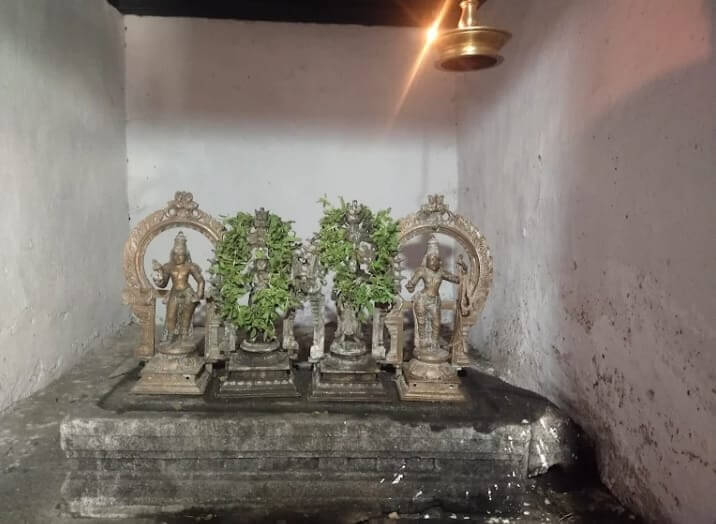 Located about two kilometers south of Kodungallur in Thrivanchikulam, the renowned Thiruvanchikulam Mahadeva Temple is one of the most important Shaiva temples in Kerala. Lord Shiva is worshipped here in the form of Sadashiva, facing east.
The temple is also home to 33 sub-shrines, making it one of the temples with the largest number of sub-deities in Kerala. Among them are various forms of Shiva, along with Goddess Parvati, Durga Bhagavathy, Bhadrakali, Ganga Devi, two Ganapathi shrines, Ayyappa, Subrahmanya, Hanuman, the Sapthamathrukkal, Veerabhadra, Chandikesh-wara, serpent deities, Unnithevar, Bhringeeradi, Cheraman Perumal, and Sundaramurthy Nayanar. 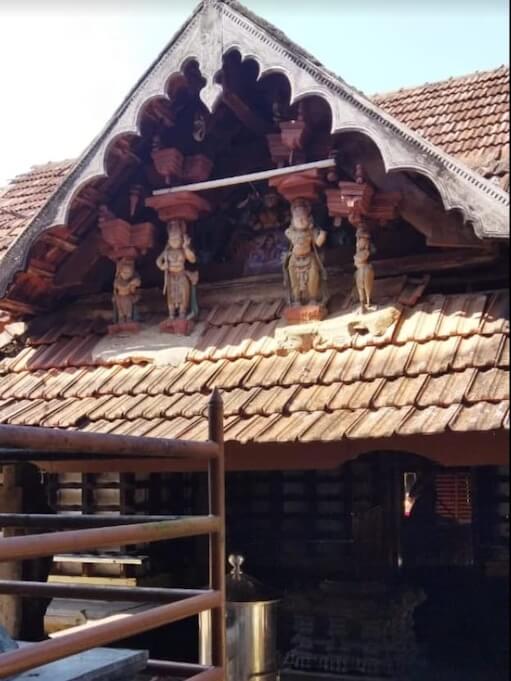 The temple holds the unique distinction of being the only temple in Kerala with consecrations dedicated to Shaiva Siddhas. The famous Palliyara Pooja, also known as Dampathi Pooja or Umamaheshwara Pooja, is performed here every night after the temple closes. Thiruvanchikulam is among the rare temples in Kerala where this sacred ritual is conducted daily.
The temple is also revered as the only “Paadal Petra Sthalam” in Kerala — one among the 276 sacred Shiva temples glorified in the hymns of Tamil Shaiva saints. Built in traditional Kerala architectural style, the temple is believed to be more than 2000 years old. The region once formed part of Mahodayapuram, the ancient capital of the Chera dynasty. Today, the temple is administered by the Cochin Devaswom Board. Thiruvanchikulam Mahadeva Temple occupies a prominent place in the cultural and spiritual history of Kerala. It is traditionally believed to have been the family temple of the Chera kings. Though originally a smaller shrine during the early Chera period, the temple is believed to have been extensively renovated during the reign of Cheraman Perumal in the Second Chera Empire.
Cheraman Perumal and his close friend Sundaramurthy Nayanar were ardent devotees of Lord Shiva. The two saints travelled across South India singing devotional hymns in praise of Shiva and shared a deep spiritual connection with this temple. According to tradition, both attained Kailasa from this sacred shrine. 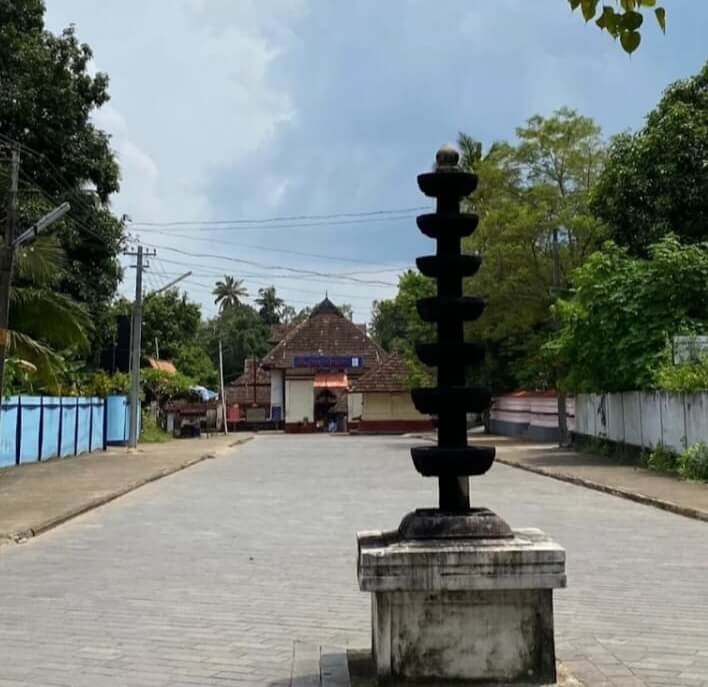 The temple is referred to as “Anjaikkalam” in Tamil Shaiva devotional works such as Periyapuranam and Thevaram. Among the 276 Paadal Petra Sthalams celebrated by Tamil Shaiva saints, this is the only temple located in Kerala. The temple is also believed to share a spiritual connection with the famous Chidambaram Nataraja Temple.
After the reign of Kulasekhara Perumal, temple administration came under the Pe-rumpadappu Swaroopam. Later, following invasions by the Zamorin, the royal family shifted its capital, and the temple became one of the principal places of worship of the Kochi royal family. Even today, Thiruvanchikulathappan remains one of the chief deities worshipped by the Kochi royal household. The temple endured several invasions through-out history. Historical accounts mention that during conflicts connected with the Bharani festival of Kodungallur Temple, the Dutch attacked the temple, damaged idols, and looted its wealth. Later, during Tipu Sultan’s campaign, the western gopuram was believed to have been destroyed. Some remnants of this structure can still be seen today.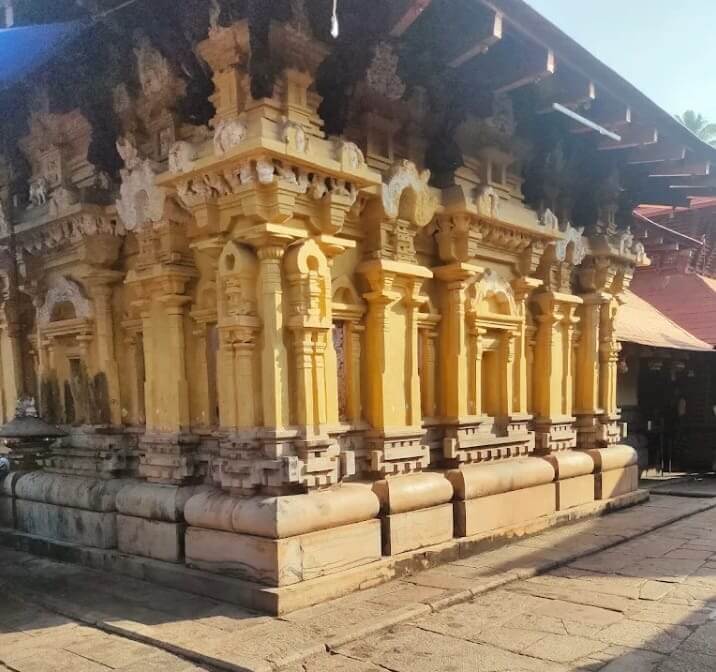
In 1801 AD, the temple was renovated and reconsecrated under the leadership of the Kochi royal family. It is believed that the present idol was brought from Chidambaram during
this restoration. The temple later came under the administration of the Cochin Devaswom Board. In 1982, the Archaeological Survey of India declared it a protected monument, and since then all renovation works have been carried out under ASI supervision. The temple is admired for its exquisite Kerala-style architecture and intricate wood carvings attributed to Perunthachan.
Rich in mythology, history, and devotional heritage, the temple stands today as one of the most revered Shiva temples in Kerala. Thiruvanchikulam Mahadeva Temple is also one among the ancient 108 Shiva temples of Kerala. According to legend, the self-manifested Shiva Lingam here was consecrated by Sage Parashurama. It is believed that Parashurama performed severe penance here to atone for the sin of killing his mother Renuka Devi. 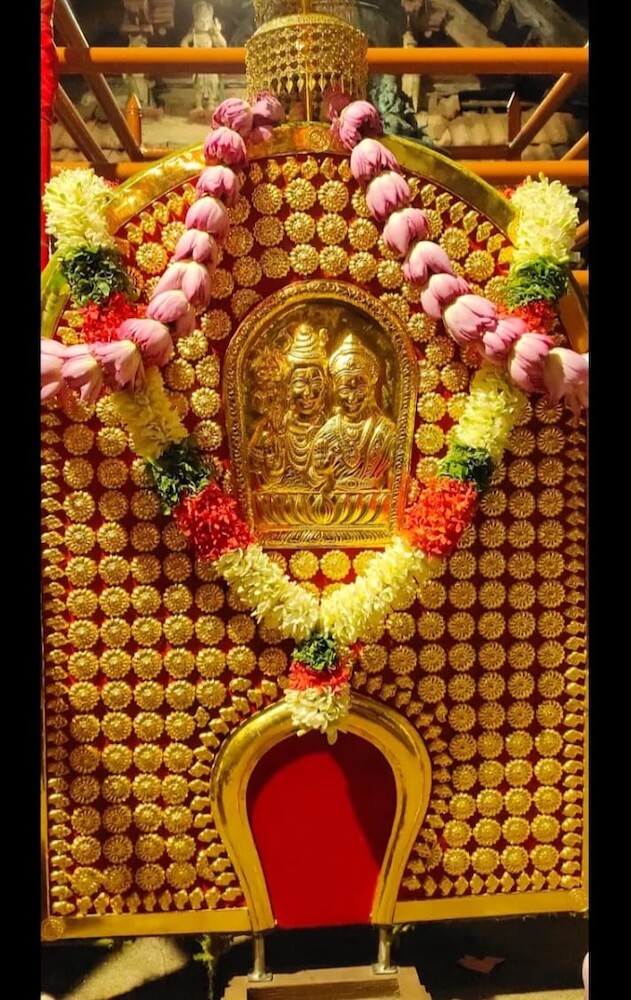 Pleased by his devotion, Lord Shiva appeared before him, after which Parashurama consecrated the deity in the present sanctum.
A sacred Kanikkonna tree that flowers throughout the year stands in the northeastern part of the temple complex. Legend says that Parashurama meditated beneath this tree and later installed a Shiva Lingam nearby, known as “Konnaykkal Shiva.” Special Pandime-lam performances are held before this shrine during the Ekadashi before Shivaratri and during Thiruvathira in the Malayalam month of Dhanu. It is also believed that Sundara-murthy Nayanar, the great Tamil Shaiva saint of the 7th century, sang devotional hymns in praise of Lord Shiva here. Tradition says that Lord Shiva danced joyfully to these hymns and the sound of His anklets echoed throughout the temple. In memory of this event, a special shrine for Nataraja has been installed here. Thiruvanchikulam is among the rare temples in Kerala where Lord Nataraja is worshipped with such importance.
One of the most famous legends associated with the temple concerns Cheraman Perumal Nayanar and Sundaramurthy Nayanar. Both were great devotees of Thiruvanchikulathap-pan. According to legend, Lord Shiva sent a divine white elephant to take Sundaramurthy Nayanar to Kailasa. Learning this, Cheraman Perumal whispered the sacred mantra “Na-mashivaya” into his horse’s ear and followed his friend. It is believed that both saints ascended alive to Kailasa and merged with Lord Shiva. Shrines dedicated to both saints can still be seen within the temple complex. Another well-known legend links the temple with Chidambaram Nataraja Temple. 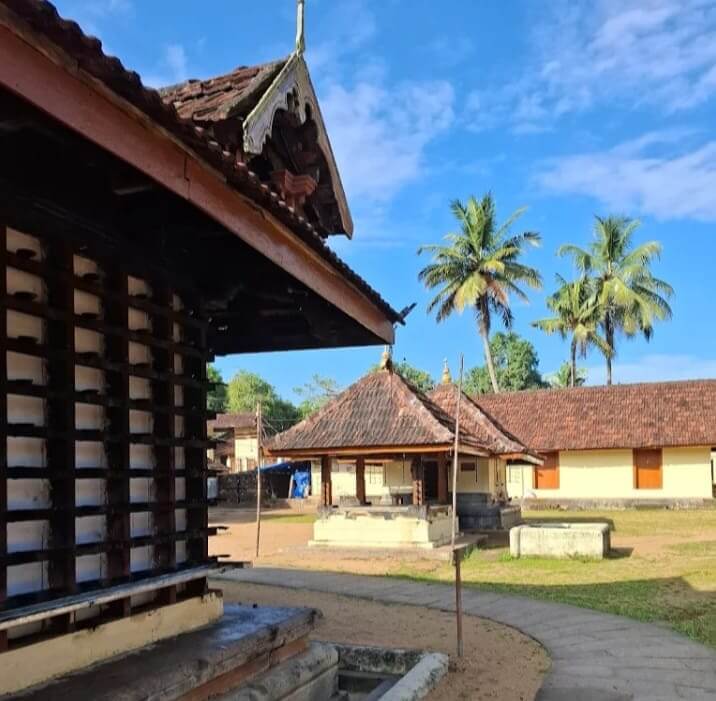 Cheraman Perumal was a devoted worshipper of Nataraja and used to hear the divine sound of the Lord’s anklets after the daily worship at Chidambaram.
The temple complex spreads across nearly four acres and showcases the elegance of tra-ditional Kerala temple architecture. Along with the main sanctum, the complex houses numerous Shiva shrines and sub-shrines. Though the deity faces east, most devotees enter through the western entrance. The eastern gopuram is a beautiful three-storied struc-ture, while the ruins of the western gopuram destroyed during Tipu Sultan’s invasion can still be seen. Several Shiva shrines such as Kottarathil Shiva, Nadaykkal Thevar, and Gopurathil Thevar are also located within the premises.
Shrines dedicated to Goddess Durga and Lord Subrahmanya are situated in the north-western section. A unique shrine for Ganga Devi in the form of a sacred water structure can also be seen here. The ever-blooming Kanikkonna tree and the nearby Konnaykkal Shiva shrine remain among the temple’s major attractions.
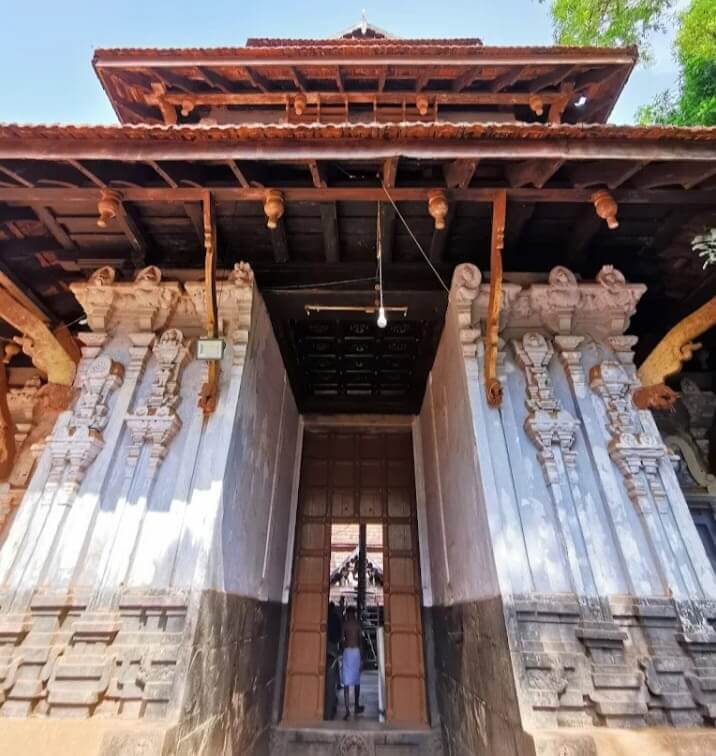 In the southeastern section lies the sacred temple pond and a shrine dedicated to Dak-shinamurthy facing east. Devotees offer prayers here seeking wisdom and academic ex-
cellence. Shrines for Hanuman, Ayyappa, and serpent deities are situated in the south-western part of the temple.
The temple flagstaff, Balikkalpura, traditional Nadaswaram music, and fireworks offer-ings are also important features of the temple. Filled with sacred legends and Shaiva traditions, Thiruvanchikulam remains one of Kerala’s oldest and spiritually significant Shiva temples.
The sanctum sanctorum is a two-storied square structure built of granite, with a copper-covered roof crowned by a golden finial. The sanctum doors and steps are decorated with golden coverings, while the fierce guardians Chanda and Prachanda stand on either side of the entrance.
Inside the sanctum are three chambers, the westernmost of which houses the self-manifested Shiva Lingam. The Lingam, about one foot tall, represents Thiruvanchikulathappan in the form of Sadashiva facing east. 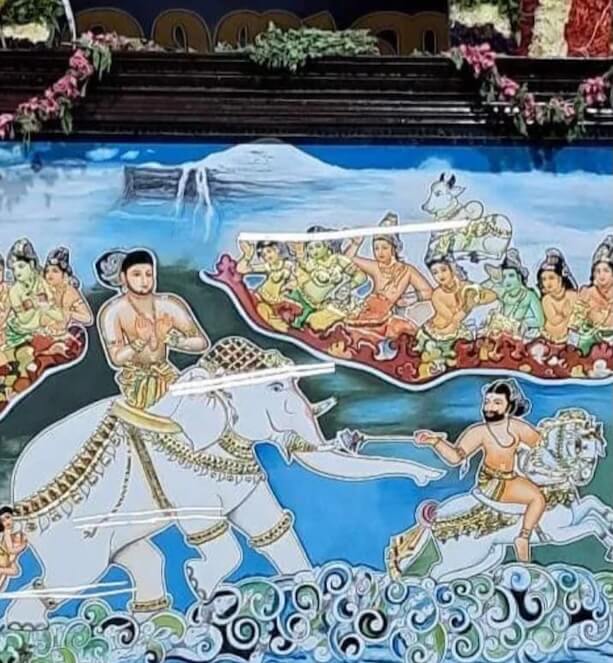 Since it is swayambhu, no sculptural polishing has been done. Decorated with flower garlands and crescent ornaments, the Lingam is be-lieved to symbolise the divine cosmic energy of the universe. The sanctum is adorned with beautiful wooden carvings depicting scenes such as Kiratharjuneeyam, the descent of the Ganga, sages, and various Shaiva themes. Sculptures of Indra, Dakshinamurthy, Narasimha, and Brahma are also carved into the upper sections, along with decorative motifs of birds, animals, and celestial beings.
As per Shiva temple traditions, a large ceremonial lamp known as the “Pinvilakku” is placed behind the sanctum and is considered symbolic of Goddess Parvati’s presence. Offering oil to this lamp is believed to bring marital harmony and family prosperity. An outlet called “Ovu” is built on the northern side of the sanctum for the flow of abhisheka offerings, and devotees traditionally do not cross beyond this point during pradakshina. A spacious Nalambalam surrounds the sanctum. Built of granite and decorated with rows of oil lamps, this area regularly hosts chanting, musical performances, and homams. Unlike most temples, Thiruvanchikulam has two Thidappallis, which is considered a unique feature.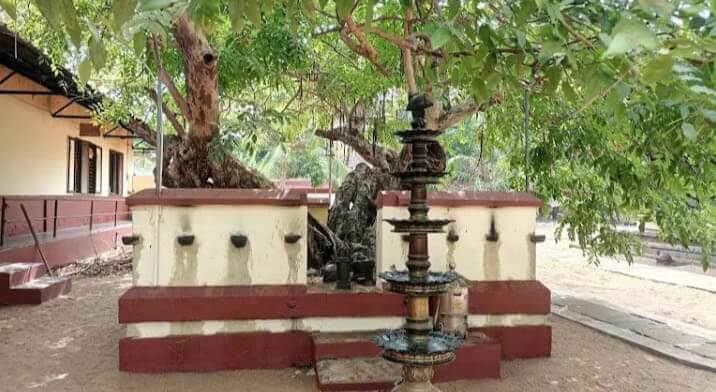
In front of the sanctum stands a beautiful Namaskara Mandapam and the sacred Nandi idol. Devotees believe that wishes whispered into Nandi’s ears reach Lord Shiva directly. The temple also houses numerous sub-shrines dedicated to Ganapathi, Durga, Subrah-manya, Sapthamathrukkal, Nataraja, Chandikeshwara, Unnithevar, and Bhringeeradi. The shrines of Cheraman Perumal and Sundaramurthy Nayanar hold special significance, especially during the Karkidaka Chothi festival.
One of the temple’s most distinctive features is the Palliyara, where the sacred Palliyara Pooja is conducted every night. 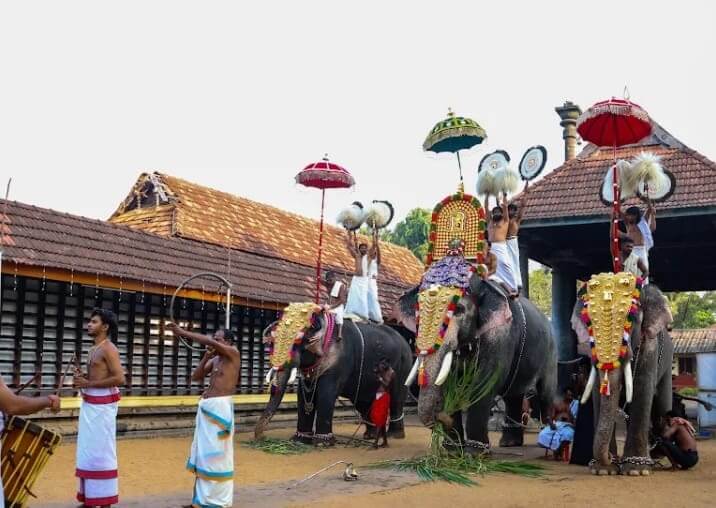 In this rare ritual, Lord Shiva and Goddess Parvati are ceremonially escorted to the Palliyara chamber. Devotees participate in this ritual seeking marital happiness and family prosperity. The shrine of Lord Nataraja is another important feature of the temple. Owing to the temple’s spiritual connection with Chi-dambaram, special worship and rituals are conducted here during Pradosham. Around the inner Balivattam are bali stones representing the Ashta Dikpalakas, Sapthamath-rukkal, Ganapathi, Durga, Subrahmanya, and several other deities. The traditional ritual of offering bali during Seeveli continues to this day.
The temple’s major annual festival is the eight-day Kodiyettam festival and Mahashivara-
tri celebrated during the Malayalam month of Kumbham. 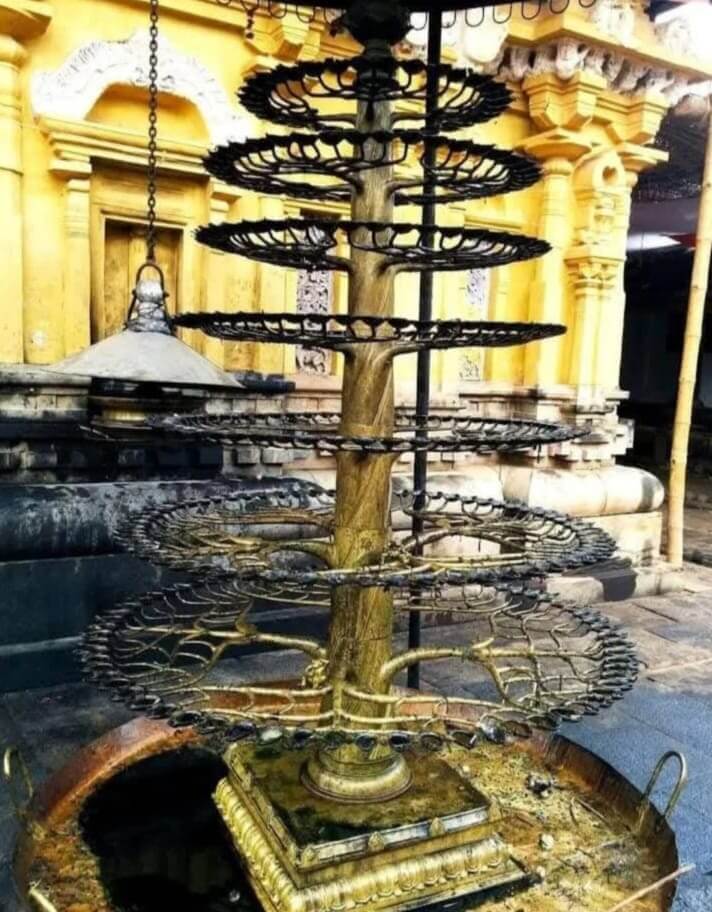 The festival begins with flag hoisting on the Krishna Ashtami day and concludes with the Aarattu on Amavasya. The famous Aanayottam marks the beginning of the celebrations. Ritual performances such as Pradosha Nritham and Shivaratri Nritham are among the temple’s unique traditions, where the priest dances carrying the sacred Thidambu atop an elephant.
The grand Aarattu takes place on Amavasya day. After the ceremonial lowering of the flag, the deity is taken in procession to the Azhikode seashore accompanied by three elephants and Panchavadyam. Sacred rituals are performed there before the priest carries the Thidambu into the sea for the ritual bath. Devotees also participate in this holy dip. The festival concludes with seven circumambulations around the temple after the procession returns.
Thiruvathira in the Malayalam month of Dhanu is another major festival celebrated here with deep devotion and grandeur. Numerous women observe the Thiruvathira Vratham seeking marital blessings and long-lasting married life. The temple witnesses heavy crowds from early morning onward. As part of the celebrations, a grand Pandime-lam is conducted beneath the sacred Kanikkonna tree with participation from renowned percussion artists. At noon, devotees are served traditional Thiruvathira Puzhukku and Ettangadi Chutta as prasadam.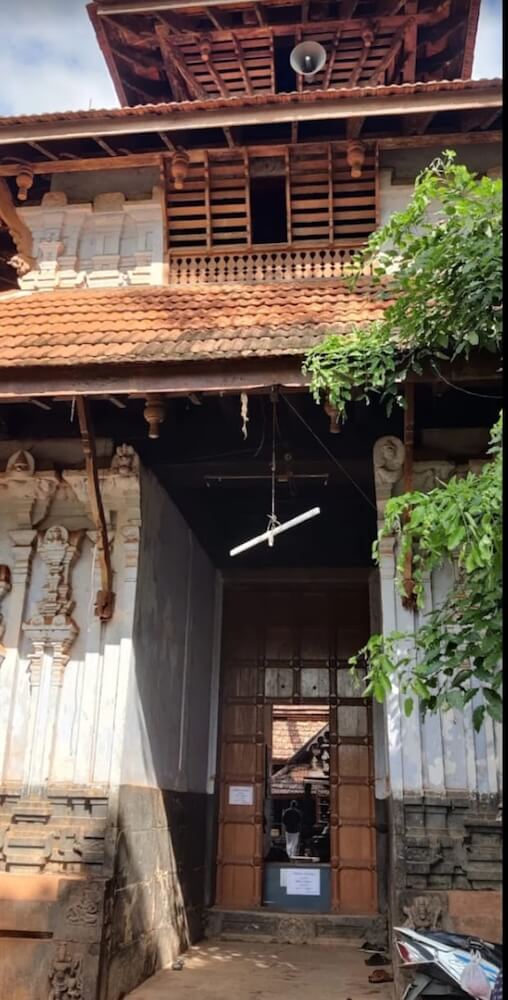 At night, the traditional Thiruvathirakali dance is per-formed at the western hall of the temple by many women artists, adding cultural beauty to the festivities.
The “Chothi Thiruvizha,” celebrated during the Malayalam month of Karkidakam, is another historically important festival. Large numbers of Shaiva devotees from different parts of Tamil Nadu arrive to participate in the celebrations. The festival commemorates the belief that Cheraman Perumal and Sundaramurthy Nayanar attained Kailasa on the Chothi day of Karkidakam. On the previous Chithira day, bronze idols of Cheraman Pe-rumal and Sundaramurthy Nayanar are taken in procession atop elephants to the temple. Traditional recitation of Thevaram hymns forms an important part of the celebrations.
As one of the principal centres of Shaiva worship in Kerala, Thiruvanchikulam occupies a special place among the 274 sacred Shaiva temples of the Dravidian Shaiva tradition. The temple is also famous for its Palliyara Pooja and for the legend that Sage Parashurama consecrated the temple to atone for his sins. 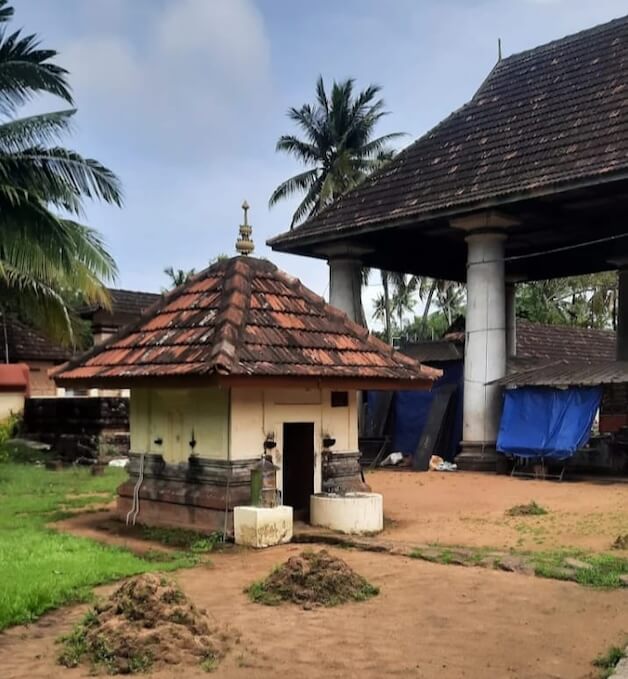 The Karkidaka Chothi festival is regarded as a grand celebration of devotion, friendship, and Guru worship. Believed to mark the heavenly ascent of Cheraman Perumal, the festival has been celebrated with deep reverence by Shaiva acharyas and devotees for centuries. The principal offerings made by devotees at Thiruvanchikulam Mahadeva Temple are associated with marital harmony, removal of obstacles to marriage, childbirth, long life, healing from illnesses, and peace of mind. The most famous among them is the Palliyara Pooja, also known as Dampathi Pooja or Swayamvara Pooja. In this sacred ritual, Lord Shiva and Goddess Parvati are ceremonially escorted to the Palliyara chamber after the Athazha Seeveli every night. Devotees perform this pooja seeking marriage, marital happiness, and progeny. Mondays and full moon days are considered especially auspicious for this ritual.
Another important offering is Shankhabhishekam, which is believed to remove obstacles, bring prosperity, and grant inner peace. The Swayamvara Parvathy Pooja, performed before sunset at the Shakti Panchakshari shrine, is believed to help remove astrological obstacles related to marriage. Dhara and Ekadasa Rudra Dhara, performed using water,
tender coconut water, and milk, are among the major offerings dedicated to Lord Shiva. Devotees conduct these rituals seeking relief from diseases, good health, and longevity. Maha Mrityunjaya Homam is another important tantric ritual performed for protection from untimely death, accidents, and serious illnesses.
Other significant offerings include Koovalamala, Bhasmabhishekam, and the special Vel-lanivedyam offered collectively to all 33 sub-deities of the temple.The temple opens daily at 5:00 AM for devotees. Many devotees arrive early in the morning for Nirmalya Dar-shan and the first rituals of the day. Ushapooja is conducted at 6:30 AM, followed by Seeveli at 7:00 AM. Dhara is performed at 7:30 AM using sacred offerings such as water, milk, and tender coconut water. Uchapooja takes place at 10:30 AM, after which the temple closes at 11:00 AM.
The temple reopens at 5:00 PM in the evening. Devotees gather again during this time for darshan and offerings. Deeparadhana, one of the most spiritually uplifting rituals, is performed at sunset amidst the glow of oil lamps and devotional atmosphere. Athazha Pooja and Seeveli are conducted at 7:00 PM. This is followed by the famous Palliyara Pooja at 7:30 PM, during which Lord Shiva and Goddess Parvati are ceremonially taken to the Palliyara chamber. The temple closes after this ritual.
During special occasions such as Mahashivaratri, Karkidaka Chothi, Thiruvathira, and Pournami days, there may be changes in pooja timings and temple opening hours.
Key highlight
- Located 3 km away from Kodungallur town, 20 km away from Irinjalakkuda town.
- The nearest railway station is Irinjalakkuda (20 km).
- The nearest Air port is Cochin international airport (35 km).
- State Transport (KSRTC) and local transportation are available to this temple.
- Private vehicles can park at the temple’s parking area.
- Accommodation and food facilities are available in the nearby town.
- Contact number 04802812061
तिरुवंचिकुलम महादेव मंदिर
कोट्टापुरम, कोडुंगल्लूर, एर्नाकुलम जिला
मंदिरे
Temples
मंदिर
-
पेरुमपदवोम भगवती मंदिर पेरुंबदावोम, एलांजी, जि. एर्नाकुलम.
अधिक माहितीPerumpadavom Bhagavathi Temple Perumbadavom, Elanji, Dist. Ernakulam.
View Detailsपेरुम्पदावोम भगवती मंदिर पेरुंबदावोम, एलानजी, जिला। एर्नाकुलम.
विवरण देखें -
आजीकाल श्री वराह देवस्वोम अळेकल, चेराई, जि. एर्नाकुलम.
अधिक माहितीAzheekal Shree Varaha Devaswom Azheekal, Cherai, Dist. Ernakulam.
View Detailsअज़ीकाल श्री वराह देवस्वोम अज़ीकल, चेराई, जिला। एर्नाकुलम.
विवरण देखें -
व्यत्तिला शिव सुब्रह्मण्य स्वयंभू क्षेत्रम् विट्टीला, जि. एर्नाकुलम.
अधिक माहितीVyttila Shiva Subrahmanya Swayambhu Kshethram Vyttila, Dist. Ernakulam.
View Detailsव्यत्तिला शिव सुब्रह्मण्यं स्वयंभू क्षेत्रम् विट्टिला, जिला. एर्नाकुलम.
विवरण देखें