
तरण धारण माता मंदिर
तरंगा हिल, सतलसना तालुका, मेहसाणा जिल्हा
Taran Dharan Mata Temple
Taranga Hill, Taluka Satlasna, District Mehsana
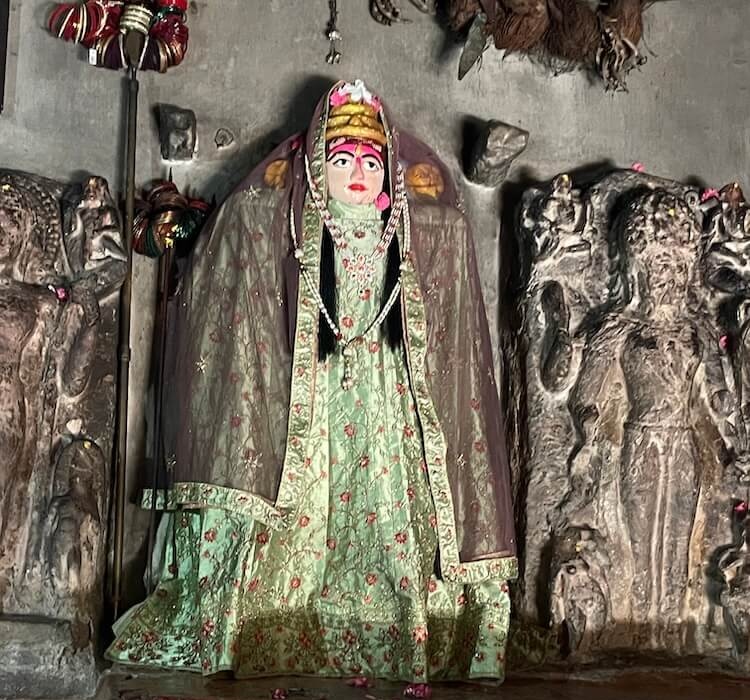 Cradled within the emerald folds of the Aravalli mountain ranges in the Satlasna Taluka of Mehsana district, the Taran Dharan Mata Temple stands as a sublime confluence of Hindu and Buddhist devotion. Perched upon the venerable Taranga Hill, these shrines are regarded by countless devotees as the abode of highly ‘Jagrut’ (spiritually awakened) deities. Tradition maintains that the idols have graced this sanctified elevation since the Treta Yuga. On the auspicious occasion of Ashwin Shukla Chaturthi, the precinct hosts the celebrated ‘Matali Melo’, a fair where thousands of pilgrims gather to bow before the Divine Mother, seeking the blessing of progeny and a life of prosperity and fulfilment.
According to Hindu conviction, Taran and Dharan are sisters of the same blood. Local lore recounts that while Dharan Mata was blessed with nine daughters, Taran Mata remained childless. The name ‘Dharana’ is derived from the belief that she ‘holds’ or carries her nine daughters with her. 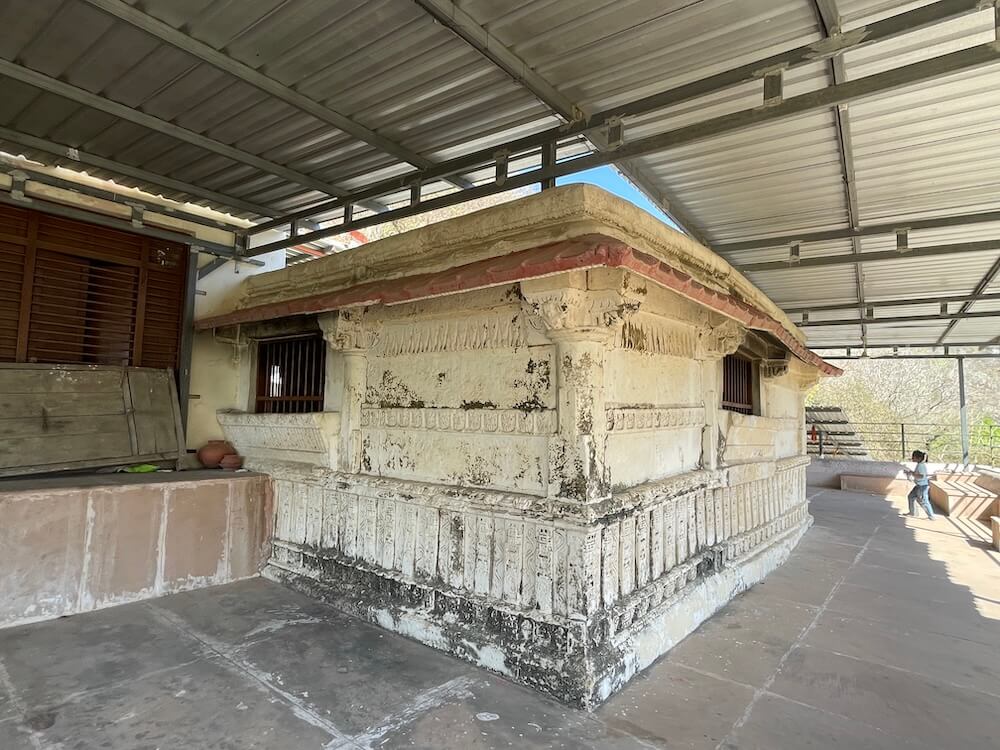 It is said that Taran Mata once beseeched her sister for one of her daughters, but when she was refused, a rift developed between the two. Consequently, the sisters are worshipped today in two distinct temples. Pauranic narratives suggest that a Kshatriya monarch commissioned these temples during the Treta Yuga, an era when the settlement flourished under the name ‘Taranagar’. Following the destruction of the city by demons, the populace migrated to Patan and over time, the name Taranagar evolved into ‘Taranga’.
The chronicles of the mountain upon which these shrines rest extend back to the fourth and fifth centuries, a period when the region served as a hallowed centre for the Buddhist faith. The twelfth-century treatise ‘Kumarapala Pratibodha’ records that King Vatsaraja (r. 780-800 CE) 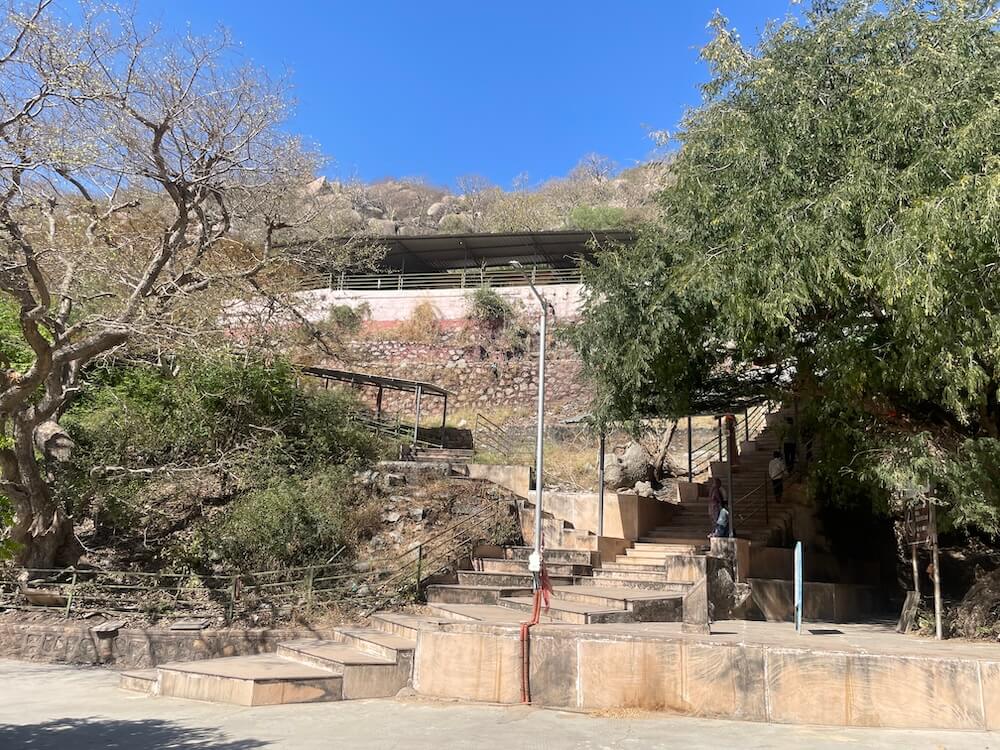 established a temple to the presiding deity, Shri Siddhanyika Devi. This text further mentions that the Buddhist legendary King Veni Vatsaraja, in collaboration with the Jain monk Khaputacharya, raised a magnificent temple to Tara Devi on this hill. It was this devotion to Tara Devi that bestowed the name Tarapur on the vicinity, which eventually evolved into Taranga. Thereafter, the settlement was variously identified in Jain scriptures as Tar-ur, Taravar Nagar, Tarangiri and Tarangadh. It is widely held that the very name ‘Taranga’ is a linguistic tribute to Goddess Tara. The cave enshrining the deity is believed to have been a sanctuary where Buddhist monks engaged in deep meditation centuries ago. Excavations conducted by the Archaeological Survey of India have unearthed the vestiges of an ancient,
  affluent civilisation, including pottery, prayer halls, twenty-two plinths, fifty rock shelters, vihara-like structures and remnants of stupas, leading experts to surmise that this centre flourished between the first and seventh centuries.
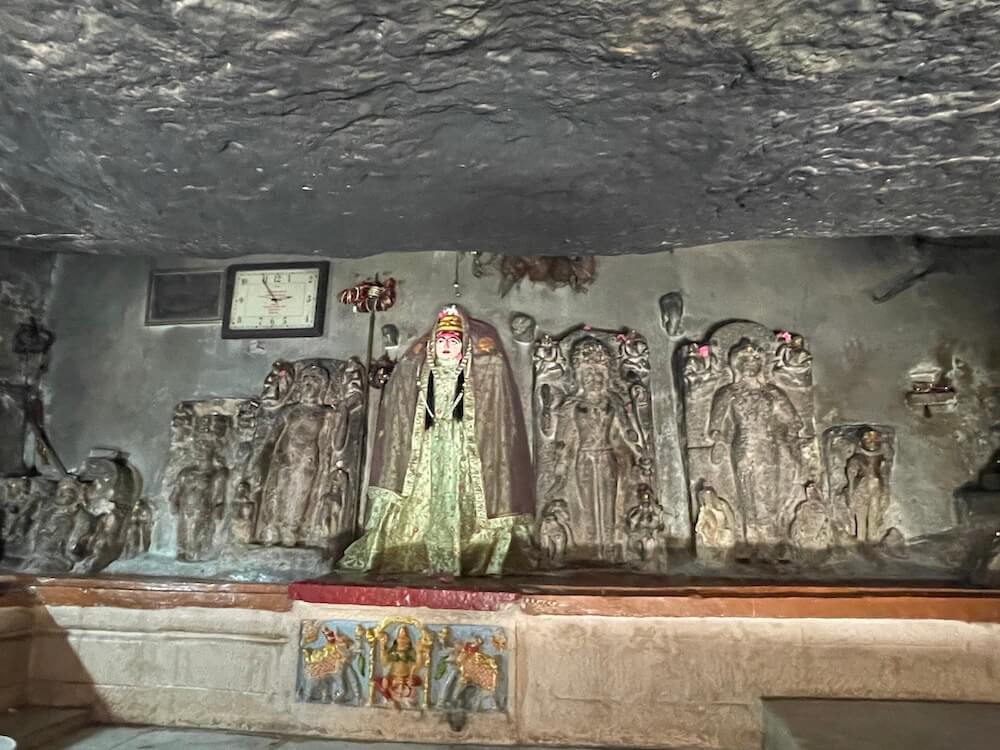
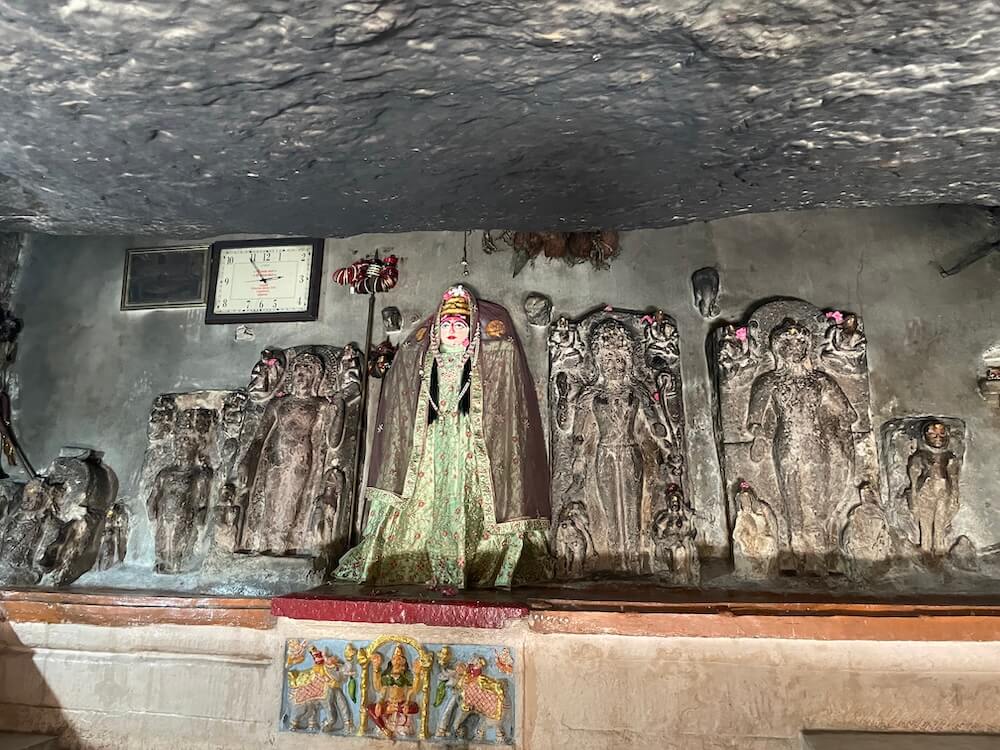
Scholars have concluded that the idol of Taran Mata is, in fact, a representation of the Buddhist deity Tara Devi. Experts note that the serene countenance and eyes of the idol are characteristic of the eighth or ninth-century artistic style. Remarkably, sculptures on the ceiling of a Buddhist monastery in Himachal Pradesh depict the Taranga caves and the idol of Tara Devi. Recent research by Professor Peter Skilling of Thailand suggests that a depiction of Tara Devi found in a manuscript within the Cambridge University Library likely refers to this very mountain idol.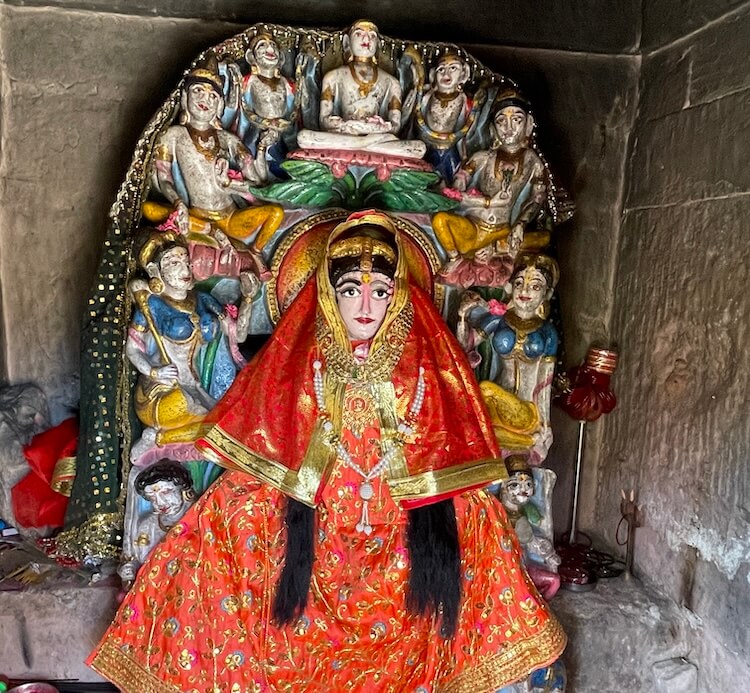
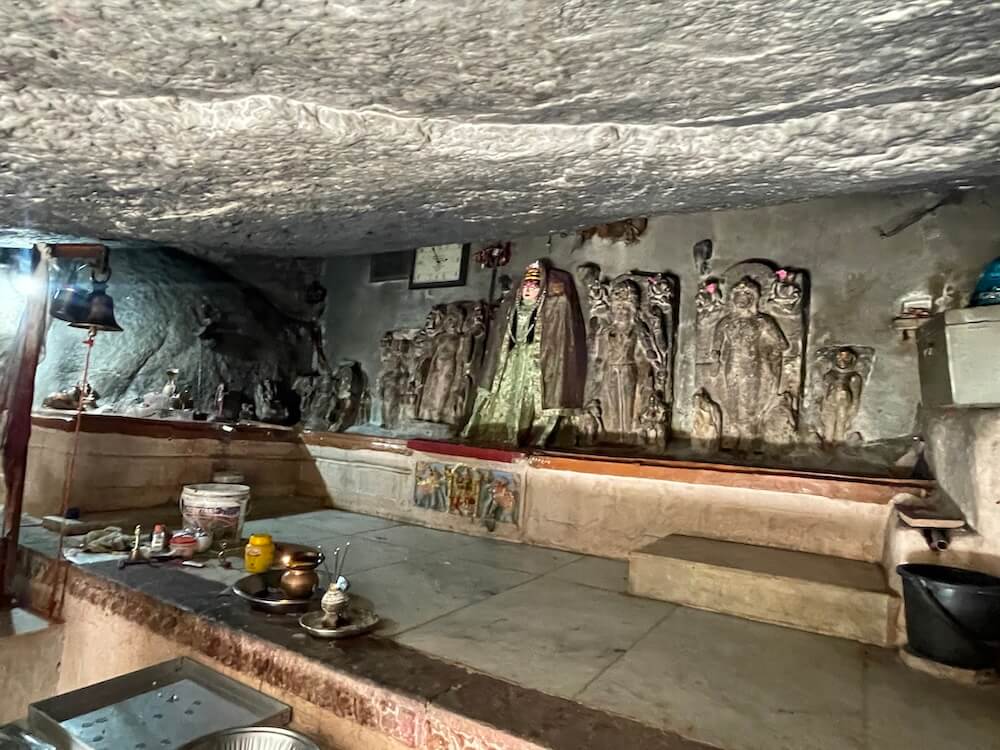
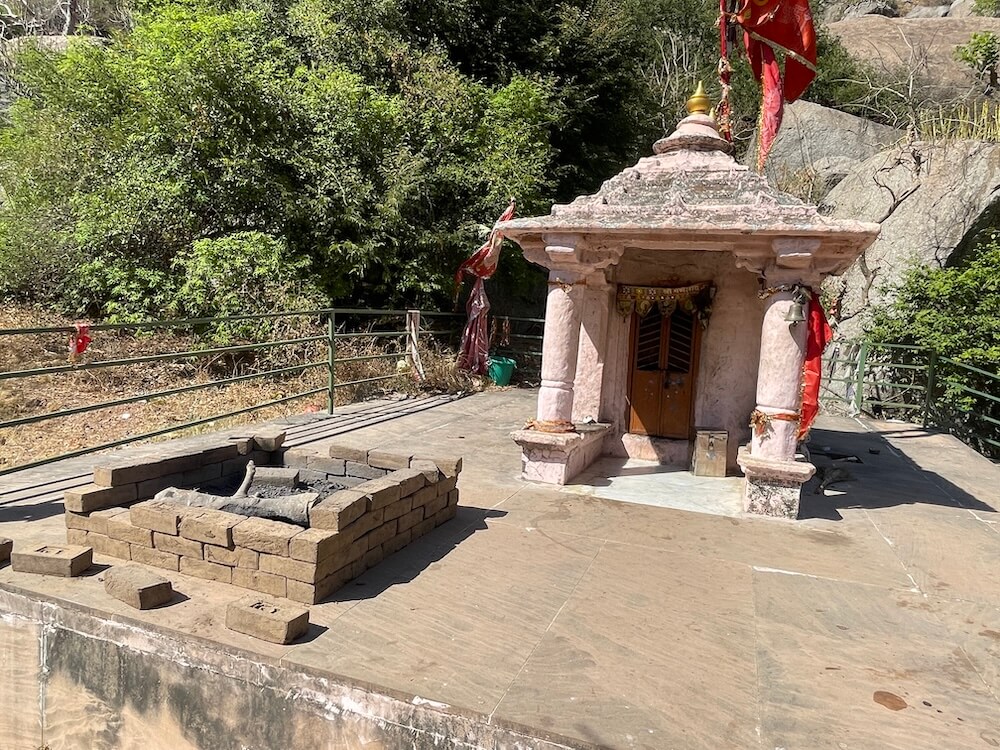
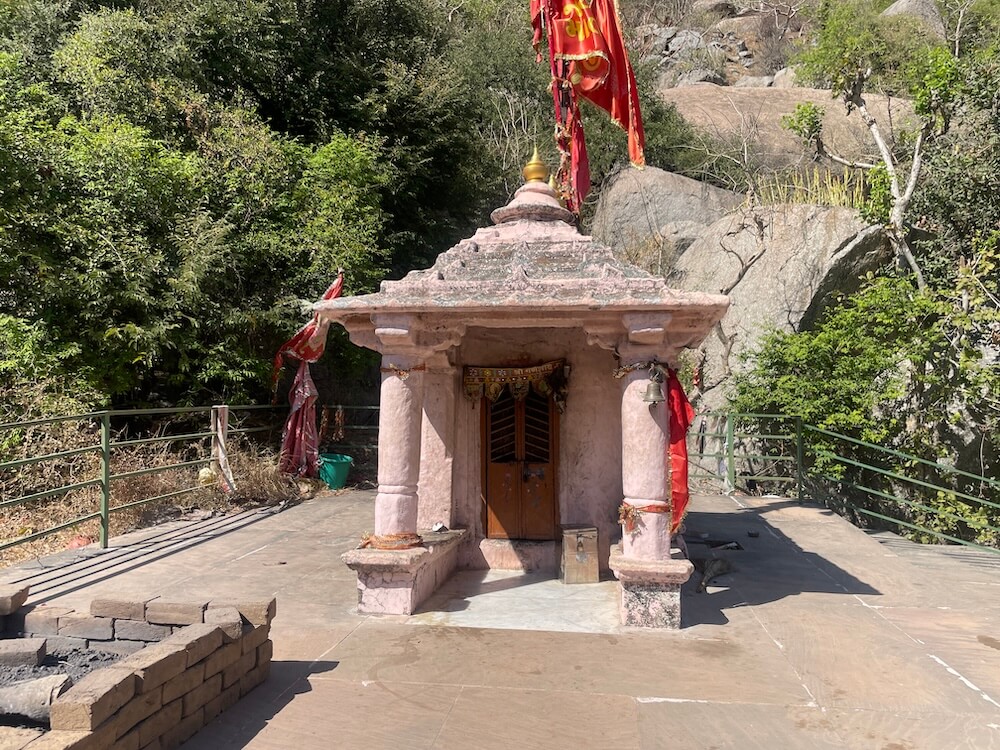
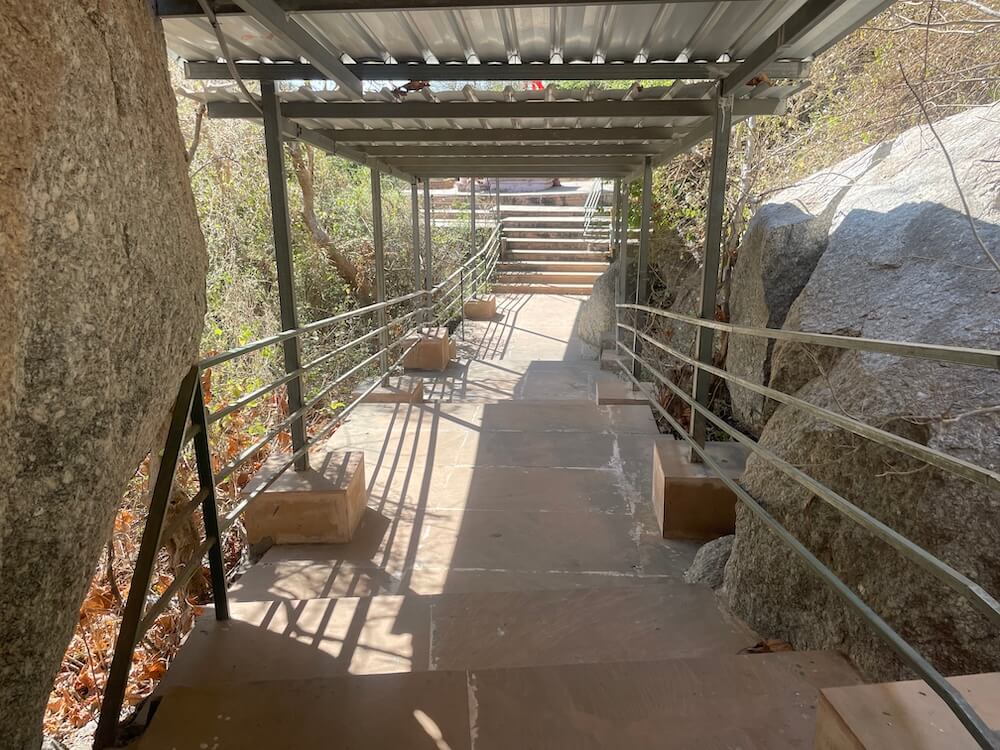
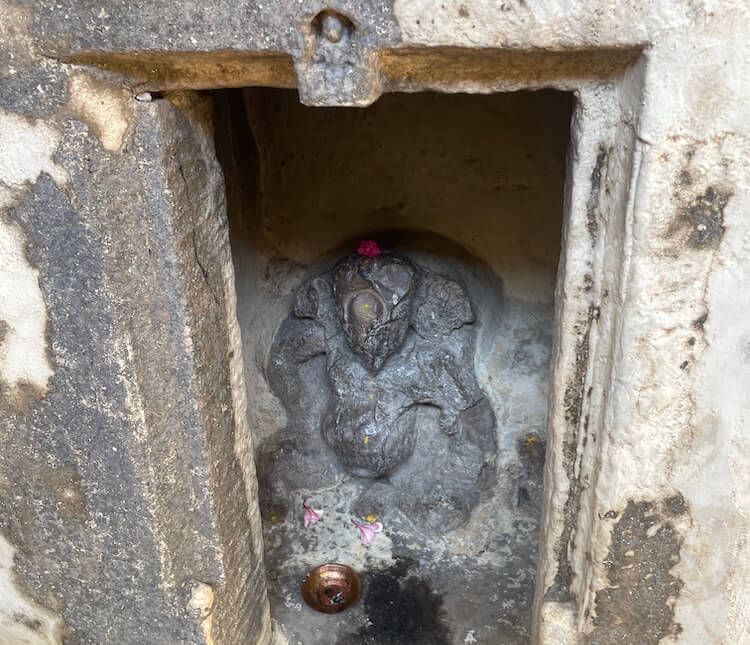
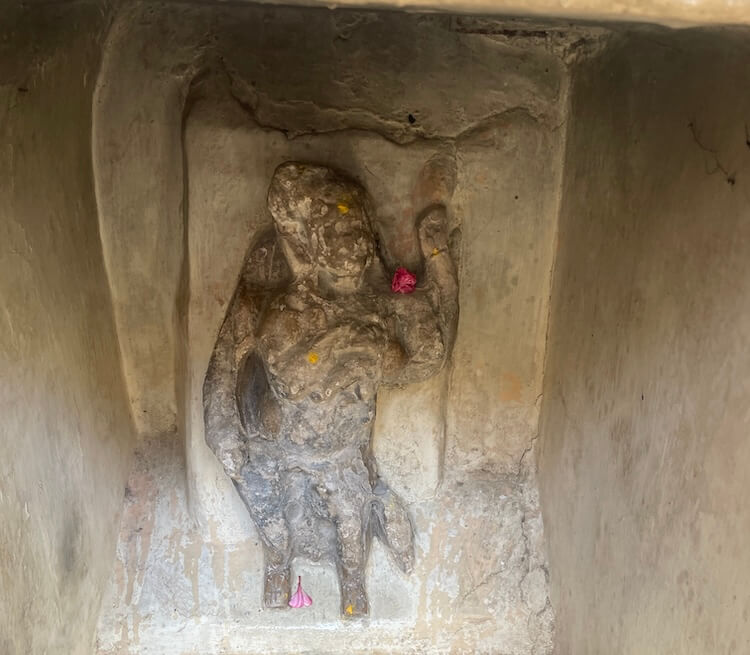
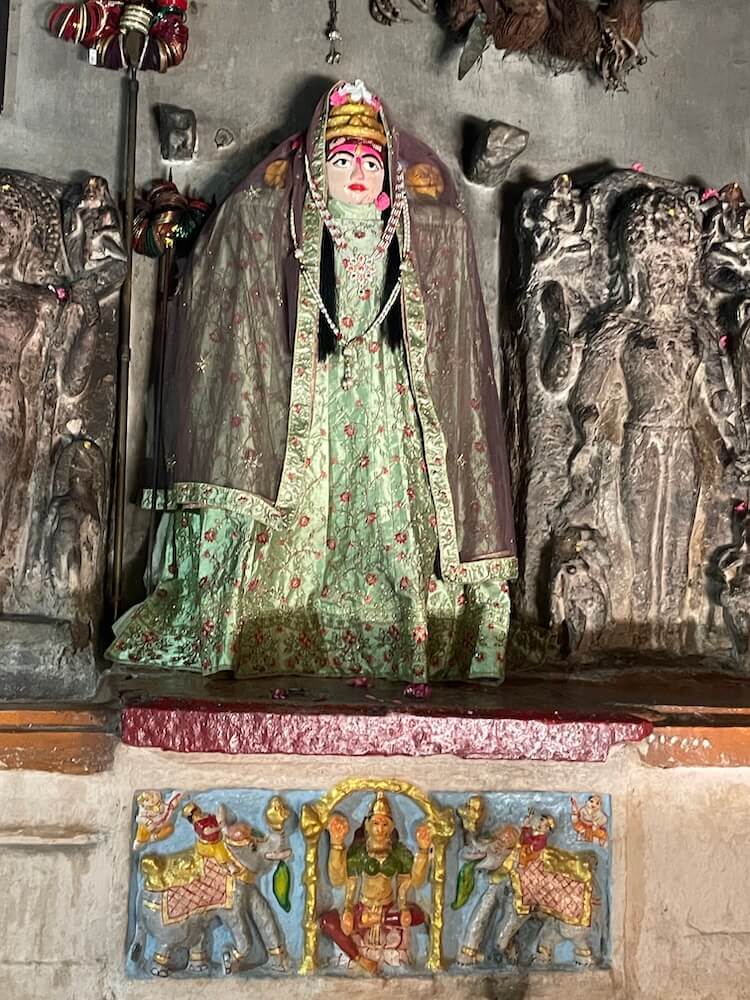
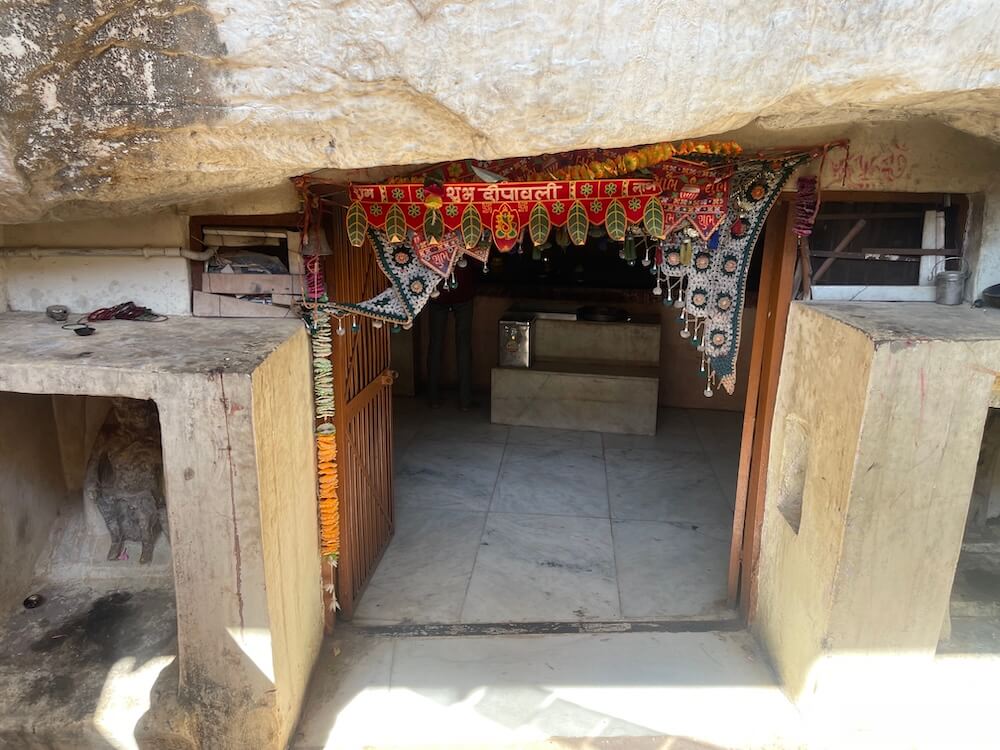
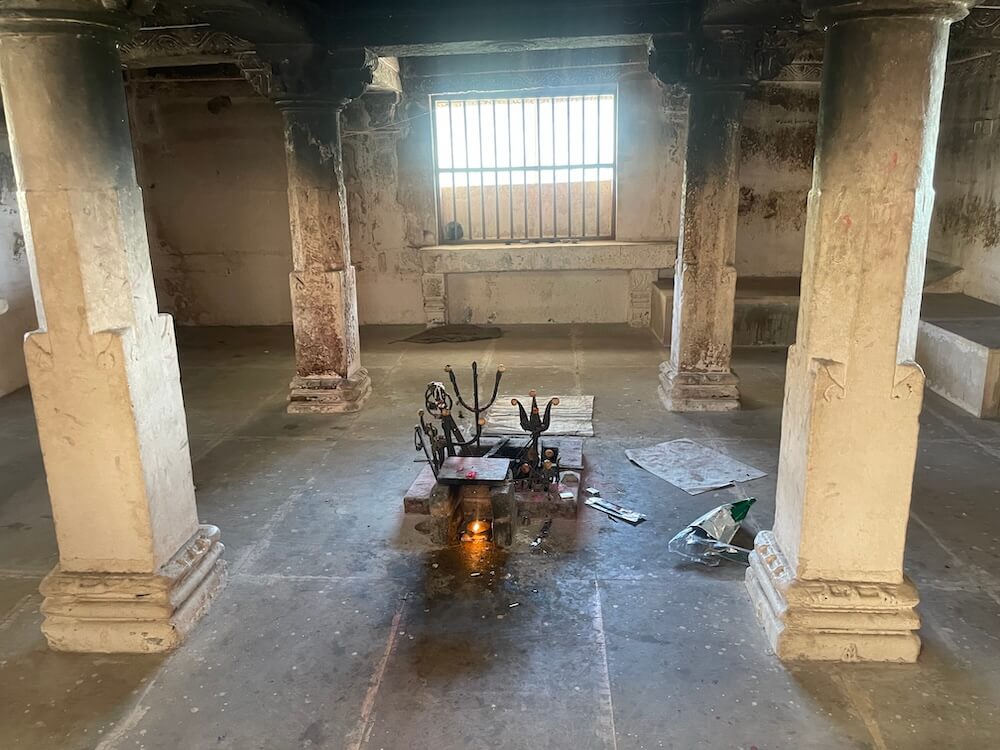
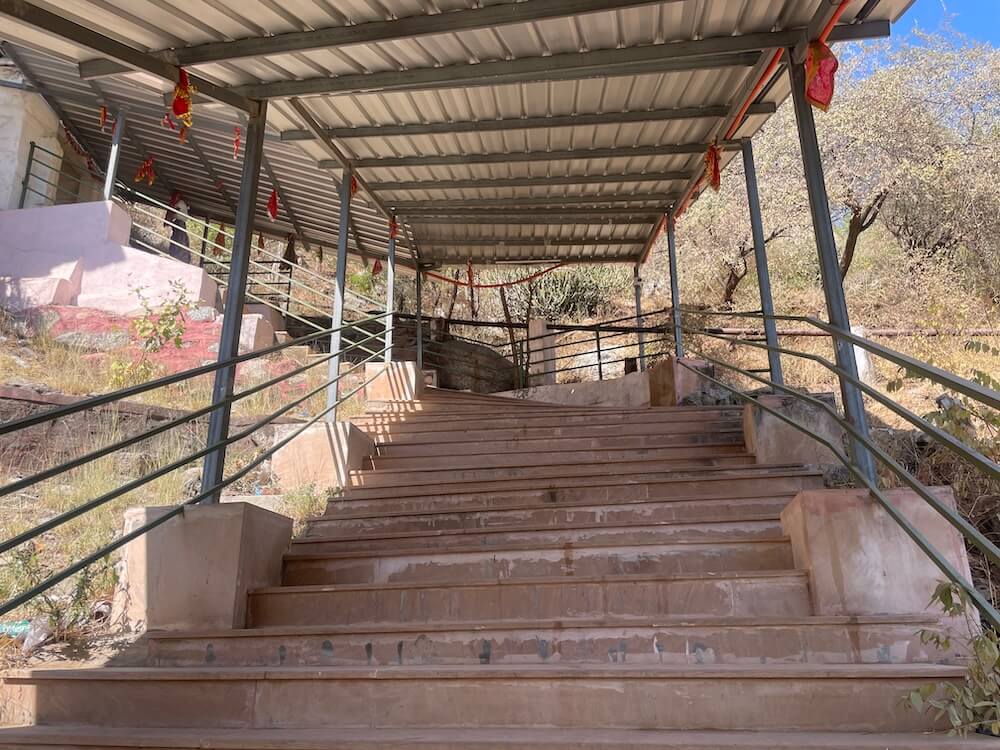
Blessed with abundant natural beauty, the hill is accessible via a stepped path protected by a tin shade. The columns flanking the temple entrance are adorned with intricate carvings. To the right of the primary shrine, within a cave, the idol of Tara Devi sits enthroned upon a massive ‘Vajrapitha’. Arrayed in fine garments and jewellery, the Goddess wears a majestic crown upon her head. In the Buddhist tradition, she is worshipped as ‘Tara Devi’ – the deity of power, liberation, knowledge and compassion. Whilst in the Hindu Shakta tradition, she is revered as the second of the ten ‘Mahavidyas’. Adjoining the central idol are carvings of the Bodhisattvas Padmapani and Vajrapani and other Buddhist figures, dating from the sixth to the eleventh centuries. Within the sanctum, a ‘Dhuni’ (sacred fire) is kept perpetually alight and an ancient Shivalinga and a ‘Yagnakunda’ (sacrificial pit) reside within the temple precincts.
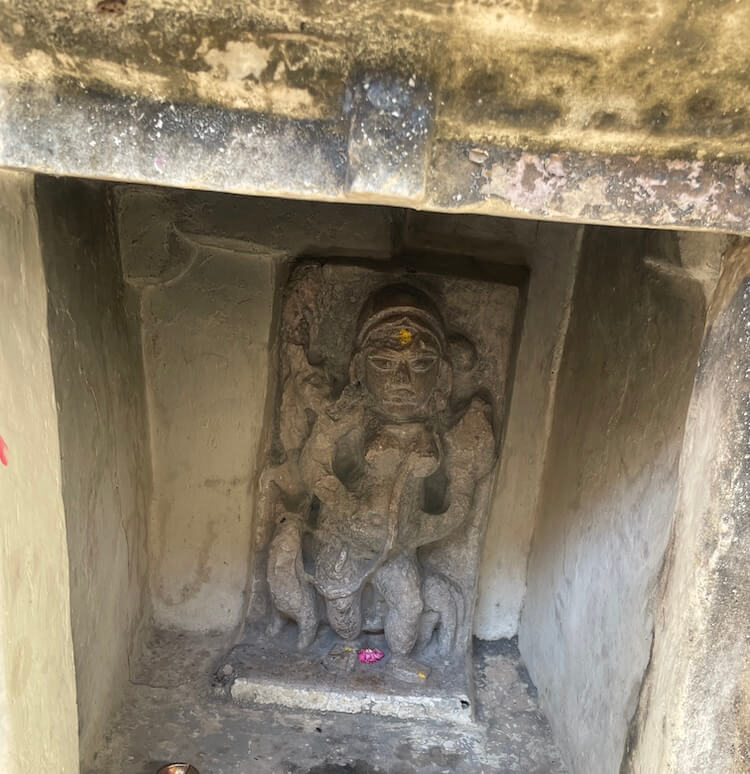 A short distance away, accessible by a narrow footpath, lies the modest shrine of Dharan Mata. Here, the idol of the Goddess is accompanied by a relief of her nine daughters. Carved at the center of these figures is a meditative form in the ‘Padmasana’ posture, believed to represent either Gautama Buddha or Lord Mahavira. Epigraphists suggest that the inscription beneath the idol of Dharan Mata bears a distinct connection to Buddhist tenets.
The spiritual potency of both Taran and Dharan Mata draws a multitude of seekers who offer prayers for the gift of children. A unique local custom involves devotees stacking stones to create miniature towers, symbolising their prayers. Upon the fulfillment of their vows, it is customary to offer a ‘Matali’—a small earthen pot—to the Goddess. As thousands of couples return to present these pots following the birth of their first child, the landscape is dotted with these humble tokens of gratitude. The temple sees a surge of devotees during every Purnima (full moon), Amavasya (new moon) and the festival of Navratri. On the eighth day of Navratri, special ‘Havan’ and ‘Mahapuja’ are performed. The ‘Matali Melo’, held on Ashwin Shudha Chaturthi, remains a celebrated event where local tribal communities participate in traditional attire and the entire mountain is luminously transfigured by lamps on the night of the full moon.
Useful Information
- Located at 10 km from Satlasna and 76 km from Mehsana
- GSRTC bus services are available from several towns in the district.
- Private vehicles can reach the temple parking area directly.
- Residential and breakfast facilities are available at the nearby Jain Tirtha precinct.
तारण धरण माता मंदिर
तरंगा हिल, सतलासना तालुका, मेहसाणा जिला
मंदिरे
Temples
मंदिर
-
वैजनाथ महादेव मंदिर महादेवपुरा (गावडा), ता. विजापूर, जि. मेहसाणा
अधिक माहितीVaijnath Mahadev Temple Mahadevpura (Gavada), Tal. Vijapur, Dist. Mehsana
View Detailsवैजनाथ महादेव मंदिर महादेवपुरा (गावड़ा), ताल. विजापुर, जिला. मेहसाणा
विवरण देखें -
वैजनाथ महादेव मंदिर सोखडा, तालुका विजापूर, जिल्हा मेहसाणा
अधिक माहितीVaijanath Mahadev Temple Sokhada, Taluka Vijapur, District Mehsana
View Detailsवैजनाथ महादेव मंदिर सोखाडा, तालुका विजापुर, जिला मेहसाणा
विवरण देखें -
काशी विश्वनाथ महादेव मंदिर मेहसाणा, जि. मेहसाणा
अधिक माहितीKashi Vishwanath Mahadev Temple Mehsana, Dist. Mehsana
View Detailsकाशी विश्वनाथ महादेव मंदिर मेहसाणा, जिला. मेहसाणा
विवरण देखें