 In ancient times, the historic city of Sinor was known as Senapur or Sainyapur. In the same Sinor Taluka lies the village of Malsar, sanctified by the presence of the renowned Bhagavat storyteller, Shri Dongre Maharaj. This village is home to the famous Satyanarayan Temple. The beautiful temple was built by Paramhans Madhavdas, a great yogi of the 19th century and a devout follower of the Vaishnav tradition of Chaitanya Mahaprabhu. Located in the vicinity of the Dongre Maharaj Memorial Temple and Amareshwar Mahadev Temple, this temple is a revered pilgrimage site for countless devotees.
Paramhans Madhavdas, the temple’s founder, is known as a pioneer of modern yoga. He was a descendant of the great Bengali poet Krittibas Ojha, who was the first to translate the Valmiki Ramayana into Bengali verse. Madhavdas was born in 1798 in the Mukhopadhyay family in Phulia, a village in West Bengal. From a young age, he was deeply drawn to yogic practices. Though he initially worked as a clerk in the law department, he soon left his job to fully dedicate himself to yoga. At the age of 23, he took sannyas (renunciation) and began studying various yogic traditions. After traveling extensively across Assam,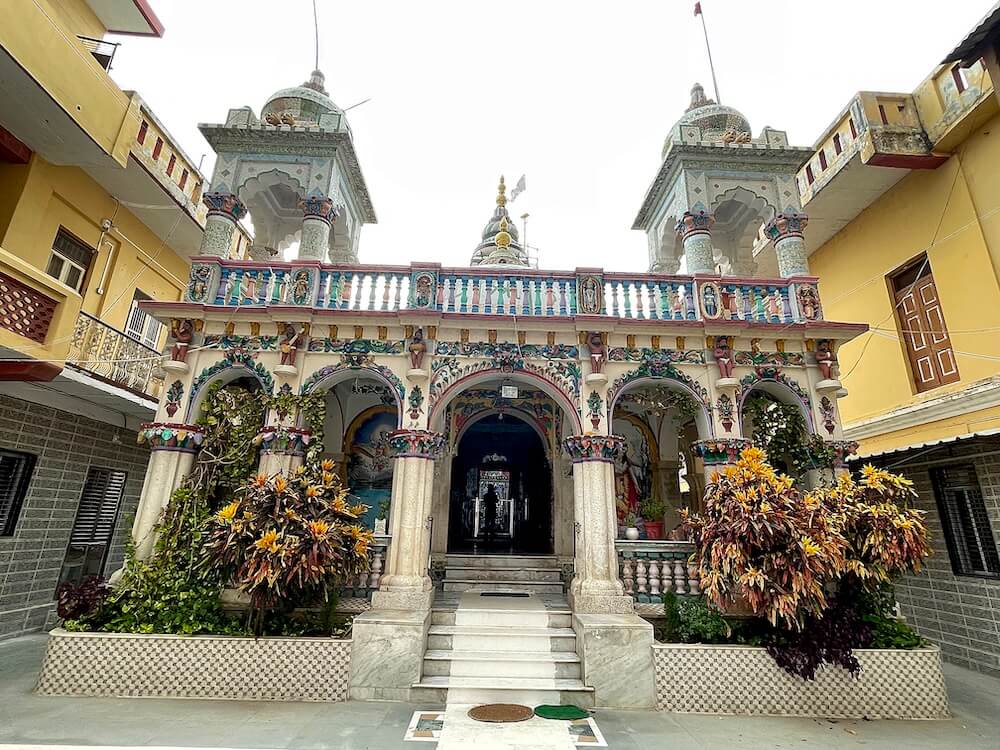 Tibet, the Himalayas and other parts of India, he attained profound knowledge of yogic science. He was deeply influenced by the devotional path of Chaitanya Mahaprabhu and became a dedicated follower of the Gaudiya Vaishnav tradition.
In 1869, Madhavdas joined the Brihat Sadhu Samaj and in 1881 he was chosen as their leader in Vrindavan, Uttar Pradesh. However, he did not stay there long. Committed to the spiritual upliftment of common people, he eventually came to Gujarat and began teaching Yoga Vedanta. After some time, he settled in Malsar on the banks of the Narmada River, where he taught yoga to a select group of disciples and undertook spiritual practices. At the time, this area was covered in dense forest. His ashram served as a rest stop for many saints and Narmada pilgrims, offering them food and shelter.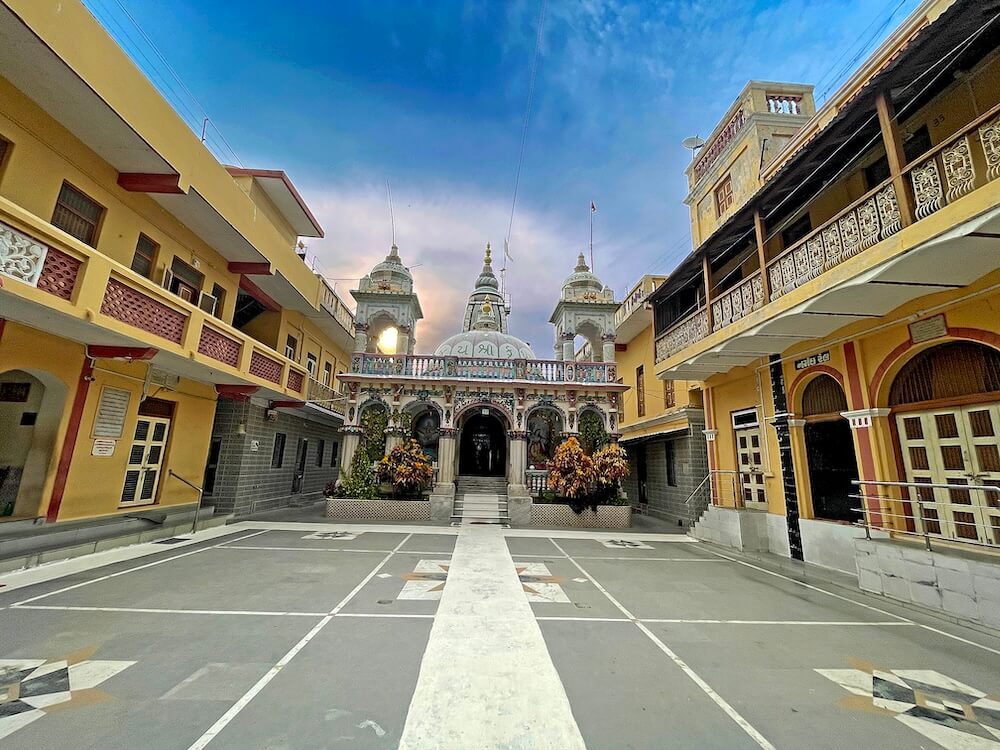
On Phalguna Shuddha Saptami, in Vikram Samvat 1974 (1918–19 CE), Madhavdas performed the consecration (pranpratishtha) of the divine idols of Lord Satyanarayan and Lord Gopinath. He passed away in 1921 at the age of 123 and was given jal samadhi (water burial) in Malsar.
The Satyanarayan Temple is located beside the main road in Malsar. A spacious platform alongside the road leads to the temple. Right in front is the samadhi (memorial) of Paramhans Madhavdas, with his footprints (paduka) and an eternal flame kept burning. Next to it is the Dongre Maharaj Memorial Temple, which houses his idol and a copy of the Bhagavat Purana. Dongre Maharaj narrated the Bhagavat Katha here every Paush month for 33 years. 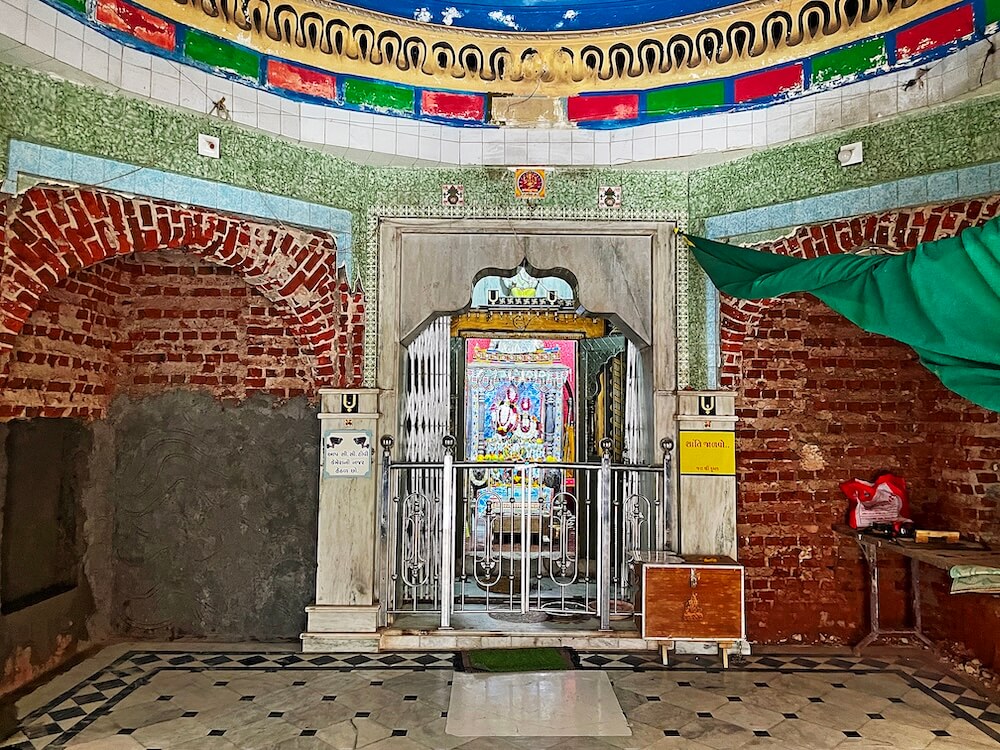 The adjacent structure where he resided has been preserved as a memorial.
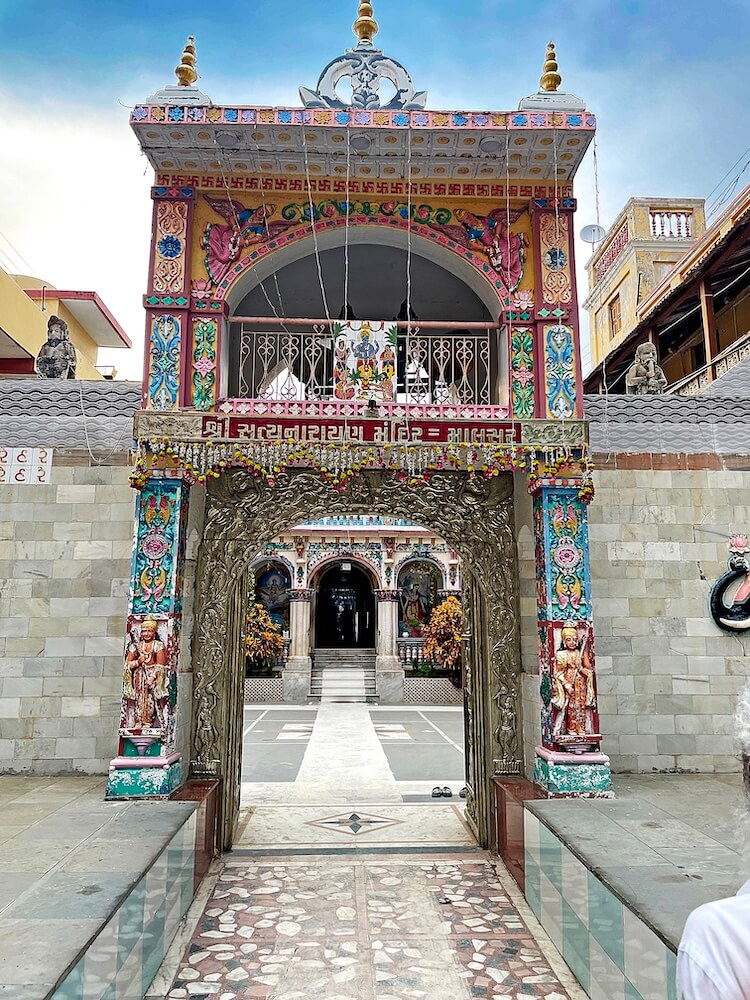
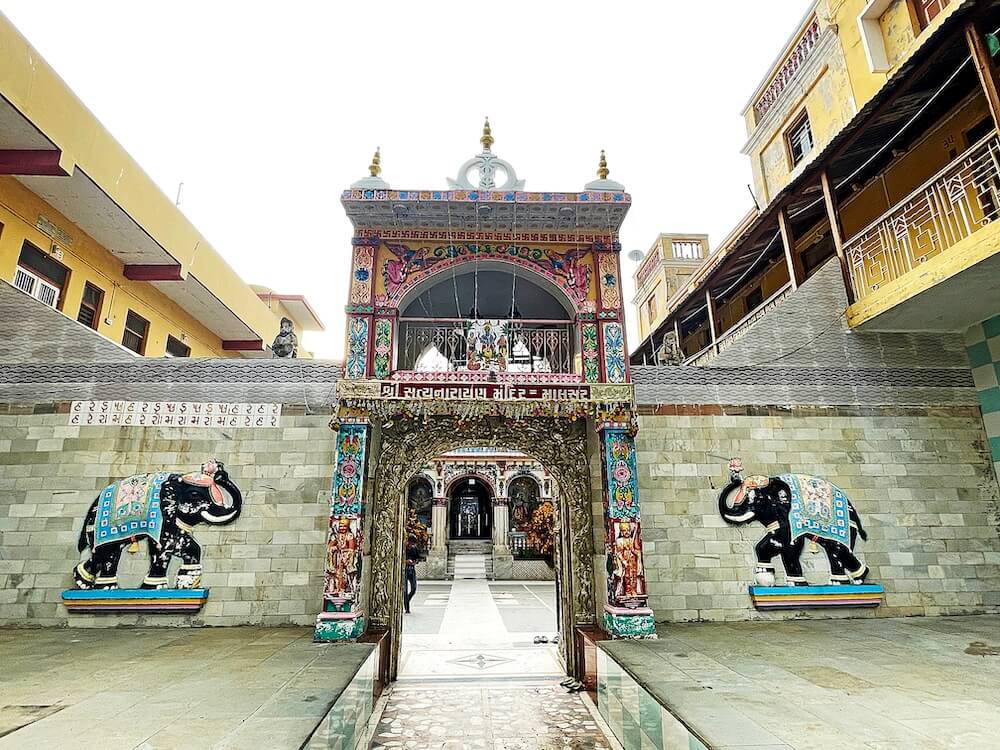
To the right is the east-facing Satyanarayan Temple, with a two-story gateway adorned with beautiful carvings. Sculptures of temple guardians are etched on the outer pillars and high-relief carvings of elephants (gajarajas) appear on both sides of the entrance wall.
The temple complex includes a stone-paved courtyard. There is a two-story dharmashala (pilgrim inn) that provides lodging for devotees. A hall on the ground floor continuously resonates with the chanting of Ram Dhun. The temple office is also located on this level and contains portraits of Dongre Maharaj and other saints.
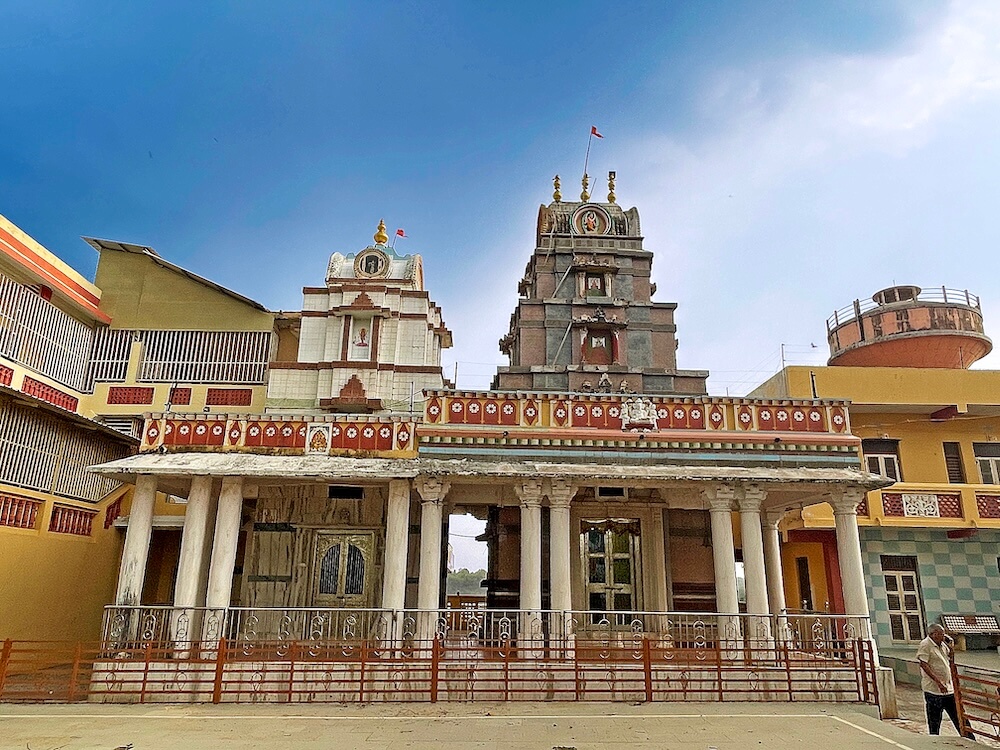 The temple structure comprises of a spacious veranda (owari), an assembly hall (sabhamandap) and a sanctum (garbhagriha), built on an elevated platform. The sabhamandap has a dome-shaped spire flanked by grand meghadambaris (decorative elements). The sanctum features a tall spire in the Nagar architectural style with the urushringa design.
Four steps lead up to the intricately carved arched veranda. Its pillars and arches display exquisite craftsmanship. Statues of sages playing musical instruments are sculpted atop the columns. Other columns, supporting the roof, have carvings of various deities. The arched entrance to the sabhamandap features a large semi-circular doorway. 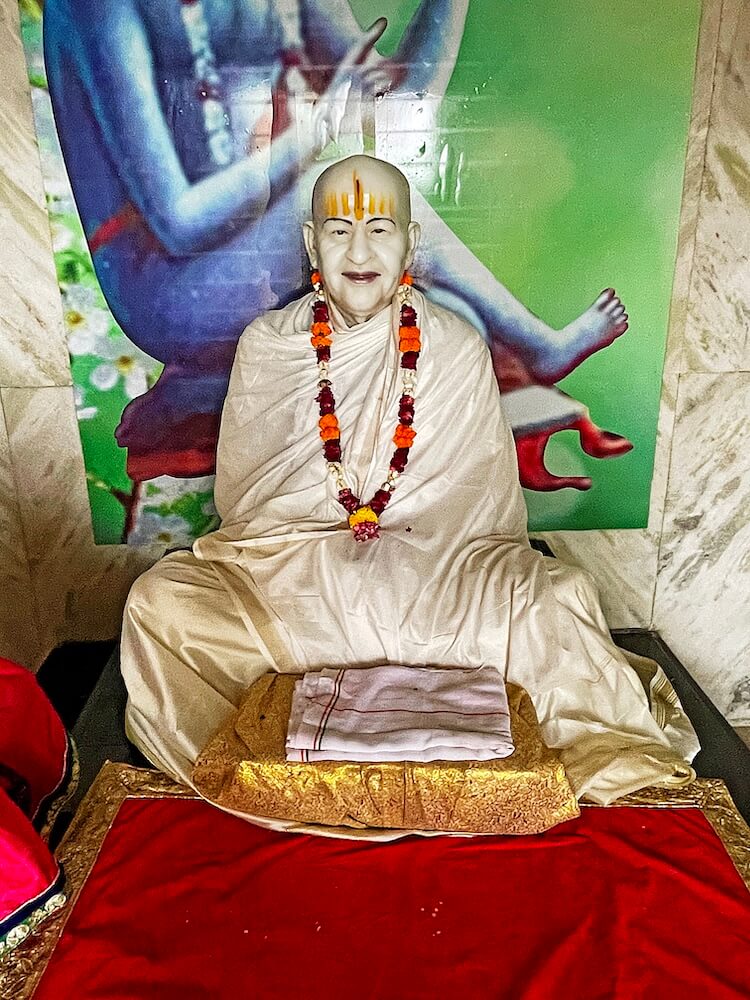 To the left of the entrance on the outer wall is a painting of Lord Vishnu seated on Garuda and to the right is a painting of Gaurang Chaitanya Mahaprabhu. In the left corner shrine of the veranda is an idol of Garudeshwar and on the right corner, a statue of Sankatmochan Hanuman.
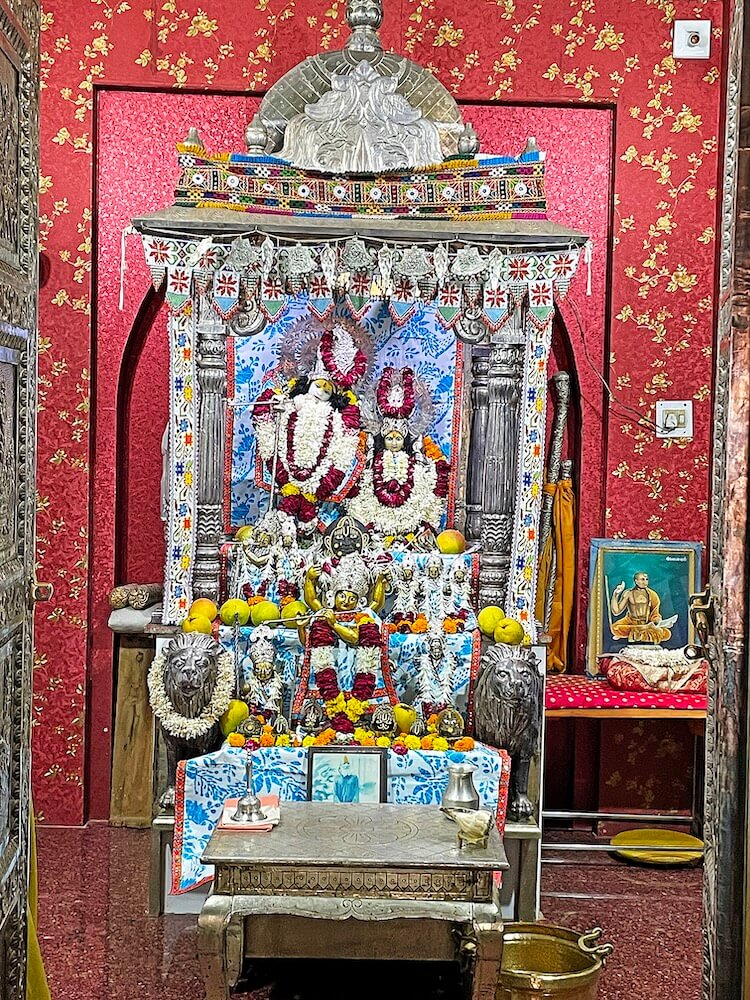
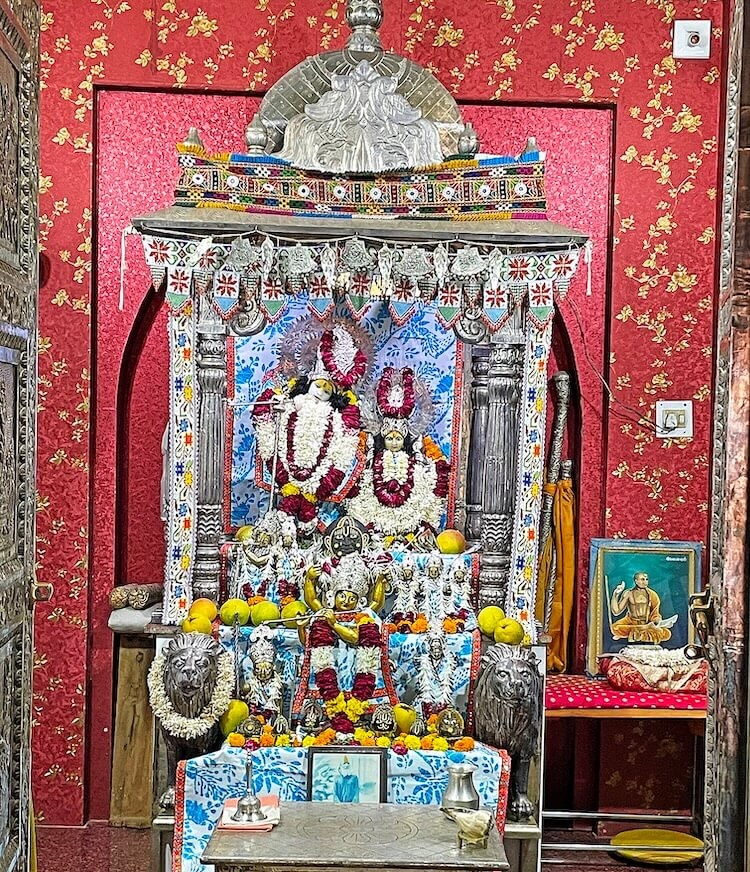
The sabhamandap is spacious and has a domed ceiling. The doorway to the sanctum features auspicious symbols, including a decorative image of Lord Ganesha on the lintel and swastikas on the horizontal beam. Inside the sanctum, beautiful idols of Lord Satyanarayan and Lord Gopinath are housed in a silver-embellished shrine (makhar) flanked by lions. In front of them is a standing idol of Lord Krishna playing the flute.
Various religious festivals are celebrated here throughout the year. On Guru Purnima, the temple is filled with devotees. On this day, abhishek (ritual bathing) is performed on the padukas of Paramhans Madhavdas and Dongre Maharaj, followed by worship rituals. Krishna Janmashtami is celebrated at midnight with various spiritual programs.
Dongreji Maharaj Seva Bhakti Ashram
The Dongreji Maharaj Seva Bhakti Ashram has been established in memory of the eminent Bhagavat storyteller, Shri Dongre Maharaj, who earned the title of the ‘Modern Karna’ for his generosity in the age of Kaliyuga. 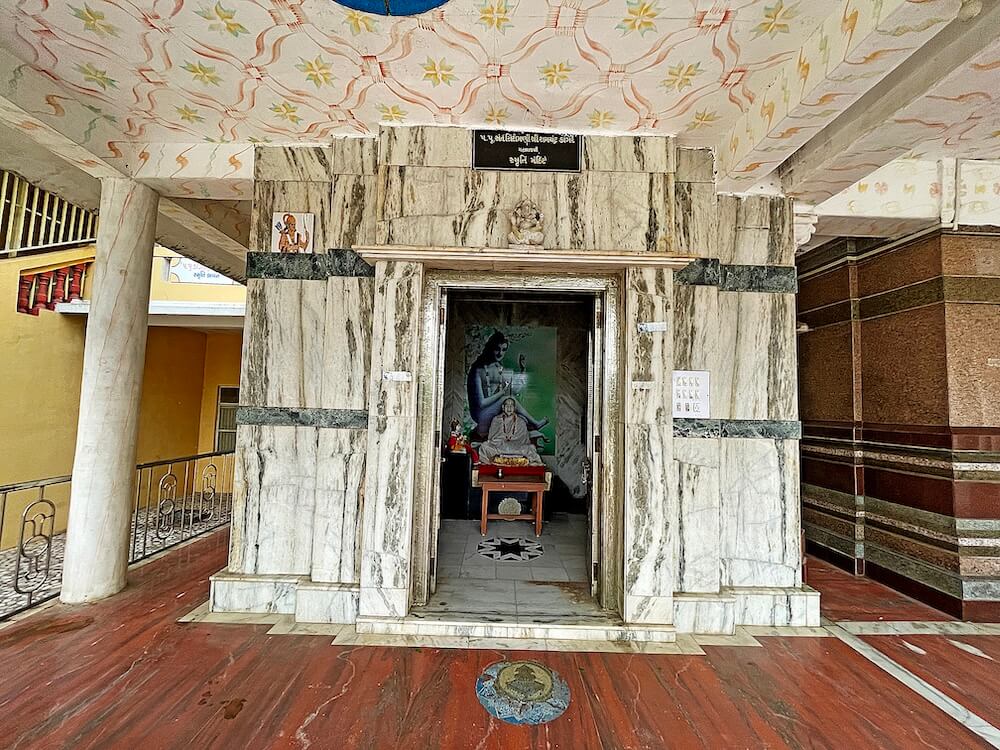 The revered saint who translated the profound scripture ‘Shrimad Bhagavat Rahasya’ into simple and engaging Gujarati language was given jal samadhi (water burial) at this sacred site after his passing. This location, which also serves as a Vanaprasthashram (retreat for the elderly), attracts hundreds of devotees from all over the country who come seeking spiritual peace and to engage in meditation.
Renowned for his affectionate speech, deep spiritual knowledge and captivating storytelling style, Dongre Maharaj was born on 15 February 1926 in Indore, Madhya Pradesh, to Keshavbhai and Kamlatabai Dongre. He spent his childhood in Vadodara. At the age of eight, he went to Pandharpur (Maharashtra) to study rituals. There, he spent seven years learning the Vedas, 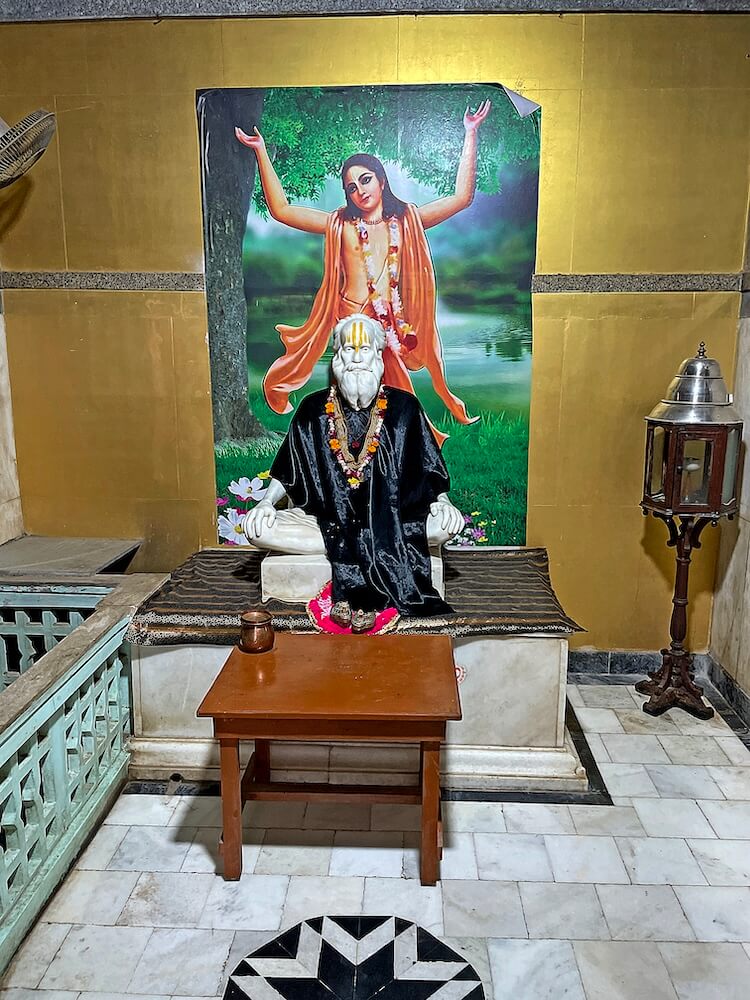 Puranas and religious scriptures. He further pursued ritual studies in Kashi (Varanasi), where he briefly practiced ritual services.
At the age of 23, he gave his first Bhagavat Katha in Marathi in Pune. From the age of 30 onward, he began narrating Bhagavat stories in Gujarati, with Malsar being the first place where he did so.
Thousands of devotees gathered to hear his powerful discourses. Many of his talks were also recorded and distributed. His Gujarati translation of ‘Shrimad Bhagavat Rahasya’, later translated into Hindi as ‘Shrimad Bhagavat Katha’, is well known. Like Shukdev Rishi, Dongre Maharaj led a selfless life. He never accepted dakshina (offerings) for his discourses and donated all proceeds to social, religious and humanitarian causes.
He wore only simple dhoti and upper cloth, never allowed a personal following to form around him and never even opened a bank account. When his wife passed away in Abu, Dongre Maharaj only received the news five days later. He traveled to Abu with businessman Ratibhai Patel of Mumbai but didn’t have funds for her last rites. He asked Ratibhai to sell her earrings and mangalsutra to perform the ritual immersion of her ashes.
Dongre Maharaj spent his final days at Santram Mandir in Nadiad, Gujarat and passed away on 1 November 1991. As per his final wish, he was given jal samadhi in the Narmada River at Malsar. The Dongreji Maharaj Seva Bhakti Ashram was later established by Karsanbhai Patel of Nirma Industries.
The ashram managed by the Shri Bal Gopal Seva Trust, Ahmedabad, welcomes visitors through a grand entrance that opens into a large courtyard. At the beginning of the premises are small shrines dedicated to Jalaram Bapa, Saint Shukdev, Sant Tukaram, Sage Vashishtha, Jagadguru Shankaracharya, Mirabai, Surdas, Shabari, Sage Valmiki, Sant Tulsidas, Sant Namdev, Sage Vishwamitra, Dhruva, Bhagwan Narayan, Devarshi Narad, Bhakt Prahlad and others.
The two-story ashram building offers numerous rooms for accommodations. Facilities include breakfast and two meals a day. Devotees can stay here from a day up to a month. People come here for spiritual peace, to perform pujas, or engage in religious activities. Many devotees book their stay in advance.
Inside the Satsang Hall of the ashram is a statue of Dongre Maharaj in the pose of delivering a Bhagavat Katha. Nearby is a beautiful image of Dwarkadhish (Lord Krishna as King), along with smaller idols of Radha-Krishna and a cradle for Balkrishna. The ashram conducts daily rituals including Mangala Aarti in the early morning, Shringar Aarti at 8:00 AM, Bhog Aarti at 11:30 AM and Sandhya Aarti at 5:30 PM.