
पेरुन्ना सुब्रह्मण्य स्वामी मंदिर
पेरुन्ना, चंगनासेरी, जिल्हा कोट्टायम
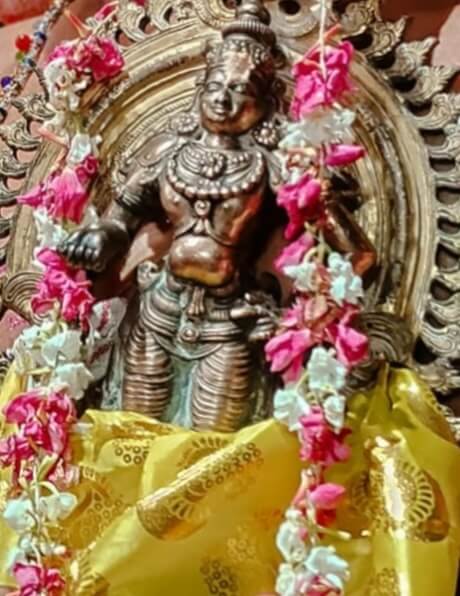 कोट्टायम जिल्ह्यातील चंगनासेरी नगरपालिकेत पेरुन्ना येथे स्थित पेरुन्ना सुब्रह्मण्य स्वामी मंदिर हे केरळमधील सर्वात प्राचीन आणि प्रसिद्ध मंदिरांपैकी एक आहे. या मंदिराचे मुख्य दैवत भगवान सुब्रह्मण्य स्वामी असून, तारकासुर असुराचा वध केल्यानंतरच्या त्यांच्या रौद्र रूपाची येथे पूजा केली जाते. या मंदिरात भगवान गणेश, भगवान शिव, भगवान श्रीकृष्ण आणि नाग देवतांची उप-मंदिरे देखील आहेत.
हे मंदिर राष्ट्रपिता महात्मा गांधी यांनी भेट दिलेल्या पवित्र ठिकाणांपैकी एक म्हणूनही ओळखले जाते. असे मानले जाते की, १९३७ मध्ये केरळच्या दौऱ्यावर असताना त्यांनी येथे येऊन काही दिवस भगवान सुब्रह्मण्य स्वामींची उपासना केली होती. मल्याळम महिन्यातील वृश्चिक महिन्यात त्रिकार्थिकाच्या दिवशी ध्वजारोहणाने सुरू होणारा दहा दिवसांचा वार्षिक उत्सव, मकर महिन्यातील थाईपूयम आणि तुलाम महिन्यातील स्कंद षष्ठी हे येथील प्रमुख उत्सव आहेत. याव्यतिरिक्त, शुक्ल पक्षातील प्रत्येक षष्ठी आणि मंगळवार हे विशेष पूजेचे दिवस म्हणून पाळले जातात. या मंदिराचे प्रशासन त्रावणकोर देवस्वम बोर्डाद्वारे चालवले जाते.
हे मंदिर १२५० वर्षांहून अधिक जुने असल्याचे मानले जाते. प्राचीन मंदिर नोंदी आणि हस्तलिखितांनुसार, या मंदिराची निर्मिती इसवी सन ७५३ मध्ये, कोल्लम युगाच्या सुरुवातीच्या सुमारे ७२ वर्षे आधी झाली होती.
मंदिराच्या निर्मिती आणि विकासाशी संबंधित इतिहास आणि दंतकथा अत्यंत महत्त्वपूर्ण आहेत.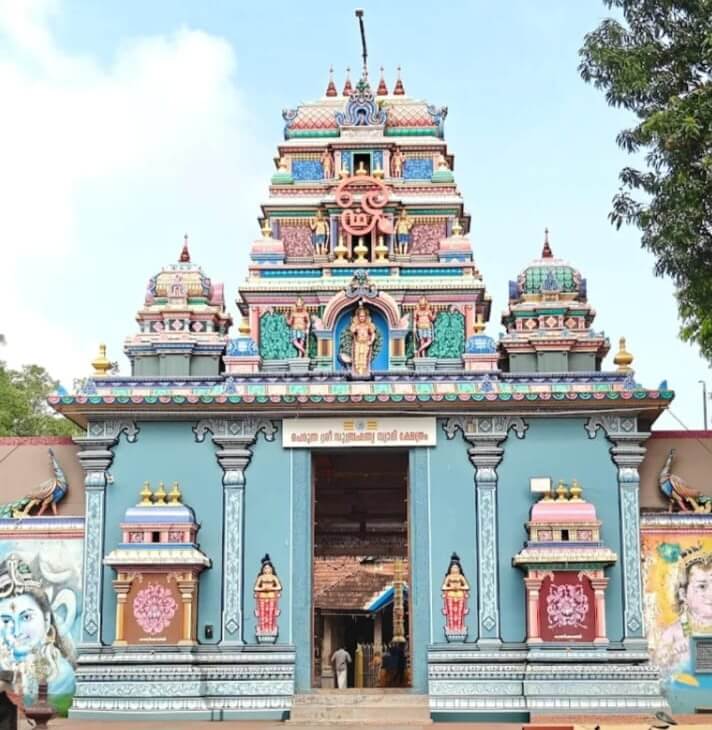 मंदिराच्या पश्चिम प्रवेशद्वाराजवळ सापडलेल्या आणि १० व्या शतकातील ‘वट्टेझुथू’ लिपीत लिहिलेल्या ‘पेरुन्ना शासना’नुसार, चेरा राजवंशातील कुलशेखर पेरुमल्स यांच्या राजवटीत या मंदिराचा मोठ्या प्रमाणावर जीर्णोद्धार करून त्याला सध्याचे स्वरूप देण्यात आले.
केरळच्या समाजसुधारणेच्या इतिहासातही या मंदिराला विशेष स्थान आहे. त्रावणकोरचे महाराज श्री चिथिरा थिरुनल बलराम वर्मा यांनी ‘मंदिर प्रवेश जाहीरनामा’ प्रसिद्ध करण्यापूर्वीच, मन्नथू पद्मनाभन यांच्या नेतृत्वाखाली सर्व जातीधर्माच्या हिंदूंसाठी आपली दारे उघडणारे हे केरळमधील पहिले मंदिर ठरले. या ऐतिहासिक निर्णयानंतर, महात्मा गांधींनी १९३७ मध्ये त्यांच्या केरळ दौऱ्यादरम्यान या मंदिराला भेट दिली आणि भगवान सुब्रह्मण्य यांची पूजा केली. दंतकथेनुसार, पेरुन्नाजवळ ‘उम्बिझी’ नावाचे एक गाव होते. पेरुन्नाचे लोक त्यांच्या भक्तीसाठी आणि सदाचारी जीवनासाठी ओळखले जात असताना, उम्बिझीचे लोक काळी जादू आणि वाईट कृत्ये करत असल्याचे मानले जात असे. आपल्या गावच्या मंदिरातील उपासनेमुळे पेरुन्नाच्या लोकांना मिळालेली समृद्धी आणि आशीर्वाद पाहून मत्सर वाटल्यामुळे, 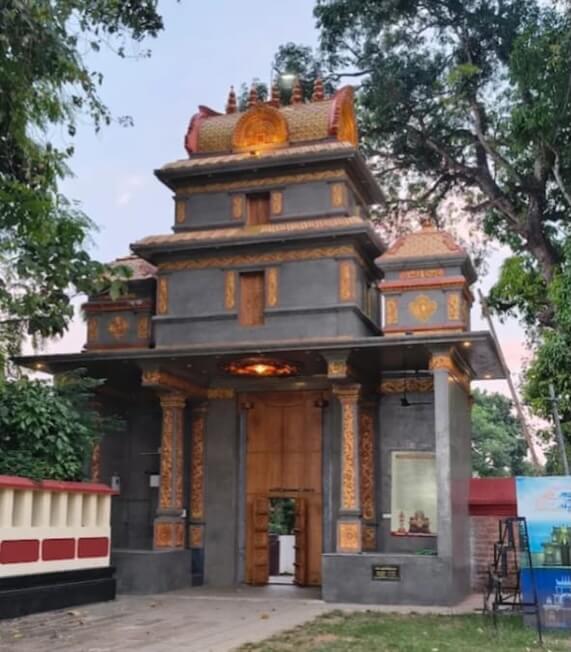 कीझाक्कुलंगरा शिव मंदिर, उम्बिज्ही येथील लोकांनी कथितरित्या त्यांच्याविरुद्ध विविध हानिकारक विधी आणि कृत्ये केली होती. तथापि, भगवान शिवाच्या आशीर्वादाने, पेरुन्ना येथील लोकांनी अशा सर्व संकटांवर मात केली.
यामुळे संतापलेल्या उम्बिज्हीच्या लोकांनी अखेरीस कीझाक्कुलंगरा मंदिरावर हल्ला करून ते नष्ट केले. मंदिर उद्ध्वस्त झाले असले तरी, तेथील शिवलींग चमत्कारिकरित्या सुरक्षित राहिले असल्याचे मानले जाते. आपल्या मंदिराच्या विनाशाने व्यथित झालेल्या पेरुन्ना येथील लोकांनी उपाय शोधण्यासाठी “प्रश्न चिंतन” (ज्योतिषीय विधी सल्ला) केले. दैवी कौलातून असे स्पष्ट झाले की, उम्बिज्हीच्या दुष्ट प्रभावांचा आणि शत्रुत्त्वपूर्ण शक्तींचा नाश करण्यासाठी भगवान सुब्रह्मण्य यांच्या उग्र योद्धा स्वरूपाचे मंदिर स्थापन केले पाहिजे.
त्यानंतर, पेरुन्ना येथील पाडिंजट्टुम्भागम इडामनायिल्लम कुटुंबातील कुमारन नम्बूतिरी यांनी भगवान सुब्रह्मण्य यांची योग्य मूर्ती आणण्यासाठी तामिळनाडूतील प्रसिद्ध पलनी मंदिराची तीर्थयात्रा केली. अनेक दिवसांच्या तीव्र भक्ती आणि प्रार्थनेनंतर, भगवान सुब्रह्मण्य त्यांच्या स्वप्नात प्रकट झाले आणि म्हणाले: “मूर्तीसाठी तुला पलनीला येण्याची गरज नाही. सुब्रह्मण्य यांची एक पवित्र मूर्ती तुमच्या गावाजवळील कोडुथुराई नदीत आहे.” 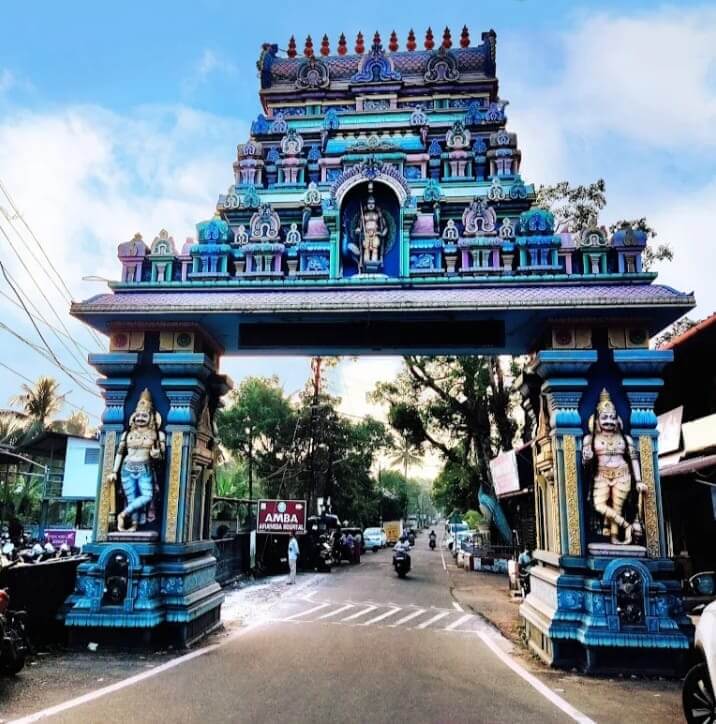 “ती मूर्ती शोधून पेरुन्ना येथे तिची प्रतिष्ठापना करा.” ईश्वरी आज्ञेचे पालन करून कुमारन नंबुदिरी घरी परतले आणि त्यांनी चंगनशेरी जवळील चीरामचिरा येथील कोडुथुरा नदीतून ती मूर्ती शोधून काढली.
उम्बिझीच्या दुष्ट शक्ती आणि शत्रुत्वाचा पूर्णपणे नाश करण्यासाठी, तारकासुराचा वध केल्यानंतरच्या रौद्र रूपातील भगवान सुब्रह्मण्य यांची येथे प्रतिष्ठापना करण्यात आली. देवतेची स्थापना एका शक्तिशाली मुद्रेत केली आहे, ज्यामध्ये त्यांनी दैवी ‘वेल’ (भाला) खालच्या दिशेला धरला आहे. हे प्रतीक आहे की शत्रूंचा पराभव केल्यानंतरही देवाचा क्रोध शांत झाला नव्हता. दंतकथेनुसार, या प्रतिष्ठापनेनंतर उम्बिझी गाव नष्ट झाले आणि पेरुन्नामध्ये पुन्हा समृद्धी आली. हे मंदिर पेरुन्नाच्या मध्यवर्ती भागात, मेन सेंट्रल रोडच्या थोड्या पश्चिमेला स्थित आहे. मंदिराचे तोंड पूर्वेकडे आहे. मंदिराच्या नावाची कमान असलेला एक सुशोभित प्रवेशद्वार मंदिराकडे जाणाऱ्या मार्गावर आहे. तिथून थोड्या अंतरावर चालत गेल्यावर उत्तरेच्या बाजूला मंदिर दिसते.
मंदिराचे एक मुख्य आकर्षण म्हणजे येथील भव्य तमिळ शैलीतील गोपुरम. गोपुराच्या एका बाजूला भगवान सुब्रह्मण्य यांची शिल्पे कोरलेली आहेत, तर दुसऱ्या बाजूला भगवान शिव यांच्या प्रतिमा आहेत. 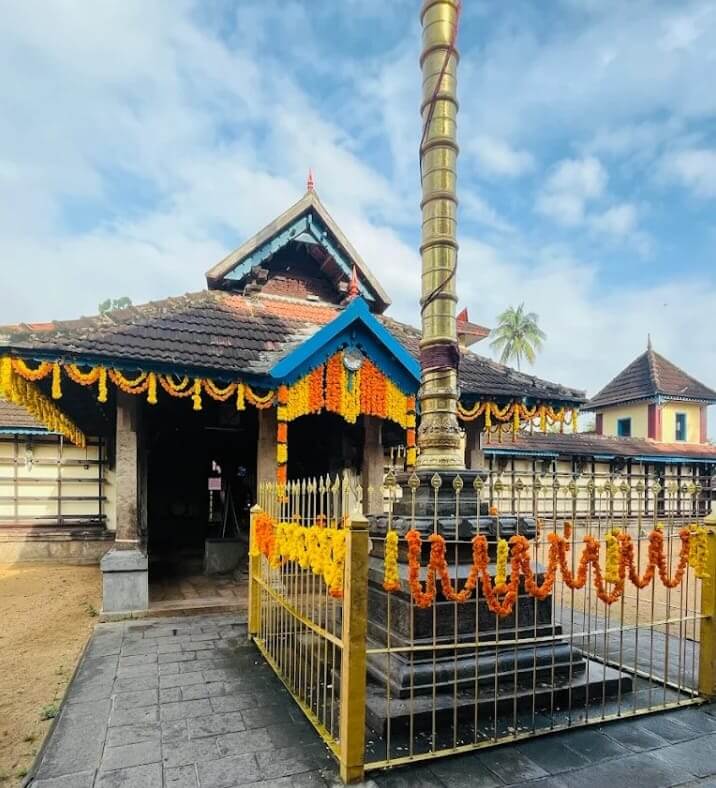 खाली गणेश, भगवान श्रीकृष्ण आणि इतर देवतांच्या मूर्ती कोरलेल्या आहेत. मंदिराच्या ईशान्य दिशेला एक मोठे मंदिर तलाव आहे. पूर्व गोपुराद्वारे प्रवेश केल्यावर, भाविकांना प्रथम भव्य हत्ती निवारा दिसतो, जो मंदिर उत्सवांच्या वेळी एकाच वेळी जवळजवळ ७ हत्तींना रांगेत उभे करण्यासाठी पुरेसा प्रशस्त आहे. याच्या पलीकडे सोन्याचा ध्वजस्तंभ उभा आहे, ज्याच्या शिखरावर भगवान सुब्रह्मण्य यांचे दिव्य वाहन असलेल्या मोराची प्रतिमा आहे. जवळजवळ ६० फूट उंच असलेला हा ध्वजस्तंभ मंदिराचे एक प्रमुख आकर्षण आहे.
ध्वजस्तंभाच्या पलीकडे बलिकल्पुरा आहे, जिथे मंदिराचा मुख्य बळीचा दगड आहे. जवळजवळ १० फूट उंच असलेला हा भव्य दगड मंदिराच्या आतील दृश्याला अंशतः झाकतो. असे मानले जाते की हे स्कंद सेना, देवांच्या स्वर्गीय सैन्याचे सेनापती यांचे प्रतीक आहे. बलिकल्पुराच्या छतावर ब्रह्मा, अष्टदिक्पालक, तसेच असंख्य दिव्य आकृत्या, प्राणी आणि पक्ष्यांचे नक्षीकाम आणि पौराणिक प्राणी कोरलेले आहेत. मंदिर संकुल जवळजवळ ३ एकरमध्ये पसरलेले असून अनेक समृद्ध वृक्षांनी व्यापलेले आहे. सर्प देवतांचे मंदिर संकुलाच्या नैऋत्य भागात एका वडाच्या झाडाखाली स्थित आहे. 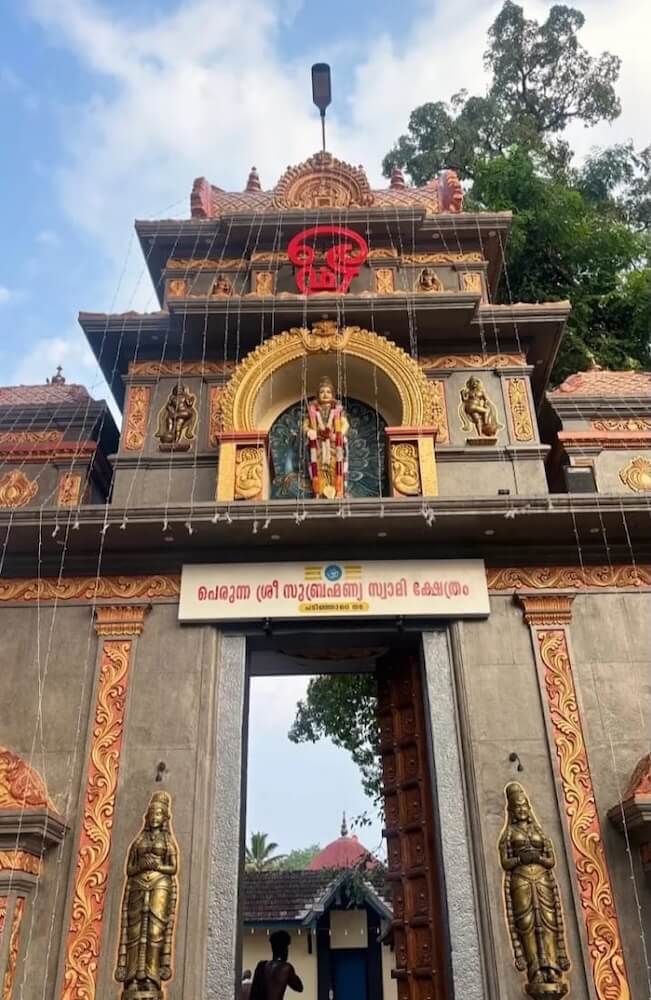 येथे वासुकीची मुख्य सर्प देवता म्हणून नागराक्षी, नागकन्याका आणि नागचामुंडी यांच्यासह पूजा केली जाते.
गर्भगृह हे पारंपारिक केरळ मंदिर स्थापत्यकलेचे एक उत्तम उदाहरण आहे, ज्यामध्ये दगड, लाकूड आणि तांब्याचा सुंदर मेळ घातला आहे. मंदिरात एक दुर्मिळ गोलाकार गर्भगृह आहे, जे केरळमधील काही मोजक्याच मंदिरांमध्ये पाहायला मिळते. गर्भगृह ही दोन मजली रचना असून खालचे छत तांब्याच्या पत्र्यांनी झाकलेले आहे. मुख्य देवता, भगवान सुब्रह्मण्य, तारकासुराचा वध केल्यानंतर आपल्या उग्र योद्धा रूपात पूर्वेकडे तोंड करून उभे आहेत. गर्भगृहाच्या बाहेरील भिंती आणि छताच्या भागांवर हिंदू पौराणिक कथांमधील दृश्यांचे सुंदर लाकडी कोरीव काम आणि शिल्पे आहेत. भिंतींवर प्राचीन केरळ शैलीतील भित्तिचित्रे देखील जतन केलेली आहेत.
गर्भगृहाच्या समोर एक सुंदर बांधलेली चौकोनी नमस्कार मंडपम आहे, ज्याच्या खांबांवर आणि छतावर गुंतागुंतीचे लाकडी कोरीव काम केलेले आहे. गर्भगृहातील भगवान सुब्रह्मण्य यांची काळ्या दगडाची मूर्ती जवळजवळ ६ फूट उंच असून ती अफाट दिव्य ऊर्जा आणि वीर उग्रता उत्सर्जित करते. मंदिराच्या अद्वितीय तांत्रिक आणि वास्तुशिल्पीय वैशिष्ट्यांपैकी एक म्हणजे मुख्य मूर्तीच्या मागे असलेले भगवान नरसिंहांचे कोरीव काम, जे भगवान सुब्रह्मण्य यांच्या तीव्र ऊर्जेचे संतुलन राखते असे मानले जाते.
दरवर्षी, दहा दिवसांचा वार्षिक उत्सव मल्याळम महिना वृश्चिकम (नोव्हेंबर-डिसेंबर) मधील थ्रिकाथिका नक्षत्राच्या दिवशी ध्वजारोहणाने सुरू होतो. या भव्य उत्सवात हजारो भाविक सहभागी होतात. उत्सवाच्या चौथ्या संध्याकाळी आयोजित ‘थ्रिपेरुन्ना पक्कल पूरम’ हे त्याच्या भव्य हत्ती मिरवणुकीसाठी, पारंपारिक तालवाद्य संचांसाठी आणि रंगीबेरंगी छत्री प्रदर्शनासाठी विशेष प्रसिद्ध आहे.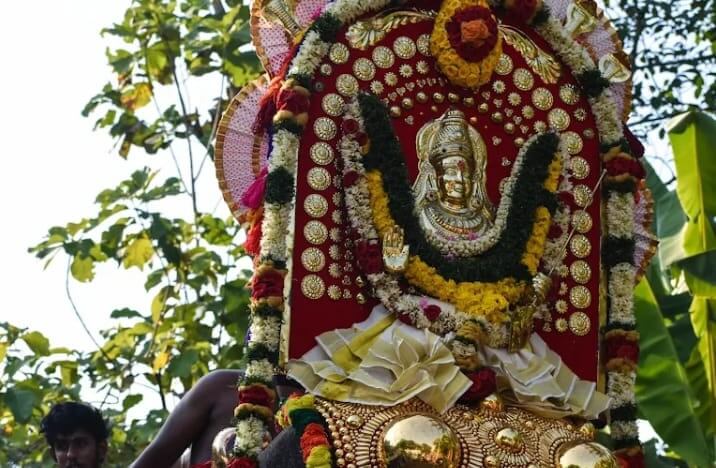
उत्सव दहाव्या दिवशी भव्य आरट्टू समारंभाने संपतो. थाईपूयम मल्याळम महिना मकरम (जानेवारी-फेब्रुवारी) मधील पूयम नक्षत्रादरम्यान साजरा केला जातो. भाविक भव्य कावडी मिरवणुका आणि धार्मिक विधींमध्ये सहभागी होतात. कावडी विलक्कूच्या दिवशी, देवतेची सोन्याची तिदंबू सजवलेल्या हत्तींच्या पाठीवर मिरवली जाते.
स्कंद षष्ठी मल्याळम महिना तुला (ऑक्टोबर-नोव्हेंबर) मधील शुक्ल पक्षातील षष्ठी तिथीला पाळली जाते. हा उत्सव भगवान सुब्रह्मण्य यांचा तारकासुरावरील विजय आणि देवसेनेच्या संरक्षणाचे स्मरण करतो. भाविक या पवित्र दिवशी उपवास आणि विशेष प्रार्थना करतात. वर्षभर प्रत्येक शुक्ल पक्षातील षष्ठीला विशेष पूजा केली जाते, तर मंगळवार हा मंदिरासाठी विशेष पवित्र मानला जातो.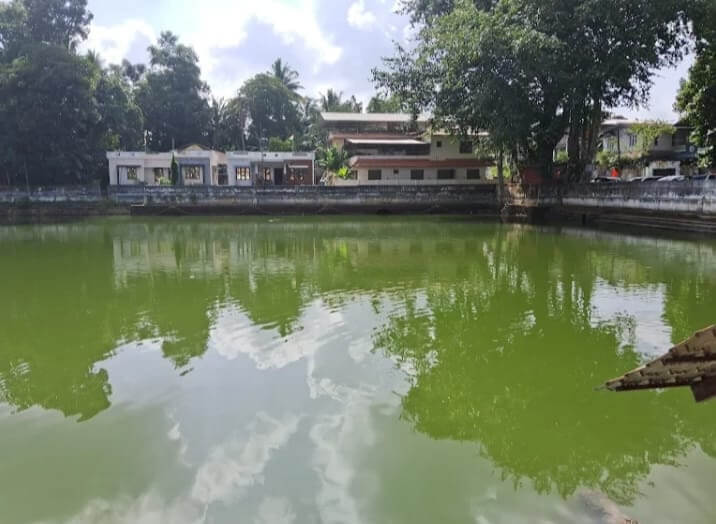
मंदिरातील प्रमुख अर्पणांमध्ये इडिचू पिझिंज पायसम, थुलापायसम, पंचामृत आणि लिंबू माळ अर्पण यांचा समावेश आहे. भाविक अडथळे, शत्रूंचे त्रास, आजारपण दूर करण्यासाठी आणि इच्छापूर्तीसाठी या प्रार्थना करतात. येथील सर्वात अनोखे अर्पण म्हणजे इडिचू पिझिंज पायसम, जे भाविकांना गंभीर आजारांवर मात करण्यास आणि चांगले आरोग्य मिळवण्यास मदत करते असे मानले जाते. थुलापायसम यशासाठी आणि इच्छापूर्तीसाठी अर्पण केले जाते, तर पंचामृत हे भगवान मुरुगन पूजेशी संबंधित सर्वात महत्त्वाच्या अर्पणांपैकी एक आहे. लिंबू अर्पणांना मंदिरात विशेष महत्त्व आहे. भाविक शत्रूंचे त्रास, व्यवसायातील अडचणी आणि जीवनातील अडथळे दूर करण्यासाठी लिंबाच्या माळा अर्पण करतात. मंगळवारच्या विशेष विधीमध्ये केळीच्या पानावर लिंबू, नाणे आणि पांढरे फूल अर्पण करून सलग सहा मंगळवार गर्भगृहाभोवती सहा प्रदक्षिणा घालणे समाविष्ट आहे.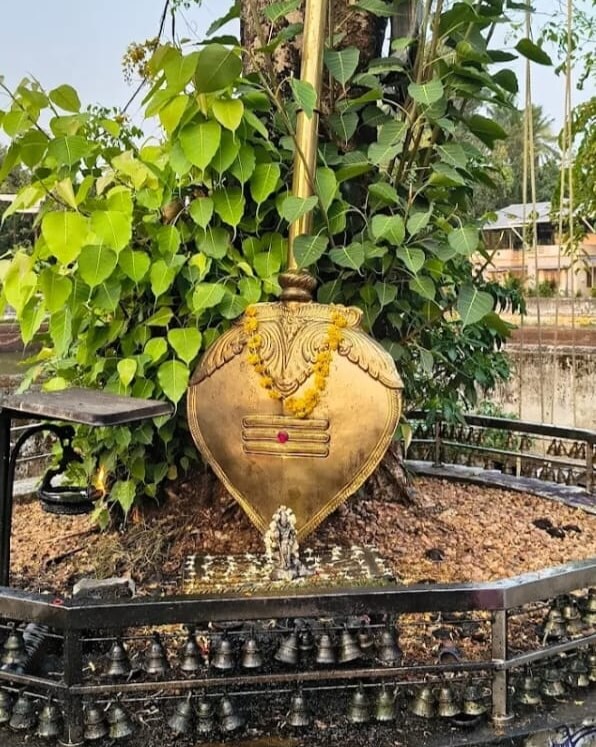
पहिले मंगळवारचे अर्पण भगवान गणेशाला केले जाते, तर उर्वरित अर्पणे भगवान सुब्रह्मण्य यांना समर्पित केली जातात. दुग्धाभिषेक आणि भस्माभिषेक हे देखील देवतेसाठी केले जाणारे महत्त्वाचे विधी आहेत. ‘कण्णन पझम’ हे शुभ प्रसंगी केले जाणारे आणखी एक विशेष अर्पण आहे. थाईपूयम दरम्यान, भाविक नवस आणि अर्पणांचा भाग म्हणून कावडी वाहतात.
मंदिरातील विधी पहाटे ०४:४५ वाजता जागृती समारंभ आणि निर्मल्य दर्शनाने सुरू होतात. पहाटे ०५:०० ते ०५:३० पर्यंत वाका चार्टू, तैलाभिषेक आणि जलाभिषेक यांसह विविध अभिषेक केले जातात. पहाटे ०५:४५ वाजता मलर निवेद्यम अर्पण केले जाते, त्यानंतर सकाळी ०६:१५ वाजता उषा पूजा केली जाते. सकाळी ०७:०० वाजता एथिरेल्लपू पूजा आणि सीवेली आयोजित केली जाते, तर सकाळी ०८:०० वाजता पन्थेराडी पूजा होते. सकाळी ०९:३० वाजता नवका अभिषेक केला जातो, त्यानंतर सकाळी १०:३० वाजता उचा पूजा होते. सकाळी ११:०० वाजता उचा सीवेलीनंतर मंदिर दुपारसाठी बंद होते. मंदिर संध्याकाळी ०५:३० वाजता पुन्हा उघडते. संध्याकाळी ०६:३० वाजता दीपाराधना केली जाते, त्यानंतर संध्याकाळी ०७:३० वाजता अथाझा पूजा आणि रात्री ०८:०० वाजता अथाझा सीवेली होते. रात्री ०८:३० वाजता, देवाला विधीवत विश्रांती देण्यापूर्वी सुगंधी धूप आणि पवित्र सुगंधी द्रव्ये अर्पण करून ‘थ्रिप्पुका’ विधी केला जातो. दिवसाच्या या अंतिम विधीनंतर मंदिर बंद होते.
मुख्य आकर्षण
- कोट्टायम शहरापासून २१ किमी आणि चंगनसेरी शहरापासून २ किमी अंतरावर स्थित आहे.
- चंगनासेरी रेल्वे स्थानकापासून ३ किमी अंतरावर.
- पेरुन्ना येथे जाण्यासाठी राज्य परिवहन (KSRTC) आणि स्थानिक वाहतुकीची सोय उपलब्ध आहे.
- खाजगी वाहने मंदिराच्या पार्किंग क्षेत्रात उभी करता येतील.
- संपर्क क्रमांक +९१ ४८१२४२०१०९
Perunna Subrahmanya Swami Temple
Perunna, Changanassery, Dist. Kottayam
Perunna Subrahmanya Swami Temple, located at Perunna in the Changanassery Munic-ipality of Kottayam district, is one of the most ancient and renowned temples in Kerala. The main deity of the temple is Lord Subrahmanya Swamy in his fierce form after slaying the asura Tarakasura. The temple also has sub-shrines dedicated to Lord Ganesha, Lord Shiva, Lord Krishna, and the serpent deities.
The temple is also known as one of the sacred places visited by Mahatma Gandhi, the Father of the Nation. It is believed that during his visit to Kerala in 1937, he came here and spent a few days worshipping Lord Subrahmanya.The ten-day annual festival beginning with the flag hoisting on the day of Thrikarthika in the Malayalam month of Vrischikam, Thaipooyam in the month of Makaram, and Skanda Sashti in the month of Thulam are the major festivals celebrated here. In addition, every Shashti day in the bright fortnight and Tuesdays are observed as special days of worship. The temple is administered under the Travancore Devaswom Board.
The temple is believed to be more than 1250 years old. According to ancient temple records and manuscripts, the temple was constructed in AD 753, around 72 years before the beginning of the Kollam Era.
The history and legends associated with the construction and development of the temple are highly significant. According to the “Perunna Sasana,” an inscription written in Vattezhuthu script found near the western entrance of the temple and dating back to the 10th century, the temple was extensively renovated and expanded into its present form during the reign of the Kulasekhara Perumals of the Chera dynasty.
The temple also holds a special place in Kerala’s social reform history. Even before the Temple Entry Proclamation issued by Maharaja Sree Chithira Thirunal Balarama Varma of Travancore, this temple became one of the earliest temples in Kerala to open its doors to all Hindus irrespective of caste under the leadership of Mannathu Padmanabhan. Following this historic decision, Mahatma Gandhi visited the temple during his Kerala tour in 1937 and offered worship to Lord Subrahmanya. According to legend, there once existed a village called “Umbizhi” near Perunna. While the people of Perunna were known for their devotion and virtuous life, the people of Umbizhi were believed to practice black magic and evil deeds. Jealous of the prosperity and blessings received by the people of Perunna through the worship at their village temple, Keezhakkulangara Shiva Temple, the people of Umbizhi allegedly performed various harmful rituals and acts against them. However, with the blessings of Lord Shiva, the people of Perunna overcame all such hardships.
Enraged by this, the people of Umbizhi eventually attacked and destroyed the Keezhakku-langara Temple. Though the temple was ruined, the Shiva Lingam there is believed to have miraculously survived. Distressed by the destruction of their temple, the people of Perunna conducted a “Prasna Chinthanam” (astrological ritual consultation) seeking a remedy. The divine verdict revealed that a temple dedicated to Lord Subrahmanya in his fierce warrior form should be established to destroy the evil influences and hostile forces of Umbizhi.
Following this, Kumaran Namboothiri of the Padinjattumbhagam Idamanayillam family
in Perunna undertook a pilgrimage to the famous Palani Temple in Tamil Nadu to bring a suitable idol of Lord Subrahmanya. After days of intense devotion and prayers, Lord Subrahmanya appeared in his dream and said: “You need not come to Palani for the idol. A sacred idol of Subrahmanya lies in the Koduthurai river near your village. Retrieve it and consecrate it at Perunna.” Obeying the divine command, Kumaran Namboothiri returned home and discovered the idol from the Koduthurai river near Cheeramchira, close to Changanassery.
To completely destroy the evil powers and hostility of Umbizhi, Lord Subrahmanya in his fierce form after slaying Tarakasura was consecrated here. The deity is installed in a powerful posture holding the divine Vel (spear) downward, symbolizing that even after defeating the enemies, the Lord’s wrath had not subsided. According to legend, after this consecration, the village of Umbizhi perished and prosperity returned to Perunna. The temple is situated slightly west of the Main Central Road in the heart of Perunna. The temple faces east. An ornate entrance arch bearing the temple’s name marks the pathway leading to the temple. A short walk from there reveals the temple on the northern side.
One of the major attractions of the temple is its magnificent Tamil-style gopuram. Sculp-tures of Lord Subrahmanya adorn one side of the tower, while images of Lord Shiva, Ganesha, Lord Krishna, and other deities are carved below. A large temple pond is sit-uated on the northeastern side of the temple. Entering through the eastern gopuram, devotees first see the massive elephant shelter, spacious enough to line up nearly seven elephants at a time during temple processions. Beyond this stands the golden flagstaff crowned with the image of the peacock, the divine vehicle of Lord Subrahmanya. Rising to nearly 60 feet, this flagstaff is one of the temple’s major highlights.
Beyond the flagstaff is the Balikkalpura, which houses the temple’s main sacrificial stone. The massive stone, standing nearly ten feet tall, partially obscures the inner view of the temple. It is believed to represent Skanda Sena, the commander of the Lord’s celestial army. The ceiling of the Balikkalpura features carvings of Brahma, the Ashta Dikpalakas (guardians of the eight directions), along with numerous divine figures, animal motifs, bird motifs, and mythical beings. The temple complex spreads across nearly three acres and is filled with many flourishing trees. The shrine of the serpent deities is located beneath a banyan tree in the southwestern part of the compound. Vasuki is worshipped here as the chief serpent deity along with Nagarakshi, Nagakanyaka, and Nagachamundi.
The sanctum sanctorum is a fine example of traditional Kerala temple architecture, beau-tifully combining stone, wood, and copper. The temple possesses a rare circular sanctum, seen only in a few temples of Kerala. The sanctum is a two-storeyed structure, with the lower roof covered in copper plates. The principal deity, Lord Subrahmanya, stands fac-ing east in his fierce warrior form after slaying Tarakasura. Beautiful wooden carvings and sculptures depicting scenes from Hindu mythology adorn the outer walls and roof sections of the sanctum. Ancient Kerala-style mural paintings are also preserved on the walls.
In front of the sanctum stands a beautifully built square-shaped Namaskara Mandapam decorated with intricate wooden carvings on its pillars and ceiling. The black stone idol of Lord Subrahmanya inside the sanctum is nearly six feet tall and radiates immense divine energy and heroic fierceness. One of the temple’s unique tantric and architectural features is the carving of Lord Narasimha behind the main idol, believed to balance the
intense energy of Lord Subrahmanya.
Every year, the ten-day annual festival begins with the ceremonial flag hoisting on the Thrikarthika star day in the Malayalam month of Vrischikam (November–December). Thousands of devotees participate in this grand celebration. The “Thripperunna Pakal Pooram,” held on the fourth evening of the festival, is especially famous for its majestic elephant procession, traditional percussion ensembles, and colourful umbrella displays.
The festival concludes with the grand Aarattu ceremony on the tenth day. Thaipooyam is celebrated during the Pooyam star in the Malayalam month of Makaram (January–February). Devotees participate in magnificent Kavadi processions and devotional rituals. On Kavadi Vilakku day, the golden Thidambu of the deity is carried atop decorated elephants.
Skanda Sashti is observed during the bright fortnight Sashti day in the Malayalam month of Thulam (October–November). This festival commemorates Lord Subrahmanya’s vic-tory over Tarakasura and the protection of the Devasena. Devotees observe fasting and special prayers on this sacred day. Special worship is also conducted on every Sashti day of the bright fortnight throughout the year, while Tuesdays are considered especially sacred at the temple.
Among the major offerings at the temple are Idichu Pizhijnja Payasam, Thulapayasam, Panchamritham, and Lemon Garland offerings. Devotees offer these prayers seeking relief from obstacles, enemy afflictions, illnesses, and for the fulfillment of wishes. The most unique offering here is the Idichu Pizhijnja Payasam, believed to help devotees overcome severe illnesses and gain good health. Thulapayasam is offered for success and fulfillment of desires, while Panchamritham remains one of the most important offerings associated with Lord Murugan worship. Lemon offerings hold special significance in the temple. Devotees offer lemon garlands seeking relief from enemy troubles, business difficulties, and obstacles in life. A special Tuesday ritual involves offering a lemon, coin, and white flower on a banana leaf and circumambulating the sanctum six times for six consecutive Tuesdays.
The first Tuesday offering is made to Lord Ganesha, while the remaining offerings are dedicated to Lord Subrahmanya. Milk abhishekam and sacred ash abhishekam are also important rituals performed for the deity. “Kannan Pazham” is another special offering made on auspicious occasions. During Thaipooyam, devotees carry Kavadi as part of their vows and offerings.
The temple rituals begin at 04:45 AM with the awakening ceremony and Nirmalya Dar-shanam. From 05:00 AM to 05:30 AM, various abhishekams including Vaka Charthu, oil abhishekam, and water abhishekam are performed. Malar Nivedyam is offered at 05:45 AM followed by Usha Pooja at 06:15 AM. Ethirelppu Pooja and Seeveli are conducted at 07:00 AM, while Pantheeradi Pooja takes place at 08:00 AM. Navaka Abhishekam is performed at 09:30 AM followed by Ucha Pooja at 10:30 AM. After the Ucha Seeveli at 11:00 AM, the temple closes for the afternoon. The temple reopens at 05:30 PM. Deeparadhana is conducted at 06:30 PM, followed by Athazha Pooja at 07:30 PM and Athazha Seeveli at 08:00 PM. At 08:30 PM, the “Thrippuka” ritual is performed by of-fering fragrant incense and sacred aromatic substances before ceremonially putting the deity to rest. The temple closes after this final ritual of the day.
Key highlight
- Located 21 km away from Kottayam town and 2 km away from Changanassery town.
- 3 km away from Changanassery railway station.
- State Transport (KSRTC) and local transportation are available to Perunna.
- Private vehicles can park at the temple’s parking area.
- Contact number + 91 4812420109
पेरुन्ना सुब्रह्मण्य स्वामी मंदिर
पेरुन्ना, चंगनासेरी, जिला कोट्टायम
कोट्टायम जिले की चंगनासेरी नगरपालिका के पेरुन्ना में स्थित पेरुन्ना सुब्रह्मण्य स्वामी मंदिर, केरल के सबसे प्राचीन और प्रसिद्ध मंदिरों में से एक है। मंदिर के मुख्य देवता भगवान सुब्रह्मण्य स्वामी हैं, जो असुर तारकासुर का वध करने के बाद अपने रौद्र रूप में विराजमान हैं। मंदिर में भगवान गणेश, भगवान शिव, भगवान कृष्ण और नाग देवताओं को समर्पित उप-मंदिर भी हैं।
यह मंदिर राष्ट्रपिता महात्मा गांधी द्वारा दर्शन किए गए पवित्र स्थानों में से एक के रूप में भी जाना जाता है। ऐसा माना जाता है कि १९३७ में अपनी केरल यात्रा के दौरान, वे यहाँ आए थे और उन्होंने भगवान सुब्रह्मण्य की पूजा करते हुए कुछ दिन बिताए थे। मलयालम महीने वृश्चिकम में थ्रिक्कार्तिका के दिन ध्वजारोहण के साथ शुरू होने वाला दस दिवसीय वार्षिक उत्सव, मकरम महीने में थाईपूयम और तुला महीने में स्कंद षष्ठी यहाँ मनाए जाने वाले प्रमुख त्योहार हैं। इसके अलावा, शुक्ल पक्ष की प्रत्येक षष्ठी और मंगलवार को विशेष पूजा के दिन के रूप में मनाया जाता है। मंदिर का प्रशासन त्रावणकोर देवस्वोम बोर्ड के अंतर्गत आता है।
माना जाता है कि यह मंदिर १,२५० वर्षों से भी अधिक पुराना है। प्राचीन मंदिर अभिलेखों और पांडुलिपियों के अनुसार, मंदिर का निर्माण ईस्वी ७५३ में हुआ था, जो कोल्लम युग की शुरुआत से लगभग ७२ वर्ष पहले का समय है।
मंदिर के निर्माण और विकास से जुड़ी इतिहास और किंवदंतियाँ अत्यंत महत्वपूर्ण हैं। मंदिर के पश्चिमी प्रवेश द्वार के पास पाई गई और १०वीं शताब्दी की ‘वट्टेज़ुथु’ लिपि में लिखी गई “पेरुन्ना शासनम” शिलालेख के अनुसार, चेर राजवंश के कुलशेखर पेरुमल के शासनकाल के दौरान मंदिर का व्यापक जीर्णोद्धार और विस्तार करके इसे वर्तमान स्वरूप दिया गया था।
यह मंदिर केरल के समाज सुधार के इतिहास में भी एक विशेष स्थान रखता है। त्रावणकोर के महाराजा श्री चित्रा थिरुनल बलराम वर्मा द्वारा जारी मंदिर प्रवेश उद्घोषणा से पहले ही, मन्नथु पद्मनाभन के नेतृत्व में यह मंदिर केरल के उन शुरुआती मंदिरों में से एक बन गया था, जिसने जाति के भेदभाव के बिना सभी हिंदुओं के लिए अपने द्वार खोल दिए थे। इस ऐतिहासिक निर्णय के बाद, महात्मा गांधी ने १९३७ में अपनी केरल यात्रा के दौरान मंदिर का दौरा किया और भगवान सुब्रह्मण्य की पूजा की। किंवदंती के अनुसार, पेरुन्ना के पास कभी “उम्बिज्ही” नाम का एक गाँव हुआ करता था। जहाँ पेरुन्ना के लोग अपनी भक्ति और सदाचारी जीवन के लिए जाने जाते थे, वहीं उम्बिज्ही के लोग तंत्र-मंत्र और दुष्ट कार्यों में लिप्त माने जाते थे। अपने गाँव के मंदिर, कीझाक्कुलंगरा शिव मंदिर, में पूजा के माध्यम से पेरुन्ना के लोगों को मिलने वाली समृद्धि और आशीर्वाद से ईर्ष्या करते हुए, उम्बिज्ही के लोगों ने कथित तौर पर उनके खिलाफ विभिन्न हानिकारक अनुष्ठान और कार्य किए। हालाँकि, भगवान शिव के आशीर्वाद से, पेरुन्ना के लोगों ने ऐसी सभी कठिनाइयों पर विजय प्राप्त की।
इससे क्रोधित होकर, उम्बिज्ही के लोगों ने अंततः कीझाक्कुलंगरा मंदिर पर हमला कर उसे नष्ट कर दिया। यद्यपि मंदिर नष्ट हो गया था, लेकिन माना जाता है कि वहाँ का शिव लिंग चमत्कारिक रूप से बच गया था। अपने मंदिर के विनाश से व्यथित होकर, पेरुन्ना के लोगों ने समाधान खोजने के लिए एक “प्रश्न चिंतन” (ज्योतिषीय अनुष्ठान परामर्श) किया। दैवीय निर्णय से पता चला कि उम्बिज्ही के दुष्ट प्रभावों और शत्रुतापूर्ण ताकतों को नष्ट करने के लिए भगवान सुब्रह्मण्य के रौद्र योद्धा रूप को समर्पित एक मंदिर स्थापित किया जाना चाहिए।
इसके बाद, पेरुन्ना के पाडिंजट्टुम्भागम इडामनायिल्लम परिवार के कुमारन नंबूदरी ने भगवान सुब्रह्मण्य की एक उपयुक्त मूर्ति लाने के लिए तमिलनाडु के प्रसिद्ध पलानी मंदिर की तीर्थयात्रा की। दिनों की गहन भक्ति और प्रार्थना के बाद, भगवान सुब्रह्मण्य उनके स्वप्न में आए और कहा: “तुम्हें मूर्ति के लिए पलानी आने की आवश्यकता नहीं है। सुब्रह्मण्य की एक पवित्र मूर्ति तुम्हारे गाँव के पास कोडुथुराई नदी में स्थित है। इसे निकालें और पेरुन्ना में प्रतिष्ठित करें।” दैवीय आदेश का पालन करते हुए, कुमारन नंबूदरी घर लौट आए और चंगनासेरी के पास चीरामचिरा के निकट कोडुथुराई नदी से मूर्ति प्राप्त की।
उम्बिज्ही की दुष्ट शक्तियों और शत्रुता को पूरी तरह से नष्ट करने के लिए, तारकासुर का वध करने के बाद भगवान सुब्रह्मण्य को उनके रौद्र रूप में यहाँ प्रतिष्ठित किया गया। देवता को एक शक्तिशाली मुद्रा में स्थापित किया गया है, जिसमें वे दिव्य ‘वेल’ (भाला) को नीचे की ओर पकड़े हुए हैं, जो यह दर्शाता है कि शत्रुओं को हराने के बाद भी भगवान का क्रोध शांत नहीं हुआ था। किंवदंती के अनुसार, इस प्रतिष्ठा के बाद, उम्बिज्ही गाँव नष्ट हो गया और पेरुन्ना में समृद्धि वापस आ गई। मंदिर पेरुन्ना के केंद्र में मुख्य सेंट्रल रोड के थोड़ा पश्चिम में स्थित है। मंदिर का मुख पूर्व की ओर है। मंदिर के नाम वाला एक अलंकृत प्रवेश द्वार उस रास्ते को चिह्नित करता है जो मंदिर की ओर जाता है। वहाँ से थोड़ी दूर चलने पर उत्तरी दिशा में मंदिर दिखाई देता है।
मंदिर के प्रमुख आकर्षणों में से एक इसका शानदार तमिल-शैली का गोपुरम है। टॉवर के एक तरफ भगवान सुब्रह्मण्य की मूर्तियाँ सुशोभित हैं, जबकि भगवान शिव की छवियाँ, गणेश, भगवान कृष्ण और अन्य देवताओं की मूर्तियाँ नीचे उत्कीर्ण हैं। मंदिर के उत्तर-पूर्वी हिस्से में एक विशाल मंदिर तालाब स्थित है। पूर्वी गोपुरम से प्रवेश करते समय, भक्त सबसे पहले विशाल हाथी आश्रय देखते हैं, जो मंदिर के जुलूसों के दौरान एक बार में लगभग ७ हाथियों को कतार में खड़ा करने के लिए पर्याप्त विशाल है। इसके आगे स्वर्ण ध्वजस्तंभ खड़ा है, जिसके शिखर पर भगवान सुब्रह्मण्य के दिव्य वाहन मयूर की छवि है। लगभग ६० फीट ऊँचा यह ध्वजस्तंभ मंदिर के प्रमुख आकर्षणों में से एक है।
ध्वजस्तंभ के आगे बलि कल्पुरा है, जिसमें मंदिर का मुख्य बलि पत्थर स्थित है। लगभग १० फीट ऊँचा यह विशाल पत्थर मंदिर के आंतरिक दृश्य को आंशिक रूप से ढकता है। माना जाता है कि यह भगवान की दिव्य सेना के सेनापति स्कंद सेना का प्रतिनिधित्व करता है। बलि कल्पुरा की छत पर ब्रह्मा, अष्ट दिकपालों (आठ दिशाओं के रक्षक) के साथ-साथ कई दिव्य आकृतियों, पशु रूपांकनों, पक्षी रूपांकनों और पौराणिक प्राणियों की नक्काशी है। मंदिर परिसर लगभग ३ एकड़ में फैला हुआ है और कई फलते-फूलते पेड़ों से भरा है। सर्प देवताओं का मंदिर परिसर के दक्षिण-पश्चिमी भाग में एक बरगद के पेड़ के नीचे स्थित है। यहाँ वासुकी को मुख्य सर्प देवता के रूप में पूजा जाता है, साथ ही नागराक्षी, नागकन्या और नागचामुंडी की भी पूजा होती है।
गर्भगृह पारंपरिक केरल मंदिर वास्तुकला का एक उत्कृष्ट उदाहरण है, जो पत्थर, लकड़ी और तांबे का सुंदर संयोजन है। मंदिर में एक दुर्लभ गोलाकार गर्भगृह है, जो केरल के केवल कुछ ही मंदिरों में देखने को मिलता है। गर्भगृह दो मंजिला संरचना है, जिसकी निचली छत तांबे की प्लेटों से ढकी है। मुख्य देवता, भगवान सुब्रह्मण्य, तारकासुर का वध करने के बाद अपने उग्र योद्धा रूप में पूर्व की ओर मुख करके खड़े हैं। गर्भगृह की बाहरी दीवारों और छत के हिस्सों पर हिंदू पौराणिक कथाओं के दृश्यों को दर्शाती सुंदर लकड़ी की नक्काशी और मूर्तियां सुशोभित हैं। दीवारों पर प्राचीन केरल-शैली के भित्ति चित्र भी संरक्षित हैं।
गर्भगृह के सामने एक सुंदर ढंग से निर्मित वर्गाकार नमस्कार मंडपम है, जिसके स्तंभों और छत पर जटिल लकड़ी की नक्काशी की गई है। गर्भगृह के अंदर भगवान सुब्रह्मण्य की काले पत्थर की मूर्ति लगभग ६ फीट ऊँची है और अपार दिव्य ऊर्जा और वीरतापूर्ण उग्रता बिखेरती है। मंदिर की अनूठी तांत्रिक और वास्तुशिल्प विशेषताओं में से एक मुख्य मूर्ति के पीछे भगवान नरसिंह की नक्काशी है, जिसके बारे में माना जाता है कि यह भगवान सुब्रह्मण्य की तीव्र ऊर्जा को संतुलित करती है।
हर साल, दस दिवसीय वार्षिक उत्सव मलयालम महीने वृश्चिकम (नवंबर-दिसंबर) में थ्रिकाार्थिका नक्षत्र के दिन औपचारिक ध्वजारोहण के साथ शुरू होता है। हजारों भक्त इस भव्य उत्सव में भाग लेते हैं। उत्सव की चौथी शाम को आयोजित “त्रिप्पेरुन्ना पकाल पूरम” अपनी भव्य हाथी शोभायात्रा, पारंपरिक ताल वाद्य समूहों और रंगीन छतरियों के प्रदर्शन के लिए विशेष रूप से प्रसिद्ध है।
उत्सव का समापन दसवें दिन भव्य आरट्टु समारोह के साथ होता है। थाईपूयम मलयालम महीने मकरम (जनवरी-फरवरी) में पूयम नक्षत्र के दौरान मनाया जाता है। भक्त शानदार कावड़ी जुलूसों और भक्ति अनुष्ठानों में भाग लेते हैं। कावड़ी विलक्कू के दिन, देवता की स्वर्ण थिडम्बु को सजाए गए हाथियों पर ले जाया जाता है।
स्कंद षष्ठी मलयालम महीने थुलम (अक्टूबर-नवंबर) में शुक्ल पक्ष की षष्ठी तिथि को मनाई जाती है। यह त्योहार तारकासुर पर भगवान सुब्रह्मण्य की विजय और देवसेना की सुरक्षा का प्रतीक है। भक्त इस पवित्र दिन पर उपवास और विशेष प्रार्थना करते हैं। पूरे वर्ष शुक्ल पक्ष की प्रत्येक षष्ठी तिथि पर विशेष पूजा की जाती है, जबकि मंगलवार को मंदिर में विशेष रूप से पवित्र माना जाता है।
मंदिर में प्रमुख प्रसादों में इडिच्चु पिझिञ्जा पायसम, तुलापायसम, पंचामृतम और नींबू की माला का अर्पण शामिल है। भक्त बाधाओं, शत्रु कष्टों, बीमारियों से राहत पाने और इच्छाओं की पूर्ति के लिए ये प्रार्थनाएं करते हैं। यहाँ का सबसे अनूठा प्रसाद इडिच्चु पिझिञ्जा पायसम है, जिसके बारे में माना जाता है कि यह भक्तों को गंभीर बीमारियों से उबरने और अच्छा स्वास्थ्य प्राप्त करने में मदद करता है। तुलापायसम सफलता और इच्छाओं की पूर्ति के लिए अर्पित किया जाता है, जबकि पंचामृतम भगवान मुरुगन की पूजा से जुड़े सबसे महत्वपूर्ण प्रसादों में से एक है। मंदिर में नींबू के अर्पण का विशेष महत्व है। भक्त शत्रु बाधाओं, व्यावसायिक कठिनाइयों और जीवन की बाधाओं से राहत पाने के लिए नींबू की माला अर्पित करते हैं। एक विशेष मंगलवार के अनुष्ठान में केले के पत्ते पर एक नींबू, सिक्का और सफेद फूल चढ़ाना और लगातार ६ मंगलवार तक गर्भगृह की ६ बार परिक्रमा करना शामिल है।
पहला मंगलवार का अर्पण भगवान गणेश को किया जाता है, जबकि शेष अर्पण भगवान सुब्रह्मण्य को समर्पित होते हैं। दूध अभिषेक और पवित्र भस्म अभिषेक भी देवता के लिए किए जाने वाले महत्वपूर्ण अनुष्ठान हैं। “कण्णन पझम” शुभ अवसरों पर दिया जाने वाला एक और विशेष प्रसाद है। थाईपूयम के दौरान, भक्त अपनी मन्नत और भेंट के हिस्से के रूप में कावड़ी ले जाते हैं।
मंदिर के अनुष्ठान सुबह ०४:४५ बजे जागरण समारोह और निर्मल्य दर्शन के साथ शुरू होते हैं। सुबह ०५:०० बजे से ०५:३० बजे तक, वाका चार्टु, तेल अभिषेक और जल अभिषेक सहित विभिन्न अभिषेक किए जाते हैं। सुबह ०५:४५ बजे मालार निवेद्यम अर्पित किया जाता है, जिसके बाद सुबह ०६:१५ बजे उषा पूजा होती है। सुबह ०७:०० बजे एतिरेल्पु पूजा और सीवेली आयोजित की जाती है, जबकि सुबह ०८:०० बजे पन्थीराडी पूजा होती है। सुबह ०९:३० बजे नवक अभिषेक किया जाता है, जिसके बाद सुबह १०:३० बजे उचा पूजा होती है। सुबह ११:०० बजे उचा सीवेली के बाद, मंदिर दोपहर के लिए बंद हो जाता है। मंदिर शाम ०५:३० बजे फिर से खुलता है। शाम ०६:३० बजे दीपाराधना की जाती है, जिसके बाद शाम ०७:३० बजे अथाझा पूजा और रात ०८:०० बजे अथाझा सीवेली होती है। रात ०८:३० बजे, देवता को औपचारिक रूप से विश्राम कराने से पहले सुगंधित धूप और पवित्र सुगंधित पदार्थों को अर्पित करके “त्रिप्पुका” अनुष्ठान किया जाता है। दिन के इस अंतिम अनुष्ठान के बाद मंदिर बंद हो जाता है।
मुख्य आकर्षण
- कोट्टायम शहर से २१ किमी और चंगनासेरी शहर से २ किमी दूर स्थित है।
- चंगनासेरी रेलवे स्टेशन से ३ किलोमीटर की दूरी पर।
- पेरुन्ना के लिए राज्य परिवहन (KSRTC) और स्थानीय परिवहन उपलब्ध हैं।
- निजी वाहन मंदिर के पार्किंग क्षेत्र में खड़े किए जा सकते हैं।
- संपर्क नंबर +९१ ४८१२४२०१०९
પેરુન્ના સુબ્રહ્મણ્ય સ્વામી મંદિર
પેરુન્ના, ચંગનાશેરી, જિલ્લો કોટ્ટાયમ
કોટ્ટાયમ જિલ્લાની ચંગનાશેરી નગરપાલિકાના પેરુન્ના ખાતે આવેલું પેરુન્ના સુબ્રહ્મણ્ય સ્વામી મંદિર કેરળના સૌથી પ્રાચીન અને પ્રખ્યાત મંદિરોમાંનું એક છે. આ મંદિરના મુખ્ય દેવતા ભગવાન સુબ્રહ્મણ્ય સ્વામી છે, જેઓ તારકાસુરનો વધ કર્યા પછીના તેમના રૌદ્ર સ્વરૂપમાં બિરાજમાન છે. મંદિરમાં ભગવાન ગણેશ, ભગવાન શિવ, ભગવાન કૃષ્ણ અને નાગ દેવતાઓને સમર્પિત પેટા-મંદિરો પણ આવેલા છે.
આ મંદિર રાષ્ટ્રપિતા મહાત્મા ગાંધી દ્વારા મુલાકાત લેવાયેલા પવિત્ર સ્થળોમાંનું એક તરીકે પણ જાણીતું છે. એવું માનવામાં આવે છે કે ૧૯૩૭માં કેરળની તેમની મુલાકાત દરમિયાન, તેઓ અહીં આવ્યા હતા અને ભગવાન સુબ્રહ્મણ્યની પૂજા-અર્ચનામાં થોડા દિવસો વિતાવ્યા હતા. મલયાલમ મહિના વૃશ્ચિકમના ત્રિકાર્તિકાના દિવસે ધ્વજારોહણ સાથે શરૂ થતો દસ દિવસીય વાર્ષિક ઉત્સવ, મકર મહિનામાં થાઈપૂયમ અને તુલા મહિનામાં સ્કંદ ષષ્ઠી અહીં ઉજવાતા મુખ્ય તહેવારો છે. આ ઉપરાંત, શુક્લ પક્ષની દરેક ષષ્ઠી અને મંગળવારને પૂજાના વિશેષ દિવસો તરીકે માનવામાં આવે છે. આ મંદિર ત્રાવણકોર દેવસ્વમ બોર્ડ હેઠળ સંચાલિત છે.
આ મંદિર ૧૨૫૦ વર્ષથી વધુ જૂનું હોવાનું માનવામાં આવે છે. પ્રાચીન મંદિરના દસ્તાવેજો અને હસ્તપ્રતો અનુસાર, આ મંદિરની સ્થાપના ઈ.સ. ૭૫૩માં, કોલ્લમ યુગની શરૂઆતના લગભગ ૭૨ વર્ષ પહેલાં કરવામાં આવી હતી.
મંદિરના નિર્માણ અને વિકાસ સાથે જોડાયેલો ઇતિહાસ અને દંતકથાઓ અત્યંત મહત્વપૂર્ણ છે. મંદિરના પશ્ચિમ પ્રવેશદ્વાર પાસે મળી આવેલા અને ૧૦મી સદીના વટ્ટએઝુથુ લિપિમાં લખાયેલા “પેરુન્ના શાસન” શિલાલેખ અનુસાર, ચેરા વંશના કુલશેખર પેરુમાલના શાસનકાળ દરમિયાન મંદિરનું વ્યાપકપણે નવીનીકરણ કરવામાં આવ્યું હતું અને તેને વર્તમાન સ્વરૂપ આપવામાં આવ્યું હતું.
આ મંદિર કેરળના સામાજિક સુધારણાના ઇતિહાસમાં પણ વિશેષ સ્થાન ધરાવે છે. ત્રાવણકોરના મહારાજા શ્રી ચિત્તિરા થિરુનાલ બલરામ વર્મા દ્વારા બહાર પાડવામાં આવેલા મંદિર પ્રવેશ જાહેરનામા પહેલાં પણ, મન્નાથુ પદ્મનાભનના નેતૃત્વમાં જાતિના ભેદભાવ વિના તમામ હિન્દુઓ માટે પોતાના દ્વાર ખોલનાર કેરળના સૌથી પહેલા મંદિરોમાંનું આ એક હતું. આ ઐતિહાસિક નિર્ણય બાદ, મહાત્મા ગાંધીએ ૧૯૩૭માં તેમની કેરળ યાત્રા દરમિયાન મંદિરની મુલાકાત લીધી હતી અને ભગવાન સુબ્રહ્મણ્યના દર્શન કર્યા હતા. દંતકથા અનુસાર, પેરુન્નાની નજીક “ઉમ્બિઝી” નામનું એક ગામ હતું. પેરુન્નાના લોકો તેમની ભક્તિ અને સદાચારી જીવન માટે જાણીતા હતા, જ્યારે ઉમ્બિઝીના લોકો કાળા જાદુ અને દુષ્ટ કાર્યો કરતા હોવાનું માનવામાં આવતું હતું. પેરુન્નાના લોકો તેમના ગામના મંદિર, કીઝક્કુલંગરા શિવ મંદિરની પૂજા દ્વારા જે સમૃદ્ધિ અને આશીર્વાદ મેળવતા હતા, તેનાથી ઈર્ષ્યા અનુભવીને ઉમ્બિઝીના લોકોએ કથિત રીતે તેમની વિરુદ્ધ વિવિધ હાનિકારક વિધિઓ અને કૃત્યો કર્યા હતા. જો કે, ભગવાન શિવના આશીર્વાદથી પેરુન્નાના લોકોએ આવી તમામ મુશ્કેલીઓનો સામનો કર્યો હતો.
આનાથી રોષે ભરાઈને, ઉમ્બિઝીના લોકોએ આખરે કીઝક્કુલંગરા મંદિર પર હુમલો કરીને તેનો નાશ કર્યો હતો. જોકે મંદિરનો નાશ થયો હતો, પરંતુ ત્યાંનું શિવલિંગ ચમત્કારિક રીતે સુરક્ષિત રહ્યું હોવાનું માનવામાં આવે છે. તેમના મંદિરના વિનાશથી વ્યથિત થઈને, પેરુન્નાના લોકોએ ઉપાય શોધવા માટે “પ્રશ્ન ચિંતનમ” (જ્યોતિષીય વિધિ પરામર્શ) કર્યું હતું. દૈવી ચુકાદામાં જણાવાયું હતું કે ઉમ્બિઝીની દુષ્ટ અસરો અને પ્રતિકૂળ શક્તિઓને નષ્ટ કરવા માટે ભગવાન સુબ્રહ્મણ્યના રૌદ્ર યોદ્ધા સ્વરૂપને સમર્પિત એક મંદિરની સ્થાપના કરવી જોઈએ.
ત્યારબાદ, પેરુન્નાના પદિનજાત્તુમ્ભાગમ ઈદમનાયિલ્લમ પરિવારના કુમરન નમ્બૂદિરીએ ભગવાન સુબ્રહ્મણ્યની યોગ્ય મૂર્તિ લાવવા માટે તમિલનાડુના પ્રખ્યાત પલાની મંદિરની યાત્રા કરી હતી. દિવસોની તીવ્ર ભક્તિ અને પ્રાર્થના પછી, ભગવાન સુબ્રહ્મણ્ય તેમના સ્વપ્નમાં પ્રગટ થયા અને કહ્યું: “તમારે મૂર્તિ માટે પલાની આવવાની જરૂર નથી. સુબ્રહ્મણ્યની એક પવિત્ર મૂર્તિ તમારા ગામ પાસેની કોદુથુરાઈ નદીમાં છે. તેને શોધી કાઢો અને પેરુન્નામાં પ્રતિષ્ઠિત કરો.” દૈવી આદેશનું પાલન કરીને, કુમરન નમ્બૂદિરી ઘરે પાછા ફર્યા અને ચંગનાશેરી નજીક ચીરમચીરા પાસેની કોદુથુરાઈ નદીમાંથી મૂર્તિ શોધી કાઢી.
ઉમ્બિઝીની દુષ્ટ શક્તિઓ અને દુશ્મનાવટનો સંપૂર્ણ નાશ કરવા માટે, તારકાસુરનો વધ કર્યા પછીના રૌદ્ર સ્વરૂપમાં ભગવાન સુબ્રહ્મણ્યને અહીં પ્રતિષ્ઠિત કરવામાં આવ્યા હતા. દેવતાને એક શક્તિશાળી મુદ્રામાં સ્થાપિત કરવામાં આવ્યા છે, જેમાં તેઓ દૈવી વેલ (ભાલો) નીચેની તરફ પકડી રાખે છે, જે દર્શાવે છે કે દુશ્મનોને હરાવ્યા પછી પણ ભગવાનનો ક્રોધ શાંત થયો ન હતો. દંતકથા અનુસાર, આ પ્રતિષ્ઠા પછી, ઉમ્બિઝી ગામનો નાશ થયો અને પેરુન્નામાં સમૃદ્ધિ પાછી આવી. આ મંદિર પેરુન્નાના હૃદયમાં મેઈન સેન્ટ્રલ રોડની થોડે પશ્ચિમે આવેલું છે. મંદિરનું મુખ પૂર્વ તરફ છે. મંદિરના નામ સાથેનો એક સુશોભિત પ્રવેશ કમાન મંદિર તરફ જતા માર્ગને ચિહ્નિત કરે છે. ત્યાંથી થોડે આગળ ચાલતા ઉત્તર તરફ મંદિરના દર્શન થાય છે.
મંદિરના મુખ્ય આકર્ષણોમાંનું એક તેનું ભવ્ય તમિલ-શૈલીનું ગોપુરમ છે. ટાવરની એક બાજુ ભગવાન સુબ્રહ્મણ્યની મૂર્તિઓ છે, જ્યારે ભગવાન શિવની છબીઓ, ગણેશજી, ભગવાન શ્રીકૃષ્ણ અને અન્ય દેવી-દેવતાઓની મૂર્તિઓ નીચે કોતરેલી છે. મંદિરની ઉત્તર-પૂર્વ દિશામાં એક વિશાળ મંદિરનું તળાવ આવેલું છે. પૂર્વીય ગોપુરમમાંથી પ્રવેશતા, ભક્તો સૌપ્રથમ વિશાળ હાથીશાળા જુએ છે, જે મંદિરના સરઘસ દરમિયાન એકસાથે લગભગ સાત હાથીઓને ઉભા રાખવા માટે પૂરતી જગ્યા ધરાવે છે. તેની પાછળ સોનેરી ધ્વજસ્તંભ છે, જેના શિખર પર ભગવાન સુબ્રમણ્યના દિવ્ય વાહન મોરની પ્રતિમા બિરાજમાન છે. લગભગ ૬૦ ફૂટ ઉંચો આ ધ્વજસ્તંભ મંદિરના મુખ્ય આકર્ષણોમાંનું એક છે.
ધ્વજસ્તંભની પાછળ બલિક્કલપુરા છે, જેમાં મંદિરનો મુખ્ય બલિદાન પથ્થર આવેલો છે. લગભગ દસ ફૂટ ઉંચો આ વિશાળ પથ્થર મંદિરના આંતરિક દર્શનને આંશિક રીતે ઢાંકી દે છે. માનવામાં આવે છે કે તે ભગવાનની દિવ્ય સેનાના સેનાપતિ સ્કંદ સેનાનું પ્રતિનિધિત્વ કરે છે. બલિક્કલપુરાની છત પર બ્રહ્મા, અષ્ટદિક્પાલકો (આઠ દિશાઓના રક્ષકો), તેમજ અસંખ્ય દિવ્ય આકૃતિઓ, પ્રાણીઓના ચિહ્નો, પક્ષીઓના ચિહ્નો અને પૌરાણિક જીવોની કોતરણી કરવામાં આવી છે. મંદિર સંકુલ લગભગ ત્રણ એકરમાં ફેલાયેલું છે અને ઘણા ખીલેલા વૃક્ષોથી ભરેલું છે. સર્પ દેવતાઓનું મંદિર સંકુલના દક્ષિણ-પશ્ચિમ ભાગમાં વડના ઝાડ નીચે આવેલું છે. અહીં વાસુકીને મુખ્ય સર્પ દેવતા તરીકે નાગરાક્ષી, નાગકન્યાકા અને નાગચામુંડી સાથે પૂજવામાં આવે છે.
ગર્ભગૃહ એ પરંપરાગત કેરળ મંદિર સ્થાપત્યનું એક ઉત્તમ ઉદાહરણ છે, જે પથ્થર, લાકડા અને તાંબાનું સુંદર મિશ્રણ છે. મંદિરમાં એક દુર્લભ ગોળાકાર ગર્ભગૃહ છે, જે કેરળના માત્ર થોડા જ મંદિરોમાં જોવા મળે છે. ગર્ભગૃહ બે માળનું માળખું છે, જેમાં નીચેની છત તાંબાની પ્લેટોથી ઢંકાયેલી છે. મુખ્ય દેવતા, ભગવાન સુબ્રમણ્ય, તારકાસુરનો વધ કર્યા પછી તેમના ઉગ્ર યોદ્ધા સ્વરૂપમાં પૂર્વ તરફ મુખ કરીને ઉભા છે. સુંદર લાકડાની કોતરણી અને હિન્દુ પૌરાણિક કથાઓના દ્રશ્યો દર્શાવતી શિલ્પો ગર્ભગૃહની બહારની દિવાલો અને છતના ભાગોને સુશોભિત કરે છે. પ્રાચીન કેરળ-શૈલીના ભીંતચિત્રો પણ દિવાલો પર સચવાયેલા છે.
ગર્ભગૃહની સામે સુંદર રીતે બનેલું ચોરસ આકારનું નમસ્કાર મંડપમ છે, જે તેના સ્તંભો અને છત પર જટિલ લાકડાની કોતરણીથી શણગારેલું છે. ગર્ભગૃહની અંદર ભગવાન સુબ્રમણ્યની કાળા પથ્થરની મૂર્તિ લગભગ છ ફૂટ ઉંચી છે અને તે અપાર દિવ્ય ઉર્જા અને વીરતાપૂર્ણ ઉગ્રતા ફેલાવે છે. મંદિરની એક અનોખી તાંત્રિક અને સ્થાપત્ય વિશેષતા મુખ્ય મૂર્તિની પાછળ ભગવાન નરસિંહની કોતરણી છે, જે ભગવાન સુબ્રમણ્યની તીવ્ર ઉર્જાને સંતુલિત કરે છે તેમ માનવામાં આવે છે.
દર વર્ષે, દસ દિવસીય વાર્ષિક ઉત્સવ મલયાલમ મહિના વૃશ્ચિકમ (નવેમ્બર–ડિસેમ્બર) માં ત્રિકાર્તિકા નક્ષત્રના દિવસે ધ્વજારોહણ સાથે શરૂ થાય છે. હજારો ભક્તો આ ભવ્ય ઉજવણીમાં ભાગ લે છે. ઉત્સવની ચોથી સાંજે યોજાતો “ત્રિપ્પેરુન્ના પાકલ પૂરમ” તેના ભવ્ય હાથી સરઘસ, પરંપરાગત વાદ્યવૃંદ અને રંગબેરંગી છત્રીઓના પ્રદર્શન માટે ખાસ પ્રખ્યાત છે.
ઉત્સવ દસમા દિવસે ભવ્ય આરટ્ટુ સમારોહ સાથે સમાપ્ત થાય છે. થાઈપૂયમ મલયાલમ મહિના મકરમ (જાન્યુઆરી–ફેબ્રુઆરી) માં પૂયમ નક્ષત્ર દરમિયાન ઉજવવામાં આવે છે. ભક્તો ભવ્ય કાવડી સરઘસો અને ભક્તિમય વિધિઓમાં ભાગ લે છે. કાવડી વિલક્કુના દિવસે, દેવતાની સુવર્ણ તિદામ્બુને શણગારેલા હાથીઓ પર બેસાડીને લઈ જવામાં આવે છે.
સ્કંદ ષષ્ઠી મલયાલમ મહિના તુલમ (ઓક્ટોબર–નવેમ્બર) માં શુક્લ પક્ષની ષષ્ઠી તિથિ દરમિયાન મનાવવામાં આવે છે. આ તહેવાર તારકાસુર પર ભગવાન સુબ્રમણ્યની જીત અને દેવસેનાના રક્ષણની યાદ અપાવે છે. ભક્તો આ પવિત્ર દિવસે ઉપવાસ અને વિશેષ પ્રાર્થના કરે છે. આખા વર્ષ દરમિયાન શુક્લ પક્ષની દરેક ષષ્ઠી તિથિએ વિશેષ પૂજા પણ કરવામાં આવે છે, જ્યારે મંગળવારને મંદિરમાં ખાસ પવિત્ર માનવામાં આવે છે.
મંદિરમાં મુખ્ય પ્રસાદમાં ઇડિચુ પિઝિન્જા પાયસમ, તુલાપાયસમ, પંચામૃતમ અને લીંબુની માળાનો સમાવેશ થાય છે. ભક્તો અવરોધો, દુશ્મનોની મુશ્કેલીઓ, બીમારીઓથી રાહત મેળવવા અને મનોકામના પૂર્ણ કરવા માટે આ પ્રાર્થનાઓ કરે છે. અહીં સૌથી અનોખો પ્રસાદ ઇડિચુ પિઝિન્જા પાયસમ છે, જે ભક્તોને ગંભીર બીમારીઓ દૂર કરવામાં અને સારું સ્વાસ્થ્ય મેળવવામાં મદદ કરે છે તેમ માનવામાં આવે છે. તુલાપાયસમ સફળતા અને ઈચ્છાઓની પૂર્તિ માટે અર્પણ કરવામાં આવે છે, જ્યારે પંચામૃતમ ભગવાન મુરુગનની પૂજા સાથે સંકળાયેલ સૌથી મહત્વપૂર્ણ પ્રસાદમાંનું એક છે. લીંબુના અર્પણનું મંદિરમાં વિશેષ મહત્વ છે. ભક્તો દુશ્મનોની મુશ્કેલીઓ, વ્યવસાયિક મુશ્કેલીઓ અને જીવનના અવરોધોમાંથી રાહત મેળવવા માટે લીંબુની માળા અર્પણ કરે છે. મંગળવારની એક વિશેષ વિધિમાં કેળાના પાન પર લીંબુ, સિક્કો અને સફેદ ફૂલ અર્પણ કરવામાં આવે છે અને સતત છ મંગળવાર સુધી ગર્ભગૃહની છ પ્રદક્ષિણા કરવામાં આવે છે.
પ્રથમ મંગળવારનું અર્પણ ભગવાન ગણેશને કરવામાં આવે છે, જ્યારે બાકીના અર્પણો ભગવાન સુબ્રમણ્યને સમર્પિત છે. દૂધનો અભિષેક અને ભસ્મ અભિષેક પણ દેવતા માટે કરવામાં આવતી મહત્વપૂર્ણ વિધિઓ છે. “કન્નન પઝમ” એ શુભ પ્રસંગોએ કરવામાં આવતું અન્ય એક વિશેષ અર્પણ છે. થાઈપૂયમ દરમિયાન, ભક્તો તેમના વ્રત અને અર્પણના ભાગરૂપે કાવડી લઈ જાય છે.
મંદિરની વિધિઓ સવારે ૦૪:૪૫ વાગ્યે જાગરણ સમારોહ અને નિર્માલ્ય દર્શન સાથે શરૂ થાય છે. સવારે ૦૫:૦૦ થી ૦૫:૩૦ સુધી, વાકા ચાર્થુ, તેલ અભિષેક અને જળ અભિષેક સહિતના વિવિધ અભિષેક કરવામાં આવે છે. સવારે ૦૫:૪૫ વાગ્યે મલાર નિવેદ્યમ અને ત્યારબાદ ૦૬:૧૫ વાગ્યે ઉષા પૂજા કરવામાં આવે છે. સવારે ૦૭:૦૦ વાગ્યે એથિરેલપ્પુ પૂજા અને સીવેલી, જ્યારે ૦૮:૦૦ વાગ્યે પાન્થીરાડી પૂજા થાય છે. સવારે ૦૯:૩૦ વાગ્યે નાવકા અભિષેક અને ત્યારબાદ ૧૦:૩૦ વાગ્યે ઉચા પૂજા કરવામાં આવે છે. ૧૧:૦૦ વાગ્યે ઉચા સીવેલી પછી, મંદિર બપોરે બંધ થાય છે. મંદિર સાંજે ૦૫:૩૦ વાગ્યે ફરી ખુલે છે. સાંજે ૦૬:૩૦ વાગ્યે દીપારધના, ત્યારબાદ ૦૭:૩૦ વાગ્યે અથાઝા પૂજા અને ૦૮:૦૦ વાગ્યે અથાઝા સીવેલી કરવામાં આવે છે. રાત્રે ૦૮:૩૦ વાગ્યે, દેવતાને વિધિવત રીતે આરામ કરાવતા પહેલા સુગંધિત ધૂપ અને પવિત્ર સુગંધિત પદાર્થો અર્પણ કરીને “ત્રિપ્પુકા” વિધિ કરવામાં આવે છે. દિવસની આ અંતિમ વિધિ પછી મંદિર બંધ થાય છે.
મુખ્ય આકર્ષણ
- કોટ્ટાયમ શહેરથી ૨૧ કિમી દૂર અને ચંગનાસેરી શહેરથી ૨ કિમી દૂર આવેલું છે.
- ચંગનાશેરી રેલવે સ્ટેશનથી ૩ કિમી દૂર.
- સ્ટેટ ટ્રાન્સપોર્ટ (KSRTC) અને સ્થાનિક પરિવહન પેરુન્ના જવા માટે ઉપલબ્ધ છે.
- ખાનગી વાહનો મંદિરના પાર્કિંગ વિસ્તારમાં પાર્ક કરી શકાય છે.
- સંપર્ક નંબર +૯૧ ૪૮૧૨૪૨૦૧૦૯
பெருன்னா சுப்ரமண்ய சுவாமி கோயில்
பெருன்னா, சங்கனாச்சேரி, கோட்டயம் மாவட்டம்
கோட்டயம் மாவட்டத்தின் சங்கனாச்சேரி நகராட்சியில் உள்ள பெருன்னாவில் அமைந்துள்ள பெருன்னா சுப்ரமண்ய சுவாமி கோயில், கேரளாவின் மிகத் தொன்மையான மற்றும் புகழ்பெற்ற கோயில்களில் ஒன்றாகும். தாரகாசுரனை வதம் செய்த பிறகு, உக்கிரமான கோலத்தில் இருக்கும் சுப்ரமண்ய சுவாமி இக்கோயிலின் மூலவர் ஆவார். விநாயகர், சிவபெருமான், கிருஷ்ணர் மற்றும் நாக தேவதைகளுக்கான தனிச் சன்னதிகளும் இக்கோயிலில் உள்ளன.
தேசப்பிதா மகாத்மா காந்தி அவர்கள் வருகை தந்த புனிதத் தலங்களில் ஒன்றாகவும் இக்கோயில் திகழ்கிறது. ௧௯௩௭-ஆம் ஆண்டு அவர் கேரளா வந்திருந்தபோது, இக்கோயிலுக்கு வந்து சில நாட்கள் சுப்ரமண்ய சுவாமியை வழிபட்டுச் சென்றதாகக் கருதப்படுகிறது. மலையாள மாதமான விருச்சிகத்தில் திருக்கார்த்திகை அன்று கொடியேற்றத்துடன் தொடங்கும் பத்து நாள் வருடாந்திரத் திருவிழா, மகர மாதத்தில் தைப்பூசம் மற்றும் துலாம் மாதத்தில் கந்த சஷ்டி ஆகியவை இங்கு கொண்டாடப்படும் முக்கியத் திருவிழாக்களாகும். மேலும், ஒவ்வொரு சஷ்டி திதி மற்றும் செவ்வாய்க்கிழமைகள் சிறப்பு வழிபாட்டு நாட்களாகக் கடைப்பிடிக்கப்படுகின்றன. இக்கோயில் திருவிதாங்கூர் தேவஸ்வம் போர்டின் நிர்வாகத்தின் கீழ் உள்ளது.
இக்கோயில் ௧௨௫௦ ஆண்டுகளுக்கு மேலான பழமை வாய்ந்தது என்று நம்பப்படுகிறது. பழங்காலக் கோயில் பதிவுகள் மற்றும் கையெழுத்துப் பிரதிகளின்படி, கொல்லம் ஆண்டு தொடங்குவதற்கு சுமார் ௭௨ ஆண்டுகளுக்கு முன்பு, கி.பி. ௭௫௩-இல் இக்கோயில் கட்டப்பட்டது.
இக்கோயிலின் கட்டுமானம் மற்றும் வளர்ச்சி தொடர்பான வரலாறும் புராணங்களும் மிகவும் முக்கியத்துவம் வாய்ந்தவை. கோயிலின் மேற்கு நுழைவாயிலுக்கு அருகில் காணப்படும், ௧௦-ஆம் நூற்றாண்டைச் சேர்ந்த வட்டெழுத்து கல்வெட்டான “பெருன்னா சாசனம்”-இன் படி, சேர வம்சத்தைச் சேர்ந்த குலசேகரப் பெருமாள்களின் ஆட்சிக் காலத்தில் இக்கோயில் விரிவாகப் புதுப்பிக்கப்பட்டு, தற்போதைய வடிவம் பெற்றது.
கேரளாவின் சமூக சீர்திருத்த வரலாற்றிலும் இக்கோயில் சிறப்பிடம் வகிக்கிறது. திருவிதாங்கூர் மகாராஜா ஸ்ரீ சித்திரைத் திருநாள் பலராம வர்மா வெளியிட்ட கோயில் நுழைவுப் பிரகடனத்திற்கு முன்பே, மன்னாத்து பத்மநாபன் அவர்களின் தலைமையில் சாதி வேறுபாடின்றி அனைத்து இந்துக்களுக்கும் கதவுகளைத் திறந்த கேரளாவின் முதல் கோயில்களில் ஒன்றாக இது திகழ்ந்தது. இந்த வரலாற்றுச் சிறப்புமிக்க முடிவைத் தொடர்ந்து, மகாத்மா காந்தி ௧௯௩௭-ஆம் ஆண்டு கேரளப் பயணத்தின்போது இக்கோயிலுக்கு வந்து சுப்ரமண்ய சுவாமியை வழிபட்டார். புராணத்தின்படி, ஒரு காலத்தில் பெருன்னாவிற்கு அருகில் “உம்பிழி” என்ற கிராமம் இருந்தது. பெருன்னா மக்கள் பக்திக்கும் நற்பண்புகளுக்கும் பெயர் பெற்றவர்களாக இருந்த நிலையில், உம்பிழி மக்கள் பில்லி சூனியம் மற்றும் தீய செயல்களில் ஈடுபடுபவர்களாகக் கருதப்பட்டனர். தங்கள் கிராமத்து கோயிலான கீழ்க்குளங்கரா சிவன் கோயிலில் பெருன்னா மக்கள் வழிபட்டதால் அவர்களுக்குக் கிடைத்த செழிப்பையும் ஆசிகளையும் கண்டு பொறாமை கொண்ட உம்பிழி மக்கள், அவர்களுக்கு எதிராகப் பல தீய சடங்குகளையும் செயல்களையும் செய்ததாகக் கூறப்படுகிறது. இருப்பினும், சிவபெருமானின் அருளால் பெருன்னா மக்கள் அத்தகைய துன்பங்களையெல்லாம் முறியடித்தனர்.
இதனால் ஆத்திரமடைந்த உம்பிழி மக்கள், கீழ்க்குளங்கரா கோயிலைத் தாக்கி அழித்தனர். கோயில் சிதைந்தாலும், அங்குள்ள சிவலிங்கம் அற்புதமாகக் காப்பாற்றப்பட்டதாக நம்பப்படுகிறது. தங்கள் கோயில் அழிக்கப்பட்டதால் துயருற்ற பெருன்னா மக்கள், பரிகாரம் தேடி “பிரச்ன சிந்தனம்” (ஜோதிட ஆலோசனை) நடத்தினர். உம்பிழியின் தீய சக்திகளையும் விரோதங்களையும் அழிக்க, உக்கிரமான போர்வீரக் கோலத்தில் சுப்ரமண்ய சுவாமிக்கு ஒரு கோயில் அமைக்கப்பட வேண்டும் என்று தெய்வீக வாக்கு கிடைத்தது.
இதனைத் தொடர்ந்து, பெருன்னாவில் உள்ள படிஞ்ஞாற்றுபாகம் இடமன இல்லத்தைச் சேர்ந்த குமரன் நம்பூதிரி, சுப்ரமண்ய சுவாமியின் பொருத்தமான விக்கிரகத்தைக் கொண்டு வருவதற்காகத் தமிழ்நாட்டில் உள்ள புகழ்பெற்ற பழனி கோயிலுக்குப் புனிதப் பயணம் மேற்கொண்டார். தீவிர பக்தி மற்றும் பிரார்த்தனைக்குப் பிறகு, சுப்ரமண்ய சுவாமி அவர் கனவில் தோன்றி: “விக்கிரகத்திற்காக நீ பழனிக்கு வர வேண்டியதில்லை. உனது கிராமத்திற்கு அருகில் உள்ள கொடுதுறை ஆற்றில் சுப்ரமண்யனின் புனித விக்கிரகம் ஒன்று உள்ளது. அதை எடுத்து பெருன்னாவில் பிரதிஷ்டை செய்” என்று கூறினார். தெய்வீகக் கட்டளையை ஏற்று, குமரன் நம்பூதிரி வீடு திரும்பி, சங்கனாச்சேரிக்கு அருகில் உள்ள சீரம்சிரா அருகே கொடுதுறை ஆற்றில் இருந்து விக்கிரகத்தைக் கண்டெடுத்தார்.
உம்பிழியின் தீய சக்திகளையும் விரோதத்தையும் முழுமையாக அழிக்க, தாரகாசுரனை வதம் செய்த பிறகு உக்கிரமான கோலத்தில் இருந்த சுப்ரமண்ய சுவாமி இங்கு பிரதிஷ்டை செய்யப்பட்டார். எதிரிகளை வென்ற பிறகும் இறைவனின் கோபம் தணியவில்லை என்பதை உணர்த்தும் வகையில், தெய்வீக வேலினை கீழ்நோக்கி ஏந்தியபடி சக்திவாய்ந்த தோரணையில் மூலவர் நிறுவப்பட்டுள்ளார். புராணத்தின்படி, இந்த பிரதிஷ்டைக்குப் பிறகு உம்பிழி கிராமம் அழிந்தது மற்றும் பெருன்னாவில் செழிப்பு திரும்பியது. இக்கோயில் பெருன்னாவின் மையப்பகுதியில் மெயின் சென்ட்ரல் சாலைக்குச் சற்று மேற்கே அமைந்துள்ளது. கோயில் கிழக்கு நோக்கி அமைந்துள்ளது. கோயிலின் பெயர் பொறிக்கப்பட்ட அலங்கார நுழைவு வளைவு, கோயிலுக்குச் செல்லும் பாதையைக் குறிக்கிறது. அங்கிருந்து சிறிது தூரம் நடந்தால் வடக்குப் பகுதியில் கோயிலைக் காணலாம்.
இக்கோயிலின் முக்கிய ஈர்ப்புகளில் ஒன்று அதன் பிரம்மாண்டமான தமிழ் பாணி கோபுரமாகும். கோபுரத்தின் ஒரு பக்கத்தில் சுப்ரமண்ய சுவாமியின் சிற்பங்களும், மறுபுறம் சிவபெருமானின் உருவங்களும் அலங்கரிக்கின்றன. கணபதி, கிருஷ்ண பரமாத்மா மற்றும் பிற தெய்வங்களின் உருவங்கள் கீழே செதுக்கப்பட்டுள்ளன. கோயிலின் வடகிழக்கு திசையில் ஒரு பெரிய திருக்குளம் அமைந்துள்ளது. கிழக்கு கோபுரம் வழியாக உள்ளே நுழையும் பக்தர்கள், முதலில் பிரம்மாண்டமான யானை கொட்டிலைக் காண்பார்கள். கோயில் திருவிழாக்களின் போது ஒரே நேரத்தில் சுமார் ஏழு யானைகளை வரிசையாக நிறுத்தும் அளவுக்கு இது விசாலமானது. இதற்கு அப்பால், சுப்ரமணிய சுவாமியின் வாகனமான மயில் உருவம் பொறிக்கப்பட்ட தங்கக் கொடிமரம் கம்பீரமாக நிற்கிறது. சுமார் ௬௦ அடி உயரம் கொண்ட இந்தக் கொடிமரம் கோயிலின் முக்கிய சிறப்பம்சங்களில் ஒன்றாகும்.
கொடிமரத்திற்கு அப்பால் பலிபீடம் அமைந்துள்ள பலிக்கல்புரை உள்ளது. சுமார் பத்து அடி உயரம் கொண்ட இந்த பிரம்மாண்டமான கல், கோயிலின் உட்புறக் காட்சியை ஓரளவு மறைக்கிறது. இது இறைவனின் தேவ சேனையின் தளபதியான கந்தசேனனைப் பிரதிநிதித்துவப்படுத்துவதாகக் கருதப்படுகிறது. பலிக்கல்புரையின் மேற்கூரையில் பிரம்மா, அஷ்ட திக் பாலகர்கள் மற்றும் பல தெய்வீக உருவங்கள், விலங்குகள், பறவைகள் மற்றும் புராண உயிரினங்களின் சிற்பங்கள் செதுக்கப்பட்டுள்ளன. கோயில் வளாகம் சுமார் மூன்று ஏக்கர் பரப்பளவில் பரந்து விரிந்து, பசுமையான மரங்களால் சூழப்பட்டுள்ளது. வளாகத்தின் தென்மேற்கு பகுதியில் உள்ள ஆலமரத்தின் அடியில் நாக தேவதைகளின் சன்னதி அமைந்துள்ளது. வாசுகி, நாகரக்ஷி, நாககன்னிகை மற்றும் நாகசாமுண்டி ஆகியோருடன் முதன்மை நாக தேவதையாக இங்கு வழிபடப்படுகிறார்.
கருவறை, கல், மரம் மற்றும் செம்பு ஆகியவற்றின் நேர்த்தியான கலவையுடன் கூடிய பாரம்பரிய கேரள கோயில் கட்டிடக்கலைக்கு ஒரு சிறந்த எடுத்துக்காட்டாகும். கேரளாவின் சில கோயில்களில் மட்டுமே காணப்படும் அரிதான வட்ட வடிவ கருவறையை இக்கோயில் கொண்டுள்ளது. கருவறை இரண்டு அடுக்கு அமைப்பைக் கொண்டது, அதன் கீழ் கூரை செப்புத் தகடுகளால் வேயப்பட்டுள்ளது. முதன்மை தெய்வமான சுப்ரமணிய சுவாமி, தாரகாசுரனை வதம் செய்த பிறகு, வீரத் திருவுருவத்துடன் கிழக்கு நோக்கி நின்ற கோலத்தில் அருள்பாலிக்கிறார். கருவறையின் வெளிச் சுவர்கள் மற்றும் கூரை பகுதிகளில் இந்து புராணக் காட்சிகளை விளக்கும் அழகான மரச் சிற்பங்கள் செதுக்கப்பட்டுள்ளன. பழங்கால கேரள பாணி சுவரோவியங்களும் சுவர்களில் பாதுகாக்கப்பட்டுள்ளன.
கருவறைக்கு முன்னால், தூண்கள் மற்றும் மேற்கூரையில் நுணுக்கமான மரச் சிற்பங்களால் அலங்கரிக்கப்பட்ட, அழகான சதுர வடிவ நமஸ்கார மண்டபம் உள்ளது. கருவறையில் உள்ள சுப்ரமணிய சுவாமியின் கருங்கல் விக்கிரகம் சுமார் ஆறு அடி உயரம் கொண்டது; இது அளப்பரிய தெய்வீக சக்தியையும் வீரத்தையும் வெளிப்படுத்துகிறது. கோயிலின் தனித்துவமான தாந்த்ரீக மற்றும் கட்டடக்கலை அம்சங்களில் ஒன்று, முதன்மை விக்கிரகத்திற்குப் பின்னால் உள்ள நரசிம்ம மூர்த்தியின் சிற்பமாகும்; இது சுப்ரமணிய சுவாமியின் தீவிர சக்தியைச் சமநிலைப்படுத்துவதாக நம்பப்படுகிறது.
ஒவ்வொரு ஆண்டும், விருச்சிக மாதத்தில் (நவம்பர்–டிசம்பர்) திருக்கார்த்திகை நட்சத்திர நாளில் கொடியேற்றத்துடன் பத்து நாள் வருடாந்திர திருவிழா தொடங்குகிறது. ஆயிரக்கணக்கான பக்தர்கள் இந்த பிரம்மாண்டமான கொண்டாட்டத்தில் பங்கேற்கின்றனர். திருவிழாவின் நான்காம் நாள் மாலையில் நடைபெறும் “திருப்பெருன்னா பகல் பூரம்”, அதன் கம்பீரமான யானை ஊர்வலம், பாரம்பரிய மேள வாத்தியங்கள் மற்றும் வண்ணமயமான குடை அலங்காரங்களுக்குப் பெயர் பெற்றது.
பத்தாம் நாள் நடைபெறும் பிரம்மாண்டமான ஆராட்டுடன் திருவிழா நிறைவடைகிறது. மகர மாதத்தில் (ஜனவரி–பிப்ரவரி) பூசம் நட்சத்திரத்தில் தைப்பூயம் கொண்டாடப்படுகிறது. பக்தர்கள் பிரம்மாண்டமான காவடி ஊர்வலங்களிலும், வழிபாட்டு சடங்குகளிலும் பங்கேற்கின்றனர். காவடி விளக்கு நாளில், அலங்கரிக்கப்பட்ட யானைகளின் மீது தெய்வத்தின் தங்கத் திடம் சுமந்து செல்லப்படுகிறது.
துலாம் மாதத்தில் (அக்டோபர்–நவம்பர்) வளர்பிறை சஷ்டி நாளில் கந்த சஷ்டி கடைபிடிக்கப்படுகிறது. இந்தத் திருவிழா, தாரகாசுரனுக்கு எதிரான சுப்ரமணிய சுவாமியின் வெற்றியையும், தேவசேனாவைப் பாதுகாத்ததையும் நினைவுபடுத்துகிறது. பக்தர்கள் இந்த புனித நாளில் விரதம் இருந்து சிறப்பு பிரார்த்தனைகளை மேற்கொள்கின்றனர். ஆண்டு முழுவதும் ஒவ்வொரு வளர்பிறை சஷ்டி அன்றும் சிறப்பு வழிபாடுகள் நடைபெறுகின்றன, அதே சமயம் செவ்வாய்க்கிழமைகள் கோயிலில் மிகவும் புனிதமானதாகக் கருதப்படுகின்றன.
கோயிலில் வழங்கப்படும் முக்கிய பிரசாதங்களில் இடிச்சு பிழிஞ்ச பாயசம், துலாப்பாயசம், பஞ்சாமிர்தம் மற்றும் எலுமிச்சை மாலை ஆகியவை அடங்கும். தடைகள், எதிரிகளால் ஏற்படும் தொல்லைகள், நோய்கள் நீங்கவும், விருப்பங்கள் நிறைவேறவும் பக்தர்கள் இந்தப் பிரார்த்தனைகளைச் செய்கின்றனர். இங்குள்ள மிகவும் தனித்துவமான பிரசாதம் இடிச்சு பிழிஞ்ச பாயசம் ஆகும்; இது பக்தர்கள் கடுமையான நோய்களிலிருந்து விடுபட்டு நலம் பெற உதவும் என்று நம்பப்படுகிறது. வெற்றி மற்றும் விருப்பங்கள் நிறைவேற துலாப்பாயசம் வழங்கப்படுகிறது, அதே சமயம் முருகன் வழிபாட்டுடன் தொடர்புடைய மிக முக்கியமான பிரசாதங்களில் ஒன்றாக பஞ்சாமிர்தம் திகழ்கிறது. எலுமிச்சை பிரசாதம் கோயிலில் சிறப்பு முக்கியத்துவம் பெறுகிறது. எதிரிகளின் தொல்லைகள், தொழில் சிக்கல்கள் மற்றும் வாழ்க்கையில் உள்ள தடைகள் நீங்க பக்தர்கள் எலுமிச்சை மாலைகளைச் சமர்ப்பிக்கின்றனர். ஒரு சிறப்பு செவ்வாய்க்கிழமை சடங்கில், ஒரு எலுமிச்சை, நாணயம் மற்றும் வெள்ளை மலரை ஒரு வாழை இலையில் வைத்து, தொடர்ந்து ஆறு செவ்வாய்க்கிழமைகள் கருவறையைச் சுற்றி ஆறு முறை வலம் வருவது வழக்கமாகும்.
முதல் செவ்வாய்க்கிழமை பிரசாதம் கணபதிக்குச் சமர்ப்பிக்கப்படுகிறது, மீதமுள்ள பிரசாதங்கள் சுப்ரமணிய சுவாமிக்கு அர்ப்பணிக்கப்படுகின்றன. பால் அபிஷேகம் மற்றும் திருநீறு அபிஷேகம் ஆகியவை தெய்வத்திற்குச் செய்யப்படும் முக்கியமான சடங்குகளாகும். “கண்ணன் பழம்” என்பது சுப நிகழ்வுகளின் போது செய்யப்படும் மற்றொரு சிறப்பு பிரசாதமாகும். தைப்பூயத்தின் போது, பக்தர்கள் தங்கள் நேர்த்திக்கடனின் ஒரு பகுதியாக காவடி எடுத்து வருகின்றனர்.
கோயில் சடங்குகள் காலை ௦௪:௪௫ மணிக்கு பள்ளி உணர்த்தல் மற்றும் நிர்மால்ய தரிசனத்துடன் தொடங்குகின்றன. காலை ௦௫:௦௦ மணி முதல் ௦௫:௩௦ மணி வரை வாகை சாத்து, எண்ணெய் அபிஷேகம் மற்றும் நீர் அபிஷேகம் உள்ளிட்ட பல்வேறு அபிஷேகங்கள் நடைபெறுகின்றன. காலை ௦௫:௪௫ மணிக்கு மலர் நிவேத்தியம், அதனைத் தொடர்ந்து காலை ௦௬:௧௫ மணிக்கு உஷபூஜை நடைபெறுகிறது. காலை ௦௭:௦௦ மணிக்கு எதிர்வரவு பூஜை மற்றும் சீவேலி, காலை ௦௮:௦௦ மணிக்கு பந்தீரடி பூஜை நடைபெறுகின்றன. காலை ௦௯:௩௦ மணிக்கு நவகாபிஷேகம், அதனைத் தொடர்ந்து காலை ௧௦:௩௦ மணிக்கு உச்சபூஜை நடைபெறுகிறது. காலை ௧௧:௦௦ மணிக்கு உச்ச சீவேலிக்குப் பிறகு, மதிய வேளைக்காகக் கோயில் நடை சாத்தப்படுகிறது. மாலை ௦௫:௩௦ மணிக்குக் கோயில் மீண்டும் திறக்கப்படுகிறது. மாலை ௦௬:௩௦ மணிக்கு தீபாராதனை, அதனைத் தொடர்ந்து இரவு ௦௭:௩௦ மணிக்கு அத்தாழ பூஜை மற்றும் இரவு ௦௮:௦௦ மணிக்கு அத்தாழ சீவேலி நடைபெறுகின்றன. இரவு ௦௮:௩௦ மணிக்கு, தெய்வத்தைப் பள்ளியறைக்கு அனுப்பும் முன் நறுமணப் பொருட்கள் மற்றும் தூபங்கள் சமர்ப்பிக்கப்படும் “திருப்புகை” சடங்கு நடைபெறுகிறது. இந்த இறுதிச் சடங்குடன் கோயில் நடை சாத்தப்படுகிறது.
முக்கிய சிறப்பம்சம்
- கோட்டயம் நகரத்திலிருந்து ௨௧ கி.மீ தொலைவிலும், சங்ஙனாச்சேரி நகரத்திலிருந்து ௨ கி.மீ தொலைவிலும் அமைந்துள்ளது.
- சங்கனாச்சேரி இரயில் நிலையத்திலிருந்து ௩ கி.மீ தொலைவில் உள்ளது.
- கேரள மாநிலப் போக்குவரத்துக் கழகப் பேருந்துகள் (KSRTC) மற்றும் உள்ளூர் போக்குவரத்து வசதிகள் பெருன்னாவிற்கு உள்ளன.
- சொந்த வாகனங்களில் வருபவர்கள் கோயிலின் வாகன நிறுத்துமிடத்தில் நிறுத்திக்கொள்ளலாம்.
- தொடர்பு எண் + ௯௧ ௪௮௧௨௪௨௦௧௦௯
పెరున్న సుబ్రహ్మణ్య స్వామి ఆలయం
పెరున్న, చంగనస్సేరి, జిల్లా కొట్టాయం
కోట్టయం జిల్లాలోని చంగనശ്ശేరి పురపాలక సంఘం పరిధిలోని పెరున్నలో ఉన్న పెరున్న సుబ్రహ్మణ్య స్వామి ఆలయం, కేరళలోని అత్యంత పురాతన మరియు ప్రసిద్ధ దేవాలయాలలో ఒకటి. ఈ ఆలయ ప్రధాన దైవం తారకాసురుడిని సంహరించిన అనంతరం ఉగ్రరూపంలో ఉన్న సుబ్రహ్మణ్య స్వామి. ఈ ఆలయంలో గణేశుడు, శివుడు, కృష్ణుడు మరియు నాగ దేవతలకు ఉపాలయాలు కూడా ఉన్నాయి.
ఈ ఆలయం జాతిపిత మహాత్మా గాంధీ సందర్శించిన పవిత్ర స్థలాలలో ఒకటిగా కూడా ప్రసిద్ధి చెందింది. ౧౯౩౭లో ఆయన కేరళను సందర్శించినప్పుడు, ఇక్కడికి వచ్చి కొన్ని రోజులు సుబ్రహ్మణ్య స్వామిని ఆరాధించారని నమ్ముతారు. మలయాళ మాసమైన వృశ్చికంలో త్రికార్తిక రోజున ధ్వజారోహణంతో ప్రారంభమయ్యే పది రోజుల వార్షికోత్సవం, మకర మాసంలో తైపూయం మరియు తులా మాసంలో స్కంద షష్ఠి ఇక్కడ జరుపుకునే ప్రధాన పండుగలు. వీటితో పాటు, ప్రతి శుక్ల పక్ష షష్ఠి మరియు మంగళవారాలను ప్రత్యేక పూజా దినాలుగా పాటిస్తారు. ఈ ఆలయం తిరువాన్కూర్ దేవస్వం బోర్డు ఆధ్వర్యంలో నిర్వహించబడుతోంది.
ఈ ఆలయం ౧౨౫౦ ఏళ్లకు పైగా పురాతనమైనదని నమ్ముతారు. పురాతన ఆలయ రికార్డులు మరియు తాళపత్రాల ప్రకారం, ఈ ఆలయం క్రీస్తుశకం ౭౫౩లో, అంటే కొల్లం శకం ప్రారంభానికి సుమారు ౭౨ ఏళ్ల క్రితం నిర్మించబడింది.
ఈ ఆలయ నిర్మాణం మరియు అభివృద్ధికి సంబంధించిన చరిత్ర మరియు పురాణగాథలు అత్యంత ప్రాముఖ్యత కలిగినవి. దేవాలయ పశ్చిమ ద్వారం వద్ద లభించిన, ౧౦వ శతాబ్దానికి చెందిన ‘వట్టెഴുత్తు’ లిపిలో ఉన్న “పెరున్న శాసనం” ప్రకారం, చేర వంశానికి చెందిన కులశేఖర పెరుమాళ్ల పాలనలో ఈ దేవాలయం విస్తృతంగా పునర్నిర్మించబడి, ప్రస్తుత రూపంలోకి విస్తరించబడింది.
కేరళ సామాజిక సంస్కరణ చరిత్రలో కూడా ఈ దేవాలయానికి ప్రత్యేక స్థానం ఉంది. ట్రావెన్కోర్ మహారాజ శ్రీ చితిర తిరునాళ్ బలరామ వర్మ జారీ చేసిన దేవాలయ ప్రవేశ ప్రకటనకు ముందే, మన్నత్తు పద్మనాభన్ నాయకత్వంలో కులమత భేదం లేకుండా హిందువులందరికీ తలుపులు తెరిచిన కేరళలోని తొలి దేవాలయాలలో ఇది ఒకటిగా నిలిచింది. ఈ చారిత్రాత్మక నిర్ణయం తర్వాత, ౧౯౩౭లో మహాత్మా గాంధీ తన కేరళ పర్యటనలో భాగంగా ఈ దేవాలయాన్ని సందర్శించి సుబ్రహ్మణ్య స్వామిని పూజించారు. పురాణాల ప్రకారం, ఒకప్పుడు పెరున్న సమీపంలో “ఉంబిళి” అనే గ్రామం ఉండేది. పెరున్న ప్రజలు భక్తికి, సద్గుణ సంపన్నమైన జీవితానికి పేరుగాంచగా, ఉంబిళి ప్రజలు క్షుద్ర విద్యలు, దుష్ట కార్యాలకు పాల్పడేవారని నమ్మేవారు. తమ గ్రామ దేవాలయ ఆరాధన ద్వారా పెరున్న ప్రజలు పొందుతున్న ఐశ్వర్యం, అనుగ్రహాలను చూసి అసూయపడిన వారు, కీళక్కులంగర శివాలయం, ఉంబిళి ప్రజలు తమకు వ్యతిరేకంగా అనేక హానికరమైన క్షుద్ర పూజలు మరియు పనులు చేశారని ఆరోపించబడింది. అయినప్పటికీ, పరమశివుని అనుగ్రహంతో, పెరున్న ప్రజలు అటువంటి కష్టాలన్నింటినీ అధిగమించారు.
దీనితో ఆగ్రహించిన ఉంబిళి ప్రజలు, చివరకు కీళక్కులంగర ఆలయంపై దాడి చేసి దానిని ధ్వంసం చేశారు. ఆలయం శిథిలమైనప్పటికీ, అక్కడ ఉన్న శివలింగం అద్భుతంగా సురక్షితంగా ఉందని నమ్ముతారు. తమ ఆలయం ధ్వంసమైనందుకు కలత చెందిన పెరున్న ప్రజలు, పరిష్కారం కోసం “ప్రశ్న చింతనం” (జ్యోతిష్య శాస్త్ర సంప్రదింపులు) నిర్వహించారు. ఉంబిళి వారి దుష్ట ప్రభావాలను మరియు శత్రు శక్తులను నాశనం చేయడానికి, ఉగ్ర రూపంలో ఉన్న సుబ్రహ్మణ్య స్వామికి అంకితం చేయబడిన ఆలయాన్ని నిర్మించాలని దైవిక తీర్పు వెల్లడించింది.
దీనిని అనుసరించి, పెరున్నలోని పడింజాత్తుంభాగం ఇడమనయిల్లం కుటుంబానికి చెందిన కుమారన్ నంబూద్రి, సుబ్రహ్మణ్య స్వామి యొక్క తగిన విగ్రహాన్ని తీసుకురావడానికి తమిళనాడులోని ప్రసిద్ధ పళని ఆలయానికి తీర్థయాత్ర చేపట్టారు. రోజుల తరబడి తీవ్ర భక్తితో ప్రార్థనలు చేసిన తర్వాత, సుబ్రహ్మణ్య స్వామి ఆయన కలలో కనిపించి ఇలా అన్నారు: “విగ్రహం కోసం మీరు పళని వరకు రావాల్సిన అవసరం లేదు. మీ గ్రామానికి సమీపంలో ఉన్న కొడుతురై నదిలో సుబ్రహ్మణ్యుని పవిత్ర విగ్రహం ఉంది.” దానిని వెలికితీసి పెరున్నలో ప్రతిష్ఠించండి.” ఆ దైవాజ్ఞను శిరసావహించి, కుమారన్ నంబూద్రి ఇంటికి తిరిగి వచ్చి, చంగనస్సేరి సమీపంలోని చీరంచిర వద్ద ఉన్న కొడుతురై నది నుండి విగ్రహాన్ని కనుగొన్నారు.
ఉంబిజి యొక్క దుష్ట శక్తులను మరియు శత్రుత్వాన్ని పూర్తిగా నాశనం చేయడానికి, తారకాసురుడిని సంహరించిన తర్వాత ఉగ్రరూపంలో ఉన్న సుబ్రహ్మణ్య స్వామిని ఇక్కడ ప్రతిష్ఠించారు. దైవికమైన వేలును (శూలం) కిందికి పట్టుకుని ఉన్న శక్తివంతమైన భంగిమలో స్వామివారు కొలువై ఉన్నారు; శత్రువులను ఓడించిన తర్వాత కూడా స్వామివారి ఆగ్రహం తగ్గలేదని ఇది సూచిస్తుంది. పురాణాల ప్రకారం, ఈ ప్రతిష్ఠ జరిగిన తర్వాత ఉంబిజి గ్రామం అంతరించిపోయి, పెరున్నలో తిరిగి సుభిక్షం నెలకొంది. ఈ ఆలయం పెరున్న నడిబొడ్డున మెయిన్ సెంట్రల్ రోడ్డుకు కొంచెం పడమర వైపున ఉంది. ఆలయం తూర్పు ముఖంగా ఉంటుంది. ఆలయ నామధేయంతో కూడిన అలంకారప్రాయమైన ప్రవేశ ద్వారం ఆలయానికి దారితీసే మార్గాన్ని సూచిస్తుంది. అక్కడి నుండి కొద్ది దూరం నడిస్తే ఉత్తర దిశలో ఆలయం కనిపిస్తుంది.
ఈ ఆలయ ప్రధాన ఆకర్షణలలో ఒకటి దాని అద్భుతమైన తమిళ శైలి గోపురం. గోపురం ఒక వైపు సుబ్రహ్మణ్య స్వామి శిల్పాలు ఉండగా, మరోవైపు శివయ్య చిత్రాలు ఉన్నాయి, గణేశుడు, శ్రీకృష్ణుడు మరియు ఇతర దేవతామూర్తులు క్రింద చెక్కబడి ఉన్నారు. ఆలయానికి ఈశాన్య దిశలో ఒక పెద్ద కోనేరు ఉంది. తూర్పు గోపురం ద్వారా ప్రవేశించే భక్తులు, మొదటగా ఆలయ ఊరేగింపుల సమయంలో ఒకేసారి దాదాపు ౭ ఏనుగులను నిలబెట్టడానికి వీలుగా ఉండే విశాలమైన ఏనుగుల శాలను చూస్తారు. దీనికి ఆవల, సుబ్రహ్మణ్య స్వామి వారి దివ్య వాహనమైన నెమలి ప్రతిమతో అలంకరించబడిన స్వర్ణ ధ్వజస్తంభం ఉంది. దాదాపు ౬౦ అడుగుల ఎత్తులో ఉండే ఈ ధ్వజస్తంభం ఆలయ ప్రధాన ఆకర్షణలలో ఒకటి.
ధ్వజస్తంభానికి ఆవల బలికల్పూర ఉంది, ఇక్కడ ఆలయ ప్రధాన బలిపీఠం ఉంటుంది. దాదాపు ౧౦ అడుగుల ఎత్తులో ఉండే ఈ భారీ శిల, ఆలయ అంతర్భాగ దృశ్యాన్ని పాక్షికంగా కప్పివేస్తుంది. ఇది దైవిక సైన్యానికి సేనాధిపతి అయిన స్కందసేనుడికి ప్రతీకగా నమ్ముతారు. బలికల్పూర పైకప్పుపై బ్రహ్మ, అష్టదిక్పాలకులు, అనేక దైవిక రూపాలు, జంతువులు, పక్షులు మరియు పౌరాణిక జీవుల శిల్పాలు చెక్కబడి ఉన్నాయి. ఆలయ ప్రాంగణం దాదాపు ౩ ఎకరాల విస్తీర్ణంలో ఉండి, అనేక వృక్షాలతో కళకళలాడుతుంటుంది. ప్రాంగణంలోని నైరుతి భాగంలో మర్రిచెట్టు కింద నాగ దేవతల సన్నిధి ఉంది. వాసుకి ఇక్కడ ప్రధాన నాగ దేవతగా, నాగరాక్షి, నాగకన్యక మరియు నాగచాముండిలతో కలిసి పూజలందుకుంటారు.
గర్భాలయం సాంప్రదాయ కేరళ ఆలయ నిర్మాణ శైలికి ఒక చక్కని ఉదాహరణ, ఇది రాయి, కలప మరియు రాగి కలయికతో అందంగా నిర్మించబడింది. కేరళలోని కొన్ని ఆలయాలలో మాత్రమే కనిపించే అరుదైన వృత్తాకార గర్భాలయం ఇక్కడ ఉంది. గర్భాలయం రెండు అంతస్తుల నిర్మాణాన్ని కలిగి ఉంటుంది, దీని కింది పైకప్పు రాగి రేకులతో కప్పబడి ఉంటుంది. ప్రధాన దైవమైన సుబ్రహ్మణ్య స్వామి, తారకాసుర సంహారం తర్వాత వీర యోధుని రూపంలో తూర్పు ముఖంగా నిలబడి ఉంటారు. గర్భాలయ వెలుపలి గోడలు మరియు పైకప్పు భాగాలలో హిందూ పురాణ ఘట్టాలను ప్రతిబింబించే అందమైన చెక్క శిల్పాలు ఉన్నాయి. గోడలపై ప్రాచీన కేరళ శైలి కుడ్యచిత్రాలు కూడా భద్రపరచబడ్డాయి.
గర్భాలయానికి ముందు అందంగా నిర్మించబడిన చతురస్రాకార నమస్కార మండపం ఉంది, దీని స్తంభాలు మరియు పైకప్పుపై సున్నితమైన చెక్క చెక్కడాలు ఉన్నాయి. గర్భాలయంలోని సుబ్రహ్మణ్య స్వామి వారి నల్లరాతి విగ్రహం దాదాపు ౬ అడుగుల ఎత్తు ఉండి, అపారమైన దైవిక శక్తిని మరియు వీరత్వాన్ని ప్రసరింపజేస్తుంది. సుబ్రహ్మణ్య స్వామి వారి తీవ్రమైన శక్తిని సమతుల్యం చేయడానికి ప్రధాన విగ్రహం వెనుక నరసింహ స్వామి వారి శిల్పం ఉండటం ఈ ఆలయ ప్రత్యేక తాంత్రిక మరియు నిర్మాణ విశేషాలలో ఒకటి.
ప్రతి సంవత్సరం, వృశ్చిక మాసంలో (నవంబర్–డిసెంబర్) త్రికార్తిక నక్షత్రం రోజున ధ్వజారోహణంతో పది రోజుల వార్షికోత్సవం ప్రారంభమవుతుంది. ఈ గొప్ప వేడుకలో వేలాది మంది భక్తులు పాల్గొంటారు. ఉత్సవాల్లో నాలుగో రోజు సాయంత్రం నిర్వహించే “త్రిప్పెరున్న పగల్ పూరం”, ఏనుగుల ఊరేగింపు, సాంప్రదాయ వాయిద్య బృందాలు మరియు రంగురంగుల గొడుగుల ప్రదర్శనకు ఎంతో ప్రసిద్ధి.
పదవ రోజున జరిగే గ్రాండ్ ఆరాట్టు ఉత్సవంతో పండుగ ముగుస్తుంది. మకర మాసంలో (జనవరి–ఫెబ్రవరి) పూయం నక్షత్రం రోజున తైపూయం జరుపుకుంటారు. భక్తులు అద్భుతమైన కావడి ఊరేగింపులు మరియు భక్తిపూర్వక ఆచారాలలో పాల్గొంటారు. కావడి విలకు రోజున, అలంకరించిన ఏనుగులపై దైవ తిడంపును ఊరేగిస్తారు.
తులా మాసంలో (అక్టోబర్–నవంబర్) శుక్ల పక్ష షష్ఠి రోజున స్కంద షష్ఠిని నిర్వహిస్తారు. ఈ పండుగ తారకాసురుడిపై సుబ్రహ్మణ్య స్వామి సాధించిన విజయాన్ని మరియు దేవసేన రక్షణను స్మరించుకుంటుంది. ఈ పవిత్రమైన రోజున భక్తులు ఉపవాసం ఉండి ప్రత్యేక ప్రార్థనలు చేస్తారు. ఏడాది పొడవునా ప్రతి శుక్ల పక్ష షష్ఠి రోజున ప్రత్యేక పూజలు నిర్వహిస్తారు, అలాగే మంగళవారాలు ఈ ఆలయంలో అత్యంత పవిత్రమైనవిగా పరిగణించబడతాయి.
ఆలయంలోని ప్రధాన నైవేద్యాలలో ఇడిచ్చు పిళింజా పాయసం, తులాపాయసం, పంచామృతం మరియు నిమ్మకాయ దండలు ముఖ్యమైనవి. అడ్డంకులు, శత్రు బాధలు, అనారోగ్యాల నుండి ఉపశమనం కోసం మరియు కోరికల నెరవేర్పు కోసం భక్తులు ఈ ప్రార్థనలు చేస్తారు. ఇక్కడ అత్యంత ప్రత్యేకమైన నైవేద్యం ఇడిచ్చు పిళింజా పాయసం, ఇది భక్తులు తీవ్రమైన అనారోగ్యాల నుండి కోలుకోవడానికి మరియు మంచి ఆరోగ్యాన్ని పొందడానికి సహాయపడుతుందని నమ్ముతారు. తులాపాయసం విజయం మరియు కోరికల నెరవేర్పు కోసం సమర్పిస్తారు, అయితే పంచామృతం మురుగన్ ఆరాధనలో అత్యంత ముఖ్యమైన నైవేద్యాలలో ఒకటిగా నిలుస్తుంది. ఆలయంలో నిమ్మకాయ నైవేద్యాలకు ప్రత్యేక ప్రాముఖ్యత ఉంది. శత్రు బాధలు, వ్యాపార ఇబ్బందులు మరియు జీవితంలోని అడ్డంకుల నుండి ఉపశమనం కోసం భక్తులు నిమ్మకాయ దండలను సమర్పిస్తారు. ఒక ప్రత్యేక మంగళవార ఆచారం ఏమిటంటే, అరటి ఆకుపై నిమ్మకాయ, నాణెం మరియు తెల్లని పువ్వును ఉంచి, వరుసగా ౬ మంగళవారాలు గర్భాలయం చుట్టూ ౬ సార్లు ప్రదక్షిణలు చేయడం.
మొదటి మంగళవారం నైవేద్యం గణేశుడికి సమర్పిస్తారు, మిగిలిన నైవేద్యాలు సుబ్రహ్మణ్య స్వామికి అంకితం చేయబడతాయి. పాలాభిషేకం మరియు విభూతి అభిషేకం కూడా దైవానికి నిర్వహించే ముఖ్యమైన ఆచారాలు. శుభ సందర్భాలలో సమర్పించే మరో ప్రత్యేక నైవేద్యం “కణ్ణన్ పజం”. తైపూయం సమయంలో, భక్తులు తమ మొక్కుబడులలో భాగంగా కావడిని మోస్తారు.
ఆలయ ఆచారాలు ఉదయం ౦౪:౪౫ గంటలకు మేల్కొలుపు మరియు నిర్మాల్య దర్శనంతో ప్రారంభమవుతాయి. ఉదయం ౦౫:౦౦ నుండి ౦౫:౩౦ గంటల వరకు వాక చార్తు, తైలాభిషేకం మరియు జలాభిషేకం వంటి వివిధ అభిషేకాలు నిర్వహిస్తారు. ఉదయం ౦౫:౪౫ గంటలకు మలర్ నివేద్యం, ఆపై ౦౬:౧౫ గంటలకు ఉష పూజ జరుగుతుంది. ఉదయం ౦౭:౦౦ గంటలకు ఎతిరేల్ప్పు పూజ మరియు శ్రీబలి, ఉదయం ౦౮:౦౦ గంటలకు పంతీరడి పూజ జరుగుతాయి. ఉదయం ౦౯:౩౦ గంటలకు నవాక అభిషేకం, ఆపై ౧౦:౩౦ గంటలకు ఉచ్చ పూజ నిర్వహిస్తారు. ఉదయం ౧౧:౦౦ గంటలకు ఉచ్చ శ్రీబలి తర్వాత, మధ్యాహ్నం ఆలయం మూసివేయబడుతుంది. సాయంత్రం ౦౫:౩౦ గంటలకు ఆలయం తిరిగి తెరవబడుతుంది. సాయంత్రం ౦౬:౩౦ గంటలకు దీపారాధన, రాత్రి ౦౭:౩౦ గంటలకు అത്താళ పూజ మరియు రాత్రి ౦౮:౦౦ గంటలకు అത്താళ శ్రీబలి జరుగుతాయి. రాత్రి ౦౮:౩౦ గంటలకు, దైవానికి పవళింపు సేవకు ముందు సుగంధ ధూపాలను మరియు పవిత్ర సుగంధ ద్రవ్యాలను సమర్పించే “త్రిప్పుక” ఆచారం నిర్వహిస్తారు. ఈ చివరి ఆచారం తర్వాత ఆలయం మూసివేయబడుతుంది.
ముఖ్య విశేషం
- కొట్టాయం పట్టణం నుండి ౨౧ కి.మీ మరియు చంగనస్సేరి పట్టణం నుండి ౨ కి.మీ దూరంలో ఉంది.
- చంగనస్సేరి రైల్వే స్టేషన్ నుండి ౩ కిలోమీటర్ల దూరంలో ఉంది.
- కేరళ రాష్ట్ర రవాణా సంస్థ (KSRTC) మరియు స్థానిక రవాణా సౌకర్యాలు పెరున్నకు అందుబాటులో ఉన్నాయి.
- సొంత వాహనాలను ఆలయ పార్కింగ్ ప్రాంతంలో నిలుపుకోవచ్చు.
- సంప్రదించవలసిన ఫోన్ నంబర్ + ౯౧ ౪౮౧౨౪౨౦౧౦౯
പെരുന്ന സുബ്രഹ്മണ്യസ്വാമി ക്ഷേത്രം
പെരുന്ന, ചങ്ങനാശ്ശേരി, കോട്ടയം ജില്ല
കോട്ടയം ജില്ലയിലെ ചങ്ങനാശ്ശേരി മുനിസിപ്പാലിറ്റിയിൽ പെരുന്നയിൽ സ്ഥിതി ചെയ്യുന്ന പെരുന്ന സുബ്രഹ്മണ്യസ്വാമി ക്ഷേത്രം കേരളത്തിലെ ഏറ്റവും പുരാതനവും പ്രശസ്തവുമായ ക്ഷേത്രങ്ങളിലൊന്നാണ്. താടകസുരനെ വധിച്ചതിനുശേഷമുള്ള ഉഗ്രരൂപത്തിലുള്ള സുബ്രഹ്മണ്യസ്വാമിയാണ് ഈ ക്ഷേത്രത്തിലെ പ്രധാന പ്രതിഷ്ഠ. ഗണപതി, ശിവൻ, ശ്രീകൃഷ്ണൻ, നാഗദൈവങ്ങൾ എന്നിവർക്കായി സമർപ്പിച്ചിരിക്കുന്ന ഉപദേവാലയങ്ങളും ഈ ക്ഷേത്രത്തിലുണ്ട്.
രാഷ്ട്രപിതാവായ മഹാത്മാഗാന്ധി സന്ദർശിച്ച പുണ്യസ്ഥലങ്ങളിലൊന്നായി ഈ ക്ഷേത്രം അറിയപ്പെടുന്നു. ൧൯൩൭-ൽ അദ്ദേഹം കേരളം സന്ദർശിച്ച വേളയിൽ ഇവിടെ വരികയും കുറച്ചുദിവസങ്ങൾ സുബ്രഹ്മണ്യസ്വാമിയെ ആരാധിക്കുകയും ചെയ്തുവെന്ന് വിശ്വസിക്കപ്പെടുന്നു. മലയാള മാസം വൃശ്ചികത്തിലെ തൃക്കാർത്തിക നാളിൽ കൊടിയേറി പത്തുദിവസം നീണ്ടുനിൽക്കുന്ന വാർഷിക ഉത്സവം, മകരമാസത്തിലെ തൈപ്പൂയം, തുലാമാസത്തിലെ സ്കന്ദഷഷ്ഠി എന്നിവയാണ് ഇവിടെ ആഘോഷിക്കുന്ന പ്രധാന ഉത്സവങ്ങൾ. കൂടാതെ, ശുക്ലപക്ഷത്തിലെ എല്ലാ ഷഷ്ഠി ദിവസങ്ങളും ചൊവ്വാഴ്ചകളും പ്രത്യേക ആരാധനാ ദിവസങ്ങളായി ആചരിക്കുന്നു. തിരുവിതാംകൂർ ദേവസ്വം ബോർഡിന്റെ കീഴിലാണ് ഈ ക്ഷേത്രം ഭരിക്കുന്നത്.
ഈ ക്ഷേത്രത്തിന് ൧൨൫൦ വർഷത്തിലേറെ പഴക്കമുണ്ടെന്ന് വിശ്വസിക്കപ്പെടുന്നു. പുരാതന ക്ഷേത്ര രേഖകളും താളിയോലകളും അനുസരിച്ച്, കൊല്ലവർഷം ആരംഭിക്കുന്നതിന് ഏകദേശം ൭൨ വർഷം മുൻപ്, ക്രിസ്തുവർഷം ൭൫൩-ലാണ് ഈ ക്ഷേത്രം നിർമ്മിച്ചത്.
ക്ഷേത്രത്തിന്റെ നിർമ്മാണവും വികസനവുമായി ബന്ധപ്പെട്ട ചരിത്രവും ഐതിഹ്യങ്ങളും അതീവ പ്രാധാന്യമർഹിക്കുന്നവയാണ്. ക്ഷേത്രത്തിന്റെ പടിഞ്ഞാറേ നടയ്ക്ക് സമീപത്തുനിന്ന് കണ്ടെടുത്തതും പത്താം നൂറ്റാണ്ടിലേതെന്ന് കരുതപ്പെടുന്നതുമായ വട്ടെഴുത്ത് ലിപിയിലുള്ള “പെരുന്ന ശാസന” പ്രകാരം, ചേര രാജവംശത്തിലെ കുലശേഖര പെരുമാക്കന്മാരുടെ ഭരണകാലത്താണ് ക്ഷേത്രം വിപുലമായി നവീകരിക്കുകയും ഇന്നത്തെ നിലയിലേക്ക് വികസിപ്പിക്കുകയും ചെയ്തത്.
കേരളത്തിന്റെ സാമൂഹിക പരിഷ്കരണ ചരിത്രത്തിലും ഈ ക്ഷേത്രത്തിന് സുപ്രധാന സ്ഥാനമുണ്ട്. തിരുവിതാംകൂർ മഹാരാജാവ് ശ്രീ ചിത്തിര തിരുനാൾ ബാലരാമവർമ്മ ക്ഷേത്രപ്രവേശന വിളംബരം പുറപ്പെടുവിക്കുന്നതിന് മുൻപുതന്നെ, മന്നത്ത് പത്മനാഭന്റെ നേതൃത്വത്തിൽ ജാതിഭേദമന്യേ എല്ലാ ഹിന്ദുക്കൾക്കുമായി വാതിലുകൾ തുറന്നുകൊടുത്ത കേരളത്തിലെ ആദ്യത്തെ ക്ഷേത്രങ്ങളിലൊന്നായി ഇത് മാറി. ഈ ചരിത്രപരമായ തീരുമാനത്തെത്തുടർന്ന്, ൧൯൩൭-ൽ കേരള പര്യടനത്തിനിടെ മഹാത്മാഗാന്ധി ഈ ക്ഷേത്രം സന്ദർശിക്കുകയും ഭഗവാൻ സുബ്രഹ്മണ്യനെ വണങ്ങുകയും ചെയ്തു. ഐതിഹ്യമനുസരിച്ച്, പണ്ട് പെരുന്നയ്ക്ക് സമീപം “ഉമ്പിഴി” എന്നൊരു ഗ്രാമം ഉണ്ടായിരുന്നു. പെരുന്നയിലെ ജനങ്ങൾ ഭക്തിക്കും സദ്വൃത്തമായ ജീവിതത്തിനും പേരുകേട്ടവരായിരുന്നപ്പോൾ, ഉമ്പിഴിയിലെ ജനങ്ങൾ മന്ത്രവാദവും ദുഷ്പ്രവൃത്തികളും ചെയ്യുന്നവരായിരുന്നുവെന്ന് വിശ്വസിക്കപ്പെടുന്നു. തങ്ങളുടെ ഗ്രാമക്ഷേത്രത്തിലെ ആരാധനയിലൂടെ പെരുന്ന നിവാസികൾക്ക് ലഭിച്ച ഐശ്വര്യത്തിലും അനുഗ്രഹങ്ങളിലും അസൂയാലുക്കളായ അവർ, കീഴക്കുളങ്ങര ശിവക്ഷേത്രം, ഉമ്പിഴി നിവാസികൾ തങ്ങൾക്കെതിരെ പലവിധ ദോഷകരമായ ആചാരങ്ങളും പ്രവൃത്തികളും ചെയ്തതായി ആരോപിക്കപ്പെടുന്നു. എങ്കിലും, ഭഗവാൻ ശിവന്റെ അനുഗ്രഹത്താൽ പെരുന്ന നിവാസികൾ അത്തരം എല്ലാ പ്രതിസന്ധികളെയും അതിജീവിച്ചു.
ഇതിൽ പ്രകോപിതരായ ഉമ്പിഴി നിവാസികൾ ഒടുവിൽ കീഴക്കുളങ്ങര ക്ഷേത്രം ആക്രമിക്കുകയും നശിപ്പിക്കുകയും ചെയ്തു. ക്ഷേത്രം തകർക്കപ്പെട്ടുവെങ്കിലും, അവിടെയുണ്ടായിരുന്ന ശിവലിംഗം അത്ഭുതകരമായി സംരക്ഷിക്കപ്പെട്ടുവെന്ന് വിശ്വസിക്കപ്പെടുന്നു. തങ്ങളുടെ ക്ഷേത്രം നശിപ്പിക്കപ്പെട്ടതിൽ മനംനൊന്ത പെരുന്ന നിവാസികൾ പരിഹാരത്തിനായി ഒരു “പ്രശ്ന ചിന്തനം” നടത്തി. ഉമ്പിഴിയുടെ ദുഷ്പ്രഭാവങ്ങളെയും ശത്രുതാപരമായ ശക്തികളെയും നശിപ്പിക്കുന്നതിനായി ഭഗവാൻ സുബ്രഹ്മണ്യന്റെ ഉഗ്രരൂപത്തിലുള്ള ഒരു ക്ഷേത്രം പ്രതിഷ്ഠിക്കണമെന്നായിരുന്നു ദൈവിക വിധി.
തുടർന്ന്, പെരുന്നയിലെ പടിഞ്ഞാറ്റുംഭാഗം ഇടമനയില്ലം കുടുംബത്തിലെ കുമാരൻ നമ്പൂതിരി, അനുയോജ്യമായ സുബ്രഹ്മണ്യ വിഗ്രഹം കൊണ്ടുവരുന്നതിനായി തമിഴ്നാട്ടിലെ പ്രസിദ്ധമായ പഴനി ക്ഷേത്രത്തിലേക്ക് തീർത്ഥയാത്ര നടത്തി. ദിവസങ്ങളോളം നീണ്ട തീവ്രമായ ഭക്തിക്കും പ്രാർത്ഥനകൾക്കും ശേഷം, ഭഗവാൻ സുബ്രഹ്മണ്യൻ അദ്ദേഹത്തിന്റെ സ്വപ്നത്തിൽ പ്രത്യക്ഷപ്പെട്ട് ഇപ്രകാരം അരുളി: “വിഗ്രഹത്തിനായി നിങ്ങൾ പഴനിയിലേക്ക് വരേണ്ടതില്ല. സുബ്രഹ്മണ്യന്റെ ഒരു പുണ്യവിഗ്രഹം നിങ്ങളുടെ ഗ്രാമത്തിന് സമീപമുള്ള കൊടുതുറയാറ്റിൽ കിടപ്പുണ്ട്.” അത് കണ്ടെടുത്തു പെരുന്നയിൽ പ്രതിഷ്ഠിക്കുക.” ഈ ദിവ്യകല്പന ശിരസാവഹിച്ചുകൊണ്ട് കുമാരൻ നമ്പൂതിരി വീട്ടിലേക്ക് മടങ്ങുകയും ചങ്ങനാശ്ശേരിക്കടുത്തുള്ള ചീരംചിറയിലെ കൊടുതുറയാറ്റിൽ നിന്ന് വിഗ്രഹം കണ്ടെത്തുകയും ചെയ്തു.
ഉമ്പിഴിയുടെ ദുശ്ശക്തികളെയും ശത്രുതയെയും പൂർണ്ണമായും നശിപ്പിക്കുന്നതിനായി, താരകാസുരവധത്തിന് ശേഷമുള്ള ഉഗ്രരൂപിയായ സുബ്രഹ്മണ്യസ്വാമിയെ ഇവിടെ പ്രതിഷ്ഠിച്ചു. ശത്രുക്കളെ നിഗ്രഹിച്ചിട്ടും ഭഗവാന്റെ കോപം ശമിച്ചിട്ടില്ല എന്നതിനെ സൂചിപ്പിച്ചുകൊണ്ട്, ദിവ്യമായ വേൽ താഴേക്ക് പിടിച്ചിരിക്കുന്ന കരുത്തുറ്റ ഭാവത്തിലാണ് വിഗ്രഹം പ്രതിഷ്ഠിച്ചിരിക്കുന്നത്. ഐതിഹ്യമനുസരിച്ച്, ഈ പ്രതിഷ്ഠയ്ക്ക് ശേഷം ഉമ്പിഴി ഗ്രാമം നശിക്കുകയും പെരുന്നയിൽ ഐശ്വര്യം തിരിച്ചെത്തുകയും ചെയ്തു. പെരുന്നയുടെ ഹൃദയഭാഗത്ത് മെയിൻ സെൻട്രൽ റോഡിന് അല്പം പടിഞ്ഞാറായാണ് ഈ ക്ഷേത്രം സ്ഥിതി ചെയ്യുന്നത്. ക്ഷേത്രം കിഴക്കോട്ട് ദർശനമായാണ് നിലകൊള്ളുന്നത്. ക്ഷേത്രത്തിന്റെ പേര് ആലേഖനം ചെയ്ത മനോഹരമായ കവാടം ക്ഷേത്രത്തിലേക്കുള്ള പാതയെ അടയാളപ്പെടുത്തുന്നു. അവിടെ നിന്ന് അല്പദൂരം നടന്നാൽ വടക്കുഭാഗത്തായി ക്ഷേത്രം കാണാം.
ക്ഷേത്രത്തിന്റെ പ്രധാന ആകർഷണങ്ങളിലൊന്ന് തമിഴ് ശൈലിയിലുള്ള അതിമനോഹരമായ ഗോപുരമാണ്. ഗോപുരത്തിന്റെ ഒരു വശത്ത് സുബ്രഹ്മണ്യസ്വാമിയുടെ ശില്പങ്ങളും മറുവശത്ത് ശിവഭഗവാന്റെ രൂപങ്ങളും കൊത്തിവെച്ചിരിക്കുന്നു. ഗണപതി, ശ്രീകൃഷ്ണൻ, മറ്റ് ദേവതകൾ എന്നിവരെ താഴെയായി കൊത്തിവെച്ചിരിക്കുന്നു. ക്ഷേത്രത്തിന്റെ വടക്കുകിഴക്ക് ഭാഗത്തായി വലിയൊരു ക്ഷേത്രക്കുളം സ്ഥിതിചെയ്യുന്നു. കിഴക്കേ ഗോപുരത്തിലൂടെ പ്രവേശിക്കുമ്പോൾ, ക്ഷേത്രോത്സവ സമയത്ത് ഒരേസമയം ഏഴ് ആനകളെ അണിനിരത്താൻ പാകത്തിലുള്ള വിശാലമായ ആനക്കൊട്ടിൽ ഭക്തർക്ക് ആദ്യം കാണാം. ഇതിനപ്പുറം, സുബ്രഹ്മണ്യസ്വാമിയുടെ വാഹനമായ മയിലിന്റെ രൂപം ആലേഖനം ചെയ്ത സ്വർണ്ണക്കൊടിമരം നിലകൊള്ളുന്നു. ഏകദേശം ൬൦ അടി ഉയരമുള്ള ഈ കൊടിമരം ക്ഷേത്രത്തിന്റെ പ്രധാന ആകർഷണങ്ങളിലൊന്നാണ്.
കൊടിമരത്തിന് അപ്പുറത്തായി ബലിക്കൽപ്പുര സ്ഥിതിചെയ്യുന്നു, ഇവിടെയാണ് ക്ഷേത്രത്തിലെ പ്രധാന ബലിക്കല്ല് ഉള്ളത്. ഏകദേശം പത്ത് അടി ഉയരമുള്ള ഈ കൂറ്റൻ ശില ക്ഷേത്രത്തിന്റെ ഉൾഭാഗത്തേക്കുള്ള കാഴ്ചയെ ഭാഗികമായി മറയ്ക്കുന്നു. ഭഗവാന്റെ ദിവ്യസേനയുടെ കമാൻഡറായ സ്കന്ദസേനയെ ഇത് പ്രതിനിധീകരിക്കുന്നു എന്ന് വിശ്വസിക്കപ്പെടുന്നു. ബലിക്കൽപ്പുരയുടെ മേൽക്കൂരയിൽ ബ്രഹ്മാവ്, അഷ്ടദിക്പാലകർ എന്നിവരോടൊപ്പം നിരവധി ദിവ്യരൂപങ്ങൾ, മൃഗങ്ങളുടെയും പക്ഷികളുടെയും ചിത്രങ്ങൾ, പുരാണ കഥാപാത്രങ്ങൾ എന്നിവ കൊത്തിവെച്ചിട്ടുണ്ട്. ക്ഷേത്രസമുച്ചയം ഏകദേശം മൂന്ന് ഏക്കറിലായി വ്യാപിച്ചുകിടക്കുന്നു, ധാരാളം മരങ്ങളാൽ സമൃദ്ധവുമാണ്. സമുച്ചയത്തിന്റെ തെക്കുപടിഞ്ഞാറേ ഭാഗത്തുള്ള ഒരു ആൽമരച്ചുവട്ടിലാണ് സർപ്പദേവതകളുടെ പ്രതിഷ്ഠ സ്ഥിതിചെയ്യുന്നത്. വാസുകിയെ മുഖ്യ സർപ്പദേവതയായും നാഗരക്ഷസി, നാഗകന്യക, നാഗചാമുണ്ഡി എന്നിവരോടൊപ്പവും ഇവിടെ ആരാധിക്കുന്നു.
ശ്രീകോവിൽ പരമ്പരാഗത കേരളീയ വാസ്തുവിദ്യയുടെ മികച്ച ഉദാഹരണമാണ്, കല്ലും മരവും ചെമ്പും മനോഹരമായി സംയോജിപ്പിച്ചിരിക്കുന്നു. കേരളത്തിലെ ചുരുക്കം ചില ക്ഷേത്രങ്ങളിൽ മാത്രം കാണപ്പെടുന്ന അപൂർവ്വമായ വട്ടശ്രീകോവിലാണ് ഈ ക്ഷേത്രത്തിനുള്ളത്. ശ്രീകോവിൽ ഇരുനിലയുള്ള ഘടനയാണ്, താഴത്തെ മേൽക്കൂര ചെമ്പ് തകിടുകൾ കൊണ്ട് പൊതിഞ്ഞിരിക്കുന്നു. പ്രധാന പ്രതിഷ്ഠയായ സുബ്രഹ്മണ്യസ്വാമി, താരകാസുരനെ വധിച്ച ശേഷം ഉഗ്രരൂപിയായ പോരാളിയായി കിഴക്കോട്ട് ദർശനമായി നിൽക്കുന്നു. മനോഹരമായ മരപ്പണികളും ഹിന്ദു പുരാണങ്ങളിലെ രംഗങ്ങൾ ചിത്രീകരിക്കുന്ന ശില്പങ്ങളും ശ്രീകോവിലിന്റെ പുറംചുവരുകളെയും മേൽക്കൂരയെയും അലങ്കരിക്കുന്നു. പുരാതന കേരളീയ ശൈലിയിലുള്ള ചുവർച്ചിത്രങ്ങളും ചുവരുകളിൽ സംരക്ഷിക്കപ്പെട്ടിട്ടുണ്ട്.
ശ്രീകോവിലിന് മുന്നിൽ മനോഹരമായി നിർമ്മിച്ച ചതുരാകൃതിയിലുള്ള നമസ്കാര മണ്ഡപം സ്ഥിതിചെയ്യുന്നു, ഇതിന്റെ തൂണുകളിലും മേൽക്കൂരയിലും സങ്കീർണ്ണമായ മരപ്പണികൾ കാണാം. ശ്രീകോവിലിനുള്ളിലെ സുബ്രഹ്മണ്യസ്വാമിയുടെ കരിങ്കൽ വിഗ്രഹം ഏകദേശം ആറ് അടി ഉയരമുള്ളതും അപാരമായ ദിവ്യചൈതന്യവും വീരത്വവും പ്രസരിപ്പിക്കുന്നതുമാണ്. ക്ഷേത്രത്തിന്റെ തന്ത്രപരവും വാസ്തുവിദ്യാപരവുമായ സവിശേഷതകളിലൊന്ന് പ്രധാന വിഗ്രഹത്തിന് പിന്നിലുള്ള നരസിംഹമൂർത്തിയുടെ കൊത്തുപണിയാണ്, ഇത് സുബ്രഹ്മണ്യസ്വാമിയുടെ തീവ്രമായ ഊർജ്ജത്തെ സന്തുലിതമാക്കുന്നു എന്ന് വിശ്വസിക്കപ്പെടുന്നു.
എല്ലാ വർഷവും വൃശ്ചിക മാസത്തിലെ തൃക്കാർത്തിക നാളിൽ കൊടിയേറ്റത്തോടെ പത്തുദിവസത്തെ വാർഷിക ഉത്സവം ആരംഭിക്കുന്നു. ആയിരക്കണക്കിന് ഭക്തർ ഈ മഹോത്സവത്തിൽ പങ്കെടുക്കുന്നു. ഉത്സവത്തിന്റെ നാലാം ദിവസം വൈകുന്നേരം നടക്കുന്ന “ത്രിപ്പേരുന്ന പകൽ പൂരം” ഗജവീരന്മാരുടെ എഴുന്നള്ളിപ്പിനും, പരമ്പരാഗത വാദ്യമേളങ്ങൾക്കും, വർണ്ണാഭമായ കുടമാറ്റത്തിനും പേരുകേട്ടതാണ്.
പത്താം ദിവസം ആറാട്ട് മഹോത്സവത്തോടെ ഉത്സവം സമാപിക്കുന്നു. മകര മാസത്തിലെ പൂയം നക്ഷത്രത്തിലാണ് തൈപ്പൂയം ആഘോഷിക്കുന്നത്. ഭക്തർ വർണ്ണാഭമായ കാവടി ഘോഷയാത്രകളിലും ഭക്തിനിർഭരമായ ചടങ്ങുകളിലും പങ്കെടുക്കുന്നു. കാവടി വിളക്ക് ദിവസം, അലങ്കരിച്ച ആനപ്പുറത്ത് ഭഗവാന്റെ സ്വർണ്ണ തിടമ്പ് എഴുന്നള്ളിക്കുന്നു.
തുലാം മാസത്തിലെ വെളുത്തപക്ഷ ഷഷ്ഠി ദിവസത്തിലാണ് സ്കന്ദഷഷ്ഠി ആചരിക്കുന്നത്. താരകാസുരന് മേലുള്ള സുബ്രഹ്മണ്യസ്വാമിയുടെ വിജയത്തെയും ദേവസേനയുടെ സംരക്ഷണത്തെയും ഈ ഉത്സവം അനുസ്മരിക്കുന്നു. ഈ പുണ്യദിനത്തിൽ ഭക്തർ വ്രതമനുഷ്ഠിക്കുകയും പ്രത്യേക പ്രാർത്ഥനകൾ നടത്തുകയും ചെയ്യുന്നു. വർഷം മുഴുവനും എല്ലാ വെളുത്തപക്ഷ ഷഷ്ഠി ദിവസങ്ങളിലും പ്രത്യേക പൂജകൾ നടക്കാറുണ്ട്, ചൊവ്വാഴ്ചകൾ ക്ഷേത്രത്തിൽ വിശേഷദിവസമായി കണക്കാക്കപ്പെടുന്നു.
ക്ഷേത്രത്തിലെ പ്രധാന വഴിപാടുകളിൽ ഇടിച്ചുപിഴിഞ്ഞ പായസം, തുലാപ്പായസം, പഞ്ചാമൃതം, നാരങ്ങ മാല എന്നിവ ഉൾപ്പെടുന്നു. തടസ്സങ്ങൾ, ശത്രുദോഷങ്ങൾ, രോഗങ്ങൾ എന്നിവയിൽ നിന്നുള്ള മോചനത്തിനും ആഗ്രഹസാഫല്യത്തിനുമായി ഭക്തർ ഈ വഴിപാടുകൾ നടത്തുന്നു. ഇവിടെയുള്ള ഏറ്റവും സവിശേഷമായ വഴിപാട് ഇടിച്ചുപിഴിഞ്ഞ പായസമാണ്, ഇത് കഠിനമായ രോഗങ്ങളിൽ നിന്ന് മുക്തി നേടാനും ആരോഗ്യം വീണ്ടെടുക്കാനും സഹായിക്കുമെന്ന് വിശ്വസിക്കപ്പെടുന്നു. തുലാപ്പായസം വിജയത്തിനും ആഗ്രഹസാഫല്യത്തിനുമായി സമർപ്പിക്കുന്നു, അതേസമയം സുബ്രഹ്മണ്യ ആരാധനയുമായി ബന്ധപ്പെട്ട ഏറ്റവും പ്രധാനപ്പെട്ട വഴിപാടുകളിൽ ഒന്നാണ് പഞ്ചാമൃതം. നാരങ്ങ വഴിപാടിന് ക്ഷേത്രത്തിൽ പ്രത്യേക പ്രാധാന്യമുണ്ട്. ശത്രുദോഷങ്ങൾ, ബിസിനസ്സ് തടസ്സങ്ങൾ, ജീവിതത്തിലെ പ്രതിസന്ധികൾ എന്നിവയിൽ നിന്ന് ആശ്വാസം ലഭിക്കാൻ ഭക്തർ നാരങ്ങ മാല സമർപ്പിക്കുന്നു. ഒരു പ്രത്യേക ചൊവ്വാഴ്ച വഴിപാടിൽ, വാഴയിലയിൽ നാരങ്ങ, നാണയം, വെള്ളപ്പൂവ് എന്നിവ വെച്ച് ആറ് ചൊവ്വാഴ്ചകൾ തുടർച്ചയായി ശ്രീകോവിലിനെ ആറുതവണ വലംവെക്കുന്നു.
ആദ്യത്തെ ചൊവ്വാഴ്ചത്തെ വഴിപാട് ഗണപതി ഭഗവാന് സമർപ്പിക്കുന്നു, ബാക്കിയുള്ളവ സുബ്രഹ്മണ്യസ്വാമിക്ക് സമർപ്പിക്കുന്നു. പാൽ അഭിഷേകം, ഭസ്മാഭിഷേകം എന്നിവയും ഭഗവാന് നടത്തുന്ന പ്രധാന വഴിപാടുകളാണ്. വിശേഷാവസരങ്ങളിൽ നടത്തുന്ന മറ്റൊരു പ്രത്യേക വഴിപാടാണ് “കണ്ണൻ പഴം”. തൈപ്പൂയ സമയത്ത്, ഭക്തർ നേർച്ചയുടെ ഭാഗമായി കാവടി എടുക്കുന്നു.
ക്ഷേത്രത്തിലെ പൂജകൾ രാവിലെ ൦൪:൪൫-ന് പള്ളിയുണർത്തലോടെയും നിർമ്മാല്യ ദർശനത്തോടെയും ആരംഭിക്കുന്നു. ൦൫:൦൦ മുതൽ ൦൫:൩൦ വരെ വകചാർത്ത്, എണ്ണ അഭിഷേകം, ജലാഭിഷേകം തുടങ്ങിയ വിവിധ അഭിഷേകങ്ങൾ നടക്കുന്നു. ൦൫:൪൫-ന് മലർ നിവേദ്യം, തുടർന്ന് ൦൬:൧൫-ന് ഉഷഃപൂജ എന്നിവ നടക്കുന്നു. ൦൭:൦൦-ന് എതിരേൽപ്പൂജയും ശ്രീബലിയും നടക്കുന്നു, ൦൮:൦൦-ന് പന്തീരടി പൂജ നടക്കുന്നു. ൦൯:൩൦-ന് നവകാഭിഷേകവും തുടർന്ന് ൧൦:൩൦-ന് ഉച്ചപൂജയും നടക്കുന്നു. ൧൧:൦൦-ന് ഉച്ചശ്രീബലിക്ക് ശേഷം ക്ഷേത്രം അടയ്ക്കുന്നു. വൈകുന്നേരം ൦൫:൩൦-ന് ക്ഷേത്രം വീണ്ടും തുറക്കുന്നു. ൦൬:൩൦-ന് ദീപാരാധനയും, തുടർന്ന് ൦൭:൩൦-ന് അത്താഴപൂജയും ൦൮:൦൦-ന് അത്താഴശ്രീബലിയും നടക്കുന്നു. ൦൮:൩൦-ന് സുഗന്ധദ്രവ്യങ്ങൾ അർപ്പിച്ചുകൊണ്ട് “ത്രിപ്പുക” ചടങ്ങ് നടത്തുന്നു, തുടർന്ന് ഭഗവാനെ പള്ളിയുറക്കുന്നു. ഈ ദിവസത്തെ അവസാന ചടങ്ങിന് ശേഷം ക്ഷേത്രം അടയ്ക്കുന്നു.
പ്രധാന ആകർഷണം
- കോട്ടയം ടൗണിൽ നിന്ന് ൨൧ കി.മീ അകലെയും ചങ്ങനാശ്ശേരി ടൗണിൽ നിന്ന് ൨ കി.മീ അകലെയും സ്ഥിതിചെയ്യുന്നു.
- ചങ്ങനാശ്ശേരി റെയിൽവേ സ്റ്റേഷനിൽ നിന്ന് ൩ കിലോമീറ്റർ അകലെ.
- പെരുന്നയിലേക്ക് കെ.എസ്.ആർ.ടി.സി (KSRTC) ബസ്സുകളും പ്രാദേശിക ഗതാഗത സൗകര്യങ്ങളും ലഭ്യമാണ്.
- സ്വകാര്യ വാഹനങ്ങൾ ക്ഷേത്രത്തിന്റെ പാർക്കിംഗ് ഏരിയയിൽ പാർക്ക് ചെയ്യാവുന്നതാണ്.
- ബന്ധപ്പെടേണ്ട നമ്പർ + ൯൧ ൪൮൧൨൪൨൦൧൦൯
ಪೆರುನ್ನ ಸುಬ್ರಹ್ಮಣ್ಯ ಸ್ವಾಮಿ ದೇವಾಲಯ
ಪೆರುನ್ನ, ಚಂಗನಾಚೇರಿ, ಕೊಟ್ಟಾಯಂ ಜಿಲ್ಲೆ
ಕೊಟ್ಟಾಯಂ ಜಿಲ್ಲೆಯ ಚಂಗನಾಚೇರಿ ಪುರಸಭೆಯ ಪೆರುನ್ನದಲ್ಲಿ ನೆಲೆಗೊಂಡಿರುವ ಪೆರುನ್ನ ಸುಬ್ರಹ್ಮಣ್ಯ ಸ್ವಾಮಿ ದೇವಾಲಯವು ಕೇರಳದ ಅತ್ಯಂತ ಪ್ರಾಚೀನ ಮತ್ತು ಪ್ರಸಿದ್ಧ ದೇವಾಲಯಗಳಲ್ಲಿ ಒಂದಾಗಿದೆ. ತಾರಕಾಸುರನೆಂಬ ಅಸುರನನ್ನು ಸಂಹರಿಸಿದ ನಂತರದ ಉಗ್ರ ರೂಪದಲ್ಲಿರುವ ಭಗವಾನ್ ಸುಬ್ರಹ್ಮಣ್ಯ ಸ್ವಾಮಿಯು ಈ ದೇವಾಲಯದ ಮುಖ್ಯ ದೇವತೆಯಾಗಿದ್ದಾರೆ. ದೇವಾಲಯದಲ್ಲಿ ಗಣಪತಿ, ಶಿವ, ಕೃಷ್ಣ ಮತ್ತು ನಾಗ ದೇವತೆಗಳಿಗೆ ಮೀಸಲಾದ ಉಪ ದೇವಾಲಯಗಳೂ ಇವೆ.
ಈ ದೇವಾಲಯವು ರಾಷ್ಟ್ರಪಿತ ಮಹಾತ್ಮ ಗಾಂಧಿಯವರು ಭೇಟಿ ನೀಡಿದ ಪವಿತ್ರ ಸ್ಥಳಗಳಲ್ಲಿ ಒಂದೆಂದು ಪರಿಗಣಿಸಲ್ಪಟ್ಟಿದೆ. ೧೯೩೭ರಲ್ಲಿ ಅವರು ಕೇರಳಕ್ಕೆ ಭೇಟಿ ನೀಡಿದ ಸಂದರ್ಭದಲ್ಲಿ, ಇಲ್ಲಿಗೆ ಆಗಮಿಸಿ ಕೆಲವು ದಿನಗಳ ಕಾಲ ಸುಬ್ರಹ್ಮಣ್ಯ ಸ್ವಾಮಿಯ ಆರಾಧನೆಯಲ್ಲಿ ಕಳೆದರೆಂದು ನಂಬಲಾಗಿದೆ. ಮಲಯಾಳಂ ತಿಂಗಳಾದ ವೃಶ್ಚಿಕದ ತ್ರಿಕಾರ್ತಿಕ ದಿನದಂದು ಧ್ವಜಾರೋಹಣದೊಂದಿಗೆ ಪ್ರಾರಂಭವಾಗುವ ಹತ್ತು ದಿನಗಳ ವಾರ್ಷಿಕ ಉತ್ಸವ, ಮಕರ ಮಾಸದ ತೈಪೂಯಂ ಮತ್ತು ತುಲಾ ಮಾಸದ ಸ್ಕಂದ ಷಷ್ಠಿ ಇಲ್ಲಿ ಆಚರಿಸಲಾಗುವ ಪ್ರಮುಖ ಹಬ್ಬಗಳಾಗಿವೆ. ಇದಲ್ಲದೆ, ಪ್ರತಿ ಶುಕ್ಲ ಪಕ್ಷದ ಷಷ್ಠಿ ದಿನ ಮತ್ತು ಮಂಗಳವಾರಗಳನ್ನು ವಿಶೇಷ ಪೂಜಾ ದಿನಗಳಾಗಿ ಆಚರಿಸಲಾಗುತ್ತದೆ. ಈ ದೇವಾಲಯವು ತಿರುವಾಂಕೂರು ದೇವಸ್ವಂ ಮಂಡಳಿಯ ಆಡಳಿತಕ್ಕೆ ಒಳಪಟ್ಟಿದೆ.
ಈ ದೇವಾಲಯವು ೧೨೫೦ ವರ್ಷಗಳಿಗಿಂತಲೂ ಹಳೆಯದು ಎಂದು ನಂಬಲಾಗಿದೆ. ಪ್ರಾಚೀನ ದೇವಾಲಯದ ದಾಖಲೆಗಳು ಮತ್ತು ಹಸ್ತಪ್ರತಿಗಳ ಪ್ರಕಾರ, ಈ ದೇವಾಲಯವನ್ನು ಕೊಲ್ಲಂ ಯುಗ ಪ್ರಾರಂಭವಾಗುವ ಸುಮಾರು ೭೨ ವರ್ಷಗಳ ಮೊದಲು, ಅಂದರೆ ಕ್ರಿ.ಶ. ೭೫೩ರಲ್ಲಿ ನಿರ್ಮಿಸಲಾಯಿತು.
ದೇವಾಲಯದ ನಿರ್ಮಾಣ ಮತ್ತು ಅಭಿವೃದ್ಧಿಗೆ ಸಂಬಂಧಿಸಿದ ಇತಿಹಾಸ ಮತ್ತು ದಂತಕಥೆಗಳು ಅತ್ಯಂತ ಮಹತ್ವದ್ದಾಗಿವೆ. ದೇವಾಲಯದ ಪಶ್ಚಿಮ ದ್ವಾರದ ಬಳಿ ಕಂಡುಬರುವ ಮತ್ತು ೧೦ನೇ ಶತಮಾನಕ್ಕೆ ಸೇರಿದ ವಟ್ಟೆಳುತ್ತು ಲಿಪಿಯಲ್ಲಿ ಬರೆಯಲಾದ “ಪೆರುನ್ನ ಶಾಸನ”ದ ಪ್ರಕಾರ, ಚೇರ ರಾಜವಂಶದ ಕುಲಶೇಖರ ಪೆರುಮಾಳರ ಆಳ್ವಿಕೆಯಲ್ಲಿ ದೇವಾಲಯವನ್ನು ವ್ಯಾಪಕವಾಗಿ ನವೀಕರಿಸಿ ಪ್ರಸ್ತುತ ರೂಪಕ್ಕೆ ವಿಸ್ತರಿಸಲಾಯಿತು.
ಕೇರಳದ ಸಮಾಜ ಸುಧಾರಣಾ ಇತಿಹಾಸದಲ್ಲಿಯೂ ಈ ದೇವಾಲಯವು ವಿಶೇಷ ಸ್ಥಾನವನ್ನು ಹೊಂದಿದೆ. ತಿರುವಾಂಕೂರಿನ ಮಹಾರಾಜ ಶ್ರೀ ಚಿತ್ತಿರ ತಿರುನಾಳ್ ಬಲರಾಮ ವರ್ಮ ಅವರು ಹೊರಡಿಸಿದ ದೇವಾಲಯ ಪ್ರವೇಶ ಘೋಷಣೆಗೂ ಮುನ್ನವೇ, ಮನ್ನತ್ತು ಪದ್ಮನಾಭನ್ ಅವರ ನೇತೃತ್ವದಲ್ಲಿ ಜಾತಿ ಭೇದವಿಲ್ಲದೆ ಎಲ್ಲಾ ಹಿಂದೂಗಳಿಗೆ ತನ್ನ ಬಾಗಿಲು ತೆರೆದ ಕೇರಳದ ಮೊದಲ ದೇವಾಲಯಗಳಲ್ಲಿ ಇದೂ ಒಂದಾಗಿದೆ. ಈ ಐತಿಹಾಸಿಕ ನಿರ್ಧಾರದ ನಂತರ, ಮಹಾತ್ಮ ಗಾಂಧಿಯವರು ೧೯೩೭ರಲ್ಲಿ ತಮ್ಮ ಕೇರಳ ಪ್ರವಾಸದ ವೇಳೆ ದೇವಾಲಯಕ್ಕೆ ಭೇಟಿ ನೀಡಿ ಸುಬ್ರಹ್ಮಣ್ಯ ಸ್ವಾಮಿಯ ದರ್ಶನ ಪಡೆದರು. ದಂತಕಥೆಯ ಪ್ರಕಾರ, ಹಿಂದೆ ಪೆರುನ್ನದ ಬಳಿ “ಉಂಬಿಳಿ” ಎಂಬ ಗ್ರಾಮವಿತ್ತು. ಪೆರುನ್ನ ಜನರು ತಮ್ಮ ಭಕ್ತಿ ಮತ್ತು ಸದಾಚಾರಕ್ಕೆ ಹೆಸರುವಾಸಿಯಾಗಿದ್ದರೆ, ಉಂಬಿಳಿಯ ಜನರು ಮಾಟಮಂತ್ರ ಮತ್ತು ದುಷ್ಕೃತ್ಯಗಳಲ್ಲಿ ತೊಡಗಿದ್ದಾರೆಂದು ನಂಬಲಾಗಿತ್ತು. ತಮ್ಮ ಗ್ರಾಮದ ದೇವಾಲಯವಾದ ಕೀಳಕ್ಕುಲಂಗರ ಶಿವ ದೇವಾಲಯದಲ್ಲಿನ ಪೂಜೆಯ ಮೂಲಕ ಪೆರುನ್ನ ಜನರು ಪಡೆಯುತ್ತಿದ್ದ ಸಮೃದ್ಧಿ ಮತ್ತು ಆಶೀರ್ವಾದವನ್ನು ಕಂಡು ಅಸೂಯೆಗೊಂಡ ಉಂಬಿಳಿಯ ಜನರು, ಅವರಿಗೆ ಹಾನಿ ಮಾಡಲು ವಿವಿಧ ದುಷ್ಟ ಆಚರಣೆಗಳನ್ನು ನಡೆಸುತ್ತಿದ್ದರು. ಆದಾಗ್ಯೂ, ಶಿವನ ಆಶೀರ್ವಾದದಿಂದ ಪೆರುನ್ನ ಜನರು ಅಂತಹ ಎಲ್ಲಾ ಕಷ್ಟಗಳನ್ನು ಜಯಿಸಿದರು.
ಇದರಿಂದ ಕುಪಿತರಾದ ಉಂಬಿಳಿಯ ಜನರು ಅಂತಿಮವಾಗಿ ಕೀಳಕ್ಕುಲಂಗರ ದೇವಾಲಯದ ಮೇಲೆ ದಾಳಿ ಮಾಡಿ ಅದನ್ನು ನಾಶಪಡಿಸಿದರು. ದೇವಾಲಯವು ನಾಶವಾದರೂ, ಅಲ್ಲಿನ ಶಿವಲಿಂಗವು ಪವಾಡಸದೃಶವಾಗಿ ಉಳಿದುಕೊಂಡಿದೆ ಎಂದು ನಂಬಲಾಗಿದೆ. ದೇವಾಲಯದ ನಾಶದಿಂದ ನೊಂದ ಪೆರುನ್ನ ಜನರು ಪರಿಹಾರಕ್ಕಾಗಿ “ಪ್ರಶ್ನ ಚಿಂತನ” (ಜ್ಯೋತಿಷ್ಯ ಶಾಸ್ತ್ರದ ಸಮಾಲೋಚನೆ) ನಡೆಸಿದರು. ಉಂಬಿಳಿಯ ದುಷ್ಟ ಪ್ರಭಾವಗಳು ಮತ್ತು ಹಗೆತನವನ್ನು ನಾಶಮಾಡಲು, ಉಗ್ರ ಯೋಧನ ರೂಪದಲ್ಲಿರುವ ಸುಬ್ರಹ್ಮಣ್ಯ ಸ್ವಾಮಿಯ ದೇವಾಲಯವನ್ನು ಸ್ಥಾಪಿಸಬೇಕೆಂದು ದೈವಿಕ ತೀರ್ಪು ಬಂದಿತು.
ಇದರ ನಂತರ, ಪೆರುನ್ನದ ಪಡಿನಾಟ್ಟುಂಬಾಗಂ ಇಡಮನೆಯಿಲ್ಲಂ ಕುಟುಂಬದ ಕುಮಾರನ್ ನಂಬೂದಿರಿಯವರು ಸುಬ್ರಹ್ಮಣ್ಯ ಸ್ವಾಮಿಯ ಸೂಕ್ತ ವಿಗ್ರಹವನ್ನು ತರಲು ತಮಿಳುನಾಡಿನ ಪ್ರಸಿದ್ಧ ಪಳನಿ ದೇವಾಲಯಕ್ಕೆ ಯಾತ್ರೆ ಕೈಗೊಂಡರು. ತೀವ್ರ ಭಕ್ತಿ ಮತ್ತು ಪ್ರಾರ್ಥನೆಯ ನಂತರ, ಸುಬ್ರಹ್ಮಣ್ಯ ಸ್ವಾಮಿಯು ಅವರ ಕನಸಿನಲ್ಲಿ ಕಾಣಿಸಿಕೊಂಡು ಹೀಗೆ ಹೇಳಿದರು: “ವಿಗ್ರಹಕ್ಕಾಗಿ ನೀವು ಪಳನಿಗೆ ಬರಬೇಕಿಲ್ಲ. ನಿಮ್ಮ ಗ್ರಾಮದ ಸಮೀಪವಿರುವ ಕೊಡುತುರೈ ನದಿಯಲ್ಲಿ ಸುಬ್ರಹ್ಮಣ್ಯನ ಪವಿತ್ರ ವಿಗ್ರಹವಿದೆ. ಅದನ್ನು ಪಡೆದು ಪೆರುನ್ನದಲ್ಲಿ ಪ್ರತಿಷ್ಠಾಪಿಸಿ.” ದೈವಿಕ ಆಜ್ಞೆಯನ್ನು ಪಾಲಿಸಿದ ಕುಮಾರನ್ ನಂಬೂದಿರಿಯವರು ಮನೆಗೆ ಮರಳಿ, ಚಂಗನಾಚೇರಿಯ ಸಮೀಪವಿರುವ ಚೀರಂಚಿರಾದ ಬಳಿಯ ಕೊಡುತುರೈ ನದಿಯಲ್ಲಿ ವಿಗ್ರಹವನ್ನು ಪತ್ತೆ ಮಾಡಿದರು.
ಉಂಬಿಳಿಯ ದುಷ್ಟ ಶಕ್ತಿಗಳು ಮತ್ತು ಹಗೆತನವನ್ನು ಸಂಪೂರ್ಣವಾಗಿ ನಾಶಮಾಡಲು, ತಾರಕಾಸುರನನ್ನು ಸಂಹರಿಸಿದ ನಂತರದ ಉಗ್ರ ರೂಪದ ಸುಬ್ರಹ್ಮಣ್ಯ ಸ್ವಾಮಿಯನ್ನು ಇಲ್ಲಿ ಪ್ರತಿಷ್ಠಾಪಿಸಲಾಯಿತು. ದೇವತೆಯು ದೈವಿಕ ವೇಲನ್ನು (ಬರ್ಜಿ) ಕೆಳಮುಖವಾಗಿ ಹಿಡಿದಿರುವ ಶಕ್ತಿಯುತ ಭಂಗಿಯಲ್ಲಿ ನೆಲೆಸಿದ್ದಾರೆ, ಇದು ಶತ್ರುಗಳನ್ನು ಸೋಲಿಸಿದ ನಂತರವೂ ಭಗವಂತನ ಕೋಪ ತಣಿದಿಲ್ಲ ಎಂಬುದನ್ನು ಸಂಕೇತಿಸುತ್ತದೆ. ದಂತಕಥೆಯ ಪ್ರಕಾರ, ಈ ಪ್ರತಿಷ್ಠಾಪನೆಯ ನಂತರ ಉಂಬಿಳಿ ಗ್ರಾಮವು ನಾಶವಾಯಿತು ಮತ್ತು ಪೆರುನ್ನದಲ್ಲಿ ಸಮೃದ್ಧಿ ಮರಳಿತು. ದೇವಾಲಯವು ಪೆರುನ್ನದ ಹೃದಯಭಾಗದಲ್ಲಿರುವ ಮುಖ್ಯ ಕೇಂದ್ರ ರಸ್ತೆಯ ಪಶ್ಚಿಮಕ್ಕೆ ಸ್ವಲ್ಪ ದೂರದಲ್ಲಿದೆ. ದೇವಾಲಯವು ಪೂರ್ವಕ್ಕೆ ಮುಖಮಾಡಿದೆ. ದೇವಾಲಯದ ಹೆಸರನ್ನು ಹೊಂದಿರುವ ಸುಂದರವಾದ ಪ್ರವೇಶ ದ್ವಾರವು ದೇವಾಲಯಕ್ಕೆ ಹೋಗುವ ದಾರಿಯನ್ನು ಸೂಚಿಸುತ್ತದೆ. ಅಲ್ಲಿಂದ ಸ್ವಲ್ಪ ದೂರ ನಡೆದರೆ ಉತ್ತರ ಭಾಗದಲ್ಲಿ ದೇವಾಲಯವು ಕಾಣಸಿಗುತ್ತದೆ.
ದೇವಾಲಯದ ಪ್ರಮುಖ ಆಕರ್ಷಣೆಗಳಲ್ಲಿ ಒಂದಾದ ಭವ್ಯವಾದ ತಮಿಳು ಶೈಲಿಯ ಗೋಪುರವು ಗಮನ ಸೆಳೆಯುತ್ತದೆ. ಗೋಪುರದ ಒಂದು ಬದಿಯಲ್ಲಿ ಸುಬ್ರಹ್ಮಣ್ಯ ಸ್ವಾಮಿಯ ಶಿಲ್ಪಗಳು ಅಲಂಕರಿಸಿದ್ದರೆ, ಇನ್ನೊಂದು ಬದಿಯಲ್ಲಿ ಶಿವನ ಚಿತ್ರಗಳಿವೆ. ಗಣೇಶ, ಭಗವಾನ್ ಶ್ರೀಕೃಷ್ಣ ಮತ್ತು ಇತರ ದೇವತೆಗಳನ್ನು ಕೆಳಭಾಗದಲ್ಲಿ ಕೆತ್ತಲಾಗಿದೆ. ದೇವಾಲಯದ ಈಶಾನ್ಯ ಭಾಗದಲ್ಲಿ ದೊಡ್ಡದಾದ ದೇವಾಲಯದ ಕೊಳವಿದೆ. ಪೂರ್ವದ ಗೋಪುರದ ಮೂಲಕ ಪ್ರವೇಶಿಸುವ ಭಕ್ತರು, ದೇವಾಲಯದ ಮೆರವಣಿಗೆಯ ಸಮಯದಲ್ಲಿ ಏಕಕಾಲದಲ್ಲಿ ಸುಮಾರು ೭ ಆನೆಗಳನ್ನು ಸಾಲಾಗಿ ನಿಲ್ಲಿಸಲು ಸಾಕಷ್ಟು ವಿಶಾಲವಾದ ಬೃಹತ್ ಆನೆಯ ಆಶ್ರಯವನ್ನು ಮೊದಲು ನೋಡುತ್ತಾರೆ. ಇದರ ಆಚೆಗೆ ಭಗವಾನ್ ಸುಬ್ರಹ್ಮಣ್ಯನ ದಿವ್ಯ ವಾಹನವಾದ ನವಿಲಿನ ಚಿತ್ರವನ್ನು ಹೊಂದಿರುವ ಚಿನ್ನದ ಧ್ವಜಸ್ತಂಭವಿದೆ. ಸುಮಾರು ೬೦ ಅಡಿ ಎತ್ತರಕ್ಕೆ ಏರುವ ಈ ಧ್ವಜಸ್ತಂಭವು ದೇವಾಲಯದ ಪ್ರಮುಖ ಆಕರ್ಷಣೆಗಳಲ್ಲಿ ಒಂದಾಗಿದೆ.
ಧ್ವಜಸ್ತಂಭದ ಆಚೆಗೆ ಬಲಿಕಲ್ಪೂರವಿದೆ, ಇದು ದೇವಾಲಯದ ಮುಖ್ಯ ಬಲಿಪೀಠವನ್ನು ಹೊಂದಿದೆ. ಸುಮಾರು ೧೦ ಅಡಿ ಎತ್ತರದ ಈ ಬೃಹತ್ ಕಲ್ಲು, ದೇವಾಲಯದ ಒಳಭಾಗದ ನೋಟವನ್ನು ಭಾಗಶಃ ಮರೆಮಾಡುತ್ತದೆ. ಇದು ಭಗವಂತನ ದಿವ್ಯ ಸೈನ್ಯದ ದಂಡನಾಯಕನಾದ ಸ್ಕಂದ ಸೇನನನ್ನು ಪ್ರತಿನಿಧಿಸುತ್ತದೆ ಎಂದು ನಂಬಲಾಗಿದೆ. ಬಲಿಕಲ್ಪೂರದ ಮೇಲ್ಛಾವಣಿಯಲ್ಲಿ ಬ್ರಹ್ಮ, ಅಷ್ಟ ದಿಕ್ಪಾಲಕರು, ಹಲವಾರು ದಿವ್ಯ ಮೂರ್ತಿಗಳು, ಪ್ರಾಣಿ ಮತ್ತು ಪಕ್ಷಿಗಳ ಚಿತ್ರಗಳು ಹಾಗೂ ಪೌರಾಣಿಕ ಜೀವಿಗಳ ಕೆತ್ತನೆಗಳಿವೆ. ದೇವಾಲಯದ ಸಂಕೀರ್ಣವು ಸುಮಾರು ೩ ಎಕರೆಗಳಷ್ಟು ಹರಡಿಕೊಂಡಿದ್ದು, ಅನೇಕ ಫಲವತ್ತಾದ ಮರಗಳಿಂದ ಕೂಡಿದೆ. ಸಂಕೀರ್ಣದ ನೈಋತ್ಯ ಭಾಗದಲ್ಲಿರುವ ಆಲದ ಮರದ ಕೆಳಗೆ ಸರ್ಪ ದೇವತೆಗಳ ಸನ್ನಿಧಿ ಇದೆ. ಇಲ್ಲಿ ವಾಸುಕಿಯನ್ನು ಮುಖ್ಯ ಸರ್ಪ ದೇವತೆಯಾಗಿ, ನಾಗರಕ್ಷಿ, ನಾಗಕನ್ಯಕೆ ಮತ್ತು ನಾಗಚಾಮುಂಡಿಯೊಂದಿಗೆ ಪೂಜಿಸಲಾಗುತ್ತದೆ.
ಗರ್ಭಗುಡಿಯು ಸಾಂಪ್ರದಾಯಿಕ ಕೇರಳ ದೇವಾಲಯದ ವಾಸ್ತುಶಿಲ್ಪಕ್ಕೆ ಉತ್ತಮ ಉದಾಹರಣೆಯಾಗಿದೆ, ಇದು ಕಲ್ಲು, ಮರ ಮತ್ತು ತಾಮ್ರವನ್ನು ಸುಂದರವಾಗಿ ಸಂಯೋಜಿಸುತ್ತದೆ. ದೇವಾಲಯವು ಅಪರೂಪದ ವೃತ್ತಾಕಾರದ ಗರ್ಭಗುಡಿಯನ್ನು ಹೊಂದಿದೆ, ಇದನ್ನು ಕೇರಳದ ಕೆಲವೇ ದೇವಾಲಯಗಳಲ್ಲಿ ಕಾಣಬಹುದು. ಗರ್ಭಗುಡಿಯು ಎರಡು ಅಂತಸ್ತಿನ ರಚನೆಯಾಗಿದ್ದು, ಕೆಳಗಿನ ಛಾವಣಿಯು ತಾಮ್ರದ ತಟ್ಟೆಗಳಿಂದ ಆವೃತವಾಗಿದೆ. ಮುಖ್ಯ ದೇವತೆಯಾದ ಭಗವಾನ್ ಸುಬ್ರಹ್ಮಣ್ಯನು ತಾರಕಾಸುರನನ್ನು ಸಂಹರಿಸಿದ ನಂತರ ತನ್ನ ಉಗ್ರ ಯೋಧ ರೂಪದಲ್ಲಿ ಪೂರ್ವಕ್ಕೆ ಮುಖ ಮಾಡಿ ನಿಂತಿದ್ದಾನೆ. ಸುಂದರವಾದ ಮರದ ಕೆತ್ತನೆಗಳು ಮತ್ತು ಹಿಂದೂ ಪುರಾಣದ ದೃಶ್ಯಗಳನ್ನು ಚಿತ್ರಿಸುವ ಶಿಲ್ಪಗಳು ಗರ್ಭಗುಡಿಯ ಹೊರ ಗೋಡೆಗಳು ಮತ್ತು ಛಾವಣಿಯ ಭಾಗಗಳನ್ನು ಅಲಂಕರಿಸುತ್ತವೆ. ಗೋಡೆಗಳ ಮೇಲೆ ಪ್ರಾಚೀನ ಕೇರಳ ಶೈಲಿಯ ವರ್ಣಚಿತ್ರಗಳನ್ನು ಸಹ ಸಂರಕ್ಷಿಸಲಾಗಿದೆ.
ಗರ್ಭಗುಡಿಯ ಮುಂದೆ ಸುಂದರವಾಗಿ ನಿರ್ಮಿಸಲಾದ ಚೌಕಾಕಾರದ ನಮಸ್ಕಾರ ಮಂಟಪವಿದ್ದು, ಅದರ ಕಂಬಗಳು ಮತ್ತು ಮೇಲ್ಛಾವಣಿಯ ಮೇಲೆ ಸಂಕೀರ್ಣವಾದ ಮರದ ಕೆತ್ತನೆಗಳಿವೆ. ಗರ್ಭಗುಡಿಯ ಒಳಗಿರುವ ಭಗವಾನ್ ಸುಬ್ರಹ್ಮಣ್ಯನ ಕಪ್ಪು ಶಿಲೆಯ ವಿಗ್ರಹವು ಸುಮಾರು ೬ ಅಡಿ ಎತ್ತರವಿದ್ದು, ಅಪಾರ ದಿವ್ಯ ಶಕ್ತಿ ಮತ್ತು ವೀರಾವೇಶವನ್ನು ಹೊರಸೂಸುತ್ತದೆ. ದೇವಾಲಯದ ವಿಶಿಷ್ಟ ತಾಂತ್ರಿಕ ಮತ್ತು ವಾಸ್ತುಶಿಲ್ಪದ ವೈಶಿಷ್ಟ್ಯಗಳಲ್ಲಿ ಒಂದೆಂದರೆ ಮುಖ್ಯ ವಿಗ್ರಹದ ಹಿಂದೆ ಇರುವ ಭಗವಾನ್ ನರಸಿಂಹನ ಕೆತ್ತನೆ, ಇದು ಭಗವಾನ್ ಸುಬ್ರಹ್ಮಣ್ಯನ ತೀವ್ರ ಶಕ್ತಿಯನ್ನು ಸಮತೋಲನಗೊಳಿಸುತ್ತದೆ ಎಂದು ನಂಬಲಾಗಿದೆ.
ಪ್ರತಿ ವರ್ಷ, ಹತ್ತು ದಿನಗಳ ವಾರ್ಷಿಕ ಉತ್ಸವವು ಮಲಯಾಳಂ ತಿಂಗಳಾದ ವೃಶ್ಚಿಕ (ನವೆಂಬರ್–ಡಿಸೆಂಬರ್) ತಿಂಗಳಿನ ತ್ರಿಕಾರ್ತಿಕ ನಕ್ಷತ್ರದ ದಿನದಂದು ಧ್ವಜಾರೋಹಣದೊಂದಿಗೆ ಪ್ರಾರಂಭವಾಗುತ್ತದೆ. ಸಾವಿರಾರು ಭಕ್ತರು ಈ ಭವ್ಯ ಆಚರಣೆಯಲ್ಲಿ ಪಾಲ್ಗೊಳ್ಳುತ್ತಾರೆ. ಉತ್ಸವದ ನಾಲ್ಕನೇ ಸಂಜೆ ನಡೆಯುವ “ತ್ರಿಪ್ಪೆರುನ್ನ ಪಕಲ್ ಪೂರಂ” ತನ್ನ ಭವ್ಯವಾದ ಆನೆ ಮೆರವಣಿಗೆ, ಸಾಂಪ್ರದಾಯಿಕ ತಾಳವಾದ್ಯ ಮೇಳಗಳು ಮತ್ತು ವರ್ಣರಂಜಿತ ಛತ್ರಿ ಪ್ರದರ್ಶನಗಳಿಗೆ ವಿಶೇಷವಾಗಿ ಹೆಸರುವಾಸಿಯಾಗಿದೆ.
ಹತ್ತನೇ ದಿನದಂದು ಭವ್ಯವಾದ ಆರಾಟ್ಟು ಸಮಾರಂಭದೊಂದಿಗೆ ಉತ್ಸವವು ಮುಕ್ತಾಯಗೊಳ್ಳುತ್ತದೆ. ಮಲಯಾಳಂ ತಿಂಗಳಾದ ಮಕರ (ಜನವರಿ–ಫೆಬ್ರವರಿ) ತಿಂಗಳಿನ ಪೂಯಂ ನಕ್ಷತ್ರದ ಸಮಯದಲ್ಲಿ ತೈಪೂಯಂ ಅನ್ನು ಆಚರಿಸಲಾಗುತ್ತದೆ. ಭಕ್ತರು ಭವ್ಯವಾದ ಕಾವಡಿ ಮೆರವಣಿಗೆಗಳು ಮತ್ತು ಭಕ್ತಿ ಆಚರಣೆಗಳಲ್ಲಿ ಭಾಗವಹಿಸುತ್ತಾರೆ. ಕಾವಡಿ ವಿಳಕ್ಕು ದಿನದಂದು, ದೇವತೆಯ ಚಿನ್ನದ ತಿಡಂಬುವನ್ನು ಅಲಂಕರಿಸಿದ ಆನೆಗಳ ಮೇಲೆ ಹೊತ್ತೊಯ್ಯಲಾಗುತ್ತದೆ.
ಸ್ಕಂದ ಷಷ್ಠಿಯನ್ನು ಮಲಯಾಳಂ ತಿಂಗಳಾದ ತುಲಾ (ಅಕ್ಟೋಬರ್–ನವೆಂಬರ್) ತಿಂಗಳಿನ ಶುಕ್ಲ ಪಕ್ಷದ ಷಷ್ಠಿ ದಿನದಂದು ಆಚರಿಸಲಾಗುತ್ತದೆ. ಈ ಹಬ್ಬವು ತಾರಕಾಸುರನ ಮೇಲಿನ ಭಗವಾನ್ ಸುಬ್ರಹ್ಮಣ್ಯನ ವಿಜಯ ಮತ್ತು ದೇವಸೇನೆಯ ರಕ್ಷಣೆಯನ್ನು ಸ್ಮರಿಸುತ್ತದೆ. ಭಕ್ತರು ಈ ಪವಿತ್ರ ದಿನದಂದು ಉಪವಾಸ ಮತ್ತು ವಿಶೇಷ ಪ್ರಾರ್ಥನೆಗಳನ್ನು ಮಾಡುತ್ತಾರೆ. ವರ್ಷವಿಡೀ ಪ್ರತಿ ಶುಕ್ಲ ಪಕ್ಷದ ಷಷ್ಠಿ ದಿನದಂದು ವಿಶೇಷ ಪೂಜೆಗಳನ್ನು ನಡೆಸಲಾಗುತ್ತದೆ, ಆದರೆ ಮಂಗಳವಾರಗಳನ್ನು ದೇವಾಲಯದಲ್ಲಿ ವಿಶೇಷವಾಗಿ ಪವಿತ್ರವೆಂದು ಪರಿಗಣಿಸಲಾಗುತ್ತದೆ.
ದೇವಾಲಯದ ಪ್ರಮುಖ ನೈವೇದ್ಯಗಳಲ್ಲಿ ಇಡಿಚ್ಚು ಪಿಳಿಂಜ ಪಾಯಸಂ, ತುಲಾಪಾಯಸಂ, ಪಂಚಾಮೃತಂ ಮತ್ತು ನಿಂಬೆ ಹಾರ ಅರ್ಪಣೆಗಳು ಸೇರಿವೆ. ಭಕ್ತರು ಅಡೆತಡೆಗಳು, ಶತ್ರುಗಳ ತೊಂದರೆಗಳು, ಕಾಯಿಲೆಗಳಿಂದ ಪರಿಹಾರ ಪಡೆಯಲು ಮತ್ತು ಇಷ್ಟಾರ್ಥಗಳ ಸಿದ್ಧಿಗಾಗಿ ಈ ಪ್ರಾರ್ಥನೆಗಳನ್ನು ಸಲ್ಲಿಸುತ್ತಾರೆ. ಇಲ್ಲಿನ ಅತ್ಯಂತ ವಿಶಿಷ್ಟವಾದ ನೈವೇದ್ಯವೆಂದರೆ ಇಡಿಚ್ಚು ಪಿಳಿಂಜ ಪಾಯಸಂ, ಇದು ಭಕ್ತರಿಗೆ ತೀವ್ರವಾದ ಕಾಯಿಲೆಗಳನ್ನು ಹೋಗಲಾಡಿಸಲು ಮತ್ತು ಉತ್ತಮ ಆರೋಗ್ಯವನ್ನು ಪಡೆಯಲು ಸಹಾಯ ಮಾಡುತ್ತದೆ ಎಂದು ನಂಬಲಾಗಿದೆ. ತುಲಾಪಾಯಸಂ ಅನ್ನು ಯಶಸ್ಸು ಮತ್ತು ಇಷ್ಟಾರ್ಥಗಳ ಈಡೇರಿಕೆಗಾಗಿ ಅರ್ಪಿಸಲಾಗುತ್ತದೆ, ಆದರೆ ಪಂಚಾಮೃತಂ ಭಗವಾನ್ ಮುರುಗನ ಆರಾಧನೆಗೆ ಸಂಬಂಧಿಸಿದ ಪ್ರಮುಖ ನೈವೇದ್ಯಗಳಲ್ಲಿ ಒಂದಾಗಿದೆ. ನಿಂಬೆ ಹಣ್ಣಿನ ಅರ್ಪಣೆಗಳು ದೇವಾಲಯದಲ್ಲಿ ವಿಶೇಷ ಮಹತ್ವವನ್ನು ಹೊಂದಿವೆ. ಭಕ್ತರು ಶತ್ರುಗಳ ತೊಂದರೆಗಳು, ವ್ಯಾಪಾರದಲ್ಲಿನ ತೊಂದರೆಗಳು ಮತ್ತು ಜೀವನದ ಅಡೆತಡೆಗಳಿಂದ ಪರಿಹಾರ ಪಡೆಯಲು ನಿಂಬೆ ಹಾರಗಳನ್ನು ಅರ್ಪಿಸುತ್ತಾರೆ. ವಿಶೇಷ ಮಂಗಳವಾರದ ಆಚರಣೆಯು ಬಾಳೆ ಎಲೆಯ ಮೇಲೆ ನಿಂಬೆ ಹಣ್ಣು, ನಾಣ್ಯ ಮತ್ತು ಬಿಳಿ ಹೂವನ್ನು ಅರ್ಪಿಸಿ, ಸತತ ಆರು ಮಂಗಳವಾರಗಳವರೆಗೆ ಗರ್ಭಗುಡಿಯನ್ನು ಆರು ಬಾರಿ ಪ್ರದಕ್ಷಿಣೆ ಹಾಕುವುದನ್ನು ಒಳಗೊಂಡಿರುತ್ತದೆ.
ಮೊದಲ ಮಂಗಳವಾರದ ಅರ್ಪಣೆಯನ್ನು ಭಗವಾನ್ ಗಣೇಶನಿಗೆ ಮಾಡಲಾಗುತ್ತದೆ, ಉಳಿದ ಅರ್ಪಣೆಗಳನ್ನು ಭಗವಾನ್ ಸುಬ್ರಹ್ಮಣ್ಯನಿಗೆ ಸಮರ್ಪಿಸಲಾಗುತ್ತದೆ. ಹಾಲು ಅಭಿಷೇಕ ಮತ್ತು ಪವಿತ್ರ ಭಸ್ಮ ಅಭಿಷೇಕವು ದೇವರಿಗೆ ಮಾಡುವ ಪ್ರಮುಖ ಆಚರಣೆಗಳಾಗಿವೆ. “ಕಣ್ಣನ್ ಪಳಂ” ಎಂಬುದು ಶುಭ ಸಂದರ್ಭಗಳಲ್ಲಿ ಮಾಡುವ ಮತ್ತೊಂದು ವಿಶೇಷ ನೈವೇದ್ಯವಾಗಿದೆ. ತೈಪೂಯಂ ಸಮಯದಲ್ಲಿ, ಭಕ್ತರು ತಮ್ಮ ಹರಕೆ ಮತ್ತು ಅರ್ಪಣೆಗಳ ಭಾಗವಾಗಿ ಕಾವಡಿಯನ್ನು ಹೊರುತ್ತಾರೆ.
ದೇವಾಲಯದ ಆಚರಣೆಗಳು ಬೆಳಿಗ್ಗೆ ೦೪:೪೫ ಕ್ಕೆ ಪಳ್ಳಿಯುಣರ್ತಲ್ (ಎಚ್ಚರಿಸುವ ಸಮಾರಂಭ) ಮತ್ತು ನಿರ್ಮಾಲ್ಯ ದರ್ಶನದೊಂದಿಗೆ ಪ್ರಾರಂಭವಾಗುತ್ತವೆ. ಬೆಳಿಗ್ಗೆ ೦೫:೦೦ ರಿಂದ ೦೫:೩೦ ರವರೆಗೆ ವಕ ಚಾರ್ತು, ತೈಲ ಅಭಿಷೇಕ ಮತ್ತು ಜಲಾಭಿಷೇಕ ಸೇರಿದಂತೆ ವಿವಿಧ ಅಭಿಷೇಕಗಳನ್ನು ಮಾಡಲಾಗುತ್ತದೆ. ಬೆಳಿಗ್ಗೆ ೦೫:೪೫ ಕ್ಕೆ ಮಲರ್ ನಿವೇದ್ಯಂ ಅರ್ಪಿಸಲಾಗುತ್ತದೆ, ನಂತರ ೦೬:೧೫ ಕ್ಕೆ ಉಷಾ ಪೂಜೆ ನಡೆಯುತ್ತದೆ. ಬೆಳಿಗ್ಗೆ ೦೭:೦೦ ಕ್ಕೆ ಎದಿರೇಲ್ಪು ಪೂಜೆ ಮತ್ತು ಶ್ರೀವೇಲಿ ನಡೆಸಲಾಗುತ್ತದೆ, ಆದರೆ ಪಂತೀರಡಿ ಪೂಜೆ ಬೆಳಿಗ್ಗೆ ೦೮:೦೦ ಕ್ಕೆ ನಡೆಯುತ್ತದೆ. ನವಕ ಅಭಿಷೇಕವನ್ನು ಬೆಳಿಗ್ಗೆ ೦೯:೩೦ ಕ್ಕೆ ಮಾಡಲಾಗುತ್ತದೆ, ನಂತರ ೧೦:೩೦ ಕ್ಕೆ ಉಚ್ಚ ಪೂಜೆ ನಡೆಯುತ್ತದೆ. ಬೆಳಿಗ್ಗೆ ೧೧:೦೦ ಕ್ಕೆ ಉಚ್ಚ ಶ್ರೀವೇಲಿಯ ನಂತರ, ದೇವಾಲಯವು ಮಧ್ಯಾಹ್ನ ಮುಚ್ಚಲ್ಪಡುತ್ತದೆ. ದೇವಾಲಯವು ಸಂಜೆ ೦೫:೩೦ ಕ್ಕೆ ಪುನಃ ತೆರೆಯುತ್ತದೆ. ಸಂಜೆ ೦೬:೩೦ ಕ್ಕೆ ದೀಪಾರಾಧನೆ ನಡೆಯುತ್ತದೆ, ನಂತರ ೦೭:೩೦ ಕ್ಕೆ ಅത്താಳ ಪೂಜೆ ಮತ್ತು ೦೮:೦೦ ಕ್ಕೆ ಅത്താಳ ಶ್ರೀವೇಲಿ ನಡೆಯುತ್ತದೆ. ರಾತ್ರಿ ೦೮:೩೦ ಕ್ಕೆ, ದೇವರಿಗೆ ವಿಶ್ರಾಂತಿ ನೀಡುವ ಮೊದಲು ಸುಗಂಧ ದ್ರವ್ಯಗಳು ಮತ್ತು ಪವಿತ್ರ ಧೂಪವನ್ನು ಅರ್ಪಿಸುವ ಮೂಲಕ “ತ್ರಿಪ್ಪುಗ” ಆಚರಣೆಯನ್ನು ನಡೆಸಲಾಗುತ್ತದೆ. ಈ ದಿನದ ಅಂತಿಮ ಆಚರಣೆಯ ನಂತರ ದೇವಾಲಯವು ಮುಚ್ಚಲ್ಪಡುತ್ತದೆ.
ಪ್ರಮುಖ ಆಕರ್ಷಣೆ
- ಕೊಟ್ಟಾಯಂ ಪಟ್ಟಣದಿಂದ ೨೧ ಕಿ.ಮೀ ದೂರದಲ್ಲಿ ಮತ್ತು ಚಂಗನಾಶೇರಿ ಪಟ್ಟಣದಿಂದ ೨ ಕಿ.ಮೀ ದೂರದಲ್ಲಿದೆ.
- ಚಂಗನಾಚೇರಿ ರೈಲು ನಿಲ್ದಾಣದಿಂದ ೩ ಕಿ.ಮೀ ದೂರದಲ್ಲಿದೆ.
- ಪೆರುನ್ನಾಗೆ ತೆರಳಲು ರಾಜ್ಯ ಸಾರಿಗೆ (KSRTC) ಮತ್ತು ಸ್ಥಳೀಯ ಸಾರಿಗೆ ಸೌಲಭ್ಯಗಳಿವೆ.
- ಖಾಸಗಿ ವಾಹನಗಳನ್ನು ದೇವಸ್ಥಾನದ ವಾಹನ ನಿಲುಗಡೆ ಪ್ರದೇಶದಲ್ಲಿ ನಿಲ್ಲಿಸಬಹುದು.
- ಸಂಪರ್ಕ ಸಂಖ್ಯೆ +೯೧ ೪೮೧೨೪೨೦೧೦೯
পেরুন্না সুব্রহ্মণ্য স্বামী মন্দির
পেরুন্না, চাঙ্গানাসেরি, জেলা কোট্টায়াম
কোট্টায়াম জেলার চাঙ্গানাসেরি মিউনিসিপ্যালিটির পেরুন্নাতে অবস্থিত পেরুন্না সুব্রহ্মণ্য স্বামী মন্দির কেরালা রাজ্যের অন্যতম প্রাচীন ও বিখ্যাত মন্দির। এই মন্দিরের প্রধান দেবতা হলেন ভগবান সুব্রহ্মণ্য স্বামী, যিনি তারকাসুর বধের পরবর্তী উগ্র রূপে এখানে বিরাজমান। মন্দিরে ভগবান গণেশ, ভগবান শিব, ভগবান কৃষ্ণ এবং সর্প দেবতাদের উদ্দেশ্যে উৎসর্গীকৃত উপ-মন্দিরও রয়েছে।
এই মন্দিরটি জাতির জনক মহাত্মা গান্ধীর পদধূলি ধন্য পবিত্র স্থানগুলোর মধ্যে অন্যতম হিসেবে পরিচিত। কথিত আছে, ১৯৩৭ সালে কেরালা সফরের সময় তিনি এখানে এসেছিলেন এবং কয়েকদিন ভগবান সুব্রহ্মণ্যের আরাধনায় অতিবাহিত করেছিলেন। মালায়ালম মাস বৃশ্চিকমের ত্রিকার্তিকা তিথিতে পতাকা উত্তোলনের মাধ্যমে শুরু হওয়া দশ দিনব্যাপী বার্ষিক উৎসব, মকর মাসের থাইপুয়াম এবং তুলাম মাসের স্কন্দ ষষ্ঠী এখানকার প্রধান উৎসব। এছাড়াও, শুক্লপক্ষের প্রতি ষষ্ঠী তিথি এবং প্রতি মঙ্গলবার বিশেষ পূজার দিন হিসেবে পালিত হয়। মন্দিরটি ত্রিবাঙ্কুর দেবস্বম বোর্ডের অধীনে পরিচালিত হয়।
বিশ্বাস করা হয় যে, এই মন্দিরটি ১২৫০ বছরেরও বেশি প্রাচীন। প্রাচীন মন্দিরের নথি ও পাণ্ডুলিপি অনুসারে, কোল্লাম যুগের শুরুর প্রায় ৭২ বছর আগে, ৭৫৩ খ্রিস্টাব্দে এই মন্দিরটি নির্মিত হয়েছিল।
মন্দিরটির নির্মাণ ও বিকাশের সাথে জড়িত ইতিহাস ও কিংবদন্তি অত্যন্ত তাৎপর্যপূর্ণ। মন্দিরের পশ্চিম প্রবেশদ্বারের কাছে প্রাপ্ত দশম শতাব্দীর ‘পেরুন্না শাসন’ নামক বট্টেলুথু লিপিতে খোদাই করা শিলালিপি অনুসারে, চের রাজবংশের কুলাশেখর পেরুমলদের শাসনামলে মন্দিরটি ব্যাপকভাবে সংস্কার ও সম্প্রসারণ করে বর্তমান রূপ দেওয়া হয়েছিল।
কেরালার সমাজ সংস্কারের ইতিহাসেও এই মন্দিরটি একটি বিশেষ স্থান অধিকার করে আছে। ত্রিবাঙ্কুরের মহারাজা শ্রী চিত্রা তিরুনাল বলরাম বর্মার মন্দির প্রবেশাধিকার ঘোষণার অনেক আগেই, মান্নথু পদ্মনাভনের নেতৃত্বে কেরালায় জাতি-ধর্ম নির্বিশেষে সকল হিন্দুর জন্য দ্বার উন্মুক্ত করা প্রথম মন্দিরগুলোর মধ্যে এটি অন্যতম। এই ঐতিহাসিক সিদ্ধান্তের পর, ১৯৩৭ সালে কেরালা সফরের সময় মহাত্মা গান্ধী এই মন্দির পরিদর্শন করেন এবং ভগবান সুব্রহ্মণ্যের পূজা করেন। কিংবদন্তি অনুসারে, একসময় পেরুন্নার কাছে ‘উম্বিজি’ নামে একটি গ্রাম ছিল। পেরুন্নার মানুষ যখন তাদের ভক্তি ও পুণ্যময় জীবনের জন্য পরিচিত ছিল, তখন উম্বিজির মানুষ জাদুবিদ্যা ও অশুভ কর্মে লিপ্ত ছিল বলে বিশ্বাস করা হয়। তাদের গ্রামের মন্দির, কিঝাক্কুলাঙ্গারা শিব মন্দিরে পূজার মাধ্যমে পেরুন্নার মানুষের প্রাপ্ত সমৃদ্ধি ও আশীর্বাদে ঈর্ষান্বিত হয়ে, উম্বিজির মানুষ তাদের বিরুদ্ধে বিভিন্ন ক্ষতিকারক আচার ও কাজ করত বলে অভিযোগ রয়েছে। তবে, ভগবান শিবের আশীর্বাদে পেরুন্নার মানুষ এই সমস্ত কষ্ট কাটিয়ে উঠেছিল।
এতে ক্ষিপ্ত হয়ে উম্বিজির মানুষ শেষ পর্যন্ত কিঝাক্কুলাঙ্গারা মন্দির আক্রমণ করে ধ্বংস করে দেয়। মন্দিরটি ধ্বংসপ্রাপ্ত হলেও, সেখানকার শিবলিঙ্গ অলৌকিকভাবে রক্ষা পেয়েছিল বলে বিশ্বাস করা হয়। মন্দিরের ধ্বংসলীলায় ব্যথিত হয়ে পেরুন্নার মানুষ প্রতিকারের আশায় একটি ‘প্রশ্ন চিন্তনম’ (জ্যোতিষশাস্ত্রীয় পরামর্শ) অনুষ্ঠানের আয়োজন করে। দৈববাণীতে প্রকাশ পায় যে, উম্বিজির অশুভ প্রভাব ও শত্রুতা বিনাশ করতে ভগবান সুব্রহ্মণ্যের উগ্র যোদ্ধা রূপের একটি মন্দির প্রতিষ্ঠা করা প্রয়োজন।
এরপরে, পেরুন্নার পাদিনজাত্তুমভাগম ইদামানায়িলম পরিবারের কুমারন নাম্বুদিরি ভগবান সুব্রহ্মণ্যের একটি উপযুক্ত বিগ্রহ আনার জন্য তামিলনাড়ুর বিখ্যাত পালানি মন্দিরে তীর্থযাত্রা করেন। তীব্র ভক্তি ও প্রার্থনার পর, ভগবান সুব্রহ্মণ্য তার স্বপ্নে আবির্ভূত হয়ে বলেন: “বিগ্রহের জন্য তোমাকে পালানি আসার প্রয়োজন নেই। তোমার গ্রামের কাছে কোদুথুরাই নদীতে সুব্রহ্মণ্যের একটি পবিত্র বিগ্রহ রয়েছে। সেটি উদ্ধার করে পেরুন্নাতে প্রতিষ্ঠা করো।” দৈব আদেশ পালন করে কুমারন নাম্বুদিরি বাড়ি ফিরে আসেন এবং চাঙ্গানাসেরির কাছে চীরামচিরা সংলগ্ন কোদুথুরাই নদী থেকে বিগ্রহটি খুঁজে পান।
উম্বিজির অশুভ শক্তি ও শত্রুতা সম্পূর্ণরূপে বিনাশ করতে, তারকাসুর বধের পরবর্তী উগ্র রূপের ভগবান সুব্রহ্মণ্যকে এখানে প্রতিষ্ঠা করা হয়। দেবতা এখানে একটি শক্তিশালী ভঙ্গিমায় বিরাজমান, যেখানে তিনি তার দিব্য ‘ভেল’ (শূল) নিচের দিকে ধরে আছেন, যা প্রতীকীভাবে বোঝায় যে শত্রুদের পরাজিত করার পরেও ভগবানের ক্রোধ প্রশমিত হয়নি। কিংবদন্তি অনুসারে, এই প্রতিষ্ঠার পর উম্বিজি গ্রাম ধ্বংস হয়ে যায় এবং পেরুন্নাতে সমৃদ্ধি ফিরে আসে। মন্দিরটি পেরুন্নার হৃদপিণ্ডে মেইন সেন্ট্রাল রোডের সামান্য পশ্চিমে অবস্থিত। মন্দিরটি পূর্বমুখী। মন্দিরের নাম খোদাই করা একটি সুসজ্জিত প্রবেশদ্বার মন্দিরের পথ নির্দেশ করে। সেখান থেকে অল্প পথ হাঁটলেই উত্তর দিকে মন্দিরটি দেখা যায়।
মন্দিরের অন্যতম প্রধান আকর্ষণ হলো এর চমৎকার তামিল শৈলীর গোপুরম। টাওয়ারের একপাশে ভগবান সুব্রহ্মণ্যের ভাস্কর্য শোভা পায়, অন্যদিকে ভগবান শিবের প্রতিচ্ছবি রয়েছে। গণেশ, ভগবান শ্রীকৃষ্ণ এবং অন্যান্য দেবদেবীদের মূর্তি নিচে খোদাই করা আছে। মন্দিরের উত্তর-পূর্ব দিকে একটি বিশাল মন্দির পুকুর অবস্থিত। পূর্ব দিকের গোপুরম দিয়ে প্রবেশ করলে ভক্তরা প্রথমে বিশাল হাতিশালা দেখতে পান, যা মন্দিরের শোভাযাত্রার সময় একসাথে প্রায় সাতটি হাতি দাঁড় করানোর মতো প্রশস্ত। এর বাইরে রয়েছে সোনালী রঙের ধ্বজস্তম্ভ, যার চূড়ায় ভগবান সুব্রহ্মণ্যের দিব্য বাহন ময়ূরের প্রতিকৃতি রয়েছে। প্রায় ৬০ ফুট উচ্চতার এই ধ্বজস্তম্ভটি মন্দিরের অন্যতম প্রধান আকর্ষণ।
ধ্বজস্তম্ভের ওপারে রয়েছে বলিক্কলপুরা, যেখানে মন্দিরের প্রধান বলিক্কল বা বলিদান পাথরটি অবস্থিত। প্রায় দশ ফুট উঁচু এই বিশাল পাথরটি মন্দিরের ভেতরের দৃশ্যকে আংশিক আড়াল করে রাখে। বিশ্বাস করা হয় যে এটি ভগবানের স্বর্গীয় বাহিনীর সেনাপতি স্কন্দ সেনার প্রতিনিধিত্ব করে। বলিক্কলপুরার ছাদে ব্রহ্মা, অষ্টদিকপালক, অসংখ্য দিব্য মূর্তি, পশুপাখির মোটিফ এবং পৌরাণিক প্রাণীর খোদাই করা চিত্র রয়েছে। মন্দির চত্বরটি প্রায় তিন একর জায়গা জুড়ে বিস্তৃত এবং অনেক সমৃদ্ধ গাছে পরিপূর্ণ। মন্দিরের দক্ষিণ-পশ্চিম অংশে একটি বটগাছের নিচে সর্প দেবতাদের মন্দির অবস্থিত। এখানে বাসুকিকে প্রধান সর্প দেবতা হিসেবে নাগরক্ষী, নাগকন্যকা এবং নাগচামুণ্ডির সাথে পূজা করা হয়।
গর্ভগৃহটি ঐতিহ্যবাহী কেরালা মন্দির স্থাপত্যের একটি চমৎকার নিদর্শন, যেখানে পাথর, কাঠ এবং তামার সুন্দর সমন্বয় ঘটেছে। মন্দিরটিতে একটি বিরল বৃত্তাকার গর্ভগৃহ রয়েছে, যা কেরালার খুব কম মন্দিরেই দেখা যায়। গর্ভগৃহটি দোতলা বিশিষ্ট একটি কাঠামো, যার নিচের ছাদ তামার পাত দিয়ে ঢাকা। প্রধান দেবতা, ভগবান সুব্রহ্মণ্য, তারকাসুর বধের পর উগ্র যোদ্ধা রূপে পূর্বমুখী হয়ে দাঁড়িয়ে আছেন। গর্ভগৃহের বাইরের দেয়াল এবং ছাদের অংশে হিন্দু পুরাণের দৃশ্য সম্বলিত সুন্দর কাঠের খোদাই এবং ভাস্কর্য শোভা পায়। দেয়ালে প্রাচীন কেরালা শৈলীর ম্যুরাল চিত্রও সংরক্ষিত আছে।
গর্ভগৃহের সামনে একটি সুন্দরভাবে নির্মিত বর্গাকার নমস্কার মণ্ডপ রয়েছে, যার স্তম্ভ এবং ছাদে জটিল কাঠের খোদাইয়ের কাজ করা হয়েছে। গর্ভগৃহের ভেতরে ভগবান সুব্রহ্মণ্যের কালো পাথরের মূর্তিটি প্রায় ছয় ফুট উঁচু এবং তা থেকে প্রচুর দিব্য শক্তি ও বীরত্বপূর্ণ উগ্রতা বিচ্ছুরিত হয়। মন্দিরের অন্যতম অনন্য তান্ত্রিক এবং স্থাপত্য বৈশিষ্ট্য হলো প্রধান মূর্তির পেছনে ভগবান নরসিংহের খোদাই, যা ভগবান সুব্রহ্মণ্যের তীব্র শক্তিকে ভারসাম্যপূর্ণ করে বলে বিশ্বাস করা হয়।
প্রতি বছর, মালায়ালম মাস বৃশ্চিকম (নভেম্বর-ডিসেম্বর)-এর থ্রিকার্থিকা নক্ষত্র দিনে আনুষ্ঠানিক ধ্বজ উত্তোলনের মাধ্যমে দশ দিনব্যাপী বার্ষিক উৎসব শুরু হয়। হাজার হাজার ভক্ত এই মহোৎসবে অংশগ্রহণ করেন। উৎসবের চতুর্থ সন্ধ্যায় আয়োজিত “থ্রিপ্পেরুন্না পকাল পূরম” তার রাজকীয় হাতি শোভাযাত্রা, ঐতিহ্যবাহী বাদ্যযন্ত্রের সমাহার এবং রঙিন ছাতার প্রদর্শনীতে বিশেষভাবে বিখ্যাত।
উৎসবটি দশম দিনে মহা আরট্টু অনুষ্ঠানের মাধ্যমে শেষ হয়। মালায়ালম মাস মকরম (জানুয়ারি-ফেব্রুয়ারি)-এর পূয়ম নক্ষত্র দিনে থাইপুয়ম উদযাপিত হয়। ভক্তরা চমৎকার কাভাড়ি শোভাযাত্রা এবং ভক্তিপূর্ণ আচার-অনুষ্ঠানে অংশগ্রহণ করেন। কাভাড়ি ভিলাক্কু দিনে, দেবতার সোনালী থিডাম্বু সজ্জিত হাতির পিঠে বহন করা হয়।
মালায়ালম মাস তুলাম (অক্টোবর-নভেম্বর)-এর শুক্লপক্ষের ষষ্ঠী তিথিতে স্কন্দ ষষ্ঠী পালিত হয়। এই উৎসবটি তারকাসুরের ওপর ভগবান সুব্রহ্মণ্যের বিজয় এবং দেবসেনার সুরক্ষার স্মারক। ভক্তরা এই পবিত্র দিনে উপবাস এবং বিশেষ প্রার্থনা পালন করেন। সারা বছর ধরে প্রতি শুক্লপক্ষের ষষ্ঠী তিথিতেও বিশেষ পূজা অনুষ্ঠিত হয়, আর মঙ্গলবার দিনটিকে মন্দিরে বিশেষভাবে পবিত্র বলে মনে করা হয়।
মন্দিরের প্রধান নৈবেদ্যগুলোর মধ্যে রয়েছে ইডিচু পিঝিনজা পায়সম, তুলাপায়সম, পঞ্চামৃতম এবং লেবুর মালা। ভক্তরা বাধা, শত্রুর কষ্ট, অসুস্থতা থেকে মুক্তি এবং মনস্কামনা পূরণের জন্য এই প্রার্থনাগুলো করেন। এখানকার সবচেয়ে অনন্য নৈবেদ্য হলো ইডিচু পিঝিনজা পায়সম, যা ভক্তদের গুরুতর অসুস্থতা কাটিয়ে উঠতে এবং সুস্বাস্থ্য লাভে সাহায্য করে বলে বিশ্বাস করা হয়। তুলাপায়সম সাফল্য ও আকাঙ্ক্ষা পূরণের জন্য নিবেদন করা হয়, আর পঞ্চামৃতম ভগবান মুরুগানের পূজার সাথে যুক্ত অন্যতম গুরুত্বপূর্ণ নৈবেদ্য হিসেবে বিবেচিত হয়। মন্দিরে লেবুর নৈবেদ্যের বিশেষ গুরুত্ব রয়েছে। ভক্তরা শত্রুর সমস্যা, ব্যবসায়িক অসুবিধা এবং জীবনের বাধা থেকে মুক্তির জন্য লেবুর মালা নিবেদন করেন। একটি বিশেষ মঙ্গলবার আচারের মধ্যে রয়েছে কলার পাতায় লেবু, মুদ্রা এবং সাদা ফুল নিবেদন করা এবং টানা ছয় মঙ্গলবার গর্ভগৃহের চারপাশে ছয়বার প্রদক্ষিণ করা।
প্রথম মঙ্গলবারের নৈবেদ্য ভগবান গণেশকে দেওয়া হয়, আর বাকি নৈবেদ্যগুলো ভগবান সুব্রহ্মণ্যের উদ্দেশ্যে নিবেদন করা হয়। দুধ অভিষেক এবং পবিত্র ভস্ম অভিষেকও দেবতার জন্য সম্পাদিত গুরুত্বপূর্ণ আচার। “কান্নান পজহাম” শুভ অনুষ্ঠানে দেওয়া আরেকটি বিশেষ নৈবেদ্য। থাইপুয়মের সময়, ভক্তরা তাদের মানত এবং নৈবেদ্যের অংশ হিসেবে কাভাড়ি বহন করেন।
মন্দিরের আচার-অনুষ্ঠান ভোর ০৪:৪৫ মিনিটে জাগরণ অনুষ্ঠান এবং নির্মাল্য দর্শনের মাধ্যমে শুরু হয়। ভোর ০৫:০০ টা থেকে ০৫:৩০ টা পর্যন্ত ভাকা চার্ঠু, তৈল অভিষেক এবং জল অভিষেকসহ বিভিন্ন অভিষেক সম্পাদিত হয়। ভোর ০৫:৪৫ মিনিটে মালার নিবেদ্যম নিবেদন করা হয়, এরপর ০৬:১৫ মিনিটে ঊষা পূজা হয়। সকাল ০৭:০০ টায় এথিরেলপ্পু পূজা এবং সীবেলি অনুষ্ঠিত হয়, আর সকাল ০৮:০০ টায় পান্তীরাদি পূজা হয়। সকাল ০৯:৩০ মিনিটে নবক অভিষেক এবং এরপর ১০:৩০ মিনিটে উচা পূজা সম্পাদিত হয়। বেলা ১১:০০ টায় উচা সীবেলি অনুষ্ঠানের পর মন্দির দুপুরের জন্য বন্ধ হয়ে যায়। মন্দিরটি বিকেল ০৫:৩০ মিনিটে পুনরায় খোলে। সন্ধ্যা ০৬:৩০ মিনিটে দীপারাধনা অনুষ্ঠিত হয়, এরপর সন্ধ্যা ০৭:৩০ মিনিটে আথাজা পূজা এবং রাত ০৮:০০ টায় আথাজা সীবেলি হয়। রাত ০৮:৩০ মিনিটে, দেবতাকে আনুষ্ঠানিকভাবে বিশ্রামে পাঠানোর আগে সুগন্ধি ধূপ এবং পবিত্র সুগন্ধি দ্রব্য নিবেদন করে “থ্রিপ্পুকা” আচার পালন করা হয়। দিনের এই শেষ আচারের পর মন্দির বন্ধ হয়ে যায়।
প্রধান আকর্ষণ
- কোট্টায়াম শহর থেকে ২১ কিমি এবং চাঙ্গানাসেরি শহর থেকে ২ কিমি দূরে অবস্থিত।
- চাঙানাসেরি রেলওয়ে স্টেশন থেকে ৩ কিমি দূরে অবস্থিত।
- পেরুন্না পর্যন্ত যাওয়ার জন্য কেরল স্টেট ট্রান্সপোর্ট (KSRTC) এবং স্থানীয় পরিবহণ ব্যবস্থা উপলব্ধ আছে।
- ব্যক্তিগত যানবাহন মন্দিরের পার্কিং এলাকায় রাখা যাবে।
- যোগাযোগের নম্বর +৯১ ৪৮১২৪২০১০৯
ਪੇਰੂਨਾ ਸੁਬ੍ਰਹਮਣਯ ਸਵਾਮੀ ਮੰਦਿਰ
ਪੇਰੂਨਾ, ਚੰਗਨਾਸੇਰੀ, ਜ਼ਿਲ੍ਹਾ ਕੋਟਾਯਮ
ਕੋਟਾਯਮ ਜ਼ਿਲ੍ਹੇ ਦੀ ਚੰਗਨਾਸੇਰੀ ਨਗਰਪਾਲਿਕਾ ਦੇ ਪੇਰੂਨਾ ਵਿਖੇ ਸਥਿਤ ਪੇਰੂਨਾ ਸੁਬ੍ਰਹਮਣਯ ਸਵਾਮੀ ਮੰਦਿਰ, ਕੇਰਲ ਦੇ ਸਭ ਤੋਂ ਪ੍ਰਾਚੀਨ ਅਤੇ ਪ੍ਰਸਿੱਧ ਮੰਦਿਰਾਂ ਵਿੱਚੋਂ ਇੱਕ ਹੈ। ਇਸ ਮੰਦਿਰ ਦੇ ਮੁੱਖ ਦੇਵਤੇ ਭਗਵਾਨ ਸੁਬ੍ਰਹਮਣਯ ਸਵਾਮੀ ਹਨ, ਜੋ ਅਸੁਰ ਤਾਰਕਾਸੁਰ ਦਾ ਵਧ ਕਰਨ ਤੋਂ ਬਾਅਦ ਆਪਣੇ ਰੌਦਰ ਰੂਪ ਵਿੱਚ ਬਿਰਾਜਮਾਨ ਹਨ। ਮੰਦਿਰ ਵਿੱਚ ਭਗਵਾਨ ਗਣੇਸ਼, ਭਗਵਾਨ ਸ਼ਿਵ, ਭਗਵਾਨ ਕ੍ਰਿਸ਼ਨ ਅਤੇ ਨਾਗ ਦੇਵਤਿਆਂ ਨੂੰ ਸਮਰਪਿਤ ਉਪ-ਮੰਦਿਰ ਵੀ ਹਨ।
ਇਹ ਮੰਦਿਰ ਰਾਸ਼ਟਰ ਪਿਤਾ ਮਹਾਤਮਾ ਗਾਂਧੀ ਦੁਆਰਾ ਦਰਸ਼ਨ ਕੀਤੇ ਗਏ ਪਵਿੱਤਰ ਸਥਾਨਾਂ ਵਿੱਚੋਂ ਇੱਕ ਵਜੋਂ ਵੀ ਜਾਣਿਆ ਜਾਂਦਾ ਹੈ। ਇਹ ਮੰਨਿਆ ਜਾਂਦਾ ਹੈ ਕਿ ੧੯੩੭ ਵਿੱਚ ਕੇਰਲ ਦੀ ਆਪਣੀ ਯਾਤਰਾ ਦੌਰਾਨ, ਉਹ ਇੱਥੇ ਆਏ ਸਨ ਅਤੇ ਭਗਵਾਨ ਸੁਬ੍ਰਹਮਣਯ ਦੀ ਪੂਜਾ ਕਰਦੇ ਹੋਏ ਕੁਝ ਦਿਨ ਬਿਤਾਏ ਸਨ। ਮਲਿਆਲਮ ਮਹੀਨੇ ਵਰਿਸ਼ਚਿਕਮ ਵਿੱਚ ਤ੍ਰਿਕਾੜਥਿਕਾ ਦੇ ਦਿਨ ਝੰਡਾ ਲਹਿਰਾਉਣ ਨਾਲ ਸ਼ੁਰੂ ਹੋਣ ਵਾਲਾ ਦਸ ਦਿਨਾਂ ਦਾ ਸਾਲਾਨਾ ਉਤਸਵ, ਮਕਰਮ ਮਹੀਨੇ ਵਿੱਚ ਥੈਪੂਯਮ ਅਤੇ ਤੁਲਾਮ ਮਹੀਨੇ ਵਿੱਚ ਸਕੰਦ ਸ਼ਸ਼ਠੀ ਇੱਥੇ ਮਨਾਏ ਜਾਣ ਵਾਲੇ ਪ੍ਰਮੁੱਖ ਤਿਉਹਾਰ ਹਨ। ਇਸ ਤੋਂ ਇਲਾਵਾ, ਚਾਨਣ ਪੱਖ ਦੀ ਹਰ ਸ਼ਸ਼ਠੀ ਅਤੇ ਮੰਗਲਵਾਰ ਨੂੰ ਵਿਸ਼ੇਸ਼ ਪੂਜਾ ਦੇ ਦਿਨਾਂ ਵਜੋਂ ਮਨਾਇਆ ਜਾਂਦਾ ਹੈ। ਇਹ ਮੰਦਿਰ ਤ੍ਰਾਵਣਕੋਰ ਦੇਵਸਵਮ ਬੋਰਡ ਦੇ ਅਧੀਨ ਪ੍ਰਸ਼ਾਸਿਤ ਹੈ।
ਇਹ ਮੰਨਿਆ ਜਾਂਦਾ ਹੈ ਕਿ ਇਹ ਮੰਦਿਰ ੧੨੫੦ ਸਾਲ ਤੋਂ ਵੱਧ ਪੁਰਾਣਾ ਹੈ। ਪ੍ਰਾਚੀਨ ਮੰਦਿਰ ਦੇ ਰਿਕਾਰਡਾਂ ਅਤੇ ਖਰੜਿਆਂ ਦੇ ਅਨੁਸਾਰ, ਮੰਦਿਰ ਦਾ ਨਿਰਮਾਣ ਈਸਵੀ ੭੫੩ ਵਿੱਚ, ਕੋਲਮ ਯੁੱਗ ਦੀ ਸ਼ੁਰੂਆਤ ਤੋਂ ਲਗਭਗ ੭੨ ਸਾਲ ਪਹਿਲਾਂ ਕੀਤਾ ਗਿਆ ਸੀ।
ਮੰਦਿਰ ਦੇ ਨਿਰਮਾਣ ਅਤੇ ਵਿਕਾਸ ਨਾਲ ਜੁੜਿਆ ਇਤਿਹਾਸ ਅਤੇ ਕਥਾਵਾਂ ਬਹੁਤ ਮਹੱਤਵਪੂਰਨ ਹਨ। ਮੰਦਿਰ ਦੇ ਪੱਛਮੀ ਪ੍ਰਵੇਸ਼ ਦੁਆਰ ਦੇ ਨੇੜੇ ਮਿਲੇ ਅਤੇ ੧੦ਵੀਂ ਸਦੀ ਦੇ “ਪੇਰੂਨਾ ਸ਼ਾਸਨ” ਨਾਮਕ ਵਟੇਝੁਥੂ ਲਿਪੀ ਵਿੱਚ ਲਿਖੇ ਇੱਕ ਸ਼ਿਲਾਲੇਖ ਦੇ ਅਨੁਸਾਰ, ਚੇਰਾ ਖ਼ਾਨਦਾਨ ਦੇ ਕੁਲਸ਼ੇਖਰ ਪੇਰੂਮਲਾਂ ਦੇ ਸ਼ਾਸਨਕਾਲ ਦੌਰਾਨ ਮੰਦਿਰ ਦਾ ਵਿਆਪਕ ਨਵੀਨੀਕਰਨ ਅਤੇ ਵਿਸਤਾਰ ਕਰਕੇ ਇਸਨੂੰ ਮੌਜੂਦਾ ਰੂਪ ਦਿੱਤਾ ਗਿਆ ਸੀ।
ਇਹ ਮੰਦਿਰ ਕੇਰਲ ਦੇ ਸਮਾਜ ਸੁਧਾਰ ਦੇ ਇਤਿਹਾਸ ਵਿੱਚ ਵੀ ਇੱਕ ਵਿਸ਼ੇਸ਼ ਸਥਾਨ ਰੱਖਦਾ ਹੈ। ਤ੍ਰਾਵਣਕੋਰ ਦੇ ਮਹਾਰਾਜਾ ਸ਼੍ਰੀ ਚਿਥਿਰਾ ਤਿਰੂਨਲ ਬਲਰਾਮ ਵਰਮਾ ਦੁਆਰਾ ਜਾਰੀ ਕੀਤੇ ਗਏ ਮੰਦਿਰ ਪ੍ਰਵੇਸ਼ ਘੋਸ਼ਣਾ ਪੱਤਰ ਤੋਂ ਪਹਿਲਾਂ ਵੀ, ਇਹ ਮੰਦਿਰ ਮੰਨਥੂ ਪਦਮਨਾਭਨ ਦੀ ਅਗਵਾਈ ਵਿੱਚ ਜਾਤ-ਪਾਤ ਤੋਂ ਉੱਪਰ ਉੱਠ ਕੇ ਸਾਰੇ ਹਿੰਦੂਆਂ ਲਈ ਆਪਣੇ ਦਰਵਾਜ਼ੇ ਖੋਲ੍ਹਣ ਵਾਲੇ ਕੇਰਲ ਦੇ ਸਭ ਤੋਂ ਪਹਿਲੇ ਮੰਦਿਰਾਂ ਵਿੱਚੋਂ ਇੱਕ ਬਣ ਗਿਆ ਸੀ। ਇਸ ਇਤਿਹਾਸਕ ਫੈਸਲੇ ਤੋਂ ਬਾਅਦ, ਮਹਾਤਮਾ ਗਾਂਧੀ ਨੇ ੧੯੩੭ ਵਿੱਚ ਆਪਣੀ ਕੇਰਲ ਯਾਤਰਾ ਦੌਰਾਨ ਮੰਦਿਰ ਦੇ ਦਰਸ਼ਨ ਕੀਤੇ ਅਤੇ ਭਗਵਾਨ ਸੁਬ੍ਰਹਮਣਯ ਦੀ ਪੂਜਾ ਕੀਤੀ। ਕਥਾ ਅਨੁਸਾਰ, ਪੇਰੂਨਾ ਦੇ ਨੇੜੇ ਕਦੇ “ਉਮਬਿਝੀ” ਨਾਮ ਦਾ ਇੱਕ ਪਿੰਡ ਹੁੰਦਾ ਸੀ। ਜਿੱਥੇ ਪੇਰੂਨਾ ਦੇ ਲੋਕ ਆਪਣੀ ਭਗਤੀ ਅਤੇ ਨੇਕ ਜੀਵਨ ਲਈ ਜਾਣੇ ਜਾਂਦੇ ਸਨ, ਉੱਥੇ ਉਮਬਿਝੀ ਦੇ ਲੋਕ ਕਾਲਾ ਜਾਦੂ ਅਤੇ ਮਾੜੇ ਕੰਮ ਕਰਨ ਲਈ ਮੰਨੇ ਜਾਂਦੇ ਸਨ। ਆਪਣੇ ਪਿੰਡ ਦੇ ਮੰਦਿਰ, ਕੀਝੱਕੁਲਾਂਗਰਾ ਸ਼ਿਵ ਮੰਦਿਰ, ਵਿੱਚ ਪੂਜਾ ਦੁਆਰਾ ਪੇਰੂਨਾ ਦੇ ਲੋਕਾਂ ਨੂੰ ਮਿਲਣ ਵਾਲੀ ਖੁਸ਼ਹਾਲੀ ਅਤੇ ਅਸੀਸਾਂ ਤੋਂ ਈਰਖਾ ਕਰਦੇ ਹੋਏ, ਉਮਬਿਝੀ ਦੇ ਲੋਕਾਂ ਨੇ ਕਥਿਤ ਤੌਰ ‘ਤੇ ਉਨ੍ਹਾਂ ਦੇ ਵਿਰੁੱਧ ਕਈ ਨੁਕਸਾਨਦੇਹ ਰਸਮਾਂ ਅਤੇ ਕਾਰਜ ਕੀਤੇ। ਹਾਲਾਂਕਿ, ਭਗਵਾਨ ਸ਼ਿਵ ਦੀ ਕਿਰਪਾ ਨਾਲ, ਪੇਰੂਨਾ ਦੇ ਲੋਕਾਂ ਨੇ ਅਜਿਹੀਆਂ ਸਾਰੀਆਂ ਮੁਸ਼ਕਲਾਂ ‘ਤੇ ਜਿੱਤ ਪ੍ਰਾਪਤ ਕੀਤੀ।
ਇਸ ਗੱਲ ਤੋਂ ਨਾਰਾਜ਼ ਹੋ ਕੇ, ਉਮਬਿਝੀ ਦੇ ਲੋਕਾਂ ਨੇ ਅੰਤ ਵਿੱਚ ਕੀਝੱਕੁਲਾਂਗਰਾ ਮੰਦਿਰ ‘ਤੇ ਹਮਲਾ ਕਰਕੇ ਉਸਨੂੰ ਤਬਾਹ ਕਰ ਦਿੱਤਾ। ਭਾਵੇਂ ਮੰਦਿਰ ਤਬਾਹ ਹੋ ਗਿਆ ਸੀ, ਪਰ ਮੰਨਿਆ ਜਾਂਦਾ ਹੈ ਕਿ ਉੱਥੇ ਸਥਿਤ ਸ਼ਿਵ ਲਿੰਗ ਚਮਤਕਾਰੀ ਢੰਗ ਨਾਲ ਬਚ ਗਿਆ ਸੀ। ਆਪਣੇ ਮੰਦਿਰ ਦੇ ਵਿਨਾਸ਼ ਤੋਂ ਦੁਖੀ ਹੋ ਕੇ, ਪੇਰੂਨਾ ਦੇ ਲੋਕਾਂ ਨੇ ਉਪਾਅ ਲੱਭਣ ਲਈ ਇੱਕ “ਪ੍ਰਸ਼ਨ ਚਿੰਤਨਮ” (ਜੋਤਿਸ਼ ਸੰਬੰਧੀ ਰਸਮ) ਕੀਤਾ। ਬ੍ਰਹਮ ਫੈਸਲੇ ਨੇ ਇਹ ਪ੍ਰਗਟ ਕੀਤਾ ਕਿ ਉਮਬਿਝੀ ਦੇ ਮਾੜੇ ਪ੍ਰਭਾਵਾਂ ਅਤੇ ਦੁਸ਼ਮਣ ਤਾਕਤਾਂ ਨੂੰ ਨਸ਼ਟ ਕਰਨ ਲਈ ਭਗਵਾਨ ਸੁਬ੍ਰਹਮਣਯ ਦੇ ਰੌਦਰ ਯੋਧਾ ਰੂਪ ਨੂੰ ਸਮਰਪਿਤ ਇੱਕ ਮੰਦਿਰ ਸਥਾਪਿਤ ਕੀਤਾ ਜਾਣਾ ਚਾਹੀਦਾ ਹੈ।
ਇਸ ਤੋਂ ਬਾਅਦ, ਪੇਰੂਨਾ ਦੇ ਪਦਿਨਜੱਤੁੰਭਾਗਮ ਇਦਾਮਾਨਾਇੱਲਮ ਪਰਿਵਾਰ ਦੇ ਕੁਮਾਰਨ ਨੰਬੂਥਿਰੀ ਨੇ ਭਗਵਾਨ ਸੁਬ੍ਰਹਮਣਯ ਦੀ ਇੱਕ ਉਚਿਤ ਮੂਰਤੀ ਲਿਆਉਣ ਲਈ ਤਾਮਿਲਨਾਡੂ ਦੇ ਪ੍ਰਸਿੱਧ ਪਲਾਨੀ ਮੰਦਿਰ ਦੀ ਤੀਰਥ ਯਾਤਰਾ ਕੀਤੀ। ਦਿਨਾਂ ਦੀ ਤੀਬਰ ਭਗਤੀ ਅਤੇ ਪ੍ਰਾਰਥਨਾਵਾਂ ਤੋਂ ਬਾਅਦ, ਭਗਵਾਨ ਸੁਬ੍ਰਹਮਣਯ ਨੇ ਉਨ੍ਹਾਂ ਦੇ ਸੁਪਨੇ ਵਿੱਚ ਆ ਕੇ ਕਿਹਾ: “ਤੁਹਾਨੂੰ ਮੂਰਤੀ ਲਈ ਪਲਾਨੀ ਆਉਣ ਦੀ ਲੋੜ ਨਹੀਂ ਹੈ। ਸੁਬ੍ਰਹਮਣਯ ਦੀ ਇੱਕ ਪਵਿੱਤਰ ਮੂਰਤੀ ਤੁਹਾਡੇ ਪਿੰਡ ਦੇ ਨੇੜੇ ਕੋਦੁਥੁਰਾਈ ਨਦੀ ਵਿੱਚ ਹੈ। ਇਸਨੂੰ ਲੱਭੋ ਅਤੇ ਪੇਰੂਨਾ ਵਿੱਚ ਸਥਾਪਿਤ ਕਰੋ।” ਬ੍ਰਹਮ ਆਦੇਸ਼ ਦੀ ਪਾਲਣਾ ਕਰਦੇ ਹੋਏ, ਕੁਮਾਰਨ ਨੰਬੂਥਿਰੀ ਘਰ ਪਰਤੇ ਅਤੇ ਚੰਗਨਾਸੇਰੀ ਦੇ ਨੇੜੇ ਚੀਰਾਮਚਿਰਾ ਦੇ ਕੋਲ ਕੋਦੁਥੁਰਾਈ ਨਦੀ ਵਿੱਚੋਂ ਮੂਰਤੀ ਲੱਭ ਲਈ।
ਉਮਬਿਝੀ ਦੀਆਂ ਮਾੜੀਆਂ ਸ਼ਕਤੀਆਂ ਅਤੇ ਦੁਸ਼ਮਣੀ ਨੂੰ ਪੂਰੀ ਤਰ੍ਹਾਂ ਨਸ਼ਟ ਕਰਨ ਲਈ, ਤਾਰਕਾਸੁਰ ਦਾ ਵਧ ਕਰਨ ਤੋਂ ਬਾਅਦ ਭਗਵਾਨ ਸੁਬ੍ਰਹਮਣਯ ਨੂੰ ਇੱਥੇ ਉਨ੍ਹਾਂ ਦੇ ਰੌਦਰ ਰੂਪ ਵਿੱਚ ਸਥਾਪਿਤ ਕੀਤਾ ਗਿਆ। ਦੇਵਤੇ ਨੂੰ ਇੱਕ ਸ਼ਕਤੀਸ਼ਾਲੀ ਮੁਦਰਾ ਵਿੱਚ ਸਥਾਪਿਤ ਕੀਤਾ ਗਿਆ ਹੈ ਜਿਸ ਵਿੱਚ ਉਹ ਬ੍ਰਹਮ ਵੇਲ (ਬਰਛੀ) ਨੂੰ ਹੇਠਾਂ ਵੱਲ ਫੜੇ ਹੋਏ ਹਨ, ਜੋ ਇਹ ਦਰਸਾਉਂਦਾ ਹੈ ਕਿ ਦੁਸ਼ਮਣਾਂ ਨੂੰ ਹਰਾਉਣ ਤੋਂ ਬਾਅਦ ਵੀ ਭਗਵਾਨ ਦਾ ਕ੍ਰੋਧ ਸ਼ਾਂਤ ਨਹੀਂ ਹੋਇਆ ਸੀ। ਕਥਾ ਅਨੁਸਾਰ, ਇਸ ਸਥਾਪਨਾ ਤੋਂ ਬਾਅਦ, ਉਮਬਿਝੀ ਪਿੰਡ ਨਸ਼ਟ ਹੋ ਗਿਆ ਅਤੇ ਪੇਰੂਨਾ ਵਿੱਚ ਖੁਸ਼ਹਾਲੀ ਵਾਪਸ ਆ ਗਈ। ਮੰਦਿਰ ਪੇਰੂਨਾ ਦੇ ਦਿਲ ਵਿੱਚ ਮੇਨ ਸੈਂਟਰਲ ਰੋਡ ਦੇ ਥੋੜ੍ਹਾ ਪੱਛਮ ਵਿੱਚ ਸਥਿਤ ਹੈ। ਮੰਦਿਰ ਦਾ ਮੁੱਖ ਦਰਵਾਜ਼ਾ ਪੂਰਬ ਵੱਲ ਹੈ। ਮੰਦਿਰ ਦੇ ਨਾਮ ਵਾਲਾ ਇੱਕ ਸਜਾਵਟੀ ਪ੍ਰਵੇਸ਼ ਦੁਆਰ ਉਸ ਰਸਤੇ ਨੂੰ ਦਰਸਾਉਂਦਾ ਹੈ ਜੋ ਮੰਦਿਰ ਵੱਲ ਜਾਂਦਾ ਹੈ। ਉੱਥੋਂ ਥੋੜ੍ਹੀ ਦੂਰੀ ‘ਤੇ ਚੱਲਣ ਨਾਲ ਉੱਤਰੀ ਪਾਸੇ ਮੰਦਿਰ ਦਿਖਾਈ ਦਿੰਦਾ ਹੈ।
ਮੰਦਿਰ ਦੇ ਮੁੱਖ ਆਕਰਸ਼ਣਾਂ ਵਿੱਚੋਂ ਇੱਕ ਇਸਦਾ ਸ਼ਾਨਦਾਰ ਤਾਮਿਲ-ਸ਼ੈਲੀ ਦਾ ਗੋਪੁਰਮ ਹੈ। ਟਾਵਰ ਦੇ ਇੱਕ ਪਾਸੇ ਭਗਵਾਨ ਸੁਬ੍ਰਹਮਣਯ ਦੀਆਂ ਮੂਰਤੀਆਂ ਹਨ, ਜਦੋਂ ਕਿ ਭਗਵਾਨ ਸ਼ਿਵ ਦੇ ਚਿੱਤਰ, ਗਣੇਸ਼, ਭਗਵਾਨ ਕ੍ਰਿਸ਼ਨ ਅਤੇ ਹੋਰ ਦੇਵੀ-ਦੇਵਤਿਆਂ ਨੂੰ ਹੇਠਾਂ ਉੱਕਰਿਆ ਗਿਆ ਹੈ। ਮੰਦਰ ਦੇ ਉੱਤਰ-ਪੂਰਬੀ ਪਾਸੇ ਇੱਕ ਵਿਸ਼ਾਲ ਮੰਦਰ ਦਾ ਤਲਾਅ ਸਥਿਤ ਹੈ। ਪੂਰਬੀ ਗੋਪੁਰਮ ਰਾਹੀਂ ਦਾਖਲ ਹੋਣ ‘ਤੇ, ਸ਼ਰਧਾਲੂ ਸਭ ਤੋਂ ਪਹਿਲਾਂ ਵਿਸ਼ਾਲ ਹਾਥੀ ਸ਼ੈਲਟਰ ਦੇਖਦੇ ਹਨ, ਜੋ ਮੰਦਰ ਦੇ ਜਲੂਸਾਂ ਦੌਰਾਨ ਇੱਕ ਵਾਰ ਵਿੱਚ ਲਗਭਗ ੭ ਹਾਥੀਆਂ ਨੂੰ ਖੜ੍ਹਾ ਕਰਨ ਲਈ ਕਾਫ਼ੀ ਵਿਸ਼ਾਲ ਹੈ। ਇਸ ਤੋਂ ਅੱਗੇ ਸੁਨਹਿਰੀ ਝੰਡੇ ਦਾ ਖੰਭਾ ਹੈ ਜਿਸ ਦੇ ਸਿਖਰ ‘ਤੇ ਭਗਵਾਨ ਸੁਬ੍ਰਹਮਣਯ ਦੇ ਬ੍ਰਹਮ ਵਾਹਨ ਮੋਰ ਦੀ ਮੂਰਤੀ ਹੈ। ਲਗਭਗ ੬੦ ਫੁੱਟ ਉੱਚਾ, ਇਹ ਝੰਡੇ ਦਾ ਖੰਭਾ ਮੰਦਰ ਦੇ ਮੁੱਖ ਆਕਰਸ਼ਣਾਂ ਵਿੱਚੋਂ ਇੱਕ ਹੈ।
ਝੰਡੇ ਦੇ ਖੰਭੇ ਤੋਂ ਪਰੇ ਬਾਲਿੱਕਲਪੁਰਾ ਹੈ, ਜਿੱਥੇ ਮੰਦਰ ਦਾ ਮੁੱਖ ਬਲੀਦਾਨ ਪੱਥਰ ਸਥਿਤ ਹੈ। ਲਗਭਗ ੧੦ ਫੁੱਟ ਉੱਚਾ ਇਹ ਵਿਸ਼ਾਲ ਪੱਥਰ, ਮੰਦਰ ਦੇ ਅੰਦਰਲੇ ਦ੍ਰਿਸ਼ ਨੂੰ ਅੰਸ਼ਕ ਤੌਰ ‘ਤੇ ਢੱਕ ਲੈਂਦਾ ਹੈ। ਮੰਨਿਆ ਜਾਂਦਾ ਹੈ ਕਿ ਇਹ ਭਗਵਾਨ ਦੀ ਆਕਾਸ਼ੀ ਫੌਜ ਦੇ ਕਮਾਂਡਰ ਸਕੰਦ ਸੈਨਾ ਦੀ ਪ੍ਰਤੀਨਿਧਤਾ ਕਰਦਾ ਹੈ। ਬਾਲਿੱਕਲਪੁਰਾ ਦੀ ਛੱਤ ‘ਤੇ ਬ੍ਰਹਮਾ, ਅਸ਼ਟ ਦਿਗਪਾਲਕਾਂ (ਅੱਠ ਦਿਸ਼ਾਵਾਂ ਦੇ ਰਖਵਾਲੇ), ਕਈ ਬ੍ਰਹਮ ਰੂਪਾਂ, ਪਸ਼ੂਆਂ ਦੇ ਨਮੂਨਿਆਂ, ਪੰਛੀਆਂ ਦੇ ਨਮੂਨਿਆਂ ਅਤੇ ਪੌਰਾਣਿਕ ਜੀਵਾਂ ਦੀਆਂ ਨੱਕਾਸ਼ੀਆਂ ਹਨ। ਮੰਦਰ ਕੰਪਲੈਕਸ ਲਗਭਗ ੩ ਏਕੜ ਵਿੱਚ ਫੈਲਿਆ ਹੋਇਆ ਹੈ ਅਤੇ ਕਈ ਫਲਦੇ-ਫੁੱਲਦੇ ਰੁੱਖਾਂ ਨਾਲ ਭਰਿਆ ਹੋਇਆ ਹੈ। ਨਾਗ ਦੇਵਤਿਆਂ ਦਾ ਮੰਦਰ ਕੰਪਾਊਂਡ ਦੇ ਦੱਖਣ-ਪੱਛਮੀ ਹਿੱਸੇ ਵਿੱਚ ਇੱਕ ਬੋਹੜ ਦੇ ਰੁੱਖ ਹੇਠ ਸਥਿਤ ਹੈ। ਇੱਥੇ ਵਾਸੁਕੀ ਨੂੰ ਨਾਗਰਕਸ਼ੀ, ਨਾਗਕੰਨਿਆਕਾ ਅਤੇ ਨਾਗਚਾਮੁੰਡੀ ਦੇ ਨਾਲ ਮੁੱਖ ਨਾਗ ਦੇਵਤਾ ਵਜੋਂ ਪੂਜਿਆ ਜਾਂਦਾ ਹੈ।
ਗਰਭ-ਗ੍ਰਹਿ ਰਵਾਇਤੀ ਕੇਰਲ ਮੰਦਰ ਵਾਸਤੂਕਲਾ ਦੀ ਇੱਕ ਵਧੀਆ ਉਦਾਹਰਣ ਹੈ, ਜੋ ਪੱਥਰ, ਲੱਕੜ ਅਤੇ ਤਾਂਬੇ ਨੂੰ ਸੁੰਦਰਤਾ ਨਾਲ ਜੋੜਦਾ ਹੈ। ਮੰਦਰ ਵਿੱਚ ਇੱਕ ਦੁਰਲੱਭ ਗੋਲਾਕਾਰ ਗਰਭ-ਗ੍ਰਹਿ ਹੈ, ਜੋ ਕੇਰਲ ਦੇ ਕੁਝ ਹੀ ਮੰਦਰਾਂ ਵਿੱਚ ਦੇਖਿਆ ਜਾਂਦਾ ਹੈ। ਗਰਭ-ਗ੍ਰਹਿ ਦੋ ਮੰਜ਼ਿਲਾ ਇਮਾਰਤ ਹੈ, ਜਿਸਦੀ ਹੇਠਲੀ ਛੱਤ ਤਾਂਬੇ ਦੀਆਂ ਪਲੇਟਾਂ ਨਾਲ ਢੱਕੀ ਹੋਈ ਹੈ। ਮੁੱਖ ਦੇਵਤਾ, ਭਗਵਾਨ ਸੁਬ੍ਰਹਮਣਯ, ਤਾਰਕਾਸੁਰ ਦਾ ਵਧ ਕਰਨ ਤੋਂ ਬਾਅਦ ਆਪਣੇ ਭਿਆਨਕ ਯੋਧੇ ਰੂਪ ਵਿੱਚ ਪੂਰਬ ਵੱਲ ਮੂੰਹ ਕਰਕੇ ਖੜ੍ਹੇ ਹਨ। ਹਿੰਦੂ ਮਿਥਿਹਾਸ ਦੇ ਦ੍ਰਿਸ਼ਾਂ ਨੂੰ ਦਰਸਾਉਂਦੀਆਂ ਸੁੰਦਰ ਲੱਕੜ ਦੀਆਂ ਨੱਕਾਸ਼ੀਆਂ ਅਤੇ ਮੂਰਤੀਆਂ ਗਰਭ-ਗ੍ਰਹਿ ਦੀਆਂ ਬਾਹਰੀ ਕੰਧਾਂ ਅਤੇ ਛੱਤ ਦੇ ਹਿੱਸਿਆਂ ਨੂੰ ਸ਼ਿੰਗਾਰਦੀਆਂ ਹਨ। ਪ੍ਰਾਚੀਨ ਕੇਰਲ-ਸ਼ੈਲੀ ਦੀਆਂ ਕੰਧ-ਚਿੱਤਰਕਾਰੀ ਵੀ ਕੰਧਾਂ ‘ਤੇ ਸੁਰੱਖਿਅਤ ਹਨ।
ਗਰਭ-ਗ੍ਰਹਿ ਦੇ ਸਾਹਮਣੇ ਇੱਕ ਸੁੰਦਰਤਾ ਨਾਲ ਬਣਿਆ ਵਰਗਾਕਾਰ ਨਮਸਕਾਰ ਮੰਡਪਮ ਹੈ, ਜਿਸਦੇ ਥੰਮ੍ਹਾਂ ਅਤੇ ਛੱਤ ‘ਤੇ ਗੁੰਝਲਦਾਰ ਲੱਕੜ ਦੀ ਨੱਕਾਸ਼ੀ ਕੀਤੀ ਗਈ ਹੈ। ਗਰਭ-ਗ੍ਰਹਿ ਦੇ ਅੰਦਰ ਭਗਵਾਨ ਸੁਬ੍ਰਹਮਣਯ ਦੀ ਕਾਲੇ ਪੱਥਰ ਦੀ ਮੂਰਤੀ ਲਗਭਗ ੬ ਫੁੱਟ ਉੱਚੀ ਹੈ ਅਤੇ ਅਥਾਹ ਬ੍ਰਹਮ ਊਰਜਾ ਅਤੇ ਬਹਾਦਰੀ ਭਰੀ ਭਿਆਨਕਤਾ ਨੂੰ ਦਰਸਾਉਂਦੀ ਹੈ। ਮੰਦਰ ਦੀਆਂ ਵਿਲੱਖਣ ਤਾਂਤਰਿਕ ਅਤੇ ਵਾਸਤੂਕਲਾ ਵਿਸ਼ੇਸ਼ਤਾਵਾਂ ਵਿੱਚੋਂ ਇੱਕ ਮੁੱਖ ਮੂਰਤੀ ਦੇ ਪਿੱਛੇ ਭਗਵਾਨ ਨਰਸਿਮਹਾ ਦੀ ਨੱਕਾਸ਼ੀ ਹੈ, ਜਿਸ ਬਾਰੇ ਮੰਨਿਆ ਜਾਂਦਾ ਹੈ ਕਿ ਉਹ ਭਗਵਾਨ ਸੁਬ੍ਰਹਮਣਯ ਦੀ ਤੀਬਰ ਊਰਜਾ ਨੂੰ ਸੰਤੁਲਿਤ ਕਰਦੀ ਹੈ।
ਹਰ ਸਾਲ, ਦਸ ਦਿਨਾਂ ਦਾ ਸਾਲਾਨਾ ਤਿਉਹਾਰ ਮਲਿਆਲਮ ਮਹੀਨੇ ਵ੍ਰਿਸ਼ਚਿਕਮ (ਨਵੰਬਰ-ਦਸੰਬਰ) ਵਿੱਚ ਤ੍ਰਿਕਰਥਿਕਾ ਨਛੱਤਰ ਵਾਲੇ ਦਿਨ ਰਸਮੀ ਝੰਡਾ ਲਹਿਰਾਉਣ ਨਾਲ ਸ਼ੁਰੂ ਹੁੰਦਾ ਹੈ। ਹਜ਼ਾਰਾਂ ਸ਼ਰਧਾਲੂ ਇਸ ਸ਼ਾਨਦਾਰ ਜਸ਼ਨ ਵਿੱਚ ਹਿੱਸਾ ਲੈਂਦੇ ਹਨ। ਤਿਉਹਾਰ ਦੀ ਚੌਥੀ ਸ਼ਾਮ ਨੂੰ ਆਯੋਜਿਤ “ਤ੍ਰਿਪੇਰੁੰਨਾ ਪਕਲ ਪੂਰਮ” ਆਪਣੇ ਸ਼ਾਨਦਾਰ ਹਾਥੀ ਜਲੂਸ, ਰਵਾਇਤੀ ਤਾਲ-ਵਾਦਕ ਸਮੂਹਾਂ ਅਤੇ ਰੰਗੀਨ ਛਤਰੀ ਪ੍ਰਦਰਸ਼ਨਾਂ ਲਈ ਵਿਸ਼ੇਸ਼ ਤੌਰ ‘ਤੇ ਮਸ਼ਹੂਰ ਹੈ।
ਤਿਉਹਾਰ ਦਸਵੇਂ ਦਿਨ ਸ਼ਾਨਦਾਰ ਆਰਾਟੂ ਸਮਾਰੋਹ ਦੇ ਨਾਲ ਸਮਾਪਤ ਹੁੰਦਾ ਹੈ। ਥਾਈਪੂਯਮ ਮਲਿਆਲਮ ਮਹੀਨੇ ਮਕਰਮ (ਜਨਵਰੀ-ਫਰਵਰੀ) ਵਿੱਚ ਪੂਯਮ ਨਛੱਤਰ ਦੌਰਾਨ ਮਨਾਇਆ ਜਾਂਦਾ ਹੈ। ਸ਼ਰਧਾਲੂ ਸ਼ਾਨਦਾਰ ਕਾਵੜੀ ਜਲੂਸਾਂ ਅਤੇ ਭਗਤੀ ਰੀਤੀ-ਰਿਵਾਜਾਂ ਵਿੱਚ ਹਿੱਸਾ ਲੈਂਦੇ ਹਨ। ਕਾਵੜੀ ਵਿਲੱਕੂ ਵਾਲੇ ਦਿਨ, ਦੇਵਤਾ ਦੀ ਸੁਨਹਿਰੀ ਥਿਡੰਬੂ ਨੂੰ ਸਜਾਏ ਹੋਏ ਹਾਥੀਆਂ ‘ਤੇ ਲਿਜਾਇਆ ਜਾਂਦਾ ਹੈ।
ਸਕੰਦ ਸ਼ਸ਼ਠੀ ਮਲਿਆਲਮ ਮਹੀਨੇ ਤੁਲਾਮ (ਅਕਤੂਬਰ-ਨਵੰਬਰ) ਵਿੱਚ ਚਾਨਣ ਪੱਖ ਦੇ ਸ਼ਸ਼ਠੀ ਦਿਨ ਮਨਾਈ ਜਾਂਦੀ ਹੈ। ਇਹ ਤਿਉਹਾਰ ਤਾਰਕਾਸੁਰ ਉੱਤੇ ਭਗਵਾਨ ਸੁਬ੍ਰਹਮਣਯ ਦੀ ਜਿੱਤ ਅਤੇ ਦੇਵਸੈਨਾ ਦੀ ਸੁਰੱਖਿਆ ਦੀ ਯਾਦ ਦਿਵਾਉਂਦਾ ਹੈ। ਸ਼ਰਧਾਲੂ ਇਸ ਪਵਿੱਤਰ ਦਿਨ ‘ਤੇ ਵਰਤ ਰੱਖਦੇ ਹਨ ਅਤੇ ਵਿਸ਼ੇਸ਼ ਪ੍ਰਾਰਥਨਾਵਾਂ ਕਰਦੇ ਹਨ। ਸਾਲ ਭਰ ਚਾਨਣ ਪੱਖ ਦੇ ਹਰ ਸ਼ਸ਼ਠੀ ਦਿਨ ਵਿਸ਼ੇਸ਼ ਪੂਜਾ ਵੀ ਕੀਤੀ ਜਾਂਦੀ ਹੈ, ਜਦੋਂ ਕਿ ਮੰਗਲਵਾਰ ਨੂੰ ਮੰਦਰ ਵਿੱਚ ਵਿਸ਼ੇਸ਼ ਤੌਰ ‘ਤੇ ਪਵਿੱਤਰ ਮੰਨਿਆ ਜਾਂਦਾ ਹੈ।
ਮੰਦਰ ਵਿੱਚ ਮੁੱਖ ਭੇਟਾਵਾਂ ਵਿੱਚ ਇਡਿਚੂ ਪਿਜ਼ੀਂਜਾ ਪਾਇਸਮ, ਤੁਲਾਪਾਇਸਮ, ਪੰਚਾਮ੍ਰਿਤਮ ਅਤੇ ਨਿੰਬੂ ਦੀ ਮਾਲਾ ਸ਼ਾਮਲ ਹਨ। ਸ਼ਰਧਾਲੂ ਰੁਕਾਵਟਾਂ, ਦੁਸ਼ਮਣਾਂ ਦੇ ਕਸ਼ਟਾਂ, ਬਿਮਾਰੀਆਂ ਤੋਂ ਰਾਹਤ ਅਤੇ ਇੱਛਾਵਾਂ ਦੀ ਪੂਰਤੀ ਲਈ ਇਹ ਪ੍ਰਾਰਥਨਾਵਾਂ ਕਰਦੇ ਹਨ। ਇੱਥੇ ਸਭ ਤੋਂ ਵਿਲੱਖਣ ਭੇਟਾ ਇਡਿਚੂ ਪਿਜ਼ੀਂਜਾ ਪਾਇਸਮ ਹੈ, ਜਿਸ ਬਾਰੇ ਮੰਨਿਆ ਜਾਂਦਾ ਹੈ ਕਿ ਇਹ ਸ਼ਰਧਾਲੂਆਂ ਨੂੰ ਗੰਭੀਰ ਬਿਮਾਰੀਆਂ ਤੋਂ ਉਭਰਨ ਅਤੇ ਚੰਗੀ ਸਿਹਤ ਪ੍ਰਾਪਤ ਕਰਨ ਵਿੱਚ ਮਦਦ ਕਰਦਾ ਹੈ। ਤੁਲਾਪਾਇਸਮ ਸਫਲਤਾ ਅਤੇ ਇੱਛਾਵਾਂ ਦੀ ਪੂਰਤੀ ਲਈ ਭੇਟ ਕੀਤਾ ਜਾਂਦਾ ਹੈ, ਜਦੋਂ ਕਿ ਪੰਚਾਮ੍ਰਿਤਮ ਭਗਵਾਨ ਮੁਰੂਗਨ ਦੀ ਪੂਜਾ ਨਾਲ ਜੁੜੀਆਂ ਸਭ ਤੋਂ ਮਹੱਤਵਪੂਰਨ ਭੇਟਾਵਾਂ ਵਿੱਚੋਂ ਇੱਕ ਹੈ। ਨਿੰਬੂ ਦੀਆਂ ਭੇਟਾਵਾਂ ਦਾ ਮੰਦਰ ਵਿੱਚ ਵਿਸ਼ੇਸ਼ ਮਹੱਤਵ ਹੈ। ਸ਼ਰਧਾਲੂ ਦੁਸ਼ਮਣਾਂ ਦੀਆਂ ਮੁਸੀਬਤਾਂ, ਕਾਰੋਬਾਰੀ ਮੁਸ਼ਕਲਾਂ ਅਤੇ ਜੀਵਨ ਦੀਆਂ ਰੁਕਾਵਟਾਂ ਤੋਂ ਰਾਹਤ ਪਾਉਣ ਲਈ ਨਿੰਬੂ ਦੀ ਮਾਲਾ ਭੇਟ ਕਰਦੇ ਹਨ। ਇੱਕ ਵਿਸ਼ੇਸ਼ ਮੰਗਲਵਾਰ ਦੇ ਰੀਤੀ-ਰਿਵਾਜ ਵਿੱਚ ਕੇਲੇ ਦੇ ਪੱਤੇ ‘ਤੇ ਇੱਕ ਨਿੰਬੂ, ਸਿੱਕਾ ਅਤੇ ਚਿੱਟਾ ਫੁੱਲ ਭੇਟ ਕਰਨਾ ਅਤੇ ਲਗਾਤਾਰ ਛੇ ਮੰਗਲਵਾਰਾਂ ਤੱਕ ਗਰਭ-ਗ੍ਰਹਿ ਦੀ ਛੇ ਵਾਰ ਪਰਿਕਰਮਾ ਕਰਨਾ ਸ਼ਾਮਲ ਹੈ।
ਪਹਿਲੀ ਮੰਗਲਵਾਰ ਦੀ ਭੇਟਾ ਭਗਵਾਨ ਗਣੇਸ਼ ਨੂੰ ਦਿੱਤੀ ਜਾਂਦੀ ਹੈ, ਜਦੋਂ ਕਿ ਬਾਕੀ ਭੇਟਾਵਾਂ ਭਗਵਾਨ ਸੁਬ੍ਰਹਮਣਯ ਨੂੰ ਸਮਰਪਿਤ ਹਨ। ਦੁੱਧ ਅਭਿਸ਼ੇਕ ਅਤੇ ਪਵਿੱਤਰ ਸੁਆਹ ਅਭਿਸ਼ੇਕ ਵੀ ਦੇਵਤਾ ਲਈ ਕੀਤੇ ਜਾਣ ਵਾਲੇ ਮਹੱਤਵਪੂਰਨ ਰੀਤੀ-ਰਿਵਾਜ ਹਨ। “ਕੰਨਨ ਪਾਜ਼ਮ” ਇੱਕ ਹੋਰ ਵਿਸ਼ੇਸ਼ ਭੇਟਾ ਹੈ ਜੋ ਸ਼ੁਭ ਮੌਕਿਆਂ ‘ਤੇ ਕੀਤੀ ਜਾਂਦੀ ਹੈ। ਥਾਈਪੂਯਮ ਦੌਰਾਨ, ਸ਼ਰਧਾਲੂ ਆਪਣੀਆਂ ਸੁੱਖਾਂ ਅਤੇ ਭੇਟਾਵਾਂ ਦੇ ਹਿੱਸੇ ਵਜੋਂ ਕਾਵੜੀ ਚੁੱਕਦੇ ਹਨ।
ਮੰਦਰ ਦੇ ਰੀਤੀ-ਰਿਵਾਜ ਸਵੇਰੇ ੦੪:੪੫ ਵਜੇ ਜਾਗਰਣ ਸਮਾਰੋਹ ਅਤੇ ਨਿਰਮਲਿਆ ਦਰਸ਼ਨ ਨਾਲ ਸ਼ੁਰੂ ਹੁੰਦੇ ਹਨ। ਸਵੇਰੇ ੦੫:੦੦ ਵਜੇ ਤੋਂ ੦੫:੩੦ ਵਜੇ ਤੱਕ, ਵਾਕਾ ਚਾਰਥੂ, ਤੇਲ ਅਭਿਸ਼ੇਕ ਅਤੇ ਜਲ ਅਭਿਸ਼ੇਕ ਸਮੇਤ ਵੱਖ-ਵੱਖ ਅਭਿਸ਼ੇਕ ਕੀਤੇ ਜਾਂਦੇ ਹਨ। ਸਵੇਰੇ ੦੫:੪੫ ਵਜੇ ਮਲਾਰ ਨਿਵੇਦਯਮ ਭੇਟ ਕੀਤਾ ਜਾਂਦਾ ਹੈ, ਜਿਸ ਤੋਂ ਬਾਅਦ ਸਵੇਰੇ ੦੬:੧੫ ਵਜੇ ਊਸ਼ਾ ਪੂਜਾ ਹੁੰਦੀ ਹੈ। ਸਵੇਰੇ ੦੭:੦੦ ਵਜੇ ਐਥਿਰੇਲੱਪੂ ਪੂਜਾ ਅਤੇ ਸੀਵੇਲੀ ਕੀਤੀ ਜਾਂਦੀ ਹੈ, ਜਦੋਂ ਕਿ ਸਵੇਰੇ ੦੮:੦੦ ਵਜੇ ਪੰਥੀਰਾਦੀ ਪੂਜਾ ਹੁੰਦੀ ਹੈ। ਸਵੇਰੇ ੦੯:੩੦ ਵਜੇ ਨਵਕਾ ਅਭਿਸ਼ੇਕ ਕੀਤਾ ਜਾਂਦਾ ਹੈ, ਜਿਸ ਤੋਂ ਬਾਅਦ ਸਵੇਰੇ ੧੦:੩੦ ਵਜੇ ਉੱਚਾ ਪੂਜਾ ਹੁੰਦੀ ਹੈ। ਸਵੇਰੇ ੧੧:੦੦ ਵਜੇ ਉੱਚਾ ਸੀਵੇਲੀ ਤੋਂ ਬਾਅਦ, ਮੰਦਰ ਦੁਪਹਿਰ ਲਈ ਬੰਦ ਹੋ ਜਾਂਦਾ ਹੈ। ਮੰਦਰ ਸ਼ਾਮ ੦੫:੩੦ ਵਜੇ ਦੁਬਾਰਾ ਖੁੱਲ੍ਹਦਾ ਹੈ। ਸ਼ਾਮ ੦੬:੩੦ ਵਜੇ ਦੀਪਾਰਾਧਨਾ ਕੀਤੀ ਜਾਂਦੀ ਹੈ, ਜਿਸ ਤੋਂ ਬਾਅਦ ਸ਼ਾਮ ੦੭:੩੦ ਵਜੇ ਅਥਾਜ਼ਾ ਪੂਜਾ ਅਤੇ ਰਾਤ ੦੮:੦੦ ਵਜੇ ਅਥਾਜ਼ਾ ਸੀਵੇਲੀ ਹੁੰਦੀ ਹੈ। ਰਾਤ ੦੮:੩੦ ਵਜੇ, ਦੇਵਤਾ ਨੂੰ ਰਸਮੀ ਤੌਰ ‘ਤੇ ਆਰਾਮ ਕਰਾਉਣ ਤੋਂ ਪਹਿਲਾਂ ਸੁਗੰਧਿਤ ਧੂਪ ਅਤੇ ਪਵਿੱਤਰ ਖੁਸ਼ਬੂਦਾਰ ਪਦਾਰਥ ਭੇਟ ਕਰਕੇ “ਤ੍ਰਿਪੁਕਾ” ਰੀਤੀ ਕੀਤੀ ਜਾਂਦੀ ਹੈ। ਦਿਨ ਦੀ ਇਸ ਅੰਤਿਮ ਰਸਮ ਤੋਂ ਬਾਅਦ ਮੰਦਰ ਬੰਦ ਹੋ ਜਾਂਦਾ ਹੈ।
ਮੁੱਖ ਆਕਰਸ਼ਣ
- ਕੋਟਾਯਮ ਕਸਬੇ ਤੋਂ ੨੧ ਕਿਲੋਮੀਟਰ ਅਤੇ ਚਾਂਗਨਾਸੇਰੀ ਕਸਬੇ ਤੋਂ ੨ ਕਿਲੋਮੀਟਰ ਦੀ ਦੂਰੀ ‘ਤੇ ਸਥਿਤ ਹੈ।
- ਚੰਗਨਾਸੇਰੀ ਰੇਲਵੇ ਸਟੇਸ਼ਨ ਤੋਂ ੩ ਕਿਲੋਮੀਟਰ ਦੀ ਦੂਰੀ ‘ਤੇ।
- ਕੇਰਲ ਸਟੇਟ ਟ੍ਰਾਂਸਪੋਰਟ (KSRTC) ਅਤੇ ਸਥਾਨਕ ਆਵਾਜਾਈ ਪੇਰੂਨਾ ਲਈ ਉਪਲਬਧ ਹੈ।
- ਨਿੱਜੀ ਵਾਹਨ ਮੰਦਰ ਦੇ ਪਾਰਕਿੰਗ ਖੇਤਰ ਵਿੱਚ ਖੜ੍ਹੇ ਕੀਤੇ ਜਾ ਸਕਦੇ ਹਨ।
- ਸੰਪਰਕ ਨੰਬਰ +੯੧ ੪੮੧੨੪੨੦੧੦੯
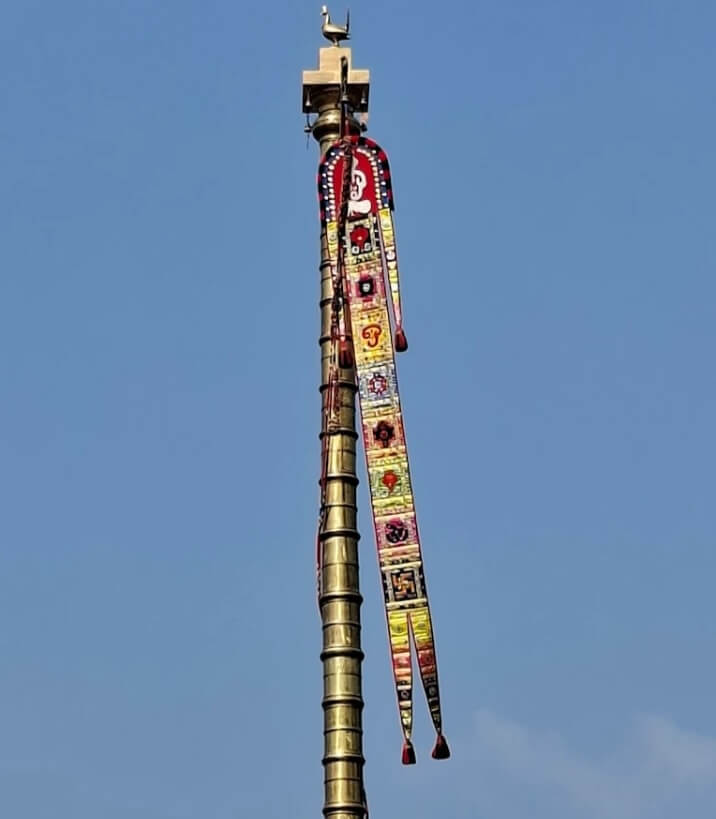
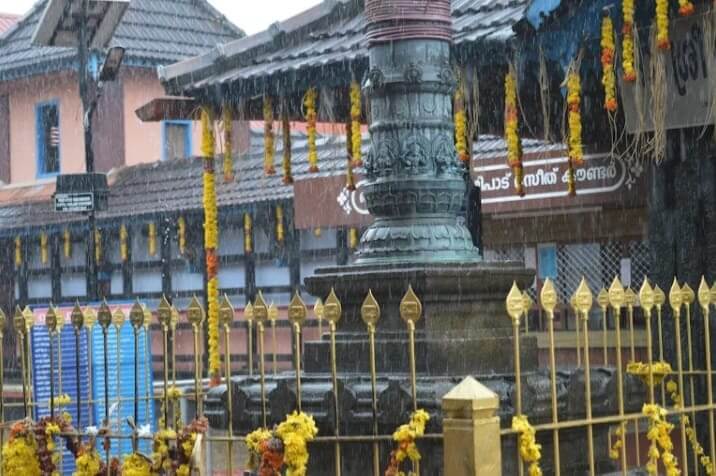
मंदिरे
Temples
मंदिर
-
वैकयिल श्री धर्मस्थ मंदिर वडयार, थलयोलापरंबु, जि. कोट्टायम.
अधिक माहितीVackayil Sree Dharmasastha Temple Vadayar, Thalayolaparambu, Dist. Kottayam.
View Detailsवैकायिल श्री धर्मशास्त्र मंदिर वडयार, थालायोलापाराम्बु, जिला। कोट्टायम.
विवरण देखें -
पुंडरीकापुरम श्री महाविष्णू मंदिर मिदायिकुनम, थालयोलापरंबू, जि. कोट्टायम.
अधिक माहितीPundareekapuram Sri Mahavishnu Temple Midayikunnam, Thalayolaparambu, Dist. Kottayam.
View Detailsपुंडरीकपुरम श्री महाविष्णु मंदिर मिदायिकुन्नम, थालायोलापाराम्बु, जिला। कोट्टायम.
विवरण देखें -
वड्यार श्री एलमकवू देवी मंदिर वडयार, थलयोलापरंबु, जि. कोट्टायम.
अधिक माहितीVadayar Sree Elamkavu Devi Temple Vadayar, Thalayolaparambu, Dist. Kottayam.
View Detailsवडयार श्री एलमकवु देवी मंदिर वडयार, थालायोलापाराम्बु, जिला। कोट्टायम.
विवरण देखें