
पावक्कुलम श्री महादेव मंदिर
पेरांदूर रोड, कलूर, जिल्हा एर्नाकुलम
 एर्नाकुलम शहराच्या मध्यवर्ती भागात, कलूरजवळ स्थित असलेले पावक्कुलम महादेव मंदिर हे अत्यंत प्रसिद्ध आणि आध्यात्मिकदृष्ट्या महत्त्वपूर्ण शिव मंदिरांपैकी एक आहे. भगवान महादेव हे येथील मुख्य आराध्य दैवत आहेत. शहराच्या गजबजाटातही हे मंदिर शांत आणि भक्तिमय वातावरण टिकवून आहे, ज्यामुळे ते असंख्य भक्तांसाठी श्रद्धेचे एक महत्त्वाचे केंद्र बनले आहे. केरळच्या पारंपारिक मंदिर वास्तुकलेत बांधलेले हे मंदिर एक दुर्मिळ आध्यात्मिक स्थान मानले जाते, जिथे भक्ती आणि वारसा यांचा सुरेख संगम पाहायला मिळतो. महाशिवरात्री, प्रदोषम आणि सोमवार यांसारख्या महत्त्वाच्या प्रसंगी मंदिरात भक्तांची मोठी गर्दी असते.
कोचीमधील हिंदू समाजाच्या प्रमुख सांस्कृतिक आणि आध्यात्मिक केंद्रांपैकी एक म्हणून विकसित झालेल्या या मंदिराच्या प्रशासनाला आणि विकासाला विश्व हिंदू परिषदेशी संबंधित कार्यकर्त्यांचा मोठा पाठिंबा लाभला आहे. यामुळेच, हे मंदिर सामान्य देवस्वम बोर्डाच्या मंदिरांपेक्षा वेगळ्या संघटनात्मक पार्श्वभूमीसाठी ओळखले जाते.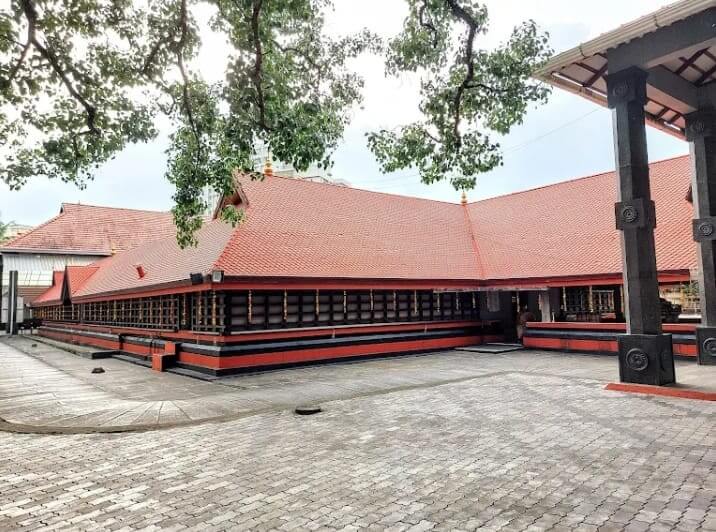 मंदिराचे मुख्य तांत्री (मुख्य पुजारी) ब्रह्मश्री पुलियन्नूर प्रशांत नारायणन नंबूतिरीपाद हे आहेत. हे मंदिर कोचीन राज्याच्या काळातील प्राचीन शिव मंदिरांपैकी एक मानले जाते. मंदिराच्या इतिहासानुसार, एर्नाकुलम शहराच्या विकास होण्यापूर्वीपासूनच या प्रदेशाला आध्यात्मिक महत्त्व होते.
सुरुवातीच्या काळात, हे मंदिर कुरुमूर मनाच्या भट्टातिरींच्या नियंत्रणाखाली होते, जे एडप्पल्ली राजघराण्याचे मंत्री म्हणून कार्यरत होते. मूळ मंदिरात गवत छप्पर असलेले गर्भगृह, पारंपारिक स्वयंपाकघर आणि जुन्या केरळ वास्तुकलेनुसार बांधलेला नलंबाला होता. पावक्कुलम महादेव मंदिराचे नाव आणि उत्पत्ती या दोन्हीशी अनेक स्थानिक दंतकथा जोडलेल्या आहेत. 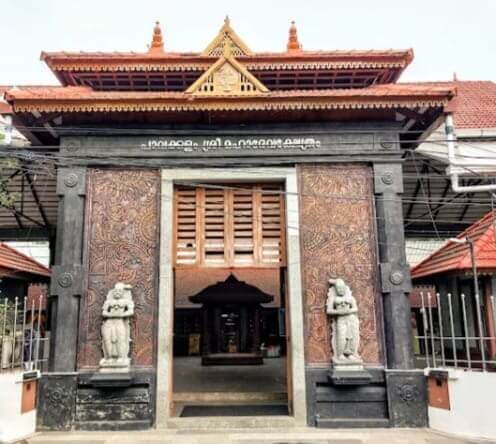 मान्यतेनुसार, मंदिराचा सध्याचा परिसर एकेकाळी घनदाट जंगले आणि दलदलीच्या प्रदेशाने व्यापलेला होता. या भागात “पावा कुलम” नावाचा एक तलाव होता. असे मानले जाते की, या तलावाजवळ स्वयंभू शिवलिंगाची दैवी उपस्थिती जाणवली आणि तिथूनच शिवपूजेला सुरुवात झाली. कालांतराने, “पावक्कुलम” हे नाव मंदिर आणि परिसर या दोन्हीशी जोडले गेले. आणखी एका दंतकथेनुसार, जिथे आज मंदिर आहे, ती जागा एकेकाळी आदिवासी समुदायांचे वास्तव्य असलेले दाट जंगल होते. असे मानले जाते की, एका आदिवासी रहिवाशासमोर स्वयंभू शिवलिंग प्रकट झाले. या दैवी प्रकटीकरणाबद्दल माहिती मिळाल्यावर, स्थानिक नंबूतिरींनी जंगल साफ करून तिथे मंदिराची स्थापना केली.
आणखी एका मान्यतेनुसार, सप्त ऋषींनी या प्रदेशात तपश्चर्या केली होती आणि भगवान शिव त्यांच्यासमोर शिवलिंगाच्या रूपात प्रकट झाले होते. या समजुतींमुळे, भक्त पावक्कुलम महादेव मंदिराला अफाट दैवी ऊर्जेने भरलेले मंदिर मानतात. 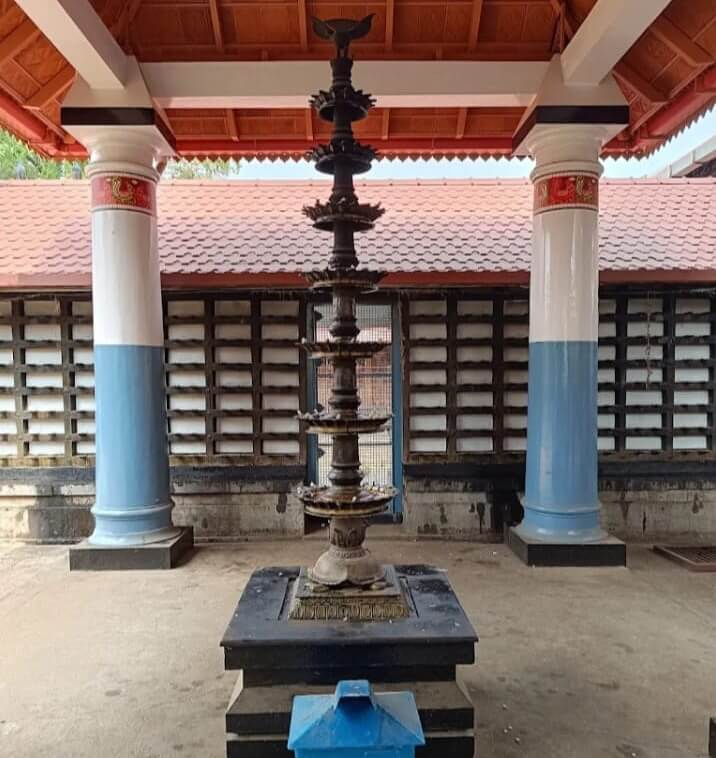 विशेषतः प्रदोषम आणि महाशिवरात्रीच्या दिवशी मंदिराला भेट दिल्यास समृद्धी आणि मानसिक शांती लाभते, अशी श्रद्धा आहे.
मंदिर संकुल पारंपारिक केरळ मंदिर वास्तुकला आणि आधुनिक संरचनात्मक अभिजातता यांचा सुंदर मेळ घालते. शहराच्या मध्यभागी असूनही, मंदिराचा परिसर शांत आणि आध्यात्मिक वातावरण प्रदान करतो. गोपुरासारखे दिसणारे भव्य प्रवेशद्वार आणि त्यापुढील प्रशस्त मोकळी जागा लगेच लक्ष वेधून घेते. प्रवेशद्वारातून आत गेल्यावर, भक्तांना मंदिराचे विशाल अंगण आणि प्रदक्षिणेसाठी वापरला जाणारा मार्ग दिसतो. मध्यभागी उंच दीपस्तंभ उभा आहे, ज्याच्या मागे पारंपारिक केरळ शैलीत बांधलेले मुख्य गर्भगृह आहे. तांब्याने झाकलेले छप्पर आणि गर्भगृहाच्या बाहेरील भिंतींवरील लाकडी कोरीव काम मंदिराचे प्राचीन सौंदर्य अधोरेखित करते. गर्भगृहाच्या जवळ जाताच चंदनाचा आणि धूपचा सुगंध, तसेच घंटांचा आवाज आणि भक्तीमय मंत्रोच्चार एक खोल आध्यात्मिक वातावरण निर्माण करतात. समोर नमस्कार मंडप आहे आणि आत, तेलाच्या दिव्यांच्या प्रकाशात, भक्त भगवान महादेवाच्या दैवी उपस्थितीचा अनुभव घेतात. गर्भगृहापर्यंत पोहोचणे हा एक अत्यंत शांत आणि भक्तिमय आध्यात्मिक अनुभव आहे.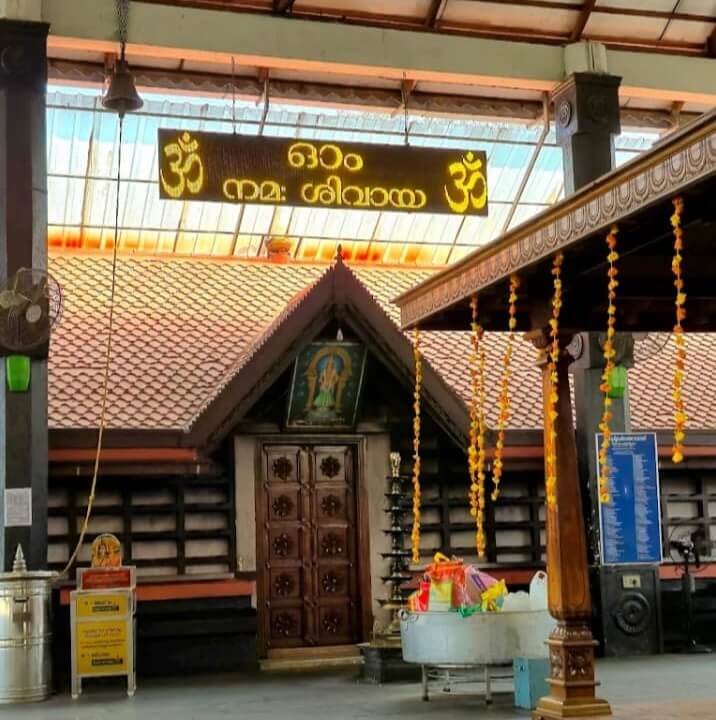
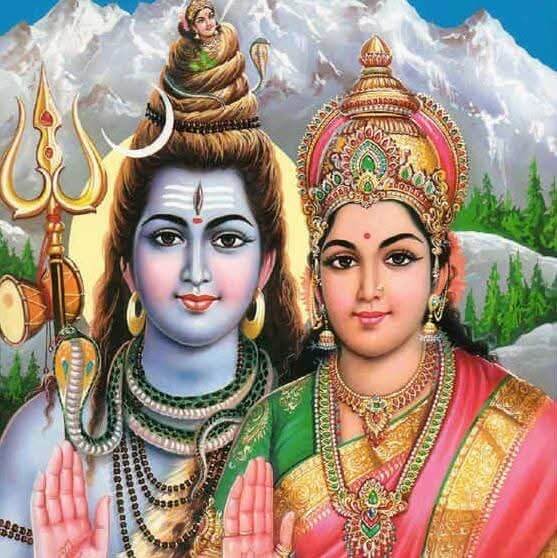
गर्भगृह हे पारंपारिक केरळ मंदिर वास्तुकलेचे एक सुंदर उदाहरण आहे. त्याचे तांब्याने झाकलेले छप्पर आणि लाकडी भिंती त्याला भव्यता आणि प्राचीन स्वरूप देतात. गर्भगृहाच्या बाहेरील भागावर उत्कृष्ट लाकडी कोरीव काम आणि सजावटीचे काम पाहायला मिळते. जुन्या केरळ मंदिर कलेची आठवण करून देणारी ही कोरीव कामे मंदिराचे आध्यात्मिक सौंदर्य वाढवतात. गर्भगृहाजवळील खांबांवर आणि नमस्कार मंडपातही पारंपारिक शिल्पकलेची अभिजातता दिसून येते. तेलाच्या दिव्यांच्या प्रकाशात ही लाकडी कोरीव कामे अधिकच सुंदर दिसतात. गर्भगृहाचे सर्वात मोठे वैशिष्ट्य म्हणजे त्याची साधेपणा आणि अति भव्यतेपेक्षा भक्तीवर केंद्रित असलेली रचना. मंदिरातील मुख्य दैवत भगवान महादेव आणि देवी पार्वती आहेत. येथे पूजा शिव आणि पार्वतीच्या नटराज भावात केली जाते. ही दैवी संकल्पना शिव आणि शक्तीच्या मिलनचे प्रतीक आहे आणि ती मंदिराच्या अद्वितीय आध्यात्मिक वैशिष्ट्यांपैकी एक मानली जाते. पारंपारिक दक्षिण भारतीय शिल्पकलेत तयार केलेले, 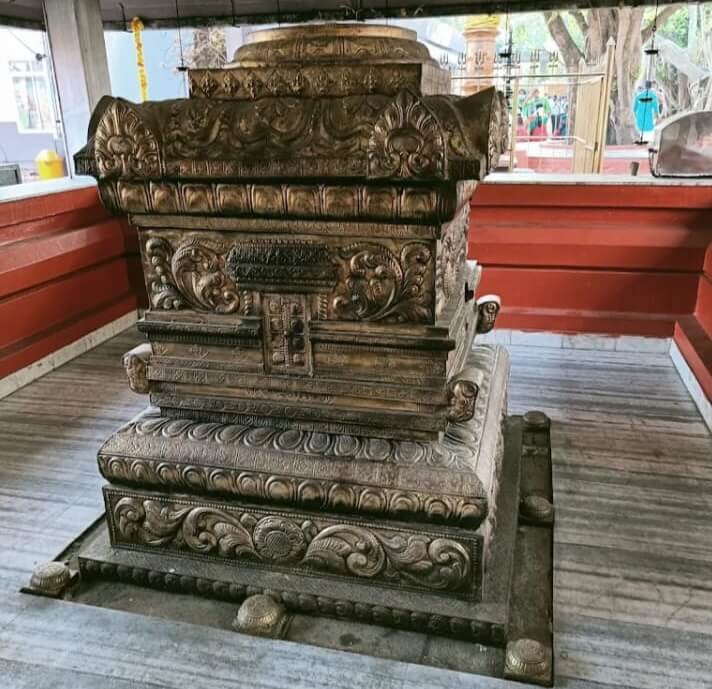 ही मूर्ती अत्यंत भव्य आणि सुंदर असून तेलाच्या दिव्यांच्या प्रकाशात भक्तांना अतिशय दिव्य आणि आध्यात्मिक अनुभव देते.
मुख्य देवतेव्यतिरिक्त, मंदिर परिसरात इतर अनेक देवतांची स्थापना करण्यात आली आहे. त्यांच्या मूर्तींची मांडणी केरळच्या पारंपरिक मंदिर प्रथेनुसार मुख्य गर्भगृहाच्या भोवती केलेली आहे. गर्भगृहाजवळ भगवान गणेशाचे मंदिर आहे, जे मंदिरात प्रवेश करणाऱ्या भक्तांकडून पूजल्या जाणाऱ्या पहिल्या देवतांपैकी एक आहे. जवळच भगवान मुरुगन (सुब्रह्मण्य स्वामी) यांचेही मंदिर आहे. मंदिर परिसराच्या इतर भागांत देवी आणि नागदेवतांना समर्पित मंदिरे आहेत. नागदेवतेची मंदिरे सहसा प्रदक्षिणा मार्गावर असतात. भक्त मंदिर परिसरात भगवान शास्ता (अय्यप्पा) हे रक्षक देव म्हणून उपस्थित असल्याचेही मानतात. प्रत्येक देवतेसाठी स्वतंत्र दिवे आणि नियमित धार्मिक पूजा विधी केले जातात.
पावक्कुलम मंदिरात वर्षभर विविध महत्त्वाचे विधी आणि उत्सव साजरे केले जातात. त्यापैकी सर्वात महत्त्वाचा उत्सव म्हणजे महाशिवरात्री. या दिवशी विशेष अभिषेक, रुद्र पूजा, धारा विधी, भजन, 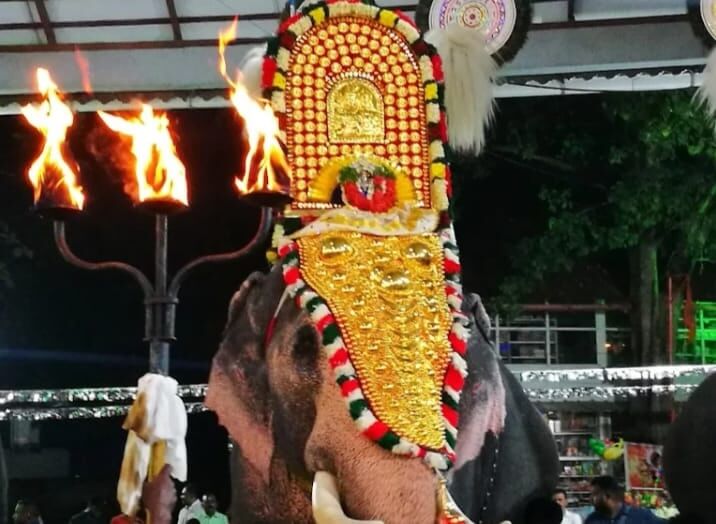 आणि रात्रभर चालणारी पूजा केली जाते, ज्यासाठी हजारो भाविक येतात. प्रत्येक महिन्याचा प्रदोषही अत्यंत महत्त्वाचा मानला जातो, ज्या दिवशी अनेक भक्त विशेष प्रदोष पूजेसाठी मंदिरात येतात. सोमवार हा शिवपूजेसाठी अत्यंत महत्त्वाचा मानला जातो आणि त्या दिवशी विशेष पूजा व अभिषेक केले जातात.
त्याचप्रमाणे, मंडला हंगाम, तिरुवातिरा, कार्तिक महिना आणि श्रावण महिन्यातील विशेष विधी देखील मंदिरात पाळले जातात. विनायक चतुर्थी आणि नवरात्रीसारखे उत्सव उपदेवतांशी संबंधित विधींसह साजरे केले जातात.
मंदिराच्या वार्षिक उत्सवादरम्यान, विशेष रोषणाई, पूजा, सांस्कृतिक कार्यक्रम आणि भक्तिसंगीताचे आयोजन केले जाते. 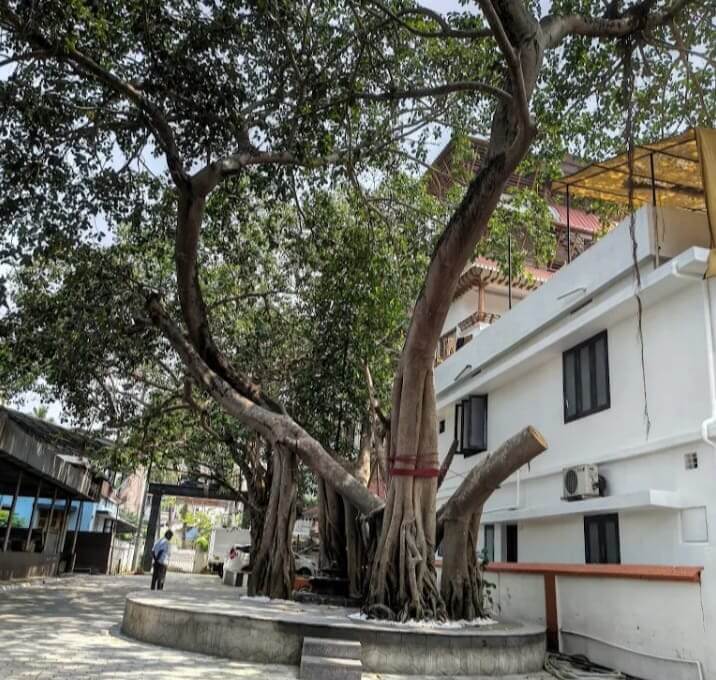 या प्रसंगी मंदिर परिसर उत्सवाच्या आध्यात्मिक वातावरणाने भरून जातो. मंदिरातील महत्त्वाच्या अर्पणांमध्ये जलाधारा, रुद्राभिषेक, दुग्धाभिषेक, शहाळ्याचा अभिषेक आणि धारा विधी यांचा समावेश होतो. हे अर्पण सामान्यतः कौटुंबिक कल्याण, मानसिक शांती, उत्तम आरोग्य आणि समृद्धीसाठी भाविकांकडून केले जातात. प्रदोष काळात विशेष प्रदोष पूजा आणि अभिषेक विशेष लोकप्रिय आहेत. महाशिवरात्रीला रुद्र पूजा, महाधारा आणि विशेष घृत अभिषेक केले जातात.
उपदेवतांसाठी गणपती होम, भाग्य सूक्त पुष्पांजली, नाग पूजा आणि भगवान अय्यप्पांसाठी घृत अभिषेक यांसारखे विधी केले जातात. याव्यतिरिक्त, भक्त अर्चना, पुष्पांजली, दीप अर्पण आणि अन्नदान करतात. मंदिर भाविकांसाठी दररोज अन्नदान आणि प्रसाद भोजनाचेही आयोजन करते.
मंदिरातील दैनंदिन विधी सकाळी ५:०० वाजता गर्भगृह उघडल्याने सुरू होतात. त्यानंतर निर्मल्य दर्शन, अभिषेक, उषा पूजा, एथिरथा पूजा, पन्थीराडी पूजा, उच्च पूजा आणि श्रीबली हे विधी होतात. मंदिर दर्शनासाठी सकाळी ५:०० ते ११:०० पर्यंत उघडे असते. संध्याकाळी ४:३० वाजता पुन्हा उघडते. दीपाराधना सहसा संध्याकाळी ६:३० च्या सुमारास केली जाते, जरी सूर्यास्ताच्या वेळेनुसार त्यात थोडा बदल होऊ शकतो. अथाझा पूजा आणि इतर विधींनंतर, मंदिर रात्री ८:०० वाजता बंद होते. प्रदोष दिवशी विशेष प्रदोष पूजा, रुद्राभिषेक आणि धारा विधी देखील केले जातात.
मुख्य वैशिष्ट्ये
- कलूर शहरापासून ३०० मीटर, कलूर मेट्रो स्टेशनपासून ५०० मीटर आणि एर्नाकुलम टाऊनपासून ३ किमी अंतरावर स्थित आहे.
- “केएसआरटीसी (KSRTC) बस सेवा आणि स्थानिक वाहतूक सुविधा मंदिरापर्यंत सहज उपलब्ध आहेत.”
- मंदिरात येणाऱ्या भाविकांसाठी पुरेशी पार्किंग सुविधा उपलब्ध आहे.
- मंदिराच्या परिसरात राहण्याची आणि जेवणाची सोय सहज उपलब्ध आहे.
- संपर्क क्रमांक ९७७८३ ६१५७४
Pavakkulam Sree Mahadeva Temple
Perandoor Road, Kaloor, Dist. Ernakulam
One of the most famous and spiritually significant Shiva temples located near Kaloor in the heart of Ernakulam city is Pavakkulam Mahadeva Temple. Lord Mahadeva is the main deity worshipped here. Even amidst the bustle of the city, the temple maintains a serene and devotional atmosphere, making it an important centre of faith for countless devotees. Built in the traditional Kerala temple architectural style, this temple is regarded as a rare spiritual presence where devotion and heritage blend harmoniously. During important occasions such as Maha Shivaratri, Pradosham, and Mondays, the temple witnesses a large gathering of devotees.
Having grown into one of the major cultural and spiritual centres of the Hindu community in Kochi, the temple’s administration and development have been significantly supported by activists associated with the Vishva Hindu Parishad. Because of this, the temple is known for having an organisational background different from that of ordinary Devas-wom Board temples. The temple’s chief tantri (chief priest) is Brahmasree Puliyannoor Prashanth Narayanan Namboothiripad. This temple is believed to be one of the ancient Shiva temples dating back to the era of the Kingdom of Cochin. Temple history suggests that this region held spiritual importance long before the development of Ernakulam city.
In its early days, the temple was under the control of the Bhattathiris of Kurumoor Mana, who served as ministers to the Edappally royal family. The temple originally had a simple structure featuring a thatched sanctum sanctorum, traditional kitchen, and nalambalam built in the old Kerala architectural style. Several local legends are associated with both the name and the origin of Pavakkulam Mahadeva Temple. According to belief, the present temple surroundings were once covered with dense forests and marshlands. There existed a pond known as “Pava Kulam” in the area. It is believed that the divine presence of a self-manifested Shiva Lingam was later experienced near this pond, leading to the beginning of Shiva worship there. Eventually, the name “Pavakkulam” became associated with both the temple and the locality. Another legend states that the place where the temple now stands was once a thick forest inhabited by tribal communities. It is believed that a self-manifested Shiva Lingam appeared before one of the tribal inhabitants. Upon learning about this divine manifestation, local Namboothiris cleared the forest and established the temple there.
According to yet another belief, the Sapta Rishis performed penance in this region, and Lord Shiva appeared before them in the form of a Shiva Lingam. Because of these beliefs, devotees regard Pavakkulam Mahadeva Temple as a temple filled with immense divine energy. It is especially believed that visiting the temple during Pradosham and Maha Shivaratri brings prosperity and peace of mind.
The temple complex beautifully combines traditional Kerala temple architecture with modern structural elegance. Despite being located in the middle of the city, the temple surroundings offer a peaceful and spiritual atmosphere. The grand entrance gateway resembling a gopuram and the spacious open area in front of it immediately attract attention. Upon entering through the gateway, devotees can see the vast temple courtyard and the surrounding pathway used for pradakshina (circumambulation). At the centre stands the tall deepasthambham (lamp pillar), behind which rises the main sanctum built in traditional Kerala style. The copper-covered roof and wooden carvings on the
outer walls of the sanctum highlight the temple’s ancient beauty. As one approaches the sanctum, the fragrance of sandalwood and incense, along with the sound of bells and devotional chants, create a deeply spiritual atmosphere. In front lies the namaskara mandapam, and inside, illuminated by oil lamps, devotees experience the divine presence of Lord Mahadeva. Reaching the sanctum offers a deeply peaceful and devotional spiritual experience.
The sanctum sanctorum is a beautiful example of traditional Kerala temple architecture. Its copper-covered roof and wooden walls give it grandeur and an ancient appearance. Fine wooden carvings and decorative works can be seen on the outer portions of the sanctum. These carvings, reminiscent of old Kerala temple artistry, enhance the temple’s spiritual beauty. Traditional sculptural elegance can also be observed in the pillars and namaskara mandapam near the sanctum. In the glow of oil lamps, these wooden carvings appear even more beautiful. The sanctum’s greatest feature is its simplicity and devotion-centred design rather than excessive grandeur. The main deities of the temple are Lord Mahadeva and Goddess Parvati. Worship here is conducted in the form of Shiva and Parvati in the Nataraja bhava. This divine concept symbolised the union of Shiva and Shakti and is considered one of the temple’s unique spiritual features. Crafted in the traditional South Indian sculptural style, the idol possesses majestic beauty and offers devotees a deeply divine and spiritual experience in the light of oil lamps.
Apart from the main deity, several other deities are also installed within the temple com-plex. Their positions are arranged around the main sanctum according to traditional Kerala temple customs. Near the sanctum is the shrine of Lord Ganesha, one of the first deities worshipped by devotees entering the temple. Nearby is also the shrine of Lord Murugan (Subrahmanya Swamy). In other parts of the temple complex are shrines dedicated to the Goddess and Nagadevatha deities. The Nagadevatha shrines are usu-ally located along the pradakshina pathway. Devotees also believe in the presence of Lord Shasta (Ayyappa) as a guardian deity within the temple premises. Each deity has dedicated lamps and ritual worship conducted regularly.
Various important rituals and festivals are celebrated throughout the year at Pavakkulam Temple. The most important among them is Maha Shivaratri. On this day, special ab-hishekams, Rudra Pooja, dhara rituals, bhajans, and night-long worship are conducted, attracting thousands of devotees. Every monthly Pradosham is also considered highly significant, with many devotees visiting the temple for special Pradosha Pooja. Mon-days hold great importance for Shiva worship, and special poojas and abhishekams are conducted on those days.
Similarly, the Mandala season, Thiruvathira, the month of Karthika, and special rituals during the month of Sravana are also observed in the temple. Festivals like Vinayaka Chaturthi and Navaratri are celebrated with rituals related to the subsidiary deities.
During the temple’s annual festival, special illuminations, poojas, cultural programs, and devotional music performances are organised. During these occasions, the temple premises become filled with a festive spiritual atmosphere. Among the important of-ferings at the temple are Jaladhara, Rudrabhishekam, milk abhishekam, tender coconut abhishekam, and dhara rituals. These offerings are generally performed by devotees seek-ing family well-being, peace of mind, good health, and prosperity. During Pradosham, special Pradosha Poojas and abhishekams are especially popular. On Maha Shivaratri,
Rudra Pooja, Mahadhara, and special ghee abhishekams are conducted.
For the subsidiary deities, offerings such as Ganapathi Homam, Bhagya Suktha Push-panjali, Naga Pooja, and ghee abhishekam for Lord Ayyappa are performed. In addition, devotees offer archana, pushpanjali, lamp offerings, and annadanam. The temple also organises daily annadanam and prasada meals for devotees.
Daily rituals at the temple begin with the opening of the sanctum at 5:00 AM. This is followed by Nirmalya Darshanam, Abhishekam, Usha Pooja, Ethirtha Pooja, Pantheeradi Pooja, Ucha Pooja, and Sreebali. The temple remains open for darshan from 5:00 AM to 11:00 AM. It reopens at 4:30 PM in the evening. Deeparadhana is usually conducted around 6:30 PM, though the exact timing may vary depending on sunset. Following Athazha Pooja and other rituals, the temple closes at 8:00 PM. Special Pradosha Poojas, Rudrabhishekam, and dhara rituals are also conducted on Pradosham days.
Key highlight
- Located 300 mtr away from Kaloor city, 500 mtr away from Kaloor metro station and 3 km away from Ernakulam town.
- “KSRTC bus services and local transportation facilities are easily available to the temple.”
- Adequate parking facilities are available for devotees visiting the temple.
- Accommodation and food facilities are easily available in the vicinity of the temple.
- Contact number 97783 61574
पावक्कुलम श्री महादेव मंदिर
पेरंदूर रोड, कल्लूर, जिला एर्नाकुलम
एर्नाकुलम शहर के हृदय स्थल कल्लूर के निकट स्थित सबसे प्रसिद्ध और आध्यात्मिक रूप से महत्वपूर्ण शिव मंदिरों में से एक पावक्कुलम महादेव मंदिर है। भगवान महादेव यहाँ पूजे जाने वाले मुख्य देवता हैं। शहर की भागदौड़ के बीच भी, यह मंदिर एक शांत और भक्तिपूर्ण वातावरण बनाए रखता है, जो इसे अनगिनत भक्तों के लिए आस्था का एक महत्वपूर्ण केंद्र बनाता है। पारंपरिक केरल मंदिर वास्तुकला शैली में निर्मित, यह मंदिर एक दुर्लभ आध्यात्मिक उपस्थिति माना जाता है जहाँ भक्ति और विरासत का सामंजस्यपूर्ण मिलन होता है। महा शिवरात्रि, प्रदोषम और सोमवार जैसे महत्वपूर्ण अवसरों पर, मंदिर में भक्तों की भारी भीड़ उमड़ती है।
कोच्चि में हिंदू समुदाय के प्रमुख सांस्कृतिक और आध्यात्मिक केंद्रों में से एक के रूप में विकसित होने के बाद, मंदिर के प्रशासन और विकास को विश्व हिंदू परिषद से जुड़े कार्यकर्ताओं का महत्वपूर्ण समर्थन प्राप्त हुआ है। इस कारण से, यह मंदिर सामान्य देवस्वोम बोर्ड मंदिरों से अलग संगठनात्मक पृष्ठभूमि के लिए जाना जाता है। मंदिर के मुख्य तंत्री (प्रधान पुजारी) ब्रह्मश्री पुलियन्नूर प्रशांत नारायणन नंबूदिरिपाद हैं। माना जाता है कि यह मंदिर कोचीन साम्राज्य के युग के प्राचीन शिव मंदिरों में से एक है। मंदिर का इतिहास बताता है कि एर्नाकुलम शहर के विकास से बहुत पहले ही यह क्षेत्र आध्यात्मिक महत्व रखता था।
अपने शुरुआती दिनों में, मंदिर कुरुमूर मना के भट्टातिरी के नियंत्रण में था, जो एडप्पल्ली शाही परिवार के मंत्रियों के रूप में कार्य करते थे। मंदिर की मूल संरचना सरल थी, जिसमें पुरानी केरल वास्तुकला शैली में निर्मित एक फूस का गर्भगृह, पारंपरिक रसोई और नालमबलम शामिल थे। पावक्कुलम महादेव मंदिर के नाम और उत्पत्ति दोनों के साथ कई स्थानीय किंवदंतियाँ जुड़ी हुई हैं। मान्यता के अनुसार, वर्तमान मंदिर का परिवेश कभी घने जंगलों और दलदली भूमि से ढका हुआ था। उस क्षेत्र में “पावा कुलम” नामक एक तालाब हुआ करता था। माना जाता है कि बाद में इस तालाब के पास एक स्वयंभू शिव लिंग की दिव्य उपस्थिति का अनुभव हुआ, जिससे वहाँ शिव पूजा की शुरुआत हुई। अंततः, “पावक्कुलम” नाम मंदिर और इलाके दोनों के साथ जुड़ गया। एक अन्य किंवदंती के अनुसार, जहाँ आज मंदिर स्थित है, वह स्थान कभी आदिवासी समुदायों द्वारा बसा हुआ एक घना जंगल था। माना जाता है कि एक आदिवासी निवासी के सामने एक स्वयंभू शिव लिंग प्रकट हुआ था। इस दिव्य अभिव्यक्ति के बारे में जानने पर, स्थानीय नंबूदिरियों ने जंगल को साफ किया और वहाँ मंदिर की स्थापना की।
एक अन्य मान्यता के अनुसार, सप्त ऋषियों ने इस क्षेत्र में तपस्या की थी, और भगवान शिव उनके सामने शिव लिंग के रूप में प्रकट हुए थे। इन मान्यताओं के कारण, भक्त पावक्कुलम महादेव मंदिर को अपार दिव्य ऊर्जा से भरा हुआ मंदिर मानते हैं। विशेष रूप से यह माना जाता है कि प्रदोषम और महा शिवरात्रि के दौरान मंदिर के दर्शन करने से समृद्धि और मन की शांति मिलती है।
मंदिर परिसर पारंपरिक केरल मंदिर वास्तुकला को आधुनिक संरचनात्मक भव्यता के साथ खूबसूरती से जोड़ता है। शहर के बीचों-बीच स्थित होने के बावजूद, मंदिर का परिवेश एक शांतिपूर्ण और आध्यात्मिक वातावरण प्रदान करता है। गोपुरम जैसा भव्य प्रवेश द्वार और उसके सामने का विशाल खुला क्षेत्र तुरंत ध्यान आकर्षित करता है। प्रवेश द्वार से अंदर जाने पर, भक्त विशाल मंदिर प्रांगण और प्रदक्षिणा के लिए उपयोग किए जाने वाले आसपास के मार्ग को देख सकते हैं। केंद्र में लंबा दीपस्तंभ खड़ा है, जिसके पीछे पारंपरिक केरल शैली में निर्मित मुख्य गर्भगृह स्थित है। तांबे से ढकी छत और गर्भगृह की बाहरी दीवारों पर की गई लकड़ी की नक्काशी मंदिर की प्राचीन सुंदरता को उजागर करती है। जैसे ही कोई गर्भगृह के करीब पहुँचता है, चंदन और धूप की सुगंध, घंटियों की ध्वनि और भक्ति गीतों के साथ एक गहरा आध्यात्मिक वातावरण बन जाता है। सामने नमस्कार मंडपम है, और अंदर, तेल के दीयों से जगमगाते हुए, भक्त भगवान महादेव की दिव्य उपस्थिति का अनुभव करते हैं। गर्भगृह तक पहुँचना एक अत्यंत शांतिपूर्ण और भक्तिपूर्ण आध्यात्मिक अनुभव प्रदान करता है।
गर्भगृह पारंपरिक केरल मंदिर वास्तुकला का एक सुंदर उदाहरण है। इसकी तांबे से ढकी छत और लकड़ी की दीवारें इसे भव्यता और प्राचीन रूप प्रदान करती हैं। गर्भगृह के बाहरी हिस्सों पर बारीक लकड़ी की नक्काशी और सजावटी काम देखे जा सकते हैं। पुरानी केरल मंदिर कला की याद दिलाने वाली ये नक्काशी मंदिर की आध्यात्मिक सुंदरता को बढ़ाती है। गर्भगृह के पास के स्तंभों और नमस्कार मंडपम में भी पारंपरिक मूर्तिकला की भव्यता देखी जा सकती है। तेल के दीयों की चमक में, ये लकड़ी की नक्काशी और भी सुंदर दिखाई देती है। गर्भगृह की सबसे बड़ी विशेषता इसकी सादगी और अत्यधिक भव्यता के बजाय भक्ति-केंद्रित डिजाइन है। मंदिर के मुख्य देवता भगवान महादेव और देवी पार्वती हैं। यहाँ पूजा नटराज भाव में शिव और पार्वती के रूप में की जाती है। यह दिव्य अवधारणा शिव और शक्ति के मिलन का प्रतीक है और इसे मंदिर की अनूठी आध्यात्मिक विशेषताओं में से एक माना जाता है। पारंपरिक दक्षिण भारतीय मूर्तिकला शैली में निर्मित, मूर्ति अत्यंत भव्य और सुंदर है तथा तेल के दीपकों के प्रकाश में भक्तों को अत्यंत दिव्य और आध्यात्मिक अनुभव प्रदान करती है।
मुख्य देवता के अलावा, मंदिर परिसर में कई अन्य देवताओं की भी स्थापना की गई है। उनकी स्थिति पारंपरिक केरल मंदिर रीति-रिवाजों के अनुसार मुख्य गर्भगृह के चारों ओर व्यवस्थित है। गर्भगृह के पास भगवान गणेश का मंदिर है, जो मंदिर में प्रवेश करने वाले भक्तों द्वारा पूजे जाने वाले प्रथम देवताओं में से एक हैं। पास ही भगवान मुरुगन (सुब्रह्मण्य स्वामी) का मंदिर भी है। मंदिर परिसर के अन्य भागों में देवी और नागदेवता को समर्पित मंदिर हैं। नागदेवता के मंदिर आमतौर पर प्रदक्षिणा पथ के किनारे स्थित होते हैं। भक्त मंदिर परिसर में रक्षक देवता के रूप में भगवान शास्ता (अयप्पा) की उपस्थिति में भी विश्वास रखते हैं। प्रत्येक देवता के लिए समर्पित दीपक हैं और नियमित रूप से अनुष्ठानिक पूजा की जाती है।
पावक्कुलम मंदिर में पूरे वर्ष विभिन्न महत्वपूर्ण अनुष्ठान और उत्सव मनाए जाते हैं। इनमें सबसे महत्वपूर्ण महाशिवरात्रि है। इस दिन विशेष अभिषेक, रुद्र पूजा, धारा अनुष्ठान, भजन, और रात भर पूजा की जाती है, जिसमें हजारों भक्त शामिल होते हैं। प्रत्येक मासिक प्रदोष को भी अत्यंत महत्वपूर्ण माना जाता है, जिसमें कई भक्त विशेष प्रदोष पूजा के लिए मंदिर आते हैं। सोमवार का दिन शिव पूजा के लिए बहुत महत्व रखता है और उन दिनों विशेष पूजा और अभिषेक किए जाते हैं।
इसी प्रकार, मंदिर में मंडल काल, तिरुवातिरा, कार्तिक मास और श्रावण मास के दौरान विशेष अनुष्ठानों का पालन किया जाता है। विनायक चतुर्थी और नवरात्रि जैसे त्योहार सहायक देवताओं से संबंधित अनुष्ठानों के साथ मनाए जाते हैं।
मंदिर के वार्षिक उत्सव के दौरान, विशेष प्रकाश व्यवस्था, पूजा, सांस्कृतिक कार्यक्रम और भक्ति संगीत प्रदर्शन आयोजित किए जाते हैं। इन अवसरों के दौरान, मंदिर परिसर उत्सवपूर्ण आध्यात्मिक वातावरण से भर जाता है। मंदिर में महत्वपूर्ण भेंटों में जलाधारा, रुद्राभिषेक, दुग्धाभिषेक, नारियल पानी का अभिषेक और धारा अनुष्ठान शामिल हैं। ये भेंट आमतौर पर परिवार की भलाई, मन की शांति, अच्छे स्वास्थ्य और समृद्धि की कामना करने वाले भक्तों द्वारा की जाती है। प्रदोष के दौरान, विशेष प्रदोष पूजा और अभिषेक विशेष रूप से लोकप्रिय हैं। महाशिवरात्रि पर, रुद्र पूजा, महाधारा और विशेष घी अभिषेक किए जाते हैं।
सहायक देवताओं के लिए, गणपति होमम, भाग्य सूक्त पुष्पांजलि, नाग पूजा और भगवान अयप्पा के लिए घी अभिषेक जैसी भेंट की जाती है। इसके अतिरिक्त, भक्त अर्चना, पुष्पांजलि, दीप अर्पण और अन्नदान करते हैं। मंदिर भक्तों के लिए दैनिक अन्नदान और प्रसाद भोजन का भी आयोजन करता है।
मंदिर में दैनिक अनुष्ठान प्रातः ५:०० बजे गर्भगृह खुलने के साथ शुरू होते हैं। इसके बाद निर्मल्य दर्शन, अभिषेक, उषा पूजा, एथिरथा पूजा, पन्थीराडी पूजा, उच्च पूजा और श्रीबली होती है। मंदिर दर्शन के लिए प्रातः ५:०० बजे से पूर्वाह्न ११:०० बजे तक खुला रहता है। यह शाम को ४:३० बजे फिर से खुलता है। दीपाराधना आमतौर पर शाम ६:३० बजे के आसपास की जाती है, हालांकि सटीक समय सूर्यास्त के आधार पर भिन्न हो सकता है। अथाझा पूजा और अन्य अनुष्ठानों के बाद, मंदिर रात्रि ८:०० बजे बंद हो जाता है। प्रदोष के दिनों में विशेष प्रदोष पूजा, रुद्राभिषेक और धारा अनुष्ठान भी किए जाते हैं।
मुख्य आकर्षण
- कल्लूर शहर से ३०० मीटर दूर, कल्लूर मेट्रो स्टेशन से ५०० मीटर दूर और एर्नाकुलम टाउन से ३ किलोमीटर दूर स्थित है।
- “केएसआरटीसी बस सेवाएं और स्थानीय परिवहन सुविधाएं मंदिर तक आसानी से उपलब्ध हैं।”
- मंदिर आने वाले भक्तों के लिए पर्याप्त पार्किंग सुविधाएं उपलब्ध हैं।
- मंदिर के आसपास आवास और भोजन की सुविधाएं आसानी से उपलब्ध हैं।
- संपर्क संख्या ९७७८३ ६१५७४
પાવક્કુલમ શ્રી મહાદેવ મંદિર
પેરાન્દૂર રોડ, કાલૂર, જિલ્લો એર્નાકુલમ
એર્નાકુલમ શહેરના હૃદયસ્થાનમાં કાલૂર નજીક આવેલું પાવક્કુલમ મહાદેવ મંદિર એ સૌથી પ્રખ્યાત અને આધ્યાત્મિક રીતે મહત્વપૂર્ણ શિવ મંદિરોમાંનું એક છે. ભગવાન મહાદેવ અહીં પૂજાતા મુખ્ય દેવતા છે. શહેરની ભીડભાડ વચ્ચે પણ, આ મંદિર શાંત અને ભક્તિમય વાતાવરણ જાળવી રાખે છે, જે તેને અસંખ્ય ભક્તો માટે શ્રદ્ધાનું એક મહત્વપૂર્ણ કેન્દ્ર બનાવે છે. પરંપરાગત કેરળ મંદિર સ્થાપત્ય શૈલીમાં નિર્મિત, આ મંદિરને એક દુર્લભ આધ્યાત્મિક ઉપસ્થિતિ માનવામાં આવે છે જ્યાં ભક્તિ અને વારસો સુમેળભરી રીતે ભળી જાય છે. મહા શિવરાત્રી, પ્રદોષમ અને સોમવાર જેવા મહત્વના પ્રસંગોએ મંદિરમાં ભક્તોની મોટી ભીડ જોવા મળે છે.
કોચીમાં હિન્દુ સમુદાયના મુખ્ય સાંસ્કૃતિક અને આધ્યાત્મિક કેન્દ્રોમાંના એક તરીકે વિકસેલા આ મંદિરના વહીવટ અને વિકાસને વિશ્વ હિન્દુ પરિષદ સાથે જોડાયેલા કાર્યકરો દ્વારા નોંધપાત્ર સમર્થન મળ્યું છે. આ કારણોસર, આ મંદિર સામાન્ય દેવસ્વમ બોર્ડના મંદિરો કરતા અલગ સંગઠનાત્મક પૃષ્ઠભૂમિ ધરાવવા માટે જાણીતું છે. મંદિરના મુખ્ય તંત્રી (મુખ્ય પૂજારી) બ્રહ્મશ્રી પુલિયાનૂર પ્રશાંત નારાયણન નમ્બૂદિરિપાદ છે. આ મંદિર કોચીન રાજ્યના યુગના પ્રાચીન શિવ મંદિરોમાંનું એક માનવામાં આવે છે. મંદિરનો ઇતિહાસ સૂચવે છે કે એર્નાકુલમ શહેરના વિકાસ પહેલાં પણ આ વિસ્તાર આધ્યાત્મિક મહત્વ ધરાવતો હતો.
તેના શરૂઆતના દિવસોમાં, મંદિર કુરુમૂર માનાના ભટ્ટથિરીઓના નિયંત્રણ હેઠળ હતું, જેઓ એડપ્પલ્લી શાહી પરિવારના મંત્રીઓ તરીકે સેવા આપતા હતા. મંદિર મૂળભૂત રીતે એક સાદું માળખું ધરાવતું હતું જેમાં જૂની કેરળ સ્થાપત્ય શૈલીમાં બનેલું ઘાસનું ગર્ભગૃહ, પરંપરાગત રસોડું અને નાલમ્બલમ હતું. પાવક્કુલમ મહાદેવ મંદિરના નામ અને મૂળ બંને સાથે ઘણી સ્થાનિક દંતકથાઓ જોડાયેલી છે. માન્યતા મુજબ, વર્તમાન મંદિરનો આસપાસનો વિસ્તાર એક સમયે ગાઢ જંગલો અને દલદલથી ઘેરાયેલો હતો. આ વિસ્તારમાં “પાવ કુલમ” નામનું એક તળાવ હતું. એવું માનવામાં આવે છે કે આ તળાવની નજીક સ્વયંભૂ શિવલિંગની દૈવી હાજરીનો અનુભવ થયો હતો, જેના કારણે ત્યાં શિવ પૂજાની શરૂઆત થઈ હતી. અંતે, “પાવક્કુલમ” નામ મંદિર અને વિસ્તાર બંને સાથે જોડાઈ ગયું. બીજી એક દંતકથા મુજબ, જ્યાં અત્યારે મંદિર છે તે જગ્યા એક સમયે આદિવાસી સમુદાયો દ્વારા વસવાટ કરતું ગાઢ જંગલ હતું. એવું માનવામાં આવે છે કે એક આદિવાસી નિવાસીની સામે સ્વયંભૂ શિવલિંગ પ્રગટ થયું હતું. આ દૈવી પ્રગટીકરણ વિશે જાણ્યા પછી, સ્થાનિક નમ્બૂદિરીઓએ જંગલ સાફ કર્યું અને ત્યાં મંદિરની સ્થાપના કરી.
અન્ય એક માન્યતા મુજબ, સપ્ત ઋષિઓએ આ વિસ્તારમાં તપસ્યા કરી હતી અને ભગવાન શિવ તેમની સમક્ષ શિવલિંગના સ્વરૂપમાં પ્રગટ થયા હતા. આ માન્યતાઓને કારણે, ભક્તો પાવક્કુલમ મહાદેવ મંદિરને અપાર દૈવી ઉર્જાથી ભરેલું મંદિર માને છે. ખાસ કરીને એવી માન્યતા છે કે પ્રદોષમ અને મહા શિવરાત્રી દરમિયાન મંદિરની મુલાકાત લેવાથી સમૃદ્ધિ અને માનસિક શાંતિ મળે છે.
મંદિર સંકુલ પરંપરાગત કેરળ મંદિર સ્થાપત્યને આધુનિક માળખાકીય લાવણ્ય સાથે સુંદર રીતે જોડે છે. શહેરની મધ્યમાં હોવા છતાં, મંદિરની આસપાસનો વિસ્તાર શાંત અને આધ્યાત્મિક વાતાવરણ પ્રદાન કરે છે. ગોપુરમ જેવું ભવ્ય પ્રવેશદ્વાર અને તેની સામેનો વિશાળ ખુલ્લો વિસ્તાર તરત જ ધ્યાન ખેંચે છે. પ્રવેશદ્વારમાંથી પ્રવેશતા જ, ભક્તો વિશાળ મંદિરનું આંગણું અને પ્રદક્ષિણા માટે વપરાતો આસપાસનો માર્ગ જોઈ શકે છે. મધ્યમાં ઊંચો દીપસ્તંભ છે, જેની પાછળ પરંપરાગત કેરળ શૈલીમાં બનેલું મુખ્ય ગર્ભગૃહ છે. તાંબાની છત અને ગર્ભગૃહની બહારની દિવાલો પરના લાકડાના કોતરણીકામ મંદિરની પ્રાચીન સુંદરતાને ઉજાગર કરે છે. જેમ જેમ કોઈ ગર્ભગૃહની નજીક પહોંચે છે, તેમ ચંદન અને ધૂપની સુગંધ, ઘંટના અવાજ અને ભક્તિમય મંત્રો સાથે મળીને ખૂબ જ આધ્યાત્મિક વાતાવરણ બનાવે છે. સામે નમસ્કાર મંડપમ છે, અને અંદર, તેલના દીવાઓથી પ્રકાશિત, ભક્તો ભગવાન મહાદેવની દૈવી હાજરીનો અનુભવ કરે છે. ગર્ભગૃહ સુધી પહોંચવું એ ખૂબ જ શાંત અને ભક્તિમય આધ્યાત્મિક અનુભવ આપે છે.
ગર્ભગૃહ પરંપરાગત કેરળ મંદિર સ્થાપત્યનું એક સુંદર ઉદાહરણ છે. તેની તાંબાની છત અને લાકડાની દિવાલો તેને ભવ્યતા અને પ્રાચીન દેખાવ આપે છે. ગર્ભગૃહના બહારના ભાગો પર ઝીણવટભર્યું લાકડાનું કોતરણીકામ અને સુશોભન જોઈ શકાય છે. જૂની કેરળ મંદિર કલાની યાદ અપાવતી આ કોતરણી મંદિરની આધ્યાત્મિક સુંદરતામાં વધારો કરે છે. ગર્ભગૃહની નજીકના સ્તંભો અને નમસ્કાર મંડપમમાં પણ પરંપરાગત શિલ્પકળાનું લાવણ્ય જોવા મળે છે. તેલના દીવાઓના પ્રકાશમાં, આ લાકડાની કોતરણી વધુ સુંદર લાગે છે. ગર્ભગૃહની સૌથી મોટી વિશેષતા તેની સાદગી અને અતિશય ભવ્યતાને બદલે ભક્તિ-કેન્દ્રિત ડિઝાઇન છે. મંદિરના મુખ્ય દેવતા ભગવાન મહાદેવ અને દેવી પાર્વતી છે. અહીં પૂજા શિવ અને પાર્વતીના નટરાજ ભાવમાં કરવામાં આવે છે. આ દૈવી ખ્યાલ શિવ અને શક્તિના મિલનનું પ્રતીક છે અને તેને મંદિરની અનન્ય આધ્યાત્મિક વિશેષતાઓમાંની એક માનવામાં આવે છે. પરંપરાગત દક્ષિણ ભારતીય શિલ્પ શૈલીમાં નિર્મિત, આ મૂર્તિ ભવ્ય સૌંદર્ય ધરાવે છે અને તેલના દીવાઓના પ્રકાશમાં ભક્તોને અત્યંત દિવ્ય અને આધ્યાત્મિક અનુભવ પ્રદાન કરે છે.
મુખ્ય દેવતા ઉપરાંત, મંદિરના પરિસરમાં અન્ય ઘણા દેવતાઓ પણ સ્થાપિત છે. તેમની સ્થિતિ પરંપરાગત કેરળ મંદિરની પ્રથાઓ અનુસાર મુખ્ય ગર્ભગૃહની આસપાસ ગોઠવાયેલી છે. ગર્ભગૃહની નજીક ભગવાન ગણેશનું મંદિર છે, જે મંદિરમાં પ્રવેશતા ભક્તો દ્વારા પૂજવામાં આવતા પ્રથમ દેવતાઓમાંના એક છે. નજીકમાં ભગવાન મુરુગન (સુબ્રહ્મણ્ય સ્વામી) નું મંદિર પણ છે. મંદિર પરિસરના અન્ય ભાગોમાં દેવી અને નાગદેવતાને સમર્પિત મંદિરો છે. નાગદેવતાના મંદિરો સામાન્ય રીતે પ્રદક્ષિણા માર્ગ પર સ્થિત હોય છે. ભક્તો મંદિરના પરિસરમાં રક્ષક દેવતા તરીકે ભગવાન શાસ્તા (અયપ્પા) ની હાજરીમાં પણ શ્રદ્ધા રાખે છે. દરેક દેવતા માટે નિયમિતપણે સમર્પિત દીવાઓ અને ધાર્મિક પૂજાઓ કરવામાં આવે છે.
પાવક્કુલમ મંદિરમાં વર્ષ દરમિયાન વિવિધ મહત્વપૂર્ણ વિધિઓ અને તહેવારો ઉજવવામાં આવે છે. તેમાં સૌથી મહત્વનું મહા શિવરાત્રી છે. આ દિવસે વિશેષ અભિષેક, રુદ્ર પૂજા, ધારા વિધિઓ, ભજન, અને રાત્રિભરની પૂજા કરવામાં આવે છે, જે હજારો ભક્તોને આકર્ષે છે. દરેક માસિક પ્રદોષ પણ અત્યંત મહત્વપૂર્ણ માનવામાં આવે છે, જેમાં ઘણા ભક્તો વિશેષ પ્રદોષ પૂજા માટે મંદિરની મુલાકાત લે છે. સોમવાર શિવ પૂજા માટે ખૂબ મહત્વ ધરાવે છે, અને તે દિવસોમાં વિશેષ પૂજા અને અભિષેક કરવામાં આવે છે.
તે જ રીતે, મંદિરમાં મંડલા સીઝન, તિરુવાથિરા, કાર્તિક માસ અને શ્રાવણ માસ દરમિયાન વિશેષ વિધિઓ પણ પાળવામાં આવે છે. વિનાયક ચતુર્થી અને નવરાત્રી જેવા તહેવારો ગૌણ દેવતાઓને લગતી વિધિઓ સાથે ઉજવવામાં આવે છે.
મંદિરના વાર્ષિક ઉત્સવ દરમિયાન, વિશેષ રોશની, પૂજા, સાંસ્કૃતિક કાર્યક્રમો અને ભક્તિ સંગીતના કાર્યક્રમોનું આયોજન કરવામાં આવે છે. આ પ્રસંગો દરમિયાન, મંદિરનું પરિસર ઉત્સવના આધ્યાત્મિક વાતાવરણથી ભરાઈ જાય છે. મંદિરમાં મહત્વપૂર્ણ અર્પણોમાં જલાધારા, રુદ્રાભિષેક, દૂધ અભિષેક, નાળિયેર પાણીનો અભિષેક અને ધારા વિધિઓનો સમાવેશ થાય છે. આ અર્પણો સામાન્ય રીતે કૌટુંબિક સુખાકારી, માનસિક શાંતિ, સારું સ્વાસ્થ્ય અને સમૃદ્ધિ મેળવવા માંગતા ભક્તો દ્વારા કરવામાં આવે છે. પ્રદોષ દરમિયાન, વિશેષ પ્રદોષ પૂજા અને અભિષેક ખાસ કરીને લોકપ્રિય છે. મહા શિવરાત્રી પર, રુદ્ર પૂજા, મહાધારા અને વિશેષ ઘી અભિષેક કરવામાં આવે છે.
ગૌણ દેવતાઓ માટે, ગણપતિ હોમમ, ભાગ્ય સૂક્ત પુષ્પાંજલિ, નાગ પૂજા અને ભગવાન અયપ્પા માટે ઘી અભિષેક જેવી અર્પણો કરવામાં આવે છે. આ ઉપરાંત, ભક્તો અર્ચના, પુષ્પાંજલિ, દીપ અર્પણ અને અન્નદાન કરે છે. મંદિર ભક્તો માટે દૈનિક અન્નદાન અને પ્રસાદ ભોજનનું પણ આયોજન કરે છે.
મંદિરમાં દૈનિક વિધિઓ સવારે ૫:૦૦ વાગ્યે ગર્ભગૃહ ખોલવા સાથે શરૂ થાય છે. ત્યારબાદ નિર્માલ્ય દર્શન, અભિષેક, ઉષા પૂજા, એથિરથા પૂજા, પન્થીરાડી પૂજા, ઉચા પૂજા અને શ્રીબલી કરવામાં આવે છે. મંદિર સવારે ૫:૦૦ થી ૧૧:૦૦ વાગ્યા સુધી દર્શન માટે ખુલ્લું રહે છે. તે સાંજે ૪:૩૦ વાગ્યે ફરી ખુલે છે. દીપારાધના સામાન્ય રીતે સાંજે ૬:૩૦ વાગ્યાની આસપાસ કરવામાં આવે છે, જોકે ચોક્કસ સમય સૂર્યાસ્તના આધારે બદલાઈ શકે છે. અથાઝા પૂજા અને અન્ય વિધિઓ પછી, મંદિર રાત્રે ૮:૦૦ વાગ્યે બંધ થાય છે. પ્રદોષના દિવસોમાં વિશેષ પ્રદોષ પૂજા, રુદ્રાભિષેક અને ધારા વિધિઓ પણ કરવામાં આવે છે.
મુખ્ય હાઇલાઇટ
- કાલૂર શહેરથી ૩૦૦ મીટર દૂર, કાલૂર મેટ્રો સ્ટેશનથી ૫૦૦ મીટર દૂર અને એર્નાકુલમ ટાઉનથી ૩ કિમી દૂર સ્થિત છે.
- “KSRTC બસ સેવાઓ અને સ્થાનિક પરિવહન સુવિધાઓ મંદિર સુધી સરળતાથી ઉપલબ્ધ છે.”
- મંદિરની મુલાકાત લેતા ભક્તો માટે પૂરતી પાર્કિંગ સુવિધાઓ ઉપલબ્ધ છે.
- મંદિરની નજીકમાં રહેઠાણ અને ભોજનની સુવિધાઓ સરળતાથી ઉપલબ્ધ છે.
- સંપર્ક નંબર ૯૭૭૮૩ ૬૧૫૭૪
பாவக்குளம் ஸ்ரீ மகாதேவர் கோவில்
பேரண்டூர் சாலை, கலூர், எர்ணாகுளம் மாவட்டம்
எர்ணாகுளம் நகரின் மையப்பகுதியான கலூருக்கு அருகில் அமைந்துள்ள மிகப்புகழ் பெற்ற மற்றும் ஆன்மீக முக்கியத்துவம் வாய்ந்த சிவ ஆலயங்களில் ஒன்று பாவக்குளம் மகாதேவர் கோவில் ஆகும். இங்கு சிவபெருமான் முதன்மை தெய்வமாக வழிபடப்படுகிறார். நகரின் பரபரப்புக்கு மத்தியிலும், இக்கோவில் அமைதியான மற்றும் பக்தி நிறைந்த சூழலைப் பேணி வருவதால், எண்ணற்ற பக்தர்களுக்கு இது ஒரு முக்கிய நம்பிக்கைத் தலமாகத் திகழ்கிறது. பாரம்பரிய கேரளக் கோவில் கட்டிடக்கலை பாணியில் கட்டப்பட்ட இக்கோவில், பக்தியும் பாரம்பரியமும் இணையும் ஒரு அரிய ஆன்மீக இடமாகக் கருதப்படுகிறது. மகா சிவராத்திரி, பிரதோஷம் மற்றும் திங்கட்கிழமைகள் போன்ற முக்கிய நாட்களில், இக்கோவிலில் பக்தர்கள் பெருமளவில் கூடுகின்றனர்.
கொச்சியில் உள்ள இந்து சமூகத்தின் முக்கிய கலாச்சார மற்றும் ஆன்மீக மையங்களில் ஒன்றாக வளர்ந்துள்ள இக்கோவிலின் நிர்வாகம் மற்றும் வளர்ச்சிக்கு, விஸ்வ இந்து பரிஷத்துடன் தொடர்புடைய ஆர்வலர்கள் பெரும் ஆதரவை வழங்கி வருகின்றனர். இதன்காரணமாக, சாதாரண தேவசம் போர்டு கோவில்களில் இருந்து மாறுபட்ட ஒரு நிறுவனப் பின்னணியைக் கொண்ட கோவிலாக இது அறியப்படுகிறது. இக்கோவிலின் தலைமைத் தந்திரியாக பிரம்மஸ்ரீ புலியன்னூர் பிரசாந்த் நாராயணன் நம்பூதிரிபாட் உள்ளார். இக்கோவில் கொச்சி சமஸ்தானத்தின் காலத்தைச் சேர்ந்த பழமையான சிவ ஆலயங்களில் ஒன்றாகக் கருதப்படுகிறது. எர்ணாகுளம் நகரம் உருவாவதற்கு முன்பே இப்பகுதி ஆன்மீக முக்கியத்துவம் பெற்றிருந்தது என்று கோவில் வரலாறு கூறுகிறது.
தொடக்க காலத்தில், இக்கோவில் எடப்பள்ளி அரச குடும்பத்திற்கு அமைச்சர்களாகப் பணியாற்றிய குருமூூர் மனையின் பட்டதிரிகளின் கட்டுப்பாட்டில் இருந்தது. இக்கோவில் ஆரம்பத்தில் வைக்கோல் வேய்ந்த கருவறை, பாரம்பரிய சமையலறை மற்றும் பழைய கேரளக் கட்டிடக்கலையில் அமைந்த நாலம்பலம் ஆகியவற்றைக் கொண்ட எளிமையான அமைப்பைக் கொண்டிருந்தது. பாவக்குளம் மகாதேவர் கோவிலின் பெயர் மற்றும் தோற்றம் ஆகிய இரண்டிற்கும் பல உள்ளூர் கதைகள் தொடர்புடையவை. நம்பிக்கையின்படி, தற்போதைய கோவில் சுற்றுப்புறங்கள் ஒரு காலத்தில் அடர்ந்த காடுகளாலும் சதுப்பு நிலங்களாலும் சூழப்பட்டிருந்தன. இப்பகுதியில் “பாவக் குளம்” என்று அழைக்கப்பட்ட ஒரு குளம் இருந்தது. இந்த குளத்திற்கு அருகில் சுயம்புவாகத் தோன்றிய சிவலிங்கத்தின் தெய்வீக ஆற்றல் உணரப்பட்டதாகவும், அதன் விளைவாகவே அங்கு சிவ வழிபாடு தொடங்கியதாகவும் நம்பப்படுகிறது. காலப்போக்கில், “பாவக்குளம்” என்ற பெயர் கோவிலுக்கும் அந்த இடத்திற்கும் நிலைத்துவிட்டது. மற்றொரு கதையின்படி, கோவில் அமைந்துள்ள இடம் ஒரு காலத்தில் பழங்குடியின மக்கள் வாழ்ந்த அடர்ந்த காடாக இருந்தது. அங்கு வாழ்ந்த பழங்குடியினத்தவர் ஒருவருக்கு சுயம்புவான சிவலிங்கம் தோன்றியதாக நம்பப்படுகிறது. இந்த தெய்வீகத் தோற்றத்தைப் பற்றி அறிந்த உள்ளூர் நம்பூதிரிகள், காட்டைச் சுத்தம் செய்து அங்கு கோவிலை நிறுவினர்.
மற்றொரு நம்பிக்கையின்படி, சப்தரிஷிகள் இப்பகுதியில் தவம் செய்தபோது, சிவபெருமான் அவர்களுக்கு சிவலிங்க வடிவில் காட்சி அளித்தார். இந்த நம்பிக்கைகளின் காரணமாக, பக்தர்கள் பாவக்குளம் மகாதேவர் கோவிலை அளப்பரிய தெய்வீக ஆற்றல் நிறைந்த தலமாகக் கருதுகின்றனர். பிரதோஷம் மற்றும் மகா சிவராத்திரி நாட்களில் இக்கோவிலுக்குச் செல்வது நன்மையையும் மன அமைதியையும் தரும் என்று பெரிதும் நம்பப்படுகிறது.
இக்கோவில் வளாகம் பாரம்பரிய கேரளக் கோவில் கட்டிடக்கலையையும் நவீனக் கட்டுமான நேர்த்தியையும் அழகாக இணைக்கிறது. நகரின் மையப்பகுதியில் அமைந்திருந்தாலும், கோவில் சுற்றுப்புறம் அமைதியான மற்றும் ஆன்மீக சூழலை வழங்குகிறது. கோபுரத்தைப் போன்ற பிரம்மாண்டமான நுழைவு வாயிலும், அதற்கு முன்னால் உள்ள விசாலமான திறந்தவெளியும் அனைவரையும் ஈர்க்கின்றன. நுழைவு வாயில் வழியாக உள்ளே சென்றதும், பக்தர்கள் பரந்த கோவில் முற்றத்தையும், பிரதட்சிணம் செய்வதற்குரிய பாதையையும் காணலாம். மையத்தில் உயரமான தீபஸ்தம்பம் உள்ளது, அதற்குப் பின்னால் பாரம்பரிய கேரள பாணியில் கட்டப்பட்ட முதன்மைக் கருவறை உயர்ந்து நிற்கிறது. செம்பு வேய்ந்த கூரையும், கருவறையின் வெளிச்சுவர்களில் உள்ள மரச் சிற்பங்களும் கோவிலின் பழமையான அழகை எடுத்துரைக்கின்றன. கருவறையை நெருங்கும்போது, சந்தனம் மற்றும் ஊதுபத்தியின் நறுமணமும், மணியோசையும், பக்திப் பாடல்களும் ஆழ்ந்த ஆன்மீக உணர்வை உருவாக்குகின்றன. முன்னால் நமஸ்கார மண்டபம் உள்ளது, உள்ளே எண்ணெய் விளக்குகளின் ஒளியில் பக்தர்கள் சிவபெருமானின் தெய்வீக தரிசனத்தைப் பெறுகின்றனர். கருவறையை அடைவது ஆழ்ந்த அமைதியையும் பக்திப்பூர்வமான ஆன்மீக அனுபவத்தையும் தருகிறது.
கருவறை பாரம்பரிய கேரளக் கோவில் கட்டிடக்கலைக்கு ஒரு அழகான எடுத்துக்காட்டாகும். அதன் செம்பு வேய்ந்த கூரையும் மரத்தாலான சுவர்களும் அதற்கு பிரம்மாண்டத்தையும் பழமையான தோற்றத்தையும் அளிக்கின்றன. கருவறையின் வெளிப்புறப் பகுதிகளில் நுணுக்கமான மரச் சிற்பங்களையும் அலங்கார வேலைப்பாடுகளையும் காணலாம். பழைய கேரளக் கோவில் கலைத்திறனை நினைவூட்டும் இந்தச் சிற்பங்கள், கோவிலின் ஆன்மீக அழகை மெருகூட்டுகின்றன. கருவறைக்கு அருகில் உள்ள தூண்களிலும் நமஸ்கார மண்டபத்திலும் பாரம்பரிய சிற்ப நேர்த்தியைக் காணலாம். எண்ணெய் விளக்குகளின் ஒளியில், இந்த மரச் சிற்பங்கள் இன்னும் அழகாகத் தோன்றுகின்றன. கருவறையின் மிகப்பெரிய சிறப்பு அதன் எளிமையும், அதிகப்படியான ஆடம்பரத்தை விட பக்திக்கு முக்கியத்துவம் அளிக்கும் வடிவமைப்பும் ஆகும். இக்கோவிலின் முதன்மை தெய்வங்கள் சிவபெருமானும் பார்வதி தேவியும் ஆவர். இங்கு வழிபாடு நடராஜ பாவத்தில் சிவன் மற்றும் பார்வதியின் வடிவத்தில் நடைபெறுகிறது. இந்த தெய்வீகக் கருத்து சிவசக்தி ஐக்கியத்தைச் சித்தரிக்கிறது மற்றும் இது இக்கோவிலின் தனித்துவமான ஆன்மீக அம்சங்களில் ஒன்றாகக் கருதப்படுகிறது. பாரம்பரிய தென்னிந்திய சிற்பக் கலை பாணியில் செதுக்கப்பட்ட, இந்த விக்கிரகம் கம்பீரமான அழகைக் கொண்டுள்ளது மற்றும் எண்ணெய் விளக்குகளின் ஒளியில் பக்தர்களுக்கு ஆழ்ந்த தெய்வீக மற்றும் ஆன்மீக அனுபவத்தை வழங்குகிறது.
முதன்மை தெய்வத்தைத் தவிர, கோயில் வளாகத்திற்குள் பல தெய்வங்களும் பிரதிஷ்டை செய்யப்பட்டுள்ளன. அவற்றின் இடங்கள் பாரம்பரிய கேரள கோயில் வழக்கப்படி கருவறையைச் சுற்றி அமைக்கப்பட்டுள்ளன. கருவறைக்கு அருகில் விநாயகப் பெருமானின் சன்னதி உள்ளது, இவர் கோயிலுக்குள் நுழையும் பக்தர்கள் முதலில் வணங்கும் தெய்வங்களில் ஒருவர். அருகிலேயே முருகப் பெருமானின் (சுப்பிரமணிய சுவாமி) சன்னதியும் உள்ளது. கோயில் வளாகத்தின் பிற பகுதிகளில் அம்பாள் மற்றும் நாகதேவதை தெய்வங்களுக்கான சன்னதிகள் உள்ளன. நாகதேவதை சன்னதிகள் பொதுவாகப் பிரதட்சண பாதையில் அமைந்துள்ளன. கோயில் வளாகத்திற்குள் சாஸ்தா (ஐயப்பன்) காவல் தெய்வமாக இருப்பதாக பக்தர்கள் நம்புகின்றனர். ஒவ்வொரு தெய்வத்திற்கும் பிரத்யேக விளக்குகள் மற்றும் வழிபாட்டு முறைகள் முறையாக நடத்தப்படுகின்றன.
பாவக்குளம் கோயிலில் ஆண்டு முழுவதும் பல்வேறு முக்கிய சடங்குகளும் திருவிழாக்களும் கொண்டாடப்படுகின்றன. அவற்றில் மிக முக்கியமானது மகா சிவராத்திரி ஆகும். இந்நாளில், சிறப்பு அபிஷேகங்கள், ருத்ர பூஜை, தாரா வழிபாடுகள், பஜனைகள், மற்றும் இரவு முழுவதும் வழிபாடுகள் நடத்தப்படுகின்றன, இது ஆயிரக்கணக்கான பக்தர்களை ஈர்க்கிறது. ஒவ்வொரு மாதப் பிரதோஷமும் மிகவும் முக்கியமாகக் கருதப்படுகிறது, பல பக்தர்கள் சிறப்புப் பிரதோஷ பூஜையில் கலந்துகொள்ள கோயிலுக்கு வருகிறார்கள். திங்கட்கிழமைகள் சிவ வழிபாட்டிற்கு மிகுந்த முக்கியத்துவம் வாய்ந்தவை, அந்நாட்களில் சிறப்பு பூஜைகளும் அபிஷேகங்களும் நடத்தப்படுகின்றன.
இதேபோல், மண்டல காலம், திருவாதிரை, கார்த்திகை மாதம் மற்றும் சிரவண மாதத்தில் சிறப்புச் சடங்குகள் கோயிலில் கடைபிடிக்கப்படுகின்றன. விநாயக சதுர்த்தி மற்றும் நவராத்திரி போன்ற பண்டிகைகள் துணைத் தெய்வங்களுக்குரிய சடங்குகளுடன் கொண்டாடப்படுகின்றன.
கோயிலின் வருடாந்திர திருவிழாவின் போது, சிறப்பு மின்விளக்கு அலங்காரங்கள், பூஜைகள், கலை நிகழ்ச்சிகள் மற்றும் பக்தி இசை நிகழ்ச்சிகள் ஏற்பாடு செய்யப்படுகின்றன. இச்சமயங்களில், கோயில் வளாகம் பண்டிகைக்கால ஆன்மீக சூழலால் நிரம்புகிறது. கோயிலில் செய்யப்படும் முக்கியமான காணிக்கைகளில் ஜலதாரா, ருத்ராபிஷேகம், பால் அபிஷேகம், இளநீர் அபிஷேகம் மற்றும் தாரா வழிபாடுகள் ஆகியவை அடங்கும். இந்த வழிபாடுகள் பொதுவாகக் குடும்ப நலம், மன அமைதி, நல்ல ஆரோக்கியம் மற்றும் செழிப்பு ஆகியவற்றை வேண்டி பக்தர்களால் செய்யப்படுகின்றன. பிரதோஷத்தின் போது, சிறப்புப் பிரதோஷ பூஜைகளும் அபிஷேகங்களும் மிகவும் பிரபலம். மகா சிவராத்திரியன்று, ருத்ர பூஜை, மஹாதாரா மற்றும் சிறப்பு நெய் அபிஷேகங்கள் நடத்தப்படுகின்றன.
துணைத் தெய்வங்களுக்கு, கணபதி ஹோமம், பாக்ய சூக்த புஷ்பாஞ்சலி, நாக பூஜை மற்றும் ஐயப்பனுக்கு நெய் அபிஷேகம் போன்ற வழிபாடுகள் செய்யப்படுகின்றன. கூடுதலாக, பக்தர்கள் அர்ச்சனை, புஷ்பாஞ்சலி, விளக்கு வழிபாடு மற்றும் அன்னதானம் ஆகியவற்றைச் செய்கின்றனர். கோயில் நிர்வாகம் பக்தர்களுக்குத் தினமும் அன்னதானம் மற்றும் பிரசாத உணவுகளை வழங்குகிறது.
கோயிலின் தினசரி வழிபாடுகள் காலை ௫:௦௦ மணிக்குக் கருவறை திறப்புடன் தொடங்குகின்றன. இதனைத் தொடர்ந்து நிர்மால்ய தரிசனம், அபிஷேகம், உஷ பூஜை, எதிர்ந்த பூஜை, பந்தீரடி பூஜை, உச்ச பூஜை மற்றும் ஸ்ரீபலி ஆகியவை நடைபெறுகின்றன. கோயில் காலை ௫:௦௦ மணி முதல் ௧௧:௦௦ மணி வரை தரிசனத்திற்காகத் திறந்திருக்கும். மாலை ௪:௩௦ மணிக்கு மீண்டும் திறக்கப்படும். தீபாராதனை பொதுவாக மாலை ௬:௩௦ மணியளவில் நடத்தப்படுகிறது, இருப்பினும் சூரிய அஸ்தமனத்தைப் பொறுத்து நேரம் மாறுபடலாம். அத்தாழ பூஜை மற்றும் பிற சடங்குகளுக்குப் பிறகு, இரவு ௮:௦௦ மணிக்குக் கோயில் நடை சாத்தப்படும். பிரதோஷ நாட்களில் சிறப்புப் பிரதோஷ பூஜைகள், ருத்ராபிஷேகம் மற்றும் தாரா வழிபாடுகளும் நடத்தப்படுகின்றன.
முக்கிய சிறப்பம்சங்கள்
- கலூர் நகரத்திலிருந்து ௩௦௦ மீட்டர் தொலைவிலும், கலூர் மெட்ரோ நிலையத்திலிருந்து ௫௦௦ மீட்டர் தொலைவிலும் மற்றும் எர்ணாகுளம் நகரத்திலிருந்து ௩ கி.மீ தொலைவிலும் அமைந்துள்ளது.
- “KSRTC பேருந்து சேவைகள் மற்றும் உள்ளூர் போக்குவரத்து வசதிகள் கோயிலுக்கு எளிதாகக் கிடைக்கின்றன.”
- கோயிலுக்கு வரும் பக்தர்களுக்குப் போதுமான வாகன நிறுத்துமிட வசதிகள் உள்ளன.
- கோயிலைச் சுற்றியுள்ள பகுதிகளில் தங்குமிடம் மற்றும் உணவு வசதிகள் எளிதாகக் கிடைக்கின்றன.
- தொடர்பு எண் ௯௭௭௮௩ ௬௧௫௭௪
పావక్కుళం శ్రీ మహాదేవ దేవాలయం
పెరాండూర్ రోడ్, కడవంతర, కలూర్, ఎర్నాకుళం జిల్లా
ఎర్నాకుళం నగర నడిబొడ్డున కలూర్ సమీపంలో ఉన్న అత్యంత ప్రసిద్ధ మరియు ఆధ్యాత్మిక ప్రాముఖ్యత కలిగిన శివాలయాలలో పావక్కుళం మహాదేవ దేవాలయం ఒకటి. ఇక్కడ ప్రధాన దైవం శ్రీ మహాదేవుడు. నగర కోలాహలం మధ్యలో ఉన్నప్పటికీ, ఈ ఆలయం ప్రశాంతమైన మరియు భక్తిభరితమైన వాతావరణాన్ని కలిగి ఉండి, అసంఖ్యాక భక్తులకు విశ్వాస కేంద్రంగా విరాజిల్లుతోంది. సాంప్రదాయ కేరళ ఆలయ నిర్మాణ శైలిలో నిర్మించబడిన ఈ ఆలయం, భక్తి మరియు వారసత్వ సంపదలు సమ్మేళనమైన ఒక అరుదైన ఆధ్యాత్మిక క్షేత్రంగా పరిగణించబడుతుంది. మహాశివరాత్రి, ప్రదోషం మరియు సోమవారాలు వంటి విశేష దినాలలో ఇక్కడ భక్తుల రద్దీ ఎక్కువగా ఉంటుంది.
కొచ్చిలోని హిందూ సమాజానికి ప్రధాన సాంస్కృతిక మరియు ఆధ్యాత్మిక కేంద్రాలలో ఒకటిగా ఎదిగిన ఈ ఆలయ నిర్వహణ మరియు అభివృద్ధికి విశ్వ హిందూ పరిషత్కు చెందిన కార్యకర్తలు గణనీయమైన మద్దతును అందిస్తున్నారు. దీనివల్ల, సాధారణ దేవస్వం బోర్డు ఆలయాల కంటే భిన్నమైన వ్యవస్థాగత నేపథ్యాన్ని ఈ ఆలయం కలిగి ఉంది. ఈ ఆలయ ప్రధాన తంత్రి బ్రహ్మశ్రీ పులియన్నూర్ ప్రశాంత్ నారాయణన్ నంబూదిరిపాద్. కొచ్చి రాజ్య కాలం నాటి పురాతన శివాలయాలలో ఇది ఒకటిగా నమ్ముతారు. ఎర్నాకుళం నగరం అభివృద్ధి చెందక ముందు నుండే ఈ ప్రాంతం ఆధ్యాత్మిక ప్రాముఖ్యతను కలిగి ఉందని ఆలయ చరిత్ర చెబుతోంది.
ప్రారంభ రోజుల్లో, ఈ ఆలయం ఎడపల్లి రాజ కుటుంబానికి మంత్రులుగా పనిచేసిన కురుమూర్ మనకు చెందిన భట్టాతిరుల ఆధీనంలో ఉండేది. మొదట్లో ఈ ఆలయం గడ్డితో కప్పబడిన గర్భాలయం, సాంప్రదాయ వంటగది మరియు పాత కేరళ నిర్మాణ శైలిలో నిర్మించిన నాలంబలంతో సరళమైన నిర్మాణాన్ని కలిగి ఉండేది. పావక్కుళం మహాదేవ దేవాలయం పేరు మరియు మూలాలకు సంబంధించి అనేక స్థానిక కథనాలు ప్రాచుర్యంలో ఉన్నాయి. నమ్మకం ప్రకారం, ప్రస్తుత ఆలయ పరిసరాలు ఒకప్పుడు దట్టమైన అడవులు మరియు చిత్తడి నేలలతో నిండి ఉండేవి. ఆ ప్రాంతంలో “పావ కుళం” అనే పేరుతో ఒక చెరువు ఉండేది. ఈ చెరువు సమీపంలో స్వయంభువుగా వెలసిన శివలింగం యొక్క దైవిక ఉనికిని భక్తులు అనుభవించారని, తద్వారా అక్కడ శివారాధన ప్రారంభమైందని నమ్ముతారు. కాలక్రమేణా, “పావక్కుళం” అనే పేరు ఆలయానికి మరియు ఆ ప్రాంతానికి స్థిరపడింది. మరొక కథనం ప్రకారం, ఆలయం ఉన్న ప్రదేశం ఒకప్పుడు గిరిజన తెగలు నివసించే దట్టమైన అడవి. ఒక గిరిజన నివాసికి స్వయంభువైన శివలింగం కనిపించిందని నమ్ముతారు. ఈ దైవిక ప్రకటన గురించి తెలుసుకున్న స్థానిక నంబూదిరీలు అడవిని శుభ్రం చేసి అక్కడ ఆలయాన్ని ప్రతిష్టించారు.
మరొక నమ్మకం ప్రకారం, సప్తర్షులు ఈ ప్రాంతంలో తపస్సు చేశారని, వారికి పరమశివుడు శివలింగ రూపంలో దర్శనమిచ్చాడని చెబుతారు. ఈ నమ్మకాల కారణంగా, పావక్కుళం మహాదేవ దేవాలయం అపారమైన దైవిక శక్తితో నిండిన ఆలయంగా భక్తులు భావిస్తారు. ప్రదోషం మరియు మహాశివరాత్రి రోజుల్లో ఆలయాన్ని దర్శించుకోవడం వల్ల ఐశ్వర్యం మరియు మనశ్శాంతి లభిస్తాయని భక్తుల ప్రగాఢ విశ్వాసం.
ఈ ఆలయ సముదాయం సాంప్రదాయ కేరళ ఆలయ నిర్మాణ శైలిని ఆధునిక నిర్మాణ సౌందర్యంతో అందంగా మిళితం చేస్తుంది. నగర మధ్యలో ఉన్నప్పటికీ, ఆలయ పరిసరాలు ప్రశాంతమైన మరియు ఆధ్యాత్మిక వాతావరణాన్ని అందిస్తాయి. గోపురం వలె ఉండే భారీ ప్రవేశ ద్వారం మరియు దాని ముందు ఉన్న విశాలమైన బహిరంగ ప్రదేశం భక్తులను వెంటనే ఆకర్షిస్తాయి. ద్వారం గుండా లోపలికి ప్రవేశించగానే, భక్తులు విశాలమైన ఆలయ ప్రాంగణాన్ని మరియు ప్రదక్షిణలు చేయడానికి వీలుగా ఉన్న మార్గాన్ని చూడవచ్చు. మధ్యలో ఎత్తైన దీపస్తంభం ఉంటుంది, దాని వెనుక సాంప్రదాయ కేరళ శైలిలో నిర్మించిన ప్రధాన గర్భాలయం ఉంటుంది. రాగి రేకులతో కప్పబడిన పైకప్పు మరియు గర్భాలయ బాహ్య గోడలపై ఉన్న చెక్క శిల్పాలు ఆలయ ప్రాచీన సౌందర్యాన్ని చాటిచెబుతాయి. గర్భాలయం వైపు వెళ్తున్నప్పుడు, గంధం మరియు ధూప దీపాల సువాసనలు, గంటల శబ్దాలు మరియు భక్తి గీతాలు ఎంతో ఆధ్యాత్మిక వాతావరణాన్ని సృష్టిస్తాయి. ముందు భాగంలో నమస్కార మండపం ఉంటుంది, లోపల నూనె దీపాల వెలుగులో భక్తులు శ్రీ మహాదేవుని దైవిక ఉనికిని అనుభూతి చెందుతారు. గర్భాలయాన్ని చేరుకోవడం ఒక గాఢమైన ప్రశాంతతను మరియు భక్తిభరితమైన ఆధ్యాత్మిక అనుభవాన్ని అందిస్తుంది.
గర్భాలయం సాంప్రదాయ కేరళ ఆలయ నిర్మాణ శైలికి ఒక అందమైన ఉదాహరణ. రాగి రేకులతో కప్పబడిన పైకప్పు మరియు చెక్క గోడలు దీనికి వైభవాన్ని మరియు ప్రాచీన రూపాన్ని ఇస్తాయి. గర్భాలయ బాహ్య భాగాలలో చక్కని చెక్క శిల్పాలు మరియు అలంకరణ పనులు కనిపిస్తాయి. పాత కేరళ ఆలయ కళా నైపుణ్యాన్ని గుర్తుచేసే ఈ శిల్పాలు ఆలయ ఆధ్యాత్మిక సౌందర్యాన్ని మరింత పెంచుతాయి. గర్భాలయం సమీపంలోని స్తంభాలు మరియు నమస్కార మండపంలో కూడా సాంప్రదాయ శిల్పకళా నైపుణ్యాన్ని గమనించవచ్చు. నూనె దీపాల వెలుగులో ఈ చెక్క శిల్పాలు మరింత అందంగా కనిపిస్తాయి. గర్భాలయం యొక్క గొప్పతనం దాని అతివ్యాప్తి చెందని వైభవం కంటే, సరళత మరియు భక్తి కేంద్రిత రూపకల్పనలో ఉంది. ఈ ఆలయంలోని ప్రధాన దైవాలు శ్రీ మహాదేవుడు మరియు పార్వతీ దేవి. ఇక్కడ ఆరాధన నటరాజ భవంలో శివ పార్వతుల రూపంలో జరుగుతుంది. ఈ దైవిక భావన శివశక్తుల కలయికను సూచిస్తుంది మరియు ఇది ఆలయం యొక్క ప్రత్యేక ఆధ్యాత్మిక లక్షణాలలో ఒకటిగా పరిగణించబడుతుంది. సాంప్రదాయ దక్షిణ భారత శిల్పకళా శైలిలో రూపొందించబడిన, ఈ విగ్రహం అద్భుతమైన సౌందర్యంతో విరాజిల్లుతూ, దీపాల వెలుగులో భక్తులకు ఎంతో దైవికమైన మరియు ఆధ్యాత్మిక అనుభూతిని కలిగిస్తుంది.
ప్రధాన దైవంతో పాటు, ఆలయ ప్రాంగణంలో మరికొన్ని ఇతర దేవతా విగ్రహాలు కూడా ప్రతిష్ఠించబడ్డాయి. వీటిని కేరళ సంప్రదాయ ఆలయ ఆచారాల ప్రకారం ప్రధాన గర్భాలయం చుట్టూ అమర్చారు. గర్భాలయానికి సమీపంలో గణేశుని సన్నిధి ఉంది, ఆలయానికి వచ్చే భక్తులు మొదట పూజించే దైవాలలో ఈయన ఒకరు. దీనికి సమీపంలోనే సుబ్రహ్మణ్య స్వామి (మురుగన్) సన్నిధి కూడా ఉంది. ఆలయ ప్రాంగణంలోని ఇతర భాగాలలో అమ్మవారు మరియు నాగదేవతలకు అంకితం చేసిన సన్నిధులు ఉన్నాయి. నాగదేవత సన్నిధులు సాధారణంగా ప్రదక్షిణ మార్గంలో ఉంటాయి. ఆలయ ప్రాంగణంలో రక్షక దైవంగా శాస్త (అయ్యప్ప) స్వామి కొలువై ఉన్నారని భక్తులు విశ్వసిస్తారు. ప్రతి దైవానికి ప్రత్యేక దీపారాధనలు మరియు నిత్య పూజా కార్యక్రమాలు క్రమం తప్పకుండా జరుగుతాయి.
పావక్కుళం ఆలయంలో ఏడాది పొడవునా అనేక ముఖ్యమైన ఉత్సవాలు మరియు పండుగలు ఘనంగా జరుగుతాయి. వీటిలో మహా శివరాత్రి అత్యంత ప్రధానమైనది. ఈ రోజున ప్రత్యేక అభిషేకాలు, రుద్ర పూజ, ధార, భజనలు, మరియు రాత్రంతా పూజా కార్యక్రమాలు నిర్వహిస్తారు, ఇవి వేలాది మంది భక్తులను ఆకర్షిస్తాయి. ప్రతి నెలా వచ్చే ప్రదోషం కూడా ఎంతో విశిష్టమైనదిగా పరిగణించబడుతుంది, ఈ రోజున అనేకమంది భక్తులు ప్రత్యేక ప్రదోష పూజల కోసం ఆలయాన్ని సందర్శిస్తారు. సోమవారాలకు శివారాధనలో గొప్ప ప్రాముఖ్యత ఉంది, ఆ రోజుల్లో ప్రత్యేక పూజలు మరియు అభిషేకాలు నిర్వహిస్తారు.
అదేవిధంగా, మండల కాలం, తిరువాతిర, కార్తీక మాసం మరియు శ్రావణ మాసంలో ప్రత్యేక పూజలు ఆలయంలో జరుగుతాయి. వినాయక చవితి మరియు నవరాత్రి వంటి పండుగలను ఉప దేవతలకు సంబంధించిన ఆచారాలతో జరుపుకుంటారు.
ఆలయ వార్షికోత్సవ సమయంలో, ప్రత్యేక దీపాలంకరణలు, పూజలు, సాంస్కృతిక కార్యక్రమాలు మరియు భక్తి సంగీత ప్రదర్శనలు ఏర్పాటు చేస్తారు. ఈ సందర్భాలలో ఆలయ ప్రాంగణం పండుగ వాతావరణంతో, ఆధ్యాత్మిక శోభతో నిండిపోతుంది. ఆలయంలో సమర్పించే ముఖ్యమైన పూజలలో జలాభిషేకం, రుద్రాభిషేకం, పాలాభిషేకం, ఎళనీరు (కొబ్బరి నీళ్ల) అభిషేకం మరియు ధార వంటివి ఉన్నాయి. కుటుంబ సౌఖ్యం, మనశ్శాంతి, ఆరోగ్యం మరియు ఐశ్వర్యం కోసం భక్తులు సాధారణంగా ఈ పూజలు చేయిస్తారు. ప్రదోషం రోజున ప్రత్యేక ప్రదోష పూజలు మరియు అభిషేకాలు ఎంతో ప్రాచుర్యం పొందాయి. మహా శివరాత్రి రోజున రుద్ర పూజ, మహాధార మరియు ప్రత్యేక నెయ్యి అభిషేకాలు నిర్వహిస్తారు.
ఉప దేవతలకు గణపతి హోమం, భాగ్య సూక్త పుష్పాంజలి, నాగ పూజ మరియు అయ్యప్ప స్వామికి నెయ్యి అభిషేకం వంటి సేవలు నిర్వహిస్తారు. వీటితో పాటు, భక్తులు అర్చన, పుష్పాంజలి, దీపారాధన మరియు అన్నదానం వంటి సేవలు చేస్తారు. ఆలయం తరపున భక్తుల కోసం ప్రతిరోజూ అన్నదానం మరియు ప్రసాద వితరణ జరుగుతుంది.
ఆలయంలో నిత్య పూజా కార్యక్రమాలు ఉదయం ౫:౦౦ గంటలకు గర్భాలయం తెరిచినప్పటి నుండి ప్రారంభమవుతాయి. దీని తర్వాత నిర్మాల్య దర్శనం, అభిషేకం, ఉష పూజ, ఎదిర్త పూజ, పంతీరడి పూజ, ఉచ్చ పూజ మరియు శ్రీబలి నిర్వహిస్తారు. ఆలయం ఉదయం ౫:౦౦ గంటల నుండి ౧౧:౦౦ గంటల వరకు దర్శనార్థం తెరిచి ఉంటుంది. తిరిగి సాయంత్రం ౪:౩౦ గంటలకు తెరుస్తారు. దీపారాధన సాధారణంగా సాయంత్రం ౬:౩౦ గంటలకు జరుగుతుంది, అయితే సూర్యాస్తమయాన్ని బట్టి సమయం మారవచ్చు. అത്താళ పూజ మరియు ఇతర ఆచారాల తర్వాత, రాత్రి ౮:౦౦ గంటలకు ఆలయం మూసివేయబడుతుంది. ప్రదోషం రోజుల్లో ప్రత్యేక ప్రదోష పూజలు, రుద్రాభిషేకం మరియు ధార వంటి కార్యక్రమాలు నిర్వహిస్తారు.
ముఖ్య విశేషాలు
- కలూరు నగరం నుండి ౩౦౦ మీటర్ల దూరంలో, కలూరు మెట్రో స్టేషన్ నుండి ౫౦౦ మీటర్ల దూరంలో మరియు ఎర్నాకుళం పట్టణం నుండి ౩ కిలోమీటర్ల దూరంలో ఉంది.
- “KSRTC బస్సు సేవలు మరియు స్థానిక రవాణా సౌకర్యాలు ఆలయానికి సులభంగా అందుబాటులో ఉన్నాయి.”
- ఆలయాన్ని సందర్శించే భక్తుల కోసం తగిన పార్కింగ్ సౌకర్యాలు ఉన్నాయి.
- ఆలయ పరిసరాల్లో వసతి మరియు భోజన సదుపాయాలు సులభంగా లభిస్తాయి.
- సంప్రదించవలసిన ఫోన్ నంబర్ ౯౭౭౮౩ ౬౧౫౭౪
പാവക്കുളം ശ്രീ മഹാദേവ ക്ഷേത്രം
പെരാണ്ടൂർ റോഡ്, കലൂർ, എറണാകുളം ജില്ല
എറണാകുളം നഗരത്തിന്റെ ഹൃദയഭാഗത്തായുള്ള കലൂരിന് സമീപം സ്ഥിതി ചെയ്യുന്ന ഏറ്റവും പ്രശസ്തവും ആത്മീയമായി പ്രാധാന്യമുള്ളതുമായ ശിവക്ഷേത്രങ്ങളിലൊന്നാണ് പാവക്കുളം മഹാദേവ ക്ഷേത്രം. ഭഗവാൻ മഹാദേവനാണ് ഇവിടെ പ്രധാന പ്രതിഷ്ഠ. നഗരത്തിരക്കുകൾക്കിടയിലും ശാന്തവും ഭക്തിനിർഭരവുമായ അന്തരീക്ഷം കാത്തുസൂക്ഷിക്കുന്ന ഈ ക്ഷേത്രം അനേകം ഭക്തരുടെ പ്രധാന വിശ്വാസകേന്ദ്രമാണ്. പരമ്പരാഗത കേരളീയ വാസ്തുശൈലിയിൽ നിർമ്മിക്കപ്പെട്ട ഈ ക്ഷേത്രം ഭക്തിയും പൈതൃകവും ഒത്തുചേരുന്ന അപൂർവ്വമായ ഒരു ആത്മീയ സാന്നിധ്യമായി കണക്കാക്കപ്പെടുന്നു. മഹാശിവരാത്രി, പ്രദോഷം, തിങ്കളാഴ്ചകൾ തുടങ്ങിയ വിശേഷദിവസങ്ങളിൽ ക്ഷേത്രത്തിൽ ഭക്തജനങ്ങളുടെ വൻ തിരക്കാണ് അനുഭവപ്പെടാറുള്ളത്.
കൊച്ചിയിലെ ഹൈന്ദവ സമൂഹത്തിന്റെ പ്രധാന സാംസ്കാരിക-ആത്മീയ കേന്ദ്രങ്ങളിലൊന്നായി വളർന്ന ഈ ക്ഷേത്രത്തിന്റെ ഭരണത്തിനും വികസനത്തിനും വിശ്വഹിന്ദു പരിഷത്തുമായി ബന്ധപ്പെട്ട പ്രവർത്തകർ വലിയ പിന്തുണയാണ് നൽകിപ്പോരുന്നത്. അതിനാൽ, സാധാരണ ദേവസ്വം ബോർഡ് ക്ഷേത്രങ്ങളിൽ നിന്ന് വ്യത്യസ്തമായ ഒരു സംഘടനാപരമായ പശ്ചാത്തലം ഈ ക്ഷേത്രത്തിനുണ്ട്. ക്ഷേത്രത്തിന്റെ പ്രധാന തന്ത്രി ബ്രഹ്മശ്രീ പുലിയന്നൂർ പ്രശാന്ത് നാരായണൻ നമ്പൂതിരിപ്പാടാണ്. കൊച്ചി രാജ്യത്തിന്റെ കാലഘട്ടം മുതൽ നിലനിന്നിരുന്ന പുരാതന ശിവക്ഷേത്രങ്ങളിലൊന്നാണ് ഇതെന്നാണ് വിശ്വാസം. എറണാകുളം നഗരം വികസിക്കുന്നതിന് വളരെ മുൻപേ ഈ പ്രദേശം ആത്മീയ പ്രാധാന്യം ഉൾക്കൊണ്ടിരുന്നുവെന്ന് ക്ഷേത്ര ചരിത്രം സൂചിപ്പിക്കുന്നു.
ആദ്യകാലങ്ങളിൽ എടപ്പള്ളി രാജകുടുംബത്തിന്റെ മന്ത്രിമാരായിരുന്ന കുറുമൂർ മനയിലെ ഭട്ടതിരിപ്പാടന്മാരുടെ നിയന്ത്രണത്തിലായിരുന്നു ക്ഷേത്രം. പഴയ കേരളീയ വാസ്തുശൈലിയിൽ നിർമ്മിച്ച ഓലമേഞ്ഞ ശ്രീകോവിലും, തിടപ്പള്ളിയും, നാലമ്പലവും ഉൾപ്പെട്ട ലളിതമായ ഒരു ഘടനയായിരുന്നു അന്ന് ക്ഷേത്രത്തിനുണ്ടായിരുന്നത്. പാവക്കുളം മഹാദേവ ക്ഷേത്രത്തിന്റെ പേരിനോടും ഉത്ഭവത്തോടും ചേർന്ന് നിരവധി ഐതിഹ്യങ്ങൾ നിലനിൽക്കുന്നുണ്ട്. വിശ്വാസമനുസരിച്ച്, ഇന്നത്തെ ക്ഷേത്രപരിസരം പണ്ട് ഇടതൂർന്ന വനങ്ങളും ചതുപ്പുനിലങ്ങളും നിറഞ്ഞതായിരുന്നു. ഈ പ്രദേശത്ത് “പാവക്കുളം” എന്ന പേരിൽ ഒരു കുളമുണ്ടായിരുന്നു. ഈ കുളത്തിന് സമീപം സ്വയംഭൂവായ ശിവലിംഗത്തിന്റെ ദിവ്യസാന്നിധ്യം അനുഭവപ്പെട്ടതിനെത്തുടർന്നാണ് അവിടെ ശിവപൂജ ആരംഭിച്ചതെന്ന് വിശ്വസിക്കപ്പെടുന്നു. കാലക്രമേണ, ക്ഷേത്രത്തിനും പ്രദേശത്തിനും “പാവക്കുളം” എന്ന പേര് ലഭിച്ചു. മറ്റൊരു ഐതിഹ്യമനുസരിച്ച്, ക്ഷേത്രം സ്ഥിതി ചെയ്യുന്ന സ്ഥലം പണ്ട് ഗോത്രവർഗ്ഗക്കാർ താമസിച്ചിരുന്ന ഒരു നിബിഡ വനമായിരുന്നു. ഗോത്രവർഗ്ഗക്കാരിൽ ഒരാൾക്ക് മുന്നിൽ സ്വയംഭൂവായ ശിവലിംഗം പ്രത്യക്ഷപ്പെട്ടുവെന്ന് വിശ്വസിക്കപ്പെടുന്നു. ഈ ദിവ്യപ്രഭാവത്തെക്കുറിച്ച് അറിഞ്ഞ പ്രാദേശിക നമ്പൂതിരിമാർ വനം വെട്ടിത്തെളിച്ച് അവിടെ ക്ഷേത്രം സ്ഥാപിച്ചു.
മറ്റൊരു വിശ്വാസമനുസരിച്ച്, സപ്തർഷികൾ ഈ പ്രദേശത്ത് തപസ്സ് അനുഷ്ഠിക്കുകയും, അവർക്ക് മുന്നിൽ ഭഗവാൻ ശിവൻ ശിവലിംഗരൂപത്തിൽ പ്രത്യക്ഷപ്പെടുകയും ചെയ്തു. ഈ വിശ്വാസങ്ങൾ കാരണം, അതീവ ദിവ്യചൈതന്യമുള്ള ക്ഷേത്രമായാണ് ഭക്തർ പാവക്കുളം മഹാദേവ ക്ഷേത്രത്തെ കാണുന്നത്. പ്രദോഷദിവസങ്ങളിലും മഹാശിവരാത്രി നാളിലും ക്ഷേത്രദർശനം നടത്തുന്നത് ഐശ്വര്യവും മനഃശാന്തിയും നൽകുമെന്ന് ഭക്തർ വിശ്വസിക്കുന്നു.
പരമ്പരാഗത കേരളീയ ക്ഷേത്ര വാസ്തുവിദ്യയും ആധുനിക നിർമ്മാണ ചാരുതയും ഒത്തുചേരുന്നതാണ് ഈ ക്ഷേത്രസമുച്ചയം. നഗരമധ്യത്തിലാണെങ്കിലും ക്ഷേത്രപരിസരം ശാന്തവും ആത്മീയവുമായ അന്തരീക്ഷം പ്രദാനം ചെയ്യുന്നു. ഗോപുരത്തിന് സമാനമായ വലിയ പ്രവേശന കവാടവും അതിന് മുന്നിലെ വിശാലമായ തുറസ്സായ സ്ഥലവും പെട്ടെന്ന് ശ്രദ്ധ ആകർഷിക്കുന്നു. കവാടത്തിലൂടെ അകത്ത് കടക്കുമ്പോൾ, വിശാലമായ ക്ഷേത്രമുറ്റവും പ്രദക്ഷിണം ചെയ്യാനുള്ള വഴിയും കാണാം. മധ്യഭാഗത്തായി ഉയരമുള്ള ദീപസ്തംഭം സ്ഥിതി ചെയ്യുന്നു, അതിന് പിന്നിലായി പരമ്പരാഗത കേരളീയ ശൈലിയിൽ നിർമ്മിച്ച പ്രധാന ശ്രീകോവിൽ ഉയർന്നുനിൽക്കുന്നു. ചെമ്പ് മേഞ്ഞ മേൽക്കൂരയും ശ്രീകോവിലിന്റെ പുറംചുവരുകളിലെ മരപ്പണികളും ക്ഷേത്രത്തിന്റെ പുരാതനമായ സൗന്ദര്യത്തെ എടുത്തുകാട്ടുന്നു. ശ്രീകോവിലിനടുത്തേക്ക് ചെല്ലുമ്പോൾ, ചന്ദനത്തിന്റെയും കർപ്പൂരത്തിന്റെയും ഗന്ധവും, മണികളുടെ നാദവും, ഭക്തിഗാനങ്ങളും ചേർന്ന് അതീവ ആത്മീയമായ അന്തരീക്ഷം സൃഷ്ടിക്കുന്നു. മുന്നിലായി നമസ്കാര മണ്ഡപവും, ഉള്ളിൽ എണ്ണവിളക്കുകളുടെ പ്രഭയിൽ ഭഗവാൻ മഹാദേവന്റെ ദിവ്യസാന്നിധ്യവും ഭക്തർക്ക് അനുഭവവേദ്യമാകുന്നു. ശ്രീകോവിലിലെത്തുന്നത് അതീവ ശാന്തവും ഭക്തിനിർഭരവുമായ ഒരു ആത്മീയ അനുഭവമാണ്.
പരമ്പരാഗത കേരളീയ ക്ഷേത്ര വാസ്തുവിദ്യയുടെ മനോഹരമായ ഉദാഹരണമാണ് ശ്രീകോവിൽ. ചെമ്പ് മേഞ്ഞ മേൽക്കൂരയും മരച്ചുവരുകളും ഇതിന് ഗാംഭീര്യവും പുരാതനമായ ഭംഗിയും നൽകുന്നു. ശ്രീകോവിലിന്റെ പുറംഭാഗങ്ങളിൽ മനോഹരമായ മരപ്പണികളും അലങ്കാരപ്പണികളും കാണാം. പഴയ കേരളീയ ക്ഷേത്ര ശില്പകലയെ ഓർമ്മിപ്പിക്കുന്ന ഈ കൊത്തുപണികൾ ക്ഷേത്രത്തിന്റെ ആത്മീയ സൗന്ദര്യം വർദ്ധിപ്പിക്കുന്നു. ശ്രീകോവിലിന് സമീപമുള്ള തൂണുകളിലും നമസ്കാര മണ്ഡപത്തിലും പരമ്പരാഗത ശില്പകലയുടെ ചാരുത ദർശിക്കാം. എണ്ണവിളക്കുകളുടെ പ്രഭയിൽ ഈ മരപ്പണികൾ കൂടുതൽ മനോഹരമായി കാണപ്പെടുന്നു. അമിതമായ ആഡംബരത്തേക്കാൾ ലളിതവും ഭക്തികേന്ദ്രീകൃതവുമായ രൂപകല്പനയാണ് ശ്രീകോവിലിന്റെ ഏറ്റവും വലിയ പ്രത്യേകത. ഭഗവാൻ മഹാദേവനും ദേവി പാർവ്വതിയുമാണ് ക്ഷേത്രത്തിലെ പ്രധാന പ്രതിഷ്ഠകൾ. നടരാജ ഭാവത്തിലുള്ള ശിവ-പാർവ്വതിമാരായാണ് ഇവിടെ ആരാധന നടക്കുന്നത്. ശിവശക്തി സംഗമത്തെ സൂചിപ്പിക്കുന്ന ഈ ദിവ്യസങ്കല്പം ക്ഷേത്രത്തിന്റെ സവിശേഷമായ ആത്മീയ പ്രത്യേകതകളിലൊന്നായി കണക്കാക്കപ്പെടുന്നു. പരമ്പരാഗത ദക്ഷിണേന്ത്യൻ ശില്പശൈലിയിൽ നിർമ്മിച്ച, വിഗ്രഹം അതിമനോഹരവും ദീപങ്ങളുടെ പ്രഭയിൽ ഭക്തർക്ക് അഗാധമായ ദൈവികവും ആത്മീയവുമായ അനുഭവം നൽകുന്നതുമാണ്.
പ്രധാന പ്രതിഷ്ഠ കൂടാതെ, ക്ഷേത്ര സമുച്ചയത്തിനുള്ളിൽ മറ്റ് പല ദേവതകളെയും പ്രതിഷ്ഠിച്ചിട്ടുണ്ട്. കേരളീയ ക്ഷേത്ര ആചാരങ്ങൾക്കനുസൃതമായി പ്രധാന ശ്രീകോവിലിന് ചുറ്റുമായാണ് ഇവരുടെ സ്ഥാനങ്ങൾ ക്രമീകരിച്ചിരിക്കുന്നത്. ശ്രീകോവിലിന് സമീപം ഗണപതി ഭഗവാന്റെ പ്രതിഷ്ഠയുണ്ട്, ക്ഷേത്രത്തിൽ പ്രവേശിക്കുന്ന ഭക്തർ ആദ്യം വണങ്ങുന്ന ദേവതകളിൽ ഒരാളാണിത്. സമീപത്തായി സുബ്രഹ്മണ്യ സ്വാമിയുടെ (മുരുകൻ) പ്രതിഷ്ഠയുമുണ്ട്. ക്ഷേത്ര സമുച്ചയത്തിന്റെ മറ്റ് ഭാഗങ്ങളിൽ ദേവിക്കും നാഗദേവതകൾക്കും സമർപ്പിച്ചിരിക്കുന്ന പ്രതിഷ്ഠകളുണ്ട്. നാഗദേവതാ പ്രതിഷ്ഠകൾ സാധാരണയായി പ്രദക്ഷിണ വഴിയോരത്താണ് സ്ഥിതി ചെയ്യുന്നത്. ക്ഷേത്ര പരിസരത്ത് രക്ഷാധികാരിയായി ശാസ്താവിന്റെ (അയ്യപ്പൻ) സാന്നിധ്യമുണ്ടെന്നും ഭക്തർ വിശ്വസിക്കുന്നു. ഓരോ ദേവതയ്ക്കും പ്രത്യേക വിളക്കുകളും നിത്യപൂജകളും ക്രമീകരിച്ചിട്ടുണ്ട്.
പാവക്കുളം ക്ഷേത്രത്തിൽ വർഷം മുഴുവനും വിവിധ പ്രധാന ചടങ്ങുകളും ഉത്സവങ്ങളും ആഘോഷിക്കപ്പെടുന്നു. അവയിൽ ഏറ്റവും പ്രധാനപ്പെട്ടത് മഹാശിവരാത്രിയാണ്. ഈ ദിവസം പ്രത്യേക അഭിഷേകങ്ങൾ, രുദ്രപൂജ, ധാര, ഭജൻ, , രാത്രി മുഴുവൻ നീണ്ടുനിൽക്കുന്ന ആരാധന എന്നിവ നടക്കുന്നു, ഇത് ആയിരക്കണക്കിന് ഭക്തരെ ആകർഷിക്കുന്നു. എല്ലാ മാസത്തെയും പ്രദോഷവും വളരെ പ്രധാനപ്പെട്ടതായി കണക്കാക്കപ്പെടുന്നു, നിരവധി ഭക്തർ പ്രത്യേക പ്രദോഷ പൂജയ്ക്കായി ക്ഷേത്രത്തിൽ ദർശനം നടത്തുന്നു. തിങ്കളാഴ്ചകൾ ശിവപൂജയ്ക്ക് വലിയ പ്രാധാന്യമുള്ളവയാണ്, ആ ദിവസങ്ങളിൽ പ്രത്യേക പൂജകളും അഭിഷേകങ്ങളും നടത്തപ്പെടുന്നു.
അതുപോലെ, മണ്ഡലകാലം, തിരുവാതിര, കാർത്തിക മാസം, ശ്രാവണ മാസത്തിലെ പ്രത്യേക പൂജകൾ എന്നിവയും ക്ഷേത്രത്തിൽ ആചരിക്കുന്നു. വിനായക ചതുർത്ഥി, നവരാത്രി തുടങ്ങിയ ഉത്സവങ്ങൾ ഉപദേവതകളുമായി ബന്ധപ്പെട്ട ചടങ്ങുകളോടെ ആഘോഷിക്കപ്പെടുന്നു.
ക്ഷേത്രത്തിലെ വാർഷിക ഉത്സവത്തോടനുബന്ധിച്ച് പ്രത്യേക ദീപാലങ്കാരങ്ങൾ, പൂജകൾ, സാംസ്കാരിക പരിപാടികൾ, ഭക്തിഗാനമേളകൾ എന്നിവ സംഘടിപ്പിക്കാറുണ്ട്. ഈ അവസരങ്ങളിൽ ക്ഷേത്ര പരിസരം ഉത്സവത്തിന്റെ ആത്മീയ അന്തരീക്ഷത്താൽ നിറയുന്നു. ജലാധാര, രുദ്രാഭിഷേകം, പാൽ അഭിഷേകം, ഇളനീർ അഭിഷേകം, ധാര എന്നിവയാണ് ക്ഷേത്രത്തിലെ പ്രധാന വഴിപാടുകൾ. കുടുംബക്ഷേമം, മനഃശാന്തി, ആരോഗ്യം, ഐശ്വര്യം എന്നിവ ആഗ്രഹിക്കുന്ന ഭക്തരാണ് സാധാരണയായി ഈ വഴിപാടുകൾ നടത്തുന്നത്. പ്രദോഷ ദിവസങ്ങളിൽ പ്രത്യേക പ്രദോഷ പൂജകളും അഭിഷേകങ്ങളും വളരെ പ്രശസ്തമാണ്. മഹാശിവരാത്രിയിൽ രുദ്രപൂജ, മഹാധാര, പ്രത്യേക നെയ്യഭിഷേകം എന്നിവ നടത്തപ്പെടുന്നു.
ഉപദേവതകൾക്കായി ഗണപതി ഹോമം, ഭാഗ്യസൂക്ത പുഷ്പാഞ്ജലി, നാഗപൂജ, അയ്യപ്പ സ്വാമിക്ക് നെയ്യഭിഷേകം തുടങ്ങിയ വഴിപാടുകൾ നടത്തുന്നു. കൂടാതെ, ഭക്തർ അർച്ചന, പുഷ്പാഞ്ജലി, വിളക്ക് വഴിപാട്, അന്നദാനം എന്നിവയും നടത്തുന്നു. ഭക്തർക്കായി ക്ഷേത്രം ദിവസവും അന്നദാനവും പ്രസാദ ഊട്ടും സംഘടിപ്പിക്കുന്നു.
ക്ഷേത്രത്തിലെ നിത്യപൂജകൾ രാവിലെ ൫:൦൦-ന് ശ്രീകോവിൽ നട തുറക്കുന്നതോടെ ആരംഭിക്കുന്നു. തുടർന്ന് നിർമ്മാല്യ ദർശനം, അഭിഷേകം, ഉഷഃപൂജ, എതിർത്ത പൂജ, പന്തീരടി പൂജ, ഉച്ചപൂജ, ശ്രീബലി എന്നിവ നടക്കുന്നു. രാവിലെ ൫:൦൦ മുതൽ ൧൧:൦൦ വരെ ക്ഷേത്രം ദർശനത്തിനായി തുറന്നിരിക്കും. വൈകുന്നേരം ൪:൩൦-ന് വീണ്ടും നട തുറക്കുന്നു. സാധാരണയായി ൬:൩൦-ഓടെ ദീപാരാധന നടക്കുന്നു, എങ്കിലും സൂര്യാസ്തമയത്തിനനുസരിച്ച് സമയത്തിൽ മാറ്റം വരാം. അത്താഴ പൂജയ്ക്കും മറ്റ് ചടങ്ങുകൾക്കും ശേഷം ൮:൦൦-ന് ക്ഷേത്രനട അടയ്ക്കുന്നു. പ്രദോഷ ദിവസങ്ങളിൽ പ്രത്യേക പ്രദോഷ പൂജകളും രുദ്രാഭിഷേകവും ധാരയും നടത്തപ്പെടുന്നു.
പ്രധാന സവിശേഷത
- കലൂർ നഗരത്തിൽ നിന്ന് ൩൦൦ മീറ്റർ അകലെയും, കലൂർ മെട്രോ സ്റ്റേഷനിൽ നിന്ന് ൫൦൦ മീറ്റർ അകലെയും, എറണാകുളം ടൗണിൽ നിന്ന് ൩ കിലോമീറ്റർ അകലെയും സ്ഥിതി ചെയ്യുന്നു.
- “കെ.എസ്.ആർ.ടി.സി ബസ് സർവീസുകളും പ്രാദേശിക ഗതാഗത സൗകര്യങ്ങളും ക്ഷേത്രത്തിലേക്ക് എളുപ്പത്തിൽ ലഭ്യമാണ്.”
- ക്ഷേത്രത്തിൽ ദർശനത്തിനെത്തുന്ന ഭക്തർക്കായി മതിയായ പാർക്കിംഗ് സൗകര്യങ്ങൾ ലഭ്യമാണ്.
- ക്ഷേത്ര പരിസരത്ത് താമസ സൗകര്യങ്ങളും ഭക്ഷണ സൗകര്യങ്ങളും എളുപ്പത്തിൽ ലഭ്യമാണ്.
- ബന്ധപ്പെടേണ്ട നമ്പർ ൯൭൭൮൩ ൬൧൫൭൪
ಪಾವಕ್ಕುಳಂ ಶ್ರೀ ಮಹಾದೇವ ದೇವಸ್ಥಾನ
ಪೆರಂದೂರು ರಸ್ತೆ, ಕಲೂರು, ಜಿಲ್ಲೆ ಎರ್ನಾಕುಲಂ
ಎರ್ನಾಕುಲಂ ನಗರದ ಹೃದಯಭಾಗದಲ್ಲಿರುವ ಕಲೂರಿನ ಸಮೀಪದಲ್ಲಿ ನೆಲೆಗೊಂಡಿರುವ ಅತ್ಯಂತ ಪ್ರಸಿದ್ಧ ಮತ್ತು ಆಧ್ಯಾತ್ಮಿಕವಾಗಿ ಮಹತ್ವಪೂರ್ಣವಾದ ಶಿವ ದೇವಾಲಯಗಳಲ್ಲಿ ಪಾವಕ್ಕುಳಂ ಮಹಾದೇವ ದೇವಸ್ಥಾನವೂ ಒಂದು. ಇಲ್ಲಿ ಭಗವಾನ್ ಮಹಾದೇವನು ಮುಖ್ಯ ದೇವತೆಯಾಗಿ ಪೂಜಿಸಲ್ಪಡುತ್ತಾನೆ. ನಗರದ ಗದ್ದಲದ ನಡುವೆಯೂ, ಈ ದೇವಾಲಯವು ಶಾಂತಿಯುತ ಮತ್ತು ಭಕ್ತಿಪೂರ್ಣ ವಾತಾವರಣವನ್ನು ಕಾಯ್ದುಕೊಂಡಿದ್ದು, ಅಸಂಖ್ಯಾತ ಭಕ್ತರಿಗೆ ನಂಬಿಕೆಯ ಪ್ರಮುಖ ಕೇಂದ್ರವಾಗಿದೆ. ಸಾಂಪ್ರದಾಯಿಕ ಕೇರಳ ದೇವಾಲಯದ ವಾಸ್ತುಶಿಲ್ಪ ಶೈಲಿಯಲ್ಲಿ ನಿರ್ಮಿಸಲಾದ ಈ ದೇವಾಲಯವು ಭಕ್ತಿ ಮತ್ತು ಪರಂಪರೆಯು ಸಾಮರಸ್ಯದಿಂದ ಬೆರೆತ ಅಪರೂಪದ ಆಧ್ಯಾತ್ಮಿಕ ತಾಣವೆಂದು ಪರಿಗಣಿಸಲ್ಪಟ್ಟಿದೆ. ಮಹಾ ಶಿವರಾತ್ರಿ, ಪ್ರದೋಷಂ ಮತ್ತು ಸೋಮವಾರಗಳಂತಹ ವಿಶೇಷ ಸಂದರ್ಭಗಳಲ್ಲಿ, ದೇವಾಲಯದಲ್ಲಿ ಭಕ್ತರ ದೊಡ್ಡ ಸಮೂಹವೇ ಸೇರುತ್ತದೆ.
ಕೊಚ್ಚಿಯ ಹಿಂದೂ ಸಮುದಾಯದ ಪ್ರಮುಖ ಸಾಂಸ್ಕೃತಿಕ ಮತ್ತು ಆಧ್ಯಾತ್ಮಿಕ ಕೇಂದ್ರಗಳಲ್ಲಿ ಒಂದಾಗಿ ಬೆಳೆದಿರುವ ಈ ದೇವಾಲಯದ ಆಡಳಿತ ಮತ್ತು ಅಭಿವೃದ್ಧಿಗೆ ವಿಶ್ವ ಹಿಂದೂ ಪರಿಷತ್ತಿನೊಂದಿಗೆ ಸಂಬಂಧ ಹೊಂದಿರುವ ಕಾರ್ಯಕರ್ತರು ಗಣನೀಯವಾಗಿ ಬೆಂಬಲ ನೀಡಿದ್ದಾರೆ. ಈ ಕಾರಣದಿಂದಾಗಿ, ಈ ದೇವಾಲಯವು ಸಾಮಾನ್ಯ ದೇವಸ್ವಂ ಮಂಡಳಿಯ ದೇವಾಲಯಗಳಿಗಿಂತ ಭಿನ್ನವಾದ ಸಾಂಸ್ಥಿಕ ಹಿನ್ನೆಲೆಯನ್ನು ಹೊಂದಿದೆ. ದೇವಾಲಯದ ಮುಖ್ಯ ತಂತ್ರಿಗಳು ಬ್ರಹ್ಮಶ್ರೀ ಪುಲಿಯನ್ನೂರು ಪ್ರಶಾಂತ್ ನಾರಾಯಣನ್ ನಂಬೂದಿರಿಪಾಡ್ ಅವರು. ಈ ದೇವಾಲಯವು ಕೊಚ್ಚಿ ಸಾಮ್ರಾಜ್ಯದ ಕಾಲದ ಪ್ರಾಚೀನ ಶಿವ ದೇವಾಲಯಗಳಲ್ಲಿ ಒಂದೆಂದು ನಂಬಲಾಗಿದೆ. ಎರ್ನಾಕುಲಂ ನಗರದ ಅಭಿವೃದ್ಧಿಗಿಂತ ಬಹಳ ಹಿಂದೆಯೇ ಈ ಪ್ರದೇಶವು ಆಧ್ಯಾತ್ಮಿಕ ಮಹತ್ವವನ್ನು ಹೊಂದಿತ್ತು ಎಂದು ದೇವಾಲಯದ ಇತಿಹಾಸವು ಸೂಚಿಸುತ್ತದೆ.
ಆರಂಭಿಕ ದಿನಗಳಲ್ಲಿ, ಈ ದೇವಾಲಯವು ಎಡಪಳ್ಳಿ ರಾಜಮನೆತನದ ಮಂತ್ರಿಗಳಾಗಿ ಸೇವೆ ಸಲ್ಲಿಸುತ್ತಿದ್ದ ಕುರುಮೂರು ಮನದ ಭಟ್ಟಾತಿರಿಗಳ ನಿಯಂತ್ರಣದಲ್ಲಿತ್ತು. ದೇವಾಲಯವು ಮೂಲತಃ ಹುಲ್ಲಿನಿಂದ ಮಾಡಿದ ಗರ್ಭಗುಡಿ, ಸಾಂಪ್ರದಾಯಿಕ ಅಡುಗೆಮನೆ ಮತ್ತು ಹಳೆಯ ಕೇರಳ ವಾಸ್ತುಶಿಲ್ಪ ಶೈಲಿಯಲ್ಲಿ ನಿರ್ಮಿಸಲಾದ ನಾಲ್ಕಂಬಲವನ್ನು ಹೊಂದಿರುವ ಸರಳ ರಚನೆಯಾಗಿತ್ತು. ಪಾವಕ್ಕುಳಂ ಮಹಾದೇವ ದೇವಸ್ಥಾನದ ಹೆಸರು ಮತ್ತು ಮೂಲ ಎರಡಕ್ಕೂ ಸಂಬಂಧಿಸಿದಂತೆ ಹಲವಾರು ಸ್ಥಳೀಯ ದಂತಕಥೆಗಳಿವೆ. ನಂಬಿಕೆಯ ಪ್ರಕಾರ, ಪ್ರಸ್ತುತ ದೇವಾಲಯದ ಸುತ್ತಮುತ್ತಲಿನ ಪ್ರದೇಶವು ಹಿಂದೆ ದಟ್ಟವಾದ ಕಾಡುಗಳು ಮತ್ತು ಜೌಗು ಪ್ರದೇಶಗಳಿಂದ ಆವೃತವಾಗಿತ್ತು. ಆ ಪ್ರದೇಶದಲ್ಲಿ “ಪಾವ ಕುಳಂ” ಎಂಬ ಕೊಳವೊಂದು ಇತ್ತು. ಈ ಕೊಳದ ಸಮೀಪದಲ್ಲಿ ಸ್ವಯಂಭೂ ಶಿವಲಿಂಗದ ದೈವಿಕ ಉಪಸ್ಥಿತಿಯನ್ನು ನಂತರ ಅನುಭವಿಸಲಾಯಿತು, ಇದು ಅಲ್ಲಿ ಶಿವ ಪೂಜೆಯ ಪ್ರಾರಂಭಕ್ಕೆ ಕಾರಣವಾಯಿತು ಎಂದು ನಂಬಲಾಗಿದೆ. ಕಾಲಕ್ರಮೇಣ, “ಪಾವಕ್ಕುಳಂ” ಎಂಬ ಹೆಸರು ದೇವಾಲಯ ಮತ್ತು ಆ ಪ್ರದೇಶ ಎರಡಕ್ಕೂ ಅನ್ವಯವಾಯಿತು. ಮತ್ತೊಂದು ದಂತಕಥೆಯ ಪ್ರಕಾರ, ದೇವಾಲಯವಿರುವ ಸ್ಥಳವು ಹಿಂದೆ ಬುಡಕಟ್ಟು ಜನಾಂಗದವರು ವಾಸಿಸುತ್ತಿದ್ದ ದಟ್ಟವಾದ ಕಾಡಾಗಿತ್ತು. ಬುಡಕಟ್ಟು ನಿವಾಸಿಗಳಲ್ಲಿ ಒಬ್ಬರ ಮುಂದೆ ಸ್ವಯಂಭೂ ಶಿವಲಿಂಗವು ಕಾಣಿಸಿಕೊಂಡಿತು ಎಂದು ನಂಬಲಾಗಿದೆ. ಈ ದೈವಿಕ ಪ್ರಕಟಣೆಯ ಬಗ್ಗೆ ತಿಳಿದ ನಂತರ, ಸ್ಥಳೀಯ ನಂಬೂದಿರಿಗಳು ಕಾಡನ್ನು ತೆರವುಗೊಳಿಸಿ ಅಲ್ಲಿ ದೇವಾಲಯವನ್ನು ಸ್ಥಾಪಿಸಿದರು.
ಮತ್ತೊಂದು ನಂಬಿಕೆಯ ಪ್ರಕಾರ, ಸಪ್ತರ್ಷಿಗಳು ಈ ಪ್ರದೇಶದಲ್ಲಿ ತಪಸ್ಸು ಮಾಡಿದರು ಮತ್ತು ಭಗವಾನ್ ಶಿವನು ಅವರಿಗೆ ಶಿವಲಿಂಗದ ರೂಪದಲ್ಲಿ ದರ್ಶನ ನೀಡಿದನು. ಈ ನಂಬಿಕೆಗಳಿಂದಾಗಿ, ಭಕ್ತರು ಪಾವಕ್ಕುಳಂ ಮಹಾದೇವ ದೇವಸ್ಥಾನವನ್ನು ಅಪಾರ ದೈವಿಕ ಶಕ್ತಿಯಿಂದ ತುಂಬಿದ ದೇವಾಲಯವೆಂದು ಪರಿಗಣಿಸುತ್ತಾರೆ. ಪ್ರದೋಷಂ ಮತ್ತು ಮಹಾ ಶಿವರಾತ್ರಿಯ ಸಮಯದಲ್ಲಿ ದೇವಾಲಯಕ್ಕೆ ಭೇಟಿ ನೀಡುವುದರಿಂದ ಸಮೃದ್ಧಿ ಮತ್ತು ಮನಸ್ಸಿನ ಶಾಂತಿ ಲಭಿಸುತ್ತದೆ ಎಂದು ವಿಶೇಷವಾಗಿ ನಂಬಲಾಗಿದೆ.
ದೇವಾಲಯದ ಸಂಕೀರ್ಣವು ಸಾಂಪ್ರದಾಯಿಕ ಕೇರಳ ದೇವಾಲಯದ ವಾಸ್ತುಶಿಲ್ಪವನ್ನು ಆಧುನಿಕ ರಚನಾತ್ಮಕ ಸೊಬಗಿನೊಂದಿಗೆ ಸುಂದರವಾಗಿ ಸಂಯೋಜಿಸುತ್ತದೆ. ನಗರದ ಮಧ್ಯಭಾಗದಲ್ಲಿದ್ದರೂ, ದೇವಾಲಯದ ಸುತ್ತಮುತ್ತಲಿನ ಪ್ರದೇಶವು ಶಾಂತಿಯುತ ಮತ್ತು ಆಧ್ಯಾತ್ಮಿಕ ವಾತಾವರಣವನ್ನು ನೀಡುತ್ತದೆ. ಗೋಪುರವನ್ನು ಹೋಲುವ ಭವ್ಯವಾದ ಪ್ರವೇಶ ದ್ವಾರ ಮತ್ತು ಅದರ ಮುಂದಿರುವ ವಿಶಾಲವಾದ ಬಯಲು ಪ್ರದೇಶವು ತಕ್ಷಣವೇ ಗಮನ ಸೆಳೆಯುತ್ತದೆ. ದ್ವಾರದ ಮೂಲಕ ಪ್ರವೇಶಿಸಿದಾಗ, ಭಕ್ತರು ವಿಶಾಲವಾದ ದೇವಾಲಯದ ಅಂಗಳವನ್ನು ಮತ್ತು ಪ್ರದಕ್ಷಿಣೆಗಾಗಿ ಬಳಸುವ ಸುತ್ತಮುತ್ತಲಿನ ಹಾದಿಯನ್ನು ಕಾಣಬಹುದು. ಮಧ್ಯದಲ್ಲಿ ಎತ್ತರದ ದೀಪಸ್ತಂಭವಿದೆ, ಅದರ ಹಿಂದೆ ಸಾಂಪ್ರದಾಯಿಕ ಕೇರಳ ಶೈಲಿಯಲ್ಲಿ ನಿರ್ಮಿಸಲಾದ ಮುಖ್ಯ ಗರ್ಭಗುಡಿಯು ಏರುತ್ತದೆ. ತಾಮ್ರದ ಹೊದಿಕೆಯ ಮೇಲ್ಛಾವಣಿ ಮತ್ತು ಗರ್ಭಗುಡಿಯ ಹೊರ ಗೋಡೆಗಳ ಮೇಲಿನ ಮರದ ಕೆತ್ತನೆಗಳು ದೇವಾಲಯದ ಪ್ರಾಚೀನ ಸೌಂದರ್ಯವನ್ನು ಎತ್ತಿ ತೋರಿಸುತ್ತವೆ. ಗರ್ಭಗುಡಿಯನ್ನು ಸಮೀಪಿಸುತ್ತಿದ್ದಂತೆ, ಶ್ರೀಗಂಧ ಮತ್ತು ಧೂಪದ ಸುಗಂಧ, ಗಂಟೆಗಳ ನಾದ ಮತ್ತು ಭಕ್ತಿಗೀತೆಗಳೊಂದಿಗೆ ಆಳವಾದ ಆಧ್ಯಾತ್ಮಿಕ ವಾತಾವರಣವನ್ನು ಸೃಷ್ಟಿಸುತ್ತವೆ. ಮುಂದೆ ನಮಸ್ಕಾರ ಮಂಟಪವಿದೆ, ಮತ್ತು ಒಳಗೆ, ತೈಲ ದೀಪಗಳಿಂದ ಬೆಳಗಿದ ಭಕ್ತರು ಭಗವಾನ್ ಮಹಾದೇವನ ದೈವಿಕ ಉಪಸ್ಥಿತಿಯನ್ನು ಅನುಭವಿಸುತ್ತಾರೆ. ಗರ್ಭಗುಡಿಯನ್ನು ತಲುಪುವುದು ಆಳವಾದ ಶಾಂತಿಯುತ ಮತ್ತು ಭಕ್ತಿಪೂರ್ಣ ಆಧ್ಯಾತ್ಮಿಕ ಅನುಭವವನ್ನು ನೀಡುತ್ತದೆ.
ಗರ್ಭಗುಡಿಯು ಸಾಂಪ್ರದಾಯಿಕ ಕೇರಳ ದೇವಾಲಯದ ವಾಸ್ತುಶಿಲ್ಪಕ್ಕೆ ಸುಂದರವಾದ ಉದಾಹರಣೆಯಾಗಿದೆ. ಅದರ ತಾಮ್ರದ ಹೊದಿಕೆಯ ಮೇಲ್ಛಾವಣಿ ಮತ್ತು ಮರದ ಗೋಡೆಗಳು ಅದಕ್ಕೆ ಭವ್ಯತೆ ಮತ್ತು ಪ್ರಾಚೀನ ನೋಟವನ್ನು ನೀಡುತ್ತವೆ. ಗರ್ಭಗುಡಿಯ ಹೊರ ಭಾಗಗಳಲ್ಲಿ ಉತ್ತಮ ಮರದ ಕೆತ್ತನೆಗಳು ಮತ್ತು ಅಲಂಕಾರಿಕ ಕೃತಿಗಳನ್ನು ಕಾಣಬಹುದು. ಹಳೆಯ ಕೇರಳ ದೇವಾಲಯದ ಕಲಾತ್ಮಕತೆಯನ್ನು ನೆನಪಿಸುವ ಈ ಕೆತ್ತನೆಗಳು ದೇವಾಲಯದ ಆಧ್ಯಾತ್ಮಿಕ ಸೌಂದರ್ಯವನ್ನು ಹೆಚ್ಚಿಸುತ್ತವೆ. ಗರ್ಭಗುಡಿಯ ಸಮೀಪವಿರುವ ಕಂಬಗಳು ಮತ್ತು ನಮಸ್ಕಾರ ಮಂಟಪದಲ್ಲಿ ಸಾಂಪ್ರದಾಯಿಕ ಶಿಲ್ಪಕಲೆಯ ಸೊಬಗನ್ನು ಸಹ ಗಮನಿಸಬಹುದು. ತೈಲ ದೀಪಗಳ ಬೆಳಕಿನಲ್ಲಿ, ಈ ಮರದ ಕೆತ್ತನೆಗಳು ಇನ್ನಷ್ಟು ಸುಂದರವಾಗಿ ಕಾಣುತ್ತವೆ. ಗರ್ಭಗುಡಿಯ ಅತಿದೊಡ್ಡ ವೈಶಿಷ್ಟ್ಯವೆಂದರೆ ಅದರ ಸರಳತೆ ಮತ್ತು ಅತಿಯಾದ ಭವ್ಯತೆಗಿಂತ ಹೆಚ್ಚಾಗಿ ಭಕ್ತಿಯ ಮೇಲೆ ಕೇಂದ್ರೀಕೃತವಾಗಿರುವ ವಿನ್ಯಾಸ. ದೇವಾಲಯದ ಮುಖ್ಯ ದೇವತೆಗಳು ಭಗವಾನ್ ಮಹಾದೇವ ಮತ್ತು ದೇವಿ ಪಾರ್ವತಿ. ಇಲ್ಲಿ ಪೂಜೆಯು ನಟರಾಜ ಭಾವದಲ್ಲಿ ಶಿವ ಮತ್ತು ಪಾರ್ವತಿಯ ರೂಪದಲ್ಲಿ ನಡೆಯುತ್ತದೆ. ಈ ದೈವಿಕ ಪರಿಕಲ್ಪನೆಯು ಶಿವ ಮತ್ತು ಶಕ್ತಿಯ ಮಿಲನವನ್ನು ಸಂಕೇತಿಸುತ್ತದೆ ಮತ್ತು ಇದನ್ನು ದೇವಾಲಯದ ವಿಶಿಷ್ಟ ಆಧ್ಯಾತ್ಮಿಕ ವೈಶಿಷ್ಟ್ಯಗಳಲ್ಲಿ ಒಂದೆಂದು ಪರಿಗಣಿಸಲಾಗಿದೆ. ಸಾಂಪ್ರದಾಯಿಕ ದಕ್ಷಿಣ ಭಾರತೀಯ ಶಿಲ್ಪಕಲಾ ಶೈಲಿಯಲ್ಲಿ ನಿರ್ಮಿಸಲಾದ, ಈ ವಿಗ್ರಹವು ಭವ್ಯವಾದ ಸೌಂದರ್ಯವನ್ನು ಹೊಂದಿದ್ದು, ತೈಲ ದೀಪಗಳ ಬೆಳಕಿನಲ್ಲಿ ಭಕ್ತರಿಗೆ ಅತ್ಯಂತ ದೈವಿಕ ಮತ್ತು ಆಧ್ಯಾತ್ಮಿಕ ಅನುಭವವನ್ನು ನೀಡುತ್ತದೆ.
ಮುಖ್ಯ ದೇವತೆಯಲ್ಲದೆ, ದೇವಾಲಯದ ಆವರಣದಲ್ಲಿ ಇತರ ಹಲವಾರು ದೇವತೆಗಳನ್ನು ಸಹ ಪ್ರತಿಷ್ಠಾಪಿಸಲಾಗಿದೆ. ಇವುಗಳ ಸ್ಥಾನಗಳನ್ನು ಕೇರಳದ ಸಾಂಪ್ರದಾಯಿಕ ದೇವಾಲಯದ ಪದ್ಧತಿಗಳ ಪ್ರಕಾರ ಮುಖ್ಯ ಗರ್ಭಗುಡಿಯ ಸುತ್ತಲೂ ಜೋಡಿಸಲಾಗಿದೆ. ಗರ್ಭಗುಡಿಯ ಸಮೀಪದಲ್ಲಿ ಭಗವಾನ್ ಗಣೇಶನ ಸನ್ನಿಧಿಯಿದೆ, ಈತ ದೇವಾಲಯಕ್ಕೆ ಪ್ರವೇಶಿಸುವ ಭಕ್ತರು ಮೊದಲು ಪೂಜಿಸುವ ದೇವತೆಗಳಲ್ಲಿ ಒಬ್ಬರು. ಹತ್ತಿರದಲ್ಲೇ ಭಗವಾನ್ ಮುರುಗನ್ (ಸುಬ್ರಹ್ಮಣ್ಯ ಸ್ವಾಮಿ) ಅವರ ಸನ್ನಿಧಿಯೂ ಇದೆ. ದೇವಾಲಯದ ಸಂಕೀರ್ಣದ ಇತರ ಭಾಗಗಳಲ್ಲಿ ದೇವತೆ ಮತ್ತು ನಾಗದೇವತೆಗಳಿಗೆ ಮೀಸಲಾದ ಸನ್ನಿಧಿಗಳಿವೆ. ನಾಗದೇವತೆಯ ಸನ್ನಿಧಿಗಳು ಸಾಮಾನ್ಯವಾಗಿ ಪ್ರದಕ್ಷಿಣಾ ಪಥದ ಉದ್ದಕ್ಕೂ ಇರುತ್ತವೆ. ಭಕ್ತರು ದೇವಾಲಯದ ಆವರಣದಲ್ಲಿ ರಕ್ಷಕ ದೇವತೆಯಾಗಿ ಭಗವಾನ್ ಶಾಸ್ತಾ (ಅಯ್ಯಪ್ಪ) ಅವರ ಉಪಸ್ಥಿತಿಯನ್ನು ನಂಬುತ್ತಾರೆ. ಪ್ರತಿಯೊಂದು ದೇವತೆಗೂ ಮೀಸಲಾದ ದೀಪಗಳು ಮತ್ತು ನಿಯಮಿತವಾಗಿ ನಡೆಯುವ ಧಾರ್ಮಿಕ ಪೂಜೆಗಳಿವೆ.
ಪಾವಕ್ಕುಳಂ ದೇವಾಲಯದಲ್ಲಿ ವರ್ಷವಿಡೀ ವಿವಿಧ ಪ್ರಮುಖ ಧಾರ್ಮಿಕ ವಿಧಿಗಳು ಮತ್ತು ಹಬ್ಬಗಳನ್ನು ಆಚರಿಸಲಾಗುತ್ತದೆ. ಅವುಗಳಲ್ಲಿ ಅತ್ಯಂತ ಪ್ರಮುಖವಾದುದು ಮಹಾ ಶಿವರಾತ್ರಿ. ಈ ದಿನದಂದು ವಿಶೇಷ ಅಭಿಷೇಕಗಳು, ರುದ್ರ ಪೂಜೆ, ಧಾರೆ ವಿಧಿಗಳು, ಭಜನೆಗಳು, ಮತ್ತು ರಾತ್ರಿಯಿಡೀ ಪೂಜೆಗಳನ್ನು ನಡೆಸಲಾಗುತ್ತದೆ, ಇದು ಸಾವಿರಾರು ಭಕ್ತರನ್ನು ಆಕರ್ಷಿಸುತ್ತದೆ. ಪ್ರತಿ ಮಾಸಿಕ ಪ್ರದೋಷವನ್ನೂ ಅತ್ಯಂತ ಮಹತ್ವದ್ದೆಂದು ಪರಿಗಣಿಸಲಾಗುತ್ತದೆ, ಅನೇಕ ಭಕ್ತರು ವಿಶೇಷ ಪ್ರದೋಷ ಪೂಜೆಗಾಗಿ ದೇವಾಲಯಕ್ಕೆ ಭೇಟಿ ನೀಡುತ್ತಾರೆ. ಸೋಮವಾರಗಳು ಶಿವನ ಆರಾಧನೆಗೆ ಹೆಚ್ಚಿನ ಮಹತ್ವವನ್ನು ಹೊಂದಿವೆ ಮತ್ತು ಆ ದಿನಗಳಲ್ಲಿ ವಿಶೇಷ ಪೂಜೆಗಳು ಮತ್ತು ಅಭಿಷೇಕಗಳನ್ನು ನಡೆಸಲಾಗುತ್ತದೆ.
ಅದೇ ರೀತಿ, ಮಂಡಲ ಕಾಲ, ತಿರುವಾತಿರ, ಕಾರ್ತಿಕ ಮಾಸ ಮತ್ತು ಶ್ರಾವಣ ಮಾಸದ ವಿಶೇಷ ವಿಧಿಗಳನ್ನು ದೇವಾಲಯದಲ್ಲಿ ಆಚರಿಸಲಾಗುತ್ತದೆ. ವಿನಾಯಕ ಚತುರ್ಥಿ ಮತ್ತು ನವರಾತ್ರಿಯಂತಹ ಹಬ್ಬಗಳನ್ನು ಉಪ ದೇವತೆಗಳಿಗೆ ಸಂಬಂಧಿಸಿದ ವಿಧಿಗಳೊಂದಿಗೆ ಆಚರಿಸಲಾಗುತ್ತದೆ.
ದೇವಾಲಯದ ವಾರ್ಷಿಕ ಉತ್ಸವದ ಸಮಯದಲ್ಲಿ, ವಿಶೇಷ ದೀಪಾಲಂಕಾರಗಳು, ಪೂಜೆಗಳು, ಸಾಂಸ್ಕೃತಿಕ ಕಾರ್ಯಕ್ರಮಗಳು ಮತ್ತು ಭಕ್ತಿ ಸಂಗೀತ ಪ್ರದರ್ಶನಗಳನ್ನು ಆಯೋಜಿಸಲಾಗುತ್ತದೆ. ಈ ಸಂದರ್ಭಗಳಲ್ಲಿ, ದೇವಾಲಯದ ಆವರಣವು ಹಬ್ಬದ ಆಧ್ಯಾತ್ಮಿಕ ವಾತಾವರಣದಿಂದ ತುಂಬಿರುತ್ತದೆ. ದೇವಾಲಯದಲ್ಲಿನ ಪ್ರಮುಖ ಕಾಣಿಕೆಗಳಲ್ಲಿ ಜಲಾಭಿಷೇಕ, ರುದ್ರಾಭಿಷೇಕ, ಕ್ಷೀರಾಭಿಷೇಕ, ಎಳನೀರು ಅಭಿಷೇಕ ಮತ್ತು ಧಾರೆ ವಿಧಿಗಳು ಸೇರಿವೆ. ಈ ಕಾಣಿಕೆಗಳನ್ನು ಸಾಮಾನ್ಯವಾಗಿ ಕುಟುಂಬದ ಯೋಗಕ್ಷೇಮ, ಮನಸ್ಸಿನ ಶಾಂತಿ, ಉತ್ತಮ ಆರೋಗ್ಯ ಮತ್ತು ಸಮೃದ್ಧಿಯನ್ನು ಬಯಸುವ ಭಕ್ತರು ಸಲ್ಲಿಸುತ್ತಾರೆ. ಪ್ರದೋಷದ ಸಮಯದಲ್ಲಿ, ವಿಶೇಷ ಪ್ರದೋಷ ಪೂಜೆಗಳು ಮತ್ತು ಅಭಿಷೇಕಗಳು ವಿಶೇಷವಾಗಿ ಜನಪ್ರಿಯವಾಗಿವೆ. ಮಹಾ ಶಿವರಾತ್ರಿಯಂದು, ರುದ್ರ ಪೂಜೆ, ಮಹಾಧಾರೆ ಮತ್ತು ವಿಶೇಷ ತುಪ್ಪದ ಅಭಿಷೇಕಗಳನ್ನು ನಡೆಸಲಾಗುತ್ತದೆ.
ಉಪ ದೇವತೆಗಳಿಗೆ ಗಣಪತಿ ಹೋಮ, ಭಾಗ್ಯ ಸೂಕ್ತ ಪುಷ್ಪಾಂಜಲಿ, ನಾಗ ಪೂಜೆ ಮತ್ತು ಭಗವಾನ್ ಅಯ್ಯಪ್ಪನಿಗೆ ತುಪ್ಪದ ಅಭಿಷೇಕದಂತಹ ಕಾಣಿಕೆಗಳನ್ನು ಸಲ್ಲಿಸಲಾಗುತ್ತದೆ. ಇದರ ಜೊತೆಗೆ, ಭಕ್ತರು ಅರ್ಚನೆ, ಪುಷ್ಪಾಂಜಲಿ, ದೀಪಾರಾಧನೆ ಮತ್ತು ಅನ್ನದಾನವನ್ನು ಮಾಡುತ್ತಾರೆ. ದೇವಾಲಯವು ಭಕ್ತರಿಗಾಗಿ ಪ್ರತಿದಿನ ಅನ್ನದಾನ ಮತ್ತು ಪ್ರಸಾದ ಭೋಜನವನ್ನು ಆಯೋಜಿಸುತ್ತದೆ.
ದೇವಾಲಯದ ದೈನಂದಿನ ವಿಧಿಗಳು ಬೆಳಿಗ್ಗೆ ೫:೦೦ ಗಂಟೆಗೆ ಗರ್ಭಗುಡಿಯ ಬಾಗಿಲು ತೆರೆಯುವುದರೊಂದಿಗೆ ಪ್ರಾರಂಭವಾಗುತ್ತವೆ. ಇದರ ನಂತರ ನಿರ್ಮಾಲ್ಯ ದರ್ಶನ, ಅಭಿಷೇಕ, ಉಷಾ ಪೂಜೆ, ಎದಿರ್ತ ಪೂಜೆ, ಪಂತೀರಡಿ ಪೂಜೆ, ಉಚ್ಚ ಪೂಜೆ ಮತ್ತು ಶ್ರೀಬಲಿ ನಡೆಯುತ್ತವೆ. ದೇವಾಲಯವು ಬೆಳಿಗ್ಗೆ ೫:೦೦ ರಿಂದ ೧೧:೦೦ ರವರೆಗೆ ದರ್ಶನಕ್ಕಾಗಿ ತೆರೆದಿರುತ್ತದೆ. ಸಂಜೆ ೪:೩೦ ಕ್ಕೆ ಮತ್ತೆ ತೆರೆಯುತ್ತದೆ. ದೀಪಾರಾಧನೆಯು ಸಾಮಾನ್ಯವಾಗಿ ಸಂಜೆ ೬:೩೦ ರ ಸುಮಾರಿಗೆ ನಡೆಯುತ್ತದೆ, ಆದರೂ ನಿಖರವಾದ ಸಮಯವು ಸೂರ್ಯಾಸ್ತವನ್ನು ಅವಲಂಬಿಸಿ ಬದಲಾಗಬಹುದು. ಅത്താಳ ಪೂಜೆ ಮತ್ತು ಇತರ ವಿಧಿಗಳ ನಂತರ, ದೇವಾಲಯವು ರಾತ್ರಿ ೮:೦೦ ಗಂಟೆಗೆ ಮುಚ್ಚಲ್ಪಡುತ್ತದೆ. ಪ್ರದೋಷದ ದಿನಗಳಲ್ಲಿ ವಿಶೇಷ ಪ್ರದೋಷ ಪೂಜೆಗಳು, ರುದ್ರಾಭಿಷೇಕ ಮತ್ತು ಧಾರೆ ವಿಧಿಗಳನ್ನು ಸಹ ನಡೆಸಲಾಗುತ್ತದೆ.
ಪ್ರಮುಖ ಮುಖ್ಯಾಂಶ
- ಕಲೂರು ನಗರದಿಂದ ೩೦೦ ಮೀಟರ್ ದೂರದಲ್ಲಿ, ಕಲೂರು ಮೆಟ್ರೋ ನಿಲ್ದಾಣದಿಂದ ೫೦೦ ಮೀಟರ್ ದೂರದಲ್ಲಿ ಮತ್ತು ಎರ್ನಾಕುಲಂ ಪಟ್ಟಣದಿಂದ ೩ ಕಿ.ಮೀ ದೂರದಲ್ಲಿ ಇದೆ.
- “ಕೆಎಸ್ಆರ್ಟಿಸಿ (KSRTC) ಬಸ್ ಸೇವೆಗಳು ಮತ್ತು ಸ್ಥಳೀಯ ಸಾರಿಗೆ ಸೌಲಭ್ಯಗಳು ದೇವಾಲಯಕ್ಕೆ ಸುಲಭವಾಗಿ ಲಭ್ಯವಿವೆ.”
- ದೇವಾಲಯಕ್ಕೆ ಭೇಟಿ ನೀಡುವ ಭಕ್ತರಿಗೆ ವಾಹನ ನಿಲುಗಡೆಗೆ ಸೂಕ್ತ ಸೌಲಭ್ಯಗಳಿವೆ.
- ದೇವಾಲಯದ ಸಮೀಪದಲ್ಲಿ ವಸತಿ ಮತ್ತು ಆಹಾರ ಸೌಲಭ್ಯಗಳು ಸುಲಭವಾಗಿ ಲಭ್ಯವಿವೆ.
- ಸಂಪರ್ಕ ಸಂಖ್ಯೆ ೯೭೭೮೩ ೬೧೫೭೪
পাবাকুলাম শ্রী মহাদেব মন্দির
পেরানদুর রোড, কালুর, জেলা এরনাকুলাম
এরনাকুলাম শহরের প্রাণকেন্দ্রে কালুরের কাছে অবস্থিত অন্যতম বিখ্যাত এবং আধ্যাত্মিকভাবে তাৎপর্যপূর্ণ শিব মন্দির হলো পাবাকুলাম মহাদেব মন্দির। ভগবান মহাদেব এখানে পূজিত প্রধান দেবতা। শহরের ব্যস্ততার মাঝেও, মন্দিরটি একটি শান্ত এবং ভক্তিমূলক পরিবেশ বজায় রাখে, যা এটিকে অগণিত ভক্তের জন্য বিশ্বাসের একটি গুরুত্বপূর্ণ কেন্দ্রে পরিণত করেছে। ঐতিহ্যবাহী কেরালা মন্দির স্থাপত্য শৈলীতে নির্মিত এই মন্দিরটিকে একটি বিরল আধ্যাত্মিক উপস্থিতি হিসেবে গণ্য করা হয়, যেখানে ভক্তি এবং ঐতিহ্য চমৎকারভাবে মিশে আছে। মহা শিবরাত্রি, প্রদোষম এবং সোমবারের মতো গুরুত্বপূর্ণ উপলক্ষগুলোতে মন্দিরে ভক্তদের বিশাল সমাগম ঘটে।
কোচির হিন্দু সম্প্রদায়ের অন্যতম প্রধান সাংস্কৃতিক ও আধ্যাত্মিক কেন্দ্রে পরিণত হওয়া এই মন্দিরের প্রশাসন ও উন্নয়নে বিশ্ব হিন্দু পরিষদের সঙ্গে যুক্ত কর্মীদের উল্লেখযোগ্য সমর্থন রয়েছে। এই কারণে, মন্দিরটি সাধারণ দেবস্বম বোর্ড পরিচালিত মন্দিরগুলোর থেকে ভিন্ন একটি সাংগঠনিক পটভূমির জন্য পরিচিত। মন্দিরের প্রধান তন্ত্রী (প্রধান পুরোহিত) হলেন ব্রহ্মশ্রী পুলিয়ান্নুর প্রশান্ত নারায়ণন নাম্বুদিরিপাদ। এই মন্দিরটিকে কোচিন রাজ্যের আমলের প্রাচীন শিব মন্দিরগুলোর মধ্যে একটি বলে মনে করা হয়। মন্দিরের ইতিহাস থেকে জানা যায় যে, এরনাকুলাম শহর গড়ে ওঠার অনেক আগে থেকেই এই অঞ্চলটি আধ্যাত্মিক গুরুত্ব বহন করত।
প্রাথমিক দিনগুলোতে, মন্দিরটি কুরুমুর মানার ভাট্টাদিরিদের নিয়ন্ত্রণে ছিল, যারা এড়াপ্পল্লী রাজপরিবারের মন্ত্রী হিসেবে দায়িত্ব পালন করতেন। মন্দিরের মূল কাঠামোটি ছিল সাধারণ, যেখানে খড়ের ছাউনিযুক্ত গর্ভগৃহ, ঐতিহ্যবাহী রান্নাঘর এবং পুরনো কেরালা স্থাপত্য শৈলীতে নির্মিত নালাম্বালাম ছিল। পাবাকুলাম মহাদেব মন্দিরের নাম এবং উৎপত্তি উভয়ই স্থানীয় বেশ কিছু কিংবদন্তির সঙ্গে জড়িত। বিশ্বাস অনুযায়ী, বর্তমান মন্দির চত্বরটি একসময় ঘন বন এবং জলাভূমিতে ঢাকা ছিল। এই এলাকায় “পাভা কুলাম” নামে একটি পুকুর ছিল। বিশ্বাস করা হয় যে, পরবর্তীতে এই পুকুরের কাছে একটি স্বয়ম্ভু শিব লিঙ্গের দিব্য উপস্থিতি অনুভূত হয়, যার ফলে সেখানে শিব উপাসনার সূচনা হয়। শেষ পর্যন্ত, “পাবাকুলাম” নামটি মন্দির এবং এলাকা উভয়ের সঙ্গেই জড়িয়ে যায়। অন্য একটি কিংবদন্তি অনুসারে, যে জায়গায় এখন মন্দিরটি দাঁড়িয়ে আছে, তা একসময় উপজাতীয় সম্প্রদায়ের বসতিপূর্ণ একটি ঘন বন ছিল। বিশ্বাস করা হয় যে, এক উপজাতীয় বাসিন্দার সামনে একটি স্বয়ম্ভু শিব লিঙ্গ আবির্ভূত হয়েছিল। এই দিব্য আবির্ভাবের কথা জানার পর, স্থানীয় নাম্বুদিরিরা বন পরিষ্কার করে সেখানে মন্দির প্রতিষ্ঠা করেন।
আরও একটি বিশ্বাস অনুযায়ী, সপ্ত ঋষিরা এই অঞ্চলে তপস্যা করেছিলেন এবং ভগবান শিব তাদের সামনে শিব লিঙ্গ রূপে আবির্ভূত হয়েছিলেন। এই বিশ্বাসগুলোর কারণে, ভক্তরা পাবাকুলাম মহাদেব মন্দিরকে অপরিসীম দিব্য শক্তিতে পূর্ণ একটি মন্দির হিসেবে গণ্য করেন। বিশেষ করে বিশ্বাস করা হয় যে, প্রদোষম এবং মহা শিবরাত্রির সময় মন্দির দর্শন করলে সমৃদ্ধি ও মানসিক শান্তি লাভ হয়।
মন্দির চত্বরটি ঐতিহ্যবাহী কেরালা মন্দির স্থাপত্যের সঙ্গে আধুনিক কাঠামোগত কমনীয়তার এক সুন্দর সংমিশ্রণ। শহরের মাঝখানে অবস্থিত হওয়া সত্ত্বেও, মন্দিরের পরিবেশ একটি শান্ত এবং আধ্যাত্মিক আবহ প্রদান করে। গোপুরমের মতো দেখতে বিশাল প্রবেশদ্বার এবং এর সামনের প্রশস্ত খোলা জায়গাটি অবিলম্বে দৃষ্টি আকর্ষণ করে। প্রবেশদ্বার দিয়ে ভেতরে প্রবেশ করলে ভক্তরা বিশাল মন্দির প্রাঙ্গণ এবং প্রদক্ষিণের জন্য ব্যবহৃত চারপাশের পথ দেখতে পান। কেন্দ্রে দাঁড়িয়ে আছে সুউচ্চ দীপস্তম্ভ, যার পেছনে ঐতিহ্যবাহী কেরালা শৈলীতে নির্মিত প্রধান গর্ভগৃহটি অবস্থিত। তামার আচ্ছাদনযুক্ত ছাদ এবং গর্ভগৃহের বাইরের দেওয়ালে কাঠের খোদাই কাজ মন্দিরের প্রাচীন সৌন্দর্যকে ফুটিয়ে তোলে। গর্ভগৃহের কাছাকাছি পৌঁছালে চন্দন ও ধূপের সুগন্ধ, সেই সঙ্গে ঘণ্টার শব্দ এবং ভক্তিমূলক মন্ত্রোচ্চারণ এক গভীর আধ্যাত্মিক পরিবেশ তৈরি করে। সামনে রয়েছে নমস্কার মণ্ডপম, এবং ভেতরে, তেলের প্রদীপের আলোয় ভক্তরা ভগবান মহাদেবের দিব্য উপস্থিতি অনুভব করেন। গর্ভগৃহে পৌঁছানো এক গভীর শান্তিপূর্ণ এবং ভক্তিমূলক আধ্যাত্মিক অভিজ্ঞতা প্রদান করে।
গর্ভগৃহটি ঐতিহ্যবাহী কেরালা মন্দির স্থাপত্যের একটি সুন্দর উদাহরণ। এর তামার আচ্ছাদনযুক্ত ছাদ এবং কাঠের দেওয়াল এটিকে বিশালতা এবং একটি প্রাচীন রূপ দান করেছে। গর্ভগৃহের বাইরের অংশে সূক্ষ্ম কাঠের খোদাই এবং আলংকারিক কাজ দেখা যায়। পুরনো কেরালা মন্দির শিল্পের কথা মনে করিয়ে দেওয়া এই খোদাইগুলো মন্দিরের আধ্যাত্মিক সৌন্দর্য বৃদ্ধি করে। গর্ভগৃহের কাছের স্তম্ভ এবং নমস্কার মণ্ডপেও ঐতিহ্যবাহী ভাস্কর্যের কমনীয়তা লক্ষ্য করা যায়। তেলের প্রদীপের আলোয় এই কাঠের খোদাইগুলো আরও সুন্দর দেখায়। গর্ভগৃহের সবচেয়ে বড় বৈশিষ্ট্য হলো এর সরলতা এবং অত্যধিক জাঁকজমকের পরিবর্তে ভক্তি-কেন্দ্রিক নকশা। মন্দিরের প্রধান দেবতা হলেন ভগবান মহাদেব এবং দেবী পার্বতী। এখানে নটরাজ ভাবে শিব ও পার্বতীর রূপে পূজা করা হয়। এই দিব্য ধারণাটি শিব ও শক্তির মিলনকে প্রতীকী করে তোলে এবং এটিকে মন্দিরের অনন্য আধ্যাত্মিক বৈশিষ্ট্যগুলোর মধ্যে একটি হিসেবে বিবেচনা করা হয়। ঐতিহ্যবাহী দক্ষিণ ভারতীয় ভাস্কর্য শৈলীতে নির্মিত, বিগ্রহটি মহিমান্বিত সৌন্দর্যের অধিকারী এবং প্রদীপ প্রজ্জ্বলনের আলোয় ভক্তদের এক গভীর দিব্য ও আধ্যাত্মিক অভিজ্ঞতা প্রদান করে।
মূল দেবতার পাশাপাশি, মন্দির চত্বরের ভেতরে আরও বেশ কয়েকজন দেবতার মূর্তি স্থাপিত রয়েছে। কেরালা মন্দিরের ঐতিহ্যবাহী প্রথা অনুযায়ী মূল গর্ভগৃহের চারপাশে তাদের অবস্থান বিন্যস্ত। গর্ভগৃহের কাছেই রয়েছে ভগবান গণেশের মন্দির, যিনি মন্দিরে প্রবেশকারী ভক্তদের দ্বারা পূজিত প্রথম দেবতাদের মধ্যে অন্যতম। কাছেই রয়েছে ভগবান মুরুগান (সুব্রহ্মণ্য স্বামী)-এর মন্দির। মন্দির চত্বরের অন্যান্য অংশে দেবী এবং নাগদেবতার উদ্দেশ্যে উৎসর্গীকৃত মন্দির রয়েছে। নাগদেবতার মন্দিরগুলো সাধারণত প্রদক্ষিণ পথের পাশে অবস্থিত। ভক্তরা মন্দির চত্বরের ভেতরে রক্ষাকর্তা দেবতা হিসেবে ভগবান শাস্তা (আইয়াপ্পা)-এর উপস্থিতিতেও বিশ্বাস করেন। প্রতিটি দেবতার জন্য নির্দিষ্ট প্রদীপ রয়েছে এবং নিয়মিতভাবে আচার-অনুষ্ঠান ও পূজা সম্পন্ন হয়।
পাভাক্কুলাম মন্দিরে সারা বছর ধরে বিভিন্ন গুরুত্বপূর্ণ আচার ও উৎসব উদযাপিত হয়। এর মধ্যে সবচেয়ে গুরুত্বপূর্ণ হলো মহা শিবরাত্রি। এই দিনে বিশেষ অভিষেক, রুদ্র পূজা, ধারা অনুষ্ঠান, ভজন, এবং সারা রাতব্যাপী পূজা অনুষ্ঠিত হয়, যা হাজার হাজার ভক্তকে আকৃষ্ট করে। প্রতি মাসের প্রদোষও অত্যন্ত তাৎপর্যপূর্ণ বলে বিবেচিত হয়, যেখানে অনেক ভক্ত বিশেষ প্রদোষ পূজার জন্য মন্দিরে আসেন। শিব পূজার জন্য সোমবারগুলো অত্যন্ত গুরুত্বপূর্ণ এবং সেই দিনগুলোতে বিশেষ পূজা ও অভিষেক অনুষ্ঠিত হয়।
একইভাবে, মন্দিরে মন্ডল মরসুম, তিরুভাতিরা, কার্তিকা মাস এবং শ্রাবণ মাসের বিশেষ আচারগুলোও পালন করা হয়। বিনায়ক চতুর্থী এবং নবরাত্রির মতো উৎসবগুলো আনুষঙ্গিক দেবতাদের সাথে সম্পর্কিত আচার-অনুষ্ঠানের মাধ্যমে উদযাপিত হয়।
মন্দিরের বার্ষিক উৎসবের সময় বিশেষ আলোকসজ্জা, পূজা, সাংস্কৃতিক অনুষ্ঠান এবং ভক্তিমূলক সঙ্গীত পরিবেশনার আয়োজন করা হয়। এই উপলক্ষগুলোতে মন্দির চত্বর এক উৎসবমুখর আধ্যাত্মিক পরিবেশে ভরে ওঠে। মন্দিরে গুরুত্বপূর্ণ অর্ঘ্যগুলোর মধ্যে রয়েছে জলাভিষেক, রুদ্রাভিষেক, দুগ্ধাভিষেক, ডাবের জল দিয়ে অভিষেক এবং ধারা অনুষ্ঠান। এই অর্ঘ্যগুলো সাধারণত পারিবারিক কল্যাণ, মানসিক শান্তি, সুস্বাস্থ্য এবং সমৃদ্ধি কামনাকারী ভক্তদের দ্বারা সম্পন্ন করা হয়। প্রদোষের সময় বিশেষ প্রদোষ পূজা এবং অভিষেক অত্যন্ত জনপ্রিয়। মহা শিবরাত্রিতে রুদ্র পূজা, মহাধারা এবং বিশেষ ঘৃত অভিষেক অনুষ্ঠিত হয়।
আনুষঙ্গিক দেবতাদের জন্য গণপতি হোমম, ভাগ্য সূক্ত পুষ্পাঞ্জলি, নাগ পূজা এবং ভগবান আইয়াপ্পার জন্য ঘৃত অভিষেকের মতো অর্ঘ্য নিবেদন করা হয়। এছাড়া, ভক্তরা অর্চনা, পুষ্পাঞ্জলি, প্রদীপ দান এবং অন্নদান করে থাকেন। মন্দিরটি ভক্তদের জন্য প্রতিদিন অন্নদান এবং প্রসাদ ভোজনেরও আয়োজন করে।
মন্দিরে দৈনন্দিন আচার-অনুষ্ঠান ভোর ৫:০০ টায় গর্ভগৃহ খোলার মাধ্যমে শুরু হয়। এরপর নির্মাল্য দর্শন, অভিষেক, ঊষা পূজা, এথিরথা পূজা, পান্থীরাদি পূজা, উচ্চ পূজা এবং শ্রীবলি অনুষ্ঠিত হয়। মন্দিরটি ভোর ৫:০০ টা থেকে সকাল ১১:০০ টা পর্যন্ত দর্শনের জন্য খোলা থাকে। এটি বিকেলে ৪:৩০ টায় পুনরায় খোলে। দীপারাধনা সাধারণত সন্ধ্যা ৬:৩০ টার দিকে অনুষ্ঠিত হয়, যদিও সূর্যাস্তের ওপর নির্ভর করে সঠিক সময়ের কিছুটা পরিবর্তন হতে পারে। আতাঝা পূজা এবং অন্যান্য আচার-অনুষ্ঠানের পর রাত ৮:০০ টায় মন্দির বন্ধ হয়। প্রদোষের দিনগুলোতে বিশেষ প্রদোষ পূজা, রুদ্রাভিষেক এবং ধারা অনুষ্ঠানও সম্পন্ন হয়।
মূল বৈশিষ্ট্য
- কালুর শহর থেকে ৩০০ মিটার দূরে, কালুর মেট্রো স্টেশন থেকে ৫০০ মিটার দূরে এবং এরনাকুলাম শহর থেকে ৩ কিমি দূরে অবস্থিত।
- “কেএসআরটিসি (KSRTC) বাস পরিষেবা এবং স্থানীয় পরিবহন সুবিধা মন্দিরে যাওয়ার জন্য সহজেই পাওয়া যায়।”
- মন্দিরে আসা ভক্তদের জন্য পর্যাপ্ত পার্কিং সুবিধা রয়েছে।
- মন্দিরের আশেপাশে থাকার জায়গা এবং খাবারের সুবিধা সহজেই পাওয়া যায়।
- যোগাযোগ নম্বর ৯৭৭৮৩ ৬১৫৭৪
ਪਾਵੱਕੁਲਮ ਸ੍ਰੀ ਮਹਾਦੇਵ ਮੰਦਿਰ
ਪੇਰੰਦੂਰ ਰੋਡ, ਕਲੂਰ, ਜ਼ਿਲ੍ਹਾ ਅਰਨਾਕੁਲਮ
ਅਰਨਾਕੁਲਮ ਸ਼ਹਿਰ ਦੇ ਦਿਲ ਵਿੱਚ ਸਥਿਤ ਕਲੂਰ ਦੇ ਨੇੜੇ ਸਭ ਤੋਂ ਪ੍ਰਸਿੱਧ ਅਤੇ ਅਧਿਆਤਮਿਕ ਤੌਰ ‘ਤੇ ਮਹੱਤਵਪੂਰਨ ਸ਼ਿਵ ਮੰਦਿਰਾਂ ਵਿੱਚੋਂ ਇੱਕ ਪਾਵੱਕੁਲਮ ਮਹਾਦੇਵ ਮੰਦਿਰ ਹੈ। ਭਗਵਾਨ ਮਹਾਦੇਵ ਇੱਥੇ ਪੂਜੇ ਜਾਣ ਵਾਲੇ ਮੁੱਖ ਦੇਵਤੇ ਹਨ। ਸ਼ਹਿਰ ਦੀ ਭੀੜ-ਭੜੱਕੇ ਦੇ ਵਿਚਕਾਰ ਵੀ, ਮੰਦਿਰ ਇੱਕ ਸ਼ਾਂਤ ਅਤੇ ਸ਼ਰਧਾਪੂਰਵਕ ਮਾਹੌਲ ਬਣਾਈ ਰੱਖਦਾ ਹੈ, ਜੋ ਇਸਨੂੰ ਅਣਗਿਣਤ ਸ਼ਰਧਾਲੂਆਂ ਲਈ ਆਸਥਾ ਦਾ ਇੱਕ ਮਹੱਤਵਪੂਰਨ ਕੇਂਦਰ ਬਣਾਉਂਦਾ ਹੈ। ਰਵਾਇਤੀ ਕੇਰਲ ਮੰਦਿਰ ਆਰਕੀਟੈਕਚਰ ਸ਼ੈਲੀ ਵਿੱਚ ਬਣਿਆ ਇਹ ਮੰਦਿਰ ਇੱਕ ਅਜਿਹੀ ਦੁਰਲੱਭ ਅਧਿਆਤਮਿਕ ਮੌਜੂਦਗੀ ਮੰਨਿਆ ਜਾਂਦਾ ਹੈ ਜਿੱਥੇ ਸ਼ਰਧਾ ਅਤੇ ਵਿਰਾਸਤ ਦਾ ਸੁਮੇਲ ਹੈ। ਮਹਾ ਸ਼ਿਵਰਾਤਰੀ, ਪ੍ਰਦੋਸ਼ਮ ਅਤੇ ਸੋਮਵਾਰ ਵਰਗੇ ਮਹੱਤਵਪੂਰਨ ਮੌਕਿਆਂ ‘ਤੇ, ਮੰਦਿਰ ਵਿੱਚ ਸ਼ਰਧਾਲੂਆਂ ਦਾ ਭਾਰੀ ਇਕੱਠ ਹੁੰਦਾ ਹੈ।
ਕੋਚੀ ਵਿੱਚ ਹਿੰਦੂ ਭਾਈਚਾਰੇ ਦੇ ਪ੍ਰਮੁੱਖ ਸੱਭਿਆਚਾਰਕ ਅਤੇ ਅਧਿਆਤਮਿਕ ਕੇਂਦਰਾਂ ਵਿੱਚੋਂ ਇੱਕ ਵਜੋਂ ਵਿਕਸਤ ਹੋਣ ਤੋਂ ਬਾਅਦ, ਮੰਦਿਰ ਦੇ ਪ੍ਰਸ਼ਾਸਨ ਅਤੇ ਵਿਕਾਸ ਨੂੰ ਵਿਸ਼ਵ ਹਿੰਦੂ ਪ੍ਰੀਸ਼ਦ ਨਾਲ ਜੁੜੇ ਕਾਰਕੁਨਾਂ ਦੁਆਰਾ ਮਹੱਤਵਪੂਰਨ ਸਮਰਥਨ ਦਿੱਤਾ ਗਿਆ ਹੈ। ਇਸ ਕਾਰਨ, ਮੰਦਿਰ ਇੱਕ ਸੰਗਠਨਾਤਮਕ ਪਿਛੋਕੜ ਲਈ ਜਾਣਿਆ ਜਾਂਦਾ ਹੈ ਜੋ ਆਮ ਦੇਵਸਵਮ ਬੋਰਡ ਮੰਦਿਰਾਂ ਨਾਲੋਂ ਵੱਖਰਾ ਹੈ। ਮੰਦਿਰ ਦੇ ਮੁੱਖ ਤਾਂਤ੍ਰੀ (ਮੁੱਖ ਪੁਜਾਰੀ) ਬ੍ਰਹਮਸ਼੍ਰੀ ਪੁਲਿਆਨੂਰ ਪ੍ਰਸ਼ਾਂਤ ਨਰਾਇਣਨ ਨੰਬੂਦਰੀਪਾਦ ਹਨ। ਇਹ ਮੰਦਿਰ ਕੋਚੀਨ ਰਾਜ ਦੇ ਯੁੱਗ ਦੇ ਪ੍ਰਾਚੀਨ ਸ਼ਿਵ ਮੰਦਿਰਾਂ ਵਿੱਚੋਂ ਇੱਕ ਮੰਨਿਆ ਜਾਂਦਾ ਹੈ। ਮੰਦਿਰ ਦਾ ਇਤਿਹਾਸ ਦੱਸਦਾ ਹੈ ਕਿ ਅਰਨਾਕੁਲਮ ਸ਼ਹਿਰ ਦੇ ਵਿਕਾਸ ਤੋਂ ਬਹੁਤ ਪਹਿਲਾਂ ਇਸ ਖੇਤਰ ਦਾ ਅਧਿਆਤਮਿਕ ਮਹੱਤਵ ਸੀ।
ਆਪਣੇ ਸ਼ੁਰੂਆਤੀ ਦਿਨਾਂ ਵਿੱਚ, ਮੰਦਿਰ ਕੁਰੂਮੂਰ ਮਾਨਾ ਦੇ ਭੱਟਾਥਿਰੀਆਂ ਦੇ ਨਿਯੰਤਰਣ ਵਿੱਚ ਸੀ, ਜੋ ਐਡਾਪੱਲੀ ਸ਼ਾਹੀ ਪਰਿਵਾਰ ਦੇ ਮੰਤਰੀਆਂ ਵਜੋਂ ਸੇਵਾ ਕਰਦੇ ਸਨ। ਮੰਦਿਰ ਦਾ ਮੂਲ ਰੂਪ ਵਿੱਚ ਇੱਕ ਸਧਾਰਨ ਢਾਂਚਾ ਸੀ ਜਿਸ ਵਿੱਚ ਪੁਰਾਣੀ ਕੇਰਲ ਆਰਕੀਟੈਕਚਰ ਸ਼ੈਲੀ ਵਿੱਚ ਬਣਿਆ ਇੱਕ ਫੂਸ ਦਾ ਗਰਭਗ੍ਰਹਿ, ਰਵਾਇਤੀ ਰਸੋਈ ਅਤੇ ਨਲੰਬਲਮ ਸ਼ਾਮਲ ਸੀ। ਪਾਵੱਕੁਲਮ ਮਹਾਦੇਵ ਮੰਦਿਰ ਦੇ ਨਾਮ ਅਤੇ ਮੂਲ ਦੋਵਾਂ ਨਾਲ ਕਈ ਸਥਾਨਕ ਕਥਾਵਾਂ ਜੁੜੀਆਂ ਹੋਈਆਂ ਹਨ। ਮਾਨਤਾ ਅਨੁਸਾਰ, ਮੌਜੂਦਾ ਮੰਦਿਰ ਦੇ ਆਲੇ-ਦੁਆਲੇ ਦਾ ਇਲਾਕਾ ਕਦੇ ਸੰਘਣੇ ਜੰਗਲਾਂ ਅਤੇ ਦਲਦਲੀ ਇਲਾਕਿਆਂ ਨਾਲ ਘਿਰਿਆ ਹੋਇਆ ਸੀ। ਖੇਤਰ ਵਿੱਚ “ਪਾਵਾ ਕੁਲਮ” ਨਾਮ ਦਾ ਇੱਕ ਤਲਾਬ ਹੁੰਦਾ ਸੀ। ਮੰਨਿਆ ਜਾਂਦਾ ਹੈ ਕਿ ਇਸ ਤਲਾਬ ਦੇ ਨੇੜੇ ਬਾਅਦ ਵਿੱਚ ਇੱਕ ਸਵੈ-ਪ੍ਰਗਟ ਸ਼ਿਵ ਲਿੰਗ ਦੀ ਬ੍ਰਹਮ ਮੌਜੂਦਗੀ ਦਾ ਅਨੁਭਵ ਕੀਤਾ ਗਿਆ ਸੀ, ਜਿਸ ਨਾਲ ਉੱਥੇ ਸ਼ਿਵ ਪੂਜਾ ਦੀ ਸ਼ੁਰੂਆਤ ਹੋਈ। ਅੰਤ ਵਿੱਚ, “ਪਾਵੱਕੁਲਮ” ਨਾਮ ਮੰਦਿਰ ਅਤੇ ਇਲਾਕੇ ਦੋਵਾਂ ਨਾਲ ਜੁੜ ਗਿਆ। ਇੱਕ ਹੋਰ ਕਥਾ ਕਹਿੰਦੀ ਹੈ ਕਿ ਜਿੱਥੇ ਅੱਜ ਮੰਦਿਰ ਖੜ੍ਹਾ ਹੈ, ਉਹ ਜਗ੍ਹਾ ਕਦੇ ਕਬਾਇਲੀ ਭਾਈਚਾਰਿਆਂ ਦੁਆਰਾ ਵਸਿਆ ਇੱਕ ਸੰਘਣਾ ਜੰਗਲ ਸੀ। ਮੰਨਿਆ ਜਾਂਦਾ ਹੈ ਕਿ ਇੱਕ ਕਬਾਇਲੀ ਵਾਸੀ ਦੇ ਸਾਹਮਣੇ ਇੱਕ ਸਵੈ-ਪ੍ਰਗਟ ਸ਼ਿਵ ਲਿੰਗ ਪ੍ਰਗਟ ਹੋਇਆ ਸੀ। ਇਸ ਬ੍ਰਹਮ ਪ੍ਰਗਟਾਵੇ ਬਾਰੇ ਜਾਣਨ ਤੋਂ ਬਾਅਦ, ਸਥਾਨਕ ਨੰਬੂਦਰੀਆਂ ਨੇ ਜੰਗਲ ਸਾਫ਼ ਕੀਤਾ ਅਤੇ ਉੱਥੇ ਮੰਦਿਰ ਸਥਾਪਿਤ ਕੀਤਾ।
ਇੱਕ ਹੋਰ ਮਾਨਤਾ ਅਨੁਸਾਰ, ਸਪਤ ਰਿਸ਼ੀਆਂ ਨੇ ਇਸ ਖੇਤਰ ਵਿੱਚ ਤਪੱਸਿਆ ਕੀਤੀ ਸੀ, ਅਤੇ ਭਗਵਾਨ ਸ਼ਿਵ ਉਨ੍ਹਾਂ ਦੇ ਸਾਹਮਣੇ ਸ਼ਿਵ ਲਿੰਗ ਦੇ ਰੂਪ ਵਿੱਚ ਪ੍ਰਗਟ ਹੋਏ ਸਨ। ਇਹਨਾਂ ਮਾਨਤਾਵਾਂ ਦੇ ਕਾਰਨ, ਸ਼ਰਧਾਲੂ ਪਾਵੱਕੁਲਮ ਮਹਾਦੇਵ ਮੰਦਿਰ ਨੂੰ ਅਥਾਹ ਬ੍ਰਹਮ ਊਰਜਾ ਨਾਲ ਭਰਪੂਰ ਮੰਦਿਰ ਮੰਨਦੇ ਹਨ। ਇਹ ਵਿਸ਼ੇਸ਼ ਤੌਰ ‘ਤੇ ਮੰਨਿਆ ਜਾਂਦਾ ਹੈ ਕਿ ਪ੍ਰਦੋਸ਼ਮ ਅਤੇ ਮਹਾ ਸ਼ਿਵਰਾਤਰੀ ਦੌਰਾਨ ਮੰਦਿਰ ਦੇ ਦਰਸ਼ਨ ਕਰਨ ਨਾਲ ਖੁਸ਼ਹਾਲੀ ਅਤੇ ਮਨ ਦੀ ਸ਼ਾਂਤੀ ਮਿਲਦੀ ਹੈ।
ਮੰਦਿਰ ਕੰਪਲੈਕਸ ਰਵਾਇਤੀ ਕੇਰਲ ਮੰਦਿਰ ਆਰਕੀਟੈਕਚਰ ਨੂੰ ਆਧੁਨਿਕ ਢਾਂਚਾਗਤ ਸੁੰਦਰਤਾ ਨਾਲ ਸੁੰਦਰਤਾ ਨਾਲ ਜੋੜਦਾ ਹੈ। ਸ਼ਹਿਰ ਦੇ ਵਿਚਕਾਰ ਸਥਿਤ ਹੋਣ ਦੇ ਬਾਵਜੂਦ, ਮੰਦਿਰ ਦਾ ਮਾਹੌਲ ਇੱਕ ਸ਼ਾਂਤ ਅਤੇ ਅਧਿਆਤਮਿਕ ਅਨੁਭਵ ਪ੍ਰਦਾਨ ਕਰਦਾ ਹੈ। ਗੋਪੁਰਮ ਵਰਗਾ ਵਿਸ਼ਾਲ ਪ੍ਰਵੇਸ਼ ਦੁਆਰ ਅਤੇ ਇਸਦੇ ਸਾਹਮਣੇ ਖੁੱਲ੍ਹਾ ਵਿਸ਼ਾਲ ਖੇਤਰ ਤੁਰੰਤ ਧਿਆਨ ਖਿੱਚਦਾ ਹੈ। ਗੇਟਵੇ ਰਾਹੀਂ ਦਾਖਲ ਹੋਣ ‘ਤੇ, ਸ਼ਰਧਾਲੂ ਵਿਸ਼ਾਲ ਮੰਦਿਰ ਵਿਹੜੇ ਅਤੇ ਪ੍ਰਦਕਸ਼ਿਣਾ (ਪਰਿਕਰਮਾ) ਲਈ ਵਰਤੇ ਜਾਣ ਵਾਲੇ ਆਲੇ-ਦੁਆਲੇ ਦੇ ਰਸਤੇ ਨੂੰ ਦੇਖ ਸਕਦੇ ਹਨ। ਕੇਂਦਰ ਵਿੱਚ ਉੱਚਾ ਦੀਪਸਤੰਭ (ਦੀਵੇ ਦਾ ਥੰਮ੍ਹ) ਖੜ੍ਹਾ ਹੈ, ਜਿਸਦੇ ਪਿੱਛੇ ਰਵਾਇਤੀ ਕੇਰਲ ਸ਼ੈਲੀ ਵਿੱਚ ਬਣਿਆ ਮੁੱਖ ਗਰਭਗ੍ਰਹਿ ਉੱਠਦਾ ਹੈ। ਤਾਂਬੇ ਦੀ ਛੱਤ ਅਤੇ ਗਰਭਗ੍ਰਹਿ ਦੀਆਂ ਬਾਹਰੀ ਕੰਧਾਂ ‘ਤੇ ਲੱਕੜ ਦੀ ਨੱਕਾਸ਼ੀ ਮੰਦਿਰ ਦੀ ਪ੍ਰਾਚੀਨ ਸੁੰਦਰਤਾ ਨੂੰ ਉਜਾਗਰ ਕਰਦੀ ਹੈ। ਜਿਵੇਂ ਹੀ ਕੋਈ ਗਰਭਗ੍ਰਹਿ ਦੇ ਨੇੜੇ ਜਾਂਦਾ ਹੈ, ਚੰਦਨ ਅਤੇ ਧੂਪ ਦੀ ਖੁਸ਼ਬੂ, ਘੰਟੀਆਂ ਦੀ ਆਵਾਜ਼ ਅਤੇ ਭਗਤੀ ਦੇ ਮੰਤਰਾਂ ਦੇ ਨਾਲ, ਇੱਕ ਡੂੰਘਾ ਅਧਿਆਤਮਿਕ ਮਾਹੌਲ ਪੈਦਾ ਕਰਦੇ ਹਨ। ਸਾਹਮਣੇ ਨਮਸਕਾਰ ਮੰਡਪ ਹੈ, ਅਤੇ ਅੰਦਰ, ਤੇਲ ਦੇ ਦੀਵਿਆਂ ਨਾਲ ਰੋਸ਼ਨ, ਸ਼ਰਧਾਲੂ ਭਗਵਾਨ ਮਹਾਦੇਵ ਦੀ ਬ੍ਰਹਮ ਮੌਜੂਦਗੀ ਦਾ ਅਨੁਭਵ ਕਰਦੇ ਹਨ। ਗਰਭਗ੍ਰਹਿ ਤੱਕ ਪਹੁੰਚਣਾ ਇੱਕ ਡੂੰਘਾ ਸ਼ਾਂਤੀਪੂਰਨ ਅਤੇ ਭਗਤੀਮਈ ਅਧਿਆਤਮਿਕ ਅਨੁਭਵ ਪ੍ਰਦਾਨ ਕਰਦਾ ਹੈ।
ਗਰਭਗ੍ਰਹਿ ਰਵਾਇਤੀ ਕੇਰਲ ਮੰਦਿਰ ਆਰਕੀਟੈਕਚਰ ਦੀ ਇੱਕ ਸੁੰਦਰ ਉਦਾਹਰਣ ਹੈ। ਇਸਦੀ ਤਾਂਬੇ ਦੀ ਛੱਤ ਅਤੇ ਲੱਕੜ ਦੀਆਂ ਕੰਧਾਂ ਇਸਨੂੰ ਸ਼ਾਨ ਅਤੇ ਪ੍ਰਾਚੀਨ ਦਿੱਖ ਦਿੰਦੀਆਂ ਹਨ। ਗਰਭਗ੍ਰਹਿ ਦੇ ਬਾਹਰੀ ਹਿੱਸਿਆਂ ‘ਤੇ ਵਧੀਆ ਲੱਕੜ ਦੀ ਨੱਕਾਸ਼ੀ ਅਤੇ ਸਜਾਵਟੀ ਕੰਮ ਦੇਖੇ ਜਾ ਸਕਦੇ ਹਨ। ਇਹ ਨੱਕਾਸ਼ੀ, ਪੁਰਾਣੀ ਕੇਰਲ ਮੰਦਿਰ ਕਲਾ ਦੀ ਯਾਦ ਦਿਵਾਉਂਦੀ ਹੈ, ਮੰਦਿਰ ਦੀ ਅਧਿਆਤਮਿਕ ਸੁੰਦਰਤਾ ਨੂੰ ਵਧਾਉਂਦੀ ਹੈ। ਰਵਾਇਤੀ ਮੂਰਤੀ ਕਲਾ ਦੀ ਸੁੰਦਰਤਾ ਗਰਭਗ੍ਰਹਿ ਦੇ ਨੇੜੇ ਦੇ ਥੰਮ੍ਹਾਂ ਅਤੇ ਨਮਸਕਾਰ ਮੰਡਪ ਵਿੱਚ ਵੀ ਦੇਖੀ ਜਾ ਸਕਦੀ ਹੈ। ਤੇਲ ਦੇ ਦੀਵਿਆਂ ਦੀ ਰੌਸ਼ਨੀ ਵਿੱਚ, ਇਹ ਲੱਕੜ ਦੀ ਨੱਕਾਸ਼ੀ ਹੋਰ ਵੀ ਸੁੰਦਰ ਦਿਖਾਈ ਦਿੰਦੀ ਹੈ। ਗਰਭਗ੍ਰਹਿ ਦੀ ਸਭ ਤੋਂ ਵੱਡੀ ਵਿਸ਼ੇਸ਼ਤਾ ਇਸਦੀ ਸਾਦਗੀ ਅਤੇ ਬਹੁਤ ਜ਼ਿਆਦਾ ਸ਼ਾਨ ਦੀ ਬਜਾਏ ਭਗਤੀ-ਕੇਂਦਰਿਤ ਡਿਜ਼ਾਈਨ ਹੈ। ਮੰਦਿਰ ਦੇ ਮੁੱਖ ਦੇਵਤੇ ਭਗਵਾਨ ਮਹਾਦੇਵ ਅਤੇ ਦੇਵੀ ਪਾਰਵਤੀ ਹਨ। ਇੱਥੇ ਪੂਜਾ ਨਟਰਾਜ ਭਾਵ ਵਿੱਚ ਸ਼ਿਵ ਅਤੇ ਪਾਰਵਤੀ ਦੇ ਰੂਪ ਵਿੱਚ ਕੀਤੀ ਜਾਂਦੀ ਹੈ। ਇਹ ਬ੍ਰਹਮ ਸੰਕਲਪ ਸ਼ਿਵ ਅਤੇ ਸ਼ਕਤੀ ਦੇ ਮਿਲਾਪ ਦਾ ਪ੍ਰਤੀਕ ਹੈ ਅਤੇ ਮੰਦਿਰ ਦੀਆਂ ਵਿਲੱਖਣ ਅਧਿਆਤਮਿਕ ਵਿਸ਼ੇਸ਼ਤਾਵਾਂ ਵਿੱਚੋਂ ਇੱਕ ਮੰਨਿਆ ਜਾਂਦਾ ਹੈ। ਰਵਾਇਤੀ ਦੱਖਣੀ ਭਾਰਤੀ ਮੂਰਤੀ ਸ਼ੈਲੀ ਵਿੱਚ ਤਿਆਰ ਕੀਤੀ ਗਈ, ਮੂਰਤੀ ਅਦਭੁਤ ਸੁੰਦਰਤਾ ਦੀ ਧਾਰਨੀ ਹੈ ਅਤੇ ਤੇਲ ਦੇ ਦੀਵਿਆਂ ਦੀ ਰੌਸ਼ਨੀ ਵਿੱਚ ਸ਼ਰਧਾਲੂਆਂ ਨੂੰ ਡੂੰਘਾ ਦੈਵੀ ਅਤੇ ਅਧਿਆਤਮਿਕ ਅਨੁਭਵ ਪ੍ਰਦਾਨ ਕਰਦੀ ਹੈ।
ਮੁੱਖ ਦੇਵਤੇ ਤੋਂ ਇਲਾਵਾ, ਮੰਦਰ ਦੇ ਅਹਾਤੇ ਵਿੱਚ ਕਈ ਹੋਰ ਦੇਵੀ-ਦੇਵਤੇ ਵੀ ਸਥਾਪਿਤ ਹਨ। ਉਹਨਾਂ ਦੇ ਸਥਾਨਾਂ ਨੂੰ ਕੇਰਲ ਦੇ ਮੰਦਰਾਂ ਦੀਆਂ ਰਵਾਇਤੀ ਪ੍ਰਥਾਵਾਂ ਅਨੁਸਾਰ ਮੁੱਖ ਗਰਭ-ਗ੍ਰਹਿ ਦੇ ਆਲੇ-ਦੁਆਲੇ ਵਿਵਸਥਿਤ ਕੀਤਾ ਗਿਆ ਹੈ। ਗਰਭ-ਗ੍ਰਹਿ ਦੇ ਨੇੜੇ ਭਗਵਾਨ ਗਣੇਸ਼ ਦਾ ਮੰਦਰ ਹੈ, ਜੋ ਮੰਦਰ ਵਿੱਚ ਪ੍ਰਵੇਸ਼ ਕਰਨ ਵਾਲੇ ਸ਼ਰਧਾਲੂਆਂ ਦੁਆਰਾ ਸਭ ਤੋਂ ਪਹਿਲਾਂ ਪੂਜੇ ਜਾਣ ਵਾਲੇ ਦੇਵਤਿਆਂ ਵਿੱਚੋਂ ਇੱਕ ਹਨ। ਨੇੜੇ ਹੀ ਭਗਵਾਨ ਮੁਰੂਗਨ (ਸੁਬ੍ਰਹਮਣਯ ਸਵਾਮੀ) ਦਾ ਮੰਦਰ ਵੀ ਹੈ। ਮੰਦਰ ਦੇ ਅਹਾਤੇ ਦੇ ਹੋਰ ਹਿੱਸਿਆਂ ਵਿੱਚ ਦੇਵੀ ਅਤੇ ਨਾਗਦੇਵਤਾ ਨੂੰ ਸਮਰਪਿਤ ਮੰਦਰ ਹਨ। ਨਾਗਦੇਵਤਾ ਦੇ ਮੰਦਰ ਆਮ ਤੌਰ ‘ਤੇ ਪ੍ਰਦਕਸ਼ਿਣਾ ਮਾਰਗ ਦੇ ਨਾਲ ਸਥਿਤ ਹੁੰਦੇ ਹਨ। ਸ਼ਰਧਾਲੂ ਮੰਦਰ ਦੇ ਅਹਾਤੇ ਵਿੱਚ ਭਗਵਾਨ ਸ਼ਾਸਤਾ (ਅਯੱਪਾ) ਦੀ ਇੱਕ ਰਖਿਅਕ ਦੇਵਤੇ ਵਜੋਂ ਮੌਜੂਦਗੀ ਵਿੱਚ ਵੀ ਵਿਸ਼ਵਾਸ ਰੱਖਦੇ ਹਨ। ਹਰੇਕ ਦੇਵਤੇ ਲਈ ਸਮਰਪਿਤ ਦੀਵੇ ਹਨ ਅਤੇ ਨਿਯਮਿਤ ਤੌਰ ‘ਤੇ ਰਸਮੀ ਪੂਜਾ ਕੀਤੀ ਜਾਂਦੀ ਹੈ।
ਪਾਵੱਕੁਲਮ ਮੰਦਰ ਵਿੱਚ ਸਾਲ ਭਰ ਕਈ ਮਹੱਤਵਪੂਰਨ ਰਸਮਾਂ ਅਤੇ ਤਿਉਹਾਰ ਮਨਾਏ ਜਾਂਦੇ ਹਨ। ਇਹਨਾਂ ਵਿੱਚੋਂ ਸਭ ਤੋਂ ਮਹੱਤਵਪੂਰਨ ਮਹਾ ਸ਼ਿਵਰਾਤਰੀ ਹੈ। ਇਸ ਦਿਨ, ਵਿਸ਼ੇਸ਼ ਅਭਿਸ਼ੇਕ, ਰੁਦਰ ਪੂਜਾ, ਧਾਰਾ ਰਸਮਾਂ, ਭਜਨ, ਅਤੇ ਰਾਤ ਭਰ ਚੱਲਣ ਵਾਲੀ ਪੂਜਾ ਕੀਤੀ ਜਾਂਦੀ ਹੈ, ਜੋ ਹਜ਼ਾਰਾਂ ਸ਼ਰਧਾਲੂਆਂ ਨੂੰ ਆਕਰਸ਼ਿਤ ਕਰਦੀ ਹੈ। ਹਰ ਮਹੀਨੇ ਆਉਣ ਵਾਲੀ ਪ੍ਰਦੋਸ਼ਮ ਨੂੰ ਵੀ ਬਹੁਤ ਮਹੱਤਵਪੂਰਨ ਮੰਨਿਆ ਜਾਂਦਾ ਹੈ, ਜਿੱਥੇ ਬਹੁਤ ਸਾਰੇ ਸ਼ਰਧਾਲੂ ਵਿਸ਼ੇਸ਼ ਪ੍ਰਦੋਸ਼ ਪੂਜਾ ਲਈ ਮੰਦਰ ਆਉਂਦੇ ਹਨ। ਸੋਮਵਾਰ ਸ਼ਿਵ ਪੂਜਾ ਲਈ ਬਹੁਤ ਮਹੱਤਵ ਰੱਖਦੇ ਹਨ, ਅਤੇ ਉਹਨਾਂ ਦਿਨਾਂ ਵਿੱਚ ਵਿਸ਼ੇਸ਼ ਪੂਜਾਵਾਂ ਅਤੇ ਅਭਿਸ਼ੇਕ ਕੀਤੇ ਜਾਂਦੇ ਹਨ।
ਇਸੇ ਤਰ੍ਹਾਂ, ਮੰਡਲਾ ਸੀਜ਼ਨ, ਤਿਰੂਵਾਥਿਰਾ, ਕਾਰਤਿਕ ਦਾ ਮਹੀਨਾ, ਅਤੇ ਸ਼ਰਾਵਣ ਮਹੀਨੇ ਦੌਰਾਨ ਵਿਸ਼ੇਸ਼ ਰਸਮਾਂ ਵੀ ਮੰਦਰ ਵਿੱਚ ਪਾਲਣ ਕੀਤੀਆਂ ਜਾਂਦੀਆਂ ਹਨ। ਵਿਨਾਇਕ ਚਤੁਰਥੀ ਅਤੇ ਨਵਰਾਤਰੀ ਵਰਗੇ ਤਿਉਹਾਰ ਸਹਾਇਕ ਦੇਵਤਿਆਂ ਨਾਲ ਸਬੰਧਤ ਰਸਮਾਂ ਨਾਲ ਮਨਾਏ ਜਾਂਦੇ ਹਨ।
ਮੰਦਰ ਦੇ ਸਾਲਾਨਾ ਤਿਉਹਾਰ ਦੌਰਾਨ, ਵਿਸ਼ੇਸ਼ ਰੌਸ਼ਨੀ, ਪੂਜਾਵਾਂ, ਸੱਭਿਆਚਾਰਕ ਪ੍ਰੋਗਰਾਮ, ਅਤੇ ਭਗਤੀ ਸੰਗੀਤ ਦੇ ਪ੍ਰਦਰਸ਼ਨ ਆਯੋਜਿਤ ਕੀਤੇ ਜਾਂਦੇ ਹਨ। ਇਹਨਾਂ ਮੌਕਿਆਂ ਦੌਰਾਨ, ਮੰਦਰ ਦਾ ਅਹਾਤਾ ਇੱਕ ਤਿਉਹਾਰੀ ਅਧਿਆਤਮਿਕ ਮਾਹੌਲ ਨਾਲ ਭਰ ਜਾਂਦਾ ਹੈ। ਮੰਦਰ ਵਿੱਚ ਮਹੱਤਵਪੂਰਨ ਭੇਟਾਂ ਵਿੱਚ ਜਲਧਾਰਾ, ਰੁਦਰਾਭਿਸ਼ੇਕਮ, ਦੁੱਧ ਅਭਿਸ਼ੇਕ, ਡਾਬ (ਨਾਰੀਅਲ ਪਾਣੀ) ਅਭਿਸ਼ੇਕ, ਅਤੇ ਧਾਰਾ ਰਸਮਾਂ ਸ਼ਾਮਲ ਹਨ। ਇਹ ਭੇਟਾਂ ਆਮ ਤੌਰ ‘ਤੇ ਪਰਿਵਾਰਕ ਭਲਾਈ, ਮਾਨਸਿਕ ਸ਼ਾਂਤੀ, ਚੰਗੀ ਸਿਹਤ ਅਤੇ ਖੁਸ਼ਹਾਲੀ ਦੀ ਕਾਮਨਾ ਕਰਨ ਵਾਲੇ ਸ਼ਰਧਾਲੂਆਂ ਦੁਆਰਾ ਕੀਤੀਆਂ ਜਾਂਦੀਆਂ ਹਨ। ਪ੍ਰਦੋਸ਼ਮ ਦੌਰਾਨ, ਵਿਸ਼ੇਸ਼ ਪ੍ਰਦੋਸ਼ ਪੂਜਾਵਾਂ ਅਤੇ ਅਭਿਸ਼ੇਕ ਵਿਸ਼ੇਸ਼ ਤੌਰ ‘ਤੇ ਪ੍ਰਸਿੱਧ ਹਨ। ਮਹਾ ਸ਼ਿਵਰਾਤਰੀ ‘ਤੇ, ਰੁਦਰ ਪੂਜਾ, ਮਹਾਧਾਰਾ, ਅਤੇ ਵਿਸ਼ੇਸ਼ ਘਿਓ ਅਭਿਸ਼ੇਕ ਕੀਤੇ ਜਾਂਦੇ ਹਨ।
ਸਹਾਇਕ ਦੇਵਤਿਆਂ ਲਈ, ਗਣਪਤੀ ਹੋਮਮ, ਭਾਗਿਆ ਸੁਕਥਾ ਪੁਸ਼ਪਾਂਜਲੀ, ਨਾਗ ਪੂਜਾ, ਅਤੇ ਭਗਵਾਨ ਅਯੱਪਾ ਲਈ ਘਿਓ ਅਭਿਸ਼ੇਕ ਵਰਗੀਆਂ ਭੇਟਾਂ ਕੀਤੀਆਂ ਜਾਂਦੀਆਂ ਹਨ। ਇਸ ਤੋਂ ਇਲਾਵਾ, ਸ਼ਰਧਾਲੂ ਅਰਚਨਾ, ਪੁਸ਼ਪਾਂਜਲੀ, ਦੀਪ ਦਾਨ ਅਤੇ ਅੰਨਦਾਨ ਕਰਦੇ ਹਨ। ਮੰਦਰ ਸ਼ਰਧਾਲੂਆਂ ਲਈ ਰੋਜ਼ਾਨਾ ਅੰਨਦਾਨ ਅਤੇ ਪ੍ਰਸਾਦ ਭੋਜਨ ਦਾ ਪ੍ਰਬੰਧ ਵੀ ਕਰਦਾ ਹੈ।
ਮੰਦਰ ਵਿੱਚ ਰੋਜ਼ਾਨਾ ਦੀਆਂ ਰਸਮਾਂ ਸਵੇਰੇ ੫:੦੦ ਵਜੇ ਗਰਭ-ਗ੍ਰਹਿ ਖੁੱਲ੍ਹਣ ਨਾਲ ਸ਼ੁਰੂ ਹੁੰਦੀਆਂ ਹਨ। ਇਸ ਤੋਂ ਬਾਅਦ ਨਿਰਮਲਯ ਦਰਸ਼ਨਮ, ਅਭਿਸ਼ੇਕ, ਉਸ਼ਾ ਪੂਜਾ, ਇਥਿਰਥਾ ਪੂਜਾ, ਪੰਥੀਰਾਦੀ ਪੂਜਾ, ਉੱਚਾ ਪੂਜਾ ਅਤੇ ਸ੍ਰੀਬਲੀ ਹੁੰਦੀ ਹੈ। ਮੰਦਰ ਦਰਸ਼ਨਾਂ ਲਈ ਸਵੇਰੇ ੫:੦੦ ਵਜੇ ਤੋਂ ਸਵੇਰੇ ੧੧:੦੦ ਵਜੇ ਤੱਕ ਖੁੱਲ੍ਹਾ ਰਹਿੰਦਾ ਹੈ। ਇਹ ਸ਼ਾਮ ਨੂੰ ੪:੩੦ ਵਜੇ ਦੁਬਾਰਾ ਖੁੱਲ੍ਹਦਾ ਹੈ। ਦੀਪਾਰਾਧਨਾ ਆਮ ਤੌਰ ‘ਤੇ ਸ਼ਾਮ ੬:੩੦ ਵਜੇ ਦੇ ਕਰੀਬ ਕੀਤੀ ਜਾਂਦੀ ਹੈ, ਹਾਲਾਂਕਿ ਸਹੀ ਸਮਾਂ ਸੂਰਜ ਡੁੱਬਣ ਦੇ ਅਨੁਸਾਰ ਬਦਲ ਸਕਦਾ ਹੈ। ਅਥਾਜ਼ਾ ਪੂਜਾ ਅਤੇ ਹੋਰ ਰਸਮਾਂ ਤੋਂ ਬਾਅਦ, ਮੰਦਰ ਰਾਤ ੮:੦੦ ਵਜੇ ਬੰਦ ਹੋ ਜਾਂਦਾ ਹੈ। ਪ੍ਰਦੋਸ਼ਮ ਦੇ ਦਿਨਾਂ ਵਿੱਚ ਵਿਸ਼ੇਸ਼ ਪ੍ਰਦੋਸ਼ ਪੂਜਾਵਾਂ, ਰੁਦਰਾਭਿਸ਼ੇਕਮ ਅਤੇ ਧਾਰਾ ਰਸਮਾਂ ਵੀ ਕੀਤੀਆਂ ਜਾਂਦੀਆਂ ਹਨ।
ਮੁੱਖ ਵਿਸ਼ੇਸ਼ਤਾ
- ਕਾਲੂਰ ਸ਼ਹਿਰ ਤੋਂ ੩੦੦ ਮੀਟਰ ਦੀ ਦੂਰੀ ‘ਤੇ, ਕਾਲੂਰ ਮੈਟਰੋ ਸਟੇਸ਼ਨ ਤੋਂ ੫੦੦ ਮੀਟਰ ਦੀ ਦੂਰੀ ‘ਤੇ ਅਤੇ ਅਰਨਾਕੁਲਮ ਟਾਊਨ ਤੋਂ ੩ ਕਿਲੋਮੀਟਰ ਦੀ ਦੂਰੀ ‘ਤੇ ਸਥਿਤ ਹੈ।
- “KSRTC ਬੱਸ ਸੇਵਾਵਾਂ ਅਤੇ ਸਥਾਨਕ ਆਵਾਜਾਈ ਦੀਆਂ ਸਹੂਲਤਾਂ ਮੰਦਰ ਲਈ ਆਸਾਨੀ ਨਾਲ ਉਪਲਬਧ ਹਨ।”
- ਮੰਦਰ ਆਉਣ ਵਾਲੇ ਸ਼ਰਧਾਲੂਆਂ ਲਈ ਪਾਰਕਿੰਗ ਦੀਆਂ ਢੁਕਵੀਆਂ ਸਹੂਲਤਾਂ ਉਪਲਬਧ ਹਨ।
- ਮੰਦਰ ਦੇ ਨੇੜੇ ਰਿਹਾਇਸ਼ ਅਤੇ ਭੋਜਨ ਦੀਆਂ ਸਹੂਲਤਾਂ ਆਸਾਨੀ ਨਾਲ ਉਪਲਬਧ ਹਨ।
- ਸੰਪਰਕ ਨੰਬਰ ੯੭੭੮੩ ੬੧੫੭੪
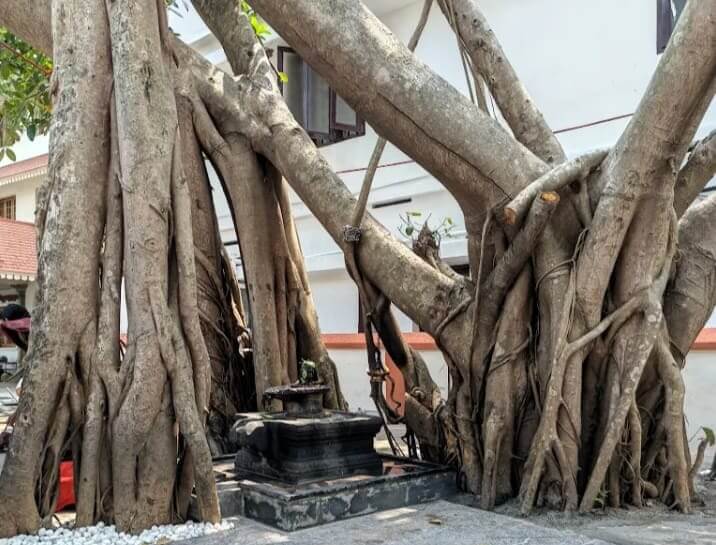
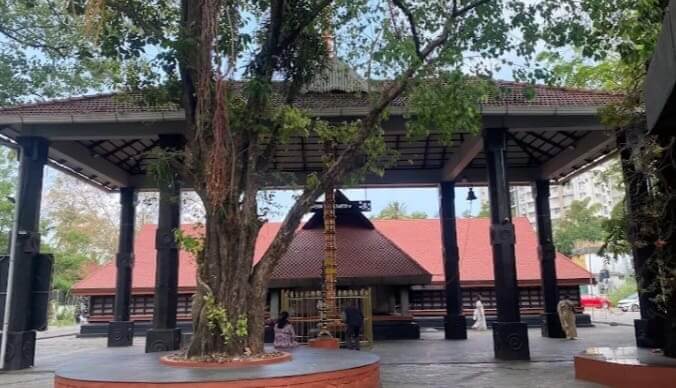
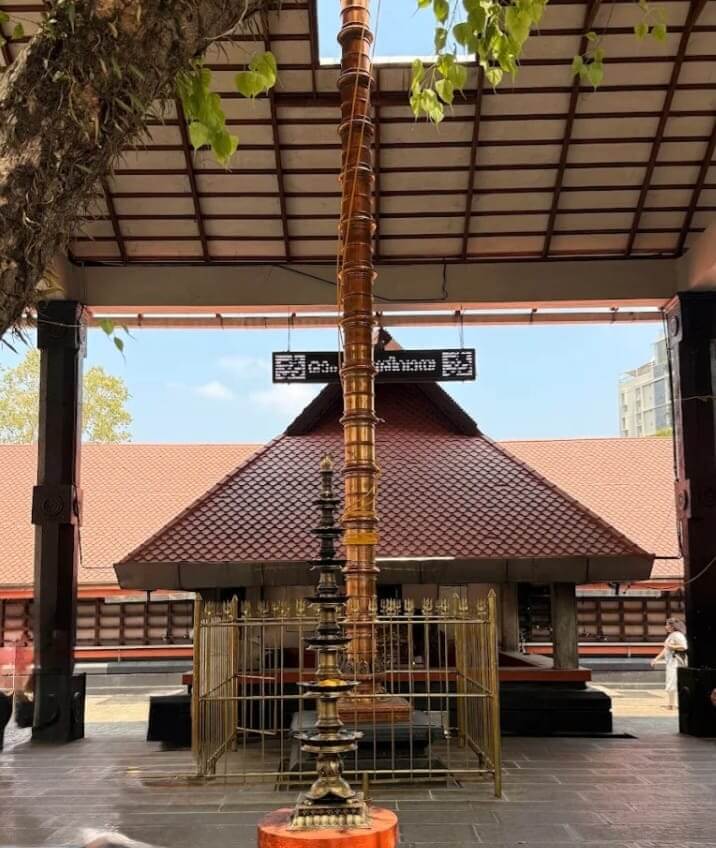
मंदिरे
Temples
मंदिर
-
वेल्लूरकुन्नम महादेवाचे मंदिर मुवट्टुपुझा, जि. एर्नाकुलम.
अधिक माहितीVelloorkunnam Mahadeva Temple Muvattupuzha, Dist. Ernakulam.
View Detailsवेल्लोरकुन्नम महादेव मंदिर मुवत्तुपुझा, जिला. एर्नाकुलम.
विवरण देखें -
श्री नारायणेश्वरम मंदिर पोन्नुरुन्नी, व्यत्तिला, जि. एर्नाकुलम.
अधिक माहितीSree Narayaneshwaram Temple Ponnurunni, Vyttila, Dist. Ernakulam.
View Detailsश्री नारायणेश्वरम मंदिर पोन्नुरुन्नी, व्यत्तिला, जिला। एर्नाकुलम.
विवरण देखें -
पेरुमपदवोम भगवती मंदिर पेरुंबदावोम, एलांजी, जि. एर्नाकुलम.
अधिक माहितीPerumpadavom Bhagavathi Temple Perumbadavom, Elanji, Dist. Ernakulam.
View Detailsपेरुम्पदावोम भगवती मंदिर पेरुंबदावोम, एलानजी, जिला। एर्नाकुलम.
विवरण देखें