
नीलकंठेश्वर महादेव मंदिर
बार बामणोली, ता. पेटलाद, जि. आनंद
Neelkantheshwar Mahadev Temple
Bar Bamnoli, Tal. Petlad, Dist. Anand
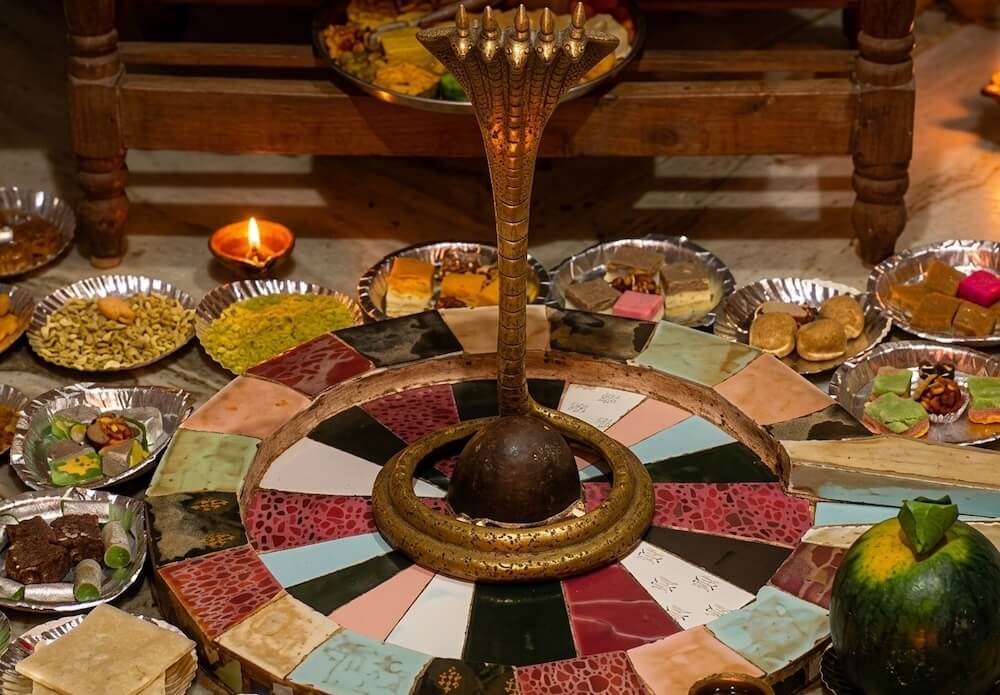 Across the expanse of our nation stand thousands of ancient shrines dedicated to Lord Mahadev, the supreme destroyer of all evil. Amongst these, the renowned Neelkantheshwar Mahadev Temple, situated in the village of Bar Bamnoli holds a place of particular eminence. For generations, devotees have reposed deep and unwavering faith in this deity, believing the Mahadev here to be a highly ‘Jagrut’ (awakened and vigilant) divinity. It is piously held that the Lord intercedes to dispel all manner of adversities, ailments, profound sorrows and negativity from the lives of his supplicants.
This temple is reputed to be approximately five hundred years old. According to a local legend, 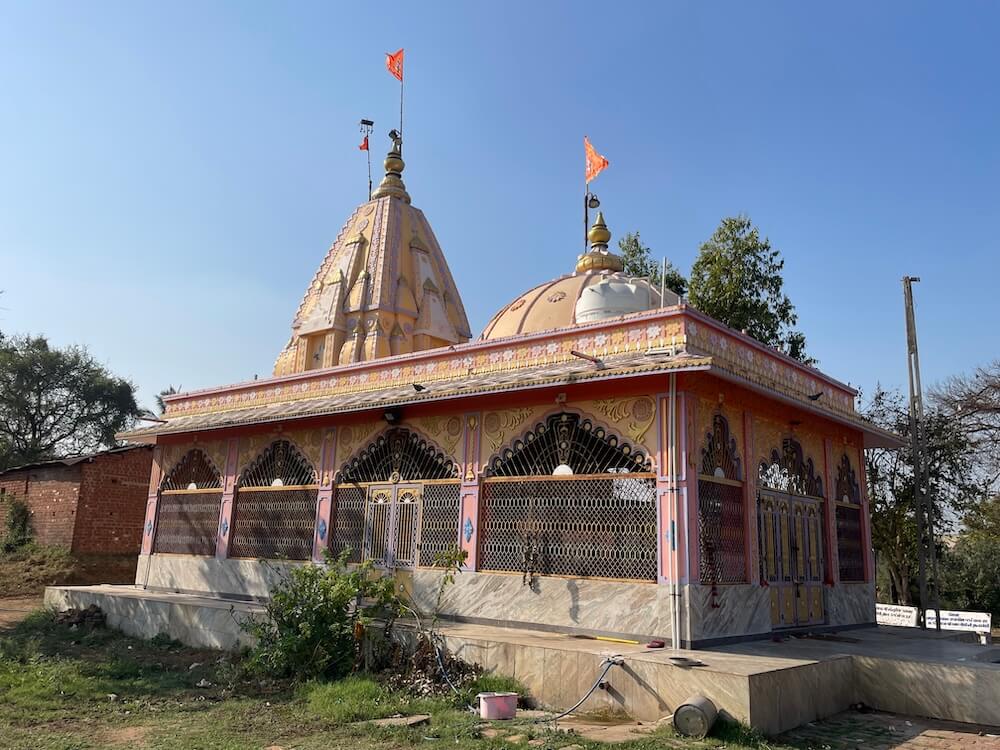 in antiquity the surrounding region served as a sprawling pasture where local cowherds brought their cattle daily. It was observed that a milch cow from the herd would habitually release her milk at a specific spot every day. Astonished by this recurring phenomenon, a cowherd shared the marvel with his companions. Collectively, they decided to excavate the earth at that precise location. Their labours revealed a ‘ Shivpind’ (the iconic symbol of Lord Shiva) buried beneath the soil. This unique reddish-hued ‘ Shivpind’ bore a distinct bluish tinge on one side. Upon beholding this azure shade, the witnesses were convinced that this was none other than ‘Neelkantheshwar Mahadev’ (the Blue-Throated Lord). Consequently, the villagers united to erect a modest shrine on the site and initiated formal ‘Puja’ (ritual worship).
 The manifestation of Neelkantheshwar Mahadev is one of the most celebrated and universally revered forms of Lord Shiva. Elaborate chronicles regarding this form are found in ancient scriptures such as the Shiva Purana, Bhagavata Purana and the Mahabharata. The central theme of this narrative is the ‘Samudra Manthan’ (the Churning of the Ocean). According to mythology, the ‘Devas’ and ‘Danavas’ resolved to churn the ‘Kshirasagar’ (Ocean of Milk) to obtain ‘Amrita’. For this gargantuan task, Mount Mandara was employed as the churning rod and the serpent Vasuki as the rope. From this churning emerged fourteen types of gems, but alongside these treasures, a terrifying and lethal poison known as ‘Halahal’ manifested. The intense heat and lethal potency of this venom threatened to incinerate everything within mere moments.
  Finding it impossible to shield themselves from this cataclysm, both Devas and Danavas sought refuge in Lord Shiva. For the welfare of the universe, Lord Shiva took the monumental decision to consume the ‘Halahal’. As he drank the venom, Goddess Parvati firmly clasped his throat to prevent the poison from descending into his stomach and harming his body. As a result, the ‘Halahal’ remained perpetually arrested in his gullet. The influence of the dreadful venom turned the Lord’s throat entirely blue. Hence he came to be known as ‘Neelkanth’ or ‘Neelkantheshwar’. To alleviate the burning sensation in his body after consuming the poison, the gods performed a continuous ‘Abhishek’ (ritual pouring) of water and cool milk over him. This significant mythological event marks the origin of the ancient tradition of offering ‘Jalabhishek’ (water offerings) upon the ‘Shivalinga’.
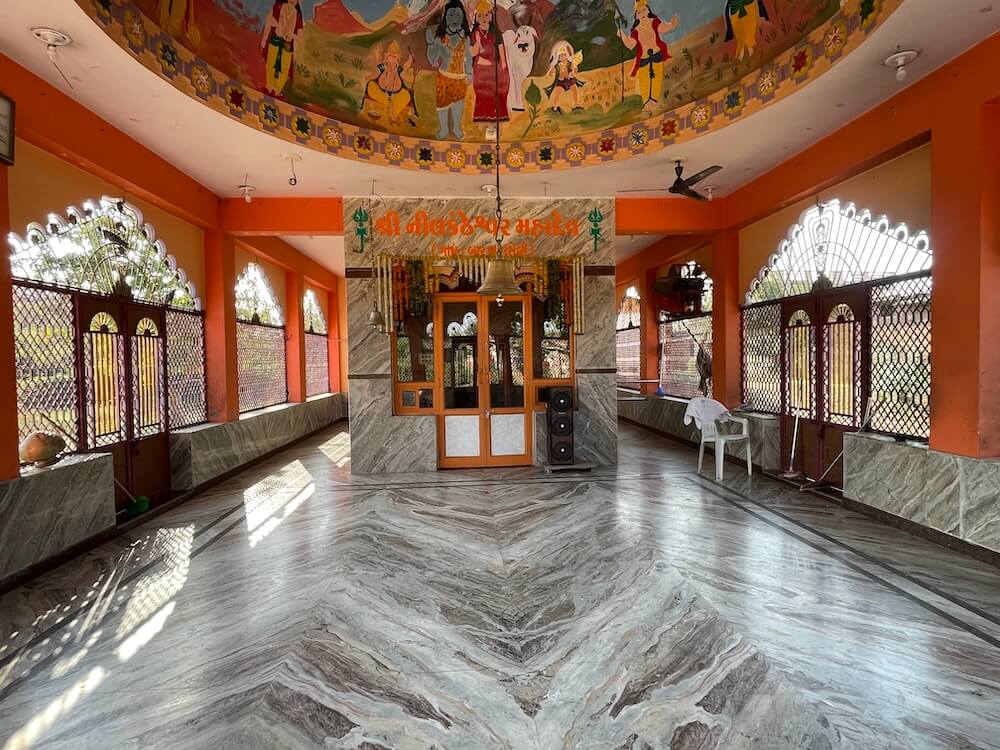
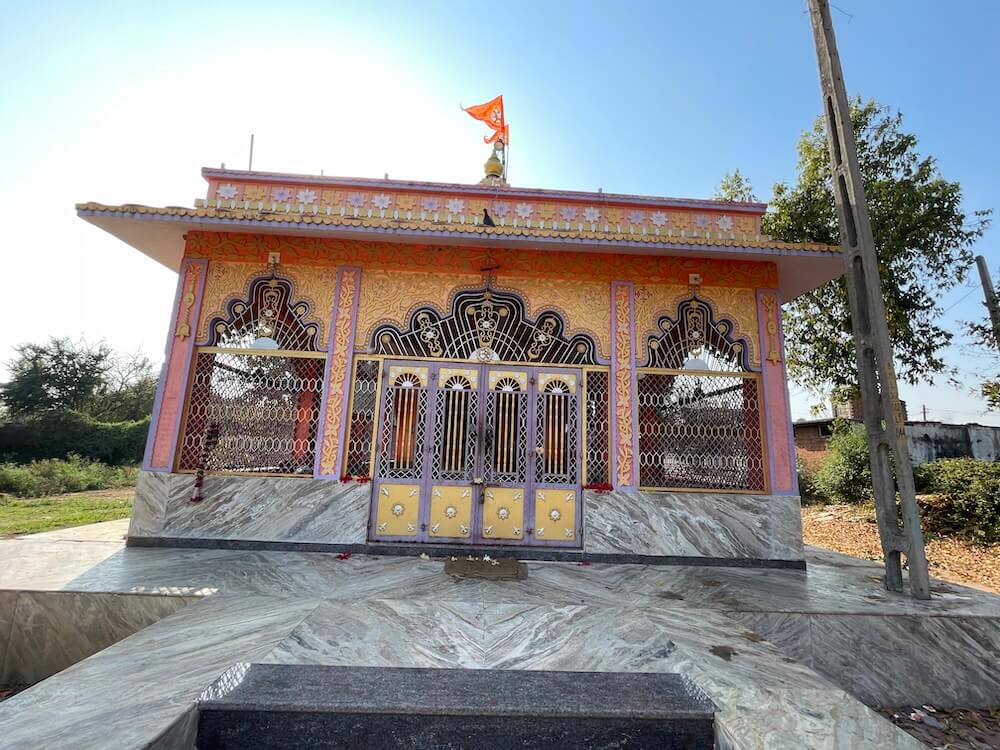
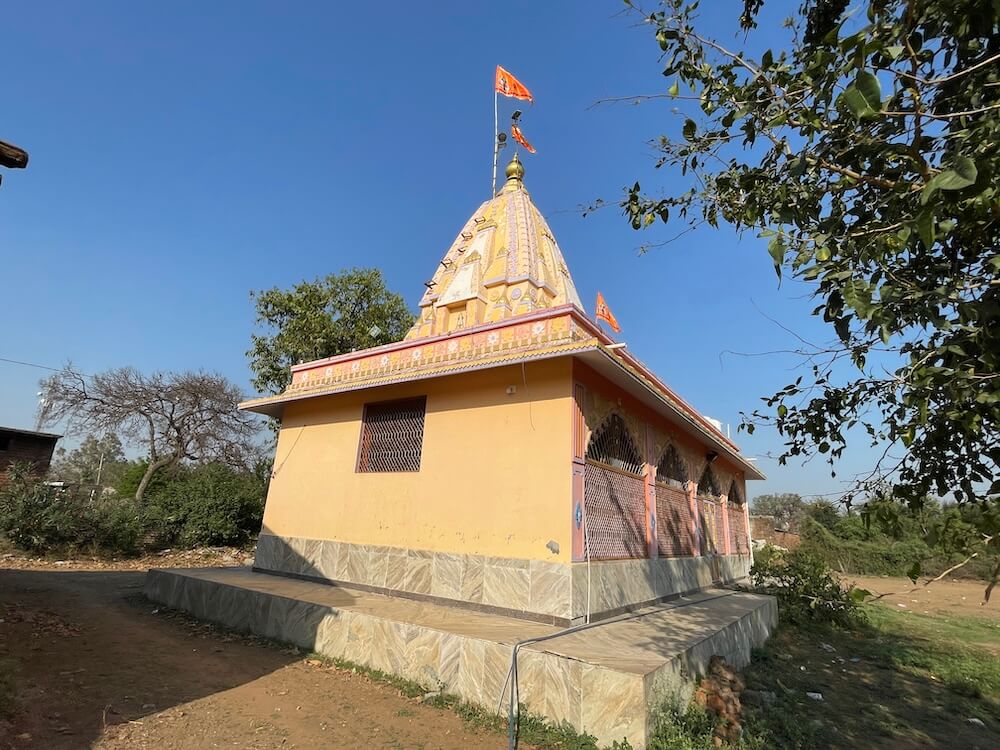
 The majestic temple of Neelkantheshwar Mahadev is situated at a slight remove from the village of Bar Bamnoli, nestled within a serene and verdant environment. In front of the temple stands a ‘Tulsi Vrindavan’ (a sacred altar for the basil plant) and a ‘Yajnakunda’ (sacrificial fire pit) constructed for ‘Hom-Havan’ (fire rituals). The expansive courtyard is graced by various shade-giving trees. In recent times, the temple has undergone restoration. While preserving the original site of the ancient ‘Garbhagriha’ (sanctum sanctorum), the surrounding structure has been newly reconstructed. Encircling the sanctum is a newly built ‘Sabhamandap’ (assembly hall), protected by a sturdy outer railing. Entry to the hall is provided through portals at the front, right and left. The hall features several square pillars interconnected by decorative arches on the exterior.
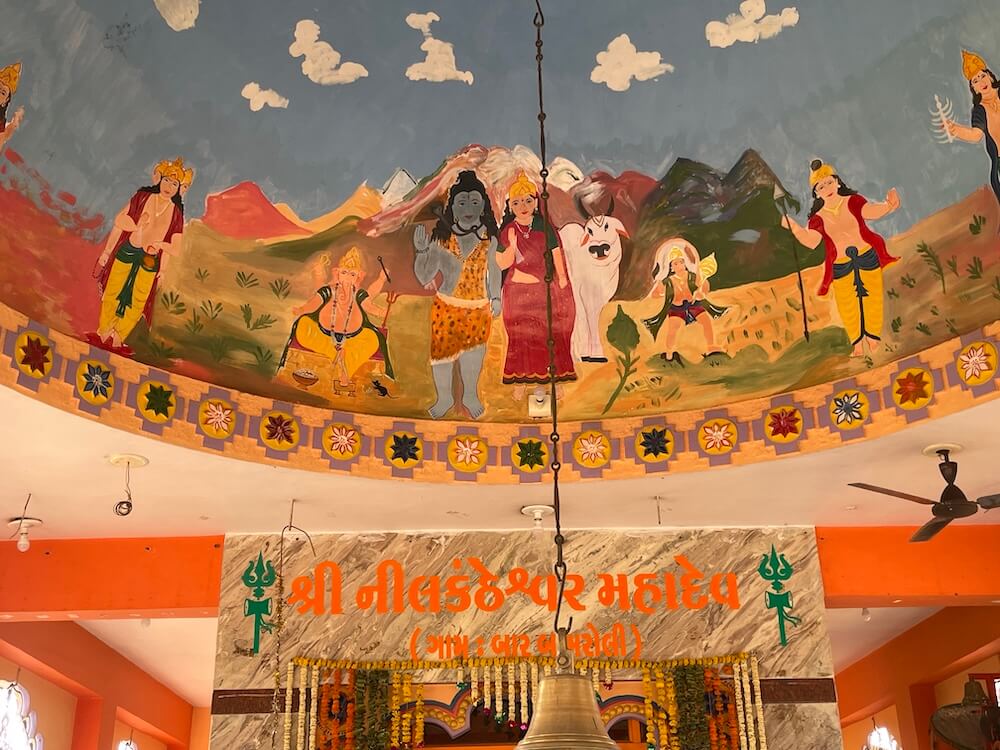
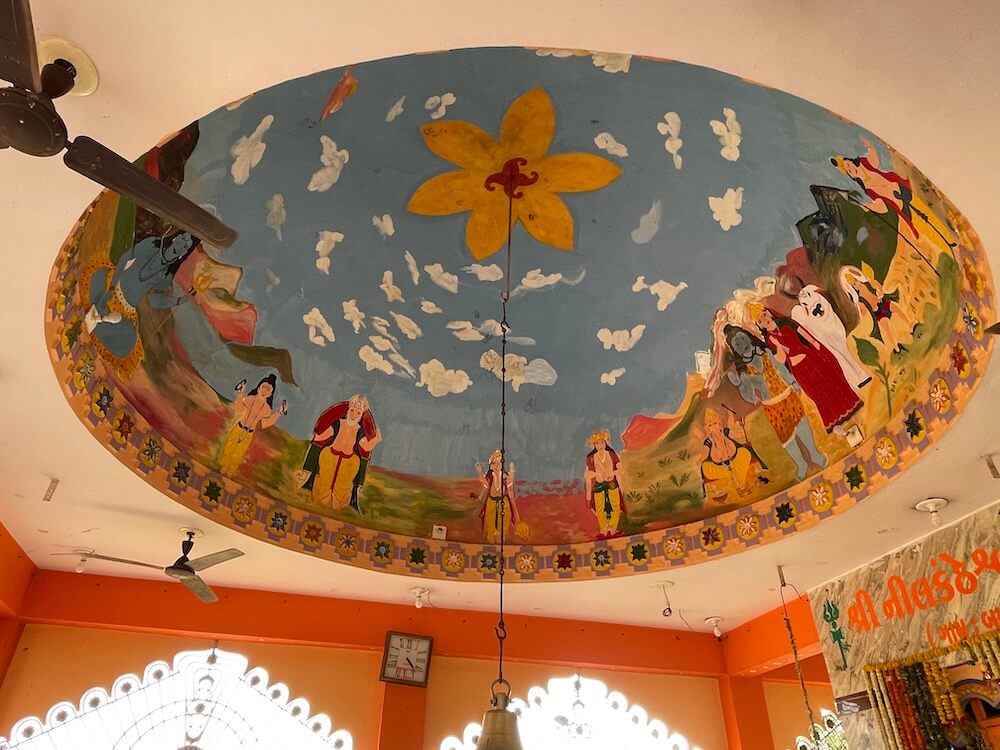
  The domed ceiling of the ‘Sabhamandap’ is adorned with exquisite and colourful paintings of various deities. Beyond the assembly hall lies a small ‘Antarala’ (vestibule) leading to the sanctum. Within the vestibule, facing the main entrance of the sanctum, sits an idol of Nandi upon a pedestal. The doorframes of the sanctum are intricately carved, with a sculpture of Lord Ganesha presiding over the ‘Lalatabimba’ (central lintel). At the centre of the sanctum floor lies the ancient ‘ Shivpind’, over which a brass cobra with a spread hood is positioned. A copper ‘Abhishekpatra’ (ritual vessel) is suspended from the ceiling to maintain a continuous flow of water over the deity. Niches in the rear and right walls of the sanctum house the idols of Goddess Parvati and Lord Ganesha, respectively.
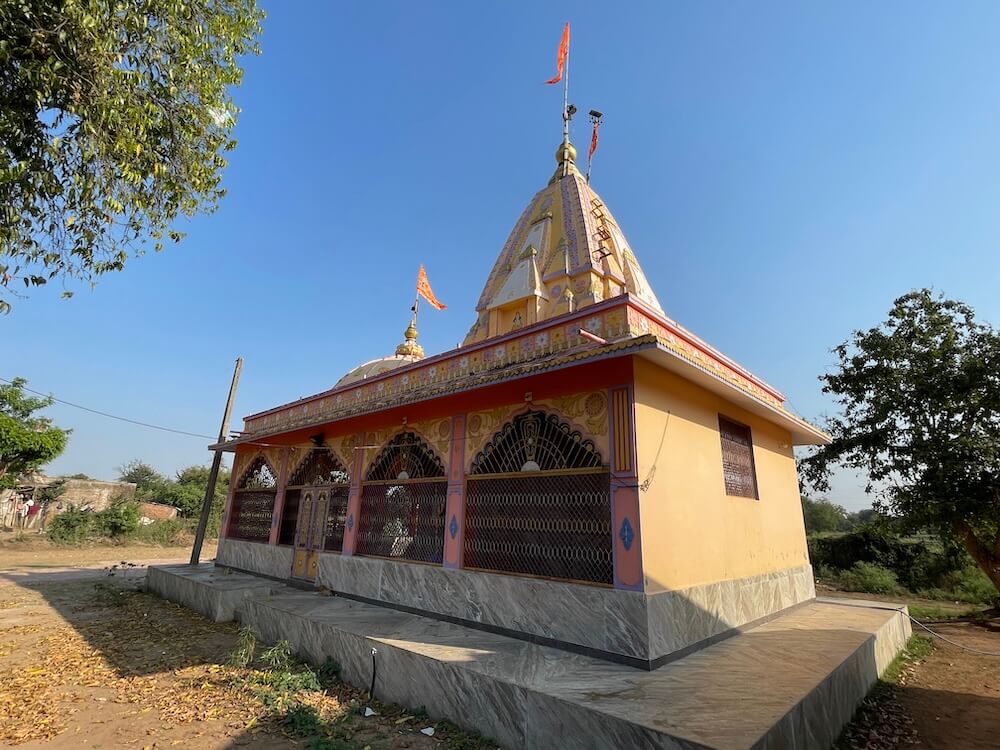 The domed spire over the assembly hall is crowned with an ‘Amalaka’ (ribbed stone disk) and a ‘Kalasha’ (finial). Above the sanctum rises the primary ‘Shikhara’ (spire)—a tall, tapering, square structure. The four corners of this spire are embellished with pillar carvings and each of its four walls bears three ‘Angashikharas’ (subsidiary spires). The summit of the main spire is graced with an ‘Amalaka’ and a ‘Kalasha’.
‘Mahashivratri’ is celebrated as the premier annual festival of this temple. This day also marks the anniversary of the temple’s restoration, observed with great enthusiasm and devotion. On this occasion, ‘Laghurudra’ and ‘Atirudra Abhishek’ are performed upon the ‘ Shivpind’ for seven consecutive days. For these celebrations, one hundred and one ‘Yajnavedis’ (sacrificial altars) are established in the vast courtyard.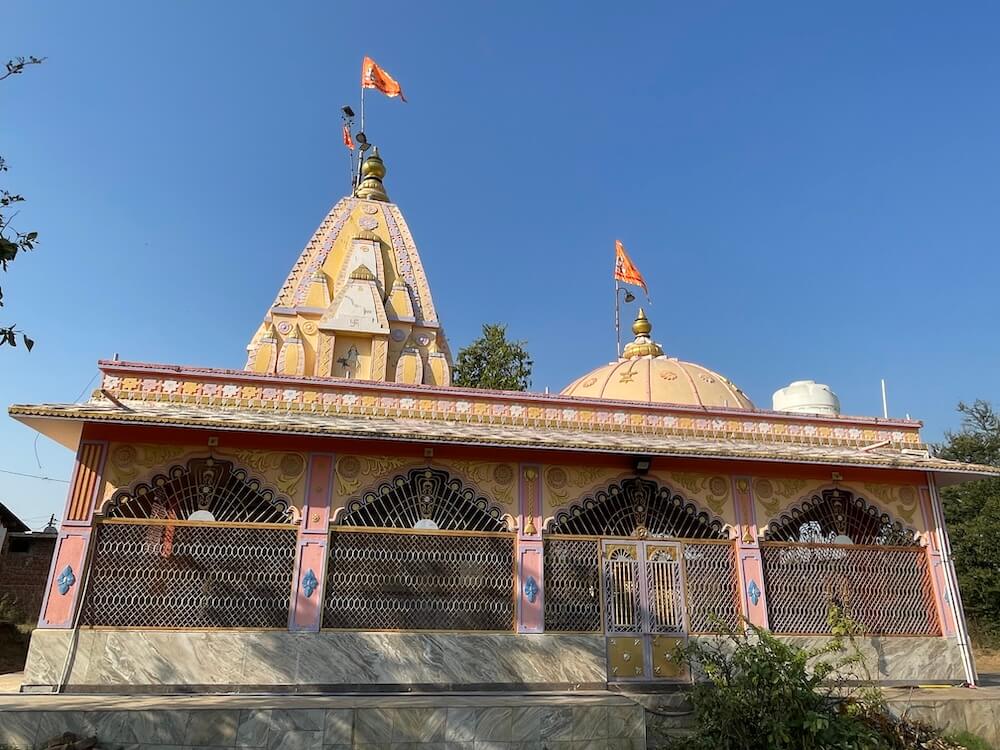 ‘Shiv Yajna’ and ‘Shatachandi Yajna’ are organised upon these altars, drawing hundreds of devotees who eagerly participate as ‘Yajmans’ (patrons of the ritual).
During this seven-day period, various religious programmes such as ‘Bhajan’ and ‘Kirtan’ (devotional singing and discourse) are arranged. A free ‘Annakshetra’ (charitable kitchen) provides meals for all visiting pilgrims. Additionally, other festivals throughout the year, such as the month of ‘Shravan’, ‘Krishna Janmotsav’, ‘Dussehra’ and ‘Diwali’, are celebrated here.
During all such festivities, many devotees visit the temple for ‘Darshan’ and to fulfil ‘Manata’ (religious vows). Furthermore, the temple experiences large gatherings of the faithful on Mondays, ‘Ekadashi’, ‘Pradosh’, ‘Purnima’ (full moon) and ‘Amavasya’ (new moon). The temple is open for devotees daily from 6 am to 8 pm.
Useful Information
- Located at 21 km from Petlad and 12 Km from Anand.
- State Transport (GST) bus facilities are available from Petlad.
- Private vehicles can reach the temple directly.
- Accommodation and breakfast facilities are not available in the immediate vicinity.
नीलकंठेश्वर महादेव मंदिर
बार बामनोली, ताल. पेटलाड, जिला. आनंद
मंदिरे
Temples
मंदिर
-
भीमनाथ महादेव मंदिर लिंबळी, ता. सोजित्रा, जि. आनंद
अधिक माहितीBhimnath Mahadev Temple Limbali, Tal. Sojitra, Dist. Anand
View Detailsभीमनाथ महादेव मंदिर लिम्बाली, ताल. सोजित्रा, जिला. आनंद
विवरण देखें -
मेलडी माता मंदिर मालताज, ता. सोजित्रा, जि. आनंद
अधिक माहितीMeldi Mata Temple Malataj, Tal. Sojitra, Dist. Anand
View Detailsमेलडी माता मंदिर मालताज, ताल. सोजित्रा, जिला. आनंद
विवरण देखें -
चंद्रमौलेश्वर महादेव मंदिर उमरेठ, ता. उमरेठ, जि. आनंद
अधिक माहितीChandramouleshwar Mahadev Temple Umreth, Tal. Umreth, Dist. Anand
View Detailsचंद्रमौलेश्वर महादेव मंदिर उमरेठ, तहसील उमरेठ, जिला आनंद
विवरण देखें