नायजी महाराज मंदिर
कुकस, ता. शीना, जि. वडोदरा
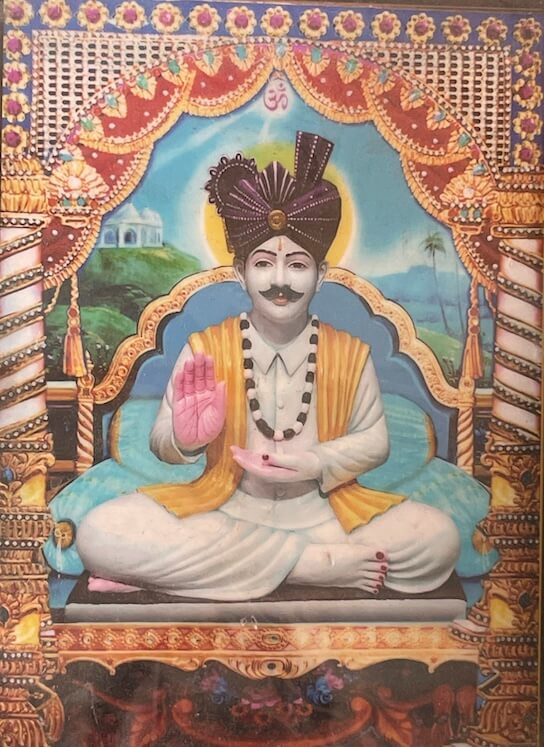 Just like the legend of Valya Koli, who turned from a life of crime to one of spiritual service, the life story of Saint Nayaji Maharaj is remembered with reverence in the village of Kukas, Gujarat, where his temple stands today. Referred to as Nayakaka, his shrine is said to be around 500 years old. Particularly among the Bhil and Koli communities of Gujarat, there is a deep-rooted faith in Nayaji Maharaj. His devotees believe that with his blessings, sorrows disappear and one finds success and peace. Hundreds of people visit the temple daily to seek his darshan.
The tale passed down about Nayaji Maharaj is strikingly similar to that of a bandit-turned-saint. He was born in the Thakarda Koli clan in the Kanam region (now Bharuch district) about 500 years ago. Belonging to the Bhil community, he is said to have married a woman from the Koli caste. His early life was spent as a dacoit, feared by all across the region. But during one of his raids, he encountered a holy man whose teachings changed his life. The Vadodara District Gazetteer of 1979 notes that he became a disciple of Imam Shah of Pirana and was later revered as a saint. Pir Imam Shah Baba, who arrived in Pirana near Ahmedabad some 500 years ago, belonged to the family of Hazrat Jafar al-Sadiq, the sixth Imam of the Shia sect. Embracing a Sufi path, Imam Shah renounced orthodox Islam and integrated philosophies from Hinduism, Buddhism and Jainism to form the Satpanth tradition. 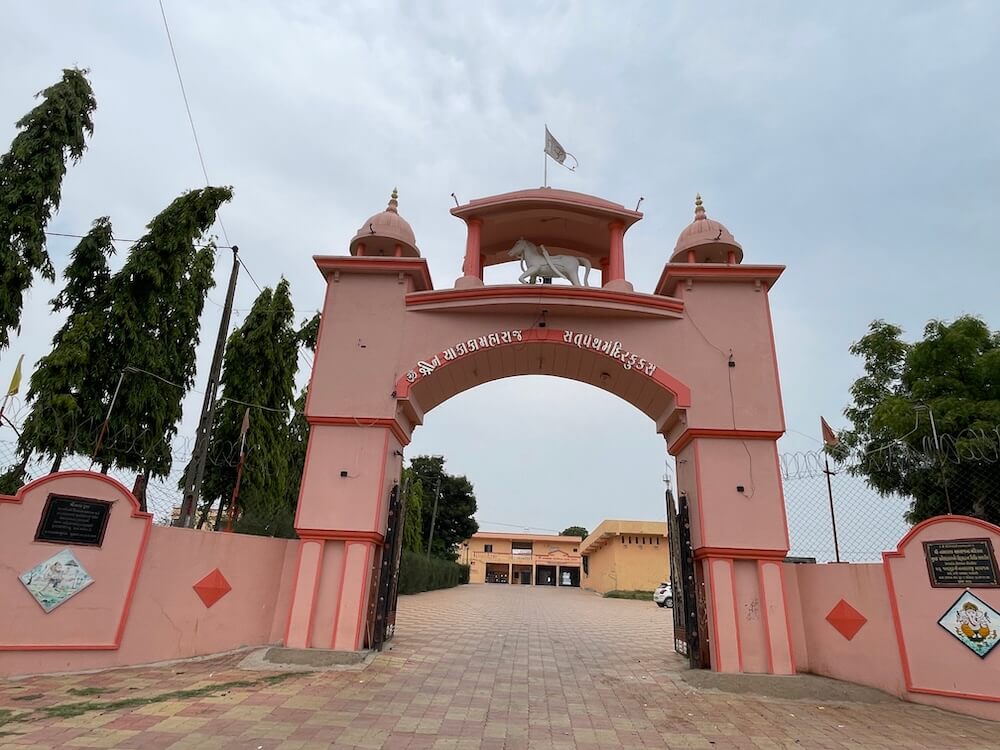 According to the Gazetteer, Nayaji Maharaj adopted this path and was referred to as Nayakaka Pir. Following his transformation, he is believed to have performed intense penance for twenty years, eight of which were spent at Mount Girnar. Through these spiritual practices, he attained divine powers and cured many ailments. He passed away in Kukas on Bhadrapada Shuddha Dwadashi and it is said that a divine flame emerged from his eyes as he merged into the elements. That eternal flame still burns beside his samadhi today.
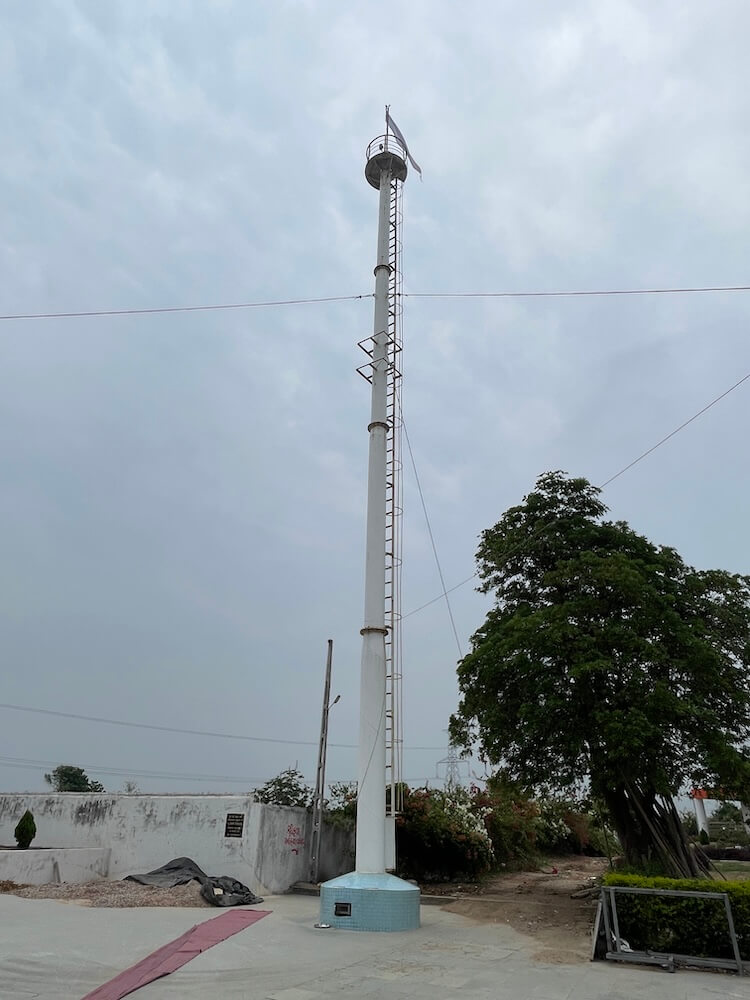
Entering Kukas, visitors are first greeted by the archway named ‘Sant Shri Nayaji Pravesh Dwar’, followed by another entrance labeled ‘Krantikari Swami Shivramji Maharaj’. Proceeding further leads to the main temple gate, above which sits a dome featuring a sculpture of Nayaji Maharaj’s horse. 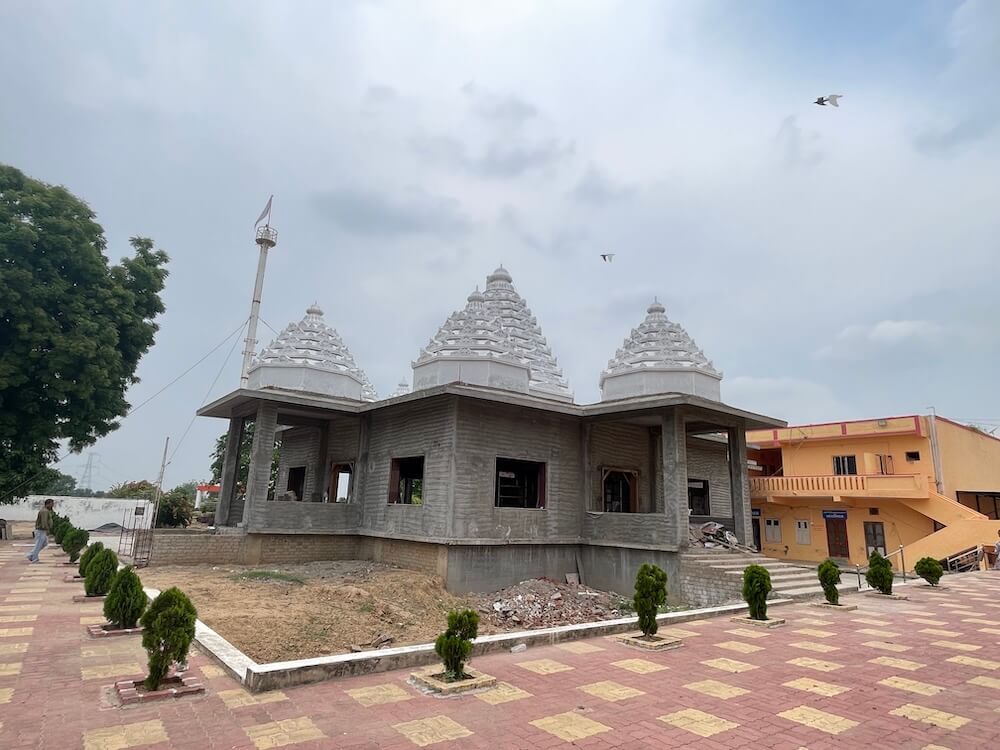 Stepping through the gate reveals a large stone-paved courtyard with a two-storied structure ahead. The ground floor houses a shop selling religious books and a donation counter. A little further stands a small shrine with a half-bust of Nayaji Maharaj and beyond that is the main samadhi temple. In front of it rises a tall nishan stambh (flagstaff).
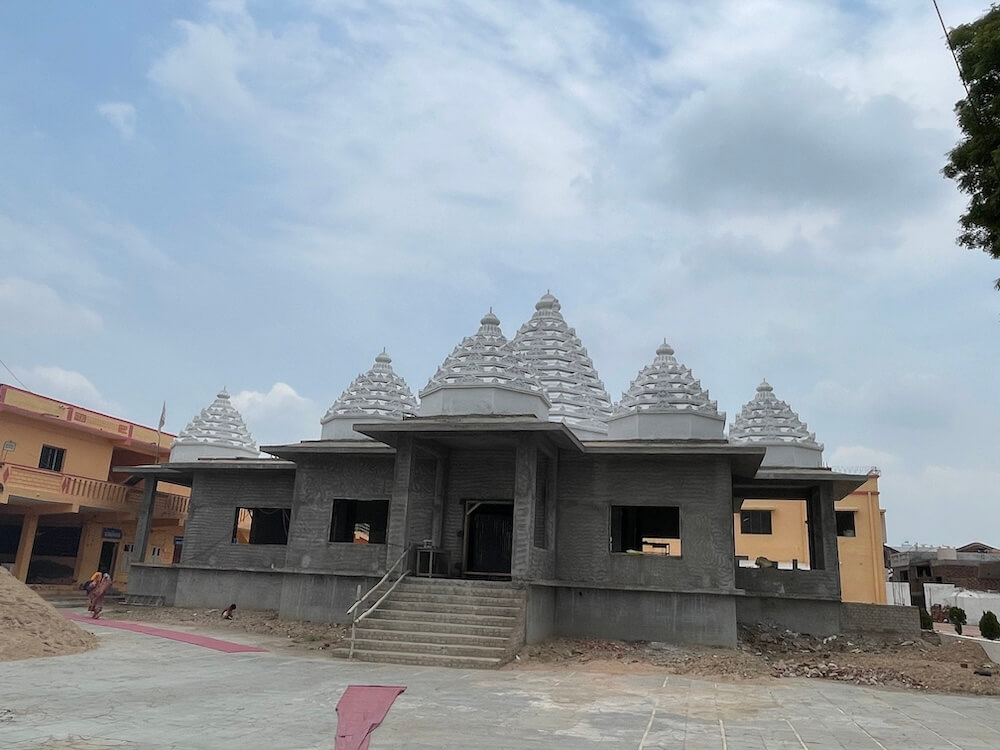
The temple architecture includes a mukhamandap, sabhamandap and garbhagriha (sanctum). The domes over the mukhamandap and sabhamandap are octagonal at the base and taper elegantly upward. The sanctum, situated centrally within the raised assembly hall, houses Nayaji Maharaj’s samadhi encased in a silver canopy, with his padukas placed before it. An eternal flame glows beside the samadhi.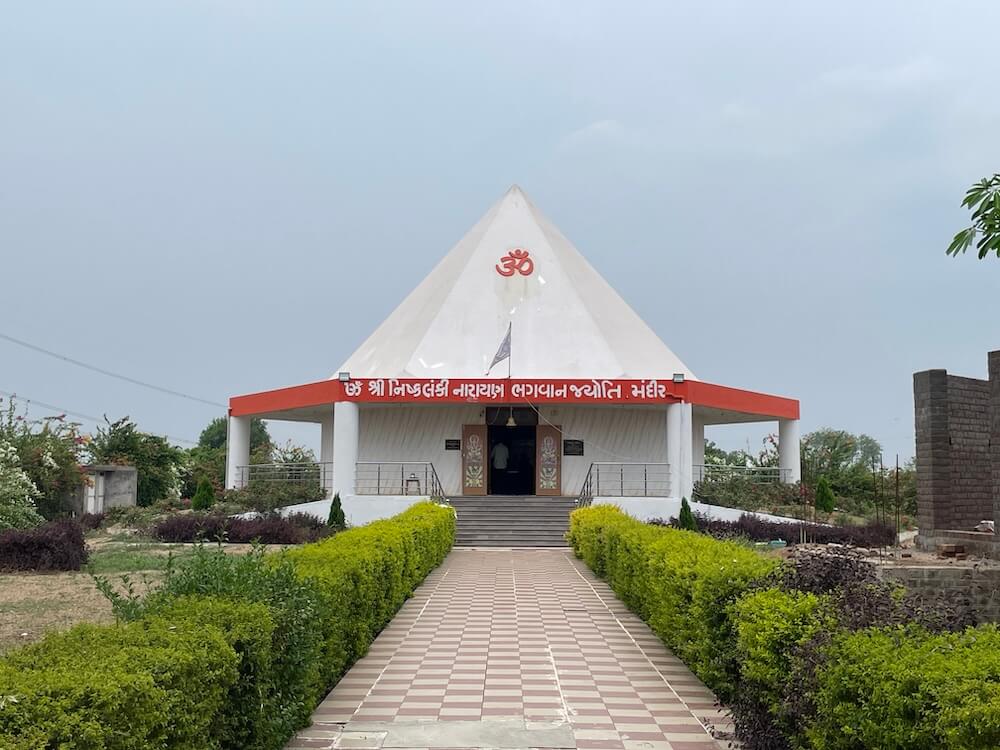
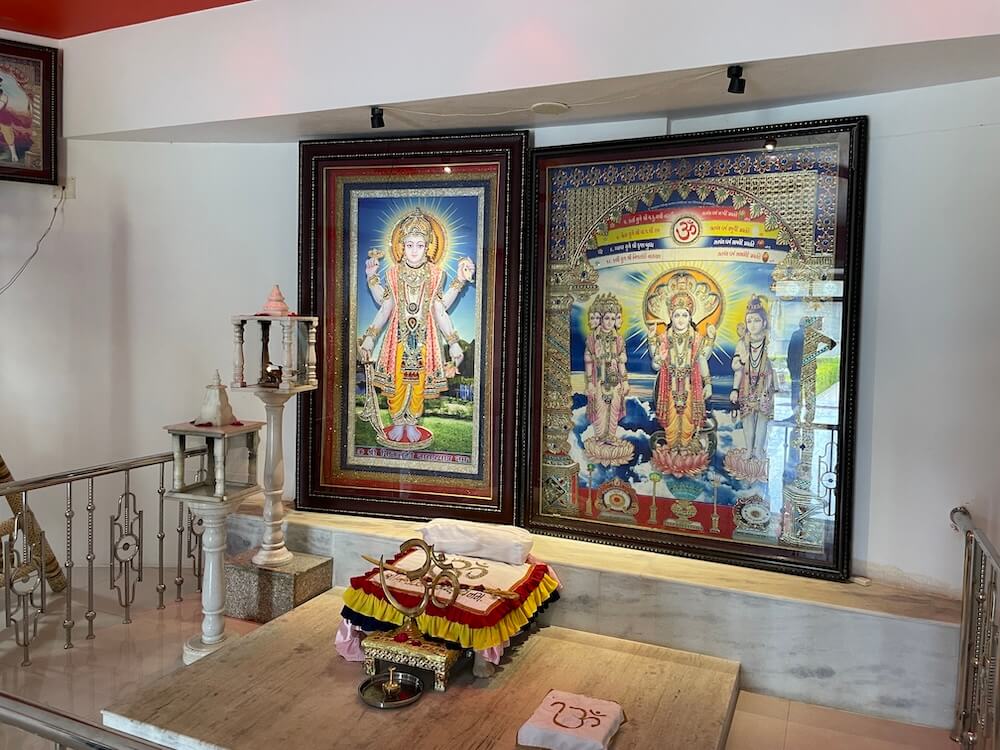
To the right of the samadhi temple, at a short distance, lies the Nishkalanki Narayan Jyoti Mandir, dedicated to the central deity of the Satpanth tradition. It is believed that Nishkalanki Narayan’s original name was Murtaza Ali, the son-in-law of Prophet Muhammad, but within the Satpanth, he is venerated in a Hindu form. Built on a high circular platform, the temple features a dome shaped like a pyramid topped with the sacred symbol of Om. Eleven steps lead up to the sabhamandap, where a platform holds Nishkalanki Narayan’s symbolic gadi (seat), with a sword and a brass Om affixed. His padukas rest before it on a smaller platform. To the left stands the marble Deepstambh, where the Adishakti Jyot burns continuously. Behind the seat, images of Lord Vishnu and the trinity of Brahma-Vishnu-Mahesh are placed.
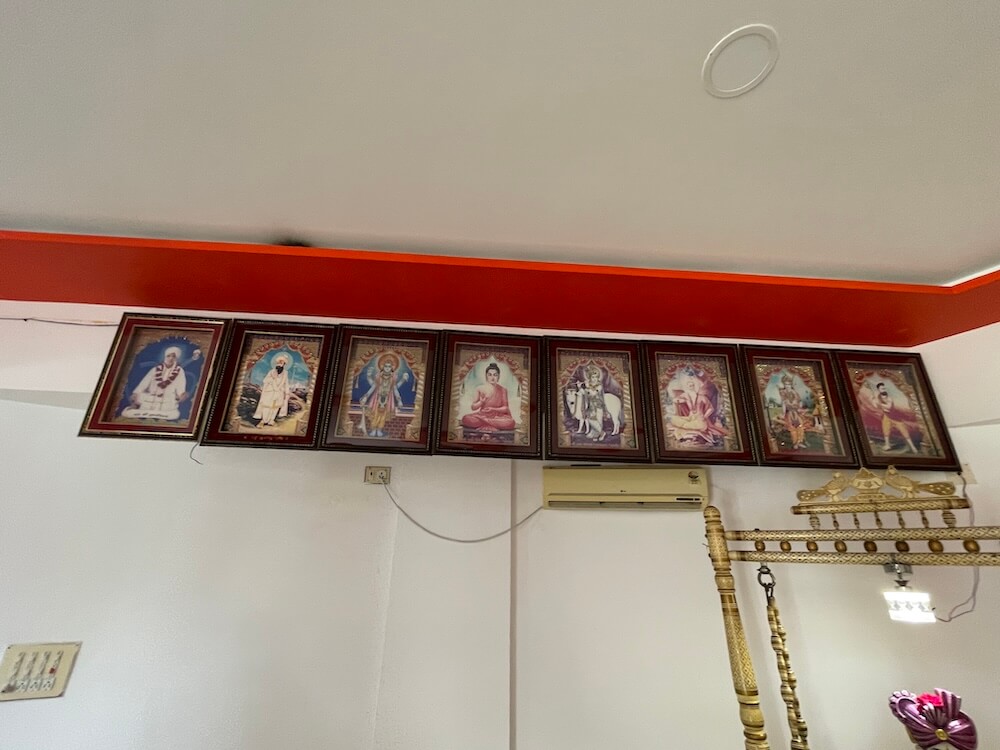
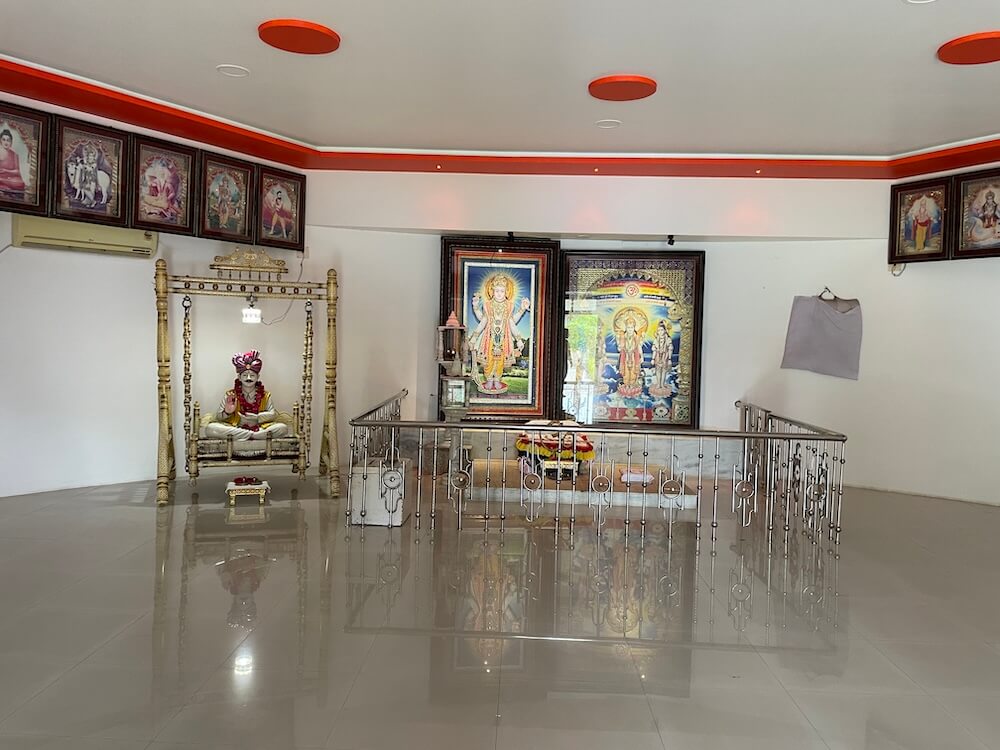 Within the sabhamandap a beautiful swing holds a marble statue of Nayaji Maharaj seated cross-legged in a blessing posture, with his padukas placed nearby. Along the walls are images of Lord Vishnu’s ten avatars, as well as portraits of Sage Ved Vyasa, Saint Tulsibapa and Guru Imam Shah Maharaj.
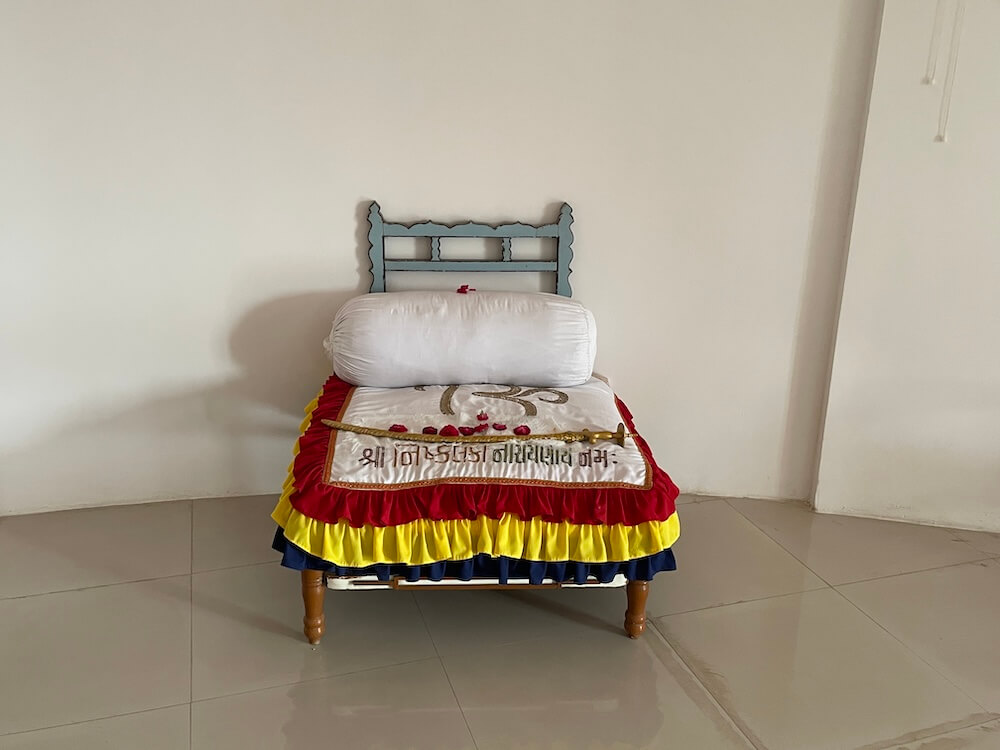
On the right wall of the sabhamandap, a small bed holds a sword wrapped in cloth. According to legend, Nayaji Maharaj carried this sword during the construction of the Jyoti Mandir. Years later, it was unknowingly sold to a scrap dealer, who in turn sold it to another merchant in Ahmedabad. One night, Nayaji Maharaj appeared in dreams to the scrap dealer, his wife and his mother, asking them to return the sword to Kukas. They obeyed the divine vision and came to the temple to hand it over to the trustees.
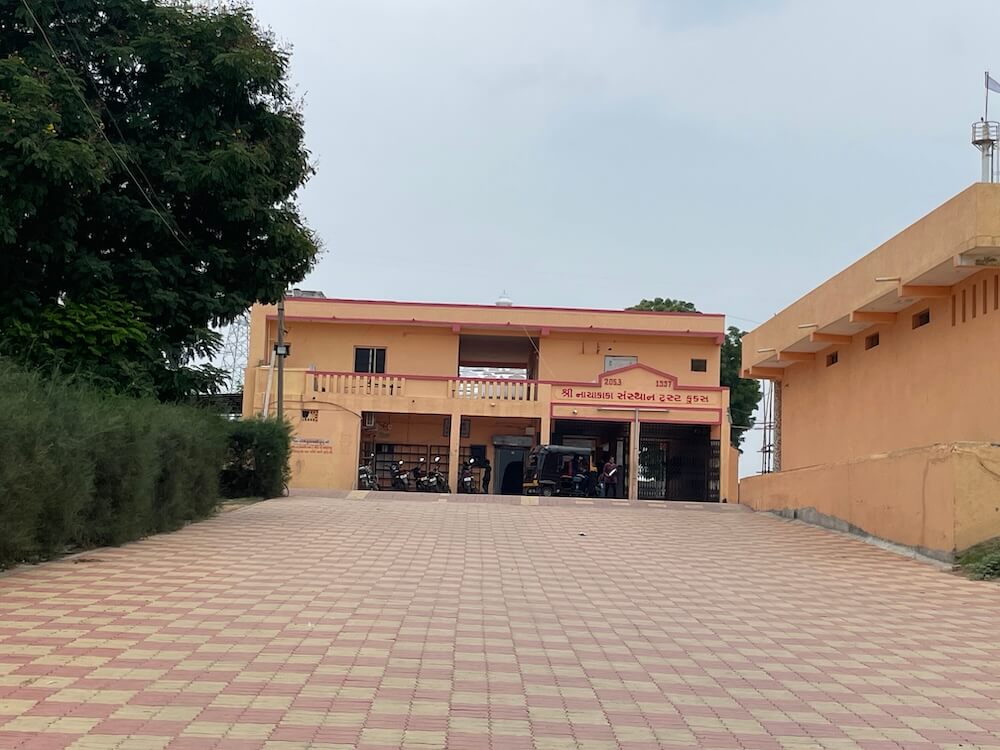 The temple is managed by the Nayaji Maharaj Sansthan Trust and conducts daily worship, aartis and bhajans. Many devotees visit seeking blessings for children or to relieve ancestral karmic burdens (pitrudosh). The temple offers free meals and accommodation to pilgrims. Every year, on Chaitra Shuddha Trayodashi, his birth anniversary is celebrated with great devotion. A special chandanvidhi is performed and 56 traditional offerings are made. Devotees from Bharuch, Rajpipla, Ankleshwar, Mewas and other parts of Gujarat gather for the occasion, which also includes a vibrant procession.
Another major event is the Bij Utsav, a three-day fair held during Bhadrapada Shuddha Dwadashi, believed to be Gujarat’s largest fair. It features numerous religious activities and draws thousands of followers each year.
नयाजी महाराज मंदिर
कुकास, ताल. शिनोर, जिला. वडोदरा