
मेलडी माता मंदिर
वलसाण, ता./जि. आणंद
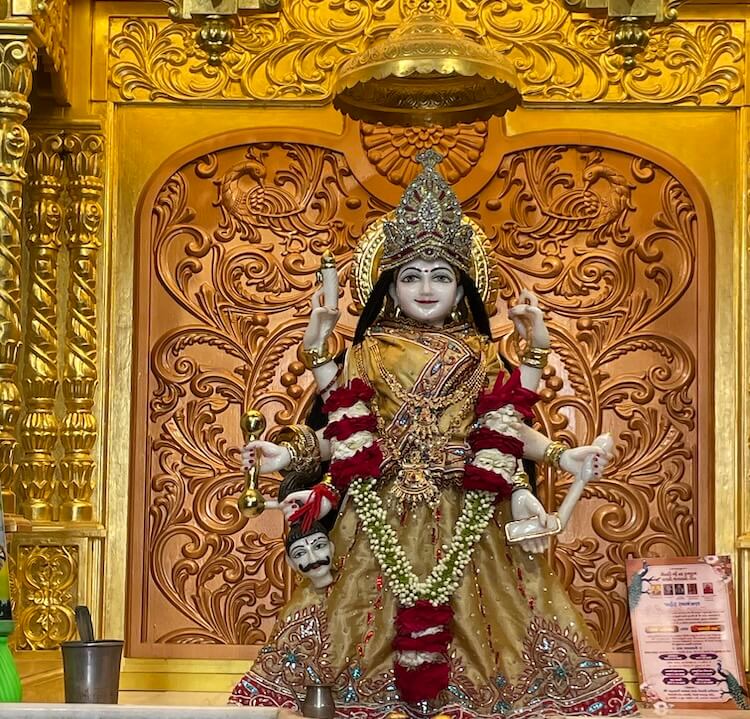 आणंद जिल्ह्यातील आणंद-सोजित्रा मार्गावर वसलेले वलसाण येथील मेलडी माता मंदिर हे भाविकांसाठी अत्यंत ‘जागृत’ देवस्थान मानले जाते. हजारो भाविक या लोकदेवतेकडे गाढ श्रद्धेने ‘मानता’ (नवस) मागतात. संतती प्राप्ती, धन-संपत्तीची वृद्धी आणि परदेश प्रवासासाठी व्हिसा मिळणे यांसारख्या इच्छा पूर्ण व्हाव्यात म्हणून भाविक येथे येतात. नवस पूर्ण झाल्यावर आईला नारळ, गूळ, लाल वस्त्र आणि धूप अर्पण करण्याची प्रथा आहे. देवीचे मूळ स्थान मंदिर परिसरातील एका ‘सिंदुरिया केरडा’ वृक्षाजवळ आहे. दर रविवारी येथे ‘दर्शना’साठी भाविकांची मोठी गर्दी असते.
स्थानिक लोककथेनुसार, सुमारे २५० वर्षांपूर्वी वंजारी समाजातील लोक – जे विहिरी आणि ‘बारव’ (पायऱ्यांच्या विहिरी) बांधण्याचे काम करणारे भटक्या जमातीचे होते – ते गावगावी फिरत असत. 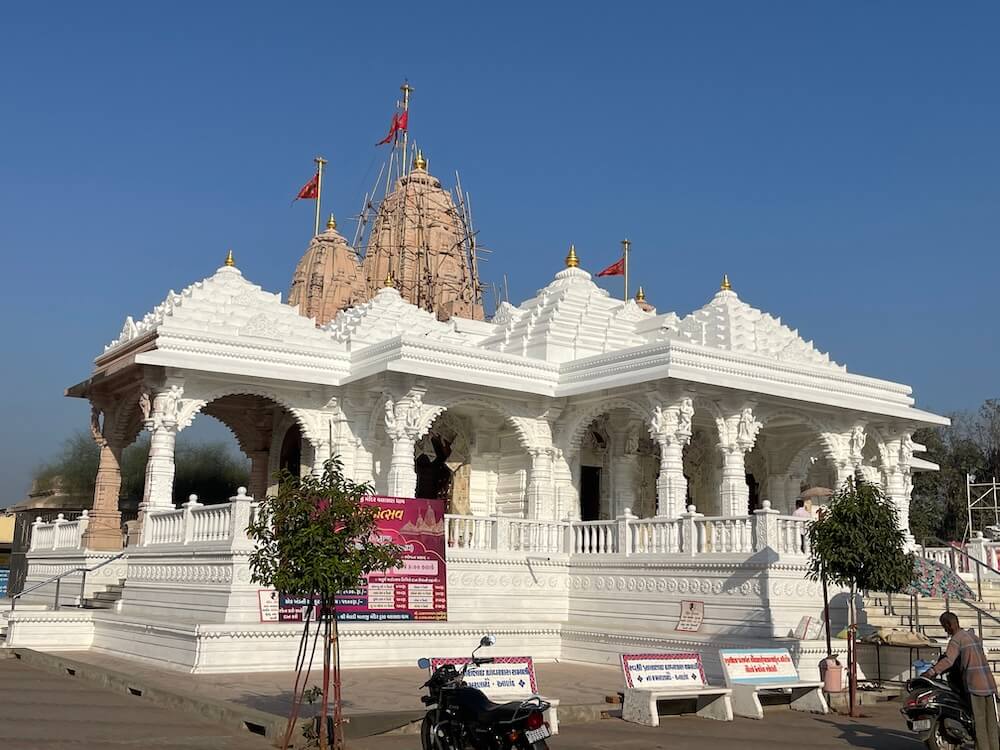 प्रवासादरम्यान ते वलसाण गावात पोहोचले. एका ‘सिंदुरिया केरडा’ वृक्षाखाली मुक्काम करून त्यांनी सोबत आणलेल्या देवीच्या मूर्तीची आणि ‘पादुकांची’ पूजा केली. दुसऱ्या दिवशी सकाळी घाईघाईत निघताना प्रवाशांकडून चुकून मूर्ती आणि पादुका तिथेच राहिल्या. संध्याकाळच्या प्रार्थनेच्या वेळी ही चूक लक्षात येताच ते धावत वलसाणला परतले. मूर्ती उचलून नेण्याचे त्यांनी खूप प्रयत्न केले, पण ती जागची हलली नाही. त्याच क्षणी देवी प्रकट झाली आणि तिने ‘दृष्टांत’ दिला, ‘आतापासून, लोकांचे दुःख दूर करण्यासाठी मी येथेच वास्तव्य करेन.’ दशके उलटली, आजूबाजूचा परिसर घनदाट जंगलात रूपांतरित झाला आणि झाडाखालील मूर्ती जमिनीत गाडली गेली.
 कालांतराने, भगवानदास पटेल नावाच्या एका ग्रामस्थाला जमीन खोदताना ही प्राचीन मूर्ती सापडली. त्यानंतर, भगवानदास आणि गावकऱ्यांनी एकत्र येऊन या ठिकाणी मेलडी मातेची मूर्ती प्रतिष्ठित केली आणि मंदिर उभारले.
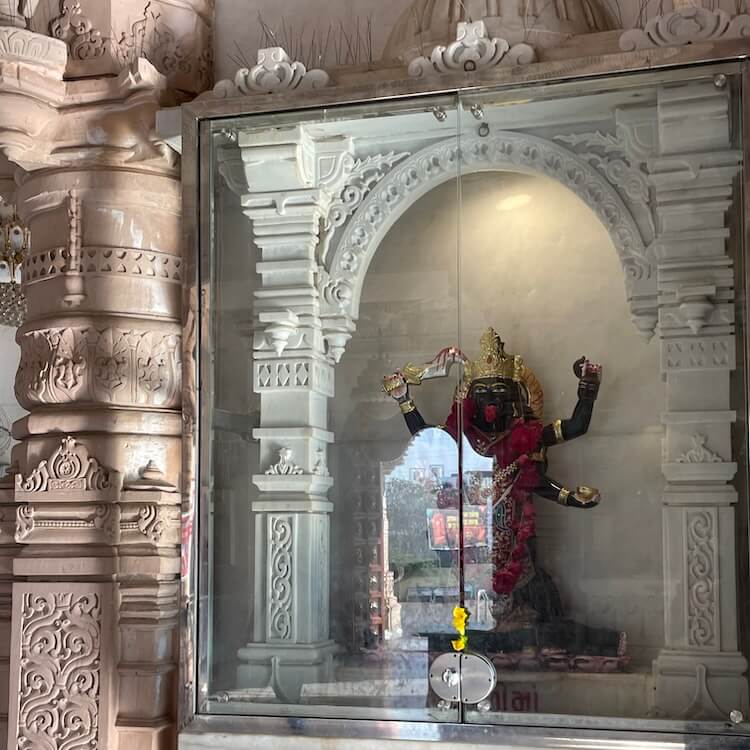
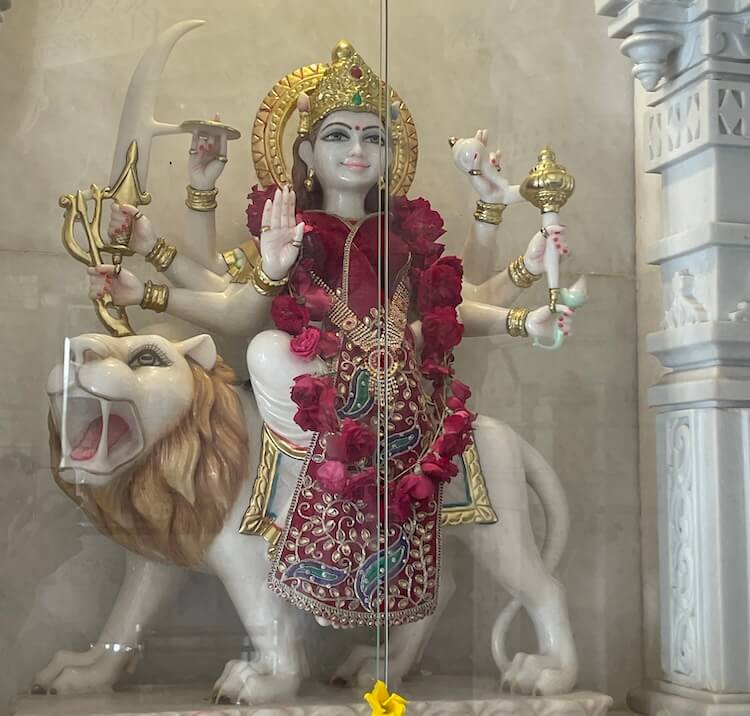
शास्त्रानुसार, प्राचीन काळी सौराष्ट्र प्रदेशात अमरुवा नावाच्या अत्यंत क्रूर राक्षसाचा वध करण्यासाठी देवी उमा पृथ्वीवर प्रकट झाली. देवीच्या तेजाने घाबरून तो राक्षस एका मृत गाईच्या अपवित्र कातडीत लपला. या कृत्यामुळे संतप्त होऊन देवी उमेने आपल्या हाताचे तळवे एकमेकांवर घासले आणि त्यातून पडलेल्या ‘मळा’पासून एक अत्यंत तेजस्वी दिव्य कन्या जन्माला आली. ‘मळा’पासून जन्म झाल्यामुळे त्या कन्येचे नाव ‘मेलडी’ ठेवण्यात आले. मेलडी मातेने त्यानंतर अमरुवाचा वध करून सौराष्ट्राला त्याच्या दहशतीतून मुक्त केले. या विजयानंतर, देवी उमेने मेलडी मातेला देवी चामुंडेच्या भेटीला पाठवले, जिने तिचे सामर्थ्य पारखण्यासाठी तिला कामरूप प्रदेशात धाडले. 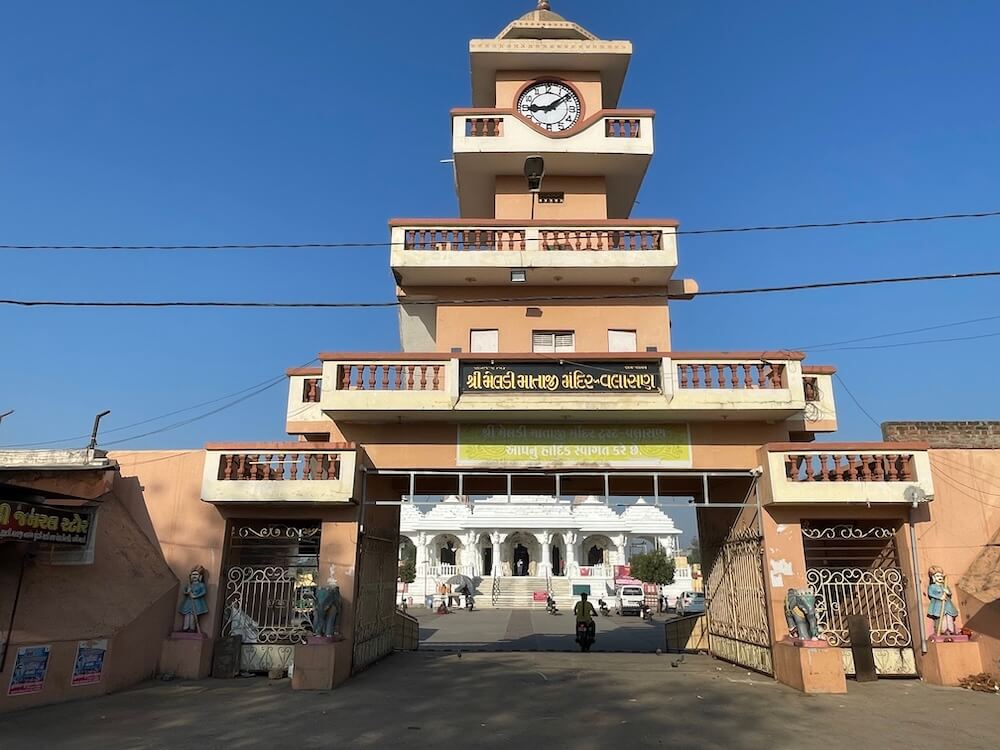 तिथे आपल्या दैवी शक्तीचा वापर करून मेलडी मातेने दुष्ट ‘तांत्रिक’ शक्तींना एका काळ्या बोकडात रूपांतरित केले आणि त्यांच्या ऊर्जा एका बाटलीत बंद केल्या. पराभूत दुष्टांचे प्रतीक असलेला हा काळा बोकड तिने आपले कायमस्वरूपी ‘वाहन’ म्हणून स्वीकारले. ‘मूर्तीशास्त्रानुसार’, मेलडी माता पारंपारिक लाल साडी आणि आदिवासी दागिन्यांनी सजलेली एक तरुण स्त्री म्हणून दिसते. काळ्या बोकडावर आरूढ झालेली ही अष्टभुजा देवी त्रिशूळ, तलवार, कमळ, चक्र, खंजीर आणि गदा धारण करते, तर एका हातात तिने पकडलेल्या तांत्रिक शक्तींची बाटली असते. तिचा एक हात ‘अभय मुद्रे’त असतो.
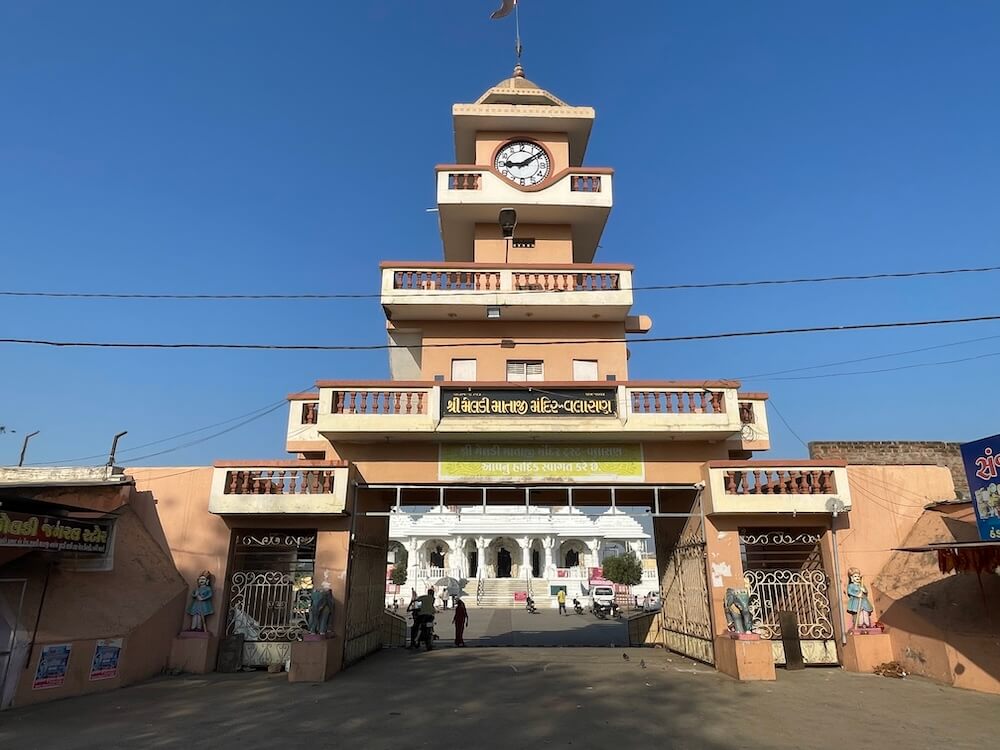
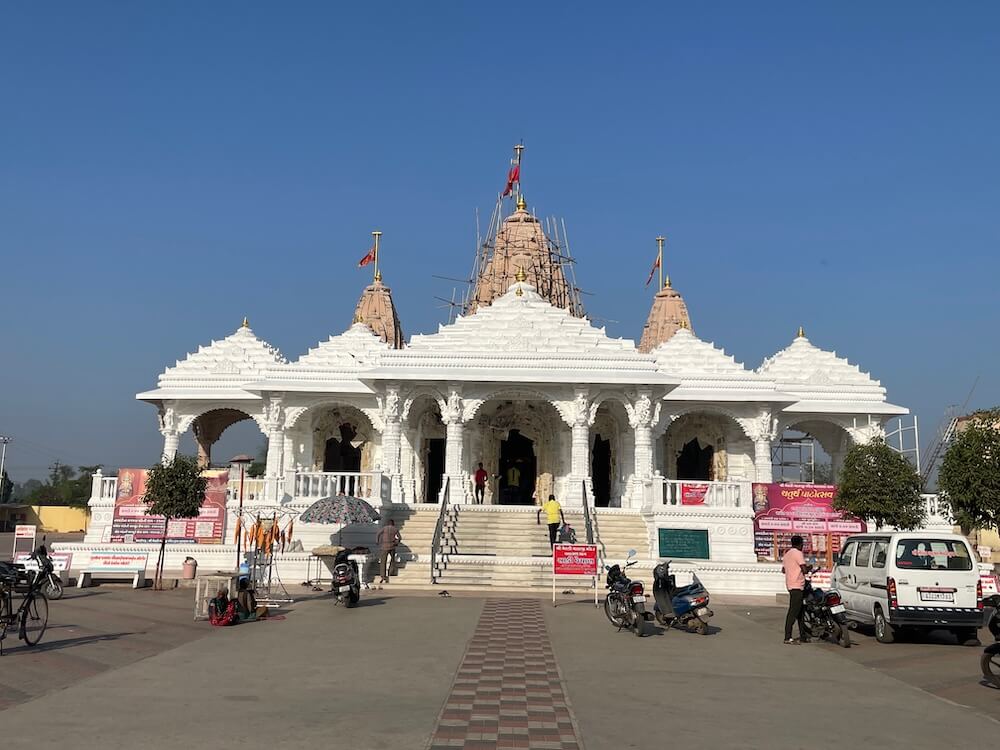
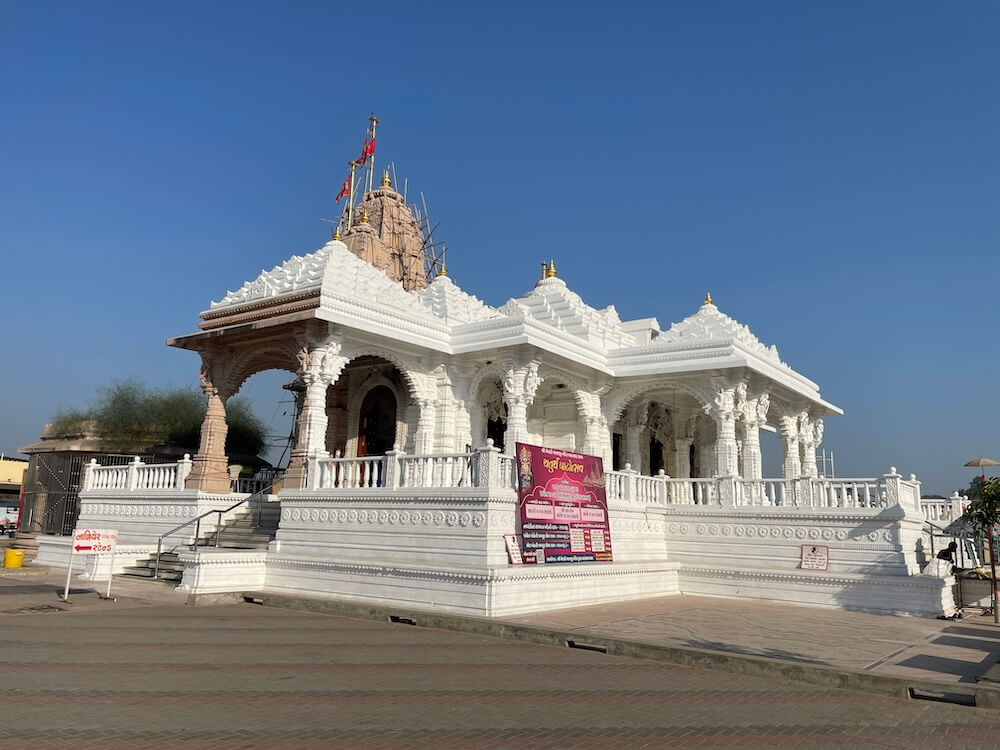
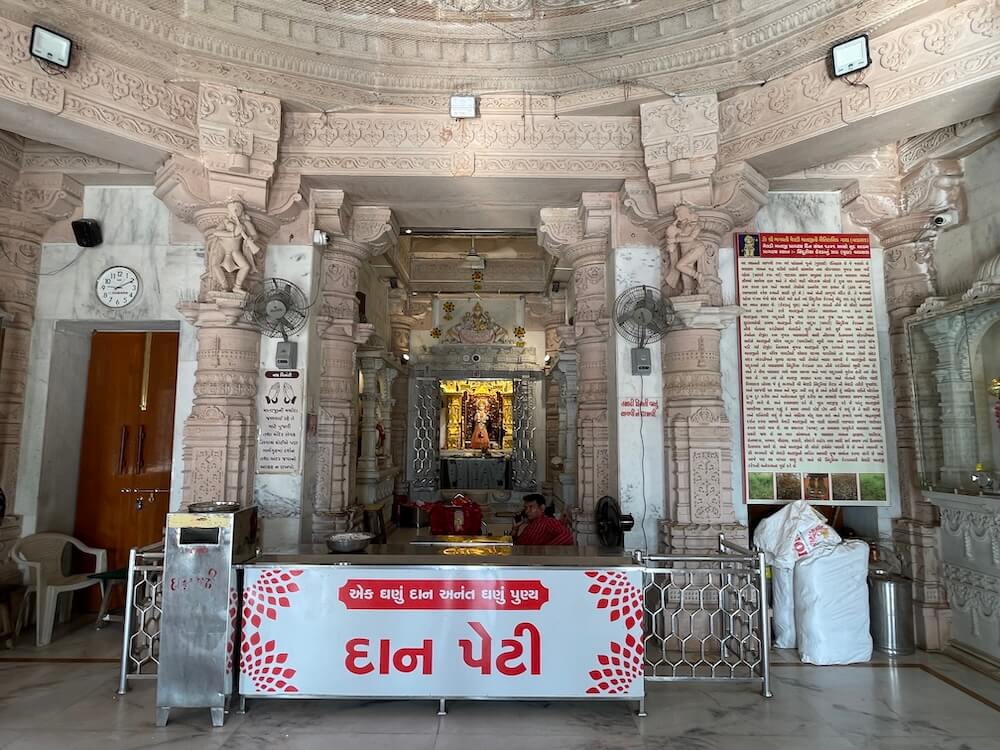
मेलडी मातेचे मंदिर हिरवेगार आणि निसर्गरम्य परिसरात उभे आहे. रस्त्याला लागून असलेला एक भव्य तीन मजली दरवाजा एका विस्तीर्ण, फरसबंदी अंगणात नेतो. 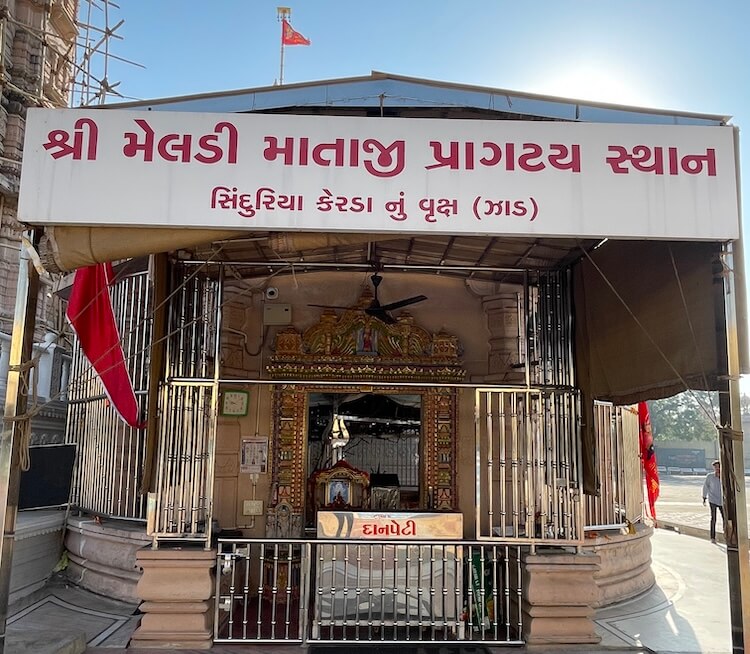 या प्रवेशद्वाराच्या दोन्ही बाजूंना ‘द्वारपाल’ आणि ‘गजराज’ (हत्ती) यांच्या मूर्ती आहेत. दरवाजाच्या दुसऱ्या मजल्यावर ‘नगरखाना’ आहे, तर शिखरासारख्या रचनेवर एक मोठे घड्याळ आहे. अंगणात एका बाजूला पार्किंगची सोय आहे आणि दुसऱ्या बाजूला मोठे ‘भोजनालय’ आहे, जे रविवारी आणि उत्सवांच्या वेळी हजारो भाविकांना ‘महाप्रसाद’ वाटण्यासाठी उभारले आहे. मुख्य मंदिर उंच चौथऱ्यावर बांधलेले आहे. मेलडी माता मंदिर ट्रस्टने मूळ मंदिराच्या जागी एक भव्य वास्तू उभारली आहे. ८ मे २०२२ रोजी ‘जीर्णोद्धार’ पूर्ण झाल्यानंतर ही सध्याची रचना पूर्ण झाली. मंदिर वास्तुकलेमध्ये तीन ‘दर्शनमंडप’, एक ‘सभामंडप’, एक ‘अंतराळ’ आणि तीन ‘गर्भगृहे’ आहेत. सुमारे १५ पायऱ्या चढून ‘मुखमंडपात’ प्रवेश केला जातो.
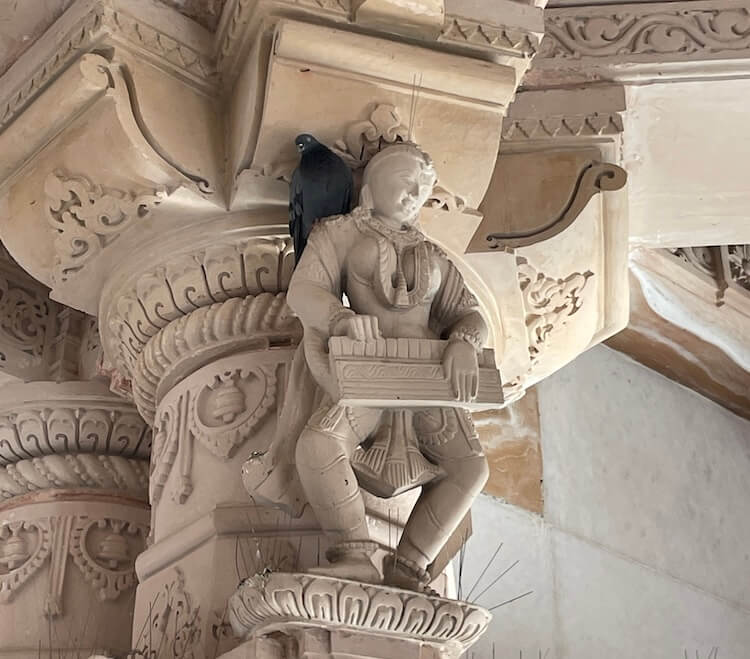
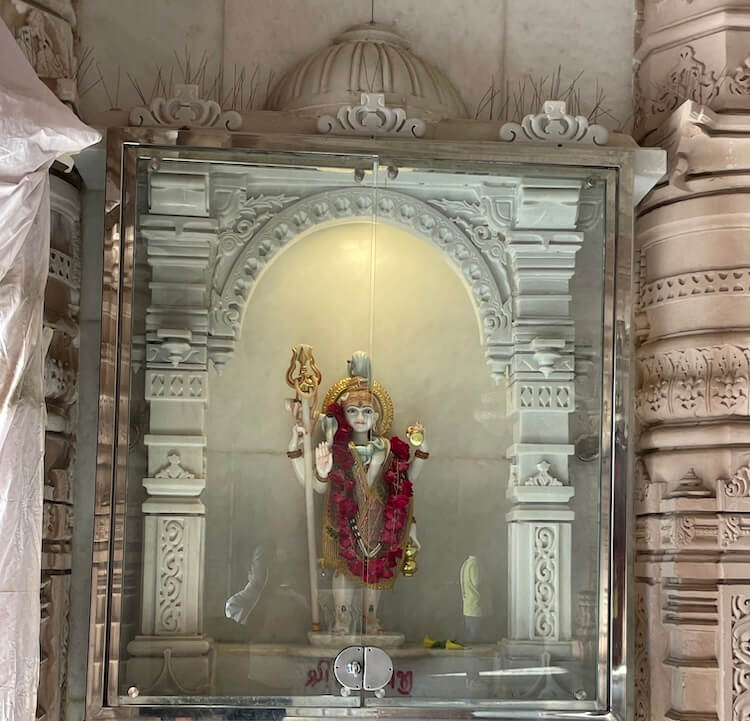
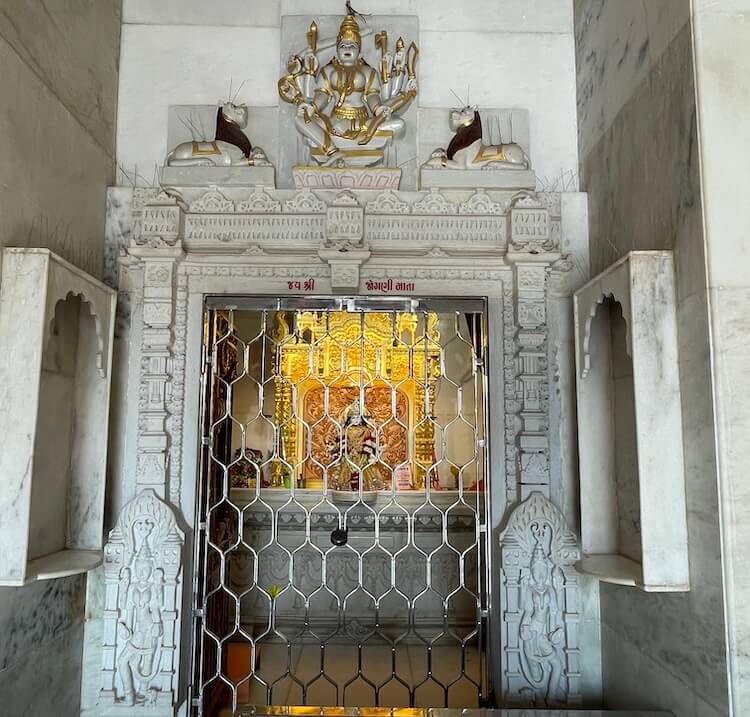
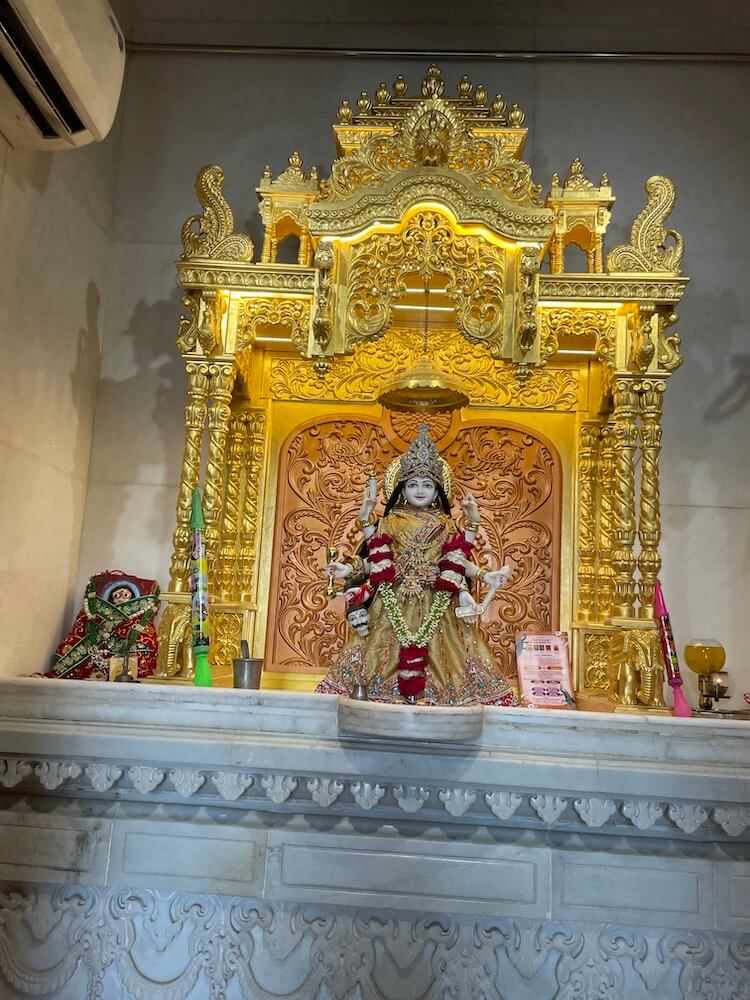
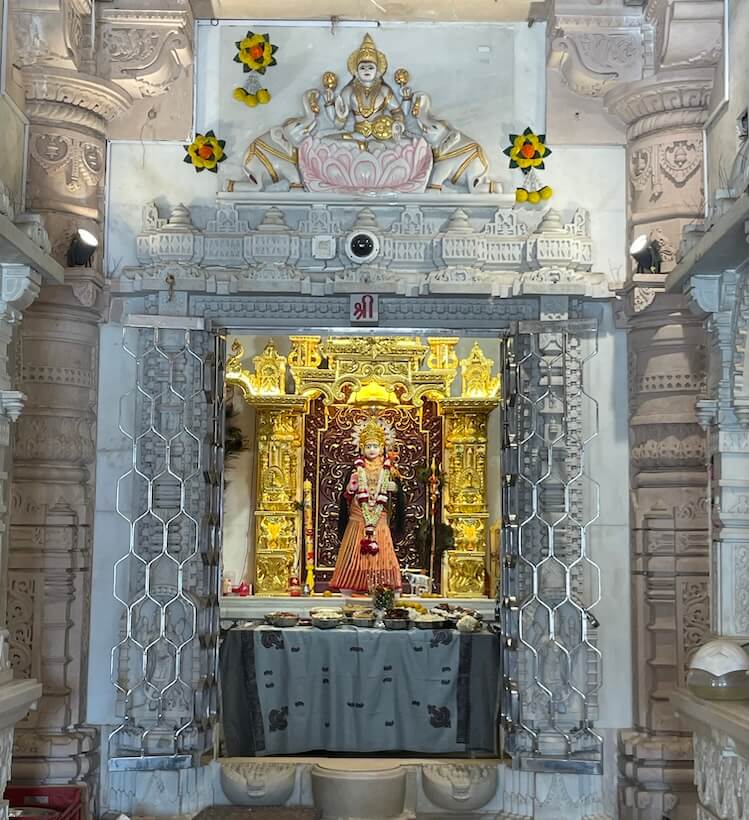
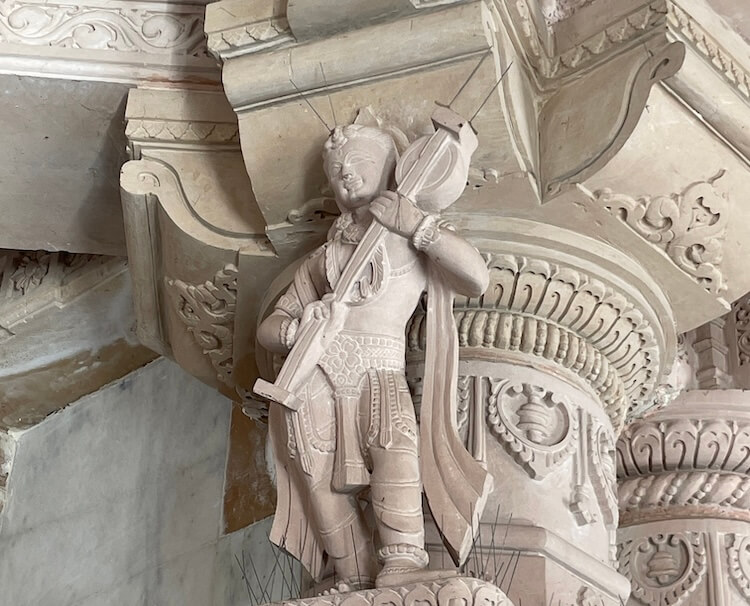
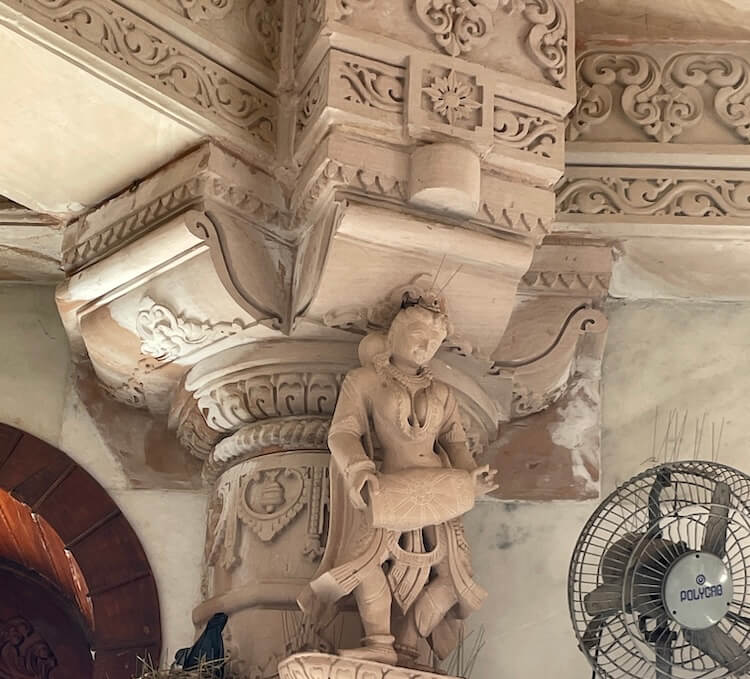
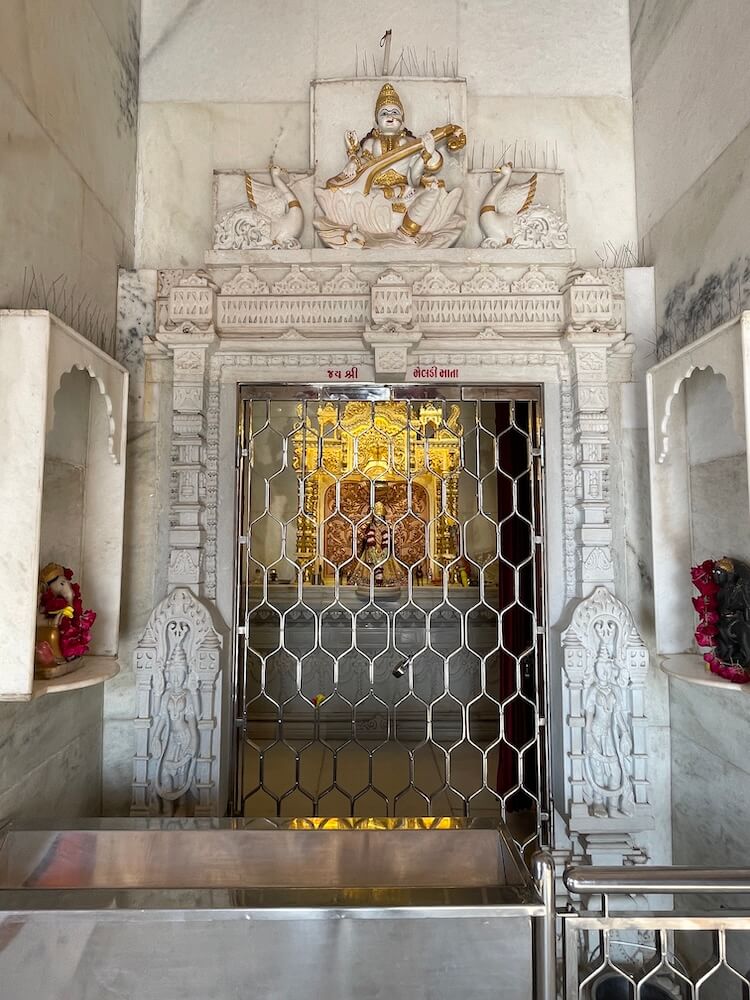
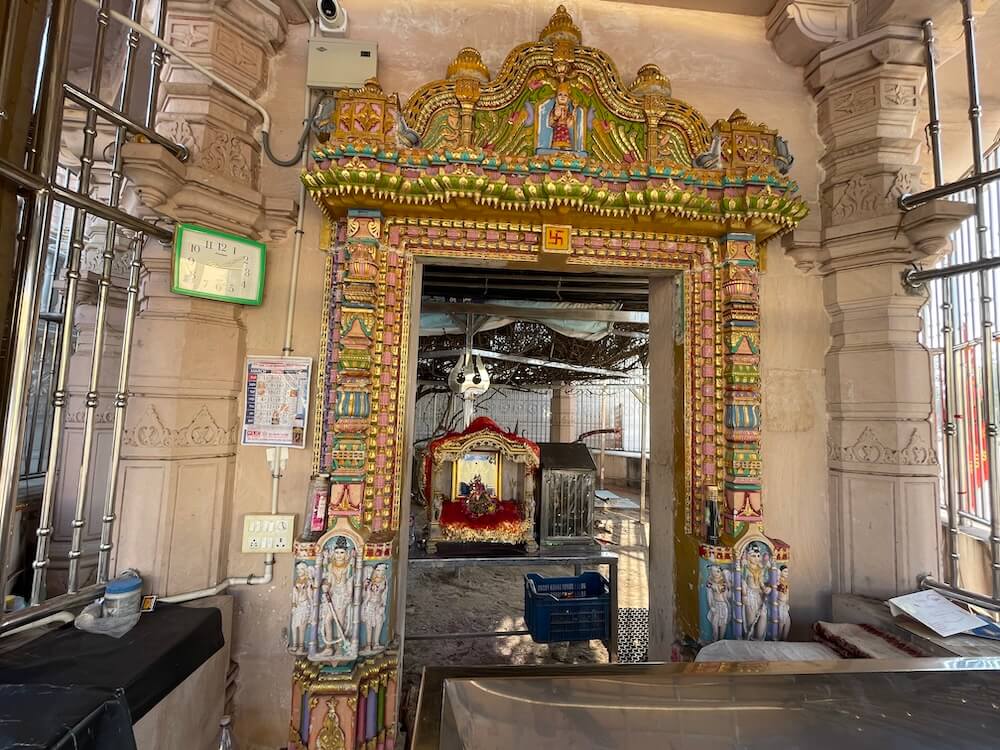
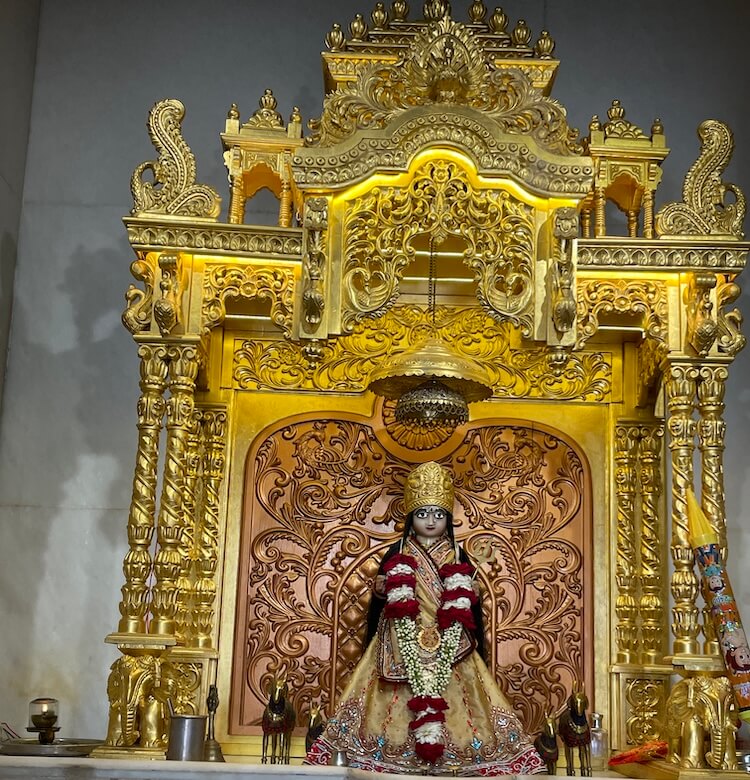
 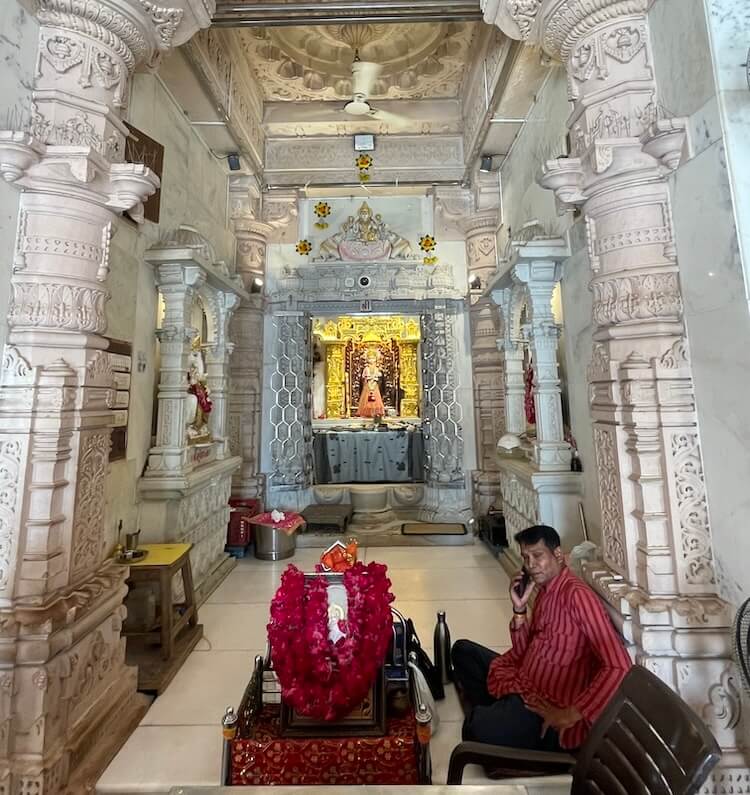 या अर्ध-खुल्या मंडपाच्या खांबांवर, भिंतींवर आणि ‘शिखरावर’ उत्कृष्ट कोरीव काम आहे. सभामंडपाच्या दोन्ही बाजूंना दर्शन गॅलरी आहेत आणि नृत्य व संगीत मुद्रेतील स्त्रियांच्या सुंदर कोरीव कामांनी सजवलेले खांब आहेत. अंतराळात असलेल्या कोनाड्यांमध्ये भगवान गणेश आणि इतर विविध देवतांच्या मूर्ती आहेत. गर्भगृहाच्या प्रवेशद्वारावर द्वारपाल आणि वर ‘तोरण’ नक्षीकाम असलेल्या ‘द्वारशाखा’ आहेत. एका सुंदर सुवर्ण ‘मखरात’ आणि ‘वज्रपीठावर’ मेलडी मातेची मूर्ती विराजमान आहे. मंदिराला तीन शिखरे आहेत. मंदिराच्या मागे, ‘प्रदक्षिणा’ मार्गावर प्राचीन ‘सिंदुरिया केरडा’ वृक्ष आहे. भाविकांच्या दर्शनासाठी या झाडाजवळ, जिथे देवीचे मूळ स्थान होते, तिथे एक छोटे मंदिर बांधले आहे.
चैत्र आणि अश्विन महिन्यातील नवरात्री उत्सव मोठ्या उत्साहात साजरे केले जातात. अश्विन नवरात्री दरम्यान, ‘सुवर्ण नवरात्री महोत्सव’ आयोजित केला जातो, जिथे पारंपारिक वेशभूषेतील भाविक ‘रास-गरबा’ आणि ‘दांडिया’ खेळतात. 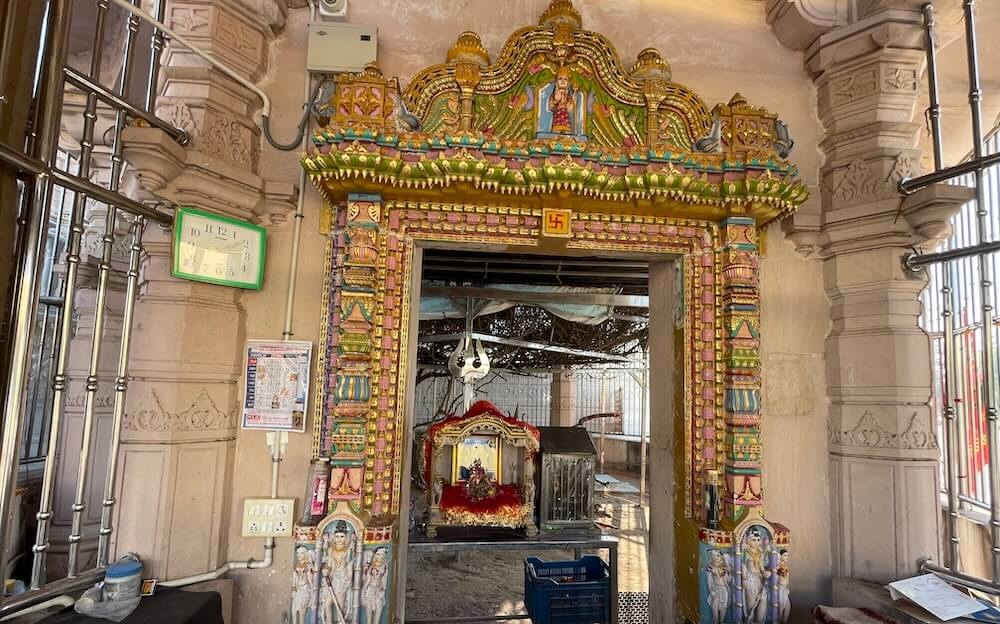 संध्याकाळी, मातीच्या पणत्यांमध्ये असंख्य दिवे प्रज्वलित करून ‘महाआरती’ केली जाते. वैशाख शुद्ध द्वितीयेचा दिवस, ज्या दिवशी देवी ‘सिंदुरिया केर्डा’ वृक्षाजवळ प्रकट झाली, तो दिवस वर्धापन दिन म्हणून साजरा केला जातो.
दर रविवारी मंदिरात भाविकांची मोठी गर्दी असते. गव्हाचे पीठ, गूळ आणि तेल वापरून तयार केलेला ‘जागरा’ नावाचा एक विशेष नैवेद्य ‘प्रसाद’ म्हणून वाटला जातो.
मेलडी मातेची पूजा केल्याने अमेरिकन व्हिसा मिळवण्यातील अडथळे दूर होऊन यश मिळते, अशी सर्वत्र श्रद्धा आहे. व्हिसा मिळाल्यावर, भक्त मातेला नारळ, गूळ, लाल वस्त्र आणि धूप अर्पण करतात.
उपयुक्त माहिती
- आनंद शहरापासून ७ किमी अंतरावर स्थित.
- जिल्ह्यातील विविध शहरांतून आनंदपर्यंत राज्य परिवहन (GSRTC) बस सुविधा उपलब्ध आहे.
- आनंद ते वलसाणपर्यंत जाण्यासाठी GSRTC बसेस आणि खाजगी वाहनांचे पर्याय उपलब्ध आहेत.
- खाजगी वाहने थेट मंदिराच्या पार्किंग क्षेत्रापर्यंत जाऊ शकतात.
- परिसरामध्ये राहण्यासाठी आणि नाश्त्यासाठी अनेक पर्याय उपलब्ध आहेत.
- संपर्क – मंदिर कार्यालय, मोबाईल: ८८४९४१११६१; पुजारी, मोबाईल: ९८२५७८६६७६.
Meldi Mata Temple
Valasan, Tal./Dist. Anand
The Meldi Mata Temple at Valasan, situated along the Anand-Sojitra road in the Anand district, is revered by devotees as an exceptionally ‘Jagrut’ (awakened and responsive) seat of faith. Thousands of pilgrims offer ‘Maanta’ (solemn vows) to this folk deity with profound devotion, seeking the fulfilment of desires such as the blessing of progeny, the attainment of wealth and the successful acquisition of visas for overseas travel. Upon the fruition of their prayers, it is customary to offer the Mother coconuts, jaggery, red cloth and incense. The original abode of the Goddess is located near a ‘Sinduriya Kerda’ tree within the temple precincts. Every Sunday, the shrine witnesses a vast concourse of devotees gathering for ‘Darshan’ (sacred viewing).
Local lore recounts that approximately 250 years ago, members of the Vanjari community – nomadic builders of wells and ‘Baravs’ (stepwells) – travelled from village to village. During their travels, they arrived at the village of Valasan. While encamped beneath a ‘Sinduriya Kerda’ tree, they performed worship of the idol and ‘Padukas’ (sacred footprints) of the Goddess they carried with them. The following morning, in their haste to depart, the travellers inadvertently left the idol and footprints behind. Upon realising their oversight during evening prayers, they hurried back to Valasan. Despite their most strenuous efforts to lift the idol and take it with them, it remained immoveable. At that very moment, the Goddess manifested herself and granted a ‘Drishtant’ (divine vision), declaring, ‘Henceforth, I shall reside here to dispel the sorrows of the people.’ As decades passed, the surrounding area grew into a dense forest and the idol beneath the tree became interred within the earth. Eventually, a villager named Bhagwandas Patel discovered this ancient idol while excavating the ground. Subsequently, Bhagwandas and the villagers united to consecrate the idol of Meldi Mata at this site and erected her temple.
According to the scriptures, in ancient times, Goddess Uma manifested upon the earth to slay a most cruel demon named Amruva in the Saurashtra region. Terrified by the radiant effulgence of the Goddess, the demon sought refuge within the impure hide of a dead cow. Enraged by this act, Goddess Uma rubbed her palms together and from the ‘Mal’ (impurity or dirt) that fell, a most luminous divine maiden was born. Being birthed from ‘Mal’, the maiden was named ‘Meldi’. Meldi Mata subsequently slew Amruva, liberating Saurashtra from his reign of terror. Following this victory, Goddess Uma sent Meldi Mata to Goddess Chamunda, who, to test her prowess, dispatched her to the Kamrup region. There, employing her divine powers, Meldi Mata transformed malevolent ‘Tantric’ (occult) forces into a black goat and imprisoned their energies within a bottle. She adopted this black goat, a symbol of vanquished evil, as her permanent ‘Vahana’ (divine vehicle). According to ‘Murtishastra’ (iconography), Meldi Mata appears as a young woman clad in a traditional red saree and tribal ornaments. Seated upon the black goat, this eight-armed Goddess wields a ‘Trishula’ (trident), sword, lotus, ‘Chakra’ (discus), dagger and mace, while holding the bottle containing captured occult powers. Her one hand remains in the ‘Abhaya Mudra’ (the gesture of fearlessness).
The temple of Meldi Mata stands amidst a verdant and picturesque landscape. A grand three-storey gateway adjacent to the road leads into a vast, paved courtyard. This entrance is flanked by sculptures of ‘Dwarpalas’ (gatekeepers) and ‘Gajarajas’ (elephant kings). The second floor of the gateway houses a ‘Nagarkhana’ (drum house), while a tower-like structure at the summit features a large clock. The courtyard includes a parking area on one side and a large ‘Bhojanalaya’ (dining hall) on the other, established to distribute ‘Mahaprasad’ (sanctified food) to thousands of devotees on Sundays and during festivals. The main temple is elevated upon a high plinth. The Meldi Mata Temple Trust has erected a magnificent edifice on the site of the original shrine. The current structure reached completion following a ‘Jirnoddhara’ (restoration and consecration) on 8th May 2022. The temple architecture comprises three ‘Darshanmandapas’ (viewing halls), a ‘Sabhamandap’ (assembly hall), an ‘Antarala’ (vestibule) and three ‘Garbhagrihas’ (sanctum sanctorums). One enters the ‘Mukhamandap’ (entrance porch) by ascending approximately fifteen steps. This semi-open porch features exquisite craftsmanship on its pillars, walls and ‘Shikhara’ (spire). The assembly hall is flanked by viewing galleries and supported by pillars adorned with beautiful carvings and sculptures of women in dance and musical postures. Within the vestibule, niches house idols of Lord Ganesha and various other deities. The entrance to the sanctum is framed by intricately carved ‘Dwarashakhas’ (doorframe layers) featuring gatekeepers at the base and ‘Torana’ (garland) motifs above. Enshrined within a beautiful golden ‘Makhara’ (ornate niche) upon a ‘Vajrapitha’ (stone pedestal) resides the idol of Meldi Mata. The temple is topped by three spires. Behind the temple, along the ‘Pradakshina’ (circumambulation) path, stands the ancient ‘Sinduriya Kerda’ tree. A small shrine has been built near this tree, the original site of the Goddess, for the veneration of pilgrims.
The Navratri festivals in the months of Chaitra and Ashvin are celebrated with great fervour. During the Ashvin Navratri, a ‘Suvarna Navratri Mahotsav’ is organised, where devotees in traditional attire perform ‘Ras-Garba’ and ‘Dandiya’. In the evenings, a ‘Maha-Aarti’ is performed with numerous lamps lit in earthen pitchers. The second day of the bright fortnight of Vaishakh is celebrated as the anniversary of the day the Goddess manifested near the ‘Sinduriya Kerda’ tree.
Every Sunday, the temple is crowded with seekers. A unique handmade offering called ‘Jagara’, prepared from wheat flour, jaggery and oil, is distributed as ‘Prasad’.
There exists a widespread belief that worshipping Meldi Mata ensures success in overcoming obstacles related to obtaining American visas. Upon receiving a visa, devotees offer the Mother coconuts, jaggery, red cloth and incense.
Useful Information
- Situated at 7 km from Anand city.
- State Transport (GSRTC) bus facilities available to Anand from various cities in the district.
- Options of GSRTC buses and private vehicles available from Anand to Valasan.
- Private vehicles can reach the temple parking area.
- Numerous options for accommodation and breakfast are available in the vicinity.
- Contact – Temple Office, Mob: 8849411161; Priest, Mob: 9825786676.
मेलडी माता मंदिर
वलसाण, ता./जि. आणंद
आणंद जिले में आणंद-सोजित्रा मार्ग पर स्थित वलसाण का मेलडी माता मंदिर भक्तों द्वारा एक अत्यंत ‘जागृत’ आस्था केंद्र के रूप में पूजनीय है। हजारों तीर्थयात्री इस लोक देवी के प्रति गहरी श्रद्धा के साथ ‘मानता’ मांगते हैं, और संतान प्राप्ति, धन-संपदा की प्राप्ति तथा विदेश यात्रा के लिए वीजा मिलने जैसी मनोकामनाओं की पूर्ति की प्रार्थना करते हैं। प्रार्थना पूरी होने पर माता को नारियल, गुड़, लाल वस्त्र और धूप अर्पित करने की परंपरा है। देवी का मूल स्थान मंदिर परिसर के भीतर एक ‘सिंदूरिया केरडा’ वृक्ष के पास स्थित है। प्रत्येक रविवार को, यह मंदिर ‘दर्शन’ के लिए आने वाले भक्तों के विशाल समूह का साक्षी बनता है।
स्थानीय लोककथाओं के अनुसार, लगभग २५० वर्ष पूर्व, वंजारी समुदाय के लोग – जो कुओं और ‘बारव’ (बावड़ियों) के खानाबदोश निर्माता थे – गांव-गांव घूमते थे। अपनी यात्रा के दौरान, वे वलसाण गांव पहुंचे। एक ‘सिंदूरिया केरडा’ वृक्ष के नीचे पड़ाव डालते समय, उन्होंने अपने साथ लाई गई देवी की मूर्ति और ‘पादुकाओं’ की पूजा की। अगली सुबह, प्रस्थान की जल्दी में, यात्री अनजाने में मूर्ति और पादुकाएं वहीं छोड़ गए। शाम की प्रार्थना के दौरान अपनी भूल का एहसास होने पर, वे वापस वलसाण की ओर भागे। मूर्ति को उठाने और अपने साथ ले जाने के उनके भरसक प्रयासों के बावजूद, वह अचल रही। उसी क्षण, देवी ने स्वयं प्रकट होकर एक ‘दृष्टांत’ दिया और घोषणा की, ‘अब से, मैं लोगों के दुखों को दूर करने के लिए यहीं निवास करूंगी।’ जैसे-जैसे दशक बीतते गए, आसपास का क्षेत्र एक घने जंगल में बदल गया और वृक्ष के नीचे स्थित मूर्ति पृथ्वी में समा गई। अंततः, भगवानदास पटेल नामक एक ग्रामीण ने जमीन की खुदाई करते समय इस प्राचीन मूर्ति को खोज निकाला। तत्पश्चात, भगवानदास और ग्रामीणों ने मिलकर इस स्थान पर मेलडी माता की मूर्ति की प्राण-प्रतिष्ठा की और उनका मंदिर बनवाया।
शास्त्रों के अनुसार, प्राचीन काल में, सौराष्ट्र क्षेत्र में अमरुवा नामक एक अत्यंत क्रूर राक्षस का वध करने के लिए देवी उमा पृथ्वी पर प्रकट हुईं। देवी के तेजस्वी प्रकाश से भयभीत होकर, राक्षस ने एक मृत गाय की अपवित्र खाल के भीतर शरण ली। इस कृत्य से क्रोधित होकर, देवी उमा ने अपनी हथेलियों को आपस में रगड़ा और गिरे हुए ‘मल’ (अशुद्धि या धूल) से एक अत्यंत तेजस्वी दिव्य कन्या का जन्म हुआ। ‘मल’ से जन्म लेने के कारण, उस कन्या का नाम ‘मेलडी’ पड़ा। मेलडी माता ने बाद में अमरुवा का वध किया और सौराष्ट्र को उसके आतंक के शासन से मुक्त कराया। इस विजय के बाद, देवी उमा ने मेलडी माता को देवी चामुंडा के पास भेजा, जिन्होंने उनकी शक्ति का परीक्षण करने के लिए उन्हें कामरूप क्षेत्र में भेजा। वहां, अपनी दिव्य शक्तियों का उपयोग करते हुए, मेलडी माता ने दुष्ट ‘तांत्रिक’ शक्तियों को एक काले बकरे में बदल दिया और उनकी ऊर्जा को एक बोतल में कैद कर लिया। उन्होंने पराजित बुराई के प्रतीक इस काले बकरे को अपना स्थायी ‘वाहन’ बना लिया। ‘मूर्तिशास्त्र’ के अनुसार, मेलडी माता एक पारंपरिक लाल साड़ी और आदिवासी आभूषणों से सुसज्जित युवती के रूप में दिखाई देती हैं। काले बकरे पर विराजमान, यह अष्टभुजा देवी ‘त्रिशूल’, तलवार, कमल, ‘चक्र’, खंजर और गदा धारण करती हैं, जबकि एक हाथ में कैद की गई तांत्रिक शक्तियों वाली बोतल रखती हैं। उनका एक हाथ ‘अभय मुद्रा’ में रहता है।
मेलडी माता का मंदिर एक हरे-भरे और सुरम्य परिदृश्य के बीच स्थित है। सड़क के निकट एक भव्य तीन मंजिला प्रवेश द्वार एक विशाल, पक्के आंगन की ओर ले जाता है। इस प्रवेश द्वार के दोनों ओर ‘द्वारपालों’ और ‘गजराजों’ की मूर्तियां हैं। प्रवेश द्वार की दूसरी मंजिल पर एक ‘नगरखाना’ है, जबकि शिखर पर बनी मीनार जैसी संरचना में एक बड़ी घड़ी लगी है। आंगन में एक तरफ पार्किंग क्षेत्र है और दूसरी तरफ एक बड़ा ‘भोजनालय’ है, जिसे रविवार और त्योहारों के दौरान हजारों भक्तों को ‘महाप्रसाद’ वितरित करने के लिए स्थापित किया गया है। मुख्य मंदिर एक ऊंचे चबूतरे पर स्थित है। मेलडी माता मंदिर ट्रस्ट ने मूल मंदिर के स्थान पर एक भव्य भवन का निर्माण किया है। वर्तमान संरचना ८ मई २०२२ को ‘जीर्णोद्धार’ के बाद पूर्ण हुई। मंदिर की वास्तुकला में तीन ‘दर्शनमंडप’, एक ‘सभामंडप’, एक ‘अंतराल’ और तीन ‘गर्भगृह’ शामिल हैं। लगभग पंद्रह सीढ़ियां चढ़कर ‘मुखमंडप’ में प्रवेश किया जाता है। इस अर्ध-खुले बरामदे के स्तंभों, दीवारों और ‘शिखर’ पर उत्कृष्ट शिल्पकारी की गई है। सभामंडप के दोनों ओर दर्शन दीर्घाएं हैं और यह नृत्य व संगीत की मुद्राओं में महिलाओं की सुंदर नक्काशी और मूर्तियों से सजे स्तंभों द्वारा समर्थित है। अंतराल के भीतर, आला में भगवान गणेश और अन्य विभिन्न देवी-देवताओं की मूर्तियां स्थापित हैं। गर्भगृह का प्रवेश द्वार जटिल रूप से नक्काशीदार ‘द्वारशाखाओं’ से घिरा है, जिसके आधार पर द्वारपाल और ऊपर ‘तोरण’ के रूपांकन हैं। ‘वज्रपीठ’ पर एक सुंदर सुनहरे ‘मखरा’ (अलंकृत आला) के भीतर मेलडी माता की मूर्ति विराजमान है। मंदिर के ऊपर तीन शिखर हैं। मंदिर के पीछे, ‘प्रदक्षिणा’ पथ के साथ, प्राचीन ‘सिंदूरिया केरडा’ वृक्ष स्थित है। इस वृक्ष के पास, जो देवी का मूल स्थान है, तीर्थयात्रियों की पूजा के लिए एक छोटा मंदिर बनाया गया है।
चैत्र और आश्विन मास की नवरात्रि का त्योहार बड़े उत्साह के साथ मनाया जाता है। आश्विन नवरात्रि के दौरान, एक ‘सुवर्ण नवरात्रि महोत्सव’ आयोजित किया जाता है, जहां पारंपरिक परिधानों में भक्त ‘रास-गरबा’ और ‘डांडिया’ करते हैं। संध्याकाल में, मिट्टी के पात्रों में अनेक दीप प्रज्वलित कर ‘महा-आरती’ की जाती है। वैशाख मास के शुक्ल पक्ष की द्वितीया तिथि को उस दिन की वर्षगांठ के रूप में मनाया जाता है, जिस दिन देवी ‘सिंदुरिया केरडा’ वृक्ष के निकट प्रकट हुई थीं।
प्रत्येक रविवार को मंदिर में भक्तों की भारी भीड़ रहती है। गेहूं के आटे, गुड़ और तेल से तैयार किया गया ‘जागरा’ नामक एक विशिष्ट हस्तनिर्मित प्रसाद के रूप में वितरित किया जाता है।
ऐसी व्यापक मान्यता है कि मेलडी माता की पूजा करने से अमेरिकी वीजा प्राप्त करने से संबंधित बाधाओं को दूर करने में सफलता मिलती है। वीजा प्राप्त होने पर, भक्त माता को नारियल, गुड़, लाल वस्त्र और धूप अर्पित करते हैं।
उपयोगी जानकारी
- आनंद शहर से ७ कि.मी. की दूरी पर स्थित है।
- जिले के विभिन्न शहरों से आनंद के लिए राज्य परिवहन (GSRTC) बस सुविधा उपलब्ध है।
- आनंद से वलसन तक के लिए GSRTC बसें और निजी वाहन के विकल्प उपलब्ध हैं।
- निजी वाहन मंदिर के पार्किंग क्षेत्र तक पहुंच सकते हैं।
- आसपास के क्षेत्र में आवास और नाश्ते के लिए अनेक विकल्प उपलब्ध हैं।
- संपर्क – मंदिर कार्यालय, मो.: ८८४९४१११६१; पुजारी, मो.: ९८२५७८६६७६।
મેલડી માતા મંદિર
વલાસણ, તા./જિ. આણંદ
આણંદ જિલ્લાના આણંદ-સોજીત્રા રોડ પર આવેલું વલાસણનું મેલડી માતાનું મંદિર ભક્તો માટે અત્યંત ‘જાગૃત’ આસ્થાનું કેન્દ્ર માનવામાં આવે છે. હજારો શ્રદ્ધાળુઓ આ લોકદેવી સમક્ષ ગાઢ શ્રદ્ધા સાથે ‘માનતા’ રાખે છે અને સંતાન પ્રાપ્તિ, ધન-સંપત્તિની પ્રાપ્તિ તથા વિદેશ જવા માટેના વિઝા સફળતાપૂર્વક મેળવવા જેવી મનોકામનાઓ પૂર્ણ કરવા પ્રાર્થના કરે છે. મનોકામના પૂર્ણ થતાં માતાજીને શ્રીફળ, ગોળ, લાલ વસ્ત્ર અને અગરબત્તી અર્પણ કરવાની પરંપરા છે. માતાજીનું મૂળ સ્થાન મંદિરના પરિસરમાં આવેલા ‘સિંદૂરિયા કેરડા’ના વૃક્ષ નીચે છે. દર રવિવારે અહીં ‘દર્શન’ માટે ભક્તોનો વિશાળ સમૂહ ઉમટી પડે છે.
લોકવાયકા મુજબ, આશરે ૨૫૦ વર્ષ પહેલાં વણઝારા સમુદાયના લોકો – જેઓ કૂવા અને ‘બારવ’ (વાવ) બનાવવાનું કામ કરતા – ગામડે-ગામડે ફરતા હતા. પોતાની મુસાફરી દરમિયાન તેઓ વલાસણ ગામે આવી પહોંચ્યા. એક ‘સિંદૂરિયા કેરડા’ના વૃક્ષ નીચે મુકામ કરીને તેમણે પોતાની સાથે લાવેલી માતાજીની મૂર્તિ અને ‘પાદુકા’ની પૂજા કરી. બીજા દિવસે સવારે ઉતાવળમાં નીકળતી વખતે મુસાફરો ભૂલથી મૂર્તિ અને પાદુકા ત્યાં જ ભૂલી ગયા. સાંજની પૂજા સમયે પોતાની ભૂલ સમજાતા તેઓ ઉતાવળે વલાસણ પાછા ફર્યા. મૂર્તિને ઉપાડીને સાથે લઈ જવાના તેમના તમામ પ્રયત્નો નિષ્ફળ રહ્યા, મૂર્તિ અડગ રહી. તે જ ક્ષણે માતાજીએ પ્રગટ થઈને ‘દ્રષ્ટિાંત’ આપ્યું અને કહ્યું, ‘હવેથી હું અહીં રહીને લોકોના દુઃખ દૂર કરીશ.’ દાયકાઓ વીતતા આસપાસનો વિસ્તાર ગીચ જંગલમાં ફેરવાઈ ગયો અને વૃક્ષ નીચેની મૂર્તિ જમીનમાં દટાઈ ગઈ. અંતે, ભગવાનદાસ પટેલ નામના એક ગ્રામજને જમીન ખોદતી વખતે આ પ્રાચીન મૂર્તિ શોધી કાઢી. ત્યારબાદ, ભગવાનદાસ અને ગ્રામજનોએ સાથે મળીને આ સ્થળે મેલડી માતાની મૂર્તિની પ્રતિષ્ઠા કરી અને મંદિરનું નિર્માણ કર્યું.
શાસ્ત્રો અનુસાર, પ્રાચીન કાળમાં સૌરાષ્ટ્ર પ્રદેશમાં અમરુવા નામના અત્યંત ક્રૂર રાક્ષસનો વધ કરવા માટે દેવી ઉમા પૃથ્વી પર પ્રગટ થયા હતા. દેવીના તેજથી ભયભીત થઈને રાક્ષસે એક મૃત ગાયના અપવિત્ર ચામડામાં આશરો લીધો. આ કૃત્યથી ક્રોધિત થઈને દેવી ઉમાએ પોતાની હથેળીઓ ઘસી અને તેમાંથી જે ‘મલ’ (મેલ) પડ્યો, તેમાંથી એક અત્યંત તેજસ્વી દિવ્ય કન્યાનો જન્મ થયો. ‘મલ’માંથી જન્મ લેવાને કારણે તે કન્યાનું નામ ‘મેલડી’ પડ્યું. મેલડી માતાએ ત્યારબાદ અમરુવાનો વધ કરીને સૌરાષ્ટ્રને તેના આતંકમાંથી મુક્ત કરાવ્યું. આ વિજય બાદ, દેવી ઉમાએ મેલડી માતાને દેવી ચામુંડા પાસે મોકલ્યા, જેમણે તેમની શક્તિની પરીક્ષા લેવા માટે તેમને કામરૂપ પ્રદેશમાં મોકલ્યા. ત્યાં પોતાની દિવ્ય શક્તિઓનો ઉપયોગ કરીને મેલડી માતાએ દુષ્ટ ‘તાંત્રિક’ શક્તિઓને કાળા બકરામાં પરિવર્તિત કરી અને તેમની ઉર્જાને એક બોટલમાં કેદ કરી લીધી. તેમણે આ કાળા બકરાને, જે પરાજિત દુષ્ટતાનું પ્રતીક છે, પોતાનું કાયમી ‘વાહન’ બનાવ્યું. ‘મૂર્તિશાસ્ત્ર’ મુજબ, મેલડી માતા પરંપરાગત લાલ સાડી અને આદિવાસી આભૂષણો ધારણ કરેલી યુવતીના સ્વરૂપમાં દેખાય છે. કાળા બકરા પર બિરાજમાન આ અષ્ટભુજા દેવી ત્રિશૂળ, તલવાર, કમળ, ચક્ર, કટાર અને ગદા ધારણ કરે છે, જ્યારે એક હાથમાં કેદ કરેલી તાંત્રિક શક્તિઓવાળી બોટલ છે. તેમનો એક હાથ ‘અભય મુદ્રા’માં રહેલો છે.
મેલડી માતાનું મંદિર હરિયાળા અને રમણીય વાતાવરણની વચ્ચે આવેલું છે. રસ્તાની બાજુમાં આવેલું ત્રણ માળનું ભવ્ય પ્રવેશદ્વાર એક વિશાળ, પાકા આંગણામાં દોરી જાય છે. આ પ્રવેશદ્વારની બંને બાજુએ ‘દ્વારપાલ’ અને ‘ગજરાજ’ (હાથી)ની મૂર્તિઓ છે. પ્રવેશદ્વારના બીજા માળે ‘નગારખાનું’ છે, જ્યારે ટોચ પરના ટાવર જેવા માળખામાં એક મોટી ઘડિયાળ છે. આંગણામાં એક તરફ પાર્કિંગની જગ્યા અને બીજી તરફ વિશાળ ‘ભોજનાલય’ છે, જે રવિવારે અને તહેવારો દરમિયાન હજારો ભક્તોને ‘મહાપ્રસાદ’ પીરસવા માટે બનાવવામાં આવ્યું છે. મુખ્ય મંદિર ઊંચા પ્લેટફોર્મ પર સ્થિત છે. મેલડી માતા મંદિર ટ્રસ્ટે મૂળ મંદિરના સ્થળે એક ભવ્ય ઈમારત બનાવી છે. વર્તમાન માળખું ૮ મે ૨૦૨૨ના રોજ થયેલા ‘જીર્ણોદ્ધાર’ બાદ પૂર્ણ થયું છે. મંદિરની સ્થાપત્યકલામાં ત્રણ ‘દર્શનમંડપ’, એક ‘સભામંડપ’, એક ‘અંતરાલ’ અને ત્રણ ‘ગર્ભગૃહ’નો સમાવેશ થાય છે. લગભગ પંદર પગથિયાં ચઢીને ‘મુખમંડપ’માં પ્રવેશ કરી શકાય છે. આ અર્ધ-ખુલ્લા મંડપના સ્તંભો, દિવાલો અને ‘શિખર’ પર ઉત્કૃષ્ટ કોતરણી કરવામાં આવી છે. સભામંડપની બંને બાજુએ દર્શન ગેલેરીઓ છે અને તે સુંદર કોતરણી તથા નૃત્ય અને સંગીતની મુદ્રાઓમાં રહેલી સ્ત્રીઓની મૂર્તિઓથી સુશોભિત સ્તંભો પર ટકેલો છે. અંતરાલમાં રહેલી દેવકુલિકાઓમાં ભગવાન ગણેશ અને અન્ય વિવિધ દેવી-દેવતાઓની મૂર્તિઓ છે. ગર્ભગૃહના પ્રવેશદ્વારને જટિલ રીતે કોતરેલી ‘દ્વારશાખાઓ’થી સજાવવામાં આવ્યું છે, જેના પાયામાં દ્વારપાલ અને ઉપર ‘તોરણ’ના મોટિફ્સ છે. ‘વજ્રપીઠ’ પર સુંદર સુવર્ણ ‘મખરા’માં મેલડી માતાની મૂર્તિ બિરાજમાન છે. મંદિર પર ત્રણ શિખરો છે. મંદિરની પાછળ, ‘પ્રદક્ષિણા’ માર્ગ પર પ્રાચીન ‘સિંદૂરિયા કેરડા’નું વૃક્ષ આવેલું છે. આ વૃક્ષ પાસે, જે માતાજીનું મૂળ સ્થાન છે, ત્યાં શ્રદ્ધાળુઓની પૂજા માટે એક નાનું મંદિર બનાવવામાં આવ્યું છે.
ચૈત્ર અને આસો મહિનામાં નવરાત્રિના તહેવારો ખૂબ જ ઉત્સાહથી ઉજવવામાં આવે છે. આસો નવરાત્રિ દરમિયાન, ‘સુવર્ણ નવરાત્રિ મહોત્સવ’નું આયોજન કરવામાં આવે છે, જેમાં પરંપરાગત વેશભૂષામાં સજ્જ ભક્તો ‘રાસ-ગરબા’ અને ‘દાંડિયા’ રમે છે. સાંજના સમયે, માટીના કોડિયામાં અનેક દીવા પ્રગટાવીને ‘મહા-આરતી’ કરવામાં આવે છે. વૈશાખ સુદ બીજના દિવસે માતાજી ‘સિંઘુરિયા કેરડા’ના વૃક્ષ પાસે પ્રગટ થયા હતા, તે દિવસને સ્થાપના દિવસ તરીકે ઉજવવામાં આવે છે.
દર રવિવારે મંદિરમાં ભક્તોની ભીડ જોવા મળે છે. ઘઉંનો લોટ, ગોળ અને તેલમાંથી બનાવેલો ‘જાગરા’ નામનો એક અનોખો હાથ બનાવટનો પ્રસાદ વહેંચવામાં આવે છે.
એવી વ્યાપક માન્યતા છે કે મેલડી માતાની પૂજા કરવાથી અમેરિકન વિઝા મેળવવામાં આવતી અડચણો દૂર થાય છે અને સફળતા મળે છે. વિઝા મળ્યા પછી, ભક્તો માતાજીને નાળિયેર, ગોળ, લાલ વસ્ત્ર અને અગરબત્તી અર્પણ કરે છે.
ઉપયોગી માહિતી
- આણંદ શહેરથી ૭ કિમીના અંતરે આવેલું છે.
- જિલ્લાના વિવિધ શહેરોમાંથી આણંદ સુધી સ્ટેટ ટ્રાન્સપોર્ટ (GSRTC) બસની સુવિધા ઉપલબ્ધ છે.
- આણંદથી વલાસણ જવા માટે GSRTC બસ અને ખાનગી વાહનોના વિકલ્પો ઉપલબ્ધ છે.
- ખાનગી વાહનો મંદિરના પાર્કિંગ વિસ્તાર સુધી પહોંચી શકે છે.
- આસપાસના વિસ્તારમાં રહેવા અને નાસ્તા માટે અનેક વિકલ્પો ઉપલબ્ધ છે.
- સંપર્ક – મંદિર કાર્યાલય, મો: ૮૮૪૯૪૧૧૧૬૧; પૂજારી, મો: ૯૮૨૫૭૮૬૬૭૬.
மேல்டி மாதா கோயில்
வலாசன், தாலுகா/மாவட்டம் ஆனந்த்
ஆனந்த் மாவட்டத்தில் உள்ள ஆனந்த்-சோஜித்ரா சாலையில் அமைந்துள்ள வலாசனின் மேல்டி மாதா கோயில், மிகவும் ‘ஜாக்ருத்’ (விழிப்பணர்வுள்ள மற்றும் பதிலளிக்கக்கூடிய) நம்பிக்கையின் இருப்பிடமாக பக்தர்களால் போற்றப்படுகிறது. ஆயிரக்கணக்கான பக்தர்கள் இந்த குலதெய்வத்திடம் ஆழ்ந்த பக்தியுடன் ‘மாந்தா’ (நேர்த்திக்கடன்) செலுத்தி, குழந்தை வரம், செல்வம் பெருகுதல் மற்றும் வெளிநாட்டுப் பயணங்களுக்கான விசா கிடைத்தல் போன்ற வேண்டுதல்களை நிறைவேற்ற வேண்டுகின்றனர். பிரார்த்தனைகள் நிறைவேறியதும், அன்னைக்குத் தேங்காய், வெல்லம், சிவப்புத் துணி மற்றும் ஊதுபத்தி படைப்பது வழக்கமாகும். அன்னையின் மூலஸ்தானம் கோயில் வளாகத்திற்குள் உள்ள ஒரு ‘சிந்துரியா கெர்டா’ மரத்திற்கு அருகில் அமைந்துள்ளது. ஒவ்வொரு ஞாயிற்றுக்கிழமையும், ‘தரிசனம்’ செய்ய வரும் பக்தர்களின் பெரும் திரளை இக்கோயில் காண்கிறது.
சுமார் 250 ஆண்டுகளுக்கு முன்பு, கிணறுகள் மற்றும் ‘பராவ்’ (படி கிணறுகள்) கட்டும் நாடோடி இனமான வஞ்சாரி சமூகத்தினர் கிராமம் கிராமமாகச் சென்றதாக உள்ளூர் கதைகள் கூறுகின்றன. பயணத்தின் போது, அவர்கள் வலாசன் கிராமத்திற்கு வந்தடைந்தனர். ஒரு ‘சிந்துரியா கெர்டா’ மரத்தின் அடியில் தங்கியிருந்தபோது, அவர்கள் தங்களது வழிபாட்டு விக்கிரகத்திற்கும், தாங்கள் கொண்டு வந்த அன்னையின் ‘பாதுகை’களுக்கும் வழிபாடு செய்தனர். மறுநாள் காலை, அவசரமாகப் புறப்பட்ட பயணிகள், தெரியாமல் அந்த விக்கிரகத்தையும் பாதுகைகளையும் அங்கேயே விட்டுச் சென்றனர். மாலை வழிபாட்டின் போது தங்கள் தவறை உணர்ந்த அவர்கள், வலாசனுக்குத் திரும்பி வந்தனர். விக்கிரகத்தை எடுத்துச் செல்ல அவர்கள் எவ்வளவோ முயற்சி செய்தும், அது அசையாமல் இருந்தது. அந்தத் தருணத்தில், அன்னை காட்சியளித்து, ‘இனிமேல், மக்களின் துயரங்களைப் போக்க நான் இங்கேயே தங்குவேன்’ என்று ‘திருஷ்டாந்த்’ (தெய்வீக தரிசனம்) அருளினார். பல தசாப்தங்கள் கடந்த நிலையில், சுற்றியுள்ள பகுதி அடர்ந்த காடாக மாறியது மற்றும் மரத்தடியில் இருந்த விக்கிரகம் மண்ணுக்குள் புதைந்தது. இறுதியில், பகவந்தாஸ் படேல் என்ற கிராமவாசி நிலத்தைத் தோண்டும்போது இந்த பழங்கால விக்கிரகத்தைக் கண்டெடுத்தார். பின்னர், பகவந்தாஸும் கிராம மக்களும் இணைந்து இந்த இடத்தில் மேல்டி மாதாவின் விக்கிரகத்தைப் பிரதிஷ்டை செய்து, அவளுக்குக் கோயில் கட்டினர்.
சாஸ்திரங்களின்படி, பண்டைய காலத்தில், சௌராஷ்டிர பிராந்தியத்தில் அம்ருவா என்ற கொடிய அரக்கனைக் கொல்ல அன்னை உமா பூமிக்கு வந்தார். அன்னையின் பிரகாசமான ஒளியைக் கண்டு அஞ்சிய அரக்கன், இறந்த பசுவின் அசுத்தமான தோலுக்குள் ஒளிந்துகொண்டான். இந்தச் செயலால் கோபமடைந்த அன்னை உமா, தனது உள்ளங்கைகளைத் தேய்த்தார்; அதிலிருந்து விழுந்த ‘மல்’ (அசுத்தம் அல்லது அழுக்கு) என்பதிலிருந்து மிகவும் பிரகாசமான ஒரு தெய்வீக கன்னி பிறந்தாள். ‘மல்’ என்பதிலிருந்து பிறந்ததால், அந்த கன்னிக்கு ‘மேல்டி’ என்று பெயரிடப்பட்டது. மேல்டி மாதா பின்னர் அம்ருவாவைக் கொன்று, சௌராஷ்டிரத்தை அவனது பயங்கரவாத ஆட்சியிலிருந்து விடுவித்தார். இந்த வெற்றிக்குப் பிறகு, அன்னை உமா, மேல்டி மாதாவை அன்னை சாமுண்டியிடம் அனுப்பினார். அவள் அவளது திறமையைச் சோதிக்க, அவளை காமரூப பிராந்தியத்திற்கு அனுப்பினார். அங்கு, தனது தெய்வீக சக்திகளைப் பயன்படுத்தி, மேல்டி மாதா தீய ‘தாந்த்ரீக’ (மந்திர) சக்திகளை ஒரு கருப்பு ஆடாக மாற்றி, அவற்றின் ஆற்றலை ஒரு பாட்டிலுக்குள் அடைத்தார். வெற்றி கொள்ளப்பட்ட தீமையின் அடையாளமான இந்த கருப்பு ஆட்டை, அவர் தனது நிரந்தர ‘வாகன’மாக ஏற்றுக்கொண்டார். ‘மூர்த்தி சாஸ்திர’த்தின்படி, மேல்டி மாதா பாரம்பரிய சிவப்பு நிற புடவை மற்றும் பழங்குடியின ஆபரணங்களை அணிந்த இளம் பெண்ணாகக் காட்சி அளிக்கிறார். கருப்பு ஆட்டின் மீது அமர்ந்திருக்கும் இந்த எட்டு கைகளை உடைய அன்னை, ‘திரிசூலம்’, வாள், தாமரை, ‘சக்கரம்’, குத்துவாள் மற்றும் கதாயுதத்தை ஏந்தியுள்ளார், மற்றொரு கையில் கைப்பற்றப்பட்ட மந்திர சக்திகள் அடங்கிய பாட்டிலை வைத்திருக்கிறார். அவரது ஒரு கை ‘அபய முத்திரை’யில் (அச்சமின்மையைக் குறிக்கும் சைகை) உள்ளது.
மேல்டி மாதாவின் கோயில் பசுமையான மற்றும் அழகான நிலப்பரப்பிற்கு மத்தியில் அமைந்துள்ளது. சாலைக்கு அருகில் உள்ள பிரம்மாண்டமான மூன்று அடுக்கு நுழைவாயில், விசாலமான, நடைபாதை கொண்ட முற்றத்திற்கு இட்டுச் செல்கிறது. இந்த நுழைவாயிலின் இருபுறமும் ‘துவாரபாலகர்கள்’ மற்றும் ‘கஜராஜ’ (யானை மன்னர்கள்) சிற்பங்கள் உள்ளன. நுழைவாயிலின் இரண்டாவது தளத்தில் ‘நகர்கானா’ (முரசு அறை) உள்ளது, அதே சமயம் உச்சியில் உள்ள கோபுர அமைப்பில் ஒரு பெரிய கடிகாரம் உள்ளது. முற்றத்தில் ஒருபுறம் வாகன நிறுத்துமிடமும், மறுபுறம் ஞாயிற்றுக்கிழமைகள் மற்றும் திருவிழாக்களின் போது ஆயிரக்கணக்கான பக்தர்களுக்கு ‘மகாபிரசாதம்’ (புனித உணவு) விநியோகிக்க ஒரு பெரிய ‘போஜனாலயம்’ (உணவுக்கூடம்) உள்ளது. பிரதான கோயில் உயர்ந்த தளத்தின் மீது அமைந்துள்ளது. மேல்டி மாதா கோயில் அறக்கட்டளை, அசல் ஆலயத்தின் இடத்தில் ஒரு பிரம்மாண்டமான கட்டிடத்தை எழுப்பியுள்ளது. தற்போதைய அமைப்பு ௮ மே ௨௦௨௨ அன்று ‘ஜீர்ணோத்தார’ (புனரமைப்பு மற்றும் பிரதிஷ்டை) செய்யப்பட்ட பிறகு நிறைவடைந்தது. கோயில் கட்டிடக்கலையில் மூன்று ‘தரிசன மண்டபங்கள்’, ஒரு ‘சபா மண்டபம்’, ஒரு ‘அந்தராளம்’ மற்றும் மூன்று ‘கருவறைகள்’ உள்ளன. சுமார் பதினைந்து படிகள் ஏறி ‘முகமண்டப’த்திற்குள் நுழையலாம். இந்த அரை-திறந்த மண்டபத்தில் தூண்கள், சுவர்கள் மற்றும் ‘சிகர’த்தில் நேர்த்தியான கைவினைத்திறன் காணப்படுகிறது. சபா மண்டபத்தின் இருபுறமும் தரிசன காட்சியகங்கள் உள்ளன; நடனம் மற்றும் இசை பாவனைகளில் உள்ள பெண்களின் அழகான செதுக்கல்கள் மற்றும் சிற்பங்களால் அலங்கரிக்கப்பட்ட தூண்கள் இதற்கு ஆதரவாக உள்ளன. அந்தராளத்தில் உள்ள மாடங்களில் விநாயகர் மற்றும் பல்வேறு தெய்வங்களின் விக்கிரகங்கள் உள்ளன. கருவறையின் நுழைவாயில், அடிப்பகுதியில் துவாரபாலகர்கள் மற்றும் மேலே ‘தோரண’ உருவங்களைக் கொண்ட சிக்கலான செதுக்கப்பட்ட ‘துவாரசாக’ங்களால் (கதவு சட்ட அடுக்குகள்) வடிவமைக்கப்பட்டுள்ளது. ‘வஜ்ரபீட’த்தின் (கல் பீடம்) மீது அழகான தங்க ‘மக்கரா’ (அலங்கார மாடம்) உள்ளே மேல்டி மாதாவின் விக்கிரகம் வீற்றிருக்கிறது. கோயிலின் உச்சியில் மூன்று கோபுரங்கள் உள்ளன. கோயிலுக்குப் பின்னால், ‘பிரதக்ஷிண’ (வலமாக வரும்) பாதையில், பழமையான ‘சிந்துரியா கெர்டா’ மரம் உள்ளது. அன்னையின் அசல் இடமான இந்த மரத்திற்கு அருகில், பக்தர்கள் வழிபடுவதற்காக ஒரு சிறிய கோயில் கட்டப்பட்டுள்ளது.
சைத்ரா மற்றும் ஆஸ்வின் மாதங்களில் வரும் நவராத்திரி விழாக்கள் மிகுந்த உற்சாகத்துடன் கொண்டாடப்படுகின்றன. ஆஸ்வின் நவராத்திரியின் போது, ‘சுவர்ண நவராத்திரி மஹோத்சவம்’ ஏற்பாடு செய்யப்படுகிறது, அங்கு பாரம்பரிய உடையில் பக்தர்கள் ‘ராஸ்-கர்பா’ மற்றும் ‘தண்டியா’ ஆடுகின்றனர். மாலை வேளைகளில், மண் கலசங்களில் எண்ணற்ற தீபங்கள் ஏற்றப்பட்டு ‘மகா ஆரத்தி’ நடைபெறுகிறது. வைகாசி மாத வளர்பிறையின் இரண்டாம் நாள், அன்னை ‘சிந்துரியா கெர்டா’ மரத்திற்கு அருகில் தோன்றிய தினமாக ஆண்டுதோறும் கொண்டாடப்படுகிறது.
ஒவ்வொரு ஞாயிற்றுக்கிழமையும், இறைத்தேடல் கொண்ட பக்தர்களால் ஆலயம் நிரம்பி வழிகிறது. கோதுமை மாவு, வெல்லம் மற்றும் எண்ணெய் கொண்டு தயாரிக்கப்படும் ‘ஜாகரா’ எனும் தனித்துவமான கையால் செய்யப்பட்ட நைவேத்தியம் ‘பிரசாதமாக’ வழங்கப்படுகிறது.
மெல்டி மாதாவை வழிபடுவது அமெரிக்க விசா பெறுவதில் உள்ள தடைகளை நீக்கி வெற்றியைத் தரும் என்பது பரவலான நம்பிக்கையாக உள்ளது. விசா கிடைத்தவுடன், பக்தர்கள் அன்னைக்குத் தேங்காய், வெல்லம், சிவப்புத் துணி மற்றும் ஊதுபத்தி ஆகியவற்றைச் சமர்ப்பிக்கின்றனர்.
பயனுள்ள தகவல்கள்
- ஆனந்த் நகரிலிருந்து ௭ கி.மீ தொலைவில் அமைந்துள்ளது.
- மாவட்டத்தின் பல்வேறு நகரங்களிலிருந்து ஆனந்திற்கு மாநிலப் போக்குவரத்துக் கழக (GSRTC) பேருந்து வசதிகள் உள்ளன.
- ஆனந்திலிருந்து வலசான் செல்ல GSRTC பேருந்துகள் மற்றும் தனியார் வாகன வசதிகள் உள்ளன.
- தனியார் வாகனங்கள் கோயில் வாகன நிறுத்துமிடம் வரை செல்லலாம்.
- அருகிலேயே தங்குவதற்கும் காலை உணவிற்கும் ஏராளமான வசதிகள் உள்ளன.
- தொடர்பு – கோயில் அலுவலகம், அலைபேசி: ௮௮௪௯௪௧௧௧௬௧; பூசாரி, அலைபேசி: ௯௮௨௫௭௮௬௬௭௬.
మేల్డి మాత ఆలయం
వలసన్, తాలూకా/జిల్లా ఆనంద్
ఆనంద్ జిల్లాలోని ఆనంద్-సోజిత్ర్ రోడ్డు పక్కన ఉన్న వలసన్లోని మేల్డి మాత ఆలయం, భక్తులచే అత్యంత ‘జాగృత’ (మేల్కొని ఉన్న మరియు స్పందించే) శక్తిపీఠంగా పూజించబడుతోంది. వేలాది మంది భక్తులు సంతానం కలగడం, సంపద ప్రాప్తి, విదేశీ ప్రయాణాల కోసం వీసాలు పొందడం వంటి కోరికలు నెరవేరాలని ఈ గ్రామ దేవతకు ఎంతో భక్తితో ‘మాంత’ (మొక్కులు) సమర్పిస్తారు. కోరికలు తీరిన తర్వాత, అమ్మవారికి కొబ్బరికాయలు, బెల్లం, ఎర్రటి వస్త్రం మరియు ధూపం సమర్పించడం ఆనవాయితీ. అమ్మవారి అసలు నివాసం ఆలయ ప్రాంగణంలోని ఒక ‘సిందూరియ కేర్డా’ చెట్టు దగ్గర ఉంది. ప్రతి ఆదివారం, ఈ ఆలయంలో ‘దర్శనం’ కోసం భక్తుల భారీ సమూహం కనిపిస్తుంది.
సుమారు ౨౫౦ ఏళ్ల క్రితం, బావులు మరియు ‘బరావ్స్’ (మెట్ల బావులు) నిర్మించే సంచార జాతికి చెందిన వంజరి కమ్యూనిటీ సభ్యులు గ్రామాల గుండా ప్రయాణించేవారని స్థానిక కథనాలు చెబుతున్నాయి. వారి ప్రయాణంలో, వారు వలసన్ గ్రామానికి చేరుకున్నారు. ఒక ‘సిందూరియ కేర్డా’ చెట్టు కింద బస చేసినప్పుడు, వారు తమతో తెచ్చుకున్న అమ్మవారి విగ్రహాన్ని మరియు ‘పాదుకలను’ పూజించారు. మరుసటి రోజు ఉదయం, బయలుదేరే తొందరలో, యాత్రికులు పొరపాటున విగ్రహాన్ని మరియు పాదుకలను అక్కడే వదిలిపెట్టారు. సాయంత్రం ప్రార్థనల సమయంలో తమ పొరపాటును గ్రహించి, వారు తిరిగి వలసన్కు పరుగెత్తుకు వచ్చారు. విగ్రహాన్ని లేపి తమతో తీసుకెళ్లడానికి వారు ఎంత ప్రయత్నించినా, అది కదలకుండా ఉండిపోయింది. ఆ క్షణంలోనే, అమ్మవారు ప్రత్యక్షమై ‘దృష్టాంతం’ (దైవిక దర్శనం) ఇచ్చి, ‘ఇకపై, ప్రజల దుఃఖాలను తొలగించడానికి నేను ఇక్కడే కొలువై ఉంటాను’ అని ప్రకటించారు. దశాబ్దాలు గడిచేకొద్దీ, చుట్టుపక్కల ప్రాంతం దట్టమైన అడవిగా మారింది మరియు చెట్టు కింద ఉన్న విగ్రహం భూమిలో కలిసిపోయింది. చివరికి, భగవాన్దాస్ పటేల్ అనే గ్రామస్థుడు భూమిని తవ్వుతుండగా ఈ పురాతన విగ్రహాన్ని కనుగొన్నాడు. ఆ తర్వాత, భగవాన్దాస్ మరియు గ్రామస్థులు కలిసి ఈ ప్రదేశంలో మేల్డి మాత విగ్రహాన్ని ప్రతిష్టించి, ఆలయాన్ని నిర్మించారు.
శాస్త్రాల ప్రకారం, పురాతన కాలంలో, సౌరాష్ట్ర ప్రాంతంలో అమృవ అనే క్రూరమైన రాక్షసుడిని సంహరించడానికి అమ్మవారు ఉమాదేవిగా భూమిపై అవతరించారు. అమ్మవారి తేజస్సును చూసి భయపడిన రాక్షసుడు, చనిపోయిన ఆవు యొక్క అపవిత్రమైన చర్మం లోపల దాక్కున్నాడు. ఈ చర్యకు ఆగ్రహించిన ఉమాదేవి తన అరచేతులను రుద్దగా, రాలిన ‘మలం’ (అపవిత్రత లేదా ధూళి) నుండి అత్యంత ప్రకాశవంతమైన దైవిక కన్య జన్మించింది. ‘మలం’ నుండి జన్మించినందున, ఆ కన్యకు ‘మేల్డి’ అని పేరు పెట్టారు. మేల్డి మాత ఆ తర్వాత అమృవను సంహరించి, సౌరాష్ట్రను అతని భయానక పాలన నుండి విముక్తి చేసింది. ఈ విజయం తర్వాత, ఉమాదేవి మేల్డి మాతను చాముండా దేవి వద్దకు పంపారు, ఆమె ఆమె పరాక్రమాన్ని పరీక్షించడానికి కామరూప ప్రాంతానికి పంపింది. అక్కడ, తన దైవిక శక్తులను ఉపయోగించి, మేల్డి మాత దుష్ట ‘తాంత్రిక’ శక్తులను నల్ల మేకగా మార్చి, వాటి శక్తులను ఒక సీసాలో బంధించింది. ఓడిపోయిన దుష్టత్వానికి చిహ్నమైన ఈ నల్ల మేకను ఆమె తన శాశ్వత ‘వాహనంగా’ స్వీకరించింది. ‘మూర్తిశాస్త్రం’ (ఐకానోగ్రఫీ) ప్రకారం, మేల్డి మాత సాంప్రదాయ ఎర్రటి చీర మరియు గిరిజన ఆభరణాలు ధరించిన యువతిగా కనిపిస్తుంది. నల్ల మేకపై కూర్చున్న ఈ అష్టభుజ దేవి, ‘త్రిశూలం’, ఖడ్గం, పద్మం, ‘చక్రం’, కటారి మరియు గదను ధరించి, బంధించిన తాంత్రిక శక్తులు ఉన్న సీసాను పట్టుకుని ఉంటుంది. ఆమె ఒక చేయి ‘అభయ ముద్రలో’ (నిర్భయత్వ సంజ్ఞ) ఉంటుంది.
మేల్డి మాత ఆలయం పచ్చని మరియు సుందరమైన ప్రకృతి దృశ్యాల మధ్య ఉంది. రోడ్డు పక్కన ఉన్న మూడు అంతస్తుల భారీ ప్రవేశ ద్వారం విశాలమైన, పలకలు పరిచిన ప్రాంగణంలోకి దారితీస్తుంది. ఈ ప్రవేశ ద్వారానికి ఇరువైపులా ‘ద్వారపాలకులు’ మరియు ‘గజరాజుల’ శిల్పాలు ఉన్నాయి. ప్రవేశ ద్వారం యొక్క రెండవ అంతస్తులో ‘నగర్ఖానా’ (డ్రమ్ హౌస్) ఉంది, మరియు శిఖరం వద్ద ఉన్న టవర్ వంటి నిర్మాణంలో పెద్ద గడియారం ఉంది. ప్రాంగణంలో ఒక వైపు పార్కింగ్ ప్రాంతం మరియు మరోవైపు పెద్ద ‘భోజనాలయం’ ఉంది, ఇది ఆదివారాలు మరియు పండుగ సమయాల్లో వేలాది మంది భక్తులకు ‘మహాప్రసాదాన్ని’ పంపిణీ చేయడానికి ఏర్పాటు చేయబడింది. ప్రధాన ఆలయం ఎత్తైన వేదికపై నిర్మించబడింది. మేల్డి మాత ఆలయ ట్రస్ట్ అసలు ఆలయం ఉన్న ప్రదేశంలో ఒక అద్భుతమైన కట్టడాన్ని నిర్మించింది. ౮ మే ౨౦౨౨న ‘జీర్ణోద్ధరణ’ (పునరుద్ధరణ మరియు ప్రతిష్ట) తర్వాత ప్రస్తుత నిర్మాణం పూర్తయింది. ఆలయ నిర్మాణంలో మూడు ‘దర్శనమండపాలు’, ఒక ‘సభామండపం’, ఒక ‘అంతరాళం’ మరియు మూడు ‘గర్భాలయాలు’ ఉన్నాయి. సుమారు పదిహేను మెట్లు ఎక్కి ‘ముఖమండపంలోకి’ ప్రవేశిస్తారు. ఈ సెమీ-ఓపెన్ పోర్చ్ స్తంభాలు, గోడలు మరియు ‘శిఖరం’పై అద్భుతమైన నైపుణ్యాన్ని కలిగి ఉంది. సభామండపానికి ఇరువైపులా దర్శన గ్యాలరీలు ఉన్నాయి మరియు అందమైన శిల్పాలు, నృత్యం మరియు సంగీత భంగిమల్లో ఉన్న స్త్రీల విగ్రహాలతో అలంకరించబడిన స్తంభాలు ఉన్నాయి. అంతరాళంలోని గూళ్లలో గణేశుడి మరియు ఇతర దేవతల విగ్రహాలు ఉన్నాయి. గర్భాలయ ప్రవేశ ద్వారం క్లిష్టంగా చెక్కబడిన ‘ద్వారశాఖలతో’ అలంకరించబడి, అడుగున ద్వారపాలకులు మరియు పైన ‘తోరణం’ నమూనాలను కలిగి ఉంటుంది. ‘వజ్రపీఠం’పై ఉన్న అందమైన బంగారు ‘మఖర’ (అలంకరించబడిన గూడు) లో మేల్డి మాత విగ్రహం కొలువై ఉంది. ఆలయానికి మూడు శిఖరాలు ఉన్నాయి. ఆలయం వెనుక, ‘ప్రదక్షిణ’ మార్గంలో, పురాతన ‘సిందూరియ కేర్డా’ చెట్టు ఉంది. భక్తుల పూజల కోసం అమ్మవారి అసలు స్థలమైన ఈ చెట్టు దగ్గర ఒక చిన్న ఆలయాన్ని నిర్మించారు.
చైత్ర మరియు ఆశ్వయుజ మాసాల్లో నవరాత్రి ఉత్సవాలను ఎంతో ఉత్సాహంగా జరుపుకుంటారు. ఆశ్వయుజ నవరాత్రుల సమయంలో, ‘సువర్ణ నవరాత్రి మహోత్సవం’ నిర్వహిస్తారు, ఇక్కడ సాంప్రదాయ దుస్తులలో భక్తులు ‘రాస్-గర్బా’ మరియు ‘దాండియా’ ప్రదర్శిస్తారు. సాయంత్రం వేళల్లో, మట్టి ప్రమిదలలో అనేక దీపాలను వెలిగించి ‘మహా-హారతి’ నిర్వహిస్తారు. వైశాఖ శుద్ధ విదియ రోజున అమ్మవారు ‘సిందూరియ కేర్డా’ వృక్షం సమీపంలో ఆవిర్భవించిన దినోత్సవాన్ని జరుపుకుంటారు.
ప్రతి ఆదివారం, ఆలయం భక్తులతో కిటకిటలాడుతుంటుంది. గోధుమ పిండి, బెల్లం మరియు నూనెతో తయారు చేసిన ‘జగరా’ అనే ప్రత్యేకమైన చేతితో చేసిన నైవేద్యాన్ని ‘ప్రసాదం’గా పంచుతారు.
మేల్డి మాతను ఆరాధించడం వల్ల అమెరికా వీసాల సాధనకు సంబంధించిన అడ్డంకులు తొలగి విజయం లభిస్తుందనేది ప్రబల నమ్మకం. వీసా వచ్చిన తర్వాత, భక్తులు అమ్మవారికి కొబ్బరికాయలు, బెల్లం, ఎర్రటి వస్త్రం మరియు ధూపదీపాలను సమర్పిస్తారు.
ఉపయోగకరమైన సమాచారం
- ఆనంద్ నగరం నుండి ౭ కి.మీ దూరంలో ఉంది.
- జిల్లాలోని వివిధ నగరాల నుండి ఆనంద్కు రాష్ట్ర రవాణా (GSRTC) బస్సు సౌకర్యాలు అందుబాటులో ఉన్నాయి.
- ఆనంద్ నుండి వలసన్కు GSRTC బస్సులు మరియు ప్రైవేట్ వాహనాల సౌకర్యాలు ఉన్నాయి.
- ప్రైవేట్ వాహనాలు ఆలయ పార్కింగ్ ప్రాంతం వరకు చేరుకోవచ్చు.
- సమీపంలో వసతి మరియు అల్పాహారం కోసం అనేక సౌకర్యాలు అందుబాటులో ఉన్నాయి.
- సంప్రదించండి – ఆలయ కార్యాలయం, మొబైల్: ౮౮౪౯౪౧౧౧౬౧; పూజారి, మొబైల్: ౯౮౨౫౭౮౬౬౭౬.
മേൽഡി മാതാ ക്ഷേത്രം
വലാസൻ, താലൂക്ക്/ജില്ല ആനന്ദ്
ആനന്ദ് ജില്ലയിലെ ആനന്ദ്-സോജിത്ര റോഡിൽ സ്ഥിതി ചെയ്യുന്ന വലാസനിലെ മേൽഡി മാതാ ക്ഷേത്രം, അതീവ ‘ജാഗ്രത’യുള്ള (ഉണർന്നിരിക്കുന്നതും ഭക്തരുടെ പ്രാർത്ഥനകൾക്ക് ഉടനടി ഫലം നൽകുന്നതുമായ) വിശ്വാസ കേന്ദ്രമായി ഭക്തർ കരുതുന്നു. ആയിരക്കണക്കിന് തീർത്ഥാടകർ സന്താനഭാഗ്യം, സമ്പത്ത്, വിദേശയാത്രയ്ക്കുള്ള വിസ ലഭിക്കുക തുടങ്ങിയ ആഗ്രഹങ്ങൾ സഫലമാകുന്നതിനായി അഗാധമായ ഭക്തിയോടെ ഈ കുലദൈവത്തിന് ‘മാന്ത’ (വ്രതനിഷ്ഠമായ നേർച്ചകൾ) സമർപ്പിക്കുന്നു. പ്രാർത്ഥനകൾ സഫലമാകുമ്പോൾ, തേങ്ങ, ശർക്കര, ചുവന്ന വസ്ത്രം, ധൂപം എന്നിവ അമ്മയ്ക്ക് സമർപ്പിക്കുന്നത് പതിവാണ്. ക്ഷേത്രപരിസരത്തുള്ള ഒരു ‘സിന്ദൂരിയ കേർദ’ മരത്തിന് സമീപമാണ് ദേവിയുടെ മൂലസ്ഥാനം. എല്ലാ ഞായറാഴ്ചയും ‘ദർശനത്തിനായി’ ഭക്തരുടെ വൻ തിരക്കാണ് ഈ ക്ഷേത്രത്തിൽ അനുഭവപ്പെടാറുള്ളത്.
ഏകദേശം ൨൫൦ വർഷങ്ങൾക്ക് മുമ്പ്, കിണറുകളും ‘ബാരവുകളും’ (പടവുകളുള്ള കിണറുകൾ) നിർമ്മിക്കുന്ന നാടോടികളായ വഞ്ചാരി സമുദായത്തിലെ അംഗങ്ങൾ ഗ്രാമങ്ങൾ തോറും സഞ്ചരിച്ചിരുന്നതായി പ്രാദേശിക ഐതിഹ്യങ്ങൾ പറയുന്നു. തങ്ങളുടെ യാത്രയ്ക്കിടയിൽ അവർ വലാസൻ ഗ്രാമത്തിലെത്തി. ഒരു ‘സിന്ദൂരിയ കേർദ’ മരത്തിന് താഴെ തമ്പടിച്ച അവർ, തങ്ങളോടൊപ്പം കൊണ്ടുനടന്നിരുന്ന ദേവിയുടെ വിഗ്രഹത്തെയും ‘പാദുകങ്ങളെയും’ (വിശുദ്ധ പാദമുദ്രകൾ) ആരാധിച്ചു. പിറ്റേന്ന് രാവിലെ, യാത്രയ്ക്കുള്ള തിടുക്കത്തിൽ, യാത്രികർ അബദ്ധവശാൽ വിഗ്രഹവും പാദുകങ്ങളും അവിടെ ഉപേക്ഷിച്ചുപോയി. സന്ധ്യാ പ്രാർത്ഥനയ്ക്കിടെ തങ്ങളുടെ അശ്രദ്ധ മനസ്സിലാക്കിയ അവർ തിടുക്കത്തിൽ വലാസനിലേക്ക് മടങ്ങി. വിഗ്രഹം ഉയർത്താനും തങ്ങളോടൊപ്പം കൊണ്ടുപോകാനും അവർ പരമാവധി ശ്രമിച്ചെങ്കിലും അത് അനക്കാൻ കഴിഞ്ഞില്ല. ആ നിമിഷം, ദേവി പ്രത്യക്ഷപ്പെടുകയും ‘ഇനി മുതൽ, ജനങ്ങളുടെ ദുഃഖങ്ങൾ അകറ്റാൻ ഞാൻ ഇവിടെ വസിക്കും’ എന്ന് പ്രഖ്യാപിച്ചുകൊണ്ട് ഒരു ‘ദൃഷ്ടാന്തം’ (ദൈവിക ദർശനം) നൽകുകയും ചെയ്തു. പതിറ്റാണ്ടുകൾ കടന്നുപോയപ്പോൾ, ചുറ്റുമുള്ള പ്രദേശം ഇടതൂർന്ന വനമായി മാറുകയും മരത്തിന് താഴെയുണ്ടായിരുന്ന വിഗ്രഹം ഭൂമിയിൽ ആഴ്ന്നുപോകുകയും ചെയ്തു. ഒടുവിൽ, ഭഗവാൻദാസ് പട്ടേൽ എന്ന ഗ്രാമവാസി ഭൂമി കുഴിക്കുന്നതിനിടയിൽ ഈ പുരാതന വിഗ്രഹം കണ്ടെത്തി. തുടർന്ന്, ഭഗവാൻദാസും ഗ്രാമവാസികളും ചേർന്ന് ഈ സ്ഥലത്ത് മേൽഡി മാതാവിന്റെ വിഗ്രഹം പ്രതിഷ്ഠിക്കുകയും ക്ഷേത്രം നിർമ്മിക്കുകയും ചെയ്തു.
പുരാണങ്ങൾ പ്രകാരം, പുരാതന കാലത്ത് സൗരാഷ്ട്ര മേഖലയിൽ അമ്രുവ എന്ന ക്രൂരനായ അസുരനെ വധിക്കാൻ ഉമാദേവി ഭൂമിയിൽ അവതരിച്ചു. ദേവിയുടെ തേജസ്സ് കണ്ട് ഭയന്ന അസുരൻ ചത്ത പശുവിന്റെ അശുദ്ധമായ തോലിനുള്ളിൽ ഒളിച്ചു. ഈ പ്രവൃത്തിയിൽ കോപാകുലയായ ഉമാദേവി തന്റെ കൈപ്പത്തികൾ തമ്മിൽ ഉരസുകയും, അതിൽ നിന്ന് വീണ ‘മലത്തിൽ’ (അശുദ്ധി അല്ലെങ്കിൽ അഴുക്ക്) നിന്ന് അതീവ തേജസ്വിയായ ഒരു ദിവ്യകന്യക ജനിക്കുകയും ചെയ്തു. ‘മലത്തിൽ’ നിന്ന് ജനിച്ചതിനാൽ ആ കന്യകയ്ക്ക് ‘മേൽഡി’ എന്ന് നാമകരണം ചെയ്തു. മേൽഡി മാതാ പിന്നീട് അമ്രുവയെ വധിക്കുകയും സൗരാഷ്ട്രയെ അവന്റെ ഭീകരഭരണത്തിൽ നിന്ന് മോചിപ്പിക്കുകയും ചെയ്തു. ഈ വിജയത്തിന് ശേഷം, ഉമാദേവി മേൽഡി മാതാവിനെ ചാമുണ്ഡാ ദേവിയുടെ അടുത്തേക്ക് അയച്ചു. ചാമുണ്ഡാ ദേവി അവളുടെ കഴിവ് പരീക്ഷിക്കുന്നതിനായി അവളെ കാമരൂപ മേഖലയിലേക്ക് അയച്ചു. അവിടെ, തന്റെ ദിവ്യശക്തികൾ ഉപയോഗിച്ച്, മേൽഡി മാതാ ദുഷ്ടരായ ‘താന്ത്രിക’ ശക്തികളെ ഒരു കറുത്ത ആടാക്കി മാറ്റുകയും അവയുടെ ഊർജ്ജത്തെ ഒരു കുപ്പിയിൽ തടവിലാക്കുകയും ചെയ്തു. പരാജയപ്പെട്ട തിന്മയുടെ പ്രതീകമായ ഈ കറുത്ത ആടിനെ അവൾ തന്റെ സ്ഥിരമായ ‘വാഹനമായി’ സ്വീകരിച്ചു. ‘മൂർത്തിശാസ്ത്രം’ (ഐക്കണോഗ്രഫി) അനുസരിച്ച്, പരമ്പരാഗത ചുവന്ന സാരിയും ഗോത്രവർഗ്ഗ ആഭരണങ്ങളും ധരിച്ച ഒരു യുവതിയായാണ് മേൽഡി മാതാ പ്രത്യക്ഷപ്പെടുന്നത്. കറുത്ത ആടിന് മുകളിൽ ഇരിക്കുന്ന ഈ എട്ടു കൈകളുള്ള ദേവി ‘ത്രിശൂലം’, വാൾ, താമര, ‘ചക്രം’, കഠാര, ഗദ എന്നിവ ധരിക്കുകയും പിടിച്ചെടുത്ത താന്ത്രിക ശക്തികൾ അടങ്ങിയ കുപ്പി കൈവശം വെക്കുകയും ചെയ്യുന്നു. അവളുടെ ഒരു കൈ ‘അഭയമുദ്രയിൽ’ (നിർഭയത്വത്തിന്റെ അടയാളം) നിലകൊള്ളുന്നു.
മേൽഡി മാതാവിന്റെ ക്ഷേത്രം പച്ചപ്പും മനോഹരവുമായ പ്രകൃതിദൃശ്യങ്ങൾക്കിടയിലാണ് സ്ഥിതി ചെയ്യുന്നത്. റോഡിനോട് ചേർന്നുള്ള മൂന്ന് നിലകളുള്ള ഒരു വലിയ കവാടം വിശാലമായ, പാകിയ മുറ്റത്തേക്ക് നയിക്കുന്നു. ഈ പ്രവേശന കവാടത്തിന്റെ ഇരുവശത്തും ‘ദ്വാരപാലകരുടെയും’ ‘ഗജരാജാക്കന്മാരുടെയും’ (ആനകൾ) ശില്പങ്ങളുണ്ട്. കവാടത്തിന്റെ രണ്ടാം നിലയിൽ ഒരു ‘നഗർഖാന’ (ഡ്രം ഹൗസ്) ഉണ്ട്, അതേസമയം മുകളിലെ ഗോപുരം പോലുള്ള ഘടനയിൽ വലിയൊരു ക്ലോക്ക് ഘടിപ്പിച്ചിരിക്കുന്നു. മുറ്റത്തിന്റെ ഒരു വശത്ത് പാർക്കിംഗ് ഏരിയയും മറുവശത്ത് വലിയൊരു ‘ഭോജനശാലയും’ (ഡൈനിംഗ് ഹാൾ) ഉണ്ട്. ഞായറാഴ്ചകളിലും ഉത്സവങ്ങളിലും ആയിരക്കണക്കിന് ഭക്തർക്ക് ‘മഹാപ്രസാദം’ വിതരണം ചെയ്യുന്നതിനായി ഇത് സ്ഥാപിച്ചിരിക്കുന്നു. പ്രധാന ക്ഷേത്രം ഉയർന്ന തറയിലാണ് സ്ഥിതി ചെയ്യുന്നത്. മേൽഡി മാതാ ടെമ്പിൾ ട്രസ്റ്റ് യഥാർത്ഥ ക്ഷേത്രം ഉണ്ടായിരുന്ന സ്ഥലത്ത് മനോഹരമായ ഒരു കെട്ടിടം നിർമ്മിച്ചിട്ടുണ്ട്. ൨൦൨൨ മെയ് ൮-ന് നടന്ന ‘ജീർണ്ണോദ്ധാരണത്തിന്’ (പുനരുദ്ധാരണവും പ്രതിഷ്ഠയും) ശേഷമാണ് നിലവിലെ ഘടന പൂർത്തിയായത്. ക്ഷേത്ര വാസ്തുവിദ്യയിൽ മൂന്ന് ‘ദർശനമണ്ഡപങ്ങൾ’, ഒരു ‘സഭാമണ്ഡപം’, ഒരു ‘അന്തരാളം’, മൂന്ന് ‘ഗർഭഗൃഹങ്ങൾ’ എന്നിവ ഉൾപ്പെടുന്നു. ഏകദേശം പതിനഞ്ച് പടികൾ കയറി വേണം ‘മുഖമണ്ഡപത്തിലേക്ക്’ പ്രവേശിക്കാൻ. ഈ അർദ്ധ-തുറന്ന മണ്ഡപത്തിലെ തൂണുകളിലും ഭിത്തികളിലും ‘ശിഖരത്തിലും’ അതിമനോഹരമായ കൊത്തുപണികൾ കാണാം. സഭാമണ്ഡപത്തിന് ഇരുവശത്തും ദർശന ഗാലറികളുണ്ട്. നൃത്തം ചെയ്യുന്നതും സംഗീത ഉപകരണങ്ങൾ വായിക്കുന്നതുമായ സ്ത്രീകളുടെ മനോഹരമായ ശില്പങ്ങളും കൊത്തുപണികളും നിറഞ്ഞ തൂണുകൾ ഇതിനെ താങ്ങിനിർത്തുന്നു. അന്തരാളത്തിനുള്ളിലെ അറകളിൽ ഗണപതിയുടെയും മറ്റ് വിവിധ ദേവതകളുടെയും വിഗ്രഹങ്ങൾ സ്ഥാപിച്ചിരിക്കുന്നു. ഗർഭഗൃഹത്തിലേക്കുള്ള പ്രവേശന കവാടം സങ്കീർണ്ണമായ കൊത്തുപണികളുള്ള ‘ദ്വാരശാഖകളാൽ’ അലങ്കരിച്ചിരിക്കുന്നു. ഇതിന്റെ അടിഭാഗത്ത് ദ്വാരപാലകരും മുകളിൽ ‘തോരണ’ രൂപങ്ങളും കാണാം. ‘വജ്രപീഠത്തിന്’ മുകളിൽ മനോഹരമായ ഒരു സ്വർണ്ണ ‘മഖറയിൽ’ (അലങ്കരിച്ച അറ) മേൽഡി മാതാവിന്റെ വിഗ്രഹം പ്രതിഷ്ഠിച്ചിരിക്കുന്നു. ക്ഷേത്രത്തിന് മുകളിൽ മൂന്ന് ഗോപുരങ്ങളുണ്ട്. ക്ഷേത്രത്തിന് പിന്നിലായി, ‘പ്രദക്ഷിണ’ പാതയോരത്ത് പുരാതനമായ ‘സിന്ദൂരിയ കേർദ’ മരം സ്ഥിതി ചെയ്യുന്നു. തീർത്ഥാടകരുടെ വന്ദനത്തിനായി ദേവിയുടെ മൂലസ്ഥാനമായ ഈ മരത്തിന് സമീപം ഒരു ചെറിയ ക്ഷേത്രം നിർമ്മിച്ചിട്ടുണ്ട്.
ചൈത്ര, അശ്വിൻ മാസങ്ങളിലെ നവരാത്രി ഉത്സവങ്ങൾ വലിയ ആവേശത്തോടെയാണ് ആഘോഷിക്കുന്നത്. അശ്വിൻ നവരാത്രിയിൽ, ‘സുവർണ്ണ നവരാത്രി മഹോത്സവം’ സംഘടിപ്പിക്കാറുണ്ട്. അവിടെ പരമ്പരാഗത വേഷം ധരിച്ച ഭക്തർ ‘രാസ്-ഗർബ’, ‘ദാണ്ഡിയ’ എന്നിവ അവതരിപ്പിക്കുന്നു. സന്ധ്യാസമയങ്ങളിൽ, മൺചട്ടികളിൽ ധാരാളം ദീപങ്ങൾ തെളിയിച്ചുകൊണ്ട് ‘മഹാ ആരതി’ നടത്തപ്പെടുന്നു. വൈശാഖ മാസത്തിലെ ശുക്ലപക്ഷത്തിലെ രണ്ടാം ദിവസം, ‘സിന്ദൂരിയ കേർദ’ മരത്തിന് സമീപം ദേവി പ്രത്യക്ഷപ്പെട്ട ദിവസത്തിന്റെ വാർഷികമായി ആഘോഷിക്കപ്പെടുന്നു.
എല്ലാ ഞായറാഴ്ചകളിലും ക്ഷേത്രത്തിൽ ഭക്തജനങ്ങളുടെ വൻ തിരക്ക് അനുഭവപ്പെടാറുണ്ട്. ഗോതമ്പ് മാവ്, ശർക്കര, എണ്ണ എന്നിവ ഉപയോഗിച്ച് തയ്യാറാക്കുന്ന ‘ജാഗര’ എന്ന പ്രത്യേക തരം കൈകൊണ്ട് നിർമ്മിച്ച നിവേദ്യം ‘പ്രസാദമായി’ വിതരണം ചെയ്യുന്നു.
അമേരിക്കൻ വിസ ലഭിക്കുന്നതുമായി ബന്ധപ്പെട്ട തടസ്സങ്ങൾ നീങ്ങുന്നതിന് മേൽഡി മാതാവിനെ ആരാധിക്കുന്നത് ഫലപ്രദമാണെന്ന വിശ്വാസം വ്യാപകമാണ്. വിസ ലഭിച്ചുകഴിഞ്ഞാൽ, ഭക്തർ അമ്മയ്ക്ക് തേങ്ങ, ശർക്കര, ചുവന്ന വസ്ത്രം, ധൂപം എന്നിവ സമർപ്പിക്കുന്നു.
ഉപയോഗപ്രദമായ വിവരങ്ങൾ
- ആനന്ദ് നഗരത്തിൽ നിന്ന് ൭ കിലോമീറ്റർ അകലെ സ്ഥിതി ചെയ്യുന്നു.
- ജില്ലയിലെ വിവിധ നഗരങ്ങളിൽ നിന്ന് ആനന്ദിലേക്ക് സ്റ്റേറ്റ് ട്രാൻസ്പോർട്ട് (GSRTC) ബസ് സൗകര്യങ്ങൾ ലഭ്യമാണ്.
- ആനന്ദിൽ നിന്ന് വലാസനിലേക്ക് GSRTC ബസുകളും സ്വകാര്യ വാഹനങ്ങളും ലഭ്യമാണ്.
- സ്വകാര്യ വാഹനങ്ങൾക്ക് ക്ഷേത്രത്തിലെ പാർക്കിംഗ് ഏരിയ വരെ എത്തിച്ചേരാം.
- പരിസരപ്രദേശങ്ങളിൽ താമസത്തിനും പ്രഭാതഭക്ഷണത്തിനുമുള്ള നിരവധി സൗകര്യങ്ങൾ ലഭ്യമാണ്.
- ബന്ധപ്പെടുക – ക്ഷേത്ര ഓഫീസ്, മൊബൈൽ: ൮൮൪൯൪൧൧൧൬൧; പൂജാരി, മൊബൈൽ: ൯൮൨൫൭൮൬൬൭൬.
ಮೇಲ್ಡಿ ಮಾತಾ ದೇವಸ್ಥಾನ
ವಲಸಣ, ತಾ./ಜಿ. ಆನಂದ್
ಆನಂದ್ ಜಿಲ್ಲೆಯ ಆನಂದ್-ಸೋಜಿತ್ರಾ ರಸ್ತೆಯಲ್ಲಿರುವ ವಲಸಣದ ಮೇಲ್ಡಿ ಮಾತಾ ದೇವಸ್ಥಾನವು ಭಕ್ತರ ಪಾಲಿಗೆ ಅತ್ಯಂತ ‘ಜಾಗೃತ’ (ಎಚ್ಚರವಿರುವ ಮತ್ತು ಸ್ಪಂದಿಸುವ) ಶ್ರದ್ಧಾ ಕೇಂದ್ರವಾಗಿದೆ. ಸಾವಿರಾರು ಭಕ್ತರು ಈ ಜಾನಪದ ದೇವತೆಗೆ ತಮ್ಮ ಇಷ್ಟಾರ್ಥಗಳಾದ ಸಂತಾನ ಭಾಗ್ಯ, ಸಂಪತ್ತು ಮತ್ತು ವಿದೇಶ ಪ್ರವಾಸಕ್ಕಾಗಿ ವೀಸಾ ಪಡೆಯುವಂತಹ ಬೇಡಿಕೆಗಳ ಈಡೇರಿಕೆಗಾಗಿ ಆಳವಾದ ಭಕ್ತಿಯಿಂದ ‘ಮಾಂತಾ’ (ಸಂಕಲ್ಪ) ಮಾಡಿಕೊಳ್ಳುತ್ತಾರೆ. ಪ್ರಾರ್ಥನೆಗಳು ಫಲಿಸಿದ ನಂತರ, ತಾಯಿಗೆ ತೆಂಗಿನಕಾಯಿ, ಬೆಲ್ಲ, ಕೆಂಪು ಬಟ್ಟೆ ಮತ್ತು ಧೂಪವನ್ನು ಅರ್ಪಿಸುವುದು ವಾಡಿಕೆ. ದೇವಿಯ ಮೂಲ ನೆಲೆ ದೇವಸ್ಥಾನದ ಆವರಣದಲ್ಲಿರುವ ‘ಸಿಂದೂರಿಯ ಕೇರ್ಡಾ’ ಮರದ ಬಳಿಯಿದೆ. ಪ್ರತಿ ಭಾನುವಾರ, ಈ ದೇವಾಲಯದಲ್ಲಿ ‘ದರ್ಶನ’ಕ್ಕಾಗಿ ಭಕ್ತರ ದೊಡ್ಡ ಸಮೂಹವೇ ಸೇರುತ್ತದೆ.
ಸುಮಾರು ೨೫೦ ವರ್ಷಗಳ ಹಿಂದೆ, ಬಾವಿಗಳು ಮತ್ತು ‘ಬಾರವ್ಸ್’ (ಮೆಟ್ಟಿಲು ಬಾವಿಗಳು) ನಿರ್ಮಿಸುವ ಅಲೆಮಾರಿ ವಂಜಾರಿ ಸಮುದಾಯದವರು ಹಳ್ಳಿಯಿಂದ ಹಳ್ಳಿಗೆ ಸಂಚರಿಸುತ್ತಿದ್ದರು ಎಂದು ಸ್ಥಳೀಯ ಐತಿಹ್ಯಗಳು ಹೇಳುತ್ತವೆ. ತಮ್ಮ ಪ್ರಯಾಣದ ಸಮಯದಲ್ಲಿ, ಅವರು ವಲಸಣ ಗ್ರಾಮಕ್ಕೆ ಬಂದರು. ‘ಸಿಂದೂರಿಯ ಕೇರ್ಡಾ’ ಮರದ ಕೆಳಗೆ ಬೀಡುಬಿಟ್ಟಿದ್ದಾಗ, ಅವರು ತಮ್ಮೊಂದಿಗೆ ಕೊಂಡೊಯ್ದಿದ್ದ ದೇವಿಯ ವಿಗ್ರಹ ಮತ್ತು ‘ಪಾದುಕೆ’ಗಳಿಗೆ ಪೂಜೆ ಸಲ್ಲಿಸಿದರು. ಮರುದಿನ ಬೆಳಿಗ್ಗೆ, ಹೊರಡುವ ಅವಸರದಲ್ಲಿ, ಪ್ರಯಾಣಿಕರು ಅಚಾನಕ್ಕಾಗಿ ವಿಗ್ರಹ ಮತ್ತು ಪಾದುಕೆಗಳನ್ನು ಅಲ್ಲೇ ಮರೆತುಬಿಟ್ಟರು. ಸಂಜೆಯ ಪ್ರಾರ್ಥನೆಯ ಸಮಯದಲ್ಲಿ ತಮ್ಮ ತಪ್ಪಿನ ಅರಿವಾದಾಗ, ಅವರು ವಲಸಣಕ್ಕೆ ಹಿಂತಿರುಗಿದರು. ವಿಗ್ರಹವನ್ನು ಎತ್ತಿ ತಮ್ಮೊಂದಿಗೆ ಕೊಂಡೊಯ್ಯಲು ಅವರು ಎಷ್ಟೇ ಪ್ರಯತ್ನಿಸಿದರೂ, ಅದು ಅಲುಗಾಡಲಿಲ್ಲ. ಅದೇ ಕ್ಷಣದಲ್ಲಿ, ದೇವಿ ಪ್ರತ್ಯಕ್ಷಳಾಗಿ ‘ದೃಷ್ಟಾಂತ’ ನೀಡುತ್ತಾ, ‘ಇಂದಿನಿಂದ, ಜನರ ದುಃಖಗಳನ್ನು ಹೋಗಲಾಡಿಸಲು ನಾನು ಇಲ್ಲಿಯೇ ನೆಲೆಸುತ್ತೇನೆ’ ಎಂದು ಘೋಷಿಸಿದಳು. ದಶಕಗಳು ಕಳೆದಂತೆ, ಸುತ್ತಮುತ್ತಲಿನ ಪ್ರದೇಶವು ದಟ್ಟ ಅರಣ್ಯವಾಗಿ ಬೆಳೆಯಿತು ಮತ್ತು ಮರದ ಕೆಳಗಿದ್ದ ವಿಗ್ರಹವು ಭೂಮಿಯೊಳಗೆ ಹೂತುಹೋಯಿತು. ಅಂತಿಮವಾಗಿ, ಭಗವಾನ್ ದಾಸ್ ಪಟೇಲ್ ಎಂಬ ಗ್ರಾಮಸ್ಥರು ಭೂಮಿಯನ್ನು ಅಗೆಯುವಾಗ ಈ ಪ್ರಾಚೀನ ವಿಗ್ರಹವನ್ನು ಪತ್ತೆ ಮಾಡಿದರು. ತದನಂತರ, ಭಗವಾನ್ ದಾಸ್ ಮತ್ತು ಗ್ರಾಮಸ್ಥರು ಒಗ್ಗೂಡಿ ಈ ಸ್ಥಳದಲ್ಲಿ ಮೇಲ್ಡಿ ಮಾತಾ ವಿಗ್ರಹವನ್ನು ಪ್ರತಿಷ್ಠಾಪಿಸಿದರು ಮತ್ತು ದೇವಸ್ಥಾನವನ್ನು ನಿರ್ಮಿಸಿದರು.
ಶಾಸ್ತ್ರಗಳ ಪ್ರಕಾರ, ಪ್ರಾಚೀನ ಕಾಲದಲ್ಲಿ, ಸೌರಾಷ್ಟ್ರ ಪ್ರದೇಶದಲ್ಲಿ ಅಮ್ರುವ ಎಂಬ ಕ್ರೂರ ರಾಕ್ಷಸನನ್ನು ಸಂಹರಿಸಲು ಉಮಾ ದೇವಿ ಭೂಮಿಯ ಮೇಲೆ ಅವತರಿಸಿದಳು. ದೇವಿಯ ತೇಜಸ್ಸಿಗೆ ಹೆದರಿದ ರಾಕ್ಷಸನು ಸತ್ತ ಹಸುವಿನ ಅಪವಿತ್ರ ಚರ್ಮದೊಳಗೆ ಅಡಗಿಕೊಂಡನು. ಈ ಕೃತ್ಯದಿಂದ ಕೋಪಗೊಂಡ ಉಮಾ ದೇವಿ ತನ್ನ ಅಂಗೈಗಳನ್ನು ಉಜ್ಜಿದಳು ಮತ್ತು ಉದುರಿದ ‘ಮಲ’ದಿಂದ (ಅಶುದ್ಧಿ ಅಥವಾ ಧೂಳು) ಅತ್ಯಂತ ಪ್ರಕಾಶಮಾನವಾದ ದಿವ್ಯ ಕನ್ಯೆಯೊಬ್ಬಳು ಜನಿಸಿದಳು. ‘ಮಲ’ದಿಂದ ಜನಿಸಿದ ಕಾರಣ, ಆ ಕನ್ಯೆಗೆ ‘ಮೇಲ್ಡಿ’ ಎಂದು ಹೆಸರಿಸಲಾಯಿತು. ಮೇಲ್ಡಿ ಮಾತೆ ನಂತರ ಅಮ್ರುವನನ್ನು ಸಂಹರಿಸಿ, ಸೌರಾಷ್ಟ್ರವನ್ನು ಅವನ ಭಯೋತ್ಪಾದನೆಯಿಂದ ಮುಕ್ತಗೊಳಿಸಿದಳು. ಈ ವಿಜಯದ ನಂತರ, ಉಮಾ ದೇವಿ ಮೇಲ್ಡಿ ಮಾತೆಯನ್ನು ಚಾಮುಂಡಾ ದೇವಿಯ ಬಳಿಗೆ ಕಳುಹಿಸಿದಳು, ಅವಳು ಅವಳ ಶಕ್ತಿಯನ್ನು ಪರೀಕ್ಷಿಸಲು ಕಾಮರೂಪ ಪ್ರದೇಶಕ್ಕೆ ಕಳುಹಿಸಿದಳು. ಅಲ್ಲಿ, ತನ್ನ ದಿವ್ಯ ಶಕ್ತಿಗಳನ್ನು ಬಳಸಿ, ಮೇಲ್ಡಿ ಮಾತೆ ದುಷ್ಟ ‘ತಾಂತ್ರಿಕ’ ಶಕ್ತಿಗಳನ್ನು ಕಪ್ಪು ಮೇಕೆಯಾಗಿ ಪರಿವರ್ತಿಸಿ, ಅವುಗಳ ಶಕ್ತಿಯನ್ನು ಬಾಟಲಿಯಲ್ಲಿ ಬಂಧಿಸಿದಳು. ಸೋಲಿಸಲ್ಪಟ್ಟ ದುಷ್ಟತನದ ಸಂಕೇತವಾದ ಈ ಕಪ್ಪು ಮೇಕೆಯನ್ನು ಅವಳು ತನ್ನ ಶಾಶ್ವತ ‘ವಾಹನ’ವನ್ನಾಗಿ ಸ್ವೀಕರಿಸಿದಳು. ‘ಮೂರ್ತಿಶಾಸ್ತ್ರ’ದ ಪ್ರಕಾರ, ಮೇಲ್ಡಿ ಮಾತೆ ಸಾಂಪ್ರದಾಯಿಕ ಕೆಂಪು ಸೀರೆ ಮತ್ತು ಬುಡಕಟ್ಟು ಆಭರಣಗಳನ್ನು ಧರಿಸಿದ ಯುವತಿಯಾಗಿ ಕಾಣಿಸಿಕೊಳ್ಳುತ್ತಾಳೆ. ಕಪ್ಪು ಮೇಕೆಯ ಮೇಲೆ ಕುಳಿತಿರುವ ಈ ಎಂಟು ಕೈಗಳ ದೇವಿಯು ‘ತ್ರಿಶೂಲ’, ಖಡ್ಗ, ಕಮಲ, ‘ಚಕ್ರ’, ಕಠಾರಿ ಮತ್ತು ಗದೆಯನ್ನು ಹಿಡಿದಿದ್ದಾಳೆ, ಜೊತೆಗೆ ವಶಪಡಿಸಿಕೊಂಡ ಮಾಂತ್ರಿಕ ಶಕ್ತಿಗಳನ್ನು ಹೊಂದಿರುವ ಬಾಟಲಿಯನ್ನು ಹಿಡಿದಿದ್ದಾಳೆ. ಅವಳ ಒಂದು ಕೈ ‘ಅಭಯ ಮುದ್ರೆ’ಯಲ್ಲಿದೆ.
ಮೇಲ್ಡಿ ಮಾತಾ ದೇವಸ್ಥಾನವು ಹಸಿರು ಮತ್ತು ಸುಂದರವಾದ ಭೂದೃಶ್ಯದ ನಡುವೆ ನಿಂತಿದೆ. ರಸ್ತೆಯ ಪಕ್ಕದಲ್ಲಿರುವ ಭವ್ಯವಾದ ಮೂರು ಅಂತಸ್ತಿನ ದ್ವಾರವು ವಿಶಾಲವಾದ, ಕಲ್ಲು ಹಾಸಿದ ಅಂಗಳಕ್ಕೆ ದಾರಿ ಮಾಡಿಕೊಡುತ್ತದೆ. ಈ ಪ್ರವೇಶದ್ವಾರದ ಎರಡೂ ಬದಿಗಳಲ್ಲಿ ‘ದ್ವಾರಪಾಲಕರು’ ಮತ್ತು ‘ಗಜರಾಜರ’ (ಆನೆ ರಾಜರು) ಶಿಲ್ಪಗಳಿವೆ. ದ್ವಾರದ ಎರಡನೇ ಮಹಡಿಯಲ್ಲಿ ‘ನಗರ್ಖಾನಾ’ (ನಗಾರಿ ಮನೆ) ಇದೆ, ಮತ್ತು ಮೇಲ್ಭಾಗದಲ್ಲಿರುವ ಗೋಪುರದಂತಹ ರಚನೆಯಲ್ಲಿ ದೊಡ್ಡ ಗಡಿಯಾರವಿದೆ. ಅಂಗಳದ ಒಂದು ಬದಿಯಲ್ಲಿ ಪಾರ್ಕಿಂಗ್ ಪ್ರದೇಶ ಮತ್ತು ಇನ್ನೊಂದು ಬದಿಯಲ್ಲಿ ದೊಡ್ಡ ‘ಭೋಜನಾಲಯ’ವಿದೆ, ಇದನ್ನು ಭಾನುವಾರ ಮತ್ತು ಹಬ್ಬದ ದಿನಗಳಲ್ಲಿ ಸಾವಿರಾರು ಭಕ್ತರಿಗೆ ‘ಮಹಾಪ್ರಸಾದ’ ವಿತರಿಸಲು ಸ್ಥಾಪಿಸಲಾಗಿದೆ. ಮುಖ್ಯ ದೇವಸ್ಥಾನವು ಎತ್ತರದ ಜಗಲಿಯ ಮೇಲೆ ನಿರ್ಮಿತವಾಗಿದೆ. ಮೇಲ್ಡಿ ಮಾತಾ ದೇವಸ್ಥಾನ ಟ್ರಸ್ಟ್ ಮೂಲ ದೇವಾಲಯದ ಸ್ಥಳದಲ್ಲಿ ಭವ್ಯವಾದ ಕಟ್ಟಡವನ್ನು ನಿರ್ಮಿಸಿದೆ. ಪ್ರಸ್ತುತ ರಚನೆಯು ೮ ಮೇ ೨೦೨೨ ರಂದು ‘ಜೀರ್ಣೋದ್ಧಾರ’ದ ನಂತರ ಪೂರ್ಣಗೊಂಡಿತು. ದೇವಸ್ಥಾನದ ವಾಸ್ತುಶಿಲ್ಪವು ಮೂರು ‘ದರ್ಶನ ಮಂಟಪಗಳು’, ಒಂದು ‘ಸಭಾಮಂಟಪ’, ಒಂದು ‘ಅಂತರಾಳ’ ಮತ್ತು ಮೂರು ‘ಗರ್ಭಗೃಹಗಳನ್ನು’ ಒಳಗೊಂಡಿದೆ. ಸುಮಾರು ಹದಿನೈದು ಮೆಟ್ಟಿಲುಗಳನ್ನು ಹತ್ತುವ ಮೂಲಕ ‘ಮುಖಮಂಟಪ’ವನ್ನು ಪ್ರವೇಶಿಸಬಹುದು. ಈ ಅರೆ-ತೆರೆದ ಮುಖಮಂಟಪವು ಕಂಬಗಳು, ಗೋಡೆಗಳು ಮತ್ತು ‘ಶಿಖರ’ದ ಮೇಲೆ ಸೊಗಸಾದ ಕರಕುಶಲತೆಯನ್ನು ಹೊಂದಿದೆ. ಸಭಾಮಂಟಪದ ಎರಡೂ ಬದಿಗಳಲ್ಲಿ ದರ್ಶನ ಗ್ಯಾಲರಿಗಳಿವೆ ಮತ್ತು ನೃತ್ಯ ಹಾಗೂ ಸಂಗೀತ ಭಂಗಿಯಲ್ಲಿರುವ ಮಹಿಳೆಯರ ಸುಂದರ ಕೆತ್ತನೆಗಳು ಮತ್ತು ಶಿಲ್ಪಗಳಿಂದ ಅಲಂಕರಿಸಲ್ಪಟ್ಟ ಕಂಬಗಳಿವೆ. ಅಂತರಾಳದಲ್ಲಿರುವ ಗೂಡುಗಳಲ್ಲಿ ಗಣೇಶ ಮತ್ತು ಇತರ ವಿವಿಧ ದೇವತೆಗಳ ವಿಗ್ರಹಗಳಿವೆ. ಗರ್ಭಗುಡಿಯ ಪ್ರವೇಶದ್ವಾರವು ತಳದಲ್ಲಿ ದ್ವಾರಪಾಲಕರು ಮತ್ತು ಮೇಲೆ ‘ತೋರಣ’ ಲಕ್ಷಣಗಳನ್ನು ಹೊಂದಿರುವ ಸಂಕೀರ್ಣವಾದ ಕೆತ್ತನೆಯ ‘ದ್ವಾರಶಾಖೆಗಳಿಂದ’ ಕೂಡಿದೆ. ‘ವಜ್ರಪೀಠದ’ ಮೇಲೆ ಸುಂದರವಾದ ಚಿನ್ನದ ‘ಮಖರ’ದಲ್ಲಿ ಮೇಲ್ಡಿ ಮಾತಾ ವಿಗ್ರಹವು ನೆಲೆಸಿದೆ. ದೇವಸ್ಥಾನದ ಮೇಲೆ ಮೂರು ಶಿಖರಗಳಿವೆ. ದೇವಸ್ಥಾನದ ಹಿಂಭಾಗದಲ್ಲಿ, ‘ಪ್ರದಕ್ಷಿಣೆ’ ಪಥದ ಉದ್ದಕ್ಕೂ, ಪ್ರಾಚೀನ ‘ಸಿಂದೂರಿಯ ಕೇರ್ಡಾ’ ಮರವಿದೆ. ಭಕ್ತರ ವಂದನೆಗಾಗಿ ದೇವಿಯ ಮೂಲ ಸ್ಥಳವಾದ ಈ ಮರದ ಬಳಿ ಸಣ್ಣ ದೇವಾಲಯವನ್ನು ನಿರ್ಮಿಸಲಾಗಿದೆ.
ಚೈತ್ರ ಮತ್ತು ಆಶ್ವಯುಜ ಮಾಸದ ನವರಾತ್ರಿ ಹಬ್ಬಗಳನ್ನು ಅತ್ಯಂತ ಸಂಭ್ರಮದಿಂದ ಆಚರಿಸಲಾಗುತ್ತದೆ. ಆಶ್ವಯುಜ ನವರಾತ್ರಿಯ ಸಮಯದಲ್ಲಿ, ‘ಸುವರ್ಣ ನವರಾತ್ರಿ ಮಹೋತ್ಸವ’ವನ್ನು ಆಯೋಜಿಸಲಾಗುತ್ತದೆ, ಅಲ್ಲಿ ಸಾಂಪ್ರದಾಯಿಕ ಉಡುಗೆ ತೊಟ್ಟ ಭಕ್ತರು ‘ರಾಸ್-ಗರ್ಬಾ’ ಮತ್ತು ‘ದಾಂಡಿಯಾ’ ಪ್ರದರ್ಶಿಸುತ್ತಾರೆ. ಸಂಜೆ ವೇಳೆ, ಮಣ್ಣಿನ ಹಣತೆಗಳಲ್ಲಿ ಅನೇಕ ದೀಪಗಳನ್ನು ಬೆಳಗಿಸಿ ‘ಮಹಾ ಆರತಿ’ಯನ್ನು ನೆರವೇರಿಸಲಾಗುತ್ತದೆ. ವೈಶಾಖ ಮಾಸದ ಶುಕ್ಲ ಪಕ್ಷದ ಎರಡನೇ ದಿನವನ್ನು ದೇವಿಯು ‘ಸಿಂದುರಿಯ ಕೇರ್ಡಾ’ ಮರದ ಬಳಿ ಅವತರಿಸಿದ ದಿನದ ವಾರ್ಷಿಕೋತ್ಸವವನ್ನಾಗಿ ಆಚರಿಸಲಾಗುತ್ತದೆ.
ಪ್ರತಿ ಭಾನುವಾರ, ದೇವಾಲಯವು ಭಕ್ತಾದಿಗಳಿಂದ ತುಂಬಿರುತ್ತದೆ. ಗೋಧಿ ಹಿಟ್ಟು, ಬೆಲ್ಲ ಮತ್ತು ಎಣ್ಣೆಯಿಂದ ತಯಾರಿಸಿದ ‘ಜಾಗರ’ ಎಂಬ ವಿಶಿಷ್ಟವಾದ ಕೈಯಿಂದ ಮಾಡಿದ ನೈವೇದ್ಯವನ್ನು ‘ಪ್ರಸಾದ’ವಾಗಿ ವಿತರಿಸಲಾಗುತ್ತದೆ.
ಮೇಲ್ಡಿ ಮಾತೆ ಯನ್ನು ಪೂಜಿಸುವುದರಿಂದ ಅಮೆರಿಕದ ವೀಸಾ ಪಡೆಯುವಲ್ಲಿನ ಅಡೆತಡೆಗಳನ್ನು ನಿವಾರಿಸಿ ಯಶಸ್ಸು ಸಿಗುತ್ತದೆ ಎಂಬುದು ವ್ಯಾಪಕ ನಂಬಿಕೆಯಾಗಿದೆ. ವೀಸಾ ದೊರೆತ ನಂತರ, ಭಕ್ತರು ತಾಯಿಗೆ ತೆಂಗಿನಕಾಯಿ, ಬೆಲ್ಲ, ಕೆಂಪು ಬಟ್ಟೆ ಮತ್ತು ಧೂಪವನ್ನು ಅರ್ಪಿಸುತ್ತಾರೆ.
ಉಪಯುಕ್ತ ಮಾಹಿತಿ
- ಆನಂದ್ ನಗರದಿಂದ ೭ ಕಿ.ಮೀ ದೂರದಲ್ಲಿದೆ.
- ಜಿಲ್ಲೆಯ ವಿವಿಧ ನಗರಗಳಿಂದ ಆನಂದ್ಗೆ ರಾಜ್ಯ ಸಾರಿಗೆ (GSRTC) ಬಸ್ ಸೌಲಭ್ಯಗಳು ಲಭ್ಯವಿವೆ.
- ಆನಂದ್ನಿಂದ ವಲಸನ್ಗೆ GSRTC ಬಸ್ಗಳು ಮತ್ತು ಖಾಸಗಿ ವಾಹನಗಳ ಆಯ್ಕೆಗಳು ಲಭ್ಯವಿವೆ.
- ಖಾಸಗಿ ವಾಹನಗಳು ದೇವಾಲಯದ ಪಾರ್ಕಿಂಗ್ ಪ್ರದೇಶವನ್ನು ತಲುಪಬಹುದು.
- ಸಮೀಪದಲ್ಲಿ ವಸತಿ ಮತ್ತು ಉಪಾಹಾರಕ್ಕಾಗಿ ಅನೇಕ ಆಯ್ಕೆಗಳು ಲಭ್ಯವಿವೆ.
- ಸಂಪರ್ಕ – ದೇವಾಲಯದ ಕಚೇರಿ, ಮೊಬೈಲ್: ೮೮೪೯೪೧೧೧೬೧; ಅರ್ಚಕರು, ಮೊಬೈಲ್: ೯೮೨೫೭೮೬೬೭೬.
মেলডি মাতা মন্দির
ভালাসান, তালুকা/জেলা আনন্দ
আনন্দ জেলার আনন্দ-সোজিত্রা রোডের পাশে অবস্থিত ভালাসানের মেলডি মাতা মন্দিরটি ভক্তদের কাছে অত্যন্ত ‘জাগ্রত’ (সচেতন ও সাড়া প্রদানকারী) এক পীঠস্থান হিসেবে পূজিত। হাজার হাজার তীর্থযাত্রী তাদের মনের গভীর ভক্তি নিয়ে এই লোকদেবীর কাছে ‘মানত’ করেন, বিশেষ করে সন্তান লাভ, ধন-সম্পদ প্রাপ্তি এবং বিদেশে ভ্রমণের জন্য ভিসা পাওয়ার মতো মনোবাঞ্ছা পূরণের আশায়। প্রার্থনা সফল হওয়ার পর, মায়ের চরণে নারকেল, গুড়, লাল বস্ত্র এবং ধূপ নিবেদন করার রীতি রয়েছে। দেবীর মূল অধিষ্ঠানটি মন্দির চত্বরের ভেতরে একটি ‘সিন্দুরিয়া কেরদা’ গাছের কাছে অবস্থিত। প্রতি রবিবার, ‘দর্শন’-এর জন্য এখানে ভক্তদের এক বিশাল সমাগম ঘটে।
স্থানীয় লোককথা অনুযায়ী, প্রায় ২৫০ বছর আগে বঞ্জারা সম্প্রদায়ের মানুষ—যারা যাযাবর হিসেবে কূপ ও ‘বারাভ’ (ধাপযুক্ত কূপ) নির্মাণ করতেন—তারা গ্রাম থেকে গ্রামে ঘুরে বেড়াতেন। ভ্রমণের সময় তারা ভালাসান গ্রামে এসে পৌঁছান। একটি ‘সিন্দুরিয়া কেরদা’ গাছের নিচে বিশ্রাম নেওয়ার সময়, তারা তাদের সাথে থাকা দেবীর মূর্তি ও ‘পাদুকা’ (পবিত্র পদচিহ্ন)-র পূজা করেন। পরের দিন সকালে, তাড়াহুড়ো করে রওনা হওয়ার সময় ভ্রমণকারীরা ভুলবশত মূর্তি ও পাদুকাগুলো সেখানেই ফেলে যান। সন্ধ্যায় প্রার্থনার সময় নিজেদের ভুলের কথা বুঝতে পেরে তারা দ্রুত ভালাসানে ফিরে আসেন। মূর্তিটি তুলে নিয়ে যাওয়ার জন্য তারা আপ্রাণ চেষ্টা করলেও তা অচল হয়ে থাকে। ঠিক সেই মুহূর্তে দেবী আবির্ভূতা হন এবং এক ‘দৃষ্টান্ত’ (দিব্য দর্শন) প্রদান করে ঘোষণা করেন, ‘আজ থেকে আমি এখানেই অবস্থান করব এবং মানুষের দুঃখ দূর করব।’ কয়েক দশক পার হওয়ার সাথে সাথে চারপাশের এলাকা ঘন জঙ্গলে পরিণত হয় এবং গাছের নিচের মূর্তিটি মাটির নিচে চাপা পড়ে যায়। অবশেষে, ভগবানদাস প্যাটেল নামে এক গ্রামবাসী মাটি খনন করার সময় এই প্রাচীন মূর্তিটি খুঁজে পান। পরবর্তীকালে, ভগবানদাস ও গ্রামবাসীরা একত্রিত হয়ে এই স্থানে মেলডি মাতার মূর্তি প্রতিষ্ঠা করেন এবং মন্দির নির্মাণ করেন।
শাস্ত্র অনুযায়ী, প্রাচীনকালে সৌরাষ্ট্র অঞ্চলে অমরুবা নামক এক অত্যন্ত নিষ্ঠুর রাক্ষসকে বধ করার জন্য দেবী উমা পৃথিবীতে আবির্ভূতা হয়েছিলেন। দেবীর তেজ দেখে ভীত হয়ে রাক্ষসটি একটি মৃত গরুর অপবিত্র চামড়ার ভেতরে আশ্রয় নেয়। এই ঘটনায় ক্রুদ্ধ হয়ে দেবী উমা তার দুই হাতের তালু ঘষেন এবং সেখান থেকে যে ‘মল’ (ময়লা) পড়ে, তা থেকে এক অত্যন্ত উজ্জ্বল দিব্য কন্যার জন্ম হয়। ‘মল’ থেকে জন্ম নেওয়ার কারণে সেই কন্যার নাম রাখা হয় ‘মেলডি’। মেলডি মাতা পরবর্তীতে অমরুবা রাক্ষসকে বধ করে সৌরাষ্ট্রকে তার ত্রাস থেকে মুক্ত করেন। এই জয়ের পর, দেবী উমা মেলডি মাতাকে দেবী চামুণ্ডার কাছে পাঠান, যিনি তার শক্তি পরীক্ষার জন্য তাকে কামরূপ অঞ্চলে প্রেরণ করেন। সেখানে নিজের দিব্য শক্তির প্রয়োগ করে মেলডি মাতা অশুভ ‘তান্ত্রিক’ শক্তিকে একটি কালো ছাগলে রূপান্তরিত করেন এবং তাদের শক্তিকে একটি বোতলের মধ্যে বন্দি করেন। পরাজিত অশুভ শক্তির প্রতীক হিসেবে এই কালো ছাগলটিকে তিনি তার স্থায়ী ‘বাহন’ হিসেবে গ্রহণ করেন। ‘মূর্তিশাস্ত্র’ (আইকনোগ্রাফি) অনুযায়ী, মেলডি মাতা ঐতিহ্যবাহী লাল শাড়ি ও আদিবাসী অলঙ্কারে ভূষিতা এক তরুণীর রূপে আবির্ভূতা হন। কালো ছাগলের ওপর উপবিষ্ট এই অষ্টভুজা দেবী হাতে ‘ত্রিশূল’, খড়্গ, পদ্ম, ‘চক্র’, ছোরা ও গদা ধারণ করেন এবং অন্য হাতে বন্দি তান্ত্রিক শক্তির বোতলটি ধরে রাখেন। তার একটি হাত ‘অভয় মুদ্রা’য় (নির্ভয়তার ভঙ্গি) থাকে।
মেলডি মাতার মন্দিরটি এক সবুজ ও মনোরম প্রাকৃতিক পরিবেশে অবস্থিত। রাস্তার পাশে একটি বিশাল তিনতলা প্রবেশদ্বার দিয়ে প্রশস্ত ও বাঁধানো চত্বরে প্রবেশ করা যায়। এই প্রবেশদ্বারের দুই পাশে ‘দ্বারপাল’ ও ‘গজরাজ’ (হাতির রাজা)-এর ভাস্কর্য রয়েছে। প্রবেশদ্বারের দ্বিতীয় তলায় একটি ‘নগরখানা’ (ঢাক-ঢোল রাখার কক্ষ) রয়েছে এবং চূড়ায় একটি টাওয়ারের মতো কাঠামোতে একটি বড় ঘড়ি রয়েছে। চত্বরের একপাশে পার্কিং এলাকা এবং অন্যপাশে একটি বড় ‘ভোজনালয়’ রয়েছে, যা রবিবার ও উৎসবের দিনগুলোতে হাজার হাজার ভক্তের মাঝে ‘মহাপ্রসাদ’ বিতরণের জন্য তৈরি করা হয়েছে। মূল মন্দিরটি একটি উঁচু বেদির ওপর প্রতিষ্ঠিত। মেলডি মাতা মন্দির ট্রাস্ট মূল মন্দিরের স্থানে এক বিশাল স্থাপত্য নির্মাণ করেছে। ৮ই মে ২০২২ সালে ‘জীর্ণোদ্ধার’ (পুনর্নির্মাণ ও প্রতিষ্ঠা) সম্পন্ন হওয়ার পর বর্তমান কাঠামোটি পূর্ণতা পায়। মন্দিরের স্থাপত্যে তিনটি ‘দর্শনমণ্ডপ’, একটি ‘সভামণ্ডপ’, একটি ‘অন্তরাল’ এবং তিনটি ‘গর্ভগৃহ’ রয়েছে। প্রায় পনেরোটি সিঁড়ি বেয়ে ‘মুখমণ্ডপ’-এ প্রবেশ করতে হয়। এই অর্ধ-উন্মুক্ত বারান্দার স্তম্ভ, দেয়াল এবং ‘শিখর’-এ সূক্ষ্ম কারুকার্য রয়েছে। সভামণ্ডপের দুই পাশে দর্শনের গ্যালারি রয়েছে এবং স্তম্ভগুলো নৃত্যরত ও বাদ্যযন্ত্ররত নারীদের সুন্দর ভাস্কর্যে সজ্জিত। অন্তরালের কুলুঙ্গিতে ভগবান গণেশ ও অন্যান্য দেব-দেবীর মূর্তি রয়েছে। গর্ভগৃহের প্রবেশপথটি সূক্ষ্ম কারুকার্যময় ‘দ্বারশাখা’ দিয়ে ঘেরা, যার নিচে দ্বারপাল এবং ওপরে ‘তোরণ’ মোটিফ রয়েছে। একটি সুন্দর সোনালী ‘মখরা’ (অলঙ্কৃত কুলুঙ্গি)-র ভেতরে ‘বজ্রপীঠ’-এর ওপর মেলডি মাতার মূর্তি বিরাজমান। মন্দিরের ওপরে তিনটি শিখর রয়েছে। মন্দিরের পেছনে ‘প্রদক্ষিণ’ পথের ধারে সেই প্রাচীন ‘সিন্দুরিয়া কেরদা’ গাছটি দাঁড়িয়ে আছে। তীর্থযাত্রীদের ভক্তির জন্য দেবীর মূল এই স্থানে একটি ছোট মন্দির নির্মাণ করা হয়েছে।
চৈত্র ও আশ্বিন মাসের নবরাত্রি উৎসব এখানে অত্যন্ত উৎসাহের সাথে পালিত হয়। আশ্বিন নবরাত্রিতে একটি ‘সুবর্ণ নবরাত্রি মহোৎসব’ আয়োজিত হয়, যেখানে ঐতিহ্যবাহী পোশাকে ভক্তরা ‘রাস-গরবা’ ও ‘ডান্ডিয়া’ পরিবেশন করেন। সন্ধ্যাবেলায় মাটির পাত্রে অসংখ্য প্রদীপ জ্বালিয়ে ‘মহা-আরতি’ অনুষ্ঠিত হয়। বৈশাখ মাসের শুক্লপক্ষের দ্বিতীয় দিনটি সেই পবিত্র তিথি হিসেবে পালিত হয়, যেদিন দেবী ‘সিন্দুরিয়া কেরদা’ বৃক্ষের নিকট আবির্ভূতা হয়েছিলেন।
প্রতি রবিবার মন্দির প্রাঙ্গণ পুণ্যার্থীদের ভিড়ে মুখরিত হয়ে ওঠে। গমের আটা, গুড় এবং তেল দিয়ে প্রস্তুত ‘জাগরা’ নামক এক অনন্য হস্তনির্মিত নৈবেদ্য ‘প্রসাদ’ হিসেবে বিতরণ করা হয়।
এমন একটি প্রচলিত বিশ্বাস রয়েছে যে, মেলডি মাতার আরাধনা করলে আমেরিকান ভিসা প্রাপ্তি সংক্রান্ত বাধা দূর হয় এবং সাফল্য নিশ্চিত হয়। ভিসা পাওয়ার পর ভক্তরা মায়ের চরণে নারকেল, গুড়, লাল বস্ত্র এবং ধূপ নিবেদন করেন।
প্রয়োজনীয় তথ্য
- আনন্দ শহর থেকে ৭ কিমি দূরত্বে অবস্থিত।
- জেলার বিভিন্ন শহর থেকে আনন্দে আসার জন্য স্টেট ট্রান্সপোর্ট (জিএসআরটিসি) বাসের সুবিধা রয়েছে।
- আনন্দ থেকে ভলাসন যাওয়ার জন্য জিএসআরটিসি বাস এবং ব্যক্তিগত যানবাহনের ব্যবস্থা রয়েছে।
- ব্যক্তিগত যানবাহন মন্দিরের পার্কিং এলাকা পর্যন্ত পৌঁছাতে পারে।
- মন্দিরের আশেপাশে থাকার এবং জলখাবারের অসংখ্য ব্যবস্থা রয়েছে।
- যোগাযোগ – মন্দির কার্যালয়, মোবাইল: ৮৮৪৯৪১১১৬১; পুরোহিত, মোবাইল: ৯৮২৫৭৮৬৬৭৬।
ਮੇਲਡੀ ਮਾਤਾ ਮੰਦਿਰ
ਵਾਲਾਸਣ, ਤਾਲੁਕਾ/ਜ਼ਿਲ੍ਹਾ ਆਨੰਦ
ਆਨੰਦ ਜ਼ਿਲ੍ਹੇ ਵਿੱਚ ਆਨੰਦ-ਸੋਜਿਤਰਾ ਰੋਡ ‘ਤੇ ਸਥਿਤ ਵਾਲਾਸਣ ਵਿਖੇ ਮੇਲਡੀ ਮਾਤਾ ਦਾ ਮੰਦਿਰ ਸ਼ਰਧਾਲੂਆਂ ਦੁਆਰਾ ਇੱਕ ਬਹੁਤ ਹੀ ‘ਜਾਗਰੂਤ’ (ਜਾਗ੍ਰਿਤ ਅਤੇ ਪ੍ਰਭਾਵਸ਼ਾਲੀ) ਆਸਥਾ ਦਾ ਕੇਂਦਰ ਮੰਨਿਆ ਜਾਂਦਾ ਹੈ। ਹਜ਼ਾਰਾਂ ਸ਼ਰਧਾਲੂ ਇਸ ਲੋਕ ਦੇਵੀ ਅੱਗੇ ਡੂੰਘੀ ਸ਼ਰਧਾ ਨਾਲ ‘ਮਾਨਤਾ’ (ਪਵਿੱਤਰ ਸੁੱਖਣਾ) ਮੰਗਦੇ ਹਨ, ਜਿਸ ਵਿੱਚ ਸੰਤਾਨ ਦੀ ਪ੍ਰਾਪਤੀ, ਧਨ-ਦੌਲਤ ਵਿੱਚ ਵਾਧਾ ਅਤੇ ਵਿਦੇਸ਼ ਯਾਤਰਾ ਲਈ ਵੀਜ਼ਾ ਮਿਲਣ ਵਰਗੀਆਂ ਇੱਛਾਵਾਂ ਦੀ ਪੂਰਤੀ ਦੀ ਕਾਮਨਾ ਕੀਤੀ ਜਾਂਦੀ ਹੈ। ਮਨੋਕਾਮਨਾਵਾਂ ਪੂਰੀਆਂ ਹੋਣ ‘ਤੇ ਮਾਤਾ ਨੂੰ ਨਾਰੀਅਲ, ਗੁੜ, ਲਾਲ ਕੱਪੜਾ ਅਤੇ ਧੂਫ਼ ਭੇਟ ਕਰਨ ਦੀ ਰੀਤ ਹੈ। ਦੇਵੀ ਦਾ ਮੂਲ ਸਥਾਨ ਮੰਦਿਰ ਦੇ ਅਹਾਤੇ ਵਿੱਚ ਇੱਕ ‘ਸਿੰਦੂਰੀਆ ਕੇਰਦਾ’ ਦੇ ਰੁੱਖ ਦੇ ਨੇੜੇ ਸਥਿਤ ਹੈ। ਹਰ ਐਤਵਾਰ, ਇਸ ਮੰਦਿਰ ਵਿੱਚ ‘ਦਰਸ਼ਨ’ ਕਰਨ ਲਈ ਸ਼ਰਧਾਲੂਆਂ ਦਾ ਭਾਰੀ ਇਕੱਠ ਹੁੰਦਾ ਹੈ।
ਸਥਾਨਕ ਲੋਕ ਕਥਾਵਾਂ ਅਨੁਸਾਰ, ਲਗਭਗ ੨੫੦ ਸਾਲ ਪਹਿਲਾਂ, ਵਣਜਾਰਾ ਭਾਈਚਾਰੇ ਦੇ ਲੋਕ – ਜੋ ਖੂਹਾਂ ਅਤੇ ‘ਬਾਰਾਵ’ (ਬਾਉਲੀਆਂ) ਬਣਾਉਣ ਵਾਲੇ ਘੁੰਮਣ-ਫਿਰਨ ਵਾਲੇ ਕਾਰੀਗਰ ਸਨ – ਪਿੰਡ-ਪਿੰਡ ਘੁੰਮਦੇ ਸਨ। ਆਪਣੀ ਯਾਤਰਾ ਦੌਰਾਨ, ਉਹ ਵਾਲਾਸਣ ਪਿੰਡ ਪਹੁੰਚੇ। ਇੱਕ ‘ਸਿੰਦੂਰੀਆ ਕੇਰਦਾ’ ਦੇ ਰੁੱਖ ਹੇਠਾਂ ਡੇਰਾ ਲਾ ਕੇ, ਉਨ੍ਹਾਂ ਨੇ ਆਪਣੇ ਨਾਲ ਲਿਆਂਦੀ ਦੇਵੀ ਦੀ ਮੂਰਤੀ ਅਤੇ ‘ਪਾਦੁਕਾ’ (ਪਵਿੱਤਰ ਚਰਨ-ਚਿੰਨ੍ਹ) ਦੀ ਪੂਜਾ ਕੀਤੀ। ਅਗਲੀ ਸਵੇਰ, ਜਲਦਬਾਜ਼ੀ ਵਿੱਚ ਨਿਕਲਦੇ ਸਮੇਂ, ਯਾਤਰੀ ਅਣਜਾਣੇ ਵਿੱਚ ਮੂਰਤੀ ਅਤੇ ਪਾਦੁਕਾ ਉੱਥੇ ਹੀ ਛੱਡ ਗਏ। ਸ਼ਾਮ ਦੀ ਪ੍ਰਾਰਥਨਾ ਵੇਲੇ ਆਪਣੀ ਭੁੱਲ ਦਾ ਅਹਿਸਾਸ ਹੋਣ ‘ਤੇ, ਉਹ ਵਾਪਸ ਵਾਲਾਸਣ ਭੱਜੇ। ਮੂਰਤੀ ਨੂੰ ਚੁੱਕਣ ਅਤੇ ਆਪਣੇ ਨਾਲ ਲਿਜਾਣ ਦੀਆਂ ਸਖ਼ਤ ਕੋਸ਼ਿਸ਼ਾਂ ਦੇ ਬਾਵਜੂਦ, ਉਹ ਹਿੱਲੀ ਵੀ ਨਹੀਂ। ਉਸੇ ਪਲ, ਦੇਵੀ ਨੇ ਪ੍ਰਗਟ ਹੋ ਕੇ ਇੱਕ ‘ਦ੍ਰਿਸ਼ਟਾਂਤ’ (ਦੈਵੀ ਦਰਸ਼ਨ) ਦਿੱਤਾ ਅਤੇ ਕਿਹਾ, ‘ਹੁਣ ਤੋਂ, ਮੈਂ ਇੱਥੇ ਹੀ ਨਿਵਾਸ ਕਰਾਂਗੀ ਤਾਂ ਜੋ ਲੋਕਾਂ ਦੇ ਦੁੱਖਾਂ ਨੂੰ ਦੂਰ ਕਰ ਸਕਾਂ।’ ਜਿਵੇਂ-ਜਿਵੇਂ ਦਹਾਕੇ ਬੀਤਦੇ ਗਏ, ਆਲੇ-ਦੁਆਲੇ ਦਾ ਇਲਾਕਾ ਸੰਘਣੇ ਜੰਗਲ ਵਿੱਚ ਬਦਲ ਗਿਆ ਅਤੇ ਰੁੱਖ ਹੇਠਾਂ ਮੌਜੂਦ ਮੂਰਤੀ ਧਰਤੀ ਵਿੱਚ ਦੱਬ ਗਈ। ਅੰਤ ਵਿੱਚ, ਭਗਵਾਨਦਾਸ ਪਟੇਲ ਨਾਮ ਦੇ ਇੱਕ ਪਿੰਡ ਵਾਸੀ ਨੇ ਜ਼ਮੀਨ ਦੀ ਖੁਦਾਈ ਕਰਦੇ ਸਮੇਂ ਇਸ ਪ੍ਰਾਚੀਨ ਮੂਰਤੀ ਨੂੰ ਲੱਭਿਆ। ਇਸ ਤੋਂ ਬਾਅਦ, ਭਗਵਾਨਦਾਸ ਅਤੇ ਪਿੰਡ ਵਾਸੀਆਂ ਨੇ ਮਿਲ ਕੇ ਇਸ ਸਥਾਨ ‘ਤੇ ਮੇਲਡੀ ਮਾਤਾ ਦੀ ਮੂਰਤੀ ਦੀ ਸਥਾਪਨਾ ਕੀਤੀ ਅਤੇ ਮੰਦਿਰ ਦਾ ਨਿਰਮਾਣ ਕੀਤਾ।
ਸ਼ਾਸਤਰਾਂ ਅਨੁਸਾਰ, ਪ੍ਰਾਚੀਨ ਕਾਲ ਵਿੱਚ, ਦੇਵੀ ਉਮਾ ਨੇ ਸੌਰਾਸ਼ਟਰ ਖੇਤਰ ਵਿੱਚ ਅਮਰੂਵਾ ਨਾਮਕ ਇੱਕ ਬਹੁਤ ਹੀ ਜ਼ਾਲਮ ਰਾਖਸ਼ ਦਾ ਨਾਸ਼ ਕਰਨ ਲਈ ਧਰਤੀ ‘ਤੇ ਅਵਤਾਰ ਧਾਰਿਆ ਸੀ। ਦੇਵੀ ਦੇ ਤੇਜ ਤੋਂ ਡਰ ਕੇ, ਰਾਖਸ਼ ਇੱਕ ਮਰੀ ਹੋਈ ਗਾਂ ਦੀ ਅਪਵਿੱਤਰ ਖੱਲ ਵਿੱਚ ਲੁਕ ਗਿਆ। ਇਸ ਕਾਰਜ ਤੋਂ ਕ੍ਰੋਧਿਤ ਹੋ ਕੇ, ਦੇਵੀ ਉਮਾ ਨੇ ਆਪਣੀਆਂ ਹਥੇਲੀਆਂ ਨੂੰ ਆਪਸ ਵਿੱਚ ਰਗੜਿਆ ਅਤੇ ਡਿੱਗੀ ਹੋਈ ‘ਮੈਲ’ (ਗੰਦਗੀ) ਵਿੱਚੋਂ ਇੱਕ ਬਹੁਤ ਹੀ ਤੇਜਸਵੀ ਦੈਵੀ ਕੰਨਿਆ ਦਾ ਜਨਮ ਹੋਇਆ। ‘ਮੈਲ’ ਤੋਂ ਪੈਦਾ ਹੋਣ ਕਾਰਨ, ਉਸ ਕੰਨਿਆ ਦਾ ਨਾਮ ‘ਮੇਲਡੀ’ ਰੱਖਿਆ ਗਿਆ। ਮੇਲਡੀ ਮਾਤਾ ਨੇ ਬਾਅਦ ਵਿੱਚ ਅਮਰੂਵਾ ਦਾ ਵਧ ਕੀਤਾ ਅਤੇ ਸੌਰਾਸ਼ਟਰ ਨੂੰ ਉਸਦੇ ਦਹਿਸ਼ਤ ਦੇ ਰਾਜ ਤੋਂ ਮੁਕਤ ਕਰਵਾਇਆ। ਇਸ ਜਿੱਤ ਤੋਂ ਬਾਅਦ, ਦੇਵੀ ਉਮਾ ਨੇ ਮੇਲਡੀ ਮਾਤਾ ਨੂੰ ਦੇਵੀ ਚਾਮੁੰਡਾ ਕੋਲ ਭੇਜਿਆ, ਜਿਨ੍ਹਾਂ ਨੇ ਉਸਦੀ ਬਹਾਦਰੀ ਦੀ ਪਰਖ ਕਰਨ ਲਈ ਉਸਨੂੰ ਕਾਮਰੂਪ ਖੇਤਰ ਵਿੱਚ ਭੇਜ ਦਿੱਤਾ। ਉੱਥੇ, ਆਪਣੀਆਂ ਦੈਵੀ ਸ਼ਕਤੀਆਂ ਦੀ ਵਰਤੋਂ ਕਰਦਿਆਂ, ਮੇਲਡੀ ਮਾਤਾ ਨੇ ਦੁਸ਼ਟ ‘ਤਾਂਤਰਿਕ’ ਸ਼ਕਤੀਆਂ ਨੂੰ ਇੱਕ ਕਾਲੇ ਬੱਕਰੇ ਵਿੱਚ ਬਦਲ ਦਿੱਤਾ ਅਤੇ ਉਨ੍ਹਾਂ ਦੀਆਂ ਊਰਜਾਵਾਂ ਨੂੰ ਇੱਕ ਬੋਤਲ ਵਿੱਚ ਕੈਦ ਕਰ ਲਿਆ। ਉਸਨੇ ਇਸ ਕਾਲੇ ਬੱਕਰੇ ਨੂੰ, ਜੋ ਕਿ ਹਾਰੀ ਹੋਈ ਬੁਰਾਈ ਦਾ ਪ੍ਰਤੀਕ ਹੈ, ਆਪਣਾ ਸਥਾਈ ‘ਵਾਹਨ’ (ਦੈਵੀ ਸਵਾਰੀ) ਬਣਾ ਲਿਆ। ‘ਮੂਰਤੀਸ਼ਾਸਤਰ’ (ਆਈਕੋਨੋਗ੍ਰਾਫੀ) ਦੇ ਅਨੁਸਾਰ, ਮੇਲਡੀ ਮਾਤਾ ਇੱਕ ਨੌਜਵਾਨ ਔਰਤ ਦੇ ਰੂਪ ਵਿੱਚ ਦਿਖਾਈ ਦਿੰਦੀ ਹੈ, ਜਿਸਨੇ ਰਵਾਇਤੀ ਲਾਲ ਸਾੜੀ ਅਤੇ ਕਬਾਇਲੀ ਗਹਿਣੇ ਪਹਿਨੇ ਹੋਏ ਹਨ। ਕਾਲੇ ਬੱਕਰੇ ‘ਤੇ ਸਵਾਰ, ਇਹ ਅੱਠ-ਭੁਜੀ ਦੇਵੀ ‘ਤ੍ਰਿਸ਼ੂਲ’, ਤਲਵਾਰ, ਕਮਲ, ‘ਚੱਕਰ’, ਖੰਜਰ ਅਤੇ ਗਦਾ ਧਾਰਨ ਕਰਦੀ ਹੈ, ਜਦਕਿ ਇੱਕ ਹੱਥ ਵਿੱਚ ਕੈਦ ਕੀਤੀਆਂ ਤਾਂਤਰਿਕ ਸ਼ਕਤੀਆਂ ਵਾਲੀ ਬੋਤਲ ਫੜੀ ਹੋਈ ਹੈ। ਉਸਦਾ ਇੱਕ ਹੱਥ ‘ਅਭੈ ਮੁਦਰਾ’ (ਨਿਰਭੈਤਾ ਦੀ ਮੁਦਰਾ) ਵਿੱਚ ਰਹਿੰਦਾ ਹੈ।
ਮੇਲਡੀ ਮਾਤਾ ਦਾ ਮੰਦਿਰ ਇੱਕ ਹਰੇ-ਭਰੇ ਅਤੇ ਸੁੰਦਰ ਨਜ਼ਾਰੇ ਦੇ ਵਿਚਕਾਰ ਸਥਿਤ ਹੈ। ਸੜਕ ਦੇ ਨਾਲ ਲੱਗਦਾ ਇੱਕ ਵਿਸ਼ਾਲ ਤਿੰਨ-ਮੰਜ਼ਲਾ ਪ੍ਰਵੇਸ਼ ਦੁਆਰ ਇੱਕ ਵਿਸ਼ਾਲ, ਪੱਕੇ ਵਿਹੜੇ ਵੱਲ ਲੈ ਜਾਂਦਾ ਹੈ। ਇਸ ਪ੍ਰਵੇਸ਼ ਦੁਆਰ ਦੇ ਦੋਵਾਂ ਪਾਸੇ ‘ਦਵਾਰਪਾਲਾਂ’ ਅਤੇ ‘ਗਜਰਾਜਾਂ’ (ਹਾਥੀਆਂ) ਦੀਆਂ ਮੂਰਤੀਆਂ ਹਨ। ਗੇਟਵੇ ਦੀ ਦੂਜੀ ਮੰਜ਼ਿਲ ‘ਤੇ ਇੱਕ ‘ਨਗਰਖਾਨਾ’ ਹੈ, ਜਦੋਂ ਕਿ ਸਿਖਰ ‘ਤੇ ਇੱਕ ਟਾਵਰ ਵਰਗੀ ਬਣਤਰ ਵਿੱਚ ਇੱਕ ਵੱਡੀ ਘੜੀ ਲੱਗੀ ਹੋਈ ਹੈ। ਵਿਹੜੇ ਵਿੱਚ ਇੱਕ ਪਾਸੇ ਪਾਰਕਿੰਗ ਖੇਤਰ ਅਤੇ ਦੂਜੇ ਪਾਸੇ ਇੱਕ ਵੱਡਾ ‘ਭੋਜਨਾਲਾ’ ਹੈ, ਜੋ ਐਤਵਾਰ ਅਤੇ ਤਿਉਹਾਰਾਂ ਦੌਰਾਨ ਹਜ਼ਾਰਾਂ ਸ਼ਰਧਾਲੂਆਂ ਨੂੰ ‘ਮਹਾਪ੍ਰਸਾਦ’ ਵੰਡਣ ਲਈ ਸਥਾਪਿਤ ਕੀਤਾ ਗਿਆ ਹੈ। ਮੁੱਖ ਮੰਦਿਰ ਇੱਕ ਉੱਚੀ ਚਬੂਤਰੇ ‘ਤੇ ਬਣਿਆ ਹੋਇਆ ਹੈ। ਮੇਲਡੀ ਮਾਤਾ ਮੰਦਿਰ ਟਰੱਸਟ ਨੇ ਮੂਲ ਮੰਦਿਰ ਵਾਲੀ ਥਾਂ ‘ਤੇ ਇੱਕ ਸ਼ਾਨਦਾਰ ਇਮਾਰਤ ਬਣਾਈ ਹੈ। ਮੌਜੂਦਾ ਢਾਂਚਾ ੮ ਮਈ ੨੦੨੨ ਨੂੰ ‘ਜੀਰਨੋਧਾਰ’ (ਜੀਰੋਧਾਰ ਅਤੇ ਪ੍ਰਤਿਸ਼ਠਾ) ਤੋਂ ਬਾਅਦ ਮੁਕੰਮਲ ਹੋਇਆ। ਮੰਦਿਰ ਦੀ ਬਣਤਰ ਵਿੱਚ ਤਿੰਨ ‘ਦਰਸ਼ਨ ਮੰਡਪ’, ਇੱਕ ‘ਸਭਾ ਮੰਡਪ’, ਇੱਕ ‘ਅੰਤਰਾਲ’ ਅਤੇ ਤਿੰਨ ‘ਗਰਭਗ੍ਰਹਿ’ ਸ਼ਾਮਲ ਹਨ। ਕੋਈ ਵੀ ਵਿਅਕਤੀ ਲਗਭਗ ਪੰਦਰਾਂ ਪੌੜੀਆਂ ਚੜ੍ਹ ਕੇ ‘ਮੁੱਖ ਮੰਡਪ’ (ਪ੍ਰਵੇਸ਼ ਪੋਰਚ) ਵਿੱਚ ਦਾਖਲ ਹੁੰਦਾ ਹੈ। ਇਸ ਅਰਧ-ਖੁੱਲੇ ਪੋਰਚ ਦੇ ਥੰਮ੍ਹਾਂ, ਕੰਧਾਂ ਅਤੇ ‘ਸ਼ਿਖਰ’ ‘ਤੇ ਸ਼ਾਨਦਾਰ ਕਾਰੀਗਰੀ ਕੀਤੀ ਗਈ ਹੈ। ਸਭਾ ਮੰਡਪ ਦੇ ਦੋਵਾਂ ਪਾਸੇ ਦਰਸ਼ਨ ਗੈਲਰੀਆਂ ਹਨ ਅਤੇ ਇਹ ਨਾਚ ਅਤੇ ਸੰਗੀਤਕ ਮੁਦਰਾਵਾਂ ਵਿੱਚ ਔਰਤਾਂ ਦੀਆਂ ਸੁੰਦਰ ਨੱਕਾਸ਼ੀ ਅਤੇ ਮੂਰਤੀਆਂ ਨਾਲ ਸਜੇ ਥੰਮ੍ਹਾਂ ਦੁਆਰਾ ਸਮਰਥਿਤ ਹੈ। ਅੰਤਰਾਲ ਦੇ ਅੰਦਰ, ਖਾਂਚਿਆਂ ਵਿੱਚ ਭਗਵਾਨ ਗਣੇਸ਼ ਅਤੇ ਹੋਰ ਵੱਖ-ਵੱਖ ਦੇਵੀ-ਦੇਵਤਿਆਂ ਦੀਆਂ ਮੂਰਤੀਆਂ ਹਨ। ਗਰਭਗ੍ਰਹਿ ਦਾ ਪ੍ਰਵੇਸ਼ ਦੁਆਰ ਗੁੰਝਲਦਾਰ ਢੰਗ ਨਾਲ ਉੱਕਰੇ ਹੋਏ ‘ਦਵਾਰਸ਼ਾਖਾਂ’ ਦੁਆਰਾ ਤਿਆਰ ਕੀਤਾ ਗਿਆ ਹੈ, ਜਿਸ ਵਿੱਚ ਅਧਾਰ ‘ਤੇ ਦਵਾਰਪਾਲ ਅਤੇ ਉੱਪਰ ‘ਤੋਰਣ’ ਦੇ ਨਮੂਨੇ ਹਨ। ਇੱਕ ਸੁੰਦਰ ਸੁਨਹਿਰੀ ‘ਮਖਾਰਾ’ (ਸਜਾਵਟੀ ਖਾਂਚਾ) ਦੇ ਅੰਦਰ ‘ਵਜਰਪੀਠ’ (ਪੱਥਰ ਦਾ ਚਬੂਤਰਾ) ‘ਤੇ ਮੇਲਡੀ ਮਾਤਾ ਦੀ ਮੂਰਤੀ ਬਿਰਾਜਮਾਨ ਹੈ। ਮੰਦਿਰ ਦੇ ਸਿਖਰ ‘ਤੇ ਤਿੰਨ ਸ਼ਿਖਰ ਹਨ। ਮੰਦਿਰ ਦੇ ਪਿੱਛੇ, ‘ਪ੍ਰਦਕਸ਼ਿਣਾ’ (ਪਰਿਕਰਮਾ) ਮਾਰਗ ਦੇ ਨਾਲ, ਪ੍ਰਾਚੀਨ ‘ਸਿੰਦੂਰੀਆ ਕੇਰਦਾ’ ਦਾ ਰੁੱਖ ਖੜ੍ਹਾ ਹੈ। ਸ਼ਰਧਾਲੂਆਂ ਦੀ ਪੂਜਾ ਲਈ ਇਸ ਰੁੱਖ ਦੇ ਨੇੜੇ, ਜੋ ਕਿ ਦੇਵੀ ਦਾ ਮੂਲ ਸਥਾਨ ਹੈ, ਇੱਕ ਛੋਟਾ ਮੰਦਿਰ ਬਣਾਇਆ ਗਿਆ ਹੈ।
ਚੈਤਰ ਅਤੇ ਅਸ਼ਵਿਨ ਮਹੀਨਿਆਂ ਵਿੱਚ ਨਵਰਾਤਰੀ ਦੇ ਤਿਉਹਾਰ ਬਹੁਤ ਉਤਸ਼ਾਹ ਨਾਲ ਮਨਾਏ ਜਾਂਦੇ ਹਨ। ਅਸ਼ਵਿਨ ਨਵਰਾਤਰੀ ਦੌਰਾਨ, ਇੱਕ ‘ਸੁਵਰਨ ਨਵਰਾਤਰੀ ਮਹੋਤਸਵ’ ਦਾ ਆਯੋਜਨ ਕੀਤਾ ਜਾਂਦਾ ਹੈ, ਜਿੱਥੇ ਰਵਾਇਤੀ ਪਹਿਰਾਵੇ ਵਿੱਚ ਸ਼ਰਧਾਲੂ ‘ਰਾਸ-ਗਰਬਾ’ ਅਤੇ ‘ਡਾਂਡੀਆ’ ਕਰਦੇ ਹਨ। ਸ਼ਾਮ ਦੇ ਸਮੇਂ, ਮਿੱਟੀ ਦੇ ਘੜਿਆਂ ਵਿੱਚ ਅਨੇਕਾਂ ਦੀਵੇ ਜਗਾ ਕੇ ‘ਮਹਾਂ-ਆਰਤੀ’ ਕੀਤੀ ਜਾਂਦੀ ਹੈ। ਵੈਸਾਖ ਮਹੀਨੇ ਦੇ ਚਾਨਣ ਪੱਖ ਦਾ ਦੂਜਾ ਦਿਨ ਉਸ ਦਿਨ ਦੀ ਵਰ੍ਹੇਗੰਢ ਵਜੋਂ ਮਨਾਇਆ ਜਾਂਦਾ ਹੈ ਜਦੋਂ ਮਾਤਾ ਜੀ ‘ਸਿੰਦੂਰੀਆ ਕੇਰਦਾ’ ਰੁੱਖ ਦੇ ਨੇੜੇ ਪ੍ਰਗਟ ਹੋਏ ਸਨ।
ਹਰ ਐਤਵਾਰ, ਮੰਦਰ ਵਿੱਚ ਸ਼ਰਧਾਲੂਆਂ ਦੀ ਭੀੜ ਹੁੰਦੀ ਹੈ। ਕਣਕ ਦੇ ਆਟੇ, ਗੁੜ ਅਤੇ ਤੇਲ ਤੋਂ ਤਿਆਰ ਕੀਤਾ ਗਿਆ ਇੱਕ ਵਿਲੱਖਣ ਹੱਥ-ਬਣਿਆ ਭੋਗ ਜਿਸਨੂੰ ‘ਜਾਗਰਾ’ ਕਿਹਾ ਜਾਂਦਾ ਹੈ, ‘ਪ੍ਰਸਾਦ’ ਵਜੋਂ ਵੰਡਿਆ ਜਾਂਦਾ ਹੈ।
ਇਹ ਵਿਸ਼ਵਾਸ ਪ੍ਰਚਲਿਤ ਹੈ ਕਿ ਮੇਲਡੀ ਮਾਤਾ ਦੀ ਪੂਜਾ ਕਰਨ ਨਾਲ ਅਮਰੀਕੀ ਵੀਜ਼ਾ ਪ੍ਰਾਪਤ ਕਰਨ ਨਾਲ ਸਬੰਧਤ ਰੁਕਾਵਟਾਂ ਨੂੰ ਦੂਰ ਕਰਨ ਵਿੱਚ ਸਫਲਤਾ ਮਿਲਦੀ ਹੈ। ਵੀਜ਼ਾ ਮਿਲਣ ‘ਤੇ, ਸ਼ਰਧਾਲੂ ਮਾਤਾ ਨੂੰ ਨਾਰੀਅਲ, ਗੁੜ, ਲਾਲ ਕੱਪੜਾ ਅਤੇ ਧੂਪ ਭੇਟ ਕਰਦੇ ਹਨ।
ਉਪਯੋਗੀ ਜਾਣਕਾਰੀ
- ਆਨੰਦ ਸ਼ਹਿਰ ਤੋਂ ੭ ਕਿਲੋਮੀਟਰ ਦੀ ਦੂਰੀ ‘ਤੇ ਸਥਿਤ ਹੈ।
- ਜ਼ਿਲ੍ਹੇ ਦੇ ਵੱਖ-ਵੱਖ ਸ਼ਹਿਰਾਂ ਤੋਂ ਆਨੰਦ ਲਈ ਸਟੇਟ ਟਰਾਂਸਪੋਰਟ (GSRTC) ਬੱਸ ਸਹੂਲਤਾਂ ਉਪਲਬਧ ਹਨ।
- ਆਨੰਦ ਤੋਂ ਵਾਲਸਣ ਲਈ GSRTC ਬੱਸਾਂ ਅਤੇ ਨਿੱਜੀ ਵਾਹਨਾਂ ਦੇ ਵਿਕਲਪ ਉਪਲਬਧ ਹਨ।
- ਨਿੱਜੀ ਵਾਹਨ ਮੰਦਰ ਦੇ ਪਾਰਕਿੰਗ ਖੇਤਰ ਤੱਕ ਪਹੁੰਚ ਸਕਦੇ ਹਨ।
- ਨੇੜਲੇ ਇਲਾਕੇ ਵਿੱਚ ਰਿਹਾਇਸ਼ ਅਤੇ ਨਾਸ਼ਤੇ ਲਈ ਕਈ ਵਿਕਲਪ ਉਪਲਬਧ ਹਨ।
- ਸੰਪਰਕ – ਮੰਦਰ ਦਫ਼ਤਰ, ਮੋਬਾਈਲ: ੮੮੪੯੪੧੧੧੬੧; ਪੁਜਾਰੀ, ਮੋਬਾਈਲ: ੯੮੨੫੭੮੬੬੭੬।
मंदिरे
Temples
मंदिर
-
भीमनाथ महादेव मंदिर लिंबळी, ता. सोजित्रा, जि. आनंद
अधिक माहितीBhimnath Mahadev Temple Limbali, Tal. Sojitra, Dist. Anand
View Detailsभीमनाथ महादेव मंदिर लिम्बाली, ताल. सोजित्रा, जिला. आनंद
विवरण देखें -
मेलडी माता मंदिर मालताज, ता. सोजित्रा, जि. आनंद
अधिक माहितीMeldi Mata Temple Malataj, Tal. Sojitra, Dist. Anand
View Detailsमेलडी माता मंदिर मालताज, ताल. सोजित्रा, जिला. आनंद
विवरण देखें -
चंद्रमौलेश्वर महादेव मंदिर उमरेठ, ता. उमरेठ, जि. आनंद
अधिक माहितीChandramouleshwar Mahadev Temple Umreth, Tal. Umreth, Dist. Anand
View Detailsचंद्रमौलेश्वर महादेव मंदिर उमरेठ, तहसील उमरेठ, जिला आनंद
विवरण देखें