
महेश्वर महादेव मंदिर
महेश्वरपुरा, ता. विजापूर, जिल्हा मेहसाणा
Maheshwar Mahadev Temple
Maheshwarpura, Tal. Vijapur, Dist. Mehsana
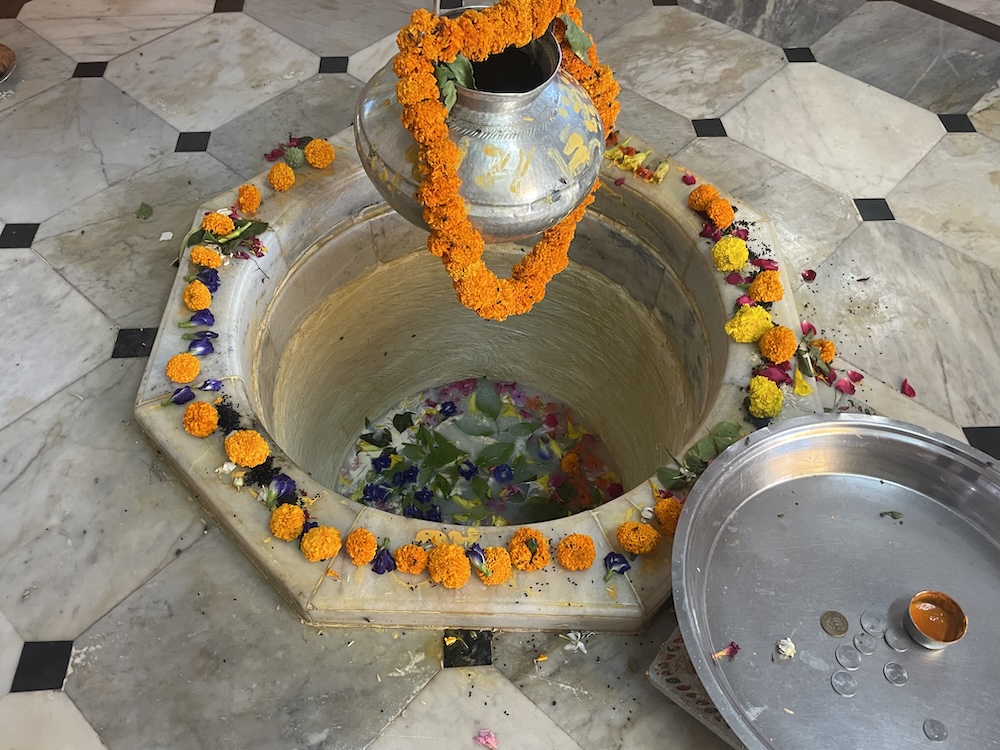 In the verdant heart of the Mehsana district of Gujarat, specifically within the Vijapur Taluka at Maheshwarpura, stands the ancient and venerable shrine of Maheshwar Mahadev. Renowned colloquially as the ‘Masiya Mahadev’, this temple is a quintessential specimen of the ‘Panchayatana’ architectural style, having been established during the illustrious Solanki reign between the 10th and 12th centuries. The ‘Swayambhu’ (self-manifested) Shivalinga enshrined here is regarded as a potent centre of spiritual energy. The temple commands immense reverence, particularly for its reputation as a healing temple, treating bodily ailments such as warts, leucoderma and diverse skin disorders, drawing a multitude of devotees from across the state. In accordance with local tradition,
  those seeking divine intervention or fulfilling vows offer black pepper, jaggery and salt to the deity.
A captivating mythological legend surrounds the genesis of this sanctuary. Seven centuries ago, this region was a sprawling, dense wilderness where village cowherds brought their cattle to graze. It was observed that one particular cow would unfailingly visit a specific spot daily to spontaneously release her milk upon the earth. This recurring phenomenon piqued the villagers’ curiosity and they eventually decided to excavate the site. To their wonder, they unearthed a self-manifested Shivalinga. From that moment, the villagers commenced regular worship and as word of its spiritual efficacy spread,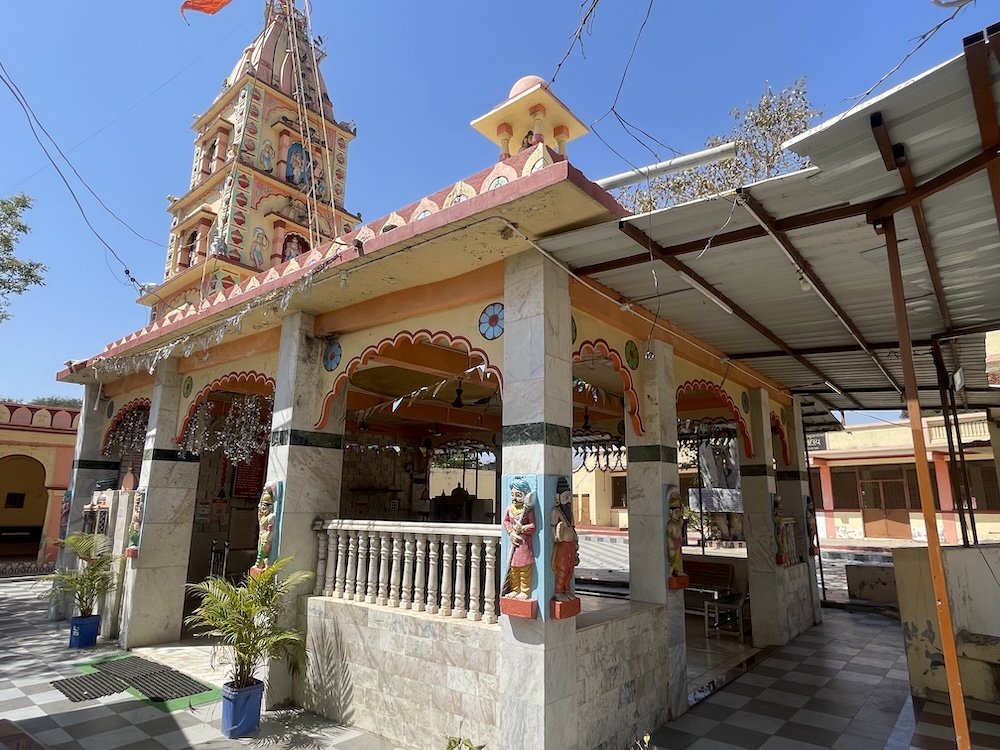 pilgrims from the surrounding five villages and beyond began to flock to the site. The temple has undergone several restorations over the centuries, with its current architectural form being the result of a renovation completed a few years ago.
Since antiquity, the temple has served as a sanctuary for the ‘Guru-Shishya’ (preceptor-disciple) tradition. Numerous Mahants and ascetics have performed rigorous penance upon this hallowed ground and the precinct houses the ‘Samadhi’ (memorial shrines) of two such revered Mahants. A profound historical connection exists between this shrine and a perfected soul named Lambenarayana Maharaj. A massive conch shell from his era is still preserved within the temple as a sacred relic. During the Gaekwad suzerainty, a distinguished Mahant resided here, 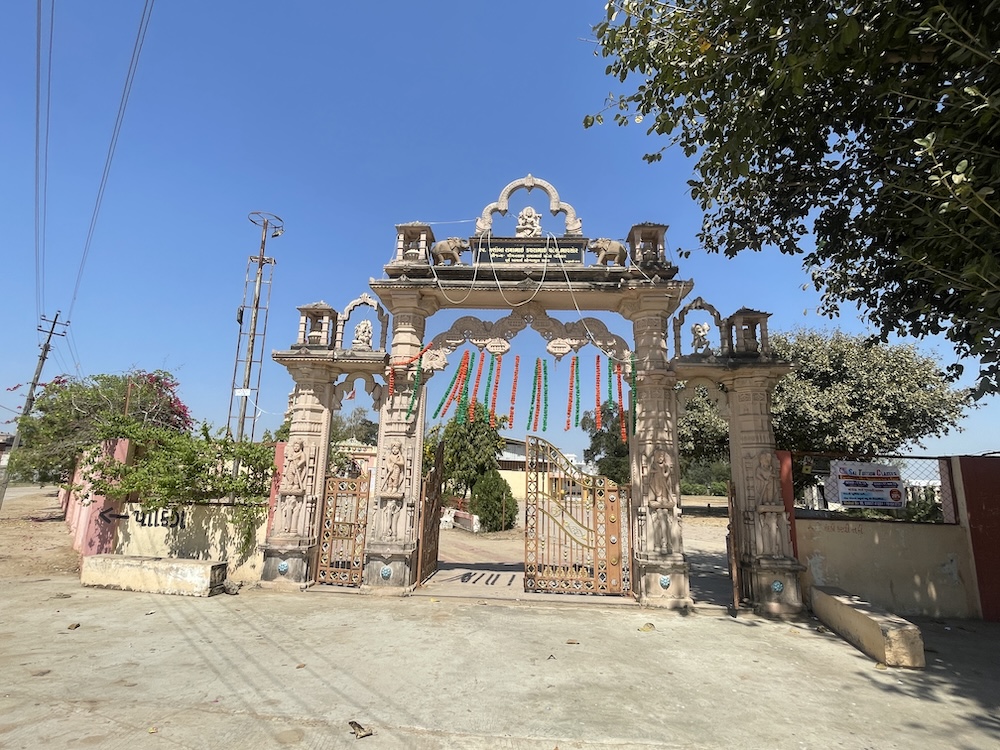 during whose tenure a local ‘Subedar’ (provincial governor) expressed scepticism about the Shivalinga’s spiritual potency. However, he was soon humbled by a demonstration of its divine grandeur. Legend recounts that when the Subedar derisively referred to the Shivalinga as a mere water-filled pit, Lambenarayana Maharaj used his mantric powers to pour the entire contents of a nearby ‘Vav’ (stepwell) into the cavity, yet it remained unfilled. Stunned by this miracle, the Subedar provided funds from the Gaekwad state for the temple’s development. Maheshwarpura remains a modest hamlet, yet the neighbouring village of Ladol continues to uphold the pious tradition of providing a perennial grain supply, known as ‘Panseri’, to the temple with unwavering devotion.
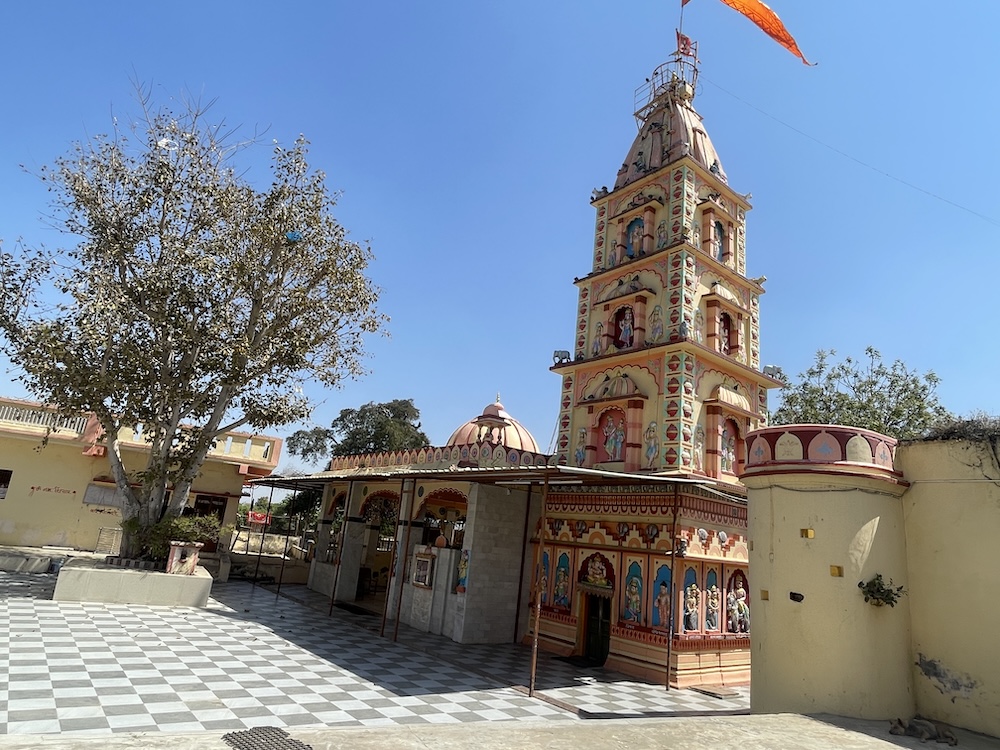
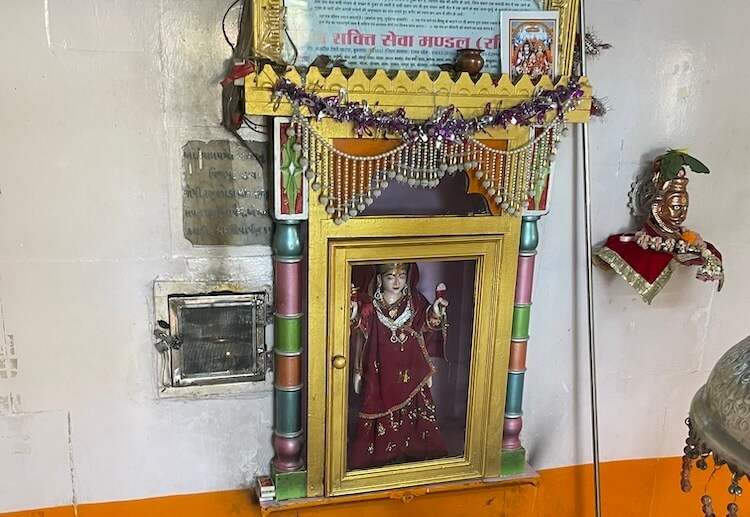
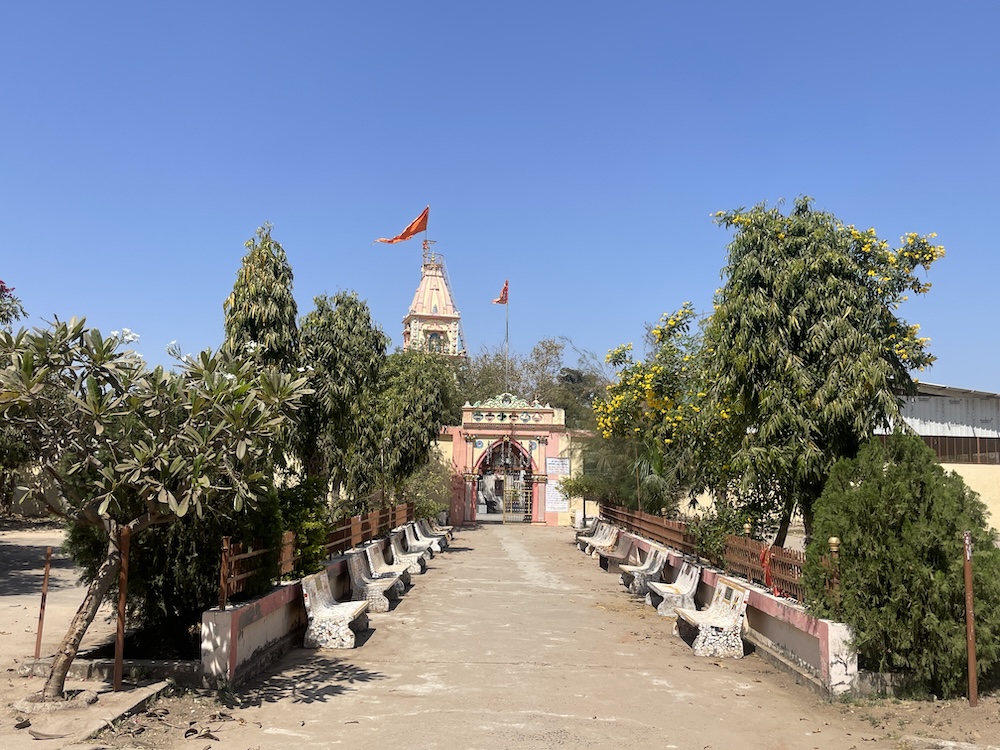
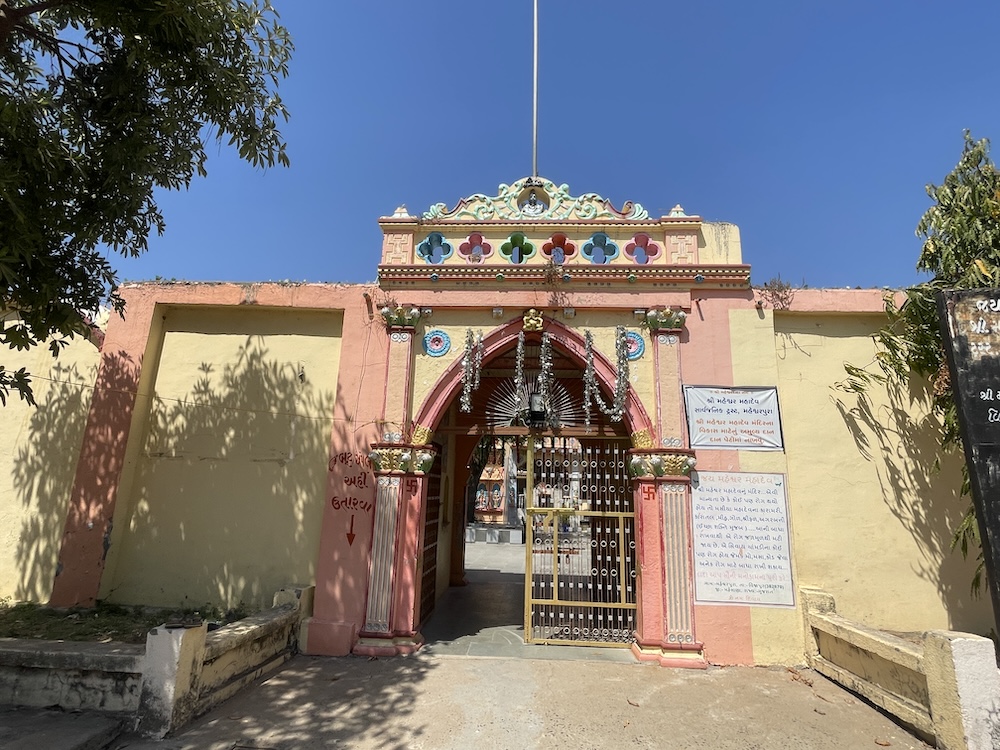
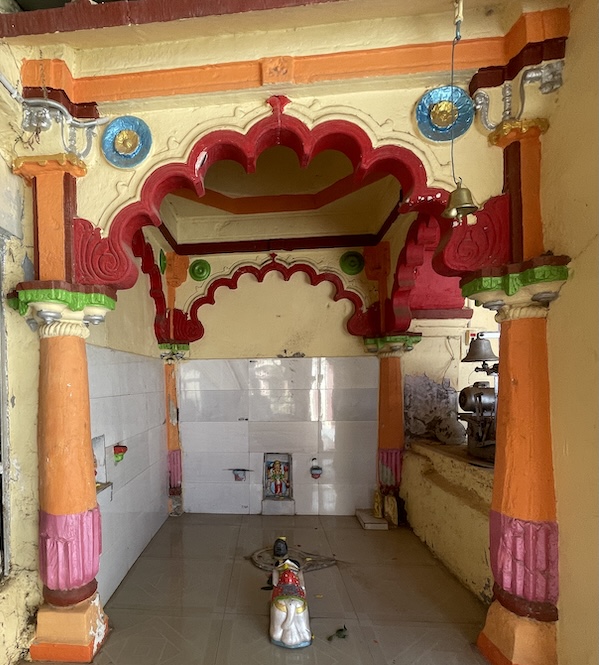
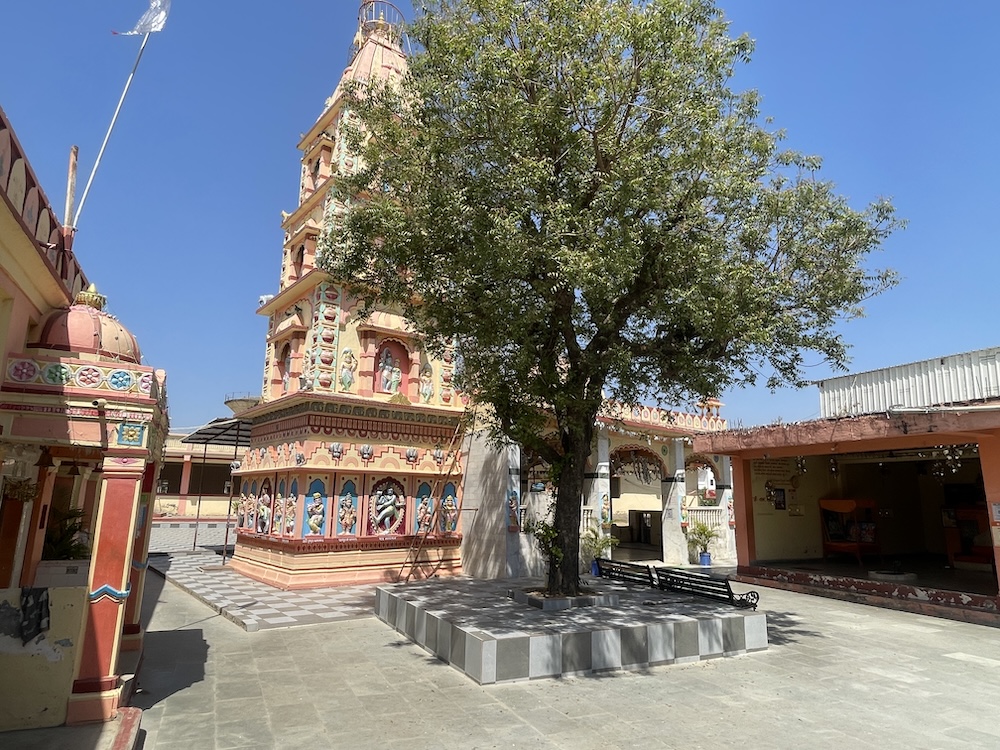
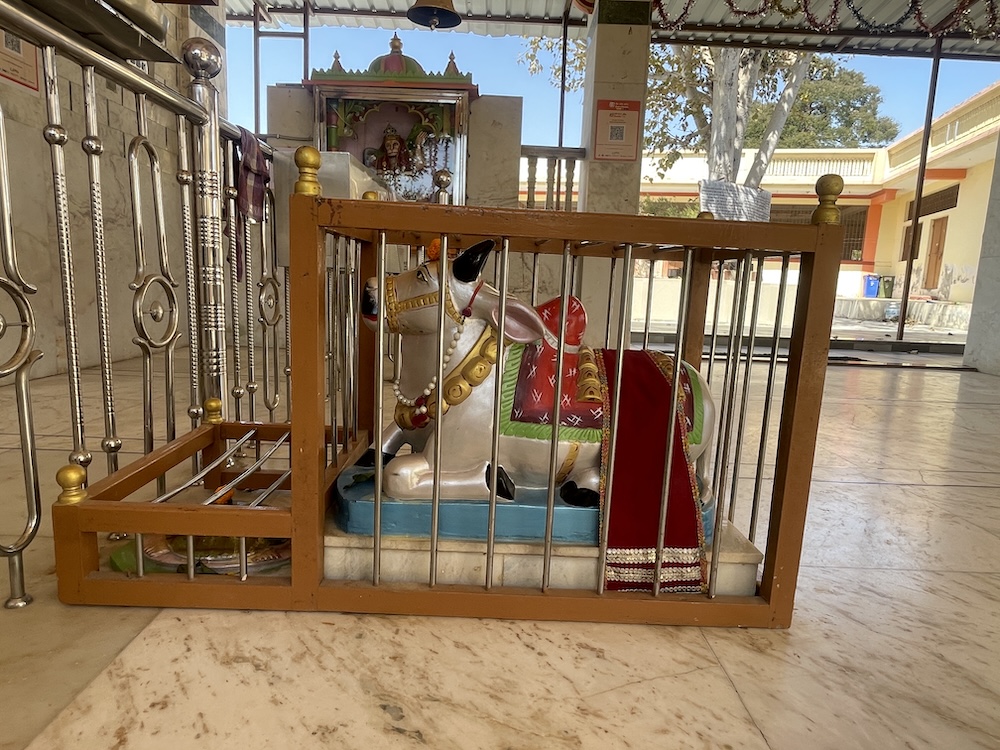
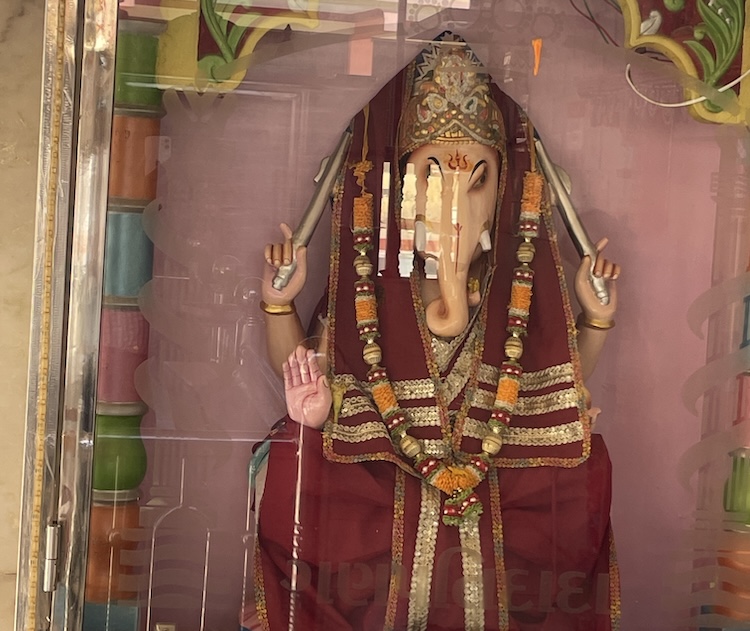
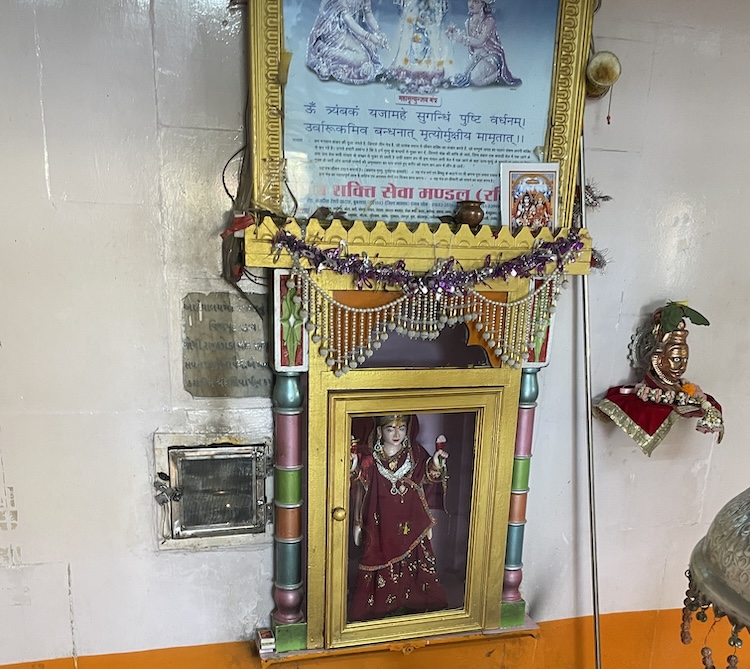
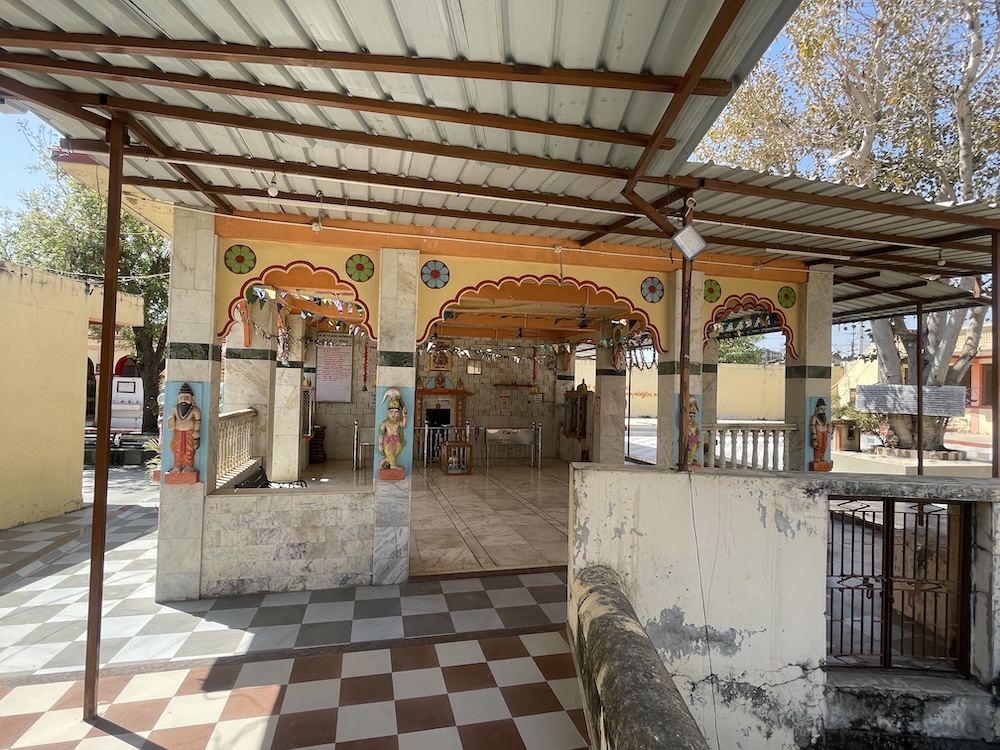
The approach to the temple features a spacious parking area that leads to an attractive gateway opening into an expansive courtyard. 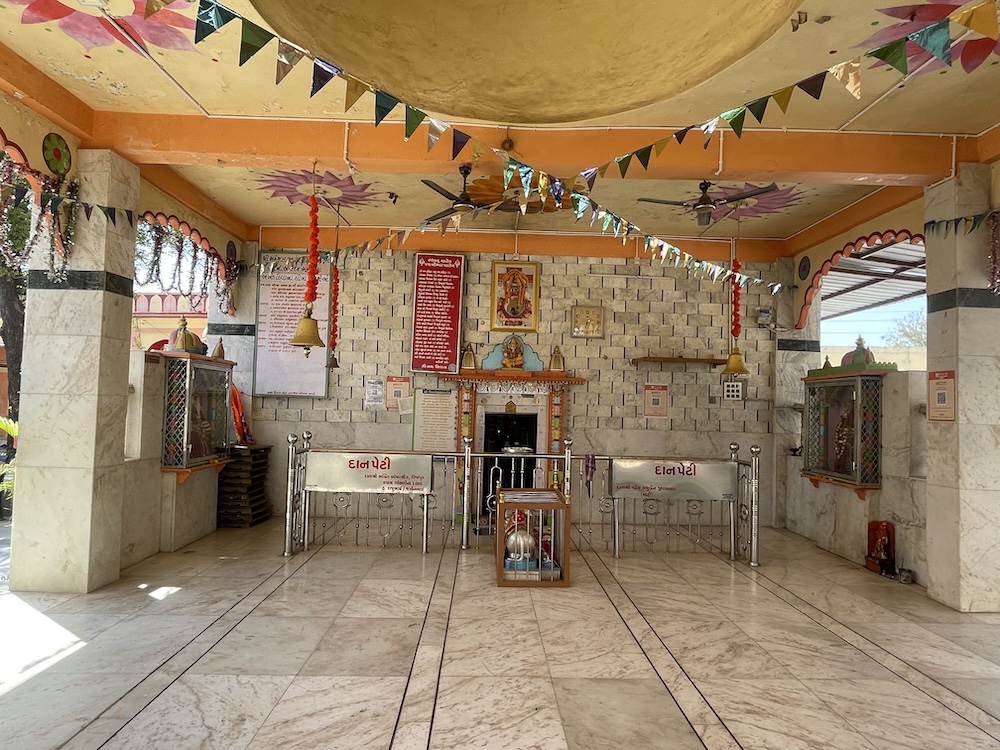 Shaded by numerous trees, a central promenade guides visitors to the temple’s grand portal, flanked on either side by seating for pilgrims’ comfort. The temple’s layout comprises a ‘Sabhamandapa’ (assembly hall) and a ‘Garbhagriha’ (sanctum sanctorum), with the entrances to the hall adorned with graceful scalloped arches. The ‘Panchayatana’ designation is derived from the configuration of the principal shrine flanked by four independent sub-shrines at the cardinal corners. Within a niche near the entrance resides an idol of Umiya Mata, the tutelary goddess of Gujarat. Inside the assembly hall, a sculpture of Nandi faces the sanctum. Guarding the entrance to the inner sanctum are idols of Ganesha to the left and Hanuman to the right. The doorposts are embellished with figures of gatekeepers,
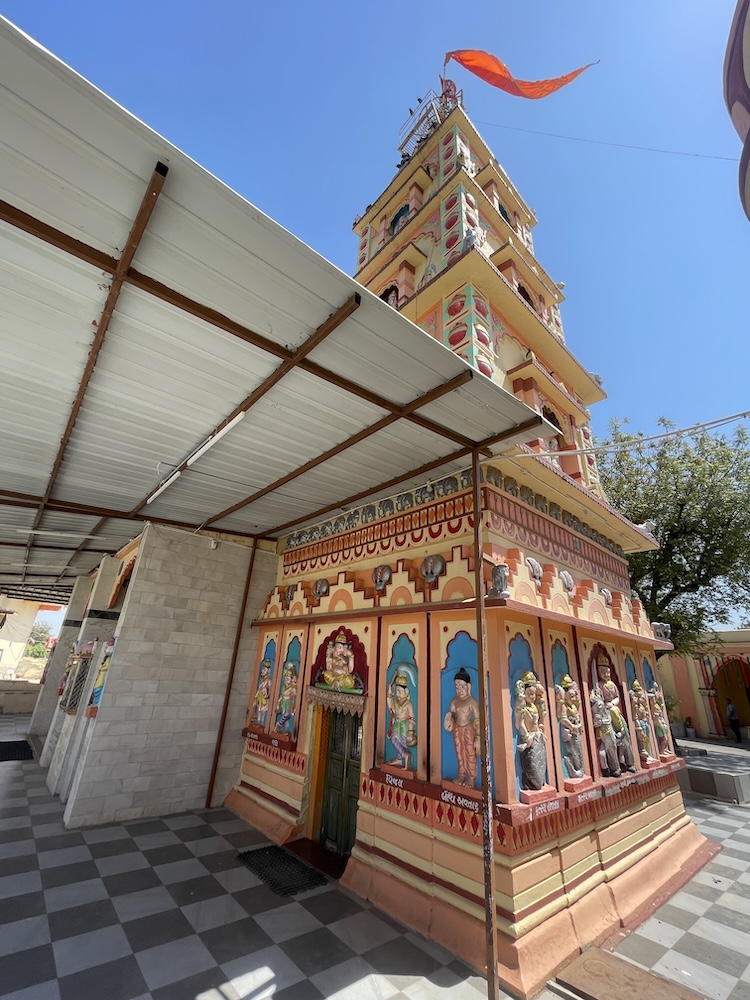
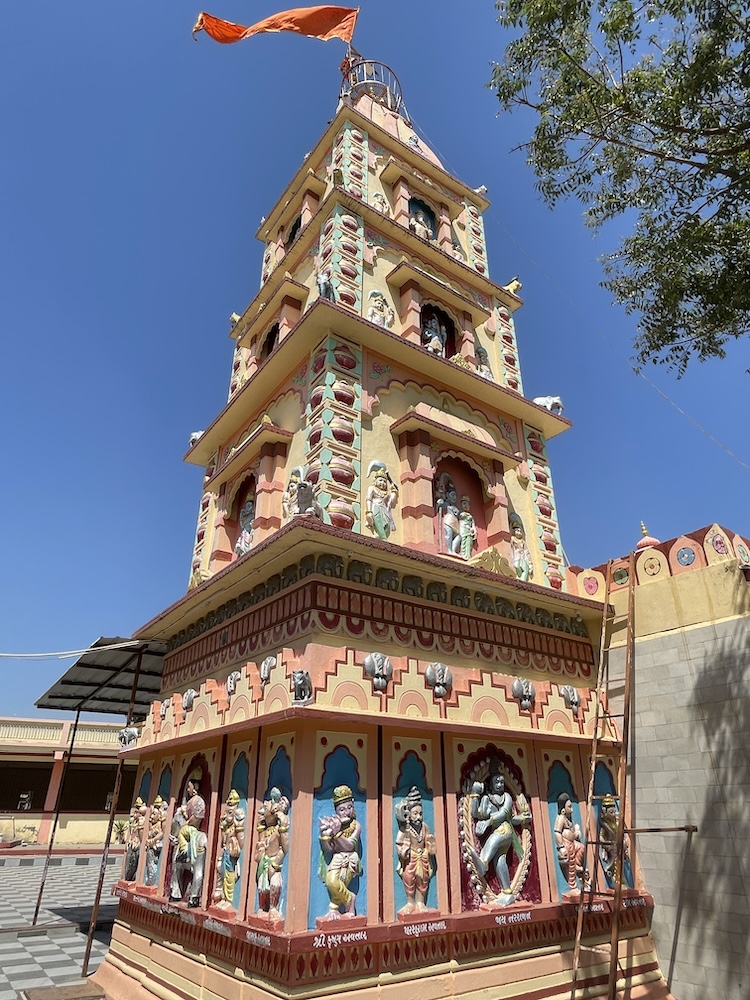
  while the ‘Lalatabimba’ (central motif on the lintel) features a carving of Ganesha idol. Further carvings of Ganesha and ‘Kirtimukhas’ (masks of glory) adorn the upper lintel (uttarang) and the base. Within the sanctum, the self-manifested Shivalinga is situated within an octagonal ‘Shalunka’ (pedestal) placed in a recessed cavity. Here the ‘Yoni-linga’ – the symbol of primordial energy – is worshipped. A silver canopy hangs over the deity and a niche in the rear wall enshrines Mother Parvati. The exterior walls are a gallery of lithic art, featuring the ‘Dashavatara’ (ten incarnations) and a sculpture of Nataraja. The soaring spire or ‘Shikhara’, is decorated with idols of various deities and their attendants across its lower tiers, tapering upwards through sub-spires and an ‘Amalaka’ to a golden ‘Kalasha’ (finial).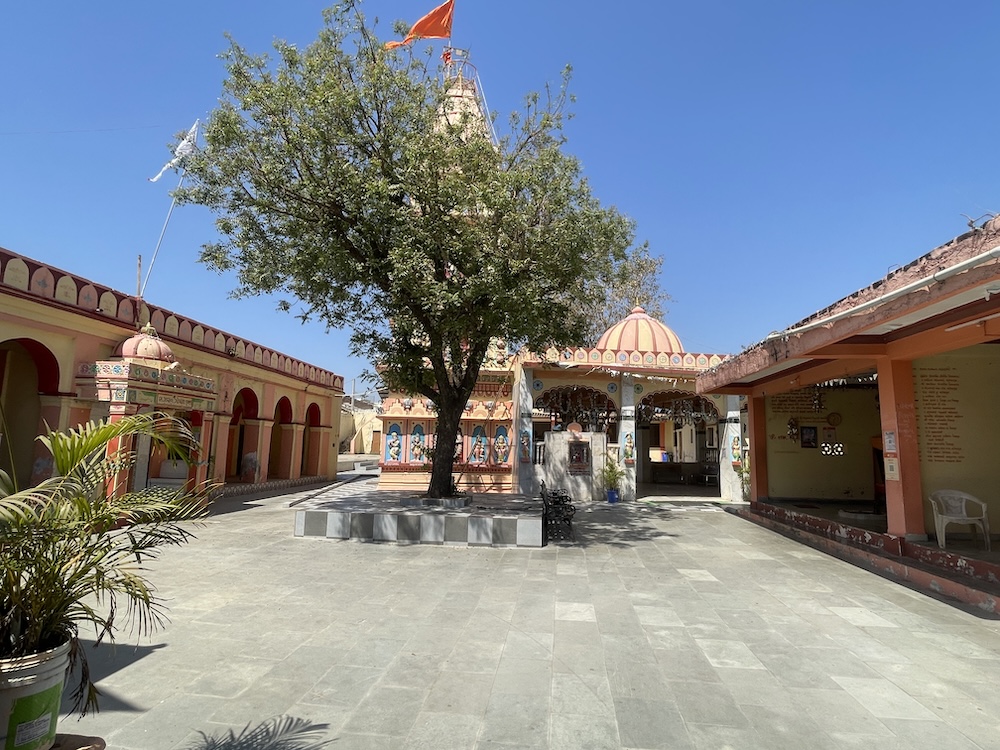
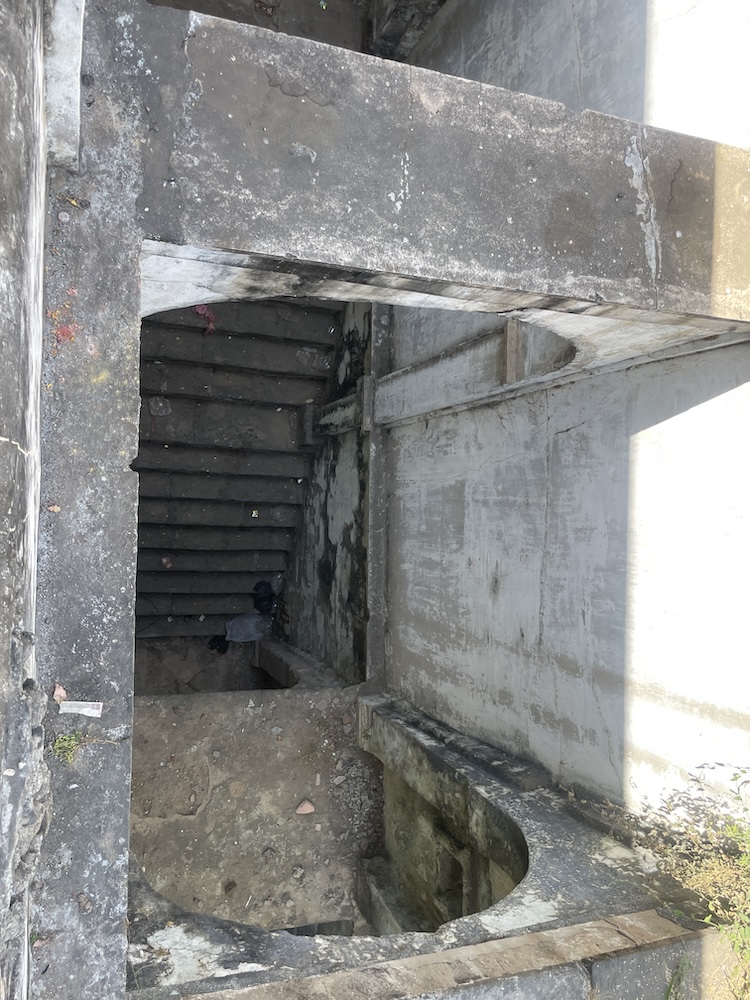
Adjacent to the temple stands an ancient ‘Vav’, an architectural marvel believed to have been commissioned by Raja Vijaysingh, son of Raja Himmatsingh of the Hinglajgadh or Himmatnagar royal lineage. Local folklore also attributes its later restoration to the legendary Lakhi Rai or Lakhi Shah Banjara. He was born on 4th July 1580 at Khairpur Sadat, located in present-day Pakistan. Lakhi Rai was a titan of commerce in his era. His trade networks spanned from Samarkand and Yarkand in Central Asia to Sri Lanka, dealing in grain, salt, spices and textiles. He commanded thousands of camels, elephants, horses, bullocks and mules, alongside a vast workforce. He is credited with constructing numerous wells and lakes.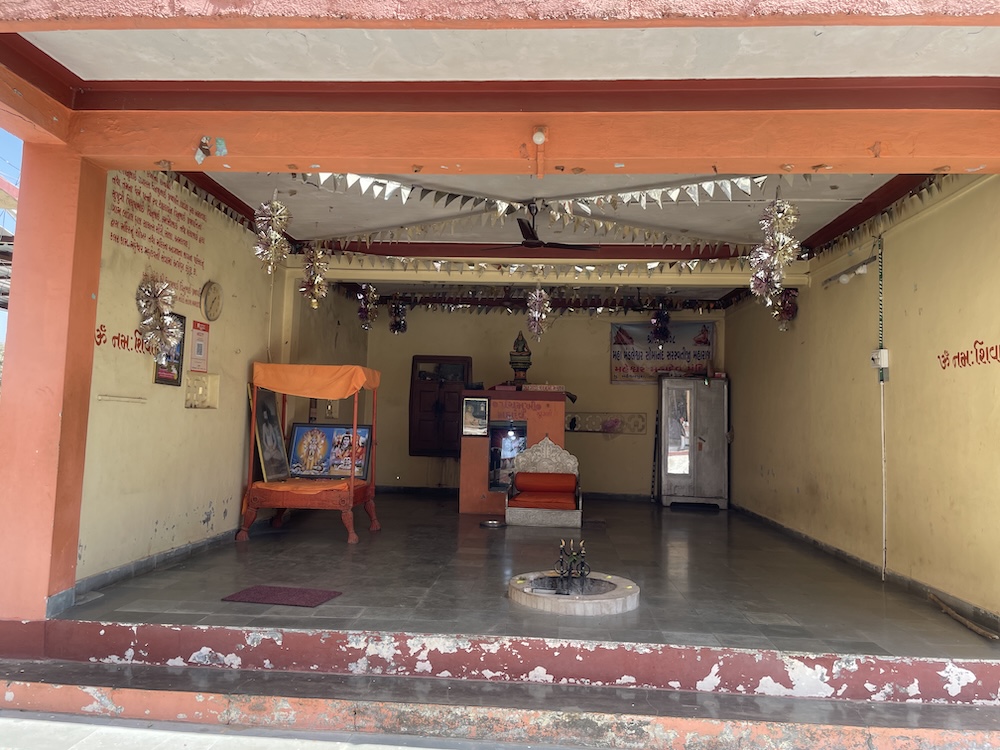
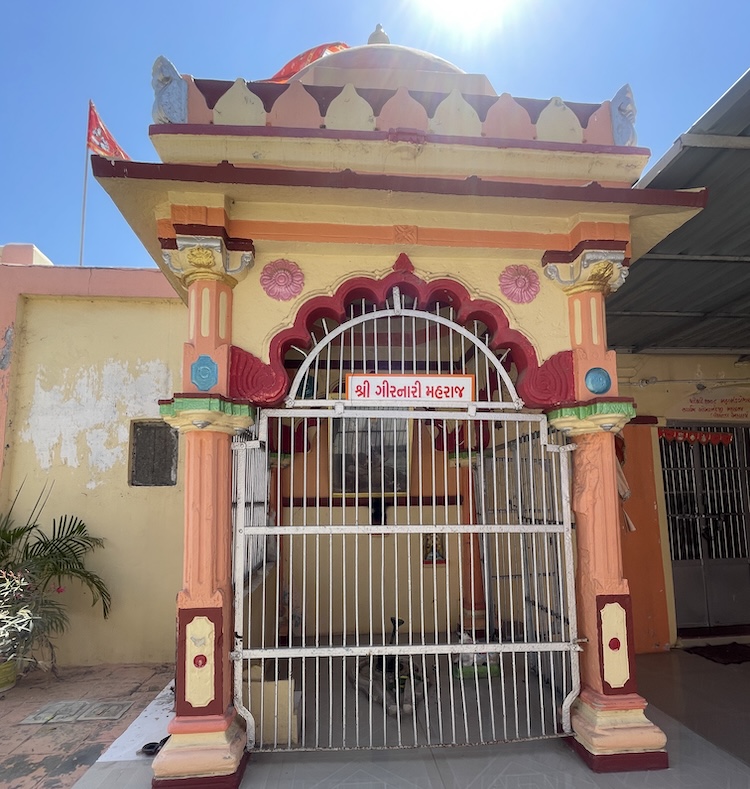
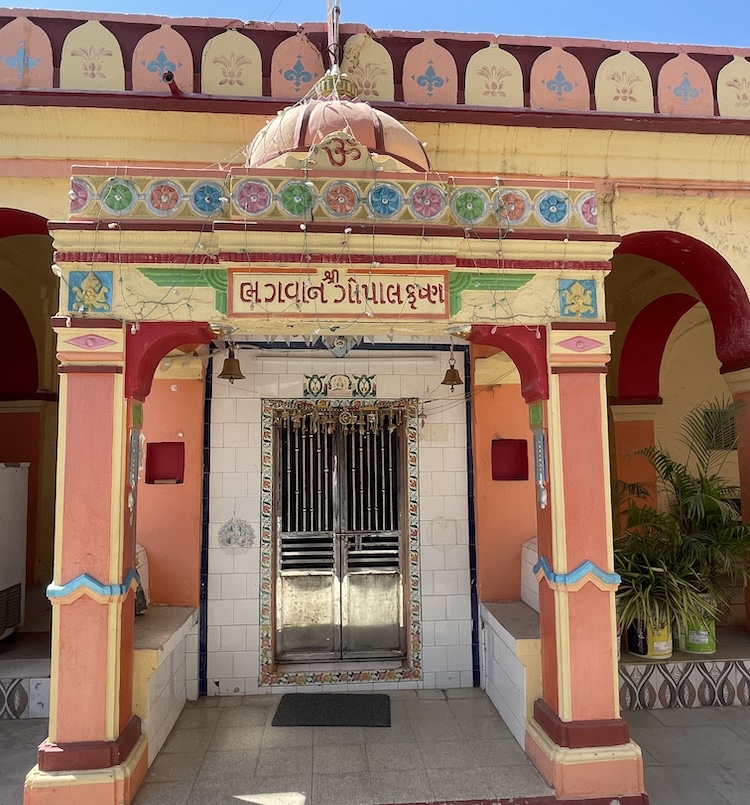
The precinct also houses shrines dedicated to Dattatreya and Gopal Krishna, as well as a smaller Shiva temple. To the right of the main structure, near the ‘Gurugadi’ (seat of the preceptor), a sacred flame, or ‘Dhuni’, is kept perpetually alight. The memorial shrines of Girnari Maharaj and Dattapuri Maharaj are also located within the grounds. For the convenience of visiting pilgrims, the temple provides facilities for both board and lodging.
Owing to the widespread belief in the Shivalinga’s awakened state, the temple witnesses a constant influx of devotees. The nomenclature ‘Masiya Mahadev’ is intrinsically linked to the deity’s reputation for curing ‘Masa’ (warts) or tumours, as well as vitiligo and moles, through the application of the temple’s ‘Prasad’. This firm faith in its curative powers brings pilgrims not only from Gujarat and Rajasthan but also from as far as Mumbai and Delhi. Devotees offer black pepper, salt, jaggery, coconut and incense sticks upon the fulfilment of their prayers. The religious calendar is marked by various festivities, including a grand fair during Mahashivratri and long queues of worshippers every Monday of the month of Shravan. Krishna Janmashtami is also celebrated with great fervour, highlighted by the traditional ‘Dahi Handi’ ceremony.
Useful Information
- Located at 4 km from Vijapur and 56 km from Mehsana* GSRTC buses and
- private vehicle services are available from Vijapur.
- Private vehicles can access the temple directly.
- Residential and breakfast facilities are available within the precinct.
महेश्वर महादेव मंदिर
महेश्वरपुरा, ताल. विजापुर, जिला. मेहसाणा
मंदिरे
Temples
मंदिर
-
वैजनाथ महादेव मंदिर महादेवपुरा (गावडा), ता. विजापूर, जि. मेहसाणा
अधिक माहितीVaijnath Mahadev Temple Mahadevpura (Gavada), Tal. Vijapur, Dist. Mehsana
View Detailsवैजनाथ महादेव मंदिर महादेवपुरा (गावड़ा), ताल. विजापुर, जिला. मेहसाणा
विवरण देखें -
वैजनाथ महादेव मंदिर सोखडा, तालुका विजापूर, जिल्हा मेहसाणा
अधिक माहितीVaijanath Mahadev Temple Sokhada, Taluka Vijapur, District Mehsana
View Detailsवैजनाथ महादेव मंदिर सोखाडा, तालुका विजापुर, जिला मेहसाणा
विवरण देखें -
काशी विश्वनाथ महादेव मंदिर मेहसाणा, जि. मेहसाणा
अधिक माहितीKashi Vishwanath Mahadev Temple Mehsana, Dist. Mehsana
View Detailsकाशी विश्वनाथ महादेव मंदिर मेहसाणा, जिला. मेहसाणा
विवरण देखें