
कुंटेश्वर महादेव मंदिर
वापी शहर, ता. वापी, जि. वलसाड
Kunteshwar Mahadev Temple
Vapi City, Tal. Vapi, Dist. Valsad
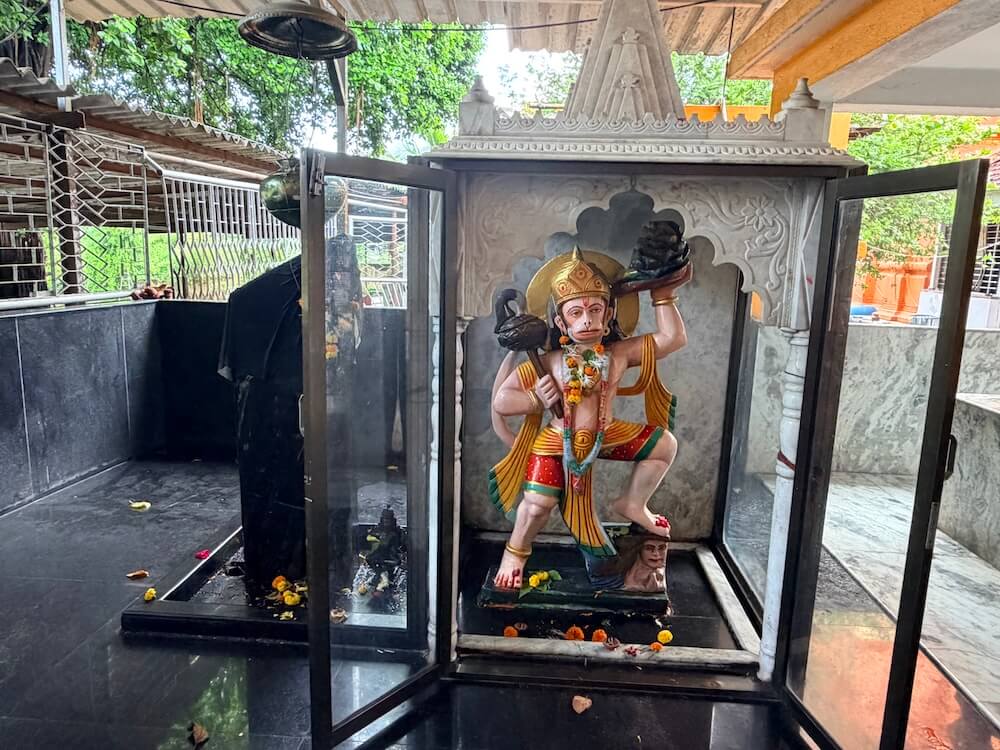
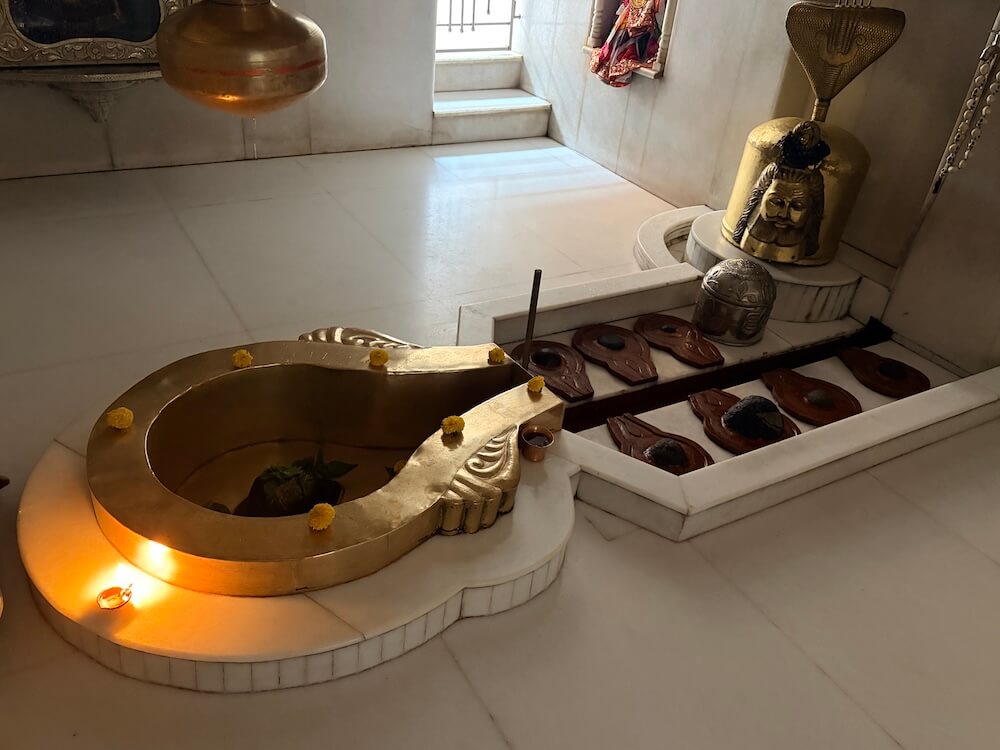 Vapi is renowned as one of Gujarat’s foremost industrial centres and the largest city in South Gujarat. Although the town remained under Portuguese influence for nearly two centuries, it has preserved its ancient religious heritage through the Kunteshwar Mahadev Temple. According to local myth, the shrine dates back to the age of the Mahabharata. It is believed that Kunti, the mother of the Pandavas, consecrated the principal Shivalinga here. The temple enshrines a total of nine Shivalingas, which lends it exceptional religious significance. Another distinctive feature of the temple is its unusual image of Lord Hanuman holding a dagger instead of his customary mace.
Situated on the banks of the Daman Ganga River, Vapi was known in ancient times as ‘Vapikagrama’. 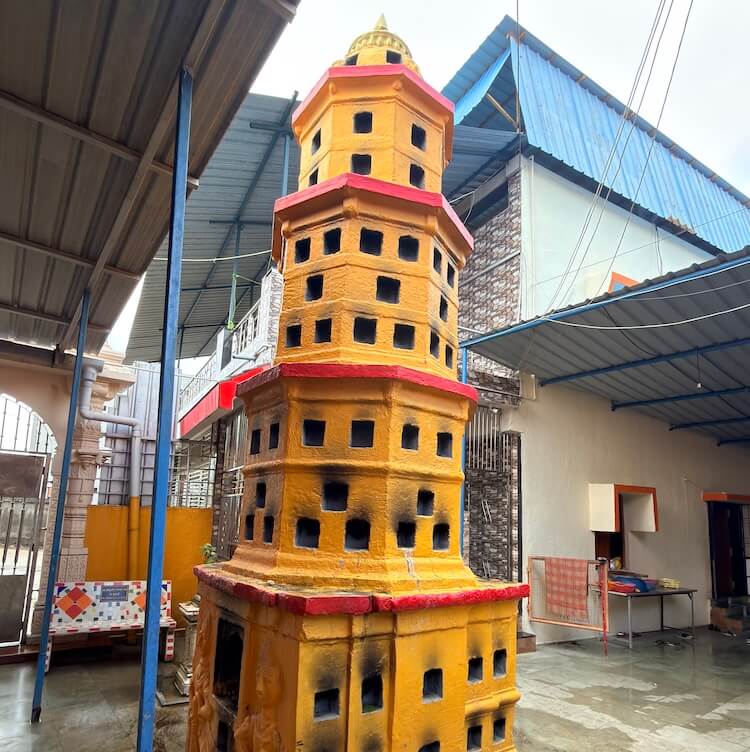 According to local tradition, the town derives its name from the Sanskrit word ‘Vapi’, meaning a well. It is believed that the region once contained numerous wells, giving rise to this name. This coastal tract of South Gujarat has been an important centre of maritime trade on the Arabian Sea since ancient times. The nearby ports of Daman, Sanjan, Bhilad and Sopara in Maharashtra maintained flourishing trade with India, Arabia and Africa. Although Vapi itself was not a port, it served as an important inland centre along these commercial routes.
Over the centuries, the region came under the rule of several dynasties, including the Satavahanas, the Western Kshatrapas, the Maitrakas, the Chalukyas (Solankis) and later the Vaghelas. After the thirteenth century, it passed into the hands of the Delhi Sultanate and subsequently the Gujarat Sultanate. In 1559, the Portuguese conquered Daman, bringing nearby Vapi under their influence. During the early eighteenth century, Pilajirao Gaekwad established Maratha authority in South Gujarat. 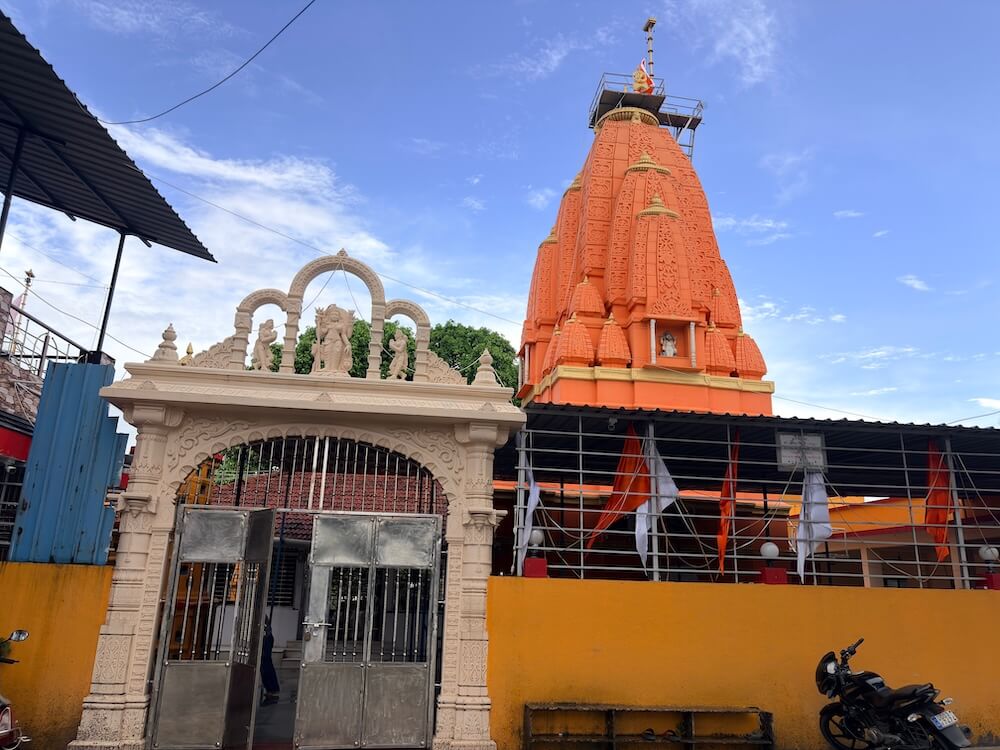 Vapi, Pardi, Valsad and the surrounding inland region remained under Gaekwad influence for a period. Chimaji Appa’s conquest of Bassein further strengthened Maratha influence along the entire coastline, enabling the local population to practise and preserve their religious traditions more openly.
The Kunteshwar Mahadev Temple stands as a living symbol of Vapi’s ancient religious heritage. According to local belief, the shrine is associated with the period of the Mahabharata. Scholars hold differing views regarding the chronology of the epic. Based primarily on astronomical references contained in the Mahabharata, some researchers have dated the Kurukshetra War to 5561 BCE. The distinguished archaeologist Dr M. K. Dhavalikar, by correlating archaeological evidence with Puranic traditions, proposed a date between 840 and 830 BCE. Local devotees believe that the Kunteshwar Mahadev shrine belongs to this era.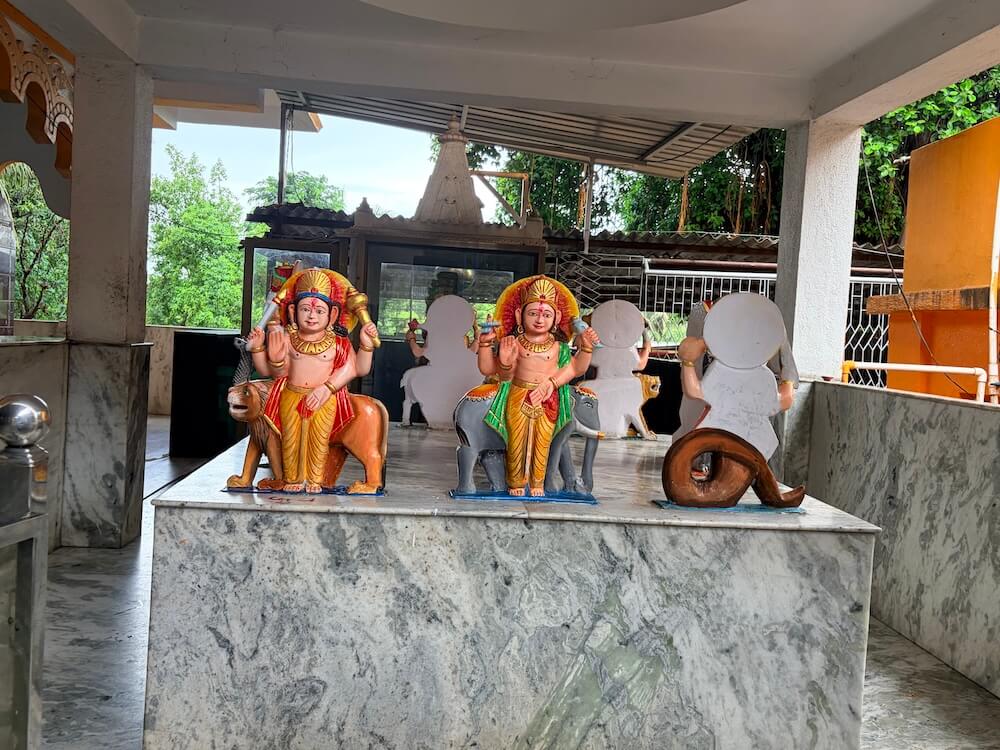
The legend associated with the temple narrates that after losing their kingdom in the game of dice, the Pandavas, were compelled to leave their kingdom and spend years in exile. During their wanderings, they, accompanied by Kunti and Draupadi, arrived in the region of present-day Vapi, which at that time was covered by dense forests. While residing here, Kunti and Draupadi consecrated Shivalingas for the worship of Lord Shiva. At the same time, the five Pandavas established eight additional Shivalingas nearby. All these nine sacred Shivalingas continue to be worshipped within the temple.
Since the principal Shivalinga is believed to have been consecrated by Kunti, the deity came to be known as Kunteshwar Mahadev. 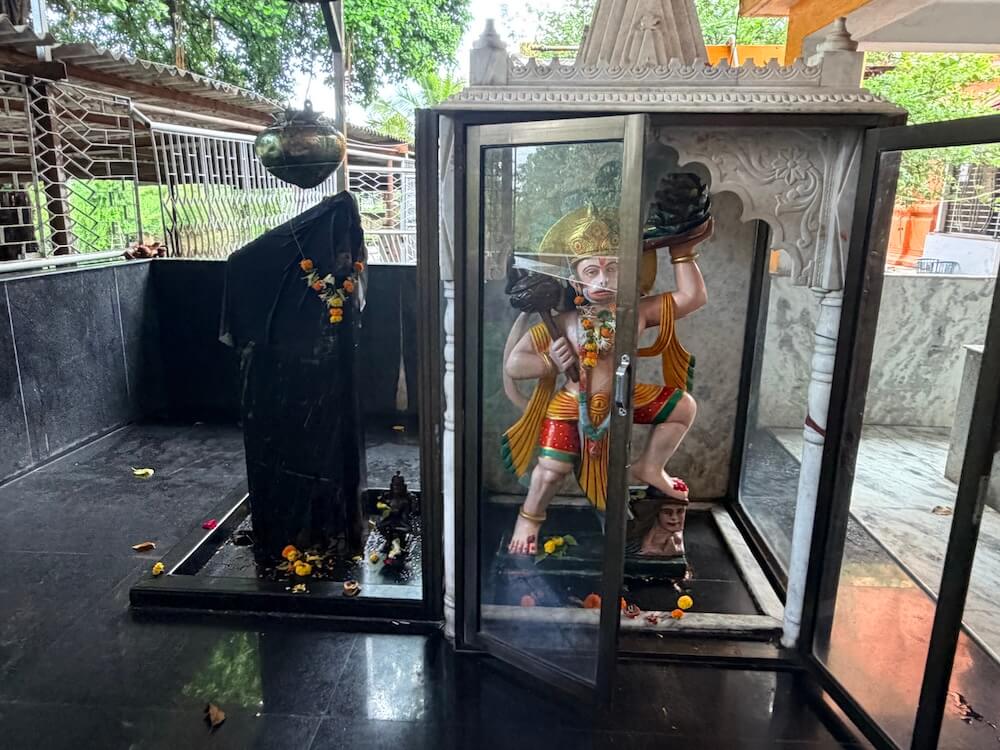 Alongside the nine Shivalingas, the temple’s image of Lord Hanuman is a special attraction for devotees. Hanuman is traditionally depicted carrying a mace as his weapon. Here, however, he is shown holding a dagger. According to local belief, this is because he is worshipped here in the form of a devoted follower of Lord Shiva.
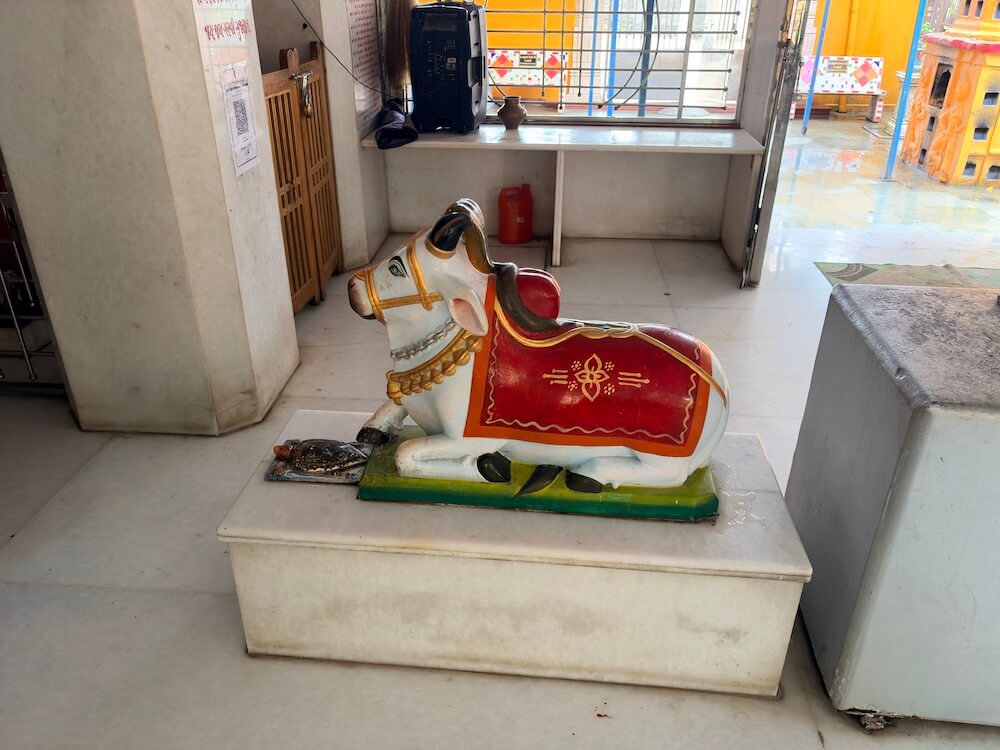
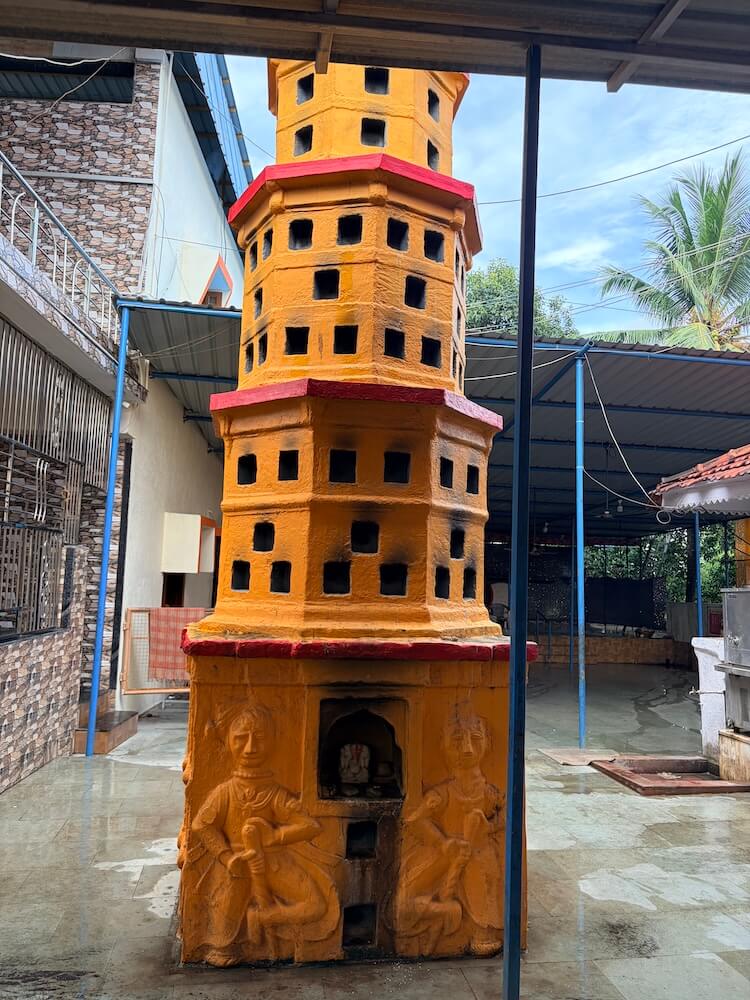
The exact history of the temple’s construction is not available. Entry to the temple complex is through a gateway set within the surrounding fortified enclosure. Inside the courtyard, two Deepmalas stand on the left. Each lamp tower is designed with numerous niches for oil lamps. The assembly hall of the main temple is roofed with traditional tiles. At its centre, upon a raised platform, are the sculpted figures of Nandi and the sacred tortoise. Marble seating platforms have been provided around the hall for devotees.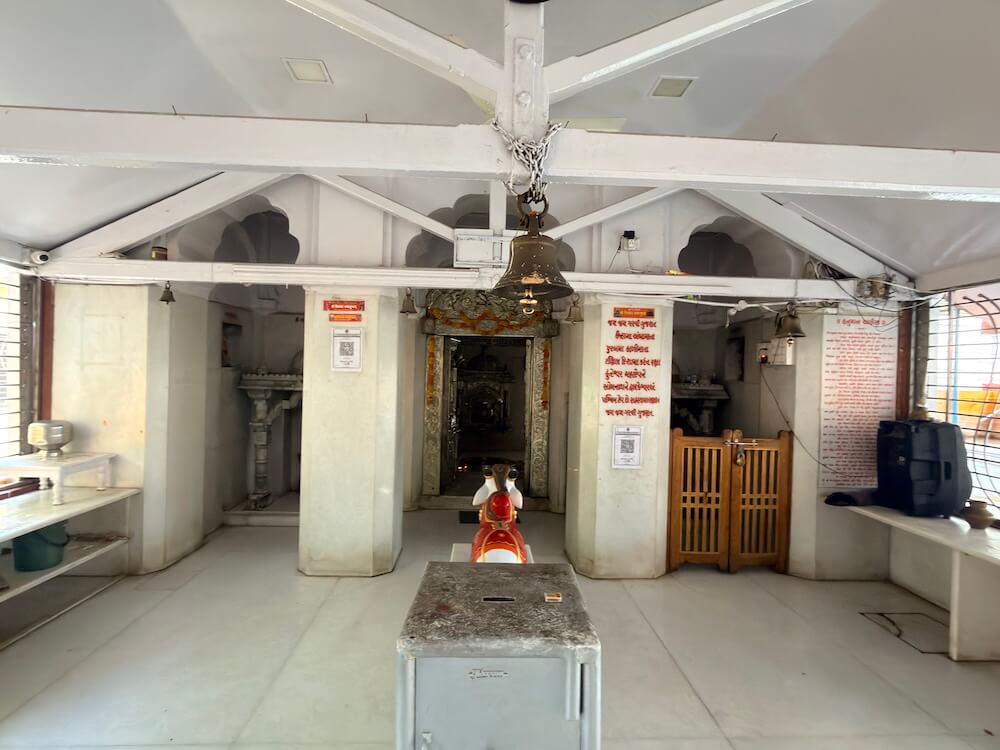
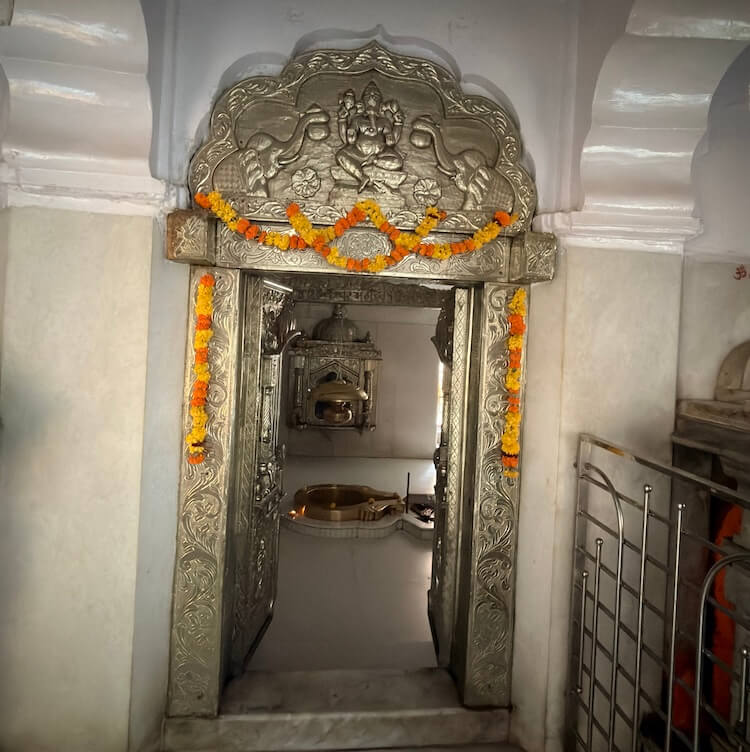
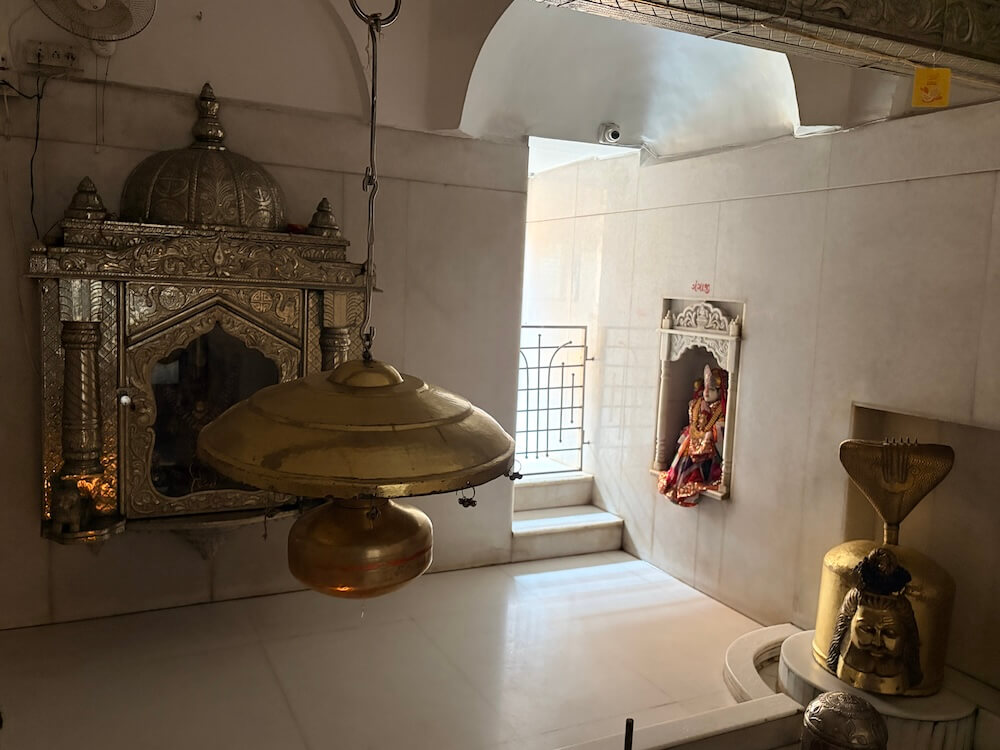
In the antarala, the niches on the front wall of the sanctum contain the images of Lord Ganesha and Lord Hanuman. The entrance to the sanctum, together with its door frame and shutters, is clad in intricately ornamented metal sheets. Above the doorway is a sculpted image of Lord Ganesha. At the centre of the sanctum, set into the floor, is the principal Shivalinga, encased in a brass covering. In addition to this principal Linga, the sanctum houses nine more Shivalingas. The wall niches within the sanctum contain images of Goddess Parvati and Goddess Ganga.
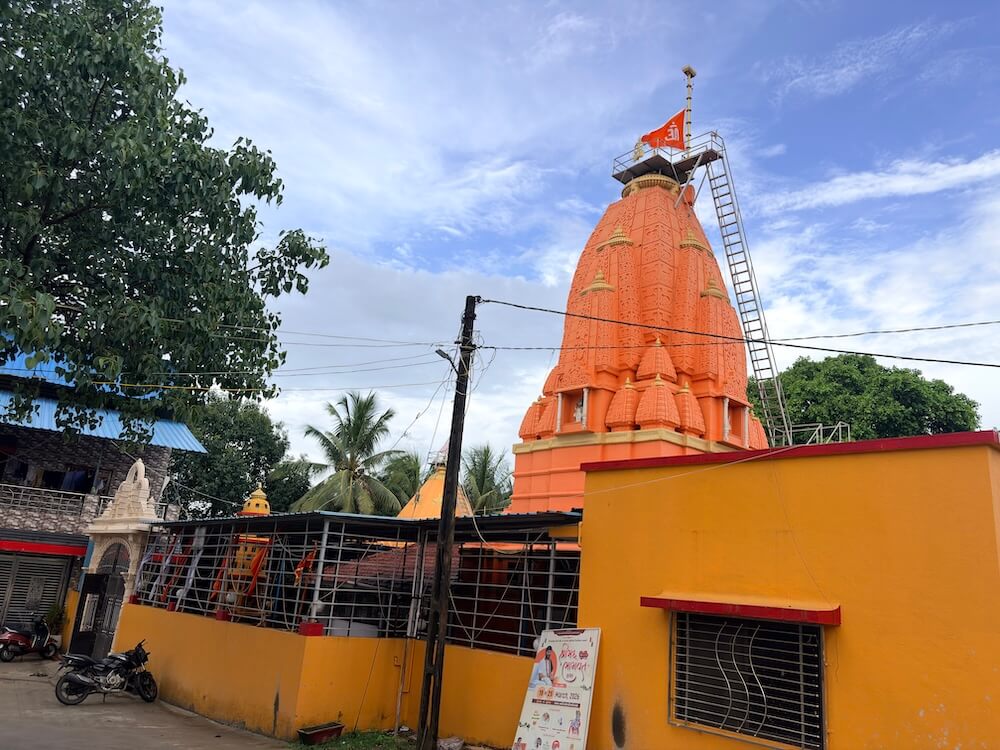
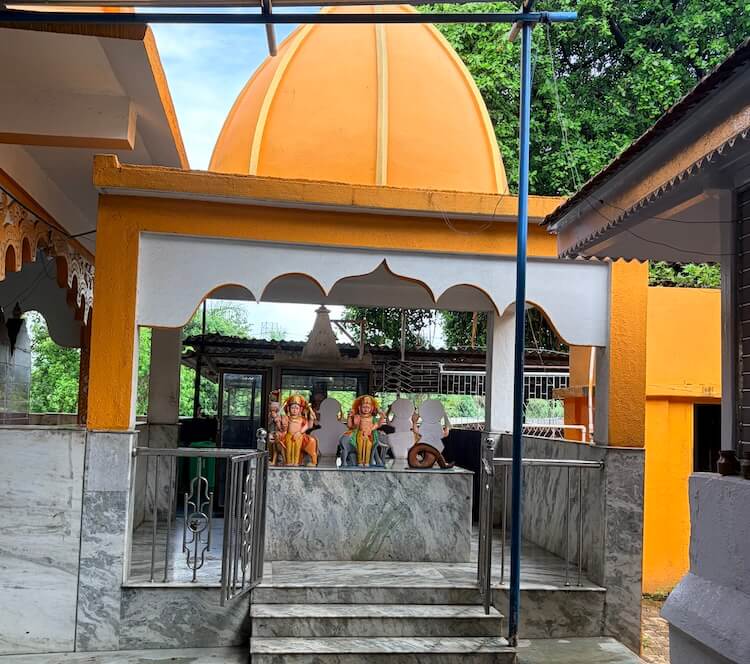
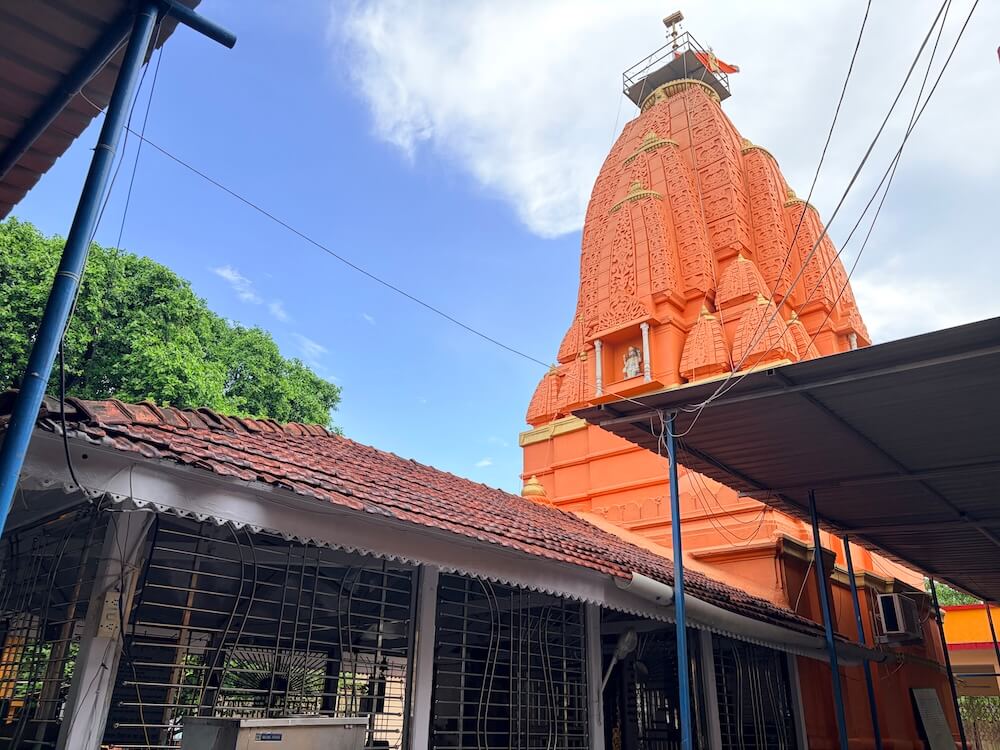
The sanctum is crowned by a tapering urushringa-style spire rising gracefully on all four sides. Within the temple complex stands a Navagraha Temple housing the images of the nine planetary deities. 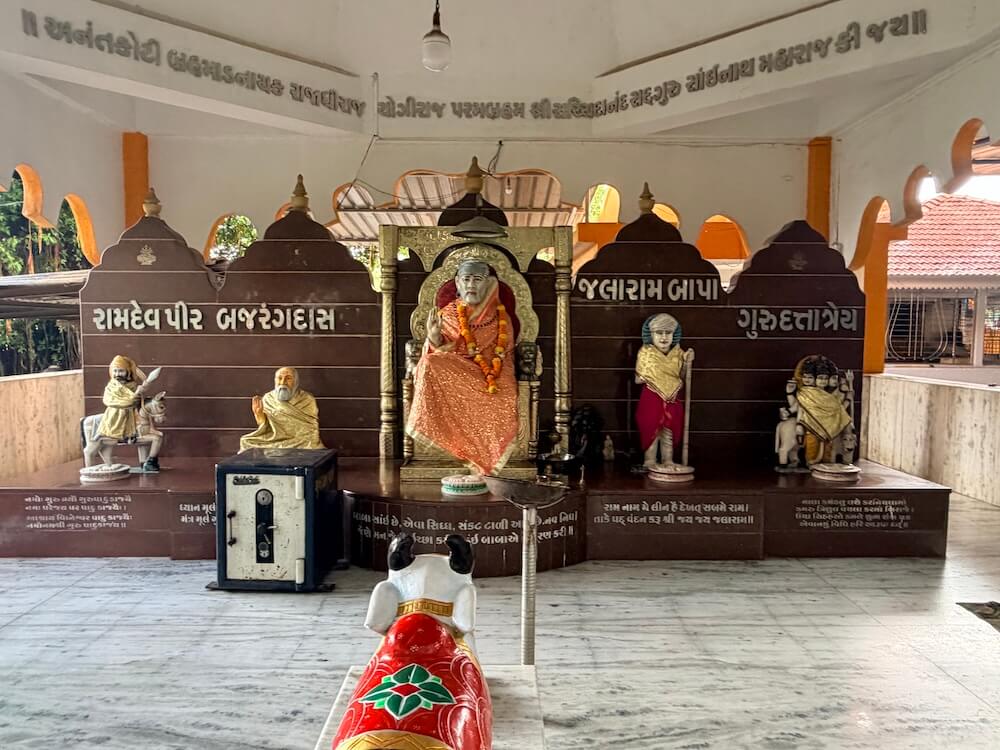 There is also a separate Maruti Temple, which enshrines the images of Lord Hanuman and Lord Shani. Beside it stands a temple dedicated to Sai Baba. In the assembly hall of the Sai Baba Temple are a sculpted figure of Nandi and an image of Lord Ganesha. Upon the temple’s vajrapitha, Sai Baba occupies the central position, while the images of Ramdev Pir, Rangdas Maharaj, Jalaram Bapa and Lord Dattatreya are placed on either side.
Devotees may have darshan at the Kunteshwar Mahadev Temple daily from 5.00 a.m. to 12 noon and from 4.00 p.m. to 9.00 p.m. Mahashivratri is the temple’s most important annual festival. During this period, long queues of devotees gather at this ancient shrine for the darshan of Lord Shiva. Worship on the Mondays of the holy month of Shravan is regarded as especially auspicious and the temple witnesses large crowds on these occasions as well. Hanuman Jayanti, Ram Navami and Diwali are also celebrated here with traditional religious observances and great enthusiasm.
Useful Information :
- Located approximately 4 km from Vapi Bus Station.
- Situated about 32 km from Valsad.
- State Transport (ST) bus services to Vapi are available from numerous towns and cities across Gujarat.
- Private vehicles can reach the temple directly.
- Several accommodation and breakfast options are available in the surrounding area.
- Contact : Temple Office, Mo. 9727323051
कुंतेश्वर महादेव मंदिर
वापी शहर, ताल। वापी, जिला. वलसाड
मंदिरे
Temples
मंदिर
મંદિરો
கோவில்கள்
దేవాలయాలు
ക്ഷേത്രങ്ങൾ
ದೇವಾಲಯಗಳು
মন্দিরসমূহ
ਮੰਦਿਰ
-
साईबाबा मंदिर तिथळ, ता./जि. वलसाड
अधिक माहितीSai Baba Temple Tithal, Tal./Dist. Valsad
View Detailsसाईं बाबा मंदिर तीथल, ताल./जिला. वलसाड
विवरण देखेंSai Baba Temple Tithal, Tal./Dist. Valsad
વિગત જુઓSai Baba Temple Tithal, Tal./Dist. Valsad
விவரங்களைக் காண்கSai Baba Temple Tithal, Tal./Dist. Valsad
వివరాలను చూడండిSai Baba Temple Tithal, Tal./Dist. Valsad
വിശദാംശങ്ങൾ കാണുകSai Baba Temple Tithal, Tal./Dist. Valsad
ವಿವರಗಳನ್ನು ವೀಕ್ಷಿಸಿSai Baba Temple Tithal, Tal./Dist. Valsad
বিস্তারিত দেখুনSai Baba Temple Tithal, Tal./Dist. Valsad
ਵੇਰਵੇ ਦੇਖੋ -
भाव-भावेश्वर महादेव मंदिर बारुमाळ, ता. धरमपूर, जि. वलसाड
अधिक माहितीBhav-Bhaveshwar Mahadev Temple Barumal, Tal. Dharampur, Dist. Valsad
View Detailsभाव-भावेश्वर महादेव मंदिर बारुमल, ताल. धरमपुर, जिला. वलसाड
विवरण देखेंBhav-Bhaveshwar Mahadev Temple Barumal, Tal. Dharampur, Dist. Valsad
વિગત જુઓBhav-Bhaveshwar Mahadev Temple Barumal, Tal. Dharampur, Dist. Valsad
விவரங்களைக் காண்கBhav-Bhaveshwar Mahadev Temple Barumal, Tal. Dharampur, Dist. Valsad
వివరాలను చూడండిBhav-Bhaveshwar Mahadev Temple Barumal, Tal. Dharampur, Dist. Valsad
വിശദാംശങ്ങൾ കാണുകBhav-Bhaveshwar Mahadev Temple Barumal, Tal. Dharampur, Dist. Valsad
ವಿವರಗಳನ್ನು ವೀಕ್ಷಿಸಿBhav-Bhaveshwar Mahadev Temple Barumal, Tal. Dharampur, Dist. Valsad
বিস্তারিত দেখুনBhav-Bhaveshwar Mahadev Temple Barumal, Tal. Dharampur, Dist. Valsad
ਵੇਰਵੇ ਦੇਖੋ -
दत्त मंदिर पाथरी, ता./जि. वलसाड
अधिक माहितीDatt Temple Pathri, Tal./Dist. Valsad
View Detailsदत्त मंदिर पाथरी, ताल./जिला. वलसाड
विवरण देखेंDatt Temple Pathri, Tal./Dist. Valsad
વિગત જુઓDatt Temple Pathri, Tal./Dist. Valsad
விவரங்களைக் காண்கDatt Temple Pathri, Tal./Dist. Valsad
వివరాలను చూడండిDatt Temple Pathri, Tal./Dist. Valsad
വിശദാംശങ്ങൾ കാണുകDatt Temple Pathri, Tal./Dist. Valsad
ವಿವರಗಳನ್ನು ವೀಕ್ಷಿಸಿDatt Temple Pathri, Tal./Dist. Valsad
বিস্তারিত দেখুনDatt Temple Pathri, Tal./Dist. Valsad
ਵੇਰਵੇ ਦੇਖੋ