
Kondazhy Tritham Tali Siva Temple
Kondazhy, Thalappilly, Dist. Thrissur.
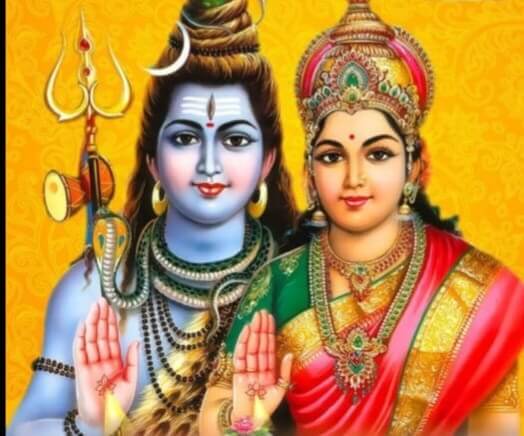 Kondazhy Tritham Tali Shiva Parvathi Temple is a rare twin temple situated on the banks of the Gayathripuzha River in Kondazhy village, Thrissur district. It is one of the 108 Shiva temples in Kerala traditionally believed to have been consecrated by Parashurama. The temple’s most distinctive feature is that two separate temples, with Lord Shiva and Goddess Parvathi as the main deities, stand within the same temple enclosure. This unique twin-temple layout makes Kondazhy Tritham Tali Shiva Parvathi Temple one of the most distinctive temples in Kerala.
The temple is believed to be over 1,000 years old and is said to have been built during the reign of the Chera kings of ancient Kerala. During the Chera period, Kerala was divided into 18 Thalis (administrative centres) for easier administration. Each Thali was centred around an important Shiva temple.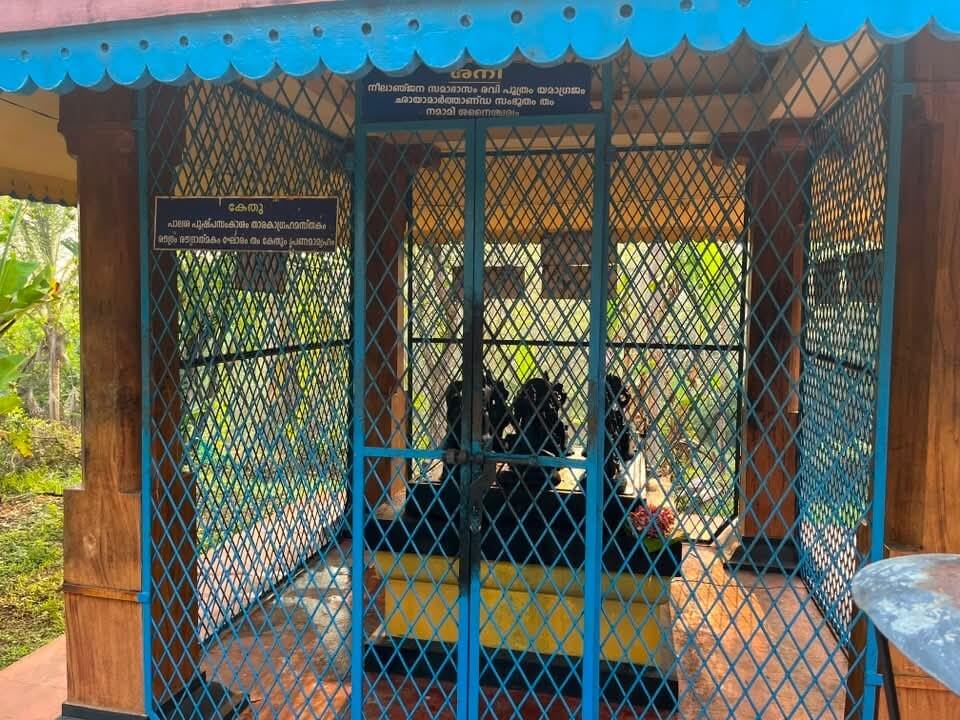 Kondazhy Tritham Tali Temple was one of these 18 Thalis and was regarded as one of the most important temples in the Kingdom of Cochin.
During Tipu Sultan’s invasion of Kerala, the temple came under severe attack and many of its main structures and sculptures were destroyed. The temple remained in a ruined condition for nearly 200 years. It was later restored and rebuilt in its present form through the efforts of devotees and local residents. Some remains of the fort built by the King of Cochin to protect the temple, along with parts of the old temple, can still be seen today. These remains indicate that a large temple complex once existed here. The temple is currently administered and managed by the Cochin Devaswom Board.
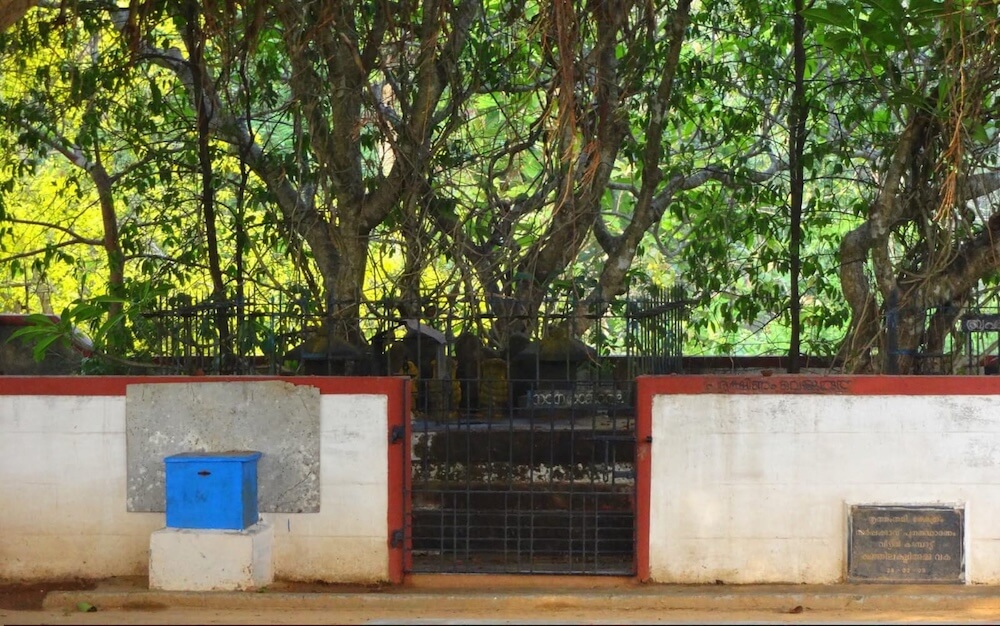 Tritham Tali is believed to be the sacred place where Parashurama personally discovered and consecrated the shrine on the southern bank of the Bharathapuzha (Nila) River. Devotees believe that the temple is laid out to represent Lord Shiva and Goddess Parvathi together in the same manner as they are believed to reside on Mount Kailash and that worshipping here is especially beneficial for family harmony and a happy married life. The name Tritham Tali is believed to have been derived from the words Thiru-Akam-Thali. In ancient Kerala, the term Thali referred to temples that served as important administrative centres for kings or leading Brahmin families.
 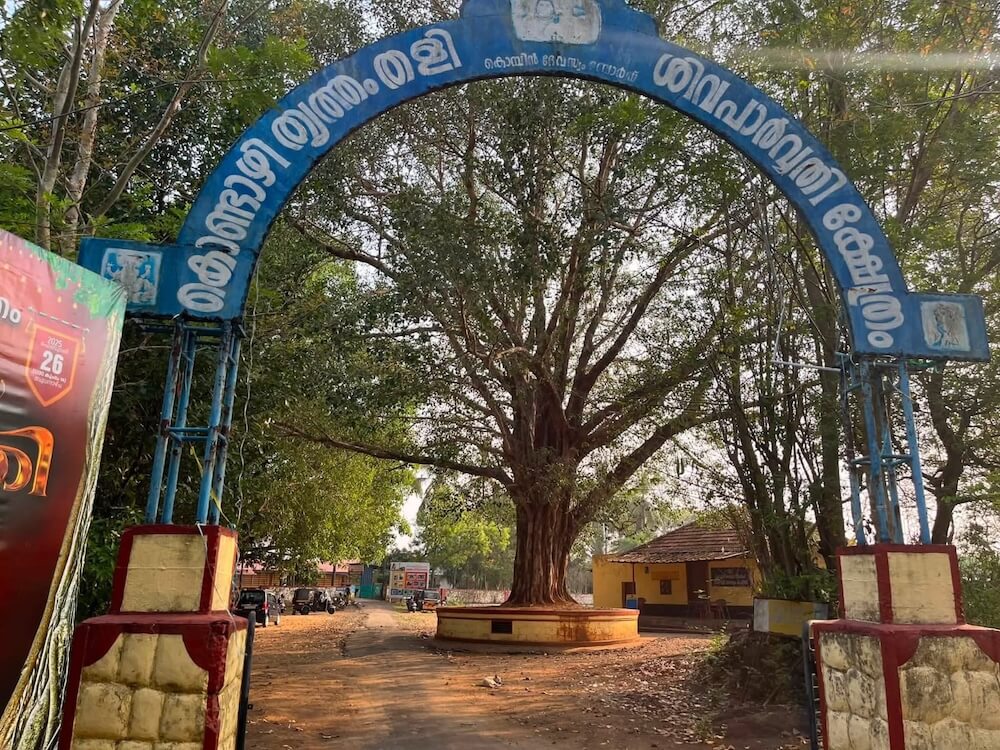 The name is also believed to reflect the special importance and respect given to this temple by the Chera kings.
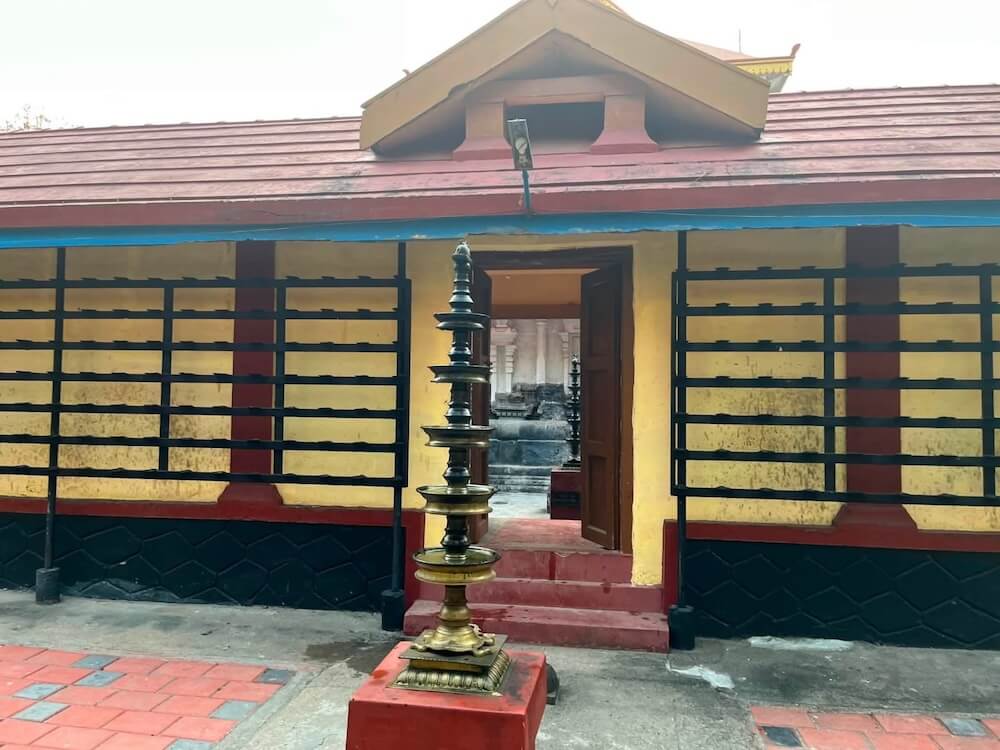
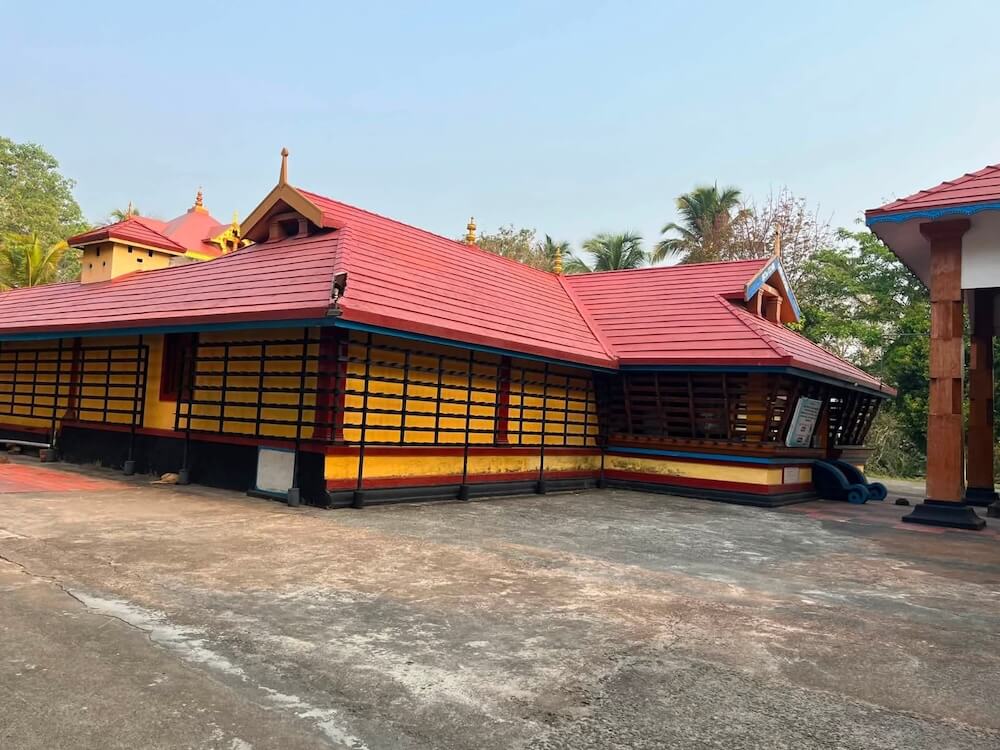
As the temple is situated on the banks of the Gayathripuzha River, the surroundings are lush with greenery and large banyan trees. The temple is enclosed by massive laterite stone walls that resemble a fort. The main entrance is through a traditional Padippura (gateway). The original Gopurams were destroyed during Tipu Sultan’s invasion and the smaller Padippuras seen today were built during the restoration. Outside the temple are the remains of the old Oottupura (dining hall) and the temple office. After passing through the Padippura, visitors enter a spacious Balipura (hall containing the Balipeetam) and a large elephant shelter. Beyond this, within a single Nalambalam (inner courtyard),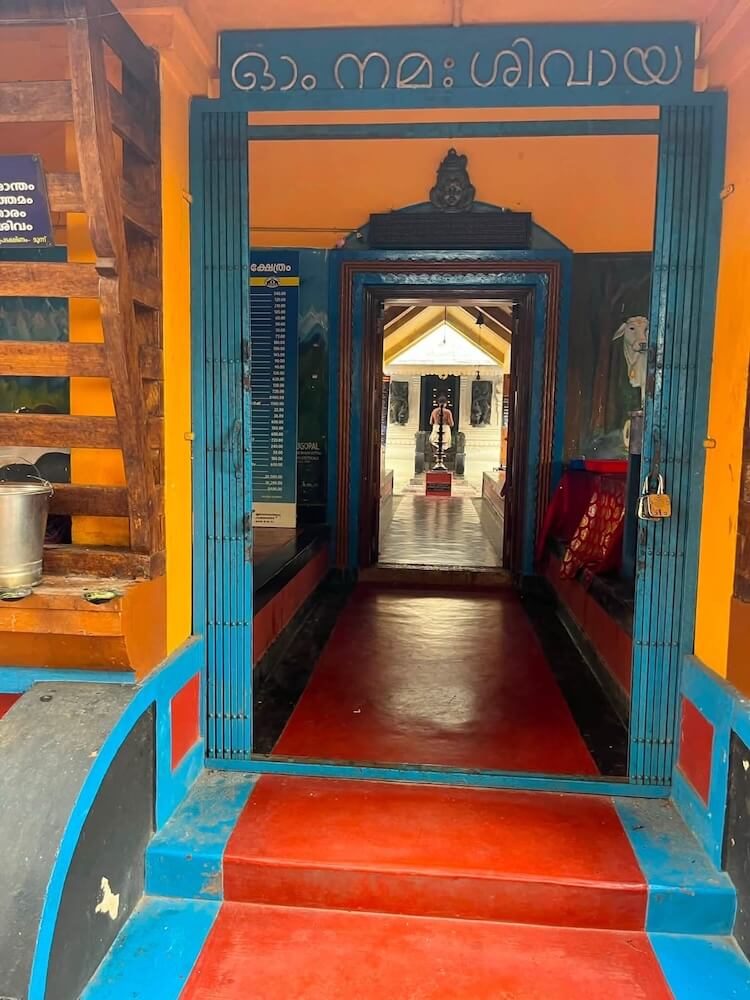 stand two separate Sreekovils dedicated to Lord Shiva and Goddess Parvathi, which form the temple’s most distinctive architectural feature.
The main attraction of the temple is the two separate Sreekovils of Lord Shiva and Goddess Parvathi, situated within the same Nalambalam (inner courtyard). The Sreekovil of Lord Shiva, on the southern side, is a two-tiered square structure with a beautiful Namaskara Mandapam in front. The Sreekovil of Goddess Parvathi, on the northern side, is a single-tiered circular structure, giving the two shrines distinctly different architectural styles. Unlike the Shiva Sreekovil, it does not have a Namaskara Mandapam. The base of both Sreekovils is built of granite, while the walls are constructed of laterite stone. Their roofs are covered with copper sheets and the Sopanam steps feature finely carved Vyali motifs in granite, reflecting the traditional craftsmanship of Kerala temple architecture. The Shiva Sreekovil houses a granite Shiva Linga, believed to be Swayambhu (self-manifested). Devotees believe that Lord Shiva is enshrined here in a calm and joyful form, carrying a Thalappoli to marry Goddess Parvathi. The Parvathi Sreekovil enshrines a four-armed stone idol of the Goddess, worshipped in the form of Swayamvara Parvathi, performing penance to obtain Lord Shiva as her husband. For this reason, devotees especially pray here for marital harmony and the early removal of obstacles to marriage.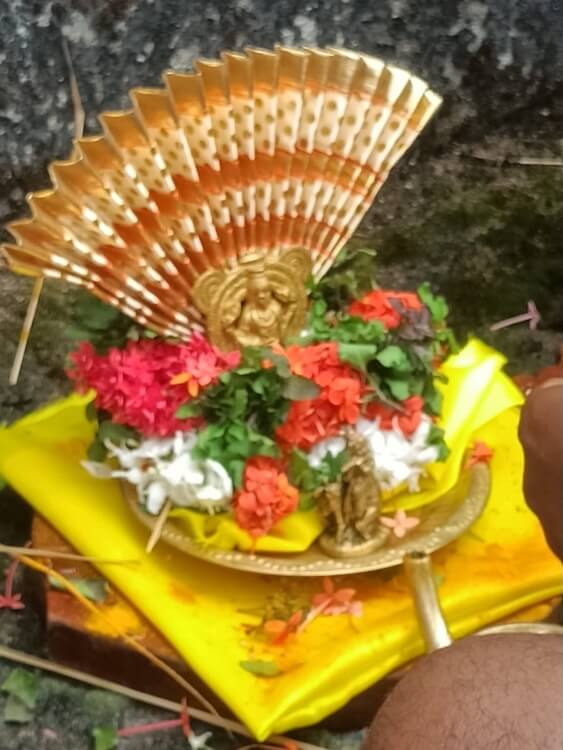
In addition to the main Sreekovils, the temple has several other deities. Within the Nalambalam, Lord Ganesha is enshrined in the south-west corner (Kannimoola) of the Shiva Sreekovil, facing east. Along the outer circumambulatory path, Lord Sastha (Ayyappa) is enshrined in a separate Sreekovil on the south-west side, while Lord Subrahmanya is enshrined on the western side, behind the main Sreekovils. On the north-west corner, Lord Mahavishnu is enshrined in a separate Sreekovil facing east, with a shrine of Lord Hanuman nearby. Goddess Bhadrakali is enshrined on a separate pedestal on the northern side and the Navagrahas are installed in the north-east corner (Eshana Konam). Outside the temple enclosure, on the north-west side, the Naga Thara houses the idols of Nagaraja and Nagayakshi.
The main annual festival of the temple is the Kodiyettam festival, celebrated during the Malayalam month of Meenam (March–April) and lasting for 8 to 10 days. The main rituals include Shuddha Kalasam, Pallivetta and Arattu, performed under the guidance of the temple Thantri. Special poojas and cultural programmes are also held during the festival. As this is a twin temple where Lord Shiva and Goddess Parvathi are given equal importance, the important occasions associated with both deities are observed here. Maha Shivaratri, celebrated in the Malayalam month of Kumbham (February–March), is one of the temple’s major festivals. 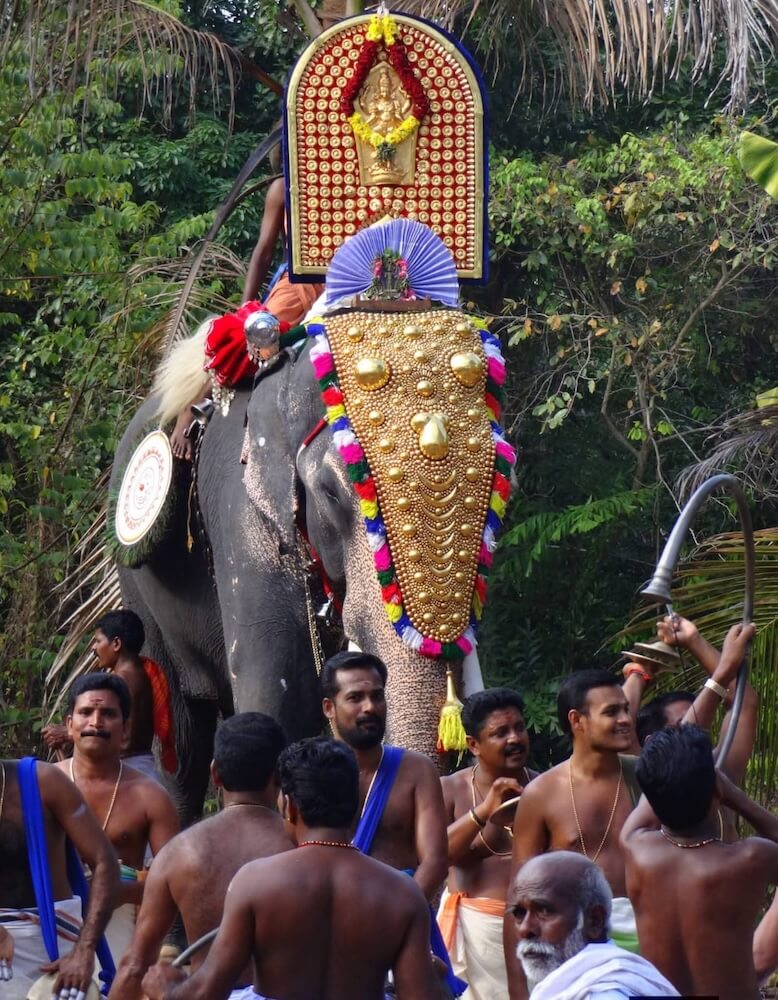 On this day, the temple remains open throughout the night and special rituals such as Yama Pooja, Laksharchana and Dhara are performed. Navaratri, observed during the month of Kanni (September–October), is an important festival dedicated to Goddess Parvathi and many children come to the temple for the Vidyarambham ceremony. On Thiruvathira in the month of Dhanu (December–January), special poojas are offered to both Lord Shiva and Goddess Parvathi. During the Mandala season, from the 1st of Vrischikam to the 11th of Dhanu, the temple receives a large number of devotees and special lamps and poojas are offered to Lord Sastha (Ayyappa). The important monthly observances include Muppettu Thingalazhcha (the first Monday of every Malayalam month), Pradosham and Pournami. On Pradosham, special poojas and the Pradosha Nritha Vilakku ritual are conducted for Lord Shiva, while on Pournami, special Pushpanjali and Payasam Nivedyam are offered to Goddess Parvathi.
Various offerings are made at the temple to Lord Shiva, Goddess Parvathi and the other deities. The main offerings to Goddess Parvathi include Swayamvara Pushpanjali for the early removal of obstacles to marriage, Pattu Charthal (offering of silk cloth) for family prosperity and the fulfilment of wishes, 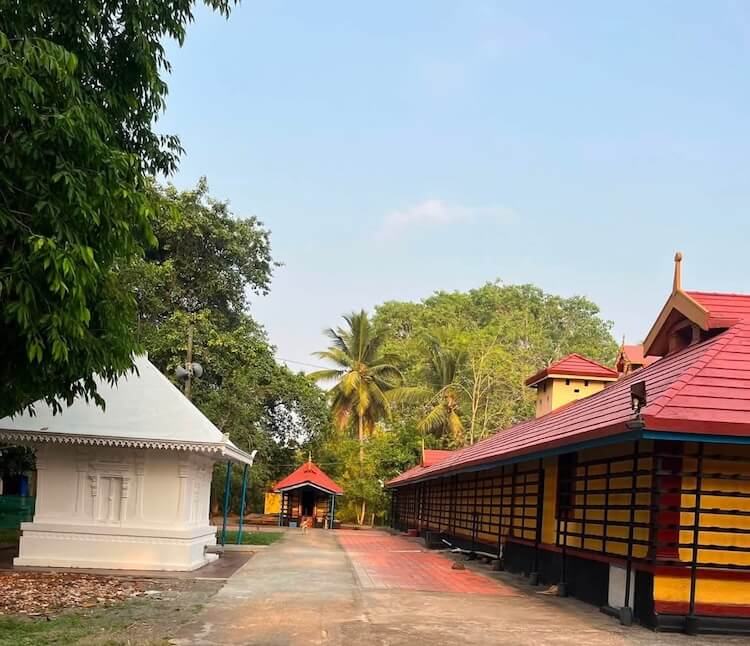 Mangalya Sutra Samarppanam, Kadumpayasam and Neypayasam. The principal offerings to Lord Shiva include Dhara (water libation), offering a Koovalam garland, Pinvilakku and Umamaheshwara Pooja. Devotees perform these offerings for the removal of difficulties, peace of mind and marital harmony. Dhara is especially important on Maha Shivaratri and Pradosham. Among the other deities, Ganapathi Homam and Appam Moodal are offered to Lord Ganesha, Neeranjanam and Elluthiri to Lord Sastha, Palabhishekam and Panchamrithabhishekam to Lord Subrahmanya and Ayilya Pooja and Palum Mootum to the Naga deities.
The temple opens daily at 5:00 am with the Palliyunarthal ritual. Nirmalya Darshan is at 5:05 am, followed by Abhishekam and Malar Nivedyam at 5:30 am, Usha Pooja at 6:15 am, Ethirettu Pooja at 7:00 am, Pantheeradi Pooja at 8:15 am and Ucha Pooja at 10:00 am. The temple closes at 10:30 am. It reopens at 5:00 pm, followed by Deeparadhana at sunset and Athazha Pooja at 7:15 pm, before closing for the day at 7:30 pm. On Maha Shivaratri, monthly Pradosham days, Mondays and during the annual festival in the Malayalam month of Meenam, special poojas and Abhishekams are conducted, so the pooja schedule and closing times may vary. On Maha Shivaratri, the temple remains open throughout the night until dawn for the four Yama Poojas.
Key highlight :-
- Located about 10 km from Pazhayannur, 14 km from Shoranur and 16 km from Ottapalam.
- The nearest railway station is Shoranur Railway Station, about 14 km away.
- KSRTC and local bus services are available from Shoranur, Ottapalam and Thrissur.
- Private vehicles can be parked in the temple parking area.
- Accommodation and food facilities are available in the nearby towns.
मंदिरे
Temples
मंदिर
-
अशोकेश्वरम श्री महादेवाचे मंदिर वडक्के चिरा, जि. त्रिशूर.
अधिक माहितीAshokeshwaram Sree Mahadeva Temple Vadakke Chira, Dist. Thrissur.
View Detailsअशोकेश्वरम श्री महादेव मंदिर वडक्के चिरा, जिला. त्रिशूर.
विवरण देखें -
अवित्तथुर महादेवाचे मंदिर अवित्तथूर, इरिंजलकुडा, जि. त्रिशूर
अधिक माहितीAvittathur Mahadeva Temple Avittathur, Irinjalakuda, Dist. Thrissur
View Detailsअवित्तथुर महादेव मंदिर अवित्तथुर, इरिंजलाकुडा, जिला। त्रिशूर
विवरण देखें -
कल्लुरथलै श्रीकृष्ण भगवती क्षेत्रम कंदनसेरी, जि. त्रिशूर.
अधिक माहितीKallurthalai Sree Krishna Bhagavathy Kshethram Kandanassery, Dist. Thrissur.
View Detailsकल्लूरथलाई श्री कृष्ण भगवती क्षेत्रम कंदनास्सेरी, जिला. त्रिशूर.
विवरण देखें