
अवित्तथुर महादेवाचे मंदिर
अवित्तथूर, इरिंजलकुडा, जि. त्रिशूर
Avittathur Mahadeva Temple
Avittathur, Irinjalakuda, Dist. Thrissur
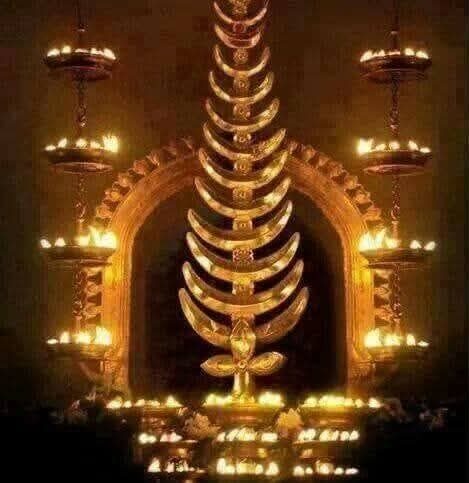 Located in the beautiful village of Avittathur, near Irinjalakuda in Thrissur district, the Avittathur Mahadeva Temple is a sacred place where history and legend come together. This ancient temple, with a history spanning many centuries, is believed to have been consecrated by Parashurama, while Sage Agastya is said to have organised its rituals and worship practices. The temple is one of the well-known temples among Kerala’s famous 108 Shiva temples and is admired for its traditional architecture and historical importance.
One of the most important features of the Avittathur Mahadeva Temple is the historic Vattezhuthu inscriptions dating back to the reign of the Chera king Kotha Ravi, around AD 937. These inscriptions highlight the historical importance of Avittathur, which was one of the 64 ancient Brahmin villages of Kerala. Carved on both sides of the sanctum entrance, the inscriptions record decisions taken by the temple governing body of that period, known as the Pothuval, along with the twenty-seven local trustees (Ooralans) of Avittathur.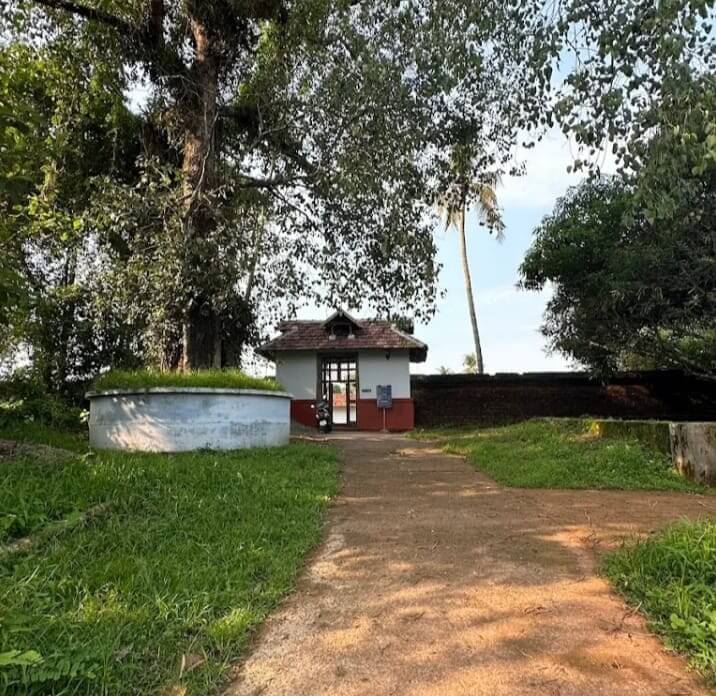 These records show that the temple has a documented history of more than a thousand years. The temple was once under the control of the local Ooralans, but after the Land Reforms Act of 1963, its administration came under the Sivakshethra Samithi, a committee formed by local residents. In recognition of its rare circular Chera architectural style and valuable historical inscriptions, the Archaeological Survey of India (ASI) has declared the temple a centrally protected monument and continues to preserve it.
According to local legend connected with the story of Kerala’s origin, the Avittathur Mahadeva Temple is one of the important Shiva temples established by Parashurama. It is believed that, although Parashurama consecrated the deity, Sage Agastya later rebuilt the temple in its present form and established its daily rituals and customs. Local tradition also holds that the sage performed a great yajna here, and that the mound seen near the temple is the remains of its ancient sacrificial fire altar. According to legend, the area was originally known as “Agastyathripadoor”, meaning the village touched by the feet of Sage Agastya. 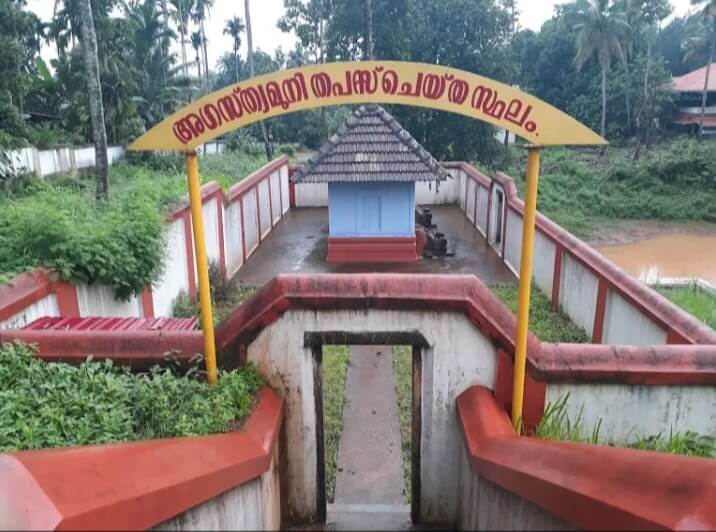 Over time, the name is believed to have changed to “Agastyaputhur” and later evolved into the present name, “Avittathur”. The Shiva deity enshrined here is also believed to represent Kiratha Moorthy, the fierce hunter form of Lord Shiva.
Entering through the temple’s main western gateway, visitors first see a spacious entrance hall supported by large pillars. The temple stands within an ancient walled enclosure covering about 3.25 acres. Near the entrance is an old sacrificial fire altar (homakundam), believed to be the site where Sage Agastya performed a yajna. Just before entering the nalambalam, there is a balikkalpura that houses a large sacrificial stone. Along the outer walls of the nalambalam, beautifully crafted wooden lamp galleries can be seen.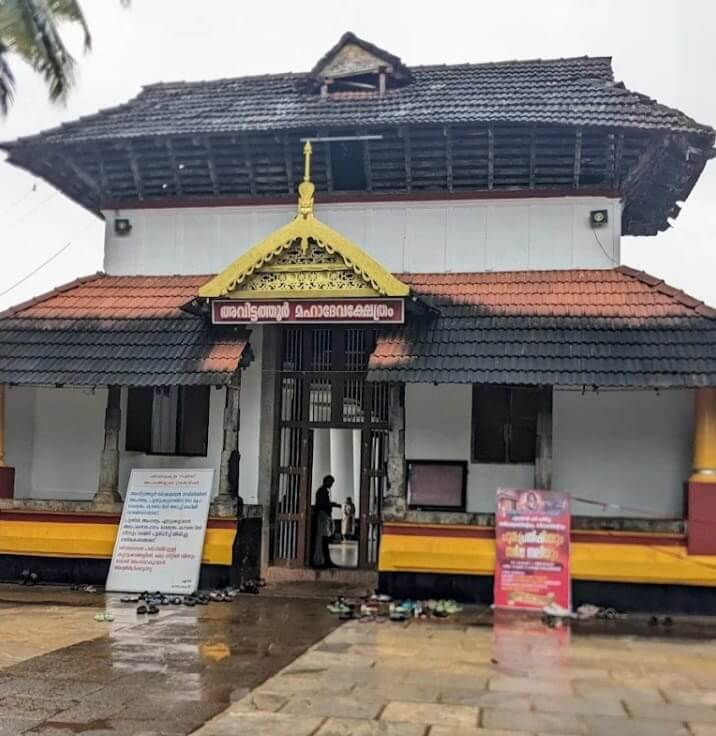
Inside, visitors will find a sixteen-pillared namaskara mandapam, whose wooden ceiling is decorated with finely carved scenes of the churning of the ocean (Paalazhi Mathanam) and the Navagrahas. A traditionally designed temple kitchen (Thidappally) is also located at the south-eastern corner of the nalambalam.
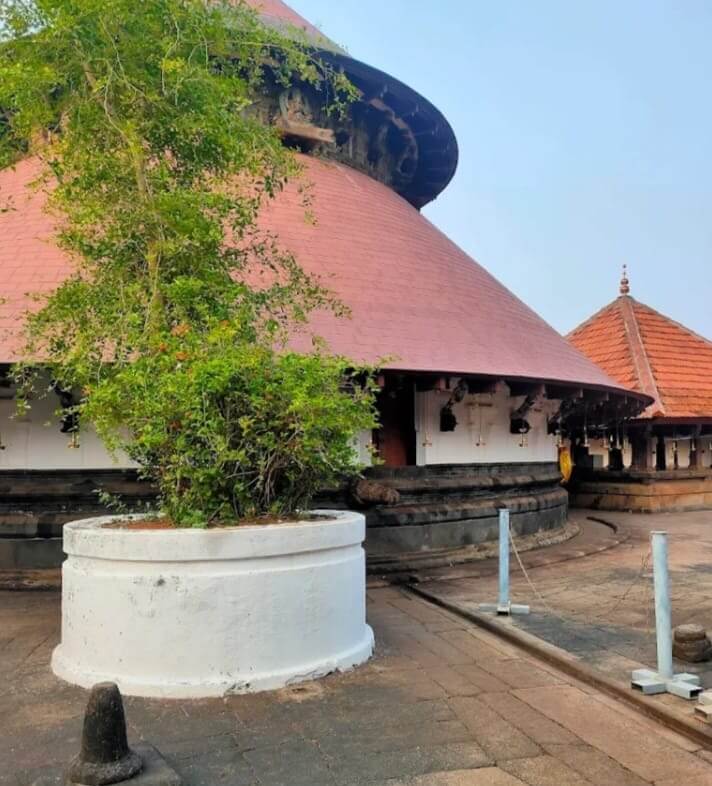
The main attraction of the temple is its large circular sanctum (Sreekovil), which is considered an excellent example of traditional Kerala architecture. The two-storeyed sanctum is roofed entirely with copper sheets and is built in the Sandhara style, allowing devotees to perform circumambulation around the sanctum. The steps of the Sreekovil feature carvings of mythical Vyali figures, while the water spout (Pranala) is decorated with Makara and lion motifs. Wooden panels on the outer walls depict scenes from the Kiratharjuneeyam, and the famous Vattezhuthu inscriptions dating back to AD 937 can be seen on either side of the sanctum entrance. 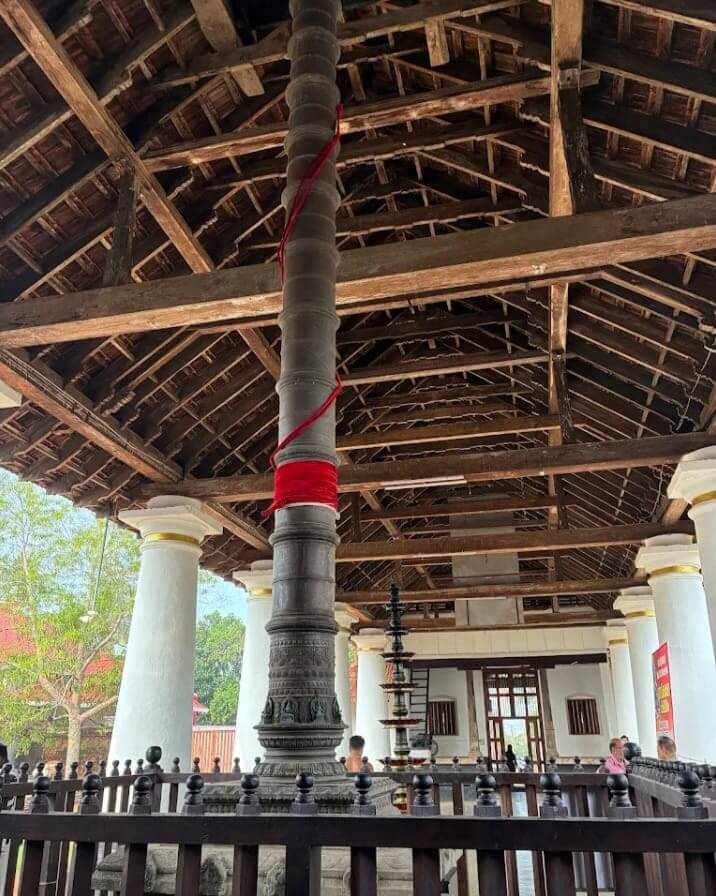 Another unique feature of the temple is the worship of the Shiva Linga in three different forms during the day: as Kiratha Moorthy in the morning, Dakshina Moorthy at noon and Uma Maheswara in the evening.
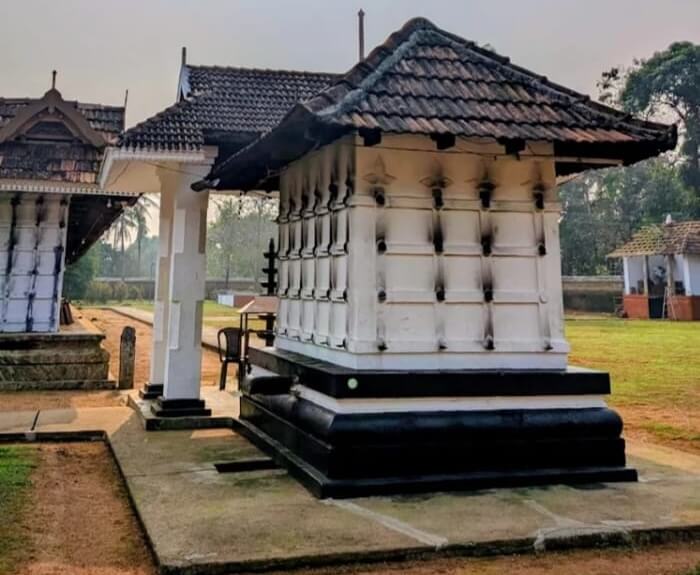
Apart from the main Shiva shrine, the temple complex also houses several sub-shrines. Lord Ganesha is enshrined inside the nalambalam at the south-western corner, facing east. Lord Dharma Sastha (Ayyappa) is installed on a separate platform outside the nalambalam on the south-western side. In addition, a shrine dedicated to Sree Muneeswaran in the form of a Shiva Linga can also be seen within the temple premises.
The main annual festival of the temple is the ten-day Thiruvutsavam, celebrated during the Malayalam months of Dhanu and Makaram (December–January). Maha Shivaratri is one of the most important observances at the temple. On this day, special rituals such as Laksharchana, abhishekams and Yama Poojas are conducted and devotees are allowed to have darshan throughout the night. Pradosham, observed twice every month, is also celebrated with great devotion and importance.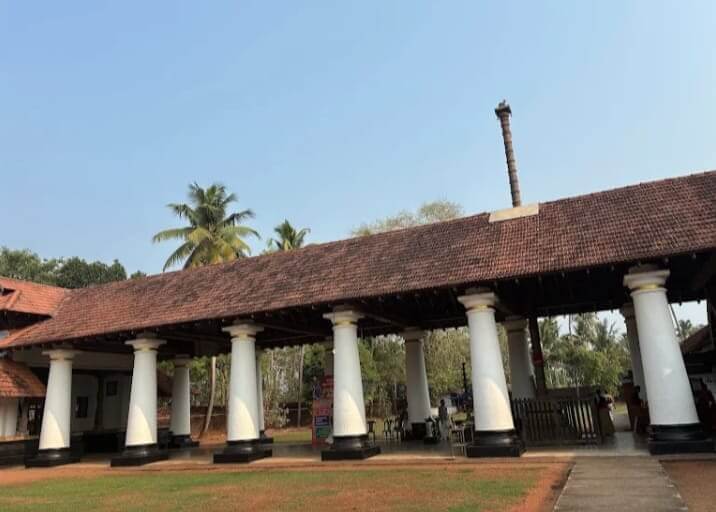 Other major observances include Thiruvathira in the month of Dhanu and the Navaratri festival, during which special poojas and offerings are performed.
Among the main offerings at the temple, Dhara, Rudra Dhara, Mrityunjaya Homam, Koovalam Mala and Pushpanjali hold special significance. Devotees perform these offerings with devotion, seeking good health, long life, relief from illnesses and peace of mind. Offerings such as Vella Nivedyam, Thrimadhuram, Palpayasam, Neypayasam and Sarkara Payasam are also made to Lord Mahadeva. Vedi Vazhipadu (ritual firecracker offering) is performed by devotees praying for the removal of obstacles and difficulties in life. Among the other deities, Ganapathi Homam, Karuka Mala and Appam Moodal are commonly offered to Lord Ganesha, while Ellu Vilakku, Neeranjanam and Neyyilakkam are popular offerings made to Lord Dharma Sastha.
Daily rituals at the temple begin at 05:00 AM with the opening of the sanctum. This is followed by Nirmalyam, Abhishekam, Malar Nivedyam, Usha Pooja, Ethirettu Pooja and Pantheeradi Pooja. The morning rituals conclude with the Ucha Pooja at 10:00 AM and the temple closes at 10:30 AM. The temple reopens at 05:30 PM for evening worship, followed by Deeparadhana and Athazha Pooja. The day’s rituals conclude with the closing of the temple at 07:30 PM.
Key highlight :-
- Located 5 km from Irinjalakuda, 16 km from Chalakudy and 26 km from Thrissur.
- Chalakudy Railway Station is the nearest railway station, about 10 km from the temple.
- Regular local bus services are available from Thrissur to Avittathur.
- Parking facilities are available for visitors at the temple.
- Accommodation and dining facilities are available in the nearby town.
अवित्तथुर महादेव मंदिर
अवित्तथुर, इरिंजलाकुडा, जिला। त्रिशूर
मंदिरे
Temples
मंदिर
-
अधिक माहिती
Kondazhy Tritham Tali Siva Temple Kondazhy, Thalappilly, Dist. Thrissur.
View Detailsविवरण देखें -
अशोकेश्वरम श्री महादेवाचे मंदिर वडक्के चिरा, जि. त्रिशूर.
अधिक माहितीAshokeshwaram Sree Mahadeva Temple Vadakke Chira, Dist. Thrissur.
View Detailsअशोकेश्वरम श्री महादेव मंदिर वडक्के चिरा, जिला. त्रिशूर.
विवरण देखें -
कल्लुरथलै श्रीकृष्ण भगवती क्षेत्रम कंदनसेरी, जि. त्रिशूर.
अधिक माहितीKallurthalai Sree Krishna Bhagavathy Kshethram Kandanassery, Dist. Thrissur.
View Detailsकल्लूरथलाई श्री कृष्ण भगवती क्षेत्रम कंदनास्सेरी, जिला. त्रिशूर.
विवरण देखें