
भीमनाथ महादेव मंदिर
लिंबळी, ता. सोजित्रा, जि. आनंद
Bhimnath Mahadev Temple
Limbali, Tal. Sojitra, Dist. Anand
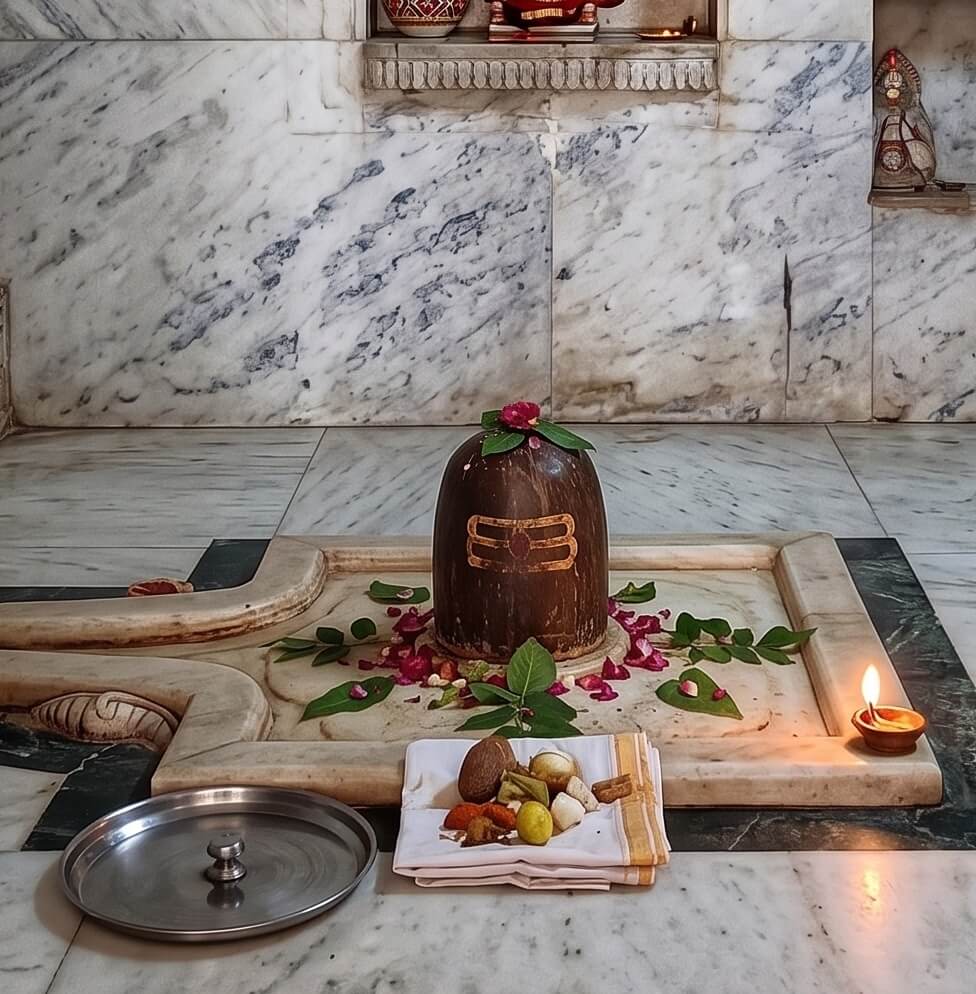 The origins of the Shaiva sect can be traced back to the pre-Aryan era. Evidence of the worship of Pashupati Mahadev (Lord of the Beasts) is found even within the Harappan civilisation. In the sacred texts of the Rigveda and Atharvaveda, Lord Mahadev is extolled through various appellations such as Rudra, Bhava, Sharva and Pashupati. Today’s Shaiva culture represents a unique confluence of indigenous Indian traditions and Aryan heritage. The period between the 4th and 6th centuries AD is considered the golden age for the expansion of this sect. As Lord Mahadev is frequently mentioned in the Ramayana and the Mahabharata, popular legends suggest that many Shiva temples across the country date back to those epic eras. The ancient Bhimnath Mahadev Temple at Limbali in Sojitra Taluka is considered a vital link in this rich spiritual tradition. Serving as a sanctified hub of faith in the Charotar region, the temple draws hundreds of devotees daily for Darshan (divine viewing).
Scholars estimate that this temple was likely constructed between the 12th and 13th centuries.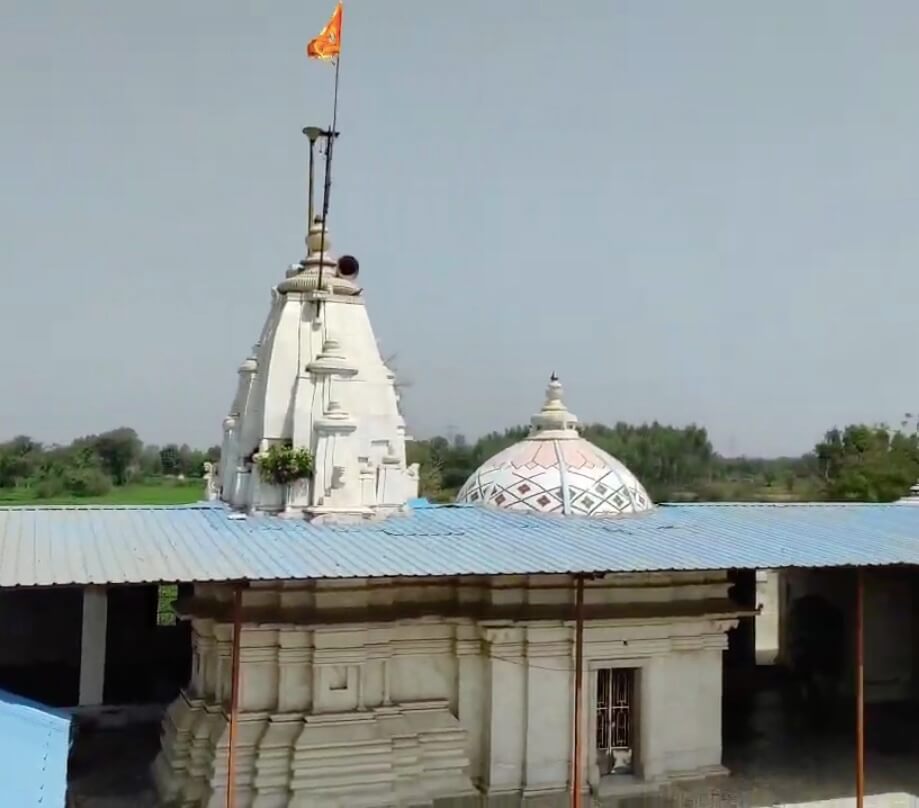 ₹aesaszdwa However, no written inscriptions or archaeological evidence currently exist to definitively establish its exact date of origin. Records indicate that the structure has undergone restoration five times to date. According to the temple’s legend, during their period of exile the Pandavas resided for a time in this dense forest region, which was the kingdom of the demon Hidimb. It was during this stay that the mighty Bhima consecrated a Shivalinga (an iconic representation of Shiva) at this spot. Consequently, the Shivpinda (the phallic symbol of Shiva) here is known by the name Bhimnath Mahadev.
 During their exile, a fierce battle ensued between Bhima and the demon Hidimb, in which Bhima emerged victorious and slew the demon. Subsequently, Hidimb’s sister, Hidimba proposed marriage to Bhima. Following the command of their mother, Kunti, the two were wed. In time, they were blessed with a powerful son named Ghatotkacha, who later fell a martyr on the battlefield of the Great Mahabharata War. Devotees believe that upon Ghatotkacha’s death, his body was divided into three parts. One part fell at Por Mukam near Vadodara, his torso at Limbali and his head in the village of Dethali. As a testament to this mythological event, a separate temple dedicated to Mata Hidimba stands a short distance from the Bhimnath Mahadev Temple.
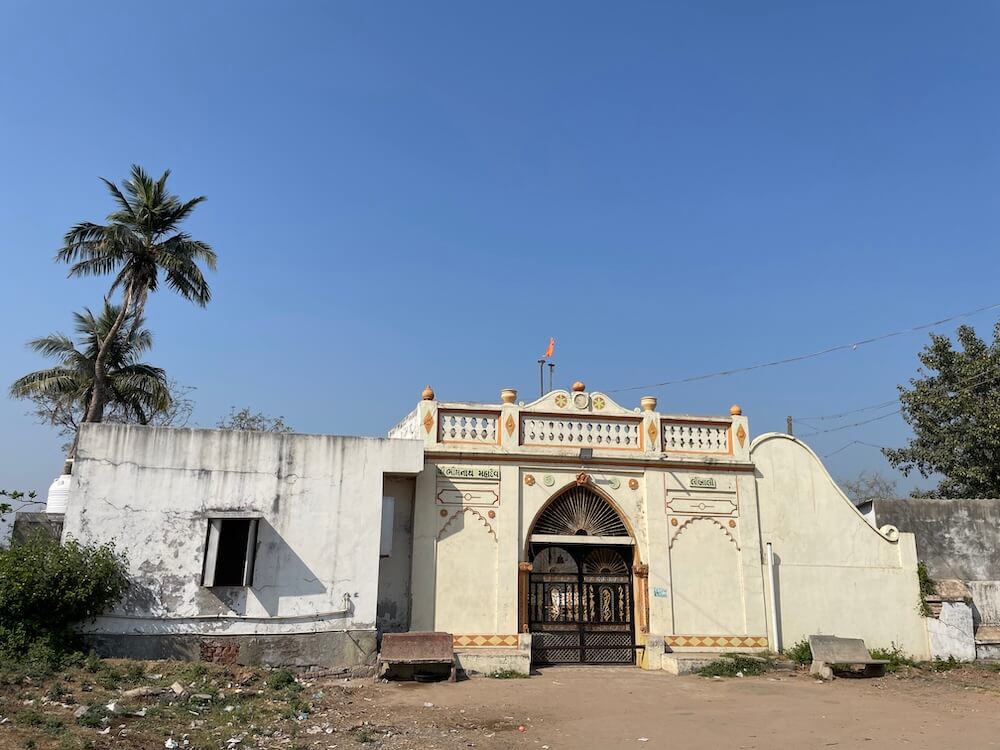
 The Bhimnath Mahadev temple, situated at the boundary of the village, is encircled by a protective rampart. Entry into the temple courtyard is gained through a grand gateway within these fortifications. Inside the gateway, chambers on either side were originally meant for guards. In the present day, these are utilised for performing Dharmik Vidhi (religious rituals), Anushthanas (prescribed observances) and Shantikarma (rituals for peace). Throughout the courtyard, seating is provided for devotees to rest. A Yajnakunda (sacrificial fire pit) situated in the centre hosts grand Yajnas (sacrificial rituals) during festival periods. There is a Otlo (cloisters or small rooms) built adjacent to the courtyard walls.
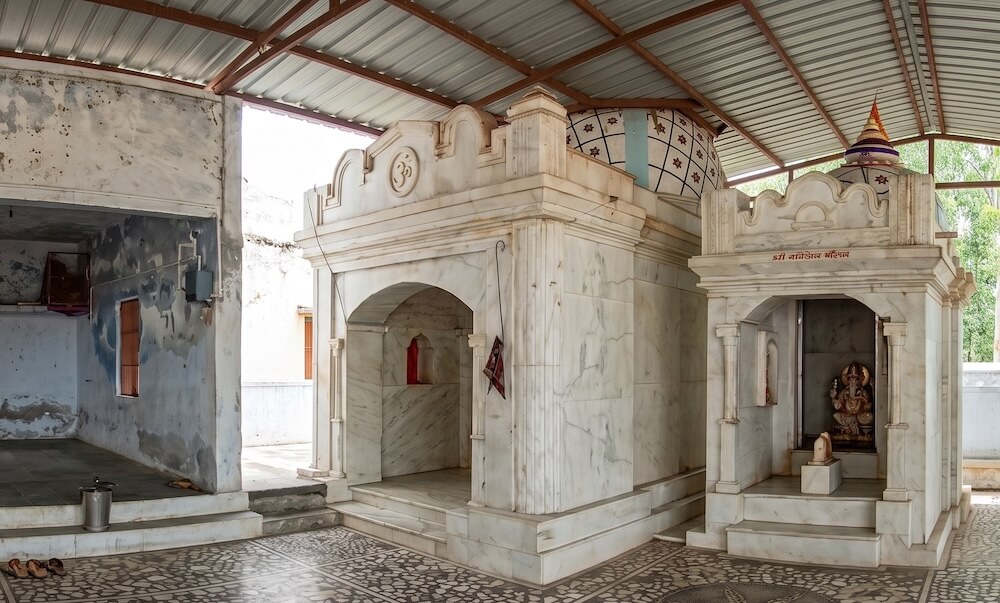
Within the courtyard, a small independent shrine houses a stone idol of Lord Ganesha upon a Vajrapitha (stone pedestal). This shrine is crowned with a dome-shaped Shikhara (spire) and a Kalasha (finial). Beside this sits the temple of Bholeshwar Mahadev, with a statue of Nandi facing its entrance. In the Garbhagriha (sanctum sanctorum) of the Bholeshwar temple, a Shivpinda is set into the floor, 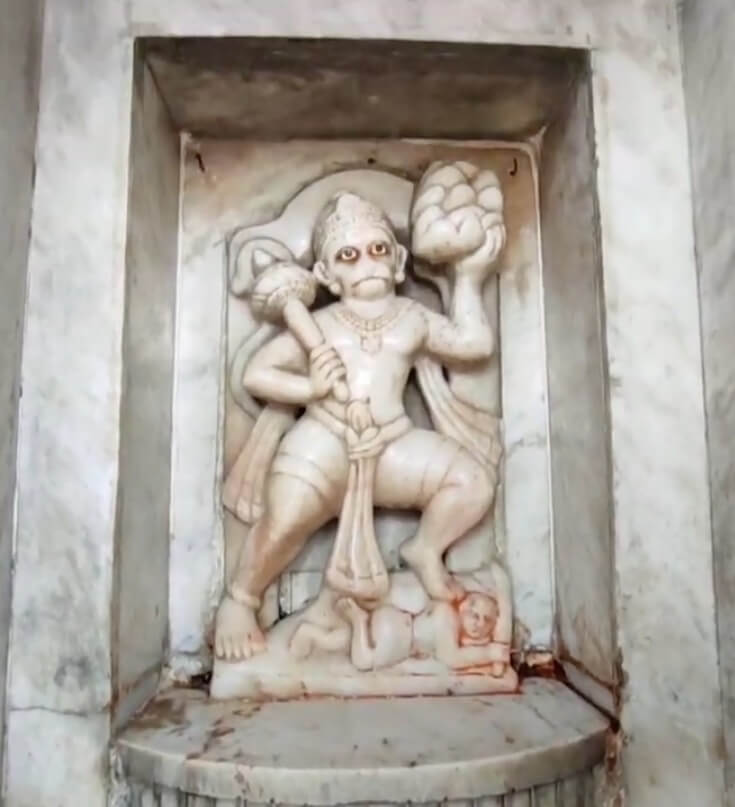 while niches in the walls house idols of Hanuman, Ganesha and Parvati. The primary Bhimnath Mahadev Temple is structured with a Sabhamandap (assembly hall), an Antarala (vestibule) and a Garbhagriha. The main entrance to the assembly hall features three artistic Dwarashakhas (doorframe layers) adorned with leaf, flower and pillar motifs. An idol of Ganesha resides upon the Lalatabimba (the central point of the lintel), flanked by statues of Dwarapalas (door guardians). Within the Sabhamandap, a Nandi idol encased in silver plating sits prominently upon a pedestal.
Near the front wall of the vestibule within the assembly hall, another Shivpinda is located on the right side. In the niches on either side of the vestibule entrance, marble idols of Ganesha and Hanuman are enshrined. The entrance to the inner sanctum is similarly flanked by guardians and a Ganesha sculpture on the lintel. The Garbhagriha is situated at a level slightly lower than the floor of the vestibule, requiring one to descend a few steps. At the centre of the sanctum lies the Shivalinga of Bhimnath Mahadev. An Abhishekpatra (vessel for ritual pouring) is suspended from the ceiling to maintain a continuous flow of water over it. 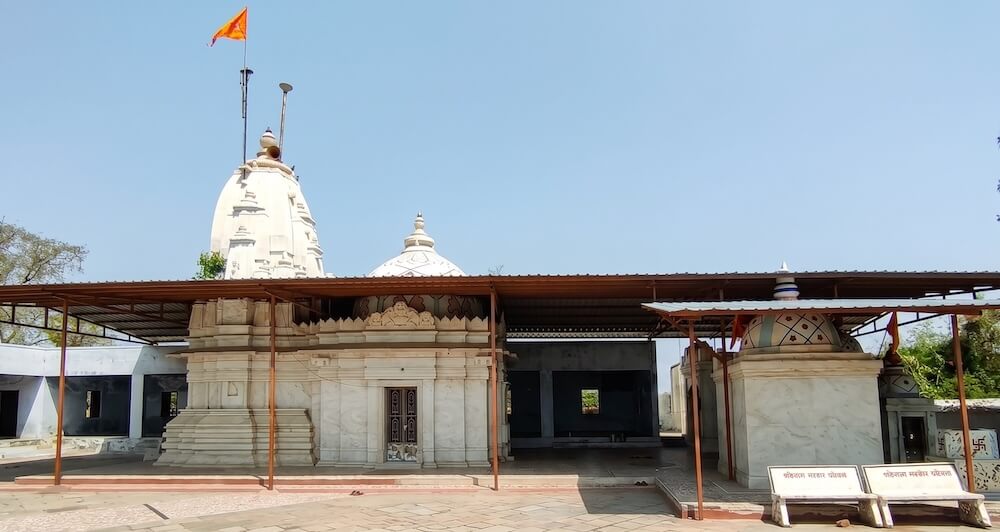 It is said that for a few days each year, the early morning sunbeams fall directly upon the Shivpinda, performing a celestial Abhishek (ritual bathing). An idol of Mata Parvati is seated within a niche in the rear wall of the sanctum. The roof of the assembly hall features a dome-shaped spire, while a tall, grand square Shikhara rises above the sanctum. This main spire is intricately carved with smaller Angashrungas (subsidiary spires) and half-Amalakas (ribbed stone disks) on all four sides, topped with a Kalasha.
Mahashivratri is the temple’s most significant annual festival. On this day, vast queues of devotees from Sojitra Taluka and the wider Anand district gather for Darshan. Additionally, every Monday of the month of Shravan, the temple is adorned with special illuminations. A grand fair lasting eight consecutive days, from Krishna Janmashtami to Amavasya (new moon), is celebrated in the vicinity. During the fair, the temple hosts continuous Bhajans, Kirtans and classical music performances. Furthermore, festivals such as Chaitra Navratri, Sharadiya Navratri, Dussehra and Diwali are celebrated in a traditional manner. To assist devotees during these festivities, the temple trust operates an extensive Annakshetra (charitable kitchen). Large numbers of pilgrims also visit on every Monday, Purnima (full moon) and Amavasya. The temple is open for devotees daily from 6 am to 8.30 pm.
Useful Information
- Located at 2 km from Sojitra and 28 km from Anand.
- State Transport (GSRTC) bus facilities available from Sojitra.
- Private vehicles can reach the temple parking area.
- Accommodation and breakfast facilities are available in the vicinity.
- Contact – Temple Office, Mob. 7698499745.
भीमनाथ महादेव मंदिर
लिम्बाली, ताल. सोजित्रा, जिला. आनंद
मंदिरे
Temples
मंदिर
-
मेलडी माता मंदिर मालताज, ता. सोजित्रा, जि. आनंद
अधिक माहितीMeldi Mata Temple Malataj, Tal. Sojitra, Dist. Anand
View Detailsमेलडी माता मंदिर मालताज, ताल. सोजित्रा, जिला. आनंद
विवरण देखें -
चंद्रमौलेश्वर महादेव मंदिर उमरेठ, ता. उमरेठ, जि. आनंद
अधिक माहितीChandramouleshwar Mahadev Temple Umreth, Tal. Umreth, Dist. Anand
View Detailsचंद्रमौलेश्वर महादेव मंदिर उमरेठ, तहसील उमरेठ, जिला आनंद
विवरण देखें -
नीलकंठेश्वर महादेव मंदिर बार बामणोली, ता. पेटलाद, जि. आनंद
अधिक माहितीNeelkantheshwar Mahadev Temple Bar Bamnoli, Tal. Petlad, Dist. Anand
View Detailsनीलकंठेश्वर महादेव मंदिर बार बामनोली, ताल. पेटलाड, जिला. आनंद
विवरण देखें