Located in Dabhoi, a prominent taluka center in Vadodara district, the Badrinarayan Temple is among the ancient pilgrimage sites of Gujarat. The town of Dabhoi was known in ancient times as Darbhavati, Darbhikagram and Darbhavatipura. With deep historical and cultural significance, this temple has been a devotional hub for over 750 years, attracting thousands of devotees daily. A major highlight here is the grand procession in the month of Ashadha, which draws large crowds from the city.
According to local legend, the idol of Badrinarayan was originally located in Badrinath, Uttarakhand, one of the four sacred dhams. In the 13th century, the region was part of the Garhwal kingdom, ruled by the Katyuri dynasty. 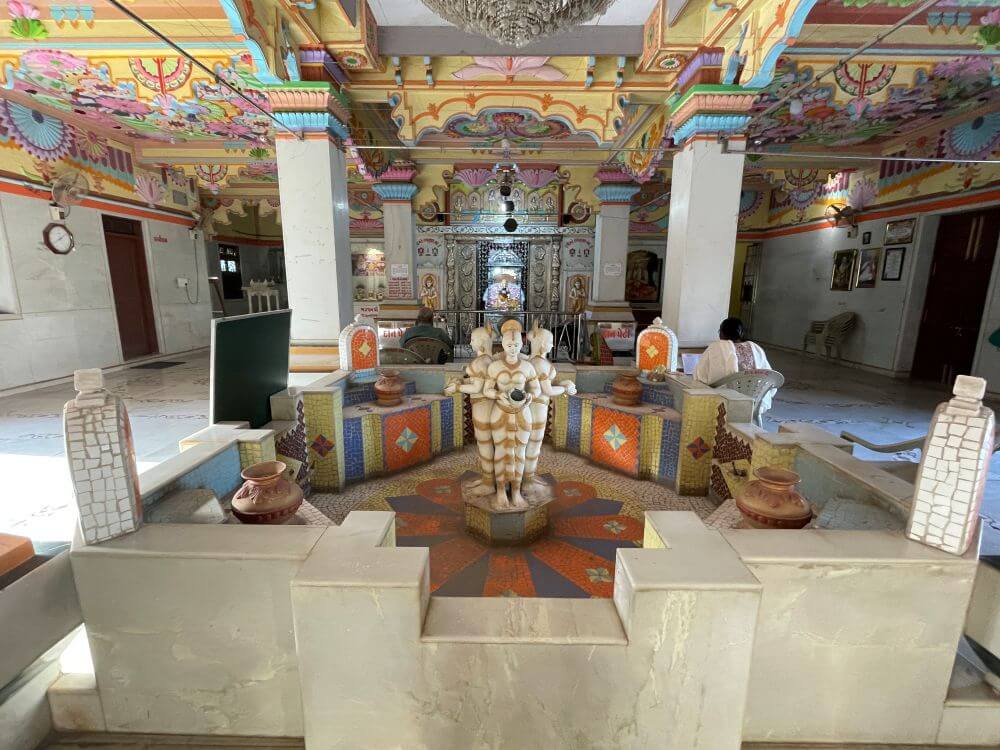 During this time, internal conflicts, rebellions and the invasions of Muhammad Ghori caused widspread chaos across North India. To protect the deity, the temple’s Mahant (chief priest), Swami Chaitanya, carried the idol in a Kawad (a ritual yoke used to carry sacred items) and traveled to Gujarat. At that time, King Vishaldev Vaghela ruled Gujarat. The Mahant requested to him that the idol be enshrined in Dabhoi Fort. However, following divine guidance, the idol was ultimately installed at its present location in Dabhoi.
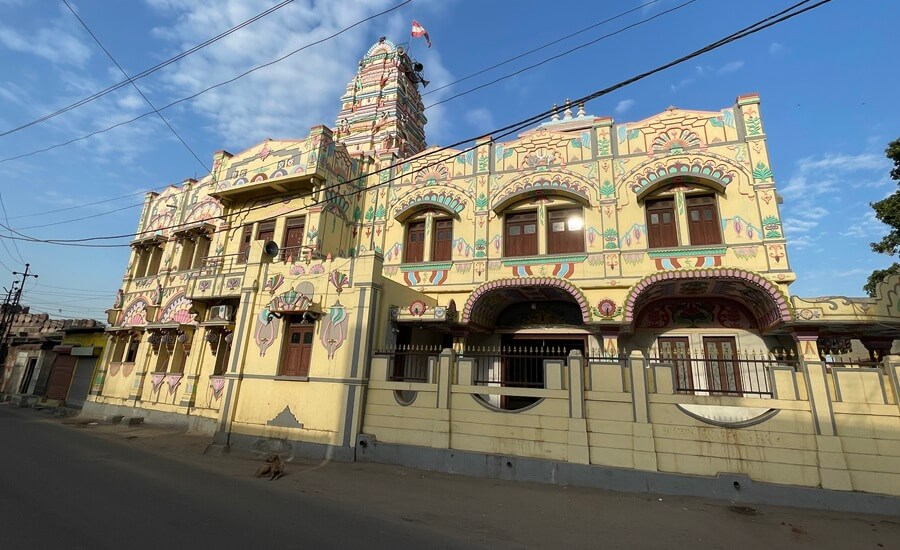
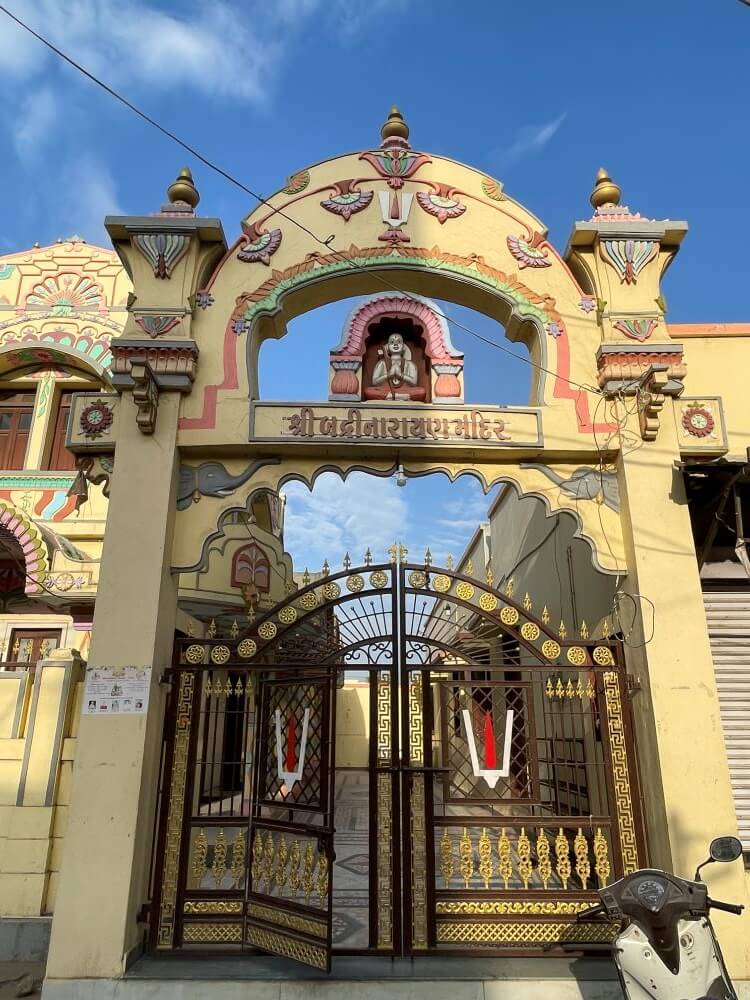
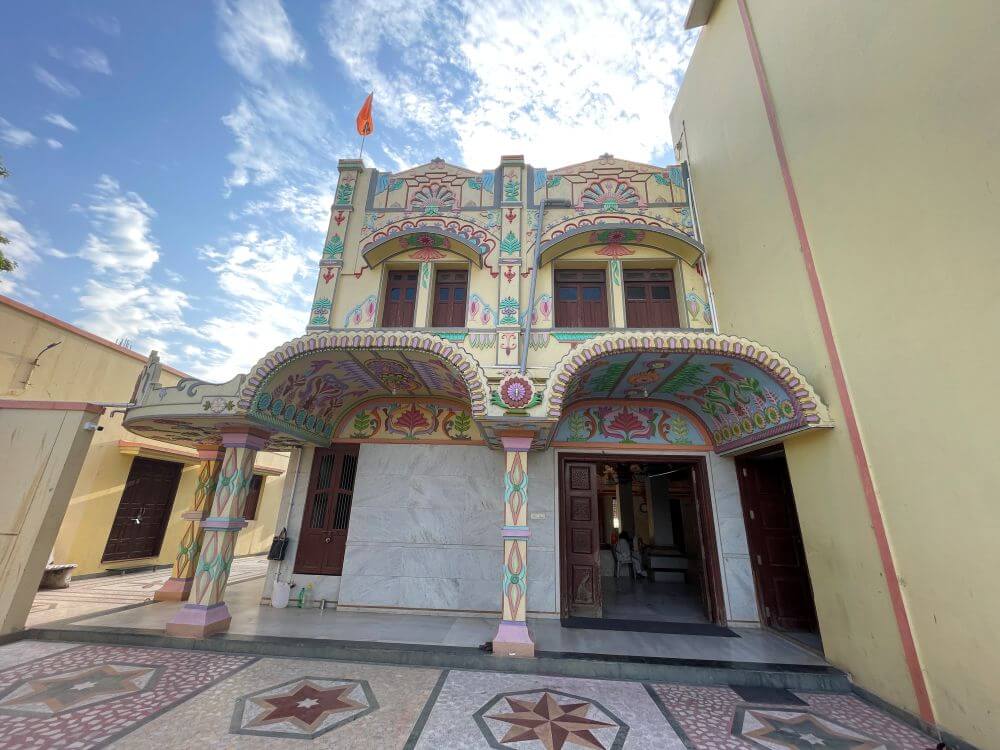
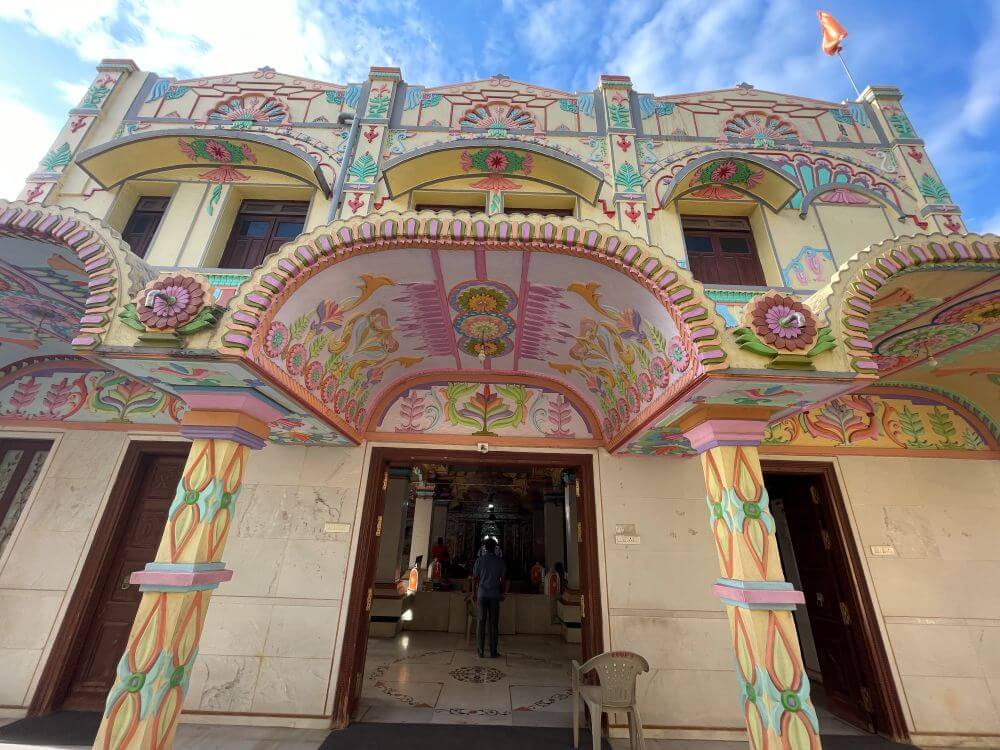
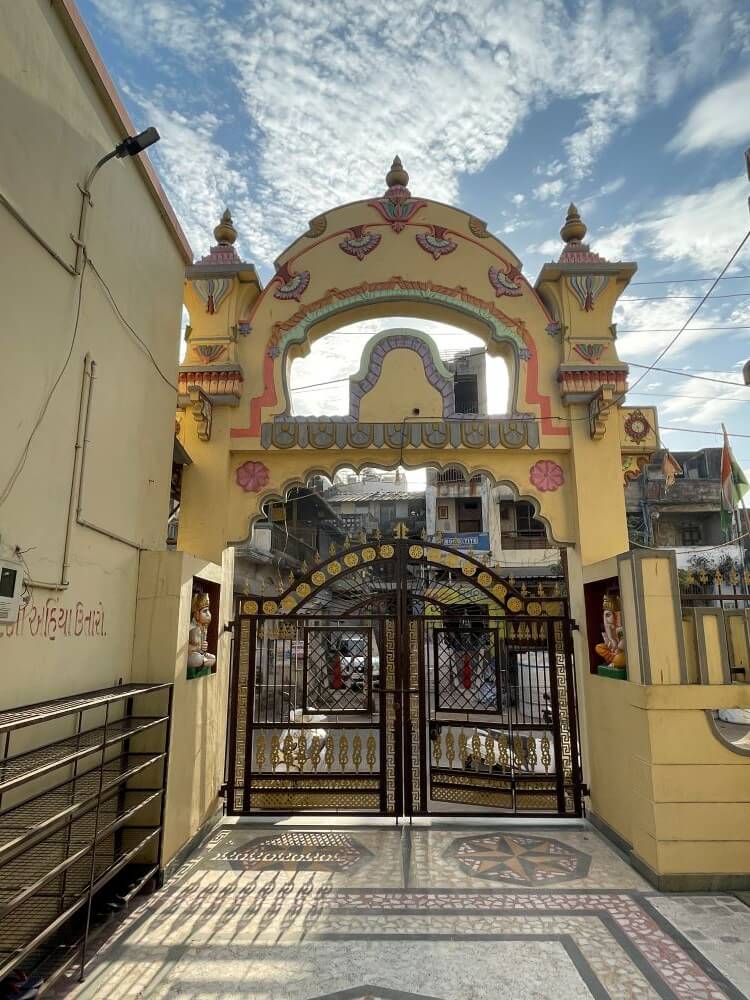
This ancient temple was renovated recently. The tall spire (shikhara) is intricately carved with sculptures of sages, godsand celestial beings. A two-storey entrance gate leads into the compact courtyard of the temple. Inside the entrance, small shrines on either side house idols of Lord Ganesha and Hanuman. 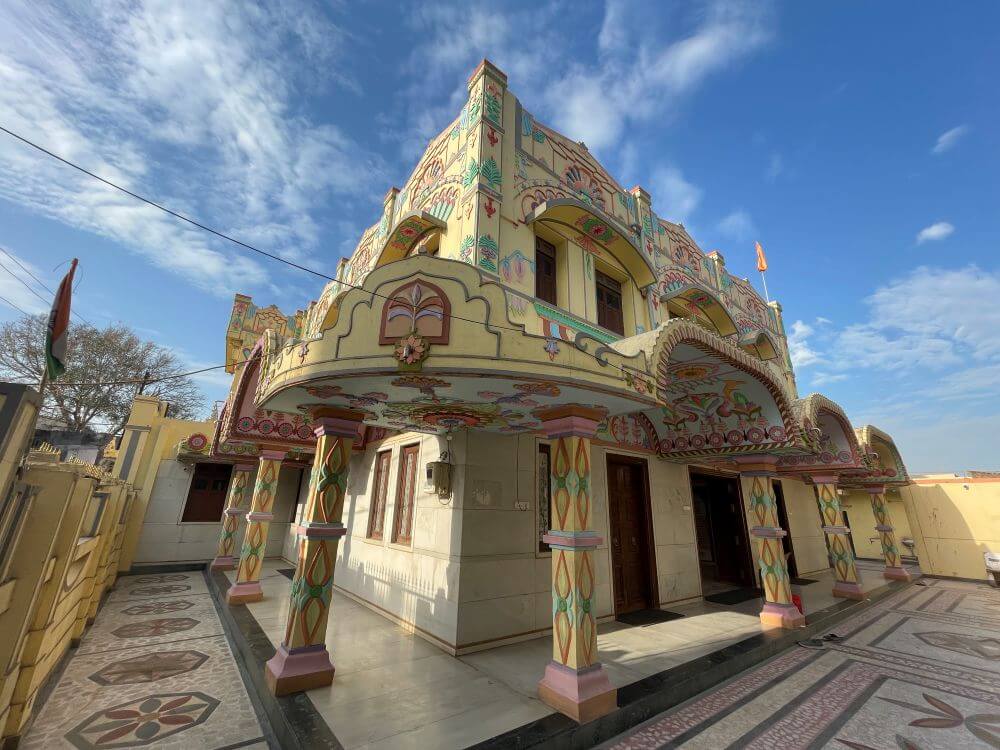 From the entrance to the temple’s spire, the structure features distinctive architectural carvings.
The ceiling of the main hall (sabhamandap) is decorated with colorful designs. The temple includes a spacious sabhamandap, a circumambulatory path (pradakshina marg) and an inner sanctum (garbhagriha).
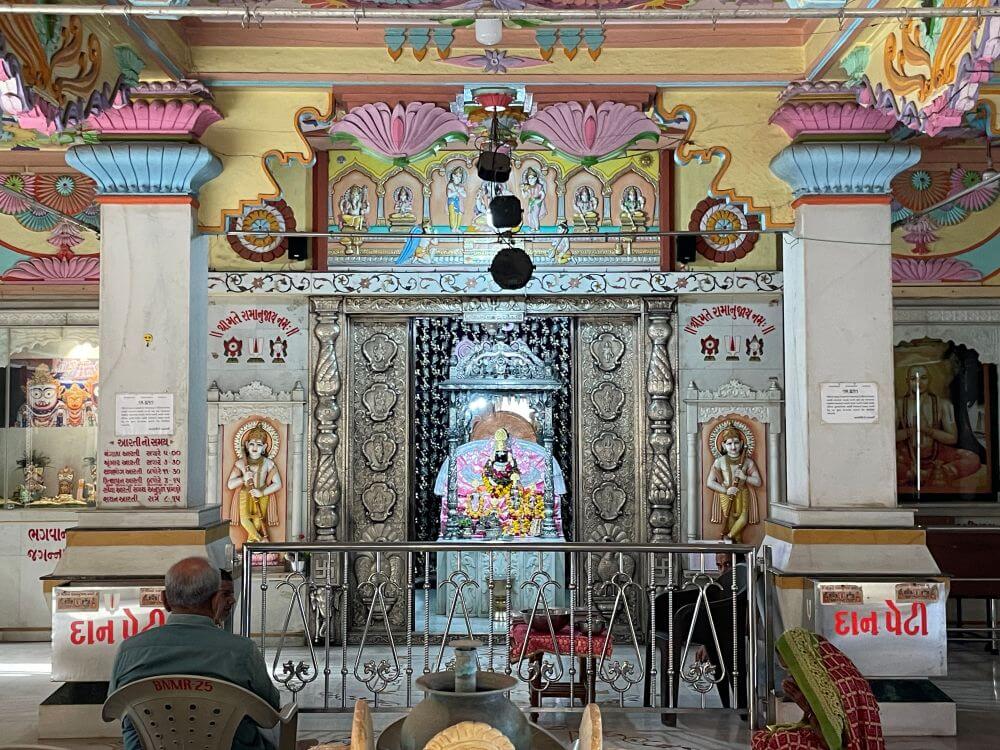
Upon entering the hall, there is a decorative fountain in the center, adorned with sculptures. A large chandelier above enhances the beauty of the space. The hall is supported by marble pillars with intricate carvings. On the left side near the sanctum, there are idols of Jagannath, Subhadra and Balram. On the right, there is a vermilion-smeared idol of Hanuman. 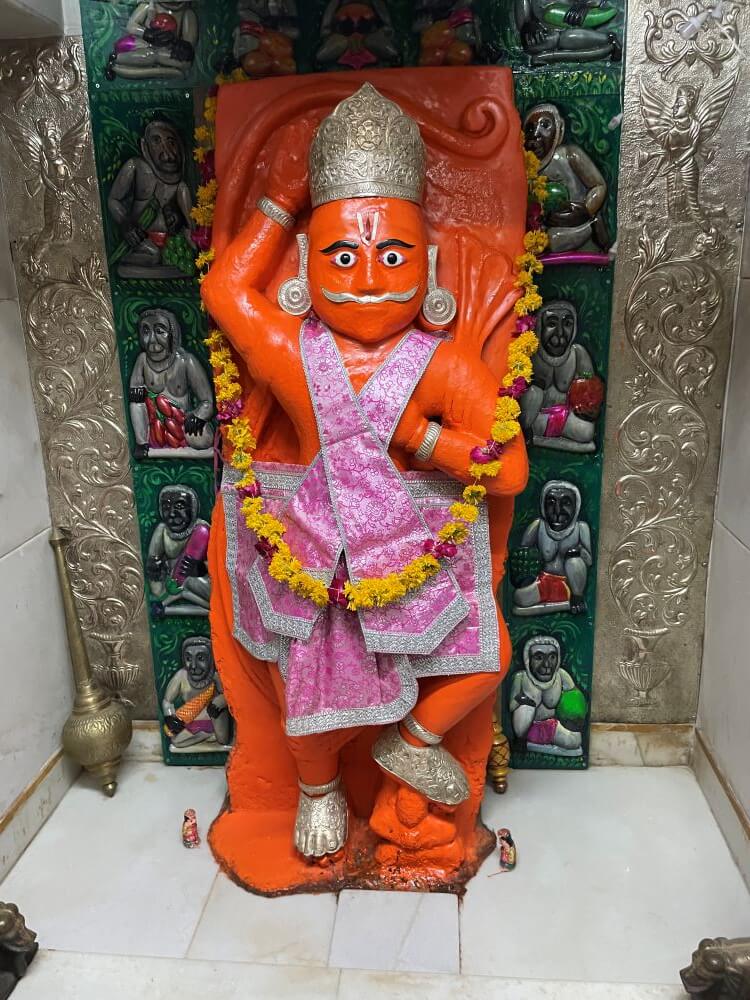 Flanking the sanctum entrance are two Dwarapalas (guardians).
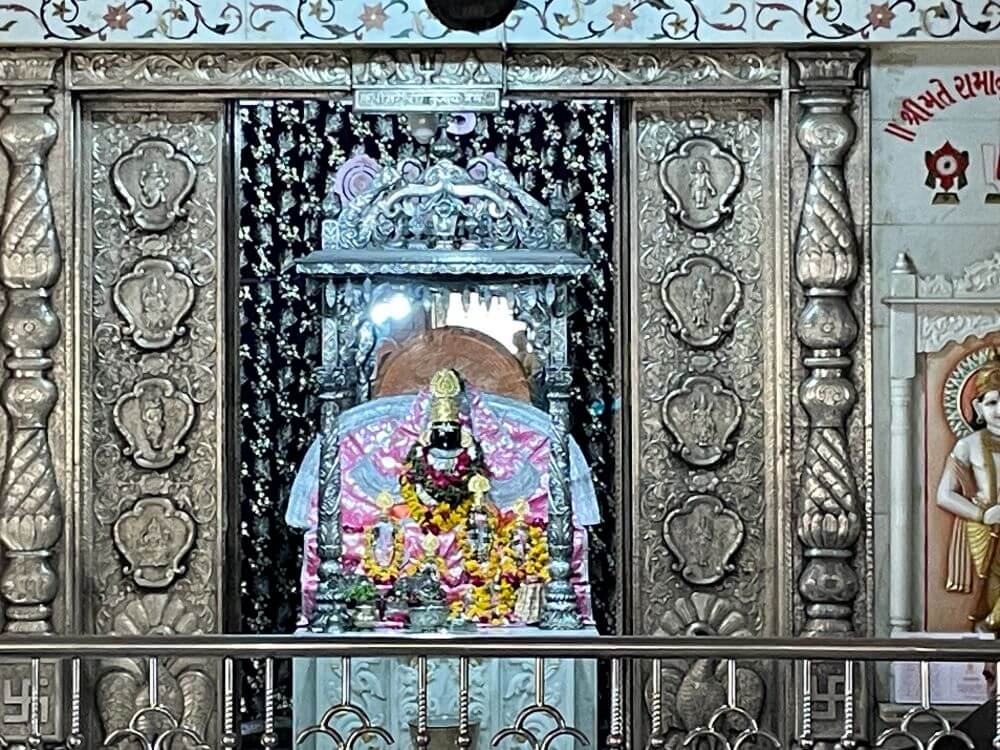
Inside the sancutm, the idol of Badrinarayan is carved from black marble and placed within a silver-plated ornate shrine. The beautifully adorned deity wears a silver crown and behind the idol is an intricately carved aura (prabhavali). Surrounding the main idol are smaller statues of Balram, Subhadra and other deities. The base of the pedestal is also elaborately decorated. The temple has a second-floor gallery that provides a view of the hall and sanctum below.
Several festivals are celebrated here with great enthusiasm, especially Guru Purnima and Ashadhi Bij (2nd day of the bright half of Ashadha month). On this day, a Rath Yatra (chariot procession) is organized, in which idols of Badrinarayan, Balram and Subhadra are placed in a silver chariot and paraded through the town. That morning, the idol is ceremonially bathed in a Sahasradhara abhishek (ritual with a thousand streams of water), followed by a grand maha aarti in the afternoon.
The chariot procession begins around 3:30 PM, moving through various parts of the town, with thousands of devotees participating. Along the route, many devotees have darshan (viewing) of the idols. The procession concludes near the temple in the evening.
During the Shravan month, the Hindola Utsav is celebrated, where the idols of Jagannath, Balarama and Subhadra are placed on a beautifully decorated swing made of flowers. The temple also hosts an Amra Mahotsav (Mango Festival) during mango season.
Devotees can visit the temple for darshan from 6:00 AM to 9:00 PM every day.