
अमनकरा श्री भरत स्वामी मंदिर
अमनाकरा, रामापुरम, जि. कोट्टायम.
Amanakara Sree Bharatha Swamy Temple
Amanakara, Ramapuram, Dist. Kottayam.
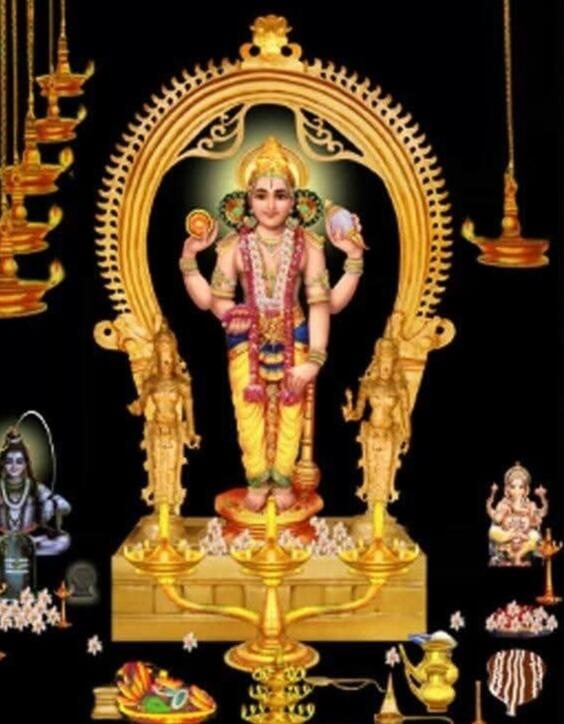 Amanakara Sree Bharatha Swamy Temple, located at Amanakara near Ramapuram in Kottayam district, Kerala, is a well-known Vaishnava temple. It is the third temple visited as part of the Ramapuram Nalambala Darshanam pilgrimage. The main deity is Sree Bharatha, who is worshipped as the incarnation of Panchajanyam, the divine conch of Lord Mahavishnu. The temple is well known for its association with the Ramayana and for its important place in the Ramapuram Nalambala Darshanam pilgrimage.
According to historians, Amanakara Sree Bharatha Swamy Temple is approximately 1,200 to 1,500 years old. The Sreekovil (sanctum sanctorum) and Namaskara Mandapam, built in the traditional Kerala style of architecture, reflect the features of the ancient Dravidian–Kerala architectural tradition. In earlier times, the Balikkalpura of the temple served as a village court where local disputes and legal matters were settled. This practice was based on the belief that decisions made in the presence of Sree Bharatha, who was known for his sense of justice, would always be fair and impartial. During the medieval period, the region was under the control of five prominent Namboothiri families. As a result, the area was known as ‘Aimanakkara’, meaning ‘the land of five manas (Namboothiri households)’. Over time, the name gradually changed to ‘Amanakara’. 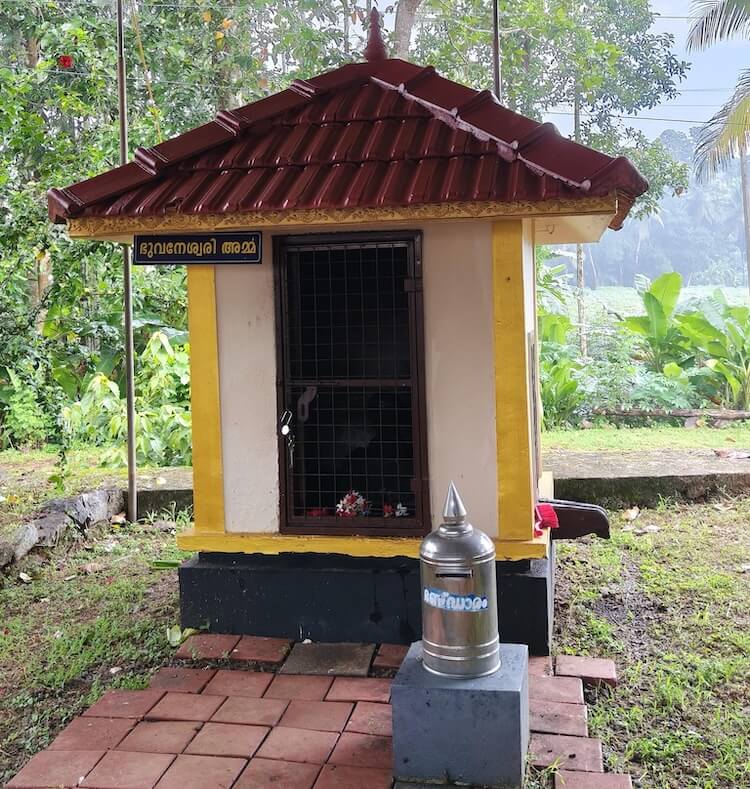 Prominent families, including Amanakara Mana, Kunnur Mana and Karanattu Mana, were responsible for the administration of the temples in the area. After the feudal system came to an end, the temple administration declined and the temple fell into a state of disrepair. It was later taken over and restored by the Kerala Kshethra Samrakshana Samithi, formed by local residents. Today, the temple is managed and maintained by this committee.
According to legend, after the separation from Sita Devi, Lord Rama left Ayodhya and travelled through the paths he had taken during his exile, eventually reaching Ramapuram, where he began his meditation. Lakshmana, Bharatha and Shatrughna, who came in search of their elder brother, found Lord Rama at Ramapuram and settled in nearby places for meditation and to protect him. Among these places, the spot chosen by Bharatha for meditation is believed to be present-day Amanakara. Later, temples were established at the four places where Lord Rama and his brothers stayed and these temples are now known as the Ramapuram Nalambalams.
 According to legend, about 1,500 years ago, a divine yogi (Siddha) who arrived in this region installed the idol of Sree Bharatha Swamy at Amanakara Sree Bharatha Swamy Temple. It is believed that he performed the consecration by invoking the divine presence of Bharatha and disappeared from the place after the installation. According to Hindu scriptures, Bharatha is considered the incarnation of Panchajanyam, the divine conch held by Lord Mahavishnu. Therefore, at Amanakara, Sree Bharatha Swamy is worshipped with the concept of the conch. Based on this belief, the ‘Shankha Pooja’ (conch offering), which is rarely seen in other temples, became one of the main offerings at this temple.
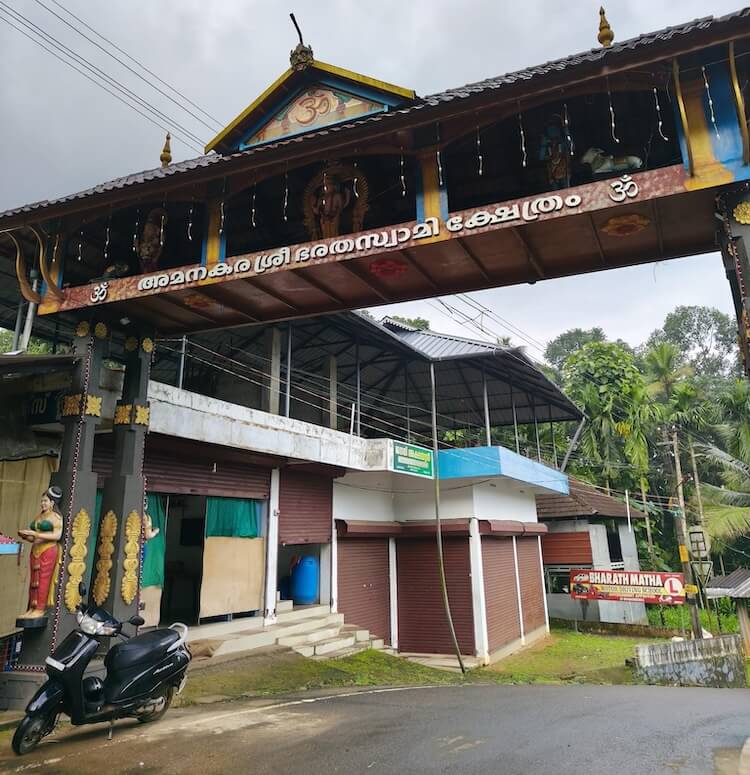
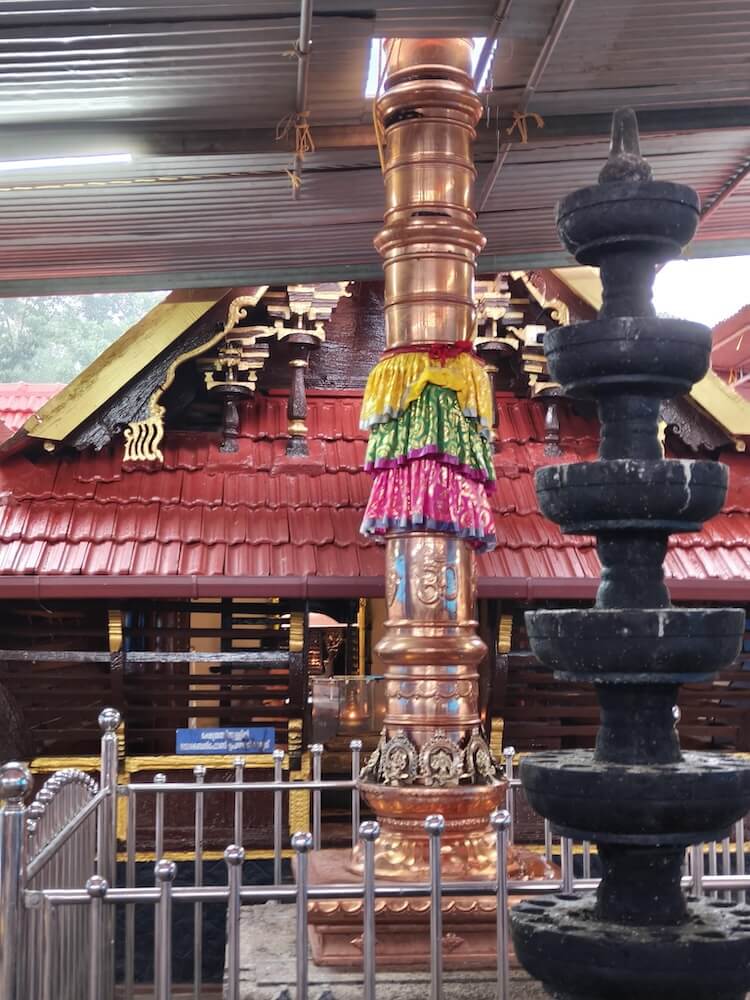
On entering the temple from the roadside, visitors can see a small entrance gateway built in the traditional Kerala style, with a sculpture of Lord Rama along with Lakshmana, Bharatha and Shatrughna above it. After passing through the gateway, a small Aanakkottil (elephant shed) can be seen first, followed by the Balikkalpura, 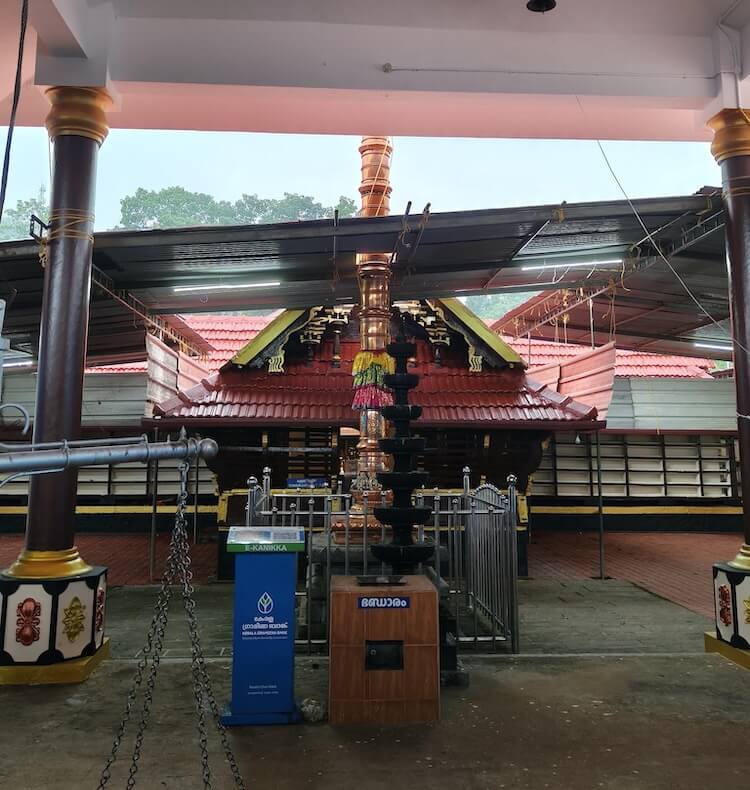 which is decorated with beautiful wood carvings. Unlike most temples in Kerala, the main entrance of this temple faces west and leads to the square-shaped Chuttambalam (outer enclosure). The Thidappally and other associated areas are located inside the Chuttambalam, which is built using stone and wood. At the centre of the temple stands the single-storeyed square Sreekovil, built with stone and covered with copper-plated roofing, where the main deity Sree Bharatha Swamy is enshrined. The stone steps leading to the Sreekovil, known as Sopanam, feature beautifully carved Vyali faces and intricate designs. The wooden doors and upper portions of the Sreekovil are decorated with ancient wood carvings. The four-pillared Namaskara Mandapam in front of the Sreekovil, along with its traditional carvings, reflects the beauty of Kerala temple architecture. The black stone idol of Sree Bharatha Swamy is in the form of Lord Mahavishnu with four arms, holding the conch, discus, mace and lotus. As Bharatha is considered the incarnation of Panchajanyam, the divine conch of Lord Mahavishnu, the conch held in the rear right hand of the idol has special importance in this temple.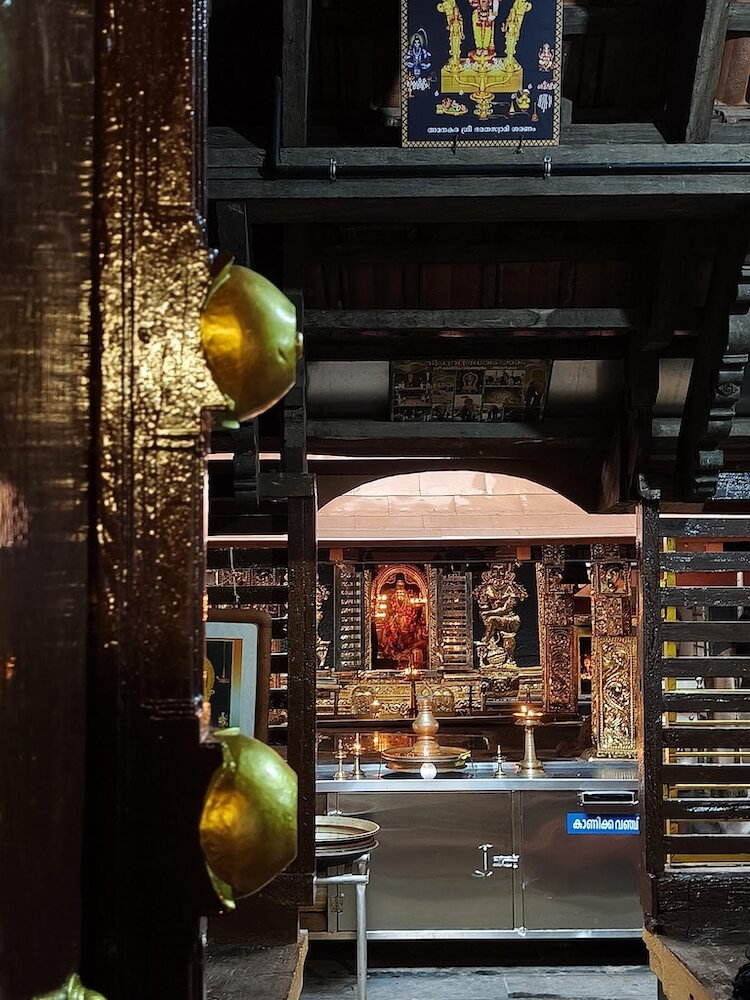
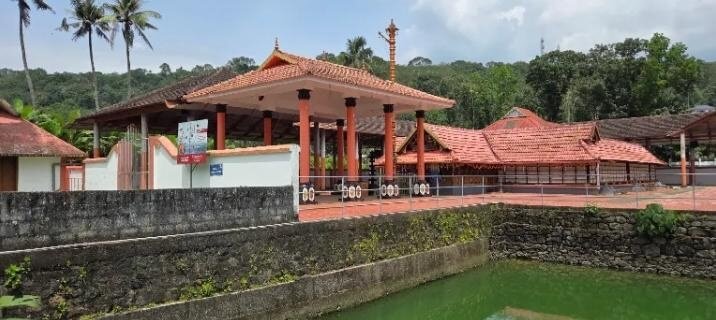
Outside the main Nalambalam of the temple, on the northern side, there is an ancient Shiva temple facing east. The arrangement of Sree Bharatha Swamy facing west and Lord Shiva facing east is one of the notable architectural features of the temple. The shrine of Lord Ganesha, along with the sacred places of Yakshi Amma and Naga deities, is located at the Kannimoola (south-west corner) of the temple. A large temple pond situated near the temple complex is another important feature of this temple. The ‘Meenootu’ offering is performed on the steps of this temple pond.
The main annual festival of the temple is the six-day Kodiyettulsavam held in the Malayalam month of Medam (April–May). The festival begins with the hoisting of the temple flag on the Anizham star and concludes with the Aarattu ceremony on the Thiruvonam star. The Aarattu of the annual festival of Ramapuram Sree Rama Swamy Temple, held in the Malayalam month of Meenam (March–April), takes place at Amanakara Sree Bharatha Swamy Temple. The gathering of elder brother Sree Rama and younger brother Bharatha during this ceremony is an important occasion celebrated by devotees. Throughout the month of Karkidakam (July–August), special poojas and rituals are conducted as part of the Ramayana month observance and the Ramapuram Nalambalam pilgrimage. 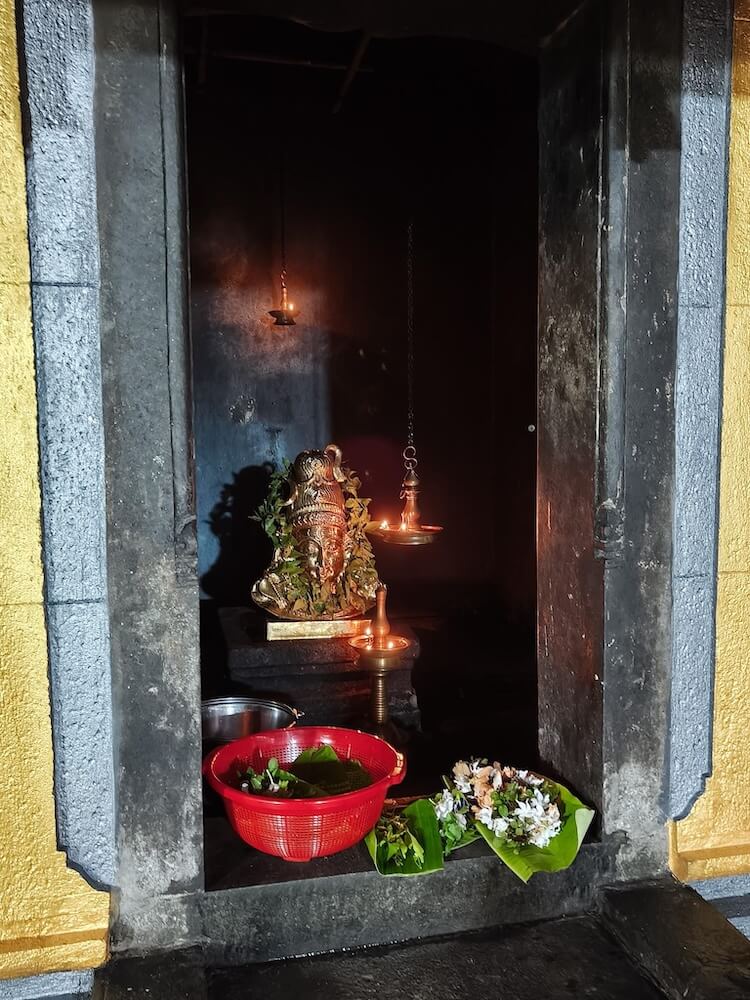 A large number of devotees visit the temple on Karkidaka Vavu day. The Prathishta Day is also celebrated with special rituals on the Uthram star in the Malayalam month of Mithunam (June–July), commemorating the installation of the idol.
The main offering at the temple is Shankha Samarpanam (Shankha Pooja). Devotees offer conches filled with holy water and special poojas are performed for the deity. This offering is mainly performed for blessings of children, family well-being and prosperity. Meenootu, the ritual of feeding fish in the temple pond, is performed with the belief that it brings relief from digestive problems and promotes family prosperity. Koottupayasam is an important offering made for family welfare, prosperity and peace of mind. Neyvilakku (lighting of ghee lamps) is offered to fulfil devotees’ wishes and remove obstacles in life. Thulasimala Samarpanam (offering of a tulsi garland) is another important offering performed by devotees seeking the blessings of the deity, family happiness and prosperity.
The temple opens every day at 05:00 AM. The Nirmalya Darshan and Abhishekam are performed at 05:05 AM, followed by Malar Nivedyam. The Ushapooja is conducted at 06:00 AM, Etheerettu Pooja (Surya Pooja) at 07:00 AM, Pantheeradi Pooja at 08:15 AM and Uchapooja at 11:00 AM. The temple closes at 11:30 AM after the Uchapooja. In the evening, the temple reopens at 05:30 PM, followed by Deepaaradhana at 06:30 PM and Athazha Pooja at 07:30 PM. After the Athazha Pooja, the temple closes at 08:00 PM after performing Thrippuka.
Key highlight :-
- Located 7 km from Koothattukulam and 16 km from Pala.
- The nearest railway stations are Piravom Road, about 30 km away and Kottayam, about 37 km away.Private vehicles can be parked in the temple’s parking area.
- KSRTC and local bus services are available to the temple from Kottayam, Muvattupuzha and Koothattukulam.
- Accommodation and food facilities are available in the nearby towns.
अमानाकारा श्री भरत स्वामी मंदिर
अमानाकारा, रामपुरम, जिला। कोट्टायम.
मंदिरे
Temples
मंदिर
-
वैकयिल श्री धर्मस्थ मंदिर वडयार, थलयोलापरंबु, जि. कोट्टायम.
अधिक माहितीVackayil Sree Dharmasastha Temple Vadayar, Thalayolaparambu, Dist. Kottayam.
View Detailsवैकायिल श्री धर्मशास्त्र मंदिर वडयार, थालायोलापाराम्बु, जिला। कोट्टायम.
विवरण देखें -
पुंडरीकापुरम श्री महाविष्णू मंदिर मिदायिकुनम, थालयोलापरंबू, जि. कोट्टायम.
अधिक माहितीPundareekapuram Sri Mahavishnu Temple Midayikunnam, Thalayolaparambu, Dist. Kottayam.
View Detailsपुंडरीकपुरम श्री महाविष्णु मंदिर मिदायिकुन्नम, थालायोलापाराम्बु, जिला। कोट्टायम.
विवरण देखें -
वड्यार श्री एलमकवू देवी मंदिर वडयार, थलयोलापरंबु, जि. कोट्टायम.
अधिक माहितीVadayar Sree Elamkavu Devi Temple Vadayar, Thalayolaparambu, Dist. Kottayam.
View Detailsवडयार श्री एलमकवु देवी मंदिर वडयार, थालायोलापाराम्बु, जिला। कोट्टायम.
विवरण देखें