अंबापूरच्या ऐतिहासिक गावात असलेले हे मंदिर आरसूर येथील देवी अंबाजी मातेच्या अखंड ज्योतीचे निवासस्थान आहे, जी भारतातील ५१ शक्तीपीठांपैकी एक आहे. असे मानले जाते की, एका निष्ठावान भक्ताला आशीर्वाद देण्यासाठी देवीने येथे वास्तव्य केले, कारण वृद्धापकाळामुळे तो आरसूर पर्वतावरील मंदिरात जाऊन जलाभिषेक (जल अर्पण विधी) करू शकत नव्हता. येथील एक वैशिष्ट्य म्हणजे देवी आठवड्याच्या प्रत्येक दिवशी वेगवेगळ्या वाहनावर (सवारी/वाहन) स्वार होते असे मानले जाते. हे मंदिर गुजरातभरातील असंख्य भक्तांकडून पूजले जाते. मंदिराच्या आवारात एक प्राचीन १५ व्या शतकातील बारव आहे. या प्रसिद्ध ‘अंबापूरच्या वाव’ने मंदिराला राष्ट्रीय पर्यटन नकाशावरही आणले आहे.
स्थानिक इतिहासानुसार, हे गाव एकेकाळी बौद्धीस्थळ म्हणून ओळखले जात होते, जे हळूहळू बुडथलमध्ये रूपांतरित झाले. २० व्या शतकाच्या सुरुवातीला, अंबाजी मातेच्या शाश्वत ज्योतीची स्थापना झाल्यामुळे गावाचे नाव बदलून अंबापूर असे ठेवण्यात आले. आख्यायिकेनुसार, खेडा जिल्ह्यातील मेहमेदाबाद येथील देवीचे निष्ठावान भक्त लल्लुराम महाराज यांनी १९१६ मध्ये प्रत्येक पौर्णिमेला आरसूर अंबाजी मंदिरात जलाभिषेक करण्याची प्रतिज्ञा केली. आरसूरची अंबाजी ही गुजरातमध्ये अनेकांची कुलदेवी आहे. मेवाडचे महाराणा प्रताप सिंह हेही देवीचे भक्त होते आणि असे मानले जाते की एका संकटातून वाचल्यानंतर त्यांनी आपली तलवार मंदिरात अर्पण केली होती.
आपल्या यात्रेदरम्यान, लल्लुराम महाराज अंबापूरच्या बारवजवळ विश्रांती घेत असत आणि पुढे जाण्यापूर्वी तिच्या पाण्याने स्नान करत असत. त्यांनी १४३ पौर्णिमांपर्यंत ही प्रतिज्ञा अखंडपणे पाळली. तथापि, १४४ व्या पौर्णिमेला ते मंदिराच्या जवळ पोहोचले, परंतु वृद्धापकाळामुळे पुढे जाऊ शकले नाहीत. त्यांनी दूरूनच प्रार्थना केली आणि असे मानले जाते की देवी त्यांच्या भक्तीवर प्रसन्न होऊन एका आदिवासी स्त्रीच्या रूपात प्रकट झाली आणि त्यांना मंदिरात पोहोचण्यास मदत केली.
तिथे त्यांनी कबूल केले की ते यापुढे भेट देऊ शकणार नाहीत. तेव्हा देवीने त्यांना शाश्वत ज्योतीच्या रूपात सोबत येण्याची ऑफर दिली. त्याच रात्री, देवी बुडथल येथील एका प्रतिष्ठित व्यक्तीच्या स्वप्नात प्रकट झाली आणि लल्लुराम महाराज जी ज्योत आणतील, तिच्यासाठी तिथे मंदिर बांधण्याची सूचना केली.
दुसऱ्या दिवशी जेव्हा लल्लुराम महाराज ज्योतीसह बुडथलला पोहोचले, तेव्हा गावकऱ्यांनी त्यांचे उत्साहाने स्वागत केले आणि स्वप्नातील दृष्टांताची पुष्टी केली. १९३० मध्ये वैशाख शुक्ल पंचमीला, ज्योत विधीपूर्वक स्थापित करण्यात आली. बारवजवळ एक छोटे मंदिर बांधले गेले. नूतनीकरणानंतर, मंदिराला त्याचे सध्याचे स्वरूप प्राप्त झाले.
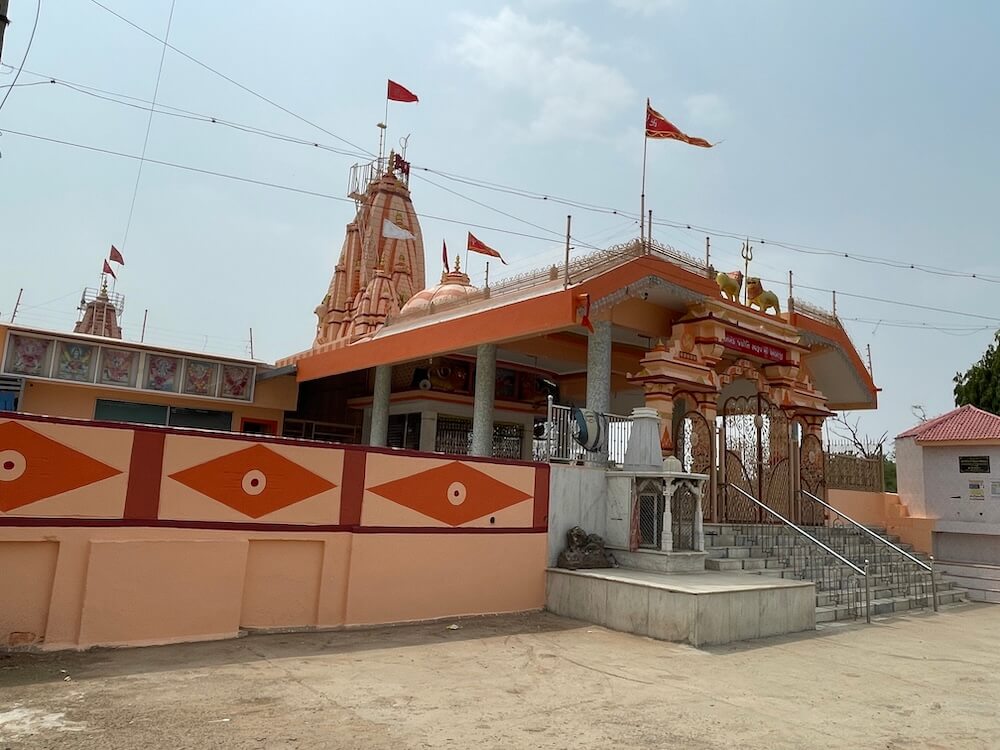
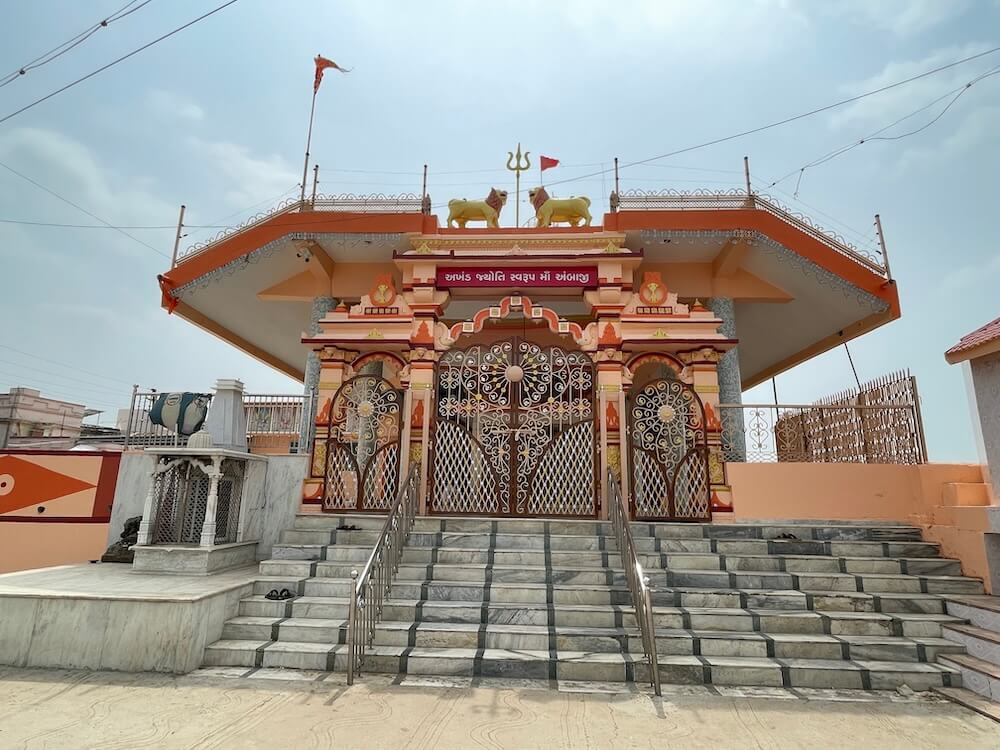
हे मंदिर, गावाच्या रस्त्यापासून काही फूट उंचीवर वसलेले आहे, ज्यात एक भव्य तिहेरी कमान असलेले प्रवेशद्वार आहे. दोन सिंहांच्या मूर्ती आणि एक त्रिशूल (त्रिशूळ) वरच्या भागाला सुशोभित करतात. मंदिरात आठ पायऱ्या आहेत, डाव्या बाजूला एका चौथऱ्यावर ब्रह्माणी मातेचे एक छोटे मंदिर आहे.
मंदिरात एक मोठा खुला मंडप आणि गर्भगृह आहे. गर्भगृहाला उरुशृंग शैलीचे शिखर आहे आणि मंडपावर घुमटाकार शिखर आहे. मंडपाच्या आत, एका उंच चौथऱ्यावर, देवीचे सिंहवाहन आहे. गर्भगृहाच्या प्रवेशद्वाराच्या दोन्ही बाजूंना भैरव आणि शिव शंकरांची छोटी मंदिरे आहेत. अंतराळात (प्रवेशकक्ष), गणेश आणि हनुमानाच्या मूर्ती आहेत.
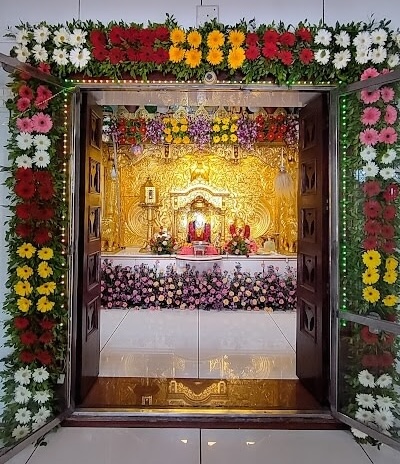
गर्भगृहात, सोन्याचा मुलामा असलेल्या, नक्षीदार कोरलेल्या मंदिरात, बालरूपातील अंबाजी मातेची संगमरवरी मूर्ती विराजमान आहे. मंदिराच्या दोन्ही बाजूंना सिंह आहेत आणि डाव्या स्तंभाजवळ एक अखंड ज्योत तेवत आहे. मूर्तीची पार्श्वभूमी सोन्याचा मुलामा असलेल्या चांदीची आहे.
ही देवी आठवड्याच्या वेगवेगळ्या दिवशी वेगवेगळ्या वाहनांवर स्वार होते असे मानले जाते. रविवार आणि सोमवारी, तिचे वाहन अनुक्रमे सिंह आणि नंदी (बैल) आहेत. मंगळवार, बुधवार, गुरुवार आणि शुक्रवारी, ती अनुक्रमे वाघ, हंस, गरुड आणि ऐरावत (दैवी हत्ती) यांवर स्वार होते. शनिवारी, ती पुन्हा हंसावर स्वार होते.
गावकऱ्यांचा असा विश्वास आहे की देवी या परिसरात शांती, समृद्धी आणि संरक्षण आणते. नियमित पूजा केली जाते आणि वैशाख वद्य पंचमीला नवचंडी यज्ञ आणि इतर विधी केले जातात. शरद पौर्णिमेला (कोजागिरी पौर्णिमा), एक दिव्य दरबार आयोजित केला जातो, त्यानंतर दुसऱ्या दिवशी गरबा होतो. नवरात्रीमध्ये नऊ दिवस धार्मिक कार्यक्रम साजरे केले जातात.
एका कथेनुसार, गावातील एक गुराखी आपल्या गुरांना मंदिरामागील तळ्यात आंघोळ घालण्यासाठी आणत असे. एके दिवशी, गाईंनी पाण्यातून बाहेर येण्यास नकार दिला. सर्व प्रयत्न करून थकलेल्या चिंतित मालकाने नवरात्रीत गरबा आयोजित करण्याची प्रतिज्ञा केली आणि लवकरच गाई बाहेर आल्या. तेव्हापासून, गरबा मंदिराच्या उत्सवांचा अविभाज्य भाग बनला आहे.
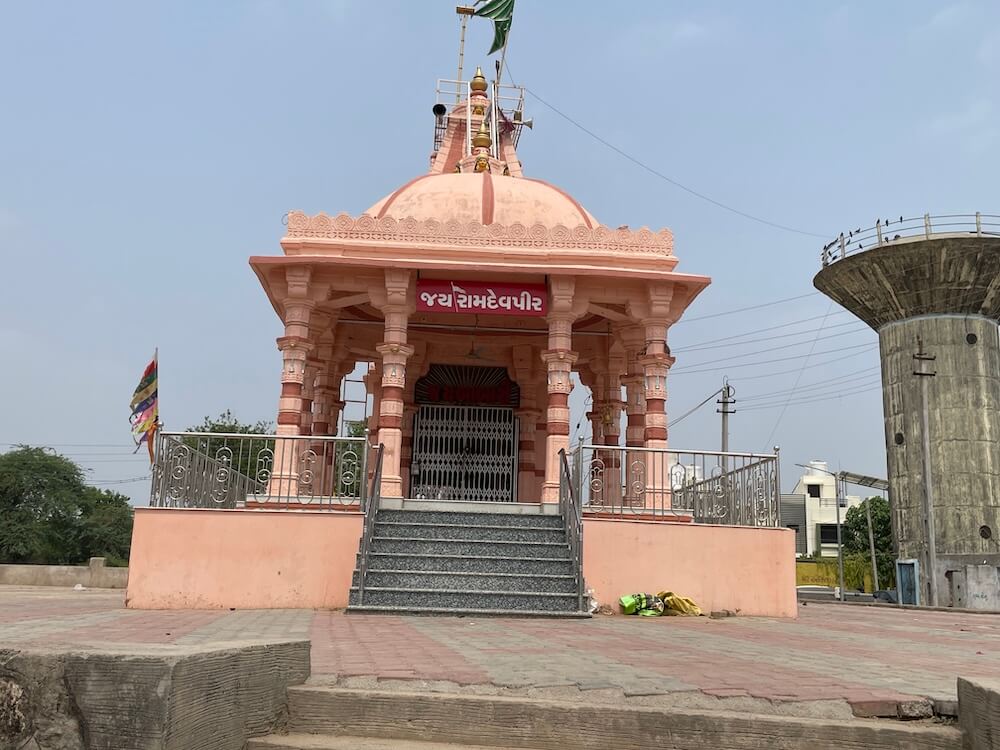
मंदिराच्या मागे वराही मातेचे मंदिर आहे आणि समोर, रस्त्याच्या पलीकडे, रामापीर मंदिर आहे.
अंबापूरची बारव
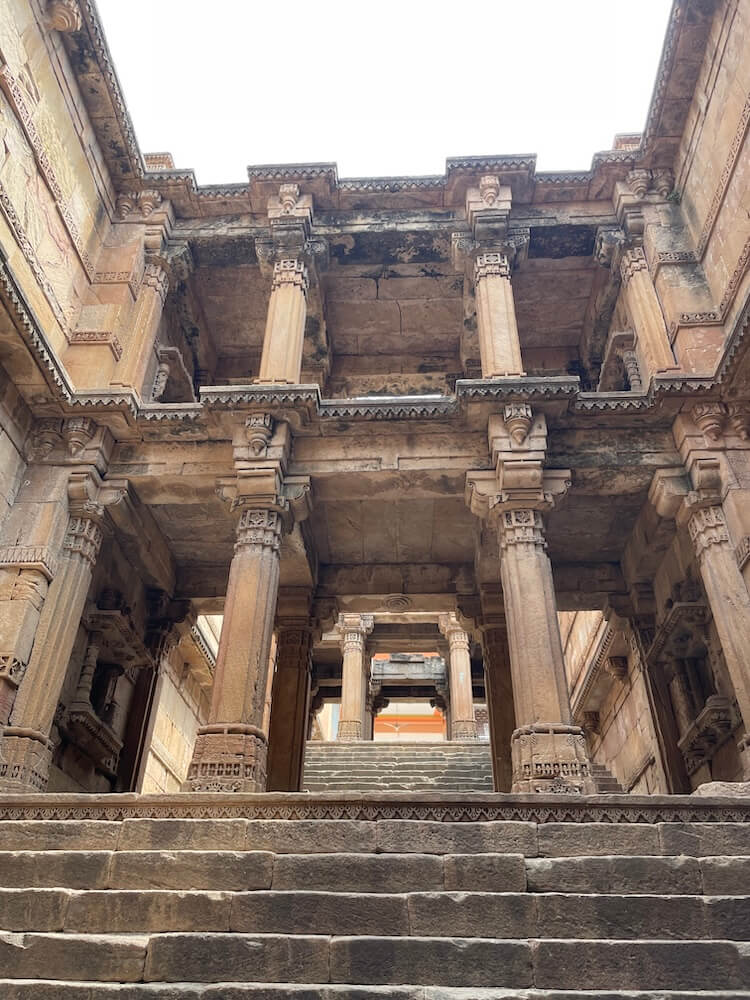
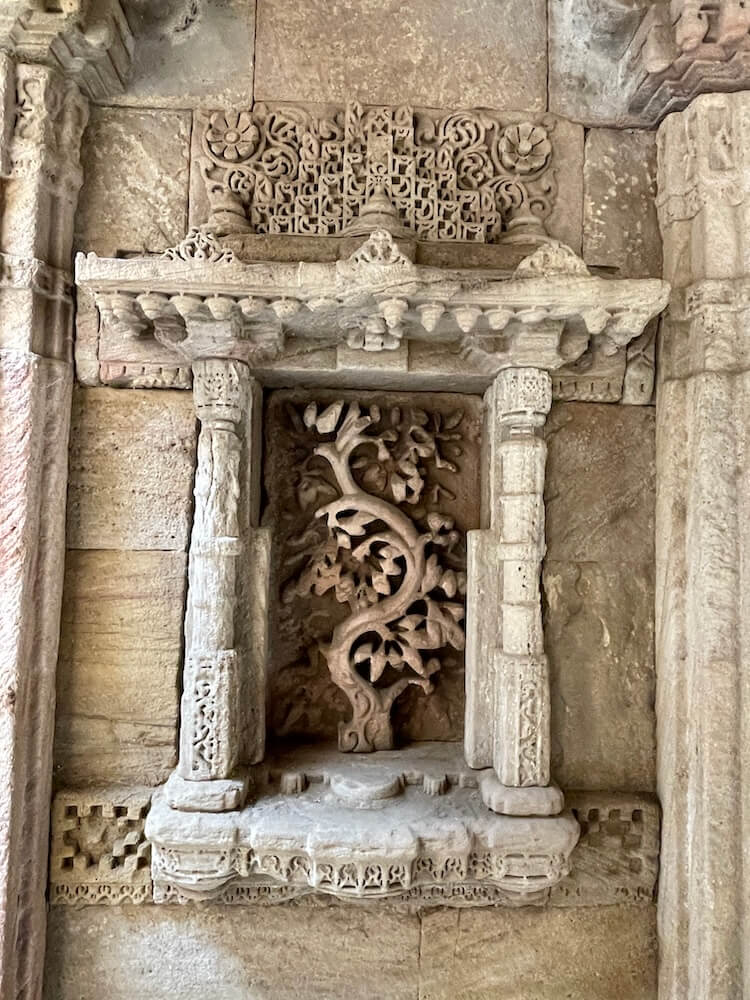
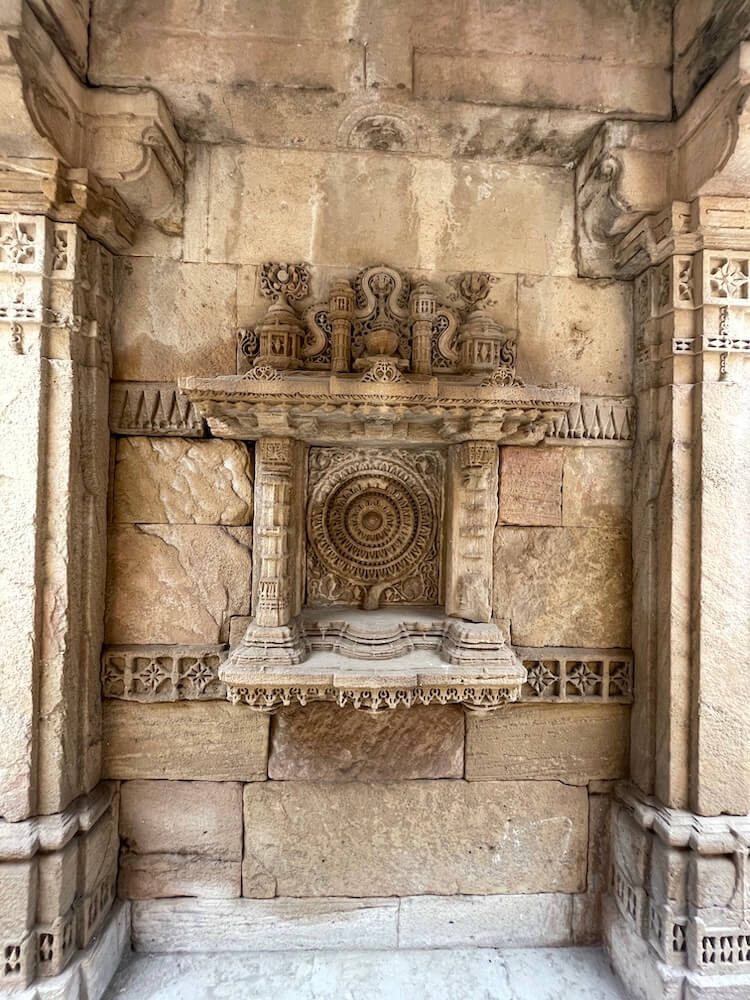
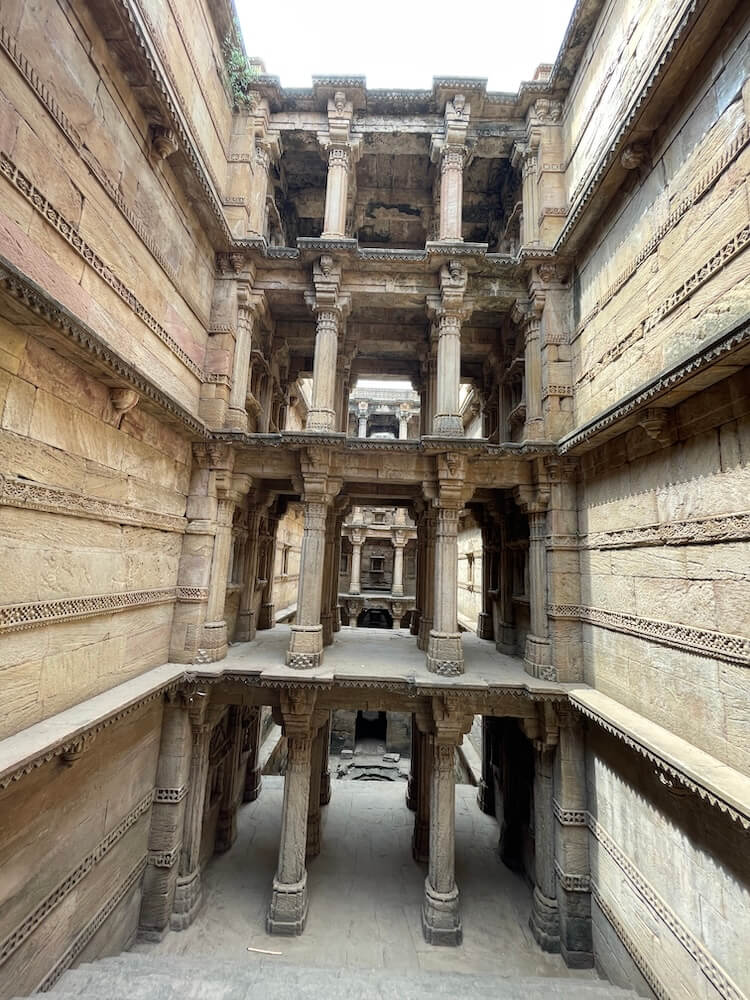
मंदिराला लागूनच प्रसिद्ध अंबापूरची बारव आहे, जी प्राचीन जलव्यवस्थापन आणि पारंपरिक स्थापत्यकलेचे उत्तम उदाहरण आहे. जरी तिच्यावर अचूक तारीख दर्शवणारे शिलालेख नसले तरी, भारतीय पुरातत्व सर्वेक्षणानुसार ती १५ व्या शतकात बांधली गेली असावी असा अंदाज आहे. जवळच अडालज येथे अधिक प्रसिद्ध रुडाबाईची बारव आहे, जी १४९८ मध्ये राजा रणवीर सिंह यांची पत्नी राणी रुडाबाई यांनी बांधली होती. अंबापूरची बारव कमी नक्षीदार असली तरी, स्थापत्यकलेतील साम्य दर्शवते की रुडाबाईंनीच ती बांधली असावी.
प्रमुख वैशिष्ट्ये :
गांधीनगरपासून १३ किमी अंतरावर
गांधीनगरहून एसटी (राज्य परिवहन) बसेस उपलब्ध
गांधीनगरमार्गे गुजरातच्या प्रमुख शहरांशी चांगले जोडलेले
खाजगी वाहने थेट मंदिरापर्यंत पोहोचू शकतात
जवळपास निवास किंवा भोजन सुविधा उपलब्ध नाहीत
Akhanda Jyotiswaroop Ambaji Temple
Ambapur, Taluka Gandhinagar, District Gandhinagar
This temple in the historic village of Ambapur houses a continuously burning flame of Ambaji Mata, a manifestation of the goddess from Arasur, which is one of the 51 Shakti Peethas in India. It is believed that the goddess took residence here to bless a devout follower who, due to old age, could no longer travel to the temple atop Mount Arasur to perform the jalabhishek (ritual water offering). One unique feature here is that the goddess is believed to ride a different vahana (mount/vehicle) on each day of the week. This temple is revered by countless devotees across Gujarat. In the courtyard of the temple stands an ancient 15th-century stepwell. This famous ‘Ambapur ni Vav’ has also brought the temple onto the national tourism map.
According to local history, the village was once known as Bauddhisthal, which gradually morphed into Budthal. In the early 20th century, the installation of Ambaji Mata’s eternal flame led to the village being renamed as Ambapur. The legend says that Lalluram Maharaj, a devout follower of the goddess from Mehmedabad in Kheda district, vowed in 1916 to offer jalabhishek at the Arasur Ambaji temple on every full moon day. Arasur’s Ambaji is the kuldevi (family deity) of many in Gujarat. Even Maharana Pratap Singh of Mewar was a devotee and it is believed that he offered his sword at the temple after being saved from a crisis.
On his pilgrimage, Lalluram Maharaj would rest near the Ambapur stepwell and bathe with its water before continuing. He kept this vow uninterrupted for 143 full moons. However, on the 144th full moon, he reached near the temple but couldn’t proceed due to age-related ailments. He prayed from afar and it is believed that the goddess, pleased with his devotion, appeared in the form of a tribal woman and helped him reach the temple.
There, he confessed that he might not be able to visit anymore. The goddess then offered to accompany him in the form of an eternal flame. That night, the goddess appeared in a dream to a respected person in Budthal, instructing him to build a temple there for the flame Lalluram Maharaj would bring.
When Lalluram Maharaj reached Budthal the next day with the flame, the villagers warmly welcomed him and confirmed the vision. On Vaishakh Shukla Panchami in 1930, the flame was ceremoniously installed. A small temple was built near the stepwell. After renovations, the temple gained its present form.
The temple, located a few feet above the village road, features a grand triple-arched entrance gate. Two lion sculptures and a trident (trishul) adorn the top. The temple has eight steps, with a small shrine of Brahmani Mata on a platform to the left.
The temple includes a large open mandapa and sanctum (garbhagriha). The sanctum has a urushringa-style spire and the mandapa is topped with a domed shikhara. Inside the mandapa, on a raised platform, is the lion mount of the goddess. Flanking the sanctum entrance are small shrines of Bhairav and Shiv Shankar. In the vestibule (antaral), there are idols of Ganesha and Hanuman.
Within the sanctum, seated in a gold-plated, intricately carved shrine, is a marble idol of Ambaji Mata in child form. Lions flank either side of the shrine and an eternal flame burns beside the left pillar. The backdrop of the idol is silver-plated with a golden overlay.
This goddess is believed to ride different mounts on different days of the week. On Sunday and Monday, her mounts are the lion and Nandi (bull), respectively. On Tuesday, Wednesday, Thursday, and Friday, she rides a tiger, swan, Garuda, and Airavat (divine elephant), respectively. On Saturday, she once again rides the swan.
Villagers believe that the goddess brings peace, prosperity and protection to the area. Regular worship is performed and on Vaishakh Vad Panchami, Navchandi Yajna and other rituals are performed. On Sharad Purnima (Kojagiri Purnima), a divine assembly (darbar) is hosted, followed by Garba on the next day. During Navratri, nine days of religious events are celebrated.
One tale recounts that a village cowherd used to bring his cattle to bathe in the pond behind the temple. One day, the cows refused to come out of the water. After trying everything, the worried owner vowed to host Garba during Navratri and soon after, the cows emerged. Since then, Garba has become an integral part of temple festivities.
Behind the temple is the shrine of Varahi Mata and in front, across the road, stands the Ramapir Temple.
The Ambapur Stepwell
Adjacent to the temple lies the famous Ambapur Stepwell, a fine example of ancient water management and traditional architecture. Though it lacks inscriptions that could date it precisely, the Archaeological Survey of India estimates it was built in the 15th century. Nearby in Adalaj is the better-known Rudabai Stepwell, built in 1498 by Queen Rudabai, wife of King Ranveer Singh. While Ambapur’s stepwell is less ornate, architectural similarities suggest Rudabai might have built it too.
Key Features :
Located 13 km from Gandhinagar
ST (state transport) buses available from Gandhinagar
Well-connected to major cities in Gujarat via Gandhinagar
Private vehicles can access the temple directly
No lodging or food facilities available nearby
अखंड ज्योतिस्वरूप अंबाजी मंदिर
अंबापुर, तालुका गांधीनगर, जिला गांधीनगर
अंबापुर के इस ऐतिहासिक गाँव में अंबाजी माता की एक अखंड ज्योति प्रज्वलित है, जो आरासुर की देवी का एक स्वरूप हैं। आरासुर भारत के 51 शक्तिपीठों में से एक है। ऐसी मान्यता है कि देवी ने यहाँ इसलिए निवास किया ताकि वे एक ऐसे भक्त को आशीर्वाद दे सकें जो वृद्धावस्था के कारण आरासुर पर्वत पर स्थित मंदिर तक जल अभिषेक (पवित्र जल अर्पण) करने के लिए यात्रा नहीं कर सकता था। यहाँ की एक अनूठी विशेषता यह है कि देवी सप्ताह के प्रत्येक दिन एक भिन्न वाहन (सवारी/वाहन) पर विराजमान होती हैं। गुजरात भर के असंख्य भक्त इस मंदिर का श्रद्धापूर्वक पूजन करते हैं। मंदिर के प्रांगण में 15वीं शताब्दी का एक प्राचीन बावड़ी (सीढ़ीदार कुआँ) स्थित है। यह प्रसिद्ध ‘अंबापुर नी वाव’ (अंबापुर की बावड़ी) मंदिर को राष्ट्रीय पर्यटन मानचित्र पर भी ले आई है।
स्थानीय इतिहास के अनुसार, यह गाँव कभी ‘बौद्धस्थल’ के नाम से जाना जाता था, जो धीरे-धीरे ‘बुड़थल’ में परिवर्तित हो गया। 20वीं शताब्दी की शुरुआत में, अंबाजी माता की अखंड ज्योति की स्थापना के बाद गाँव का नाम बदलकर अंबापुर कर दिया गया। किंवदंती है कि खेड़ा जिले के मेहमेदाबाद के देवी के एक परम भक्त लल्लूराम महाराज ने 1916 में प्रत्येक पूर्णिमा के दिन आरासुर अंबाजी मंदिर में जलाभिषेक करने का संकल्प लिया था। आरासुर की अंबाजी गुजरात में कई लोगों की कुलदेवी (पारिवारिक देवी) हैं। यहाँ तक कि मेवाड़ के महाराणा प्रताप सिंह भी देवी के भक्त थे और ऐसा माना जाता है कि एक संकट से बचाए जाने के बाद उन्होंने अपनी तलवार मंदिर में अर्पित की थी।
अपनी तीर्थयात्रा के दौरान, लल्लूराम महाराज अंबापुर की बावड़ी के पास विश्राम करते थे और आगे बढ़ने से पहले उसके जल से स्नान करते थे। उन्होंने 143 पूर्णिमाओं तक इस व्रत को निर्बाध रूप से निभाया। हालाँकि, 144वीं पूर्णिमा पर, वे मंदिर के पास तो पहुँच गए, लेकिन वृद्धावस्था संबंधी बीमारियों के कारण आगे नहीं बढ़ पाए। उन्होंने दूर से ही प्रार्थना की और ऐसा माना जाता है कि देवी, उनकी भक्ति से प्रसन्न होकर, एक आदिवासी महिला के रूप में प्रकट हुईं और उन्हें मंदिर तक पहुँचने में सहायता की।
वहाँ उन्होंने स्वीकार किया कि वे अब और दर्शन के लिए नहीं आ पाएंगे। तब देवी ने एक अखंड ज्योति के रूप में उनके साथ चलने की पेशकश की। उसी रात, देवी बुड़थल के एक सम्मानित व्यक्ति के सपने में आईं और उन्हें निर्देश दिया कि वे उस ज्योति के लिए एक मंदिर का निर्माण करें जिसे लल्लूराम महाराज लाएंगे।
अगले दिन जब लल्लूराम महाराज ज्योति के साथ बुड़थल पहुँचे, तो ग्रामीणों ने उनका गर्मजोशी से स्वागत किया और सपने में मिले निर्देश की पुष्टि की। 1930 में वैशाख शुक्ल पंचमी के दिन, ज्योति को विधि-विधान से स्थापित किया गया। बावड़ी के पास एक छोटा मंदिर बनाया गया। जीर्णोद्धार के बाद, मंदिर ने अपना वर्तमान स्वरूप प्राप्त किया।
गाँव की सड़क से कुछ फीट ऊपर स्थित इस मंदिर में एक भव्य, तीन मेहराबों वाला प्रवेश द्वार है। शीर्ष पर दो सिंहों की मूर्तियाँ और एक त्रिशूल सुशोभित हैं। मंदिर में आठ सीढ़ियाँ हैं, जिनके बाईं ओर एक चबूतरे पर ब्रह्माणी माता का एक छोटा मंदिर है।
मंदिर में एक विशाल खुला मंडप और गर्भगृह (पवित्र स्थान) शामिल है। गर्भगृह में उरुश्रृंग शैली का शिखर है और मंडप गुंबददार शिखर से सुशोभित है। मंडप के भीतर, एक ऊँचे चबूतरे पर, देवी का सिंह वाहन स्थापित है। गर्भगृह के प्रवेश द्वार के दोनों ओर भैरव और शिव शंकर के छोटे मंदिर हैं। अंतराल (वेस्टिब्यूल) में गणेश और हनुमान की मूर्तियाँ हैं।
गर्भगृह के भीतर, एक स्वर्ण-प्लेटेड, जटिल रूप से नक्काशीदार मंदिर में, अंबाजी माता की बाल स्वरूप संगमरमर की मूर्ति विराजमान है। मंदिर के दोनों ओर सिंह स्थापित हैं और बाईं ओर के स्तंभ के पास एक अखंड ज्योति प्रज्वलित है। मूर्ति का पृष्ठभूमि चांदी-प्लेटेड है जिस पर सोने की परत चढ़ी हुई है।
ऐसा माना जाता है कि यह देवी सप्ताह के विभिन्न दिनों में अलग-अलग वाहनों पर सवार होती हैं। रविवार और सोमवार को उनके वाहन क्रमशः सिंह और नंदी (बैल) हैं। मंगलवार, बुधवार, गुरुवार और शुक्रवार को वे क्रमशः बाघ, हंस, गरुड़ और ऐरावत (दिव्य हाथी) पर सवार होती हैं। शनिवार को, वे फिर से हंस पर सवार होती हैं।
ग्रामीणों का मानना है कि देवी इस क्षेत्र में शांति, समृद्धि और सुरक्षा लाती हैं। यहाँ नियमित पूजा-अर्चना की जाती है और वैशाख वद पंचमी पर नवचंडी यज्ञ तथा अन्य अनुष्ठान किए जाते हैं। शरद पूर्णिमा (कोजागिरी पूर्णिमा) पर, एक दिव्य दरबार (सभा) का आयोजन किया जाता है, जिसके अगले दिन गरबा होता है। नवरात्रि के दौरान, नौ दिनों तक धार्मिक आयोजनों का उत्सव मनाया जाता है।
एक कथा के अनुसार, गाँव का एक चरवाहा अपने मवेशियों को मंदिर के पीछे के तालाब में स्नान कराने के लिए लाता था। एक दिन, गायों ने पानी से बाहर आने से इनकार कर दिया। सब कुछ आज़माने के बाद, चिंतित मालिक ने नवरात्रि के दौरान गरबा आयोजित करने का संकल्प लिया और उसके तुरंत बाद गायें बाहर आ गईं। तब से, गरबा मंदिर के उत्सवों का एक अभिन्न अंग बन गया है।
मंदिर के पीछे वराही माता का मंदिर है और सामने, सड़क के उस पार, रामपीर मंदिर स्थित है।
अंबापुर की बावड़ी
मंदिर से सटा हुआ प्रसिद्ध अंबापुर की बावड़ी है, जो प्राचीन जल प्रबंधन और पारंपरिक वास्तुकला का एक उत्कृष्ट उदाहरण है। हालाँकि इसमें ऐसे कोई शिलालेख नहीं हैं जो इसकी सटीक तिथि बता सकें, भारतीय पुरातत्व सर्वेक्षण का अनुमान है कि इसका निर्माण 15वीं शताब्दी में हुआ था। पास के अडालज में अधिक प्रसिद्ध रुदाबाई की बावड़ी है, जिसका निर्माण 1498 में राजा रणवीर सिंह की पत्नी रानी रुदाबाई ने करवाया था। जबकि अंबापुर की बावड़ी कम अलंकृत है, स्थापत्य संबंधी समानताएं बताती हैं कि रुदाबाई ने इसका निर्माण भी करवाया होगा।
मुख्य विशेषताएँ:
गांधीनगर से 13 किमी दूर स्थित
गांधीनगर से एसटी (राज्य परिवहन) बसें उपलब्ध हैं
गांधीनगर के माध्यम से गुजरात के प्रमुख शहरों से अच्छी तरह जुड़ा हुआ