
आझिमाला शिव मंदिर
पुलिंकुडी, मुल्लूर, जि. तिरुवनंतपुरम
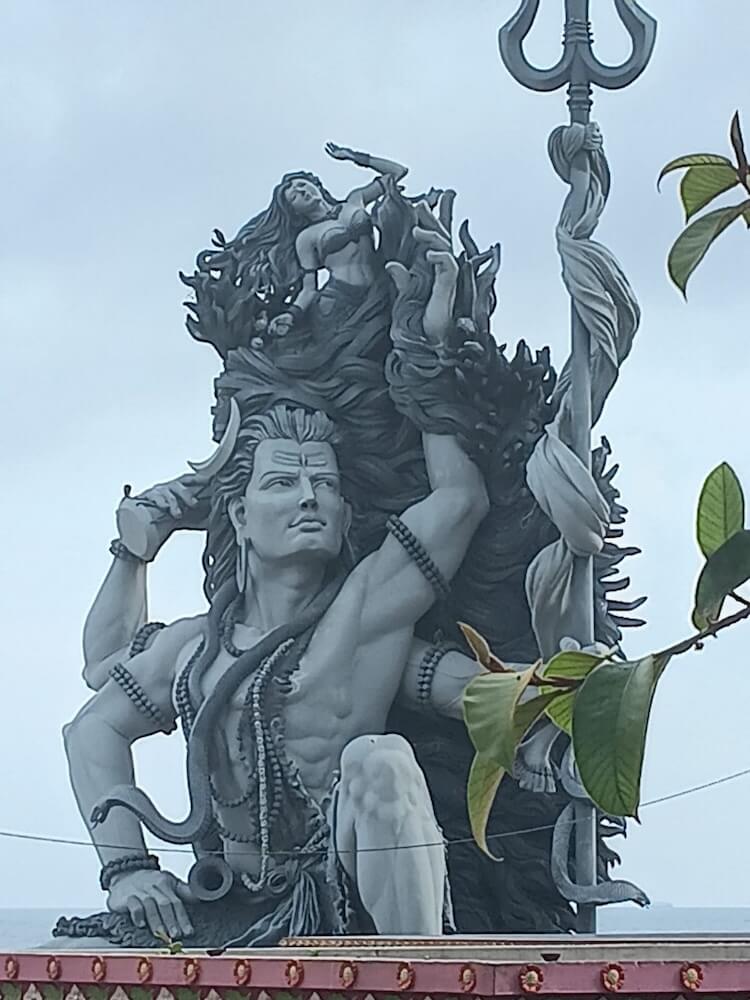 आझिमाला शिव मंदिर हे तिरुवनंतपुरम जिल्ह्यातील किनारपट्टीवरील प्रदेश असलेल्या विझिंजमजवळ स्थित एक प्रसिद्ध शिव मंदिर आहे. अरबी समुद्राला सामोरे असलेले हे मंदिर भक्ती आणि नैसर्गिक सौंदर्याचा दुर्मिळ संगम म्हणून ओळखले जाते. मंदिराचे मुख्य दैवत भगवान शिव आहेत. मंदिरातील प्रमुख आकर्षणांपैकी एक म्हणजे समुद्रकिनाऱ्याजवळ उभी असलेली भव्य गंगाधर शिव मूर्ती. सुमारे ५८ फूट उंचीची ही भव्य मूर्ती भक्त आणि पर्यटकांना सारखेच आकर्षित करते. प्राचीन श्रद्धा आणि स्थानिक भक्ती परंपरांनी समृद्ध असलेले हे मंदिर आता केरळमधील प्रमुख तीर्थक्षेत्रांपैकी एक बनले आहे.
आझिमाला शिव मंदिराचा इतिहास स्थानिक श्रद्धा आणि पौराणिक परंपरांनी घडवला आहे. हे मंदिर शैव उपासनेचे शतकानुशतके जुने केंद्र मानले जाते. असे मानले जाते की प्राचीन काळी, मच्छीमार आणि समुद्रातून प्रवास करणारे लोक सुरक्षित प्रवासासाठी आणि समृद्ध जीवनासाठी येथे भगवान शिवाची पूजा करत असत. भक्तांचा असा विश्वास आहे की मुख्य मूर्ती, शिवलिंग, खूप प्राचीन आहे आणि त्यात स्वयंभू दैवी उपस्थिती आहे. काळानुसार, मंदिराचे नूतनीकरण करण्यात आले आणि हळूहळू ते सध्याच्या स्वरूपात विकसित झाले. अलीकडच्या वर्षांत, समुद्रकिनाऱ्यावर भव्य गंगाधर शिव मूर्तीची स्थापना झाल्याने मंदिराला आणखी प्रसिद्धी मिळाली.
हा प्रदेश त्रावणकोर राजघराण्याच्या अधिपत्याखाली असल्याने, त्या काळात मंदिराला अप्रत्यक्षपणे पाठिंबा मिळाला. 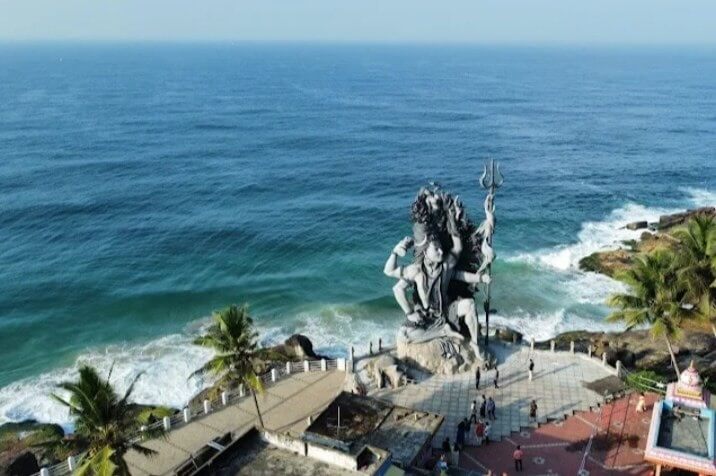 हे मंदिर श्री नारायण गुरु यांच्याशी देखील संबंधित आहे. असे मानले जाते की गुरुंनी एकदा या भागाला भेट दिली होती आणि येथे भगवान शिवाची दैवी उपस्थिती ओळखली होती. त्यांनी स्थानिक लोकांना या ठिकाणाचे आध्यात्मिक महत्त्व आणि येथील जीव समाधीबद्दल सांगितले आणि त्यांना तेथे मंदिर बांधण्याची विनंती केली. मंदिराचे बांधकाम नेमके कुठे करावे हे देखील त्यांनी त्यांना दाखवले. असे मानले जाते की अशा प्रकारे मंदिराचे सध्याचे स्वरूप अस्तित्वात आले. हे ठिकाण ‘आझि’ (समुद्र) आणि ‘माला’ (टेकडी) यांचा एक अनोखा संगम असल्याने, या प्रदेशाला आझिमाला असे नाव मिळाले.
आझिमाला शिव मंदिराला महाभारताशी जोडणारी एक स्थानिक श्रद्धा देखील आहे. असे मानले जाते की त्यांच्या वनवासादरम्यान पांडव या प्रदेशातून गेले होते. 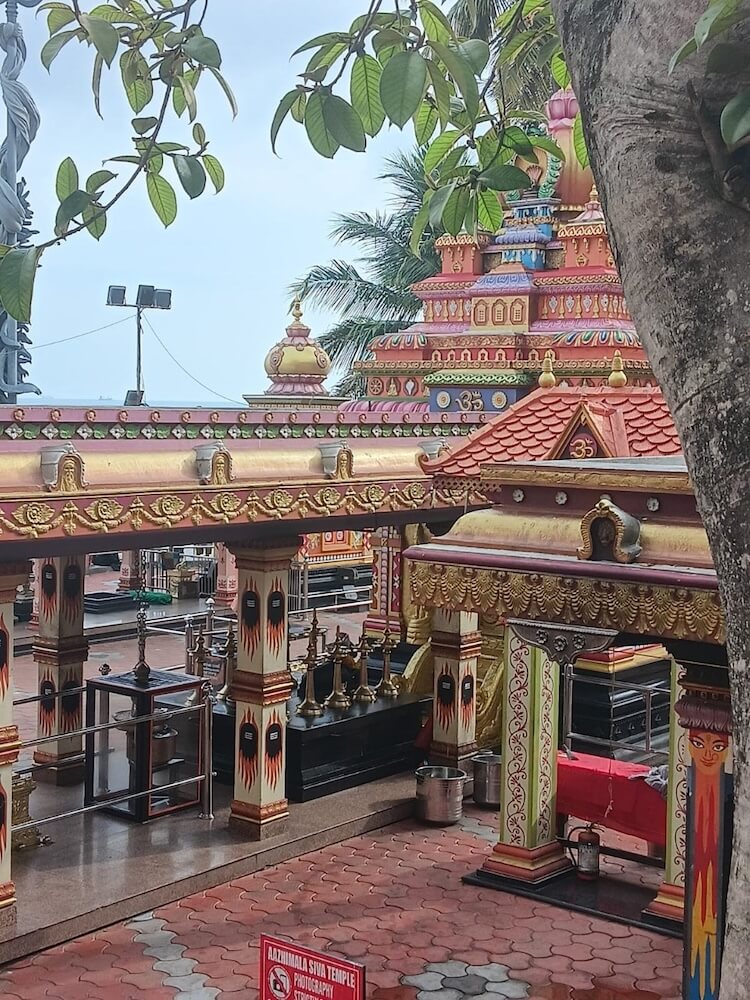 त्यांच्या प्रवासात, त्यांना येथे एक जीव समाधी आढळली आणि त्यांनी त्यावर एक शिवलिंग स्थापित केले. नंतर, त्यांनी अभिषेक करण्यासाठी पाणी शोधले, परंतु त्यांना ताजे पाणी सापडले नाही. या भागात फक्त समुद्राचे पाणी होते आणि शुद्ध पाण्याचा कोणताही स्रोत नसल्यामुळे, भीमाने पाण्याच्या शोधात आपल्या कोपराने एका खडकावर प्रहार केला असे मानले जाते. प्रहाराच्या शक्तीमुळे, खडकात एक भेग पडली आणि त्यातून ताजे पाणी बाहेर आले असे म्हटले जाते. या पवित्र पाण्याच्या स्रोताला पांडव तीर्थम म्हणून ओळखले जाते.
आझिमाला शिव मंदिर तिरुवनंतपुरम जिल्ह्यातील पुलिंकुडी येथील समुद्रकिनाऱ्याजवळ, राष्ट्रीय महामार्गापासून थोडे दूर स्थित आहे. मंदिराची स्थापत्यशैली तामिळनाडूतील मंदिरांसारखीच आहे. मंदिराचे प्रवेशद्वार आणि गोपुरम भगवान गणेश, महाविष्णू, मुरुगन, अय्यप्पा आणि हनुमान यांसारख्या हिंदू देवतांच्या शिल्पांनी सुंदरपणे सजवलेले आहेत. प्रवेशद्वारातून आत जाताना, आपल्याला एक शांत मार्गिका आणि एक प्रशस्त मंदिराचे आवार दिसते.
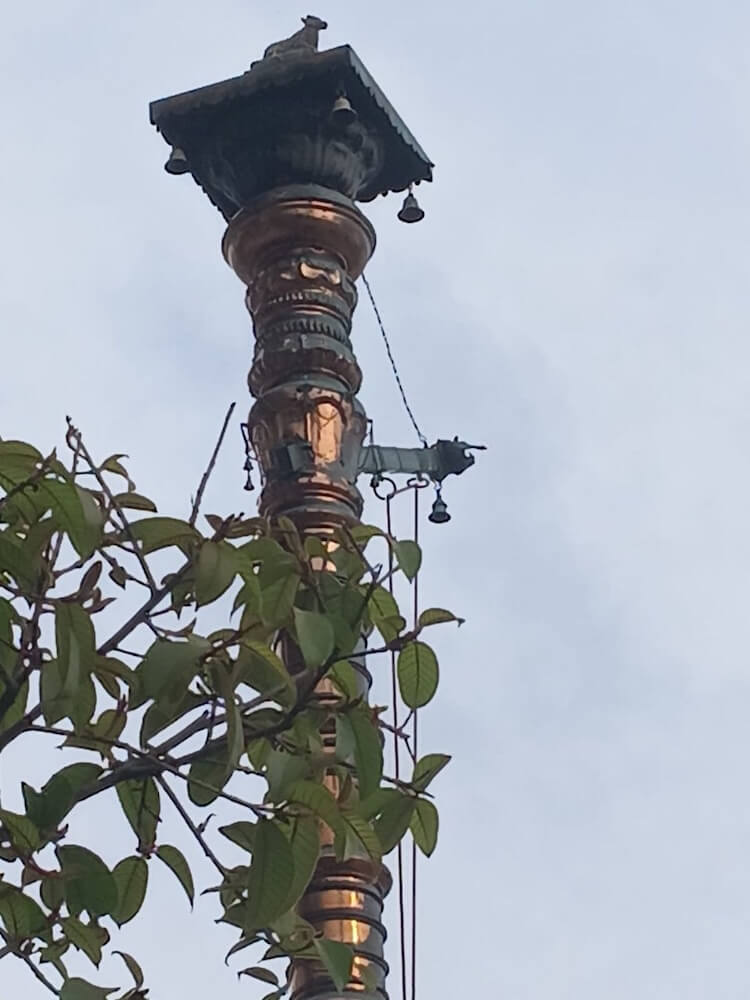
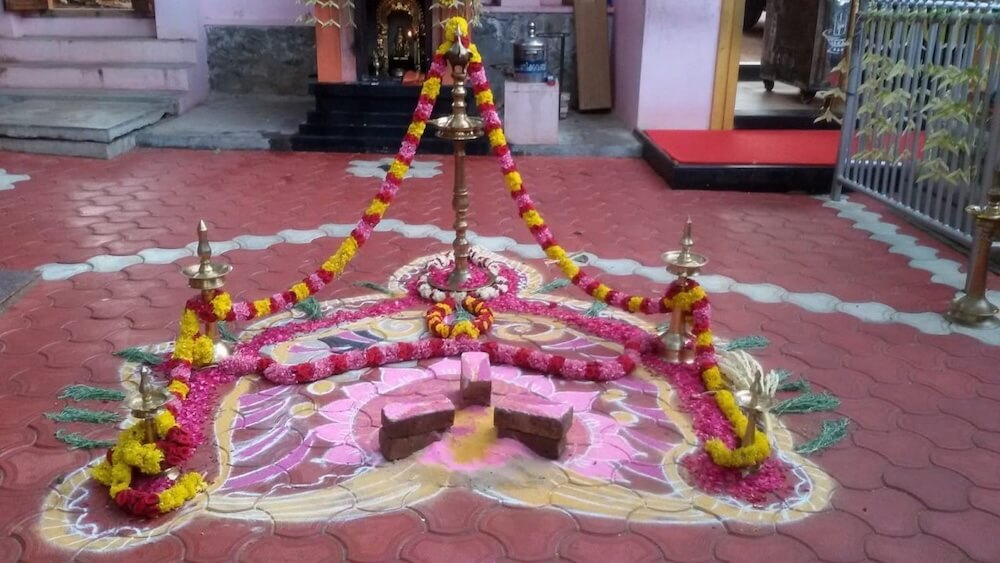
प्रवेशद्वारापासून श्रीकोविल (गर्भगृह) पर्यंतच्या मार्गावर, प्रवेशद्वाराजवळ भगवान गणेशाचे एक लहान मंदिर आहे. मंदिरासमोर लहान दिवे, फुले आणि नारळ फोडण्यासाठी एक निश्चित जागा आहे. पुढे चालत गेल्यावर, आपल्याला दीपस्तंभ (दीपांचा खांब) दिसतो, त्यानंतर चुट्टंबलम (मंदिराचे आतील आवार) आहे. त्यानंतर, आपण श्रीकोविलमध्ये प्रवेश करतो, जे मंदिराचे हृदय आहे.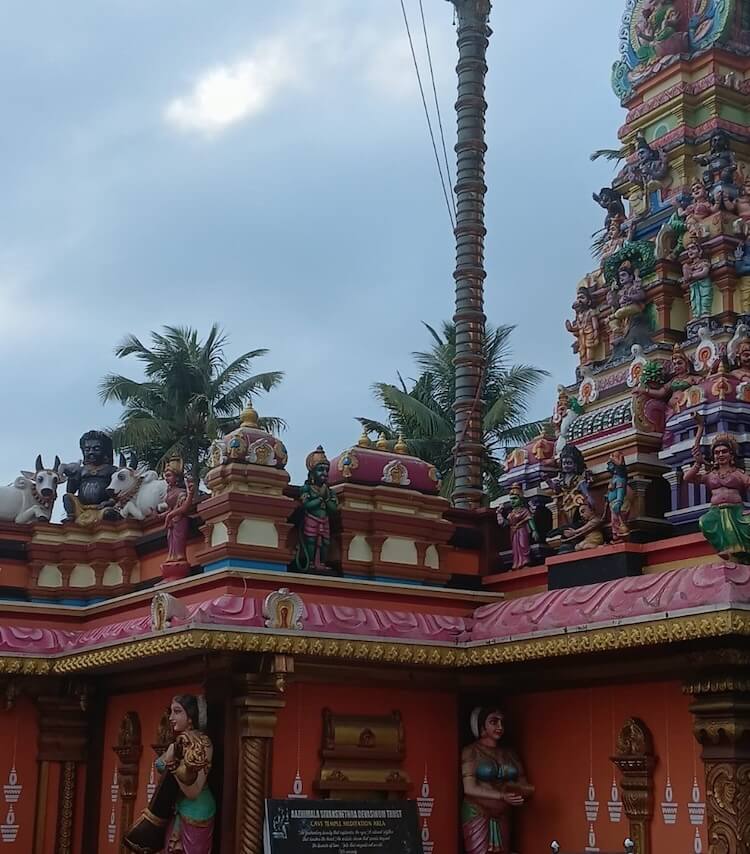 लहान पण आध्यात्मिकदृष्ट्या शक्तिशाली गर्भगृहात, मुख्य दैवत शिवलिंग आहे. पारंपारिक केरळी मंदिर स्थापत्यकलेनुसार, त्याला मजबूत दगडी पाया आणि उतरते छत आहे. श्रीकोविलच्या बाहेरील भिंतींवर जास्त सजावट नसली तरी, सुंदर कोरीव काम अजूनही दिसते. लाकडी दरवाजे फुलांच्या नक्षीकाम, दैवी चिन्हे आणि पौराणिक आकृत्यांनी सुशोभित केलेले आहेत. आझिमाला शिव मंदिराच्या श्रीकोविलजवळ, देवीला समर्पित एक मंदिर आहे. गर्भगृहापासून थोडे दूर, एका शांत आणि रमणीय कोपऱ्यात, भक्तांना नाग प्रतिष्ठा (सर्प मंदिर) देखील पाहता येते. हे अनेक सर्प शिळा एकत्र स्थापित केल्याप्रमाणे दिसते. या नाग मूर्ती खुल्या जागेत ठेवलेल्या सर्पांच्या दगडी कोरीव काम आहेत, ज्यांच्या जवळ दिवे लावलेले आहेत.
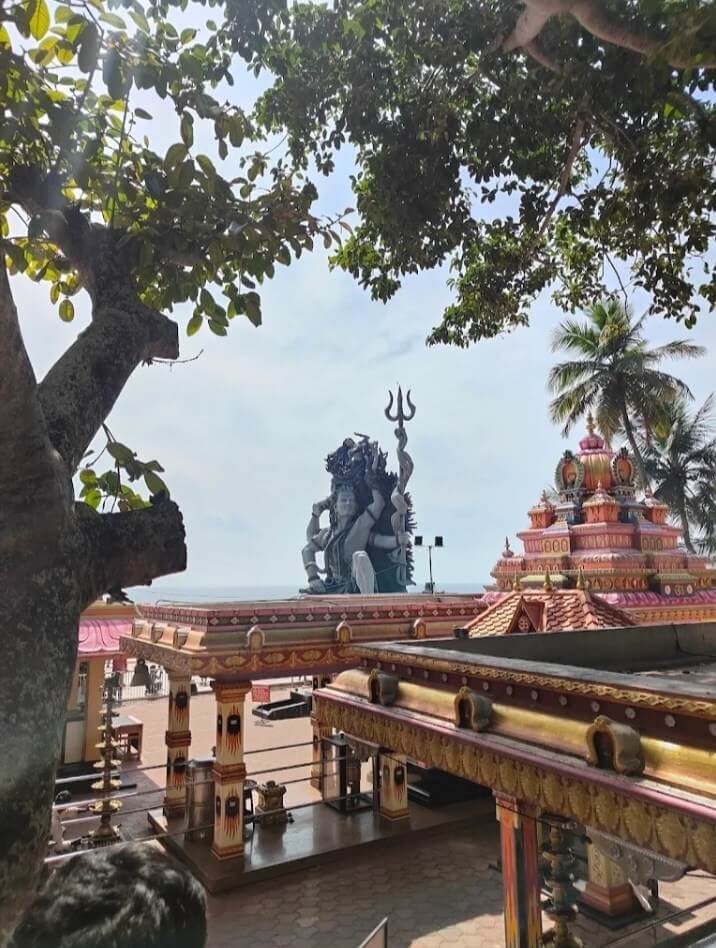
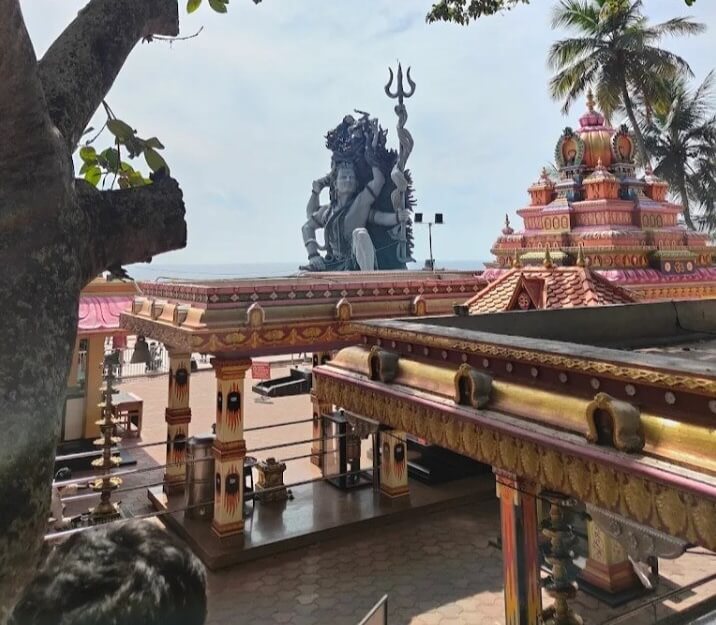
याव्यतिरिक्त, भगवान मुरुगन आणि भगवान अय्यप्पा यांची मंदिरे देखील मुख्य मंदिराच्या जवळ आहेत. जेव्हा श्रीकोविलमधून बाहेरच्या दिशेने मागे वळून पाहिले जाते, तेव्हा भव्य गंगाधर शिव मूर्ती समुद्रकिनाऱ्याजवळ आकाशाला स्पर्श करत असल्याप्रमाणे उभी असलेली दिसते. महादेवाचे जटांमध्ये देवी गंगेला धारण केलेले रूप भाविकांच्या मनात भक्ती आणि आश्चर्य दोन्ही निर्माण करते. या शिल्पात, मागील उजव्या हातात डमरू (ढोल) आहे, डाव्या हातात त्रिशूल (त्रिशूळ) आहे, पुढील उजवा हात उजव्या मांडीवर ठेवलेला आहे आणि डावा हात जटांमधून वर उचललेला आहे, जो देवी गंगेच्या दिव्य अवतरणाचे प्रतीक आहे. आझिमाला येथील प्रसिद्ध शिल्पकार पी. एस. देवदत्तन यांनी २०१४ मध्ये हे काम सुरू केले आणि २०२० मध्ये पूर्ण केले.
आझिमाला शिव मंदिराचे प्रमुख उत्सव भगवान शिवाची उपासना यावर केंद्रित आहेत. मंदिराचा मुख्य वार्षिक उत्सव मकरम या मल्याळम महिन्यात साजरा होणारा महोत्सव आहे. हा दहा दिवसांचा आध्यात्मिक उत्साहाने भरलेला भक्तीमय सोहळा म्हणून आयोजित केला जातो. 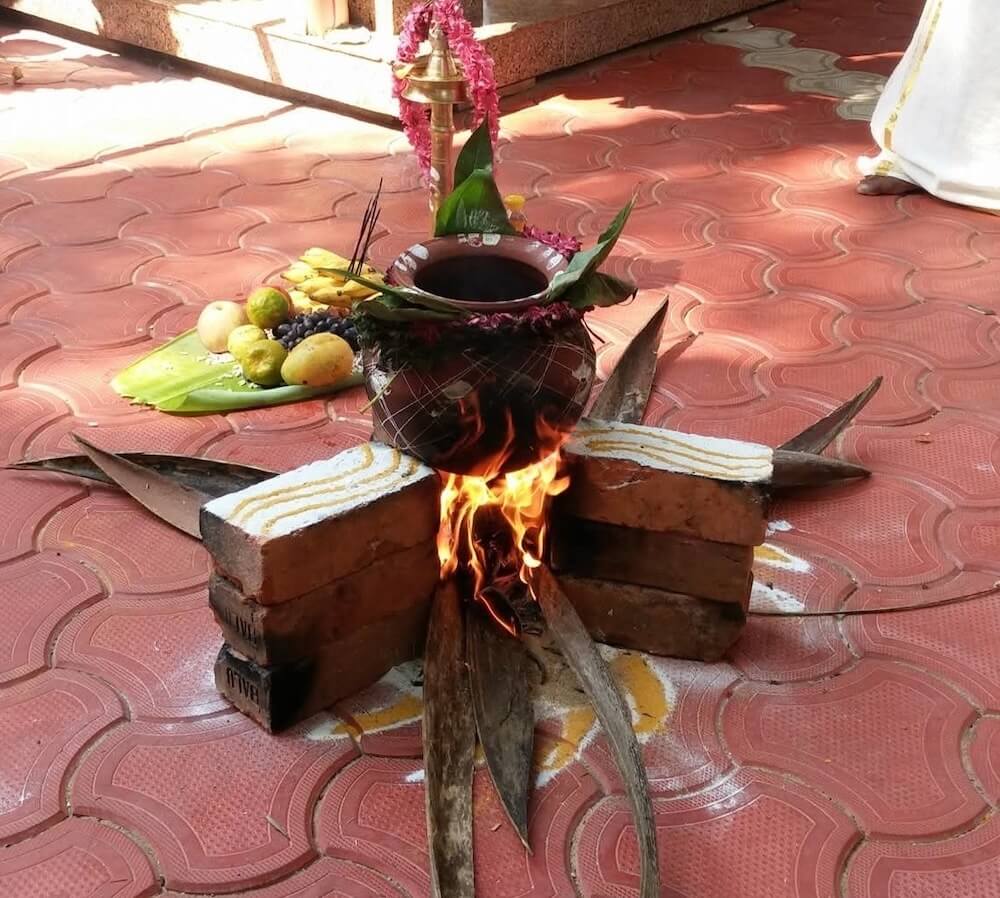 उत्सवाची सुरुवात पहिल्या दिवशी कोडियेट्टूने (ध्वजारोहण) होते. त्यानंतर दररोज विशेष पूजा, अभिषेक आणि सांस्कृतिक कार्यक्रम आयोजित केले जातात. नवव्या दिवशी पोंगाला समारंभ होतो आणि अंतिम दिवशी थिरु आरट्टू (देवतेचे पवित्र स्नान) हे उत्सवाचे मुख्य आकर्षण ठरते. मंदिरातील इतर महत्त्वाच्या उत्सवांमध्ये कुंभ महिन्यात येणारी महाशिवरात्री, अष्टमी (किझक्कोट्टू अष्टमी म्हणून ओळखली जाते), धनु महिन्यात येणारी थिरुवाथिरा आणि विनायक चतुर्थी यांचा समावेश आहे.
आझिमाला शिव मंदिरात, मुख्य देवता पवित्र शिवलिंग असल्यामुळे शिवपूजेला विशेष महत्त्व दिले जाते आणि दररोज तसेच विशेष प्रसंगी अनेक पूजा केल्या जातात. दिवसाची सुरुवात पहाटे ५:०० वाजता निर्मल्य दर्शनाने होते, जेव्हा भक्त पहाटेच्या शांत वातावरणात देवाचे पहिले दर्शन घेतात. त्यानंतर सकाळी ६:३० वाजता अभिषेक आणि उषा पूजा होते, ज्यामुळे मंदिराचे वातावरण भक्ती आणि आध्यात्मिक ऊर्जेने भारून जाते. 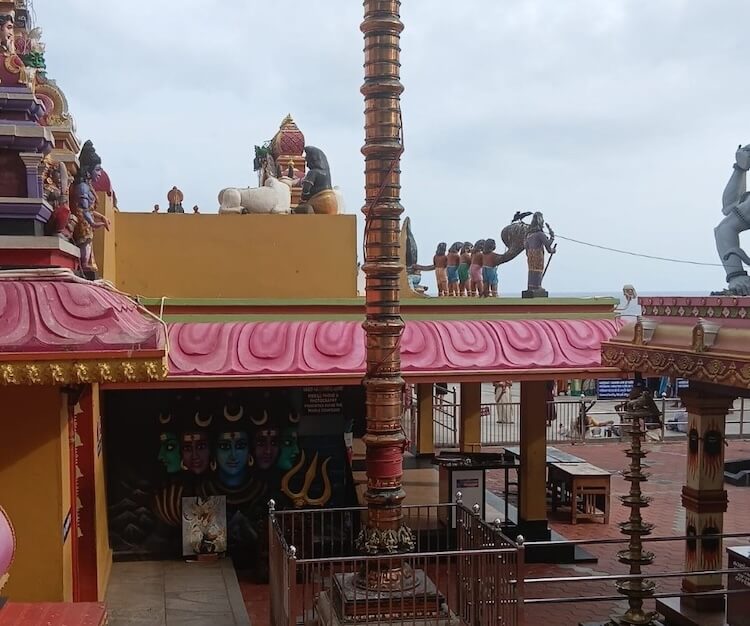 सकाळी १०:०० वाजता उचा पूजा (दुपारची पूजा) केली जाते, त्यानंतर सकाळी ११:०० वाजता मंदिर बंद होते. संध्याकाळी ५:०० वाजता मंदिर पुन्हा उघडते आणि दीपाराधना व इतर पवित्र विधींसाठी भक्तांचे पुन्हा स्वागत करते. दिप प्रज्वलित केले जातात आणि घंटा व मंत्रोच्चारांच्या गजरात प्रार्थना केल्या जातात, ज्यामुळे गाभारा रात्री ८:०० वाजता बंद होण्यापूर्वी मंदिरात एक गहन शांत आणि दिव्य अनुभव निर्माण होतो.
आझिमाला शिव मंदिरातील मुख्य नैवेद्य शिवभक्तीची खोली आणि भक्तांमधील शरणागतीचा भाव सुंदरपणे दर्शवतात. शिवलिंगावर जल अर्पण करण्याची पवित्र जलधारा आणि पालाभिषेक (दुधाचा अभिषेक) हे येथील सर्वात लोकप्रिय आणि श्रद्धापूर्ण विधी आहेत, जे सहसा मंत्रोच्चारांसह केले जातात. पुष्पांजली (फुले अर्पण करणे), विळक्कू वझिपाडू (दिवा अर्पण करणे) आणि अन्नदान (अन्न अर्पण करणे) यांनाही मोठे आध्यात्मिक महत्त्व आहे. गणपती मंदिरात, भक्त सहसा गणपती होम करतात आणि अप्पम नैवेद्य अर्पण करतात. नाग प्रतिष्ठा येथे, नाग पूजा हा आणखी एक महत्त्वाचा विधी आहे, जिथे दूध, हळद आणि नूरुम पालुम अत्यंत आदराने आणि आशीर्वाद व संरक्षणासाठी प्रार्थना करत अर्पण केले जातात.
प्रमुख वैशिष्ट्ये
- तिरुवनंतपुरम शहरापासून २० किमी आणि कोवलमपासून १५ किमी अंतरावर स्थित.
- या मंदिरासाठी राज्य परिवहन [ KSRTC ] बस सुविधा आणि खाजगी बस सेवा उपलब्ध आहेत.
- खाजगी वाहने मंदिराच्या निर्दिष्ट पार्किंग क्षेत्रात उभी करता येतात.
- मंदिराच्या जवळ निवास आणि भोजन सुविधा उपलब्ध आहेत.
- दूरध्वनी क्रमांक: +91 471 2268422
Aazhimala Shiva Temple
Pulinkudi, Mulloor, Dist. Thiruvananthapuram
Aazhimala Shiva Temple is a famous Shiva temple located near Vizhinjam, a coastal region in Thiruvananthapuram district. Facing the Arabian Sea, this temple is known as a rare blend of devotion and natural beauty. The main deity of the temple is Lord Shiva. One of the biggest attractions of the temple is the massive Gangadhara Shiva statue standing close to the seashore. This grand statue, approximately 58 feet tall, attracts both devotees and visitors alike. Enriched by ancient beliefs and local devotional traditions, this temple has now become one of the major pilgrimage Centres in Kerala.
The history of Aazhimala Shiva Temple is shaped by local beliefs and mythological traditions. The temple is considered to be a centuries-old Centre of Shaiva worship. It is believed that in ancient times, fishermen and sea travelers worshipped Lord Shiva here for safe journeys and a prosperous life. Devotees believe that the main idol, the Shiva Linga, is very ancient and possesses a self-manifested divine presence (Swayambhu). Over time, the temple was renovated and gradually developed into its present form. In recent years, the temple gained even greater fame with the installation of the massive Gangadhara Shiva statue on the seashore.
Since this region was under the rule of the Travancore royal family, the temple received indirect support during that period. This temple is also associated with Sree Narayana Guru. It is believed that Guru once visited this area and recognised the divine presence of Lord Shiva here. He explained to the local people about the spiritual significance of the place and its Jeeva Samadhi and requested them to build a temple there. He also showed them the exact location where the temple should be constructed. It is believed that this is how the present form of the temple came into existence. Since the place is a unique combination of “Aazhi” (sea) and “Mala” (hill), the region came to be known as Aazhimala.
There is also a local belief connecting Aazhimala Shiva Temple with the Mahabharata. It is believed that during their exile, the Pandavas passed through this region. During their journey, they came across a Jeeva Samadhi here and installed a Shiva Linga over it. Later, they searched for water to perform the abhishekam, but could not find any fresh water. Since the area had only seawater and no pure water source, it is believed that Bhima struck a rock with his elbow in search of water. Due to the force of the strike, a crack appeared in the rock, and fresh water is said to have sprung out from it. This sacred water source is known as Pandava Theertham.
Aazhimala Shiva Temple is located near the seashore at Pulinkudi in Thiruvananthapuram district, a little away from the National Highway. The architectural style of the temple is very similar to that of Tamil Nadu temples. The temple entrance and gopurams are beautifully decorated with sculptures of Hindu deities such as Lord Ganesha, Mahavishnu, Murugan, Ayyappa, and Hanuman. As we pass through the entrance gate, we can see a peaceful walkway and a spacious temple courtyard.
On the way from the entrance to the Sreekovil (sanctum sanctorum), there is a small shrine of Lord Ganesha near the entrance. In front of the shrine, there are small lamps, flowers, and a designated place for breaking coconuts as offerings. Walking further, we can see the deepasthambham (lamp pillar), followed by the chuttambalam (inner temple courtyard). After that, we entered the Sreekovil, which is the heart of the temple. Inside the small yet spiritually powerful sanctum, the main deity is the Shiva Linga. It has a strong stone foundation and a sloping roof, following traditional Kerala temple architecture. Although the outer walls of the Sreekovil do not have excessive decorations, fine carvings can still be seen. The wooden doors are adorned with floral patterns, divine symbols, and mythological figures. Near the Sreekovil of Aazhimala Shiva Temple, there is a shrine dedicated to the Goddess. A little away from the sanctum, in a calm and peaceful corner, devotees can also see the Naga Prathishta (serpent shrine). It appears as a group of several serpent stones installed together. These Naga sculptures are stone carvings of serpents placed in an open area, with lamps arranged nearby.
In addition, shrines of Lord Murugan and Lord Ayyappa are also located near the main temple. When one turns back and looks from the Sreekovil towards the outside, the magnificent Gangadhara Shiva statue can be seen rising near the seashore as if touching the sky. The form of Mahadeva carrying Goddess Ganga in His matted hair creates both devotion and wonder in the hearts of visitors. In this sculpture, the back right hand holds the Damaru (drum), the left hand holds the Trishul (trident), the front right hand rests on the right thigh, and the left hand is raised through the matted hair, symbolising the divine descent of Goddess Ganga. The renowned sculptor P. S. Devadathan, a native of Aazhimala, began the project in 2014 and completed it in 2020.
The major festivals of Aazhimala Shiva Temple are centered around the worship of Lord Shiva. The main annual festival of the temple is the Mahotsavam celebrated during the Malayalam month of Makaram. It is conducted as a ten-day devotional celebration filled with spiritual fervor. The festival begins with the Kodiyettu (flag hoisting) on the first day. Following this, special poojas, abhishekams, and cultural programs are conducted every day. On the ninth day, the Pongala ceremony is held, and on the final day, the Thiru Aarattu (holy ritual bath of the deity) becomes one of the main attractions of the festival. Other important celebrations of the temple include Maha Shivaratri in the month of Kumbham, Ashtami (known as Kizhakkottu Ashtami), Thiruvathira in the month of Dhanu, and Vinayaka Chaturthi.
At Aazhimala Shiva Temple, several poojas are performed daily as well as on special occasions, with special importance given to Shiva worship since the main deity is the sacred Shiva Linga. The day begins early at 5:00 AM with Nirmalya Darshanam, when devotees receive the first darshan of the Lord in the early morning serenity. This is followed by Abhishekam and Usha Pooja at 6:30 AM, filling the temple atmosphere with devotion and spiritual energy. At 10:00 AM, the Ucha Pooja (midday worship) is conducted, after which the temple closes at 11:00 AM. In the evening, the temple reopens at 5:00 PM, welcoming devotees once again for Deeparadhana and other sacred rituals. As lamps are lit and prayers rise with the sound of bells and chants, the temple creates a deeply peaceful and divine experience before the sanctum finally closes at 8:00 PM.
The main offerings at Aazhimala Shiva Temple beautifully reflect the depth of Shiva devotion and the spirit of surrender among devotees. Jaladhara, the sacred offering of water over the Shiva Linga, and Paalabhishekam (milk offering) are among the most popular and faith-filled rituals performed here, usually accompanied by the chanting of mantras. Pushpanjali (flower offering), Vilakku Vazhipadu (lamp offering), and Annadanam (offering of food) also hold great spiritual importance. At the Ganapathi shrine, devotees commonly perform Ganapathi Homam and offer Appam Naivedyam. At the Naga Prathishta, Naga Pooja is another significant ritual, where milk, turmeric, and Noorum Paalum are offered with deep reverence and prayers for blessings and protection.
Key highlight
- Located at 20 km away from Thiruvananthapuram town and 15 km away from Kovalam.
- State Transport [ KSRTC ] bus facilities and private bus services are available to this temple.
- Private vehicles can be parked at the temple’s designated parking area.
- Accommodation and food facilities are available near the temple.
- Phone no: +91 471 2268422
आझिमाला शिव मंदिर
पुलिंकुडी, मुल्लूर, जिला तिरुवनंतपुरम
आझिमाला शिव मंदिर तिरुवनंतपुरम जिले के तटीय क्षेत्र विझिंजम के पास स्थित एक प्रसिद्ध शिव मंदिर है। अरब सागर के सम्मुख स्थित यह मंदिर भक्ति और प्राकृतिक सौंदर्य के एक दुर्लभ संगम के रूप में जाना जाता है। मंदिर के मुख्य आराध्य भगवान शिव हैं। मंदिर के सबसे बड़े आकर्षणों में से एक समुद्र तट के करीब खड़ी विशाल गंगाधर शिव प्रतिमा है। लगभग 58 फीट ऊंची यह भव्य प्रतिमा भक्तों और आगंतुकों दोनों को समान रूप से आकर्षित करती है। प्राचीन मान्यताओं और स्थानीय भक्ति परंपराओं से समृद्ध यह मंदिर अब केरल के प्रमुख तीर्थयात्रा केंद्रों में से एक बन गया है।
आझिमाला शिव मंदिर का इतिहास स्थानीय मान्यताओं और पौराणिक परंपराओं से आकार लेता है। यह मंदिर शैव पूजा का सदियों पुराना केंद्र माना जाता है। माना जाता है कि प्राचीन काल में मछुआरे और समुद्री यात्री सुरक्षित यात्राओं और समृद्ध जीवन के लिए यहां भगवान शिव की पूजा करते थे। भक्तों का मानना है कि मुख्य प्रतिमा, शिवलिंग, बहुत प्राचीन है और इसमें स्वयंभू दिव्य उपस्थिति है। समय के साथ, मंदिर का जीर्णोद्धार किया गया और धीरे-धीरे यह अपने वर्तमान स्वरूप में विकसित हुआ। हाल के वर्षों में, समुद्र तट पर विशाल गंगाधर शिव प्रतिमा की स्थापना के साथ मंदिर ने और भी अधिक प्रसिद्धि प्राप्त की।
चूंकि यह क्षेत्र त्रावणकोर शाही परिवार के शासन के अधीन था, इसलिए उस अवधि के दौरान मंदिर को अप्रत्यक्ष समर्थन प्राप्त हुआ। यह मंदिर श्री नारायण गुरु से भी जुड़ा हुआ है। माना जाता है कि गुरु ने एक बार इस क्षेत्र का दौरा किया था और यहां भगवान शिव की दिव्य उपस्थिति को पहचाना था। उन्होंने स्थानीय लोगों को इस स्थान के आध्यात्मिक महत्व और इसकी जीव समाधि के बारे में बताया और उनसे वहां एक मंदिर बनाने का अनुरोध किया। उन्होंने उन्हें वह सटीक स्थान भी दिखाया जहां मंदिर का निर्माण किया जाना चाहिए। माना जाता है कि इस प्रकार मंदिर का वर्तमान स्वरूप अस्तित्व में आया। चूंकि यह स्थान “आझि” (समुद्र) और “माला” (पहाड़ी) का एक अनूठा संयोजन है, इसलिए इस क्षेत्र को आझिमाला के नाम से जाना जाने लगा।
आझिमाला शिव मंदिर को महाभारत से जोड़ने वाली एक स्थानीय मान्यता भी है। माना जाता है कि अपने वनवास के दौरान पांडव इस क्षेत्र से गुजरे थे। अपनी यात्रा के दौरान, उन्हें यहां एक जीव समाधि मिली और उन्होंने उस पर एक शिवलिंग स्थापित किया। बाद में, उन्होंने अभिषेक करने के लिए पानी की तलाश की, लेकिन उन्हें कोई ताज़ा पानी नहीं मिला। चूंकि क्षेत्र में केवल समुद्री जल था और कोई शुद्ध जल स्रोत नहीं था, इसलिए माना जाता है कि भीम ने पानी की तलाश में अपनी कोहनी से एक चट्टान पर प्रहार किया था। प्रहार की शक्ति के कारण, चट्टान में एक दरार आ गई, और कहा जाता है कि उसमें से ताज़ा पानी निकला। यह पवित्र जल स्रोत पांडव तीर्थम के नाम से जाना जाता है।
आझिमाला शिव मंदिर तिरुवनंतपुरम जिले के पुलिंकुडी में समुद्र तट के पास, राष्ट्रीय राजमार्ग से थोड़ी दूरी पर स्थित है। मंदिर की स्थापत्य शैली तमिलनाडु के मंदिरों के समान है। मंदिर का प्रवेश द्वार और गोपुरम भगवान गणेश, महाविष्णु, मुरुगन, अयप्पा और हनुमान जैसे हिंदू देवी-देवताओं की मूर्तियों से खूबसूरती से सजाए गए हैं। जैसे ही हम प्रवेश द्वार से गुजरते हैं, हमें एक शांत मार्ग और एक विशाल मंदिर प्रांगण दिखाई देता है।
प्रवेश द्वार से श्रीकोविल (गर्भगृह) तक जाने के रास्ते में, प्रवेश द्वार के पास भगवान गणेश का एक छोटा मंदिर है। मंदिर के सामने छोटे दीपक, फूल और नारियल चढ़ाने के लिए एक निर्धारित स्थान है। आगे चलने पर, हमें दीपस्तंभ (दीपक स्तंभ) दिखाई देता है, जिसके बाद चुट्टाम्बलम (आंतरिक मंदिर प्रांगण) आता है। उसके बाद, हम श्रीकोविल में प्रवेश करते हैं, जो मंदिर का हृदय है। छोटे लेकिन आध्यात्मिक रूप से शक्तिशाली गर्भगृह के अंदर, मुख्य देवता शिवलिंग हैं। इसमें एक मजबूत पत्थर की नींव और एक ढलान वाली छत है, जो पारंपरिक केरल मंदिर वास्तुकला का अनुसरण करती है। हालांकि श्रीकोविल की बाहरी दीवारों पर अत्यधिक सजावट नहीं है, फिर भी बारीक नक्काशी देखी जा सकती है। लकड़ी के दरवाजे फूलों के पैटर्न, दिव्य प्रतीकों और पौराणिक आकृतियों से सुशोभित हैं। आझिमाला शिव मंदिर के श्रीकोविल के पास, देवी को समर्पित एक मंदिर है। गर्भगृह से थोड़ी दूरी पर, एक शांत और शांतिपूर्ण कोने में, भक्त नाग प्रतिष्ठा (सर्प मंदिर) भी देख सकते हैं। यह कई सर्प पत्थरों के एक साथ स्थापित समूह के रूप में दिखाई देता है। ये नाग मूर्तियां खुले क्षेत्र में रखे गए सर्पों की पत्थर की नक्काशी हैं, जिनके पास दीपक व्यवस्थित हैं।
इसके अतिरिक्त, मुख्य मंदिर के पास भगवान मुरुगन और भगवान अयप्पा के मंदिर भी स्थित हैं। जब कोई श्रीकोविल से बाहर की ओर मुड़कर देखता है, तो समुद्र तट के पास आकाश को छूती हुई भव्य गंगाधर शिव प्रतिमा दिखाई देती है। अपनी जटाओं में देवी गंगा को धारण किए हुए महादेव का यह स्वरूप आगंतुकों के हृदयों में भक्ति और विस्मय दोनों उत्पन्न करता है। इस मूर्ति में, पीछे का दाहिना हाथ डमरू (ढोल) पकड़े हुए है, बायां हाथ त्रिशूल (त्रिशूल) पकड़े हुए है, सामने का दाहिना हाथ दाहिनी जांघ पर टिका हुआ है, और बायां हाथ जटाओं के माध्यम से ऊपर उठा हुआ है, जो देवी गंगा के दिव्य अवतरण का प्रतीक है। आझिमाला के मूल निवासी प्रसिद्ध मूर्तिकार पी. एस. देवदत्तन ने 2014 में इस परियोजना को शुरू किया और 2020 में इसे पूरा किया।
आझिमाला शिव मंदिर के प्रमुख उत्सव भगवान शिव की पूजा के इर्द-गिर्द केंद्रित हैं। मंदिर का मुख्य वार्षिक उत्सव मलयालम माह मकरम के दौरान मनाया जाने वाला महोत्सव है। यह आध्यात्मिक उत्साह से भरा दस दिवसीय भक्तिपूर्ण उत्सव के रूप में आयोजित किया जाता है। उत्सव का आरंभ प्रथम दिवस पर कोडियेट्टु (ध्वजारोहण) से होता है। इसके उपरांत, प्रतिदिन विशेष पूजाएँ, अभिषेक और सांस्कृतिक कार्यक्रम आयोजित किए जाते हैं। नवें दिन पोंगाला समारोह होता है, और अंतिम दिन थिरु आरट्टु (देवता का पवित्र अनुष्ठानिक स्नान) उत्सव के मुख्य आकर्षणों में से एक बन जाता है। मंदिर के अन्य महत्वपूर्ण उत्सवों में कुंभम मास में महाशिवरात्रि, अष्टमी (जिसे किझक्कोट्टु अष्टमी के नाम से जाना जाता है), धनु मास में थिरुवाथिरा और विनायक चतुर्थी शामिल हैं।
आज़ीमाला शिव मंदिर में, प्रतिदिन और विशेष अवसरों पर कई पूजाएँ संपन्न की जाती हैं, जिसमें शिव पूजा को विशेष महत्व दिया जाता है क्योंकि मुख्य देवता पवित्र शिवलिंग हैं। दिन की शुरुआत सुबह 5:00 बजे निर्मल्य दर्शनम से होती है, जब भक्तगण प्रातःकाल की शांति में भगवान के प्रथम दर्शन प्राप्त करते हैं। इसके बाद सुबह 6:30 बजे अभिषेक और उषा पूजा होती है, जो मंदिर के वातावरण को भक्ति और आध्यात्मिक ऊर्जा से भर देती है। सुबह 10:00 बजे उचा पूजा (मध्याह्न पूजा) संपन्न की जाती है, जिसके बाद मंदिर सुबह 11:00 बजे बंद हो जाता है। शाम को, मंदिर 5:00 बजे फिर से खुलता है, भक्तों का दीपाराधना और अन्य पवित्र अनुष्ठानों के लिए एक बार फिर स्वागत करता है। जैसे ही दीपक जलाए जाते हैं और घंटियों तथा मंत्रोच्चार की ध्वनि के साथ प्रार्थनाएँ उठती हैं, मंदिर एक गहन शांतिपूर्ण और दिव्य अनुभव प्रदान करता है, जिसके बाद अंततः रात 8:00 बजे गर्भगृह बंद हो जाता है।
आज़ीमाला शिव मंदिर में मुख्य चढ़ावे शिव भक्ति की गहराई और भक्तों के समर्पण की भावना को सुंदर ढंग से दर्शाते हैं। जलाधारा, शिवलिंग पर जल का पवित्र अर्पण, और पालाभिषेकम (दूध का अर्पण) यहाँ किए जाने वाले सबसे लोकप्रिय और श्रद्धापूर्ण अनुष्ठानों में से हैं, जो आमतौर पर मंत्रों के जाप के साथ होते हैं। पुष्पांजलि (पुष्प अर्पण), विलाक्कु वझिपाडु (दीपक अर्पण), और अन्नदानम (भोजन का अर्पण) का भी अत्यधिक आध्यात्मिक महत्व है। गणपति मंदिर में, भक्तगण सामान्यतः गणपति होमम करते हैं और अप्पम नैवेद्यम अर्पित करते हैं। नाग प्रतिष्ठा में, नाग पूजा एक और महत्वपूर्ण अनुष्ठान है, जहाँ दूध, हल्दी और नूरुम पालुम को गहरी श्रद्धा के साथ और आशीर्वाद तथा सुरक्षा के लिए प्रार्थनाओं के साथ अर्पित किया जाता है।
मुख्य आकर्षण
- तिरुवनंतपुरम शहर से 20 किमी और कोवलम से 15 किमी दूर स्थित है।
- इस मंदिर के लिए राज्य परिवहन [ KSRTC ] बस सुविधाएँ और निजी बस सेवाएँ उपलब्ध हैं।
- निजी वाहन मंदिर के निर्धारित पार्किंग क्षेत्र में पार्क किए जा सकते हैं।
- मंदिर के पास आवास और भोजन की सुविधाएँ उपलब्ध हैं।
- फ़ोन नंबर: +91 471 2268422
આઝિમાલા શિવ મંદિર
પુલિંકુડી, મુલ્લૂર, જિ. તિરુવનંતપુરમ
આઝિમાલા શિવ મંદિર એ તિરુવનંતપુરમ જિલ્લાના દરિયાકાંઠાના વિસ્તારમાં આવેલા વિઝિંજમ નજીક સ્થિત એક પ્રસિદ્ધ શિવ મંદિર છે. અરબી સમુદ્રને સામે રાખીને આવેલું આ મંદિર ભક્તિ અને કુદરતી સૌંદર્યના દુર્લભ સંગમ તરીકે ઓળખાય છે. મંદિરના મુખ્ય દેવતા ભગવાન શિવ છે. મંદિરના મુખ્ય આકર્ષણોમાંની એક દરિયાકિનારે ઊભેલી ભવ્ય ગંગાધર શિવ પ્રતિમા છે. લગભગ ૫૮ ફૂટ ઊંચી આ ભવ્ય પ્રતિમા ભક્તો અને પર્યટકોને સમાન રીતે આકર્ષે છે. પ્રાચીન શ્રદ્ધા અને સ્થાનિક ભક્તિ પરંપરાઓથી સમૃદ્ધ આ મંદિર હવે કેરળના મુખ્ય તીર્થસ્થાનો પૈકી એક બની ગયું છે.
આઝિમાલા શિવ મંદિરનો ઇતિહાસ સ્થાનિક શ્રદ્ધા અને પૌરાણિક પરંપરાઓથી ઘડાયેલો છે. આ મંદિર શૈવ ઉપાસનાનું સદીઓ જૂનું કેન્દ્ર માનવામાં આવે છે. એવું માનવામાં આવે છે કે પ્રાચીન કાળમાં, માછીમારો અને સમુદ્રમાંથી પ્રવાસ કરનારા લોકો સુરક્ષિત યાત્રા અને સમૃદ્ધ જીવન માટે અહીં ભગવાન શિવની પૂજા કરતા હતા. ભક્તોનો એવો વિશ્વાસ છે કે મુખ્ય પ્રતિમા, શિવલિંગ, ખૂબ પ્રાચીન છે અને તેમાં સ્વયંભૂ દૈવી ઉપસ્થિતિ છે. સમય જતાં, મંદિરનું નવીનીકરણ કરવામાં આવ્યું અને ધીમે ધીમે તે તેના વર્તમાન સ્વરૂપમાં વિકસિત થયું. તાજેતરના વર્ષોમાં, દરિયાકિનારે ભવ્ય ગંગાધર શિવ પ્રતિમાની સ્થાપના થવાથી મંદિરને વધુ પ્રસિદ્ધિ મળી.
આ પ્રદેશ ત્રાવણકોર રાજઘરાણાના આધિપત્ય હેઠળ હોવાથી, તે સમયગાળામાં મંદિરને પરોક્ષ રીતે ટેકો મળ્યો. આ મંદિર શ્રી નારાયણ ગુરુ સાથે પણ સંબંધિત છે. એવું માનવામાં આવે છે કે ગુરુએ એકવાર આ વિસ્તારની મુલાકાત લીધી હતી અને અહીં ભગવાન શિવની દૈવી ઉપસ્થિતિને ઓળખી હતી. તેમણે સ્થાનિક લોકોને આ સ્થળનું આધ્યાત્મિક મહત્વ અને અહીંની જીવ સમાધિ વિશે જણાવ્યું અને તેમને ત્યાં મંદિર બાંધવાની વિનંતી કરી. મંદિરનું નિર્માણ ક્યાં કરવું તે પણ તેમણે તેમને બતાવ્યું. એવું માનવામાં આવે છે કે આ રીતે મંદિરનું વર્તમાન સ્વરૂપ અસ્તિત્વમાં આવ્યું. આ સ્થળ 'આઝિ' (સમુદ્ર) અને 'માલા' (ટેકરી) નો એક અનોખો સંગમ હોવાથી, આ પ્રદેશને આઝિમાલા નામ મળ્યું.
આઝિમાલા શિવ મંદિરને મહાભારત સાથે જોડતી એક સ્થાનિક શ્રદ્ધા પણ છે. એવું માનવામાં આવે છે કે તેમના વનવાસ દરમિયાન પાંડવો આ પ્રદેશમાંથી પસાર થયા હતા. તેમની યાત્રામાં, તેમને અહીં એક જીવ સમાધિ મળી અને તેમણે તેના પર એક શિવલિંગ સ્થાપિત કર્યું. પછી, તેમણે અભિષેક કરવા માટે પાણી શોધ્યું, પરંતુ તેમને તાજું પાણી મળ્યું નહીં. આ વિસ્તારમાં ફક્ત સમુદ્રનું પાણી હતું અને શુદ્ધ પાણીનો કોઈ સ્ત્રોત ન હોવાથી, ભીમે પાણીની શોધમાં પોતાના કોણી વડે એક ખડક પર પ્રહાર કર્યો એમ માનવામાં આવે છે. પ્રહારની શક્તિને કારણે, ખડકમાં એક તિરાડ પડી અને તેમાંથી તાજું પાણી બહાર આવ્યું એમ કહેવાય છે. આ પવિત્ર પાણીના સ્ત્રોતને પાંડવ તીર્થમ તરીકે ઓળખવામાં આવે છે.
આઝિમાલા શિવ મંદિર તિરુવનંતપુરમ જિલ્લાના પુલિંકુડી ખાતે દરિયાકિનારા નજીક, રાષ્ટ્રીય ધોરીમાર્ગથી થોડે દૂર સ્થિત છે. મંદિરની સ્થાપત્ય શૈલી તમિલનાડુના મંદિરો જેવી જ છે. મંદિરના પ્રવેશદ્વાર અને ગોપુરમ ભગવાન ગણેશ, મહાવિષ્ણુ, મુરુગન, અય્યપ્પા અને હનુમાન જેવા હિંદુ દેવતાઓની શિલ્પોથી સુંદર રીતે સુશોભિત છે. પ્રવેશદ્વારમાંથી અંદર જતાં, આપણને એક શાંત માર્ગિકા અને એક વિશાળ મંદિરનું આંગણું દેખાય છે.
પ્રવેશદ્વારથી શ્રીકોવિલ (ગર્ભગૃહ) સુધીના માર્ગ પર, પ્રવેશદ્વાર નજીક ભગવાન ગણેશનું એક નાનું મંદિર છે. મંદિર સામે નાના દીવા, ફૂલો અને નારિયેળ ફોડવા માટે એક નિશ્ચિત જગ્યા છે. આગળ ચાલતાં, આપણને દીપસ્તંભ (દીવાઓનો સ્તંભ) દેખાય છે, ત્યારબાદ ચુટ્ટમ્બલમ (મંદિરનું અંદરનું આંગણું) છે. ત્યારબાદ, આપણે શ્રીકોવિલમાં પ્રવેશ કરીએ છીએ, જે મંદિરનું હૃદય છે. નાનું પણ આધ્યાત્મિક દૃષ્ટિએ શક્તિશાળી ગર્ભગૃહમાં, મુખ્ય દેવતા શિવલિંગ છે. પરંપરાગત કેરળી મંદિર સ્થાપત્યકલા અનુસાર, તેને મજબૂત પથ્થરનો પાયો અને ઢળતી છત છે. શ્રીકોવિલની બહારની દિવાલો પર વધારે સજાવટ ન હોવા છતાં, સુંદર કોતરણી હજી પણ દેખાય છે. લાકડાના દરવાજા ફૂલોની નકશીકામ, દૈવી ચિહ્નો અને પૌરાણિક આકૃતિઓથી સુશોભિત છે. આઝિમાલા શિવ મંદિરના શ્રીકોવિલ નજીક, દેવીને સમર્પિત એક મંદિર છે. ગર્ભગૃહથી થોડે દૂર, એક શાંત અને રમણીય ખૂણામાં, ભક્તોને નાગ પ્રતિષ્ઠા (સર્પ મંદિર) પણ જોવા મળે છે. આ અનેક સર્પ શિલાઓ એકસાથે સ્થાપિત કર્યા હોય તેવું લાગે છે. આ નાગ પ્રતિમાઓ ખુલ્લી જગ્યામાં રાખેલા સર્પોના પથ્થરના કોતરકામ છે, જેની નજીક દીવા પ્રગટાવવામાં આવે છે.
આ ઉપરાંત, ભગવાન મુરુગન અને ભગવાન અય્યપ્પાના મંદિરો પણ મુખ્ય મંદિરની નજીક છે. જ્યારે શ્રીકોવિલમાંથી બહારની દિશામાં પાછળ વળીને જોવામાં આવે છે, ત્યારે ભવ્ય ગંગાધર શિવ પ્રતિમા દરિયાકિનારા નજીક આકાશને સ્પર્શ કરતી હોય તેમ ઊભેલી દેખાય છે. મહાદેવનું જટાઓમાં દેવી ગંગાને ધારણ કરેલું રૂપ ભાવિકોના મનમાં ભક્તિ અને આશ્ચર્ય બંને ઉત્પન્ન કરે છે. આ શિલ્પમાં, પાછળના જમણા હાથમાં ડમરુ (ઢોલ) છે, ડાબા હાથમાં ત્રિશૂળ છે, આગળનો જમણો હાથ જમણી જાંઘ પર રાખેલો છે અને ડાબો હાથ જટાઓમાંથી ઉપર ઉઠાવેલો છે, જે દેવી ગંગાના દિવ્ય અવતરણનું પ્રતીક છે. આઝિમાલાના પ્રસિદ્ધ શિલ્પકાર પી. એસ. દેવદત્તન દ્વારા ૨૦૧૪ માં આ કાર્ય શરૂ કરવામાં આવ્યું અને ૨૦૨૦ માં પૂર્ણ થયું.
આઝિમાલા શિવ મંદિરના મુખ્ય ઉત્સવો ભગવાન શિવની ઉપાસના પર કેન્દ્રિત છે. મંદિરનો મુખ્ય વાર્ષિક ઉત્સવ મકરમ નામના મલયાલમ મહિનામાં ઉજવાતો મહોત્સવ છે. આ દસ દિવસનો આધ્યાત્મિક ઉત્સાહથી ભરેલો ભક્તિમય સમારોહ તરીકે આયોજિત કરવામાં આવે છે. ઉત્સવની શરૂઆત પહેલા દિવસે કોડિયેટ્ટુ (ધ્વજારોહણ) થી થાય છે. ત્યારબાદ દરરોજ વિશેષ પૂજા, અભિષેક અને સાંસ્કૃતિક કાર્યક્રમો આયોજિત કરવામાં આવે છે. નવમા દિવસે પોંગાલા સમારોહ થાય છે અને અંતિમ દિવસે થિરુ આરટ્ટુ (દેવતાનું પવિત્ર સ્નાન) એ ઉત્સવનું મુખ્ય આકર્ષણ બને છે. મંદિરના અન્ય મહત્વપૂર્ણ ઉત્સવોમાં કુંભ મહિનામાં આવતી મહાશિવરાત્રી, અષ્ટમી (કિઝક્કોટ્ટુ અષ્ટમી તરીકે ઓળખાય છે), ધનુ મહિનામાં આવતી થિરુવાથિરા અને વિનાયક ચતુર્થીનો સમાવેશ થાય છે.
આઝિમાલા શિવ મંદિરમાં, મુખ્ય દેવતા પવિત્ર શિવલિંગ હોવાથી શિવપૂજાને વિશેષ મહત્વ આપવામાં આવે છે અને દરરોજ તેમજ વિશેષ પ્રસંગોએ અનેક પૂજાઓ કરવામાં આવે છે. દિવસની શરૂઆત વહેલી સવારે ૫:૦૦ વાગ્યે નિર્માલ્ય દર્શનથી થાય છે, જ્યારે ભક્તો વહેલી સવારના શાંત વાતાવરણમાં દેવના પ્રથમ દર્શન કરે છે. ત્યારબાદ સવારે ૬:૩૦ વાગ્યે અભિષેક અને ઉષા પૂજા થાય છે, જેનાથી મંદિરનું વાતાવરણ ભક્તિ અને આધ્યાત્મિક ઊર્જાથી ભરાઈ જાય છે. સવારે ૧૦:૦૦ વાગ્યે ઉચા પૂજા (બપોરની પૂજા) કરવામાં આવે છે, ત્યારબાદ સવારે ૧૧:૦૦ વાગ્યે મંદિર બંધ થાય છે. સાંજે ૫:૦૦ વાગ્યે મંદિર ફરીથી ખુલે છે અને દીપારાધના તથા અન્ય પવિત્ર વિધિઓ માટે ભક્તોનું ફરીથી સ્વાગત કરે છે. દીપ પ્રજ્વલિત કરવામાં આવે છે અને ઘંટ તથા મંત્રોચ્ચારના ગુંજારવમાં પ્રાર્થનાઓ કરવામાં આવે છે, જેનાથી ગર્ભગૃહ રાત્રે ૮:૦૦ વાગ્યે બંધ થાય તે પહેલાં મંદિરમાં એક ગહન શાંત અને દિવ્ય અનુભવ નિર્માણ થાય છે.
આઝિમાલા શિવ મંદિરમાં મુખ્ય નૈવેદ્ય શિવભક્તિની ઊંડાઈ અને ભક્તોમાં શરણાગતિનો ભાવ સુંદર રીતે દર્શાવે છે. શિવલિંગ પર જળ અર્પણ કરવાની પવિત્ર જલધારા અને પાલાભિષેક (દૂધનો અભિષેક) અહીંના સૌથી લોકપ્રિય અને શ્રદ્ધાપૂર્ણ વિધિઓ છે, જે સામાન્ય રીતે મંત્રોચ્ચાર સાથે કરવામાં આવે છે. પુષ્પાંજલિ (ફૂલો અર્પણ કરવા), વિળક્કુ વઝિપાડુ (દીવો અર્પણ કરવો) અને અન્નદાન (અન્ન અર્પણ કરવું) ને પણ મોટું આધ્યાત્મિક મહત્વ છે. ગણપતિ મંદિરમાં, ભક્તો સામાન્ય રીતે ગણપતિ હોમ કરે છે અને અપ્પમ નૈવેદ્ય અર્પણ કરે છે. નાગ પ્રતિષ્ઠામાં, નાગ પૂજા એ વધુ એક મહત્વપૂર્ણ વિધિ છે, જ્યાં દૂધ, હળદર અને નૂરુમ પાલુમ અત્યંત આદરપૂર્વક અને આશીર્વાદ તથા સંરક્ષણ માટે પ્રાર્થના કરતા અર્પણ કરવામાં આવે છે.
મુખ્ય વિશેષતાઓ
- તિરુવનંતપુરમ શહેરથી ૨૦ કિમી અને કોવલમથી ૧૫ કિમીના અંતરે આવેલું છે.
- આ મંદિર માટે રાજ્ય પરિવહન [ KSRTC ] બસ સુવિધા અને ખાનગી બસ સેવાઓ ઉપલબ્ધ છે.
- ખાનગી વાહનો મંદિરના નિર્દિષ્ટ પાર્કિંગ ક્ષેત્રમાં ઊભા કરી શકાય છે.
- મંદિરની નજીક નિવાસ અને ભોજન સુવિધાઓ ઉપલબ્ધ છે.
- દૂરભાષ નંબર: +91 471 2268422
ஆழிமலை சிவன் கோவில்
புலிங்குடி, முல்லூர், திருவனந்தபுரம் மாவட்டம்
ஆழிமலை சிவன் கோவில் திருவனந்தபுரம் மாவட்டத்தில் கடற்கரைப் பகுதியான விழிஞ்சத்திற்கு அருகில் அமைந்துள்ள ஒரு புகழ்பெற்ற சிவன் கோவில் ஆகும். அரபிக்கடலை நோக்கியுள்ள இக்கோவில், பக்திக்கும் இயற்கை அழகுக்கும் ஒரு அரிய சங்கமமாகப் போற்றப்படுகிறது. இக்கோவிலின் மூலவர் சிவபெருமான் ஆவார். கடற்கரைக்கு அருகில் கம்பீரமாக நிற்கும் கங்காதர சிவன் சிலை, இக்கோவிலின் முக்கிய ஈர்ப்புகளில் ஒன்றாகும். சுமார் 58 அடி உயரமுள்ள இச்சிலை, பக்தர்கள் மற்றும் சுற்றுலாப் பயணிகளை ஒரே நேரத்தில் கவர்கிறது. பழங்கால நம்பிக்கைகள் மற்றும் உள்ளூர் பக்தி மரபுகளால் செழித்த இக்கோவில், தற்போது கேரளாவின் முக்கிய யாத்திரை மையங்களில் ஒன்றாக மாறியுள்ளது.
ஆழிமலை சிவன் கோவிலின் வரலாறு உள்ளூர் நம்பிக்கைகள் மற்றும் புராண மரபுகளால் உருவானது. இக்கோவில் பல நூற்றாண்டுகளாக சைவ வழிபாட்டின் மையமாகப் போற்றப்படுகிறது. பழங்காலத்தில், மீனவர்களும் கடல் வழியாகப் பயணம் செய்பவர்களும் பாதுகாப்பான பயணத்திற்காகவும், வளமான வாழ்க்கைக்காகவும் இங்கு சிவபெருமானை வழிபட்டதாக நம்பப்படுகிறது. மூலவரான சிவலிங்கம் மிகவும் பழமையானது என்றும், அதில் சுயம்புவான தெய்வீக சக்தி உள்ளது என்றும் பக்தர்கள் நம்புகின்றனர். காலப்போக்கில், கோவில் புதுப்பிக்கப்பட்டு, படிப்படியாக அதன் தற்போதைய வடிவத்திற்கு வளர்ந்தது. அண்மைய ஆண்டுகளில், கடற்கரையில் கம்பீரமான கங்காதர சிவன் சிலை நிறுவப்பட்டதால், கோவிலுக்கு மேலும் புகழ் கிடைத்தது.
இப் பகுதி திருவிதாங்கூர் அரச குடும்பத்தின் கீழ் இருந்ததால், அக்காலத்தில் கோவிலுக்கு மறைமுக ஆதரவு கிடைத்தது. இக்கோவில் ஸ்ரீ நாராயண குருவுடனும் தொடர்புடையது. குரு ஒருமுறை இப் பகுதிக்கு வந்து, இங்கு சிவபெருமானின் தெய்வீக இருப்பை உணர்ந்ததாக நம்பப்படுகிறது. அவர் உள்ளூர் மக்களிடம் இப் பகுதியின் ஆன்மீக முக்கியத்துவம் மற்றும் இங்குள்ள ஜீவ சமாதி பற்றி எடுத்துரைத்து, அங்கு ஒரு கோவில் கட்டும்படி வேண்டினார். கோவில் எங்கு கட்டப்பட வேண்டும் என்பதையும் அவர் அவர்களுக்குக் காட்டினார். இவ்வாறாக, கோவிலின் தற்போதைய வடிவம் உருவானதாக நம்பப்படுகிறது. இப் பகுதி 'ஆழி' (கடல்) மற்றும் 'மலை' (குன்று) ஆகியவற்றின் தனித்துவமான சங்கமமாக இருப்பதால், இப் பகுதிக்கு ஆழிமலை என்று பெயரிடப்பட்டது.
ஆழிமலை சிவன் கோவிலை மகாபாரதத்துடன் இணைக்கும் ஒரு உள்ளூர் நம்பிக்கையும் உள்ளது. வனவாசத்தின் போது பாண்டவர்கள் இப் பகுதி வழியாகச் சென்றதாக நம்பப்படுகிறது. அவர்களின் பயணத்தில், இங்கு ஒரு ஜீவ சமாதியைக் கண்டதாகவும், அதன் மீது ஒரு சிவலிங்கத்தை நிறுவியதாகவும் கூறப்படுகிறது. பின்னர், அபிஷேகம் செய்ய நீர் தேடியபோது, அவர்களுக்கு நன்னீர் கிடைக்கவில்லை. இப் பகுதியில் கடல் நீர் மட்டுமே இருந்ததாலும், சுத்தமான நீர் ஆதாரம் இல்லாததாலும், பீமன் தனது முழங்கையால் ஒரு பாறையைத் தாக்கியதாக நம்பப்படுகிறது. அந்தத் தாக்குதலின் சக்தியால், பாறையில் ஒரு பிளவு ஏற்பட்டு, அதிலிருந்து நன்னீர் வெளிவந்ததாகக் கூறப்படுகிறது. இந்தப் புனித நீர் ஆதாரம் பாண்டவ தீர்த்தம் என்று அழைக்கப்படுகிறது.
ஆழிமலை சிவன் கோவில் திருவனந்தபுரம் மாவட்டத்தில் உள்ள புலிங்குடியில், தேசிய நெடுஞ்சாலையிலிருந்து சற்று தொலைவில், கடற்கரைக்கு அருகில் அமைந்துள்ளது. கோவிலின் கட்டிடக்கலை பாணி தமிழ்நாட்டுக் கோவில்களைப் போலவே உள்ளது. கோவிலின் நுழைவாயில் மற்றும் கோபுரம் விநாயகர், மகாவிஷ்ணு, முருகன், ஐயப்பன் மற்றும் அனுமன் போன்ற இந்து தெய்வங்களின் சிற்பங்களால் அழகாக அலங்கரிக்கப்பட்டுள்ளன. நுழைவாயிலின் உள்ளே செல்லும்போது, ஒரு அமைதியான நடைபாதையையும், விசாலமான கோவில் வளாகத்தையும் காணலாம்.
நுழைவாயிலிலிருந்து ஸ்ரீகோவில் (கருவறை) வரையிலான பாதையில், நுழைவாயிலுக்கு அருகில் விநாயகப் பெருமானுக்கு ஒரு சிறிய கோவில் உள்ளது. கோவிலுக்கு எதிரே சிறிய விளக்குகள், பூக்கள் மற்றும் தேங்காய் உடைப்பதற்கான ஒரு குறிப்பிட்ட இடம் உள்ளது. மேலும் நடந்து செல்லும்போது, தீபஸ்தம்பம் (விளக்குத் தூண்) தெரிகிறது, அதைத் தொடர்ந்து சுற்றம்பலம் (கோவிலின் உட்புற வளாகம்) உள்ளது. அதன் பிறகு, கோவிலின் இதயமான ஸ்ரீகோவிலில் நுழைகிறோம். சிறிய ஆனால் ஆன்மீக ரீதியாக சக்திவாய்ந்த கருவறையில், மூலவர் சிவலிங்கம் ஆகும். பாரம்பரிய கேரளக் கோவில் கட்டிடக்கலைக்கு ஏற்ப, இதற்கு உறுதியான கல் அடித்தளமும், சாய்வான கூரையும் உள்ளது. ஸ்ரீகோவிலின் வெளிப்புறச் சுவர்களில் அதிக அலங்காரங்கள் இல்லாவிட்டாலும், அழகான வேலைப்பாடுகள் இன்றும் காணப்படுகின்றன. மரக் கதவுகள் மலர் வேலைப்பாடுகள், தெய்வீக சின்னங்கள் மற்றும் புராண உருவங்களால் அலங்கரிக்கப்பட்டுள்ளன. ஆழிமலை சிவன் கோவிலின் ஸ்ரீகோவிலுக்கு அருகில், தேவிக்கு அர்ப்பணிக்கப்பட்ட ஒரு கோவில் உள்ளது. கருவறையிலிருந்து சற்று தொலைவில், ஒரு அமைதியான மற்றும் ரம்மியமான மூலையில், பக்தர்கள் நாக பிரதிஷ்டையையும் (சர்ப்பக் கோவில்) காணலாம். இது பல சர்ப்பச் சிலைகள் ஒன்றாக நிறுவப்பட்டதைப் போலத் தெரிகிறது. இந்த நாகச் சிலைகள் திறந்த வெளியில் வைக்கப்பட்டுள்ள சர்ப்பங்களின் கல் சிற்பங்கள் ஆகும், அவற்றின் அருகில் விளக்குகள் ஏற்றப்பட்டுள்ளன.
இவற்றுடன், முருகப்பெருமான் மற்றும் ஐயப்ப சுவாமி கோவில்களும் முக்கிய கோவிலுக்கு அருகில் அமைந்துள்ளன. ஸ்ரீகோவிலிலிருந்து வெளியே திரும்பிப் பார்க்கும்போது, கம்பீரமான கங்காதர சிவன் சிலை கடற்கரைக்கு அருகில் வானத்தைத் தொடுவது போல நிற்பது தெரிகிறது. சிவபெருமானின் ஜடாமுடியில் கங்கா தேவியைத் தாங்கியிருக்கும் இத் திருக்கோலம் பக்தர்களின் மனதில் பக்தியையும் வியப்பையும் ஒருசேர ஏற்படுத்துகிறது. இச்சிலையில், பின் வலது கையில் டமரு (உடுக்கை) உள்ளது, இடது கையில் திரிசூலம் (மூவிலை ஈட்டி) உள்ளது, முன் வலது கை வலது தொடையில் வைக்கப்பட்டுள்ளது, மற்றும் இடது கை ஜடாமுடியிலிருந்து உயர்த்தப்பட்டுள்ளது, இது கங்கா தேவியின் தெய்வீக அவதாரத்தைக் குறிக்கிறது. ஆழிமலையின் புகழ்பெற்ற சிற்பி பி. எஸ். தேவதத்தன் 2014 இல் இப் பணியைத் தொடங்கி 2020 இல் நிறைவு செய்தார்.
ஆழிமலை சிவன் கோவிலின் முக்கிய திருவிழாக்கள் சிவபெருமானின் வழிபாட்டை மையமாகக் கொண்டவை. கோவிலின் முக்கிய ஆண்டுத் திருவிழா மலையாள மாதமான மகரத்தில் கொண்டாடப்படும் மகரத் திருவிழா ஆகும். இது பத்து நாட்கள் ஆன்மீக உற்சாகம் நிறைந்த பக்திபூர்வமான விழாவாக நடத்தப்படுகிறது. திருவிழா முதல் நாளில் கொடியேற்றத்துடன் (கொடியேற்றுதல்) தொடங்குகிறது. அதைத் தொடர்ந்து தினமும் சிறப்பு பூஜைகள், அபிஷேகங்கள் மற்றும் கலாச்சார நிகழ்ச்சிகள் நடத்தப்படுகின்றன. ஒன்பதாம் நாளில் பொங்கல் விழா நடைபெறுகிறது, மேலும் இறுதி நாளில் திரு ஆராட்டு (தெய்வத்தின் புனித நீராடல்) திருவிழாவின் முக்கிய ஈர்ப்பாக அமைகிறது. கோவிலின் மற்ற முக்கியமான திருவிழாக்களில் கும்ப மாதத்தில் வரும் மகாசிவராத்திரி, அஷ்டமி (கிழக்கோட்டு அஷ்டமி என்று அழைக்கப்படுகிறது), தனு மாதத்தில் வரும் திருவாதிரை மற்றும் விநாயக சதுர்த்தி ஆகியவை அடங்கும்.
ஆழிமலை சிவன் கோவிலில், மூலவர் புனித சிவலிங்கம் என்பதால் சிவபூஜைக்கு சிறப்பு முக்கியத்துவம் அளிக்கப்படுகிறது, மேலும் தினமும் மற்றும் சிறப்பு சந்தர்ப்பங்களில் பல பூஜைகள் செய்யப்படுகின்றன. நாள் அதிகாலை 5:00 மணிக்கு நிர்மால்ய தரிசனத்துடன் தொடங்குகிறது, அப்போது பக்தர்கள் அதிகாலை அமைதியான சூழலில் இறைவனின் முதல் தரிசனத்தைப் பெறுகிறார்கள். அதைத் தொடர்ந்து காலை 6:30 மணிக்கு அபிஷேகம் மற்றும் உஷா பூஜை நடைபெறுகிறது, இது கோவிலின் சூழலை பக்தி மற்றும் ஆன்மீக ஆற்றலால் நிரப்புகிறது. காலை 10:00 மணிக்கு உச்ச பூஜை (நண்பகல் பூஜை) நடத்தப்படுகிறது, அதன் பிறகு காலை 11:00 மணிக்கு கோயில் மூடப்படுகிறது. மாலை 5:00 மணிக்கு கோயில் மீண்டும் திறக்கப்படுகிறது மற்றும் தீபாராதனை மற்றும் பிற புனித சடங்குகளுக்காக பக்தர்களை மீண்டும் வரவேற்கிறது. தீபங்கள் ஏற்றப்படுகின்றன மேலும் மணி ஓசைகள் மற்றும் மந்திரங்களின் முழக்கத்துடன் பிரார்த்தனைகள் செய்யப்படுகின்றன, இது கருவறை இரவு 8:00 மணிக்கு மூடப்படுவதற்கு முன்பு கோயிலில் ஆழ்ந்த அமைதியான மற்றும் தெய்வீக அனுபவத்தை உருவாக்குகிறது.
ஆழிமலை சிவன் கோயிலின் முக்கிய நைவேத்தியங்கள் சிவபக்தியின் ஆழத்தையும் பக்தர்களிடையே உள்ள சரணாகதி உணர்வையும் அழகாக வெளிப்படுத்துகின்றன. சிவலிங்கத்தின் மீது புனித நீர் அர்ச்சிக்கும் ஜலதாரா மற்றும் பாலாபிஷேகம் (பால் அபிஷேகம்) இங்கு மிகவும் பிரபலமான மற்றும் பக்தியுடனான சடங்குகள் ஆகும், இவை பொதுவாக மந்திர உச்சாடனங்களுடன் செய்யப்படுகின்றன. புஷ்பாஞ்சலி (மலர்கள் அர்ச்சித்தல்), விளக்கு வழிபாடு (தீபம் ஏற்றுதல்) மற்றும் அன்னதானம் (உணவு வழங்குதல்) ஆகியவற்றுக்கும் பெரும் ஆன்மீக முக்கியத்துவம் உண்டு. கணபதி கோயிலில், பக்தர்கள் பொதுவாக கணபதி ஹோமம் செய்கிறார்கள் மற்றும் அப்பம் நைவேத்தியம் படைக்கிறார்கள். நாக பிரதிஷ்டையில், நாக பூஜை மற்றொரு முக்கியமான சடங்கு ஆகும், இங்கு பால், மஞ்சள் மற்றும் நூறும் பாலும் மிகுந்த மரியாதையுடன் மற்றும் ஆசீர்வாதங்கள் மற்றும் பாதுகாப்பிற்காக பிரார்த்தனை செய்து அர்ச்சிப்பு செய்யப்படுகின்றன.
முக்கிய அம்சங்கள்
- திருவனந்தபுரம் நகரத்திலிருந்து 20 கி.மீ. மற்றும் கோவளத்திலிருந்து 15 கி.மீ. தொலைவில் அமைந்துள்ளது.
- இக்கோயிலுக்கு அரசுப் போக்குவரத்து [ KSRTC ] பேருந்து வசதி மற்றும் தனியார் பேருந்து சேவைகள் கிடைக்கின்றன.
- தனியார் வாகனங்கள் கோயிலின் குறிப்பிட்ட வாகன நிறுத்துமிடத்தில் நிறுத்தப்படலாம்.
- கோயிலுக்கு அருகில் தங்குமிடம் மற்றும் உணவு வசதிகள் கிடைக்கின்றன.
- தொலைபேசி எண்: +91 471 2268422
ఆజిమల శివాలయం
పులింకుడి, ముల్లూర్, జి. తిరువనంతపురం
ఆజిమల శివాలయం తిరువనంతపురం జిల్లాలోని తీరప్రాంతమైన విజింజం సమీపంలో ఉన్న ఒక ప్రసిద్ధ శివాలయం. అరేబియా సముద్రానికి అభిముఖంగా ఉన్న ఈ ఆలయం భక్తి మరియు సహజ సౌందర్యం యొక్క అరుదైన సంగమంగా ప్రసిద్ధి చెందింది. ఆలయ ప్రధాన దైవం పరమశివుడు. ఆలయంలోని ప్రధాన ఆకర్షణలలో ఒకటి సముద్ర తీరంలో నిలబడి ఉన్న గంభీరమైన గంగాధర శివ విగ్రహం. సుమారు 58 అడుగుల ఎత్తు ఉన్న ఈ అద్భుతమైన విగ్రహం భక్తులను మరియు పర్యాటకులను ఒకే విధంగా ఆకర్షిస్తుంది. ప్రాచీన నమ్మకాలు మరియు స్థానిక భక్తి సంప్రదాయాలతో సుసంపన్నమైన ఈ ఆలయం ఇప్పుడు కేరళలోని ప్రముఖ తీర్థయాత్రా స్థలాలలో ఒకటిగా మారింది.
ఆజిమల శివాలయ చరిత్ర స్థానిక నమ్మకాలు మరియు పౌరాణిక సంప్రదాయాలతో ముడిపడి ఉంది. ఈ ఆలయం శైవ ఆరాధనకు శతాబ్దాల నాటి కేంద్రంగా పరిగణించబడుతుంది. ప్రాచీన కాలంలో, మత్స్యకారులు మరియు సముద్రయానం చేసేవారు సురక్షితమైన ప్రయాణం మరియు సుసంపన్నమైన జీవితం కోసం ఇక్కడ పరమశివుడిని పూజించేవారని నమ్ముతారు. ప్రధాన విగ్రహం, శివలింగం, చాలా ప్రాచీనమైనదని మరియు స్వయంభువుగా దైవిక ఉనికిని కలిగి ఉందని భక్తులు విశ్వసిస్తారు. కాలక్రమేణా, ఆలయం పునరుద్ధరించబడింది మరియు క్రమంగా ప్రస్తుత రూపంలో అభివృద్ధి చెందింది. ఇటీవలి సంవత్సరాలలో, సముద్ర తీరంలో గంభీరమైన గంగాధర శివ విగ్రహం స్థాపించబడటంతో ఆలయానికి మరింత ప్రసిద్ధి లభించింది.
ఈ ప్రాంతం ట్రావన్కోర్ రాజవంశం ఆధీనంలో ఉన్నందున, ఆ కాలంలో ఆలయానికి పరోక్షంగా మద్దతు లభించింది. ఈ ఆలయం శ్రీ నారాయణ గురువుతో కూడా సంబంధం కలిగి ఉంది. గురువు ఒకసారి ఈ ప్రాంతాన్ని సందర్శించి, ఇక్కడ పరమశివుడి దైవిక ఉనికిని గుర్తించారని నమ్ముతారు. ఆయన స్థానిక ప్రజలకు ఈ ప్రదేశం యొక్క ఆధ్యాత్మిక ప్రాముఖ్యతను మరియు ఇక్కడ ఉన్న జీవ సమాధి గురించి వివరించి, అక్కడ ఒక ఆలయాన్ని నిర్మించమని వారిని కోరారు. ఆలయ నిర్మాణం ఎక్కడ చేయాలో కూడా ఆయన వారికి చూపించారు. ఈ విధంగా ఆలయం ప్రస్తుత రూపం సంతరించుకుందని నమ్ముతారు. ఈ ప్రదేశం 'ఆజి' (సముద్రం) మరియు 'మల' (కొండ) ల యొక్క అద్భుతమైన సంగమం కావడం వల్ల, ఈ ప్రాంతానికి ఆజిమల అనే పేరు వచ్చింది.
ఆజిమల శివాలయాన్ని మహాభారతంతో అనుసంధానించే ఒక స్థానిక నమ్మకం కూడా ఉంది. వారి వనవాస సమయంలో పాండవులు ఈ ప్రాంతం గుండా వెళ్ళారని నమ్ముతారు. వారి ప్రయాణంలో, వారికి ఇక్కడ ఒక జీవ సమాధి కనిపించింది మరియు వారు దానిపై ఒక శివలింగాన్ని ప్రతిష్టించారు. తరువాత, వారు అభిషేకం చేయడానికి నీటిని వెతికారు, కానీ వారికి మంచినీరు దొరకలేదు. ఈ ప్రాంతంలో సముద్రపు నీరు మాత్రమే ఉంది మరియు స్వచ్ఛమైన నీటి వనరు లేకపోవడంతో, భీముడు నీటి కోసం తన మోచేతితో ఒక బండరాయిపై కొట్టాడని నమ్ముతారు. ఆ దెబ్బ శక్తికి, బండరాయిలో ఒక పగులు ఏర్పడి, దాని నుండి మంచినీరు బయటకు వచ్చిందని చెబుతారు. ఈ పవిత్ర నీటి వనరును పాండవ తీర్థం అని పిలుస్తారు.
ఆజిమల శివాలయం తిరువనంతపురం జిల్లాలోని పులింకుడి వద్ద సముద్ర తీరానికి సమీపంలో, జాతీయ రహదారికి కొద్ది దూరంలో ఉంది. ఆలయ నిర్మాణ శైలి తమిళనాడులోని ఆలయాలను పోలి ఉంటుంది. ఆలయ ప్రవేశద్వారం మరియు గోపురం గణేశుడు, మహావిష్ణువు, మురుగన్, అయ్యప్ప మరియు హనుమాన్ వంటి హిందూ దేవతల శిల్పాలతో అందంగా అలంకరించబడ్డాయి. ప్రవేశద్వారం గుండా లోపలికి వెళ్ళినప్పుడు, మనకు ఒక ప్రశాంతమైన మార్గం మరియు విశాలమైన ఆలయ ప్రాంగణం కనిపిస్తుంది.
ప్రవేశద్వారం నుండి శ్రీకోవిల్ (గర్భగుడి) వరకు ఉన్న మార్గంలో, ప్రవేశద్వారం వద్ద గణేశుడి చిన్న ఆలయం ఉంది. ఆలయం ముందు చిన్న దీపాలు, పువ్వులు మరియు కొబ్బరికాయలు కొట్టడానికి ఒక నిర్దిష్ట స్థలం ఉంది. ముందుకు నడుచుకుంటూ వెళ్ళినప్పుడు, మనకు దీపస్తంభం (దీపాల స్తంభం) కనిపిస్తుంది, ఆ తర్వాత చుట్టంబలం (ఆలయం లోపలి ప్రాంగణం) ఉంది. ఆ తర్వాత, మనం శ్రీకోవిల్లోకి ప్రవేశిస్తాము, అది ఆలయానికి హృదయం. చిన్నదైనప్పటికీ ఆధ్యాత్మికంగా శక్తివంతమైన గర్భగుడిలో, ప్రధాన దైవం శివలింగం. సాంప్రదాయ కేరళీ ఆలయ నిర్మాణ శైలి ప్రకారం, దీనికి బలమైన రాతి పునాది మరియు వాలుగా ఉన్న పైకప్పు ఉంది. శ్రీకోవిల్ బయటి గోడలపై ఎక్కువ అలంకరణ లేనప్పటికీ, అందమైన చెక్కడాలు ఇప్పటికీ కనిపిస్తాయి. చెక్క తలుపులు పూల నమూనాలు, దైవిక చిహ్నాలు మరియు పౌరాణిక ఆకృతులతో అలంకరించబడ్డాయి. ఆజిమల శివాలయ శ్రీకోవిల్ సమీపంలో, దేవికి అంకితం చేయబడిన ఒక ఆలయం ఉంది. గర్భగుడికి కొద్ది దూరంలో, ఒక ప్రశాంతమైన మరియు రమణీయమైన మూలలో, భక్తులు నాగ ప్రతిష్ట (సర్పాల ఆలయం) ను కూడా చూడవచ్చు. ఇది అనేక సర్ప శిలలు కలిసి స్థాపించబడినట్లు కనిపిస్తుంది. ఈ నాగ విగ్రహాలు బహిరంగ ప్రదేశంలో ఉంచబడిన సర్పాల రాతి చెక్కడాలు, వాటి పక్కన దీపాలు వెలిగించబడి ఉంటాయి.
అదనంగా, మురుగన్ మరియు అయ్యప్ప స్వామి ఆలయాలు కూడా ప్రధాన ఆలయానికి సమీపంలో ఉన్నాయి. శ్రీకోవిల్ నుండి బయటి వైపుకు తిరిగి చూసినప్పుడు, గంభీరమైన గంగాధర శివ విగ్రహం సముద్ర తీరంలో ఆకాశాన్ని తాకుతున్నట్లుగా నిలబడి కనిపిస్తుంది. మహాదేవుడి జటాజూటంలో దేవి గంగను ధరించిన రూపం భక్తుల మనస్సులలో భక్తిని మరియు ఆశ్చర్యాన్ని రెండింటినీ కలిగిస్తుంది. ఈ శిల్పంలో, వెనుక కుడి చేతిలో డమరుకం (ఢమరుకం) ఉంది, ఎడమ చేతిలో త్రిశూలం (త్రిశూలం) ఉంది, ముందు కుడి చేయి కుడి తొడపై ఉంచబడింది మరియు ఎడమ చేయి జటాజూటం నుండి పైకి ఎత్తబడింది, ఇది దేవి గంగ యొక్క దివ్య అవతరణకు ప్రతీక. ఆజిమలలోని ప్రసిద్ధ శిల్పి పి. ఎస్. దేవదత్తన్ 2014లో ఈ పనిని ప్రారంభించి 2020లో పూర్తి చేశారు.
ఆజిమల శివాలయ ప్రధాన ఉత్సవాలు పరమశివుడి ఆరాధనపై కేంద్రీకృతమై ఉంటాయి. ఆలయ ప్రధాన వార్షిక ఉత్సవం మకరం అనే మలయాళ మాసంలో జరుపుకునే మహోత్సవం. ఇది పది రోజుల ఆధ్యాత్మిక ఉత్సాహంతో నిండిన భక్తిమయ వేడుకగా నిర్వహించబడుతుంది. ఉత్సవం మొదటి రోజు కొడియేట్టు (ధ్వజారోహణం) తో ప్రారంభమవుతుంది. ఆ తర్వాత ప్రతిరోజూ ప్రత్యేక పూజలు, అభిషేకాలు మరియు సాంస్కృతిక కార్యక్రమాలు నిర్వహించబడతాయి. తొమ్మిదవ రోజు పొంగల కార్యక్రమం జరుగుతుంది మరియు చివరి రోజు తిరు ఆరాట్టు (దేవత యొక్క పవిత్ర స్నానం) ఉత్సవానికి ప్రధాన ఆకర్షణగా నిలుస్తుంది. ఆలయంలోని ఇతర ముఖ్యమైన ఉత్సవాలలో కుంభ మాసంలో వచ్చే మహాశివరాత్రి, అష్టమి (కిజక్కోట్టు అష్టమిగా ప్రసిద్ధి చెందింది), ధనుర్ మాసంలో వచ్చే తిరువాతిర మరియు వినాయక చతుర్థి ఉన్నాయి.
ఆజిమల శివాలయంలో, ప్రధాన దేవత పవిత్ర శివలింగం కావడం వల్ల శివపూజకు ప్రత్యేక ప్రాముఖ్యత ఇవ్వబడుతుంది మరియు ప్రతిరోజూ అలాగే ప్రత్యేక సందర్భాలలో అనేక పూజలు చేయబడతాయి. రోజు ఉదయం 5:00 గంటలకు నిర్మాల్య దర్శనంతో ప్రారంభమవుతుంది, అప్పుడు భక్తులు తెల్లవారుజామున ప్రశాంత వాతావరణంలో దేవుడి మొదటి దర్శనం చేసుకుంటారు. ఆ తర్వాత ఉదయం 6:30 గంటలకు అభిషేకం మరియు ఉషా పూజ జరుగుతుంది, దీనివల్ల ఆలయ వాతావరణం భక్తి మరియు ఆధ్యాత్మిక శక్తితో నిండిపోతుంది. ఉదయం 10:00 గంటలకు ఉచ్చ పూజ (మధ్యాహ్న పూజ) నిర్వహించబడుతుంది, ఆ తర్వాత ఉదయం 11:00 గంటలకు ఆలయం మూసివేయబడుతుంది. సాయంత్రం 5:00 గంటలకు ఆలయం తిరిగి తెరుచుకుంటుంది మరియు దీపారాధనతో పాటు ఇతర పవిత్ర విధులకు భక్తులను తిరిగి స్వాగతిస్తుంది. దీపాలు వెలిగించబడతాయి మరియు గంటల, మంత్రోచ్ఛారణల మధ్య ప్రార్థనలు చేయబడతాయి, ఇది రాత్రి 8:00 గంటలకు గర్భగుడి మూసివేయబడటానికి ముందు ఆలయంలో ఒక లోతైన ప్రశాంతమైన మరియు దివ్యమైన అనుభూతిని సృష్టిస్తుంది.
అజిమల శివాలయంలోని ప్రధాన నైవేద్యాలు శివభక్తి యొక్క లోతును మరియు భక్తులలోని శరణాగతి భావాన్ని అందంగా ప్రదర్శిస్తాయి. శివలింగంపై జలధార (పవిత్ర జలం సమర్పించడం) మరియు పాలాభిషేకం (పాలతో అభిషేకం) ఇక్కడ అత్యంత ప్రజాదరణ పొందిన మరియు శ్రద్ధతో కూడిన ఆచారాలు, ఇవి సాధారణంగా మంత్రోచ్ఛారణలతో చేయబడతాయి. పుష్పాంజలి (పువ్వులు సమర్పించడం), విళక్కు వళిపాడు (దీపం సమర్పించడం) మరియు అన్నదానం (అన్నం సమర్పించడం) వీటికి కూడా గొప్ప ఆధ్యాత్మిక ప్రాముఖ్యత ఉంది. గణపతి ఆలయంలో, భక్తులు సాధారణంగా గణపతి హోమం చేస్తారు మరియు అప్పం నైవేద్యం సమర్పిస్తారు. నాగ ప్రతిష్ట వద్ద, నాగ పూజ మరొక ముఖ్యమైన ఆచారం, ఇక్కడ పాలు, పసుపు మరియు నూరుం పాలుం అత్యంత గౌరవంతో మరియు ఆశీర్వాదాలు, రక్షణ కోసం ప్రార్థిస్తూ సమర్పించబడతాయి.
ప్రధాన లక్షణాలు
- తిరువనంతపురం నగరం నుండి 20 కి.మీ. మరియు కోవలం నుండి 15 కి.మీ. దూరంలో ఉంది.
- ఈ ఆలయానికి రాష్ట్ర రవాణా [ KSRTC ] బస్సు సౌకర్యం మరియు ప్రైవేట్ బస్సు సేవలు అందుబాటులో ఉన్నాయి.
- ప్రైవేట్ వాహనాలు ఆలయం యొక్క నిర్దిష్ట పార్కింగ్ ప్రాంతంలో నిలపవచ్చు.
- ఆలయం సమీపంలో వసతి మరియు భోజన సౌకర్యాలు అందుబాటులో ఉన్నాయి.
- దూరవాణి సంఖ్య: +91 471 2268422
ആഴിമല ശിവക്ഷേത്രം
പുളിങ്കുടി, മുല്ലൂർ, തിരുവനന്തപുരം ജില്ല
ആഴിമല ശിവക്ഷേത്രം തിരുവനന്തപുരം ജില്ലയിലെ തീരദേശ പ്രദേശമായ വിഴിഞ്ഞത്തിനടുത്ത് സ്ഥിതി ചെയ്യുന്ന ഒരു പ്രസിദ്ധമായ ശിവക്ഷേത്രമാണ്. അറബിക്കടലിന് അഭിമുഖമായി സ്ഥിതി ചെയ്യുന്ന ഈ ക്ഷേത്രം ഭക്തിയുടെയും പ്രകൃതി സൗന്ദര്യത്തിന്റെയും അപൂർവ സംഗമമായി അറിയപ്പെടുന്നു. ക്ഷേത്രത്തിലെ പ്രധാന പ്രതിഷ്ഠ പരമശിവനാണ്. കടൽത്തീരത്തോട് ചേർന്ന് തലയുയർത്തി നിൽക്കുന്ന ഗംഭീരമായ ഗംഗാധര ശിവപ്രതിമയാണ് ക്ഷേത്രത്തിലെ പ്രധാന ആകർഷണങ്ങളിലൊന്ന്. ഏകദേശം 58 അടി ഉയരമുള്ള ഈ മഹത്തായ പ്രതിമ ഭക്തരെയും സന്ദർശകരെയും ഒരുപോലെ ആകർഷിക്കുന്നു. പുരാതന വിശ്വാസങ്ങളാലും പ്രാദേശിക ഭക്തി പാരമ്പര്യങ്ങളാലും സമ്പന്നമായ ഈ ക്ഷേത്രം ഇപ്പോൾ കേരളത്തിലെ പ്രധാന തീർത്ഥാടന കേന്ദ്രങ്ങളിലൊന്നായി മാറിയിരിക്കുന്നു.
ആഴിമല ശിവക്ഷേത്രത്തിന്റെ ചരിത്രം പ്രാദേശിക വിശ്വാസങ്ങളാലും ഐതിഹ്യങ്ങളാലും രൂപപ്പെട്ടതാണ്. നൂറ്റാണ്ടുകൾ പഴക്കമുള്ള ഒരു ശൈവ ആരാധനാ കേന്ദ്രമായാണ് ഈ ക്ഷേത്രം കണക്കാക്കപ്പെടുന്നത്. പുരാതന കാലത്ത്, മത്സ്യത്തൊഴിലാളികളും കടൽ യാത്രക്കാരും സുരക്ഷിതമായ യാത്രകൾക്കും ഐശ്വര്യപൂർണ്ണമായ ജീവിതത്തിനും വേണ്ടി ഇവിടെ പരമശിവനെ ആരാധിച്ചിരുന്നു എന്ന് വിശ്വസിക്കപ്പെടുന്നു. പ്രധാന പ്രതിഷ്ഠയായ ശിവലിംഗം വളരെ പുരാതനമാണെന്നും സ്വയംഭൂവായ ദിവ്യസാന്നിധ്യം ഉൾക്കൊള്ളുന്നുവെന്നും ഭക്തർ വിശ്വസിക്കുന്നു. കാലക്രമേണ ക്ഷേത്രം പുതുക്കിപ്പണിയുകയും ക്രമേണ ഇന്നത്തെ രൂപത്തിലേക്ക് വികസിപ്പിക്കുകയും ചെയ്തു. സമീപ വർഷങ്ങളിൽ, കടൽത്തീരത്ത് ഗംഭീരമായ ഗംഗാധര ശിവപ്രതിമ സ്ഥാപിച്ചതോടെ ക്ഷേത്രത്തിന് കൂടുതൽ പ്രശസ്തി ലഭിച്ചു.
ഈ പ്രദേശം തിരുവിതാംകൂർ രാജകുടുംബത്തിന്റെ ഭരണത്തിൻ കീഴിലായിരുന്നതിനാൽ, ആ കാലഘട്ടത്തിൽ ക്ഷേത്രത്തിന് പരോക്ഷമായ പിന്തുണ ലഭിച്ചിരുന്നു. ഈ ക്ഷേത്രം ശ്രീനാരായണ ഗുരുദേവനുമായി ബന്ധപ്പെട്ടതാണ്. ഗുരുദേവൻ ഒരിക്കൽ ഈ പ്രദേശം സന്ദർശിക്കുകയും ഇവിടെ ശ്രീ പരമേശ്വരന്റെ ദിവ്യസാന്നിധ്യം തിരിച്ചറിയുകയും ചെയ്തു എന്ന് വിശ്വസിക്കപ്പെടുന്നു. അദ്ദേഹം പ്രദേശവാസികളോട് ഈ സ്ഥലത്തിന്റെ ആത്മീയ പ്രാധാന്യത്തെക്കുറിച്ചും ഇവിടുത്തെ ജീവസമാധിയെക്കുറിച്ചും വിശദീകരിക്കുകയും അവിടെ ഒരു ക്ഷേത്രം നിർമ്മിക്കാൻ അവരോട് അഭ്യർത്ഥിക്കുകയും ചെയ്തു. ക്ഷേത്രം നിർമ്മിക്കേണ്ട കൃത്യമായ സ്ഥാനം അദ്ദേഹം അവർക്ക് കാണിച്ചുകൊടുക്കുകയും ചെയ്തു. അങ്ങനെയാണ് ക്ഷേത്രത്തിന്റെ ഇപ്പോഴത്തെ രൂപം നിലവിൽ വന്നതെന്ന് വിശ്വസിക്കപ്പെടുന്നു. ഈ സ്ഥലം "ആഴി" (കടൽ) യുടെയും "മല" (കുന്നിന്റെ) യും ഒരു സവിശേഷ സംഗമം ആയതുകൊണ്ട്, ഈ പ്രദേശം ആഴിമല എന്നറിയപ്പെട്ടു.
ആഴിമല ശിവക്ഷേത്രത്തെ മഹാഭാരതവുമായി ബന്ധിപ്പിക്കുന്ന ഒരു പ്രാദേശിക വിശ്വാസവും നിലവിലുണ്ട്. വിശ്വാസമനുസരിച്ച്, വനവാസകാലത്ത് പാണ്ഡവർ ഈ പ്രദേശത്തുകൂടി കടന്നുപോയിരുന്നു. അവരുടെ യാത്രയിൽ, അവർ ഇവിടെ ഒരു ജീവസമാധി കണ്ടെത്തുകയും അതിനു മുകളിൽ ഒരു ശിവലിംഗം പ്രതിഷ്ഠിക്കുകയും ചെയ്തു. പിന്നീട്, അഭിഷേകം നടത്തുന്നതിനായി അവർ ജലത്തിനായി തിരഞ്ഞുവെങ്കിലും ശുദ്ധജലം കണ്ടെത്താനായില്ല. ആ പ്രദേശത്ത് കടൽജലം മാത്രമേ ഉണ്ടായിരുന്നുള്ളൂ എന്നതിനാലും ശുദ്ധജല സ്രോതസ്സുകൾ ഇല്ലാത്തതിനാലും, ഭീമൻ ജലം തേടി തന്റെ കൈമുട്ടുകൊണ്ട് ഒരു പാറയിൽ ഇടിച്ചുവെന്ന് വിശ്വസിക്കപ്പെടുന്നു. ആ ഇടിയുടെ ശക്തിയാൽ പാറയിൽ ഒരു വിള്ളൽ രൂപപ്പെടുകയും, അതിൽ നിന്ന് ശുദ്ധജലം ഉറവെടുത്ത് പുറത്തുവന്നുവെന്നും പറയപ്പെടുന്നു. ഈ പുണ്യജലസ്രോതസ്സ് പാണ്ടവതീർത്ഥം എന്നറിയപ്പെടുന്നു.
ആഴിമല ശിവക്ഷേത്രം തിരുവനന്തപുരം ജില്ലയിലെ പുളിങ്കുടിയിൽ, ദേശീയപാതയിൽ നിന്ന് അല്പം മാറി കടൽത്തീരത്തിനടുത്ത് സ്ഥിതി ചെയ്യുന്നു. ക്ഷേത്രത്തിന്റെ വാസ്തുവിദ്യ തമിഴ്നാട്ടിലെ ക്ഷേത്രങ്ങളുടേതിന് സമാനമാണ്. ക്ഷേത്രത്തിന്റെ പ്രവേശന കവാടവും ഗോപുരങ്ങളും ഗണപതി ഭഗവാൻ, മഹാവിഷ്ണു, മുരുകൻ, അയ്യപ്പൻ, ഹനുമാൻ തുടങ്ങിയ ഹൈന്ദവ ദേവതകളുടെ ശില്പങ്ങളാൽ മനോഹരമായി അലങ്കരിച്ചിരിക്കുന്നു. പ്രവേശന കവാടത്തിലൂടെ കടന്നുപോകുമ്പോൾ ശാന്തമായ ഒരു നടപ്പാതയും വിശാലമായ ക്ഷേത്രാങ്കണവും കാണാം.
പ്രവേശന കവാടത്തിൽ നിന്ന് ശ്രീകോവിലിലേക്കുള്ള വഴിയിൽ, പ്രവേശന കവാടത്തിനടുത്ത് ഗണപതി ഭഗവാന്റെ ഒരു ചെറിയ ശ്രീകോവിൽ ഉണ്ട്. ഈ ശ്രീകോവിലിന് മുന്നിൽ ചെറിയ വിളക്കുകൾ, പൂക്കൾ, വഴിപാടായി തേങ്ങയുടയ്ക്കുന്നതിനുള്ള പ്രത്യേക സ്ഥലവും കാണാം. മുന്നോട്ട് നടക്കുമ്പോൾ ദീപസ്തംഭം കാണാം, അതിനുശേഷം ചുറ്റമ്പലവും. അതിനുശേഷം, ക്ഷേത്രത്തിന്റെ ഹൃദയഭാഗമായ ശ്രീകോവിലിൽ ഞങ്ങൾ പ്രവേശിച്ചു. ചെറുതെങ്കിലും ആത്മീയമായി ശക്തിയുള്ള ശ്രീകോവിലിനുള്ളിൽ പ്രധാന പ്രതിഷ്ഠ ശിവലിംഗമാണ്. പരമ്പരാഗത കേരളീയ ക്ഷേത്ര വാസ്തുവിദ്യ അനുസരിച്ച്, ഇതിന് ബലവത്തായ കരിങ്കൽത്തറയും ചരിഞ്ഞ മേൽക്കൂരയുമുണ്ട്. ശ്രീകോവിലിന്റെ പുറം ഭിത്തികളിൽ അമിതമായ അലങ്കാരങ്ങളില്ലെങ്കിലും, മനോഹരമായ കൊത്തുപണികൾ ഇപ്പോഴും കാണാം. തടിയിലുള്ള വാതിലുകളിൽ പുഷ്പ രൂപങ്ങളും ദിവ്യ ചിഹ്നങ്ങളും പുരാണ കഥാപാത്രങ്ങളും കൊത്തിവെച്ചിരിക്കുന്നു. ആഴിമല ശിവക്ഷേത്രത്തിലെ ശ്രീകോവിലിന് സമീപം ദേവിക്കായി ഒരു ഉപക്ഷേത്രമുണ്ട്. ശ്രീകോവിലിൽ നിന്ന് അല്പം മാറി, ശാന്തവും സമാധാനപരവുമായ ഒരു കോണിൽ, ഭക്തർക്ക് നാഗപ്രതിഷ്ഠ (സർപ്പക്കാവ്) കാണാൻ സാധിക്കും. ഇത് നിരവധി നാഗക്കല്ലുകൾ ഒരുമിച്ച് പ്രതിഷ്ഠിച്ച രൂപത്തിലാണ് കാണപ്പെടുന്നത്. ഈ നാഗശില്പങ്ങൾ തുറന്ന സ്ഥലത്ത് സ്ഥാപിച്ചിട്ടുള്ള സർപ്പങ്ങളുടെ കരിങ്കൽ കൊത്തുപണികളാണ്, സമീപത്ത് വിളക്കുകൾ ഒരുക്കിയിട്ടുണ്ട്.
കൂടാതെ, ശ്രീ മുരുകന്റെയും ശ്രീ അയ്യപ്പന്റെയും ഉപക്ഷേത്രങ്ങളും പ്രധാന ക്ഷേത്രത്തിന് സമീപം സ്ഥിതി ചെയ്യുന്നു. ശ്രീകോവിലിൽ നിന്ന് പുറത്തേക്ക് തിരിഞ്ഞു നോക്കുമ്പോൾ, കടൽത്തീരത്തിനടുത്ത് ആകാശത്തോളം ഉയർന്നു നിൽക്കുന്ന ഗംഭീരമായ ഗംഗാധര ശിവപ്രതിമ കാണാം. ജടയിൽ ഗംഗാദേവിയെ വഹിക്കുന്ന മഹാദേവന്റെ ഈ രൂപം ഭക്തരുടെ ഹൃദയങ്ങളിൽ ഭക്തിയും വിസ്മയവും ഒരുപോലെ ഉണർത്തുന്നു. ഈ ശില്പത്തിൽ, പിന്നിലെ വലത് കൈയിൽ ഡമരുവും (ഡ്രം), ഇടത് കൈയിൽ ത്രിശൂലവും കാണാം. മുൻവലതുകൈ വലതുകാൽമുട്ടിൽ ഊന്നിയിരിക്കുകയും, ഇടതുകൈ ജടാമകുടത്തിലൂടെ ഉയർത്തിയിരിക്കുകയും ചെയ്തിരിക്കുന്നു, ഇത് ഗംഗാദേവിയുടെ ദിവ്യമായ അവതരണത്തെ പ്രതീകവൽക്കരിക്കുന്നു. ആഴിമല സ്വദേശിയായ പ്രശസ്ത ശിൽപ്പി പി. എസ്. ദേവദത്തൻ 2014-ൽ ഈ പദ്ധതിക്ക് തുടക്കമിടുകയും 2020-ൽ പൂർത്തിയാക്കുകയും ചെയ്തു.
ആഴിമല ശിവക്ഷേത്രത്തിലെ പ്രധാന ഉത്സവങ്ങൾ ഭഗവാൻ ശിവന്റെ ആരാധനയെ കേന്ദ്രീകരിച്ചുള്ളതാണ്. ക്ഷേത്രത്തിലെ പ്രധാന വാർഷികോത്സവം മകരമാസത്തിൽ ആഘോഷിക്കുന്ന മഹോത്സവമാണ്. ഇത് ആത്മീയ ചൈതന്യത്താൽ നിറഞ്ഞുനിൽക്കുന്ന പത്തുദിവസത്തെ ഭക്തിനിർഭരമായ ആഘോഷമായി നടത്തപ്പെടുന്നു. ഉത്സവം ഒന്നാം ദിവസം കൊടിയേറ്റോടെ ആരംഭിക്കുന്നു. തുടർന്ന് എല്ലാ ദിവസവും വിശേഷാൽ പൂജകളും അഭിഷേകങ്ങളും കലാപരിപാടികളും നടത്തപ്പെടുന്നു. ഒമ്പതാം ദിവസം പൊങ്കാല മഹോത്സവം നടക്കുന്നു, അവസാന ദിവസം തിരു ആറാട്ട് (ദേവന്റെ പുണ്യ സ്നാനം) ഉത്സവത്തിലെ പ്രധാന ആകർഷണങ്ങളിൽ ഒന്നായി മാറുന്നു. കുംഭമാസത്തിലെ മഹാശിവരാത്രി, അഷ്ടമി (കിഴക്കോട്ടഷ്ടമി എന്നറിയപ്പെടുന്നു), ധനുമാസത്തിലെ തിരുവാതിര, വിനായക ചതുർത്ഥി എന്നിവയാണ് ക്ഷേത്രത്തിലെ മറ്റ് പ്രധാന ആഘോഷങ്ങൾ.
ആഴിമല ശിവക്ഷേത്രത്തിൽ, പ്രധാന പ്രതിഷ്ഠ പുണ്യമായ ശിവലിംഗമായതിനാൽ ശിവപൂജയ്ക്ക് പ്രത്യേക പ്രാധാന്യം നൽകി, ദിവസവും വിശേഷാവസരങ്ങളിലും നിരവധി പൂജകൾ നടത്തപ്പെടുന്നു. അതിരാവിലെ 5:00-ന് നിർമ്മാല്യ ദർശനത്തോടെയാണ് ദിവസം ആരംഭിക്കുന്നത്, ഈ സമയം ഭക്തർക്ക് പ്രഭാതത്തിലെ ശാന്തതയിൽ ഭഗവാന്റെ ആദ്യ ദർശനം ലഭിക്കുന്നു. തുടർന്ന് 6:30-ന് അഭിഷേകവും ഉഷഃപൂജയും നടക്കുന്നു, ഇത് ക്ഷേത്രാന്തരീക്ഷത്തെ ഭക്തിയും ആത്മീയ ഊർജ്ജവും കൊണ്ട് നിറയ്ക്കുന്നു. രാവിലെ 10:00-ന് ഉച്ചപ്പൂജ (മധ്യാഹ്ന പൂജ) നടത്തുന്നു, അതിനുശേഷം 11:00-ന് ക്ഷേത്രം അടയ്ക്കുന്നു. വൈകുന്നേരം 5:00-ന് ക്ഷേത്രം വീണ്ടും തുറക്കുന്നു, ദീപാരാധനയ്ക്കും മറ്റ് പുണ്യകർമ്മങ്ങൾക്കുമായി ഭക്തരെ വീണ്ടും സ്വാഗതം ചെയ്യുന്നു. വിളക്കുകൾ തെളിയിക്കുകയും മണികളുടെയും മന്ത്രങ്ങളുടെയും ശബ്ദത്തിൽ പ്രാർത്ഥനകൾ ഉയരുകയും ചെയ്യുമ്പോൾ, രാത്രി 8:00-ന് ശ്രീകോവിൽ അടയ്ക്കുന്നതിന് മുമ്പ് ക്ഷേത്രം അഗാധമായ ശാന്തവും ദിവ്യവുമായ അനുഭവം നൽകുന്നു.
ആഴിമല ശിവക്ഷേത്രത്തിലെ പ്രധാന വഴിപാടുകൾ ശിവഭക്തിയുടെ ആഴവും ഭക്തരുടെ സമർപ്പണ മനോഭാവവും മനോഹരമായി പ്രതിഫലിക്കുന്നു. ശിവലിംഗത്തിൽ ജലം അർപ്പിക്കുന്ന പുണ്യമായ ജലധാരയും പാലഭിഷേകവും (പാൽ വഴിപാട്) ഇവിടെ നടത്തുന്ന ഏറ്റവും പ്രചാരമുള്ളതും ഭക്തിനിർഭരവുമായ ചടങ്ങുകളിൽ ഒന്നാണ്, ഇത് സാധാരണയായി മന്ത്രോച്ചാരണങ്ങളോടുകൂടിയാണ് നടത്തപ്പെടുന്നത്. പുഷ്പാഞ്ജലി (പുഷ്പാർച്ചന), വിളക്ക് വഴിപാട് (വിളക്ക് സമർപ്പണം), അന്നദാനം (ഭക്ഷണം നൽകൽ) എന്നിവയ്ക്കും വലിയ ആത്മീയ പ്രാധാന്യമുണ്ട്. ഗണപതി നടയിൽ, ഭക്തർ സാധാരണയായി ഗണപതി ഹോമം നടത്തുകയും അപ്പം നിവേദ്യം സമർപ്പിക്കുകയും ചെയ്യുന്നു. നാഗപ്രതിഷ്ഠയിൽ, നാഗപൂജ മറ്റൊരു പ്രധാന ചടങ്ങാണ്, അവിടെ പാൽ, മഞ്ഞൾ, നൂറും പാലും എന്നിവ അനുഗ്രഹങ്ങൾക്കും സംരക്ഷണത്തിനുമായി ആഴമായ ഭക്തിയോടും പ്രാർത്ഥനകളോടും കൂടി സമർപ്പിക്കുന്നു.
പ്രധാന സവിശേഷതകൾ
- തിരുവനന്തപുരം നഗരത്തിൽ നിന്ന് 20 കിലോമീറ്ററും കോവളത്ത് നിന്ന് 15 കിലോമീറ്ററും അകലെയാണ് ക്ഷേത്രം സ്ഥിതി ചെയ്യുന്നത്.
- ഈ ക്ഷേത്രത്തിലേക്ക് സംസ്ഥാന ട്രാൻസ്പോർട്ട് [ കെഎസ്ആർടിസി ] ബസ് സൗകര്യങ്ങളും സ്വകാര്യ ബസ് സർവീസുകളും ലഭ്യമാണ്.
- സ്വകാര്യ വാഹനങ്ങൾ ക്ഷേത്രത്തിന്റെ നിശ്ചിത പാർക്കിംഗ് സ്ഥലത്ത് പാർക്ക് ചെയ്യാവുന്നതാണ്.
- ക്ഷേത്രത്തിന് സമീപം താമസ സൗകര്യങ്ങളും ഭക്ഷണശാലകളും ലഭ്യമാണ്.
- ഫോൺ നമ്പർ: +91 471 2268422
ಆಳಿಮಲ ಶಿವ ದೇವಾಲಯ
ಪುಳಿಂಕುಡಿ, ಮುಲ್ಲೂರ್, ತಿರುವನಂತಪುರಂ ಜಿಲ್ಲೆ
ಆಳಿಮಲ ಶಿವ ದೇವಾಲಯವು ತಿರುವನಂತಪುರಂ ಜಿಲ್ಲೆಯ ಕರಾವಳಿ ಪ್ರದೇಶವಾದ ವಿಝಿಂಜಂ ಸಮೀಪದಲ್ಲಿರುವ ಪ್ರಸಿದ್ಧ ಶಿವ ದೇವಾಲಯವಾಗಿದೆ. ಅರಬ್ಬಿ ಸಮುದ್ರಕ್ಕೆ ಅಭಿಮುಖವಾಗಿರುವ ಈ ದೇವಾಲಯವು ಭಕ್ತಿ ಮತ್ತು ನೈಸರ್ಗಿಕ ಸೌಂದರ್ಯದ ಅಪೂರ್ವ ಸಂಗಮವೆಂದು ಪ್ರಸಿದ್ಧವಾಗಿದೆ. ದೇವಾಲಯದ ಪ್ರಧಾನ ದೇವರು ಶ್ರೀ ಶಿವನು. ಸಮುದ್ರ ತೀರಕ್ಕೆ ಹತ್ತಿರದಲ್ಲಿ ನಿಂತಿರುವ ಬೃಹತ್ ಗಂಗಾಧರ ಶಿವನ ಪ್ರತಿಮೆಯು ದೇವಾಲಯದ ಪ್ರಮುಖ ಆಕರ್ಷಣೆಗಳಲ್ಲಿ ಒಂದಾಗಿದೆ. ಸುಮಾರು 58 ಅಡಿ ಎತ್ತರವಿರುವ ಈ ಭವ್ಯ ಪ್ರತಿಮೆಯು ಭಕ್ತರು ಮತ್ತು ಸಂದರ್ಶಕರು ಇಬ್ಬರನ್ನೂ ಆಕರ್ಷಿಸುತ್ತದೆ. ಪ್ರಾಚೀನ ನಂಬಿಕೆಗಳು ಮತ್ತು ಸ್ಥಳೀಯ ಭಕ್ತಿ ಸಂಪ್ರದಾಯಗಳಿಂದ ಸಮೃದ್ಧವಾಗಿರುವ ಈ ದೇವಾಲಯವು ಈಗ ಕೇರಳದ ಪ್ರಮುಖ ತೀರ್ಥಯಾತ್ರಾ ಕೇಂದ್ರಗಳಲ್ಲಿ ಒಂದಾಗಿ ಮಾರ್ಪಟ್ಟಿದೆ.
ಆಳಿಮಲ ಶಿವ ದೇವಾಲಯದ ಇತಿಹಾಸವು ಸ್ಥಳೀಯ ನಂಬಿಕೆಗಳು ಮತ್ತು ಪೌರಾಣಿಕ ಸಂಪ್ರದಾಯಗಳಿಂದ ರೂಪುಗೊಂಡಿದೆ. ಈ ದೇವಾಲಯವನ್ನು ಶತಮಾನಗಳಷ್ಟು ಹಳೆಯ ಶೈವ ಆರಾಧನಾ ಕೇಂದ್ರವೆಂದು ಪರಿಗಣಿಸಲಾಗಿದೆ. ಪ್ರಾಚೀನ ಕಾಲದಲ್ಲಿ, ಮೀನುಗಾರರು ಮತ್ತು ಸಮುದ್ರ ಪ್ರಯಾಣಿಕರು ಸುರಕ್ಷಿತ ಪ್ರಯಾಣ ಮತ್ತು ಸಮೃದ್ಧ ಜೀವನಕ್ಕಾಗಿ ಇಲ್ಲಿ ಶಿವನನ್ನು ಪೂಜಿಸುತ್ತಿದ್ದರು ಎಂದು ನಂಬಲಾಗಿದೆ. ಪ್ರಧಾನ ವಿಗ್ರಹವಾದ ಶಿವಲಿಂಗವು ಅತ್ಯಂತ ಪ್ರಾಚೀನವಾಗಿದ್ದು, ಸ್ವಯಂಭೂ ದೈವಿಕ ಉಪಸ್ಥಿತಿಯನ್ನು ಹೊಂದಿದೆ ಎಂದು ಭಕ್ತರು ನಂಬುತ್ತಾರೆ. ಕಾಲಾನಂತರದಲ್ಲಿ, ದೇವಾಲಯವನ್ನು ನವೀಕರಿಸಲಾಯಿತು ಮತ್ತು ಕ್ರಮೇಣ ಅದರ ಪ್ರಸ್ತುತ ರೂಪಕ್ಕೆ ಅಭಿವೃದ್ಧಿಪಡಿಸಲಾಯಿತು. ಇತ್ತೀಚಿನ ವರ್ಷಗಳಲ್ಲಿ, ಸಮುದ್ರ ತೀರದಲ್ಲಿ ಬೃಹತ್ ಗಂಗಾಧರ ಶಿವನ ಪ್ರತಿಮೆಯನ್ನು ಸ್ಥಾಪಿಸುವುದರೊಂದಿಗೆ ದೇವಾಲಯವು ಇನ್ನಷ್ಟು ಖ್ಯಾತಿಯನ್ನು ಗಳಿಸಿತು.
ಈ ಪ್ರದೇಶವು ತಿರುವಾಂಕೂರು ರಾಜಮನೆತನದ ಆಳ್ವಿಕೆಗೆ ಒಳಪಟ್ಟಿದ್ದರಿಂದ, ಆ ಅವಧಿಯಲ್ಲಿ ದೇವಾಲಯವು ಪರೋಕ್ಷ ಬೆಂಬಲವನ್ನು ಪಡೆಯಿತು. ಈ ದೇವಾಲಯವು ಶ್ರೀ ನಾರಾಯಣ ಗುರುಗಳೊಂದಿಗೂ ಸಂಬಂಧಿಸಿದೆ. ಗುರುಗಳು ಒಮ್ಮೆ ಈ ಪ್ರದೇಶಕ್ಕೆ ಭೇಟಿ ನೀಡಿ ಇಲ್ಲಿ ಭಗವಾನ್ ಶಿವನ ದೈವಿಕ ಉಪಸ್ಥಿತಿಯನ್ನು ಗುರುತಿಸಿದರು ಎಂದು ನಂಬಲಾಗಿದೆ. ಅವರು ಸ್ಥಳೀಯ ಜನರಿಗೆ ಈ ಸ್ಥಳದ ಆಧ್ಯಾತ್ಮಿಕ ಮಹತ್ವ ಮತ್ತು ಅದರ ಜೀವ ಸಮಾಧಿಯ ಬಗ್ಗೆ ವಿವರಿಸಿ, ಅಲ್ಲಿ ಒಂದು ದೇವಾಲಯವನ್ನು ನಿರ್ಮಿಸುವಂತೆ ವಿನಂತಿಸಿದರು. ದೇವಾಲಯವನ್ನು ನಿರ್ಮಿಸಬೇಕಾದ ನಿಖರವಾದ ಸ್ಥಳವನ್ನೂ ಸಹ ಅವರು ಅವರಿಗೆ ತೋರಿಸಿದರು. ಹೀಗೆಯೇ ದೇವಾಲಯದ ಪ್ರಸ್ತುತ ಸ್ವರೂಪವು ಅಸ್ತಿತ್ವಕ್ಕೆ ಬಂದಿತು ಎಂದು ನಂಬಲಾಗಿದೆ. ಈ ಸ್ಥಳವು “ಆಳಿ” (ಸಮುದ್ರ) ಮತ್ತು “ಮಲ” (ಬೆಟ್ಟ) ಗಳ ವಿಶಿಷ್ಟ ಸಂಯೋಜನೆಯಾಗಿರುವುದರಿಂದ, ಈ ಪ್ರದೇಶವು ಆಳಿಮಲ ಎಂದು ಪ್ರಸಿದ್ಧವಾಯಿತು. ಆಳಿಮಲ ಶಿವ ದೇವಾಲಯವನ್ನು ಮಹಾಭಾರತಕ್ಕೆ ಜೋಡಿಸುವ ಒಂದು ಸ್ಥಳೀಯ ನಂಬಿಕೆಯೂ ಇದೆ. ತಮ್ಮ ವನವಾಸದ ಸಮಯದಲ್ಲಿ ಪಾಂಡವರು ಈ ಪ್ರದೇಶದ ಮೂಲಕ ಹಾದುಹೋಗಿದ್ದರು ಎಂದು ನಂಬಲಾಗಿದೆ. ಅವರ ಪ್ರಯಾಣದ ಸಮಯದಲ್ಲಿ, ಅವರು ಇಲ್ಲಿ ಒಂದು ಜೀವ ಸಮಾಧಿಯನ್ನು ಕಂಡುಕೊಂಡರು ಮತ್ತು ಅದರ ಮೇಲೆ ಶಿವಲಿಂಗವನ್ನು ಪ್ರತಿಷ್ಠಾಪಿಸಿದರು. ನಂತರ, ಅಭಿಷೇಕ ಮಾಡಲು ನೀರಿಗಾಗಿ ಹುಡುಕಿದರು, ಆದರೆ ಯಾವುದೇ ಶುದ್ಧ ನೀರು ಸಿಗಲಿಲ್ಲ. ಆ ಪ್ರದೇಶದಲ್ಲಿ ಕೇವಲ ಸಮುದ್ರದ ನೀರು ಮಾತ್ರವಿದ್ದು, ಶುದ್ಧ ನೀರಿನ ಮೂಲವಿಲ್ಲದ ಕಾರಣ, ಭೀಮನು ನೀರಿಗಾಗಿ ಬಂಡೆಗೆ ತನ್ನ ಮೊಣಕೈಯಿಂದ ಹೊಡೆದನು ಎಂದು ನಂಬಲಾಗಿದೆ. ಆ ಹೊಡೆತದ ಬಲದಿಂದ, ಬಂಡೆಯಲ್ಲಿ ಬಿರುಕು ಕಾಣಿಸಿಕೊಂಡಿತು ಮತ್ತು ಅದರಿಂದ ಶುದ್ಧ ನೀರು ಚಿಮ್ಮಿತು ಎಂದು ಹೇಳಲಾಗುತ್ತದೆ. ಈ ಪವಿತ್ರ ನೀರಿನ ಮೂಲವನ್ನು ಪಾಂಡವ ತೀರ್ಥಂ ಎಂದು ಕರೆಯಲಾಗುತ್ತದೆ.
ಆಳಿಮಲ ಶಿವ ದೇವಾಲಯವು ತಿರುವನಂತಪುರಂ ಜಿಲ್ಲೆಯ ಪುಳಿಂಕುಡಿಯಲ್ಲಿ, ರಾಷ್ಟ್ರೀಯ ಹೆದ್ದಾರಿಯಿಂದ ಸ್ವಲ್ಪ ದೂರದಲ್ಲಿ, ಸಮುದ್ರ ತೀರದ ಬಳಿ ನೆಲೆಗೊಂಡಿದೆ. ದೇವಾಲಯದ ವಾಸ್ತುಶಿಲ್ಪ ಶೈಲಿಯು ತಮಿಳುನಾಡಿನ ದೇವಾಲಯಗಳ ಶೈಲಿಗೆ ಬಹಳ ಹೋಲುತ್ತದೆ. ದೇವಾಲಯದ ಪ್ರವೇಶದ್ವಾರ ಮತ್ತು ಗೋಪುರಗಳು ಗಣೇಶ, ಮಹಾವಿಷ್ಣು, ಮುರುಗನ್, ಅಯ್ಯಪ್ಪ ಮತ್ತು ಹನುಮಾನ್ನಂತಹ ಹಿಂದೂ ದೇವತೆಗಳ ಶಿಲ್ಪಗಳಿಂದ ಸುಂದರವಾಗಿ ಅಲಂಕೃತವಾಗಿವೆ. ಪ್ರವೇಶ ದ್ವಾರದ ಮೂಲಕ ಹಾದುಹೋಗುವಾಗ, ನಾವು ಶಾಂತಿಯುತವಾದ ನಡಿಗೆ ಮಾರ್ಗ ಮತ್ತು ವಿಶಾಲವಾದ ದೇವಾಲಯದ ಅಂಗಳವನ್ನು ನೋಡಬಹುದು.
ಪ್ರವೇಶದ್ವಾರದಿಂದ ಶ್ರೀಕೋವಿಲ್ (ಗರ್ಭಗುಡಿ) ಗೆ ಹೋಗುವ ದಾರಿಯಲ್ಲಿ, ಪ್ರವೇಶದ್ವಾರದ ಬಳಿ ಗಣೇಶನ ಸಣ್ಣ ದೇಗುಲವಿದೆ. ದೇಗುಲದ ಮುಂದೆ, ಸಣ್ಣ ದೀಪಗಳು, ಹೂವುಗಳು ಮತ್ತು ನೈವೇದ್ಯವಾಗಿ ತೆಂಗಿನಕಾಯಿ ಒಡೆಯಲು ನಿಗದಿಪಡಿಸಿದ ಸ್ಥಳವಿದೆ. ಮುಂದೆ ಸಾಗಿದಾಗ, ನಾವು ದೀಪಸ್ತಂಭವನ್ನು (ದೀಪದ ಕಂಬ) ನೋಡಬಹುದು, ನಂತರ ಚುಟ್ಟಂಬಲಂ (ಆಂತರಿಕ ದೇವಾಲಯದ ಅಂಗಳ) ಇದೆ. ಅದರ ನಂತರ, ನಾವು ದೇವಾಲಯದ ಹೃದಯಭಾಗವಾಗಿರುವ ಶ್ರೀಕೋವಿಲ್ ಅನ್ನು ಪ್ರವೇಶಿಸಿದೆವು. ಸಣ್ಣದಾದರೂ ಆಧ್ಯಾತ್ಮಿಕವಾಗಿ ಶಕ್ತಿಶಾಲಿ ಗರ್ಭಗುಡಿಯೊಳಗೆ, ಪ್ರಧಾನ ದೇವತೆ ಶಿವಲಿಂಗವಾಗಿದೆ. ಇದು ಬಲವಾದ ಕಲ್ಲಿನ ಅಡಿಪಾಯ ಮತ್ತು ಇಳಿಜಾರಿನ ಛಾವಣಿಯನ್ನು ಹೊಂದಿದ್ದು, ಸಾಂಪ್ರದಾಯಿಕ ಕೇರಳ ದೇವಾಲಯದ ವಾಸ್ತುಶಿಲ್ಪವನ್ನು ಅನುಸರಿಸುತ್ತದೆ. ಶ್ರೀಕೋವಿಲ್ನ ಹೊರ ಗೋಡೆಗಳು ಅತಿಯಾದ ಅಲಂಕಾರಗಳನ್ನು ಹೊಂದಿಲ್ಲದಿದ್ದರೂ, ಸೂಕ್ಷ್ಮ ಕೆತ್ತನೆಗಳನ್ನು ಇನ್ನೂ ಕಾಣಬಹುದು. ಮರದ ಬಾಗಿಲುಗಳನ್ನು ಹೂವಿನ ವಿನ್ಯಾಸಗಳು, ದೈವಿಕ ಚಿಹ್ನೆಗಳು ಮತ್ತು ಪೌರಾಣಿಕ ಆಕೃತಿಗಳಿಂದ ಅಲಂಕರಿಸಲಾಗಿದೆ. ಆಳಿಮಲ ಶಿವ ದೇವಾಲಯದ ಶ್ರೀಕೋವಿಲ್ ಬಳಿ, ದೇವಿಗೆ ಸಮರ್ಪಿತವಾದ ಒಂದು ಸನ್ನಿಧಿ ಇದೆ. ಗರ್ಭಗುಡಿಯಿಂದ ಸ್ವಲ್ಪ ದೂರದಲ್ಲಿ, ಶಾಂತ ಮತ್ತು ಪ್ರಶಾಂತ ಮೂಲೆಯಲ್ಲಿ, ಭಕ್ತರು ನಾಗ ಪ್ರತಿಷ್ಠೆಯನ್ನು (ಸರ್ಪ ಸನ್ನಿಧಿ) ಸಹ ನೋಡಬಹುದು. ಇದು ಒಟ್ಟಾಗಿ ಸ್ಥಾಪಿಸಲಾದ ಹಲವಾರು ಸರ್ಪಶಿಲೆಗಳ ಸಮೂಹವಾಗಿ ಕಂಡುಬರುತ್ತದೆ. ಈ ನಾಗ ಶಿಲ್ಪಗಳು ತೆರೆದ ಪ್ರದೇಶದಲ್ಲಿ ಇರಿಸಲಾದ ಸರ್ಪಗಳ ಕಲ್ಲಿನ ಕೆತ್ತನೆಗಳಾಗಿವೆ, ಅವುಗಳ ಬಳಿ ದೀಪಗಳನ್ನು ಜೋಡಿಸಲಾಗಿದೆ.
ಇದರ ಜೊತೆಗೆ, ಭಗವಾನ್ ಮುರುಗನ್ ಮತ್ತು ಭಗವಾನ್ ಅಯ್ಯಪ್ಪನ ಸನ್ನಿಧಿಗಳು ಸಹ ಪ್ರಧಾನ ದೇವಾಲಯದ ಬಳಿ ನೆಲೆಗೊಂಡಿವೆ. ಶ್ರೀಕೋವಿಲ್ನಿಂದ ಹೊರಗೆ ತಿರುಗಿ ನೋಡಿದಾಗ, ಭವ್ಯವಾದ ಗಂಗಾಧರ ಶಿವನ ಪ್ರತಿಮೆಯು ಸಮುದ್ರತೀರದ ಬಳಿ ಆಕಾಶವನ್ನು ಸ್ಪರ್ಶಿಸುವಂತೆ ಎತ್ತರಕ್ಕೆ ನಿಂತಿರುವುದು ಕಾಣುತ್ತದೆ. ಮಹಾದೇವನು ತನ್ನ ಜಟೆಯಲ್ಲಿ ಗಂಗಾ ದೇವಿಯನ್ನು ಹೊತ್ತಿರುವ ರೂಪವು ಭಕ್ತರ ಹೃದಯಗಳಲ್ಲಿ ಭಕ್ತಿ ಮತ್ತು ವಿಸ್ಮಯ ಎರಡನ್ನೂ ಮೂಡಿಸುತ್ತದೆ. ಈ ಶಿಲ್ಪದಲ್ಲಿ, ಹಿಂಭಾಗದ ಬಲಗೈಯಲ್ಲಿ ಡಮರು (ಡ್ರಮ್) ಇದೆ, ಎಡಗೈಯಲ್ಲಿ ತ್ರಿಶೂಲ (ತ್ರಿಶೂಲ) ಇದೆ, ಮುಂಭಾಗದ ಬಲಗೈ ಬಲ ತೊಡೆಯ ಮೇಲೆ ವಿಶ್ರಮಿಸುತ್ತದೆ, ಮತ್ತು ಎಡಗೈ ಜಟೆಯ ಮೂಲಕ ಮೇಲಕ್ಕೆತ್ತಲ್ಪಟ್ಟಿದೆ, ಇದು ಗಂಗಾ ದೇವಿಯ ದೈವಿಕ ಅವತರಣವನ್ನು ಸಂಕೇತಿಸುತ್ತದೆ. ಆಳಿಮಲದವರಾದ ಪ್ರಖ್ಯಾತ ಶಿಲ್ಪಿ ಪಿ. ಎಸ್. ದೇವದತ್ತನ್ ಅವರು 2014 ರಲ್ಲಿ ಈ ಯೋಜನೆಯನ್ನು ಪ್ರಾರಂಭಿಸಿ 2020 ರಲ್ಲಿ ಪೂರ್ಣಗೊಳಿಸಿದರು.
ಆಳಿಮಲ ಶಿವ ದೇವಾಲಯದ ಪ್ರಮುಖ ಉತ್ಸವಗಳು ಭಗವಾನ್ ಶಿವನ ಆರಾಧನೆಯ ಸುತ್ತ ಕೇಂದ್ರೀಕೃತವಾಗಿವೆ. ದೇವಾಲಯದ ಮುಖ್ಯ ವಾರ್ಷಿಕ ಉತ್ಸವವು ಮಕರಂ ಮಲಯಾಳಂ ತಿಂಗಳಲ್ಲಿ ಆಚರಿಸಲಾಗುವ ಮಹೋತ್ಸವವಾಗಿದೆ. ಇದನ್ನು ಆಧ್ಯಾತ್ಮಿಕ ಉತ್ಸಾಹದಿಂದ ತುಂಬಿದ ಹತ್ತು ದಿನಗಳ ಭಕ್ತಿಪೂರ್ವಕ ಆಚರಣೆಯಾಗಿ ನಡೆಸಲಾಗುತ್ತದೆ. ಉತ್ಸವವು ಮೊದಲ ದಿನದಂದು ಕೊಡಿಯೇಟ್ಟು (ಧ್ವಜಾರೋಹಣ) ದೊಂದಿಗೆ ಪ್ರಾರಂಭವಾಗುತ್ತದೆ. ಇದರ ನಂತರ, ಪ್ರತಿದಿನ ವಿಶೇಷ ಪೂಜೆಗಳು, ಅಭಿಷೇಕಗಳು ಮತ್ತು ಸಾಂಸ್ಕೃತಿಕ ಕಾರ್ಯಕ್ರಮಗಳನ್ನು ನಡೆಸಲಾಗುತ್ತದೆ. ಒಂಬತ್ತನೇ ದಿನದಂದು ಪೊಂಗಲ ಸಮಾರಂಭವನ್ನು ನಡೆಸಲಾಗುತ್ತದೆ, ಮತ್ತು ಅಂತಿಮ ದಿನದಂದು ತಿರು ಆರಟ್ಟು (ದೇವರಿಗೆ ಪವಿತ್ರ ಸ್ನಾನ) ಉತ್ಸವದ ಪ್ರಮುಖ ಆಕರ್ಷಣೆಗಳಲ್ಲಿ ಒಂದಾಗಿದೆ. ದೇವಾಲಯದ ಇತರ ಪ್ರಮುಖ ಆಚರಣೆಗಳಲ್ಲಿ ಕುಂಭ ಮಾಸದಲ್ಲಿ ಮಹಾ ಶಿವರಾತ್ರಿ, ಅಷ್ಟಮಿ (ಕಿಳಕ್ಕೊಟ್ಟು ಅಷ್ಟಮಿ ಎಂದು ಕರೆಯಲ್ಪಡುತ್ತದೆ), ಧನು ಮಾಸದಲ್ಲಿ ತಿರುವತಿರ ಮತ್ತು ವಿನಾಯಕ ಚತುರ್ಥಿ ಸೇರಿವೆ.
ಆಳಿಮಲ ಶಿವ ದೇವಾಲಯದಲ್ಲಿ, ಮುಖ್ಯ ದೇವತೆ ಪವಿತ್ರ ಶಿವಲಿಂಗವಾಗಿರುವುದರಿಂದ ಶಿವ ಪೂಜೆಗೆ ವಿಶೇಷ ಮಹತ್ವವನ್ನು ನೀಡಲಾಗುತ್ತದೆ, ಪ್ರತಿದಿನ ಮತ್ತು ವಿಶೇಷ ಸಂದರ್ಭಗಳಲ್ಲಿ ಹಲವಾರು ಪೂಜೆಗಳನ್ನು ನಡೆಸಲಾಗುತ್ತದೆ. ದಿನವು ಬೆಳಿಗ್ಗೆ 5:00 ಗಂಟೆಗೆ ನಿರ್ಮಾಲ್ಯ ದರ್ಶನದೊಂದಿಗೆ ಪ್ರಾರಂಭವಾಗುತ್ತದೆ, ಆಗ ಭಕ್ತರು ಮುಂಜಾನೆಯ ಶಾಂತ ವಾತಾವರಣದಲ್ಲಿ ಭಗವಂತನ ಮೊದಲ ದರ್ಶನವನ್ನು ಪಡೆಯುತ್ತಾರೆ. ಇದರ ನಂತರ ಬೆಳಿಗ್ಗೆ 6:30 ಗಂಟೆಗೆ ಅಭಿಷೇಕ ಮತ್ತು ಉಷಾ ಪೂಜೆ ನಡೆಯುತ್ತದೆ, ಇದು ದೇವಾಲಯದ ವಾತಾವರಣವನ್ನು ಭಕ್ತಿ ಮತ್ತು ಆಧ್ಯಾತ್ಮಿಕ ಶಕ್ತಿಯಿಂದ ತುಂಬುತ್ತದೆ. ಬೆಳಿಗ್ಗೆ 10:00 ಗಂಟೆಗೆ ಉಚ್ಚ ಪೂಜೆ (ಮಧ್ಯಾಹ್ನದ ಪೂಜೆ) ನಡೆಸಲಾಗುತ್ತದೆ, ನಂತರ ದೇವಾಲಯವು ಬೆಳಿಗ್ಗೆ 11:00 ಗಂಟೆಗೆ ಮುಚ್ಚುತ್ತದೆ. ಸಂಜೆ, ದೇವಾಲಯವು 5:00 ಗಂಟೆಗೆ ಮತ್ತೆ ತೆರೆಯುತ್ತದೆ, ದೀಪಾರಾಧನೆ ಮತ್ತು ಇತರ ಪವಿತ್ರ ಆಚರಣೆಗಳಿಗಾಗಿ ಭಕ್ತರನ್ನು ಮತ್ತೊಮ್ಮೆ ಸ್ವಾಗತಿಸುತ್ತದೆ. ದೀಪಗಳನ್ನು ಬೆಳಗಿದಾಗ ಮತ್ತು ಗಂಟೆಗಳ ನಾದ ಹಾಗೂ ಮಂತ್ರಗಳೊಂದಿಗೆ ಪ್ರಾರ್ಥನೆಗಳು ಮೊಳಗಿದಾಗ, ಗರ್ಭಗುಡಿಯು ಅಂತಿಮವಾಗಿ ರಾತ್ರಿ 8:00 ಗಂಟೆಗೆ ಮುಚ್ಚುವ ಮೊದಲು ದೇವಾಲಯವು ಆಳವಾದ ಶಾಂತಿಯುತ ಮತ್ತು ದೈವಿಕ ಅನುಭವವನ್ನು ಸೃಷ್ಟಿಸುತ್ತದೆ.
ಆಳಿಮಲ ಶಿವ ದೇವಾಲಯದಲ್ಲಿನ ಮುಖ್ಯ ಕಾಣಿಕೆಗಳು ಶಿವ ಭಕ್ತಿಯ ಆಳವನ್ನು ಮತ್ತು ಭಕ್ತರಲ್ಲಿನ ಶರಣಾಗತಿಯ ಮನೋಭಾವವನ್ನು ಸುಂದರವಾಗಿ ಪ್ರತಿಬಿಂಬಿಸುತ್ತವೆ. ಶಿವಲಿಂಗದ ಮೇಲೆ ಪವಿತ್ರ ಜಲವನ್ನು ಅರ್ಪಿಸುವ ಜಲಧಾರಾ ಮತ್ತು ಪಾಲಾಭಿಷೇಕಂ (ಹಾಲು ಅರ್ಪಣೆ) ಇಲ್ಲಿ ನಡೆಸಲಾಗುವ ಅತ್ಯಂತ ಜನಪ್ರಿಯ ಮತ್ತು ಭಕ್ತಿಪೂರ್ವಕ ಆಚರಣೆಗಳಲ್ಲಿ ಸೇರಿವೆ, ಸಾಮಾನ್ಯವಾಗಿ ಮಂತ್ರಗಳ ಪಠಣದೊಂದಿಗೆ ಇವುಗಳನ್ನು ನಡೆಸಲಾಗುತ್ತದೆ. ಪುಷ್ಪಾಂಜಲಿ (ಪುಷ್ಪಾರ್ಪಣೆ), ವಿಳಕ್ಕು ವಾಳಿಪಾಡು (ದೀಪಾರ್ಪಣೆ) ಮತ್ತು ಅನ್ನದಾನಂ (ಆಹಾರ ಅರ್ಪಣೆ) ಸಹ ಹೆಚ್ಚಿನ ಆಧ್ಯಾತ್ಮಿಕ ಮಹತ್ವವನ್ನು ಹೊಂದಿವೆ. ಗಣಪತಿ ಸನ್ನಿಧಿಯಲ್ಲಿ, ಭಕ್ತರು ಸಾಮಾನ್ಯವಾಗಿ ಗಣಪತಿ ಹೋಮವನ್ನು ಮಾಡುತ್ತಾರೆ ಮತ್ತು ಅಪ್ಪಂ ನೈವೇದ್ಯವನ್ನು ಅರ್ಪಿಸುತ್ತಾರೆ. ನಾಗ ಪ್ರತಿಷ್ಠೆಯಲ್ಲಿ, ನಾಗ ಪೂಜೆಯು ಮತ್ತೊಂದು ಮಹತ್ವದ ಆಚರಣೆಯಾಗಿದೆ, ಅಲ್ಲಿ ಹಾಲು, ಅರಿಶಿನ ಮತ್ತು ನೂರುಂ ಪಾಲುಂ ಅನ್ನು ಆಳವಾದ ಭಕ್ತಿ ಮತ್ತು ಆಶೀರ್ವಾದ ಹಾಗೂ ರಕ್ಷಣೆಗಾಗಿ ಪ್ರಾರ್ಥನೆಗಳೊಂದಿಗೆ ಅರ್ಪಿಸಲಾಗುತ್ತದೆ.
ಪ್ರಮುಖ ಆಕರ್ಷಣೆಗಳು
- ತಿರುವನಂತಪುರಂ ಪಟ್ಟಣದಿಂದ 20 ಕಿ.ಮೀ ಮತ್ತು ಕೋವಳಂನಿಂದ 15 ಕಿ.ಮೀ ದೂರದಲ್ಲಿದೆ.
- ರಾಜ್ಯ ಸಾರಿಗೆ [ KSRTC ] ಬಸ್ ಸೌಲಭ್ಯಗಳು ಮತ್ತು ಖಾಸಗಿ ಬಸ್ ಸೇವೆಗಳು ಈ ದೇವಾಲಯಕ್ಕೆ ಲಭ್ಯವಿದೆ.
- ಖಾಸಗಿ ವಾಹನಗಳನ್ನು ದೇವಾಲಯದ ಗೊತ್ತುಪಡಿಸಿದ ಪಾರ್ಕಿಂಗ್ ಪ್ರದೇಶದಲ್ಲಿ ನಿಲ್ಲಿಸಬಹುದು.
- ದೇವಾಲಯದ ಸಮೀಪದಲ್ಲಿ ವಸತಿ ಮತ್ತು ಆಹಾರ ಸೌಲಭ್ಯಗಳು ಲಭ್ಯವಿದೆ.
- ದೂರವಾಣಿ ಸಂಖ್ಯೆ: +91 471 2268422
আঝিমালা শিব মন্দির
পুলিঙ্কুডি, মুল্লুর, জি. তিরুবনন্তপুরম
আজিমালা শিব মন্দিরটি তিরুবনন্তপুরম জেলার উপকূলীয় অঞ্চল ভিজিনজামের কাছে অবস্থিত একটি বিখ্যাত শিব মন্দির। আরব সাগরের মুখোমুখি এই মন্দিরটি ভক্তি ও প্রাকৃতিক সৌন্দর্যের এক বিরল সঙ্গম হিসেবে পরিচিত। মন্দিরের প্রধান দেবতা হলেন ভগবান শিব। মন্দিরের অন্যতম প্রধান আকর্ষণ হলো সমুদ্র সৈকতের কাছে দাঁড়িয়ে থাকা বিশাল গঙ্গাধর শিব মূর্তি। প্রায় ৫৮ ফুট উচ্চতার এই বিশাল মূর্তি ভক্ত ও পর্যটক উভয়কেই আকর্ষণ করে। প্রাচীন বিশ্বাস এবং স্থানীয় ভক্তি ঐতিহ্যে সমৃদ্ধ এই মন্দিরটি এখন কেরালার অন্যতম প্রধান তীর্থস্থানে পরিণত হয়েছে।
আজিমালা শিব মন্দিরের ইতিহাস স্থানীয় বিশ্বাস এবং পৌরাণিক ঐতিহ্য দ্বারা গঠিত। এই মন্দিরটিকে শৈব উপাসনার শত শত বছরের পুরনো কেন্দ্র হিসেবে বিবেচনা করা হয়। মনে করা হয় যে প্রাচীনকালে, মৎস্যজীবী এবং সমুদ্রপথে ভ্রমণকারীরা নিরাপদ যাত্রা ও সমৃদ্ধ জীবনের জন্য এখানে ভগবান শিবের পূজা করতেন। ভক্তদের বিশ্বাস যে প্রধান মূর্তি, শিবলিঙ্গ, অত্যন্ত প্রাচীন এবং এতে স্বয়ম্ভূ ঐশ্বরিক উপস্থিতি রয়েছে। সময়ের সাথে সাথে, মন্দিরের সংস্কার করা হয় এবং ধীরে ধীরে এটি বর্তমান রূপে বিকশিত হয়। সাম্প্রতিক বছরগুলিতে, সমুদ্র সৈকতে বিশাল গঙ্গাধর শিব মূর্তি স্থাপনের ফলে মন্দিরটি আরও খ্যাতি লাভ করে।
এই অঞ্চলটি ত্রাভাঙ্কোর রাজপরিবারের অধীনে থাকায়, সেই সময়ে মন্দিরটি পরোক্ষভাবে সমর্থন পেয়েছিল। এই মন্দিরটি শ্রী নারায়ণ গুরুর সাথেও সম্পর্কিত। মনে করা হয় যে গুরু একবার এই অঞ্চলে এসেছিলেন এবং এখানে ভগবান শিবের ঐশ্বরিক উপস্থিতি উপলব্ধি করেছিলেন। তিনি স্থানীয়দের এই স্থানের আধ্যাত্মিক গুরুত্ব এবং এখানকার জীব সমাধি সম্পর্কে বলেছিলেন এবং তাদের সেখানে একটি মন্দির তৈরি করার অনুরোধ করেছিলেন। মন্দিরটি ঠিক কোথায় নির্মাণ করতে হবে তাও তিনি তাদের দেখিয়েছিলেন। মনে করা হয় যে এভাবেই মন্দিরের বর্তমান রূপটি অস্তিত্বে আসে। এই স্থানটি 'আঝি' (সমুদ্র) এবং 'মালা' (পাহাড়) এর এক অনন্য সঙ্গম হওয়ায়, এই অঞ্চলটির নাম আজিমালা হয়েছে।
আজিমালা শিব মন্দিরকে মহাভারতের সাথে যুক্ত করে এমন একটি স্থানীয় বিশ্বাসও রয়েছে। মনে করা হয় যে তাদের বনবাসের সময় পাণ্ডবরা এই অঞ্চল দিয়ে গিয়েছিলেন। তাদের যাত্রায়, তারা এখানে একটি জীব সমাধি খুঁজে পান এবং তার উপর একটি শিবলিঙ্গ স্থাপন করেন। পরে, তারা অভিষেক করার জন্য জল খুঁজছিলেন, কিন্তু তারা মিষ্টি জল খুঁজে পাননি। এই অঞ্চলে কেবল সমুদ্রের জল ছিল এবং বিশুদ্ধ জলের কোনো উৎস না থাকায়, ভীম জলের সন্ধানে তার কনুই দিয়ে একটি পাথরে আঘাত করেছিলেন বলে মনে করা হয়। আঘাতের শক্তিতে, পাথরে একটি ফাটল দেখা দেয় এবং সেখান থেকে মিষ্টি জল বেরিয়ে আসে বলে কথিত আছে। এই পবিত্র জলের উৎসটি পাণ্ডব তীর্থম নামে পরিচিত।
আজিমালা শিব মন্দির তিরুবনন্তপুরম জেলার পুলিঙ্কুডি-তে সমুদ্র সৈকতের কাছে, জাতীয় মহাসড়ক থেকে কিছুটা দূরে অবস্থিত। মন্দিরের স্থাপত্যশৈলী তামিলনাড়ুর মন্দিরগুলির মতোই। মন্দিরের প্রবেশদ্বার এবং গোপুরম ভগবান গণেশ, মহাবিষ্ণু, মুরুগান, আইয়াপ্পা এবং হনুমানের মতো হিন্দু দেব-দেবীর ভাস্কর্য দ্বারা সুন্দরভাবে সজ্জিত। প্রবেশদ্বার দিয়ে ভিতরে প্রবেশ করলে, আমরা একটি শান্ত পথ এবং একটি প্রশস্ত মন্দিরের প্রাঙ্গণ দেখতে পাই।
প্রবেশদ্বার থেকে শ্রীকোভিল (গর্ভগৃহ) পর্যন্ত যাওয়ার পথে, প্রবেশদ্বারের কাছে ভগবান গণেশের একটি ছোট মন্দির রয়েছে। মন্দিরের সামনে ছোট প্রদীপ, ফুল এবং নারকেল ভাঙার জন্য একটি নির্দিষ্ট স্থান রয়েছে। আরও এগিয়ে গেলে, আমরা দীপস্তম্ভ (প্রদীপের স্তম্ভ) দেখতে পাই, তারপরে চুত্তাম্বলাম (মন্দিরের ভেতরের প্রাঙ্গণ) রয়েছে। এরপর, আমরা শ্রীকোভিলে প্রবেশ করি, যা মন্দিরের হৃদয়। ছোট কিন্তু আধ্যাত্মিকভাবে শক্তিশালী গর্ভগৃহে, প্রধান দেবতা শিবলিঙ্গ। ঐতিহ্যবাহী কেরালার মন্দির স্থাপত্য অনুসারে, এটির একটি শক্তিশালী পাথরের ভিত্তি এবং ঢালু ছাদ রয়েছে। শ্রীকোভিলের বাইরের দেয়ালগুলিতে বেশি সজ্জা না থাকলেও, সুন্দর খোদাই কাজ এখনও দৃশ্যমান। কাঠের দরজাগুলি ফুলের নকশা, ঐশ্বরিক প্রতীক এবং পৌরাণিক চিত্র দ্বারা সুশোভিত। আজিমালা শিব মন্দিরের শ্রীকোভিলের কাছে, দেবীকে উৎসর্গীকৃত একটি মন্দির রয়েছে। গর্ভগৃহ থেকে কিছুটা দূরে, একটি শান্ত এবং মনোরম কোণে, ভক্তরা নাগ প্রতিষ্ঠা (সর্প মন্দির) দেখতে পান। এটি অনেক সর্প শিলা একসাথে স্থাপিত হওয়ার মতো দেখায়। এই নাগ মূর্তিগুলি খোলা জায়গায় রাখা সর্পগুলির পাথরের খোদাই, যার কাছে প্রদীপ জ্বালানো হয়।
এছাড়াও, ভগবান মুরুগান এবং ভগবান আইয়াপ্পার মন্দিরগুলিও প্রধান মন্দিরের কাছে রয়েছে। যখন শ্রীকোভিল থেকে বাইরের দিকে পিছন ফিরে তাকানো হয়, তখন বিশাল গঙ্গাধর শিব মূর্তি সমুদ্র সৈকতের কাছে আকাশ স্পর্শ করছে এমনভাবে দাঁড়িয়ে থাকতে দেখা যায়। মহাদেবের জটায় দেবী গঙ্গাকে ধারণ করা রূপ ভক্তদের মনে ভক্তি এবং বিস্ময় উভয়ই সৃষ্টি করে। এই ভাস্কর্যে, পিছনের ডান হাতে ডমরু (ঢোল) রয়েছে, বাম হাতে ত্রিশূল (ত্রিশূল) রয়েছে, সামনের ডান হাত ডান উরুতে রাখা আছে এবং বাম হাত জটা থেকে উপরে তোলা হয়েছে, যা দেবী গঙ্গার দিব্য অবতরণের প্রতীক। আজিমালা-এর বিখ্যাত ভাস্কর পি. এস. দেবদত্তন ২০১৪ সালে এই কাজ শুরু করেন এবং ২০২০ সালে এটি সম্পন্ন করেন।
আজিমালা শিব মন্দিরের প্রধান উৎসবগুলি ভগবান শিবের উপাসনার উপর কেন্দ্র করে। মন্দিরের প্রধান বার্ষিক উৎসব মকরম নামক মালয়ালম মাসে উদযাপিত হয়। এটি দশ দিনের আধ্যাত্মিক উৎসাহে ভরা একটি ভক্তিপূর্ণ অনুষ্ঠান হিসেবে আয়োজিত হয়। উৎসবের শুরু হয় প্রথম দিনে কোডিয়েট্টু (ধ্বজারোহণ) দিয়ে। এরপর প্রতিদিন বিশেষ পূজা, অভিষেক এবং সাংস্কৃতিক অনুষ্ঠান আয়োজিত হয়। নবম দিনে পোঙ্গালা অনুষ্ঠান হয় এবং চূড়ান্ত দিনে থিরু আরট্টু (দেবতার পবিত্র স্নান) উৎসবের প্রধান আকর্ষণ হয়ে ওঠে। মন্দিরের অন্যান্য গুরুত্বপূর্ণ উৎসবগুলির মধ্যে কুম্ভ মাসে আসা মহাশিবরাত্রি, অষ্টমী (কিঝাক্কোট্টু অষ্টমী নামে পরিচিত), ধনু মাসে আসা থিরুভাথিরাম এবং বিনায়ক চতুর্থী অন্তর্ভুক্ত।
আজিমালা শিব মন্দিরে, প্রধান দেবতা পবিত্র শিবলিঙ্গ হওয়ায় শিবপূজাকে বিশেষ গুরুত্ব দেওয়া হয় এবং প্রতিদিনের পাশাপাশি বিশেষ উপলক্ষেও অনেক পূজা করা হয়। দিনের শুরু হয় ভোর ৫:০০ টায় নির্মাল্য দর্শন দিয়ে, যখন ভক্তরা ভোরের শান্ত পরিবেশে দেবতার প্রথম দর্শন লাভ করেন। এরপর সকাল ৬:৩০ টায় অভিষেক এবং ঊষা পূজা হয়, যার ফলে মন্দিরের পরিবেশ ভক্তি এবং আধ্যাত্মিক শক্তিতে ভরে ওঠে। সকাল ১০:০০টায় উচা পূজা (দুপুরের পূজা) অনুষ্ঠিত হয়, এরপর সকাল ১১:০০টায় মন্দির বন্ধ হয়ে যায়। সন্ধ্যা ৫:০০টায় মন্দির পুনরায় খোলে এবং দীপারাধনা ও অন্যান্য পবিত্র বিধির জন্য ভক্তদের পুনরায় স্বাগত জানায়। দীপ প্রজ্জ্বলিত করা হয় এবং ঘণ্টা ও মন্ত্রোচ্চারণের ধ্বনিতে প্রার্থনা করা হয়, যার ফলে গর্ভগৃহ রাত ৮:০০টায় বন্ধ হওয়ার আগে মন্দিরে এক গভীর শান্ত ও দিব্য অভিজ্ঞতা তৈরি হয়।
আঝিমালা শিব মন্দিরের প্রধান নৈবেদ্যগুলি শিবভক্তির গভীরতা এবং ভক্তদের মধ্যে আত্মসমর্পণের ভাব সুন্দরভাবে প্রকাশ করে। শিবলিঙ্গে জল অর্পণের পবিত্র জলধারা এবং পালাভিষেক (দুধের অভিষেক) এখানকার সবচেয়ে জনপ্রিয় ও শ্রদ্ধাপূর্ণ বিধি, যা সাধারণত মন্ত্রোচ্চারণের সাথে করা হয়। পুষ্পাঞ্জলি (ফুল অর্পণ), বিড়াক্কু বঝিপাড়ু (দীপ অর্পণ) এবং অন্নদান (অন্ন অর্পণ)-এরও অনেক আধ্যাত্মিক গুরুত্ব রয়েছে। গণপতি মন্দিরে, ভক্তরা সাধারণত গণপতি হোম করেন এবং আপ্পম নৈবেদ্য অর্পণ করেন। নাগ প্রতিষ্ঠা এখানে, নাগ পূজা আরেকটি গুরুত্বপূর্ণ বিধি, যেখানে দুধ, হলুদ এবং নুরুম পালুম অত্যন্ত শ্রদ্ধা ও আশীর্বাদ এবং সুরক্ষার জন্য প্রার্থনা করে অর্পণ করা হয়।
প্রধান বৈশিষ্ট্য
- তিরুবনন্তপুরম শহর থেকে ২০ কিমি এবং কোভালম থেকে ১৫ কিমি দূরে অবস্থিত।
- এই মন্দিরের জন্য রাজ্য পরিবহন [ KSRTC ] বাস সুবিধা এবং ব্যক্তিগত বাস পরিষেবা উপলব্ধ।
- ব্যক্তিগত যানবাহন মন্দিরের নির্দিষ্ট পার্কিং এলাকায় রাখা যায়।
- মন্দিরের কাছে আবাসন এবং ভোজন সুবিধা উপলব্ধ।
- দূরভাষ নম্বর: +91 471 2268422
ਆਝੀਮਾਲਾ ਸ਼ਿਵ ਮੰਦਰ
ਪੁਲਿੰਕੁਡੀ, ਮੁੱਲੂਰ, ਜ਼ਿਲ੍ਹਾ ਤਿਰੂਵਨੰਤਪੁਰਮ
ਆਝੀਮਾਲਾ ਸ਼ਿਵ ਮੰਦਰ ਤਿਰੂਵਨੰਤਪੁਰਮ ਜ਼ਿਲ੍ਹੇ ਦੇ ਤੱਟਵਰਤੀ ਖੇਤਰ ਵਿਝਿੰਜਮ ਦੇ ਨੇੜੇ ਸਥਿਤ ਇੱਕ ਪ੍ਰਸਿੱਧ ਸ਼ਿਵ ਮੰਦਰ ਹੈ। ਅਰਬ ਸਾਗਰ ਦੇ ਸਾਹਮਣੇ ਸਥਿਤ ਇਹ ਮੰਦਰ ਭਗਤੀ ਅਤੇ ਕੁਦਰਤੀ ਸੁੰਦਰਤਾ ਦੇ ਇੱਕ ਦੁਰਲੱਭ ਸੰਗਮ ਵਜੋਂ ਜਾਣਿਆ ਜਾਂਦਾ ਹੈ। ਮੰਦਰ ਦੇ ਮੁੱਖ ਦੇਵਤਾ ਭਗਵਾਨ ਸ਼ਿਵ ਹਨ। ਮੰਦਰ ਦੇ ਪ੍ਰਮੁੱਖ ਆਕਰਸ਼ਣਾਂ ਵਿੱਚੋਂ ਇੱਕ ਸਮੁੰਦਰ ਕਿਨਾਰੇ ਖੜ੍ਹੀ ਭਵਯ ਗੰਗਾਧਰ ਸ਼ਿਵ ਮੂਰਤੀ ਹੈ। ਲਗਭਗ 58 ਫੁੱਟ ਉੱਚੀ ਇਹ ਸ਼ਾਨਦਾਰ ਮੂਰਤੀ ਭਗਤਾਂ ਅਤੇ ਸੈਲਾਨੀਆਂ ਦੋਵਾਂ ਨੂੰ ਆਕਰਸ਼ਿਤ ਕਰਦੀ ਹੈ। ਪ੍ਰਾਚੀਨ ਸ਼ਰਧਾ ਅਤੇ ਸਥਾਨਕ ਭਗਤੀ ਪਰੰਪਰਾਵਾਂ ਨਾਲ ਭਰਪੂਰ ਇਹ ਮੰਦਰ ਹੁਣ ਕੇਰਲ ਦੇ ਪ੍ਰਮੁੱਖ ਤੀਰਥ ਸਥਾਨਾਂ ਵਿੱਚੋਂ ਇੱਕ ਬਣ ਗਿਆ ਹੈ।
ਆਝੀਮਾਲਾ ਸ਼ਿਵ ਮੰਦਰ ਦਾ ਇਤਿਹਾਸ ਸਥਾਨਕ ਸ਼ਰਧਾ ਅਤੇ ਪੌਰਾਣਿਕ ਪਰੰਪਰਾਵਾਂ ਦੁਆਰਾ ਬਣਾਇਆ ਗਿਆ ਹੈ। ਇਹ ਮੰਦਰ ਸ਼ੈਵ ਉਪਾਸਨਾ ਦਾ ਸਦੀਆਂ ਪੁਰਾਣਾ ਕੇਂਦਰ ਮੰਨਿਆ ਜਾਂਦਾ ਹੈ। ਅਜਿਹਾ ਮੰਨਿਆ ਜਾਂਦਾ ਹੈ ਕਿ ਪ੍ਰਾਚੀਨ ਕਾਲ ਵਿੱਚ, ਮਛੇਰੇ ਅਤੇ ਸਮੁੰਦਰ ਰਾਹੀਂ ਯਾਤਰਾ ਕਰਨ ਵਾਲੇ ਲੋਕ ਸੁਰੱਖਿਅਤ ਯਾਤਰਾ ਅਤੇ ਖੁਸ਼ਹਾਲ ਜੀਵਨ ਲਈ ਇੱਥੇ ਭਗਵਾਨ ਸ਼ਿਵ ਦੀ ਪੂਜਾ ਕਰਦੇ ਸਨ। ਭਗਤਾਂ ਦਾ ਵਿਸ਼ਵਾਸ ਹੈ ਕਿ ਮੁੱਖ ਮੂਰਤੀ, ਸ਼ਿਵਲਿੰਗ, ਬਹੁਤ ਪ੍ਰਾਚੀਨ ਹੈ ਅਤੇ ਇਸ ਵਿੱਚ ਸਵਯੰਭੂ ਦੈਵੀ ਮੌਜੂਦਗੀ ਹੈ। ਸਮੇਂ ਦੇ ਨਾਲ, ਮੰਦਰ ਦਾ ਨਵੀਨੀਕਰਨ ਕੀਤਾ ਗਿਆ ਅਤੇ ਹੌਲੀ-ਹੌਲੀ ਇਹ ਆਪਣੇ ਮੌਜੂਦਾ ਰੂਪ ਵਿੱਚ ਵਿਕਸਤ ਹੋਇਆ। ਹਾਲ ਹੀ ਦੇ ਸਾਲਾਂ ਵਿੱਚ, ਸਮੁੰਦਰ ਕਿਨਾਰੇ ਭਵਯ ਗੰਗਾਧਰ ਸ਼ਿਵ ਮੂਰਤੀ ਦੀ ਸਥਾਪਨਾ ਨੇ ਮੰਦਰ ਨੂੰ ਹੋਰ ਪ੍ਰਸਿੱਧੀ ਦਿਵਾਈ ਹੈ।
ਇਹ ਖੇਤਰ ਤ੍ਰਾਵਣਕੋਰ ਰਾਜਘਰਾਣੇ ਦੇ ਅਧੀਨ ਹੋਣ ਕਾਰਨ, ਉਸ ਸਮੇਂ ਮੰਦਰ ਨੂੰ ਅਪ੍ਰਤੱਖ ਰੂਪ ਵਿੱਚ ਸਹਾਇਤਾ ਮਿਲੀ। ਇਹ ਮੰਦਰ ਸ਼੍ਰੀ ਨਾਰਾਇਣ ਗੁਰੂ ਨਾਲ ਵੀ ਸੰਬੰਧਿਤ ਹੈ। ਅਜਿਹਾ ਮੰਨਿਆ ਜਾਂਦਾ ਹੈ ਕਿ ਗੁਰੂ ਜੀ ਨੇ ਇੱਕ ਵਾਰ ਇਸ ਖੇਤਰ ਦਾ ਦੌਰਾ ਕੀਤਾ ਸੀ ਅਤੇ ਇੱਥੇ ਭਗਵਾਨ ਸ਼ਿਵ ਦੀ ਦੈਵੀ ਮੌਜੂਦਗੀ ਨੂੰ ਪਛਾਣਿਆ ਸੀ। ਉਨ੍ਹਾਂ ਨੇ ਸਥਾਨਕ ਲੋਕਾਂ ਨੂੰ ਇਸ ਸਥਾਨ ਦੀ ਅਧਿਆਤਮਿਕ ਮਹੱਤਤਾ ਅਤੇ ਇੱਥੇ ਦੀ ਜੀਵ ਸਮਾਧੀ ਬਾਰੇ ਦੱਸਿਆ ਅਤੇ ਉਨ੍ਹਾਂ ਨੂੰ ਉੱਥੇ ਮੰਦਰ ਬਣਾਉਣ ਦੀ ਬੇਨਤੀ ਕੀਤੀ। ਉਨ੍ਹਾਂ ਨੇ ਉਨ੍ਹਾਂ ਨੂੰ ਇਹ ਵੀ ਦਿਖਾਇਆ ਕਿ ਮੰਦਰ ਦਾ ਨਿਰਮਾਣ ਕਿੱਥੇ ਕਰਨਾ ਹੈ। ਅਜਿਹਾ ਮੰਨਿਆ ਜਾਂਦਾ ਹੈ ਕਿ ਇਸ ਤਰ੍ਹਾਂ ਮੰਦਰ ਦਾ ਮੌਜੂਦਾ ਰੂਪ ਹੋਂਦ ਵਿੱਚ ਆਇਆ। ਇਹ ਸਥਾਨ 'ਆਝੀ' (ਸਮੁੰਦਰ) ਅਤੇ 'ਮਾਲਾ' (ਪਹਾੜੀ) ਦਾ ਇੱਕ ਅਨੋਖਾ ਸੰਗਮ ਹੋਣ ਕਰਕੇ, ਇਸ ਖੇਤਰ ਨੂੰ ਆਝੀਮਾਲਾ ਨਾਮ ਮਿਲਿਆ।
ਆਝੀਮਾਲਾ ਸ਼ਿਵ ਮੰਦਰ ਨੂੰ ਮਹਾਭਾਰਤ ਨਾਲ ਜੋੜਨ ਵਾਲੀ ਇੱਕ ਸਥਾਨਕ ਸ਼ਰਧਾ ਵੀ ਹੈ। ਅਜਿਹਾ ਮੰਨਿਆ ਜਾਂਦਾ ਹੈ ਕਿ ਆਪਣੇ ਵਨਵਾਸ ਦੌਰਾਨ ਪਾਂਡਵ ਇਸ ਖੇਤਰ ਵਿੱਚੋਂ ਲੰਘੇ ਸਨ। ਆਪਣੀ ਯਾਤਰਾ ਵਿੱਚ, ਉਨ੍ਹਾਂ ਨੂੰ ਇੱਥੇ ਇੱਕ ਜੀਵ ਸਮਾਧੀ ਮਿਲੀ ਅਤੇ ਉਨ੍ਹਾਂ ਨੇ ਉਸ ਉੱਤੇ ਇੱਕ ਸ਼ਿਵਲਿੰਗ ਸਥਾਪਿਤ ਕੀਤਾ। ਬਾਅਦ ਵਿੱਚ, ਉਨ੍ਹਾਂ ਨੇ ਅਭਿਸ਼ੇਕ ਕਰਨ ਲਈ ਪਾਣੀ ਲੱਭਿਆ, ਪਰ ਉਨ੍ਹਾਂ ਨੂੰ ਤਾਜ਼ਾ ਪਾਣੀ ਨਹੀਂ ਮਿਲਿਆ। ਇਸ ਖੇਤਰ ਵਿੱਚ ਸਿਰਫ਼ ਸਮੁੰਦਰ ਦਾ ਪਾਣੀ ਸੀ ਅਤੇ ਸ਼ੁੱਧ ਪਾਣੀ ਦਾ ਕੋਈ ਸਰੋਤ ਨਾ ਹੋਣ ਕਰਕੇ, ਭੀਮ ਨੇ ਪਾਣੀ ਦੀ ਭਾਲ ਵਿੱਚ ਆਪਣੀ ਕੂਹਣੀ ਨਾਲ ਇੱਕ ਚੱਟਾਨ 'ਤੇ ਵਾਰ ਕੀਤਾ ਅਜਿਹਾ ਮੰਨਿਆ ਜਾਂਦਾ ਹੈ। ਵਾਰ ਦੀ ਸ਼ਕਤੀ ਕਾਰਨ, ਚੱਟਾਨ ਵਿੱਚ ਇੱਕ ਦਰਾਰ ਪੈ ਗਈ ਅਤੇ ਉਸ ਵਿੱਚੋਂ ਤਾਜ਼ਾ ਪਾਣੀ ਬਾਹਰ ਆਇਆ ਅਜਿਹਾ ਕਿਹਾ ਜਾਂਦਾ ਹੈ। ਇਸ ਪਵਿੱਤਰ ਪਾਣੀ ਦੇ ਸਰੋਤ ਨੂੰ ਪਾਂਡਵ ਤੀਰਥਮ ਵਜੋਂ ਜਾਣਿਆ ਜਾਂਦਾ ਹੈ।
ਆਝੀਮਾਲਾ ਸ਼ਿਵ ਮੰਦਰ ਤਿਰੂਵਨੰਤਪੁਰਮ ਜ਼ਿਲ੍ਹੇ ਦੇ ਪੁਲਿੰਕੁਡੀ ਵਿਖੇ ਸਮੁੰਦਰ ਕਿਨਾਰੇ, ਰਾਸ਼ਟਰੀ ਰਾਜਮਾਰਗ ਤੋਂ ਥੋੜ੍ਹੀ ਦੂਰ ਸਥਿਤ ਹੈ। ਮੰਦਰ ਦੀ ਸਥਾਪਤਿਆ ਸ਼ੈਲੀ ਤਾਮਿਲਨਾਡੂ ਦੇ ਮੰਦਰਾਂ ਵਰਗੀ ਹੈ। ਮੰਦਰ ਦਾ ਪ੍ਰਵੇਸ਼ ਦੁਆਰ ਅਤੇ ਗੋਪੁਰਮ ਭਗਵਾਨ ਗਣੇਸ਼, ਮਹਾਵਿਸ਼ਨੂੰ, ਮੁਰੂਗਨ, ਅਯੱਪਾ ਅਤੇ ਹਨੂੰਮਾਨ ਵਰਗੇ ਹਿੰਦੂ ਦੇਵਤਿਆਂ ਦੀਆਂ ਮੂਰਤੀਆਂ ਨਾਲ ਸੁੰਦਰਤਾ ਨਾਲ ਸਜਾਏ ਗਏ ਹਨ। ਪ੍ਰਵੇਸ਼ ਦੁਆਰ ਤੋਂ ਅੰਦਰ ਜਾਂਦਿਆਂ, ਸਾਨੂੰ ਇੱਕ ਸ਼ਾਂਤ ਮਾਰਗ ਅਤੇ ਇੱਕ ਵਿਸ਼ਾਲ ਮੰਦਰ ਦਾ ਵਿਹੜਾ ਦਿਖਾਈ ਦਿੰਦਾ ਹੈ।
ਪ੍ਰਵੇਸ਼ ਦੁਆਰ ਤੋਂ ਸ਼੍ਰੀਕੋਵਿਲ (ਗਰਭਗ੍ਰਹਿ) ਤੱਕ ਦੇ ਮਾਰਗ 'ਤੇ, ਪ੍ਰਵੇਸ਼ ਦੁਆਰ ਦੇ ਨੇੜੇ ਭਗਵਾਨ ਗਣੇਸ਼ ਦਾ ਇੱਕ ਛੋਟਾ ਮੰਦਰ ਹੈ। ਮੰਦਰ ਦੇ ਸਾਹਮਣੇ ਛੋਟੇ ਦੀਵੇ, ਫੁੱਲ ਅਤੇ ਨਾਰੀਅਲ ਤੋੜਨ ਲਈ ਇੱਕ ਨਿਸ਼ਚਿਤ ਜਗ੍ਹਾ ਹੈ। ਅੱਗੇ ਚੱਲਦਿਆਂ, ਸਾਨੂੰ ਦੀਪਸਤੰਭ (ਦੀਵਿਆਂ ਦਾ ਖੰਭਾ) ਦਿਖਾਈ ਦਿੰਦਾ ਹੈ, ਉਸ ਤੋਂ ਬਾਅਦ ਚੁੱਟੰਬਲਮ (ਮੰਦਰ ਦਾ ਅੰਦਰੂਨੀ ਵਿਹੜਾ) ਹੈ। ਉਸ ਤੋਂ ਬਾਅਦ, ਅਸੀਂ ਸ਼੍ਰੀਕੋਵਿਲ ਵਿੱਚ ਪ੍ਰਵੇਸ਼ ਕਰਦੇ ਹਾਂ, ਜੋ ਮੰਦਰ ਦਾ ਦਿਲ ਹੈ। ਛੋਟੇ ਪਰ ਅਧਿਆਤਮਿਕ ਤੌਰ 'ਤੇ ਸ਼ਕਤੀਸ਼ਾਲੀ ਗਰਭਗ੍ਰਹਿ ਵਿੱਚ, ਮੁੱਖ ਦੇਵਤਾ ਸ਼ਿਵਲਿੰਗ ਹੈ। ਪਰੰਪਰਾਗਤ ਕੇਰਲੀ ਮੰਦਰ ਸਥਾਪਤਿਆ ਕਲਾ ਅਨੁਸਾਰ, ਇਸਦਾ ਮਜ਼ਬੂਤ ਪੱਥਰ ਦਾ ਅਧਾਰ ਅਤੇ ਢਲਾਵੀ ਛੱਤ ਹੈ। ਸ਼੍ਰੀਕੋਵਿਲ ਦੀਆਂ ਬਾਹਰੀ ਕੰਧਾਂ 'ਤੇ ਜ਼ਿਆਦਾ ਸਜਾਵਟ ਨਾ ਹੋਣ ਦੇ ਬਾਵਜੂਦ, ਸੁੰਦਰ ਨੱਕਾਸ਼ੀ ਅਜੇ ਵੀ ਦਿਖਾਈ ਦਿੰਦੀ ਹੈ। ਲੱਕੜ ਦੇ ਦਰਵਾਜ਼ੇ ਫੁੱਲਾਂ ਦੀ ਨੱਕਾਸ਼ੀ, ਦੈਵੀ ਚਿੰਨ੍ਹ ਅਤੇ ਪੌਰਾਣਿਕ ਆਕ੍ਰਿਤੀਆਂ ਨਾਲ ਸਜਾਏ ਗਏ ਹਨ। ਆਝੀਮਾਲਾ ਸ਼ਿਵ ਮੰਦਰ ਦੇ ਸ਼੍ਰੀਕੋਵਿਲ ਦੇ ਨੇੜੇ, ਦੇਵੀ ਨੂੰ ਸਮਰਪਿਤ ਇੱਕ ਮੰਦਰ ਹੈ। ਗਰਭਗ੍ਰਹਿ ਤੋਂ ਥੋੜ੍ਹੀ ਦੂਰ, ਇੱਕ ਸ਼ਾਂਤ ਅਤੇ ਰਮਣੀਕ ਕੋਨੇ ਵਿੱਚ, ਭਗਤ ਨਾਗ ਪ੍ਰਤਿਸ਼ਠਾ (ਸਰਪ ਮੰਦਰ) ਵੀ ਦੇਖ ਸਕਦੇ ਹਨ। ਇਹ ਕਈ ਸਰਪ ਸ਼ਿਲਾਵਾਂ ਨੂੰ ਇਕੱਠੇ ਸਥਾਪਿਤ ਕੀਤੇ ਵਾਂਗ ਦਿਖਾਈ ਦਿੰਦਾ ਹੈ। ਇਹ ਨਾਗ ਮੂਰਤੀਆਂ ਖੁੱਲ੍ਹੀ ਜਗ੍ਹਾ ਵਿੱਚ ਰੱਖੀਆਂ ਸਰਪਾਂ ਦੀਆਂ ਪੱਥਰ ਦੀਆਂ ਨੱਕਾਸ਼ੀਆਂ ਹਨ, ਜਿਨ੍ਹਾਂ ਦੇ ਨੇੜੇ ਦੀਵੇ ਜਗਾਏ ਜਾਂਦੇ ਹਨ।
ਇਸ ਤੋਂ ਇਲਾਵਾ, ਭਗਵਾਨ ਮੁਰੂਗਨ ਅਤੇ ਭਗਵਾਨ ਅਯੱਪਾ ਦੇ ਮੰਦਰ ਵੀ ਮੁੱਖ ਮੰਦਰ ਦੇ ਨੇੜੇ ਹਨ। ਜਦੋਂ ਸ਼੍ਰੀਕੋਵਿਲ ਤੋਂ ਬਾਹਰ ਵੱਲ ਪਿੱਛੇ ਮੁੜ ਕੇ ਦੇਖਿਆ ਜਾਂਦਾ ਹੈ, ਤਾਂ ਭਵਯ ਗੰਗਾਧਰ ਸ਼ਿਵ ਮੂਰਤੀ ਸਮੁੰਦਰ ਕਿਨਾਰੇ ਅਸਮਾਨ ਨੂੰ ਛੂਹੰਦੀ ਹੋਈ ਖੜ੍ਹੀ ਦਿਖਾਈ ਦਿੰਦੀ ਹੈ। ਮਹਾਦੇਵ ਦਾ ਜਟਾਵਾਂ ਵਿੱਚ ਦੇਵੀ ਗੰਗਾ ਨੂੰ ਧਾਰਨ ਕੀਤਾ ਹੋਇਆ ਰੂਪ ਸ਼ਰਧਾਲੂਆਂ ਦੇ ਮਨ ਵਿੱਚ ਭਗਤੀ ਅਤੇ ਹੈਰਾਨੀ ਦੋਵੇਂ ਪੈਦਾ ਕਰਦਾ ਹੈ। ਇਸ ਸ਼ਿਲਪ ਵਿੱਚ, ਪਿਛਲੇ ਸੱਜੇ ਹੱਥ ਵਿੱਚ ਡਮਰੂ (ਢੋਲ) ਹੈ, ਖੱਬੇ ਹੱਥ ਵਿੱਚ ਤ੍ਰਿਸ਼ੂਲ (ਤ੍ਰਿਸ਼ੂਲ) ਹੈ, ਅਗਲਾ ਸੱਜਾ ਹੱਥ ਸੱਜੀ ਪੱਟ 'ਤੇ ਰੱਖਿਆ ਹੋਇਆ ਹੈ ਅਤੇ ਖੱਬਾ ਹੱਥ ਜਟਾਵਾਂ ਵਿੱਚੋਂ ਉੱਪਰ ਚੁੱਕਿਆ ਹੋਇਆ ਹੈ, ਜੋ ਦੇਵੀ ਗੰਗਾ ਦੇ ਦੈਵੀ ਅਵਤਾਰ ਦਾ ਪ੍ਰਤੀਕ ਹੈ। ਆਝੀਮਾਲਾ ਦੇ ਪ੍ਰਸਿੱਧ ਸ਼ਿਲਪਕਾਰ ਪੀ. ਐਸ. ਦੇਵਦੱਤਨ ਨੇ 2014 ਵਿੱਚ ਇਹ ਕੰਮ ਸ਼ੁਰੂ ਕੀਤਾ ਅਤੇ 2020 ਵਿੱਚ ਪੂਰਾ ਕੀਤਾ।
ਆਝੀਮਾਲਾ ਸ਼ਿਵ ਮੰਦਰ ਦੇ ਪ੍ਰਮੁੱਖ ਉਤਸਵ ਭਗਵਾਨ ਸ਼ਿਵ ਦੀ ਉਪਾਸਨਾ 'ਤੇ ਕੇਂਦਰਿਤ ਹਨ। ਮੰਦਰ ਦਾ ਮੁੱਖ ਸਾਲਾਨਾ ਉਤਸਵ ਮਕਰਮ ਨਾਮਕ ਮਲਿਆਲਮ ਮਹੀਨੇ ਵਿੱਚ ਮਨਾਇਆ ਜਾਣ ਵਾਲਾ ਮਹੋਤਸਵ ਹੈ। ਇਹ ਦਸ ਦਿਨਾਂ ਦਾ ਅਧਿਆਤਮਿਕ ਉਤਸ਼ਾਹ ਨਾਲ ਭਰਪੂਰ ਭਗਤੀਮਈ ਸਮਾਰੋਹ ਵਜੋਂ ਆਯੋਜਿਤ ਕੀਤਾ ਜਾਂਦਾ ਹੈ। ਉਤਸਵ ਦੀ ਸ਼ੁਰੂਆਤ ਪਹਿਲੇ ਦਿਨ ਕੋਡਿਯੇੱਟੂ (ਝੰਡਾ ਲਹਿਰਾਉਣ) ਨਾਲ ਹੁੰਦੀ ਹੈ। ਉਸ ਤੋਂ ਬਾਅਦ ਹਰ ਰੋਜ਼ ਵਿਸ਼ੇਸ਼ ਪੂਜਾ, ਅਭਿਸ਼ੇਕ ਅਤੇ ਸੱਭਿਆਚਾਰਕ ਪ੍ਰੋਗਰਾਮ ਆਯੋਜਿਤ ਕੀਤੇ ਜਾਂਦੇ ਹਨ। ਨੌਵੇਂ ਦਿਨ ਪੋਂਗਾਲਾ ਸਮਾਰੋਹ ਹੁੰਦਾ ਹੈ ਅਤੇ ਅੰਤਿਮ ਦਿਨ ਥਿਰੂ ਆਰੱਟੂ (ਦੇਵਤੇ ਦਾ ਪਵਿੱਤਰ ਇਸ਼ਨਾਨ) ਉਤਸਵ ਦਾ ਮੁੱਖ ਆਕਰਸ਼ਣ ਬਣਦਾ ਹੈ। ਮੰਦਰ ਦੇ ਹੋਰ ਮਹੱਤਵਪੂਰਨ ਉਤਸਵਾਂ ਵਿੱਚ ਕੁੰਭ ਮਹੀਨੇ ਵਿੱਚ ਆਉਣ ਵਾਲੀ ਮਹਾਸ਼ਿਵਰਾਤਰੀ, ਅਸ਼ਟਮੀ (ਕਿਝੱਕੋੱਟੂ ਅਸ਼ਟਮੀ ਵਜੋਂ ਜਾਣੀ ਜਾਂਦੀ ਹੈ), ਧਨੂ ਮਹੀਨੇ ਵਿੱਚ ਆਉਣ ਵਾਲੀ ਥਿਰੂਵਾਥਿਰਾ ਅਤੇ ਵਿਨਾਇਕ ਚਤੁਰਥੀ ਸ਼ਾਮਲ ਹਨ।
ਆਝੀਮਾਲਾ ਸ਼ਿਵ ਮੰਦਰ ਵਿੱਚ, ਮੁੱਖ ਦੇਵਤਾ ਪਵਿੱਤਰ ਸ਼ਿਵਲਿੰਗ ਹੋਣ ਕਾਰਨ ਸ਼ਿਵਪੂਜਾ ਨੂੰ ਵਿਸ਼ੇਸ਼ ਮਹੱਤਵ ਦਿੱਤਾ ਜਾਂਦਾ ਹੈ ਅਤੇ ਰੋਜ਼ਾਨਾ ਦੇ ਨਾਲ-ਨਾਲ ਵਿਸ਼ੇਸ਼ ਮੌਕਿਆਂ 'ਤੇ ਕਈ ਪੂਜਾਵਾਂ ਕੀਤੀਆਂ ਜਾਂਦੀਆਂ ਹਨ। ਦਿਨ ਦੀ ਸ਼ੁਰੂਆਤ ਸਵੇਰੇ 5:00 ਵਜੇ ਨਿਰਮਲਿਆ ਦਰਸ਼ਨ ਨਾਲ ਹੁੰਦੀ ਹੈ, ਜਦੋਂ ਭਗਤ ਸਵੇਰ ਦੇ ਸ਼ਾਂਤ ਵਾਤਾਵਰਣ ਵਿੱਚ ਪ੍ਰਭੂ ਦੇ ਪਹਿਲੇ ਦਰਸ਼ਨ ਕਰਦੇ ਹਨ। ਉਸ ਤੋਂ ਬਾਅਦ ਸਵੇਰੇ 6:30 ਵਜੇ ਅਭਿਸ਼ੇਕ ਅਤੇ ਊਸ਼ਾ ਪੂਜਾ ਹੁੰਦੀ ਹੈ, ਜਿਸ ਨਾਲ ਮੰਦਰ ਦਾ ਵਾਤਾਵਰਣ ਭਗਤੀ ਅਤੇ ਅਧਿਆਤਮਿਕ ਊਰਜਾ ਨਾਲ ਭਰ ਜਾਂਦਾ ਹੈ। ਸਵੇਰੇ 10:00 ਵਜੇ ਉਚਾ ਪੂਜਾ (ਦੁਪਹਿਰ ਦੀ ਪੂਜਾ) ਕੀਤੀ ਜਾਂਦੀ ਹੈ, ਜਿਸ ਤੋਂ ਬਾਅਦ ਸਵੇਰੇ 11:00 ਵਜੇ ਮੰਦਰ ਬੰਦ ਹੋ ਜਾਂਦਾ ਹੈ। ਸ਼ਾਮ 5:00 ਵਜੇ ਮੰਦਰ ਦੁਬਾਰਾ ਖੁੱਲ੍ਹਦਾ ਹੈ ਅਤੇ ਦੀਪਾਰਾਧਨਾ ਤੇ ਹੋਰ ਪਵਿੱਤਰ ਰਸਮਾਂ ਲਈ ਸ਼ਰਧਾਲੂਆਂ ਦਾ ਫਿਰ ਤੋਂ ਸੁਆਗਤ ਕਰਦਾ ਹੈ। ਦੀਪ ਪ੍ਰਜਵਲਿਤ ਕੀਤੇ ਜਾਂਦੇ ਹਨ ਅਤੇ ਘੰਟੀਆਂ ਤੇ ਮੰਤਰਾਂ ਦੇ ਉਚਾਰਨ ਨਾਲ ਪ੍ਰਾਰਥਨਾਵਾਂ ਕੀਤੀਆਂ ਜਾਂਦੀਆਂ ਹਨ, ਜਿਸ ਨਾਲ ਗਰਭਗ੍ਰਹਿ ਰਾਤ 8:00 ਵਜੇ ਬੰਦ ਹੋਣ ਤੋਂ ਪਹਿਲਾਂ ਮੰਦਰ ਵਿੱਚ ਇੱਕ ਡੂੰਘਾ ਸ਼ਾਂਤ ਅਤੇ ਬ੍ਰਹਮ ਅਨੁਭਵ ਪੈਦਾ ਹੁੰਦਾ ਹੈ।
ਅਜ਼ੀਮਾਲਾ ਸ਼ਿਵ ਮੰਦਰ ਦੇ ਮੁੱਖ ਨੈਵੇਦਯ ਸ਼ਿਵ ਭਗਤੀ ਦੀ ਡੂੰਘਾਈ ਅਤੇ ਸ਼ਰਧਾਲੂਆਂ ਵਿੱਚ ਸਮਰਪਣ ਦੀ ਭਾਵਨਾ ਨੂੰ ਸੁੰਦਰਤਾ ਨਾਲ ਦਰਸਾਉਂਦੇ ਹਨ। ਸ਼ਿਵਲਿੰਗ 'ਤੇ ਜਲ ਅਰਪਣ ਕਰਨ ਦੀ ਪਵਿੱਤਰ ਜਲਧਾਰਾ ਅਤੇ ਪਾਲਾਭਿਸ਼ੇਕ (ਦੁੱਧ ਦਾ ਅਭਿਸ਼ੇਕ) ਇੱਥੋਂ ਦੇ ਸਭ ਤੋਂ ਪ੍ਰਸਿੱਧ ਅਤੇ ਸ਼ਰਧਾਮਈ ਵਿਧੀ ਹਨ, ਜੋ ਅਕਸਰ ਮੰਤਰਾਂ ਦੇ ਉਚਾਰਨ ਨਾਲ ਕੀਤੇ ਜਾਂਦੇ ਹਨ। ਪੁਸ਼ਪਾਂਜਲੀ (ਫੁੱਲ ਅਰਪਣ ਕਰਨਾ), ਵਿਲੱਕੂ ਵਾਝੀਪਾਡੂ (ਦੀਵਾ ਅਰਪਣ ਕਰਨਾ) ਅਤੇ ਅੰਨਦਾਨ (ਭੋਜਨ ਅਰਪਣ ਕਰਨਾ) ਦਾ ਵੀ ਬਹੁਤ ਅਧਿਆਤਮਿਕ ਮਹੱਤਵ ਹੈ। ਗਣਪਤੀ ਮੰਦਰ ਵਿੱਚ, ਸ਼ਰਧਾਲੂ ਅਕਸਰ ਗਣਪਤੀ ਹੋਮ ਕਰਦੇ ਹਨ ਅਤੇ ਅੱਪਮ ਨੈਵੇਦਯ ਅਰਪਣ ਕਰਦੇ ਹਨ। ਨਾਗ ਪ੍ਰਤਿਸ਼ਠਾ ਵਿਖੇ, ਨਾਗ ਪੂਜਾ ਇੱਕ ਹੋਰ ਮਹੱਤਵਪੂਰਨ ਵਿਧੀ ਹੈ, ਜਿੱਥੇ ਦੁੱਧ, ਹਲਦੀ ਅਤੇ ਨੂਰੁਮ ਪਾਲੁਮ ਬਹੁਤ ਆਦਰ ਨਾਲ ਅਤੇ ਅਸ਼ੀਰਵਾਦ ਤੇ ਸੁਰੱਖਿਆ ਲਈ ਪ੍ਰਾਰਥਨਾ ਕਰਦੇ ਹੋਏ ਅਰਪਣ ਕੀਤੇ ਜਾਂਦੇ ਹਨ।
ਪ੍ਰਮੁੱਖ ਵਿਸ਼ੇਸ਼ਤਾਵਾਂ
- ਤਿਰੂਵਨੰਤਪੁਰਮ ਸ਼ਹਿਰ ਤੋਂ 20 ਕਿਲੋਮੀਟਰ ਅਤੇ ਕੋਵਲਮ ਤੋਂ 15 ਕਿਲੋਮੀਟਰ ਦੀ ਦੂਰੀ 'ਤੇ ਸਥਿਤ।
- ਇਸ ਮੰਦਰ ਲਈ ਰਾਜ ਟਰਾਂਸਪੋਰਟ [ KSRTC ] ਬੱਸ ਸਹੂਲਤ ਅਤੇ ਨਿੱਜੀ ਬੱਸ ਸੇਵਾਵਾਂ ਉਪਲਬਧ ਹਨ।
- ਨਿੱਜੀ ਵਾਹਨ ਮੰਦਰ ਦੇ ਨਿਰਧਾਰਤ ਪਾਰਕਿੰਗ ਖੇਤਰ ਵਿੱਚ ਖੜ੍ਹੇ ਕੀਤੇ ਜਾ ਸਕਦੇ ਹਨ।
- ਮੰਦਰ ਦੇ ਨੇੜੇ ਰਿਹਾਇਸ਼ ਅਤੇ ਭੋਜਨ ਦੀਆਂ ਸਹੂਲਤਾਂ ਉਪਲਬਧ ਹਨ।
- ਟੈਲੀਫੋਨ ਨੰਬਰ: +91 471 2268422
मंदिरे
Temples
मंदिर
મંદિરો
கோவில்கள்
దేవాలయాలు
ക്ഷേത്രങ്ങൾ
ದೇವಾಲಯಗಳು
মন্দিরসমূহ
ਮੰਦਿਰ
-
पळवंगडी श्री महागणपती मंदिर पूर्व किल्ला, जि. तिरुवनंतपुरम
अधिक माहितीPazhavangadi Sree Maha Ganapathy Temple East Fort, Dist. Thiruvananthapuram
View Detailsपझावंगडी श्री महा गणपति मंदिर पूर्वी किला, जिला. तिरुवनंतपुरम
विवरण देखेंPazhavangadi Sree Maha Ganapathy Temple East Fort, Dist. Thiruvananthapuram
વિગત જુઓPazhavangadi Sree Maha Ganapathy Temple East Fort, Dist. Thiruvananthapuram
விவரங்களைக் காண்கPazhavangadi Sree Maha Ganapathy Temple East Fort, Dist. Thiruvananthapuram
వివరాలను చూడండిPazhavangadi Sree Maha Ganapathy Temple East Fort, Dist. Thiruvananthapuram
വിശദാംശങ്ങൾ കാണുകPazhavangadi Sree Maha Ganapathy Temple East Fort, Dist. Thiruvananthapuram
ವಿವರಗಳನ್ನು ವೀಕ್ಷಿಸಿPazhavangadi Sree Maha Ganapathy Temple East Fort, Dist. Thiruvananthapuram
বিস্তারিত দেখুনPazhavangadi Sree Maha Ganapathy Temple East Fort, Dist. Thiruvananthapuram
ਵੇਰਵੇ ਦੇਖੋ -
श्री परशुराम स्वामी मंदिर तिरुवल्लम, जि. तिरुवनंतपुरम
अधिक माहितीSree Parasurama Swamy Temple Thiruvallam, Dist. Thiruvananthapuram
View Detailsश्रीपरशुराम स्वामी मंदिर तिरुवल्लम, जिला. तिरुवनंतपुरम
विवरण देखेंSree Parasurama Swamy Temple Thiruvallam, Dist. Thiruvananthapuram
વિગત જુઓSree Parasurama Swamy Temple Thiruvallam, Dist. Thiruvananthapuram
விவரங்களைக் காண்கSree Parasurama Swamy Temple Thiruvallam, Dist. Thiruvananthapuram
వివరాలను చూడండిSree Parasurama Swamy Temple Thiruvallam, Dist. Thiruvananthapuram
വിശദാംശങ്ങൾ കാണുകSree Parasurama Swamy Temple Thiruvallam, Dist. Thiruvananthapuram
ವಿವರಗಳನ್ನು ವೀಕ್ಷಿಸಿSree Parasurama Swamy Temple Thiruvallam, Dist. Thiruvananthapuram
বিস্তারিত দেখুনSree Parasurama Swamy Temple Thiruvallam, Dist. Thiruvananthapuram
ਵੇਰਵੇ ਦੇਖੋ -
वेल्लमकुलथला श्रीभागवती मंदिर वेंपाकल, नेयट्टिनकारा, जि. तिरुवनंतपुरम.
अधिक माहितीVellamkulathala Sree Bhagavathy Temple Venpakal, Neyyattinkara, Dist. Thiruvananthapuram.
View Detailsवेल्लमकुलथला श्री भगवती मंदिर वेनपाकल, नेय्याट्टिनकारा, जिला। तिरुवनंतपुरम.
विवरण देखेंVellamkulathala Sree Bhagavathy Temple Venpakal, Neyyattinkara, Dist. Thiruvananthapuram.
વિગત જુઓVellamkulathala Sree Bhagavathy Temple Venpakal, Neyyattinkara, Dist. Thiruvananthapuram.
விவரங்களைக் காண்கVellamkulathala Sree Bhagavathy Temple Venpakal, Neyyattinkara, Dist. Thiruvananthapuram.
వివరాలను చూడండిVellamkulathala Sree Bhagavathy Temple Venpakal, Neyyattinkara, Dist. Thiruvananthapuram.
വിശദാംശങ്ങൾ കാണുകVellamkulathala Sree Bhagavathy Temple Venpakal, Neyyattinkara, Dist. Thiruvananthapuram.
ವಿವರಗಳನ್ನು ವೀಕ್ಷಿಸಿVellamkulathala Sree Bhagavathy Temple Venpakal, Neyyattinkara, Dist. Thiruvananthapuram.
বিস্তারিত দেখুনVellamkulathala Sree Bhagavathy Temple Venpakal, Neyyattinkara, Dist. Thiruvananthapuram.
ਵੇਰਵੇ ਦੇਖੋ