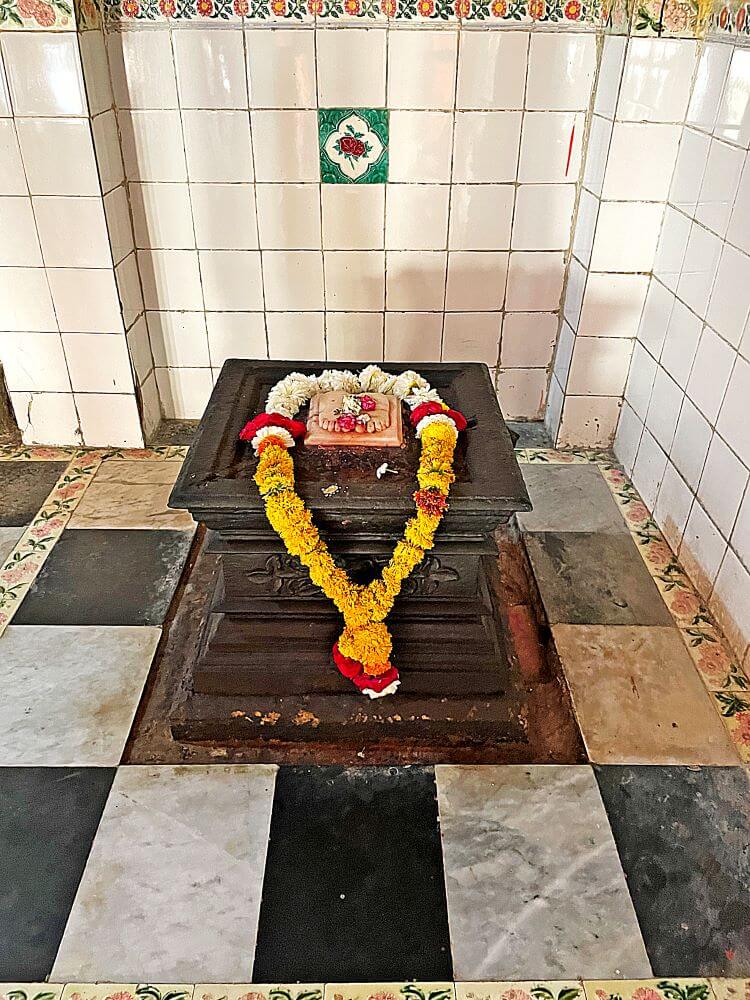
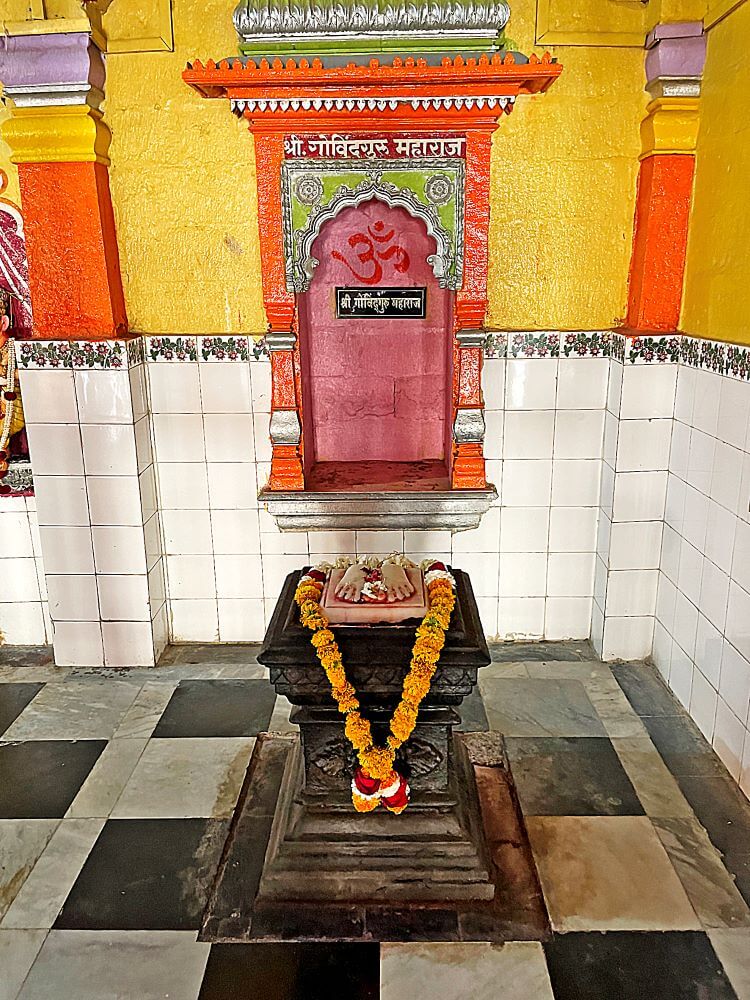
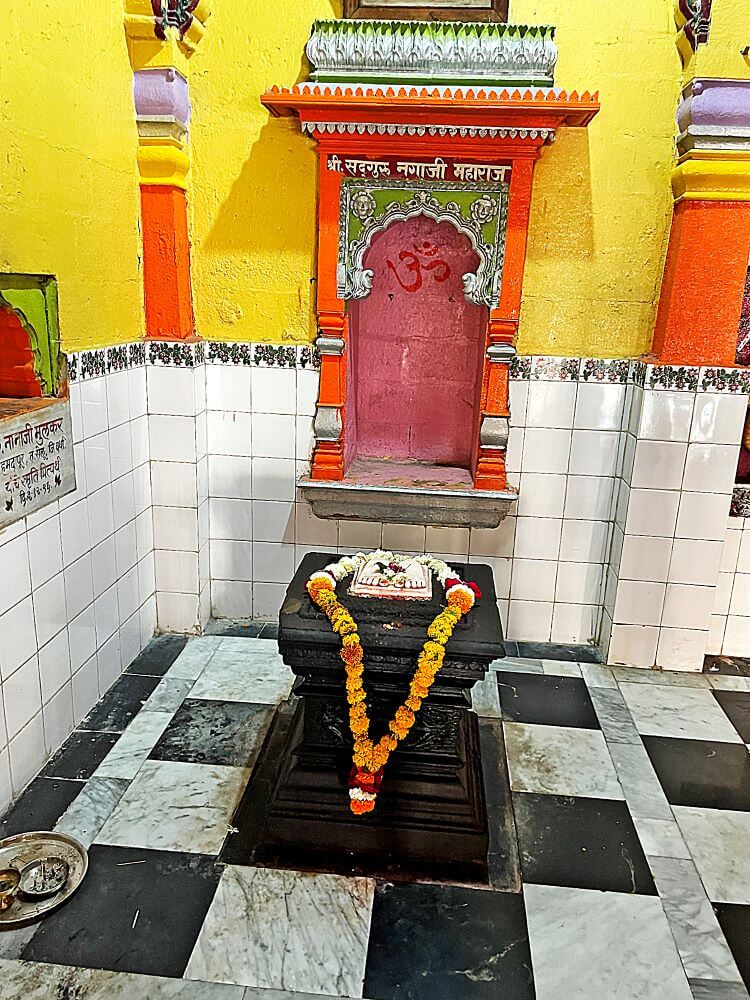
Sonagaon, located near the taluka town of Deoli, is renowned due to the sacred shrine of Saint Abaji Maharaj situated here! Due to this shrine, which is the village deity (Gramdevat) of the local devotees, the village is famously known as Sonagaon Abaji. A unique feature of this village is that Bhau Beej is not celebrated during Diwali but rather on the Punyatithi (death anniversary) of Abaji Maharaj. Furthermore, the Samadhi (final resting place) of Abaji Maharaj’s Guru, Nagaji Maharaj, is located in Pardi, Hinganghat Taluka. On Abaji Maharaj’s Punyatithi, the Guru’s palanquin, that is, Nagaji Maharaj’s palanquin, arrives in Sonagaon from Pardi to visit his disciple.
In the year 1798, a son was born to the couple Damodar and Salubai Dani in Karanja Lad, Washim District. His family named him Gangadhar; however, everyone affectionately called him Aaba. From a young age, Aaba was drawn towards Ishwar Chintan (contemplation of God) and Adhyatma (spiritualism). Consequently, his mind never found solace in family life. Due to his family’s insistence, he got married at the age of 18. For the sustenance of his family, he also worked for some time. In this job, he had to travel from village to village to sell ghee and butter. On one such occasion, when he visited the village of Pardi near Hinganghat, he heard about the greatness of Saint Nagaji Maharaj. Disregarding the traditions and opposition from conservatives of that era, Nagaji Maharaj was imparting spiritual wisdom (Paramartha) in simple language to thousands of common people and convincing them of the importance of Ishwarsadhana (devotion to God). Witnessing this work of Nagaji Maharaj, Abaji Maharaj was deeply impressed and received Anugraha (initiation/grace) from Nagaji Maharaj.
After accepting discipleship under Nagaji Maharaj, his mind no longer found joy in worldly affairs. He constantly attended Nagaji Maharaj’s Kirtans (devotional discourses) and Bhajans (devotional songs). One night, he had a divine dream (Swapnadrishtant) in which he received a sign to go to the Gadhi (a high peak of a hill / a small elevated hillock with a flat top, also known as a Table Top in English) located in Suvarnagram, which is today’s Sonagaon. Upon arriving in Sonagaon and searching for the Gadhi, he found that the very Gadhi he had seen in his dream was located behind the village. As there was no path to ascend that Gadhi, no one used to go there.
In those days, this Gadhi in Sonagaon was owned by the local Malguzar (landlord) Kurzhadi. For this purpose, one day Abaji Maharaj went to Kurzhadi’s mansion. Kurzhadi was also of a religious disposition. He extended hospitality to Maharaj and requested him to stay overnight at his mansion. Accordingly, Maharaj stayed at his mansion. There is a legend that on that very night, two thieves entered Kurzhadi’s mansion. At that time, Abaji Maharaj, while asleep, called out the names of the two thieves. Recognizing that their names were known, the thieves fled from there; but due to this act of Abaji Maharaj, Kurzhadi understood that he was a great saint (Mahatme) and donated the Gadhi in Sonagaon to Abaji Maharaj.
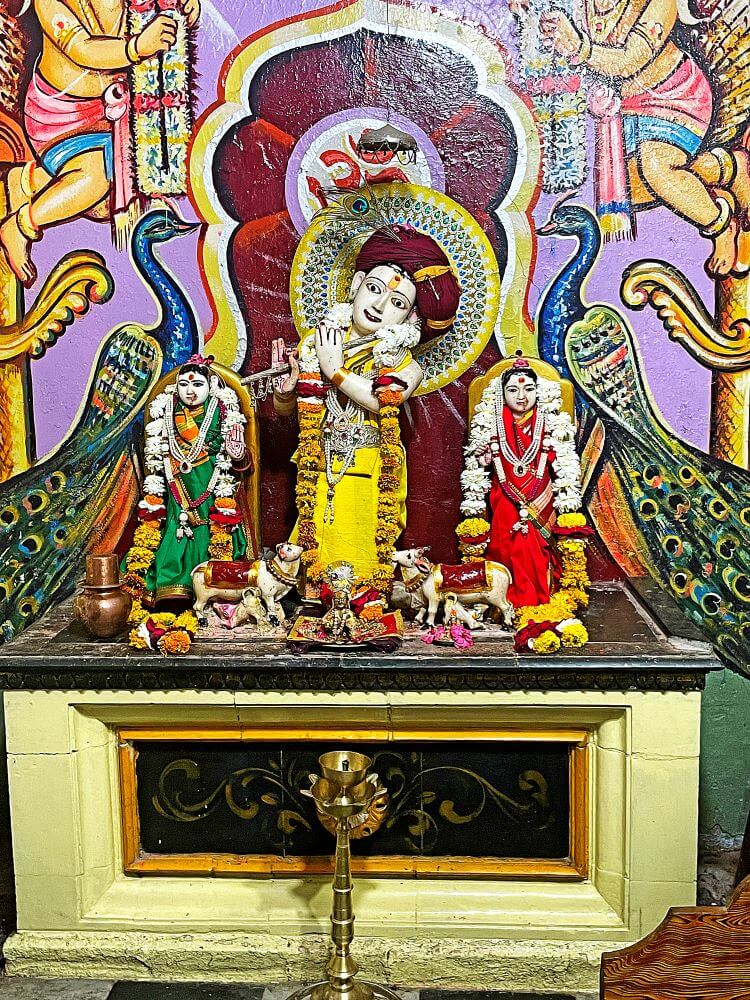
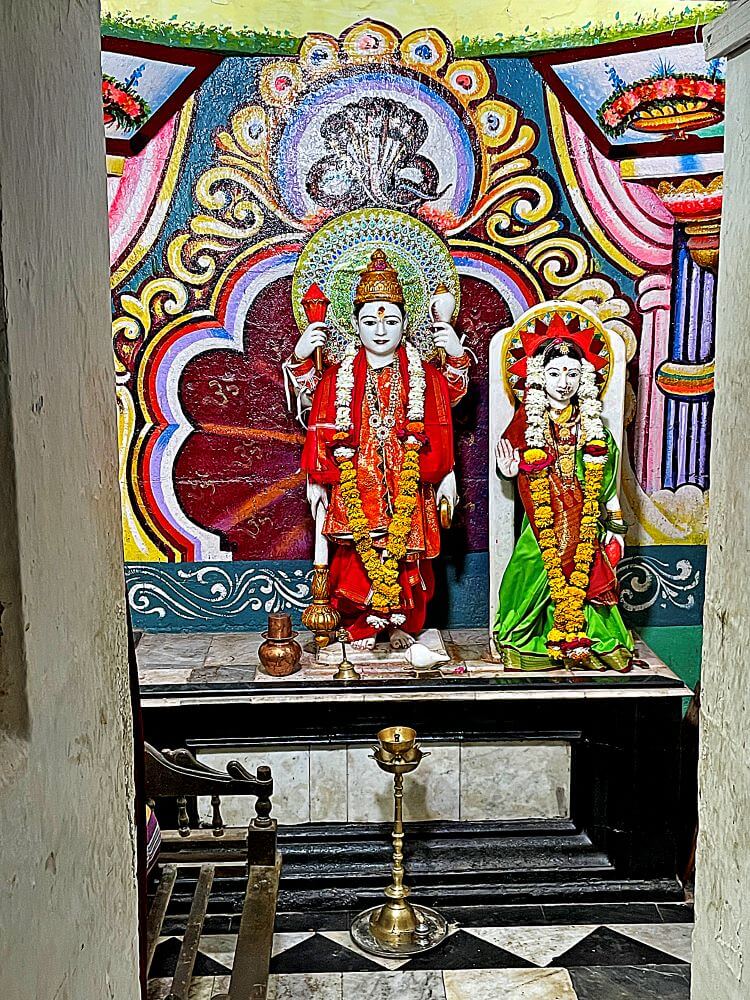
Renouncing worldly life, Abaji Maharaj chose this Gadhi as his Karmabhumi (place of spiritual work). First, he cleaned the Gadhi. Residing there, he became increasingly absorbed in Tapsadhana (austere spiritual practice) day by day. As suggested by Nagaji Maharaj, Abaji built a temple on this Gadhi and consecrated idols of Lakshminarayan and Murlidhar within it. Day by day, Abaji Maharaj’s fame grew in the surrounding region. At that time, the fame of Abaji reached the ears of the Bhosales of Nagpur. They had a magnificent three-storey chariot built for Abaji Maharaj, harnessed four elephants to it, and sent it from Nagpur to Sonagaon. It is said that Abaji cast his gaze upon the chariot and declared that four people would be sufficient to pull it. When tested, it was found that this enormous chariot could indeed be pulled by just four people. Since then, in accordance with Abaji Maharaj’s wish, the chariot is pulled by devotees themselves, without ever using elephants, horses, or oxen.
After receiving the Anugraha of Guru Saint Nagaji Maharaj, Abaji Maharaj initiated the Guru Purnima festival here, which continues to this day. At the age of 65, in the year 1863, on Kartik Vadya Ashtami, Abaji Maharaj attained Brahmalin (merged with the Absolute). Annually, his Punyatithi (death anniversary) celebration is observed here for six days, starting from Kartik Vadya Ashtami. For this festival, the Maherwashini (daughters who have married and moved to other villages) of the village make it a point to be present here, and it is during this period that they celebrate the Bhau Beej festival. The fact that Bhau Beej is not celebrated during Diwali here is the uniqueness of this village.
During the festival, Nagaji Maharaj’s palanquin comes to Sonagaon from Nagaji Maharaj’s Samadhi Temple in Pardi, Hinganghat Taluka, to visit his disciple. Although thousands of devotees accompany this palanquin, 200 to 250 devotees perform Lotangan (prostration by rolling on the ground) ahead of the palanquin. Nagaji Maharaj’s palanquin arrives here from Pardi in four days; however, after the festival here, when it departs, it takes four months to reach Pardi. During this period, according to tradition, the palanquin halts in many villages along the route. On the day the palanquin is in a village, all the villagers come for its Darshan (sacred viewing). Additionally, Annadan (distribution of food) takes place throughout the village.
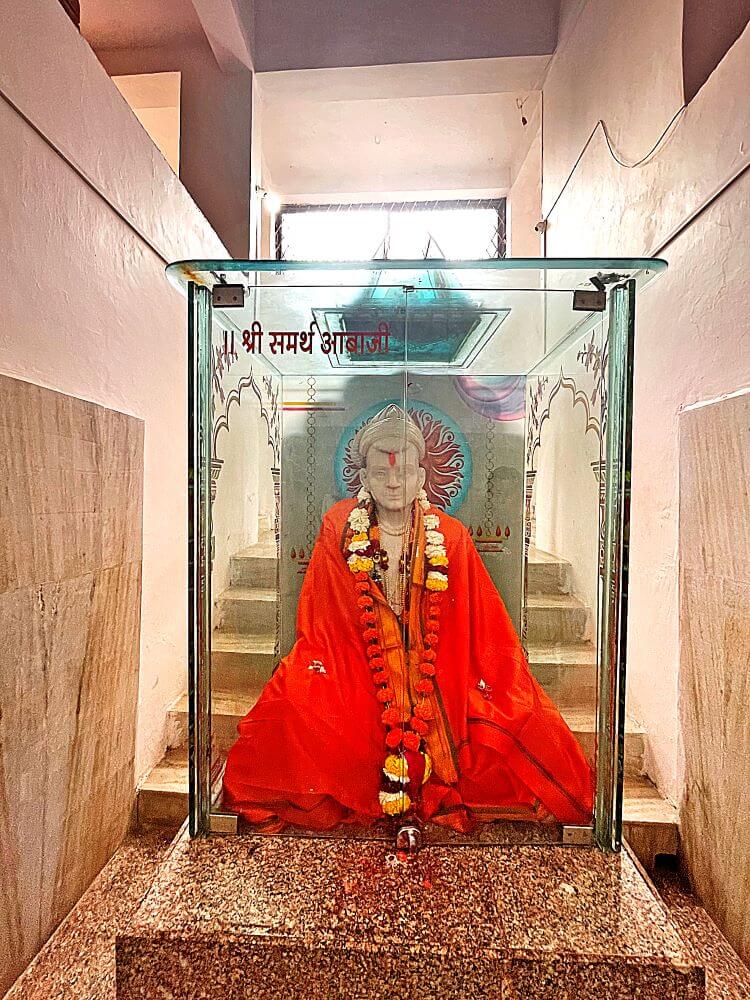
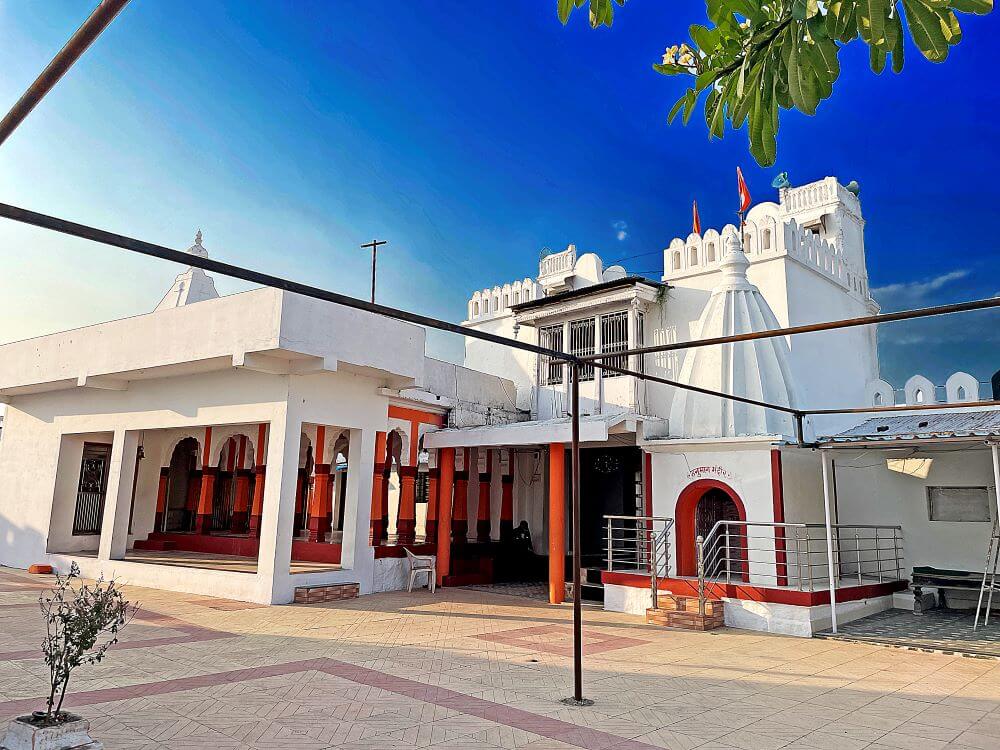
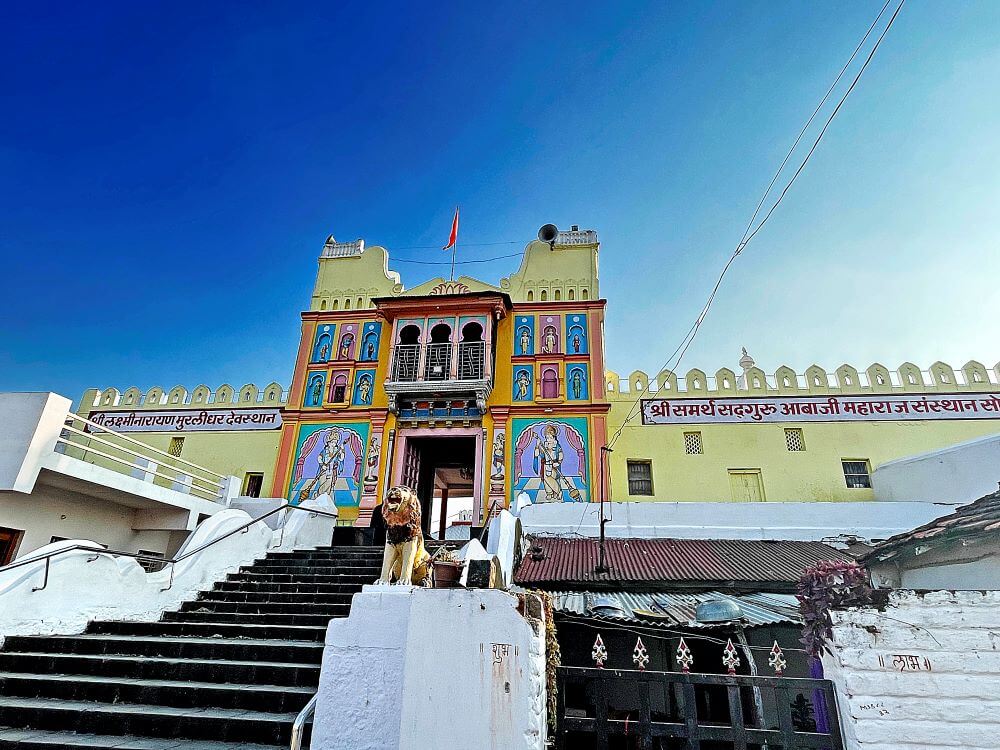
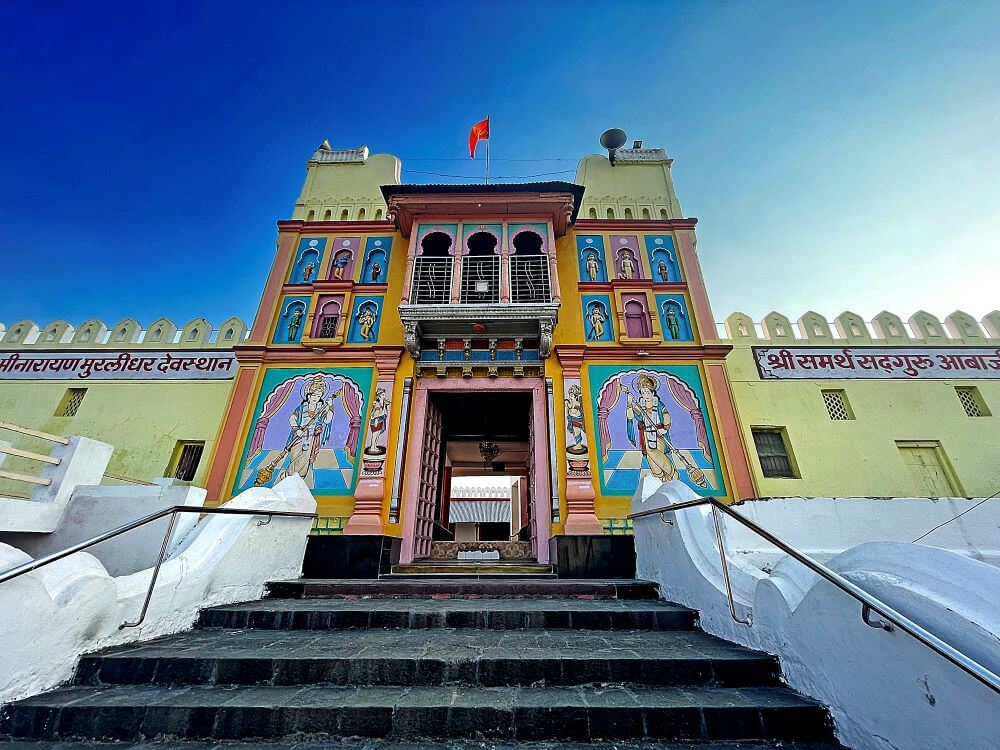
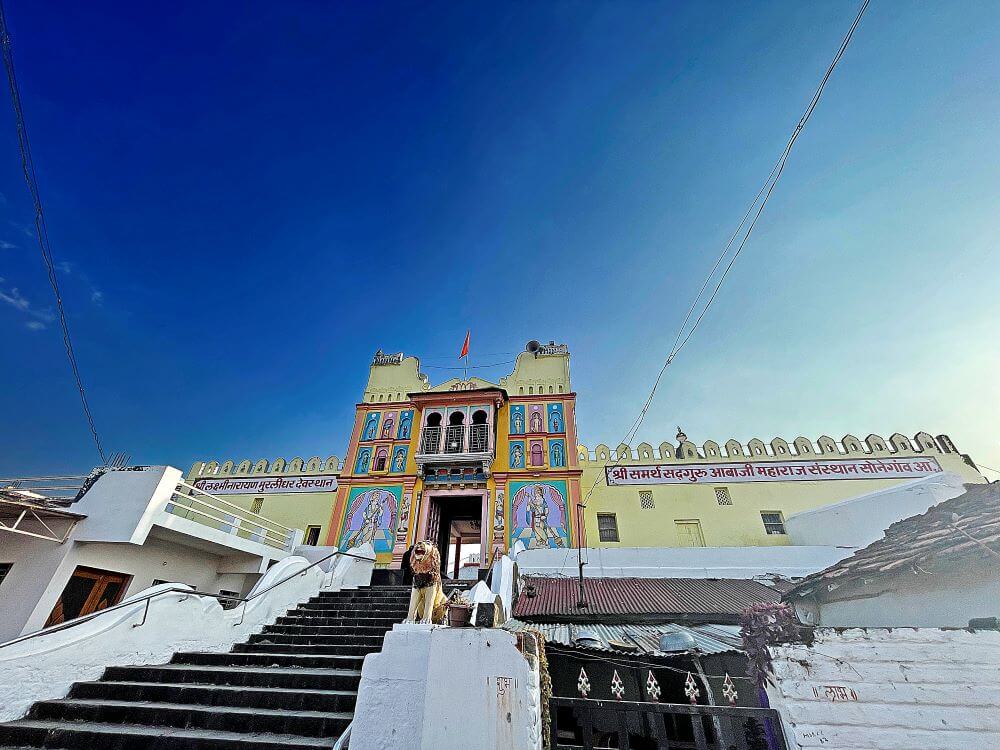
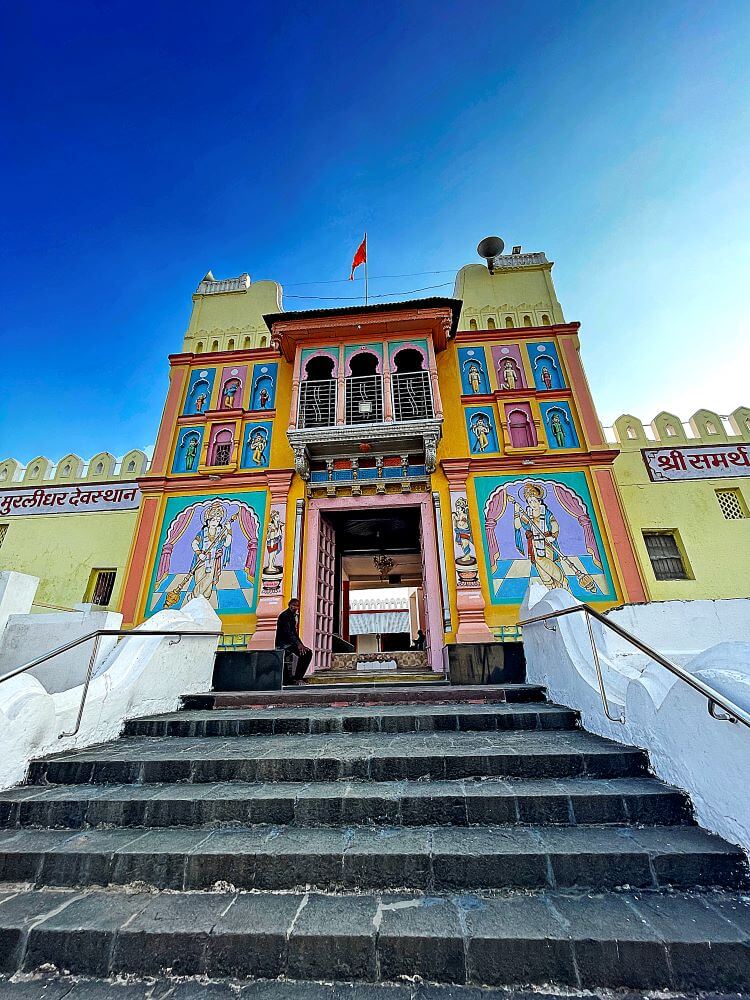
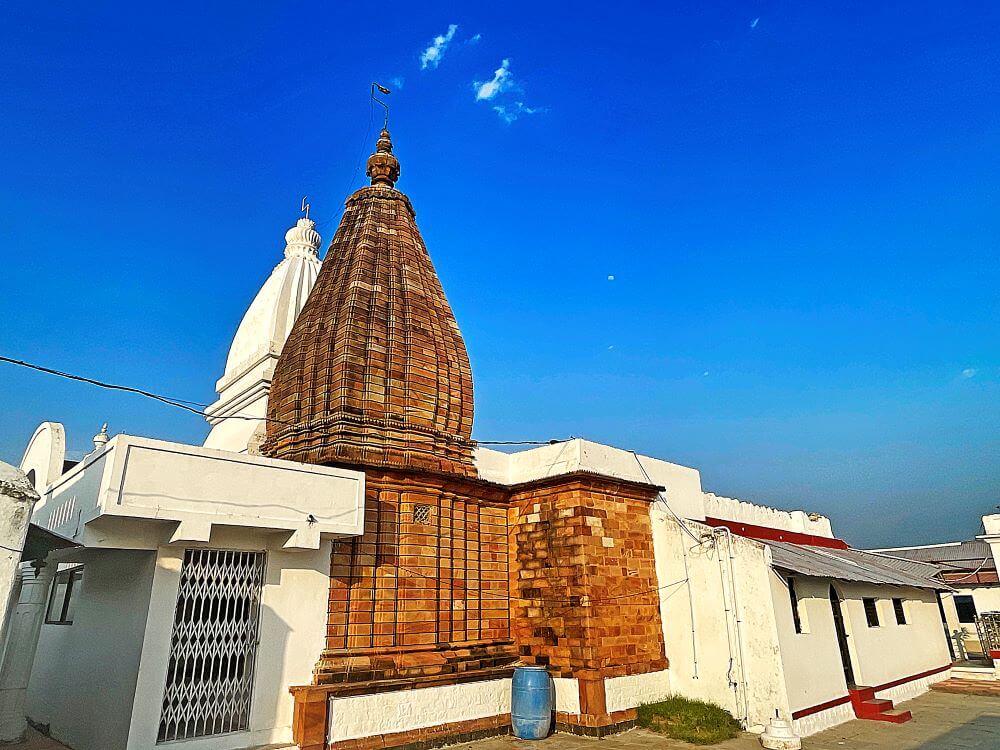
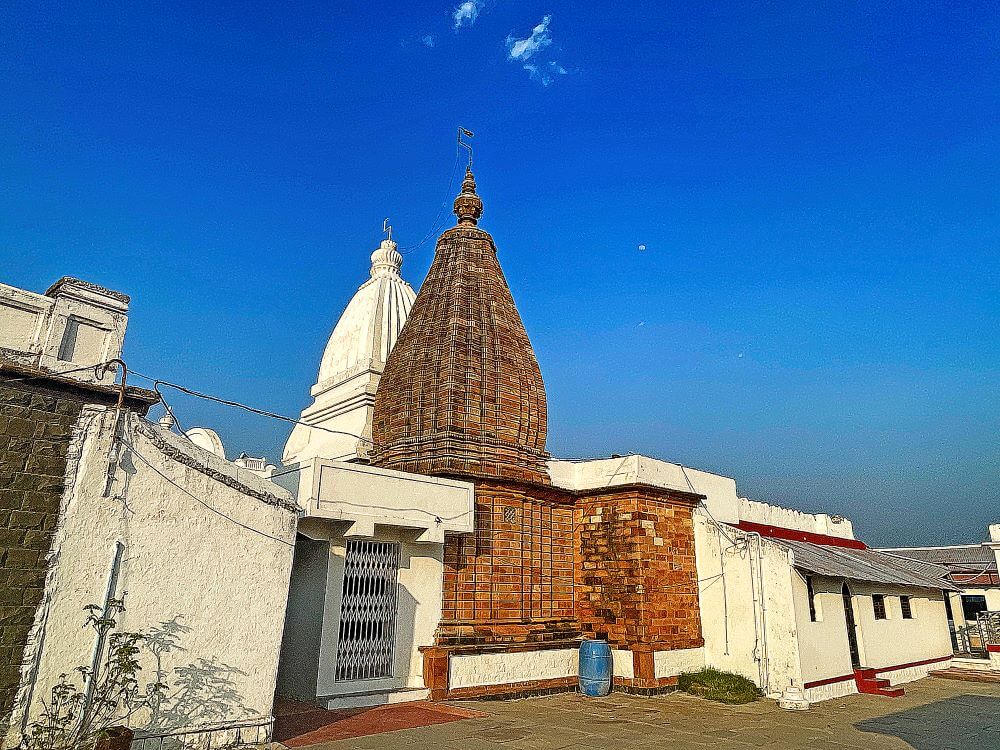
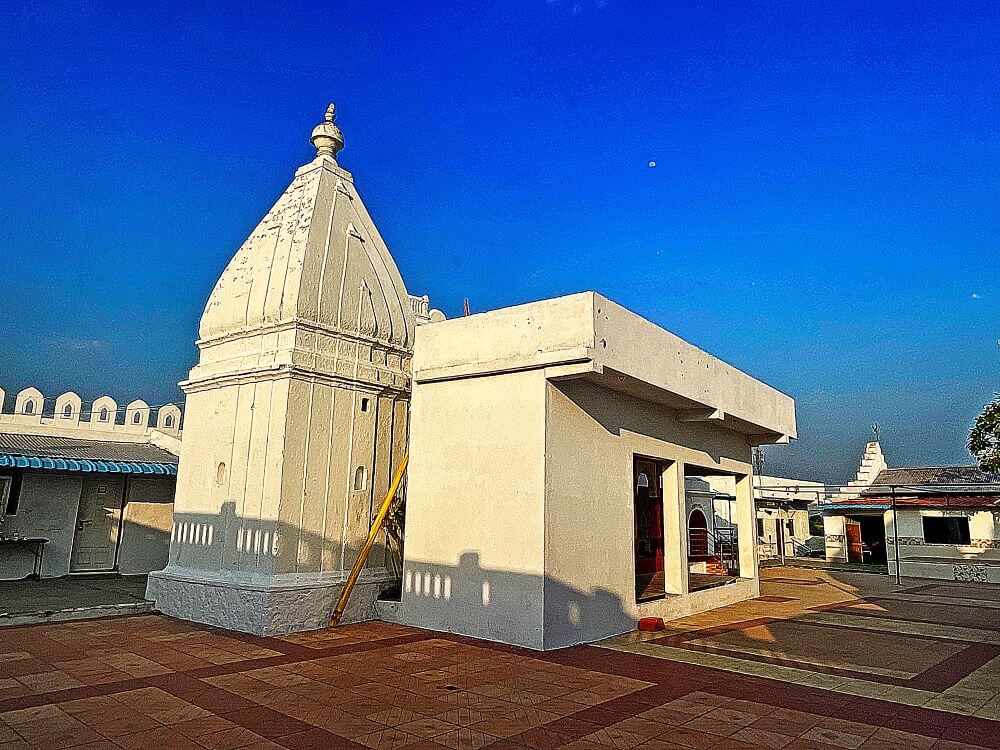
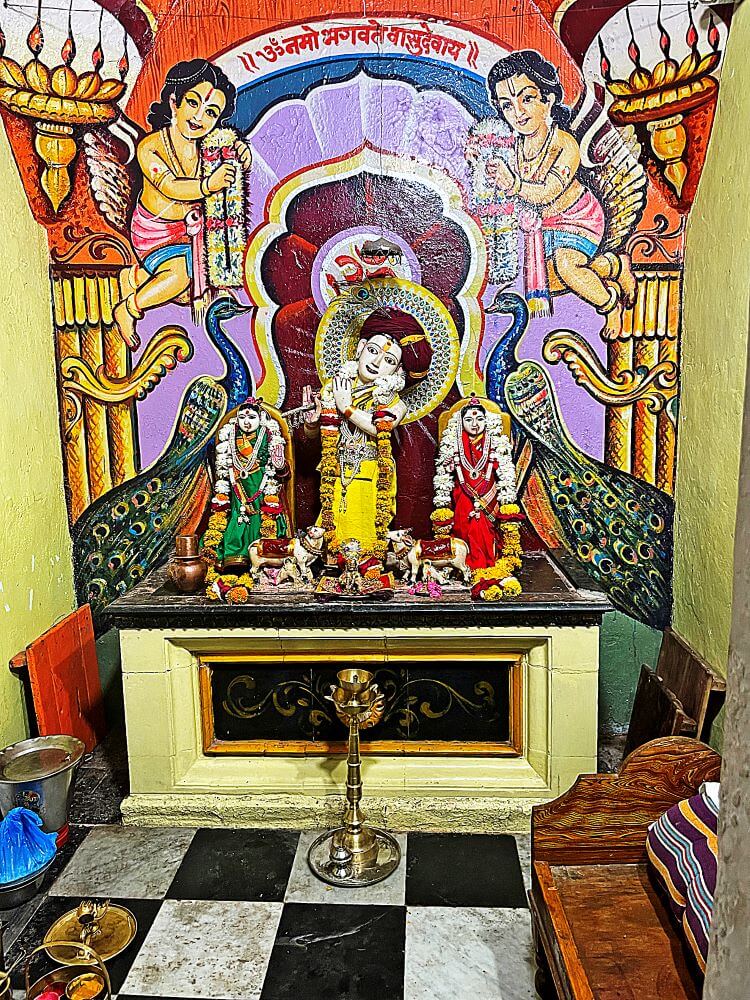
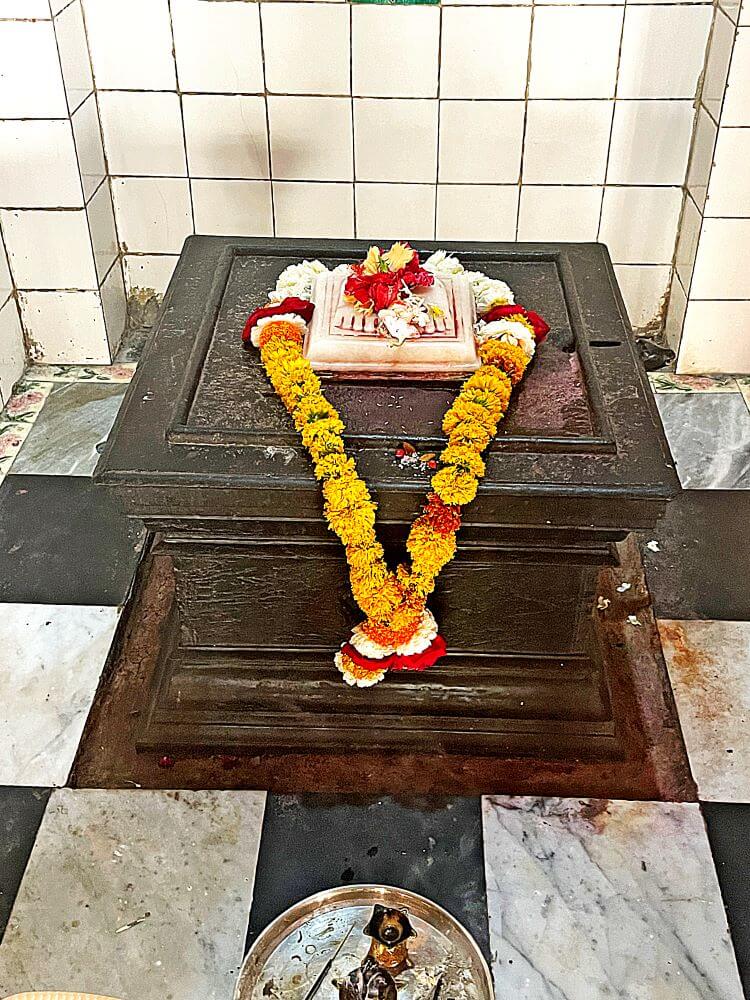
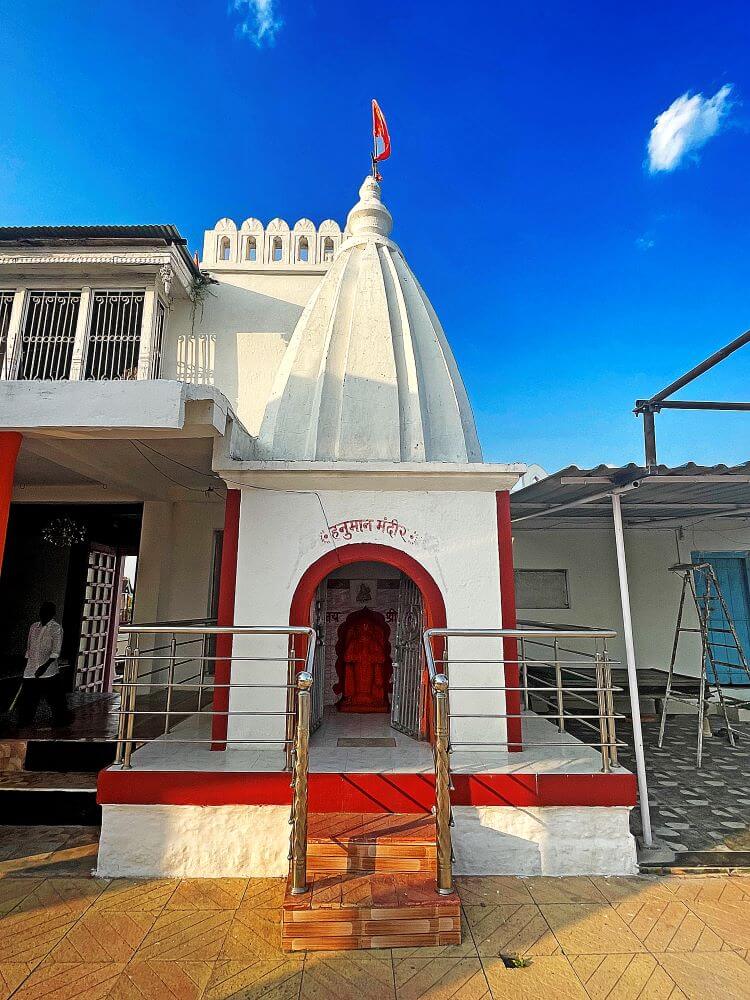
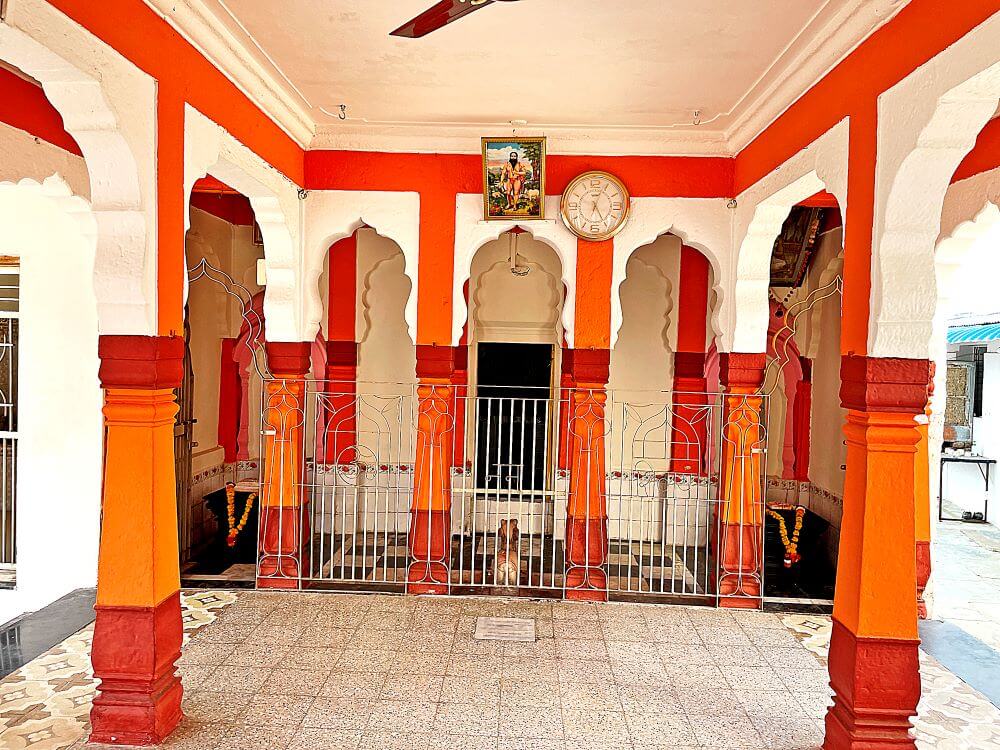
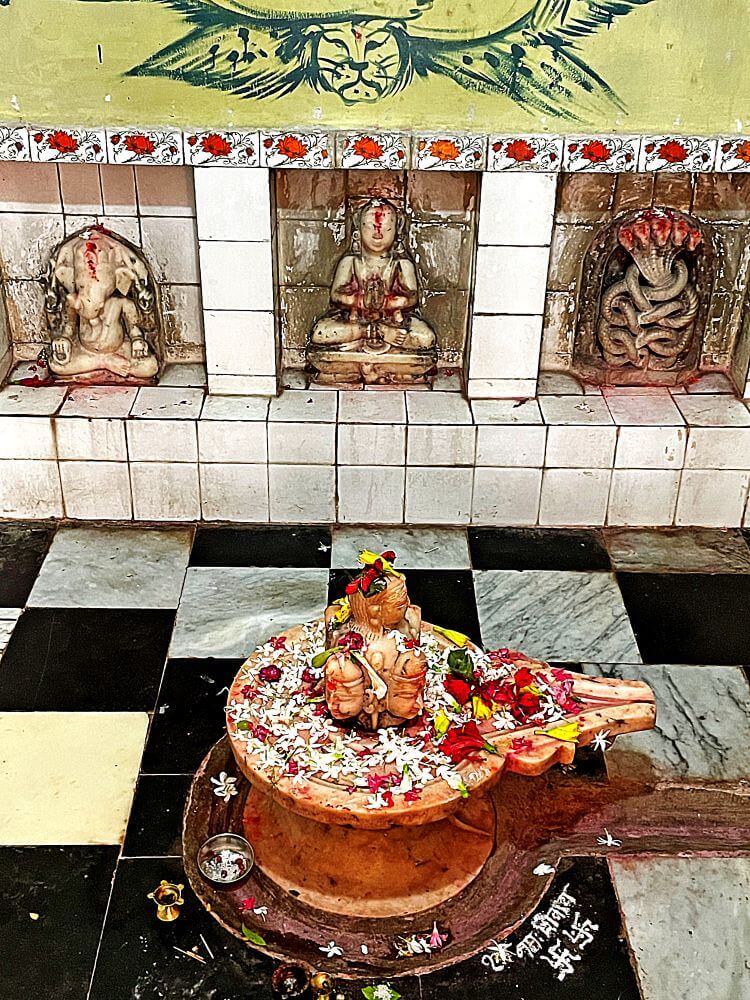
The Gadhi, which houses Abaji Maharaj’s Samadhi in Sonagaon, spans an area of approximately half an acre. The construction of the Gadhi resembles a fort. One enters the temple premises by ascending a few steps. The temple is surrounded by ramparts, and on both sides of the main entrance are guard posts. Upon entering through the gateway, two temples come into view. One of them houses idols of Lakshminarayan and Murlidhar, while the other is a temple dedicated to Shankar (Lord Shiva). The Shivpindi (lingam of Shiva) in Shankar’s temple is in the form of Sadashiv (eternal Shiva) and has five heads. In both these temples, there are brass idols of Shri Krishna gifted by Laxmanrao Bhosle of Nagpur. Behind the Lakshminarayan temple, in the basement, is Abaji Maharaj’s Samadhi, where his marble idol is enshrined.
The festivals or pujas in this temple are performed by a member of the Dani family. The rules laid down by Abaji Maharaj, the festivals he initiated, and the traditions he established are meticulously followed here even today. Although Abaji Maharaj Punyatithi Utsav is the major festival here, a three-day festival for his disciple Fakirji Maharaj is also celebrated here starting from Ashvin Vadya Dwitiya.
Useful Information:
7 km from Deoli, and 25 km from Wardha
ST (State Transport bus) facility available from Wardha and Deoli
Private vehicles can reach up to the temple
No accommodation or breakfast facilities in the vicinity
आबाजी महाराज मंदिर
सोनेगाँव, तहसील देवली, जिला वर्धा
देवली तहसील मुख्यालय के समीप स्थित सोनेगाँव यहाँ के संत आबाजी महाराज देवस्थान के कारण प्रसिद्ध है! यहाँ के भक्तों के ग्राम देवता इस देवस्थान के कारण इस गाँव का नाम सोनेगाँव आबाजी के नाम से प्रसिद्ध है। इस गाँव की विशेषता यह है कि यहाँ भाई दूज दिवाली पर न मनाकर आबाजी महाराज की पुण्यतिथि पर मनाई जाती है। इसके अतिरिक्त, आबाजी महाराज के गुरु नगाजी महाराज का समाधि स्थल हिंगणघाट तहसील के पारडी में है। आबाजी महाराज की पुण्यतिथि पर, शिष्य से मिलने के लिए पारडी से गुरु नगाजी महाराज की पालकी सोनेगाँव आती है।
वाशिम जिले के कारंजा लाड में सन् १७९८ में दामोदर और सालूबाई दाणी नामक दंपति के यहाँ एक पुत्र ने जन्म लिया। परिवारजनों ने उसका नाम गंगाधर रखा; परंतु सभी उसे प्रेम से आबा ही कहते थे। बचपन से ही आबा का झुकाव ईश्वर चिंतन और अध्यात्म की ओर था। इसलिए उनका मन कभी परिवार में नहीं लगा। परिवार के आग्रह पर १८वें वर्ष में वे विवाह बंधन में बंध गए। परिवार के आजीविका के लिए उन्होंने कुछ समय नौकरी भी की। इस नौकरी में उन्हें गाँव-गाँव में घी और मक्खन बेचने के लिए जाना पड़ता था। ऐसे ही एक बार जब वे हिंगणघाट के पास पारडी गाँव गए, तो वहाँ के संत नगाजी महाराज की महिमा उनके कानों तक पहुँची। उस समय की परंपराओं और रूढ़िवादियों के विरोध को दरकिनार कर नगाजी महाराज हजारों सामान्य लोगों को सरल भाषा में परमार्थ का उपदेश दे रहे थे और उन्हें ईश्वर साधना का महत्व समझा रहे थे। नगाजी महाराज का यह कार्य देखकर आबाजी महाराज प्रभावित हुए और उन्होंने नगाजी महाराज से अनुग्रह प्राप्त किया।
नगाजी महाराज का शिष्यत्व स्वीकारने के बाद उनका गृहस्थ जीवन में मन नहीं लगा था। वे निरंतर नगाजी महाराज के कीर्तन और भजनों में उपस्थित रहते थे। एक बार रात में उन्हें स्वप्नदृष्टांत हुआ और उसमें सुवर्णग्राम अर्थात् आज के सोनेगाँव में स्थित गढ़ी पर (एक पहाड़ी की ऊँची चोटी / छोटी ऊँची पहाड़ी, जो ऊपर से समतल होती है। अंग्रेजी में इसे Table Top कहते हैं) जाने के संकेत मिले। सोनेगाँव आकर उन्होंने गढ़ी की खोज की तो पाया कि स्वप्न में उन्होंने जो गढ़ी देखी थी, वही गढ़ी गाँव के पीछे की ओर थी। उस गढ़ी के ऊपर जाने का कोई मार्ग न होने के कारण वहाँ कोई आता-जाता नहीं था।
उस समय सोनेगाँव की इस गढ़ी का स्वामित्व यहाँ के मालगुजार कुरझडीकर के पास था। इसके लिए एक दिन आबाजी महाराज कुरझडीकर के वाड़े पर गए। कुरझडीकर भी धार्मिक प्रवृत्ति के थे। उन्होंने महाराज का आतिथ्य किया और रात में अपने वाड़े पर रुकने का अनुरोध किया। तदनुसार महाराज उनके वाड़े में रुके। ऐसी किंवदंती है कि उसी रात कुरझडीकर के वाड़े में दो चोर घुस आए। उस समय आबाजी महाराज नींद में ही उन दोनों चोरों के नाम लेकर चिल्लाए। अपने नाम सुनकर पहचान हो जाने के कारण उन चोरों ने वहाँ से भाग खड़े हुए; परंतु आबाजी महाराज की इस क्रिया से कुरझडीकर को यह समझ आ गया कि वे कोई महात्मा हैं और उन्होंने सोनेगाँव की गढ़ी आबाजी महाराज को दान कर दी।
गृहस्थ जीवन का त्याग कर आबाजी महाराज ने इस गढ़ी को अपनी कर्मभूमि के रूप में चुना। सर्वप्रथम उन्होंने गढ़ी की स्वच्छता की। वहीं रहकर वे दिन-प्रतिदिन तपस्या में लीन रहते थे। नगाजी महाराज द्वारा सुझाए अनुसार आबाजी ने इस गढ़ी पर मंदिर बनवाकर उसमें लक्ष्मीनारायण और मुरलीधर की स्थापना की। दिन-प्रतिदिन आबाजी महाराज की कीर्ति क्षेत्र में बढ़ रही थी। उसी समय नागपुर के भोसले के कानों तक आबाजी की कीर्ति पहुँची। उन्होंने आबाजी महाराज के लिए तीन मंजिला भव्य रथ बनवाकर, चार हाथियों को लगाकर, नागपुर से सोनेगाँव भेजा। ऐसा बताया जाता है कि आबाजी ने उस रथ पर दृष्टि डाली और कहा कि यह रथ खींचने के लिए चार लोग पर्याप्त हैं। तब प्रयास करके देखा गया तो यह विशाल रथ केवल चार लोग ही खींच सकते थे। तब से रथ खींचने के लिए कभी भी हाथी, घोड़े या बैलों का उपयोग न करके आबाजी महाराज की इच्छा के अनुसार वह भक्तों द्वारा ही खींचा जाता है।
गुरु संत नगाजी महाराज का अनुग्रह स्वीकारने के बाद आबाजी महाराज ने यहाँ गुरु पूर्णिमा उत्सव प्रारंभ किया, जो आज भी जारी है। ६५वें वर्ष सन् १८६३ में कार्तिक कृष्ण अष्टमी को आबाजी महाराज ब्रह्मलीन हो गए। प्रतिवर्ष कार्तिक कृष्ण अष्टमी से छह दिनों तक उनका पुण्यतिथि समारोह यहाँ मनाया जाता है। इस उत्सव के लिए गाँव की माहेरवाशिणी (विवाहित बेटियाँ जो दूसरे गाँव में रहती हैं) विशेष रूप से यहाँ उपस्थित रहती हैं और इसी दौरान वे भाई दूज का पर्व मनाती हैं। दिवाली में यहाँ भाई दूज नहीं मनाई जाती, यह इस गाँव की विशेषता है।
उत्सव के समय हिंगणघाट तहसील के पारडी में स्थित नगाजी महाराज समाधि मंदिर से नगाजी महाराज की पालकी अपने शिष्य से मिलने के लिए सोनेगाँव आती है। इस पालकी के साथ हजारों भक्त होते हुए भी, पालकी के आगे २०० से २५० भक्त लोटांगण करते हुए पालकी के साथ आते हैं। नगाजी महाराज की पालकी पारडी से यहाँ आते समय चार दिनों में पहुँचती है; परंतु यहाँ के उत्सव के बाद जब वह यहाँ से निकलती है, तो उसे पारडी पहुँचने में चार महीने लगते हैं। इस दौरान परंपरा के अनुसार मार्ग के अनेक गाँवों में पालकी का पड़ाव होता है। जिस गाँव में पालकी होती है, उस दिन पूरे गाँव के लोग पालकी के दर्शन के लिए आते हैं। इसके अतिरिक्त, पूरे गाँव में अन्नदान होता है।
सोनेगाँव में आबाजी महाराज का समाधि स्थल वाली गढ़ी लगभग आधा एकड़ क्षेत्र में है। गढ़ी का निर्माण किले जैसा प्रतीत होता है। कुछ सीढ़ियाँ चढ़कर मंदिर परिसर में प्रवेश होता है। मंदिर के चारों ओर प्राचीर है और मुख्य प्रवेश द्वार पर दोनों ओर प्रहरियों के कक्ष हैं। प्रवेश द्वार से अंदर जाने पर दो मंदिर नजर आते हैं। उनमें से एक में लक्ष्मीनारायण और मुरलीधर की मूर्तियाँ हैं, जबकि दूसरा शंकर का मंदिर है। शंकर के मंदिर में शिवपिंडी सदाशिव रूप में है और उस पर पाँच मस्तक हैं। इन दोनों मंदिरों में नागपुर के लक्ष्मणराव भोसले द्वारा भेंट की गई पीतल की श्रीकृष्ण की मूर्तियाँ हैं। लक्ष्मीनारायण मंदिर के पीछे की ओर तहखाने में आबाजी महाराज की समाधि है और वहाँ उनकी संगमरमर की मूर्ति है।
इस मंदिर में उत्सव अथवा पूजा दाणी परिवार के सदस्य द्वारा संपन्न होती है। आबाजी महाराज द्वारा निर्धारित किए गए नियम, उनके द्वारा प्रारंभ किए गए उत्सव और परंपराएँ आज भी यहाँ कड़ाई से पालन की जाती हैं। आबाजी महाराज पुण्यतिथि उत्सव यहाँ का सबसे बड़ा उत्सव होते हुए भी, अश्विन कृष्ण द्वितीया से उनके शिष्य फकीरजी महाराज का यहाँ तीन दिवसीय उत्सव मनाया जाता है।