
श्री मदायी तिरुवरकाडू भगवती मंदिर
मदयकावू, पऱ्हांगडी, जि. कन्नूर.
Sree Madayi Thiruvarkadu Bhagavathy Temple
Madayikavu, Pazhayangadi, Dist. Kannur.
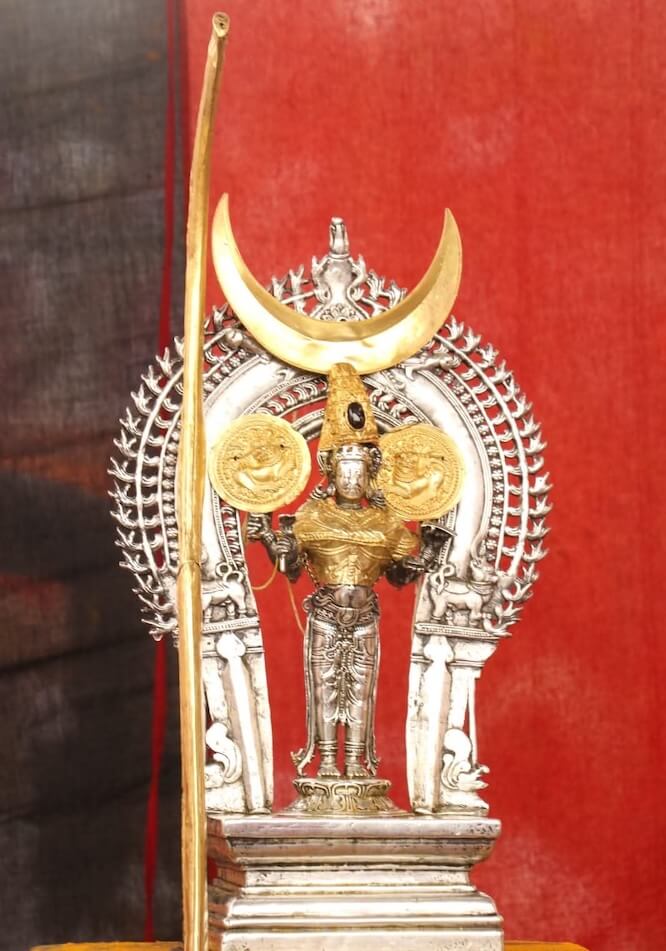 Sree Madayi Thiruvarkadu Bhagavathy Temple (Madayi Kavu), one of the prominent Shakti temples of North Kerala, is located at Eripuram near Pazhayangadi in Kannur district. The main deity worshipped here is the fierce form of Bhadrakali, the supreme form of Adi Parashakti. Considered an important centre of Bhadrakali worship in North Malabar, the temple is also known as the mother temple of many Bhadrakali temples. The Goddess is also known as “Thiruvarkadu Achi”. Madayikkavilamma, the presiding deity of the temple, is worshipped as the family deity of the Chirakkal royal family, the Kolathiris.
Sree Madayi Thiruvarkadu Bhagavathy Temple was the official family temple of the ancient Mushika dynasty and later the Kolathiri (Chirakkal) royal family, who ruled North Malabar from around the 12th to the 18th century AD. The temple had a close connection with Madayippara, which was the capital of the Kolathiris. It is traditionally believed that the kings sought the blessings of Madayikkavilamma before making important administrative decisions and before going to war. Historical records indicate that the Italian traveller Marco Polo, who visited Kerala during 1293–1295 AD, mentioned the Madayi port and the important shrine located on the hill in his travel accounts. This is considered significant evidence of the ancient importance of the temple.
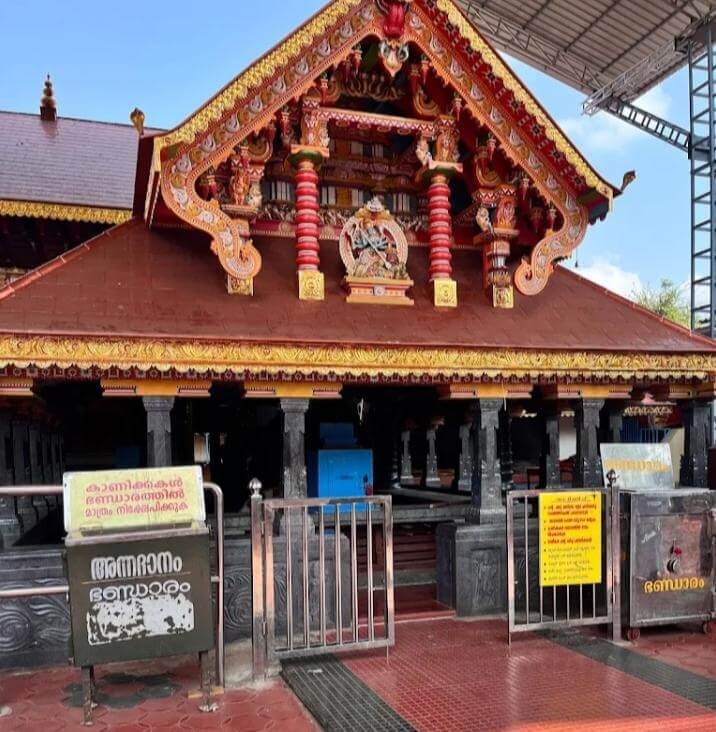 The rituals of this temple are performed not by Namboothiris, but by Brahmins belonging to the Pidarar (Podavar) community. According to historians, they are believed to be a Brahmin group that migrated to Kerala from regions such as Kashmir or Bengal while following the Shakta tantric worship tradition. This is why offerings of meat and liquor form part of some rituals here. During Hyder Ali’s Malabar invasion in 1766 AD, several temples and forts at Madayippara suffered damage. According to local traditions associated with the temple, the Nair warrior Venkayil Chathukutty played a significant role in protecting the temple and he was later honoured with the title “Nayanar” in recognition of his service. During Tipu Sultan’s Malabar campaigns from 1789 to 1792 AD, many forts in the region were damaged, but the temple continued to survive. Beyond being a place of worship, the temple is also notable as an important centre closely connected with the political, cultural and maritime history of North Malabar.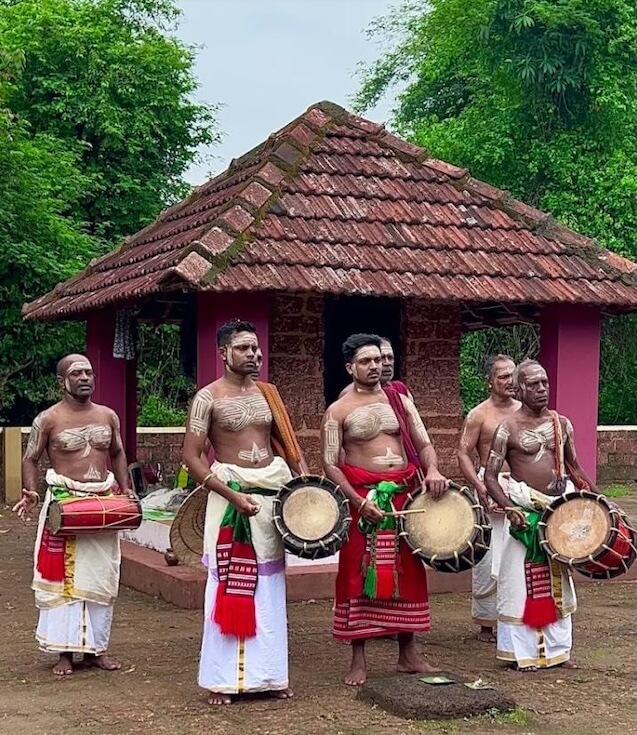
According to the main legends associated with the temple, Sree Bhadrakali was originally worshipped at the Thaliparamba Rajarajeshwara Temple. As the fierce Shakta form of the Goddess required rituals according to Kaula traditions, including offerings of meat and liquor, such practices could not be performed at the Rajarajeshwara Temple, where only sattvic rituals were followed. It is believed that, following the command of the Goddess, the ruler of Kolathunadu established a new temple at Madayippara and consecrated Bhadrakali there in 344 AD. Another legend states that the place for the Goddess was chosen when the Velichappadu of the Rajarajeshwara Temple threw a burning piece of firewood, which fell at Madayippara. As the burning firewood is believed to have identified the location for the consecration, the place was first known as “Thiruvira Kavu” and later as “Thiruvarkadu”. The traditional belief that the deities themselves perform worship at the temple during the night continues even today. Therefore, after the Athazha Pooja, once the temple doors are closed, no one enters the sanctum or opens the doors at night. 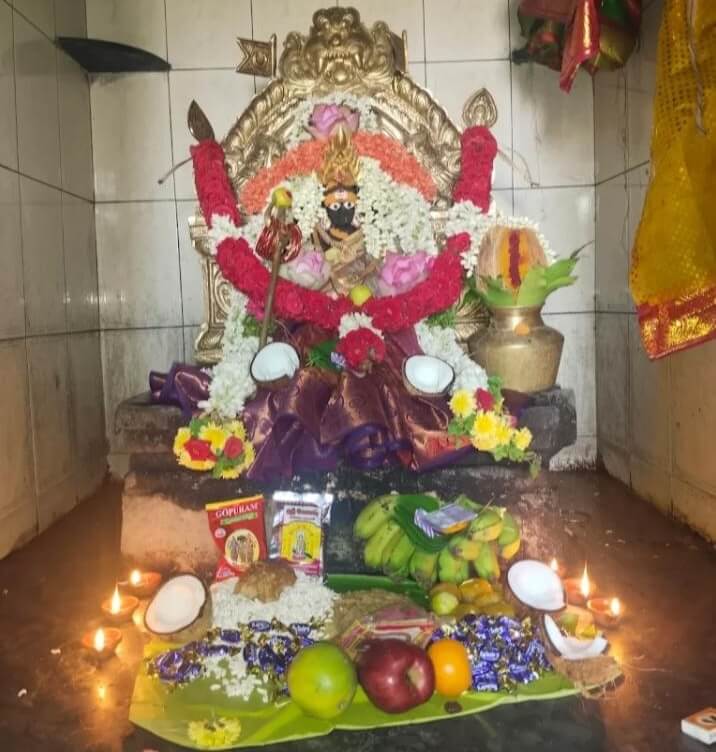 It is also believed that, based on these traditions, the idol of the Goddess is placed facing west towards the Shiva shrine rather than directly facing the main entrance. Temple records state that the present structure was rebuilt under the leadership of the Chirakkal royal family after Tipu Sultan’s Malabar campaign and that the Bhadrakali idol made using the Kadu Sarkara Yogam method was reconsecrated under the guidance of Maheswaran Bhattathiripad. Based on the belief that the divine feminine power is the source of creation, the worship of the Goddess continues as a symbol of fertility, agricultural prosperity, prosperity, knowledge and victory in warfare.
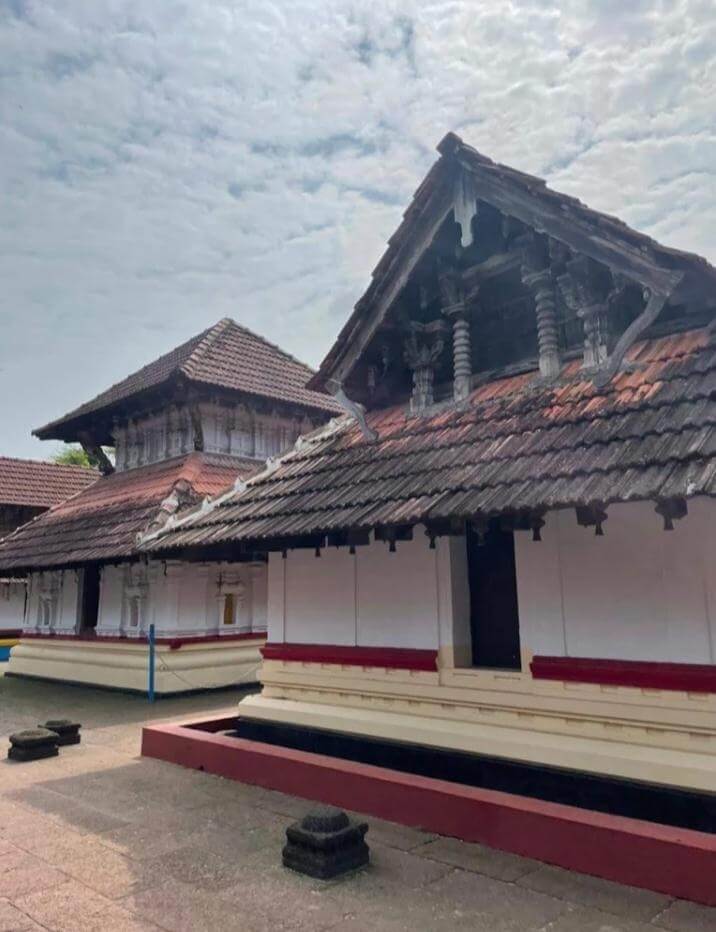
The temple is situated on a raised area amidst the vast grasslands of Madayippara. The strong outer walls built with granite and laterite stone, along with the main entrance gateway, attract attention even from a distance. The sloping tiled roofs in the traditional Kerala temple architectural style add to the beauty of the temple complex.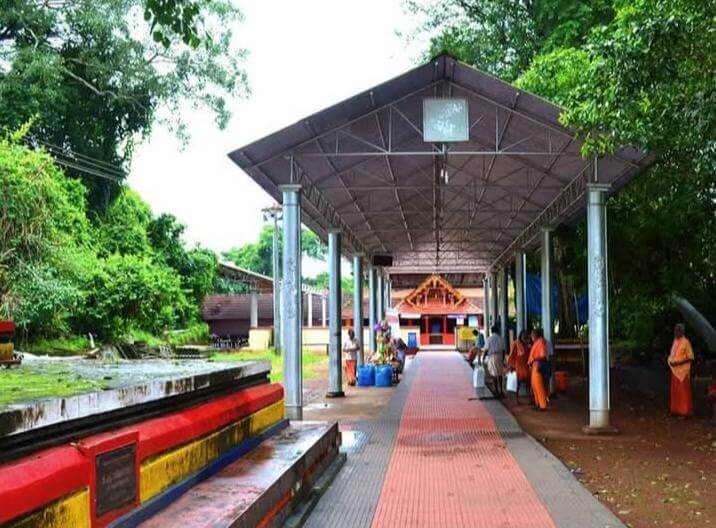 A large traditional temple pond is located outside the outer walls, providing facilities for devotees to cleanse themselves before entering the temple. After passing through the gateway and entering through the main entrance, the elephant pavilion and the Balikkalpura with the sacred Balikkallu can be seen in front of the main shrine. A spacious Chuttambalam (Nalambalam), consisting of the Natakasala and Thidappalli, surrounds the Sreekovil. The wooden and metal lamp stands arranged along the walls of the Chuttambalam for lighting traditional lamps reflect the ritual heritage of the temple.
The internal layout of the temple is arranged according to the ‘Rurujith Vidhanam’ style of Shakta tantric tradition. 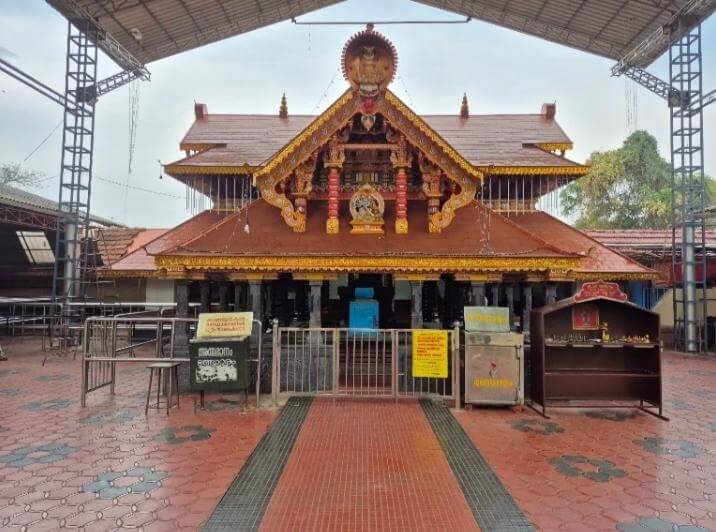 Within the Nalambalam, the square-shaped Sreekovil of Shiva faces east, while the Sreekovil of Bhadrakali, decorated with extensive wooden craftsmanship, faces west. Both Sreekovils have traditional Kerala-style sloping tiled roofs with copper finials above them. Fierce-looking Dwarapalakas (guardian figures) are placed on either side of the entrance to the Bhadrakali shrine. The main Bhadrakali idol is a Kadu Sarkara Yogam image, made using a mixture of medicinal herbs, sandalwood, kadukka, jaggery and other materials. The eight-armed fierce form of Bhadrakali is seated in a heroic posture with the right leg folded. The Goddess holds weapons such as a sword, shield, trident, skull, noose, goad and Naga in her hands. As the main idol is made using the Kadu Sarkara Yogam method, daily rituals and abhishekam are performed on a metal ceremonial image placed in front of it rather than directly on the main idol.
 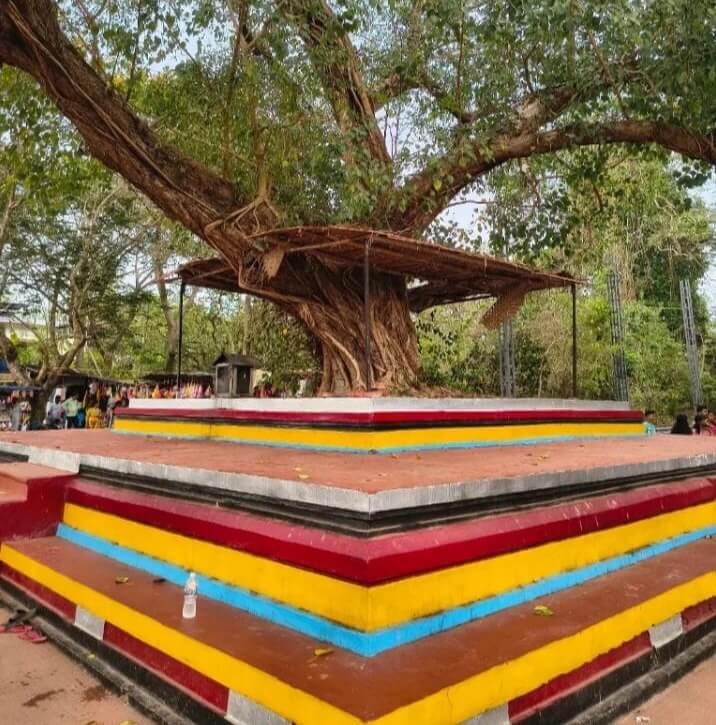 Near the main idol, wooden sculptures of the Sapta Matrikas — Brahmi, Vaishnavi, Maheshwari, Indrani, Varahi, Kaumari and Chamundi — along with Veerabhadra and Ganesha are installed. Outside the Nalambalam, the shrine of Kshetrapalan is located at the north-west corner and the shrine of Dharma Sastha at the south-west corner. The temple complex also has a Naga shrine with the idols of Naga Raja and Naga Yakshi. This unique architectural style and tantric worship tradition make the temple one of the important centres of Shakta worship in North Malabar.
The most famous festival is the Pooram Mahotsavam held in the month of Meenam. Lasting for seven to nine days, the festival begins on the Karthika star and concludes on the Pooram star. Various programmes such as Thidambezhunnallippu, Pooramkali, traditional Chenda Melam and Kalaripayattu are held during the festival. The celebrations conclude with the Pooramkuli, the holy bath of the Goddess, held at the Vadakunda pond.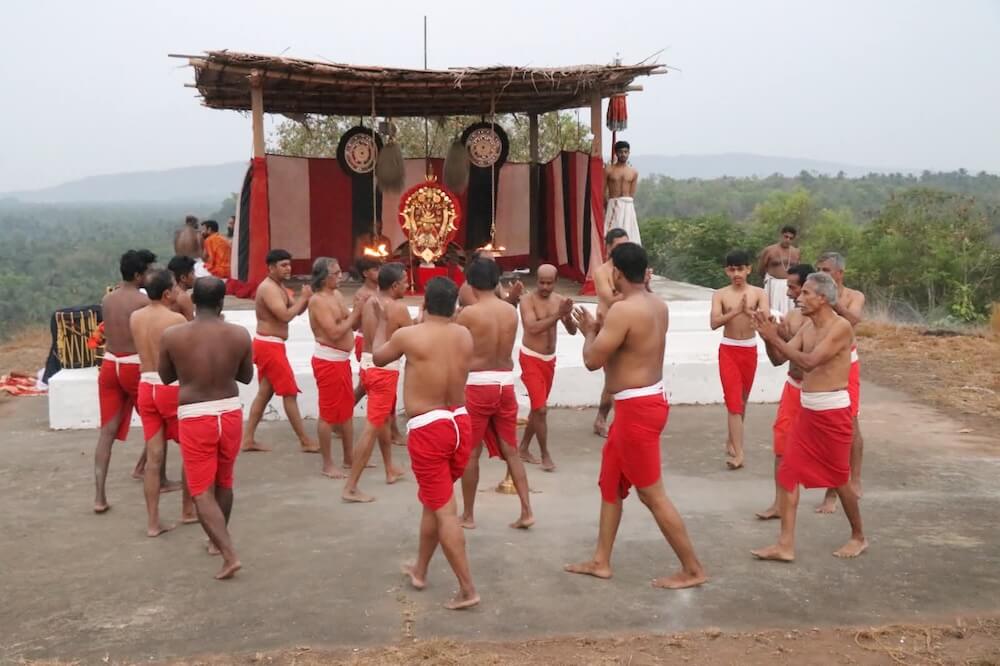 The Perumkaliyattam or Theyyam festival held in the month of Edavam (May–June) is one of the major events in the festival tradition of the sacred groves of North Malabar. During this occasion, various Theyyam performances are conducted around the Kottam, along with unique rituals such as Kalasam Thallu and Kavu Pidi, a traditional practice of catching fish from the nearby river. The Pattutsavam, held from the first to the thirteenth day of the month of Makaram, is another important celebration. The Maritheyyam ritual held on the 16th day of Karkidakam features Theyyam performances such as Mari Kalliyan and Mari Kooliyan, presented by artists from the Pulaya community in the temple courtyard. The Navaratri festival celebrated during the months of Kanni and Thulam is also an important occasion as part of Devi worship.
 The Vidyarambham ceremony, where children are introduced to writing, is conducted on the day of Vijayadashami. Special rituals and ceremonies are held on Pathamudayam, the tenth day of the month of Medam. Tuesdays, Fridays and Sundays usually witness a larger presence of devotees at the temple.
The most famous offering is Shathru Samhara Pushpanjali. Devotees perform this offering to remove obstacles in life and to overcome negative influences such as enemies, the evil eye and black magic effects. As part of the Shakta worship tradition, Kozhi Kalasam or Valiya Kalasam, a meat offering made to the Goddess, is a rare ritual offering performed at the temple. This ritual is conducted at a special place behind the temple. Raktha Pushpanjali, performed using thechethi flowers, is another important offering. Devotees offer this for the fulfilment of their wishes and to overcome fear. Guruthi Tharpanam is a ritual in which a red liquid prepared using turmeric and lime is offered to the Goddess. It is performed for Kshetrapalan, other deities and Bhadrakali during the evening. Pattucharthal, performed according to special rituals due to the Kadu Sarkara Yogam idol, is another important offering. Devotees offer silk cloth as part of this ritual, which is especially significant during the Pattutsavam in the month of Makaram. In addition, Kadumpayasam is an important offering, and lighting Neyvilakku during the evening Deeparadhana continues as a major ritual practice.
The temple opens every day at 05:30 AM with Nirmalya Darshan. This is followed by Usha Pooja at 06:00 AM, Ethirelppu Pooja at 07:30 AM and Panthiradi Pooja at 08:30 AM. After the Ucha Pooja and the main offering at 11:30 AM, the temple closes at 01:00 PM. The temple reopens at 05:00 PM for evening darshan, followed by Sandhya Pooja and Deeparadhana at 05:30 PM. The day’s main rituals conclude with Athazha Pooja at 07:30 PM and the temple closes at 07:45 PM. On special days and during festivals, especially during the Pooram festival in the month of Meenam and Navaratri, the pooja and darshan timings may vary.
Key highlight :-
- Located 13 km from Payyanur, 16 km from Taliparamba and 22 km from Kannur city.
- The nearest railway stations are Pazhayangadi, about 2 km away and Payyanur, about 14 km away.
- KSRTC and local bus facilities are available to the temple from Payyanur, Kannur and Kasaragod.
- Private vehicles can be parked in the temple’s parking area.
- Accommodation and food facilities are available in the nearby towns.
- Contact number +91 4972875834
श्री मदायि तिरुवरकाडु भगवती मंदिर
मदायिकावु, पझायंगडी, जिला। कन्नूर.
मंदिरे
Temples
मंदिर
મંદિરો
கோவில்கள்
దేవాలయాలు
ക്ഷേത്രങ്ങൾ
ದೇವಾಲಯಗಳು
মন্দিরসমূহ
ਮੰਦਿਰ
-
अणियाराम शिव मंदिर अनियाराम, थलासेरी, जि. कन्नूर.
अधिक माहितीAniyaram Shiva Temple Aniyaram, Thalassery, Dist. Kannur.
View Detailsअनियाराम शिव मंदिर अनियाराम, थालास्सेरी, जिला। कन्नूर.
विवरण देखेंAniyaram Shiva Temple Aniyaram, Thalassery, Dist. Kannur.
વિગત જુઓAniyaram Shiva Temple Aniyaram, Thalassery, Dist. Kannur.
விவரங்களைக் காண்கAniyaram Shiva Temple Aniyaram, Thalassery, Dist. Kannur.
వివరాలను చూడండిAniyaram Shiva Temple Aniyaram, Thalassery, Dist. Kannur.
വിശദാംശങ്ങൾ കാണുകAniyaram Shiva Temple Aniyaram, Thalassery, Dist. Kannur.
ವಿವರಗಳನ್ನು ವೀಕ್ಷಿಸಿAniyaram Shiva Temple Aniyaram, Thalassery, Dist. Kannur.
বিস্তারিত দেখুনAniyaram Shiva Temple Aniyaram, Thalassery, Dist. Kannur.
ਵੇਰਵੇ ਦੇਖੋ -
श्री राजराजेश्वर मंदिर थालीपरंबा चिरवक्कू, थालीपरंबा, जि. कन्नूर.
अधिक माहितीSree Rajarajeswara Temple Thaliparamba Chiravakku, Thaliparamba, Dist. Kannur.
View Detailsश्री राजराजेश्वर मंदिर थलिपरम्बा चिरावक्कु, थालिपरम्बा, जिला। कन्नूर.
विवरण देखेंSree Rajarajeswara Temple Thaliparamba Chiravakku, Thaliparamba, Dist. Kannur.
વિગત જુઓSree Rajarajeswara Temple Thaliparamba Chiravakku, Thaliparamba, Dist. Kannur.
விவரங்களைக் காண்கSree Rajarajeswara Temple Thaliparamba Chiravakku, Thaliparamba, Dist. Kannur.
వివరాలను చూడండిSree Rajarajeswara Temple Thaliparamba Chiravakku, Thaliparamba, Dist. Kannur.
വിശദാംശങ്ങൾ കാണുകSree Rajarajeswara Temple Thaliparamba Chiravakku, Thaliparamba, Dist. Kannur.
ವಿವರಗಳನ್ನು ವೀಕ್ಷಿಸಿSree Rajarajeswara Temple Thaliparamba Chiravakku, Thaliparamba, Dist. Kannur.
বিস্তারিত দেখুনSree Rajarajeswara Temple Thaliparamba Chiravakku, Thaliparamba, Dist. Kannur.
ਵੇਰਵੇ ਦੇਖੋ -
पेरालासेरी सुब्रमणिया मंदिर मुंडलूर, पेरालासेरी, कन्नूर जिल्हा.
अधिक माहितीPeralassery Subramania Temple Mundalur, Peralassery, Dist. Kannur.
View Detailsपेरलास्सेरी सुब्रमण्यम मंदिर मुंडालूर, पेरालास्सेरी, कन्नूर जिला।
विवरण देखेंPeralassery Subramania Temple Mundalur, Peralassery, Dist. Kannur.
વિગત જુઓPeralassery Subramania Temple Mundalur, Peralassery, Dist. Kannur.
விவரங்களைக் காண்கPeralassery Subramania Temple Mundalur, Peralassery, Dist. Kannur.
వివరాలను చూడండిPeralassery Subramania Temple Mundalur, Peralassery, Dist. Kannur.
വിശദാംശങ്ങൾ കാണുകPeralassery Subramania Temple Mundalur, Peralassery, Dist. Kannur.
ವಿವರಗಳನ್ನು ವೀಕ್ಷಿಸಿPeralassery Subramania Temple Mundalur, Peralassery, Dist. Kannur.
বিস্তারিত দেখুনPeralassery Subramania Temple Mundalur, Peralassery, Dist. Kannur.
ਵੇਰਵੇ ਦੇਖੋ