
अणियाराम शिव मंदिर
अनियाराम, थलासेरी, जि. कन्नूर.
Aniyaram Shiva Temple
Aniyaram, Thalassery, Dist. Kannur.
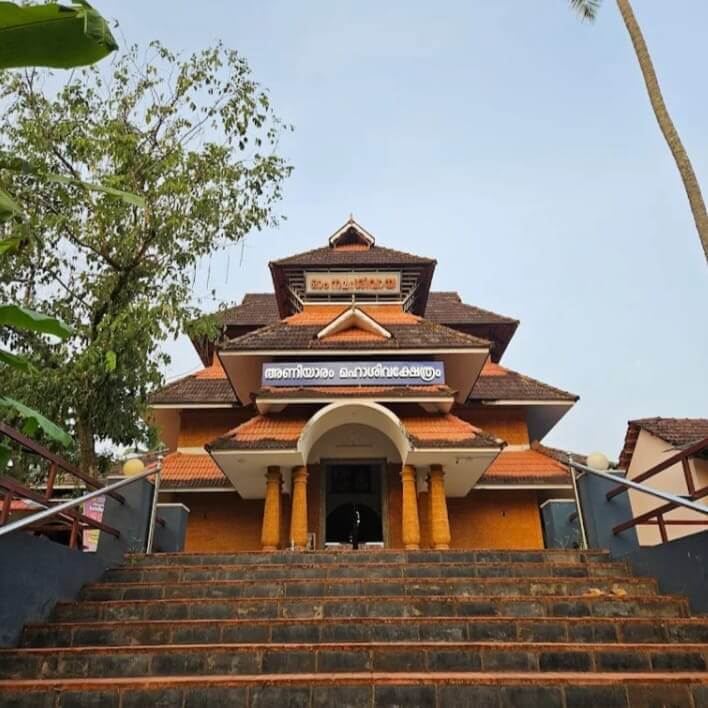
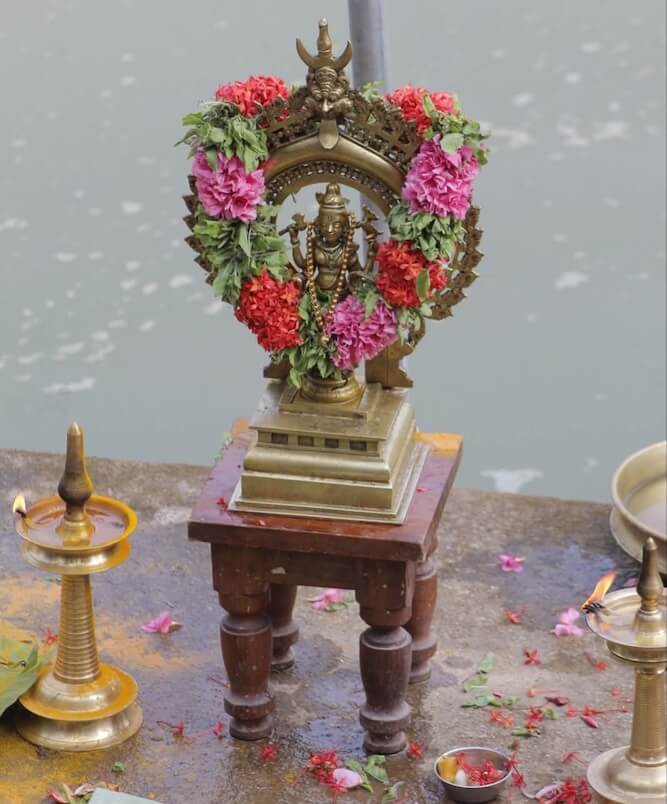 Aniyaram Shiva Temple, located at Aniyaram near Panoor in the Thalassery Taluk of Kannur district, is one of the important places of worship in the region. The presiding deities are Lord Shiva and Goddess Parvathy, who are worshipped here with equal importance. Set in a peaceful and scenic environment, the temple is one of the notable temples in the area.
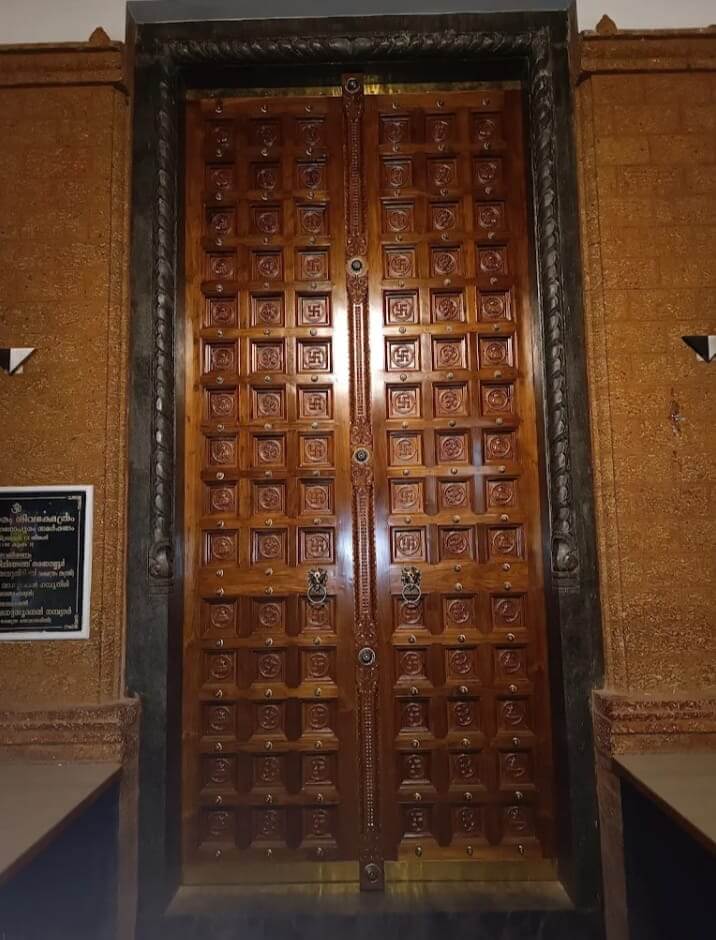
Aniyaram Shiva Temple follows the traditional North Malabar Temple Architecture. Based on the old structure of the sanctum (Sreekovil), the Chuttambalam and the wooden carvings, the temple is considered to be a traditional Malabar temple with a history of several centuries. After remaining in a dilapidated condition for many decades, a local committee was formed in the early 2010s to undertake its renovation. With the support of devotees, major restoration works, including the reconstruction of the Sreekovils and the construction of the Chuttambalam, were completed during 2015–2016. The re-consecration ceremonies of the main deities and the Brahmakalashabhishekam were conducted during 2017–2018. At present, the temple functions under the supervision of the Malabar Devaswom Board and is managed by a local committee elected by the people.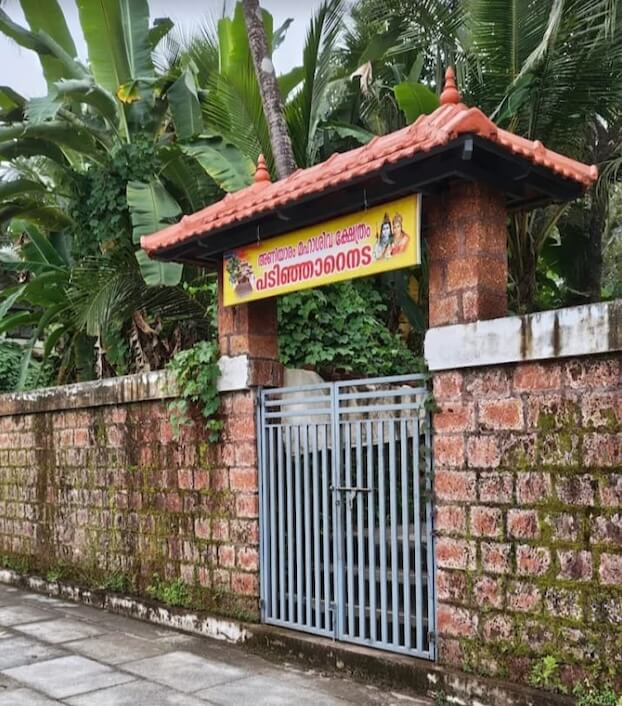
One of the unique features of this temple is that the Sreekovils of Lord Shiva and Goddess Parvathy face opposite directions. A local belief is associated with this arrangement. It is believed that Lord Shiva and Goddess Parvathy once had a disagreement and turned away from each other and that the Sreekovils were arranged in this manner in memory of that event. Nevertheless, devotees believe that offering prayers to both Lord Shiva and Goddess Parvathy at this temple helps bring harmony to family life, resolve marital differences and promote peace and unity within the family.
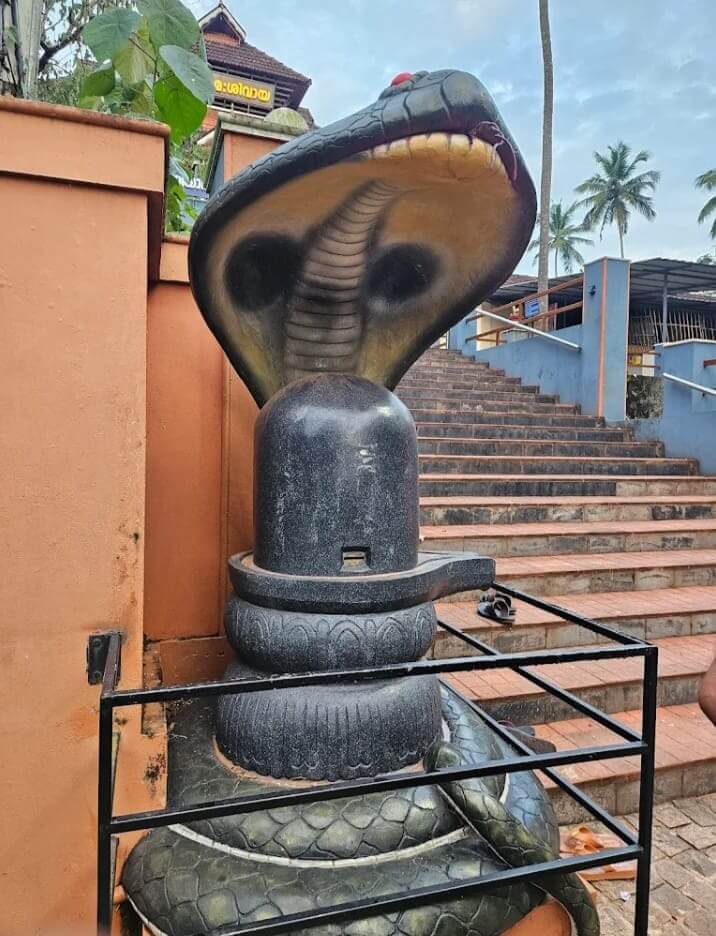
Built in the traditional North Malabar temple style, the temple features a laterite foundation, simple wooden workmanship and a sloping roof. On entering through the simple entrance gateway, the main Bali stone is seen first. Behind it is the spacious Chuttambalam (Nalambalam), which surrounds the main Sreekovil. Oil lamps are arranged along the walls of the Chuttambalam. In front of the Sreekovil is the Namaskara Mandapam with granite pillars, while the courtyard outside the Chuttambalam houses the shrines of Lord Ganapathy, Lord Ayyappa, Lord Subrahmanya and Lord Mahavishnu. The temple surroundings, with large trees and a green rural setting, complement its traditional character.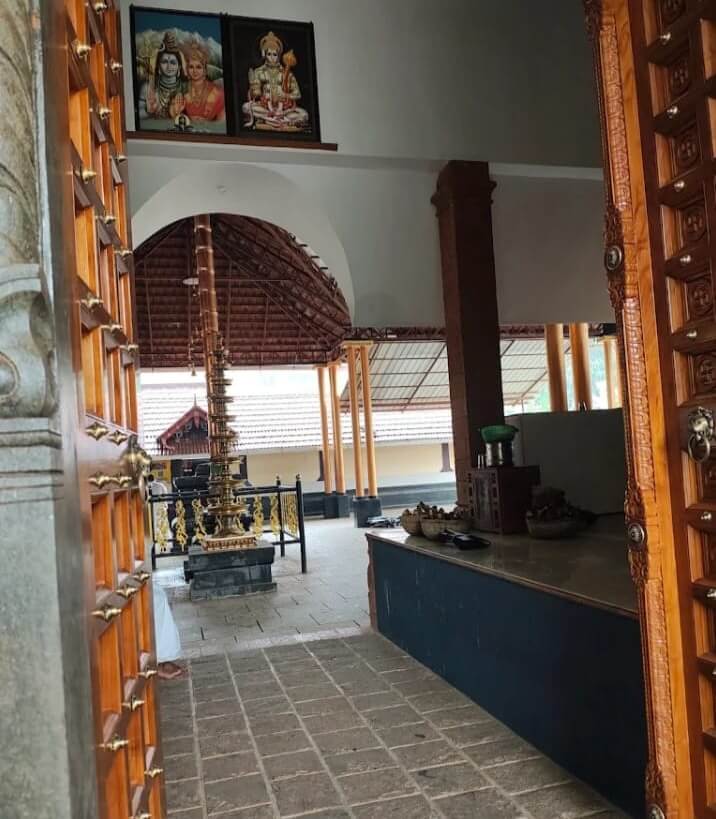
Inside the Nalambalam (Chuttambalam), the two main Sreekovils are situated parallel to each other. They feature a foundation built of granite and laterite, laterite walls and sloping roofs designed to withstand heavy rainfall. A square Namaskara Mandapam with granite pillars stands directly in front of the Sreekovil of Lord Shiva. The main deities, Lord Shiva and Goddess Parvathy, do not face the same direction. Lord Shiva is consecrated in the form of a peaceful Shiva Linga, facing east, while Goddess Parvathy is consecrated in the Sreekovil directly behind Lord Shiva’s Sreekovil, facing west.
Maha Shivaratri, celebrated during the Malayalam month of Kumbham (February–March), is the most important festival of the temple. On this day, special poojas, Laksharchana, Deeparadhana and an all-night Vilakkezhunnallippu (lamp procession) are held, attracting a large number of devotees. The annual Re-consecration Festival is also celebrated in remembrance of the temple’s renovation and re-consecration carried out during 2016–2018.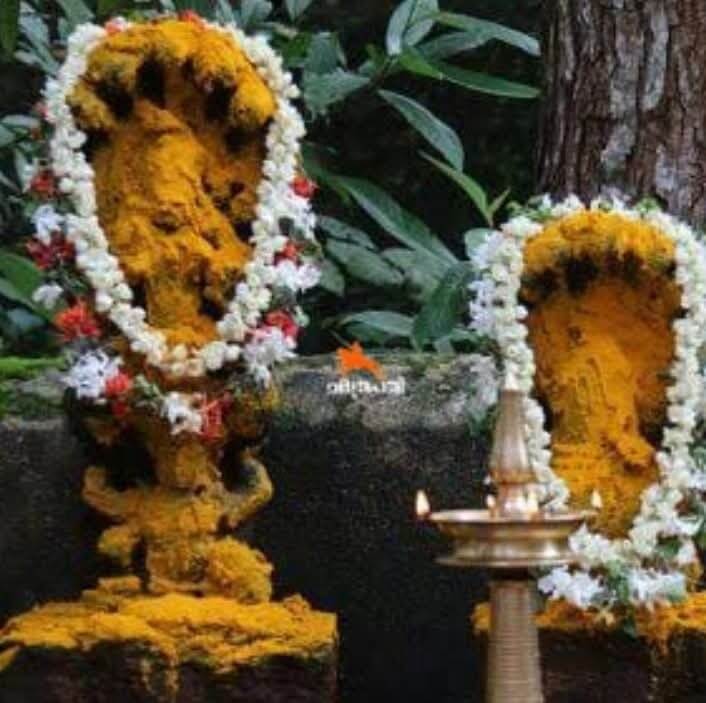 The celebrations include Brahmakalashabhishekam, special Thantri poojas, cultural programmes and Annadanam. As Goddess Parvathy is worshipped with equal importance, Thiruvathira, observed during the Malayalam month of Dhanu (December–January), is also celebrated in a special manner. On this day, married women and young women observe a fast and offer prayers for family well-being and Thiruvathira-related rituals are conducted. In addition, during the 41-day Mandala season from the 1st of Vrischikam to the 11th of Dhanu, special poojas, lamp decorations and special poojas and offerings to Lord Ayyappa are conducted at the temple.
The main offerings at the temple include Shiva Dhara (Dhara), Koovalam Mala, Koovalam Leaf Archana, Pinvilakku, Shankabhishekam and Neyvilakku. Shiva Dhara is one of the principal offerings, performed for good health, long life and to seek the calming of Lord Shiva’s anger. Koovalam Mala and Koovalam Leaf Archana are offered for relief from difficulties.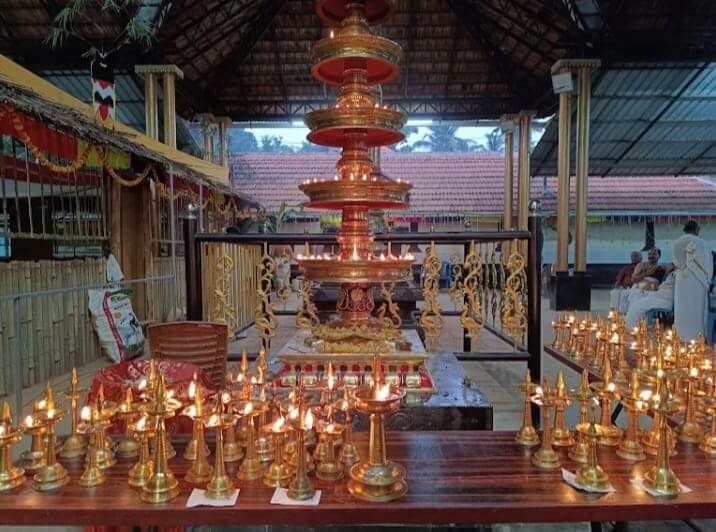 According to the temple’s architectural layout, the Sreekovil of Goddess Parvathy is located directly behind the Sreekovil of Lord Shiva and lighting the Pinvilakku is believed to bring marital harmony and the blessing of a happy married life. Shankabhishekam and Neyvilakku are offered for good health and peace of mind. The main offerings to Goddess Parvathy are Swayamvara Pushpanjali, Pattu Samarpanam, Thali Charthal and Mangalya Sooktharchana. Swayamvara Pushpanjali is offered to remove obstacles to marriage and to seek a suitable life partner. Pattu Samarpanam and Thali Charthal are offered for marital harmony and family prosperity, while Mangalya Sooktharchana is performed for the well-being and longevity of married life. The main offerings to the other deities include Ganapathi Homam, Appam Nivedyam, Neerajanam and Palpayasam. Ganapathi Homam and Appam Nivedyam are offered to Lord Ganapathy for the removal of obstacles, Neerajanam is offered to Lord Ayyappa on Saturdays for relief from the effects of Shani and Palpayasam is offered to Lord Mahavishnu and the other deities. In addition, Annadanam is conducted as a major offering on special occasions.
The temple opens daily at 05:00 a.m. with Nirmalya Darshanam. This is followed by Usha Pooja at 05:30 a.m., Shiva Dhara at 08:30 a.m. and Ucha Pooja at 10:00 a.m. The temple closes at 10:30 a.m. It reopens at 05:00 p.m., followed by Deeparadhana at 06:15 p.m. and Athazha Pooja at 07:30 p.m. The temple closes for the day at 08:00 p.m. Pooja timings may vary on special occasions such as Maha Shivaratri, the Re-consecration Festival and during the Mandala season.
Key highlight :-
- Located 12 km from Thalassery, 14 km from Mahe, and 32 km from Kannur.
- The nearest railway station is Thalassery Railway Station, about 12 km away.
- KSRTC and local bus services are available to the temple from Thalassery.
- Private vehicles can be parked in the temple’s parking area.
- Accommodation and food facilities are available in the nearby towns.
- A separate entrance and parking facilities are available for wheelchair users.
- Contact number + 91 9605783381
अनियाराम शिव मंदिर
अनियाराम, थालास्सेरी, जिला। कन्नूर.
मंदिरे
Temples
मंदिर
-
श्री राजराजेश्वर मंदिर थालीपरंबा चिरवक्कू, थालीपरंबा, जि. कन्नूर.
अधिक माहितीSree Rajarajeswara Temple Thaliparamba Chiravakku, Thaliparamba, Dist. Kannur.
View Detailsश्री राजराजेश्वर मंदिर थलिपरम्बा चिरावक्कु, थालिपरम्बा, जिला। कन्नूर.
विवरण देखें -
पेरालासेरी सुब्रमणिया मंदिर मुंडलूर, पेरालासेरी, कन्नूर जिल्हा.
अधिक माहितीPeralassery Subramania Temple Mundalur, Peralassery, Dist. Kannur.
View Detailsपेरलास्सेरी सुब्रमण्यम मंदिर मुंडालूर, पेरालास्सेरी, कन्नूर जिला।
विवरण देखें -
मृदंगसैलेश्वरी मंदिर मुझक्कुनू, पेरावूर, जि. कन्नूर
अधिक माहितीMridangasaileswari Temple Muzhakkunnu, Peravoor, Dist. Kannur
View Detailsमृदंगशैलेश्वरी मंदिर मुजक्कुन्नु, पेरावूर, जिला। कन्नूर
विवरण देखें