
रवीपुरम श्री कृष्ण स्वामी मंदिर
रवीपुरम, पेरुमानूर, जिल्हा एर्नाकुलम
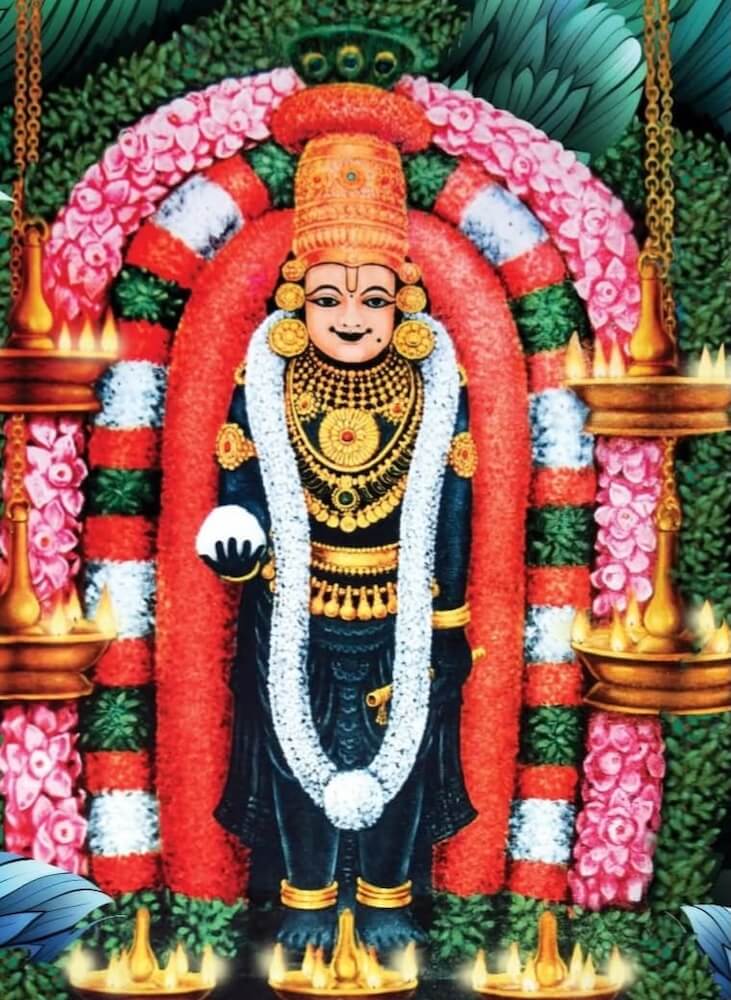 रवीपुरम श्री कृष्ण स्वामी मंदिर हे एर्नाकुलम शहराच्या मध्यवर्ती भागात स्थित एक सुप्रसिद्ध आणि प्राचीन वैष्णव मंदिर आहे. भगवान श्रीकृष्ण हे येथील मुख्य दैवत आहेत. हे दैवत “रवीपुराथप्पन” या नावाने लोकप्रिय आहे. गुरुवायुरप्पन यांच्या संकल्पनेत पूजले जाणारे हे मंदिर भाविकांसाठी श्रद्धेचे एक प्रमुख केंद्र आणि आध्यात्मिक शांततेचे ठिकाण मानले जाते. केरळच्या पारंपारिक मंदिर वास्तुकलेत बांधलेले हे मंदिर असे ठिकाण आहे जिथे दैनंदिन विधी आणि उत्सव भक्तीभावाने साजरे केले जातात. जन्माष्टमी, विशू आणि गुरुवायुर एकादशी यांसारख्या विशेष प्रसंगी मंदिरात भाविकांची मोठी गर्दी असते.
हे एर्नाकुलम शहरातील सर्वात जुन्या वैष्णव मंदिरांपैकी एक मानले जाते. मान्यतेनुसार, त्रावणकोर-कोचीन काळात रवीपुरम भागात स्थायिक झालेल्या गौड सारस्वत ब्राह्मण समुदायाचे आध्यात्मिक केंद्र म्हणून या मंदिराची उत्पत्ती झाली.
सुरुवातीला पाझूर मना यांच्या मालकीखाली असलेले हे मंदिर १९७२ पासून कोचीन देवस्वम बोर्डाच्या अंतर्गत कार्यरत आहे. जरी बांधकामाची नेमकी तारीख स्पष्टपणे दस्तऐवजीकरण केलेली नसली, तरी हे मंदिर शतकानुशतके जुने असल्याचे मानले जाते. कोची शहराच्या वाढीसोबतच याचा विकास झाला आणि हळूहळू याला सामाजिक आणि सांस्कृतिक महत्त्व प्राप्त झाले असे म्हटले जाते. सध्याची मंदिर रचना विविध नूतनीकरण टप्प्यांमधून आकारास आली आहे.
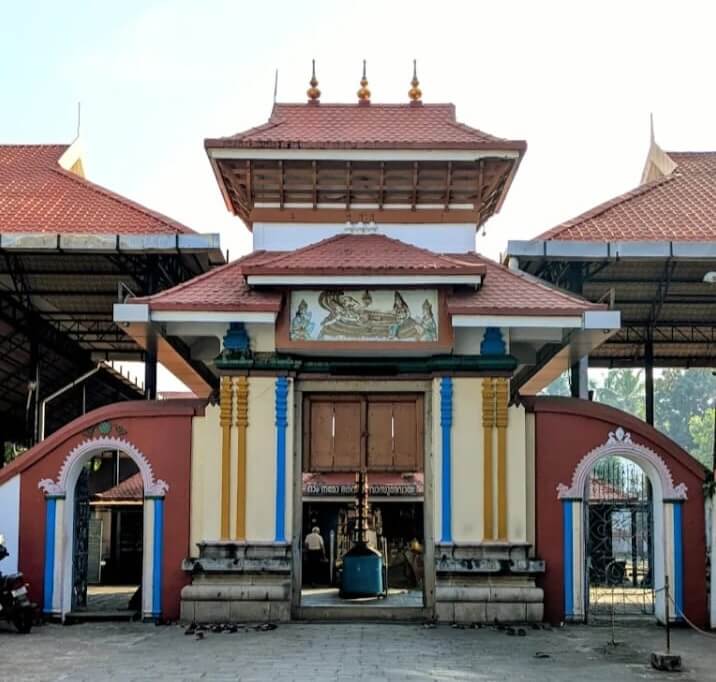 एका लोकप्रिय दंतकथेनुसार, टिपू सुलतानच्या आक्रमणांच्या काळात, गुरुवायुर श्री कृष्ण मंदिरातील गुरुवायुरप्पन यांची मूर्ती संरक्षणासाठी अंबालाप्पुझा श्री कृष्ण स्वामी मंदिरात नेली जात होती. मुसळधार पावसामुळे, त्या गटाला एर्नाकुलममध्ये थांबावे लागले आणि असे मानले जाते की, रवीपुरम श्री कृष्ण स्वामी मंदिरात एका दिवसासाठी त्या मूर्तीची तात्पुरती पूजा करण्यात आली होती.
दुसऱ्या एका दंतकथेनुसार, महान कृष्ण भक्त विल्वमंगलम स्वामीयार यांनी या ठिकाणाला “रवीपुरम” असे नाव दिले. अंबालाप्पुझाला जात असताना त्यांनी मंदिर परिसराला भेट दिली आणि त्यांना समजले की या ठिकाणाला कोणतेही विशिष्ट नाव नाही आणि ते फक्त एक कृष्ण मंदिर म्हणून ओळखले जाते. त्याच क्षणी, त्यांना उगवत्या सूर्याने गर्भगृहाला प्रकाशित केलेले दिसले आणि या दैवी दर्शनावर आधारित, त्यांनी घोषित केले की या ठिकाणाला रवीपुरम म्हटले पाहिजे. संस्कृतमध्ये, “रवी” म्हणजे सूर्य आणि “पुरम” म्हणजे जागा किंवा शहर. असेही मानले जाते की या भागाचे पूर्वीचे नाव पेरुमानूर होते, जे नंतर रवीपुरम म्हणून ओळखले जाऊ लागले.
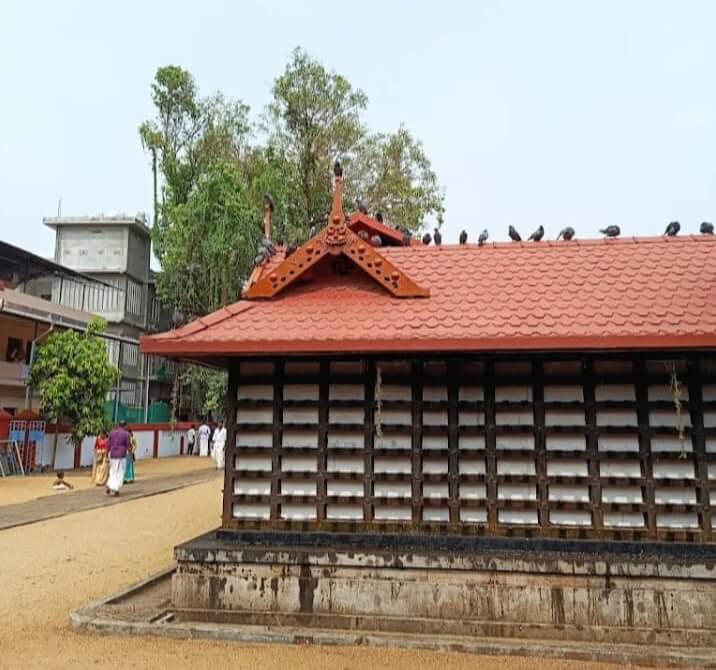
बाहेरून, हे मंदिर केरळच्या पारंपारिक मंदिर वास्तुकलेचे सौंदर्य प्रतिबिंबित करते. 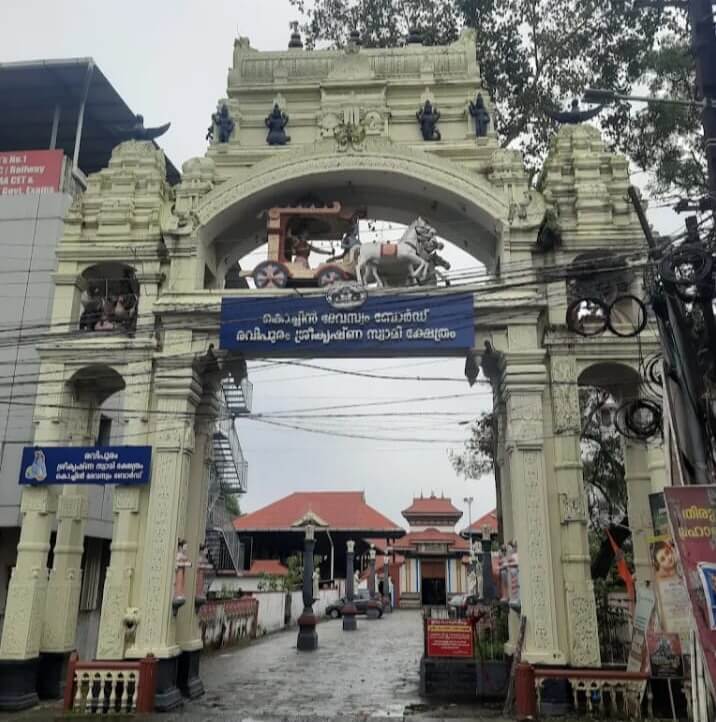 जरी ते एका गजबजलेल्या शहराच्या मध्यभागी स्थित असले, तरी ते शांत आणि प्रसन्न वातावरण टिकवून ठेवते. लाल कौलारू छप्पर, लाकडी प्रवेशद्वार रचना, उंच ध्वजस्तंभ आणि प्राचीन शैलीतील कंपाऊंड भिंती मंदिराला एक मजबूत वारसा स्वरूप देतात. प्रवेशद्वारापासून, गर्भगृहाच्या छताचे काही भाग आणि नलंबाला सुंदरपणे दिसतात. संध्याकाळी, तेलाचे दिवे आणि सजावट मंदिराचे आकर्षण वाढवतात, ज्यामुळे ते शहरी भागात जतन केलेले जुन्या केरळ मंदिराचे एक दुर्मिळ उदाहरण बनते.
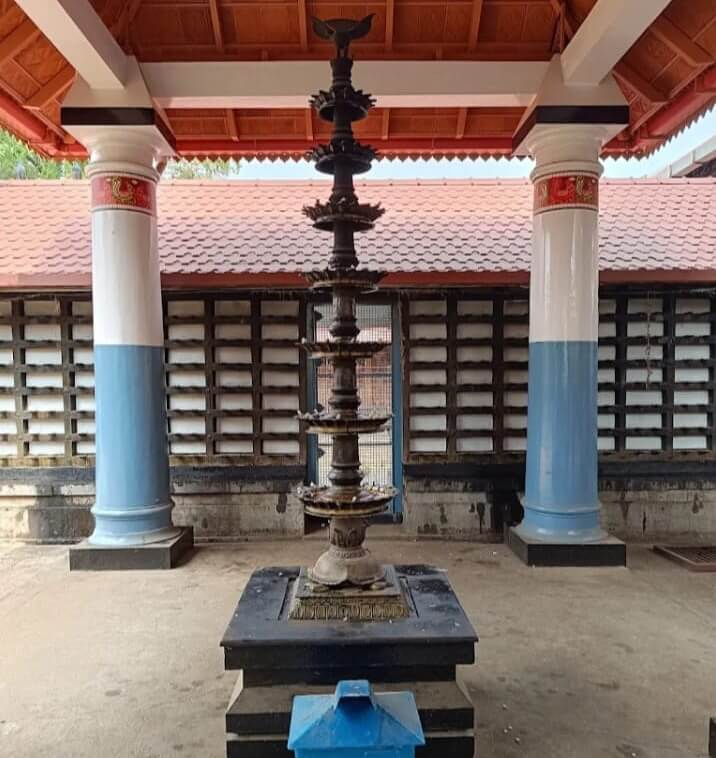
आतमध्ये, प्रदक्षिणा मार्ग, नलंबाला आणि अनेक उप-दैवतांची मंदिरे आहेत. लाकडी कोरीव काम आणि पारंपारिक डिझाइन त्याच्या अद्वितीयत्वात भर घालतात. गर्भगृह (श्रीकोविल) केरळच्या पारंपारिक मंदिर वास्तुकलेच्या शैलीत बांधलेले आहे, ज्याला तांब्याचे छप्पर आणि लाकडी रचना आहे, जी त्याला एक पवित्र आणि प्राचीन स्वरूप देते. शांत आंतरिक वातावरण आणि दिव्यांनी उजळलेले गर्भगृह एक खोल भक्तीचा अनुभव निर्माण करते.
मुख्य दैवत भगवान विष्णू हे चतुर्भुज रूपात आहेत, ज्यांची येथे भगवान कृष्ण आणि गुरुवायुरप्पन यांच्या संकल्पनेत पूजा केली जाते.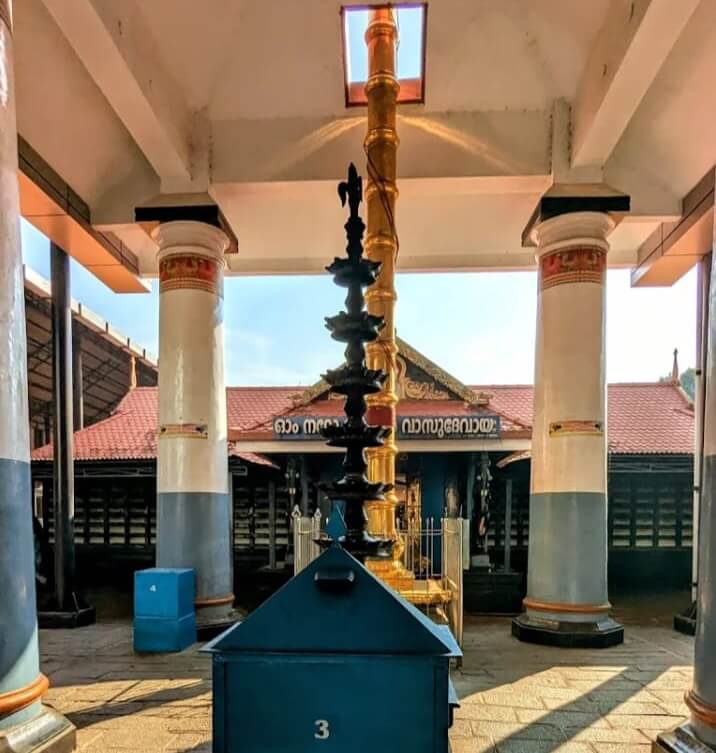 हे दैवत चार हातांमध्ये शंख (पांचजन्य), चक्र (सुदर्शन चक्र), गदा आणि कमळ (पद्म) धारण करते, जे विष्णूच्या दैवी आणि शुभ रूपाचे प्रतिनिधित्व करते. भाविक येथे भगवान कृष्णाची गाढ भक्तीने पूजा करतात आणि गर्भगृहासमोरील नमस्कार मंडपम तसेच सभोवतालचे नलंबाला मंदिराचे पारंपारिक स्वरूप वाढवतात.
या मंदिरातील इतर मुख्य दैवतांमध्ये गणेश, शिव, अय्यप्पा आणि नागदेवता (नाग) यांचा समावेश आहे. मंदिरात प्रवेश करताना आणि नलंबाला भागात पोहोचल्यावर, गणेशाचे मंदिर मुख्य गर्भगृहाच्या जवळ स्थित आहे. शिवाचे मंदिर प्रदक्षिणा रचनेच्या एका बाजूला ठेवलेले आहे, तर अय्यप्पा मंदिर देखील मंदिर संकुलातच आहे. सर्प देवतांची स्थापना मंदिर परिसरातील एका पवित्र झाडाजवळ शांत भागात केली आहे. ही मंदिरे मुख्य गर्भगृहाभोवती अशा प्रकारे मांडलेली आहेत की भाविक प्रदक्षिणेदरम्यान सर्व दैवतांची पूजा करू शकतात. मंदिर अनेक महत्त्वाचे उत्सव मोठ्या भक्तीभावाने साजरे करते. विशूच्या दिवशी, विशुक्कानी दर्शनासाठी मंदिर पहाटे ३:३० वाजता उघडते आणि पहाटेपासूनच मोठ्या संख्येने भाविक जमतात. मंदिर दिव्यांनी आणि विशेष विधींनी सुंदरपणे सजवले जाते.
अष्टमीरोहिणी किंवा कृष्ण जन्माष्टमी हा येथील सर्वात महत्त्वाच्या उत्सवांपैकी एक आहे, ज्यामध्ये विशेष पूजा, भजन, अन्नदान, साध्या, मिरवणुका आणि बालकृष्णाच्या वेशभूषेत सजलेली मुले या उत्सवाचा भाग असतात. या उत्सवाच्या काळात संपूर्ण मंदिर आणि परिसर अतिशय सुंदररीत्या सजवला जातो. दर महिन्याच्या आश्लेषा (आयल्यम) नक्षत्राच्या दिवशी, सर्पकाव (नागस्थान) येथे विशेष विधी केले जातात, ज्यामध्ये “नूरुम पालुम” नावाची महत्त्वाची सेवा अर्पण केली जाते. या दिवशी अनेक भक्त नागाराधनेसाठी मंदिरात येतात.
मंदिरातील प्रमुख सेवांमध्ये पालपायसम, लोणी, तुळाभारम, अर्चना, भाग्यसूक्त पुष्पांजली, नेय्यिविलक्कू आणि अन्नदान यांचा समावेश होतो. मुख्य देवता कृष्णाच्या रूपात पूजली जात असल्याने, लोणी अर्पण करण्याला विशेष महत्त्व आहे, तर दुधाची खीर (पालपायसम) अर्पण करणे देखील अत्यंत महत्त्वाचे मानले जाते. भक्त कौटुंबिक समृद्धी, संतती, शिक्षण आणि सर्वांगीण कल्याणासाठी या सेवा अर्पण करतात.
मंदिरातील पूजेच्या वेळा साधारणपणे केरळच्या पारंपरिक वैष्णव मंदिर पद्धतीचे पालन करतात. मंदिर पहाटे ५:०० वाजता उघडते, त्यानंतर सकाळी निर्माल्यम, अभिषेक आणि उषा पूजा केली जाते. दुपारच्या विधींसाठी मंदिर सकाळी १०:३० ते ११:०० च्या सुमारास बंद होते. संध्याकाळच्या विधींसाठी ते सायंकाळी ५:०० वाजता पुन्हा उघडते, ज्यामध्ये दीपाराधना आणि सायंकाळच्या पूजा केल्या जातात आणि मंदिर साधारणपणे रात्री ८:०० ते ८:३० च्या सुमारास बंद होते. सण आणि विशेष दिवसांच्या वेळी या वेळांमध्ये थोडा बदल होऊ शकतो.
मुख्य वैशिष्ट्ये
- कोचीन शहराच्या मध्यवर्ती भागात, रवीपुरम येथे स्थित आहे.
- एर्नाकुलम दक्षिण रेल्वे स्थानकापासून १.५ किमी आणि मेट्रो स्टेशनपासून २ किमी अंतरावर आहे.
- या मंदिरापर्यंत येण्यासाठी राज्य परिवहन (KSRTC) आणि स्थानिक बस सुविधा उपलब्ध आहेत.
- मंदिराच्या जवळ पार्किंगची सुविधा उपलब्ध आहे.
- मंदिराच्या जवळ राहण्याची आणि भोजनाची सोय देखील उपलब्ध आहे.
- संपर्क क्रमांक +९१ ४८४ २३६४२२२
Ravipuram Sree Krishna Swamy Temple
Ravipuram, Perumanoor, Dist. Ernakulam
Ravipuram Sree Krishna Swamy Temple is one of the well-known and ancient Vaishnava temples located in the heart of Ernakulam city. Lord Krishna is the main deity here. The deity is popularly known as “Ravipurathappan”. Worshipped in the concept of Guruvayurappan, this temple is regarded as a major centre of faith and a place of spiritual peace for devotees. Built in traditional Kerala temple architecture, the temple is a place where daily rituals and festivals are conducted with devotion. During special occasions such as Janmashtami, Vishu, and Guruvayur Ekadashi, the temple witnesses a large influx of devotees.
It is considered one of the oldest Vaishnava temples in Ernakulam city. According to belief, the temple originated as the spiritual centre of the Gowda Saraswatha Brahmin community who settled in the Ravipuram area during the Travancore–Cochin period.
Initially under the ownership of Pazhoor Mana, the temple has been functioning under the Cochin Devaswom Board since 1972. Although the exact date of construction is not clearly documented, it is widely believed that the temple is centuries old. It is said to have developed alongside the growth of Kochi city, gradually gaining social and cultural importance. The present temple structure has taken shape through various stages of renovation.
According to a popular legend, during the time of Tipu Sultan’s invasions, the idol of Guruvayurappan from Guruvayur Sri Krishna Temple was being taken to Ambalappuzha Sree Krishna Swamy Temple for protection. Due to heavy rain, the group had to halt in Ernakulam, and it is believed that the idol was temporarily worshipped for a day at Ravipuram Sree Krishna Swamy Temple.
Another legend says that the great Krishna devotee Vilwamangalam Swamiyar named this place “Ravipuram”. During his journey to Ambalappuzha, he visited the temple area and learned that the place had no specific name and was simply known as a Krishna temple. At that moment, he is believed to have witnessed the rising sun illuminating the sanctum, and based on this divine vision, he declared the place should be called Ravipuram. In Sanskrit, “Ravi” means the Sun and “Puram” means a place or town. It is also believed that the earlier name of this area was Perumanur, which later came to be known as Ravipuram.
From the outside, the temple reflects the beauty of traditional Kerala temple architecture. Even though it is located in the middle of a busy city, it maintains a calm and peaceful atmosphere. The red-tiled roofs, wooden entrance structures, tall flagpost, and ancient-style compound walls give the temple a strong heritage appearance. From the entrance, parts of the sanctum roof and the nalambalam can be seen beautifully. In the evening, the oil lamps and decorations enhance the temple’s charm, making it a rare example of an old Kerala temple preserved in an urban setting.
Inside, there are circumambulatory paths, the nalambalam, and several subsidiary deity shrines. The wooden craftsmanship and traditional design further add to its uniqueness. The sanctum (Sreekovil) is built in traditional Kerala temple architecture style, with a copper-clad roof and wooden structure that gives it a sacred and ancient appearance. The calm inner atmosphere and lamp-lit sanctum create a deeply devotional experience.
The main deity is Lord Vishnu in Chaturbhuja (four-armed) form, worshipped here in the form of Lord Krishna and also in the concept of Guruvayurappan. The deity holds the conch (Panchajanya), discus (Sudarshana Chakra), mace (Gada), and lotus (Padma) in the four hands, representing the divine and auspicious form of Vishnu. Devotees worship Lord Krishna here with deep devotion, and the Namaskara Mandapam in front of the sanctum along with the surrounding nalambalam enhances the traditional character of the temple.
The main other deities in this temple include Ganesha, Shiva, Ayyappa, and Nagade-vatha deities (Nagas). When entering the temple and reaching the nalambalam area, the Ganesha shrine is located close to the main sanctum. The Shiva shrine is placed on one side of the circumambulatory structure, while the Ayyappa shrine is also within the temple complex. The serpent deities are installed in a quiet area near a sacred tree within the temple premises. These shrines are arranged around the main sanctum so that devotees can worship all deities during pradakshina. The temple observes several important festivals with great devotion. On Vishu, the temple opens at 3:30 AM for Vishukkani darshan, and a large number of devotees gather from early morning. The temple is beautifully decorated with lamps and special rituals.
Ashtamirohini or Krishna Janmashtami is one of the most important festivals here, with special poojas, bhajans, annadanam, sadhya, processions, and children dressed as Kr-ishna being part of the celebrations. The entire temple and surroundings are decorated beautifully during this festival. On every Ayilyam day each month, special rituals are performed at the serpent grove (Sarpakavu), including the important offering known as “Noorum Palum”. Many devotees visit the temple on these days for Nagaradhana.
Major offerings at the temple include Palpayasam, butter, thulabharam, archana, Bhagya Sooktha pushpanjali, neyvilakku, and annadanam. Since the main deity is worshipped in Krishna form, offering butter has special significance, while milk porridge offerings are also considered very important. Devotees perform these offerings for family prosperity, children, education, and overall well-being.
The temple pooja timings generally follow the traditional Kerala Vaishnava temple sys-tem. The temple opens around 5:00 AM, followed by Nirmalyam, abhishekam, and Usha pooja in the morning. It closes around 10:30 to 11:00 AM for noon rituals. It reopens at 5:00 PM for evening rituals, with Deeparadhana and evening poojas conducted, and it usually closes around 8:00 to 8:30 PM. These timings may vary slightly on festival and special days.
Key highlight
- Located at the heart of Cochin city, at Ravipuram.
- 1.5 km away from Ernakulam south railway station and 2 km away from metro station.
- State Transport (KSRTC) and local bus facilities are available to this temple.
- Parking facilities available near the temple.
- Accommodation and food facilities are also available near the temple.
- Contact number + 91 484 2364222
रवीपुरम श्री कृष्ण स्वामी मंदिर
रवीपुरम, पेरुमानूर, जिला एर्नाकुलम
रवीपुरम श्री कृष्ण स्वामी मंदिर एर्नाकुलम शहर के हृदय स्थल में स्थित सुप्रसिद्ध और प्राचीन वैष्णव मंदिरों में से एक है। भगवान कृष्ण यहाँ के मुख्य देवता हैं। देवता को लोकप्रिय रूप से “रवीपुराथप्पन” के नाम से जाना जाता है। गुरुवायुरप्पन की अवधारणा में पूजित यह मंदिर भक्तों के लिए आस्था का एक प्रमुख केंद्र और आध्यात्मिक शांति का स्थान माना जाता है। पारंपरिक केरल मंदिर वास्तुकला में निर्मित, यह मंदिर एक ऐसा स्थान है जहाँ दैनिक अनुष्ठान और उत्सव पूरी श्रद्धा के साथ संपन्न किए जाते हैं। जन्माष्टमी, विशु और गुरुवायुर एकादशी जैसे विशेष अवसरों के दौरान, मंदिर में भक्तों की भारी भीड़ उमड़ती है।
इसे एर्नाकुलम शहर के सबसे पुराने वैष्णव मंदिरों में से एक माना जाता है। मान्यता के अनुसार, इस मंदिर की उत्पत्ति त्रावणकोर-कोचीन काल के दौरान रवीपुरम क्षेत्र में बसने वाले गौड़ सारस्वत ब्राह्मण समुदाय के आध्यात्मिक केंद्र के रूप में हुई थी।
प्रारंभ में पाझूर मना के स्वामित्व में रहा यह मंदिर १९७२ से कोचीन देवस्वोम बोर्ड के अंतर्गत कार्य कर रहा है। यद्यपि निर्माण की सटीक तिथि स्पष्ट रूप से प्रलेखित नहीं है, लेकिन व्यापक रूप से यह माना जाता है कि मंदिर सदियों पुराना है। कहा जाता है कि इसका विकास कोच्चि शहर के विकास के साथ-साथ हुआ, जिससे धीरे-धीरे इसे सामाजिक और सांस्कृतिक महत्व प्राप्त हुआ। वर्तमान मंदिर संरचना ने जीर्णोद्धार के विभिन्न चरणों के माध्यम से अपना स्वरूप लिया है।
एक लोकप्रिय किंवदंती के अनुसार, टीपू सुल्तान के आक्रमणों के समय, गुरुवायुर श्री कृष्ण मंदिर से गुरुवायुरप्पन की मूर्ति को सुरक्षा के लिए अंबालाप्पुझा श्री कृष्ण स्वामी मंदिर ले जाया जा रहा था। भारी बारिश के कारण, समूह को एर्नाकुलम में रुकना पड़ा, और यह माना जाता है कि मूर्ति की एक दिन के लिए रवीपुरम श्री कृष्ण स्वामी मंदिर में अस्थायी रूप से पूजा की गई थी।
एक अन्य किंवदंती कहती है कि महान कृष्ण भक्त विल्वामंगलम स्वामीयार ने इस स्थान का नाम “रवीपुरम” रखा था। अंबालाप्पुझा की अपनी यात्रा के दौरान, उन्होंने मंदिर क्षेत्र का दौरा किया और जाना कि इस स्थान का कोई विशिष्ट नाम नहीं था और इसे केवल एक कृष्ण मंदिर के रूप में जाना जाता था। उस क्षण, माना जाता है कि उन्होंने उगते हुए सूर्य को गर्भगृह को प्रकाशित करते हुए देखा, और इस दिव्य दृष्टि के आधार पर, उन्होंने घोषणा की कि इस स्थान को रवीपुरम कहा जाना चाहिए। संस्कृत में, “रवि” का अर्थ सूर्य और “पुरम” का अर्थ स्थान या नगर होता है। यह भी माना जाता है कि इस क्षेत्र का पुराना नाम पेरुमानूर था, जो बाद में रवीपुरम के नाम से जाना जाने लगा।
बाहर से, मंदिर पारंपरिक केरल मंदिर वास्तुकला की सुंदरता को दर्शाता है। भले ही यह एक व्यस्त शहर के बीच में स्थित है, लेकिन यह एक शांत और शांतिपूर्ण वातावरण बनाए रखता है। लाल टाइल वाली छतें, लकड़ी के प्रवेश द्वार, ऊंचा ध्वजस्तंभ और प्राचीन शैली की चारदीवारी मंदिर को एक मजबूत विरासत का स्वरूप प्रदान करती हैं। प्रवेश द्वार से, गर्भगृह की छत और नलंबलम के कुछ हिस्से खूबसूरती से दिखाई देते हैं। शाम के समय, तेल के दीपक और सजावट मंदिर के आकर्षण को बढ़ा देते हैं, जिससे यह शहरी परिवेश में संरक्षित एक पुराने केरल मंदिर का दुर्लभ उदाहरण बन जाता है।
अंदर, प्रदक्षिणा पथ, नलंबलम और कई उप-देवताओं के मंदिर हैं। लकड़ी की कारीगरी और पारंपरिक डिजाइन इसकी विशिष्टता को और बढ़ाते हैं। गर्भगृह (श्रीकोविल) पारंपरिक केरल मंदिर वास्तुकला शैली में निर्मित है, जिसमें तांबे की परत वाली छत और लकड़ी की संरचना है जो इसे एक पवित्र और प्राचीन स्वरूप प्रदान करती है। शांत आंतरिक वातावरण और दीपों से जगमगाता गर्भगृह एक गहरा भक्तिपूर्ण अनुभव पैदा करता है।
मुख्य देवता चतुर्भुज रूप में भगवान विष्णु हैं, जिनकी यहाँ भगवान कृष्ण के रूप में और गुरुवायुरप्पन की अवधारणा में पूजा की जाती है। देवता के चार हाथों में शंख (पाञ्चजन्य), चक्र (सुदर्शन चक्र), गदा और कमल (पद्म) हैं, जो विष्णु के दिव्य और शुभ रूप का प्रतिनिधित्व करते हैं। भक्त यहाँ भगवान कृष्ण की गहरी श्रद्धा के साथ पूजा करते हैं, और गर्भगृह के सामने स्थित नमस्कार मंडपम के साथ-साथ आसपास का नलंबलम मंदिर के पारंपरिक चरित्र को बढ़ाता है।
इस मंदिर में अन्य मुख्य देवताओं में गणेश, शिव, अयप्पा और नागदेवता (नाग) शामिल हैं। मंदिर में प्रवेश करने और नलंबलम क्षेत्र तक पहुँचने पर, गणेश मंदिर मुख्य गर्भगृह के करीब स्थित है। शिव मंदिर प्रदक्षिणा संरचना के एक तरफ स्थित है, जबकि अयप्पा मंदिर भी मंदिर परिसर के भीतर ही है। सर्प देवताओं को मंदिर परिसर के भीतर एक पवित्र वृक्ष के पास एक शांत क्षेत्र में स्थापित किया गया है। ये मंदिर मुख्य गर्भगृह के चारों ओर इस तरह व्यवस्थित हैं कि भक्त प्रदक्षिणा के दौरान सभी देवताओं की पूजा कर सकें। मंदिर कई महत्वपूर्ण त्योहारों को बड़ी श्रद्धा के साथ मनाता है। विशु के अवसर पर, मंदिर विशुकनी दर्शन के लिए सुबह ३:३० बजे खुलता है, और सुबह से ही बड़ी संख्या में भक्त एकत्रित होते हैं। मंदिर को दीपों और विशेष अनुष्ठानों से खूबसूरती से सजाया जाता है।
अष्टमिरोहिणी या कृष्ण जन्माष्टमी यहाँ के सबसे महत्वपूर्ण त्योहारों में से एक है, जिसमें विशेष पूजा, भजन, अन्नदानम, साद्य, शोभायात्रा और कृष्ण के रूप में सजे बच्चे उत्सव का हिस्सा होते हैं। इस त्योहार के दौरान पूरा मंदिर और आसपास का क्षेत्र बहुत सुंदरता से सजाया जाता है। प्रत्येक महीने के आयिल्यम दिन, सर्पकावु (सर्प उपवन) में विशेष अनुष्ठान किए जाते हैं, जिसमें “नूरुम पालुम” नामक महत्वपूर्ण भेंट शामिल है। नागाराधना के लिए इन दिनों में कई भक्त मंदिर आते हैं।
मंदिर में प्रमुख भेंटों में पालपायसम, मक्खन, तुलाभारम, अर्चना, भाग्य सूक्त पुष्पांजलि, नेयविलक्कू और अन्नदानम शामिल हैं। चूंकि मुख्य देवता की पूजा कृष्ण रूप में की जाती है, इसलिए मक्खन अर्पित करने का विशेष महत्व है, जबकि दूध की खीर (पालपायसम) की भेंट को भी बहुत महत्वपूर्ण माना जाता है। भक्त पारिवारिक समृद्धि, संतान प्राप्ति, शिक्षा और समग्र कल्याण के लिए ये भेंट अर्पित करते हैं।
मंदिर की पूजा का समय सामान्यतः पारंपरिक केरल वैष्णव मंदिर प्रणाली का पालन करता है। मंदिर सुबह ५:०० बजे के आसपास खुलता है, जिसके बाद सुबह निर्मल्यम, अभिषेक और उषा पूजा होती है। दोपहर के अनुष्ठानों के लिए यह १०:३० से ११:०० बजे के बीच बंद हो जाता है। यह शाम के अनुष्ठानों के लिए ५:०० बजे फिर से खुलता है, जिसमें दीपाराधना और शाम की पूजा की जाती है, और यह आमतौर पर रात ८:०० से ८:३० बजे के आसपास बंद होता है। त्योहारों और विशेष दिनों में ये समय थोड़ा भिन्न हो सकता है।
मुख्य आकर्षण
- कोच्चि शहर के केंद्र में, रविपुरम में स्थित है।
- एर्नाकुलम दक्षिण रेलवे स्टेशन से १.५ कि.मी. और मेट्रो स्टेशन से २ कि.मी. की दूरी पर है।
- इस मंदिर के लिए राज्य परिवहन (KSRTC) और स्थानीय बस सुविधाएं उपलब्ध हैं।
- मंदिर के पास पार्किंग की सुविधा उपलब्ध है।
- मंदिर के पास आवास और भोजन की सुविधा भी उपलब्ध है।
- संपर्क संख्या +९१ ४८४ २३६४२२२
રાવીપુરમ શ્રી કૃષ્ણ સ્વામી મંદિર
રાવીપુરમ, પેરુમાનૂર, જિલ્લો એર્નાકુલમ
રાવીપુરમ શ્રી કૃષ્ણ સ્વામી મંદિર એ એર્નાકુલમ શહેરના હૃદયમાં આવેલું સુપ્રસિદ્ધ અને પ્રાચીન વૈષ્ણવ મંદિરોમાંનું એક છે. ભગવાન શ્રીકૃષ્ણ અહીંના મુખ્ય દેવતા છે. આ દેવતા લોકપ્રિય રીતે “રાવીપુરથપ્પન” તરીકે ઓળખાય છે. ગુરુવાયુરપ્પનના સ્વરૂપમાં પૂજાતું આ મંદિર શ્રદ્ધાળુઓ માટે આસ્થાનું મુખ્ય કેન્દ્ર અને આધ્યાત્મિક શાંતિનું સ્થાન માનવામાં આવે છે. પરંપરાગત કેરળ મંદિર સ્થાપત્યમાં નિર્મિત આ મંદિર એવું સ્થાન છે જ્યાં દૈનિક વિધિઓ અને ઉત્સવો ભક્તિભાવ સાથે ઉજવવામાં આવે છે. જન્માષ્ટમી, વિશુ અને ગુરુવાયુર એકાદશી જેવા વિશેષ પ્રસંગોએ મંદિરમાં ભક્તોની મોટી ભીડ ઉમટી પડે છે.
તે એર્નાકુલમ શહેરના સૌથી જૂના વૈષ્ણવ મંદિરોમાંનું એક માનવામાં આવે છે. માન્યતા અનુસાર, આ મંદિરની સ્થાપના ગૌડ સારસ્વત બ્રાહ્મણ સમુદાયના આધ્યાત્મિક કેન્દ્ર તરીકે થઈ હતી, જેઓ ત્રાવણકોર-કોચીન સમયગાળા દરમિયાન રાવીપુરમ વિસ્તારમાં સ્થાયી થયા હતા.
શરૂઆતમાં પાઝૂર માનાની માલિકી હેઠળ રહેલું આ મંદિર ૧૯૭૨ થી કોચીન દેવસ્વમ બોર્ડ હેઠળ કાર્યરત છે. જોકે નિર્માણની ચોક્કસ તારીખ સ્પષ્ટ રીતે નોંધાયેલી નથી, પરંતુ એવું વ્યાપકપણે માનવામાં આવે છે કે આ મંદિર સદીઓ જૂનું છે. કહેવાય છે કે કોચી શહેરના વિકાસની સાથે આ મંદિરનો પણ વિકાસ થયો અને ધીમે ધીમે તેને સામાજિક અને સાંસ્કૃતિક મહત્વ પ્રાપ્ત થયું. વર્તમાન મંદિરનું માળખું વિવિધ તબક્કાના જીર્ણોદ્ધાર દ્વારા આકાર પામ્યું છે.
એક લોકપ્રિય દંતકથા અનુસાર, ટીપુ સુલતાનના આક્રમણના સમય દરમિયાન, ગુરુવાયુર શ્રી કૃષ્ણ મંદિરની ગુરુવાયુરપ્પનની મૂર્તિને સુરક્ષા માટે અંબલપ્પુઝા શ્રી કૃષ્ણ સ્વામી મંદિર લઈ જવામાં આવી રહી હતી. ભારે વરસાદને કારણે, આ જૂથે એર્નાકુલમમાં રોકાવું પડ્યું હતું અને એવું માનવામાં આવે છે કે તે મૂર્તિની એક દિવસ માટે રાવીપુરમ શ્રી કૃષ્ણ સ્વામી મંદિરમાં કામચલાઉ પૂજા કરવામાં આવી હતી.
અન્ય એક દંતકથા કહે છે કે મહાન કૃષ્ણ ભક્ત વિલ્વમંગલમ સ્વામિયારે આ સ્થળનું નામ “રાવીપુરમ” રાખ્યું હતું. અંબલપ્પુઝાની તેમની યાત્રા દરમિયાન, તેમણે મંદિર વિસ્તારની મુલાકાત લીધી અને જાણ્યું કે આ સ્થળનું કોઈ ચોક્કસ નામ નથી અને તે માત્ર કૃષ્ણ મંદિર તરીકે ઓળખાય છે. તે ક્ષણે, એવું માનવામાં આવે છે કે તેમણે ઉગતા સૂર્યને ગર્ભગૃહને પ્રકાશિત કરતા જોયા હતા, અને આ દિવ્ય દ્રષ્ટિના આધારે, તેમણે જાહેર કર્યું કે આ સ્થળને રાવીપુરમ કહેવું જોઈએ. સંસ્કૃતમાં, “રવિ” એટલે સૂર્ય અને “પુરમ” એટલે સ્થળ અથવા નગર. એવું પણ માનવામાં આવે છે કે આ વિસ્તારનું અગાઉનું નામ પેરુમાનૂર હતું, જે પાછળથી રાવીપુરમ તરીકે ઓળખાયું.
બહારથી, આ મંદિર પરંપરાગત કેરળ મંદિર સ્થાપત્યની સુંદરતાને પ્રતિબિંબિત કરે છે. ભલે તે વ્યસ્ત શહેરની મધ્યમાં આવેલું છે, છતાં તે શાંત અને સૌમ્ય વાતાવરણ જાળવી રાખે છે. લાલ નળિયાંવાળા છત, લાકડાના પ્રવેશદ્વાર, ઊંચો ધ્વજસ્તંભ અને પ્રાચીન શૈલીની કમ્પાઉન્ડ દીવાલો મંદિરને ભવ્ય સાંસ્કૃતિક દેખાવ આપે છે. પ્રવેશદ્વારથી, ગર્ભગૃહની છતના ભાગો અને નાલમ્બલમ સુંદર રીતે જોઈ શકાય છે. સાંજના સમયે, તેલના દીવા અને શણગાર મંદિરની શોભામાં વધારો કરે છે, જે તેને શહેરી વાતાવરણમાં સચવાયેલા જૂના કેરળ મંદિરનું દુર્લભ ઉદાહરણ બનાવે છે.
અંદરના ભાગમાં પ્રદક્ષિણા પથ, નાલમ્બલમ અને અનેક પેટા દેવતાઓના મંદિરો છે. લાકડાની કોતરણી અને પરંપરાગત ડિઝાઇન તેની વિશિષ્ટતામાં વધારો કરે છે. ગર્ભગૃહ (શ્રીકોવિલ) પરંપરાગત કેરળ મંદિર સ્થાપત્ય શૈલીમાં બનેલું છે, જેમાં તાંબાની છત અને લાકડાનું માળખું છે જે તેને પવિત્ર અને પ્રાચીન દેખાવ આપે છે. શાંત આંતરિક વાતાવરણ અને દીવાઓથી પ્રકાશિત ગર્ભગૃહ ઊંડો ભક્તિભાવપૂર્ણ અનુભવ કરાવે છે.
મુખ્ય દેવતા ભગવાન વિષ્ણુ ચતુર્ભુજ સ્વરૂપમાં છે, જે અહીં ભગવાન શ્રીકૃષ્ણના સ્વરૂપમાં અને ગુરુવાયુરપ્પનની કલ્પનામાં પૂજાય છે. દેવતા ચાર હાથમાં શંખ (પાંચજન્ય), ચક્ર (સુદર્શન ચક્ર), ગદા અને કમળ (પદ્મ) ધારણ કરે છે, જે વિષ્ણુના દિવ્ય અને શુભ સ્વરૂપનું પ્રતિનિધિત્વ કરે છે. ભક્તો અહીં ભગવાન શ્રીકૃષ્ણની ઊંડી ભક્તિ સાથે પૂજા કરે છે, અને ગર્ભગૃહની સામે આવેલ નમસ્કાર મંડપમ તેમજ આસપાસનું નાલમ્બલમ મંદિરના પરંપરાગત પાત્રને વધારે છે.
આ મંદિરમાં અન્ય મુખ્ય દેવતાઓમાં ગણેશ, શિવ, અયપ્પા અને નાગદેવતા (નાગ)નો સમાવેશ થાય છે. મંદિરમાં પ્રવેશતી વખતે અને નાલમ્બલમ વિસ્તારમાં પહોંચતા, ગણેશનું મંદિર મુખ્ય ગર્ભગૃહની નજીક આવેલું છે. શિવનું મંદિર પ્રદક્ષિણા માળખાની એક બાજુએ મૂકવામાં આવ્યું છે, જ્યારે અયપ્પાનું મંદિર પણ મંદિર સંકુલની અંદર જ છે. સર્પ દેવતાઓને મંદિરના પરિસરમાં એક પવિત્ર વૃક્ષની નજીક શાંત વિસ્તારમાં સ્થાપિત કરવામાં આવ્યા છે. આ મંદિરો મુખ્ય ગર્ભગૃહની આસપાસ એવી રીતે ગોઠવાયેલા છે કે ભક્તો પ્રદક્ષિણા દરમિયાન તમામ દેવતાઓની પૂજા કરી શકે. મંદિર અનેક મહત્વપૂર્ણ ઉત્સવો ખૂબ જ ભક્તિભાવ સાથે ઉજવે છે. વિશુના દિવસે, મંદિર વિશુક્કની દર્શન માટે ૩:૩૦ વાગ્યે ખુલે છે, અને વહેલી સવારથી જ મોટી સંખ્યામાં ભક્તો એકઠા થાય છે. મંદિરને દીવાઓ અને વિશેષ વિધિઓથી સુંદર રીતે શણગારવામાં આવે છે.
અષ્ટમીરોહિણી અથવા કૃષ્ણ જન્માષ્ટમી અહીંના સૌથી મહત્વપૂર્ણ તહેવારોમાંનો એક છે, જેમાં વિશેષ પૂજા, ભજન, અન્નદાન, સાધ્યા, શોભાયાત્રા અને કૃષ્ણના વેશમાં સજ્જ બાળકો ઉજવણીનો ભાગ બને છે. આ તહેવાર દરમિયાન સમગ્ર મંદિર અને આસપાસના પરિસરને સુંદર રીતે શણગારવામાં આવે છે. દર મહિને આવતા આયલ્યમ નક્ષત્રના દિવસે, સર્પકાવુ (નાગ દેવતાનું સ્થાન) ખાતે વિશેષ વિધિઓ કરવામાં આવે છે, જેમાં “નૂરુમ પાલુમ” તરીકે ઓળખાતી મહત્વપૂર્ણ અર્પણ વિધિનો સમાવેશ થાય છે. નાગારાધના માટે ઘણા ભક્તો આ દિવસોમાં મંદિરની મુલાકાત લે છે.
મંદિરમાં મુખ્ય અર્પણોમાં પાલપાયસમ, માખણ, તુલાભારમ, અર્ચના, ભાગ્ય સૂક્ત પુષ્પાંજલિ, નેયવિલક્કુ અને અન્નદાનનો સમાવેશ થાય છે. મુખ્ય દેવતાની કૃષ્ણ સ્વરૂપે પૂજા થતી હોવાથી, માખણ અર્પણ કરવાનું વિશેષ મહત્વ છે, જ્યારે દૂધની ખીર (પાલપાયસમ) અર્પણ કરવી પણ ખૂબ જ મહત્વપૂર્ણ માનવામાં આવે છે. ભક્તો પારિવારિક સમૃદ્ધિ, સંતાન પ્રાપ્તિ, શિક્ષણ અને સર્વાંગી કલ્યાણ માટે આ અર્પણો કરે છે.
મંદિરની પૂજાનો સમય સામાન્ય રીતે પરંપરાગત કેરળ વૈષ્ણવ મંદિર પદ્ધતિને અનુસરે છે. મંદિર સવારે ૫:૦૦ વાગ્યે ખુલે છે, ત્યારબાદ નિર્માલ્યમ, અભિષેક અને સવારની ઉષા પૂજા થાય છે. બપોરની વિધિઓ માટે તે ૧૦:૩૦ થી ૧૧:૦૦ વાગ્યાની આસપાસ બંધ થાય છે. તે સાંજે ૫:૦૦ વાગ્યે સાંજની વિધિઓ માટે ફરી ખુલે છે, જેમાં દીપારાધના અને સાંજની પૂજા કરવામાં આવે છે, અને તે સામાન્ય રીતે રાત્રે ૮:૦૦ થી ૮:૩૦ વાગ્યાની આસપાસ બંધ થાય છે. તહેવારો અને વિશેષ દિવસોમાં આ સમયમાં થોડો ફેરફાર થઈ શકે છે.
મુખ્ય વિશેષતા
- કોચી શહેરના હૃદયમાં, રવિપુરમ ખાતે સ્થિત છે.
- એર્નાકુલમ સાઉથ રેલ્વે સ્ટેશનથી ૧.૫ કિમી અને મેટ્રો સ્ટેશનથી ૨ કિમી દૂર છે.
- આ મંદિર સુધી પહોંચવા માટે રાજ્ય પરિવહન (KSRTC) અને સ્થાનિક બસ સુવિધાઓ ઉપલબ્ધ છે.
- મંદિરની નજીક પાર્કિંગની સુવિધા ઉપલબ્ધ છે.
- મંદિરની નજીક રહેવા અને જમવાની સુવિધાઓ પણ ઉપલબ્ધ છે.
- સંપર્ક નંબર + ૯૧ ૪૮૪ ૨૩૬૪૨૨૨
ரவிபுரம் ஸ்ரீ கிருஷ்ண சுவாமி கோயில்
ரவிபுரம், பெருமனூர், எர்ணாகுளம் மாவட்டம்
ரவிபுரம் ஸ்ரீ கிருஷ்ண சுவாமி கோயில் எர்ணாகுளம் நகரின் மையப்பகுதியில் அமைந்துள்ள புகழ்பெற்ற மற்றும் பழமையான வைணவக் கோயில்களில் ஒன்றாகும். பகவான் கிருஷ்ணர் இங்கு முதன்மைக் கடவுளாக அருள்பாலிக்கிறார். இக்கோயில் தெய்வம் “ரவிபுரத்தப்பன்” என்று மக்களால் அன்போடு அழைக்கப்படுகிறது. குருவாயூரப்பனின் அம்சமாக வழிபடப்படும் இக்கோயில், பக்தர்களுக்கு ஒரு முக்கிய நம்பிக்கைத் தலமாகவும், ஆன்மீக அமைதி நிலவும் இடமாகவும் கருதப்படுகிறது. பாரம்பரிய கேரளக் கோயில் கட்டிடக்கலையில் கட்டப்பட்டுள்ள இக்கோயிலில், தினசரி வழிபாடுகளும் திருவிழாக்களும் மிகுந்த பக்தியுடன் நடைபெறுகின்றன. ஜன்மாஷ்டமி, விஷு மற்றும் குருவாயூர் ஏகாதசி போன்ற விசேஷ நாட்களில், இக்கோயிலில் பக்தர்களின் வருகை பெருமளவில் இருக்கும்.
இது எர்ணாகுளம் நகரின் பழமையான வைணவக் கோயில்களில் ஒன்றாகக் கருதப்படுகிறது. திருவிதாங்கூர்-கொச்சி காலத்தில் ரவிபுரம் பகுதியில் குடியேறிய கௌட சாரஸ்வத பிராமண சமூகத்தின் ஆன்மீக மையமாக இக்கோயில் உருவானதாக நம்பப்படுகிறது.
ஆரம்பத்தில் பழூர் மனையின் உரிமையில் இருந்த இக்கோயில், 1972-ஆம் ஆண்டு முதல் கொச்சி தேவஸ்வம் போர்டின் நிர்வாகத்தின் கீழ் செயல்பட்டு வருகிறது. கோயில் கட்டப்பட்ட சரியான காலம் ஆவணப்படுத்தப்படவில்லை என்றாலும், இது பல நூற்றாண்டுகள் பழமையானது என்று பரவலாக நம்பப்படுகிறது. கொச்சி நகரத்தின் வளர்ச்சியோடு இணைந்து இக்கோயிலும் வளர்ந்து, படிப்படியாக சமூக மற்றும் கலாச்சார முக்கியத்துவத்தைப் பெற்றதாகக் கூறப்படுகிறது. தற்போதைய கோயில் அமைப்பு பல்வேறு காலக்கட்டங்களில் மேற்கொள்ளப்பட்ட திருப்பணிகளால் வடிவம் பெற்றுள்ளது.
ஒரு பிரபலமான ஐதீகத்தின்படி, திப்பு சுல்தானின் படையெடுப்பின் போது, குருவாயூர் ஸ்ரீ கிருஷ்ண கோயிலில் இருந்த குருவாயூரப்பனின் விக்கிரகம் பாதுகாப்பிற்காக அம்பலப்புழை ஸ்ரீ கிருஷ்ண சுவாமி கோயிலுக்குக் கொண்டு செல்லப்பட்டது. பலத்த மழையின் காரணமாக, அந்த குழுவினர் எர்ணாகுளத்தில் தங்க நேரிட்டது, அப்போது அந்த விக்கிரகம் ஒரு நாள் மட்டும் ரவிபுரம் ஸ்ரீ கிருஷ்ண சுவாமி கோயிலில் வைத்து வழிபடப்பட்டதாக நம்பப்படுகிறது.
மற்றொரு ஐதீகத்தின்படி, சிறந்த கிருஷ்ண பக்தரான வில்வமங்கலம் சுவாமியார் இந்த இடத்திற்கு “ரவிபுரம்” என்று பெயரிட்டார். அம்பலப்புழைக்குச் செல்லும் வழியில் அவர் இக்கோயில் பகுதிக்கு வந்தபோது, இந்த இடத்திற்கு குறிப்பிட்ட பெயர் ஏதுமில்லை என்றும், இது வெறும் கிருஷ்ண கோயில் என்று மட்டுமே அழைக்கப்படுவதையும் அறிந்தார். அந்த தருணத்தில், உதிக்கும் சூரியன் கருவறையை ஒளிர்விப்பதைக் கண்ட அவர், அந்த தெய்வீக தரிசனத்தின் அடிப்படையில் இந்த இடம் ரவிபுரம் என்று அழைக்கப்பட வேண்டும் என்று அறிவித்தார். சமஸ்கிருதத்தில் “ரவி” என்றால் சூரியன் என்றும், “புரம்” என்றால் இடம் அல்லது நகரம் என்றும் பொருள். இப்பகுதியின் முந்தைய பெயர் பெருமனூர் என்றும், அது பிற்காலத்தில் ரவிபுரம் என்று அறியப்பட்டதாகவும் நம்பப்படுகிறது.
வெளியிலிருந்து பார்க்கும்போது, இக்கோயில் பாரம்பரிய கேரளக் கோயில் கட்டிடக்கலையின் அழகைப் பிரதிபலிக்கிறது. பரபரப்பான நகரத்தின் நடுவில் அமைந்திருந்தாலும், இது அமைதியான மற்றும் நிம்மதியான சூழலைப் பராமரிக்கிறது. சிவப்பு ஓடு வேய்ந்த கூரைகள், மரத்தாலான நுழைவாயில் அமைப்புகள், உயரமான கொடிமரம் மற்றும் பழங்கால பாணி சுற்றுச்சுவர்கள் இக்கோயிலுக்கு ஒரு வலுவான பாரம்பரிய தோற்றத்தை அளிக்கின்றன. நுழைவாயிலிலிருந்தே கருவறையின் கூரை மற்றும் நாலம்பலத்தின் பகுதிகளை அழகாகக் காண முடியும். மாலையில், எண்ணெய் விளக்குகளும் அலங்காரங்களும் கோயிலின் அழகை மெருகூட்டுகின்றன, இது நகர்ப்புற சூழலில் பாதுகாக்கப்படும் ஒரு அரிய பழைய கேரளக் கோயிலுக்கு உதாரணமாகத் திகழ்கிறது.
உள்ளே, பிரதட்சிணப் பாதைகள், நாலம்பலம் மற்றும் பல உபதேவதைகளின் சன்னதிகள் உள்ளன. மரவேலைப்பாடுகளும் பாரம்பரிய வடிவமைப்பும் இதன் தனித்துவத்தை மேலும் கூட்டுகின்றன. கருவறை (ஸ்ரீகோவில்) பாரம்பரிய கேரளக் கோயில் கட்டிடக்கலை பாணியில், செம்பு தகடு வேய்ந்த கூரையுடனும், மர அமைப்புகளுடனும் கட்டப்பட்டுள்ளது, இது புனிதமான மற்றும் பழமையான தோற்றத்தை அளிக்கிறது. அமைதியான உட்புறச் சூழலும், விளக்குகளால் ஒளிரும் கருவறையும் ஆழ்ந்த பக்தி அனுபவத்தை உருவாக்குகின்றன.
இங்குள்ள முதன்மைக் கடவுள் சதுர்புஜ (நான்கு கைகள்) வடிவில் உள்ள பகவான் விஷ்ணு ஆவார், அவர் இங்கு பகவான் கிருஷ்ணராகவும், குருவாயூரப்பனின் அம்சமாகவும் வழிபடப்படுகிறார். பகவான் தனது நான்கு கைகளில் சங்கு (பாஞ்சஜன்யம்), சக்கரம் (சுதர்சன சக்கரம்), கதை மற்றும் தாமரை (பத்மம்) ஆகியவற்றை ஏந்தி, விஷ்ணுவின் தெய்வீக மற்றும் மங்கலமான வடிவத்தை வெளிப்படுத்துகிறார். பக்தர்கள் பகவான் கிருஷ்ணரை மிகுந்த பக்தியுடன் வழிபடுகின்றனர், மேலும் கருவறைக்கு முன்னால் உள்ள நமஸ்கார மண்டபமும், அதைச் சுற்றியுள்ள நாலம்பலமும் கோயிலின் பாரம்பரியத் தன்மையை மேம்படுத்துகின்றன.
இக்கோயிலில் உள்ள பிற முக்கிய தெய்வங்களில் கணபதி, சிவன், ஐயப்பன் மற்றும் நாகதேவதைகள் (நாகங்கள்) அடங்குவர். கோயிலுக்குள் நுழைந்து நாலம்பலப் பகுதியை அடையும் போது, கணபதி சன்னதி முதன்மைக் கருவறைக்கு அருகில் அமைந்துள்ளது. சிவன் சன்னதி பிரதட்சிணப் பாதையின் ஒரு பக்கத்திலும், ஐயப்பன் சன்னதி கோயில் வளாகத்திற்குள்ளும் அமைந்துள்ளன. நாகதேவதைகள் கோயில் வளாகத்தில் உள்ள ஒரு புனித மரத்திற்கு அருகில் அமைதியான பகுதியில் பிரதிஷ்டை செய்யப்பட்டுள்ளன. பக்தர்கள் பிரதட்சிணத்தின் போது அனைத்து தெய்வங்களையும் வழிபடும் வகையில் இந்த சன்னதிகள் முதன்மைக் கருவறையைச் சுற்றி அமைக்கப்பட்டுள்ளன. இக்கோயில் பல முக்கியமான திருவிழாக்களை மிகுந்த பக்தியுடன் கொண்டாடுகிறது. விஷு அன்று, விஷுக்கனி தரிசனத்திற்காக அதிகாலை ௩:௩௦ மணிக்கு கோயில் நடை திறக்கப்படுகிறது, மேலும் அதிகாலையிலேயே ஏராளமான பக்தர்கள் கூடுகின்றனர். கோயில் விளக்குகளாலும் சிறப்பு வழிபாடுகளாலும் அழகாக அலங்கரிக்கப்படுகிறது.
அஷ்டமிரோகிணி அல்லது கிருஷ்ண ஜெயந்தி இங்கு கொண்டாடப்படும் மிக முக்கியமான விழாக்களில் ஒன்றாகும். சிறப்புப் பூஜைகள், பஜனைகள், அன்னதானம், சத்யா, ஊர்வலங்கள் மற்றும் குழந்தைகள் கிருஷ்ணராக வேடமிட்டு வருவது போன்றவை இந்த விழாவின் சிறப்பம்சங்களாகும். இந்த விழாக் காலங்களில் முழு ஆலயமும் அதன் சுற்றுப்புறமும் அழகாக அலங்கரிக்கப்பட்டிருக்கும். ஒவ்வொரு மாதமும் ஆயில்ய நட்சத்திரத்தன்று, சர்ப்பக்காவு பகுதியில் சிறப்பு வழிபாடுகள் நடைபெறுகின்றன. இதில் “நூறும் பாலும்” என்ற முக்கியமான வழிபாடு மிகவும் சிறப்பானது. நாகராதனைக்காகப் பல பக்தர்கள் இந்நாட்களில் ஆலயத்திற்கு வருகை தருகின்றனர்.
ஆலயத்தில் செய்யப்படும் முக்கிய வழிபாடுகளில் பால் பாயசம், வெண்ணெய், துலாபாரம், அர்ச்சனை, பாக்ய சூக்த புஷ்பாஞ்சலி, நெய்விளக்கு மற்றும் அன்னதானம் ஆகியவை அடங்கும். மூலவர் கிருஷ்ண வடிவில் வழிபடப்படுவதால், வெண்ணெய் சமர்ப்பிப்பது தனிச்சிறப்பு வாய்ந்தது. அதேபோல் பால் பாயசம் சமர்ப்பிப்பதும் மிக முக்கியமாகக் கருதப்படுகிறது. குடும்ப மேன்மை, குழந்தை பாக்கியம், கல்வி மற்றும் ஒட்டுமொத்த நல்வாழ்விற்காக பக்தர்கள் இந்த வழிபாடுகளைச் செய்கின்றனர்.
ஆலயப் பூஜை நேரங்கள் பொதுவாகக் கேரள வைணவ ஆலய மரபுகளைப் பின்பற்றி அமைகின்றன. அதிகாலை ௫:௦௦ மணிக்கு ஆலயம் திறக்கப்பட்டு, நிர்மால்யம், அபிஷேகம் மற்றும் உஷபூஜை ஆகியவை காலையில் நடைபெறுகின்றன. நண்பகல் வழிபாடுகளுக்காக ௧௦:௩௦ முதல் ௧௧:௦௦ மணிக்குள் ஆலயம் நடை சாத்தப்படுகிறது. மாலை ௫:௦௦ மணிக்கு மீண்டும் திறக்கப்பட்டு, தீபாராதனை மற்றும் மாலைப் பூஜைகள் நடைபெறுகின்றன. வழக்கமாக இரவு ௮:௦௦ முதல் ௮:௩௦ மணிக்குள் ஆலயம் நடை சாத்தப்படுகிறது. விழா மற்றும் விசேஷ நாட்களில் இந்த நேரங்களில் சிறிய மாற்றங்கள் இருக்கலாம்.
முக்கிய சிறப்பம்சங்கள்
- கொச்சி நகரின் மையப்பகுதியில், ரவிபுரத்தில் அமைந்துள்ளது.
- எர்ணாகுளம் தெற்கு ரயில் நிலையத்திலிருந்து ௧.௫ கி.மீ தொலைவிலும், மெட்ரோ நிலையத்திலிருந்து ௨ கி.மீ தொலைவிலும் உள்ளது.
- மாநிலப் போக்குவரத்துக் கழகப் பேருந்துகள் (KSRTC) மற்றும் உள்ளூர் பேருந்து வசதிகள் இந்த ஆலயத்திற்கு உள்ளன.
- ஆலயத்திற்கு அருகில் வாகன நிறுத்துமிட வசதிகள் உள்ளன.
- ஆலயத்திற்கு அருகில் தங்குமிடம் மற்றும் உணவு வசதிகளும் உள்ளன.
- தொடர்பு எண் + ௯௧ ௪௮௪ ௨௩௬௪௨௨௨
రవిపురం శ్రీకృష్ణస్వామి ఆలయం
రవిపురం, పెరుమానూరు, ఎర్నాకుళం జిల్లా
ఎర్నాకుళం నగర నడిబొడ్డున ఉన్న ప్రసిద్ధ మరియు పురాతన వైష్ణవాలయాలలో రవిపురం శ్రీకృష్ణస్వామి ఆలయం ఒకటి. ఇక్కడ ప్రధాన దైవం శ్రీకృష్ణుడు. ఈ దైవాన్ని ప్రజలు “రవిపురత్తప్పన్” అని పిలుస్తారు. గురువాయూరప్పన్ భావనతో పూజలందుకునే ఈ ఆలయం, భక్తులకు విశ్వాసానికి మరియు ఆధ్యాత్మిక ప్రశాంతతకు ప్రధాన కేంద్రంగా పరిగణించబడుతుంది. సాంప్రదాయ కేరళ ఆలయ నిర్మాణ శైలిలో నిర్మించబడిన ఈ ఆలయంలో నిత్య పూజలు మరియు ఉత్సవాలు భక్తిశ్రద్ధలతో నిర్వహించబడతాయి. జన్మాష్టమి, విషు మరియు గురువాయూర్ ఏకాదశి వంటి ప్రత్యేక సందర్భాలలో, ఆలయానికి భక్తుల తాకిడి ఎక్కువగా ఉంటుంది.
ఇది ఎర్నాకుళం నగరంలోని పురాతన వైష్ణవాలయాలలో ఒకటిగా పరిగణించబడుతుంది. నమ్మకం ప్రకారం, తిరువాన్కూర్-కొచ్చి కాలంలో రవిపురం ప్రాంతంలో స్థిరపడిన గౌడ సారస్వత బ్రాహ్మణ సమాజానికి ఆధ్యాత్మిక కేంద్రంగా ఈ ఆలయం ఉద్భవించింది.
ప్రారంభంలో పజూర్ మన ఆధీనంలో ఉన్న ఈ ఆలయం, ౧౯౭౨ నుండి కొచ్చిన్ దేవస్వం బోర్డు పరిధిలో పనిచేస్తోంది. నిర్మాణ తేదీ ఖచ్చితంగా నమోదు చేయబడనప్పటికీ, ఈ ఆలయం శతాబ్దాల నాటిదని విస్తృతంగా నమ్ముతారు. కొచ్చి నగరం అభివృద్ధి చెందుతున్న కొద్దీ ఈ ఆలయం కూడా అభివృద్ధి చెంది, క్రమంగా సామాజిక మరియు సాంస్కృతిక ప్రాముఖ్యతను సంతరించుకుందని చెబుతారు. ప్రస్తుత ఆలయ నిర్మాణం వివిధ దశలలో జరిగిన పునర్నిర్మాణాల ద్వారా రూపుదిద్దుకుంది.
ఒక ప్రసిద్ధ కథనం ప్రకారం, టిప్పు సుల్తాన్ దండయాత్రల సమయంలో, గురువాయూర్ శ్రీకృష్ణ ఆలయం నుండి గురువాయూరప్పన్ విగ్రహాన్ని రక్షణ కోసం అంబలప్పుజ శ్రీకృష్ణస్వామి ఆలయానికి తరలిస్తున్నారు. భారీ వర్షం కారణంగా, ఆ బృందం ఎర్నాకుళంలో ఆగాల్సి వచ్చింది, ఆ సమయంలో రవిపురం శ్రీకృష్ణస్వామి ఆలయంలో ఒక రోజు పాటు విగ్రహాన్ని తాత్కాలికంగా పూజించారని నమ్ముతారు.
మరొక కథనం ప్రకారం, గొప్ప కృష్ణ భక్తుడైన విల్వమంగళం స్వామియార్ ఈ ప్రాంతానికి “రవిపురం” అని పేరు పెట్టారు. అంబలప్పుజకు వెళ్లే దారిలో, ఆయన ఈ ఆలయ ప్రాంతాన్ని సందర్శించి, ఈ ప్రదేశానికి ప్రత్యేక పేరు లేదని, కేవలం కృష్ణ ఆలయంగా మాత్రమే పిలవబడుతోందని తెలుసుకున్నారు. ఆ క్షణంలో, ఉదయించే సూర్యుడు గర్భాలయాన్ని ప్రకాశింపజేయడం ఆయన చూశారని, ఆ దైవిక దర్శనం ఆధారంగానే ఈ ప్రదేశాన్ని రవిపురం అని పిలవాలని ఆయన ప్రకటించారని నమ్ముతారు. సంస్కృతంలో “రవి” అంటే సూర్యుడు మరియు “పురం” అంటే ప్రదేశం లేదా పట్టణం అని అర్థం. ఈ ప్రాంతం యొక్క పూర్వపు పేరు పెరుమానూరు అని, అది తర్వాత రవిపురంగా మారిందని కూడా నమ్ముతారు.
బయటి నుండి చూస్తే, ఈ ఆలయం సాంప్రదాయ కేరళ ఆలయ నిర్మాణ శైలి యొక్క అందాన్ని ప్రతిబింబిస్తుంది. రద్దీగా ఉండే నగర మధ్యలో ఉన్నప్పటికీ, ఇది ప్రశాంతమైన వాతావరణాన్ని కలిగి ఉంది. ఎర్రటి పెంకుటిళ్లు, చెక్కతో చేసిన ప్రవేశ ద్వారాలు, ఎత్తైన ధ్వజస్తంభం మరియు పురాతన శైలిలో ఉన్న ప్రహరీ గోడలు ఆలయానికి గొప్ప వారసత్వ రూపాన్ని ఇస్తాయి. ప్రవేశ ద్వారం నుండి గర్భాలయ పైకప్పు మరియు నాలంబలం అందంగా కనిపిస్తాయి. సాయంత్రం వేళల్లో, నూనె దీపాలు మరియు అలంకరణలు ఆలయ శోభను పెంచుతాయి, ఇది పట్టణ వాతావరణంలో సంరక్షించబడిన అరుదైన కేరళ పురాతన ఆలయానికి ఉదాహరణగా నిలుస్తుంది.
లోపలి భాగంలో ప్రదక్షిణ మార్గాలు, నాలంబలం మరియు అనేక ఉప దేవాలయాలు ఉన్నాయి. చెక్కతో చేసిన కళాత్మక పనులు మరియు సాంప్రదాయ డిజైన్ దీని ప్రత్యేకతను మరింత పెంచుతాయి. గర్భాలయం (శ్రీకోవిల్) సాంప్రదాయ కేరళ ఆలయ నిర్మాణ శైలిలో నిర్మించబడింది, రాగి రేకులతో కప్పబడిన పైకప్పు మరియు చెక్క నిర్మాణం దీనికి పవిత్రమైన మరియు పురాతన రూపాన్ని ఇస్తాయి. ప్రశాంతమైన అంతర్గత వాతావరణం మరియు దీపాలతో వెలిగే గర్భాలయం లోతైన భక్తి అనుభూతిని కలిగిస్తాయి.
ప్రధాన దైవం చతుర్భుజ రూపంలో ఉన్న విష్ణుమూర్తి, ఇక్కడ శ్రీకృష్ణునిగా మరియు గురువాయూరప్పన్ భావనతో పూజలందుకుంటున్నారు. దైవం తన నాలుగు చేతులలో శంఖం (పాంచజన్యం), చక్రం (సుదర్శన చక్రం), గద మరియు పద్మాన్ని ధరించి, విష్ణువు యొక్క దైవిక మరియు శుభప్రదమైన రూపాన్ని సూచిస్తారు. భక్తులు ఇక్కడ శ్రీకృష్ణుడిని ఎంతో భక్తితో పూజిస్తారు, గర్భాలయానికి ముందు ఉన్న నమస్కార మండపం మరియు చుట్టూ ఉన్న నాలంబలం ఆలయ సాంప్రదాయ స్వభావాన్ని మరింత పెంచుతాయి.
ఈ ఆలయంలోని ఇతర ప్రధాన దైవాలలో గణేశుడు, శివుడు, అయ్యప్ప మరియు నాగ దేవతలు ఉన్నారు. ఆలయంలోకి ప్రవేశించి నాలంబలం ప్రాంతానికి చేరుకున్నప్పుడు, గణేశుని ఆలయం ప్రధాన గర్భాలయానికి దగ్గరగా ఉంటుంది. శివాలయం ప్రదక్షిణ మార్గంలో ఒక వైపున ఉండగా, అయ్యప్ప ఆలయం కూడా ఆలయ సముదాయంలోనే ఉంది. నాగ దేవతలు ఆలయ ప్రాంగణంలోని ఒక పవిత్ర వృక్షం దగ్గర ప్రశాంతమైన ప్రదేశంలో ప్రతిష్టించబడ్డారు. ఈ ఆలయాలు ప్రధాన గర్భాలయం చుట్టూ అమర్చబడి ఉండటం వల్ల భక్తులు ప్రదక్షిణ చేసేటప్పుడు అన్ని దైవాలను పూజించవచ్చు. ఈ ఆలయంలో అనేక ముఖ్యమైన పండుగలను ఎంతో భక్తితో జరుపుకుంటారు. విషు రోజున, విషుకని దర్శనం కోసం ఆలయం తెల్లవారుజామున ౩:౩౦ గంటలకు తెరవబడుతుంది, మరియు తెల్లవారుజాము నుండే పెద్ద సంఖ్యలో భక్తులు గుమిగూడుతారు. ఆలయం దీపాలతో మరియు ప్రత్యేక పూజలతో అందంగా అలంకరించబడుతుంది.
అష్టమిరోహిణి లేదా కృష్ణ జన్మాష్టమి ఇక్కడ జరుపుకునే అత్యంత ముఖ్యమైన పండుగలలో ఒకటి. ఈ వేడుకల్లో భాగంగా ప్రత్యేక పూజలు, భజనలు, అన్నదానం, సద్య, ఊరేగింపులు మరియు కృష్ణుని వేషధారణలో పిల్లలు పాల్గొంటారు. ఈ పండుగ సమయంలో ఆలయం మొత్తం మరియు పరిసరాలు ఎంతో అందంగా అలంకరించబడతాయి. ప్రతి నెల ఆయిల్యం నక్షత్రం రోజున, సర్పకావులో ప్రత్యేక ఆచారాలు నిర్వహిస్తారు, ఇందులో “నూറും పాሉም” అనే ముఖ్యమైన నైవేద్యం సమర్పిస్తారు. నాగారాధన కోసం ఈ రోజుల్లో భక్తులు పెద్ద సంఖ్యలో ఆలయాన్ని సందర్శిస్తారు.
ఆలయంలో సమర్పించే ప్రధాన నైవేద్యాలలో పాలపాయసం, వెన్న, తులాభారం, అర్చన, భాగ్య సూక్త పుష్పాంజలి, నెయ్యి దీపం మరియు అన్నదానం ఉన్నాయి. ప్రధాన దైవాన్ని కృష్ణుని రూపంలో పూజిస్తారు కాబట్టి, వెన్న సమర్పణకు ప్రత్యేక ప్రాముఖ్యత ఉంది, అలాగే పాలపాయసం నైవేద్యం కూడా చాలా ముఖ్యమైనదిగా పరిగణించబడుతుంది. భక్తులు తమ కుటుంబ శ్రేయస్సు, సంతానం, విద్య మరియు సర్వతోముఖాభివృద్ధి కోసం ఈ నైవేద్యాలను సమర్పిస్తారు.
ఆలయ పూజా సమయాలు సాధారణంగా సాంప్రదాయ కేరళ వైష్ణవ ఆలయ పద్ధతిని అనుసరిస్తాయి. ఆలయం ఉదయం ౫:౦౦ గంటలకు తెరుస్తారు, ఆపై నిర్మాల్యం, అభిషేకం మరియు ఉషఃపూజ నిర్వహిస్తారు. మధ్యాహ్న పూజల కోసం ౧౦:౩౦ నుండి ౧౧:౦౦ గంటల మధ్య ఆలయం మూసివేయబడుతుంది. సాయంత్రం పూజల కోసం ౫:౦౦ గంటలకు తిరిగి తెరుస్తారు, దీపారాధన మరియు సాయంత్రం పూజలు నిర్వహిస్తారు, సాధారణంగా రాత్రి ౮:౦౦ నుండి ౮:౩౦ గంటలకు ఆలయం మూసివేయబడుతుంది. పండుగలు మరియు ప్రత్యేక రోజులలో ఈ సమయాల్లో స్వల్ప మార్పులు ఉండవచ్చు.
ముఖ్య విశేషాలు
- కొచ్చి నగర నడిబొడ్డున, రవిపురంలో ఉంది.
- ఎర్నాకులం సౌత్ రైల్వే స్టేషన్ నుండి ౧.౫ కి.మీ మరియు మెట్రో స్టేషన్ నుండి ౨ కి.మీ దూరంలో ఉంది.
- ఈ ఆలయానికి చేరుకోవడానికి కేరళ రాష్ట్ర రవాణా సంస్థ (KSRTC) మరియు స్థానిక బస్సు సౌకర్యాలు అందుబాటులో ఉన్నాయి.
- ఆలయం సమీపంలో పార్కింగ్ సౌకర్యం కలదు.
- ఆలయం సమీపంలో వసతి మరియు భోజన సౌకర్యాలు కూడా అందుబాటులో ఉన్నాయి.
- సంప్రదించవలసిన నంబర్ + ౯౧ ౪౮౪ ౨౩౬౪౨౨౨
രവിപുരം ശ്രീ കൃഷ്ണസ്വാമി ക്ഷേത്രം
രവിപുരം, പെരുമാനൂർ, എറണാകുളം ജില്ല
എറണാകുളം നഗരത്തിന്റെ ഹൃദയഭാഗത്ത് സ്ഥിതി ചെയ്യുന്ന പ്രശസ്തവും പുരാതനവുമായ വൈഷ്ണവ ക്ഷേത്രങ്ങളിൽ ഒന്നാണ് രവിപുരം ശ്രീ കൃഷ്ണസ്വാമി ക്ഷേത്രം. ഭഗവാൻ ശ്രീകൃഷ്ണനാണ് ഇവിടുത്തെ പ്രധാന പ്രതിഷ്ഠ. “രവിപുരത്തപ്പൻ” എന്ന പേരിലാണ് ഭഗവാൻ ഭക്തർക്കിടയിൽ അറിയപ്പെടുന്നത്. ഗുരുവായൂരപ്പന്റെ സങ്കല്പത്തിൽ ആരാധിക്കപ്പെടുന്ന ഈ ക്ഷേത്രം വിശ്വാസികളുടെ ഒരു പ്രധാന കേന്ദ്രവും ആത്മീയ ശാന്തി ലഭിക്കുന്ന ഒരിടവുമാണ്. കേരളീയ വാസ്തുവിദ്യാ ശൈലിയിൽ നിർമ്മിക്കപ്പെട്ട ഈ ക്ഷേത്രത്തിൽ നിത്യപൂജകളും ഉത്സവങ്ങളും അതീവ ഭക്തിയോടെയാണ് നടത്തിവരുന്നത്. ജന്മാഷ്ടമി, വിഷു, ഗുരുവായൂർ ഏകാദശി തുടങ്ങിയ വിശേഷദിവസങ്ങളിൽ വലിയൊരു ഭക്തജനത്തിരക്ക് തന്നെ ഇവിടെ അനുഭവപ്പെടാറുണ്ട്.
എറണാകുളം നഗരത്തിലെ ഏറ്റവും പഴക്കമേറിയ വൈഷ്ണവ ക്ഷേത്രങ്ങളിൽ ഒന്നായി ഇത് കണക്കാക്കപ്പെടുന്നു. തിരുവിതാംകൂർ-കൊച്ചി കാലഘട്ടത്തിൽ രവിപുരം പ്രദേശത്ത് താമസമാക്കിയ ഗൗഡ സാരസ്വത ബ്രാഹ്മണ സമുദായത്തിന്റെ ആത്മീയ കേന്ദ്രമായാണ് ഈ ക്ഷേത്രം ഉത്ഭവിച്ചതെന്ന് വിശ്വസിക്കപ്പെടുന്നു.
തുടക്കത്തിൽ പാഴൂർ മനയുടെ ഉടമസ്ഥതയിലായിരുന്ന ഈ ക്ഷേത്രം 1972 മുതൽ കൊച്ചിൻ ദേവസ്വം ബോർഡിന്റെ കീഴിലാണ് പ്രവർത്തിക്കുന്നത്. നിർമ്മാണ തീയതി കൃത്യമായി രേഖപ്പെടുത്തിയിട്ടില്ലെങ്കിലും, നൂറ്റാണ്ടുകൾ പഴക്കമുള്ള ക്ഷേത്രമാണിതെന്ന് പരക്കെ വിശ്വസിക്കപ്പെടുന്നു. കൊച്ചി നഗരത്തിന്റെ വളർച്ചയോടൊപ്പം തന്നെ ഈ ക്ഷേത്രവും വികസിക്കുകയും ക്രമേണ സാമൂഹികവും സാംസ്കാരികവുമായ പ്രാധാന്യം കൈവരിക്കുകയും ചെയ്തു. വിവിധ ഘട്ടങ്ങളിലായുള്ള പുനരുദ്ധാരണങ്ങളിലൂടെയാണ് ഇന്നത്തെ ക്ഷേത്രഘടന രൂപപ്പെട്ടത്.
പ്രചാരത്തിലുള്ള ഒരു ഐതിഹ്യമനുസരിച്ച്, ടിപ്പു സുൽത്താന്റെ പടയോട്ടക്കാലത്ത്, ഗുരുവായൂർ ശ്രീകൃഷ്ണ ക്ഷേത്രത്തിലെ ഗുരുവായൂരപ്പന്റെ വിഗ്രഹം സംരക്ഷണത്തിനായി അമ്പലപ്പുഴ ശ്രീ കൃഷ്ണസ്വാമി ക്ഷേത്രത്തിലേക്ക് കൊണ്ടുപോകുകയായിരുന്നു. കനത്ത മഴ കാരണം സംഘത്തിന് എറണാകുളത്ത് തങ്ങേണ്ടി വരികയും, ആ ഒരു ദിവസം രവിപുരം ശ്രീ കൃഷ്ണസ്വാമി ക്ഷേത്രത്തിൽ വിഗ്രഹം താൽക്കാലികമായി പ്രതിഷ്ഠിച്ച് പൂജിച്ചുവെന്നുമാണ് വിശ്വാസം.
മറ്റൊരു ഐതിഹ്യം പറയുന്നത്, മഹാനായ കൃഷ്ണഭക്തൻ വില്വമംഗലം സ്വാമിയാരാണ് ഈ സ്ഥലത്തിന് “രവിപുരം” എന്ന് പേരിട്ടതെന്നാണ്. അമ്പലപ്പുഴയിലേക്കുള്ള യാത്രയ്ക്കിടെ അദ്ദേഹം ഈ ക്ഷേത്രപരിസരം സന്ദർശിക്കുകയും, ഈ സ്ഥലത്തിന് പ്രത്യേക പേരില്ലെന്നും വെറുമൊരു കൃഷ്ണക്ഷേത്രം എന്ന് മാത്രമാണ് അറിയപ്പെടുന്നതെന്നും മനസ്സിലാക്കി. ആ നിമിഷം, ഉദയസൂര്യൻ ശ്രീകോവിലിനെ പ്രകാശിപ്പിക്കുന്നത് അദ്ദേഹം ദർശിച്ചുവെന്നും, ആ ദിവ്യദർശനത്തിന്റെ അടിസ്ഥാനത്തിൽ ഈ സ്ഥലം രവിപുരം എന്ന് വിളിക്കപ്പെടണമെന്ന് അദ്ദേഹം അരുളിച്ചെയ്തുവെന്നുമാണ് വിശ്വാസം. സംസ്കൃതത്തിൽ “രവി” എന്നാൽ സൂര്യൻ എന്നും “പുരം” എന്നാൽ സ്ഥലം അല്ലെങ്കിൽ നഗരം എന്നുമാണ് അർത്ഥം. ഈ പ്രദേശത്തിന്റെ പഴയ പേര് പെരുമാനൂർ എന്നായിരുന്നുവെന്നും, പിന്നീട് അത് രവിപുരം എന്ന് അറിയപ്പെടാൻ തുടങ്ങിയെന്നും വിശ്വസിക്കപ്പെടുന്നു.
പുറമെ നിന്ന് നോക്കുമ്പോൾ, കേരളീയ ക്ഷേത്ര വാസ്തുവിദ്യയുടെ സൗന്ദര്യം ഈ ക്ഷേത്രത്തിൽ പ്രതിഫലിക്കുന്നു. തിരക്കേറിയ നഗരമധ്യത്തിൽ സ്ഥിതി ചെയ്യുന്നുണ്ടെങ്കിലും, ശാന്തവും സമാധാനപരവുമായ അന്തരീക്ഷമാണ് ഇവിടെയുള്ളത്. ഓടുമേഞ്ഞ മേൽക്കൂരകൾ, തടികൊണ്ടുള്ള പ്രവേശന കവാടങ്ങൾ, ഉയരമുള്ള കൊടിമരം, പുരാതന ശൈലിയിലുള്ള മതിലുകൾ എന്നിവ ക്ഷേത്രത്തിന് ഒരു പൈതൃക ഭംഗി നൽകുന്നു. പ്രവേശന കവാടത്തിൽ നിന്ന് ശ്രീകോവിലിന്റെ മേൽക്കൂരയുടെ ഭാഗങ്ങളും നാലമ്പലവും മനോഹരമായി കാണാൻ സാധിക്കും. വൈകുന്നേരങ്ങളിൽ എണ്ണവിളക്കുകളും അലങ്കാരങ്ങളും ക്ഷേത്രത്തിന്റെ ചാരുത വർദ്ധിപ്പിക്കുന്നു, ഇത് നഗരപ്രദേശത്ത് സംരക്ഷിക്കപ്പെട്ടിരിക്കുന്ന അപൂർവ്വമായ ഒരു പഴയ കേരളീയ ക്ഷേത്രത്തിന് ഉദാഹരണമാണ്.
ക്ഷേത്രത്തിനകത്ത് പ്രദക്ഷിണവഴികൾ, നാലമ്പലം, ഉപദേവതാ പ്രതിഷ്ഠകൾ എന്നിവയുണ്ട്. തടിയിലെ കൊത്തുപണികളും പരമ്പരാഗത രൂപകൽപ്പനയും ഇതിന്റെ പ്രത്യേകത വർദ്ധിപ്പിക്കുന്നു. ശ്രീകോവിൽ പരമ്പരാഗത കേരളീയ വാസ്തുവിദ്യാ ശൈലിയിലാണ് നിർമ്മിച്ചിരിക്കുന്നത്, ചെമ്പ് പൊതിഞ്ഞ മേൽക്കൂരയും തടികൊണ്ടുള്ള ഘടനയും ഇതിന് പവിത്രവും പുരാതനവുമായ ഭാവം നൽകുന്നു. ശാന്തമായ ഉൾഭാഗവും വിളക്കുകൾ തെളിയിച്ച ശ്രീകോവിലും ആഴത്തിലുള്ള ഭക്തിനിർഭരമായ അനുഭവം പ്രദാനം ചെയ്യുന്നു.
ചതുർബാഹു രൂപത്തിലുള്ള ഭഗവാൻ വിഷ്ണുവാണ് പ്രധാന പ്രതിഷ്ഠ, ഇവിടെ ഭഗവാൻ ശ്രീകൃഷ്ണനായും ഗുരുവായൂരപ്പന്റെ സങ്കല്പത്തിലും ആരാധിക്കപ്പെടുന്നു. ഭഗവാന്റെ നാല് കൈകളിൽ ശംഖ് (പാഞ്ചജന്യം), ചക്രം (സുദർശന ചക്രം), ഗദ, താമര (പത്മം) എന്നിവ ധരിച്ചിരിക്കുന്നു, ഇത് വിഷ്ണുവിന്റെ ദിവ്യവും മംഗളകരവുമായ രൂപത്തെ പ്രതിനിധീകരിക്കുന്നു. ഭക്തർ ഇവിടെ അതീവ ഭക്തിയോടെ ഭഗവാൻ ശ്രീകൃഷ്ണനെ ആരാധിക്കുന്നു, ശ്രീകോവിലിന് മുന്നിലുള്ള നമസ്കാര മണ്ഡപവും ചുറ്റുമുള്ള നാലമ്പലവും ക്ഷേത്രത്തിന്റെ പരമ്പരാഗത സ്വഭാവത്തെ കൂടുതൽ മനോഹരമാക്കുന്നു.
ഗണപതി, ശിവൻ, അയ്യപ്പൻ, നാഗദേവതകൾ എന്നിവരാണ് ഈ ക്ഷേത്രത്തിലെ പ്രധാന ഉപദേവതകൾ. ക്ഷേത്രത്തിൽ പ്രവേശിച്ച് നാലമ്പലത്തിലേക്ക് എത്തുമ്പോൾ, പ്രധാന ശ്രീകോവിലിന് സമീപത്തായാണ് ഗണപതി സന്നിധി സ്ഥിതി ചെയ്യുന്നത്. പ്രദക്ഷിണവഴിയുടെ ഒരു വശത്തായി ശിവക്ഷേത്രവും, ക്ഷേത്ര സമുച്ചയത്തിനുള്ളിൽ തന്നെ അയ്യപ്പ സ്വാമി സന്നിധിയും ഉണ്ട്. ക്ഷേത്രപരിസരത്തുള്ള ഒരു പുണ്യവൃക്ഷത്തിന് സമീപമുള്ള ശാന്തമായ സ്ഥലത്താണ് നാഗദേവതകളെ പ്രതിഷ്ഠിച്ചിരിക്കുന്നത്. ഭക്തർക്ക് പ്രദക്ഷിണ വേളയിൽ എല്ലാ ദേവതകളെയും വണങ്ങാൻ സാധിക്കുന്ന രീതിയിലാണ് ഈ സന്നിധികൾ ക്രമീകരിച്ചിരിക്കുന്നത്. നിരവധി പ്രധാന ഉത്സവങ്ങൾ ഈ ക്ഷേത്രത്തിൽ അതീവ ഭക്തിയോടെ ആഘോഷിക്കാറുണ്ട്. വിഷുദിനത്തിൽ, വിഷുക്കണി ദർശനത്തിനായി പുലർച്ചെ ൩:൩൦-ന് ക്ഷേത്രനട തുറക്കുന്നു, പുലർച്ചെ മുതൽ തന്നെ ധാരാളം ഭക്തർ ഇവിടെ എത്തിച്ചേരുന്നു. വിളക്കുകളും പ്രത്യേക പൂജകളും കൊണ്ട് ക്ഷേത്രം മനോഹരമായി അലങ്കരിക്കാറുണ്ട്.
അഷ്ടമിരോഹിണി അഥവാ ശ്രീകൃഷ്ണ ജന്മാഷ്ടമി ഇവിടുത്തെ ഏറ്റവും പ്രധാനപ്പെട്ട ഉത്സവങ്ങളിൽ ഒന്നാണ്. പ്രത്യേക പൂജകൾ, ഭജനകൾ, അന്നദാനം, സദ്യ, ശോഭയാത്രകൾ, കുട്ടികൾ കൃഷ്ണവേഷം കെട്ടി പങ്കെടുക്കുന്ന പരിപാടികൾ എന്നിവ ഈ ആഘോഷത്തിന്റെ ഭാഗമാണ്. ഉത്സവവേളയിൽ ക്ഷേത്രവും പരിസരവും മനോഹരമായി അലങ്കരിക്കാറുണ്ട്. എല്ലാ മാസവും ആയില്യം നാളിൽ സർപ്പക്കാവിൽ നൂറും പാലും ഉൾപ്പെടെയുള്ള പ്രധാനപ്പെട്ട വഴിപാടുകളും പ്രത്യേക പൂജകളും നടക്കുന്നു. നാഗാരാധനയ്ക്കായി നിരവധി ഭക്തർ ഈ ദിവസങ്ങളിൽ ക്ഷേത്രത്തിൽ ദർശനം നടത്തുന്നു.
പാൽപായസം, വെണ്ണ, തുലാഭാരം, അർച്ചന, ഭാഗ്യസൂക്ത പുഷ്പാഞ്ജലി, നെയ്വിളക്ക്, അന്നദാനം എന്നിവയാണ് ക്ഷേത്രത്തിലെ പ്രധാന വഴിപാടുകൾ. പ്രധാന പ്രതിഷ്ഠ കൃഷ്ണഭാവത്തിൽ ആയതിനാൽ വെണ്ണ സമർപ്പണത്തിന് പ്രത്യേക പ്രാധാന്യമുണ്ട്. പാൽപായസ നിവേദ്യവും വളരെ പ്രധാനപ്പെട്ടതായി കണക്കാക്കപ്പെടുന്നു. കുടുംബ ഐശ്വര്യം, സന്താനലബ്ധി, വിദ്യാഭ്യാസം, സർവ്വവിധ അഭിവൃദ്ധി എന്നിവയ്ക്കായി ഭക്തർ ഈ വഴിപാടുകൾ നടത്തുന്നു.
ക്ഷേത്രത്തിലെ പൂജാസമയങ്ങൾ സാധാരണയായി കേരളീയ വൈഷ്ണവ ക്ഷേത്ര സമ്പ്രദായത്തെയാണ് പിന്തുടരുന്നത്. രാവിലെ ൫:൦൦ മണിയോടെ ക്ഷേത്രനട തുറക്കുന്നു. തുടർന്ന് നിർമ്മാല്യം, അഭിഷേകം, ഉഷഃപൂജ എന്നിവ നടക്കുന്നു. ഉച്ചപൂജയ്ക്കായി ൧൦:൩൦ മുതൽ ൧൧:൦൦ മണി വരെ നട അടയ്ക്കുന്നു. വൈകുന്നേരം ൫:൦൦ മണിക്ക് നട വീണ്ടും തുറക്കുകയും ദീപാരാധനയും സായംകാല പൂജകളും നടക്കുകയും ചെയ്യുന്നു. സാധാരണയായി ൮:൦൦ മുതൽ ൮:൩൦ മണി വരെയാണ് നട അടയ്ക്കുന്നത്. വിശേഷദിവസങ്ങളിലും ഉത്സവങ്ങളിലും ഈ സമയക്രമത്തിൽ ചെറിയ മാറ്റങ്ങൾ ഉണ്ടായേക്കാം.
പ്രധാന സവിശേഷതകൾ
- കൊച്ചി നഗരത്തിന്റെ ഹൃദയഭാഗത്തുള്ള രവിപുരത്താണ് ക്ഷേത്രം സ്ഥിതി ചെയ്യുന്നത്.
- എറണാകുളം സൗത്ത് റെയിൽവേ സ്റ്റേഷനിൽ നിന്ന് ൧.൫ കിലോമീറ്ററും മെട്രോ സ്റ്റേഷനിൽ നിന്ന് ൨ കിലോമീറ്ററും അകലെയാണ്.
- കെ.എസ്.ആർ.ടി.സി (KSRTC) ബസുകളും പ്രാദേശിക ബസ് സൗകര്യങ്ങളും ക്ഷേത്രത്തിലേക്ക് ലഭ്യമാണ്.
- ക്ഷേത്രത്തിന് സമീപം പാർക്കിംഗ് സൗകര്യം ലഭ്യമാണ്.
- ക്ഷേത്രത്തിന് സമീപം താമസത്തിനും ഭക്ഷണത്തിനുമുള്ള സൗകര്യങ്ങളും ലഭ്യമാണ്.
- ബന്ധപ്പെടേണ്ട നമ്പർ + ൯൧ ൪൮൪ ൨൩൬൪൨൨൨
ರವಿಪುರಂ ಶ್ರೀ ಕೃಷ್ಣಸ್ವಾಮಿ ದೇವಾಲಯ
ರವಿಪುರಂ, ಪೆರುಮನೂರು, ಜಿಲ್ಲೆ ಎರ್ನಾಕುಲಂ
ರವಿಪುರಂ ಶ್ರೀ ಕೃಷ್ಣಸ್ವಾಮಿ ದೇವಾಲಯವು ಎರ್ನಾಕುಲಂ ನಗರದ ಹೃದಯಭಾಗದಲ್ಲಿರುವ ಸುಪ್ರಸಿದ್ಧ ಮತ್ತು ಪ್ರಾಚೀನ ವೈಷ್ಣವ ದೇವಾಲಯಗಳಲ್ಲಿ ಒಂದಾಗಿದೆ. ಇಲ್ಲಿ ಭಗವಾನ್ ಶ್ರೀಕೃಷ್ಣನು ಮುಖ್ಯ ದೇವತೆ. ಈ ದೇವತೆಯನ್ನು ಜನಪ್ರಿಯವಾಗಿ “ರವಿಪುರತ್ತಪ್ಪನ್” ಎಂದು ಕರೆಯಲಾಗುತ್ತದೆ. ಗುರುವಾ ಯೂರಪ್ಪನ ಕಲ್ಪನೆಯಲ್ಲಿ ಪೂಜಿಸಲ್ಪಡುವ ಈ ದೇವಾಲಯವು ಭಕ್ತರಿಗೆ ನಂಬಿಕೆಯ ಪ್ರಮುಖ ಕೇಂದ್ರ ಮತ್ತು ಆಧ್ಯಾತ್ಮಿಕ ಶಾಂತಿಯ ತಾಣವೆಂದು ಪರಿಗಣಿಸಲ್ಪಟ್ಟಿದೆ. ಸಾಂಪ್ರದಾಯಿಕ ಕೇರಳ ದೇವಾಲಯದ ವಾಸ್ತುಶಿಲ್ಪದಲ್ಲಿ ನಿರ್ಮಿಸಲಾದ ಈ ದೇವಾಲಯವು ದೈನಂದಿನ ಆಚರಣೆಗಳು ಮತ್ತು ಉತ್ಸವಗಳನ್ನು ಭಕ್ತಿಯಿಂದ ನಡೆಸುವ ಸ್ಥಳವಾಗಿದೆ. ಜನ್ಮಾಷ್ಟಮಿ, ವಿಷು ಮತ್ತು ಗುರುವಾ ಯೂರ ಏಕಾದಶಿಯಂತಹ ವಿಶೇಷ ಸಂದರ್ಭಗಳಲ್ಲಿ, ದೇವಾಲಯವು ಹೆಚ್ಚಿನ ಸಂಖ್ಯೆಯ ಭಕ್ತರನ್ನು ಕಾಣುತ್ತದೆ.
ಇದು ಎರ್ನಾಕುಲಂ ನಗರದ ಅತ್ಯಂತ ಹಳೆಯ ವೈಷ್ಣವ ದೇವಾಲಯಗಳಲ್ಲಿ ಒಂದೆಂದು ಪರಿಗಣಿಸಲ್ಪಟ್ಟಿದೆ. ನಂಬಿಕೆಯ ಪ್ರಕಾರ, ತಿರುವಾಂಕೂರು-ಕೊಚ್ಚಿ ಅವಧಿಯಲ್ಲಿ ರವಿಪುರಂ ಪ್ರದೇಶದಲ್ಲಿ ನೆಲೆಸಿದ ಗೌಡ ಸಾರಸ್ವತ ಬ್ರಾಹ್ಮಣ ಸಮುದಾಯದ ಆಧ್ಯಾತ್ಮಿಕ ಕೇಂದ್ರವಾಗಿ ಈ ದೇವಾಲಯವು ಉಗಮವಾಯಿತು.
ಆರಂಭದಲ್ಲಿ ಪಳೂರ್ ಮನಾದ ಒಡೆತನದಲ್ಲಿದ್ದ ಈ ದೇವಾಲಯವು ೧೯೭೨ ರಿಂದ ಕೊಚ್ಚಿ ದೇವಸ್ವಂ ಮಂಡಳಿಯ ಅಡಿಯಲ್ಲಿ ಕಾರ್ಯನಿರ್ವಹಿಸುತ್ತಿದೆ. ನಿರ್ಮಾಣದ ನಿಖರವಾದ ದಿನಾಂಕವು ಸ್ಪಷ್ಟವಾಗಿ ದಾಖಲಾಗಿಲ್ಲವಾದರೂ, ದೇವಾಲಯವು ಶತಮಾನಗಳಷ್ಟು ಹಳೆಯದು ಎಂದು ವ್ಯಾಪಕವಾಗಿ ನಂಬಲಾಗಿದೆ. ಇದು ಕೊಚ್ಚಿ ನಗರದ ಬೆಳವಣಿಗೆಯೊಂದಿಗೆ ಅಭಿವೃದ್ಧಿಗೊಂಡಿದೆ ಮತ್ತು ಕ್ರಮೇಣ ಸಾಮಾಜಿಕ ಮತ್ತು ಸಾಂಸ್ಕೃತಿಕ ಮಹತ್ವವನ್ನು ಪಡೆದುಕೊಂಡಿದೆ ಎಂದು ಹೇಳಲಾಗುತ್ತದೆ. ಪ್ರಸ್ತುತ ದೇವಾಲಯದ ರಚನೆಯು ವಿವಿಧ ಹಂತದ ನವೀಕರಣಗಳ ಮೂಲಕ ರೂಪುಗೊಂಡಿದೆ.
ಜನಪ್ರಿಯ ದಂತಕಥೆಯ ಪ್ರಕಾರ, ಟಿಪ್ಪು ಸುಲ್ತಾನನ ಆಕ್ರಮಣಗಳ ಸಮಯದಲ್ಲಿ, ಗುರುವಾ ಯೂರು ಶ್ರೀ ಕೃಷ್ಣ ದೇವಾಲಯದಿಂದ ಗುರುವಾ ಯೂರಪ್ಪನ ವಿಗ್ರಹವನ್ನು ರಕ್ಷಣೆಗಾಗಿ ಅಂಬಲಪ್ಪುಳ ಶ್ರೀ ಕೃಷ್ಣಸ್ವಾಮಿ ದೇವಾಲಯಕ್ಕೆ ಕೊಂಡೊಯ್ಯಲಾಗುತ್ತಿತ್ತು. ಭಾರಿ ಮಳೆಯ ಕಾರಣದಿಂದಾಗಿ, ಗುಂಪು ಎರ್ನಾಕುಲಂನಲ್ಲಿ ನಿಲ್ಲಬೇಕಾಯಿತು, ಮತ್ತು ಆ ಸಮಯದಲ್ಲಿ ವಿಗ್ರಹವನ್ನು ರವಿಪುರಂ ಶ್ರೀ ಕೃಷ್ಣಸ್ವಾಮಿ ದೇವಾಲಯದಲ್ಲಿ ಒಂದು ದಿನ ತಾತ್ಕಾಲಿಕವಾಗಿ ಪೂಜಿಸಲಾಯಿತು ಎಂದು ನಂಬಲಾಗಿದೆ.
ಮತ್ತೊಂದು ದಂತಕಥೆಯ ಪ್ರಕಾರ, ಮಹಾನ್ ಕೃಷ್ಣ ಭಕ್ತರಾದ ವಿಲ್ವಮಂಗಲಂ ಸ್ವಾಮಿಯಾರ್ ಈ ಸ್ಥಳಕ್ಕೆ “ರವಿಪುರಂ” ಎಂದು ಹೆಸರಿಸಿದರು. ಅಂಬಲಪ್ಪುಳಕ್ಕೆ ಪ್ರಯಾಣಿಸುವಾಗ, ಅವರು ದೇವಾಲಯದ ಪ್ರದೇಶಕ್ಕೆ ಭೇಟಿ ನೀಡಿದರು ಮತ್ತು ಈ ಸ್ಥಳಕ್ಕೆ ಯಾವುದೇ ನಿರ್ದಿಷ್ಟ ಹೆಸರಿಲ್ಲದೆ ಕೇವಲ ಕೃಷ್ಣ ದೇವಾಲಯ ಎಂದು ಕರೆಯಲ್ಪಡುತ್ತಿತ್ತು ಎಂದು ತಿಳಿದುಕೊಂಡರು. ಆ ಕ್ಷಣದಲ್ಲಿ, ಉದಯಿಸುತ್ತಿರುವ ಸೂರ್ಯನು ಗರ್ಭಗುಡಿಯನ್ನು ಬೆಳಗುತ್ತಿರುವುದನ್ನು ಅವರು ಕಂಡರು ಎಂದು ನಂಬಲಾಗಿದೆ, ಮತ್ತು ಈ ದೈವಿಕ ದರ್ಶನದ ಆಧಾರದ ಮೇಲೆ, ಈ ಸ್ಥಳವನ್ನು ರವಿಪುರಂ ಎಂದು ಕರೆಯಬೇಕು ಎಂದು ಅವರು ಘೋಷಿಸಿದರು. ಸಂಸ್ಕೃತದಲ್ಲಿ, “ರವಿ” ಎಂದರೆ ಸೂರ್ಯ ಮತ್ತು “ಪುರಂ” ಎಂದರೆ ಸ್ಥಳ ಅಥವಾ ಪಟ್ಟಣ ಎಂದರ್ಥ. ಈ ಪ್ರದೇಶದ ಹಿಂದಿನ ಹೆಸರು ಪೆರುಮನೂರು ಆಗಿತ್ತು, ಅದು ನಂತರ ರವಿಪುರಂ ಎಂದು ಕರೆಯಲ್ಪಟ್ಟಿತು ಎಂದೂ ನಂಬಲಾಗಿದೆ.
ಹೊರಗಿನಿಂದ ನೋಡಿದಾಗ, ದೇವಾಲಯವು ಸಾಂಪ್ರದಾಯಿಕ ಕೇರಳ ದೇವಾಲಯದ ವಾಸ್ತುಶಿಲ್ಪದ ಸೌಂದರ್ಯವನ್ನು ಪ್ರತಿಬಿಂಬಿಸುತ್ತದೆ. ಇದು ಜನನಿಬಿಡ ನಗರದ ಮಧ್ಯಭಾಗದಲ್ಲಿದ್ದರೂ, ಶಾಂತಿಯುತ ವಾತಾವರಣವನ್ನು ಕಾಯ್ದುಕೊಂಡಿದೆ. ಕೆಂಪು ಹೆಂಚಿನ ಮೇಲ್ಛಾವಣಿಗಳು, ಮರದ ಪ್ರವೇಶ ದ್ವಾರದ ರಚನೆಗಳು, ಎತ್ತರದ ಧ್ವಜಸ್ತಂಭ ಮತ್ತು ಪ್ರಾಚೀನ ಶೈಲಿಯ ಕಾಂಪೌಂಡ್ ಗೋಡೆಗಳು ದೇವಾಲಯಕ್ಕೆ ಭವ್ಯವಾದ ಪರಂಪರೆಯ ನೋಟವನ್ನು ನೀಡುತ್ತವೆ. ಪ್ರವೇಶ ದ್ವಾರದಿಂದ, ಗರ್ಭಗುಡಿಯ ಮೇಲ್ಛಾವಣಿಯ ಭಾಗಗಳು ಮತ್ತು ನಾಲಂಬಲಂ ಅನ್ನು ಸುಂದರವಾಗಿ ಕಾಣಬಹುದು. ಸಂಜೆಯ ಸಮಯದಲ್ಲಿ, ತೈಲ ದೀಪಗಳು ಮತ್ತು ಅಲಂಕಾರಗಳು ದೇವಾಲಯದ ಆಕರ್ಷಣೆಯನ್ನು ಹೆಚ್ಚಿಸುತ್ತವೆ, ಇದು ನಗರದ ಪರಿಸರದಲ್ಲಿ ಸಂರಕ್ಷಿಸಲ್ಪಟ್ಟ ಹಳೆಯ ಕೇರಳ ದೇವಾಲಯದ ಅಪರೂಪದ ಉದಾಹರಣೆಯಾಗಿದೆ.
ಒಳಗೆ, ಪ್ರದಕ್ಷಿಣಾ ಪಥಗಳು, ನಾಲಂಬಲಂ ಮತ್ತು ಹಲವಾರು ಉಪ ದೇವತೆಗಳ ಸನ್ನಿಧಿಗಳಿವೆ. ಮರದ ಕೆತ್ತನೆ ಮತ್ತು ಸಾಂಪ್ರದಾಯಿಕ ವಿನ್ಯಾಸವು ಅದರ ವಿಶಿಷ್ಟತೆಯನ್ನು ಮತ್ತಷ್ಟು ಹೆಚ್ಚಿಸುತ್ತದೆ. ಗರ್ಭಗುಡಿಯು (ಶ್ರೀಕೋವಿಲ್) ಸಾಂಪ್ರದಾಯಿಕ ಕೇರಳ ದೇವಾಲಯದ ವಾಸ್ತುಶಿಲ್ಪ ಶೈಲಿಯಲ್ಲಿ ನಿರ್ಮಿಸಲ್ಪಟ್ಟಿದೆ, ತಾಮ್ರದ ಹೊದಿಕೆಯ ಮೇಲ್ಛಾವಣಿ ಮತ್ತು ಮರದ ರಚನೆಯು ಅದಕ್ಕೆ ಪವಿತ್ರ ಮತ್ತು ಪ್ರಾಚೀನ ನೋಟವನ್ನು ನೀಡುತ್ತದೆ. ಶಾಂತವಾದ ಆಂತರಿಕ ವಾತಾವರಣ ಮತ್ತು ದೀಪಗಳಿಂದ ಬೆಳಗಿದ ಗರ್ಭಗುಡಿಯು ಆಳವಾದ ಭಕ್ತಿಪೂರ್ವಕ ಅನುಭವವನ್ನು ಸೃಷ್ಟಿಸುತ್ತದೆ.
ಮುಖ್ಯ ದೇವತೆಯು ಚತುರ್ಭುಜ ರೂಪದಲ್ಲಿರುವ ಭಗವಾನ್ ವಿಷ್ಣು, ಇಲ್ಲಿ ಭಗವಾನ್ ಕೃಷ್ಣನ ರೂಪದಲ್ಲಿ ಮತ್ತು ಗುರುವಾ ಯೂರಪ್ಪನ ಕಲ್ಪನೆಯಲ್ಲಿ ಪೂಜಿಸಲ್ಪಡುತ್ತಾರೆ. ದೇವತೆಯು ನಾಲ್ಕು ಕೈಗಳಲ್ಲಿ ಶಂಖ (ಪಾಂಚಜನ್ಯ), ಚಕ್ರ (ಸುದರ್ಶನ ಚಕ್ರ), ಗದೆ ಮತ್ತು ಪದ್ಮವನ್ನು ಹಿಡಿದಿದ್ದು, ವಿಷ್ಣುವಿನ ದೈವಿಕ ಮತ್ತು ಮಂಗಳಕರ ರೂಪವನ್ನು ಪ್ರತಿನಿಧಿಸುತ್ತದೆ. ಭಕ್ತರು ಇಲ್ಲಿ ಭಗವಾನ್ ಕೃಷ್ಣನನ್ನು ಆಳವಾದ ಭಕ್ತಿಯಿಂದ ಪೂಜಿಸುತ್ತಾರೆ, ಮತ್ತು ಗರ್ಭಗುಡಿಯ ಮುಂದೆ ಇರುವ ನಮಸ್ಕಾರ ಮಂಟಪವು ಸುತ್ತಮುತ್ತಲಿನ ನಾಲಂಬಲಂನೊಂದಿಗೆ ದೇವಾಲಯದ ಸಾಂಪ್ರದಾಯಿಕ ಗುಣಲಕ್ಷಣವನ್ನು ಹೆಚ್ಚಿಸುತ್ತದೆ.
ಈ ದೇವಾಲಯದಲ್ಲಿರುವ ಇತರ ಮುಖ್ಯ ದೇವತೆಗಳಲ್ಲಿ ಗಣೇಶ, ಶಿವ, ಅಯ್ಯಪ್ಪ ಮತ್ತು ನಾಗದೇವತೆಗಳು ಸೇರಿವೆ. ದೇವಾಲಯವನ್ನು ಪ್ರವೇಶಿಸಿ ನಾಲಂಬಲಂ ಪ್ರದೇಶವನ್ನು ತಲುಪಿದಾಗ, ಗಣೇಶನ ಸನ್ನಿಧಿಯು ಮುಖ್ಯ ಗರ್ಭಗುಡಿಯ ಹತ್ತಿರದಲ್ಲಿದೆ. ಶಿವನ ಸನ್ನಿಧಿಯು ಪ್ರದಕ್ಷಿಣಾ ರಚನೆಯ ಒಂದು ಬದಿಯಲ್ಲಿದೆ, ಆದರೆ ಅಯ್ಯಪ್ಪನ ಸನ್ನಿಧಿಯು ದೇವಾಲಯದ ಸಂಕೀರ್ಣದ ಒಳಗಿದೆ. ನಾಗದೇವತೆಗಳನ್ನು ದೇವಾಲಯದ ಆವರಣದಲ್ಲಿರುವ ಪವಿತ್ರ ಮರದ ಬಳಿಯ ಶಾಂತ ಪ್ರದೇಶದಲ್ಲಿ ಪ್ರತಿಷ್ಠಾಪಿಸಲಾಗಿದೆ. ಈ ಸನ್ನಿಧಿಗಳನ್ನು ಮುಖ್ಯ ಗರ್ಭಗುಡಿಯ ಸುತ್ತಲೂ ಜೋಡಿಸಲಾಗಿದೆ, ಇದರಿಂದ ಭಕ್ತರು ಪ್ರದಕ್ಷಿಣೆ ಮಾಡುವಾಗ ಎಲ್ಲಾ ದೇವತೆಗಳನ್ನು ಪೂಜಿಸಬಹುದು. ದೇವಾಲಯವು ಹಲವಾರು ಪ್ರಮುಖ ಹಬ್ಬಗಳನ್ನು ಬಹಳ ಭಕ್ತಿಯಿಂದ ಆಚರಿಸುತ್ತದೆ. ವಿಷುವಿನ ದಿನದಂದು, ವಿಷುಕಣಿ ದರ್ಶನಕ್ಕಾಗಿ ದೇವಾಲಯವು ಬೆಳಿಗ್ಗೆ ೩:೩೦ ಕ್ಕೆ ತೆರೆಯುತ್ತದೆ, ಮತ್ತು ಹೆಚ್ಚಿನ ಸಂಖ್ಯೆಯ ಭಕ್ತರು ಮುಂಜಾನೆಯಿಂದಲೇ ಸೇರುತ್ತಾರೆ. ದೇವಾಲಯವನ್ನು ದೀಪಗಳಿಂದ ಸುಂದರವಾಗಿ ಅಲಂಕರಿಸಲಾಗುತ್ತದೆ ಮತ್ತು ವಿಶೇಷ ಪೂಜೆಗಳನ್ನು ನಡೆಸಲಾಗುತ್ತದೆ.
ಅಷ್ಟಮಿ ರೋಹಿಣಿ ಅಥವಾ ಕೃಷ್ಣ ಜನ್ಮಾಷ್ಟಮಿಯು ಇಲ್ಲಿನ ಅತ್ಯಂತ ಪ್ರಮುಖ ಹಬ್ಬಗಳಲ್ಲಿ ಒಂದಾಗಿದೆ. ವಿಶೇಷ ಪೂಜೆಗಳು, ಭಜನೆಗಳು, ಅನ್ನದಾನ, ಸದ್ಯ (ಊಟ), ಮೆರವಣಿಗೆಗಳು ಮತ್ತು ಕೃಷ್ಣನ ವೇಷಧಾರಿ ಮಕ್ಕಳ ಭಾಗವಹಿಸುವಿಕೆ ಈ ಹಬ್ಬದ ಆಚರಣೆಯ ಪ್ರಮುಖ ಭಾಗಗಳಾಗಿವೆ. ಈ ಹಬ್ಬದ ಸಂದರ್ಭದಲ್ಲಿ ಇಡೀ ದೇವಾಲಯ ಮತ್ತು ಸುತ್ತಮುತ್ತಲಿನ ಪ್ರದೇಶಗಳನ್ನು ಸುಂದರವಾಗಿ ಅಲಂಕರಿಸಲಾಗುತ್ತದೆ. ಪ್ರತಿ ತಿಂಗಳ ಆಯಿಲ್ಯಂ ನಕ್ಷತ್ರದ ದಿನದಂದು, ಸರ್ಪಕಾವಿನಲ್ಲಿ ವಿಶೇಷ ಧಾರ್ಮಿಕ ವಿಧಿಗಳನ್ನು ನಡೆಸಲಾಗುತ್ತದೆ, ಇದರಲ್ಲಿ “ನೂರಂಪಾಲೂಮ್” ಎಂಬ ಪ್ರಮುಖ ನೈವೇದ್ಯವು ಸೇರಿದೆ. ನಾಗಾರಾಧನೆಗಾಗಿ ಅನೇಕ ಭಕ್ತರು ಈ ದಿನಗಳಲ್ಲಿ ದೇವಾಲಯಕ್ಕೆ ಭೇಟಿ ನೀಡುತ್ತಾರೆ.
ದೇವಾಲಯದ ಪ್ರಮುಖ ಸೇವೆಗಳಲ್ಲಿ ಪಾಲ್ ಪಾಯಸಂ, ಬೆಣ್ಣೆ, ತುಲಾಭಾರ, ಅರ್ಚನೆ, ಭಾಗ್ಯ ಸೂಕ್ತ ಪುಷ್ಪಾಂಜಲಿ, ನೆಯ್ಯಿವಿಳಕ್ಕು (ತುಪ್ಪದ ದೀಪ) ಮತ್ತು ಅನ್ನದಾನ ಸೇರಿವೆ. ಮುಖ್ಯ ದೇವತೆಯನ್ನು ಕೃಷ್ಣನ ರೂಪದಲ್ಲಿ ಪೂಜಿಸುವುದರಿಂದ, ಬೆಣ್ಣೆಯನ್ನು ಅರ್ಪಿಸುವುದಕ್ಕೆ ವಿಶೇಷ ಮಹತ್ವವಿದೆ, ಹಾಗೆಯೇ ಹಾಲು ಪಾಯಸದ ನೈವೇದ್ಯವನ್ನೂ ಅತ್ಯಂತ ಶ್ರೇಷ್ಠವೆಂದು ಪರಿಗಣಿಸಲಾಗುತ್ತದೆ. ಭಕ್ತರು ತಮ್ಮ ಕುಟುಂಬದ ಸಮೃದ್ಧಿ, ಮಕ್ಕಳ ಕಲ್ಯಾಣ, ವಿದ್ಯಾಭ್ಯಾಸ ಮತ್ತು ಒಟ್ಟಾರೆ ಯೋಗಕ್ಷೇಮಕ್ಕಾಗಿ ಈ ಸೇವೆಗಳನ್ನು ನೆರವೇರಿಸುತ್ತಾರೆ.
ದೇವಾಲಯದ ಪೂಜಾ ಸಮಯಗಳು ಸಾಮಾನ್ಯವಾಗಿ ಸಾಂಪ್ರದಾಯಿಕ ಕೇರಳ ವೈಷ್ಣವ ದೇವಾಲಯದ ಪದ್ಧತಿಯನ್ನು ಅನುಸರಿಸುತ್ತವೆ. ದೇವಾಲಯವು ಬೆಳಿಗ್ಗೆ ೫:೦೦ ಗಂಟೆ ಸುಮಾರಿಗೆ ತೆರೆಯುತ್ತದೆ, ನಂತರ ನಿರ್ಮಾಲ್ಯಂ, ಅಭಿಷೇಕ ಮತ್ತು ಉಷಾ ಪೂಜೆಗಳು ನಡೆಯುತ್ತವೆ. ಮಧ್ಯಾಹ್ನದ ವಿಧಿಗಳಿಗಾಗಿ ದೇವಾಲಯವು ೧೦:೩೦ ರಿಂದ ೧೧:೦೦ ಗಂಟೆಯ ಸುಮಾರಿಗೆ ಮುಚ್ಚಲ್ಪಡುತ್ತದೆ. ಸಂಜೆ ೫:೦೦ ಗಂಟೆಗೆ ಮತ್ತೆ ತೆರೆಯಲ್ಪಟ್ಟು, ದೀಪಾರಾಧನೆ ಮತ್ತು ಸಂಜೆ ಪೂಜೆಗಳು ನಡೆಯುತ್ತವೆ, ಮತ್ತು ಸಾಮಾನ್ಯವಾಗಿ ರಾತ್ರಿ ೮:೦೦ ರಿಂದ ೮:೩೦ ಗಂಟೆಯ ಸುಮಾರಿಗೆ ದೇವಾಲಯವು ಮುಚ್ಚಲ್ಪಡುತ್ತದೆ. ಹಬ್ಬದ ದಿನಗಳಲ್ಲಿ ಮತ್ತು ವಿಶೇಷ ದಿನಗಳಲ್ಲಿ ಈ ಸಮಯಗಳಲ್ಲಿ ಸ್ವಲ್ಪ ವ್ಯತ್ಯಾಸವಿರಬಹುದು.
ಪ್ರಮುಖ ಅಂಶಗಳು
- ಕೊಚ್ಚಿ ನಗರದ ಹೃದಯಭಾಗದಲ್ಲಿ, ರವಿಪುರಂನಲ್ಲಿದೆ.
- ಎರ್ನಾಕುಲಂ ದಕ್ಷಿಣ ರೈಲ್ವೆ ನಿಲ್ದಾಣದಿಂದ ೧.೫ ಕಿ.ಮೀ ಮತ್ತು ಮೆಟ್ರೋ ನಿಲ್ದಾಣದಿಂದ ೨ ಕಿ.ಮೀ ದೂರದಲ್ಲಿದೆ.
- ಈ ದೇವಾಲಯಕ್ಕೆ ರಾಜ್ಯ ಸಾರಿಗೆ (KSRTC) ಮತ್ತು ಸ್ಥಳೀಯ ಬಸ್ ಸೌಲಭ್ಯಗಳು ಲಭ್ಯವಿವೆ.
- ದೇವಾಲಯದ ಬಳಿ ವಾಹನ ನಿಲುಗಡೆ ಸೌಲಭ್ಯವಿದೆ.
- ದೇವಾಲಯದ ಸಮೀಪದಲ್ಲಿ ವಸತಿ ಮತ್ತು ಆಹಾರ ಸೌಲಭ್ಯಗಳೂ ಲಭ್ಯವಿವೆ.
- ಸಂಪರ್ಕ ಸಂಖ್ಯೆ + ೯೧ ೪೮೪ ೨೩೬೪೨೨೨
রবিপুরম শ্রী কৃষ্ণ স্বামী মন্দির
রবিপুরম, পেরুম্যানুর, জেলা এরনাকুলাম
রবিপুরম শ্রী কৃষ্ণ স্বামী মন্দির এরনাকুলাম শহরের প্রাণকেন্দ্রে অবস্থিত অন্যতম সুপরিচিত এবং প্রাচীন বৈষ্ণব মন্দির। ভগবান কৃষ্ণ এখানকার প্রধান দেবতা। দেবতাটি জনপ্রিয়ভাবে “রবিপুরাথপ্পন” নামে পরিচিত। গুরুবায়ুরপ্পনের ধারণায় পূজিত এই মন্দিরটি ভক্তদের জন্য বিশ্বাসের একটি প্রধান কেন্দ্র এবং আধ্যাত্মিক শান্তির স্থান হিসেবে বিবেচিত হয়। ঐতিহ্যবাহী কেরালা মন্দির স্থাপত্যে নির্মিত এই মন্দিরটি এমন একটি স্থান যেখানে প্রতিদিনের আচার-অনুষ্ঠান এবং উৎসবগুলি ভক্তিভরে পালন করা হয়। জন্মাষ্টমী, বিষু এবং গুরুবায়ুর একাদশীর মতো বিশেষ অনুষ্ঠানগুলিতে মন্দিরে প্রচুর ভক্তের সমাগম হয়।
এটি এরনাকুলাম শহরের অন্যতম প্রাচীন বৈষ্ণব মন্দির হিসেবে বিবেচিত হয়। বিশ্বাস অনুযায়ী, ত্রিবাঙ্কুর-কোচিন আমলে রবিপুরম এলাকায় বসতি স্থাপনকারী গৌড় সারস্বত ব্রাহ্মণ সম্প্রদায়ের আধ্যাত্মিক কেন্দ্র হিসেবে এই মন্দিরের উৎপত্তি।
প্রাথমিকভাবে পাজুর মানার মালিকানাধীন এই মন্দিরটি ১৯৭২ সাল থেকে কোচিন দেবস্বম বোর্ডের অধীনে পরিচালিত হচ্ছে। যদিও নির্মাণের সঠিক তারিখ স্পষ্টভাবে নথিবদ্ধ নেই, তবে এটি ব্যাপকভাবে বিশ্বাস করা হয় যে মন্দিরটি কয়েক শতাব্দী প্রাচীন। কথিত আছে যে এটি কোচি শহরের বিকাশের সাথে সাথে গড়ে উঠেছে এবং ধীরে ধীরে সামাজিক ও সাংস্কৃতিক গুরুত্ব অর্জন করেছে। বর্তমান মন্দির কাঠামোটি বিভিন্ন সংস্কারের ধাপের মাধ্যমে রূপ নিয়েছে।
একটি জনপ্রিয় কিংবদন্তি অনুসারে, টিপু সুলতানের আক্রমণের সময়, গুরুবায়ুর শ্রী কৃষ্ণ মন্দির থেকে গুরুবায়ুরপ্পনের বিগ্রহটি সুরক্ষার জন্য আম্বালপ্পুঝা শ্রী কৃষ্ণ স্বামী মন্দিরে নিয়ে যাওয়া হচ্ছিল। প্রবল বৃষ্টির কারণে, দলটি এরনাকুলামে থামতে বাধ্য হয় এবং বিশ্বাস করা হয় যে বিগ্রহটি সাময়িকভাবে একদিনের জন্য রবিপুরম শ্রী কৃষ্ণ স্বামী মন্দিরে পূজা করা হয়েছিল।
অন্য একটি কিংবদন্তি বলে যে মহান কৃষ্ণ ভক্ত বিল্বমঙ্গলম স্বামীয়ার এই জায়গার নাম রেখেছিলেন “রবিপুরম”। আম্বালপ্পুঝা যাওয়ার পথে, তিনি মন্দির এলাকা পরিদর্শন করেন এবং জানতে পারেন যে এই জায়গার কোনো নির্দিষ্ট নাম নেই এবং এটি কেবল একটি কৃষ্ণ মন্দির হিসেবে পরিচিত। সেই মুহূর্তে, তিনি গর্ভগৃহকে আলোকিত করা উদীয়মান সূর্যকে প্রত্যক্ষ করেছিলেন বলে বিশ্বাস করা হয় এবং এই দিব্য দর্শনের ভিত্তিতে তিনি ঘোষণা করেছিলেন যে এই জায়গার নাম হওয়া উচিত রবিপুরম। সংস্কৃতে, “রবি” মানে সূর্য এবং “পুরম” মানে স্থান বা শহর। এটিও বিশ্বাস করা হয় যে এই এলাকার আগের নাম ছিল পেরুম্যানুর, যা পরবর্তীতে রবিপুরম নামে পরিচিত হয়।
বাইরে থেকে, মন্দিরটি ঐতিহ্যবাহী কেরালা মন্দির স্থাপত্যের সৌন্দর্যকে প্রতিফলিত করে। যদিও এটি একটি ব্যস্ত শহরের মাঝখানে অবস্থিত, তবুও এটি একটি শান্ত এবং শান্তিপূর্ণ পরিবেশ বজায় রাখে। লাল টালির ছাদ, কাঠের প্রবেশপথের কাঠামো, উঁচু ধ্বজস্তম্ভ এবং প্রাচীন শৈলীর প্রাচীর মন্দিরটিকে একটি শক্তিশালী ঐতিহ্যের রূপ দেয়। প্রবেশপথ থেকে, গর্ভগৃহের ছাদের অংশ এবং নালম্বলম সুন্দরভাবে দেখা যায়। সন্ধ্যায়, তেলের প্রদীপ এবং সাজসজ্জা মন্দিরের আকর্ষণ বাড়িয়ে তোলে, যা এটিকে শহুরে পরিবেশে সংরক্ষিত একটি প্রাচীন কেরালা মন্দিরের বিরল উদাহরণ করে তোলে।
ভিতরে, প্রদক্ষিণ পথ, নালম্বলম এবং বেশ কয়েকটি উপদেবতার মন্দির রয়েছে। কাঠের কারুকার্য এবং ঐতিহ্যবাহী নকশা এর অনন্যতাকে আরও বাড়িয়ে তোলে। গর্ভগৃহ (শ্রীকোভিল) ঐতিহ্যবাহী কেরালা মন্দির স্থাপত্য শৈলীতে নির্মিত, যার তামার প্রলেপযুক্ত ছাদ এবং কাঠের কাঠামো এটিকে একটি পবিত্র এবং প্রাচীন রূপ দেয়। শান্ত অভ্যন্তরীণ পরিবেশ এবং প্রদীপ-জ্বালানো গর্ভগৃহ একটি গভীর ভক্তিপূর্ণ অভিজ্ঞতার সৃষ্টি করে।
প্রধান দেবতা হলেন চতুরভুজ রূপী ভগবান বিষ্ণু, যিনি এখানে ভগবান কৃষ্ণ এবং গুরুবায়ুরপ্পনের ধারণায় পূজিত হন। দেবতা তাঁর চার হাতে শঙ্খ (পাঞ্চজন্য), চক্র ( সুদর্শন চক্র), গদা এবং পদ্ম ধারণ করেন, যা বিষ্ণুর দিব্য এবং শুভ রূপকে উপস্থাপন করে। ভক্তরা এখানে গভীর ভক্তি সহকারে ভগবান কৃষ্ণের পূজা করেন এবং গর্ভগৃহের সামনে অবস্থিত নমস্কার মণ্ডপম এবং আশেপাশের নালম্বলম মন্দিরের ঐতিহ্যবাহী চরিত্রকে আরও বাড়িয়ে তোলে।
এই মন্দিরের অন্যান্য প্রধান দেবতাদের মধ্যে গণেশ, শিব, আয়াপ্পা এবং নাগদেবতা (নাগ) অন্তর্ভুক্ত। মন্দিরে প্রবেশ করে নালম্বলম এলাকায় পৌঁছালে, গণেশ মন্দিরটি প্রধান গর্ভগৃহের কাছাকাছি অবস্থিত। শিব মন্দিরটি প্রদক্ষিণ কাঠামোর একপাশে স্থাপন করা হয়েছে, যখন আয়াপ্পা মন্দিরটিও মন্দির চত্বরের মধ্যেই রয়েছে। সর্প দেবতাদের মন্দির চত্বরের একটি পবিত্র গাছের কাছে শান্ত এলাকায় স্থাপন করা হয়েছে। এই মন্দিরগুলি প্রধান গর্ভগৃহের চারপাশে এমনভাবে সাজানো হয়েছে যাতে ভক্তরা প্রদক্ষিণের সময় সমস্ত দেবতার পূজা করতে পারেন। মন্দিরটি বেশ কয়েকটি গুরুত্বপূর্ণ উৎসব অত্যন্ত ভক্তিভরে পালন করে। বিষুর দিন, বিষুকানি দর্শনের জন্য মন্দিরটি ভোর ৩:৩০ মিনিটে খোলে এবং ভোর থেকেই প্রচুর ভক্ত সমবেত হন। মন্দিরটি প্রদীপ এবং বিশেষ আচার-অনুষ্ঠানে সুন্দরভাবে সজ্জিত করা হয়।
অষ্টমীরোহিণী বা কৃষ্ণ জন্মাষ্টমী এখানকার অন্যতম প্রধান উৎসব। এই উৎসবের অঙ্গ হিসেবে বিশেষ পূজা, ভজন, অন্নদান, সধ্যা, শোভাযাত্রা এবং শিশুদের কৃষ্ণরূপে সাজানোর আয়োজন করা হয়। উৎসব চলাকালীন পুরো মন্দির এবং এর চারপাশ সুন্দরভাবে সাজানো হয়। প্রতি মাসে অয়িল্যম নক্ষত্রের দিনে সর্পকাভে বিশেষ আচার-অনুষ্ঠান পালিত হয়, যার মধ্যে ‘নূরুম পালুম’ নামক গুরুত্বপূর্ণ নৈবেদ্য প্রদান অন্যতম। নাগারাধনার জন্য বহু ভক্ত এই দিনগুলিতে মন্দিরে আসেন।
মন্দিরের প্রধান নৈবেদ্যগুলির মধ্যে রয়েছে পালপায়েসম, মাখন, তুলাভারম, অর্চনা, ভাগ্যসূক্ত পুষ্পাঞ্জলি, নেয্যবিলাক্কু এবং অন্নদান। যেহেতু প্রধান বিগ্রহকে কৃষ্ণের রূপে পূজা করা হয়, তাই মাখন নিবেদনের বিশেষ গুরুত্ব রয়েছে, পাশাপাশি দুধের পায়েস নিবেদনও অত্যন্ত গুরুত্বপূর্ণ বলে বিবেচিত হয়। ভক্তরা পারিবারিক সমৃদ্ধি, সন্তানলাভ, শিক্ষা এবং সার্বিক কল্যাণের জন্য এই নৈবেদ্যগুলি নিবেদন করেন।
মন্দিরের পূজার সময়সূচী সাধারণত ঐতিহ্যবাহী কেরালা বৈষ্ণব মন্দির পদ্ধতি অনুসরণ করে। মন্দিরটি ভোর ৫:০০ টায় খোলে, এরপর নির্মাল্যম, অভিষেক এবং ঊষা পূজা সম্পন্ন হয়। দুপুরের আচার-অনুষ্ঠানের জন্য এটি সকাল ১০:৩০ থেকে ১১:০০ টার দিকে বন্ধ হয়ে যায়। সান্ধ্যকালীন আচার-অনুষ্ঠানের জন্য মন্দিরটি বিকেল ৫:০০ টায় পুনরায় খোলে, যেখানে দীপারাধনা ও সান্ধ্য পূজা অনুষ্ঠিত হয় এবং সাধারণত রাত ৮:০০ থেকে ৮:৩০ টার দিকে মন্দির বন্ধ হয়। উৎসব এবং বিশেষ দিনগুলিতে এই সময়সূচীর সামান্য পরিবর্তন হতে পারে।
মূল বৈশিষ্ট্য
- কোচিন শহরের প্রাণকেন্দ্রে, রবিপুরমে অবস্থিত।
- এরনাকুলাম দক্ষিণ রেলওয়ে স্টেশন থেকে ১.৫ কিমি এবং মেট্রো স্টেশন থেকে ২ কিমি দূরে অবস্থিত।
- এই মন্দিরে আসার জন্য রাজ্য পরিবহন (KSRTC) এবং স্থানীয় বাস পরিষেবা উপলব্ধ।
- মন্দিরের কাছে পার্কিংয়ের সুবিধা রয়েছে।
- মন্দিরের কাছে থাকার এবং খাওয়ার ব্যবস্থাও রয়েছে।
- যোগাযোগ নম্বর +৯১ ৪৮৪ ২৩৬৪২২২
ਰਵੀਪੁਰਮ ਸ੍ਰੀ ਕ੍ਰਿਸ਼ਨ ਸਵਾਮੀ ਮੰਦਰ
ਰਵੀਪੁਰਮ, ਪੇਰੂਮਾਨੂਰ, ਜ਼ਿਲ੍ਹਾ ਅਰਨਾਕੁਲਮ
ਰਵੀਪੁਰਮ ਸ੍ਰੀ ਕ੍ਰਿਸ਼ਨ ਸਵਾਮੀ ਮੰਦਰ ਅਰਨਾਕੁਲਮ ਸ਼ਹਿਰ ਦੇ ਦਿਲ ਵਿੱਚ ਸਥਿਤ ਪ੍ਰਸਿੱਧ ਅਤੇ ਪ੍ਰਾਚੀਨ ਵੈਸ਼ਨਵ ਮੰਦਰਾਂ ਵਿੱਚੋਂ ਇੱਕ ਹੈ। ਭਗਵਾਨ ਕ੍ਰਿਸ਼ਨ ਇੱਥੇ ਮੁੱਖ ਦੇਵਤਾ ਹਨ। ਇਹ ਦੇਵਤਾ “ਰਵੀਪੁਰਥੱਪਨ” ਵਜੋਂ ਜਾਣੇ ਜਾਂਦੇ ਹਨ। ਗੁਰੂਵਾਯੂਰੱਪਨ ਦੇ ਸੰਕਲਪ ਵਿੱਚ ਪੂਜੇ ਜਾਣ ਵਾਲੇ ਇਸ ਮੰਦਰ ਨੂੰ ਸ਼ਰਧਾਲੂਆਂ ਲਈ ਆਸਥਾ ਦਾ ਇੱਕ ਪ੍ਰਮੁੱਖ ਕੇਂਦਰ ਅਤੇ ਅਧਿਆਤਮਿਕ ਸ਼ਾਂਤੀ ਦਾ ਸਥਾਨ ਮੰਨਿਆ ਜਾਂਦਾ ਹੈ। ਰਵਾਇਤੀ ਕੇਰਲ ਮੰਦਰ ਵਾਸਤੂਕਲਾ ਵਿੱਚ ਬਣਿਆ ਇਹ ਮੰਦਰ ਇੱਕ ਅਜਿਹਾ ਸਥਾਨ ਹੈ ਜਿੱਥੇ ਰੋਜ਼ਾਨਾ ਰੀਤੀ-ਰਿਵਾਜ ਅਤੇ ਤਿਉਹਾਰ ਪੂਰੀ ਸ਼ਰਧਾ ਨਾਲ ਮਨਾਏ ਜਾਂਦੇ ਹਨ। ਜਨਮਾਸ਼ਟਮੀ, ਵਿਸ਼ੂ ਅਤੇ ਗੁਰੂਵਾਯੂਰ ਇਕਾਦਸ਼ੀ ਵਰਗੇ ਵਿਸ਼ੇਸ਼ ਮੌਕਿਆਂ ‘ਤੇ, ਮੰਦਰ ਵਿੱਚ ਸ਼ਰਧਾਲੂਆਂ ਦੀ ਭਾਰੀ ਭੀੜ ਹੁੰਦੀ ਹੈ।
ਇਸ ਨੂੰ ਅਰਨਾਕੁਲਮ ਸ਼ਹਿਰ ਦੇ ਸਭ ਤੋਂ ਪੁਰਾਣੇ ਵੈਸ਼ਨਵ ਮੰਦਰਾਂ ਵਿੱਚੋਂ ਇੱਕ ਮੰਨਿਆ ਜਾਂਦਾ ਹੈ। ਮਾਨਤਾ ਅਨੁਸਾਰ, ਇਹ ਮੰਦਰ ਗੌੜ ਸਾਰਸਵਤ ਬ੍ਰਾਹਮਣ ਭਾਈਚਾਰੇ ਦੇ ਅਧਿਆਤਮਿਕ ਕੇਂਦਰ ਵਜੋਂ ਸ਼ੁਰੂ ਹੋਇਆ ਸੀ, ਜੋ ਤ੍ਰਾਵਣਕੋਰ-ਕੋਚੀਨ ਕਾਲ ਦੌਰਾਨ ਰਵੀਪੁਰਮ ਖੇਤਰ ਵਿੱਚ ਆ ਕੇ ਵੱਸ ਗਏ ਸਨ।
ਸ਼ੁਰੂ ਵਿੱਚ ਪਾਜ਼ੂਰ ਮਾਨਾ ਦੀ ਮਲਕੀਅਤ ਅਧੀਨ ਰਿਹਾ ਇਹ ਮੰਦਰ ੧੯੭੨ ਤੋਂ ਕੋਚੀਨ ਦੇਵਸਵੋਮ ਬੋਰਡ ਦੇ ਅਧੀਨ ਕੰਮ ਕਰ ਰਿਹਾ ਹੈ। ਹਾਲਾਂਕਿ ਨਿਰਮਾਣ ਦੀ ਸਹੀ ਮਿਤੀ ਸਪੱਸ਼ਟ ਤੌਰ ‘ਤੇ ਦਰਜ ਨਹੀਂ ਹੈ, ਪਰ ਇਹ ਮੰਨਿਆ ਜਾਂਦਾ ਹੈ ਕਿ ਇਹ ਮੰਦਰ ਸਦੀਆਂ ਪੁਰਾਣਾ ਹੈ। ਕਿਹਾ ਜਾਂਦਾ ਹੈ ਕਿ ਇਸਦਾ ਵਿਕਾਸ ਕੋਚੀ ਸ਼ਹਿਰ ਦੇ ਵਿਕਾਸ ਦੇ ਨਾਲ-ਨਾਲ ਹੋਇਆ ਹੈ, ਜੋ ਹੌਲੀ-ਹੌਲੀ ਸਮਾਜਿਕ ਅਤੇ ਸੱਭਿਆਚਾਰਕ ਮਹੱਤਤਾ ਪ੍ਰਾਪਤ ਕਰ ਗਿਆ। ਮੌਜੂਦਾ ਮੰਦਰ ਦਾ ਢਾਂਚਾ ਵੱਖ-ਵੱਖ ਮੁਰੰਮਤ ਦੇ ਪੜਾਵਾਂ ਰਾਹੀਂ ਹੋਂਦ ਵਿੱਚ ਆਇਆ ਹੈ।
ਇੱਕ ਪ੍ਰਸਿੱਧ ਕਥਾ ਅਨੁਸਾਰ, ਟੀਪੂ ਸੁਲਤਾਨ ਦੇ ਹਮਲਿਆਂ ਦੇ ਸਮੇਂ, ਗੁਰੂਵਾਯੂਰ ਸ੍ਰੀ ਕ੍ਰਿਸ਼ਨ ਮੰਦਰ ਤੋਂ ਗੁਰੂਵਾਯੂਰੱਪਨ ਦੀ ਮੂਰਤੀ ਨੂੰ ਸੁਰੱਖਿਆ ਲਈ ਅੰਬਲਾਪੁਝਾ ਸ੍ਰੀ ਕ੍ਰਿਸ਼ਨ ਸਵਾਮੀ ਮੰਦਰ ਲਿਜਾਇਆ ਜਾ ਰਿਹਾ ਸੀ। ਭਾਰੀ ਮੀਂਹ ਕਾਰਨ, ਸਮੂਹ ਨੂੰ ਅਰਨਾਕੁਲਮ ਵਿੱਚ ਰੁਕਣਾ ਪਿਆ, ਅਤੇ ਮੰਨਿਆ ਜਾਂਦਾ ਹੈ ਕਿ ਮੂਰਤੀ ਨੂੰ ਇੱਕ ਦਿਨ ਲਈ ਰਵੀਪੁਰਮ ਸ੍ਰੀ ਕ੍ਰਿਸ਼ਨ ਸਵਾਮੀ ਮੰਦਰ ਵਿੱਚ ਅਸਥਾਈ ਤੌਰ ‘ਤੇ ਪੂਜਿਆ ਗਿਆ ਸੀ।
ਇੱਕ ਹੋਰ ਕਥਾ ਅਨੁਸਾਰ ਮਹਾਨ ਕ੍ਰਿਸ਼ਨ ਭਗਤ ਵਿਲਵਮੰਗਲਮ ਸਵਾਮੀਆਰ ਨੇ ਇਸ ਸਥਾਨ ਦਾ ਨਾਮ “ਰਵੀਪੁਰਮ” ਰੱਖਿਆ ਸੀ। ਅੰਬਲਾਪੁਝਾ ਦੀ ਆਪਣੀ ਯਾਤਰਾ ਦੌਰਾਨ, ਉਹ ਮੰਦਰ ਦੇ ਖੇਤਰ ਵਿੱਚ ਆਏ ਅਤੇ ਉਨ੍ਹਾਂ ਨੂੰ ਪਤਾ ਲੱਗਾ ਕਿ ਇਸ ਸਥਾਨ ਦਾ ਕੋਈ ਖਾਸ ਨਾਮ ਨਹੀਂ ਸੀ ਅਤੇ ਇਸਨੂੰ ਸਿਰਫ਼ ਇੱਕ ਕ੍ਰਿਸ਼ਨ ਮੰਦਰ ਵਜੋਂ ਜਾਣਿਆ ਜਾਂਦਾ ਸੀ। ਉਸੇ ਪਲ, ਮੰਨਿਆ ਜਾਂਦਾ ਹੈ ਕਿ ਉਨ੍ਹਾਂ ਨੇ ਉਗਦੇ ਸੂਰਜ ਨੂੰ ਗਰਭਗ੍ਰਹਿ ਨੂੰ ਰੌਸ਼ਨ ਕਰਦੇ ਦੇਖਿਆ, ਅਤੇ ਇਸ ਬ੍ਰਹਮ ਦ੍ਰਿਸ਼ ਦੇ ਆਧਾਰ ‘ਤੇ, ਉਨ੍ਹਾਂ ਨੇ ਐਲਾਨ ਕੀਤਾ ਕਿ ਇਸ ਸਥਾਨ ਨੂੰ ਰਵੀਪੁਰਮ ਕਿਹਾ ਜਾਣਾ ਚਾਹੀਦਾ ਹੈ। ਸੰਸਕ੍ਰਿਤ ਵਿੱਚ, “ਰਵੀ” ਦਾ ਅਰਥ ਹੈ ਸੂਰਜ ਅਤੇ “ਪੁਰਮ” ਦਾ ਅਰਥ ਹੈ ਸਥਾਨ ਜਾਂ ਨਗਰ। ਇਹ ਵੀ ਮੰਨਿਆ ਜਾਂਦਾ ਹੈ ਕਿ ਇਸ ਖੇਤਰ ਦਾ ਪੁਰਾਣਾ ਨਾਮ ਪੇਰੂਮਾਨੂਰ ਸੀ, ਜੋ ਬਾਅਦ ਵਿੱਚ ਰਵੀਪੁਰਮ ਵਜੋਂ ਜਾਣਿਆ ਜਾਣ ਲੱਗਾ।
ਬਾਹਰੋਂ, ਮੰਦਰ ਰਵਾਇਤੀ ਕੇਰਲ ਮੰਦਰ ਵਾਸਤੂਕਲਾ ਦੀ ਸੁੰਦਰਤਾ ਨੂੰ ਦਰਸਾਉਂਦਾ ਹੈ। ਭਾਵੇਂ ਇਹ ਇੱਕ ਵਿਅਸਤ ਸ਼ਹਿਰ ਦੇ ਵਿਚਕਾਰ ਸਥਿਤ ਹੈ, ਇਹ ਇੱਕ ਸ਼ਾਂਤ ਅਤੇ ਸੁਖਾਵਾਂ ਮਾਹੌਲ ਬਣਾਈ ਰੱਖਦਾ ਹੈ। ਲਾਲ ਟਾਈਲਾਂ ਵਾਲੀਆਂ ਛੱਤਾਂ, ਲੱਕੜ ਦੇ ਪ੍ਰਵੇਸ਼ ਦੁਆਰ, ਉੱਚਾ ਝੰਡਾ ਅਤੇ ਪ੍ਰਾਚੀਨ ਸ਼ੈਲੀ ਦੀਆਂ ਕੰਧਾਂ ਮੰਦਰ ਨੂੰ ਇੱਕ ਮਜ਼ਬੂਤ ਵਿਰਾਸਤੀ ਦਿੱਖ ਦਿੰਦੀਆਂ ਹਨ। ਪ੍ਰਵੇਸ਼ ਦੁਆਰ ਤੋਂ, ਗਰਭਗ੍ਰਹਿ ਦੀ ਛੱਤ ਅਤੇ ਨਲੰਬਲਮ ਦੇ ਹਿੱਸੇ ਸੁੰਦਰ ਦਿਖਾਈ ਦਿੰਦੇ ਹਨ। ਸ਼ਾਮ ਨੂੰ, ਤੇਲ ਦੇ ਦੀਵੇ ਅਤੇ ਸਜਾਵਟ ਮੰਦਰ ਦੀ ਖਿੱਚ ਨੂੰ ਵਧਾਉਂਦੇ ਹਨ, ਜੋ ਇਸਨੂੰ ਸ਼ਹਿਰੀ ਮਾਹੌਲ ਵਿੱਚ ਸੁਰੱਖਿਅਤ ਇੱਕ ਪੁਰਾਣੇ ਕੇਰਲ ਮੰਦਰ ਦੀ ਇੱਕ ਦੁਰਲੱਭ ਉਦਾਹਰਣ ਬਣਾਉਂਦੇ ਹਨ।
ਅੰਦਰ, ਪ੍ਰਕਰਮਾ ਮਾਰਗ, ਨਲੰਬਲਮ ਅਤੇ ਕਈ ਸਹਾਇਕ ਦੇਵਤਿਆਂ ਦੇ ਮੰਦਰ ਹਨ। ਲੱਕੜ ਦੀ ਕਾਰੀਗਰੀ ਅਤੇ ਰਵਾਇਤੀ ਡਿਜ਼ਾਈਨ ਇਸਦੀ ਵਿਲੱਖਣਤਾ ਨੂੰ ਹੋਰ ਵਧਾਉਂਦੇ ਹਨ। ਗਰਭਗ੍ਰਹਿ (ਸ੍ਰੀਕੋਵਿਲ) ਰਵਾਇਤੀ ਕੇਰਲ ਮੰਦਰ ਵਾਸਤੂਕਲਾ ਸ਼ੈਲੀ ਵਿੱਚ ਬਣਿਆ ਹੈ, ਜਿਸਦੀ ਤਾਂਬੇ ਦੀ ਛੱਤ ਅਤੇ ਲੱਕੜ ਦਾ ਢਾਂਚਾ ਇਸਨੂੰ ਇੱਕ ਪਵਿੱਤਰ ਅਤੇ ਪ੍ਰਾਚੀਨ ਦਿੱਖ ਦਿੰਦਾ ਹੈ। ਸ਼ਾਂਤ ਅੰਦਰੂਨੀ ਮਾਹੌਲ ਅਤੇ ਦੀਵਿਆਂ ਨਾਲ ਜਗਮਗਾਉਂਦਾ ਗਰਭਗ੍ਰਹਿ ਡੂੰਘਾ ਸ਼ਰਧਾਪੂਰਵਕ ਅਨੁਭਵ ਪ੍ਰਦਾਨ ਕਰਦਾ ਹੈ।
ਮੁੱਖ ਦੇਵਤਾ ਭਗਵਾਨ ਵਿਸ਼ਨੂੰ ਚਤੁਰਭੁਜ ਰੂਪ ਵਿੱਚ ਹਨ, ਜਿਨ੍ਹਾਂ ਨੂੰ ਇੱਥੇ ਭਗਵਾਨ ਕ੍ਰਿਸ਼ਨ ਅਤੇ ਗੁਰੂਵਾਯੂਰੱਪਨ ਦੇ ਰੂਪ ਵਿੱਚ ਪੂਜਿਆ ਜਾਂਦਾ ਹੈ। ਦੇਵਤਾ ਦੇ ਚਾਰ ਹੱਥਾਂ ਵਿੱਚ ਸ਼ੰਖ (ਪਾਂਚਜਨਯ), ਚੱਕਰ (ਸੁਦਰਸ਼ਨ ਚੱਕਰ), ਗਦਾ ਅਤੇ ਕਮਲ (ਪਦਮ) ਹਨ, ਜੋ ਵਿਸ਼ਨੂੰ ਦੇ ਬ੍ਰਹਮ ਅਤੇ ਸ਼ੁਭ ਰੂਪ ਨੂੰ ਦਰਸਾਉਂਦੇ ਹਨ। ਸ਼ਰਧਾਲੂ ਇੱਥੇ ਭਗਵਾਨ ਕ੍ਰਿਸ਼ਨ ਦੀ ਡੂੰਘੀ ਸ਼ਰਧਾ ਨਾਲ ਪੂਜਾ ਕਰਦੇ ਹਨ, ਅਤੇ ਗਰਭਗ੍ਰਹਿ ਦੇ ਸਾਹਮਣੇ ਨਮਸਕਾਰ ਮੰਡਪਮ ਦੇ ਨਾਲ-ਨਾਲ ਆਲੇ-ਦੁਆਲੇ ਦਾ ਨਲੰਬਲਮ ਮੰਦਰ ਦੇ ਰਵਾਇਤੀ ਚਰਿੱਤਰ ਨੂੰ ਵਧਾਉਂਦਾ ਹੈ।
ਇਸ ਮੰਦਰ ਵਿੱਚ ਹੋਰ ਮੁੱਖ ਦੇਵਤਿਆਂ ਵਿੱਚ ਗਣੇਸ਼, ਸ਼ਿਵ, ਅਯੱਪਾ ਅਤੇ ਨਾਗਦੇਵਤਾ ਸ਼ਾਮਲ ਹਨ। ਮੰਦਰ ਵਿੱਚ ਦਾਖਲ ਹੋਣ ਅਤੇ ਨਲੰਬਲਮ ਖੇਤਰ ਤੱਕ ਪਹੁੰਚਣ ‘ਤੇ, ਗਣੇਸ਼ ਦਾ ਮੰਦਰ ਮੁੱਖ ਗਰਭਗ੍ਰਹਿ ਦੇ ਨੇੜੇ ਸਥਿਤ ਹੈ। ਸ਼ਿਵ ਦਾ ਮੰਦਰ ਪ੍ਰਕਰਮਾ ਢਾਂਚੇ ਦੇ ਇੱਕ ਪਾਸੇ ਰੱਖਿਆ ਗਿਆ ਹੈ, ਜਦੋਂ ਕਿ ਅਯੱਪਾ ਦਾ ਮੰਦਰ ਵੀ ਮੰਦਰ ਕੰਪਲੈਕਸ ਦੇ ਅੰਦਰ ਹੈ। ਨਾਗ ਦੇਵਤਿਆਂ ਨੂੰ ਮੰਦਰ ਦੇ ਅਹਾਤੇ ਵਿੱਚ ਇੱਕ ਪਵਿੱਤਰ ਰੁੱਖ ਦੇ ਨੇੜੇ ਇੱਕ ਸ਼ਾਂਤ ਖੇਤਰ ਵਿੱਚ ਸਥਾਪਿਤ ਕੀਤਾ ਗਿਆ ਹੈ। ਇਹ ਮੰਦਰ ਮੁੱਖ ਗਰਭਗ੍ਰਹਿ ਦੇ ਦੁਆਲੇ ਇਸ ਤਰ੍ਹਾਂ ਵਿਵਸਥਿਤ ਕੀਤੇ ਗਏ ਹਨ ਕਿ ਸ਼ਰਧਾਲੂ ਪ੍ਰਦਕਸ਼ਿਣਾ ਦੌਰਾਨ ਸਾਰੇ ਦੇਵਤਿਆਂ ਦੀ ਪੂਜਾ ਕਰ ਸਕਣ। ਮੰਦਰ ਕਈ ਮਹੱਤਵਪੂਰਨ ਤਿਉਹਾਰਾਂ ਨੂੰ ਬਹੁਤ ਸ਼ਰਧਾ ਨਾਲ ਮਨਾਉਂਦਾ ਹੈ। ਵਿਸ਼ੂ ‘ਤੇ, ਮੰਦਰ ਵਿਸ਼ੂਕਾਨੀ ਦਰਸ਼ਨ ਲਈ ਸਵੇਰੇ ੩:੩੦ ਵਜੇ ਖੁੱਲ੍ਹਦਾ ਹੈ, ਅਤੇ ਸਵੇਰ ਤੋਂ ਹੀ ਵੱਡੀ ਗਿਣਤੀ ਵਿੱਚ ਸ਼ਰਧਾਲੂ ਇਕੱਠੇ ਹੁੰਦੇ ਹਨ। ਮੰਦਰ ਨੂੰ ਦੀਵਿਆਂ ਅਤੇ ਵਿਸ਼ੇਸ਼ ਰੀਤੀ-ਰਿਵਾਜਾਂ ਨਾਲ ਸੁੰਦਰ ਢੰਗ ਨਾਲ ਸਜਾਇਆ ਜਾਂਦਾ ਹੈ।
ਅਸ਼ਟਮੀ ਰੋਹਿਣੀ ਜਾਂ ਕ੍ਰਿਸ਼ਨ ਜਨਮ ਅਸ਼ਟਮੀ ਇੱਥੋਂ ਦੇ ਸਭ ਤੋਂ ਮਹੱਤਵਪੂਰਨ ਤਿਉਹਾਰਾਂ ਵਿੱਚੋਂ ਇੱਕ ਹੈ, ਜਿਸ ਵਿੱਚ ਵਿਸ਼ੇਸ਼ ਪੂਜਾ, ਭਜਨ, ਅੰਨਦਾਨ, ਸਾਧਿਆ, ਸ਼ੋਭਾ ਯਾਤਰਾਵਾਂ ਅਤੇ ਕ੍ਰਿਸ਼ਨ ਦੇ ਰੂਪ ਵਿੱਚ ਸਜੇ ਬੱਚੇ ਜਸ਼ਨਾਂ ਦਾ ਹਿੱਸਾ ਹੁੰਦੇ ਹਨ। ਇਸ ਤਿਉਹਾਰ ਦੌਰਾਨ ਪੂਰੇ ਮੰਦਰ ਅਤੇ ਆਲੇ-ਦੁਆਲੇ ਦੇ ਖੇਤਰ ਨੂੰ ਬਹੁਤ ਸੁੰਦਰ ਢੰਗ ਨਾਲ ਸਜਾਇਆ ਜਾਂਦਾ ਹੈ। ਹਰ ਮਹੀਨੇ ਆਇਲਯਮ ਦੇ ਦਿਨ, ਸਰਪ ਕਾਵੂ (ਸੱਪਾਂ ਦੇ ਬਾਗ) ਵਿਖੇ ਵਿਸ਼ੇਸ਼ ਰਸਮਾਂ ਨਿਭਾਈਆਂ ਜਾਂਦੀਆਂ ਹਨ, ਜਿਸ ਵਿੱਚ “ਨੂਰਮ ਪਾਲਮ” ਨਾਮਕ ਮਹੱਤਵਪੂਰਨ ਭੇਟ ਸ਼ਾਮਲ ਹੈ। ਨਾਗਾਰਾਧਨਾ ਲਈ ਬਹੁਤ ਸਾਰੇ ਸ਼ਰਧਾਲੂ ਇਨ੍ਹਾਂ ਦਿਨਾਂ ਵਿੱਚ ਮੰਦਰ ਦੇ ਦਰਸ਼ਨ ਕਰਦੇ ਹਨ।
ਮੰਦਰ ਵਿੱਚ ਮੁੱਖ ਭੇਟਾਂ ਵਿੱਚ ਪਾਲਪਾਯਾਸਮ, ਮੱਖਣ, ਤੁਲਾਭਾਰਮ, ਅਰਚਨਾ, ਭਾਗਿਆ ਸੂਕਥਾ ਪੁਸ਼ਪਾਂਜਲੀ, ਨੇਯਵਿਲੱਕੂ ਅਤੇ ਅੰਨਦਾਨ ਸ਼ਾਮਲ ਹਨ। ਕਿਉਂਕਿ ਮੁੱਖ ਦੇਵਤੇ ਦੀ ਪੂਜਾ ਕ੍ਰਿਸ਼ਨ ਰੂਪ ਵਿੱਚ ਕੀਤੀ ਜਾਂਦੀ ਹੈ, ਇਸ ਲਈ ਮੱਖਣ ਚੜ੍ਹਾਉਣ ਦਾ ਵਿਸ਼ੇਸ਼ ਮਹੱਤਵ ਹੈ, ਜਦੋਂ ਕਿ ਦੁੱਧ ਦੀ ਖੀਰ ਦੀ ਭੇਟ ਨੂੰ ਵੀ ਬਹੁਤ ਮਹੱਤਵਪੂਰਨ ਮੰਨਿਆ ਜਾਂਦਾ ਹੈ। ਸ਼ਰਧਾਲੂ ਇਹ ਭੇਟਾਂ ਪਰਿਵਾਰਕ ਖੁਸ਼ਹਾਲੀ, ਬੱਚਿਆਂ, ਸਿੱਖਿਆ ਅਤੇ ਸਮੁੱਚੀ ਭਲਾਈ ਲਈ ਕਰਦੇ ਹਨ।
ਮੰਦਰ ਦੀ ਪੂਜਾ ਦਾ ਸਮਾਂ ਆਮ ਤੌਰ ‘ਤੇ ਰਵਾਇਤੀ ਕੇਰਲ ਵੈਸ਼ਨਵ ਮੰਦਰ ਪ੍ਰਣਾਲੀ ਦੀ ਪਾਲਣਾ ਕਰਦਾ ਹੈ। ਮੰਦਰ ਸਵੇਰੇ ੫:੦੦ ਵਜੇ ਦੇ ਕਰੀਬ ਖੁੱਲ੍ਹਦਾ ਹੈ, ਜਿਸ ਤੋਂ ਬਾਅਦ ਸਵੇਰੇ ਨਿਰਮਾਲਯਮ, ਅਭਿਸ਼ੇਕ ਅਤੇ ਊਸ਼ਾ ਪੂਜਾ ਹੁੰਦੀ ਹੈ। ਦੁਪਹਿਰ ਦੀਆਂ ਰਸਮਾਂ ਲਈ ਇਹ ੧੦:੩੦ ਤੋਂ ੧੧:੦੦ ਵਜੇ ਦੇ ਕਰੀਬ ਬੰਦ ਹੋ ਜਾਂਦਾ ਹੈ। ਇਹ ਸ਼ਾਮ ਦੀਆਂ ਰਸਮਾਂ ਲਈ ਸ਼ਾਮ ੫:੦੦ ਵਜੇ ਦੁਬਾਰਾ ਖੁੱਲ੍ਹਦਾ ਹੈ, ਜਿਸ ਵਿੱਚ ਦੀਪਾਰਾਧਨਾ ਅਤੇ ਸ਼ਾਮ ਦੀਆਂ ਪੂਜਾਵਾਂ ਕੀਤੀਆਂ ਜਾਂਦੀਆਂ ਹਨ, ਅਤੇ ਇਹ ਆਮ ਤੌਰ ‘ਤੇ ਰਾਤ ੮:੦੦ ਤੋਂ ੮:੩੦ ਵਜੇ ਦੇ ਕਰੀਬ ਬੰਦ ਹੁੰਦਾ ਹੈ। ਤਿਉਹਾਰਾਂ ਅਤੇ ਵਿਸ਼ੇਸ਼ ਦਿਨਾਂ ‘ਤੇ ਇਹ ਸਮਾਂ ਥੋੜ੍ਹਾ ਬਦਲ ਸਕਦਾ ਹੈ।
ਮੁੱਖ ਵਿਸ਼ੇਸ਼ਤਾ
- ਕੋਚੀਨ ਸ਼ਹਿਰ ਦੇ ਦਿਲ ਵਿੱਚ, ਰਵੀਪੁਰਮ ਵਿਖੇ ਸਥਿਤ ਹੈ।
- ਅਰਨਾਕੁਲਮ ਸਾਊਥ ਰੇਲਵੇ ਸਟੇਸ਼ਨ ਤੋਂ ੧.੫ ਕਿਲੋਮੀਟਰ ਅਤੇ ਮੈਟਰੋ ਸਟੇਸ਼ਨ ਤੋਂ ੨ ਕਿਲੋਮੀਟਰ ਦੂਰ ਹੈ।
- ਇਸ ਮੰਦਰ ਲਈ ਰਾਜ ਟਰਾਂਸਪੋਰਟ (KSRTC) ਅਤੇ ਸਥਾਨਕ ਬੱਸ ਸਹੂਲਤਾਂ ਉਪਲਬਧ ਹਨ।
- ਮੰਦਰ ਦੇ ਨੇੜੇ ਪਾਰਕਿੰਗ ਦੀ ਸਹੂਲਤ ਉਪਲਬਧ ਹੈ।
- ਮੰਦਰ ਦੇ ਨੇੜੇ ਰਿਹਾਇਸ਼ ਅਤੇ ਭੋਜਨ ਦੀਆਂ ਸਹੂਲਤਾਂ ਵੀ ਉਪਲਬਧ ਹਨ।
- ਸੰਪਰਕ ਨੰਬਰ + ੯੧ ੪੮੪ ੨੩੬੪੨੨੨
मंदिरे
Temples
मंदिर
-
श्री नारायणेश्वरम मंदिर पोन्नुरुन्नी, व्यत्तिला, जि. एर्नाकुलम.
अधिक माहितीSree Narayaneshwaram Temple Ponnurunni, Vyttila, Dist. Ernakulam.
View Detailsश्री नारायणेश्वरम मंदिर पोन्नुरुन्नी, व्यत्तिला, जिला। एर्नाकुलम.
विवरण देखें -
पेरुमपदवोम भगवती मंदिर पेरुंबदावोम, एलांजी, जि. एर्नाकुलम.
अधिक माहितीPerumpadavom Bhagavathi Temple Perumbadavom, Elanji, Dist. Ernakulam.
View Detailsपेरुम्पदावोम भगवती मंदिर पेरुंबदावोम, एलानजी, जिला। एर्नाकुलम.
विवरण देखें -
आजीकाल श्री वराह देवस्वोम अळेकल, चेराई, जि. एर्नाकुलम.
अधिक माहितीAzheekal Shree Varaha Devaswom Azheekal, Cherai, Dist. Ernakulam.
View Detailsअज़ीकाल श्री वराह देवस्वोम अज़ीकल, चेराई, जिला। एर्नाकुलम.
विवरण देखें