
किडांगूर सुब्रह्मण्य स्वामी मंदिर
किडांगूर, जिल्हा कोट्टायम
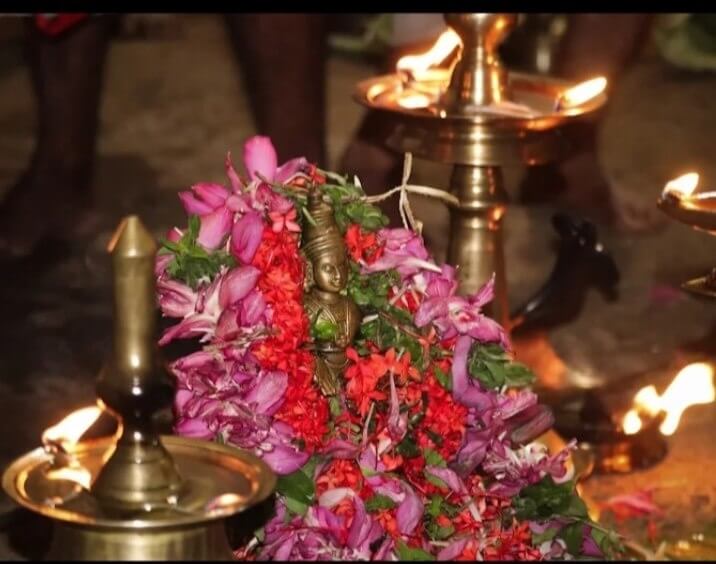 कोट्टायम जिल्ह्यातील किडांगूर सुब्रह्मण्य स्वामी मंदिर हे केरळमधील सर्वात प्रसिद्ध सुब्रह्मण्य मंदिरांपैकी एक आहे. हे मंदिर मीनाचिल नदीच्या काठी एका शांत आणि सुंदर वातावरणात वसलेले आहे. येथील मुख्य देवता भगवान सुब्रह्मण्य स्वामी आहेत, ज्यांची भाविक “त्रिकिडांगूरप्पन” म्हणून पूजा करतात. येथे देवाची पूजा ब्रह्मचारी रूपात केली जाते. मंदिराची वास्तुकला ही केरळच्या पारंपारिक मंदिर स्थापत्यकलेचे एक सुंदर उदाहरण आहे. प्रशस्त बाह्य अंगण, नमस्कार मंडपम, श्रीकोविल (गर्भगृह), ध्वजस्तंभ आणि दीपस्तंभ मंदिराच्या सौंदर्यात भर घालतात. येथील प्रसिद्ध कूथंबलम हे देखील मुख्य आकर्षणांपैकी एक आहे.
देवतेचे मुख्य वैशिष्ट्य म्हणजे भगवान सुब्रह्मण्य यांची येथे ब्रह्मचारी रूपात पूजा केली जाते. 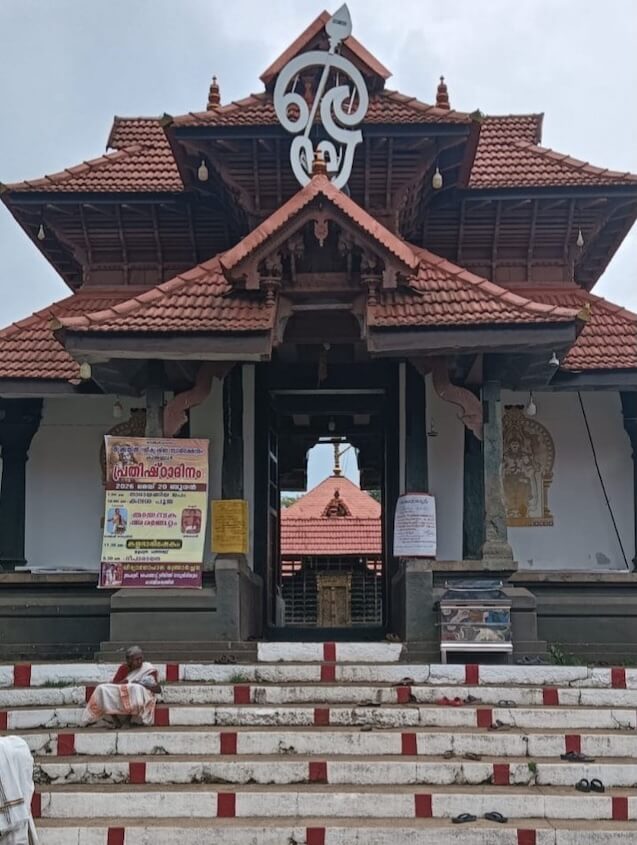 यामुळेच, देवाची पूजा अत्यंत पावित्र्य आणि विशेष धार्मिक शिस्तीने केली जाते. भाविक प्रामुख्याने अपत्यप्राप्ती, शिक्षण, धैर्य आणि शत्रूंच्या त्रासातून मुक्ती मिळवण्यासाठी “त्रिकिडांगूरप्पन” या देवतेची विशेष प्रार्थना करतात. या ब्रह्मचारी संकल्पनेवर आधारित, दहा वर्षांवरील महिलांना नालंबलममध्ये (मंदिराच्या आतील भागात) प्रवेश करण्यास मनाई आहे. विशेषतः तरुण महिलांना श्रीकोविलच्या जवळ जाण्यास परवानगी नाही. हे आजही मंदिराच्या प्राचीन पारंपारिक प्रथांचा भाग म्हणून पाळले जाते. अशी श्रद्धा आहे की देव सर्व स्त्रियांना मातृरूपात पाहतात आणि ही श्रद्धाच या प्रथेचा आधार आहे.
मंदिराचा इतिहास केरळच्या प्राचीन मंदिर परंपरेशी खोलवर जोडलेला आहे. १५०० वर्षांहून अधिक इतिहास असलेले हे मंदिर केरळमधील सर्वात जुन्या सुब्रह्मण्य मंदिरांपैकी एक मानले जाते. मीनाचिल नदीच्या काठी वसलेल्या या ठिकाणाला मोठे आध्यात्मिक आणि सांस्कृतिक महत्त्व होते. किडांगूर हे केरळमधील ६४ प्रसिद्ध ब्राह्मण गावांपैकी एक मानले जात असे. हे ठिकाण वडक्कमकूर आणि थेक्कमकूर राज्यांच्या सीमेवर असल्याने, या प्रदेशाला मोठे प्रशासकीय आणि सामाजिक महत्त्व होते. त्या काळात, हे मंदिर लोकांच्या उपासनेचे आणि आध्यात्मिक आधाराचे मुख्य केंद्र होते. ऐतिहासिक संदर्भांवरून असे सूचित होते की सुरुवातीच्या काळात येथे विष्णू देवतेला अधिक महत्त्व दिले जात असे. विष्णूचे मंदिर हे सुब्रह्मण्य मंदिरापेक्षा जुने असल्याचे मानले जाते.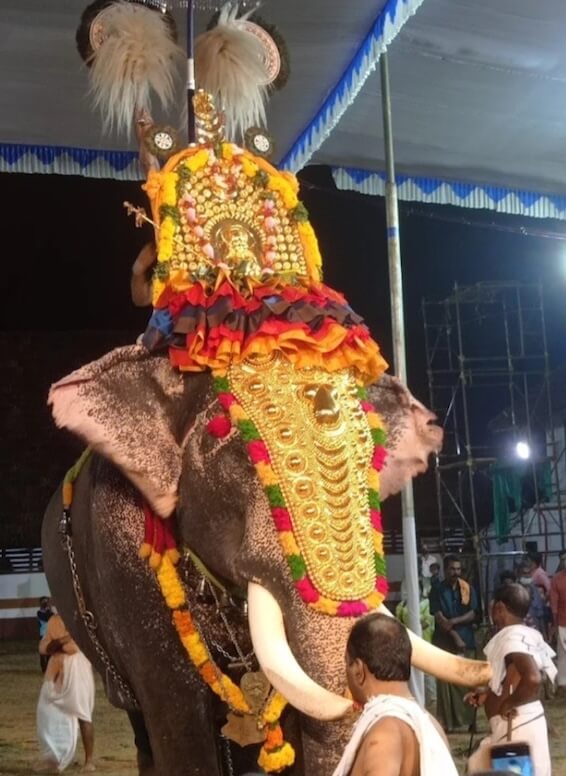 नंतरच्या काळात सुब्रह्मण्य उपासनेचा प्रभाव वाढला आणि हे मंदिर एक प्रमुख सुब्रह्मण्य मंदिर म्हणून प्रसिद्ध झाले. आजही विष्णू मंदिराला समान महत्त्व दिले जाते, जे या मंदिराच्या इतिहासाचे एक अद्वितीय वैशिष्ट्य आहे.
मंदिराचे प्रशासन आणि धार्मिक देखभाल ही पारंपारिकपणे या प्रदेशातील ब्राह्मण कुटुंबांशी संबंधित होती. पिढ्यानपिढ्या त्यांनी मंदिराच्या प्रथा आणि श्रद्धा जपल्या आहेत. आजही हे मंदिर भक्ती, श्रद्धा आणि परंपरेचा जिवंत साक्षीदार म्हणून उभे आहे. या मंदिराचे कूथंबलम देखील खूप प्रसिद्ध आहे. असे मानले जाते की हे कूथंबलम उलियान्नूरच्या महान शिल्पकार पेरुमथाचन यांनी बांधले होते. येथे भुवनेश्वरी आणि यक्षी या देवता दक्षिण दिशेला तोंड करून स्थापित आहेत. येथील एक खांब कुरुंथोत्ती लाकडापासून बनवलेला असल्याचे सांगितले जाते, जे उल्लेखनीय आहे कारण कुरुंथोत्ती ही सामान्यतः औषधी वनस्पती म्हणून ओळखली जाते, ज्यामुळे हे एक असाधारण वैशिष्ट्य ठरते.
त्या काळात, हे ठिकाण प्रामुख्याने विष्णू उपासनेचे केंद्र होते. ही ईश्वरी इच्छा मानून, भगवान सुब्रह्मण्य यांची मूर्ती तिथेच स्थापित करण्यात आली. नंतर, हे ठिकाण एक महत्त्वाचे सुब्रह्मण्य मंदिर म्हणून प्रसिद्ध झाले. मंदिराची दुसरी लोकप्रिय दंतकथा पेरुमथाचनशी संबंधित आहे. असे मानले जाते की मंदिराचे प्रसिद्ध कूथंबलम त्यांनीच डिझाइन केले होते. स्थानिक श्रद्धेनुसार, त्यांनी आपल्या असाधारण कलात्मक कौशल्याने ते बांधले. रस्त्यावरून पाहिल्यास, सर्वात आधी केरळ शैलीतील सुंदर प्रवेशद्वार आणि मोठा तटबंदीचा भिंतीचा परिसर दिसतो.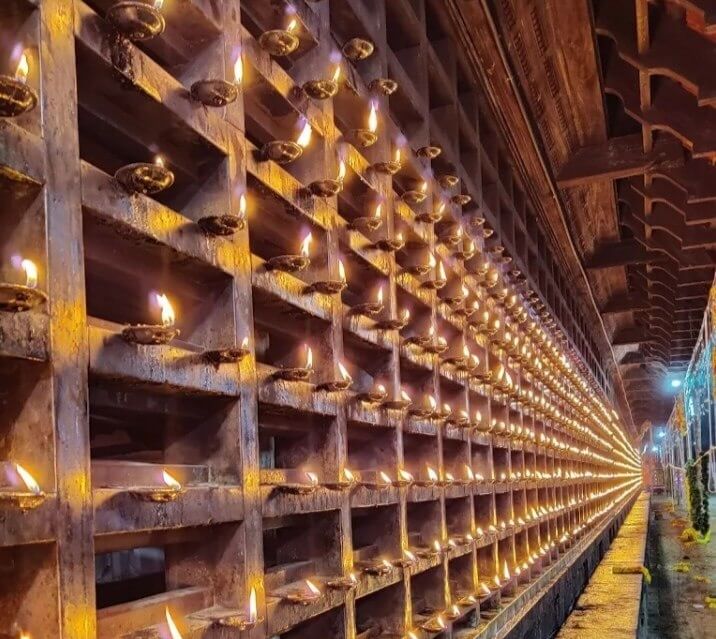 हिरवळीच्या मध्यभागी शांतपणे उभे असलेले हे मंदिर अत्यंत आध्यात्मिक अनुभूती देते.
मंदिर आणि त्याची ओट्टुपूरा (पारंपारिक भोजनशाळा) यांचा त्रावणकोर राज्याच्या इतिहासाशीही घनिष्ठ संबंध आहे. सध्याची मोठी ओट्टुपूरा त्रावणकोरचे शासक कार्तिक तिरुनाल राम वर्मा, ज्यांना ‘धर्म राजा’ म्हणूनही ओळखले जाते, यांनी बांधून मंदिराला अर्पण केली होती.
किडांगूर सुब्रह्मण्य स्वामी मंदिराची मुख्य दंतकथा गौना महर्षींशी संबंधित आहे. असे मानले जाते की जेव्हा ऋषी आपल्या कमंडलूमध्ये पवित्र जल घेऊन प्रवास करत होते, तेव्हा भगवान सुब्रह्मण्य यांची मूर्ती त्या पवित्र जलासोबत तरंगत आली. ऋषींनी याला ईश्वरी संकेत मानले.
प्रवेशद्वारातून आत पाहिल्यास, उंच ध्वजस्तंभ, जवळचा दीपस्तंभ आणि प्रशस्त अंगण लगेच लक्ष वेधून घेतात. प्रसिद्ध कूथंबलम हे देखील येथील एक प्रभावी वैशिष्ट्य आहे. त्यावरील लाकडी कोरीव काम आणि बांधकामाची अनोखी शैली मंदिराच्या सौंदर्यात भर घालते.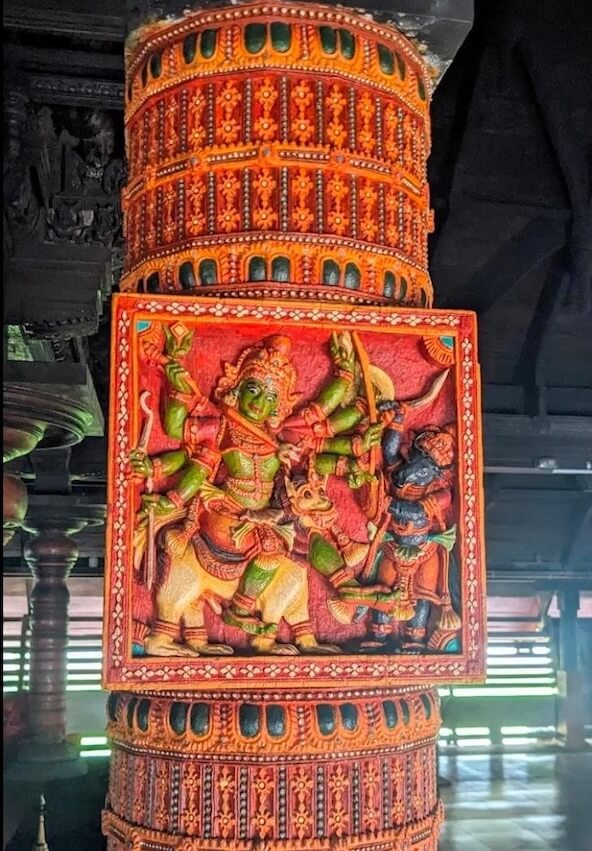 कूथंबलमच्या कलात्मक सौंदर्याच्या पलीकडे पाहिल्यास, नमस्कार मंडपम हे एक शांत ठिकाण वाटते जे भक्ती एकाग्र करण्यास मदत करते. त्यापुढे, उंचावलेल्या चौथऱ्यावर भव्यपणे उभे असलेले श्रीकोविल, ईश्वरी उपस्थितीचा सर्वोच्च अनुभव म्हणून आपल्यासमोर प्रकट होते.
श्रीकोविलची वास्तुकला ही केरळच्या पारंपारिक मंदिर बांधणीचे एक सुंदर उदाहरण आहे. उंचावलेल्या पायावर बांधलेले हे गर्भगृह, उतरते कौलारू छत आणि मजबूत लाकडी बांधकामामुळे अत्यंत भव्य दिसते. गर्भगृहाभोवतीचा प्रदक्षिणा मार्ग, सूक्ष्म कोरीव काम आणि प्राचीन बांधकाम शैली याच्या सौंदर्यात अधिकच भर घालते. ही वास्तुकला साधेपणा आणि ईश्वरी भव्यता यांचा सुंदर संगम साधते. श्रीकोविलच्या आत, मुख्य देवता भगवान सुब्रह्मण्य हे बाल सुब्रह्मण्य रूपात, ब्रह्मचारी म्हणून विराजमान आहेत. त्यांची पूजा “त्रिक्किदांगूरप्पन” म्हणून केली जाते. पूर्वेकडे तोंड असलेली ही मूर्ती शांत आणि सौम्य ईश्वरी रूपाची आहे. पीठासह ही मूर्ती सुमारे पाच फूट उंच असल्याचे मानले जाते.
उग्र योद्धा रूपापेक्षा, ही देवता प्रामुख्याने निरागसता, कृपा आणि आशीर्वादाचे प्रतीक आहे. श्रीकोविल स्वतः केरळच्या पारंपारिक शैलीत एका उंचावलेल्या चौथऱ्यावर बांधलेले आहे. आतमध्ये, दिव्यांच्या प्रकाशात देवाचे ईश्वरी अस्तित्व एक खोल आध्यात्मिक अनुभव देते. देव ब्रह्मचारी रूपात पूजले जात असल्याने, नालंबलममध्ये स्त्रियांच्या प्रवेशावर काही निर्बंध आहेत. उपदेवतांमध्ये, सर्वात महत्त्वाचे म्हणजे महाविष्णू, ज्यांची येथे “वडक्कुम थेवर” म्हणून पूजा केली जाते. विष्णूंचे मंदिर मुख्य सुब्रह्मण्य मंदिराच्या उत्तर दिशेला स्थित आहे. 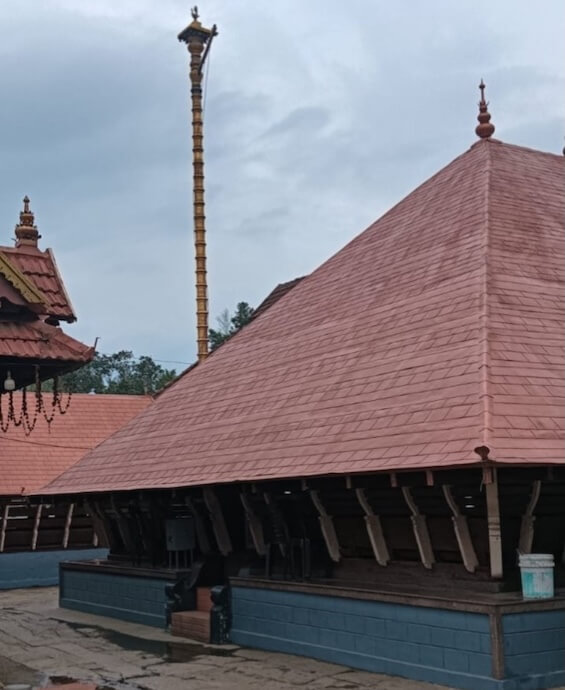 असे मानले जाते की हे विष्णू मंदिर सुब्रह्मण्य मंदिरापेक्षा जुने आहे आणि म्हणूनच याला समान महत्त्व दिले जाते, जे या मंदिराचे एक मोठे वैशिष्ट्य आहे. भगवती येथे भुवनेश्वरीच्या रूपात विराजमान आहेत. ही देवता कूथंबलमच्या आत एका खांबावर दक्षिण दिशेला तोंड करून स्थापित आहे. भक्त संरक्षणासाठी, कौटुंबिक शांततेसाठी आणि शत्रूंच्या त्रासातून मुक्तीसाठी देवीची प्रार्थना करतात. शास्ता यांचे मंदिर मंदिराच्या दक्षिण-पश्चिम कोपऱ्यात आहे. गणपतीची स्थापनाही दक्षिण-पश्चिम भागात स्वतंत्रपणे केलेली असून त्यांचे मुख पूर्वेकडे आहे. गणपतीचे मंदिर नंतर स्वतंत्रपणे बांधले गेले. अशा प्रकारे, मुख्य श्रीकोविलच्या भोवती विष्णू, भगवती, शास्ता आणि गणपती यांची उपस्थिती मंदिराला परिपूर्ण ईश्वरी सौंदर्य प्रदान करते.
किदांगूर मंदिराचा मुख्य उत्सव म्हणजे मल्याळम महिना ‘कुंभम’मध्ये साजरा केला जाणारा दहा दिवसांचा वार्षिक उत्सव. हा उत्सव कार्तिका नक्षत्रावर कोडियेट्टू (ध्वजारोहण) ने सुरू होतो आणि आराट्टू (पवित्र स्नान विधी) ने संपतो. या उत्सवाच्या काळात मिरवणुका, विशेष पूजा, सांस्कृतिक कार्यक्रम आणि उत्सवांनी मंदिराचा परिसर भक्ती आणि आनंदाने भरून जातो.
थाईपूयम हा भगवान सुब्रह्मण्य यांच्याशी संबंधित आणखी एक अत्यंत महत्त्वाचा दिवस आहे. या दिवशी विशेष अभिषेक आणि पूजा केल्या जातात. स्कंद षष्ठी आणि मासिक षष्ठीचे दिवसही मोठ्या भक्तीभावाने पाळले जातात, विशेषतः ज्यांना संततीप्राप्ती, शिक्षण, धैर्य आणि शत्रूंच्या त्रासातून मुक्ती हवी आहे, ते भक्त हे दिवस पाळतात.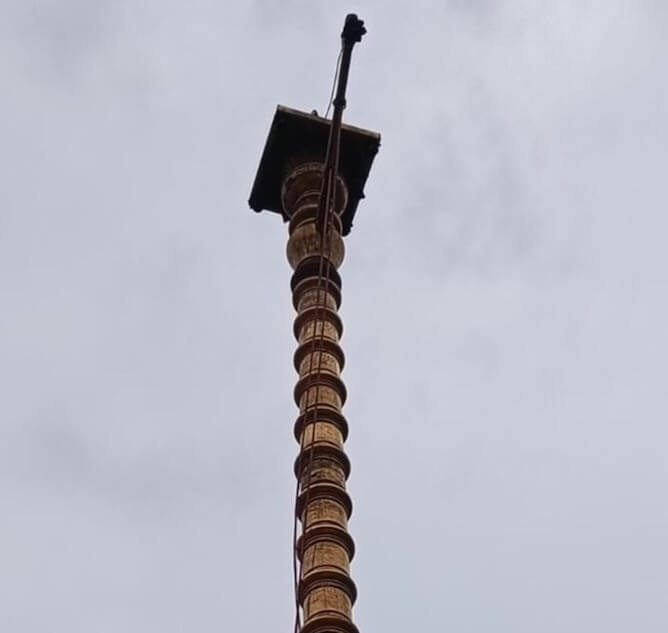 त्रिकार्तिका, मंडला काळातील पूजा, विशू आणि ओणम हे सणही विशेष विधी, दीपप्रज्वलन आणि धार्मिक नियमांचे पालन करून साजरे केले जातात.
या मंदिरातील मुख्य नैवेद्य भक्तांची श्रद्धा आणि भक्ती दर्शवतात. दूध अभिषेक, जलाधारा, पुष्पांजली, नेय्यविलक्कू (तुपाचा दिवा), भाग्य सूक्त पुष्पांजली, शत्रू संहार पुष्पांजली, उन्नियप्पम आणि पायसम नैवेद्य येथे अत्यंत प्रसिद्ध आहेत. भक्त विशेषतः संततीप्राप्ती, शिक्षण, धैर्य आणि शत्रूंच्या त्रासातून मुक्तीसाठी या प्रार्थना करतात. हे नैवेद्य षष्ठी, थाईपूयम आणि स्कंद षष्ठीच्या दिवशी विशेष महत्त्वाचे असतात. याव्यतिरिक्त, गणपती होमम, भगवती पूजा आणि शास्तासाठी विशेष नैवेद्य मोठ्या श्रद्धेने अर्पण केले जातात.
दैनंदिन पूजेचे वेळापत्रक साधारणपणे पहाटे ४:३० वाजता निर्मल्य दर्शनाने सुरू होते. त्यानंतर अभिषेक आणि उषा पूजा केली जाते. सकाळी ७:३० ते ८:०० वाजेपर्यंत सकाळचे मुख्य विधी पूर्ण होतात. उच्च पूजा साधारणपणे सकाळी १०:३० ते ११:०० च्या दरम्यान केली जाते, त्यानंतर मंदिर बंद होते.
संध्याकाळी, मंदिर ५:०० च्या सुमारास पुन्हा उघडते. त्यानंतर दीपाराधना आणि संध्याकाळची पूजा केली जाते. रात्री ७:३० ते ८:०० च्या सुमारास अथाळ पूजा करून दिवसाच्या विधींची सांगता होते. षष्ठी, थाईपूयम आणि स्कंद षष्ठी यांसारख्या विशेष प्रसंगी पूजेच्या वेळेत थोडा बदल होऊ शकतो.
मुख्य वैशिष्ट्ये
- पाला शहरापासून ११ किमी आणि कोट्टायमपासून १७ किमी अंतरावर स्थित.
- राज्यातील अनेक शहरांतून किदांगूरसाठी केएसआरटीसी (KSRTC) आणि स्थानिक बस सुविधा उपलब्ध आहेत.
- खाजगी वाहने मंदिराच्या निश्चित पार्किंग क्षेत्रात उभी करता येतील.
- या परिसरात राहण्याची आणि जेवणाची सोय उपलब्ध आहे.
- फोन क्र. +९१ ४८२२ २५४ ४७८
Kidangoor Subramanya Swamy Temple
Kidangoor, Dist. Kottayam
Kidangoor Subrahmaniyan Swamy Temple in Kottayam district is one of the most famous Subrahmanya temples in Kerala. The temple is situated in a calm and beautiful atmosphere on the banks of the Meenachil River. The main deity here is Lord Subrahmanya Swamy, who is worshipped by devotees as “Thrikkidangoorappan.” The Lord is worshipped here in the form of a celibate (Brahmachari). The architectural style of the temple is a beautiful example of traditional Kerala temple architecture. The spacious outer courtyard, Namaskara Mandapam, Sreekovil (sanctum sanctorum), flagstaff, and deepasthambham (lamp pillar) enhance the beauty of the temple. The famous Koothambalam is also one of the major attractions here.
The main specialty of the deity is that Lord Subrahmanya is worshipped in the form of a Brahmachari. Because of this, the Lord is worshipped with great purity and special ritual discipline. Devotees specially pray to this deity, known as “Thrikkidangoorappan,” for childbirth, education, courage, and relief from enemy troubles. Based on this Brahmachari concept, women above the age of ten are restricted from entering the Nalambalam (inner temple area). Especially young women are not allowed near the Sreekovil. This is still followed as part of the temple’s ancient traditional customs. It is believed that the Lord sees all women as mother figures, and this belief forms the basis of this practice.
The history of the temple is deeply connected with Kerala’s ancient temple tradition. With a history of more than 1500 years, this temple is considered one of the oldest Subrahmanya temples in Kerala. Located on the banks of the Meenachil River, this place had great spiritual and cultural importance. Kidangoor was known as one of the famous 64 Brahmin villages of Kerala. Since it was situated on the border of the Vadakkumkoor and Thekkumkoor kingdoms, the region held great administrative and social importance. During that period, the temple served as the main centre of worship and spiritual support for the people. Historical references suggest that in the early period, greater importance was given to the Vishnu deity here. It is believed that the Vishnu shrine is older than the Subrahmanya shrine. Later, the worship of Subrahmanya became stronger, and the temple became famous as a major Subrahmanya temple. Even today, equal importance is given to the Vishnu shrine, which remains a unique feature of this temple’s history.
The administration and ritual maintenance of the temple were traditionally connected with the Brahmin families of the region. For generations, they preserved the rituals and beliefs of the temple. Even today, the temple stands as a living witness to devotion, faith, and tradition. The Koothambalam of this temple is also very famous. It is believed that this Koothambalam was built by the legendary architect Perumthachan of Uliyannoor. Bhubaneswari and Yakshi deities are installed here facing south. One of the pillars here is said to be made of Kurunthotti wood, which is considered remarkable because Kurunthotti is generally known as a medicinal plant, making it an extraordinary feature.
At that time, the place was mainly a centre of Vishnu worship. Believing it to be divine will, the idol of Lord Subrahmanya was installed there itself. Later, the place became famous as an important Subrahmanya temple. Another popular legend of the temple is connected with Perumthachan. It is believed that the famous Koothambalam of the temple was designed by him. According to local belief, he built it with his extraordinary artistic skill. When viewed from the road, the first thing seen is the beautiful traditional Kerala-style entrance and the large surrounding compound wall. Standing peacefully amidst greenery, the temple surroundings create a deeply spiritual feeling.
The temple and its Oottupura (traditional dining hall) also have a strong connection with the history of the Travancore kingdom. The present large Oottupura was built and dedicated to the temple by Karthika Thirunal Rama Varma, also known as Dharma Raja, the ruler of Travancore.
The main legend of Kidangoor Subrahmanya Swamy Temple is connected with Sage Gowna Maharshi. It is believed that while the sage was travelling with holy water in his Kamandalu, the idol of Lord Subrahmanya floated along with that sacred water. The sage considered this a divine sign.
Looking inside through the entrance, the tall flagstaff, the nearby deepasthambham, and the spacious courtyard immediately attract attention. The famous Koothambalam is also a striking feature here. Its wooden carvings and unique style of construction add special beauty to the temple. Moving forward beyond the artistic beauty of the Koothambalam, the Namaskara Mandapam feels like a peaceful place that helps focus devotion. Beyond that, standing majestically on a raised base, the Sreekovil opens before you as the highest experience of divine presence.
The architecture of the Sreekovil is a beautiful example of traditional Kerala temple construction. Built on a raised base, the sanctum looks majestic with its sloping tiled roof and strong wooden structures. The pradakshina path (circumambulatory path), fine carvings, and ancient construction style around the sanctum further enhance its beauty. This architectural style beautifully combines simplicity and divine grandeur. Inside the Sreekovil, the main deity Lord Subrahmanya is installed in the form of Bala Subrahmanya as a Brahmachari. He is worshipped as “Thrikkidangoorappan.” Facing east, the idol has a calm and gentle divine appearance. Including the pedestal, the idol is believed to be about five feet tall.
Rather than a fierce warrior form, the deity mainly reflects innocence, grace, and blessings. The Sreekovil itself is built on a raised platform in traditional Kerala style. Inside, the divine presence of the Lord amidst the lamp light gives a deeply spiritual experience. Since the Lord is worshipped in Brahmachari form, restrictions exist for women entering the Nalambalam. Among the sub-deities, the most important is Mahavishnu, worshipped here as “Vadakkum Thevar.” The Vishnu shrine is situated on the northern side of the main Subrahmanya shrine. It is believed that this Vishnu shrine is older than the Subrahmanya shrine, and therefore it is given equal importance, which is one of the temple’s greatest specialties. Bhagavathi is installed here in the form of Bhuvaneswari. This deity is placed on a pillar inside the Koothambalam facing south. Devotees pray to the Goddess for protection, family peace, and relief from enemy troubles. The shrine of Sastha is located in the south-west corner of the temple. Ganapathi is also installed separately in the south-west area facing east. The Ganapathi shrine was built later as a separate shrine. Thus, the presence of Vishnu, Bhagavathi, Sastha, and Ganapathi around the main Sreekovil gives the temple complete divine beauty.
The main festival of Kidangoor Temple is the ten-day annual festival held in the Malayalam month of Kumbham. It begins with Kodiyettu (flag hoisting) on the Karthika star and ends with Aarattu (holy bath ceremony). During this festival period, processions, special poojas, cultural programs, and celebrations fill the temple premises with devotion and joy.
Thaipooyam is another highly important day connected with Lord Subrahmanya. Special abhishekams and poojas are performed on this day. Skanda Shashti and the monthly Shashti days are also observed with great devotion, especially by those praying for childbirth, education, courage, and relief from enemy troubles. Thrikarthika, Mandala season poojas, Vishu, and Onam are also celebrated with special rituals, lamp decorations, and devotional observances.
The main offerings of this temple reflect the faith and devotion of the devotees. Milk abhishekam, Jaladhara, Pushpanjali, Neyvilakku (ghee lamp offering), Bhagya Suktha Pushpanjali, Shathru Samhara Pushpanjali, Unniyappam offering, and Payasam offering are very famous here. Devotees especially offer these prayers for childbirth, education, courage, and relief from enemy troubles. These offerings are especially important on Shashti days, Thaipooyam, and Skanda Shashti. In addition, Ganapathi Homam, Bhagavathi pooja, and special offerings for Sastha are also performed with great faith.
The daily pooja schedule usually begins with Nirmalya Darshanam at around 4:30 AM. This is followed by abhishekams and Usha Pooja. By around 7:30 to 8:00 AM, the main morning rituals are completed. Uchcha Pooja is usually performed between 10:30 and 11:00 AM, after which the temple closes.
In the evening, the temple reopens around 5:00 PM. Deeparadhana and evening poojas are then performed. By around 7:30 to 8:00 PM, the Athazha Pooja marks the end of the day’s rituals. On special occasions like Shashti, Thaipooyam, and Skanda Shashti, slight changes may occur in the pooja timings.
Key highlight
- Located 11 km away from Pala Town and 17 away from Kottayam.
- KSRTC and local bus facilities available to Kidangoor from many cities in the state.
- Private vehicles can be parked at the temple’s designated parking area.
- Accommodation and food facilities are available in this vicinity.
- Phone no. +91 4822 254 478
किदांगूर सुब्रमण्य स्वामी मंदिर
किदांगूर, जिला कोट्टायम
कोट्टायम जिले में स्थित किदांगूर सुब्रमण्यन स्वामी मंदिर केरल के सबसे प्रसिद्ध सुब्रमण्य मंदिरों में से एक है। यह मंदिर मीनाचिल नदी के तट पर एक शांत और सुंदर वातावरण में स्थित है। यहाँ के मुख्य देवता भगवान सुब्रमण्य स्वामी हैं, जिन्हें भक्त “त्रिक्किदांगूरप्पन” के रूप में पूजते हैं। भगवान की यहाँ ब्रह्मचारी रूप में पूजा की जाती है। मंदिर की वास्तुकला शैली पारंपरिक केरल मंदिर वास्तुकला का एक सुंदर उदाहरण है। विशाल बाहरी प्रांगण, नमस्कार मंडपम, श्रीकोविल (गर्भगृह), ध्वजस्तंभ और दीपस्तंभ मंदिर की सुंदरता को और बढ़ाते हैं। प्रसिद्ध कूथंबलम भी यहाँ के प्रमुख आकर्षणों में से एक है।
देवता की मुख्य विशेषता यह है कि भगवान सुब्रमण्य की पूजा ब्रह्मचारी रूप में की जाती है। इस कारण से, भगवान की पूजा अत्यंत पवित्रता और विशेष अनुष्ठानिक अनुशासन के साथ की जाती है। भक्त विशेष रूप से संतान प्राप्ति, शिक्षा, साहस और शत्रुओं से मुक्ति के लिए “त्रिक्किदांगूरप्पन” के रूप में पूजे जाने वाले इन देवता से प्रार्थना करते हैं। इस ब्रह्मचारी अवधारणा के आधार पर, दस वर्ष से अधिक आयु की महिलाओं का नालंबलम (मंदिर का आंतरिक क्षेत्र) में प्रवेश वर्जित है। विशेष रूप से युवतियों को श्रीकोविल के पास जाने की अनुमति नहीं है। यह आज भी मंदिर की प्राचीन पारंपरिक प्रथाओं के हिस्से के रूप में पालन किया जाता है। ऐसा माना जाता है कि भगवान सभी महिलाओं को मातृ रूप में देखते हैं, और यही विश्वास इस प्रथा का आधार है।
मंदिर का इतिहास केरल की प्राचीन मंदिर परंपरा से गहराई से जुड़ा हुआ है। 1500 वर्षों से अधिक के इतिहास के साथ, यह मंदिर केरल के सबसे पुराने सुब्रमण्य मंदिरों में से एक माना जाता है। मीनाचिल नदी के तट पर स्थित इस स्थान का बहुत अधिक आध्यात्मिक और सांस्कृतिक महत्व था। किदांगूर केरल के प्रसिद्ध 64 ब्राह्मण गांवों में से एक के रूप में जाना जाता था। चूंकि यह वदक्कुमूर और थेक्कुमूर राज्यों की सीमा पर स्थित था, इसलिए इस क्षेत्र का प्रशासनिक और सामाजिक महत्व बहुत अधिक था। उस काल के दौरान, मंदिर लोगों के लिए पूजा और आध्यात्मिक समर्थन का मुख्य केंद्र था। ऐतिहासिक संदर्भ बताते हैं कि प्रारंभिक काल में, यहाँ विष्णु देवता को अधिक महत्व दिया जाता था। ऐसा माना जाता है कि विष्णु मंदिर, सुब्रमण्य मंदिर से भी पुराना है। बाद में, सुब्रमण्य की पूजा अधिक प्रबल हो गई और मंदिर एक प्रमुख सुब्रमण्य मंदिर के रूप में प्रसिद्ध हो गया। आज भी, विष्णु मंदिर को समान महत्व दिया जाता है, जो इस मंदिर के इतिहास की एक अनूठी विशेषता है।
मंदिर का प्रशासन और अनुष्ठानिक रखरखाव पारंपरिक रूप से क्षेत्र के ब्राह्मण परिवारों से जुड़ा था। पीढ़ियों से, उन्होंने मंदिर के अनुष्ठानों और मान्यताओं को संरक्षित किया है। आज भी, यह मंदिर भक्ति, विश्वास और परंपरा का जीवंत प्रमाण है। इस मंदिर का कूथंबलम भी बहुत प्रसिद्ध है। ऐसा माना जाता है कि यह कूथंबलम उलियान्नूर के महान वास्तुकार पेरुमथचन द्वारा बनाया गया था। यहाँ दक्षिण की ओर मुख किए हुए भुवनेश्वरी और यक्षी देवियाँ स्थापित हैं। कहा जाता है कि यहाँ का एक स्तंभ कुरुंथोत्ती की लकड़ी से बना है, जिसे उल्लेखनीय माना जाता है क्योंकि कुरुंथोत्ती को आमतौर पर एक औषधीय पौधे के रूप में जाना जाता है, जो इसे एक असाधारण विशेषता बनाता है।
उस समय, यह स्थान मुख्य रूप से विष्णु पूजा का केंद्र था। इसे दैवीय इच्छा मानते हुए, भगवान सुब्रमण्य की मूर्ति को वहीं स्थापित किया गया था। बाद में, यह स्थान एक महत्वपूर्ण सुब्रमण्य मंदिर के रूप में प्रसिद्ध हो गया। मंदिर की एक और लोकप्रिय किंवदंती पेरुमथचन से जुड़ी है। ऐसा माना जाता है कि मंदिर के प्रसिद्ध कूथंबलम का डिजाइन उन्होंने ही तैयार किया था। स्थानीय मान्यता के अनुसार, उन्होंने इसे अपने असाधारण कलात्मक कौशल से बनाया था। सड़क से देखने पर, सबसे पहले जो दिखाई देता है, वह है सुंदर पारंपरिक केरल-शैली का प्रवेश द्वार और चारों ओर बनी बड़ी चारदीवारी। हरियाली के बीच शांति से खड़ा यह मंदिर परिसर एक गहरी आध्यात्मिक अनुभूति पैदा करता है।
मंदिर और इसकी ऊट्टुपुरा (पारंपरिक भोजनशाला) का त्रावणकोर राज्य के इतिहास के साथ भी गहरा संबंध है। वर्तमान विशाल ऊट्टुपुरा का निर्माण त्रावणकोर के शासक कार्तिका थिरुनल राम वर्मा, जिन्हें धर्म राजा के नाम से भी जाना जाता है, द्वारा करवाया गया था और इसे मंदिर को समर्पित किया गया था।
किदांगूर सुब्रमण्य स्वामी मंदिर की मुख्य किंवदंती गौना महर्षि से जुड़ी है। ऐसा माना जाता है कि जब ऋषि अपने कमंडल में पवित्र जल लेकर यात्रा कर रहे थे, तो भगवान सुब्रमण्य की मूर्ति उस पवित्र जल के साथ तैरती हुई आई थी। ऋषि ने इसे एक दैवीय संकेत माना।
प्रवेश द्वार से अंदर देखने पर, लंबा ध्वजस्तंभ, पास का दीपस्तंभ और विशाल प्रांगण तुरंत ध्यान आकर्षित करते हैं। प्रसिद्ध कूथंबलम भी यहाँ की एक आकर्षक विशेषता है। इसकी लकड़ी की नक्काशी और निर्माण की अनूठी शैली मंदिर की सुंदरता में विशेष चार चांद लगाती है। कूथम्बलम की कलात्मक सुंदरता से आगे बढ़ते हुए, नमस्कार मंडपम एक शांत स्थान के रूप में प्रतीत होता है जो भक्ति को एकाग्र करने में सहायक है। इसके परे, एक ऊँचे आधार पर भव्य रूप से स्थित श्रीकोविल आपके समक्ष दिव्य उपस्थिति के सर्वोच्च अनुभव के रूप में प्रकट होता है।
श्रीकोविल की वास्तुकला पारंपरिक केरल मंदिर निर्माण का एक सुंदर उदाहरण है। एक ऊँचे आधार पर निर्मित, यह गर्भगृह अपनी ढलान वाली खपरैल छत और मजबूत लकड़ी की संरचनाओं के साथ अत्यंत भव्य दिखाई देता है। गर्भगृह के चारों ओर प्रदक्षिणा पथ, सूक्ष्म नक्काशी और प्राचीन निर्माण शैली इसकी सुंदरता को और बढ़ाते हैं। यह स्थापत्य शैली सादगी और दिव्य भव्यता का एक सुंदर संगम है। श्रीकोविल के भीतर, मुख्य देवता भगवान सुब्रह्मण्य बाल सुब्रह्मण्य के रूप में ब्रह्मचारी स्वरूप में विराजमान हैं। उन्हें “त्रिक्किदंगूरप्पन” के रूप में पूजा जाता है। पूर्व की ओर मुख किए हुए, यह प्रतिमा शांत और सौम्य दिव्य स्वरूप वाली है। पीठिका सहित, प्रतिमा की ऊँचाई लगभग पाँच फीट मानी जाती है।
एक उग्र योद्धा रूप के बजाय, देवता मुख्य रूप से मासूमियत, कृपा और आशीर्वाद को दर्शाते हैं। श्रीकोविल स्वयं पारंपरिक केरल शैली में एक ऊँचे चबूतरे पर बना है। भीतर, दीपों के प्रकाश के बीच प्रभु की दिव्य उपस्थिति एक गहरा आध्यात्मिक अनुभव प्रदान करती है। चूँकि भगवान की पूजा ब्रह्मचारी रूप में की जाती है, इसलिए महिलाओं के नालम्बलम में प्रवेश करने पर प्रतिबंध है। उप-देवताओं में सबसे महत्वपूर्ण महाविष्णु हैं, जिन्हें यहाँ “वडक्कुम थेवर” के रूप में पूजा जाता है। विष्णु का मंदिर मुख्य सुब्रह्मण्य मंदिर के उत्तरी ओर स्थित है। यह माना जाता है कि यह विष्णु मंदिर सुब्रह्मण्य मंदिर से भी प्राचीन है, और इसलिए इसे समान महत्व दिया जाता है, जो मंदिर की सबसे बड़ी विशेषताओं में से एक है। भगवती यहाँ भुवनेश्वरी के रूप में स्थापित हैं। यह देवी कूथम्बलम के भीतर एक स्तंभ पर दक्षिण की ओर मुख करके स्थित हैं। भक्त देवी से सुरक्षा, पारिवारिक शांति और शत्रुओं से मुक्ति के लिए प्रार्थना करते हैं। शास्ता का मंदिर मंदिर के दक्षिण-पश्चिम कोने में स्थित है। गणपति भी दक्षिण-पश्चिम क्षेत्र में अलग से पूर्व की ओर मुख करके स्थापित हैं। गणपति मंदिर का निर्माण बाद में एक अलग मंदिर के रूप में किया गया था। इस प्रकार, मुख्य श्रीकोविल के चारों ओर विष्णु, भगवती, शास्ता और गणपति की उपस्थिति मंदिर को पूर्ण दिव्य सौंदर्य प्रदान करती है।
किदंगूर मंदिर का मुख्य उत्सव मलयालम महीने कुंभम में आयोजित होने वाला दस दिवसीय वार्षिक उत्सव है। यह कार्तिका नक्षत्र पर कोडियेट्टु (ध्वजारोहण) के साथ शुरू होता है और आरट्टु (पवित्र स्नान समारोह) के साथ संपन्न होता है। इस उत्सव की अवधि के दौरान, शोभायात्राएं, विशेष पूजाएं, सांस्कृतिक कार्यक्रम और उत्सव मंदिर परिसर को भक्ति और आनंद से भर देते हैं।
थैपूयम भगवान सुब्रह्मण्य से जुड़ा एक और अत्यंत महत्वपूर्ण दिन है। इस दिन विशेष अभिषेक और पूजा की जाती है। स्कंद षष्ठी और मासिक षष्ठी के दिन भी बड़ी श्रद्धा के साथ मनाए जाते हैं, विशेष रूप से उन लोगों द्वारा जो संतान प्राप्ति, शिक्षा, साहस और शत्रुओं से मुक्ति के लिए प्रार्थना करते हैं। त्रिकार्तिका, मंडलम सीजन की पूजाएं, विशु और ओणम भी विशेष अनुष्ठानों, दीप सज्जा और भक्तिपूर्ण आयोजनों के साथ मनाए जाते हैं।
इस मंदिर के मुख्य प्रसाद भक्तों की आस्था और भक्ति को दर्शाते हैं। दूध अभिषेक, जलाधारा, पुष्पांजलि, नेय्य्विलक्कू (घी का दीपक), भाग्य सूक्त पुष्पांजलि, शत्रु संहार पुष्पांजलि, उन्नियाप्पम प्रसाद और पायसम प्रसाद यहाँ बहुत प्रसिद्ध हैं। भक्त विशेष रूप से संतान प्राप्ति, शिक्षा, साहस और शत्रुओं से मुक्ति के लिए ये प्रार्थनाएं करते हैं। ये प्रसाद षष्ठी के दिनों, थैपूयम और स्कंद षष्ठी पर विशेष रूप से महत्वपूर्ण होते हैं। इसके अलावा, गणपति होमम, भगवती पूजा और शास्ता के लिए विशेष प्रसाद भी बड़ी श्रद्धा के साथ किए जाते हैं।
दैनिक पूजा अनुसूची आमतौर पर सुबह 4:30 बजे निर्मल्य दर्शन के साथ शुरू होती है। इसके बाद अभिषेक और उषा पूजा होती है। सुबह लगभग 7:30 से 8:00 बजे तक, मुख्य सुबह के अनुष्ठान पूरे हो जाते हैं। उच्च पूजा आमतौर पर सुबह 10:30 से 11:00 बजे के बीच की जाती है, जिसके बाद मंदिर बंद हो जाता है।
शाम को, मंदिर लगभग 5:00 बजे फिर से खुलता है। इसके बाद दीपाराधना और शाम की पूजा की जाती है। रात लगभग 7:30 से 8:00 बजे तक, अथाज़ पूजा दिन के अनुष्ठानों के समापन का प्रतीक है। षष्ठी, थैपूयम और स्कंद षष्ठी जैसे विशेष अवसरों पर, पूजा के समय में थोड़ा बदलाव हो सकता है।
मुख्य आकर्षण
- पाला टाउन से 11 किमी और कोट्टायम से 17 किमी दूर स्थित है।
- राज्य के कई शहरों से किदंगूर के लिए केएसआरटीसी (KSRTC) और स्थानीय बस सुविधाएं उपलब्ध हैं।
- निजी वाहन मंदिर के निर्धारित पार्किंग क्षेत्र में खड़े किए जा सकते हैं।
- इस क्षेत्र में आवास और भोजन की सुविधाएं उपलब्ध हैं।
- फोन नंबर +91 4822 254 478
કિડાંગૂર સુબ્રમણ્ય સ્વામી મંદિર
કિડાંગૂર, જિ. કોટ્ટાયમ
કોટ્ટાયમ જિલ્લામાં આવેલું કિડાંગૂર સુબ્રમણ્યન સ્વામી મંદિર કેરળના સૌથી પ્રખ્યાત સુબ્રમણ્ય મંદિરોમાંનું એક છે. આ મંદિર મીનાચિલ નદીના કિનારે શાંત અને સુંદર વાતાવરણમાં આવેલું છે. અહીંના મુખ્ય દેવતા ભગવાન સુબ્રમણ્ય સ્વામી છે, જેમને ભક્તો “ત્રિકિડાંગૂરપ્પન” તરીકે પૂજે છે. અહીં ભગવાનની પૂજા બ્રહ્મચારી સ્વરૂપે કરવામાં આવે છે. મંદિરની સ્થાપત્ય શૈલી પરંપરાગત કેરળ મંદિર સ્થાપત્યનું એક સુંદર ઉદાહરણ છે. વિશાળ બાહ્ય પ્રાંગણ, નમસ્કાર મંડપમ, શ્રીકોવિલ (ગર્ભગૃહ), ધ્વજસ્તંભ અને દીપસ્તંભ મંદિરની સુંદરતામાં વધારો કરે છે. પ્રખ્યાત કૂથમ્બલમ પણ અહીંના મુખ્ય આકર્ષણોમાંનું એક છે.
આ દેવતાની મુખ્ય વિશેષતા એ છે કે ભગવાન સુબ્રમણ્યની પૂજા બ્રહ્મચારી સ્વરૂપે કરવામાં આવે છે. આ કારણે, ભગવાનની પૂજા અત્યંત પવિત્રતા અને વિશેષ ધાર્મિક શિસ્ત સાથે કરવામાં આવે છે. ભક્તો ખાસ કરીને સંતાન પ્રાપ્તિ, શિક્ષણ, સાહસ અને શત્રુઓના ભયમાંથી મુક્તિ મેળવવા માટે “ત્રિકિડાંગૂરપ્પન” તરીકે ઓળખાતા આ દેવતાને પ્રાર્થના કરે છે. આ બ્રહ્મચારી ખ્યાલને આધારે, દસ વર્ષથી વધુ ઉંમરની મહિલાઓને નાલમ્બલમ (મંદિરનો આંતરિક વિસ્તાર) માં પ્રવેશવાની મનાઈ છે. ખાસ કરીને યુવતીઓને શ્રીકોવિલની નજીક જવાની મંજૂરી નથી. આ હજુ પણ મંદિરની પ્રાચીન પરંપરાગત રીત-રિવાજોના ભાગરૂપે અનુસરવામાં આવે છે. એવી માન્યતા છે કે ભગવાન તમામ સ્ત્રીઓને માતા સમાન માને છે અને આ માન્યતા જ આ પ્રથાનો આધાર છે.
મંદિરનો ઇતિહાસ કેરળની પ્રાચીન મંદિર પરંપરા સાથે ઊંડાણપૂર્વક જોડાયેલો છે. ૧૫૦૦ વર્ષથી વધુના ઇતિહાસ સાથે, આ મંદિરને કેરળના સૌથી જૂના સુબ્રમણ્ય મંદિરોમાંનું એક માનવામાં આવે છે. મીનાચિલ નદીના કિનારે આવેલું આ સ્થળ ખૂબ જ આધ્યાત્મિક અને સાંસ્કૃતિક મહત્વ ધરાવતું હતું. કિડાંગૂર કેરળના ૬૪ પ્રખ્યાત બ્રાહ્મણ ગામોમાંનું એક ગણાતું હતું. તે વડક્કુમકૂર અને તેક્કુમકૂર સામ્રાજ્યોની સરહદ પર આવેલું હોવાથી, આ પ્રદેશનું વહીવટી અને સામાજિક મહત્વ ખૂબ વધારે હતું. તે સમયગાળા દરમિયાન, મંદિર લોકો માટે પૂજા અને આધ્યાત્મિક આધારનું મુખ્ય કેન્દ્ર હતું. ઐતિહાસિક સંદર્ભો સૂચવે છે કે શરૂઆતના સમયમાં અહીં વિષ્ણુ દેવતાને વધુ મહત્વ આપવામાં આવતું હતું. માનવામાં આવે છે કે વિષ્ણુનું મંદિર સુબ્રમણ્ય મંદિર કરતાં પણ જૂનું છે. ત્યારબાદ, સુબ્રમણ્યની પૂજા વધુ પ્રબળ બની અને મંદિર એક મુખ્ય સુબ્રમણ્ય મંદિર તરીકે પ્રખ્યાત થયું. આજે પણ, વિષ્ણુ મંદિરને સમાન મહત્વ આપવામાં આવે છે, જે આ મંદિરના ઇતિહાસની એક અનોખી વિશેષતા છે.
મંદિરનું વહીવટ અને ધાર્મિક જાળવણી પરંપરાગત રીતે આ પ્રદેશના બ્રાહ્મણ પરિવારો સાથે જોડાયેલી હતી. પેઢીઓથી, તેઓએ મંદિરના રીત-રિવાજો અને માન્યતાઓને જાળવી રાખી છે. આજે પણ, આ મંદિર ભક્તિ, શ્રદ્ધા અને પરંપરાના જીવંત સાક્ષી તરીકે ઊભું છે. આ મંદિરનું કૂથમ્બલમ પણ ખૂબ પ્રખ્યાત છે. માનવામાં આવે છે કે આ કૂથમ્બલમનું નિર્માણ ઉલિયાનૂરના સુપ્રસિદ્ધ સ્થાપત્યકાર પેરુમથચન દ્વારા કરવામાં આવ્યું હતું. ભુવનેશ્વરી અને યક્ષી દેવીઓ અહીં દક્ષિણ દિશા તરફ મુખ રાખીને બિરાજમાન છે. અહીંનો એક સ્તંભ કુરુન્થોટ્ટી લાકડામાંથી બનેલો હોવાનું કહેવાય છે, જે નોંધપાત્ર છે કારણ કે કુરુન્થોટ્ટી સામાન્ય રીતે એક ઔષધીય વનસ્પતિ તરીકે જાણીતી છે, જે તેને એક અસાધારણ વિશેષતા બનાવે છે.
તે સમયે, આ સ્થળ મુખ્યત્વે વિષ્ણુ પૂજાનું કેન્દ્ર હતું. તેને દૈવી ઈચ્છા માનીને, ભગવાન સુબ્રમણ્યની મૂર્તિ ત્યાં જ સ્થાપિત કરવામાં આવી હતી. પાછળથી, આ સ્થળ એક મહત્વપૂર્ણ સુબ્રમણ્ય મંદિર તરીકે પ્રખ્યાત થયું. મંદિરની બીજી લોકપ્રિય દંતકથા પેરુમથચન સાથે જોડાયેલી છે. માનવામાં આવે છે કે મંદિરના પ્રખ્યાત કૂથમ્બલમની ડિઝાઇન તેમણે તૈયાર કરી હતી. સ્થાનિક માન્યતા મુજબ, તેમણે તેને તેમની અસાધારણ કલાત્મક કુશળતાથી બનાવ્યું હતું. રસ્તા પરથી જોતા, સૌથી પહેલા સુંદર પરંપરાગત કેરળ-શૈલીનું પ્રવેશદ્વાર અને તેની આસપાસની વિશાળ દીવાલ જોવા મળે છે. હરિયાળીની વચ્ચે શાંતિથી ઊભેલું મંદિરનું વાતાવરણ અત્યંત આધ્યાત્મિક અનુભૂતિ કરાવે છે.
મંદિર અને તેની ઊટ્ટુપૂરા (પરંપરાગત ભોજનશાળા) નો ત્રાવણકોર સામ્રાજ્યના ઇતિહાસ સાથે પણ મજબૂત સંબંધ છે. હાલની વિશાળ ઊટ્ટુપૂરા ત્રાવણકોરના શાસક કાર્તિકા થિરુનાલ રામા વર્મા, જેમને ધર્મ રાજા તરીકે પણ ઓળખવામાં આવે છે, દ્વારા બનાવવામાં આવી હતી અને મંદિરને અર્પણ કરવામાં આવી હતી.
કિડાંગૂર સુબ્રમણ્ય સ્વામી મંદિરની મુખ્ય દંતકથા ઋષિ ગૌના મહર્ષિ સાથે જોડાયેલી છે. એવું માનવામાં આવે છે કે જ્યારે ઋષિ તેમના કમંડળમાં પવિત્ર જળ લઈને મુસાફરી કરી રહ્યા હતા, ત્યારે ભગવાન સુબ્રમણ્યની મૂર્તિ તે પવિત્ર જળની સાથે વહી આવી હતી. ઋષિએ આને દૈવી સંકેત માન્યો હતો.
પ્રવેશદ્વારથી અંદર જોતા, ઊંચો ધ્વજસ્તંભ, નજીકનો દીપસ્તંભ અને વિશાળ પ્રાંગણ તરત જ ધ્યાન ખેંચે છે. પ્રખ્યાત કૂથમ્બલમ પણ અહીંની એક આકર્ષક વિશેષતા છે. તેના લાકડાના કોતરણીકામ અને બાંધકામની અનોખી શૈલી મંદિરની સુંદરતામાં વિશેષ વધારો કરે છે. કૂથમ્બલમની કલાત્મક સુંદરતાથી આગળ વધતા, નમસ્કાર મંડપમ એક શાંત સ્થળ જેવું લાગે છે જે ભક્તિમાં ધ્યાન કેન્દ્રિત કરવામાં મદદ કરે છે. તેની પેલે પાર, ઊંચા પાયા પર ભવ્ય રીતે બિરાજમાન શ્રીકોવિલ દિવ્ય સાનિધ્યના સર્વોચ્ચ અનુભવ તરીકે તમારી સમક્ષ પ્રગટ થાય છે.
શ્રીકોવિલની સ્થાપત્યકલા પરંપરાગત કેરળ મંદિર નિર્માણનું એક સુંદર ઉદાહરણ છે. ઊંચા પાયા પર બનેલું આ ગર્ભગૃહ તેના ઢળતા નળિયાવાળા છત અને મજબૂત લાકડાના માળખા સાથે અત્યંત ભવ્ય લાગે છે. ગર્ભગૃહની આસપાસનો પ્રદક્ષિણા પથ, ઝીણવટભર્યું કોતરણીકામ અને પ્રાચીન નિર્માણ શૈલી તેની સુંદરતામાં વધુ વધારો કરે છે. આ સ્થાપત્ય શૈલી સાદગી અને દિવ્ય ભવ્યતાનો સુંદર સમન્વય કરે છે. શ્રીકોવિલની અંદર, મુખ્ય દેવતા ભગવાન સુબ્રહ્મણ્ય બ્રહ્મચારી તરીકે બાલ સુબ્રહ્મણ્યના સ્વરૂપમાં બિરાજમાન છે. તેમને “ત્રિક્કિદાંગૂરપ્પન” તરીકે પૂજવામાં આવે છે. પૂર્વ દિશા તરફ મુખ રાખીને, આ મૂર્તિ શાંત અને સૌમ્ય દિવ્ય સ્વરૂપ ધરાવે છે. પીઠિકા સહિત, આ મૂર્તિ લગભગ પાંચ ફૂટ ઊંચી હોવાનું માનવામાં આવે છે.
ભગવાન અહીં ઉગ્ર યોદ્ધા સ્વરૂપને બદલે નિર્દોષતા, કૃપા અને આશીર્વાદનું પ્રતીક છે. શ્રીકોવિલ પોતે પરંપરાગત કેરળ શૈલીમાં એક ઊંચા પ્લેટફોર્મ પર બનેલું છે. અંદર, દીવાના પ્રકાશ વચ્ચે ભગવાનનું દિવ્ય સાનિધ્ય એક ઊંડો આધ્યાત્મિક અનુભવ આપે છે. ભગવાન અહીં બ્રહ્મચારી સ્વરૂપમાં પૂજાય છે, તેથી નાલમ્બલમમાં સ્ત્રીઓના પ્રવેશ પર પ્રતિબંધ છે. સહ-દેવતાઓમાં સૌથી મહત્વના મહાવિષ્ણુ છે, જેમને અહીં “વડક્કુમ તેવર” તરીકે પૂજવામાં આવે છે. વિષ્ણુનું મંદિર મુખ્ય સુબ્રહ્મણ્ય મંદિરની ઉત્તર દિશામાં આવેલું છે. એવું માનવામાં આવે છે કે આ વિષ્ણુ મંદિર સુબ્રહ્મણ્ય મંદિર કરતાં પણ જૂનું છે, તેથી તેને સમાન મહત્વ આપવામાં આવે છે, જે આ મંદિરની સૌથી મોટી વિશેષતાઓમાંની એક છે. ભગવતી અહીં ભુવનેશ્વરીના સ્વરૂપમાં બિરાજમાન છે. આ દેવી કૂથમ્બલમની અંદર દક્ષિણ તરફ મુખ રાખીને એક સ્તંભ પર સ્થાપિત છે. ભક્તો માતાજી પાસે રક્ષણ, પારિવારિક શાંતિ અને દુશ્મનોના ત્રાસમાંથી મુક્તિ માટે પ્રાર્થના કરે છે. શાસ્તાનું મંદિર મંદિરના દક્ષિણ-પશ્ચિમ ખૂણામાં આવેલું છે. ગણપતિ પણ દક્ષિણ-પશ્ચિમ વિસ્તારમાં પૂર્વ તરફ મુખ રાખીને અલગથી સ્થાપિત છે. ગણપતિનું મંદિર પાછળથી એક અલગ મંદિર તરીકે બનાવવામાં આવ્યું હતું. આમ, મુખ્ય શ્રીકોવિલની આસપાસ વિષ્ણુ, ભગવતી, શાસ્તા અને ગણપતિની હાજરી મંદિરને સંપૂર્ણ દિવ્ય સુંદરતા પ્રદાન કરે છે.
કિદાંગૂર મંદિરનો મુખ્ય ઉત્સવ મલયાલમ મહિના ‘કુંભમ’માં યોજાતો દસ દિવસીય વાર્ષિક ઉત્સવ છે. તે કાર્તિકા નક્ષત્ર પર કોડિયેટ્ટુ (ધ્વજારોહણ) સાથે શરૂ થાય છે અને આરાટ્ટુ (પવિત્ર સ્નાન વિધિ) સાથે સમાપ્ત થાય છે. આ ઉત્સવ દરમિયાન, શોભાયાત્રાઓ, વિશેષ પૂજાઓ, સાંસ્કૃતિક કાર્યક્રમો અને ઉજવણીઓ મંદિરના પરિસરને ભક્તિ અને આનંદથી ભરી દે છે.
થાઈપૂયમ એ ભગવાન સુબ્રહ્મણ્ય સાથે જોડાયેલો અન્ય અત્યંત મહત્વનો દિવસ છે. આ દિવસે વિશેષ અભિષેક અને પૂજા કરવામાં આવે છે. સ્કંદ ષષ્ઠી અને માસિક ષષ્ઠીના દિવસો પણ ખૂબ જ ભક્તિભાવ સાથે ઉજવવામાં આવે છે, ખાસ કરીને તેમના દ્વારા જેઓ સંતાન પ્રાપ્તિ, શિક્ષણ, સાહસ અને દુશ્મનોના ત્રાસમાંથી મુક્તિ માટે પ્રાર્થના કરે છે. ત્રિકાર્તિકા, મંડલ સીઝન પૂજાઓ, વિષુ અને ઓણમ પણ વિશેષ વિધિઓ, દીપમાળા અને ભક્તિમય અનુષ્ઠાનો સાથે ઉજવવામાં આવે છે.
આ મંદિરના મુખ્ય પ્રસાદ ભક્તોની શ્રદ્ધા અને ભક્તિને પ્રતિબિંબિત કરે છે. દૂધનો અભિષેક, જલાધારા, પુષ્પાંજલિ, નેયવિલક્કુ (ઘીનો દીવો), ભાગ્ય સૂક્ત પુષ્પાંજલિ, શત્રુ સંહાર પુષ્પાંજલિ, ઉન્નિયાપ્પમ પ્રસાદ અને પાયસમ પ્રસાદ અહીં ખૂબ પ્રખ્યાત છે. ભક્તો ખાસ કરીને સંતાન પ્રાપ્તિ, શિક્ષણ, સાહસ અને દુશ્મનોના ત્રાસમાંથી મુક્તિ માટે આ પ્રાર્થનાઓ કરે છે. આ પ્રસાદ ષષ્ઠીના દિવસો, થાઈપૂયમ અને સ્કંદ ષષ્ઠી પર વિશેષ મહત્વ ધરાવે છે. આ ઉપરાંત, ગણપતિ હોમ, ભગવતી પૂજા અને શાસ્તા માટેની વિશેષ પૂજાઓ પણ અત્યંત શ્રદ્ધા સાથે કરવામાં આવે છે.
દૈનિક પૂજાનું સમયપત્રક સામાન્ય રીતે સવારે 4:30 વાગ્યે નિર્માલ્ય દર્શન સાથે શરૂ થાય છે. ત્યારબાદ અભિષેક અને ઉષા પૂજા કરવામાં આવે છે. સવારે લગભગ 7:30 થી 8:00 વાગ્યા સુધીમાં મુખ્ય સવારની વિધિઓ પૂર્ણ થાય છે. ઉચ્ચ પૂજા સામાન્ય રીતે સવારે 10:30 થી 11:00 વાગ્યાની વચ્ચે કરવામાં આવે છે, ત્યારબાદ મંદિર બંધ થઈ જાય છે.
સાંજે, મંદિર લગભગ 5:00 વાગ્યે ફરી ખુલે છે. ત્યારબાદ દીપારાધના અને સાંજની પૂજા કરવામાં આવે છે. રાત્રે લગભગ 7:30 થી 8:00 વાગ્યા સુધીમાં અથાઝા પૂજા સાથે દિવસની વિધિઓ પૂર્ણ થાય છે. ષષ્ઠી, થાઈપૂયમ અને સ્કંદ ષષ્ઠી જેવા વિશેષ પ્રસંગોએ પૂજાના સમયમાં થોડો ફેરફાર થઈ શકે છે.
મુખ્ય વિશેષતા
- પાલા ટાઉનથી 11 કિમી અને કોટ્ટાયમથી 17 કિમી દૂર આવેલું છે.
- રાજ્યના ઘણા શહેરોમાંથી કિદાંગૂર માટે KSRTC અને સ્થાનિક બસ સુવિધાઓ ઉપલબ્ધ છે.
- ખાનગી વાહનો મંદિરના નિર્ધારિત પાર્કિંગ વિસ્તારમાં પાર્ક કરી શકાય છે.
- આ વિસ્તારમાં રહેવા અને જમવાની સુવિધાઓ ઉપલબ્ધ છે.
- ફોન નં. +91 4822 254 478
கிடங்கூர் சுப்பிரமணிய சுவாமி கோவில்
கிடங்கூர், கோட்டயம் மாவட்டம்.
கோட்டயம் மாவட்டத்தில் உள்ள கிடங்கூர் சுப்பிரமணிய சுவாமி கோவில், கேரளாவின் மிக முக்கியமான சுப்பிரமணியர் கோவில்களில் ஒன்றாகும். மீனாச்சில் ஆற்றின் கரையில், அமைதியான மற்றும் அழகான சூழலில் இக்கோவில் அமைந்துள்ளது. இங்குள்ள மூலவர் சுப்பிரமணிய சுவாமி ஆவார், இவரை பக்தர்கள் “திரிக்கிடங்கூரப்பன்” என்று போற்றி வணங்குகின்றனர். இறைவன் இங்கு பிரம்மச்சாரி கோலத்தில் எழுந்தருளியுள்ளார். இக்கோவிலின் கட்டடக்கலை, பாரம்பரிய கேரளக் கோவில் கட்டடக்கலையின் மிகச்சிறந்த உதாரணமாகும். விசாலமான வெளிப்பிரகாரம், நமஸ்கார மண்டபம், ஸ்ரீகோவில் (கருவறை), கொடிமரம் மற்றும் தீபஸ்தம்பம் ஆகியவை கோவிலின் அழகை மெருகூட்டுகின்றன. புகழ்பெற்ற கூத்தம்பலமும் இங்குள்ள முக்கிய ஈர்ப்புகளில் ஒன்றாகும்.
இறைவனின் முக்கிய சிறப்பம்சமே, சுப்பிரமணிய சுவாமி பிரம்மச்சாரி வடிவில் வழிபடப்படுவதுதான். இதன்காரணமாக, இறைவன் மிகுந்த தூய்மையுடனும், சிறப்பான வழிபாட்டு முறைகளுடனும் வழிபடப்படுகிறார். “திரிக்கிடங்கூரப்பன்” என்று அழைக்கப்படும் இந்த இறைவனை, குழந்தை பாக்கியம், கல்வி, தைரியம் மற்றும் எதிரிகளால் ஏற்படும் தொல்லைகளில் இருந்து விடுபட பக்தர்கள் சிறப்பாக வேண்டிக்கொள்கின்றனர். இந்த பிரம்மச்சாரி தத்துவத்தின் அடிப்படையில், பத்து வயதுக்கு மேற்பட்ட பெண்கள் நாலம்பலத்திற்குள் (உள் கோவில் பகுதி) நுழைய அனுமதி இல்லை. குறிப்பாக இளம் பெண்கள் ஸ்ரீகோவிலுக்கு அருகில் செல்ல அனுமதி கிடையாது. இது இக்கோவிலின் பழங்கால பாரம்பரிய வழக்கத்தின் ஒரு பகுதியாக இன்றும் பின்பற்றப்படுகிறது. இறைவன் அனைத்துப் பெண்களையும் தாயாகவே பார்க்கிறார் என்ற நம்பிக்கையே இந்த நடைமுறைக்கு அடிப்படையாகும்.
இக்கோவிலின் வரலாறு கேரளாவின் பழங்கால கோவில் மரபுகளுடன் ஆழமாகப் பிணைந்துள்ளது. 1500 ஆண்டுகளுக்கும் மேலான வரலாற்றைக் கொண்ட இக்கோவில், கேரளாவின் பழமையான சுப்பிரமணியர் கோவில்களில் ஒன்றாகக் கருதப்படுகிறது. மீனாச்சில் ஆற்றின் கரையில் அமைந்துள்ள இந்த இடம், பெரும் ஆன்மீக மற்றும் கலாச்சார முக்கியத்துவம் வாய்ந்தது. கிடங்கூர், கேரளாவின் புகழ்பெற்ற 64 பிராமண கிராமங்களில் ஒன்றாக அறியப்பட்டது. வடக்கும்கூர் மற்றும் தெக்கும்கூர் ராஜ்ஜியங்களின் எல்லையில் அமைந்திருந்ததால், இப்பகுதி நிர்வாக ரீதியாகவும் சமூக ரீதியாகவும் பெரும் முக்கியத்துவம் பெற்றிருந்தது. அக்காலத்தில், இக்கோவில் மக்களின் வழிபாட்டிற்கும் ஆன்மீக ஆதரவிற்கும் முக்கிய மையமாகத் திகழ்ந்தது. தொடக்க காலத்தில், இங்கு விஷ்ணு தெய்வத்திற்கு அதிக முக்கியத்துவம் அளிக்கப்பட்டதாக வரலாற்று குறிப்புகள் தெரிவிக்கின்றன. விஷ்ணு சன்னதி, சுப்பிரமணியர் சன்னதியை விட பழமையானது என்று நம்பப்படுகிறது. பிற்காலத்தில், சுப்பிரமணியர் வழிபாடு வலுப்பெற்று, இக்கோவில் ஒரு முக்கிய சுப்பிரமணியர் கோவிலாகப் புகழ்பெற்றது. இன்றும் விஷ்ணு சன்னதிக்கு சமமான முக்கியத்துவம் அளிக்கப்படுவது, இக்கோவிலின் வரலாற்றில் ஒரு தனித்துவமான அம்சமாகும்.
இக்கோவிலின் நிர்வாகம் மற்றும் வழிபாட்டு முறைகள் பாரம்பரியமாக இப்பகுதியின் பிராமண குடும்பங்களுடன் தொடர்புடையவை. தலைமுறைகளாக அவர்கள் இக்கோவிலின் சடங்குகளையும் நம்பிக்கைகளையும் பாதுகாத்து வருகின்றனர். இன்றும் இக்கோவில் பக்தி, நம்பிக்கை மற்றும் பாரம்பரியத்தின் வாழும் சாட்சியாகத் திகழ்கிறது. இக்கோவிலின் கூத்தம்பலமும் மிகவும் புகழ்பெற்றது. இந்த கூத்தம்பலம் உளியன்னூரின் புகழ்பெற்ற சிற்பியான பெருந்தச்சனால் கட்டப்பட்டது என்று நம்பப்படுகிறது. புவனேஸ்வரி மற்றும் யட்சி தெய்வங்கள் இங்கு தெற்கு நோக்கி பிரதிஷ்டை செய்யப்பட்டுள்ளன. இங்குள்ள தூண்களில் ஒன்று குருந்தொட்டி மரத்தால் ஆனது என்று கூறப்படுகிறது; குருந்தொட்டி பொதுவாக ஒரு மருத்துவத் தாவரமாக அறியப்படுவதால், இது ஒரு அசாதாரணமான சிறப்பம்சமாகக் கருதப்படுகிறது.
அக்காலத்தில், இந்த இடம் முக்கியமாக விஷ்ணு வழிபாட்டு மையமாக இருந்தது. இது இறைவனின் விருப்பம் என்று கருதி, சுப்பிரமணிய சுவாமியின் விக்கிரகம் அங்கேயே பிரதிஷ்டை செய்யப்பட்டது. பிற்காலத்தில், இந்த இடம் ஒரு முக்கியமான சுப்பிரமணியர் கோவிலாகப் புகழ்பெற்றது. இக்கோவிலைப் பற்றிய மற்றொரு பிரபலமான ஐதீகம் பெருந்தச்சனுடன் தொடர்புடையது. கோவிலின் புகழ்பெற்ற கூத்தம்பலம் அவரால் வடிவமைக்கப்பட்டது என்று நம்பப்படுகிறது. உள்ளூர் நம்பிக்கையின்படி, அவர் தனது அசாதாரண கலைத்திறனால் இதைக் கட்டினார். சாலையில் இருந்து பார்க்கும்போது, முதலில் தெரிவது அழகான பாரம்பரிய கேரள பாணி நுழைவாயிலும், அதைச் சுற்றியுள்ள பெரிய மதில் சுவருமாகும். பசுமைக்கு நடுவே அமைதியாக வீற்றிருக்கும் இக்கோவிலின் சூழல், ஆழ்ந்த ஆன்மீக உணர்வை ஏற்படுத்துகிறது.
இக்கோவிலும் அதன் ஊட்டுப்புரையும் (பாரம்பரிய உணவகம்) திருவிதாங்கூர் ராஜ்ஜியத்தின் வரலாற்றோடு வலுவான தொடர்பைக் கொண்டுள்ளன. தற்போதுள்ள பெரிய ஊட்டுப்புரை, திருவிதாங்கூர் மன்னர் கார்த்திகை திருநாள் ராம வர்மா, அதாவது தர்ம ராஜா என்பவரால் கட்டப்பட்டு கோவிலுக்கு அர்ப்பணிக்கப்பட்டது.
கிடங்கூர் சுப்பிரமணிய சுவாமி கோவிலின் முக்கிய ஐதீகம் கௌன மகரிஷியுடன் தொடர்புடையது. அந்த முனிவர் தனது கமண்டலத்தில் புனித நீருடன் பயணம் செய்தபோது, சுப்பிரமணிய சுவாமியின் விக்கிரகம் அந்த புனித நீருடன் மிதந்து வந்ததாக நம்பப்படுகிறது. இதை முனிவர் ஒரு தெய்வீக அடையாளமாகக் கருதினார்.
நுழைவாயில் வழியாக உள்ளே பார்த்தால், உயரமான கொடிமரம், அருகில் உள்ள தீபஸ்தம்பம் மற்றும் விசாலமான முற்றம் ஆகியவை உடனடியாக கவனத்தை ஈர்க்கின்றன. புகழ்பெற்ற கூத்தம்பலமும் இங்குள்ள ஒரு குறிப்பிடத்தக்க அம்சமாகும். அதன் மரச் செதுக்கல்களும், தனித்துவமான கட்டுமான பாணியும் கோவிலுக்குச் சிறப்பு அழகைத் தருகின்றன. கூத்தம்பலத்தின் கலைநயத்திற்கு அப்பால், நமஸ்கார மண்டபம் பக்தியை ஒருமுகப்படுத்த உதவும் அமைதியான இடமாகத் திகழ்கிறது. அதையும் தாண்டி, உயர்ந்த பீடத்தில் கம்பீரமாக வீற்றிருக்கும் ஸ்ரீகோவில், இறைவனின் திருச்சந்நிதியின் உன்னதமான அனுபவத்தை உங்களுக்கு வழங்குகிறது.
ஸ்ரீகோவிலின் கட்டடக்கலை, பாரம்பரிய கேரளக் கோவில் கட்டுமானத்திற்கு ஒரு சிறந்த எடுத்துக்காட்டாகும். உயர்ந்த பீடத்தில் கட்டப்பட்டுள்ள இந்த கருவறை, சரிவான ஓட்டுக்கூரை மற்றும் உறுதியான மர வேலைப்பாடுகளுடன் கம்பீரமாகக் காட்சியளிக்கிறது. கருவறையைச் சுற்றியுள்ள பிரதட்சிண பாதை, நுணுக்கமான செதுக்கல்கள் மற்றும் பழமையான கட்டுமான பாணி ஆகியவை அதன் அழகை மேலும் மெருகூட்டுகின்றன. இந்த கட்டடக்கலை பாணி எளிமையையும் தெய்வீக கம்பீரத்தையும் அழகாக இணைக்கிறது. ஸ்ரீகோவிலுக்குள், முதன்மைக் கடவுளான சுப்பிரமணிய சுவாமி, பிரம்மச்சாரி கோலத்தில் பால சுப்பிரமணியராக எழுந்தருளியுள்ளார். அவர் “திரிக்கிடங்கூரப்பன்” என்று போற்றப்படுகிறார். கிழக்கு நோக்கி வீற்றிருக்கும் இந்த விக்கிரகம், அமைதியான மற்றும் சாந்தமான தெய்வீகத் தோற்றத்தைக் கொண்டுள்ளது. பீடத்துடன் சேர்த்து, இந்த விக்கிரகம் சுமார் ஐந்து அடி உயரம் கொண்டதாகக் கருதப்படுகிறது.
உக்கிரமான போர்வீரர் கோலத்தை விட, இக்கடவுள் பெரும்பாலும் அப்பாவித்தனம், கருணை மற்றும் ஆசீர்வாதங்களை வெளிப்படுத்துகிறார். ஸ்ரீகோவில் பாரம்பரிய கேரள பாணியில் ஒரு உயர்ந்த மேடையில் கட்டப்பட்டுள்ளது. உள்ளே, தீப ஒளியில் இறைவனின் தெய்வீகத் திருமேனி ஆழ்ந்த ஆன்மீக அனுபவத்தைத் தருகிறது. சுவாமி பிரம்மச்சாரி கோலத்தில் வழிபடப்படுவதால், பெண்கள் நாலம்பலத்திற்குள் நுழைவதற்கு கட்டுப்பாடுகள் உள்ளன. உபதேவதைகளில் மிக முக்கியமானவர் மகாவிஷ்ணு, இவர் இங்கு “வடக்கும் தேவர்” என்று வழிபடப்படுகிறார். விஷ்ணு சந்நிதி, முதன்மை சுப்பிரமணிய சந்நிதிக்கு வடக்குப் பக்கத்தில் அமைந்துள்ளது. இந்த விஷ்ணு சந்நிதி சுப்பிரமணிய சந்நிதியை விட பழமையானது என்று நம்பப்படுகிறது, எனவே இதற்கு சமமான முக்கியத்துவம் அளிக்கப்படுகிறது, இதுவே இக்கோவிலின் மிகப்பெரிய சிறப்பம்சங்களில் ஒன்றாகும். பகவதி இங்கு புவனேஸ்வரி வடிவில் எழுந்தருளியுள்ளார். இத்தெய்வம் கூத்தம்பலத்திற்குள் தெற்கு நோக்கி ஒரு தூணில் பிரதிஷ்டை செய்யப்பட்டுள்ளது. பக்தர்கள் பாதுகாப்பு, குடும்ப அமைதி மற்றும் எதிரிகளின் தொல்லைகளிலிருந்து விடுபட அன்னைக்கு பிரார்த்தனை செய்கிறார்கள். சாஸ்தாவின் சந்நிதி கோவிலின் தென்மேற்கு மூலையில் அமைந்துள்ளது. கணபதியும் தென்மேற்கு பகுதியில் கிழக்கு நோக்கித் தனித்தனியாகப் பிரதிஷ்டை செய்யப்பட்டுள்ளார். கணபதி சந்நிதி பிற்காலத்தில் தனி சந்நிதியாகக் கட்டப்பட்டது. இவ்வாறு, முதன்மை ஸ்ரீகோவிலைச் சுற்றியுள்ள விஷ்ணு, பகவதி, சாஸ்தா மற்றும் கணபதியின் இருப்பு, கோவிலுக்கு முழுமையான தெய்வீக அழகைத் தருகிறது.
கிடங்கூர் கோவிலின் முக்கிய திருவிழா மலையாள மாதமான கும்பத்தில் நடைபெறும் பத்து நாள் வருடாந்திர உற்சவமாகும். இது கார்த்திகை நட்சத்திரத்தில் கொடியேற்றத்துடன் தொடங்கி, ஆறாட்டுடன் நிறைவடைகிறது. இந்த உற்சவ காலத்தில், ஊர்வலங்கள், சிறப்புப் பூஜைகள், கலை நிகழ்ச்சிகள் மற்றும் கொண்டாட்டங்கள் கோவில் வளாகத்தை பக்தியாலும் மகிழ்ச்சியாலும் நிரப்புகின்றன.
தைப்பூசம் சுப்பிரமணிய சுவாமியுடன் தொடர்புடைய மற்றொரு மிக முக்கியமான நாளாகும். இந்நாளில் சிறப்பு அபிஷேகங்களும் பூஜைகளும் செய்யப்படுகின்றன. கந்த சஷ்டி மற்றும் மாதந்தோறும் வரும் சஷ்டி நாட்களும் மிகுந்த பக்தியுடன் கடைபிடிக்கப்படுகின்றன, குறிப்பாக குழந்தைப்பேறு, கல்வி, தைரியம் மற்றும் எதிரிகளின் தொல்லைகளிலிருந்து நிவாரணம் வேண்டுபவர்களால் இவை சிறப்பாகக் கடைபிடிக்கப்படுகின்றன. திருக்கார்த்திகை, மண்டல கால பூஜைகள், விஷு மற்றும் ஓணம் ஆகியவையும் சிறப்பு வழிபாடுகள், தீப அலங்காரங்கள் மற்றும் பக்தி அனுஷ்டானங்களுடன் கொண்டாடப்படுகின்றன.
இக்கோவிலின் முக்கிய காணிக்கைகள் பக்தர்களின் நம்பிக்கையையும் பக்தியையும் பிரதிபலிக்கின்றன. பால் அபிஷேகம், ஜலாபிஷேகம், புஷ்பாஞ்சலி, நெய்விளக்கு, பாக்ய சூக்த புஷ்பாஞ்சலி, சத்ரு சம்ஹார புஷ்பாஞ்சலி, உண்ணியப்பம் மற்றும் பாயசம் ஆகியவை இங்கு மிகவும் பிரபலம். பக்தர்கள் குழந்தைப்பேறு, கல்வி, தைரியம் மற்றும் எதிரிகளின் தொல்லைகளிலிருந்து நிவாரணம் பெற குறிப்பாக இந்தப் பிரார்த்தனைகளைச் செய்கிறார்கள். சஷ்டி நாட்கள், தைப்பூசம் மற்றும் கந்த சஷ்டி நாட்களில் இந்த வழிபாடுகள் கூடுதல் முக்கியத்துவம் பெறுகின்றன. கூடுதலாக, கணபதி ஹோமம், பகவதி பூஜை மற்றும் சாஸ்தாவிற்கான சிறப்பு வழிபாடுகளும் மிகுந்த நம்பிக்கையுடன் செய்யப்படுகின்றன.
தினசரி பூஜை அட்டவணை பொதுவாக அதிகாலை 4:30 மணிக்கு நிர்மால்ய தரிசனத்துடன் தொடங்குகிறது. அதைத் தொடர்ந்து அபிஷேகங்களும் உஷா பூஜையும் நடைபெறுகின்றன. காலை 7:30 முதல் 8:00 மணிக்குள் காலை நேர முக்கிய வழிபாடுகள் நிறைவடைகின்றன. உச்ச பூஜை பொதுவாக காலை 10:30 முதல் 11:00 மணிக்குள் செய்யப்படுகிறது, அதன் பிறகு கோவில் நடை சாத்தப்படுகிறது.
மாலையில், கோவில் சுமார் 5:00 மணிக்கு மீண்டும் திறக்கப்படுகிறது. பின்னர் தீபாராதனையும் மாலை நேர பூஜைகளும் நடைபெறுகின்றன. இரவு 7:30 முதல் 8:00 மணிக்குள் அத்தாழ பூஜை அன்றைய நாள் வழிபாடுகளின் நிறைவைக் குறிக்கிறது. சஷ்டி, தைப்பூசம் மற்றும் கந்த சஷ்டி போன்ற விசேஷ நாட்களில், பூஜை நேரங்களில் சிறிய மாற்றங்கள் ஏற்படலாம்.
முக்கிய சிறப்பம்சங்கள்
- பாலா நகரத்திலிருந்து 11 கி.மீ தொலைவிலும், கோட்டயத்திலிருந்து 17 கி.மீ தொலைவிலும் அமைந்துள்ளது.
- மாநிலத்தின் பல நகரங்களிலிருந்து கிடங்கூருக்கு கே.எஸ்.ஆர்.டி.சி (KSRTC) மற்றும் உள்ளூர் பேருந்து வசதிகள் உள்ளன.
- தனியார் வாகனங்களை கோவிலின் ஒதுக்கப்பட்ட வாகன நிறுத்துமிடத்தில் நிறுத்தலாம்.
- இப்பகுதியில் தங்குமிடம் மற்றும் உணவு வசதிகள் உள்ளன.
- தொலைபேசி எண் +91 4822 254 478
కిడంగూర్ సుబ్రహ్మణ్య స్వామి ఆలయం
కిడంగూర్, జిల్లా కొట్టాయం.
కొట్టాయం జిల్లాలోని కిడంగూర్ సుబ్రహ్మణ్య స్వామి ఆలయం కేరళలోని అత్యంత ప్రసిద్ధ సుబ్రహ్మణ్య క్షేత్రాలలో ఒకటి. మీనచిల్ నదీ తీరాన, ప్రశాంతమైన మరియు అందమైన వాతావరణంలో ఈ ఆలయం నెలకొంది. ఇక్కడి ప్రధాన దైవం సుబ్రహ్మణ్య స్వామి, భక్తులు ఈయనను “త్రికకిడంగూరప్పన్” అని భక్తితో కొలుస్తారు. స్వామివారు ఇక్కడ బ్రహ్మచారి రూపంలో పూజలందుకుంటున్నారు. ఈ ఆలయ నిర్మాణ శైలి సాంప్రదాయ కేరళ ఆలయ వాస్తుకళకు ఒక అద్భుతమైన నిదర్శనం. విశాలమైన ప్రాంగణం, నమస్కార మండపం, శ్రీకోవిల్ (గర్భాలయం), ధ్వజస్తంభం మరియు దీపస్తంభం ఆలయ సౌందర్యాన్ని మరింత ఇనుమడింపజేస్తాయి. ప్రసిద్ధ కూతంబలం కూడా ఇక్కడి ప్రధాన ఆకర్షణలలో ఒకటి.
ఈ ఆలయ ప్రధాన విశేషం ఏమిటంటే, సుబ్రహ్మణ్య స్వామిని బ్రహ్మచారి రూపంలో ఆరాధించడం. దీని కారణంగా, స్వామివారిని అత్యంత పవిత్రంగా మరియు ప్రత్యేకమైన నియమ నిష్ఠలతో పూజిస్తారు. “త్రికకిడంగూరప్పన్” అని పిలవబడే ఈ దైవాన్ని సంతానం కోసం, విద్య, ధైర్యం మరియు శత్రు బాధల నుండి విముక్తి కోసం భక్తులు ప్రత్యేకంగా ప్రార్థిస్తారు. ఈ బ్రహ్మచారి భావన ఆధారంగా, పదేళ్లు పైబడిన మహిళలు నాలంబలం (ఆలయ అంతర్భాగం) లోపలికి ప్రవేశించకూడదనే నిబంధన ఉంది. ముఖ్యంగా యువతులు శ్రీకోవిల్ సమీపానికి వెళ్లకూడదు. ఇది ఆలయ ప్రాచీన సాంప్రదాయ ఆచారాలలో భాగంగా ఇప్పటికీ కొనసాగుతోంది. స్వామివారు స్త్రీలందరినీ మాతృమూర్తులుగా భావిస్తారని, ఈ నమ్మకమే ఈ ఆచారానికి మూలమని చెబుతారు.
ఈ ఆలయ చరిత్ర కేరళలోని ప్రాచీన ఆలయ సంప్రదాయంతో లోతుగా ముడిపడి ఉంది. 1500 ఏళ్లకు పైగా చరిత్ర కలిగిన ఈ ఆలయం, కేరళలోని అత్యంత పురాతన సుబ్రహ్మణ్య క్షేత్రాలలో ఒకటిగా పరిగణించబడుతుంది. మీనచిల్ నదీ తీరాన ఉండటం వల్ల, ఈ ప్రాంతానికి గొప్ప ఆధ్యాత్మిక మరియు సాంస్కృతిక ప్రాముఖ్యత ఉండేది. కిడంగూర్ కేరళలోని ప్రసిద్ధ 64 బ్రాహ్మణ గ్రామాలలో ఒకటిగా గుర్తింపు పొందింది. ఇది వడక్కుమ్కూర్ మరియు తెక్కుమ్కూర్ రాజ్యాల సరిహద్దులో ఉండటం వల్ల, ఈ ప్రాంతానికి పరిపాలనాపరంగా మరియు సామాజికంగా గొప్ప ప్రాముఖ్యత ఉండేది. ఆ కాలంలో, ఈ ఆలయం ప్రజలకు ప్రధాన ఆరాధనా కేంద్రంగా మరియు ఆధ్యాత్మిక ఆశ్రయంగా ఉండేది. చారిత్రక ఆధారాల ప్రకారం, ప్రారంభ కాలంలో ఇక్కడ విష్ణుమూర్తికి ఎక్కువ ప్రాధాన్యత ఉండేదని తెలుస్తోంది. సుబ్రహ్మణ్య ఆలయం కంటే విష్ణు ఆలయం పురాతనమైనదని నమ్ముతారు. కాలక్రమేణా, సుబ్రహ్మణ్య ఆరాధన బలపడి, ఈ ఆలయం ఒక ప్రధాన సుబ్రహ్మణ్య క్షేత్రంగా ప్రసిద్ధి చెందింది. నేటికీ విష్ణు ఆలయానికి సమాన ప్రాధాన్యత ఇవ్వడం ఈ ఆలయ చరిత్రలో ఒక ప్రత్యేకత.
ఆలయ పరిపాలన మరియు పూజా కార్యక్రమాలు సాంప్రదాయకంగా ఆ ప్రాంతంలోని బ్రాహ్మణ కుటుంబాలతో ముడిపడి ఉన్నాయి. తరతరాలుగా వారు ఆలయ ఆచారాలను, నమ్మకాలను కాపాడుకుంటూ వస్తున్నారు. నేటికీ ఈ ఆలయం భక్తికి, విశ్వాసానికి మరియు సంప్రదాయానికి సజీవ సాక్ష్యంగా నిలుస్తోంది. ఈ ఆలయ కూతంబలం కూడా చాలా ప్రసిద్ధమైనది. ఉలియన్నూర్ కు చెందిన పురాణ వాస్తుశిల్పి పెరుంతచ్చన్ ఈ కూతంబలాన్ని నిర్మించారని నమ్ముతారు. ఇక్కడ భువనేశ్వరి మరియు యక్షి దేవీ విగ్రహాలు దక్షిణాభిముఖంగా ప్రతిష్ఠించబడ్డాయి. ఇక్కడి స్తంభాలలో ఒకటి కురుంతోట్టి చెక్కతో తయారు చేయబడిందని చెబుతారు; కురుంతోట్టి సాధారణంగా ఒక ఔషధ మొక్కగా పరిగణించబడుతుంది, కాబట్టి ఇది ఒక అసాధారణ విశేషం.
ఆ కాలంలో, ఈ ప్రదేశం ప్రధానంగా విష్ణు ఆరాధనా కేంద్రంగా ఉండేది. దైవ సంకల్పంగా భావించి, సుబ్రహ్మణ్య స్వామి విగ్రహాన్ని అక్కడే ప్రతిష్ఠించారు. తదనంతరం, ఈ ప్రదేశం ఒక ముఖ్యమైన సుబ్రహ్మణ్య క్షేత్రంగా ప్రసిద్ధి చెందింది. ఆలయానికి సంబంధించిన మరో ప్రసిద్ధ కథనం పెరుంతచ్చన్తో ముడిపడి ఉంది. ఆలయ ప్రసిద్ధ కూతంబలాన్ని ఆయనే రూపొందించారని నమ్ముతారు. స్థానిక నమ్మకం ప్రకారం, ఆయన తన అసాధారణ కళా నైపుణ్యంతో దీనిని నిర్మించారు. రోడ్డు వైపు నుండి చూసినప్పుడు, మొదట కనిపించేది అందమైన సాంప్రదాయ కేరళ శైలి ప్రవేశ ద్వారం మరియు చుట్టూ ఉన్న పెద్ద ప్రహరీ గోడ. పచ్చదనంతో నిండిన ప్రశాంతమైన వాతావరణంలో, ఆలయ పరిసరాలు ఎంతో ఆధ్యాత్మిక అనుభూతిని కలిగిస్తాయి.
ఈ ఆలయానికి మరియు ఇక్కడి ఊట్టుపుర (సాంప్రదాయ భోజనశాల) కు తిరువాన్కూర్ రాజ్య చరిత్రతో బలమైన సంబంధం ఉంది. ప్రస్తుతం ఉన్న పెద్ద ఊట్టుపురను తిరువాన్కూర్ పాలకుడైన ధర్మరాజా అని పిలువబడే కార్తీక తిరునాళ్ రామవర్మ నిర్మించి ఆలయానికి సమర్పించారు.
కిడంగూర్ సుబ్రహ్మణ్య స్వామి ఆలయ ప్రధాన పురాణగాథ గౌన మహర్షితో ముడిపడి ఉంది. ఆ మహర్షి తన కమండలంలో పవిత్ర జలంతో ప్రయాణిస్తుండగా, సుబ్రహ్మణ్య స్వామి విగ్రహం ఆ పవిత్ర జలంతో పాటు కొట్టుకు వచ్చిందని నమ్ముతారు. దీనిని మహర్షి దైవ సంకేతంగా భావించారు.
ప్రవేశ ద్వారం గుండా లోపలికి చూస్తే, ఎత్తైన ధ్వజస్తంభం, సమీపంలోని దీపస్తంభం మరియు విశాలమైన ప్రాంగణం వెంటనే దృష్టిని ఆకర్షిస్తాయి. ప్రసిద్ధ కూతంబలం కూడా ఇక్కడ ఒక అద్భుతమైన అంశం. దాని చెక్క శిల్పకళ మరియు ప్రత్యేక నిర్మాణ శైలి ఆలయానికి ప్రత్యేక సౌందర్యాన్ని చేకూరుస్తాయి. కూతంబలం యొక్క కళాత్మక సౌందర్యాన్ని దాటి ముందుకు వెళితే, నమస్కార మండపం భక్తిని కేంద్రీకరించడానికి సహాయపడే ఒక ప్రశాంతమైన ప్రదేశంగా అనిపిస్తుంది. దాని వెనుక, ఎత్తైన వేదికపై రాజసంతో వెలుగొందుతున్న శ్రీకోవిల్, దైవిక సాన్నిధ్యం యొక్క అత్యున్నత అనుభూతిని మీకు అందిస్తుంది.
శ్రీకోవిల్ వాస్తుశిల్పం సాంప్రదాయ కేరళ ఆలయ నిర్మాణానికి ఒక అందమైన ఉదాహరణ. ఎత్తైన వేదికపై నిర్మించబడిన ఈ గర్భాలయం, వాలుగా ఉండే పెంకుటి కప్పు మరియు బలమైన చెక్క నిర్మాణాలతో ఎంతో వైభవంగా కనిపిస్తుంది. గర్భాలయం చుట్టూ ఉన్న ప్రదక్షిణ పథం, సున్నితమైన శిల్పకళ మరియు ప్రాచీన నిర్మాణ శైలి దీని సౌందర్యాన్ని మరింత ఇనుమడింపజేస్తాయి. ఈ వాస్తుశైలి సరళతను మరియు దైవిక వైభవాన్ని అద్భుతంగా మిళితం చేస్తుంది. శ్రీకోవిల్లో, ప్రధాన దైవమైన సుబ్రహ్మణ్య స్వామి బాల సుబ్రహ్మణ్యునిగా, బ్రహ్మచారి రూపంలో కొలువై ఉన్నారు. ఆయనను “త్రిక్రిడంగూరప్పన్” అని భక్తులు ఆరాధిస్తారు. తూర్పు ముఖంగా ఉన్న ఈ విగ్రహం ప్రశాంతమైన మరియు సౌమ్యమైన దైవిక రూపాన్ని కలిగి ఉంటుంది. పీఠంతో కలిపి ఈ విగ్రహం సుమారు ఐదు అడుగుల ఎత్తు ఉంటుందని నమ్ముతారు.
ఉగ్రమైన యోధుని రూపం కంటే, ఈ దైవం అమాయకత్వాన్ని, అనుగ్రహాన్ని మరియు ఆశీస్సులను ప్రతిబింబిస్తుంది. శ్రీకోవిల్ స్వయంగా సాంప్రదాయ కేరళ శైలిలో ఎత్తైన వేదికపై నిర్మించబడింది. లోపల, దీప కాంతుల మధ్య స్వామివారి దైవిక సాన్నిధ్యం ఎంతో లోతైన ఆధ్యాత్మిక అనుభూతిని కలిగిస్తుంది. స్వామివారు బ్రహ్మచారి రూపంలో పూజలందుకుంటున్నందున, నాలంబలంలోకి మహిళల ప్రవేశంపై కొన్ని ఆంక్షలు ఉన్నాయి. ఉప దేవతలలో అత్యంత ముఖ్యమైనవారు మహావిష్ణువు, ఆయనను ఇక్కడ “వడక్కుం తేవర్” అని పిలుస్తారు. విష్ణువు ఆలయం ప్రధాన సుబ్రహ్మణ్య ఆలయానికి ఉత్తర దిశలో ఉంది. ఈ విష్ణు ఆలయం సుబ్రహ్మణ్య ఆలయం కంటే పురాతనమైనదని నమ్ముతారు, అందుకే దీనికి సమాన ప్రాముఖ్యత ఇవ్వబడుతుంది, ఇది ఆలయం యొక్క గొప్ప ప్రత్యేకతలలో ఒకటి. భగవతి ఇక్కడ భువనేశ్వరి రూపంలో కొలువై ఉన్నారు. ఈ దేవి కూతంబలం లోపల ఒక స్తంభంపై దక్షిణ ముఖంగా ప్రతిష్ఠించబడ్డారు. భక్తులు రక్షణ, కుటుంబ శాంతి మరియు శత్రు బాధల నుండి విముక్తి కోసం అమ్మవారిని ప్రార్థిస్తారు. శాస్తా ఆలయం ఆలయానికి నైరుతి మూలలో ఉంది. గణపతిని కూడా నైరుతి ప్రాంతంలో తూర్పు ముఖంగా విడిగా ప్రతిష్ఠించారు. గణపతి ఆలయం తర్వాత కాలంలో ప్రత్యేక ఆలయంగా నిర్మించబడింది. ఇలా, ప్రధాన శ్రీకోవిల్ చుట్టూ విష్ణువు, భగవతి, శాస్తా మరియు గణపతిల సాన్నిధ్యం ఆలయానికి పరిపూర్ణమైన దైవిక సౌందర్యాన్ని చేకూరుస్తుంది.
కిడంగూర్ ఆలయ ప్రధాన ఉత్సవం మలయాళ మాసమైన కుంభంలో జరిగే పది రోజుల వార్షికోత్సవం. ఇది కార్తీక నక్షత్రం రోజున కొడియేట్టు (ధ్వజారోహణం)తో ప్రారంభమై, ఆరాట్టు (పవిత్ర స్నాన ఘట్టం)తో ముగుస్తుంది. ఈ ఉత్సవ కాలంలో, ఊరేగింపులు, ప్రత్యేక పూజలు, సాంస్కృతిక కార్యక్రమాలు మరియు వేడుకలు ఆలయ ప్రాంగణాన్ని భక్తి మరియు ఆనందంతో నింపుతాయి.
తైపూయం సుబ్రహ్మణ్య స్వామికి సంబంధించిన మరో అత్యంత ముఖ్యమైన రోజు. ఈ రోజున ప్రత్యేక అభిషేకాలు మరియు పూజలు నిర్వహిస్తారు. స్కంద షష్ఠి మరియు ప్రతి నెలా వచ్చే షష్ఠి రోజులను కూడా ఎంతో భక్తితో జరుపుకుంటారు, ముఖ్యంగా సంతానం, విద్య, ధైర్యం మరియు శత్రు బాధల నుండి విముక్తి కోరుకునే వారు ఈ రోజుల్లో ప్రత్యేక పూజలు చేస్తారు. త్రికార్తిక, మండల కాల పూజలు, విషు మరియు ఓణం పండుగలను కూడా ప్రత్యేక ఆచారాలు, దీపాలంకరణలు మరియు భక్తిపూర్వక నిష్ఠలతో జరుపుకుంటారు.
ఈ ఆలయంలోని ప్రధాన నైవేద్యాలు భక్తుల విశ్వాసాన్ని మరియు భక్తిని ప్రతిబింబిస్తాయి. పాలాభిషేకం, జలాధార, పుష్పాంజలి, నెయ్యి దీపం, భాగ్య సూక్త పుష్పాంజలి, శత్రు సంహార పుష్పాంజలి, ఉన్నియప్పం మరియు పాయసం నైవేద్యాలు ఇక్కడ చాలా ప్రసిద్ధి. సంతానం, విద్య, ధైర్యం మరియు శత్రు బాధల నుండి విముక్తి కోసం భక్తులు ప్రత్యేకంగా ఈ ప్రార్థనలు చేస్తారు. షష్ఠి రోజులు, తైపూయం మరియు స్కంద షష్ఠి రోజుల్లో ఈ నైవేద్యాలకు ప్రత్యేక ప్రాముఖ్యత ఉంటుంది. అదనంగా, గణపతి హోమం, భగవతి పూజ మరియు శాస్తాకు ప్రత్యేక నైవేద్యాలు కూడా ఎంతో భక్తితో నిర్వహిస్తారు.
రోజువారీ పూజా కార్యక్రమాలు సాధారణంగా తెల్లవారుజామున 4:30 గంటలకు నిర్మాల్య దర్శనంతో ప్రారంభమవుతాయి. దీని తర్వాత అభిషేకాలు మరియు ఉష పూజ జరుగుతాయి. ఉదయం 7:30 నుండి 8:00 గంటల ప్రాంతానికి ప్రధాన ఉదయకాల ఆచారాలు పూర్తవుతాయి. ఉచ్చ పూజ సాధారణంగా ఉదయం 10:30 నుండి 11:00 గంటల మధ్య జరుగుతుంది, ఆ తర్వాత ఆలయం మూసివేయబడుతుంది.
సాయంత్రం, ఆలయం సుమారు 5:00 గంటలకు తిరిగి తెరవబడుతుంది. ఆ తర్వాత దీపారాధన మరియు సాయంత్రం పూజలు నిర్వహిస్తారు. రాత్రి 7:30 నుండి 8:00 గంటల ప్రాంతానికి అത്താళ పూజతో ఆ రోజు ఆచారాలు ముగుస్తాయి. షష్ఠి, తైపూయం మరియు స్కంద షష్ఠి వంటి ప్రత్యేక సందర్భాలలో, పూజా సమయాల్లో స్వల్ప మార్పులు ఉండవచ్చు.
ముఖ్య విశేషాలు
- పాలా పట్టణానికి 11 కి.మీ మరియు కొట్టాయం నుండి 17 కి.మీ దూరంలో ఉంది.
- రాష్ట్రంలోని అనేక నగరాల నుండి కిడంగూర్కు కె.ఎస్.ఆర్.టి.సి (KSRTC) మరియు స్థానిక బస్సు సౌకర్యాలు అందుబాటులో ఉన్నాయి.
- సొంత వాహనాలను ఆలయం యొక్క నిర్ణీత పార్కింగ్ ప్రాంతంలో పార్క్ చేయవచ్చు.
- ఈ పరిసరాల్లో వసతి మరియు భోజన సౌకర్యాలు అందుబాటులో ఉన్నాయి.
- ఫోన్ నం. +91 4822 254 478
കിടങ്ങൂർ സുബ്രഹ്മണ്യസ്വാമി ക്ഷേത്രം
കിടങ്ങൂർ, കോട്ടയം ജില്ല.
കോട്ടയം ജില്ലയിലെ ഏറ്റവും പ്രശസ്തമായ സുബ്രഹ്മണ്യ ക്ഷേത്രങ്ങളിൽ ഒന്നാണ് കിടങ്ങൂർ സുബ്രഹ്മണ്യസ്വാമി ക്ഷേത്രം. മീനച്ചിലാറിന്റെ തീരത്ത് ശാന്തവും മനോഹരവുമായ അന്തരീക്ഷത്തിലാണ് ഈ ക്ഷേത്രം സ്ഥിതി ചെയ്യുന്നത്. “തൃക്കിടങ്ങൂരപ്പൻ” എന്ന് ഭക്തർ ആരാധിക്കുന്ന സുബ്രഹ്മണ്യസ്വാമിയാണ് ഇവിടുത്തെ പ്രധാന പ്രതിഷ്ഠ. ബ്രഹ്മചാരി സങ്കല്പത്തിലാണ് ഭഗവാനെ ഇവിടെ ആരാധിക്കുന്നത്. കേരളീയ വാസ്തുവിദ്യാ ശൈലിയുടെ മനോഹരമായ ഒരു ഉദാഹരണമാണ് ഈ ക്ഷേത്രം. വിശാലമായ പുറത്തെ മുറ്റം, നമസ്കാര മണ്ഡപം, ശ്രീകോവിൽ, കൊടിമരം, ദീപസ്തംഭം എന്നിവ ക്ഷേത്രത്തിന്റെ ഭംഗി വർദ്ധിപ്പിക്കുന്നു. പ്രശസ്തമായ കൂത്തമ്പലവും ഇവിടുത്തെ പ്രധാന ആകർഷണങ്ങളിൽ ഒന്നാണ്.
ഭഗവാൻ സുബ്രഹ്മണ്യനെ ബ്രഹ്മചാരിയായി ആരാധിക്കുന്നു എന്നതാണ് ഈ ക്ഷേത്രത്തിന്റെ പ്രധാന പ്രത്യേകത. ഇതുകാരണം, അതീവ പരിശുദ്ധിയോടും പ്രത്യേക ആചാരനിഷ്ഠകളോടും കൂടിയാണ് ഭഗവാനെ ആരാധിക്കുന്നത്. സന്താനലബ്ധി, വിദ്യാഭ്യാസം, ധൈര്യം, ശത്രുദോഷ നിവാരണം എന്നിവയ്ക്കായി “തൃക്കിടങ്ങൂരപ്പൻ” എന്ന് വിളിക്കപ്പെടുന്ന ഈ ദേവനെ ഭക്തർ പ്രത്യേകം പ്രാർത്ഥിക്കുന്നു. ഈ ബ്രഹ്മചാരി സങ്കല്പത്തെ അടിസ്ഥാനമാക്കി, പത്ത് വയസ്സിന് മുകളിലുള്ള സ്ത്രീകൾക്ക് നാലമ്പലത്തിനുള്ളിൽ പ്രവേശിക്കുന്നതിന് നിയന്ത്രണമുണ്ട്. പ്രത്യേകിച്ച് യുവതികൾക്ക് ശ്രീകോവിലിന് സമീപത്തേക്ക് പ്രവേശനമില്ല. ക്ഷേത്രത്തിന്റെ പുരാതനമായ ആചാരങ്ങളുടെ ഭാഗമായി ഇത് ഇന്നും തുടരുന്നു. ഭഗവാൻ എല്ലാ സ്ത്രീകളെയും മാതൃരൂപത്തിൽ കാണുന്നു എന്ന വിശ്വാസമാണ് ഈ ആചാരത്തിന് അടിസ്ഥാനം.
കേരളത്തിന്റെ പുരാതന ക്ഷേത്ര പാരമ്പര്യവുമായി ഈ ക്ഷേത്രത്തിന്റെ ചരിത്രത്തിന് ആഴത്തിൽ ബന്ധമുണ്ട്. 1500 വർഷത്തിലേറെ പഴക്കമുള്ള ഈ ക്ഷേത്രം കേരളത്തിലെ ഏറ്റവും പഴക്കമേറിയ സുബ്രഹ്മണ്യ ക്ഷേത്രങ്ങളിൽ ഒന്നായി കണക്കാക്കപ്പെടുന്നു. മീനച്ചിലാറിന്റെ തീരത്ത് സ്ഥിതി ചെയ്യുന്ന ഈ സ്ഥലത്തിന് വലിയ ആത്മീയവും സാംസ്കാരികവുമായ പ്രാധാന്യമുണ്ടായിരുന്നു. കേരളത്തിലെ പ്രശസ്തമായ 64 ഗ്രാമങ്ങളിൽ ഒന്നായി കിടങ്ങൂർ അറിയപ്പെട്ടിരുന്നു. വടക്കുംകൂർ, തെക്കുംകൂർ രാജ്യങ്ങളുടെ അതിർത്തിയിൽ സ്ഥിതി ചെയ്തിരുന്നതിനാൽ ഈ പ്രദേശത്തിന് വലിയ ഭരണപരവും സാമൂഹികവുമായ പ്രാധാന്യമുണ്ടായിരുന്നു. ആ കാലഘട്ടത്തിൽ, ജനങ്ങൾക്ക് ആരാധനയുടെയും ആത്മീയ പിന്തുണയുടെയും പ്രധാന കേന്ദ്രമായി ഈ ക്ഷേത്രം പ്രവർത്തിച്ചു. ആദ്യകാലത്ത് ഇവിടെ വിഷ്ണു പ്രതിഷ്ഠയ്ക്കായിരുന്നു കൂടുതൽ പ്രാധാന്യം നൽകിയിരുന്നതെന്ന് ചരിത്രരേഖകൾ സൂചിപ്പിക്കുന്നു. സുബ്രഹ്മണ്യ പ്രതിഷ്ഠയേക്കാൾ പഴക്കമുള്ളതാണ് വിഷ്ണു പ്രതിഷ്ഠ എന്ന് വിശ്വസിക്കപ്പെടുന്നു. പിന്നീട് സുബ്രഹ്മണ്യ ആരാധന ശക്തമാവുകയും, ക്ഷേത്രം സുബ്രഹ്മണ്യന്റെ പ്രധാന ക്ഷേത്രമായി പ്രശസ്തമാവുകയും ചെയ്തു. ഇന്നും വിഷ്ണു ക്ഷേത്രത്തിന് തുല്യ പ്രാധാന്യം നൽകുന്നു എന്നത് ഈ ക്ഷേത്രത്തിന്റെ ചരിത്രത്തിലെ ഒരു സവിശേഷതയാണ്.
ക്ഷേത്രത്തിന്റെ ഭരണവും ആചാരപരമായ പരിപാലനവും പരമ്പരാഗതമായി ഈ പ്രദേശത്തെ ബ്രാഹ്മണ കുടുംബങ്ങളുമായി ബന്ധപ്പെട്ടിരിക്കുന്നു. തലമുറകളായി അവർ ക്ഷേത്രത്തിലെ ആചാരങ്ങളും വിശ്വാസങ്ങളും സംരക്ഷിച്ചുപോരുന്നു. ഭക്തിയുടെയും വിശ്വാസത്തിന്റെയും പാരമ്പര്യത്തിന്റെയും ജീവിക്കുന്ന സാക്ഷ്യമായി ഈ ക്ഷേത്രം ഇന്നും നിലകൊള്ളുന്നു. ഈ ക്ഷേത്രത്തിലെ കൂത്തമ്പലവും വളരെ പ്രശസ്തമാണ്. ഉളിയന്നൂരിലെ പെരുന്തച്ചനാണ് ഈ കൂത്തമ്പലം നിർമ്മിച്ചതെന്ന് വിശ്വസിക്കപ്പെടുന്നു. ഭുവനേശ്വരിയെയും യക്ഷിയെയും ഇവിടെ തെക്കോട്ട് ദർശനമായാണ് പ്രതിഷ്ഠിച്ചിരിക്കുന്നത്. ഇവിടുത്തെ തൂണുകളിൽ ഒന്ന് കുറുന്തോട്ടി മരം കൊണ്ട് നിർമ്മിച്ചതാണെന്ന് പറയപ്പെടുന്നു; കുറുന്തോട്ടി സാധാരണയായി ഒരു ഔഷധസസ്യമായി അറിയപ്പെടുന്നതിനാൽ ഇതൊരു അസാധാരണമായ പ്രത്യേകതയാണ്.
ആ കാലത്ത്, ഈ സ്ഥലം പ്രധാനമായും വിഷ്ണു ആരാധനയുടെ കേന്ദ്രമായിരുന്നു. ദൈവഹിതമെന്ന് വിശ്വസിച്ച്, സുബ്രഹ്മണ്യസ്വാമിയുടെ വിഗ്രഹം അവിടെത്തന്നെ പ്രതിഷ്ഠിച്ചു. പിന്നീട്, ഈ സ്ഥലം സുബ്രഹ്മണ്യന്റെ പ്രധാന ക്ഷേത്രമായി പ്രശസ്തമായി. ക്ഷേത്രത്തെക്കുറിച്ചുള്ള മറ്റൊരു ജനപ്രിയ ഐതിഹ്യം പെരുന്തച്ചനുമായി ബന്ധപ്പെട്ടതാണ്. ക്ഷേത്രത്തിലെ പ്രശസ്തമായ കൂത്തമ്പലം അദ്ദേഹം രൂപകൽപ്പന ചെയ്തതാണെന്ന് വിശ്വസിക്കപ്പെടുന്നു. പ്രാദേശിക വിശ്വാസമനുസരിച്ച്, തന്റെ അസാധാരണമായ കലാപരമായ കഴിവ് ഉപയോഗിച്ചാണ് അദ്ദേഹം അത് നിർമ്മിച്ചത്. റോഡിൽ നിന്ന് നോക്കുമ്പോൾ, ആദ്യം കാണുന്നത് മനോഹരമായ പരമ്പരാഗത കേരളീയ ശൈലിയിലുള്ള പ്രവേശന കവാടവും ചുറ്റുമുള്ള വലിയ മതിലുമാണ്. പച്ചപ്പിനിടയിൽ ശാന്തമായി നിലകൊള്ളുന്ന ക്ഷേത്ര പരിസരം അതീവ ആത്മീയമായ ഒരു അനുഭൂതി നൽകുന്നു.
ക്ഷേത്രത്തിനും ഇവിടുത്തെ ഊട്ടുപുരയ്ക്കും തിരുവിതാംകൂർ രാജവംശത്തിന്റെ ചരിത്രവുമായി ശക്തമായ ബന്ധമുണ്ട്. തിരുവിതാംകൂർ ഭരണാധികാരിയായിരുന്ന ധർമ്മരാജ എന്നറിയപ്പെടുന്ന കാർത്തിക തിരുനാൾ രാമവർമ്മയാണ് നിലവിലുള്ള വലിയ ഊട്ടുപുര നിർമ്മിച്ച് ക്ഷേത്രത്തിന് സമർപ്പിച്ചത്.
കിടങ്ങൂർ സുബ്രഹ്മണ്യസ്വാമി ക്ഷേത്രത്തിലെ പ്രധാന ഐതിഹ്യം ഗൗന മഹർഷിയുമായി ബന്ധപ്പെട്ടതാണ്. മഹർഷി തന്റെ കമണ്ഡലത്തിൽ തീർത്ഥജലവുമായി യാത്ര ചെയ്യുമ്പോൾ, ആ പുണ്യജലത്തോടൊപ്പം സുബ്രഹ്മണ്യസ്വാമിയുടെ വിഗ്രഹവും ഒഴുകി വന്നുവെന്ന് വിശ്വസിക്കപ്പെടുന്നു. മഹർഷി ഇതിനെ ഒരു ദൈവിക അടയാളമായി കരുതി.
പ്രവേശന കവാടത്തിലൂടെ അകത്തേക്ക് നോക്കുമ്പോൾ, ഉയരമുള്ള കൊടിമരവും, സമീപത്തുള്ള ദീപസ്തംഭവും, വിശാലമായ മുറ്റവും ഉടൻ തന്നെ ശ്രദ്ധ ആകർഷിക്കുന്നു. പ്രശസ്തമായ കൂത്തമ്പലവും ഇവിടുത്തെ ഒരു പ്രധാന ആകർഷണമാണ്. ഇതിലെ മരത്തിലെ കൊത്തുപണികളും നിർമ്മാണത്തിലെ സവിശേഷമായ ശൈലിയും ക്ഷേത്രത്തിന് പ്രത്യേക ഭംഗി നൽകുന്നു. കൂത്തമ്പലത്തിന്റെ കലാപരമായ സൗന്ദര്യത്തിനപ്പുറം, ഭക്തിയെ ഏകാഗ്രമാക്കാൻ സഹായിക്കുന്ന ശാന്തമായ ഒരിടമായി നമസ്കാര മണ്ഡപം അനുഭവപ്പെടുന്നു. അതിനപ്പുറം, ഉയർത്തിയ തറയിൽ ഗാംഭീര്യത്തോടെ നിലകൊള്ളുന്ന ശ്രീകോവിൽ, ദൈവിക സാന്നിധ്യത്തിന്റെ പരമമായ അനുഭവമായി നിങ്ങൾക്ക് മുന്നിൽ തുറക്കപ്പെടുന്നു.
ശ്രീകോവിലിന്റെ വാസ്തുവിദ്യ കേരളീയ ക്ഷേത്ര നിർമ്മാണ ശൈലിയുടെ മനോഹരമായ ഒരു ഉദാഹരണമാണ്. ഉയർത്തിയ തറയിൽ പണിതീർത്ത ഈ ഗർഭഗൃഹം, ചരിഞ്ഞ ഓടുമേഞ്ഞ മേൽക്കൂരയും ഉറപ്പുള്ള തടി നിർമ്മിതികളും കൊണ്ട് അതിഗംഭീരമായി കാണപ്പെടുന്നു. ശ്രീകോവിലിന് ചുറ്റുമുള്ള പ്രദക്ഷിണവഴിയും, സൂക്ഷ്മമായ കൊത്തുപണികളും, പുരാതന നിർമ്മാണ ശൈലിയും ഇതിന്റെ സൗന്ദര്യത്തെ വർദ്ധിപ്പിക്കുന്നു. ഈ വാസ്തുവിദ്യാ ശൈലി ലാളിത്യത്തെയും ദൈവിക പ്രൗഢിയെയും മനോഹരമായി സംയോജിപ്പിക്കുന്നു. ശ്രീകോവിലിനുള്ളിൽ, പ്രധാന ദേവനായ സുബ്രഹ്മണ്യസ്വാമിയെ ബാലസുബ്രഹ്മണ്യ ഭാവത്തിൽ ബ്രഹ്മചാരിയായി പ്രതിഷ്ഠിച്ചിരിക്കുന്നു. “തൃക്കിടങ്ങൂരപ്പൻ” എന്ന പേരിലാണ് അദ്ദേഹം ആരാധിക്കപ്പെടുന്നത്. കിഴക്കോട്ട് ദർശനമായിരിക്കുന്ന വിഗ്രഹം ശാന്തവും സൗമ്യവുമായ ദൈവിക ഭാവത്തിലുള്ളതാണ്. പീഠം ഉൾപ്പെടെ ഏകദേശം അഞ്ച് അടി ഉയരമുള്ളതാണ് ഈ വിഗ്രഹം എന്ന് വിശ്വസിക്കപ്പെടുന്നു.
ഉഗ്രരൂപിയായ പോരാളിയായല്ല, മറിച്ച് നിഷ്കളങ്കതയും കൃപയും അനുഗ്രഹങ്ങളും ചൊരിയുന്ന ഭാവത്തിലാണ് ഭഗവാൻ ഇവിടെ കുടികൊള്ളുന്നത്. ശ്രീകോവിൽ തന്നെ പരമ്പരാഗത കേരളീയ ശൈലിയിൽ ഉയർത്തിയ തറയിലാണ് നിർമ്മിച്ചിരിക്കുന്നത്. ഉള്ളിലെ ദീപപ്രഭയിൽ ഭഗവാന്റെ ദൈവിക സാന്നിധ്യം അതീവ ആത്മീയമായ അനുഭവം നൽകുന്നു. ഭഗവാൻ ബ്രഹ്മചാരി ഭാവത്തിൽ ആരാധിക്കപ്പെടുന്നതിനാൽ, നാലമ്പലത്തിനുള്ളിൽ സ്ത്രീകൾക്ക് പ്രവേശിക്കുന്നതിന് നിയന്ത്രണങ്ങളുണ്ട്. ഉപദേവതകളിൽ ഏറ്റവും പ്രധാനപ്പെട്ടത് മഹാവിഷ്ണുവാണ്, അദ്ദേഹം ഇവിടെ “വടക്കും തേവർ” എന്നറിയപ്പെടുന്നു. പ്രധാന സുബ്രഹ്മണ്യ ക്ഷേത്രത്തിന്റെ വടക്കുഭാഗത്തായാണ് വിഷ്ണുക്ഷേത്രം സ്ഥിതി ചെയ്യുന്നത്. സുബ്രഹ്മണ്യ സ്വാമിയുടെ ക്ഷേത്രത്തേക്കാൾ പഴക്കമുള്ളതാണ് ഈ വിഷ്ണുക്ഷേത്രം എന്ന് വിശ്വസിക്കപ്പെടുന്നു, അതിനാൽ ഇതിന് തുല്യമായ പ്രാധാന്യം നൽകുന്നു എന്നത് ഈ ക്ഷേത്രത്തിന്റെ ഏറ്റവും വലിയ പ്രത്യേകതകളിലൊന്നാണ്. ഭുവനേശ്വരി ഭാവത്തിലാണ് ഭഗവതിയെ ഇവിടെ പ്രതിഷ്ഠിച്ചിരിക്കുന്നത്. കൂത്തമ്പലത്തിനുള്ളിലെ ഒരു തൂണിൽ തെക്കോട്ട് ദർശനമായാണ് ഈ ദേവിയെ പ്രതിഷ്ഠിച്ചിരിക്കുന്നത്. സംരക്ഷണത്തിനും കുടുംബസമാധാനത്തിനും ശത്രുദോഷങ്ങളിൽ നിന്നുള്ള മോചനത്തിനുമായി ഭക്തർ ദേവിയെ പ്രാർത്ഥിക്കുന്നു. ശാസ്താവിന്റെ ക്ഷേത്രം ക്ഷേത്രത്തിന്റെ തെക്കുപടിഞ്ഞാറേ മൂലയിലായി സ്ഥിതി ചെയ്യുന്നു. ഗണപതിയെയും തെക്കുപടിഞ്ഞാറേ ഭാഗത്ത് കിഴക്കോട്ട് ദർശനമായി പ്രത്യേകം പ്രതിഷ്ഠിച്ചിട്ടുണ്ട്. ഗണപതി ക്ഷേത്രം പിന്നീട് പ്രത്യേകം നിർമ്മിച്ചതാണ്. ഇപ്രകാരം, പ്രധാന ശ്രീകോവിലിന് ചുറ്റുമുള്ള വിഷ്ണു, ഭഗവതി, ശാസ്താവ്, ഗണപതി എന്നിവരുടെ സാന്നിധ്യം ക്ഷേത്രത്തിന് സമ്പൂർണ്ണമായ ദൈവിക സൗന്ദര്യം നൽകുന്നു.
കിടങ്ങൂർ ക്ഷേത്രത്തിലെ പ്രധാന ഉത്സവം കുംഭമാസത്തിൽ നടക്കുന്ന പത്തുദിവസത്തെ വാർഷിക ഉത്സവമാണ്. കാർത്തിക നാളിൽ കൊടിയേറ്റത്തോടെ ആരംഭിച്ച് ആറാട്ടോടെ ഇത് സമാപിക്കുന്നു. ഉത്സവകാലത്ത് എഴുന്നള്ളത്തുകൾ, പ്രത്യേക പൂജകൾ, കലാപരിപാടികൾ, ആഘോഷങ്ങൾ എന്നിവയാൽ ക്ഷേത്രപരിസരം ഭക്തിനിർഭരവും സന്തോഷപൂർണ്ണവുമാകുന്നു.
സുബ്രഹ്മണ്യസ്വാമിയുമായി ബന്ധപ്പെട്ട ഏറ്റവും പ്രധാനപ്പെട്ട മറ്റൊരു ദിവസമാണ് തൈപ്പൂയം. ഈ ദിവസം പ്രത്യേക അഭിഷേകങ്ങളും പൂജകളും നടത്തപ്പെടുന്നു. സ്കന്ദഷഷ്ഠിയും മാസത്തിലൊരിക്കൽ വരുന്ന ഷഷ്ഠി ദിവസങ്ങളും അതീവ ഭക്തിയോടെ ആചരിക്കുന്നു; പ്രത്യേകിച്ച് സന്താനലബ്ധി, വിദ്യാഭ്യാസം, ധൈര്യം, ശത്രുദോഷ നിവാരണം എന്നിവയ്ക്കായി പ്രാർത്ഥിക്കുന്നവർ. തൃക്കാർത്തിക, മണ്ഡലകാല പൂജകൾ, വിഷു, ഓണം എന്നിവയും പ്രത്യേക ചടങ്ങുകളോടും ദീപാലങ്കാരങ്ങളോടും ഭക്തിനിർഭരമായ ആചാരങ്ങളോടും കൂടി ആഘോഷിക്കുന്നു.
ഈ ക്ഷേത്രത്തിലെ പ്രധാന വഴിപാടുകൾ ഭക്തരുടെ വിശ്വാസത്തെയും ഭക്തിയെയും പ്രതിഫലിപ്പിക്കുന്നു. പാൽ അഭിഷേകം, ജലധാര, പുഷ്പാഞ്ജലി, നെയ്വിളക്ക്, ഭാഗ്യസൂക്ത പുഷ്പാഞ്ജലി, ശത്രുസംഹാര പുഷ്പാഞ്ജലി, ഉണ്ണിയപ്പ നിവേദ്യം, പായസ നിവേദ്യം എന്നിവ ഇവിടെ വളരെ പ്രസിദ്ധമാണ്. സന്താനലബ്ധി, വിദ്യാഭ്യാസം, ധൈര്യം, ശത്രുദോഷ നിവാരണം എന്നിവയ്ക്കായി ഭക്തർ ഈ വഴിപാടുകൾ പ്രത്യേകമായി നടത്തുന്നു. ഷഷ്ഠി ദിവസങ്ങളിലും തൈപ്പൂയത്തിനും സ്കന്ദഷഷ്ഠിക്കും ഈ വഴിപാടുകൾക്ക് പ്രത്യേക പ്രാധാന്യമുണ്ട്. കൂടാതെ, ഗണപതി ഹോമം, ഭഗവതി പൂജ, ശാസ്താവിനുള്ള പ്രത്യേക വഴിപാടുകൾ എന്നിവയും വലിയ വിശ്വാസത്തോടെ നടത്തിവരുന്നു.
ദിവസേനയുള്ള പൂജാക്രമങ്ങൾ സാധാരണയായി പുലർച്ചെ 4:30-ന് നിർമ്മാല്യ ദർശനത്തോടെ ആരംഭിക്കുന്നു. തുടർന്ന് അഭിഷേകങ്ങളും ഉഷഃപൂജയും നടക്കുന്നു. രാവിലെ 7:30 മുതൽ 8:00 മണിയോടെ പ്രധാന പ്രഭാത ചടങ്ങുകൾ പൂർത്തിയാകുന്നു. ഉച്ചപൂജ സാധാരണയായി 10:30-നും 11:00-നും ഇടയിൽ നടക്കുന്നു, അതിനുശേഷം ക്ഷേത്രം നട അടയ്ക്കുന്നു.
വൈകുന്നേരം 5:00 മണിയോടെ ക്ഷേത്രം വീണ്ടും തുറക്കുന്നു. തുടർന്ന് ദീപാരാധനയും സന്ധ്യാ പൂജകളും നടക്കുന്നു. രാത്രി 7:30 മുതൽ 8:00 മണിയോടെ അത്താഴപൂജയോടെ അന്നത്തെ ചടങ്ങുകൾ അവസാനിക്കുന്നു. ഷഷ്ഠി, തൈപ്പൂയം, സ്കന്ദഷഷ്ഠി തുടങ്ങിയ വിശേഷ ദിവസങ്ങളിൽ പൂജാ സമയങ്ങളിൽ ചെറിയ മാറ്റങ്ങൾ ഉണ്ടായേക്കാം.
പ്രധാന സവിശേഷതകൾ
- പാലാ ടൗണിൽ നിന്ന് 11 കിലോമീറ്ററും കോട്ടയത്ത് നിന്ന് 17 കിലോമീറ്ററും അകലെ സ്ഥിതി ചെയ്യുന്നു.
- സംസ്ഥാനത്തെ പല നഗരങ്ങളിൽ നിന്നും കിടങ്ങൂരിലേക്ക് കെഎസ്ആർടിസി (KSRTC) സൗകര്യവും പ്രാദേശിക ബസ് സൗകര്യങ്ങളും ലഭ്യമാണ്.
- സ്വകാര്യ വാഹനങ്ങൾ ക്ഷേത്രത്തിന്റെ നിശ്ചിത പാർക്കിംഗ് ഏരിയയിൽ പാർക്ക് ചെയ്യാവുന്നതാണ്.
- ഈ പരിസരത്ത് താമസ സൗകര്യങ്ങളും ഭക്ഷണ സൗകര്യങ്ങളും ലഭ്യമാണ്.
- ഫോൺ നമ്പർ: +91 4822 254 478
ಕಿಡಂಗೂರು ಸುಬ್ರಹ್ಮಣ್ಯ ಸ್ವಾಮಿ ದೇವಸ್ಥಾನ
ಕಿಡಂಗೂರು, ಕೊಟ್ಟಾಯಂ ಜಿಲ್ಲೆ
ಕೊಟ್ಟಾಯಂ ಜಿಲ್ಲೆಯ ಕಿಡಂಗೂರು ಸುಬ್ರಹ್ಮಣ್ಯ ಸ್ವಾಮಿ ದೇವಸ್ಥಾನವು ಕೇರಳದ ಅತ್ಯಂತ ಪ್ರಸಿದ್ಧ ಸುಬ್ರಹ್ಮಣ್ಯ ದೇವಾಲಯಗಳಲ್ಲಿ ಒಂದಾಗಿದೆ. ಈ ದೇವಾಲಯವು ಮೀನಚಲ್ ನದಿಯ ದಡದಲ್ಲಿ ಶಾಂತಿಯುತ ಮತ್ತು ಸುಂದರವಾದ ವಾತಾವರಣದಲ್ಲಿ ನೆಲೆಗೊಂಡಿದೆ. ಇಲ್ಲಿನ ಮುಖ್ಯ ದೇವತೆ ಸುಬ್ರಹ್ಮಣ್ಯ ಸ್ವಾಮಿ, ಭಕ್ತರು ಈ ದೇವರನ್ನು “ತ್ರಿಕ್ಕಿಡಂಗೂರಪ್ಪನ್” ಎಂದು ಪೂಜಿಸುತ್ತಾರೆ. ಇಲ್ಲಿ ಸ್ವಾಮಿಯನ್ನು ಬ್ರಹ್ಮಚಾರಿ ರೂಪದಲ್ಲಿ ಪೂಜಿಸಲಾಗುತ್ತದೆ. ದೇವಾಲಯದ ವಾಸ್ತುಶಿಲ್ಪ ಶೈಲಿಯು ಸಾಂಪ್ರದಾಯಿಕ ಕೇರಳ ದೇವಾಲಯದ ವಾಸ್ತುಶಿಲ್ಪಕ್ಕೆ ಸುಂದರವಾದ ಉದಾಹರಣೆಯಾಗಿದೆ. ವಿಶಾಲವಾದ ಹೊರ ಅಂಗಳ, ನಮಸ್ಕಾರ ಮಂಟಪ, ಶ್ರೀಕೋವಿಲ್ (ಗರ್ಭಗುಡಿ), ಧ್ವಜಸ್ತಂಭ ಮತ್ತು ದೀಪಸ್ತಂಭಗಳು ದೇವಾಲಯದ ಸೌಂದರ್ಯವನ್ನು ಹೆಚ್ಚಿಸುತ್ತವೆ. ಪ್ರಸಿದ್ಧ ಕೂತಂಬಲಂ ಕೂಡ ಇಲ್ಲಿನ ಪ್ರಮುಖ ಆಕರ್ಷಣೆಗಳಲ್ಲಿ ಒಂದಾಗಿದೆ.
ಈ ದೇವತೆಯ ಮುಖ್ಯ ವಿಶೇಷತೆಯೆಂದರೆ ಸುಬ್ರಹ್ಮಣ್ಯ ಸ್ವಾಮಿಯನ್ನು ಬ್ರಹ್ಮಚಾರಿ ರೂಪದಲ್ಲಿ ಪೂಜಿಸುವುದು. ಈ ಕಾರಣದಿಂದಾಗಿ, ದೇವರನ್ನು ಹೆಚ್ಚಿನ ಪಾವಿತ್ರ್ಯತೆ ಮತ್ತು ವಿಶೇಷ ಧಾರ್ಮಿಕ ಶಿಸ್ತಿನೊಂದಿಗೆ ಪೂಜಿಸಲಾಗುತ್ತದೆ. ಭಕ್ತರು ಸಂತಾನ ಭಾಗ್ಯ, ವಿದ್ಯಾಭ್ಯಾಸ, ಧೈರ್ಯ ಮತ್ತು ಶತ್ರು ಬಾಧೆಗಳಿಂದ ಮುಕ್ತಿಗಾಗಿ “ತ್ರಿಕ್ಕಿಡಂಗೂರಪ್ಪನ್” ಎಂದು ಕರೆಯಲ್ಪಡುವ ಈ ದೇವರಿಗೆ ವಿಶೇಷವಾಗಿ ಪ್ರಾರ್ಥನೆ ಸಲ್ಲಿಸುತ್ತಾರೆ. ಈ ಬ್ರಹ್ಮಚಾರಿ ಪರಿಕಲ್ಪನೆಯ ಆಧಾರದ ಮೇಲೆ, ಹತ್ತು ವರ್ಷಕ್ಕಿಂತ ಮೇಲ್ಪಟ್ಟ ಮಹಿಳೆಯರಿಗೆ ನಾಲಂಬಲಂನೊಳಗೆ (ದೇವಾಲಯದ ಒಳಭಾಗ) ಪ್ರವೇಶವನ್ನು ನಿರ್ಬಂಧಿಸಲಾಗಿದೆ. ವಿಶೇಷವಾಗಿ ಯುವತಿಯರಿಗೆ ಶ್ರೀಕೋವಿಲ್ ಹತ್ತಿರ ಹೋಗಲು ಅನುಮತಿಯಿಲ್ಲ. ಇದನ್ನು ದೇವಾಲಯದ ಪ್ರಾಚೀನ ಸಾಂಪ್ರದಾಯಿಕ ಪದ್ಧತಿಯ ಭಾಗವಾಗಿ ಇಂದಿಗೂ ಪಾಲಿಸಲಾಗುತ್ತಿದೆ. ದೇವರು ಎಲ್ಲಾ ಮಹಿಳೆಯರನ್ನು ತಾಯಿಯ ರೂಪದಲ್ಲಿ ನೋಡುತ್ತಾನೆ ಎಂಬ ನಂಬಿಕೆಯೇ ಈ ಪದ್ಧತಿಗೆ ಆಧಾರವಾಗಿದೆ.
ದೇವಾಲಯದ ಇತಿಹಾಸವು ಕೇರಳದ ಪ್ರಾಚೀನ ದೇವಾಲಯ ಸಂಪ್ರದಾಯದೊಂದಿಗೆ ಆಳವಾಗಿ ಬೆಸೆದುಕೊಂಡಿದೆ. 1500 ವರ್ಷಗಳಿಗೂ ಹೆಚ್ಚಿನ ಇತಿಹಾಸವನ್ನು ಹೊಂದಿರುವ ಈ ದೇವಾಲಯವನ್ನು ಕೇರಳದ ಅತ್ಯಂತ ಹಳೆಯ ಸುಬ್ರಹ್ಮಣ್ಯ ದೇವಾಲಯಗಳಲ್ಲಿ ಒಂದೆಂದು ಪರಿಗಣಿಸಲಾಗಿದೆ. ಮೀನಚಲ್ ನದಿಯ ದಡದಲ್ಲಿ ನೆಲೆಗೊಂಡಿರುವ ಈ ಸ್ಥಳವು ಹೆಚ್ಚಿನ ಆಧ್ಯಾತ್ಮಿಕ ಮತ್ತು ಸಾಂಸ್ಕೃತಿಕ ಮಹತ್ವವನ್ನು ಹೊಂದಿತ್ತು. ಕಿಡಂಗೂರು ಕೇರಳದ 64 ಬ್ರಾಹ್ಮಣ ಗ್ರಾಮಗಳಲ್ಲಿ ಒಂದೆಂದು ಪ್ರಸಿದ್ಧವಾಗಿತ್ತು. ಇದು ವಡಕ್ಕುಂಕೂರ್ ಮತ್ತು ತೇಕ್ಕುಂಕೂರ್ ರಾಜ್ಯಗಳ ಗಡಿಯಲ್ಲಿ ನೆಲೆಗೊಂಡಿದ್ದರಿಂದ, ಈ ಪ್ರದೇಶವು ಹೆಚ್ಚಿನ ಆಡಳಿತಾತ್ಮಕ ಮತ್ತು ಸಾಮಾಜಿಕ ಮಹತ್ವವನ್ನು ಪಡೆದಿತ್ತು. ಆ ಅವಧಿಯಲ್ಲಿ, ದೇವಾಲಯವು ಜನರಿಗೆ ಪೂಜೆ ಮತ್ತು ಆಧ್ಯಾತ್ಮಿಕ ಬೆಂಬಲದ ಮುಖ್ಯ ಕೇಂದ್ರವಾಗಿ ಕಾರ್ಯನಿರ್ವಹಿಸುತ್ತಿತ್ತು. ಐತಿಹಾಸಿಕ ಉಲ್ಲೇಖಗಳ ಪ್ರಕಾರ, ಆರಂಭಿಕ ಅವಧಿಯಲ್ಲಿ ಇಲ್ಲಿ ವಿಷ್ಣು ದೇವರಿಗೆ ಹೆಚ್ಚಿನ ಪ್ರಾಮುಖ್ಯತೆಯನ್ನು ನೀಡಲಾಗಿತ್ತು. ವಿಷ್ಣು ದೇವಾಲಯವು ಸುಬ್ರಹ್ಮಣ್ಯ ದೇವಾಲಯಕ್ಕಿಂತ ಹಳೆಯದು ಎಂದು ನಂಬಲಾಗಿದೆ. ನಂತರದ ದಿನಗಳಲ್ಲಿ, ಸುಬ್ರಹ್ಮಣ್ಯನ ಆರಾಧನೆಯು ಬಲಗೊಂಡಿತು ಮತ್ತು ದೇವಾಲಯವು ಪ್ರಮುಖ ಸುಬ್ರಹ್ಮಣ್ಯ ದೇವಾಲಯವಾಗಿ ಪ್ರಸಿದ್ಧವಾಯಿತು. ಇಂದಿಗೂ, ವಿಷ್ಣು ದೇವಾಲಯಕ್ಕೆ ಸಮಾನವಾದ ಪ್ರಾಮುಖ್ಯತೆಯನ್ನು ನೀಡಲಾಗುತ್ತದೆ, ಇದು ಈ ದೇವಾಲಯದ ಇತಿಹಾಸದ ಒಂದು ವಿಶಿಷ್ಟ ಲಕ್ಷಣವಾಗಿದೆ.
ದೇವಾಲಯದ ಆಡಳಿತ ಮತ್ತು ಧಾರ್ಮಿಕ ನಿರ್ವಹಣೆಯು ಸಾಂಪ್ರದಾಯಿಕವಾಗಿ ಈ ಪ್ರದೇಶದ ಬ್ರಾಹ್ಮಣ ಕುಟುಂಬಗಳೊಂದಿಗೆ ಸಂಪರ್ಕ ಹೊಂದಿತ್ತು. ತಲೆಮಾರುಗಳಿಂದ ಅವರು ದೇವಾಲಯದ ಆಚರಣೆಗಳು ಮತ್ತು ನಂಬಿಕೆಗಳನ್ನು ಸಂರಕ್ಷಿಸಿದ್ದಾರೆ. ಇಂದಿಗೂ, ದೇವಾಲಯವು ಭಕ್ತಿ, ನಂಬಿಕೆ ಮತ್ತು ಸಂಪ್ರದಾಯಕ್ಕೆ ಜೀವಂತ ಸಾಕ್ಷಿಯಾಗಿ ನಿಂತಿದೆ. ಈ ದೇವಾಲಯದ ಕೂತಂಬಲಂ ಕೂಡ ಬಹಳ ಪ್ರಸಿದ್ಧವಾಗಿದೆ. ಈ ಕೂತಂಬಲಂ ಅನ್ನು ಉಲಿಯನ್ನೂರಿನ ಪೌರಾಣಿಕ ವಾಸ್ತುಶಿಲ್ಪಿ ಪೆರುಂತಚ್ಚನ್ ನಿರ್ಮಿಸಿದನೆಂದು ನಂಬಲಾಗಿದೆ. ಭುವನೇಶ್ವರಿ ಮತ್ತು ಯಕ್ಷಿ ದೇವತೆಗಳನ್ನು ಇಲ್ಲಿ ದಕ್ಷಿಣಾಭಿಮುಖವಾಗಿ ಪ್ರತಿಷ್ಠಾಪಿಸಲಾಗಿದೆ. ಇಲ್ಲಿನ ಒಂದು ಕಂಬವು ಕುರುಂತೊಟ್ಟಿ ಮರದಿಂದ ಮಾಡಲ್ಪಟ್ಟಿದೆ ಎಂದು ಹೇಳಲಾಗುತ್ತದೆ, ಇದು ಗಮನಾರ್ಹವಾಗಿದೆ ಏಕೆಂದರೆ ಕುರುಂತೊಟ್ಟಿ ಸಾಮಾನ್ಯವಾಗಿ ಔಷಧೀಯ ಸಸ್ಯವೆಂದು ಪರಿಗಣಿಸಲ್ಪಟ್ಟಿದೆ, ಇದು ಇದನ್ನು ಅಸಾಧಾರಣ ವೈಶಿಷ್ಟ್ಯವನ್ನಾಗಿ ಮಾಡುತ್ತದೆ.
ಆ ಸಮಯದಲ್ಲಿ, ಈ ಸ್ಥಳವು ಮುಖ್ಯವಾಗಿ ವಿಷ್ಣು ಆರಾಧನೆಯ ಕೇಂದ್ರವಾಗಿತ್ತು. ದೈವಿಕ ಇಚ್ಛೆಯೆಂದು ನಂಬಿ, ಸುಬ್ರಹ್ಮಣ್ಯ ಸ್ವಾಮಿಯ ವಿಗ್ರಹವನ್ನು ಅಲ್ಲಿಯೇ ಪ್ರತಿಷ್ಠಾಪಿಸಲಾಯಿತು. ನಂತರ, ಈ ಸ್ಥಳವು ಪ್ರಮುಖ ಸುಬ್ರಹ್ಮಣ್ಯ ದೇವಾಲಯವಾಗಿ ಪ್ರಸಿದ್ಧವಾಯಿತು. ದೇವಾಲಯದ ಮತ್ತೊಂದು ಜನಪ್ರಿಯ ದಂತಕಥೆಯು ಪೆರುಂತಚ್ಚನಿಗೆ ಸಂಬಂಧಿಸಿದೆ. ದೇವಾಲಯದ ಪ್ರಸಿದ್ಧ ಕೂತಂಬಲಂ ಅನ್ನು ಅವನೇ ವಿನ್ಯಾಸಗೊಳಿಸಿದನೆಂದು ನಂಬಲಾಗಿದೆ. ಸ್ಥಳೀಯ ನಂಬಿಕೆಯ ಪ್ರಕಾರ, ಅವನು ತನ್ನ ಅಸಾಧಾರಣ ಕಲಾತ್ಮಕ ಕೌಶಲ್ಯದಿಂದ ಅದನ್ನು ನಿರ್ಮಿಸಿದನು. ರಸ್ತೆಯಿಂದ ನೋಡಿದಾಗ, ಮೊದಲು ಕಾಣಿಸುವುದು ಸುಂದರವಾದ ಸಾಂಪ್ರದಾಯಿಕ ಕೇರಳ ಶೈಲಿಯ ಪ್ರವೇಶದ್ವಾರ ಮತ್ತು ಸುತ್ತಲಿನ ದೊಡ್ಡ ಕಾಂಪೌಂಡ್ ಗೋಡೆ. ಹಸಿರಿನ ನಡುವೆ ಶಾಂತಿಯುತವಾಗಿ ನಿಂತಿರುವ ದೇವಾಲಯದ ಪರಿಸರವು ಆಳವಾದ ಆಧ್ಯಾತ್ಮಿಕ ಭಾವನೆಯನ್ನು ಉಂಟುಮಾಡುತ್ತದೆ.
ದೇವಾಲಯ ಮತ್ತು ಅದರ ಊಟ್ಟುಪುರ (ಸಾಂಪ್ರದಾಯಿಕ ಊಟದ ಹಾಲ್) ತಿರುವಾಂಕೂರು ರಾಜ್ಯದ ಇತಿಹಾಸದೊಂದಿಗೆ ಬಲವಾದ ಸಂಪರ್ಕವನ್ನು ಹೊಂದಿವೆ. ಪ್ರಸ್ತುತ ಇರುವ ದೊಡ್ಡ ಊಟ್ಟುಪುರವನ್ನು ತಿರುವಾಂಕೂರಿನ ಆಡಳಿತಗಾರನಾದ ಧರ್ಮರಾಜ ಎಂದೇ ಕರೆಯಲ್ಪಡುವ ಕಾರ್ತಿಕ ತಿರುನಾಳ್ ರಾಮವರ್ಮ ಅವರು ನಿರ್ಮಿಸಿ ದೇವಾಲಯಕ್ಕೆ ಸಮರ್ಪಿಸಿದರು.
ಕಿಡಂಗೂರು ಸುಬ್ರಹ್ಮಣ್ಯ ಸ್ವಾಮಿ ದೇವಾಲಯದ ಮುಖ್ಯ ದಂತಕಥೆಯು ಗೌಣ ಮಹರ್ಷಿಗಳಿಗೆ ಸಂಬಂಧಿಸಿದೆ. ಋಷಿಗಳು ತಮ್ಮ ಕಮಂಡಲದಲ್ಲಿ ಪವಿತ್ರ ಜಲದೊಂದಿಗೆ ಪ್ರಯಾಣಿಸುತ್ತಿದ್ದಾಗ, ಸುಬ್ರಹ್ಮಣ್ಯ ಸ್ವಾಮಿಯ ವಿಗ್ರಹವು ಆ ಪವಿತ್ರ ನೀರಿನೊಂದಿಗೆ ತೇಲಿ ಬಂದಿತು ಎಂದು ನಂಬಲಾಗಿದೆ. ಋಷಿಗಳು ಇದನ್ನು ದೈವಿಕ ಸಂಕೇತವೆಂದು ಪರಿಗಣಿಸಿದರು.
ಪ್ರವೇಶದ್ವಾರದ ಮೂಲಕ ಒಳಗೆ ನೋಡಿದಾಗ, ಎತ್ತರದ ಧ್ವಜಸ್ತಂಭ, ಹತ್ತಿರದ ದೀಪಸ್ತಂಭ ಮತ್ತು ವಿಶಾಲವಾದ ಅಂಗಳವು ತಕ್ಷಣವೇ ಗಮನ ಸೆಳೆಯುತ್ತವೆ. ಪ್ರಸಿದ್ಧ ಕೂತಂಬಲಂ ಕೂಡ ಇಲ್ಲಿನ ಗಮನಾರ್ಹ ಲಕ್ಷಣವಾಗಿದೆ. ಅದರ ಮರದ ಕೆತ್ತನೆಗಳು ಮತ್ತು ವಿಶಿಷ್ಟ ನಿರ್ಮಾಣ ಶೈಲಿಯು ದೇವಾಲಯಕ್ಕೆ ವಿಶೇಷ ಸೌಂದರ್ಯವನ್ನು ನೀಡುತ್ತದೆ. ಕೂತಂಬಲದ ಕಲಾತ್ಮಕ ಸೌಂದರ್ಯವನ್ನು ಮೀರಿ ಮುಂದೆ ಸಾಗಿದರೆ, ನಮಸ್ಕಾರ ಮಂಟಪವು ಭಕ್ತಿಯನ್ನು ಕೇಂದ್ರೀಕರಿಸಲು ಸಹಾಯ ಮಾಡುವ ಶಾಂತಿಯುತ ತಾಣವಾಗಿ ಭಾಸವಾಗುತ್ತದೆ. ಅದಕ್ಕೂ ಆಚೆಗೆ, ಎತ್ತರದ ವೇದಿಕೆಯ ಮೇಲೆ ಭವ್ಯವಾಗಿ ನಿಂತಿರುವ ಶ್ರೀಕೋವಿಲ್, ದೈವಿಕ ಸಾನ್ನಿಧ್ಯದ ಅತ್ಯುನ್ನತ ಅನುಭವವನ್ನು ನಿಮಗೆ ಒದಗಿಸುತ್ತದೆ.
ಶ್ರೀಕೋವಿಲ್ನ ವಾಸ್ತುಶಿಲ್ಪವು ಸಾಂಪ್ರದಾಯಿಕ ಕೇರಳ ದೇವಾಲಯ ನಿರ್ಮಾಣದ ಸುಂದರ ನಿದರ್ಶನವಾಗಿದೆ. ಎತ್ತರದ ವೇದಿಕೆಯ ಮೇಲೆ ನಿರ್ಮಿಸಲಾದ ಈ ಗರ್ಭಗುಡಿಯು ಇಳಿಜಾರಾದ ಹೆಂಚಿನ ಮೇಲ್ಛಾವಣಿ ಮತ್ತು ಬಲವಾದ ಮರದ ರಚನೆಗಳಿಂದ ಭವ್ಯವಾಗಿ ಕಾಣುತ್ತದೆ. ಗರ್ಭಗುಡಿಯ ಸುತ್ತಲಿನ ಪ್ರದಕ್ಷಿಣಾ ಪಥ, ಸೂಕ್ಷ್ಮ ಕೆತ್ತನೆಗಳು ಮತ್ತು ಪ್ರಾಚೀನ ನಿರ್ಮಾಣ ಶೈಲಿಯು ಅದರ ಸೌಂದರ್ಯವನ್ನು ಮತ್ತಷ್ಟು ಹೆಚ್ಚಿಸುತ್ತವೆ. ಈ ವಾಸ್ತುಶಿಲ್ಪ ಶೈಲಿಯು ಸರಳತೆ ಮತ್ತು ದೈವಿಕ ವೈಭವವನ್ನು ಸುಂದರವಾಗಿ ಸಂಯೋಜಿಸುತ್ತದೆ. ಶ್ರೀಕೋವಿಲ್ನ ಒಳಗೆ, ಮುಖ್ಯ ದೇವತೆಯಾದ ಸುಬ್ರಹ್ಮಣ್ಯ ಸ್ವಾಮಿಯನ್ನು ಬಾಲ ಸುಬ್ರಹ್ಮಣ್ಯನ ರೂಪದಲ್ಲಿ, ಬ್ರಹ್ಮಚಾರಿಯಾಗಿ ಪ್ರತಿಷ್ಠಾಪಿಸಲಾಗಿದೆ. ಆತನನ್ನು “ತ್ರಿಕ್ಕಿದಂಗೂರಪ್ಪನ್” ಎಂದು ಪೂಜಿಸಲಾಗುತ್ತದೆ. ಪೂರ್ವಕ್ಕೆ ಮುಖ ಮಾಡಿರುವ ಈ ವಿಗ್ರಹವು ಶಾಂತ ಮತ್ತು ಸೌಮ್ಯವಾದ ದೈವಿಕ ರೂಪವನ್ನು ಹೊಂದಿದೆ. ಪೀಠವನ್ನು ಒಳಗೊಂಡಂತೆ, ವಿಗ್ರಹವು ಸುಮಾರು ಐದು ಅಡಿ ಎತ್ತರವಿದೆ ಎಂದು ನಂಬಲಾಗಿದೆ.
ಉಗ್ರವಾದ ಯೋಧನ ರೂಪಕ್ಕಿಂತ ಹೆಚ್ಚಾಗಿ, ದೇವತೆಯು ಮುಗ್ಧತೆ, ಕೃಪೆ ಮತ್ತು ಆಶೀರ್ವಾದವನ್ನು ಪ್ರತಿಬಿಂಬಿಸುತ್ತಾನೆ. ಶ್ರೀಕೋವಿಲ್ ಸ್ವತಃ ಸಾಂಪ್ರದಾಯಿಕ ಕೇರಳ ಶೈಲಿಯ ಎತ್ತರದ ವೇದಿಕೆಯ ಮೇಲೆ ನಿರ್ಮಿಸಲ್ಪಟ್ಟಿದೆ. ಒಳಗೆ, ದೀಪದ ಬೆಳಕಿನ ನಡುವೆ ದೇವರ ದೈವಿಕ ಸಾನ್ನಿಧ್ಯವು ಆಳವಾದ ಆಧ್ಯಾತ್ಮಿಕ ಅನುಭವವನ್ನು ನೀಡುತ್ತದೆ. ಸ್ವಾಮಿಯನ್ನು ಬ್ರಹ್ಮಚಾರಿ ರೂಪದಲ್ಲಿ ಪೂಜಿಸುವುದರಿಂದ, ಮಹಿಳೆಯರು ನಾಲಂಬಲದೊಳಗೆ ಪ್ರವೇಶಿಸಲು ನಿರ್ಬಂಧಗಳಿವೆ. ಉಪದೇವತೆಗಳಲ್ಲಿ, ಮಹಾವಿಷ್ಣು ಅತ್ಯಂತ ಪ್ರಮುಖರಾಗಿದ್ದು, ಇಲ್ಲಿ “ವಡಕ್ಕುಂ ತೇವರ್” ಎಂದು ಪೂಜಿಸಲ್ಪಡುತ್ತಾರೆ. ವಿಷ್ಣುವಿನ ಸನ್ನಿಧಿಯು ಮುಖ್ಯ ಸುಬ್ರಹ್ಮಣ್ಯ ದೇವಾಲಯದ ಉತ್ತರ ಭಾಗದಲ್ಲಿದೆ. ಈ ವಿಷ್ಣು ಸನ್ನಿಧಿಯು ಸುಬ್ರಹ್ಮಣ್ಯ ದೇವಾಲಯಕ್ಕಿಂತ ಹಳೆಯದು ಎಂದು ನಂಬಲಾಗಿದೆ, ಆದ್ದರಿಂದ ಇದಕ್ಕೆ ಸಮಾನವಾದ ಪ್ರಾಮುಖ್ಯತೆಯನ್ನು ನೀಡಲಾಗುತ್ತದೆ, ಇದು ದೇವಾಲಯದ ಅತಿದೊಡ್ಡ ವಿಶೇಷತೆಗಳಲ್ಲಿ ಒಂದಾಗಿದೆ. ಭಗವತಿಯನ್ನು ಇಲ್ಲಿ ಭುವನೇಶ್ವರಿಯ ರೂಪದಲ್ಲಿ ಪ್ರತಿಷ್ಠಾಪಿಸಲಾಗಿದೆ. ಈ ದೇವತೆಯನ್ನು ಕೂತಂಬಲದ ಒಳಗೆ ದಕ್ಷಿಣಾಭಿಮುಖವಾಗಿರುವ ಕಂಬದ ಮೇಲೆ ಇರಿಸಲಾಗಿದೆ. ಭಕ್ತರು ರಕ್ಷಣೆ, ಕೌಟುಂಬಿಕ ಶಾಂತಿ ಮತ್ತು ಶತ್ರುಗಳ ತೊಂದರೆಯಿಂದ ಮುಕ್ತಿಗಾಗಿ ದೇವಿಯನ್ನು ಪ್ರಾರ್ಥಿಸುತ್ತಾರೆ. ಶಾಸ್ತನ ಸನ್ನಿಧಿಯು ದೇವಾಲಯದ ನೈಋತ್ಯ ಮೂಲೆಯಲ್ಲಿದೆ. ಗಣಪತಿಯನ್ನು ಸಹ ನೈಋತ್ಯ ಭಾಗದಲ್ಲಿ ಪ್ರತ್ಯೇಕವಾಗಿ ಪೂರ್ವಕ್ಕೆ ಮುಖ ಮಾಡಿ ಪ್ರತಿಷ್ಠಾಪಿಸಲಾಗಿದೆ. ಗಣಪತಿ ಸನ್ನಿಧಿಯನ್ನು ನಂತರ ಪ್ರತ್ಯೇಕವಾಗಿ ನಿರ್ಮಿಸಲಾಯಿತು. ಹೀಗೆ, ಮುಖ್ಯ ಶ್ರೀಕೋವಿಲ್ನ ಸುತ್ತ ವಿಷ್ಣು, ಭಗವತಿ, ಶಾಸ್ತ ಮತ್ತು ಗಣಪತಿಯ ಸಾನ್ನಿಧ್ಯವು ದೇವಾಲಯಕ್ಕೆ ಸಂಪೂರ್ಣ ದೈವಿಕ ಸೌಂದರ್ಯವನ್ನು ನೀಡುತ್ತದೆ.
ಕಿಡಂಗೂರು ದೇವಾಲಯದ ಮುಖ್ಯ ಹಬ್ಬವು ಮಲಯಾಳಂ ತಿಂಗಳಾದ ಕುಂಭಂನಲ್ಲಿ ನಡೆಯುವ ಹತ್ತು ದಿನಗಳ ವಾರ್ಷಿಕ ಉತ್ಸವವಾಗಿದೆ. ಇದು ಕಾರ್ತಿಕ ನಕ್ಷತ್ರದಂದು ನಡೆಯುವ ಕೊಡಿಯೇಟ್ಟು (ಧ್ವಜಾರೋಹಣ) ದೊಂದಿಗೆ ಪ್ರಾರಂಭವಾಗಿ ಆರಾಟ್ಟಿನೊಂದಿಗೆ (ಪವಿತ್ರ ಸ್ನಾನ) ಕೊನೆಗೊಳ್ಳುತ್ತದೆ. ಈ ಉತ್ಸವದ ಅವಧಿಯಲ್ಲಿ, ಮೆರವಣಿಗೆಗಳು, ವಿಶೇಷ ಪೂಜೆಗಳು, ಸಾಂಸ್ಕೃತಿಕ ಕಾರ್ಯಕ್ರಮಗಳು ಮತ್ತು ಸಂಭ್ರಮಾಚರಣೆಗಳು ದೇವಾಲಯದ ಆವರಣವನ್ನು ಭಕ್ತಿ ಮತ್ತು ಸಂತೋಷದಿಂದ ತುಂಬುತ್ತವೆ.
ಥೈಪೂಯಂ ಸುಬ್ರಹ್ಮಣ್ಯ ಸ್ವಾಮಿಗೆ ಸಂಬಂಧಿಸಿದ ಮತ್ತೊಂದು ಅತ್ಯಂತ ಪ್ರಮುಖ ದಿನವಾಗಿದೆ. ಈ ದಿನದಂದು ವಿಶೇಷ ಅಭಿಷೇಕಗಳು ಮತ್ತು ಪೂಜೆಗಳನ್ನು ನಡೆಸಲಾಗುತ್ತದೆ. ಸ್ಕಂದ ಷಷ್ಠಿ ಮತ್ತು ಮಾಸಿಕ ಷಷ್ಠಿ ದಿನಗಳನ್ನು ಸಹ ಹೆಚ್ಚಿನ ಭಕ್ತಿಯಿಂದ ಆಚರಿಸಲಾಗುತ್ತದೆ, ವಿಶೇಷವಾಗಿ ಸಂತಾನ ಭಾಗ್ಯ, ಶಿಕ್ಷಣ, ಧೈರ್ಯ ಮತ್ತು ಶತ್ರುಗಳ ತೊಂದರೆಯಿಂದ ಮುಕ್ತಿಗಾಗಿ ಪ್ರಾರ್ಥಿಸುವವರು ಇದನ್ನು ಆಚರಿಸುತ್ತಾರೆ. ತ್ರಿಕಾರ್ತಿಕ, ಮಂಡಲ ಕಾಲದ ಪೂಜೆಗಳು, ವಿಷು ಮತ್ತು ಓಣಂ ಹಬ್ಬಗಳನ್ನು ಸಹ ವಿಶೇಷ ಆಚರಣೆಗಳು, ದೀಪಾಲಂಕಾರಗಳು ಮತ್ತು ಭಕ್ತಿಪೂರ್ವಕ ಆಚರಣೆಗಳೊಂದಿಗೆ ಆಚರಿಸಲಾಗುತ್ತದೆ.
ಈ ದೇವಾಲಯದ ಮುಖ್ಯ ಸೇವೆಗಳು ಭಕ್ತರ ನಂಬಿಕೆ ಮತ್ತು ಭಕ್ತಿಯನ್ನು ಪ್ರತಿಬಿಂಬಿಸುತ್ತವೆ. ಹಾಲು ಅಭಿಷೇಕ, ಜಲಾಧಾರ, ಪುಷ್ಪಾಂಜಲಿ, ನೆಯ್ವಿಳಕ್ಕು (ತುಪ್ಪದ ದೀಪ ಸೇವೆ), ಭಾಗ್ಯ ಸೂಕ್ತ ಪುಷ್ಪಾಂಜಲಿ, ಶತ್ರು ಸಂಹಾರ ಪುಷ್ಪಾಂಜಲಿ, ಉಣ್ಣಿಯಪ್ಪಂ ಸೇವೆ ಮತ್ತು ಪಾಯಸ ಸೇವೆ ಇಲ್ಲಿ ಬಹಳ ಪ್ರಸಿದ್ಧವಾಗಿವೆ. ಭಕ್ತರು ವಿಶೇಷವಾಗಿ ಸಂತಾನ ಭಾಗ್ಯ, ಶಿಕ್ಷಣ, ಧೈರ್ಯ ಮತ್ತು ಶತ್ರುಗಳ ತೊಂದರೆಯಿಂದ ಮುಕ್ತಿಗಾಗಿ ಈ ಪ್ರಾರ್ಥನೆಗಳನ್ನು ಸಲ್ಲಿಸುತ್ತಾರೆ. ಷಷ್ಠಿ ದಿನಗಳು, ಥೈಪೂಯಂ ಮತ್ತು ಸ್ಕಂದ ಷಷ್ಠಿಯಂದು ಈ ಸೇವೆಗಳು ವಿಶೇಷ ಪ್ರಾಮುಖ್ಯತೆಯನ್ನು ಪಡೆಯುತ್ತವೆ. ಇದರ ಜೊತೆಗೆ, ಗಣಪತಿ ಹೋಮ, ಭಗವತಿ ಪೂಜೆ ಮತ್ತು ಶಾಸ್ತನಿಗೆ ವಿಶೇಷ ಸೇವೆಗಳನ್ನು ಸಹ ಹೆಚ್ಚಿನ ನಂಬಿಕೆಯಿಂದ ನಡೆಸಲಾಗುತ್ತದೆ.
ದೈನಂದಿನ ಪೂಜಾ ವೇಳಾಪಟ್ಟಿಯು ಸಾಮಾನ್ಯವಾಗಿ ಬೆಳಿಗ್ಗೆ 4:30 ಗಂಟೆಗೆ ನಿರ್ಮಾಲ್ಯ ದರ್ಶನದೊಂದಿಗೆ ಪ್ರಾರಂಭವಾಗುತ್ತದೆ. ಇದರ ನಂತರ ಅಭಿಷೇಕಗಳು ಮತ್ತು ಉಷಾ ಪೂಜೆ ನಡೆಯುತ್ತದೆ. ಬೆಳಿಗ್ಗೆ 7:30 ರಿಂದ 8:00 ರ ಸುಮಾರಿಗೆ ಮುಖ್ಯ ಬೆಳಗಿನ ಆಚರಣೆಗಳು ಪೂರ್ಣಗೊಳ್ಳುತ್ತವೆ. ಉಚ್ಚ ಪೂಜೆಯನ್ನು ಸಾಮಾನ್ಯವಾಗಿ 10:30 ರಿಂದ 11:00 ರ ನಡುವೆ ನಡೆಸಲಾಗುತ್ತದೆ, ನಂತರ ದೇವಾಲಯವನ್ನು ಮುಚ್ಚಲಾಗುತ್ತದೆ.
ಸಂಜೆ, ದೇವಾಲಯವು ಸುಮಾರು 5:00 ಗಂಟೆಗೆ ಮರುಪ್ರಾರಂಭವಾಗುತ್ತದೆ. ನಂತರ ದೀಪಾರಾಧನೆ ಮತ್ತು ಸಂಜೆ ಪೂಜೆಗಳನ್ನು ನಡೆಸಲಾಗುತ್ತದೆ. ರಾತ್ರಿ 7:30 ರಿಂದ 8:00 ರ ಸುಮಾರಿಗೆ ಅത്താಳ ಪೂಜೆಯೊಂದಿಗೆ ದಿನದ ಆಚರಣೆಗಳು ಕೊನೆಗೊಳ್ಳುತ್ತವೆ. ಷಷ್ಠಿ, ಥೈಪೂಯಂ ಮತ್ತು ಸ್ಕಂದ ಷಷ್ಠಿಯಂತಹ ವಿಶೇಷ ಸಂದರ್ಭಗಳಲ್ಲಿ, ಪೂಜೆಯ ಸಮಯಗಳಲ್ಲಿ ಸಣ್ಣ ಬದಲಾವಣೆಗಳು ಉಂಟಾಗಬಹುದು.
ಪ್ರಮುಖ ಅಂಶಗಳು
- ಪಾಲಾ ಪಟ್ಟಣದಿಂದ 11 ಕಿ.ಮೀ ಮತ್ತು ಕೊಟ್ಟಾಯಂನಿಂದ 17 ಕಿ.ಮೀ ದೂರದಲ್ಲಿದೆ.
- ರಾಜ್ಯದ ಅನೇಕ ನಗರಗಳಿಂದ ಕಿಡಂಗೂರಿಗೆ ಕೆಎಸ್ಆರ್ಟಿಸಿ (KSRTC) ಮತ್ತು ಸ್ಥಳೀಯ ಬಸ್ ಸೌಲಭ್ಯಗಳಿವೆ.
- ಖಾಸಗಿ ವಾಹನಗಳನ್ನು ದೇವಾಲಯದ ನಿಗದಿತ ಪಾರ್ಕಿಂಗ್ ಪ್ರದೇಶದಲ್ಲಿ ನಿಲ್ಲಿಸಬಹುದು.
- ಈ ಸಮೀಪದಲ್ಲಿ ವಸತಿ ಮತ್ತು ಆಹಾರ ಸೌಲಭ್ಯಗಳು ಲಭ್ಯವಿವೆ.
- ದೂರವಾಣಿ ಸಂಖ್ಯೆ +91 4822 254 478
কিদাঙ্গুর সুব্রহ্মণ্য স্বামী মন্দির
কিদাঙ্গুর, জেলা কোট্টায়াম
কোট্টায়াম জেলার কিদাঙ্গুর সুব্রহ্মণ্য স্বামী মন্দির কেরালার অন্যতম বিখ্যাত সুব্রহ্মণ্য মন্দির। মীনচিল নদীর তীরে শান্ত ও মনোরম পরিবেশে মন্দিরটি অবস্থিত। এখানকার প্রধান দেবতা হলেন ভগবান সুব্রহ্মণ্য স্বামী, যাকে ভক্তরা “ত্রিক্কিদাঙ্গুরপ্পন” নামে পূজা করেন। এখানে ভগবানকে ব্রহ্মচারী রূপে পূজা করা হয়। মন্দিরের স্থাপত্যশৈলী ঐতিহ্যবাহী কেরালা মন্দির স্থাপত্যের এক সুন্দর নিদর্শন। প্রশস্ত বাইরের প্রাঙ্গণ, নমস্কার মণ্ডপম, শ্রীকোভিল (গর্ভগৃহ), ধ্বজস্তম্ভ এবং দীপস্তম্ভ মন্দিরের সৌন্দর্য আরও বাড়িয়ে তুলেছে। বিখ্যাত কুথাম্বলমও এখানকার অন্যতম প্রধান আকর্ষণ।
দেবতার প্রধান বৈশিষ্ট্য হলো ভগবান সুব্রহ্মণ্যকে এখানে ব্রহ্মচারী রূপে পূজা করা হয়। এই কারণে, অত্যন্ত পবিত্রতা ও বিশেষ আচার-অনুষ্ঠানের মাধ্যমে ভগবানের পূজা করা হয়। সন্তান লাভ, শিক্ষা, সাহস এবং শত্রুর হাত থেকে মুক্তির জন্য ভক্তরা এই “ত্রিক্কিদাঙ্গুরপ্পন”-এর কাছে বিশেষ প্রার্থনা করেন। এই ব্রহ্মচারী ধারণার ওপর ভিত্তি করে, দশ বছরের বেশি বয়সী নারীদের নালাম্বালামের (মন্দিরের অভ্যন্তরীণ এলাকা) ভেতরে প্রবেশ নিষিদ্ধ। বিশেষ করে তরুণীদের শ্রীকোভিলের কাছাকাছি যেতে দেওয়া হয় না। মন্দিরের প্রাচীন ঐতিহ্যবাহী প্রথা হিসেবে এটি আজও মেনে চলা হয়। বিশ্বাস করা হয় যে, ভগবান সকল নারীকে মাতৃরূপে দেখেন এবং এই বিশ্বাসই এই প্রথার ভিত্তি।
মন্দিরের ইতিহাস কেরালার প্রাচীন মন্দির ঐতিহ্যের সাথে গভীরভাবে জড়িত। ১৫০০ বছরেরও বেশি পুরনো এই মন্দিরটিকে কেরালার অন্যতম প্রাচীন সুব্রহ্মণ্য মন্দির হিসেবে বিবেচনা করা হয়। মীনচিল নদীর তীরে অবস্থিত এই স্থানটির আধ্যাত্মিক ও সাংস্কৃতিক গুরুত্ব অপরিসীম। কিদাঙ্গুর কেরালার ৬৪টি বিখ্যাত ব্রাহ্মণ গ্রামের একটি হিসেবে পরিচিত ছিল। ভাদাক্কুমকুর এবং থেক্কুমকুর রাজ্যের সীমান্তে অবস্থিত হওয়ায়, এই অঞ্চলটি প্রশাসনিক ও সামাজিকভাবে অত্যন্ত গুরুত্বপূর্ণ ছিল। সেই সময়ে, মন্দিরটি জনগণের জন্য উপাসনা ও আধ্যাত্মিক সমর্থনের প্রধান কেন্দ্র হিসেবে কাজ করত। ঐতিহাসিক তথ্য থেকে জানা যায় যে, শুরুর দিকে এখানে বিষ্ণু দেবতার ওপর বেশি গুরুত্ব দেওয়া হতো। বিশ্বাস করা হয় যে, বিষ্ণু মন্দিরটি সুব্রহ্মণ্য মন্দিরের চেয়েও প্রাচীন। পরবর্তীতে, সুব্রহ্মণ্যের পূজা আরও শক্তিশালী হয়ে ওঠে এবং মন্দিরটি একটি প্রধান সুব্রহ্মণ্য মন্দির হিসেবে বিখ্যাত হয়ে ওঠে। আজও বিষ্ণু মন্দিরে সমান গুরুত্ব দেওয়া হয়, যা এই মন্দিরের ইতিহাসের এক অনন্য বৈশিষ্ট্য।
মন্দিরের প্রশাসন ও আচার-অনুষ্ঠানের রক্ষণাবেক্ষণ ঐতিহাসিকভাবে এই অঞ্চলের ব্রাহ্মণ পরিবারগুলোর সাথে যুক্ত ছিল। প্রজন্মের পর প্রজন্ম ধরে তারা মন্দিরের আচার ও বিশ্বাসকে রক্ষা করে আসছেন। আজও মন্দিরটি ভক্তি, বিশ্বাস এবং ঐতিহ্যের এক জীবন্ত সাক্ষী হিসেবে দাঁড়িয়ে আছে। এই মন্দিরের কুথাম্বলমটিও অত্যন্ত বিখ্যাত। বিশ্বাস করা হয় যে, এই কুথাম্বলমটি উলিয়ান্নুরের কিংবদন্তি স্থপতি পেরুমথাচান নির্মাণ করেছিলেন। এখানে ভুবনেশ্বরী এবং যক্ষী দেবতাকে দক্ষিণমুখী করে স্থাপন করা হয়েছে। এখানকার একটি স্তম্ভ কুরুনথোত্তি কাঠ দিয়ে তৈরি বলে কথিত আছে, যা অত্যন্ত উল্লেখযোগ্য, কারণ কুরুনথোত্তি সাধারণত একটি ঔষধি গাছ হিসেবে পরিচিত, যা এটিকে এক অসাধারণ বৈশিষ্ট্য প্রদান করেছে।
সেই সময়ে, এই স্থানটি মূলত বিষ্ণু উপাসনার কেন্দ্র ছিল। এটিকে দৈব ইচ্ছা বলে মনে করে, ভগবান সুব্রহ্মণ্যের মূর্তি সেখানেই স্থাপন করা হয়েছিল। পরবর্তীতে, স্থানটি একটি গুরুত্বপূর্ণ সুব্রহ্মণ্য মন্দির হিসেবে বিখ্যাত হয়। মন্দিরের আরেকটি জনপ্রিয় কিংবদন্তি পেরুমথাচানের সাথে যুক্ত। বিশ্বাস করা হয় যে, মন্দিরের বিখ্যাত কুথাম্বলমটি তিনিই নকশা করেছিলেন। স্থানীয় বিশ্বাস অনুযায়ী, তিনি তার অসাধারণ শৈল্পিক দক্ষতায় এটি নির্মাণ করেছিলেন। রাস্তা থেকে তাকালে প্রথমেই চোখে পড়ে সুন্দর ঐতিহ্যবাহী কেরালা-শৈলীর প্রবেশদ্বার এবং বিশাল চারপাশের প্রাচীর। সবুজের মাঝে শান্তভাবে দাঁড়িয়ে থাকা মন্দিরের পরিবেশ এক গভীর আধ্যাত্মিক অনুভূতির সৃষ্টি করে।
মন্দির এবং এর উট্টুপুরা (ঐতিহ্যবাহী ভোজনশালা)-এর সাথে ত্রিবাঙ্কুর রাজ্যের ইতিহাসের গভীর সংযোগ রয়েছে। বর্তমানের বিশাল উট্টুপুরাটি ত্রিবাঙ্কুরের শাসক কার্তিকা থিরুনাল রাম বর্মা, যিনি ধর্ম রাজা নামেও পরিচিত, তিনি নির্মাণ করে মন্দিরে উৎসর্গ করেছিলেন।
কিদাঙ্গুর সুব্রহ্মণ্য স্বামী মন্দিরের প্রধান কিংবদন্তিটি ঋষি গৌনা মহর্ষির সাথে যুক্ত। বিশ্বাস করা হয় যে, ঋষি যখন তার কমণ্ডলুতে পবিত্র জল নিয়ে ভ্রমণ করছিলেন, তখন ভগবান সুব্রহ্মণ্যের মূর্তি সেই পবিত্র জলের সাথে ভেসে এসেছিল। ঋষি এটিকে একটি দৈব সংকেত হিসেবে বিবেচনা করেছিলেন।
প্রবেশদ্বার দিয়ে ভেতরে তাকালে লম্বা ধ্বজস্তম্ভ, কাছের দীপস্তম্ভ এবং প্রশস্ত প্রাঙ্গণ অবিলম্বে দৃষ্টি আকর্ষণ করে। বিখ্যাত কুথাম্বলমও এখানকার একটি আকর্ষণীয় বৈশিষ্ট্য। এর কাঠের খোদাই এবং অনন্য নির্মাণশৈলী মন্দিরের বিশেষ সৌন্দর্য বৃদ্ধি করেছে। কুথাম্বলামের শৈল্পিক সৌন্দর্যের বাইরে এগিয়ে গেলে, নমস্কার মণ্ডপমকে একটি প্রশান্ত স্থান বলে মনে হয় যা ভক্তিকে নিবদ্ধ করতে সাহায্য করে। তারও বাইরে, একটি উঁচু বেদীর ওপর মহিমান্বিতভাবে দাঁড়িয়ে থাকা শ্রীকোভিল আপনার সামনে দিব্য উপস্থিতির সর্বোচ্চ অভিজ্ঞতা হিসেবে উন্মোচিত হয়।
শ্রীকোভিলের স্থাপত্য ঐতিহ্যবাহী কেরালা মন্দির নির্মাণের এক সুন্দর নিদর্শন। একটি উঁচু বেদীর ওপর নির্মিত এই গর্ভগৃহটি তার ঢালু টালির ছাদ এবং মজবুত কাঠের কাঠামোর কারণে অত্যন্ত মহিমান্বিত দেখায়। গর্ভগৃহের চারপাশের প্রদক্ষিণ পথ, সূক্ষ্ম কারুকার্য এবং প্রাচীন নির্মাণশৈলী এর সৌন্দর্যকে আরও বাড়িয়ে তোলে। এই স্থাপত্যশৈলী সরলতা এবং দিব্য মহিমার এক অপূর্ব সংমিশ্রণ। শ্রীকোভিলের ভেতরে, প্রধান দেবতা ভগবান সুব্রহ্মণ্য ব্রহ্মচারী রূপে বালা সুব্রহ্মণ্য হিসেবে প্রতিষ্ঠিত। তিনি এখানে “ত্রিক্কিদাঙ্গুরপ্পন” নামে পূজিত হন। পূর্বমুখী এই বিগ্রহের রূপ অত্যন্ত শান্ত এবং সৌম্য। পাদপীঠসহ বিগ্রহটি প্রায় পাঁচ ফুট লম্বা বলে বিশ্বাস করা হয়।
উগ্র যোদ্ধারূপের পরিবর্তে, দেবতা এখানে মূলত নির্দোষতা, করুণা এবং আশীর্বাদের প্রতীক। শ্রীকোভিলটি নিজেই ঐতিহ্যবাহী কেরালা রীতির একটি উঁচু বেদীর ওপর নির্মিত। ভেতরে, প্রদীপের আলোর মাঝে প্রভুর দিব্য উপস্থিতি এক গভীর আধ্যাত্মিক অভিজ্ঞতার সঞ্চার করে। যেহেতু প্রভু এখানে ব্রহ্মচারী রূপে পূজিত হন, তাই নারীদের নালাম্বালামে প্রবেশের ক্ষেত্রে বিধিনিষেধ রয়েছে। উপদেবতাদের মধ্যে সবচেয়ে গুরুত্বপূর্ণ হলেন মহাবিষ্ণু, যিনি এখানে “ভড়াক্কুম তেভার” নামে পূজিত হন। বিষ্ণু মন্দিরটি প্রধান সুব্রহ্মণ্য মন্দিরের উত্তর দিকে অবস্থিত। বিশ্বাস করা হয় যে এই বিষ্ণু মন্দিরটি সুব্রহ্মণ্য মন্দিরের চেয়েও প্রাচীন, এবং সেই কারণেই একে সমান গুরুত্ব দেওয়া হয়, যা এই মন্দিরের অন্যতম প্রধান বৈশিষ্ট্য। ভগবতী এখানে ভুবনেশ্বরী রূপে প্রতিষ্ঠিত। এই দেবী কুথাম্বলামের ভেতরে একটি স্তম্ভের ওপর দক্ষিণমুখী হয়ে বিরাজমান। ভক্তরা সুরক্ষা, পারিবারিক শান্তি এবং শত্রুর উপদ্রব থেকে মুক্তির জন্য দেবীর কাছে প্রার্থনা করেন। শাস্তার মন্দিরটি মন্দিরের দক্ষিণ-পশ্চিম কোণে অবস্থিত। গণপতিও দক্ষিণ-পশ্চিম দিকে আলাদাভাবে পূর্বমুখী হয়ে প্রতিষ্ঠিত। গণপতির মন্দিরটি পরবর্তীকালে একটি পৃথক মন্দির হিসেবে নির্মিত হয়েছিল। এইভাবে, প্রধান শ্রীকোভিলের চারপাশে বিষ্ণু, ভগবতী, শাস্তা এবং গণপতির উপস্থিতি মন্দিরটিকে এক পূর্ণাঙ্গ দিব্য সৌন্দর্য দান করেছে।
কিদাঙ্গুর মন্দিরের প্রধান উৎসব হলো মালায়লাম মাস কুম্ভমে অনুষ্ঠিত দশ দিনব্যাপী বার্ষিক উৎসব। এটি কার্তিকা নক্ষত্রে কোডিয়েত্তু (পতাকা উত্তোলন) দিয়ে শুরু হয় এবং আরাট্টু (পবিত্র স্নান অনুষ্ঠান) দিয়ে শেষ হয়। উৎসবের এই সময়ে শোভাযাত্রা, বিশেষ পূজা, সাংস্কৃতিক অনুষ্ঠান এবং উদযাপনে মন্দিরের প্রাঙ্গণ ভক্তি ও আনন্দে মুখরিত হয়ে ওঠে।
থাইপুয়াম ভগবান সুব্রহ্মণ্যের সাথে সম্পর্কিত আরেকটি অত্যন্ত গুরুত্বপূর্ণ দিন। এই দিনে বিশেষ অভিষেক ও পূজা অনুষ্ঠিত হয়। স্কন্দ ষষ্ঠী এবং মাসিক ষষ্ঠী তিথিগুলোও অত্যন্ত ভক্তির সাথে পালন করা হয়, বিশেষ করে যারা সন্তানলাভ, শিক্ষা, সাহস এবং শত্রুর উপদ্রব থেকে মুক্তির জন্য প্রার্থনা করেন তাদের কাছে। ত্রিকার্তিকা, মণ্ডলা মরশুমের পূজা, বিষু এবং ওনামও বিশেষ আচার, প্রদীপ সজ্জা এবং ভক্তিপূর্ণ অনুষ্ঠানের মাধ্যমে উদযাপিত হয়।
এই মন্দিরের প্রধান নৈবেদ্যগুলো ভক্তদের বিশ্বাস ও ভক্তির প্রতিফলন। দুধ অভিষেক, জলাধারা, পুষ্পাঞ্জলি, নেয্যবিলাক্কু (ঘিয়ের প্রদীপ নিবেদন), ভাগ্য সূক্ত পুষ্পাঞ্জলি, শত্রু সংহার পুষ্পাঞ্জলি, উন্নিয়াপ্পম নিবেদন এবং পায়েস নিবেদন এখানে অত্যন্ত বিখ্যাত। ভক্তরা বিশেষ করে সন্তানলাভ, শিক্ষা, সাহস এবং শত্রুর উপদ্রব থেকে মুক্তির জন্য এই প্রার্থনাগুলো করে থাকেন। ষষ্ঠী তিথি, থাইপুয়াম এবং স্কন্দ ষষ্ঠীতে এই নৈবেদ্যগুলো অত্যন্ত গুরুত্বপূর্ণ। এছাড়াও, গণপতি হোমম, ভগবতী পূজা এবং শাস্তার জন্য বিশেষ নৈবেদ্য অত্যন্ত বিশ্বাসের সাথে সম্পন্ন করা হয়।
দৈনন্দিন পূজার সময়সূচী সাধারণত ভোর ৪:৩০ মিনিটে নির্মাল্য দর্শন দিয়ে শুরু হয়। এরপর অভিষেক এবং ঊষা পূজা অনুষ্ঠিত হয়। সকাল ৭:৩০ থেকে ৮:০০টার মধ্যে প্রধান সকালের আচার সম্পন্ন হয়। উচ্চ পূজা সাধারণত সকাল ১০:৩০ থেকে ১১:০০টার মধ্যে অনুষ্ঠিত হয়, যার পরে মন্দির বন্ধ হয়ে যায়।
সন্ধ্যায়, মন্দিরটি বিকেল ৫:০০টার দিকে পুনরায় খোলা হয়। এরপর দীপারাধনা এবং সান্ধ্য পূজা সম্পন্ন হয়। রাত ৭:৩০ থেকে ৮:০০টার দিকে আতাঝা পূজা দিয়ে দিনের আচার শেষ হয়। ষষ্ঠী, থাইপুয়াম এবং স্কন্দ ষষ্ঠীর মতো বিশেষ অনুষ্ঠানে পূজার সময়ে সামান্য পরিবর্তন হতে পারে।
মূল আকর্ষণ
- পালা শহর থেকে ১১ কিমি এবং কোট্টায়াম থেকে ১৭ কিমি দূরে অবস্থিত।
- রাজ্যের অনেক শহর থেকে কিদাঙ্গুর যাওয়ার জন্য কেএসআরটিসি (KSRTC) এবং স্থানীয় বাস পরিষেবা উপলব্ধ।
- ব্যক্তিগত যানবাহন মন্দিরের নির্ধারিত পার্কিং এলাকায় রাখা যাবে।
- এই এলাকায় থাকার এবং খাওয়ার সুবিধা রয়েছে।
- ফোন নম্বর +৯১ ৪৮২২ ২৫৪ ৪৭৮
ਕਿਡੰਗੂਰ ਸੁਬ੍ਰਹਮਣਿਆ ਸਵਾਮੀ ਮੰਦਰ
ਕਿਡੰਗੂਰ, ਜ਼ਿਲ੍ਹਾ ਕੋਟਾਯਮ
ਕੋਟਾਯਮ ਜ਼ਿਲ੍ਹੇ ਵਿੱਚ ਸਥਿਤ ਕਿਡੰਗੂਰ ਸੁਬ੍ਰਹਮਣਿਆ ਸਵਾਮੀ ਮੰਦਰ ਕੇਰਲ ਦੇ ਸਭ ਤੋਂ ਪ੍ਰਸਿੱਧ ਸੁਬ੍ਰਹਮਣਿਆ ਮੰਦਰਾਂ ਵਿੱਚੋਂ ਇੱਕ ਹੈ। ਇਹ ਮੰਦਰ ਮੀਨਾਚਿਲ ਨਦੀ ਦੇ ਕੰਢੇ ਇੱਕ ਸ਼ਾਂਤ ਅਤੇ ਸੁੰਦਰ ਵਾਤਾਵਰਣ ਵਿੱਚ ਸਥਿਤ ਹੈ। ਇੱਥੇ ਮੁੱਖ ਦੇਵਤਾ ਭਗਵਾਨ ਸੁਬ੍ਰਹਮਣਿਆ ਸਵਾਮੀ ਹਨ, ਜਿਨ੍ਹਾਂ ਨੂੰ ਸ਼ਰਧਾਲੂ “ਥ੍ਰਿਕਿਡੰਗੂਰੱਪਨ” ਵਜੋਂ ਪੂਜਦੇ ਹਨ। ਪ੍ਰਭੂ ਨੂੰ ਇੱਥੇ ਇੱਕ ਬ੍ਰਹਮਚਾਰੀ ਦੇ ਰੂਪ ਵਿੱਚ ਪੂਜਿਆ ਜਾਂਦਾ ਹੈ। ਮੰਦਰ ਦੀ ਵਾਸਤੂਕਲਾ ਸ਼ੈਲੀ ਕੇਰਲ ਦੀ ਰਵਾਇਤੀ ਮੰਦਰ ਵਾਸਤੂਕਲਾ ਦੀ ਇੱਕ ਸੁੰਦਰ ਉਦਾਹਰਣ ਹੈ। ਵਿਸ਼ਾਲ ਬਾਹਰੀ ਵਿਹੜਾ, ਨਮਸਕਾਰ ਮੰਡਪਮ, ਸ੍ਰੀਕੋਵਿਲ (ਗਰਭ ਗ੍ਰਹਿ), ਧਵਜ ਸਤੰਭ ਅਤੇ ਦੀਪਸਤੰਭ ਮੰਦਰ ਦੀ ਸੁੰਦਰਤਾ ਨੂੰ ਹੋਰ ਵਧਾਉਂਦੇ ਹਨ। ਇੱਥੇ ਦਾ ਪ੍ਰਸਿੱਧ ਕੂਥੰਬਲਮ ਵੀ ਮੁੱਖ ਆਕਰਸ਼ਣਾਂ ਵਿੱਚੋਂ ਇੱਕ ਹੈ।
ਦੇਵਤਾ ਦੀ ਮੁੱਖ ਵਿਸ਼ੇਸ਼ਤਾ ਇਹ ਹੈ ਕਿ ਭਗਵਾਨ ਸੁਬ੍ਰਹਮਣਿਆ ਨੂੰ ਬ੍ਰਹਮਚਾਰੀ ਦੇ ਰੂਪ ਵਿੱਚ ਪੂਜਿਆ ਜਾਂਦਾ ਹੈ। ਇਸ ਕਾਰਨ ਕਰਕੇ, ਪ੍ਰਭੂ ਦੀ ਪੂਜਾ ਬਹੁਤ ਪਵਿੱਤਰਤਾ ਅਤੇ ਵਿਸ਼ੇਸ਼ ਰਸਮੀ ਅਨੁਸ਼ਾਸਨ ਨਾਲ ਕੀਤੀ ਜਾਂਦੀ ਹੈ। ਸ਼ਰਧਾਲੂ ਇਸ ਦੇਵਤੇ, ਜਿਨ੍ਹਾਂ ਨੂੰ “ਥ੍ਰਿਕਿਡੰਗੂਰੱਪਨ” ਕਿਹਾ ਜਾਂਦਾ ਹੈ, ਅੱਗੇ ਸੰਤਾਨ ਪ੍ਰਾਪਤੀ, ਸਿੱਖਿਆ, ਹਿੰਮਤ ਅਤੇ ਦੁਸ਼ਮਣਾਂ ਦੀਆਂ ਮੁਸੀਬਤਾਂ ਤੋਂ ਰਾਹਤ ਲਈ ਵਿਸ਼ੇਸ਼ ਪ੍ਰਾਰਥਨਾ ਕਰਦੇ ਹਨ। ਇਸ ਬ੍ਰਹਮਚਾਰੀ ਸੰਕਲਪ ਦੇ ਆਧਾਰ ‘ਤੇ, ਦਸ ਸਾਲ ਤੋਂ ਵੱਧ ਉਮਰ ਦੀਆਂ ਔਰਤਾਂ ਨੂੰ ਨਲੰਬਲਮ (ਅੰਦਰੂਨੀ ਮੰਦਰ ਖੇਤਰ) ਵਿੱਚ ਦਾਖਲ ਹੋਣ ਦੀ ਮਨਾਹੀ ਹੈ। ਖਾਸ ਤੌਰ ‘ਤੇ ਨੌਜਵਾਨ ਔਰਤਾਂ ਨੂੰ ਸ੍ਰੀਕੋਵਿਲ ਦੇ ਨੇੜੇ ਜਾਣ ਦੀ ਇਜਾਜ਼ਤ ਨਹੀਂ ਹੈ। ਇਹ ਅੱਜ ਵੀ ਮੰਦਰ ਦੇ ਪ੍ਰਾਚੀਨ ਰਵਾਇਤੀ ਰੀਤੀ-ਰਿਵਾਜਾਂ ਦੇ ਹਿੱਸੇ ਵਜੋਂ ਪਾਲਣ ਕੀਤਾ ਜਾਂਦਾ ਹੈ। ਇਹ ਮੰਨਿਆ ਜਾਂਦਾ ਹੈ ਕਿ ਪ੍ਰਭੂ ਸਾਰੀਆਂ ਔਰਤਾਂ ਨੂੰ ਮਾਂ ਦੇ ਰੂਪ ਵਿੱਚ ਦੇਖਦੇ ਹਨ, ਅਤੇ ਇਹ ਵਿਸ਼ਵਾਸ ਹੀ ਇਸ ਪ੍ਰਥਾ ਦਾ ਆਧਾਰ ਹੈ।
ਮੰਦਰ ਦਾ ਇਤਿਹਾਸ ਕੇਰਲ ਦੀ ਪ੍ਰਾਚੀਨ ਮੰਦਰ ਪਰੰਪਰਾ ਨਾਲ ਡੂੰਘਾਈ ਨਾਲ ਜੁੜਿਆ ਹੋਇਆ ਹੈ। 1500 ਸਾਲਾਂ ਤੋਂ ਵੱਧ ਦੇ ਇਤਿਹਾਸ ਦੇ ਨਾਲ, ਇਹ ਮੰਦਰ ਕੇਰਲ ਦੇ ਸਭ ਤੋਂ ਪੁਰਾਣੇ ਸੁਬ੍ਰਹਮਣਿਆ ਮੰਦਰਾਂ ਵਿੱਚੋਂ ਇੱਕ ਮੰਨਿਆ ਜਾਂਦਾ ਹੈ। ਮੀਨਾਚਿਲ ਨਦੀ ਦੇ ਕੰਢੇ ਸਥਿਤ ਹੋਣ ਕਾਰਨ, ਇਸ ਸਥਾਨ ਦਾ ਬਹੁਤ ਅਧਿਆਤਮਿਕ ਅਤੇ ਸੱਭਿਆਚਾਰਕ ਮਹੱਤਵ ਸੀ। ਕਿਡੰਗੂਰ ਕੇਰਲ ਦੇ 64 ਪ੍ਰਸਿੱਧ ਬ੍ਰਾਹਮਣ ਪਿੰਡਾਂ ਵਿੱਚੋਂ ਇੱਕ ਵਜੋਂ ਜਾਣਿਆ ਜਾਂਦਾ ਸੀ। ਕਿਉਂਕਿ ਇਹ ਵਡੱਕੁਮਕੂਰ ਅਤੇ ਥੇੱਕੁਮਕੂਰ ਰਾਜਾਂ ਦੀ ਸਰਹੱਦ ‘ਤੇ ਸਥਿਤ ਸੀ, ਇਸ ਲਈ ਇਸ ਖੇਤਰ ਦਾ ਬਹੁਤ ਪ੍ਰਸ਼ਾਸਨਿਕ ਅਤੇ ਸਮਾਜਿਕ ਮਹੱਤਵ ਸੀ। ਉਸ ਸਮੇਂ ਦੌਰਾਨ, ਮੰਦਰ ਲੋਕਾਂ ਲਈ ਪੂਜਾ ਅਤੇ ਅਧਿਆਤਮਿਕ ਸਹਾਇਤਾ ਦਾ ਮੁੱਖ ਕੇਂਦਰ ਸੀ। ਇਤਿਹਾਸਕ ਹਵਾਲੇ ਦੱਸਦੇ ਹਨ ਕਿ ਸ਼ੁਰੂਆਤੀ ਦੌਰ ਵਿੱਚ, ਇੱਥੇ ਵਿਸ਼ਨੂੰ ਦੇਵਤਾ ਨੂੰ ਵਧੇਰੇ ਮਹੱਤਵ ਦਿੱਤਾ ਜਾਂਦਾ ਸੀ। ਇਹ ਮੰਨਿਆ ਜਾਂਦਾ ਹੈ ਕਿ ਵਿਸ਼ਨੂੰ ਦਾ ਮੰਦਰ ਸੁਬ੍ਰਹਮਣਿਆ ਦੇ ਮੰਦਰ ਨਾਲੋਂ ਪੁਰਾਣਾ ਹੈ। ਬਾਅਦ ਵਿੱਚ, ਸੁਬ੍ਰਹਮਣਿਆ ਦੀ ਪੂਜਾ ਵਧੇਰੇ ਪ੍ਰਚਲਿਤ ਹੋ ਗਈ ਅਤੇ ਮੰਦਰ ਇੱਕ ਪ੍ਰਮੁੱਖ ਸੁਬ੍ਰਹਮਣਿਆ ਮੰਦਰ ਵਜੋਂ ਮਸ਼ਹੂਰ ਹੋ ਗਿਆ। ਅੱਜ ਵੀ, ਵਿਸ਼ਨੂੰ ਮੰਦਰ ਨੂੰ ਬਰਾਬਰ ਦਾ ਮਹੱਤਵ ਦਿੱਤਾ ਜਾਂਦਾ ਹੈ, ਜੋ ਇਸ ਮੰਦਰ ਦੇ ਇਤਿਹਾਸ ਦੀ ਇੱਕ ਵਿਲੱਖਣ ਵਿਸ਼ੇਸ਼ਤਾ ਬਣੀ ਹੋਈ ਹੈ।
ਮੰਦਰ ਦਾ ਪ੍ਰਸ਼ਾਸਨ ਅਤੇ ਰਸਮੀ ਰੱਖ-ਰਖਾਅ ਰਵਾਇਤੀ ਤੌਰ ‘ਤੇ ਖੇਤਰ ਦੇ ਬ੍ਰਾਹਮਣ ਪਰਿਵਾਰਾਂ ਨਾਲ ਜੁੜਿਆ ਹੋਇਆ ਸੀ। ਪੀੜ੍ਹੀਆਂ ਤੋਂ, ਉਨ੍ਹਾਂ ਨੇ ਮੰਦਰ ਦੀਆਂ ਰਸਮਾਂ ਅਤੇ ਵਿਸ਼ਵਾਸਾਂ ਨੂੰ ਸੁਰੱਖਿਅਤ ਰੱਖਿਆ ਹੈ। ਅੱਜ ਵੀ, ਇਹ ਮੰਦਰ ਸ਼ਰਧਾ, ਵਿਸ਼ਵਾਸ ਅਤੇ ਪਰੰਪਰਾ ਦਾ ਜਿਉਂਦਾ ਜਾਗਦਾ ਪ੍ਰਮਾਣ ਹੈ। ਇਸ ਮੰਦਰ ਦਾ ਕੂਥੰਬਲਮ ਵੀ ਬਹੁਤ ਮਸ਼ਹੂਰ ਹੈ। ਇਹ ਮੰਨਿਆ ਜਾਂਦਾ ਹੈ ਕਿ ਇਹ ਕੂਥੰਬਲਮ ਉਲੀਯੰਨੂਰ ਦੇ ਮਹਾਨ ਵਾਸਤੂਕਾਰ ਪੇਰੁੰਥਚਨ ਦੁਆਰਾ ਬਣਾਇਆ ਗਿਆ ਸੀ। ਭੁਵਨੇਸ਼ਵਰੀ ਅਤੇ ਯਕਸ਼ੀ ਦੇਵਤਿਆਂ ਨੂੰ ਇੱਥੇ ਦੱਖਣ ਵੱਲ ਮੂੰਹ ਕਰਕੇ ਸਥਾਪਿਤ ਕੀਤਾ ਗਿਆ ਹੈ। ਕਿਹਾ ਜਾਂਦਾ ਹੈ ਕਿ ਇੱਥੇ ਦਾ ਇੱਕ ਥੰਮ੍ਹ ਕੁਰੁੰਥੋਟੀ ਦੀ ਲੱਕੜ ਦਾ ਬਣਿਆ ਹੋਇਆ ਹੈ, ਜਿਸ ਨੂੰ ਕਮਾਲ ਦਾ ਮੰਨਿਆ ਜਾਂਦਾ ਹੈ ਕਿਉਂਕਿ ਕੁਰੁੰਥੋਟੀ ਨੂੰ ਆਮ ਤੌਰ ‘ਤੇ ਇੱਕ ਔਸ਼ਧੀ ਪੌਦਾ ਮੰਨਿਆ ਜਾਂਦਾ ਹੈ, ਜੋ ਇਸਨੂੰ ਇੱਕ ਅਸਾਧਾਰਣ ਵਿਸ਼ੇਸ਼ਤਾ ਬਣਾਉਂਦਾ ਹੈ।
ਉਸ ਸਮੇਂ, ਇਹ ਸਥਾਨ ਮੁੱਖ ਤੌਰ ‘ਤੇ ਵਿਸ਼ਨੂੰ ਪੂਜਾ ਦਾ ਕੇਂਦਰ ਸੀ। ਇਸ ਨੂੰ ਦੈਵੀ ਇੱਛਾ ਮੰਨਦੇ ਹੋਏ, ਭਗਵਾਨ ਸੁਬ੍ਰਹਮਣਿਆ ਦੀ ਮੂਰਤੀ ਨੂੰ ਉੱਥੇ ਹੀ ਸਥਾਪਿਤ ਕੀਤਾ ਗਿਆ ਸੀ। ਬਾਅਦ ਵਿੱਚ, ਇਹ ਸਥਾਨ ਇੱਕ ਮਹੱਤਵਪੂਰਨ ਸੁਬ੍ਰਹਮਣਿਆ ਮੰਦਰ ਵਜੋਂ ਮਸ਼ਹੂਰ ਹੋ ਗਿਆ। ਮੰਦਰ ਦੀ ਇੱਕ ਹੋਰ ਪ੍ਰਸਿੱਧ ਕਥਾ ਪੇਰੁੰਥਚਨ ਨਾਲ ਜੁੜੀ ਹੋਈ ਹੈ। ਇਹ ਮੰਨਿਆ ਜਾਂਦਾ ਹੈ ਕਿ ਮੰਦਰ ਦਾ ਪ੍ਰਸਿੱਧ ਕੂਥੰਬਲਮ ਉਨ੍ਹਾਂ ਦੁਆਰਾ ਡਿਜ਼ਾਈਨ ਕੀਤਾ ਗਿਆ ਸੀ। ਸਥਾਨਕ ਵਿਸ਼ਵਾਸ ਅਨੁਸਾਰ, ਉਨ੍ਹਾਂ ਨੇ ਇਸਨੂੰ ਆਪਣੀ ਅਸਾਧਾਰਣ ਕਲਾਤਮਕ ਕੁਸ਼ਲਤਾ ਨਾਲ ਬਣਾਇਆ ਸੀ। ਸੜਕ ਤੋਂ ਦੇਖਣ ‘ਤੇ, ਸਭ ਤੋਂ ਪਹਿਲਾਂ ਜੋ ਦਿਖਾਈ ਦਿੰਦਾ ਹੈ ਉਹ ਹੈ ਸੁੰਦਰ ਰਵਾਇਤੀ ਕੇਰਲ-ਸ਼ੈਲੀ ਦਾ ਪ੍ਰਵੇਸ਼ ਦੁਆਰ ਅਤੇ ਆਲੇ-ਦੁਆਲੇ ਦੀ ਵੱਡੀ ਚਾਰਦੀਵਾਰੀ। ਹਰਿਆਲੀ ਦੇ ਵਿਚਕਾਰ ਸ਼ਾਂਤੀ ਨਾਲ ਖੜ੍ਹਾ, ਮੰਦਰ ਦਾ ਮਾਹੌਲ ਇੱਕ ਡੂੰਘੀ ਅਧਿਆਤਮਿਕ ਭਾਵਨਾ ਪੈਦਾ ਕਰਦਾ ਹੈ।
ਮੰਦਰ ਅਤੇ ਇਸਦੀ ਓੱਟੂਪੁਰਾ (ਰਵਾਇਤੀ ਡਾਇਨਿੰਗ ਹਾਲ) ਦਾ ਤ੍ਰਾਵਣਕੋਰ ਰਾਜ ਦੇ ਇਤਿਹਾਸ ਨਾਲ ਵੀ ਗੂੜ੍ਹਾ ਸਬੰਧ ਹੈ। ਮੌਜੂਦਾ ਵੱਡੀ ਓੱਟੂਪੁਰਾ ਤ੍ਰਾਵਣਕੋਰ ਦੇ ਸ਼ਾਸਕ ਕਾਰਤਿਕਾ ਤਿਰੁਨਾਲ ਰਾਮ ਵਰਮਾ, ਜਿਨ੍ਹਾਂ ਨੂੰ ਧਰਮ ਰਾਜਾ ਵੀ ਕਿਹਾ ਜਾਂਦਾ ਹੈ, ਦੁਆਰਾ ਬਣਾਈ ਗਈ ਸੀ ਅਤੇ ਮੰਦਰ ਨੂੰ ਸਮਰਪਿਤ ਕੀਤੀ ਗਈ ਸੀ।
ਕਿਡੰਗੂਰ ਸੁਬ੍ਰਹਮਣਿਆ ਸਵਾਮੀ ਮੰਦਰ ਦੀ ਮੁੱਖ ਕਥਾ ਰਿਸ਼ੀ ਗੌਨਾ ਮਹਾਰਿਸ਼ੀ ਨਾਲ ਜੁੜੀ ਹੋਈ ਹੈ। ਇਹ ਮੰਨਿਆ ਜਾਂਦਾ ਹੈ ਕਿ ਜਦੋਂ ਰਿਸ਼ੀ ਆਪਣੇ ਕਮੰਡਲ ਵਿੱਚ ਪਵਿੱਤਰ ਜਲ ਲੈ ਕੇ ਯਾਤਰਾ ਕਰ ਰਹੇ ਸਨ, ਤਾਂ ਭਗਵਾਨ ਸੁਬ੍ਰਹਮਣਿਆ ਦੀ ਮੂਰਤੀ ਉਸ ਪਵਿੱਤਰ ਜਲ ਦੇ ਨਾਲ ਤੈਰਦੀ ਹੋਈ ਆਈ ਸੀ। ਰਿਸ਼ੀ ਨੇ ਇਸਨੂੰ ਇੱਕ ਦੈਵੀ ਸੰਕੇਤ ਮੰਨਿਆ।
ਪ੍ਰਵੇਸ਼ ਦੁਆਰ ਰਾਹੀਂ ਅੰਦਰ ਦੇਖਣ ‘ਤੇ, ਉੱਚਾ ਧਵਜ ਸਤੰਭ, ਨੇੜੇ ਦਾ ਦੀਪਸਤੰਭ ਅਤੇ ਵਿਸ਼ਾਲ ਵਿਹੜਾ ਤੁਰੰਤ ਧਿਆਨ ਖਿੱਚਦੇ ਹਨ। ਪ੍ਰਸਿੱਧ ਕੂਥੰਬਲਮ ਵੀ ਇੱਥੇ ਇੱਕ ਸ਼ਾਨਦਾਰ ਵਿਸ਼ੇਸ਼ਤਾ ਹੈ। ਇਸਦੀ ਲੱਕੜ ਦੀ ਨੱਕਾਸ਼ੀ ਅਤੇ ਨਿਰਮਾਣ ਦੀ ਵਿਲੱਖਣ ਸ਼ੈਲੀ ਮੰਦਰ ਦੀ ਸੁੰਦਰਤਾ ਵਿੱਚ ਵਿਸ਼ੇਸ਼ ਵਾਧਾ ਕਰਦੀ ਹੈ। ਕੂਥੰਬਲਮ ਦੀ ਕਲਾਤਮਕ ਸੁੰਦਰਤਾ ਤੋਂ ਅੱਗੇ ਵਧਦੇ ਹੋਏ, ਨਮਸਕਾਰ ਮੰਡਪਮ ਇੱਕ ਅਜਿਹੀ ਸ਼ਾਂਤਮਈ ਜਗ੍ਹਾ ਮਹਿਸੂਸ ਹੁੰਦੀ ਹੈ ਜੋ ਸ਼ਰਧਾ ਨੂੰ ਕੇਂਦਰਿਤ ਕਰਨ ਵਿੱਚ ਮਦਦ ਕਰਦੀ ਹੈ। ਇਸ ਤੋਂ ਪਰੇ, ਇੱਕ ਉੱਚੇ ਅਧਾਰ ‘ਤੇ ਸ਼ਾਨਦਾਰ ਢੰਗ ਨਾਲ ਸਥਿਤ, ਸ੍ਰੀਕੋਵਿਲ ਤੁਹਾਡੇ ਸਾਹਮਣੇ ਬ੍ਰਹਮ ਮੌਜੂਦਗੀ ਦੇ ਸਭ ਤੋਂ ਉੱਚੇ ਅਨੁਭਵ ਵਜੋਂ ਪ੍ਰਗਟ ਹੁੰਦਾ ਹੈ।
ਸ੍ਰੀਕੋਵਿਲ ਦੀ ਬਣਤਰ ਰਵਾਇਤੀ ਕੇਰਲ ਮੰਦਰ ਨਿਰਮਾਣ ਦੀ ਇੱਕ ਸੁੰਦਰ ਮਿਸਾਲ ਹੈ। ਇੱਕ ਉੱਚੇ ਅਧਾਰ ‘ਤੇ ਬਣਿਆ, ਇਹ ਗਰਭ-ਗ੍ਰਹਿ ਆਪਣੀ ਢਲਵੀਂ ਟਾਈਲਾਂ ਵਾਲੀ ਛੱਤ ਅਤੇ ਮਜ਼ਬੂਤ ਲੱਕੜ ਦੇ ਢਾਂਚਿਆਂ ਨਾਲ ਸ਼ਾਨਦਾਰ ਦਿਖਾਈ ਦਿੰਦਾ ਹੈ। ਪ੍ਰਦਕਸ਼ਿਣਾ ਪਥ (ਪਰਿਕਰਮਾ ਮਾਰਗ), ਬਰੀਕ ਨੱਕਾਸ਼ੀ, ਅਤੇ ਗਰਭ-ਗ੍ਰਹਿ ਦੇ ਆਲੇ-ਦੁਆਲੇ ਦੀ ਪ੍ਰਾਚੀਨ ਨਿਰਮਾਣ ਸ਼ੈਲੀ ਇਸਦੀ ਸੁੰਦਰਤਾ ਨੂੰ ਹੋਰ ਵਧਾਉਂਦੀ ਹੈ। ਇਹ ਆਰਕੀਟੈਕਚਰਲ ਸ਼ੈਲੀ ਸਾਦਗੀ ਅਤੇ ਬ੍ਰਹਮ ਸ਼ਾਨ ਨੂੰ ਸੁੰਦਰਤਾ ਨਾਲ ਜੋੜਦੀ ਹੈ। ਸ੍ਰੀਕੋਵਿਲ ਦੇ ਅੰਦਰ, ਮੁੱਖ ਦੇਵਤਾ ਭਗਵਾਨ ਸੁਬ੍ਰਹਮਣਿਆ ਬਾਲ ਸੁਬ੍ਰਹਮਣਿਆ ਦੇ ਰੂਪ ਵਿੱਚ ਇੱਕ ਬ੍ਰਹਮਚਾਰੀ ਵਜੋਂ ਸਥਾਪਿਤ ਹਨ। ਉਨ੍ਹਾਂ ਨੂੰ “ਤ੍ਰਿਕਕਿਦੰਗੂਰੱਪਨ” ਵਜੋਂ ਪੂਜਿਆ ਜਾਂਦਾ ਹੈ। ਪੂਰਬ ਵੱਲ ਮੁੱਖ ਕਰਕੇ, ਮੂਰਤੀ ਦਾ ਰੂਪ ਸ਼ਾਂਤ ਅਤੇ ਕੋਮਲ ਬ੍ਰਹਮ ਦਿੱਖ ਵਾਲਾ ਹੈ। ਚੌਕੀ ਸਮੇਤ, ਮੂਰਤੀ ਲਗਭਗ ਪੰਜ ਫੁੱਟ ਉੱਚੀ ਮੰਨੀ ਜਾਂਦੀ ਹੈ।
ਇੱਕ ਭਿਆਨਕ ਯੋਧੇ ਦੇ ਰੂਪ ਦੀ ਬਜਾਏ, ਦੇਵਤਾ ਮੁੱਖ ਤੌਰ ‘ਤੇ ਮਾਸੂਮੀਅਤ, ਕਿਰਪਾ ਅਤੇ ਆਸ਼ੀਰਵਾਦ ਨੂੰ ਦਰਸਾਉਂਦੇ ਹਨ। ਸ੍ਰੀਕੋਵਿਲ ਖੁਦ ਰਵਾਇਤੀ ਕੇਰਲ ਸ਼ੈਲੀ ਵਿੱਚ ਇੱਕ ਉੱਚੇ ਪਲੇਟਫਾਰਮ ‘ਤੇ ਬਣਿਆ ਹੈ। ਅੰਦਰ, ਦੀਵੇ ਦੀ ਰੌਸ਼ਨੀ ਦੇ ਵਿਚਕਾਰ ਪ੍ਰਭੂ ਦੀ ਬ੍ਰਹਮ ਮੌਜੂਦਗੀ ਇੱਕ ਡੂੰਘਾ ਅਧਿਆਤਮਿਕ ਅਨੁਭਵ ਪ੍ਰਦਾਨ ਕਰਦੀ ਹੈ। ਕਿਉਂਕਿ ਪ੍ਰਭੂ ਦੀ ਪੂਜਾ ਬ੍ਰਹਮਚਾਰੀ ਰੂਪ ਵਿੱਚ ਕੀਤੀ ਜਾਂਦੀ ਹੈ, ਇਸ ਲਈ ਨਲੰਬਲਮ ਵਿੱਚ ਔਰਤਾਂ ਦੇ ਦਾਖਲੇ ‘ਤੇ ਪਾਬੰਦੀਆਂ ਹਨ। ਉਪ-ਦੇਵਤਿਆਂ ਵਿੱਚੋਂ, ਸਭ ਤੋਂ ਮਹੱਤਵਪੂਰਨ ਮਹਾਂਵਿਸ਼ਨੂੰ ਹਨ, ਜਿਨ੍ਹਾਂ ਨੂੰ ਇੱਥੇ “ਵਡੱਕੁਮ ਤੇਵਰ” ਵਜੋਂ ਪੂਜਿਆ ਜਾਂਦਾ ਹੈ। ਵਿਸ਼ਨੂੰ ਦਾ ਮੰਦਰ ਮੁੱਖ ਸੁਬ੍ਰਹਮਣਿਆ ਮੰਦਰ ਦੇ ਉੱਤਰੀ ਪਾਸੇ ਸਥਿਤ ਹੈ। ਇਹ ਮੰਨਿਆ ਜਾਂਦਾ ਹੈ ਕਿ ਇਹ ਵਿਸ਼ਨੂੰ ਮੰਦਰ ਸੁਬ੍ਰਹਮਣਿਆ ਮੰਦਰ ਨਾਲੋਂ ਪੁਰਾਣਾ ਹੈ, ਅਤੇ ਇਸ ਲਈ ਇਸਨੂੰ ਬਰਾਬਰ ਮਹੱਤਵ ਦਿੱਤਾ ਜਾਂਦਾ ਹੈ, ਜੋ ਕਿ ਮੰਦਰ ਦੀਆਂ ਸਭ ਤੋਂ ਵੱਡੀਆਂ ਵਿਸ਼ੇਸ਼ਤਾਵਾਂ ਵਿੱਚੋਂ ਇੱਕ ਹੈ। ਭਗਵਤੀ ਇੱਥੇ ਭੁਵਨੇਸ਼ਵਰੀ ਦੇ ਰੂਪ ਵਿੱਚ ਸਥਾਪਿਤ ਹਨ। ਇਹ ਦੇਵਤਾ ਕੂਥੰਬਲਮ ਦੇ ਅੰਦਰ ਇੱਕ ਥੰਮ੍ਹ ‘ਤੇ ਦੱਖਣ ਵੱਲ ਮੂੰਹ ਕਰਕੇ ਸਥਿਤ ਹਨ। ਸ਼ਰਧਾਲੂ ਸੁਰੱਖਿਆ, ਪਰਿਵਾਰਕ ਸ਼ਾਂਤੀ ਅਤੇ ਦੁਸ਼ਮਣਾਂ ਦੀਆਂ ਮੁਸੀਬਤਾਂ ਤੋਂ ਰਾਹਤ ਲਈ ਦੇਵੀ ਅੱਗੇ ਪ੍ਰਾਰਥਨਾ ਕਰਦੇ ਹਨ। ਸ਼ਾਸਥਾ ਦਾ ਮੰਦਰ ਮੰਦਰ ਦੇ ਦੱਖਣ-ਪੱਛਮੀ ਕੋਨੇ ਵਿੱਚ ਸਥਿਤ ਹੈ। ਗਣਪਤੀ ਵੀ ਦੱਖਣ-ਪੱਛਮੀ ਖੇਤਰ ਵਿੱਚ ਵੱਖਰੇ ਤੌਰ ‘ਤੇ ਪੂਰਬ ਵੱਲ ਮੂੰਹ ਕਰਕੇ ਸਥਾਪਿਤ ਹਨ। ਗਣਪਤੀ ਮੰਦਰ ਬਾਅਦ ਵਿੱਚ ਇੱਕ ਵੱਖਰੇ ਮੰਦਰ ਵਜੋਂ ਬਣਾਇਆ ਗਿਆ ਸੀ। ਇਸ ਤਰ੍ਹਾਂ, ਮੁੱਖ ਸ੍ਰੀਕੋਵਿਲ ਦੇ ਆਲੇ-ਦੁਆਲੇ ਵਿਸ਼ਨੂੰ, ਭਗਵਤੀ, ਸ਼ਾਸਥਾ ਅਤੇ ਗਣਪਤੀ ਦੀ ਮੌਜੂਦਗੀ ਮੰਦਰ ਨੂੰ ਸੰਪੂਰਨ ਬ੍ਰਹਮ ਸੁੰਦਰਤਾ ਪ੍ਰਦਾਨ ਕਰਦੀ ਹੈ।
ਕਿਦੰਗੂਰ ਮੰਦਰ ਦਾ ਮੁੱਖ ਤਿਉਹਾਰ ਮਲਿਆਲਮ ਮਹੀਨੇ ਕੁੰਭਮ ਵਿੱਚ ਮਨਾਇਆ ਜਾਣ ਵਾਲਾ ਦਸ ਦਿਨਾਂ ਦਾ ਸਾਲਾਨਾ ਉਤਸਵ ਹੈ। ਇਹ ਕਾਰਤਿਕਾ ਨਕਸ਼ਤਰ ‘ਤੇ ਕੋਡੀਏਟੂ (ਝੰਡਾ ਲਹਿਰਾਉਣ) ਨਾਲ ਸ਼ੁਰੂ ਹੁੰਦਾ ਹੈ ਅਤੇ ਆਰਾਟੂ (ਪਵਿੱਤਰ ਇਸ਼ਨਾਨ ਸਮਾਰੋਹ) ਨਾਲ ਸਮਾਪਤ ਹੁੰਦਾ ਹੈ। ਇਸ ਤਿਉਹਾਰ ਦੌਰਾਨ, ਜਲੂਸ, ਵਿਸ਼ੇਸ਼ ਪੂਜਾ, ਸੱਭਿਆਚਾਰਕ ਪ੍ਰੋਗਰਾਮ ਅਤੇ ਜਸ਼ਨ ਮੰਦਰ ਦੇ ਅਹਾਤੇ ਨੂੰ ਸ਼ਰਧਾ ਅਤੇ ਖੁਸ਼ੀ ਨਾਲ ਭਰ ਦਿੰਦੇ ਹਨ।
ਥਾਈਪੂਯਮ ਭਗਵਾਨ ਸੁਬ੍ਰਹਮਣਿਆ ਨਾਲ ਜੁੜਿਆ ਇੱਕ ਹੋਰ ਬਹੁਤ ਮਹੱਤਵਪੂਰਨ ਦਿਨ ਹੈ। ਇਸ ਦਿਨ ਵਿਸ਼ੇਸ਼ ਅਭਿਸ਼ੇਕ ਅਤੇ ਪੂਜਾ ਕੀਤੀ ਜਾਂਦੀ ਹੈ। ਸਕੰਦ ਸ਼ਸ਼ਠੀ ਅਤੇ ਮਾਸਿਕ ਸ਼ਸ਼ਠੀ ਦੇ ਦਿਨ ਵੀ ਬਹੁਤ ਸ਼ਰਧਾ ਨਾਲ ਮਨਾਏ ਜਾਂਦੇ ਹਨ, ਖਾਸ ਤੌਰ ‘ਤੇ ਉਨ੍ਹਾਂ ਲੋਕਾਂ ਦੁਆਰਾ ਜੋ ਸੰਤਾਨ ਪ੍ਰਾਪਤੀ, ਸਿੱਖਿਆ, ਹਿੰਮਤ ਅਤੇ ਦੁਸ਼ਮਣਾਂ ਦੀਆਂ ਮੁਸੀਬਤਾਂ ਤੋਂ ਰਾਹਤ ਲਈ ਪ੍ਰਾਰਥਨਾ ਕਰਦੇ ਹਨ। ਤ੍ਰਿਕਰਤਿਕਾ, ਮੰਡਲ ਸੀਜ਼ਨ ਦੀਆਂ ਪੂਜਾਵਾਂ, ਵਿਸ਼ੂ ਅਤੇ ਓਨਮ ਵੀ ਵਿਸ਼ੇਸ਼ ਰੀਤੀ-ਰਿਵਾਜਾਂ, ਦੀਪਮਾਲਾ ਅਤੇ ਸ਼ਰਧਾਪੂਰਵਕ ਨਿਯਮਾਂ ਨਾਲ ਮਨਾਏ ਜਾਂਦੇ ਹਨ।
ਇਸ ਮੰਦਰ ਦੀਆਂ ਮੁੱਖ ਭੇਟਾਵਾਂ ਸ਼ਰਧਾਲੂਆਂ ਦੀ ਨਿਹਚਾ ਅਤੇ ਸ਼ਰਧਾ ਨੂੰ ਦਰਸਾਉਂਦੀਆਂ ਹਨ। ਦੁੱਧ ਅਭਿਸ਼ੇਕ, ਜਲਾਧਾਰਾ, ਪੁਸ਼ਪਾਂਜਲੀ, ਨੇਯਵਿਲੱਕੂ (ਘਿਓ ਦਾ ਦੀਵਾ), ਭਾਗਿਆ ਸੁਕਥਾ ਪੁਸ਼ਪਾਂਜਲੀ, ਸ਼ਤਰੂ ਸੰਹਾਰ ਪੁਸ਼ਪਾਂਜਲੀ, ਉੰਨੀਅੱਪਮ ਭੇਟ ਅਤੇ ਪਾਇਸਮ ਭੇਟ ਇੱਥੇ ਬਹੁਤ ਮਸ਼ਹੂਰ ਹਨ। ਸ਼ਰਧਾਲੂ ਖਾਸ ਤੌਰ ‘ਤੇ ਸੰਤਾਨ ਪ੍ਰਾਪਤੀ, ਸਿੱਖਿਆ, ਹਿੰਮਤ ਅਤੇ ਦੁਸ਼ਮਣਾਂ ਦੀਆਂ ਮੁਸੀਬਤਾਂ ਤੋਂ ਰਾਹਤ ਲਈ ਇਹ ਪ੍ਰਾਰਥਨਾਵਾਂ ਕਰਦੇ ਹਨ। ਇਹ ਭੇਟਾਵਾਂ ਸ਼ਸ਼ਠੀ ਦੇ ਦਿਨਾਂ, ਥਾਈਪੂਯਮ ਅਤੇ ਸਕੰਦ ਸ਼ਸ਼ਠੀ ‘ਤੇ ਵਿਸ਼ੇਸ਼ ਤੌਰ ‘ਤੇ ਮਹੱਤਵਪੂਰਨ ਹੁੰਦੀਆਂ ਹਨ। ਇਸ ਤੋਂ ਇਲਾਵਾ, ਗਣਪਤੀ ਹੋਮਮ, ਭਗਵਤੀ ਪੂਜਾ ਅਤੇ ਸ਼ਾਸਥਾ ਲਈ ਵਿਸ਼ੇਸ਼ ਭੇਟਾਵਾਂ ਵੀ ਪੂਰੀ ਸ਼ਰਧਾ ਨਾਲ ਕੀਤੀਆਂ ਜਾਂਦੀਆਂ ਹਨ।
ਰੋਜ਼ਾਨਾ ਪੂਜਾ ਦਾ ਸਮਾਂ ਆਮ ਤੌਰ ‘ਤੇ ਸਵੇਰੇ 4:30 ਵਜੇ ਨਿਰਮਾਲਯ ਦਰਸ਼ਨ ਨਾਲ ਸ਼ੁਰੂ ਹੁੰਦਾ ਹੈ। ਇਸ ਤੋਂ ਬਾਅਦ ਅਭਿਸ਼ੇਕ ਅਤੇ ਊਸ਼ਾ ਪੂਜਾ ਹੁੰਦੀ ਹੈ। ਸਵੇਰੇ 7:30 ਤੋਂ 8:00 ਵਜੇ ਤੱਕ, ਸਵੇਰ ਦੀਆਂ ਮੁੱਖ ਰਸਮਾਂ ਪੂਰੀਆਂ ਹੋ ਜਾਂਦੀਆਂ ਹਨ। ਉੱਚਾ ਪੂਜਾ ਆਮ ਤੌਰ ‘ਤੇ ਸਵੇਰੇ 10:30 ਤੋਂ 11:00 ਵਜੇ ਦੇ ਵਿਚਕਾਰ ਕੀਤੀ ਜਾਂਦੀ ਹੈ, ਜਿਸ ਤੋਂ ਬਾਅਦ ਮੰਦਰ ਬੰਦ ਹੋ ਜਾਂਦਾ ਹੈ।
ਸ਼ਾਮ ਨੂੰ, ਮੰਦਰ ਸ਼ਾਮ 5:00 ਵਜੇ ਦੇ ਕਰੀਬ ਦੁਬਾਰਾ ਖੁੱਲ੍ਹਦਾ ਹੈ। ਫਿਰ ਦੀਪਾਰਾਧਨਾ ਅਤੇ ਸ਼ਾਮ ਦੀ ਪੂਜਾ ਕੀਤੀ ਜਾਂਦੀ ਹੈ। ਰਾਤ 7:30 ਤੋਂ 8:00 ਵਜੇ ਦੇ ਕਰੀਬ, ਅਥਾਜ਼ਾ ਪੂਜਾ ਦਿਨ ਦੀਆਂ ਰਸਮਾਂ ਦੇ ਅੰਤ ਦਾ ਸੰਕੇਤ ਦਿੰਦੀ ਹੈ। ਸ਼ਸ਼ਠੀ, ਥਾਈਪੂਯਮ ਅਤੇ ਸਕੰਦ ਸ਼ਸ਼ਠੀ ਵਰਗੇ ਵਿਸ਼ੇਸ਼ ਮੌਕਿਆਂ ‘ਤੇ, ਪੂਜਾ ਦੇ ਸਮੇਂ ਵਿੱਚ ਮਾਮੂਲੀ ਤਬਦੀਲੀ ਹੋ ਸਕਦੀ ਹੈ।
ਮੁੱਖ ਵਿਸ਼ੇਸ਼ਤਾ
- ਪਾਲਾ ਟਾਊਨ ਤੋਂ 11 ਕਿਲੋਮੀਟਰ ਅਤੇ ਕੋਟਾਯਮ ਤੋਂ 17 ਕਿਲੋਮੀਟਰ ਦੀ ਦੂਰੀ ‘ਤੇ ਸਥਿਤ ਹੈ।
- ਰਾਜ ਦੇ ਕਈ ਸ਼ਹਿਰਾਂ ਤੋਂ ਕਿਦੰਗੂਰ ਲਈ KSRTC ਅਤੇ ਸਥਾਨਕ ਬੱਸ ਸਹੂਲਤਾਂ ਉਪਲਬਧ ਹਨ।
- ਨਿੱਜੀ ਵਾਹਨ ਮੰਦਰ ਦੇ ਨਿਰਧਾਰਤ ਪਾਰਕਿੰਗ ਖੇਤਰ ਵਿੱਚ ਪਾਰਕ ਕੀਤੇ ਜਾ ਸਕਦੇ ਹਨ।
- ਇਸ ਇਲਾਕੇ ਵਿੱਚ ਰਿਹਾਇਸ਼ ਅਤੇ ਭੋਜਨ ਦੀਆਂ ਸਹੂਲਤਾਂ ਉਪਲਬਧ ਹਨ।
- ਫੋਨ ਨੰਬਰ +91 4822 254 478
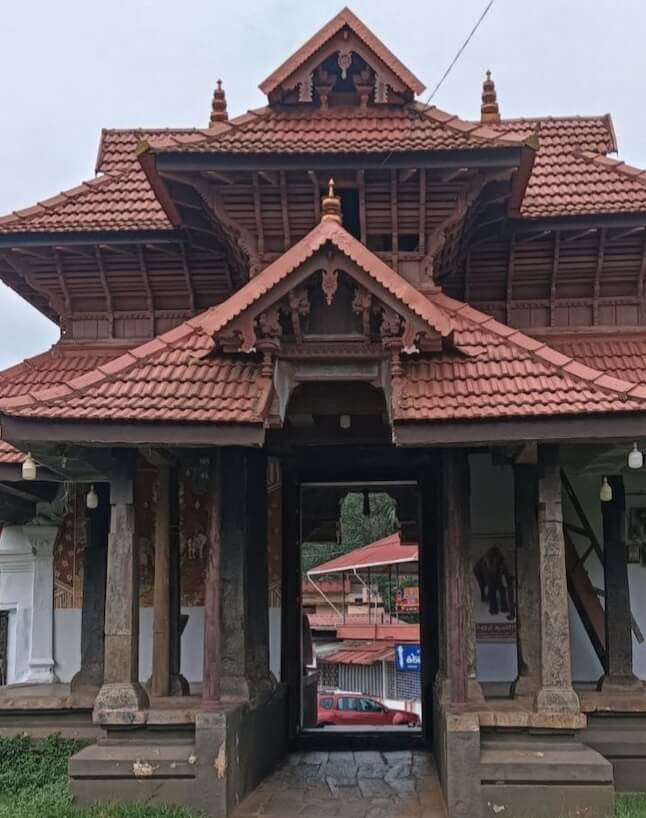
मंदिरे
Temples
मंदिर
-
आदित्यपुरम सूर्यदेव मंदिर आदित्यपुरम, कडूथुरुथी, जि. कोट्टायम.
अधिक माहितीAdithyapuram Sooryadeva Temple Adithyapuram, Kaduthuruthy, Dist. Kottayam.
View Detailsआदित्यपुरम सूर्यदेव मंदिर आदित्यपुरम, कडुथुरूथी, जिला। कोट्टायम.
विवरण देखें -
एत्तुमनूर महादेवाचे मंदिर एत्तुमनूर, जि. कोट्टायम
अधिक माहितीEttumanoor Mahadeva Temple Ettumanoor, Dist. Kottayam
View Detailsएट्टुमानूर महादेव मंदिर एट्टुमानूर, जिला। कोट्टायम
विवरण देखें -
थाळीतील महादेवाचे मंदिर थाळथांगडी, जि. कोट्टायम
अधिक माहितीThaliyil Mahadeva Temple Thazhathangady, Dist. Kottayam
View Detailsथालियिल महादेव मंदिर थज़थंगाडी, जिला। कोट्टायम
विवरण देखें