
सिद्धिविनायक मंदिर
मेहदावाद, ता. मेहदावाद, जि. खेडा
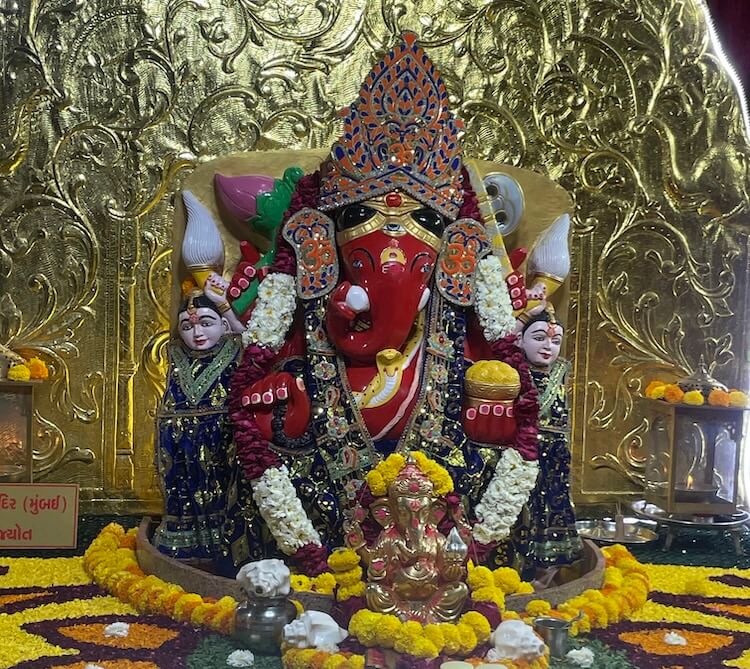 मेहदावादमधील वात्रक नदीच्या काठी वसलेले सिद्धिविनायक देवस्थान हे राज्यातील अत्यंत प्रसिद्ध तीर्थक्षेत्र आहे. ४ जून २०२३ रोजी, ‘आशिया बुक ऑफ रेकॉर्ड्स’ आणि ‘इंडिया बुक ऑफ रेकॉर्ड्स’ द्वारे या मंदिराला ‘भगवान गणेशाच्या विशिष्ट आकारात बांधलेले आशियातील सर्वात मोठे मंदिर’ म्हणून अधिकृत मान्यता देण्यात आली. हे वास्तुशिल्पीय आश्चर्य नरेंद्रभाई पुरोहित यांनी त्यांच्या आई, दाहिबा यांची मनोकामना पूर्ण करण्यासाठी सहा लाख चौरस फुटांच्या विस्तीर्ण परिसरात साकारले आहे. मुंबईतील प्रभादेवी येथील सुप्रसिद्ध सिद्धिविनायक मंदिरापासून एक ‘अखंड ज्योत’ येथे आणून पारंपरिक वैदिक विधींनी तिची प्रतिष्ठापना करण्यात आली आहे. दररोज सरासरी दहा हजार भाविकांना आकर्षित करणारे हे मंदिर, मातृभक्तीचे स्मारक म्हणून पूजले जाते आणि श्रद्धेचे एक प्रगाढ केंद्र बनले आहे.
मेहदावाद शहराला पंधराव्या शतकापासूनचा भव्य ऐतिहासिक वारसा लाभला आहे.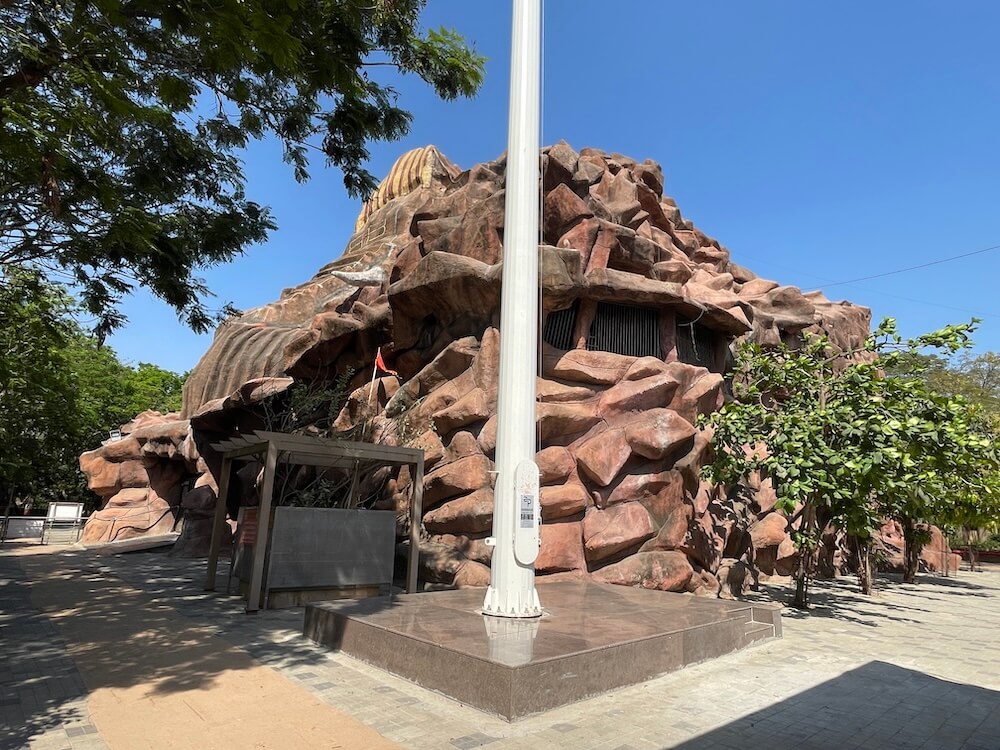 याची स्थापना १४६५ मध्ये अहमद शाहचा नातू आणि गुजरातचा सुलतान महमूद बेगडा याने केली होती आणि सुरुवातीला याचे नाव ‘महमूदाबाद’ ठेवण्यात आले होते. आपल्या कारकिर्दीत सुलतानाने या परिसराचा विकास एक शाही विश्रामस्थान म्हणून केला आणि अनेक राजवाडे व ‘वाव’ (बारव) बांधल्या. ‘चरोतर’ या सुपीक प्रदेशात वसलेला आणि संस्कृत साहित्यात ‘खेटक’ म्हणून उल्लेखलेला खेडा हा भाग प्राचीन काळापासून प्रशासकीयदृष्ट्या महत्त्वाचा राहिला आहे. गॅझेटियरमधील नोंदीनुसार, हा भाग सुरुवातीला मैत्रक राजांच्या अधिपत्याखाली होता आणि त्यानंतर तो राष्ट्रकुटांकडे गेला. ऐतिहासिक वृत्तांतानुसार, १५८३ मध्ये तीन इंग्रज व्यापारी भारतात आले आणि त्यांनी येथे व्यापार स्थापन करण्याचा प्रयत्न केला. शहरातील ऐतिहासिक खुणांपैकी ‘रोजा रोजी’ म्हणून ओळखली जाणारी मुबारक सय्यद यांची कबर विशेष प्रसिद्ध आहे. स्थानिक दंतकथा अशी आहे की, याच्या खांबांची मोजणी करण्याचा प्रयत्न केल्यास प्रत्येक वेळी वेगळी संख्या येते.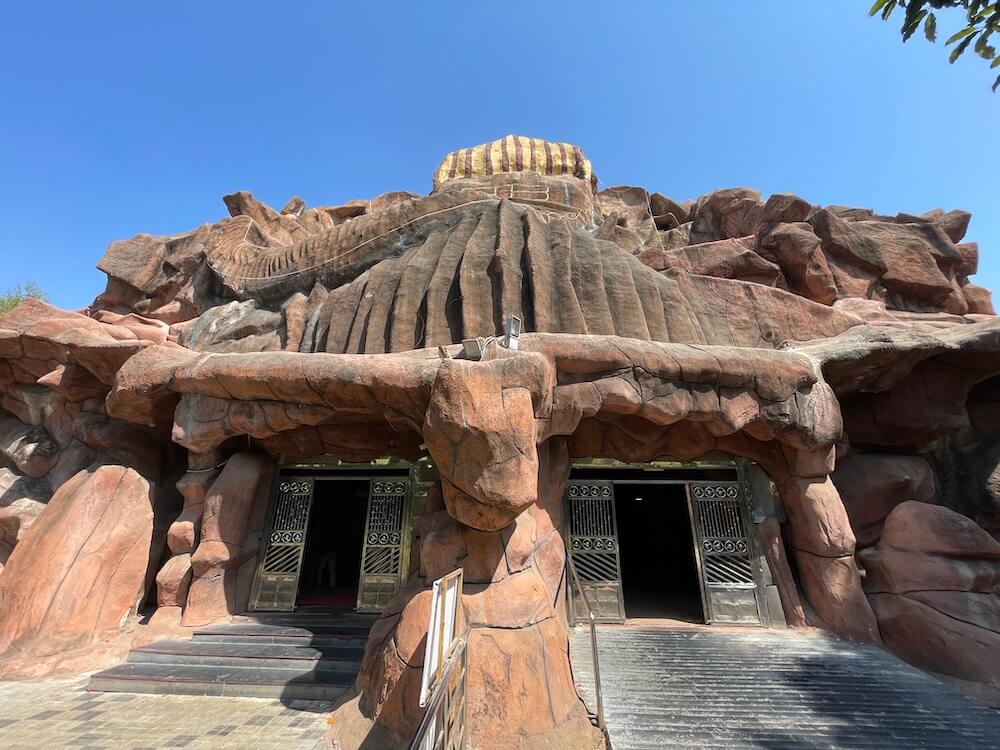
अठराव्या शतकात, विशेषतः १७५८ मध्ये, मराठ्यांनी मुघल सुभेदार मोमीन खानकडून सत्ता हस्तगत केली. त्यानंतर, १८०३ मध्ये ब्रिटिशांनी खेडा जिल्ह्यावर पूर्ण नियंत्रण मिळवून तो बॉम्बे प्रेसिडेन्सीच्या प्रशासनाखाली आणला. भारताच्या स्वातंत्र्यलढ्यात स्थानिक जनतेने महत्त्वपूर्ण योगदान दिले, विशेषतः १९१८ मध्ये महात्मा गांधी आणि वल्लभभाई पटेल यांच्या नेतृत्वाखालील खेडा सत्याग्रहात त्यांचा सक्रिय सहभाग होता. शाह कुटुंबाने सरकारला भेट दिलेली ‘काशीबाग’ ही वडिलोपार्जित बाग शहराच्या सांस्कृतिक वारशाचा एक महत्त्वाचा भाग आहे. या ऐतिहासिक घडामोडींच्या पार्श्वभूमीवर आधुनिक श्री सिद्धिविनायक देवस्थान अस्तित्वात आले.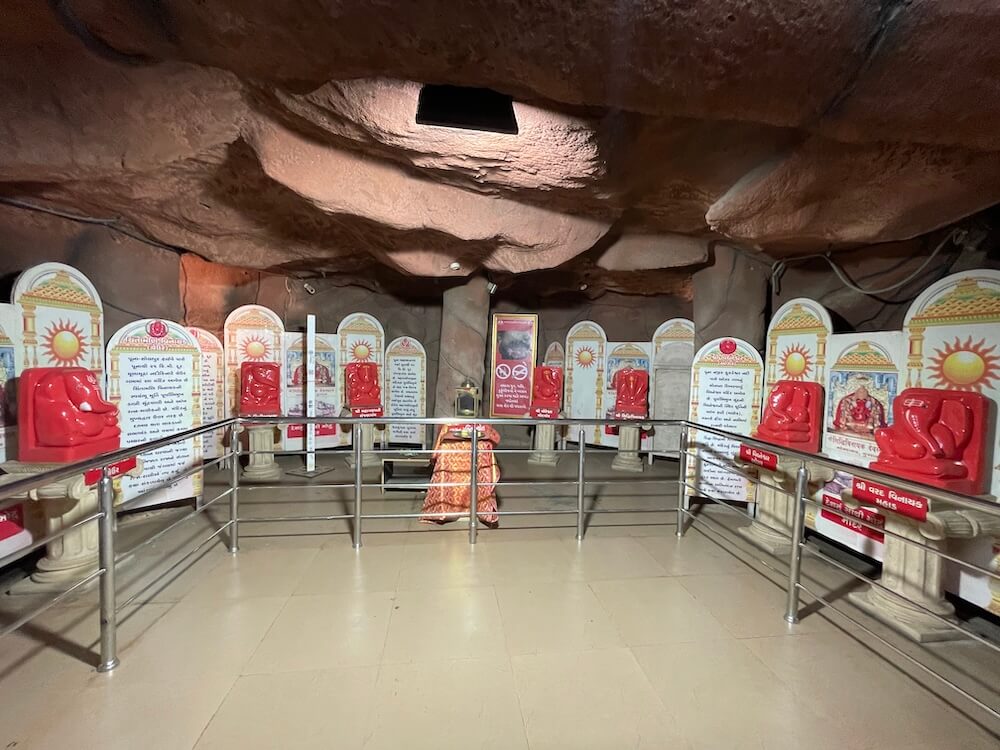
मेहदावादमधील उजव्या सोंडेची सिद्धिविनायक मूर्ती अत्यंत जागृत मानली जाते. भक्तांची संकटे दूर करणारा गणेशाचा हा अवतार ‘श्री चिंतामणी’ म्हणूनही ओळखला जातो. मंदिरात ‘उलटा साठियो’ (उलटा स्वस्तिक) संबंधित एक अनोखी परंपरा पाळली जाते. ‘मानता’ (नवस) पूर्ण करण्याची इच्छा असलेले भक्त एका सपाट पृष्ठभागावर गव्हाच्या दाण्यांनी उलटा स्वस्तिक काढतात. प्रार्थना पूर्ण झाल्यावर, ते पुन्हा येऊन त्याच पद्धतीने सरळ स्वस्तिक काढतात.
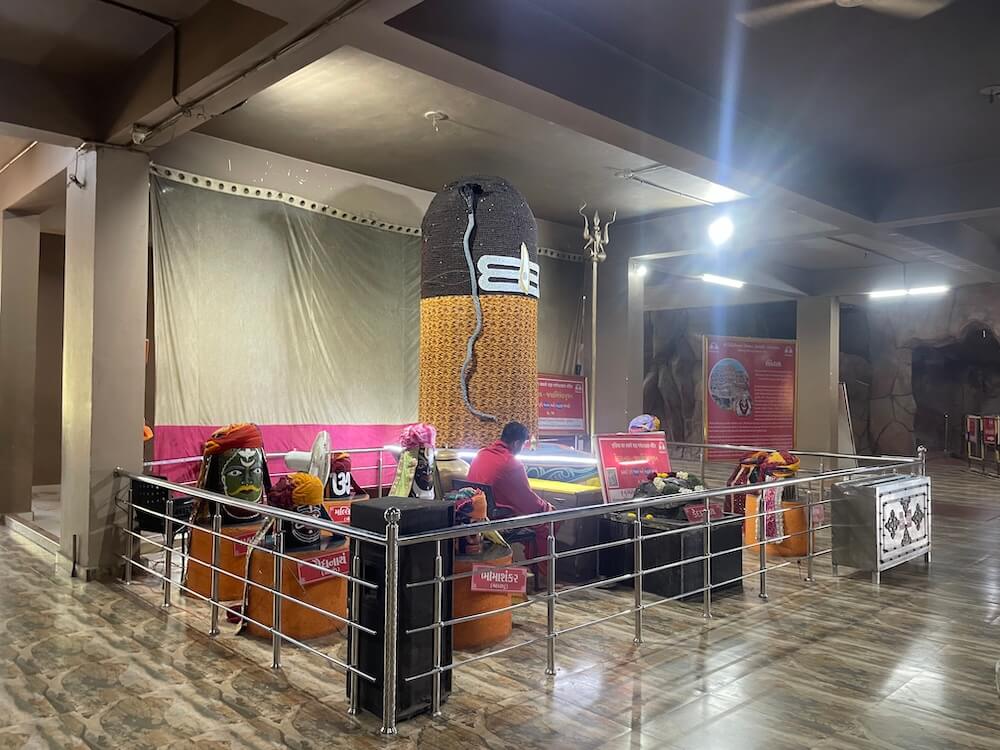
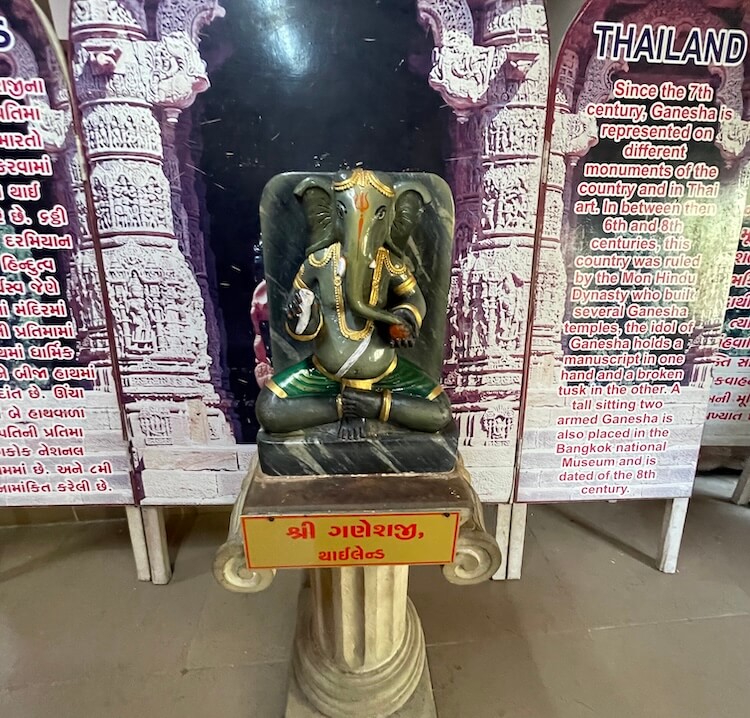
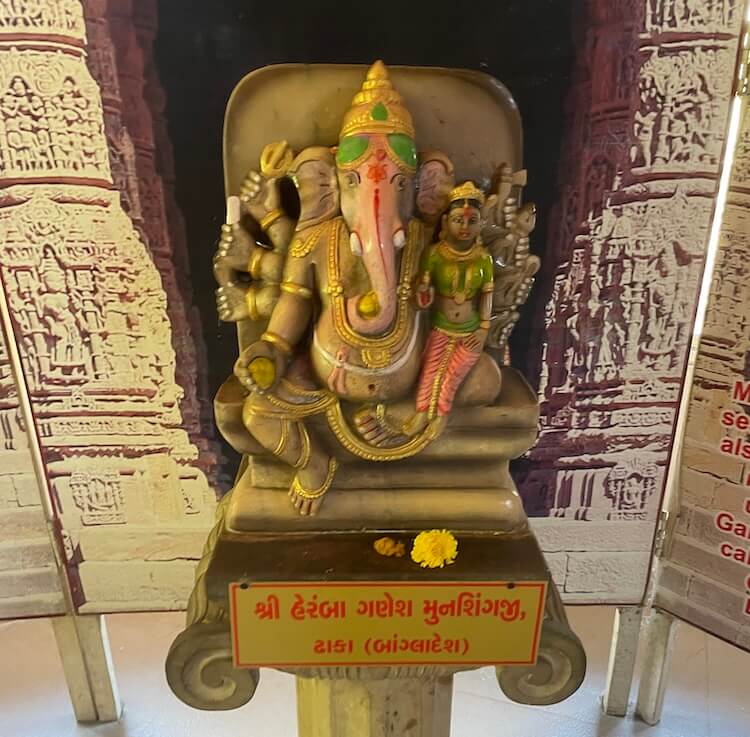
मंदिराच्या पहिल्या मजल्यावर विविध देशांत प्रतिष्ठित असलेल्या गणेश मूर्तींच्या प्रतिकृती आहेत, ज्यामध्ये श्रीलंका, म्यानमार, थायलंड, चीन, नेपाळ, अफगाणिस्तान (काबुल), बांगलादेश, इंडोनेशिया, कंबोडिया आणि भूतान येथे आढळणाऱ्या गणेशाच्या रूपांची सचित्र माहिती दिली आहे. 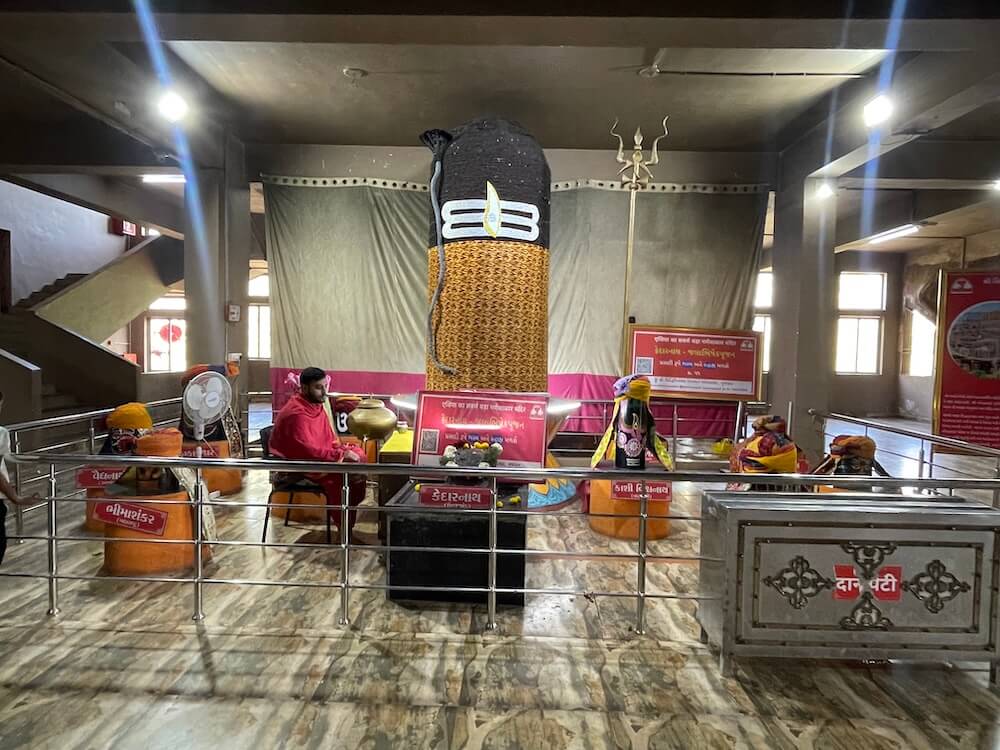 तळमजल्यावर, सर्वेश्वर महादेव मंदिरात, पूर्णपणे ‘रुद्राक्ष’ मण्यांपासून बनवलेले एक भव्य ‘शिवलिंग’ आहे. याशिवाय, भाविक भारतातील बारा ‘ज्योतिर्लिंगांच्या’ प्रतिकृतींचे दर्शन घेऊ शकतात. मंदिरात ओडिशामधील जगन्नाथ पुरी येथील भगवान कृष्ण, बलदेव आणि सुभद्रा यांच्या प्रतिकृतीही आहेत. विविध वैदिक अर्पण करण्यासाठी अनेक ‘यज्ञकुंड’ असलेली एक भव्य ‘यज्ञशाळा’ येथे आहे.
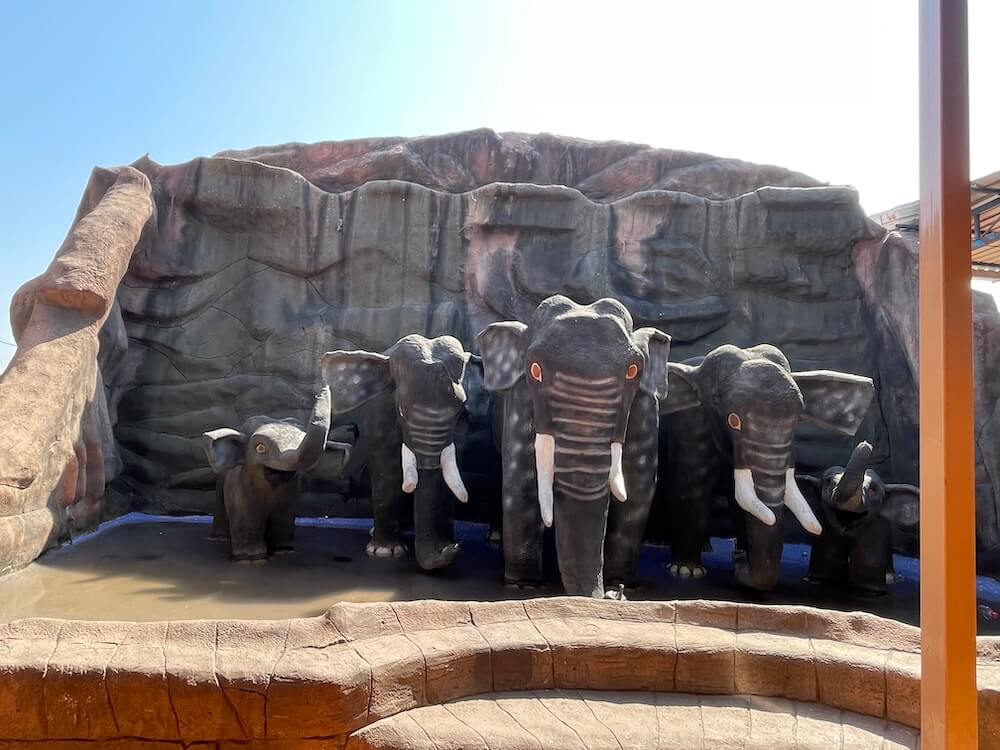
मंदिर परिसरात शेकडो मोटारगाड्या एकाच वेळी पार्क करण्याची सोय असलेला मोठा पार्किंग विभाग आहे. नदीकाठी वसलेले हे संकुल ज्येष्ठ नागरिक आणि दिव्यांग व्यक्तींच्या सोयीसाठी रॅम्प, लिफ्ट, व्हीलचेअर आणि इलेक्ट्रिक रिक्षांच्या सुविधेसह विचारपूर्वक डिझाइन केलेले आहे.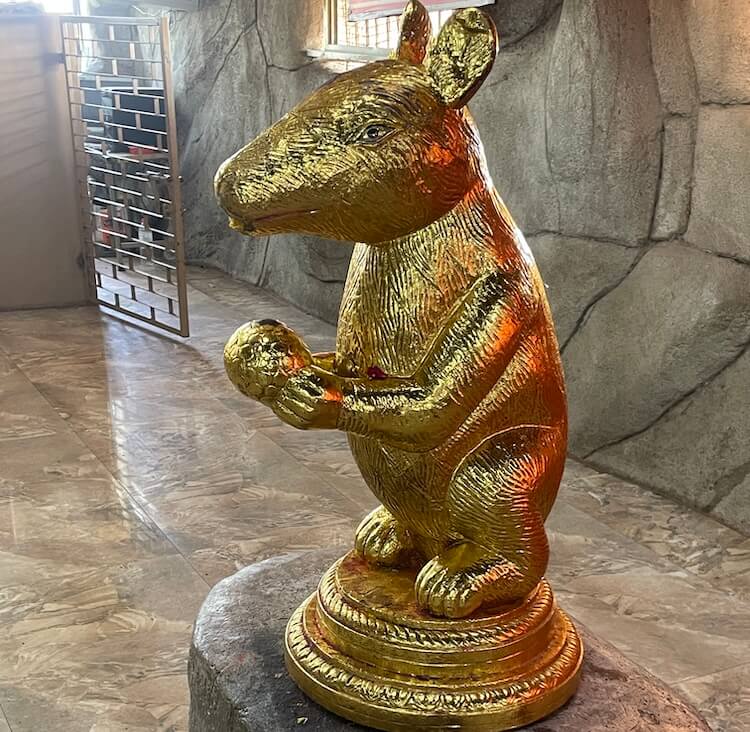 मुख्य प्रवेशद्वाराला नरेंद्रभाईंच्या आईच्या स्मरणार्थ ‘दाहिबा प्रवेशद्वार’ असे नाव देण्यात आले आहे. भाविकांच्या सोयीसाठी ‘भक्तनिवास’ मध्ये सुसज्ज वातानुकूलित आणि सामान्य खोल्या उपलब्ध आहेत. याव्यतिरिक्त, मुलांसाठी विविध सुविधांसह एक मनोरंजन उद्यान उभारले गेले आहे. समोरील बागांमध्ये ‘गजराज’ (शाही हत्ती), दगडी ‘शिवलिंग’ आणि ‘मूषकराज’ (गणेशाचे वाहन) यांच्या जिवंत वाटणाऱ्या मूर्ती आहेत, ज्यांचे नियोजनपूर्वक जतन केले जाते.
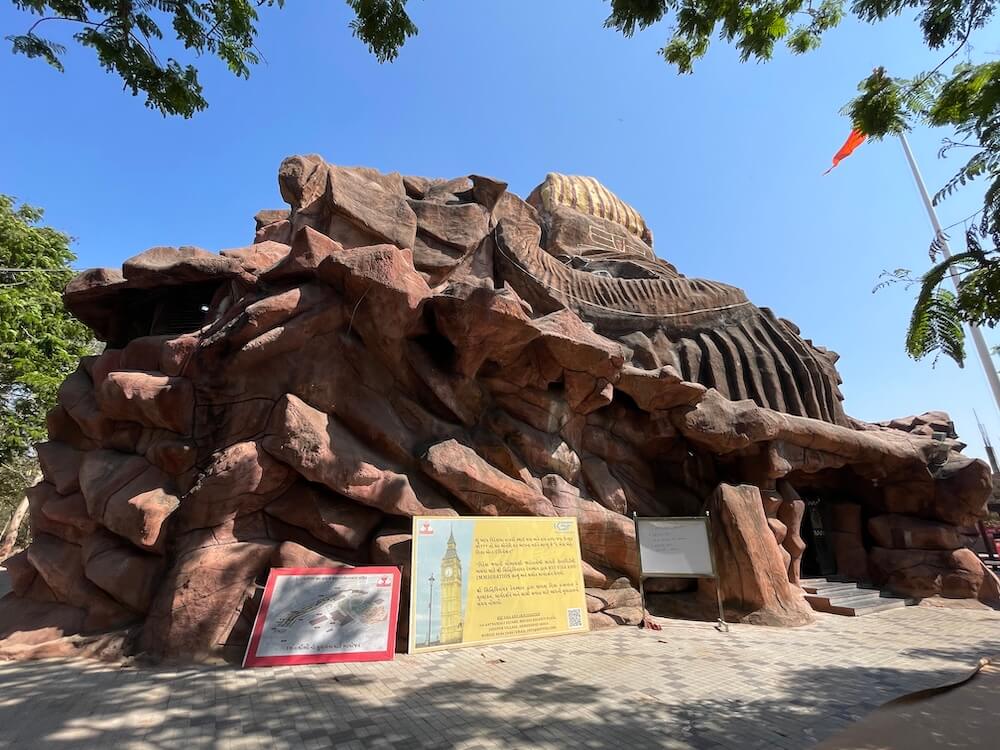
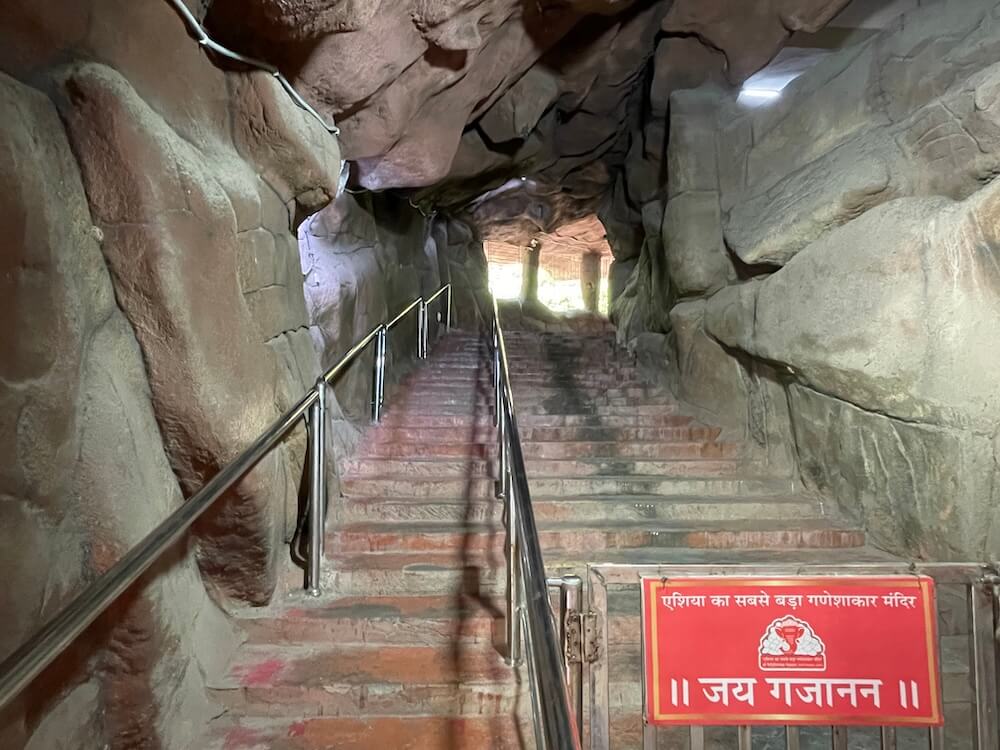
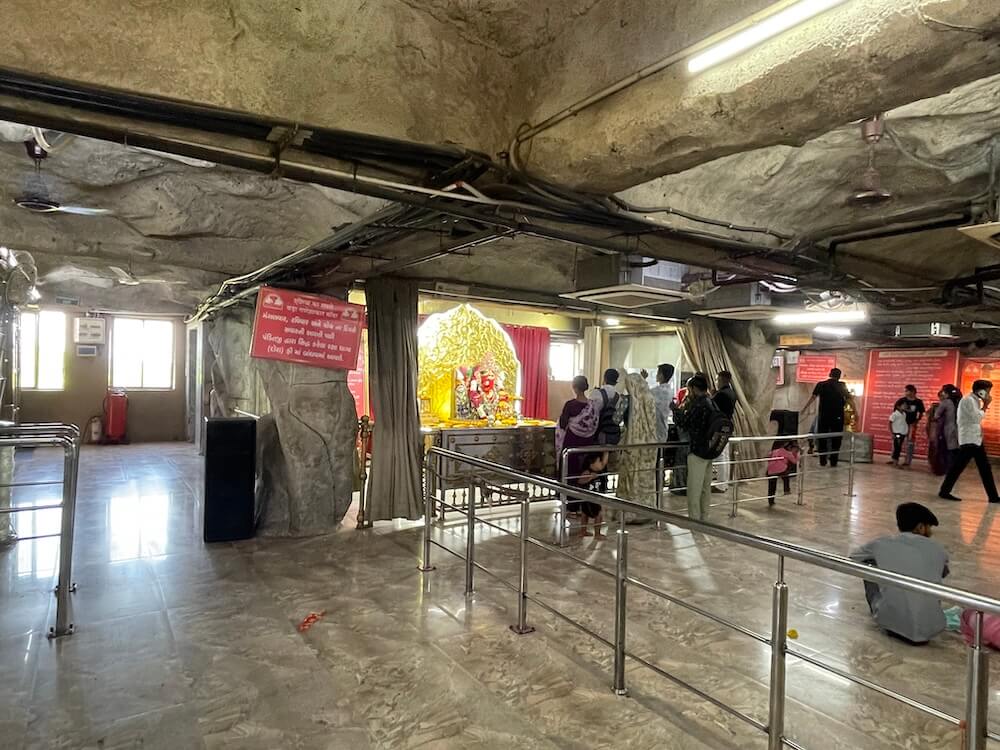
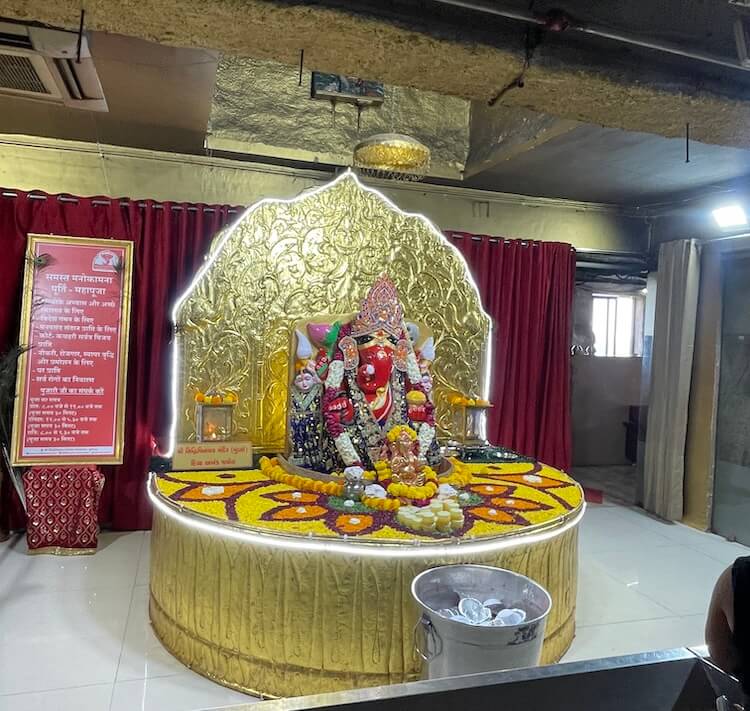
ऑस्ट्रेलियन फेरो-सिमेंट तंत्रज्ञानाचा वापर करून बांधलेले हे मंदिर भगवान गणेशाच्या बसलेल्या मूर्तीच्या आकारात कोरलेले आहे. जमिनीच्या वीस फूट खाली असलेल्या पायावर उभे असलेले हे मंदिर १२९.९८ फूट लांब, ८४.२५ फूट रुंद आणि ७१ फूट उंच आहे. याच्या वास्तुरचनेत दिवसाच्या चोवीस तासांचे प्रतीक असलेले चोवीस कमानी आहेत, तर ‘प्रदक्षिणा’ मार्ग १०८ फूट लांबीचा आहे. एकवीस पायऱ्या चढून जावे लागणारे प्रवेशद्वार हे गणेशाच्या एकवीस तत्त्वांचे प्रतीक आहे. 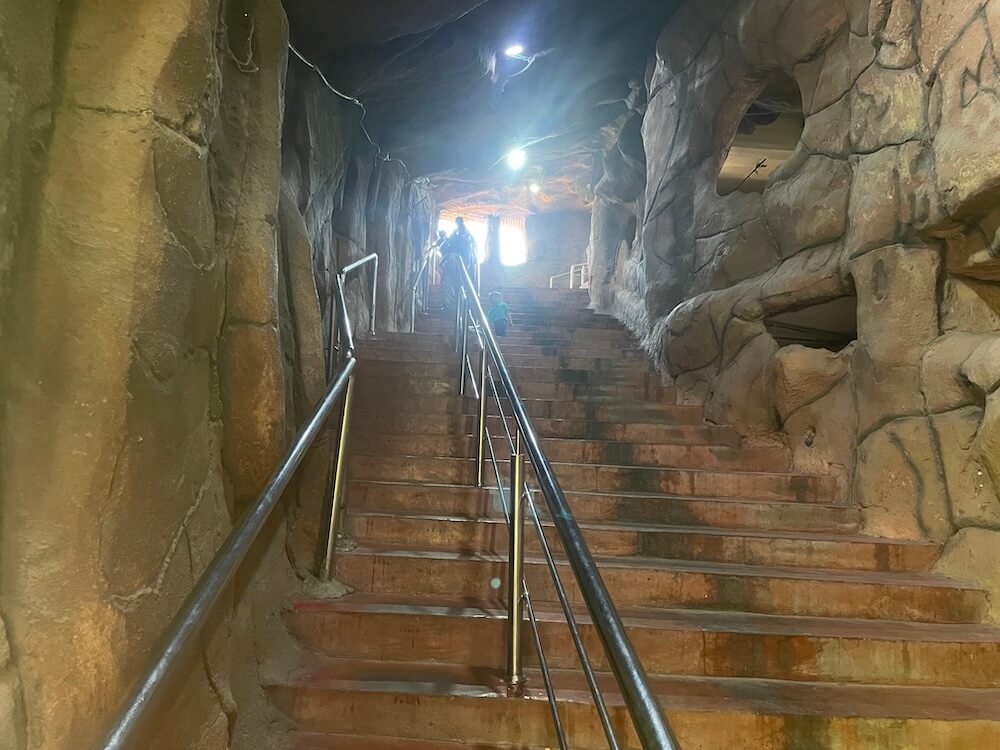 मुख्य ‘गर्भगृह’ २७ फूट उंच असून त्यात २७ ‘नक्षत्रांचे’ प्रतिनिधित्व आहे. या तीन मजली वास्तूच्या प्रवेशद्वाराजवळ एक मोठा घंटा लटकवलेला आहे. आत प्रवेश केल्यावर, मार्ग एखाद्या दगडी गुहेतून जात असल्याचा भास होतो. तिसऱ्या मजल्यावर एक प्रशस्त ‘सभामंडप’ आहे, जिथे खांब आणि छत पूर्णपणे दगडातून कोरलेले आहेत. मध्यभागी सोन्याच्या रंगाचे, बारकाईने कोरलेले ‘अधिष्ठान’ आहे आणि सभोवतालच्या खांबांच्या तळाशी हत्तीची तोंडे कोरलेली आहेत. शेंदूर फासलेली गणेशाची मूर्ती, जी काळ्या पाषाणातून कोरल्यासारखी दिसते, ती मुंबईच्या सिद्धिविनायकाची हुबेहूब प्रतिकृती आहे. चतुर्भुज देवतेच्या दोन हातांत शस्त्रे आहेत, तर इतर दोन हातांत ‘लाडू’ आणि ‘रुद्राक्ष’ माळ आहे. प्रभूंच्या दोन्ही बाजूंना त्यांच्या पत्नी रिद्धी आणि सिद्धी विराजमान आहेत.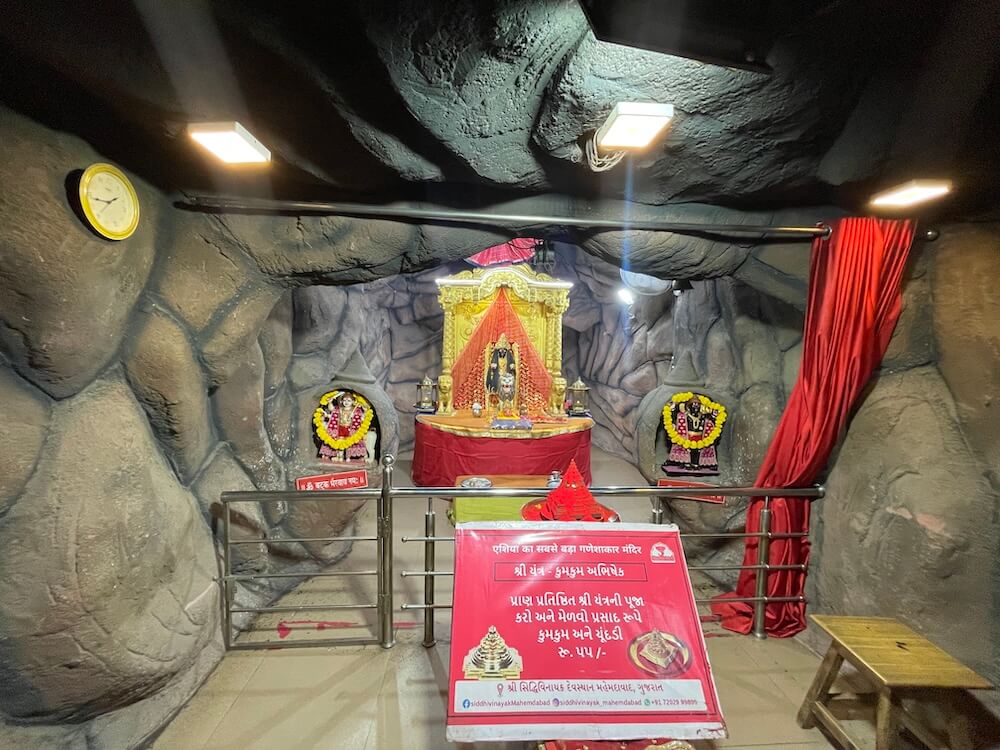
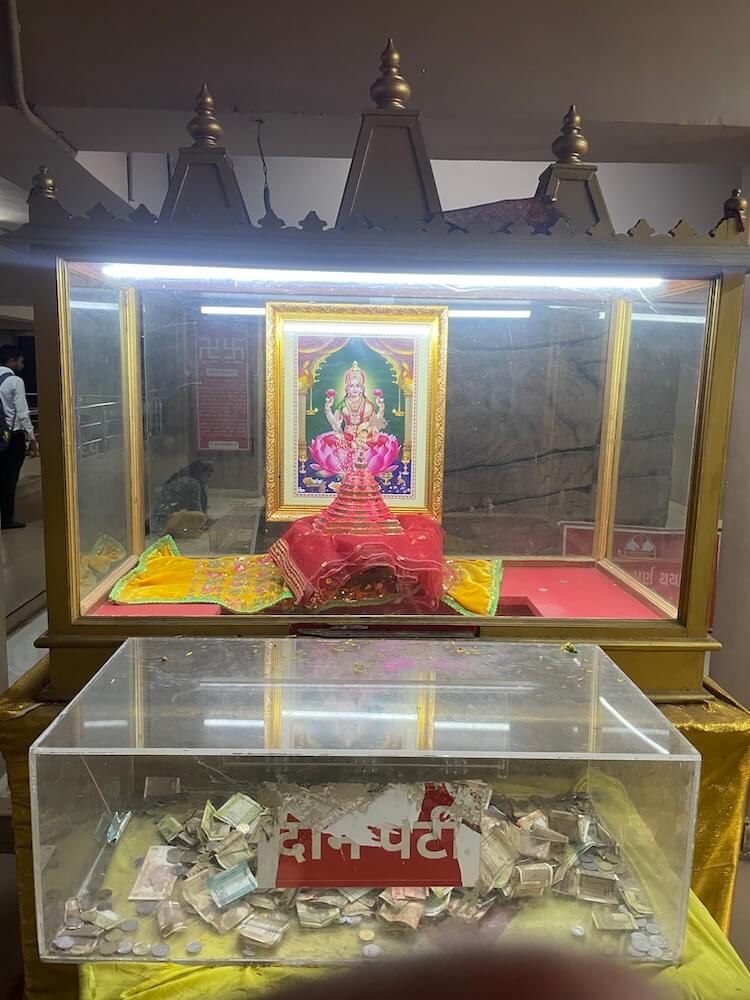
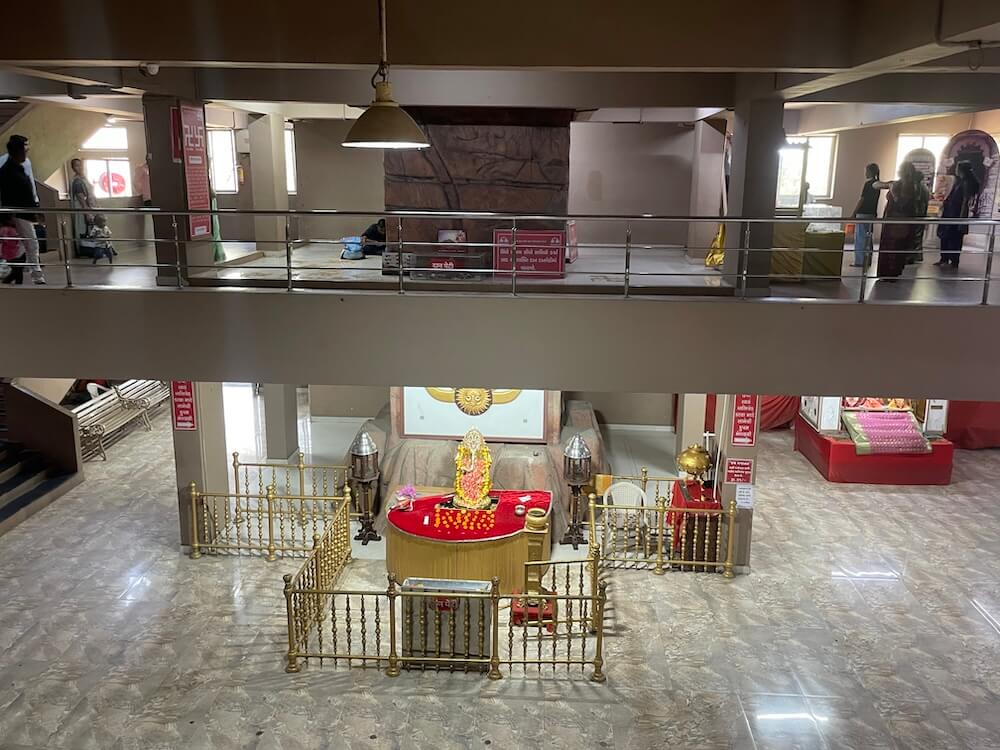
पहिल्या मजल्यावर माउंट अबू येथील कात्यायनी अर्बुदादेवी ‘शक्तिपीठाची’ प्रतिकृती आहे, जिथे देवी सोन्याच्या कोरीव पीठावर सिंहावर आरूढ झालेली दिसते. त्यांच्या डाव्या बाजूला बटुक भैरवनाथ आणि उजव्या बाजूला काळ भैरवनाथ यांच्या मूर्ती आहेत. या मजल्यावर ‘चिंतामणी शिला’ नावाचा दगड, ‘श्री यंत्रासह’ लक्ष्मी देवीची मूर्ती आणि महाराष्ट्रातील ‘अष्टविनायकांच्या’ उत्कृष्ट प्रतिकृती व त्याबद्दलची सविस्तर माहिती आहे. तळमजल्यावर गणेशाची एक लहान धातूची मूर्ती स्थापित केली आहे, जिथे इच्छुक भाविकांना ‘जलाभिषेक’ करण्याची परवानगी आहे. बाहेरून पाहिल्यास, वास्तुकलेची वैशिष्ट्ये गणेशाचे रूप स्पष्टपणे दर्शवतात, डोळ्यांपासून सोंडेपर्यंत आणि संपूर्ण वास्तू रात्रीच्या वेळी सुंदररीत्या उजळून निघते.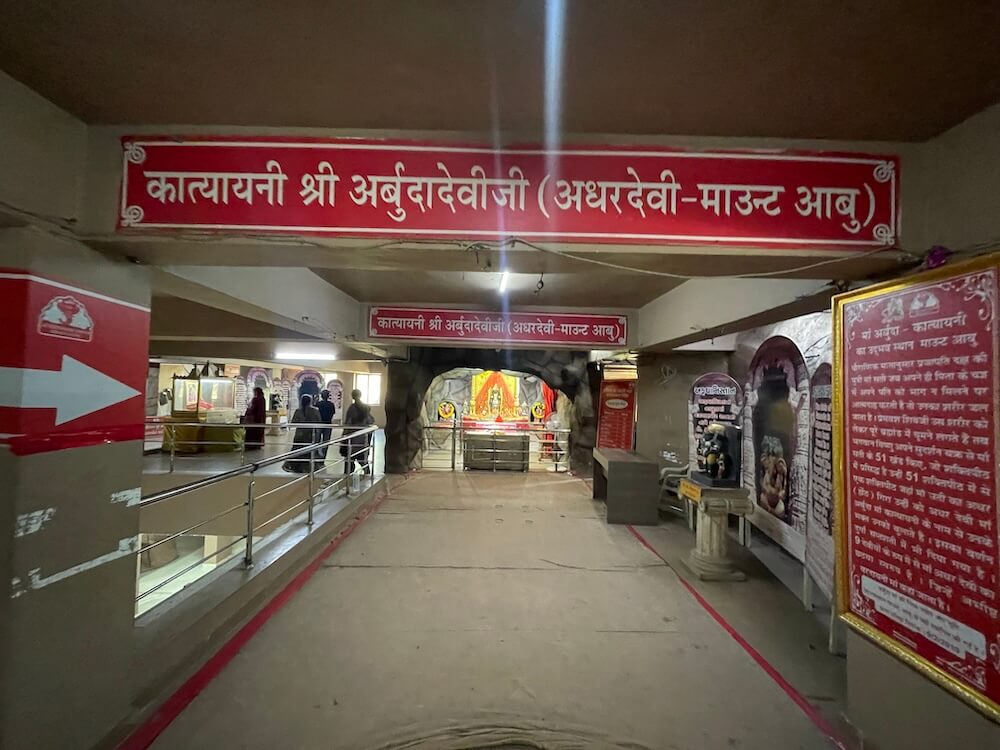
देवस्थान विविध सण मोठ्या उत्साहात साजरे करते. दहा दिवसांच्या ‘गणेश चतुर्थी’ उत्सवादरम्यान संपूर्ण परिसर भव्यपणे सजवला जातो. ‘विनायक चतुर्थी’ला दिव्यांचा विशेष उत्सव साजरा केला जातो, तर माघ महिन्यातील ‘गणेश जयंती’ मोठ्या प्रमाणावर साजरी केली जाते. दिवाळी आणि होळीच्या वेळी विशेष धार्मिक विधी केले जातात. मंदिर परिसर भाविकांसाठी दररोज सकाळी ६ ते रात्री १० वाजेपर्यंत खुला असतो, तर मंगळवारी वेळ रात्री ११ वाजेपर्यंत वाढवली जाते. सकाळी आणि संध्याकाळी ७ वाजता ‘आरती’ केली जाते, त्यानंतर साडेसात वाजता ‘दीप आरती’ होते. ‘छप्पन भोग’ आणि १००८ लाडूंचा ‘भोग’ अर्पण करण्याची परंपरा निष्ठेने पाळली जाते, जी अनेकदा नवस फेडण्यासाठी केली जाते. ‘संकष्टी चतुर्थी’ आणि ‘अंगारकी चतुर्थी’ला येथे जत्रेसारखे वातावरण असते. दरवर्षी ५ फेब्रुवारी हा दिवस ‘प्राण प्रतिष्ठा’ वर्धापन दिन म्हणून विविध सांस्कृतिक कार्यक्रमांसह साजरा केला जातो.
उपयुक्त माहिती
- मेहदावाद बस स्थानकापासून १.५ किमी आणि खेडा शहरापासून १४ किमी अंतरावर स्थित आहे.
- जिल्ह्यातील अनेक शहरांतून मेहदावादसाठी राज्य परिवहन (GSRTC) बस सेवा उपलब्ध आहे.
- खाजगी वाहने थेट मंदिराच्या पार्किंग क्षेत्रापर्यंत पोहोचू शकतात.
- परिसरात राहण्याची आणि नाश्त्याची अनेक सोय उपलब्ध आहे.
- संपर्क – मंदिर कार्यालय, भ्रमणध्वनी – ९७२६९६७६७७
Siddhivinayak Temple
Mahemdavad, Tal. Mahemdavad, Dist. Kheda
The Siddhivinayak Devasthan, situated on the banks of the river Vatrak in Mahemdavad, is a shrine of eminent renown within the state. On 4 June 2023, it was formally recognised by the ‘Asia Book of Records’ and the ‘India Book of Records’ as ‘the largest temple in Asia constructed in the distinct shape of Lord Ganesha’. This architectural marvel was envisioned and erected by Narendrabhai Purohit across a sprawling expanse of six hundred thousand square feet to fulfil the cherished wish of his mother, Dahiba. An ‘Akhand Jyot’ (eternal flame) was brought from the famed Siddhivinayak Temple of Prabhadevi, Mumbai and consecrated here with traditional Vedic rites. Attracting an average of ten thousand pilgrims daily, this sanctuary, revered as a monument to maternal devotion, has emerged as a profound epicentre of faith.
The city of Mahemdavad possesses a grand historical legacy dating back to the fifteenth century. It was founded in 1465 AD by Sultan Mahmud Begada of Gujarat, the grandson of Ahmad Shah and was originally christened ‘Mahmudabad’. Throughout his reign, the Sultan developed this vicinity as a royal retreat, commissioning the construction of numerous palaces and ‘Vavs’ (stepwells). This region of Kheda, nestled within the fertile ‘Charotar’ tract and referred to as ‘Khetaka’ in Sanskrit literature, has maintained administrative significance since antiquity. According to records in the Gazetteer, the area was initially under the sovereignty of the Maitraka kings before passing to the Rashtrakutas. Historical chronicles further note that in 1583 AD, three English merchants visited India and attempted to establish trade here. Amongst the city’s historical landmarks, the tomb of Mubarak Sayyid, known as ‘Roza Rozi’, is particularly famous. A local legend persists that one arrives at a different count every time one attempts to number its pillars.
In the eighteenth century, specifically in 1758 AD, the Marathas wrested power from the Mughal Viceroy Momin Khan. Subsequently, in 1803 AD, the British established complete control over the Kheda district, annexing it to the administration of the Bombay Presidency. The local populace rendered a significant contribution to India’s struggle for independence, most notably through their active participation in the Kheda Satyagraha of 1918 under the leadership of Mahatma Gandhi and Vallabhbhai Patel. The ‘Kashibag’, an ancestral garden gifted to the government by the Shah family, remains a vital part of the city’s cultural heritage. It is against the backdrop of these historical evolutions that the modern Shri Siddhivinayak Devasthan was brought into existence.
The right-trunked Siddhivinayak idol at Mahemdavad is considered exceptionally potent. This form of Ganesha, the dispeller of his devotees’ anxieties, is also known as ‘Shri Chintamani’. The temple upholds a singular tradition involving the ‘Ulto Sathiyo’ (inverted swastika). Devotees, seeking the fulfilment of a ‘Manata’ (vow), draw an inverted swastika using wheat grains upon a flat surface. Once their prayer is answered, they return to draw a regular swastika in the same manner.
The first floor of the temple houses replicas of Ganesha idols enshrined across various nations, providing pictorial information on the forms of Ganesha found in Sri Lanka, Myanmar, Thailand, China, Nepal, Afghanistan (Kabul), Bangladesh, Indonesia, Cambodia and Bhutan. On the ground floor, within the Sarveshwar Mahadev Temple, sits a colossal ‘Shivling’ (aniconic representation of Shiva) fashioned entirely from ‘Rudraksha’ beads. Furthermore, pilgrims may seek ‘Darshan’ (holy viewing) of replicas of the twelve ‘Jyotirlingas’ of India. The temple also features replicas of Lord Krishna, Baldev and Subhadra from Jagannath Puri in Odisha. A grand ‘Yagnashala’ (hall for fire rituals) containing several ‘Yagnakundas’ (sacrificial pits) facilitates the performance of various Vedic offerings.
The temple complex features a vast parking area capable of accommodating hundreds of motorcars simultaneously. Situated on the riverbank, the precinct is thoughtfully designed with ramps, lifts, wheelchairs and electric rickshaws to assist the elderly and the physically challenged. The main portal is named the ‘Dahiba Entrance’ in memory of Narendrabhai’s mother. For the convenience of pilgrims, the ‘Bhaktnivas’ (devotees’ rest house) offers well-appointed air-conditioned and standard rooms. Additionally, an amusement park with various facilities has been established for children. The fronting gardens are adorned with lifelike sculptures of a ‘Gajraj’ (royal elephant), a stone ‘Shivling’ and ‘Mushakraj’ (the mouse, Ganesha’s mount), all maintained with meticulous planning.
Constructed using Australian ferro-cement technology, the temple is sculpted to resemble a seated figure of Lord Ganesha. Resting upon a foundation descending twenty feet into the earth, the structure measures 120.98 feet in length, 84.25 feet in width and stands 71 feet high. The architectural design incorporates twenty-four arches representing the twenty-four hours of the day, while the ‘Pradakshina’ (circumambulation) path measures 108 feet. The entrance, reached by twenty-one steps, symbolises the twenty-one principles of Ganesha. The main ‘Garbhagriha’ (sanctum sanctorum), rising to twenty-seven feet, contains representations of the twenty-seven ‘Nakshatras’ (lunar mansions). A large bell hangs near the entrance of this three-storeyed edifice. Upon entering, the pathway evokes the sensation of traversing a stone cavern. The third floor houses a spacious ‘Sabhamandap’ (assembly hall), where the pillars and ceiling are crafted entirely of stone. At the centre sits a golden-hued, intricately carved ‘Adhisthana’ (pedestal), with the surrounding pillars featuring carved elephant heads at their bases. The vermillion-coated idol of Ganesha, appearing as if carved from black stone, is a faithful replica of the Siddhivinayak of Mumbai. The four-armed deity holds weapons in two hands, while the others bear a ‘Laddu’ (sweet) and a ‘Rudraksha’ rosary. The Lord is flanked by His consorts, Riddhi and Siddhi.
The first floor features a recreation of the Katyayani Arbudadevi ‘Shaktipeeth’ of Mount Abu, where the Goddess is seen seated upon a lion on a golden-carved pedestal. She is accompanied by idols of Batuk Bhairavnath to her left and Kaal Bhairavnath to her right. This level also houses a stone known as the ‘Chintamani Shila’, alongside an idol of Goddess Lakshmi with a ‘Shri Yantra’ and exquisite replicas of the ‘Ashtavinayak’ (eight Ganeshas) of Maharashtra, accompanied by detailed information. On the ground floor, a small metallic idol of Ganesha is established, where interested devotees are permitted to perform ‘Jalabhishek’ (ritual bathing with water). From the exterior, the architectural features clearly delineate the form of Ganesha, from the eyes to the trunk and the entire structure is beautifully illuminated at night.
The Devasthan celebrates various festivals with great fervour. During the ten-day ‘Ganesh Chaturthi’ festival, the entire complex is lavishly decorated. A special festival of lights is observed on ‘Vinayak Chaturthi’, while ‘Ganesh Jayanti’, in the month of Magh, is celebrated on a grand scale. Special religious rites are performed during Diwali and Holi. The premises are open to devotees daily from six in the morning until ten at night, with hours extended until eleven on Tuesdays. ‘Aarti’ (ritual of lights) is performed at seven in the morning and evening, followed by ‘Deep Aarti’ at half-past seven. The tradition of offering ‘Chhappan Bhog’ (fifty-six delicacies) and 1008 ‘Laddus’ as ‘Bhog’ (consecrated food) is diligently followed, often as an offering for fulfilled vows. On ‘Sankashti Chaturthi’ and ‘Angarki Chaturthi’, the atmosphere is akin to a vibrant fair. Every year, the 5th of February is marked as the ‘Pran Pratishtha’ (consecration) anniversary with various cultural programmes.
Useful Information
- Located at 1.5 km from Mahemdavad Bus Station and 14 km from Kheda city.
- State Transport (GSRTC) bus services are available to Mahemdavad from several cities in the district.
- Private vehicles can reach the temple parking area directly.
- Numerous accommodation facilities and breakfast options are available in the vicinity.
- Contact – Temple Office, Mob.- 9726967677
सिद्धि विनायक मंदिर
महेमदाबाद, तहसील महेमदाबाद, जिला खेड़ा
महेमदाबाद में वात्रक नदी के तट पर स्थित सिद्धि विनायक देवस्थान राज्य में अत्यंत ख्याति प्राप्त तीर्थ स्थल है। ०४ जून २०२३ को, इसे ‘एशिया बुक ऑफ रिकॉर्ड्स’ और ‘इंडिया बुक ऑफ रिकॉर्ड्स’ द्वारा ‘भगवान गणेश के विशिष्ट आकार में निर्मित एशिया का सबसे बड़ा मंदिर’ के रूप में औपचारिक मान्यता प्रदान की गई। इस स्थापत्य चमत्कार की परिकल्पना और निर्माण नरेंद्रभाई पुरोहित द्वारा छह लाख वर्ग फुट के विशाल विस्तार में अपनी माता, दाहिबा की पोषित इच्छा को पूरा करने के लिए किया गया था। मुंबई के प्रसिद्ध प्रभादेवी स्थित सिद्धि विनायक मंदिर से एक ‘अखंड ज्योत’ लाई गई और पारंपरिक वैदिक अनुष्ठानों के साथ यहाँ प्रतिष्ठित की गई। प्रतिदिन औसतन दस हजार तीर्थयात्रियों को आकर्षित करने वाला यह अभयारण्य, मातृ भक्ति के स्मारक के रूप में पूजनीय है और आस्था का एक गहरा केंद्र बनकर उभरा है।
महेमदाबाद शहर पंद्रहवीं शताब्दी से चला आ रहा एक भव्य ऐतिहासिक गौरव रखता है। इसकी स्थापना १४६५ ईस्वी में गुजरात के सुल्तान महमूद बेगड़ा द्वारा की गई थी, जो अहमद शाह के पोते थे और मूल रूप से इसका नाम ‘महमूदाबाद’ रखा गया था। अपने शासनकाल के दौरान, सुल्तान ने इस क्षेत्र को एक शाही विश्राम स्थल के रूप में विकसित किया, जहाँ कई महलों और ‘वावों’ (सीढ़ीदार कुओं) का निर्माण करवाया। उपजाऊ ‘चरोतर’ क्षेत्र में स्थित और संस्कृत साहित्य में ‘खेटक’ के रूप में संदर्भित खेड़ा का यह क्षेत्र प्राचीन काल से ही प्रशासनिक महत्व बनाए हुए है। गजेटियर के अभिलेखों के अनुसार, यह क्षेत्र प्रारंभ में मैत्रक राजाओं के अधीन था, जिसके बाद यह राष्ट्रकूटों के पास चला गया। ऐतिहासिक वृत्तांतों में यह भी उल्लेख है कि १५८३ ईस्वी में, तीन अंग्रेज व्यापारी भारत आए और उन्होंने यहाँ व्यापार स्थापित करने का प्रयास किया। शहर के ऐतिहासिक स्थलों में, मुबारक सैयद का मकबरा, जिसे ‘रोजा रोजी’ के नाम से जाना जाता है, विशेष रूप से प्रसिद्ध है। एक स्थानीय किंवदंती है कि जब भी कोई इसके स्तंभों को गिनने का प्रयास करता है, तो हर बार एक अलग संख्या प्राप्त होती है।
अठारहवीं शताब्दी में, विशेष रूप से १७५८ ईस्वी में, मराठों ने मुगल वायसराय मोमिन खान से सत्ता छीन ली। इसके बाद, १८०३ ईस्वी में, अंग्रेजों ने खेड़ा जिले पर पूर्ण नियंत्रण स्थापित कर लिया और इसे बॉम्बे प्रेसीडेंसी के प्रशासन में मिला दिया। स्थानीय आबादी ने भारत के स्वतंत्रता संग्राम में महत्वपूर्ण योगदान दिया, विशेष रूप से महात्मा गांधी और वल्लभभाई पटेल के नेतृत्व में १९१८ के खेड़ा सत्याग्रह में उनकी सक्रिय भागीदारी उल्लेखनीय है। शाह परिवार द्वारा सरकार को उपहार में दिया गया एक पैतृक उद्यान ‘काशीबाग’, शहर की सांस्कृतिक विरासत का एक महत्वपूर्ण हिस्सा बना हुआ है। इन्हीं ऐतिहासिक विकासक्रमों की पृष्ठभूमि में आधुनिक श्री सिद्धि विनायक देवस्थान अस्तित्व में आया।
महेमदाबाद में स्थित दाईं ओर सूंड वाली सिद्धि विनायक प्रतिमा को असाधारण रूप से शक्तिशाली माना जाता है। गणेश का यह स्वरूप, जो अपने भक्तों की चिंताओं को दूर करने वाले हैं, ‘श्री चिंतामणि’ के नाम से भी जाने जाते हैं। मंदिर ‘उलटा साथिया’ (उल्टा स्वास्तिक) से जुड़ी एक अनूठी परंपरा का पालन करता है। भक्त, अपनी ‘मानता’ (मन्नत) पूरी करने की कामना के साथ, एक समतल सतह पर गेहूं के दानों का उपयोग करके एक उल्टा स्वास्तिक बनाते हैं। जब उनकी प्रार्थना पूरी हो जाती है, तो वे उसी तरह से एक सीधा स्वास्तिक बनाने के लिए वापस आते हैं।
मंदिर की पहली मंजिल पर विभिन्न देशों में प्रतिष्ठित गणेश प्रतिमाओं की प्रतिकृतियां रखी गई हैं, जो श्रीलंका, म्यांमार, थाईलैंड, चीन, नेपाल, अफगानिस्तान (काबुल), बांग्लादेश, इंडोनेशिया, कंबोडिया और भूटान में पाए जाने वाले गणेश के रूपों पर चित्रात्मक जानकारी प्रदान करती हैं। भूतल पर, सर्वेश्वर महादेव मंदिर के भीतर, पूरी तरह से ‘रुद्राक्ष’ के दानों से निर्मित एक विशाल ‘शिवलिंग’ स्थित है। इसके अलावा, तीर्थयात्री भारत के बारह ‘ज्योतिर्लिंगों’ की प्रतिकृतियों के ‘दर्शन’ कर सकते हैं। मंदिर में ओडिशा के जगन्नाथ पुरी से भगवान कृष्ण, बलदेव और सुभद्रा की प्रतिकृतियां भी हैं। एक भव्य ‘यज्ञशाला’ जिसमें कई ‘यज्ञकुंड’ हैं, विभिन्न वैदिक अनुष्ठानों के प्रदर्शन की सुविधा प्रदान करती है।
मंदिर परिसर में एक विशाल पार्किंग क्षेत्र है जो एक साथ सैकड़ों मोटर कारों को समायोजित करने में सक्षम है। नदी के तट पर स्थित, यह परिसर बुजुर्गों और शारीरिक रूप से विकलांगों की सहायता के लिए रैंप, लिफ्ट, व्हीलचेयर और इलेक्ट्रिक रिक्शा के साथ सोच-समझकर डिजाइन किया गया है। मुख्य द्वार का नाम नरेंद्रभाई की माता की स्मृति में ‘दाहिबा प्रवेश द्वार’ रखा गया है। तीर्थयात्रियों की सुविधा के लिए, ‘भक्तनिवास’ (भक्तों के लिए विश्राम गृह) वातानुकूलित और मानक कमरे प्रदान करता है। इसके अतिरिक्त, बच्चों के लिए विभिन्न सुविधाओं वाला एक मनोरंजन पार्क भी स्थापित किया गया है। सामने के बगीचों को ‘गजराज’ (शाही हाथी), एक पत्थर के ‘शिवलिंग’ और ‘मूषकराज’ (गणेश का वाहन) की जीवंत मूर्तियों से सजाया गया है, जिन्हें अत्यंत सावधानीपूर्वक बनाए रखा गया है।
ऑस्ट्रेलियन फेरो-सीमेंट तकनीक का उपयोग करके निर्मित, यह मंदिर भगवान गणेश की बैठी हुई मुद्रा के समान है। पृथ्वी में बीस फीट नीचे तक फैली नींव पर टिका यह ढांचा १२०.९८ फीट लंबा, ८४.२५ फीट चौड़ा और ७१ फीट ऊंचा है। स्थापत्य डिजाइन में चौबीस घंटों का प्रतिनिधित्व करने वाले चौबीस मेहराब शामिल हैं, जबकि ‘प्रदक्षिणा’ पथ १०८ फीट का है। इक्कीस सीढ़ियों से होकर प्रवेश द्वार तक पहुंचा जाता है, जो गणेश के इक्कीस सिद्धांतों का प्रतीक है। मुख्य ‘गर्भगृह’ (गर्भगृह), जो २७ फीट की ऊँचाई तक उठता है, उसमें २७ ‘नक्षत्रों’ (चंद्र गृहों) का निरूपण है। इस तीन मंजिला इमारत के प्रवेश द्वार के पास एक बड़ी घंटी लटकी हुई है। प्रवेश करने पर, मार्ग ऐसा आभास कराता है जैसे किसी पत्थर की गुफा से होकर गुजर रहे हों। तीसरी मंजिल पर एक विशाल ‘सभामंडप’ (सभा भवन) स्थित है, जहाँ के खंभे और छत पूरी तरह से पत्थर से निर्मित हैं। केंद्र में एक सुनहरे रंग का, बारीक नक्काशीदार ‘अधिष्ठान’ (पीठिका) स्थित है, जिसके चारों ओर के खंभों के आधार पर हाथी के सिर उकेरे गए हैं। सिंदूर लेपित गणेश जी की प्रतिमा, जो काले पत्थर से तराशी गई प्रतीत होती है, मुंबई के सिद्धिविनायक की हूबहू प्रतिकृति है। चतुर्भुज देव ने दो हाथों में अस्त्र धारण किए हैं, जबकि अन्य दो हाथों में ‘लड्डू’ (मिठाई) और ‘रुद्राक्ष’ की माला है। प्रभु के दोनों ओर उनकी पत्नियाँ, रिद्धि और सिद्धि विराजमान हैं।
पहली मंजिल पर माउंट आबू की कात्यायनी अर्बुदादेवी ‘शक्तिपीठ’ का पुनर्निर्माण किया गया है, जहाँ देवी को स्वर्ण-नक्काशीदार पीठिका पर सिंह पर विराजमान देखा जा सकता है। उनके बाईं ओर बटुक भैरवनाथ और दाईं ओर काल भैरवनाथ की प्रतिमाएँ हैं। इस तल पर ‘चिंतामणि शिला’ नामक एक पत्थर भी स्थित है, साथ ही ‘श्री यंत्र’ के साथ देवी लक्ष्मी की प्रतिमा और महाराष्ट्र के ‘अष्टविनायक’ (आठ गणेश) की उत्कृष्ट प्रतिकृतियाँ विस्तृत जानकारी के साथ मौजूद हैं। भूतल पर गणेश जी की एक छोटी धातु की प्रतिमा स्थापित है, जहाँ इच्छुक भक्त ‘जलाभिषेक’ (जल से अनुष्ठानिक स्नान) करने के लिए अनुमत हैं। बाहर से, वास्तुशिल्प विशेषताएँ स्पष्ट रूप से गणेश जी के स्वरूप को दर्शाती हैं, आँखों से लेकर सूंड तक, और पूरी संरचना रात में खूबसूरती से जगमगाती है।
देवस्थान विभिन्न त्योहारों को बड़े उत्साह के साथ मनाता है। दस दिवसीय ‘गणेश चतुर्थी’ उत्सव के दौरान, पूरे परिसर को भव्य रूप से सजाया जाता है। ‘विनायक चतुर्थी’ पर प्रकाश का एक विशेष उत्सव मनाया जाता है, जबकि माघ महीने में ‘गणेश जयंती’ बड़े पैमाने पर मनाई जाती है। दीपावली और होली के दौरान विशेष धार्मिक अनुष्ठान किए जाते हैं। परिसर भक्तों के लिए प्रतिदिन सुबह ६ बजे से रात १० बजे तक खुला रहता है, और मंगलवार को समय रात ११ बजे तक बढ़ा दिया जाता है। सुबह और शाम ७ बजे ‘आरती’ (प्रकाश का अनुष्ठान) की जाती है, जिसके बाद साढ़े सात बजे ‘दीप आरती’ होती है। ‘छप्पन भोग’ (छप्पन प्रकार के व्यंजन) और १०८८ ‘लड्डू’ को ‘भोग’ (प्रसाद) के रूप में अर्पित करने की परंपरा का निष्ठापूर्वक पालन किया जाता है, जो अक्सर मन्नत पूरी होने पर भेंट के रूप में होता है। ‘संकष्टी चतुर्थी’ और ‘अंगारकी चतुर्थी’ के दिन, वातावरण एक जीवंत मेले जैसा होता है। हर साल, ५ फरवरी को ‘प्राण प्रतिष्ठा’ (अभिषेक) वर्षगांठ के रूप में विभिन्न सांस्कृतिक कार्यक्रमों के साथ मनाया जाता है।
उपयोगी जानकारी
- मेहदावाद बस स्टेशन से १.५ किमी और खेड़ा शहर से १४ किमी की दूरी पर स्थित है।
- जिले के कई शहरों से मेहदावाद के लिए राज्य परिवहन (GSRTC) की बस सेवाएँ उपलब्ध हैं।
- निजी वाहन सीधे मंदिर के पार्किंग क्षेत्र तक पहुँच सकते हैं।
- आसपास के क्षेत्र में आवास की अनेक सुविधाएँ और नाश्ते के विकल्प उपलब्ध हैं।
- संपर्क – मंदिर कार्यालय, मो.- ९७२६९६७६७७
સિદ્ધિવિનાયક મંદિર
મહેમદાવાદ, તા. મહેમદાવાદ, જિ. ખેડા
મહેમદાવાદમાં વાત્રક નદીના કિનારે આવેલું સિદ્ધિવિનાયક દેવસ્થાન રાજ્યમાં અત્યંત પ્રસિદ્ધ તીર્થસ્થળ છે. ૪ જૂન ૨૦૨૩ના રોજ, તેને ‘એશિયા બુક ઓફ રેકોર્ડ્સ’ અને ‘ઇન્ડિયા બુક ઓફ રેકોર્ડ્સ’ દ્વારા ‘ભગવાન ગણેશના વિશિષ્ટ આકારમાં નિર્મિત એશિયાનું સૌથી મોટું મંદિર’ તરીકે ઔપચારિક માન્યતા આપવામાં આવી હતી. આ સ્થાપત્ય કલાના અદભૂત નમૂનાને નરેન્દ્રભાઈ પુરોહિતે તેમની માતા દહીબાની અંતરની ઈચ્છા પૂર્ણ કરવા માટે છ લાખ ચોરસ ફૂટના વિશાળ વિસ્તારમાં કલ્પના કરીને નિર્મિત કર્યું છે. મુંબઈના પ્રભાદેવી સ્થિત સુપ્રસિદ્ધ સિદ્ધિવિનાયક મંદિરથી એક ‘અખંડ જ્યોત’ લાવીને અહીં પરંપરાગત વૈદિક વિધિઓ સાથે સ્થાપિત કરવામાં આવી છે. દરરોજ સરેરાશ દસ હજાર શ્રદ્ધાળુઓને આકર્ષતું આ પવિત્ર સ્થાન, માતૃભક્તિના સ્મારક તરીકે પૂજનીય છે અને શ્રદ્ધાના એક ગહન કેન્દ્ર તરીકે ઉભરી આવ્યું છે.
મહેમદાવાદ શહેર પંદરમી સદીનો ભવ્ય ઐતિહાસિક વારસો ધરાવે છે. તેની સ્થાપના ૧૪૬૫ ઈ.સ.માં અહમદ શાહના પૌત્ર અને ગુજરાતના સુલતાન મહમૂદ બેગડા દ્વારા કરવામાં આવી હતી અને તેનું મૂળ નામ ‘મહમૂદાબાદ’ રાખવામાં આવ્યું હતું. તેમના શાસનકાળ દરમિયાન, સુલતાને આ વિસ્તારને શાહી આરામગાર તરીકે વિકસાવ્યો હતો અને અનેક મહેલો તથા ‘વાવ’નું નિર્માણ કરાવ્યું હતું. ફળદ્રુપ ‘ચરોતર’ પ્રદેશમાં આવેલો અને સંસ્કૃત સાહિત્યમાં ‘ખેટક’ તરીકે ઓળખાતો આ ખેડા વિસ્તાર પ્રાચીન કાળથી વહીવટી મહત્વ ધરાવે છે. ગેઝેટિયરના રેકોર્ડ મુજબ, આ વિસ્તાર શરૂઆતમાં મૈત્રક રાજાઓના શાસન હેઠળ હતો અને ત્યારબાદ રાષ્ટ્રકૂટોના હાથમાં આવ્યો હતો. ઐતિહાસિક વૃત્તાંતોમાં વધુમાં નોંધવામાં આવ્યું છે કે ૧૫૮૩ ઈ.સ.માં ત્રણ અંગ્રેજ વેપારીઓએ ભારતની મુલાકાત લીધી હતી અને અહીં વેપાર સ્થાપવાનો પ્રયાસ કર્યો હતો. શહેરના ઐતિહાસિક સ્મારકોમાં, મુબારક સૈયદનો મકબરો, જે ‘રોઝા રોઝી’ તરીકે ઓળખાય છે, તે ખાસ પ્રખ્યાત છે. સ્થાનિક લોકવાયકા એવી છે કે જ્યારે પણ કોઈ તેના સ્તંભોને ગણવાનો પ્રયાસ કરે છે, ત્યારે દર વખતે અલગ સંખ્યા આવે છે.
અઢારમી સદીમાં, ખાસ કરીને ૧૭૫૮ ઈ.સ.માં, મરાઠાઓએ મુઘલ વાઈસરોય મોમિન ખાન પાસેથી સત્તા છીનવી લીધી હતી. ત્યારબાદ, ૧૮૦૩ ઈ.સ.માં, અંગ્રેજોએ ખેડા જિલ્લા પર સંપૂર્ણ નિયંત્રણ સ્થાપિત કર્યું અને તેને બોમ્બે પ્રેસિડેન્સીના વહીવટ હેઠળ જોડી દીધું. સ્થાનિક જનતાએ ભારતના સ્વાતંત્ર્ય સંગ્રામમાં નોંધપાત્ર યોગદાન આપ્યું હતું, જેમાં ખાસ કરીને મહાત્મા ગાંધી અને વલ્લભભાઈ પટેલના નેતૃત્વ હેઠળ ૧૯૧૮ના ખેડા સત્યાગ્રહમાં તેમનો સક્રિય સહભાગ મુખ્ય હતો. શાહ પરિવાર દ્વારા સરકારને ભેટમાં આપવામાં આવેલ પૈતૃક બગીચો ‘કાશીબાગ’ શહેરના સાંસ્કૃતિક વારસાનો એક મહત્વપૂર્ણ ભાગ છે. આ ઐતિહાસિક ઉત્ક્રાંતિની પૃષ્ઠભૂમિમાં જ આધુનિક શ્રી સિદ્ધિવિનાયક દેવસ્થાનનું અસ્તિત્વ આવ્યું છે.
મહેમદાવાદમાં આવેલી જમણી સૂંઢવાળી સિદ્ધિવિનાયકની મૂર્તિ અત્યંત જાગૃત માનવામાં આવે છે. ગણેશજીનું આ સ્વરૂપ, જે તેમના ભક્તોની ચિંતાઓ દૂર કરનાર છે, તે ‘શ્રી ચિંતામણી’ તરીકે પણ ઓળખાય છે. મંદિર ‘ઉલ્ટો સાથિયો’ (ઊંધો સ્વસ્તિક) ની એક અનોખી પરંપરા જાળવી રાખે છે. ‘મનતા’ પૂર્ણ કરવાની ઈચ્છા રાખતા ભક્તો સપાટ જગ્યા પર ઘઉંના દાણા વડે ઊંધો સ્વસ્તિક દોરે છે. જ્યારે તેમની પ્રાર્થના પૂર્ણ થાય છે, ત્યારે તેઓ તે જ રીતે સીધો સ્વસ્તિક દોરવા પાછા આવે છે.
મંદિરના પ્રથમ માળે વિવિધ દેશોમાં સ્થાપિત ગણેશ મૂર્તિઓની પ્રતિકૃતિઓ છે, જે શ્રીલંકા, મ્યાનમાર, થાઈલેન્ડ, ચીન, નેપાળ, અફઘાનિસ્તાન (કાબુલ), બાંગ્લાદેશ, ઈન્ડોનેશિયા, કંબોડિયા અને ભૂટાનમાં જોવા મળતા ગણેશના સ્વરૂપો વિશે ચિત્રાત્મક માહિતી પૂરી પાડે છે. ભૂતળ પર, સર્વેશ્વર મહાદેવ મંદિરમાં, સંપૂર્ણપણે ‘રુદ્રાક્ષ’ના મણકામાંથી બનેલું એક વિશાળ ‘શિવલિંગ’ બિરાજમાન છે. વધુમાં, શ્રદ્ધાળુઓ ભારતના બાર ‘જ્યોતિર્લિંગો’ની પ્રતિકૃતિઓના ‘દર્શન’ કરી શકે છે. મંદિરમાં ઓડિશાના જગન્નાથ પુરીના ભગવાન કૃષ્ણ, બલદેવ અને સુભદ્રાની પ્રતિકૃતિઓ પણ છે. અનેક ‘યજ્ઞકુંડ’ ધરાવતી એક ભવ્ય ‘યજ્ઞશાળા’ વિવિધ વૈદિક આહુતિઓ આપવાની સુવિધા પૂરી પાડે છે.
મંદિર સંકુલમાં વિશાળ પાર્કિંગ વિસ્તાર છે જે એકસાથે સેંકડો મોટરકારને સમાવી શકે છે. નદી કિનારે આવેલ આ પરિસરને વૃદ્ધો અને શારીરિક રીતે અશક્ત લોકોને મદદ કરવા માટે રેમ્પ, લિફ્ટ, વ્હીલચેર અને ઈલેક્ટ્રિક રિક્ષાઓ સાથે ખૂબ જ વિચારપૂર્વક ડિઝાઇન કરવામાં આવ્યું છે. મુખ્ય પ્રવેશદ્વારનું નામ નરેન્દ્રભાઈની માતાની સ્મૃતિમાં ‘દહીબા પ્રવેશદ્વાર’ રાખવામાં આવ્યું છે. શ્રદ્ધાળુઓની સુવિધા માટે, ‘ભક્તનિવાસ’માં સુસજ્જ એર-કન્ડિશન્ડ અને સામાન્ય રૂમ ઉપલબ્ધ છે. આ ઉપરાંત, બાળકો માટે વિવિધ સુવિધાઓ સાથેનું મનોરંજન પાર્ક પણ બનાવવામાં આવ્યું છે. સામેના બગીચાઓમાં ‘ગજરાજ’ (શાહી હાથી), પથ્થરનું ‘શિવલિંગ’ અને ‘મૂષકરાજ’ (ગણેશજીનું વાહન) ની આબેહૂબ મૂર્તિઓ છે, જેની ખૂબ જ ઝીણવટભરી જાળવણી કરવામાં આવે છે.
ઓસ્ટ્રેલિયન ફેરો-સિમેન્ટ ટેકનોલોજીનો ઉપયોગ કરીને નિર્મિત આ મંદિરને ભગવાન ગણેશની બેઠેલી આકૃતિ જેવું સ્વરૂપ આપવામાં આવ્યું છે. પૃથ્વીમાં વીસ ફૂટ ઊંડા પાયા પર ટકેલું આ માળખું ૧૨૦.૯૮ ફૂટ લાંબુ, ૮૪.૨૫ ફૂટ પહોળું અને ૭૧ ફૂટ ઊંચું છે. સ્થાપત્ય ડિઝાઇનમાં દિવસના ચોવીસ કલાકનું પ્રતિનિધિત્વ કરતા ચોવીસ કમાનોનો સમાવેશ કરવામાં આવ્યો છે, જ્યારે ‘પ્રદક્ષિણા’ માર્ગ ૧૦૮ ફૂટનો છે. એકવીસ પગથિયાં ચઢીને પ્રવેશતા આ મંદિરનો પ્રવેશદ્વાર ગણેશજીના એકવીસ સિદ્ધાંતોનું પ્રતીક છે. મુખ્ય ‘ગર્ભગૃહ’, જે ૨૭ ફૂટની ઊંચાઈ ધરાવે છે, તેમાં ૨૭ ‘નક્ષત્રો’નું નિરૂપણ કરવામાં આવ્યું છે. આ ત્રણ માળની ઇમારતના પ્રવેશદ્વાર પાસે એક વિશાળ ઘંટ લટકે છે. અંદર પ્રવેશતા જ, માર્ગ પથ્થરની ગુફામાંથી પસાર થવાનો અનુભવ કરાવે છે. ત્રીજા માળે એક વિશાળ ‘સભાખંડ’ છે, જ્યાંના સ્તંભો અને છત સંપૂર્ણપણે પથ્થરમાંથી કોતરેલા છે. મધ્યમાં સુવર્ણ રંગનું, અત્યંત ઝીણવટભરી કોતરણીવાળું ‘અધિષ્ઠાન’ (પીઠિકા) આવેલું છે, જેની આસપાસના સ્તંભોના પાયામાં હાથીના મસ્તકની કોતરણી કરવામાં આવી છે. સિંદૂરથી લેપિત ગણેશજીની મૂર્તિ, જે જાણે કાળા પથ્થરમાંથી કંડારાયેલી હોય તેવી લાગે છે, તે મુંબઈના સિદ્ધિવિનાયકની આબેહૂબ પ્રતિકૃતિ છે. ચતુર્ભુજ દેવતાના બે હાથમાં શસ્ત્રો છે, જ્યારે અન્ય બે હાથમાં ‘લાડુ’ અને ‘રુદ્રાક્ષ’ની માળા છે. ભગવાનની બંને બાજુએ તેમના પત્નીઓ રિદ્ધિ અને સિદ્ધિ બિરાજમાન છે.
પ્રથમ માળે માઉન્ટ આબુના કાત્યાયની અર્બુદા દેવી ‘શક્તિપીઠ’ની પ્રતિકૃતિ છે, જ્યાં દેવી સુવર્ણ કોતરણીવાળી પીઠિકા પર સિંહાસનસ્થ છે. તેમની ડાબી બાજુ બટુક ભૈરવનાથ અને જમણી બાજુ કાલ ભૈરવનાથની મૂર્તિઓ છે. આ માળે ‘ચિંતામણી શિલા’ તરીકે ઓળખાતો પથ્થર, ‘શ્રી યંત્ર’ સાથે માતા લક્ષ્મીની મૂર્તિ અને મહારાષ્ટ્રના ‘અષ્ટવિનાયક’ની સુંદર પ્રતિકૃતિઓ વિગતવાર માહિતી સાથે સ્થાપિત છે. ભૂતળ પર ગણેશજીની એક નાની ધાતુની મૂર્તિ સ્થાપિત છે, જ્યાં શ્રદ્ધાળુઓને ‘જલાભિષેક’ કરવાની છૂટ છે. બહારથી જોતા, સ્થાપત્યની વિશેષતાઓ ગણેશજીના સ્વરૂપને સ્પષ્ટ કરે છે, આંખોથી લઈને સૂંઢ સુધી, અને સમગ્ર સંકુલ રાત્રિના સમયે સુંદર રીતે પ્રકાશિત થાય છે.
દેવસ્થાન વિવિધ તહેવારો ખૂબ જ ઉત્સાહપૂર્વક ઉજવે છે. દસ દિવસીય ‘ગણેશ ચતુર્થી’ના ઉત્સવ દરમિયાન, સમગ્ર સંકુલને ભવ્ય રીતે શણગારવામાં આવે છે. ‘વિનાયક ચતુર્થી’ પર દીપાવલી જેવો વિશેષ ઉત્સવ ઉજવાય છે, જ્યારે માઘ મહિનામાં ‘ગણેશ જયંતી’ ખૂબ મોટા પાયે ઉજવવામાં આવે છે. દિવાળી અને હોળી દરમિયાન વિશેષ ધાર્મિક વિધિઓ કરવામાં આવે છે. મંદિર પરિસર શ્રદ્ધાળુઓ માટે દરરોજ સવારે ૬ થી રાત્રે ૧૦ વાગ્યા સુધી ખુલ્લું રહે છે, મંગળવારે આ સમય રાત્રે ૧૧ વાગ્યા સુધી લંબાવવામાં આવે છે. સવારે અને સાંજે ૭ વાગ્યે ‘આરતી’ થાય છે, ત્યારબાદ સાડા સાત વાગ્યે ‘દીપ આરતી’ કરવામાં આવે છે. ‘ભોગ’ તરીકે ‘છપ્પન ભોગ’ અને ૧૦૦૮ લાડુ ધરાવવાની પરંપરાનું ચુસ્તપણે પાલન કરવામાં આવે છે, જે ઘણીવાર માનતા પૂર્ણ થવા પર અર્પણ કરવામાં આવે છે. ‘સંકષ્ટી ચતુર્થી’ અને ‘અંગારકી ચતુર્થી’ના દિવસે વાતાવરણ કોઈ જીવંત મેળા જેવું હોય છે. દર વર્ષે ૫મી ફેબ્રુઆરીએ વિવિધ સાંસ્કૃતિક કાર્યક્રમો સાથે ‘પ્રાણ પ્રતિષ્ઠા’ દિવસ ઉજવવામાં આવે છે.
ઉપયોગી માહિતી
- મહેમદાવાદ બસ સ્ટેશનથી ૧.૫ કિમી અને ખેડા શહેરથી ૧૪ કિમી દૂર આવેલું છે.
- જિલ્લાના અનેક શહેરોમાંથી મહેમદાવાદ માટે રાજ્ય પરિવહન (GSRTC) બસ સેવાઓ ઉપલબ્ધ છે.
- ખાનગી વાહનો સીધા મંદિરના પાર્કિંગ વિસ્તાર સુધી પહોંચી શકે છે.
- આસપાસમાં રહેવાની અને નાસ્તાની ઘણી સુવિધાઓ ઉપલબ્ધ છે.
- સંપર્ક – મંદિર કાર્યાલય, મોબાઈલ- ૯૭૨૬૯૬૭૬૭૭
சித்திவிநாயகர் கோயில்
மெஹமதாபாத், தாலுகா மெஹமதாபாத், மாவட்டம் கேடா
மெஹமதாபாத்தில் வத்ராக் ஆற்றின் கரையில் அமைந்துள்ள சித்திவிநாயகர் தேவஸ்தானம், மாநில அளவில் மிகுந்த புகழ்பெற்ற ஒரு திருத்தலமாகும். ௪ ஜூன் ௨௦௨௩ அன்று, இது ‘ஆசியா புக் ஆஃப் ரெக்கார்ட்ஸ்’ மற்றும் ‘இந்தியா புக் ஆஃப் ரெக்கார்ட்ஸ்’ ஆகியவற்றால் ‘விநாயகப் பெருமானின் தனித்துவமான வடிவத்தில் கட்டப்பட்ட ஆசியாவின் மிகப்பெரிய கோயில்’ என்று முறையாக அங்கீகரிக்கப்பட்டது. இந்த கட்டடக்கலை அதிசயம், நரேந்திரபாய் புரோஹித் என்பவரால் தனது தாயார் தாஹிபாவின் விருப்பத்தை நிறைவேற்றுவதற்காக, ஆறு லட்சம் சதுர அடி பரப்பளவில் திட்டமிடப்பட்டு உருவாக்கப்பட்டது. மும்பை பிரபாதேவியின் புகழ்பெற்ற சித்திவிநாயகர் கோயிலிலிருந்து கொண்டு வரப்பட்ட ‘அகண்ட ஜோதி’ இங்கு வேத முறைப்படி பிரதிஷ்டை செய்யப்பட்டது. தினமும் சராசரியாக பத்தாயிரம் பக்தர்கள் வருகை தரும் இந்த ஆலயம், தாய்மையின் பக்திக்கு ஒரு நினைவுச்சின்னமாகப் போற்றப்பட்டு, நம்பிக்கையின் ஆழமான மையமாக உருவெடுத்துள்ளது.
மெஹமதாபாத் நகரம் பதினைந்தாம் நூற்றாண்டு வரை நீண்ட வரலாற்றுப் பாரம்பரியத்தைக் கொண்டுள்ளது. இது ௧౪௬௫ ஆம் ஆண்டில் அகமது ஷாவின் பேரனும், குஜராத்தின் சுல்தானுமான முகமது பெகடாவால் நிறுவப்பட்டது. இது முதலில் ‘மகுமதாபாத்’ என்று அழைக்கப்பட்டது. தனது ஆட்சிக் காலத்தில், சுல்தான் இப்பகுதியை அரச தங்குமிடமாக மேம்படுத்தி, பல அரண்மனைகளையும் ‘வாவ்’ எனப்படும் படிக்கிணறுகளையும் கட்டினார். வளமான ‘சரோடர்’ பகுதியில் அமைந்துள்ள மற்றும் சமஸ்கிருத இலக்கியங்களில் ‘கேடகா’ என்று குறிப்பிடப்படும் இந்த கேடா பிராந்தியம், பழங்காலத்திலிருந்தே நிர்வாக முக்கியத்துவத்தைப் பெற்றுள்ளது. கெசட்டியர் பதிவுகளின்படி, இப்பகுதி முதலில் மைத்ரக மன்னர்களின் ஆட்சியின் கீழும், பின்னர் ராஷ்டிரகூடர்களின் ஆட்சியின் கீழும் இருந்தது. வரலாற்றுச் சான்றுகளின்படி, ௧௫௮௩ ஆம் ஆண்டில், மூன்று ஆங்கிலேய வணிகர்கள் இந்தியாவுக்கு வந்து இங்கு வர்த்தகம் செய்ய முயன்றனர். நகரத்தின் வரலாற்று அடையாளங்களில், ‘ரோசா ரோசி’ என்று அழைக்கப்படும் முபாரக் சையத் கல்லறை மிகவும் பிரபலமானது. அதன் தூண்களை எண்ண முயற்சிக்கும் போதெல்லாம் ஒவ்வொரு முறையும் வெவ்வேறு எண்ணிக்கையே கிடைப்பதாக ஒரு உள்ளூர் நம்பிக்கை நிலவுகிறது.
பதினெட்டாம் நூற்றாண்டில், குறிப்பாக ௧௭௫௮ ஆம் ஆண்டில், மராட்டியர்கள் முகலாய வைஸ்ராய் மோமின் கானிடமிருந்து அதிகாரத்தைக் கைப்பற்றினர். அதைத் தொடர்ந்து, ௧௮௦௩ ஆம் ஆண்டில், ஆங்கிலேயர்கள் கேடா மாவட்டத்தின் மீது முழுமையான கட்டுப்பாட்டை ஏற்படுத்தி, அதை பம்பாய் மாகாண நிர்வாகத்துடன் இணைத்தனர். இந்திய சுதந்திரப் போராட்டத்தில் உள்ளூர் மக்கள் குறிப்பிடத்தக்க பங்களிப்பை வழங்கினர், குறிப்பாக மகாத்மா காந்தி மற்றும் வல்லபாய் படேல் தலைமையில் ௧௯௧௮ இல் நடைபெற்ற கேடா சத்தியாகிரகத்தில் அவர்கள் தீவிரமாக பங்கேற்றனர். ஷா குடும்பத்தால் அரசாங்கத்திற்கு அன்பளிப்பாக வழங்கப்பட்ட பூர்வீக தோட்டமான ‘காஷிபாக்’, நகரத்தின் கலாச்சார பாரம்பரியத்தின் முக்கிய அங்கமாக உள்ளது. இத்தகைய வரலாற்று மாற்றங்களின் பின்னணியில்தான் நவீன ஸ்ரீ சித்திவிநாயகர் தேவஸ்தானம் உருவாக்கப்பட்டது.
மெஹமதாபாத்தில் உள்ள வலம்புரி சித்திவிநாயகர் சிலை மிகவும் சக்தி வாய்ந்ததாகக் கருதப்படுகிறது. பக்தர்களின் கவலைகளைப் போக்கும் விநாயகரின் இந்த வடிவம் ‘ஸ்ரீ சிந்தாமணி’ என்றும் அழைக்கப்படுகிறது. இக்கோயில் ‘உல்டோ சாதியோ’ (தலைகீழ் ஸ்வஸ்திகா) தொடர்பான ஒரு தனித்துவமான மரபைப் பின்பற்றுகிறது. ஒரு ‘மானதா’ (நேர்த்திக்கடன்) நிறைவேற வேண்டுபவர்கள், ஒரு தட்டையான மேற்பரப்பில் கோதுமை தானியங்களைப் பயன்படுத்தி தலைகீழ் ஸ்வஸ்திகாவை வரைகிறார்கள். அவர்களின் பிரார்த்தனை நிறைவேறியதும், அவர்கள் மீண்டும் அதே முறையில் சாதாரண ஸ்வஸ்திகாவை வரைந்து நேர்த்திக்கடனைச் செலுத்துகிறார்கள்.
கோயிலின் முதல் தளத்தில் பல்வேறு நாடுகளில் பிரதிஷ்டை செய்யப்பட்டுள்ள விநாயகர் சிலைகளின் பிரதிகள் உள்ளன. இவை இலங்கை, மியான்மர், தாய்லாந்து, சீனா, நேபாளம், ஆப்கானிஸ்தான் (காபூல்), வங்கதேசம், இந்தோனேசியா, கம்போடியா மற்றும் பூட்டான் ஆகிய நாடுகளில் காணப்படும் விநாயகர் வடிவங்கள் குறித்த தகவல்களைப் படங்களுடன் வழங்குகின்றன. தரைத்தளத்தில், சர்வேஸ்வர மகாதேவர் கோயிலுக்குள், ‘ருத்ராட்ச’ மணிகளால் மட்டுமே செய்யப்பட்ட பிரம்மாண்டமான ‘சிவலிங்கம்’ உள்ளது. மேலும், பக்தர்கள் இந்தியாவின் பன்னிரண்டு ‘ஜோதிர்லிங்கங்களின்’ பிரதிகளைக் கண்டு தரிசனம் செய்யலாம். ஒடிசாவின் ஜெகந்நாத புரியிலிருந்து கொண்டு வரப்பட்ட ஸ்ரீ கிருஷ்ணர், பலதேவர் மற்றும் சுபத்ரா ஆகியோரின் சிலைகளும் இங்கு உள்ளன. பல்வேறு வேத வழிபாடுகளைச் செய்ய பல ‘யக்ஞகுண்டங்களைக்’ கொண்ட பிரம்மாண்டமான ‘யக்ஞசாலை’ இங்கு அமைக்கப்பட்டுள்ளது.
கோயில் வளாகத்தில் நூற்றுக்கணக்கான வாகனங்களை ஒரே நேரத்தில் நிறுத்தும் வகையில் பெரிய வாகன நிறுத்துமிடம் உள்ளது. ஆற்றங்கரையில் அமைந்துள்ள இப்பகுதி, முதியவர்கள் மற்றும் மாற்றுத்திறனாளிகளுக்கு உதவும் வகையில் சாய்வுதளங்கள், மின்தூக்கிகள், சக்கர நாற்காலிகள் மற்றும் மின்சார ரிக்ஷா வசதிகளுடன் வடிவமைக்கப்பட்டுள்ளது. பிரதான நுழைவாயில் நரேந்திரபாயின் தாயார் நினைவாக ‘தாஹிபா நுழைவாயில்’ என்று பெயரிடப்பட்டுள்ளது. பக்தர்களின் வசதிக்காக, ‘பக்தநிவாஸ்’ (பக்தர்கள் தங்கும் விடுதி) குளிரூட்டப்பட்ட மற்றும் சாதாரண அறைகளை வழங்குகிறது. கூடுதலாக, குழந்தைகளுக்காக பல்வேறு வசதிகளுடன் கூடிய பொழுதுபோக்கு பூங்கா அமைக்கப்பட்டுள்ளது. முன்புறத் தோட்டங்கள் ‘கஜராஜ்’ (அரச யானை), கல் சிவலிங்கம் மற்றும் ‘மூஷகராஜ்’ (விநாயகரின் வாகனம்) ஆகியவற்றின் தத்ரூபமான சிலைகளால் அலங்கரிக்கப்பட்டு, மிக நேர்த்தியாகப் பராமரிக்கப்படுகின்றன.
ஆஸ்திரேலிய ஃபெரோ-சிமெண்ட் தொழில்நுட்பத்தைப் பயன்படுத்தி கட்டப்பட்டுள்ள இக்கோயில், விநாயகப் பெருமான் அமர்ந்திருக்கும் தோற்றத்தில் செதுக்கப்பட்டுள்ளது. இருபது அடி ஆழமான அடித்தளத்தில் அமைந்துள்ள இந்த அமைப்பு, ௧௨௦.௯௮ அடி நீளமும், ௮౪.௨௫ அடி அகலமும், ௭௧ அடி உயரமும் கொண்டது. இதன் கட்டடக்கலை வடிவமைப்பில் நாளின் இருபத்தி நான்கு மணிநேரத்தைக் குறிக்கும் இருபத்தி நான்கு வளைவுகள் உள்ளன, மேலும் ‘பிரதட்சிண’ பாதை ௧௦௮ அடி நீளம் கொண்டது. இருபத்தி ஒன்று படிகளைக் கடந்து செல்லும் நுழைவாயில், விநாயகரின் இருபத்தி ஒரு தத்துவங்களைக் குறிக்கிறது. இருபத்தேழு அடி உயரம் கொண்ட முதன்மையான ‘கர்ப்பகிரகம்’, இருபத்தேழு ‘நட்சத்திரங்களை’க் குறிக்கும் வகையில் அமைந்துள்ளது. மூன்று தளங்களைக் கொண்ட இந்த அமைப்பின் நுழைவாயிலுக்கு அருகில் ஒரு பெரிய மணி தொங்கவிடப்பட்டுள்ளது. உள்ளே நுழையும்போது, ஒரு கல் குகைக்குள் செல்வது போன்ற உணர்வை அந்தப் பாதை ஏற்படுத்துகிறது. மூன்றாவது தளத்தில் விசாலமான ‘சபாமண்டபம்’ உள்ளது; இதன் தூண்களும் மேற்கூரையும் முழுமையாகக் கல்லால் செதுக்கப்பட்டுள்ளன. மையப்பகுதியில் தங்க நிறத்திலான, நுணுக்கமாகச் செதுக்கப்பட்ட ‘அதிஷ்டானம்’ (பீடம்) உள்ளது, அதைச் சுற்றியுள்ள தூண்களின் அடிப்பகுதியில் யானை முகங்கள் செதுக்கப்பட்டுள்ளன. கருங்கல்லால் செதுக்கப்பட்டது போன்ற தோற்றமளிக்கும் விநாயகரின் திருவுருவம், மும்பை சித்திவிநாயகரின் தத்ரூபமான மறுவடிவமாகும். நான்கு கரங்களைக் கொண்ட இறைவனின் இரு கைகளில் ஆயுதங்களும், மற்ற இரு கைகளில் ‘லட்டு’ மற்றும் ‘ருத்ராட்ச’ மாலைகளும் உள்ளன. இறைவனின் இருபுறமும் அவரது தேவியர்களான ரித்தி மற்றும் சித்தி வீற்றிருக்கின்றனர்.
முதல் தளத்தில் மவுண்ட் அபுவின் காத்யாயனி அர்புததேவி ‘சக்திபீடம்’ மறுஉருவாக்கம் செய்யப்பட்டுள்ளது; அங்கு அன்னை ஒரு தங்க பீடத்தில் சிங்கத்தின் மீது அமர்ந்த கோலத்தில் காட்சி தருகிறார். அவருக்கு இடதுபுறம் படுக் பைரவநாதரும், வலதுபுறம் கால பைரவநாதரும் வீற்றிருக்கின்றனர். இந்தத் தளத்தில் ‘சிந்தாமணி சிலை’ எனப்படும் கல்லும், ‘ஸ்ரீ யந்திரத்துடன்’ கூடிய லட்சுமி தேவியின் சிலையும், மகாராஷ்டிராவின் ‘அஷ்டவிநாயகர்’ (எட்டு விநாயகர்கள்) சிலைகளின் நேர்த்தியான மறுவடிவங்களும் விரிவான தகவல்களுடன் அமைந்துள்ளன. தரைத்தளத்தில், விநாயகரின் சிறிய உலோகச் சிலை நிறுவப்பட்டுள்ளது, அங்கு ஆர்வமுள்ள பக்தர்கள் ‘ஜலாபிஷேகம்’ செய்ய அனுமதிக்கப்படுகிறார்கள். வெளிப்புறத்திலிருந்து பார்க்கும்போது, கண்கள் முதல் தும்பிக்கை வரை விநாயகரின் வடிவம் தெளிவாகத் தெரிகிறது, மேலும் இரவு நேரத்தில் முழு அமைப்பும் அழகாக ஒளிரூட்டப்படுகிறது.
தேவஸ்தானம் பல்வேறு திருவிழாக்களை மிகுந்த உற்சாகத்துடன் கொண்டாடுகிறது. பத்து நாட்கள் நடைபெறும் ‘கணேஷ் சதுர்த்தி’ விழாவின் போது, முழு வளாகமும் அலங்காரங்களால் ஜொலிக்கும். ‘விநாயக சதுர்த்தி’ அன்று சிறப்பு ஒளி விழா கொண்டாடப்படுகிறது, மேலும் மாக் மாதத்தில் ‘கணேஷ் ஜெயந்தி’ மிக விமரிசையாகக் கொண்டாடப்படுகிறது. தீபாவளி மற்றும் ஹோலி பண்டிகைகளின் போது சிறப்பு வழிபாடுகள் நடைபெறுகின்றன. கோயில் வளாகம் தினமும் காலை ௬ மணி முதல் இரவு ௧௦ மணி வரை திறந்திருக்கும், செவ்வாய்க்கிழமைகளில் இரவு ௧௧ மணி வரை நடை திறந்திருக்கும். காலை மற்றும் மாலை ௭ மணிக்கு ‘ஆரத்தி’ நடைபெறுகிறது, அதைத் தொடர்ந்து ௭:௩௦ மணிக்கு ‘தீப ஆரத்தி’ நடைபெறும். ‘சப்பண் போக்’ (ஐம்பத்தாறு வகை உணவுகள்) மற்றும் ௧௦௦௮ லட்டுகளை ‘போக்’காக (நைவேத்தியம்) வழங்கும் வழக்கம் பக்தர்களால் நேர்த்திக்கடனாகத் தவறாமல் கடைபிடிக்கப்படுகிறது. ‘சங்கஷ்டி சதுர்த்தி’ மற்றும் ‘அங்காரகி சதுர்த்தி’ நாட்களில், கோயில் வளாகம் ஒரு திருவிழாக் கோலம் பூண்டிருக்கும். ஒவ்வொரு ஆண்டும் பிப்ரவரி ௫-ஆம் தேதி ‘பிராண பிரதிஷ்டை’ தினமாக பல்வேறு கலை நிகழ்ச்சிகளுடன் கொண்டாடப்படுகிறது.
பயனுள்ள தகவல்கள்
- மெஹமதாபாத் பேருந்து நிலையத்திலிருந்து ௧.௫ கி.மீ தொலைவிலும், கேடா நகரத்திலிருந்து ௧௪ கி.மீ தொலைவிலும் அமைந்துள்ளது.
- மாவட்டத்தின் பல நகரங்களிலிருந்து மெஹமதாபாத்திற்கு மாநிலப் போக்குவரத்து (GSRTC) பேருந்து வசதிகள் உள்ளன.
- சொந்த வாகனங்களில் வருபவர்கள் நேரடியாகக் கோயில் வாகன நிறுத்துமிடத்தை அடையலாம்.
- அருகில் தங்குவதற்கும் காலை உணவு உண்பதற்கும் பல வசதிகள் உள்ளன.
- தொடர்பு – கோயில் அலுவலகம், அலைபேசி – ௯௭௨௬௯௬௭௬௭௭
సిద్ధివినాయక ఆలయం
మహేమదాబాద్, తాలూకా మహేమదాబాద్, జిల్లా ఖేడా
మహేమదాబాద్లోని వాత్రాక్ నదీ తీరాన ఉన్న సిద్ధివినాయక దేవస్థానం రాష్ట్రంలోనే అత్యంత ప్రసిద్ధ పుణ్యక్షేత్రం. ౪ జూన్ ౨౦౨౩న, ఇది ‘ఆసియా బుక్ ఆఫ్ రికార్డ్స్’ మరియు ‘ఇండియా బుక్ ఆఫ్ రికార్డ్స్’ ద్వారా ‘శ్రీ గణేశుని విశిష్ట ఆకారంలో నిర్మించబడిన ఆసియాలోనే అతిపెద్ద ఆలయం’గా అధికారికంగా గుర్తింపు పొందింది. ఈ అద్భుత కట్టడాన్ని నరేంద్రభాయ్ పురోహిత్ తన తల్లి దాహిబా కోరికను నెరవేర్చడానికి ఆరు లక్షల చదరపు అడుగుల విస్తీర్ణంలో నిర్మించారు. ముంబైలోని ప్రసిద్ధ ప్రభాదేవి సిద్ధివినాయక ఆలయం నుండి ‘అఖండ జ్యోతి’ని తీసుకువచ్చి, ఇక్కడ సాంప్రదాయ వైదిక పద్ధతులతో ప్రతిష్ఠించారు. ప్రతిరోజూ సగటున పది వేల మంది భక్తులను ఆకర్షిస్తున్న ఈ క్షేత్రం, మాతృభక్తికి నిదర్శనంగా నిలుస్తూ, విశ్వాసానికి గొప్ప కేంద్రంగా వెలుగొందుతోంది.
మహేమదాబాద్ నగరం పదిహేనవ శతాబ్దం నాటి గొప్ప చారిత్రక వారసత్వాన్ని కలిగి ఉంది. ఇది ౧౪౬౫ క్రీ.శ.లో అహ్మద్ షా మనుమడైన గుజరాత్ సుల్తాన్ మహమూద్ బేగడా చేత స్థాపించబడింది మరియు దీనికి మొదట ‘మహమూదాబాద్’ అని పేరు పెట్టారు. తన పాలనలో, సుల్తాన్ ఈ ప్రాంతాన్ని రాజభవనాలు మరియు ‘వావ్లు’ (మెట్ల బావులు) నిర్మించి రాజ నివాసంగా అభివృద్ధి చేశారు. సారవంతమైన ‘చరోతర్’ ప్రాంతంలో ఉన్న మరియు సంస్కృత సాహిత్యంలో ‘ఖేటక’ అని పిలువబడే ఈ ఖేడా ప్రాంతం, ప్రాచీన కాలం నుండి పరిపాలనాపరమైన ప్రాముఖ్యతను కలిగి ఉంది. గెజిటీర్ రికార్డుల ప్రకారం, ఈ ప్రాంతం మొదట మైత్రక రాజుల పాలనలో ఉండి, ఆ తర్వాత రాష్ట్రకూటులకు చేరింది. చారిత్రక ఆధారాల ప్రకారం, ౧౫౮౩ క్రీ.శ.లో ముగ్గురు ఆంగ్ల వర్తకులు భారతదేశాన్ని సందర్శించి, ఇక్కడ వ్యాపారాన్ని స్థాపించడానికి ప్రయత్నించారు. నగరంలోని చారిత్రక కట్టడాలలో, ‘రోజా రోజీ’ అని పిలువబడే ముబారక్ సయ్యద్ సమాధి ప్రత్యేకమైనది. దీని స్తంభాలను లెక్కించడానికి ప్రయత్నించిన ప్రతిసారీ వేర్వేరు సంఖ్య వస్తుందని స్థానిక ప్రజలు నమ్ముతారు.
పద్దెనిమిదవ శతాబ్దంలో, ముఖ్యంగా ౧౭౫౮ క్రీ.శ.లో, మరాఠాలు మొఘల్ వైస్రాయ్ మోమిన్ ఖాన్ నుండి అధికారాన్ని చేజిక్కించుకున్నారు. ఆ తర్వాత, ౧౮౦౩ క్రీ.శ.లో, బ్రిటిష్ వారు ఖేడా జిల్లాపై పూర్తి నియంత్రణ సాధించి, దానిని బాంబే ప్రెసిడెన్సీ పరిపాలనలో విలీనం చేశారు. మహాత్మా గాంధీ మరియు వల్లభభాయ్ పటేల్ నాయకత్వంలో ౧౯౧౮లో జరిగిన ఖేడా సత్యాగ్రహంలో స్థానిక ప్రజలు చురుకుగా పాల్గొని, భారత స్వాతంత్ర్య పోరాటానికి గణనీయమైన సహకారం అందించారు. షా కుటుంబం ప్రభుత్వానికి బహుకరించిన పూర్వీకుల తోట ‘కాశీబాగ్’, నగర సాంస్కృతిక వారసత్వంలో కీలక భాగంగా ఉంది. ఇటువంటి చారిత్రక పరిణామాల నేపథ్యంలోనే ఆధునిక శ్రీ సిద్ధివినాయక దేవస్థానం రూపుదిద్దుకుంది.
మహేమదాబాద్లోని కుడివైపు తొండం కలిగిన సిద్ధివినాయక విగ్రహం అత్యంత శక్తివంతమైనదిగా పరిగణించబడుతుంది. భక్తుల ఆందోళనలను తొలగించే ఈ గణేశుని రూపాన్ని ‘శ్రీ చింతామణి’ అని కూడా పిలుస్తారు. ఈ ఆలయం ‘ఉల్టో సథియో’ (తలకిందుల స్వస్తిక్)కు సంబంధించిన ఒక ప్రత్యేక సంప్రదాయాన్ని పాటిస్తుంది. ‘మనత’ (మొక్కు) నెరవేరాలని కోరుకునే భక్తులు, ఒక చదునైన ఉపరితలంపై గోధుమ గింజలతో తలకిందుల స్వస్తిక్ను గీస్తారు. వారి ప్రార్థన నెరవేరిన తర్వాత, వారు తిరిగి వచ్చి అదే పద్ధతిలో సాధారణ స్వస్తిక్ను గీస్తారు.
ఆలయ మొదటి అంతస్తులో వివిధ దేశాలలో ప్రతిష్ఠించబడిన గణేశ విగ్రహాల నమూనాలు ఉన్నాయి. ఇవి శ్రీలంక, మయన్మార్, థాయిలాండ్, చైనా, నేపాల్, ఆఫ్ఘనిస్తాన్ (కాబూల్), బంగ్లాదేశీ, ఇండోనేషియా, కంబోడియా మరియు భూటాన్లలో కనిపించే గణేశుని రూపాల గురించి చిత్రాలతో కూడిన సమాచారాన్ని అందిస్తాయి. నేల అంతస్తులో, సర్వేశ్వర మహాదేవ ఆలయంలో, పూర్తిగా ‘రుద్రాక్ష’ పూసలతో తయారు చేయబడిన ఒక భారీ ‘శివలింగం’ ఉంది. అంతేకాకుండా, భక్తులు భారతదేశంలోని పన్నెండు ‘జ్యోతిర్లింగాల’ నమూనాలను దర్శించుకోవచ్చు. ఈ ఆలయంలో ఒడిశాలోని జగన్నాథ పూరీకి చెందిన శ్రీకృష్ణుడు, బలదేవుడు మరియు సుభద్రల నమూనాలు కూడా ఉన్నాయి. వివిధ వైదిక పూజలు నిర్వహించడానికి వీలుగా అనేక ‘యజ్ఞకుండాలతో’ కూడిన ఒక భారీ ‘యజ్ఞశాల’ ఇక్కడ ఉంది.
ఆలయ సముదాయంలో వందలాది మోటారు కార్లను ఒకేసారి పార్కింగ్ చేసేందుకు వీలుగా విశాలమైన పార్కింగ్ స్థలం ఉంది. నదీ తీరాన ఉన్న ఈ ప్రాంగణంలో వృద్ధులకు మరియు శారీరక వికలాంగులకు సహాయపడటానికి ర్యాంప్లు, లిఫ్టులు, వీల్ చైర్లు మరియు ఎలక్ట్రిక్ రిక్షాలతో కూడిన సౌకర్యవంతమైన డిజైన్ ఉంది. ప్రధాన ద్వారానికి నరేంద్రభాయ్ తల్లి జ్ఞాపకార్థం ‘దాహిబా ప్రవేశ ద్వారం’ అని పేరు పెట్టారు. భక్తుల సౌకర్యార్థం, ‘భక్తనివాస్’ (భక్తుల విశ్రాంతి గృహం)లో చక్కగా అమర్చబడిన ఏసీ మరియు సాధారణ గదులు అందుబాటులో ఉన్నాయి. అదనంగా, పిల్లల కోసం వివిధ సౌకర్యాలతో కూడిన అమ్యూజ్మెంట్ పార్కును ఏర్పాటు చేశారు. ముందు భాగంలోని తోటలు ‘గజరాజు’ (రాజ గజం), రాతి ‘శివలింగం’ మరియు ‘మూషకరాజు’ (గణేశుని వాహనం) యొక్క జీవకళ ఉట్టిపడే శిల్పాలతో అలంకరించబడి, అత్యంత జాగ్రత్తగా నిర్వహించబడుతున్నాయి.
ఆస్ట్రేలియన్ ఫెర్రో-సిమెంట్ సాంకేతికతతో నిర్మించబడిన ఈ ఆలయం, కూర్చున్న భంగిమలో ఉన్న గణేశుని ఆకారంలో చెక్కబడింది. భూమిలోకి ఇరవై అడుగుల లోతులో పునాదిని కలిగి ఉన్న ఈ నిర్మాణం, ౧౨౦.౯౮ అడుగుల పొడవు, ౮౪.౨౫ అడుగుల వెడల్పు మరియు ౭౧ అడుగుల ఎత్తును కలిగి ఉంది. దీని నిర్మాణ నమూనాలో రోజులోని ఇరవై నాలుగు గంటలకు ప్రతీకగా ఇరవై నాలుగు తోరణాలు ఉన్నాయి, మరియు ‘ప్రదక్షిణ’ మార్గం ౧౦౮ అడుగుల పొడవు ఉంటుంది. ఇరవై ఒక్క మెట్లతో కూడిన ప్రవేశ ద్వారం, గణేశుని ఇరవై ఒక్క సూత్రాలకు ప్రతీకగా నిలుస్తుంది. ప్రధాన ‘గర్భగృహం’ ఇరవై ఏడు అడుగుల ఎత్తు కలిగి, ఇరవై ఏడు ‘నక్షత్రాల’ ప్రతిరూపాలను కలిగి ఉంది. ఈ మూడు అంతస్తుల కట్టడం ప్రవేశ ద్వారం వద్ద ఒక పెద్ద గంట వేలాడుతూ ఉంటుంది. లోపలికి ప్రవేశించగానే, ఆ మార్గం ఒక రాతి గుహలో నడుస్తున్న అనుభూతిని కలిగిస్తుంది. మూడవ అంతస్తులో విశాలమైన ‘సభామండపం’ ఉంది, ఇక్కడ స్తంభాలు మరియు పైకప్పు పూర్తిగా రాతితో చెక్కబడ్డాయి. మధ్యలో బంగారు రంగులో, అత్యంత సున్నితంగా చెక్కబడిన ‘అధిష్ఠానం’ ఉంది, దాని చుట్టూ ఉన్న స్తంభాల అడుగుభాగంలో ఏనుగు తలల శిల్పాలు ఉన్నాయి. నల్లరాతితో చెక్కబడినట్లుగా కనిపించే గణేశుని సింధూర పూత కలిగిన విగ్రహం, ముంబైలోని సిద్ధీవినాయకుని ప్రతిరూపం. చతుర్భుజాలు కలిగిన ఈ దైవం రెండు చేతులలో ఆయుధాలను ధరించి, మిగిలిన రెండు చేతులలో ‘లడ్డు’ మరియు ‘రుద్రాక్ష’ మాలను కలిగి ఉంటారు. స్వామికి ఇరువైపులా ఆయన దేవేరులైన రిద్ధి మరియు సిద్ధి కొలువై ఉంటారు.
మొదటి అంతస్తులో మౌంట్ అబూలోని కాత్యాయని అర్బుదాదేవి ‘శక్తిపీఠం’ యొక్క ప్రతిరూపం ఉంది, ఇక్కడ అమ్మవారు బంగారు పీఠంపై సింహవాహినిగా దర్శనమిస్తారు. ఆమెకు ఎడమవైపు బటుక్ భైరవనాథ్ మరియు కుడివైపు కాల భైరవనాథ్ విగ్రహాలు ఉన్నాయి. ఈ అంతస్తులో ‘చింతామణి శిల’ అనే రాయి, ‘శ్రీ యంత్రం’తో కూడిన లక్ష్మీదేవి విగ్రహం మరియు మహారాష్ట్రలోని ‘అష్టవినాయకుల’ అద్భుతమైన ప్రతిరూపాలు, వాటికి సంబంధించిన సమగ్ర సమాచారంతో కొలువై ఉన్నాయి. భూతలంలో, గణేశుని చిన్న లోహ విగ్రహం ప్రతిష్ఠించబడింది, ఇక్కడ భక్తులు ‘జలాభిషేకం’ చేయడానికి అనుమతిస్తారు. వెలుపలి నుండి చూస్తే, వాస్తుశిల్ప లక్షణాలు గణేశుని రూపాన్ని, కళ్ళ నుండి తొండం వరకు స్పష్టంగా తెలియజేస్తాయి మరియు రాత్రిపూట మొత్తం నిర్మాణం అద్భుతంగా వెలుగుతుంది.
దేవస్థానంలో వివిధ పండుగలను ఎంతో భక్తిశ్రద్ధలతో జరుపుకుంటారు. పది రోజుల ‘గణేశ చతుర్థి’ ఉత్సవాల సమయంలో, మొత్తం ప్రాంగణాన్ని అలంకరిస్తారు. ‘వినాయక చతుర్థి’ నాడు ప్రత్యేక దీపోత్సవం నిర్వహిస్తారు, అలాగే మాఘ మాసంలో ‘గణేశ జయంతి’ని ఘనంగా జరుపుకుంటారు. దీపావళి మరియు హోలీ పండుగల సమయంలో ప్రత్యేక పూజా కార్యక్రమాలు జరుగుతాయి. భక్తుల కోసం ఆలయం ప్రతిరోజూ ఉదయం ౬ గంటల నుండి రాత్రి ౧౦ గంటల వరకు తెరిచి ఉంటుంది, మంగళవారాల్లో రాత్రి ౧౧ గంటల వరకు సమయం పొడిగించబడుతుంది. ఉదయం మరియు సాయంత్రం ౭ గంటలకు ‘ఆరతి’ నిర్వహిస్తారు, ఆ తర్వాత ౭:౩౦ గంటలకు ‘దీప ఆరతి’ జరుగుతుంది. మొక్కులు తీర్చుకునే క్రమంలో భాగంగా ‘ఛప్పన్ భోగ్’ (యాభై ఆరు రకాల వంటకాలు) మరియు ౧౦౦౮ లడ్డూలను ‘భోగ్’గా సమర్పించే సంప్రదాయాన్ని భక్తులు నిష్ఠగా పాటిస్తారు. ‘సంకష్టి చతుర్థి’ మరియు ‘అంగారక చతుర్థి’ రోజుల్లో ఆలయ ప్రాంగణం ఒక జాతరను తలపిస్తుంది. ప్రతి సంవత్సరం ఫిబ్రవరి ౫వ తేదీని ‘ప్రాణ ప్రతిష్ఠ’ వార్షికోత్సవంగా జరుపుకుంటూ వివిధ సాంస్కృతిక కార్యక్రమాలను నిర్వహిస్తారు.
ఉపయోగకరమైన సమాచారం
- మెహమదాబాద్ బస్ స్టేషన్ నుండి ౧.౫ కి.మీ మరియు ఖేడా నగరం నుండి ౧౪ కి.మీ దూరంలో ఉంది.
- జిల్లాలోని అనేక నగరాల నుండి మెహమదాబాద్కు రాష్ట్ర రవాణా (GSRTC) బస్సు సౌకర్యాలు అందుబాటులో ఉన్నాయి.
- సొంత వాహనాల్లో నేరుగా ఆలయ పార్కింగ్ ప్రాంతానికి చేరుకోవచ్చు.
- సమీపంలో అనేక వసతి సౌకర్యాలు మరియు అల్పాహార కేంద్రాలు అందుబాటులో ఉన్నాయి.
- సంప్రదించండి – ఆలయ కార్యాలయం, మొబైల్ – ౯౭౨౬౯౬౭౬౭౭
സിദ്ധിവിനായക ക്ഷേത്രം
മെഹ്മദാബാദ്, താലൂക്ക് മെഹ്മദാബാദ്, ജില്ല ഖേഡ
മെഹ്മദാബാദിലെ വത്രക് നദിക്കരയിൽ സ്ഥിതി ചെയ്യുന്ന സിദ്ധിവിനായക ദേവസ്ഥാനം സംസ്ഥാനത്തെ അതിപ്രശസ്തമായ ഒരു ആരാധനാലയമാണ്. ൨൦൨൩ ജൂൺ ൪-ന്, ‘ഏഷ്യ ബുക്ക് ഓഫ് റെക്കോർഡ്സ്’, ‘ഇന്ത്യ ബുക്ക് ഓഫ് റെക്കോർഡ്സ്’ എന്നിവ ഈ ക്ഷേത്രത്തെ ‘ഭഗവാൻ ഗണപതിയുടെ രൂപത്തിൽ നിർമ്മിച്ച ഏഷ്യയിലെ ഏറ്റവും വലിയ ക്ഷേത്രം’ എന്ന് ഔദ്യോഗികമായി അംഗീകരിച്ചു. നരേന്ദ്രഭായ് പുരോഹിത് എന്ന വ്യക്തി തന്റെ മാതാവായ ദാഹിബയുടെ ആഗ്രഹം നിറവേറ്റുന്നതിനായി ആറു ലക്ഷം ചതുരശ്ര അടി വിസ്തൃതിയിൽ ഈ വാസ്തുവിദ്യാ വിസ്മയം വിഭാവനം ചെയ്യുകയും നിർമ്മിക്കുകയും ചെയ്തു. മുംബൈയിലെ പ്രഭാദേവിയിലുള്ള പ്രശസ്തമായ സിദ്ധിവിനായക ക്ഷേത്രത്തിൽ നിന്ന് കൊണ്ടുവന്ന ‘അഖണ്ഡ ജ്യോതി’ ഇവിടെ പരമ്പരാഗത വൈദിക ആചാരങ്ങളോടെ പ്രതിഷ്ഠിച്ചു. മാതൃഭക്തിയുടെ സ്മാരകമായി ആരാധിക്കപ്പെടുന്ന ഈ പുണ്യസ്ഥലം, ദിവസവും ശരാശരി പതിനായിരം തീർത്ഥാടകരെ ആകർഷിക്കുന്ന വിശ്വാസത്തിന്റെ അഗാധമായ കേന്ദ്രമായി മാറിയിരിക്കുന്നു.
പതിനഞ്ചാം നൂറ്റാണ്ട് മുതൽ നീളുന്ന മഹത്തായ ചരിത്ര പാരമ്പര്യം മെഹ്മദാബാദ് നഗരത്തിനുണ്ട്. അഹമ്മദ് ഷായുടെ പൗത്രനും ഗുജറാത്തിലെ സുൽത്താനുമായ മഹ്മൂദ് ബേഗഡ ൧൪൬൫-ൽ ഇത് സ്ഥാപിച്ചു. യഥാർത്ഥത്തിൽ ‘മഹ്മൂദാബാദ്’ എന്നാണ് ഇത് അറിയപ്പെട്ടിരുന്നത്. തന്റെ ഭരണകാലത്തുടനീളം, സുൽത്താൻ ഈ പ്രദേശം ഒരു രാജകീയ വിശ്രമകേന്ദ്രമായി വികസിപ്പിക്കുകയും നിരവധി കൊട്ടാരങ്ങളും ‘വാവുകളും’ (പടവുകളുള്ള കിണറുകൾ) നിർമ്മിക്കുകയും ചെയ്തു. സംസ്കൃത സാഹിത്യത്തിൽ ‘ഖേടക’ എന്ന് പരാമർശിക്കപ്പെടുന്നതും ഫലഭൂയിഷ്ഠമായ ‘ചരോതർ’ പ്രദേശത്ത് സ്ഥിതി ചെയ്യുന്നതുമായ ഈ ഖേഡ പ്രദേശം പുരാതന കാലം മുതൽക്കേ ഭരണപരമായ പ്രാധാന്യം നിലനിർത്തിയിരുന്നു. ഗസറ്റിയറിലെ രേഖകൾ പ്രകാരം, ഈ പ്രദേശം ആദ്യം മൈത്രക രാജാക്കന്മാരുടെ ഭരണത്തിന് കീഴിലായിരുന്നു, പിന്നീട് അത് രാഷ്ട്രകൂടരുടെ കൈകളിലെത്തി. ൧൫൮൩-ൽ മൂന്ന് ഇംഗ്ലീഷ് വ്യാപാരികൾ ഇന്ത്യ സന്ദർശിക്കുകയും ഇവിടെ വ്യാപാരം സ്ഥാപിക്കാൻ ശ്രമിക്കുകയും ചെയ്തതായി ചരിത്രരേഖകൾ വ്യക്തമാക്കുന്നു. നഗരത്തിലെ ചരിത്രപരമായ അടയാളങ്ങളിൽ, ‘റോസ റോസി’ എന്നറിയപ്പെടുന്ന മുബാറക് സയ്യിദിന്റെ ശവകുടീരം വളരെ പ്രശസ്തമാണ്. ഇതിലെ തൂണുകൾ എണ്ണാൻ ശ്രമിക്കുമ്പോഴെല്ലാം വ്യത്യസ്തമായ എണ്ണമാണ് ലഭിക്കുന്നത് എന്നൊരു പ്രാദേശിക ഐതിഹ്യം നിലനിൽക്കുന്നുണ്ട്.
പതിനെട്ടാം നൂറ്റാണ്ടിൽ, കൃത്യമായി പറഞ്ഞാൽ ൧൭൫൮-ൽ, മറാത്തക്കാർ മുഗൾ വൈസ്രോയി മോമിൻ ഖാനിൽ നിന്ന് അധികാരം പിടിച്ചെടുത്തു. തുടർന്ന് ൧൮൦൩-ൽ ബ്രിട്ടീഷുകാർ ഖേഡ ജില്ലയുടെ പൂർണ്ണ നിയന്ത്രണം ഏറ്റെടുക്കുകയും ബോംബെ പ്രസിഡൻസിയുടെ ഭരണത്തിന് കീഴിലാക്കുകയും ചെയ്തു. മഹാത്മാഗാന്ധിയുടെയും വല്ലഭഭായ് പട്ടേലിന്റെയും നേതൃത്വത്തിൽ ൧൯൧൮-ൽ നടന്ന ഖേഡ സത്യാഗ്രഹത്തിൽ സജീവമായി പങ്കെടുത്തുകൊണ്ട് ഇന്ത്യൻ സ്വാതന്ത്ര്യ സമരത്തിന് പ്രാദേശിക ജനത വലിയ സംഭാവന നൽകി. ഷാ കുടുംബം സർക്കാരിന് സമ്മാനിച്ച പൂർവ്വിക ഉദ്യാനമായ ‘കാശിബാഗ്’ നഗരത്തിന്റെ സാംസ്കാരിക പൈതൃകത്തിന്റെ അവിഭാജ്യ ഘടകമായി തുടരുന്നു. ഇത്തരം ചരിത്രപരമായ പരിണാമങ്ങളുടെ പശ്ചാത്തലത്തിലാണ് ആധുനിക ശ്രീ സിദ്ധിവിനായക ദേവസ്ഥാനം നിലവിൽ വന്നത്.
മെഹ്മദാബാദിലെ വലത്തോട്ട് തുമ്പിക്കൈയുള്ള സിദ്ധിവിനായക വിഗ്രഹം അത്യന്തം ചൈതന്യവത്തായി കണക്കാക്കപ്പെടുന്നു. ഭക്തരുടെ ഉത്കണ്ഠകൾ അകറ്റുന്ന ഗണപതിയുടെ ഈ രൂപം ‘ശ്രീ ചിന്താമണി’ എന്നും അറിയപ്പെടുന്നു. ‘ഉൾട്ടോ സാത്തിയോ’ (തലകീഴായ സ്വസ്തികം) ഉൾപ്പെടുന്ന ഒരു പ്രത്യേക ആചാരം ഈ ക്ഷേത്രത്തിലുണ്ട്. ഒരു ‘മനത’ (നേർച്ച) നിറവേറാൻ ആഗ്രഹിക്കുന്ന ഭക്തർ, ഒരു നിരപ്പായ പ്രതലത്തിൽ ഗോതമ്പ് മണികൾ ഉപയോഗിച്ച് തലകീഴായ സ്വസ്തികം വരയ്ക്കുന്നു. പ്രാർത്ഥന സഫലമായാൽ, അവർ തിരികെ വന്ന് അതേ രീതിയിൽ സാധാരണ സ്വസ്തികം വരയ്ക്കുന്നു.
ക്ഷേത്രത്തിന്റെ ഒന്നാം നിലയിൽ വിവിധ രാജ്യങ്ങളിൽ പ്രതിഷ്ഠിച്ചിട്ടുള്ള ഗണപതി വിഗ്രഹങ്ങളുടെ മാതൃകകൾ സൂക്ഷിച്ചിരിക്കുന്നു. ശ്രീലങ്ക, മ്യാൻമർ, തായ്ലൻഡ്, ചൈന, നേപ്പാൾ, അഫ്ഗാനിസ്ഥാൻ (കാബൂൾ), ബംഗ്ലാദേശ്, ഇന്തോനേഷ്യ, കംബോഡിയ, ഭൂട്ടാൻ എന്നിവിടങ്ങളിൽ കാണപ്പെടുന്ന ഗണപതി രൂപങ്ങളെക്കുറിച്ചുള്ള ചിത്രരൂപത്തിലുള്ള വിവരങ്ങൾ ഇവിടെ ലഭ്യമാണ്. താഴത്തെ നിലയിൽ, സർവ്വേശ്വര മഹാദേവ ക്ഷേത്രത്തിനുള്ളിൽ, പൂർണ്ണമായും ‘രുദ്രാക്ഷ’ മണികൾ കൊണ്ട് നിർമ്മിച്ച ഒരു കൂറ്റൻ ‘ശിവലിംഗം’ സ്ഥിതി ചെയ്യുന്നു. കൂടാതെ, തീർത്ഥാടകർക്ക് ഇന്ത്യയിലെ പന്ത്രണ്ട് ‘ജ്യോതിർലിംഗങ്ങളുടെ’ മാതൃകകൾ ‘ദർശനം’ ചെയ്യാം. ഒഡീഷയിലെ ജഗന്നാഥ പുരിയിൽ നിന്നുള്ള ഭഗവാൻ കൃഷ്ണൻ, ബലദേവൻ, സുഭദ്ര എന്നിവരുടെ മാതൃകകളും ക്ഷേത്രത്തിലുണ്ട്. നിരവധി ‘യജ്ഞകുണ്ഡങ്ങൾ’ അടങ്ങിയ ഒരു വലിയ ‘യജ്ഞശാല’ വിവിധ വൈദിക വഴിപാടുകൾ നടത്തുന്നതിനായി സജ്ജീകരിച്ചിരിക്കുന്നു.
ക്ഷേത്ര സമുച്ചയത്തിൽ നൂറുകണക്കിന് മോട്ടോർ വാഹനങ്ങൾ ഒരേസമയം പാർക്ക് ചെയ്യാൻ കഴിയുന്ന വിശാലമായ പാർക്കിംഗ് സൗകര്യമുണ്ട്. നദിക്കരയിൽ സ്ഥിതി ചെയ്യുന്ന ഈ പ്രദേശം, പ്രായമായവർക്കും ശാരീരിക വെല്ലുവിളികൾ നേരിടുന്നവർക്കും സഹായകരമാകുന്ന രീതിയിൽ റാംപുകൾ, ലിഫ്റ്റുകൾ, വീൽചെയറുകൾ, ഇലക്ട്രിക് റിക്ഷകൾ എന്നിവയോട് കൂടി രൂപകൽപ്പന ചെയ്തിരിക്കുന്നു. നരേന്ദ്രഭായിയുടെ മാതാവിന്റെ സ്മരണയ്ക്കായി പ്രധാന കവാടത്തിന് ‘ദാഹിബ എൻട്രൻസ്’ എന്ന് പേരിട്ടിരിക്കുന്നു. തീർത്ഥാടകരുടെ സൗകര്യാർത്ഥം, ‘ഭക്തനിവാസ്’ (ഭക്തരുടെ വിശ്രമകേന്ദ്രം) മികച്ച സൗകര്യങ്ങളോട് കൂടിയ എയർകണ്ടീഷൻ ചെയ്തതും അല്ലാത്തതുമായ മുറികൾ വാഗ്ദാനം ചെയ്യുന്നു. കൂടാതെ, കുട്ടികൾക്കായി വിവിധ വിനോദ സൗകര്യങ്ങളുള്ള ഒരു അമ്യൂസ്മെന്റ് പാർക്കും സ്ഥാപിച്ചിട്ടുണ്ട്. മുൻവശത്തെ പൂന്തോട്ടങ്ങൾ ‘ഗജരാജ്’ (രാജകീയ ആന), കല്ലിൽ തീർത്ത ‘ശിവലിംഗം’, ‘മൂഷകരാജൻ’ (ഗണപതിയുടെ വാഹനമായ എലി) എന്നിവയുടെ തന്മയത്വമുള്ള ശില്പങ്ങളാൽ അലങ്കരിച്ചിരിക്കുന്നു, ഇവയെല്ലാം അതീവ ശ്രദ്ധയോടെ പരിപാലിക്കപ്പെടുന്നു.
ഓസ്ട്രേലിയൻ ഫെറോ-സിമന്റ് സാങ്കേതികവിദ്യ ഉപയോഗിച്ച് നിർമ്മിച്ച ഈ ക്ഷേത്രം, ഇരിക്കുന്ന ഭാവത്തിലുള്ള ഗണപതിയുടെ രൂപത്തിലാണ് കൊത്തിയെടുത്തിരിക്കുന്നത്. ഭൂമിക്ക് താഴെ ഇരുപത് അടി ആഴത്തിലുള്ള അടിത്തറയിൽ സ്ഥിതി ചെയ്യുന്ന ഈ ഘടനയ്ക്ക് ൧൨൦.൯൮ അടി നീളവും ൮൪.൨൫ അടി വീതിയും ൭൧ അടി ഉയരവുമുണ്ട്. ദിവസത്തിലെ ഇരുപത്തിനാല് മണിക്കൂറിനെ പ്രതിനിധീകരിക്കുന്ന ഇരുപത്തിനാല് കമാനങ്ങൾ വാസ്തുവിദ്യാ രൂപകൽപ്പനയിൽ ഉൾപ്പെടുത്തിയിട്ടുണ്ട്, കൂടാതെ ‘പ്രദക്ഷിണ’ പാതയ്ക്ക് ൧൦൮ അടി നീളമുണ്ട്. ഇരുപത്തിയൊന്ന് പടികൾ കയറിയെത്തുന്ന പ്രവേശന കവാടം ഗണപതിയുടെ ഇരുപത്തിയൊന്ന് തത്വങ്ങളെ പ്രതീകപ്പെടുത്തുന്നു. ഇരുപത്തിയേഴ് അടി ഉയരമുള്ള പ്രധാന ‘ഗർഭഗൃഹം’ ഇരുപത്തിയേഴ് ‘നക്ഷത്രങ്ങളുടെ’ പ്രതീകങ്ങളെ ഉൾക്കൊള്ളുന്നു. മൂന്ന് നിലകളുള്ള ഈ കെട്ടിടത്തിന്റെ പ്രവേശന കവാടത്തിനടുത്ത് ഒരു വലിയ മണി തൂക്കിയിട്ടിരിക്കുന്നു. അകത്തേക്ക് പ്രവേശിക്കുമ്പോൾ, ഒരു കൽഗുഹയിലൂടെ സഞ്ചരിക്കുന്ന പ്രതീതിയാണ് അനുഭവപ്പെടുന്നത്. മൂന്നാം നിലയിൽ വിശാലമായ ഒരു ‘സഭാമണ്ഡപം’ സ്ഥിതിചെയ്യുന്നു, അവിടെ തൂണുകളും മേൽത്തട്ടും പൂർണ്ണമായും കല്ലുകൊണ്ട് നിർമ്മിച്ചതാണ്. മധ്യഭാഗത്തായി സ്വർണ്ണനിറത്തിലുള്ള, സങ്കീർണ്ണമായി കൊത്തിയെടുത്ത ‘അധിഷ്ഠാനം’ (പീഠം) സ്ഥിതിചെയ്യുന്നു, ചുറ്റുമുള്ള തൂണുകളുടെ അടിഭാഗത്ത് ആനത്തലകൾ കൊത്തിവെച്ചിട്ടുണ്ട്. കറുത്ത കല്ലിൽ കൊത്തിയെടുത്തതുപോലെ തോന്നിക്കുന്ന ഗണപതിയുടെ സിന്ദൂരമണിഞ്ഞ വിഗ്രഹം മുംബൈയിലെ സിദ്ധിവിനായകന്റെ തനിപ്പകർപ്പാണ്. നാല് കൈകളുള്ള ദേവന്റെ രണ്ട് കൈകളിൽ ആയുധങ്ങളും, മറ്റുള്ളവയിൽ ‘ലഡ്ഡു’വും ‘രുദ്രാക്ഷ’ മാലയും കാണാം. ഭഗവാന്റെ ഇരുവശങ്ങളിലുമായി പത്നിമാരായ റിദ്ധിയും സിദ്ധിയും കുടികൊള്ളുന്നു.
ഒന്നാം നിലയിൽ മൗണ്ട് അബുവിലെ കാത്യായനി അർബുദദേവി ‘ശക്തിപീഠ’ത്തിന്റെ പുനരാവിഷ്കാരം കാണാം, അവിടെ സ്വർണ്ണത്തിൽ കൊത്തിയെടുത്ത പീഠത്തിൽ സിംഹാരൂഢയായാണ് ദേവി കുടികൊള്ളുന്നത്. ദേവിക്ക് ഇടത് വശത്ത് ബടുക ഭൈരവനാഥന്റെയും വലത് വശത്ത് കാൽ ഭൈരവനാഥന്റെയും വിഗ്രഹങ്ങളുണ്ട്. ഈ നിലയിൽ ‘ചിന്താമണി ശില’ എന്നറിയപ്പെടുന്ന ഒരു കല്ലും, ‘ശ്രീ യന്ത്ര’ത്തോടുകൂടിയ ലക്ഷ്മി ദേവിയുടെ വിഗ്രഹവും, മഹാരാഷ്ട്രയിലെ ‘അഷ്ടവിനായക’ങ്ങളുടെ മനോഹരമായ മാതൃകകളും വിശദമായ വിവരങ്ങളോടൊപ്പം സ്ഥാപിച്ചിട്ടുണ്ട്. താഴത്തെ നിലയിൽ ഗണപതിയുടെ ചെറിയൊരു ലോഹ വിഗ്രഹം പ്രതിഷ്ഠിച്ചിരിക്കുന്നു, അവിടെ ഭക്തർക്ക് ‘ജലാഭിഷേകം’ നടത്താൻ അനുവാദമുണ്ട്. പുറമെ നിന്ന് നോക്കുമ്പോൾ, കണ്ണുകൾ മുതൽ തുമ്പിക്കൈ വരെയുള്ള ഗണപതിയുടെ രൂപം വാസ്തുവിദ്യാ സവിശേഷതകളിലൂടെ വ്യക്തമായി കാണാം, രാത്രിയിൽ മുഴുവൻ കെട്ടിടവും മനോഹരമായി പ്രകാശപൂരിതമാകും.
ദേവസ്ഥാനം വിവിധ ഉത്സവങ്ങൾ വലിയ ആവേശത്തോടെ ആഘോഷിക്കുന്നു. പത്ത് ദിവസം നീണ്ടുനിൽക്കുന്ന ‘ഗണേശ ചതുർത്ഥി’ ഉത്സവ വേളയിൽ മുഴുവൻ സമുച്ചയവും അലങ്കരിക്കാറുണ്ട്. ‘വിനായക ചതുർത്ഥി’യിൽ പ്രത്യേക ദീപാവലി ആഘോഷവും, മാഘ മാസത്തിൽ ‘ഗണേശ ജയന്തി’ വിപുലമായ രീതിയിലും ആഘോഷിക്കുന്നു. ദീപാവലി, ഹോളി ദിവസങ്ങളിൽ പ്രത്യേക മതപരമായ ചടങ്ങുകൾ നടക്കുന്നു. ഭക്തർക്കായി എല്ലാ ദിവസവും രാവിലെ ആറ് മുതൽ രാത്രി പത്ത് വരെ ക്ഷേത്രം തുറന്നിരിക്കും, ചൊവ്വാഴ്ചകളിൽ സമയം രാത്രി പതിനൊന്ന് വരെ നീട്ടാറുണ്ട്. രാവിലെയും വൈകുന്നേരവും ഏഴ് മണിക്ക് ‘ആരതി’ നടക്കുന്നു, തുടർന്ന് ഏഴരയ്ക്ക് ‘ദീപ ആരതി’യും നടക്കും. ‘ഭോഗ്’ (നിവേദ്യം) ആയി ‘ചപ്പൻ ഭോഗ്’ (അമ്പത്തിയാറ് വിഭവങ്ങൾ), ൧൦൦൮ ലഡ്ഡു എന്നിവ സമർപ്പിക്കുന്ന രീതി ഭക്തിപൂർവ്വം പിന്തുടരുന്നു, പലപ്പോഴും നേർച്ചകൾ നിറവേറ്റുന്നതിന്റെ ഭാഗമായാണ് ഇത് ചെയ്യുന്നത്. ‘സങ്കഷ്ടി ചതുർത്ഥി’, ‘അംഗാരകി ചതുർത്ഥി’ ദിവസങ്ങളിൽ ഒരു വലിയ ഉത്സവം പോലെയാണ് അന്തരീക്ഷം അനുഭവപ്പെടുന്നത്. എല്ലാ വർഷവും ഫെബ്രുവരി ൫-ാം തീയതി വിവിധ സാംസ്കാരിക പരിപാടികളോടെ ‘പ്രാണ പ്രതിഷ്ഠാ’ വാർഷികമായി ആഘോഷിക്കുന്നു.
ഉപയോഗപ്രദമായ വിവരങ്ങൾ
- മെഹ്മദാബാദ് ബസ് സ്റ്റേഷനിൽ നിന്ന് ൧.൫ കി.മീ ദൂരത്തിലും ഖേഡ നഗരത്തിൽ നിന്ന് ൧൪ കി.മീ ദൂരത്തിലുമാണ് സ്ഥിതി ചെയ്യുന്നത്.
- ജില്ലയിലെ പല നഗരങ്ങളിൽ നിന്നും മെഹ്മദാബാദിലേക്ക് സ്റ്റേറ്റ് ട്രാൻസ്പോർട്ട് (GSRTC) ബസ് സർവീസുകൾ ലഭ്യമാണ്.
- സ്വകാര്യ വാഹനങ്ങളിൽ ക്ഷേത്രത്തിലെ പാർക്കിംഗ് ഏരിയയിൽ നേരിട്ട് എത്തിച്ചേരാം.
- പരിസരത്ത് ധാരാളം താമസ സൗകര്യങ്ങളും പ്രഭാതഭക്ഷണ സൗകര്യങ്ങളും ലഭ്യമാണ്.
- ബന്ധപ്പെടുക – ക്ഷേത്രം ഓഫീസ്, മൊബൈൽ – ൯൭൨൬൯൬൭൬൭൭
ಸಿದ್ಧಿವಿನಾಯಕ ದೇವಾಲಯ
ಮೆಹಮದಾಬಾದ್, ತಾಲ್ಲೂಕು: ಮೆಹಮದಾಬಾದ್, ಜಿಲ್ಲೆ: ಖೇಡಾ
ಮೆಹಮದಾಬಾದ್ನ ವಾತ್ರಕ್ ನದಿಯ ದಡದಲ್ಲಿ ನೆಲೆಗೊಂಡಿರುವ ಸಿದ್ಧಿವಿನಾಯಕ ದೇವಸ್ಥಾನವು ರಾಜ್ಯದಲ್ಲಿಯೇ ಅತ್ಯಂತ ಪ್ರಸಿದ್ಧವಾದ ಪುಣ್ಯಕ್ಷೇತ್ರವಾಗಿದೆ. ೪ ಜೂನ್ ೨೦೨೩ ರಂದು, ಇದನ್ನು ‘ಏಷ್ಯಾ ಬುಕ್ ಆಫ್ ರೆಕಾರ್ಡ್ಸ್’ ಮತ್ತು ‘ಇಂಡಿಯಾ ಬುಕ್ ಆಫ್ ರೆಕಾರ್ಡ್ಸ್’ ಸಂಸ್ಥೆಗಳು ‘ಭಗವಾನ್ ಗಣೇಶನ ವಿಶಿಷ್ಟ ಆಕಾರದಲ್ಲಿ ನಿರ್ಮಿಸಲಾದ ಏಷ್ಯಾದ ಅತಿದೊಡ್ಡ ದೇವಾಲಯ’ ಎಂದು ಅಧಿಕೃತವಾಗಿ ಗುರುತಿಸಿವೆ. ಈ ವಾಸ್ತುಶಿಲ್ಪದ ಅದ್ಭುತವನ್ನು ನರೇಂದ್ರಭಾಯಿ ಪುರೋಹಿತ್ ಅವರು ತಮ್ಮ ತಾಯಿ ದಾಹೀಬಾ ಅವರ ಪವಿತ್ರ ಆಸೆಯನ್ನು ಈಡೇರಿಸಲು ಆರು ಲಕ್ಷ ಚದರ ಅಡಿಗಳ ವಿಶಾಲ ಪ್ರದೇಶದಲ್ಲಿ ಕಲ್ಪಿಸಿ ನಿರ್ಮಿಸಿದರು. ಮುಂಬೈನ ಪ್ರಭಾ ದೇವಿಯ ಪ್ರಸಿದ್ಧ ಸಿದ್ಧಿವಿನಾಯಕ ದೇವಾಲಯದಿಂದ ‘ಅಖಂಡ ಜ್ಯೋತಿ’ಯನ್ನು ತಂದು, ಇಲ್ಲಿ ಸಾಂಪ್ರದಾಯಿಕ ವೈದಿಕ ವಿಧಿವಿಧಾನಗಳೊಂದಿಗೆ ಪ್ರತಿಷ್ಠಾಪಿಸಲಾಗಿದೆ. ಪ್ರತಿದಿನ ಸರಾಸರಿ ಹತ್ತು ಸಾವಿರ ಭಕ್ತರನ್ನು ಆಕರ್ಷಿಸುವ ಈ ಪುಣ್ಯಕ್ಷೇತ್ರವು, ಮಾತೃಭಕ್ತಿಯ ಸಂಕೇತವಾಗಿ ಮತ್ತು ನಂಬಿಕೆಯ ಮಹಾನ್ ಕೇಂದ್ರವಾಗಿ ಹೊರಹೊಮ್ಮಿದೆ.
ಮೆಹಮದಾಬಾದ್ ನಗರವು ಹದಿನೈದನೇ ಶತಮಾನದಷ್ಟು ಹಳೆಯದಾದ ಭವ್ಯ ಐತಿಹಾಸಿಕ ಪರಂಪರೆಯನ್ನು ಹೊಂದಿದೆ. ಇದನ್ನು ೧೪೬೫ ಕ್ರಿ.ಶ.ದಲ್ಲಿ ಅಹಮದ್ ಶಾ ಅವರ ಮೊಮ್ಮಗನಾದ ಗುಜರಾತ್ನ ಸುಲ್ತಾನ್ ಮಹಮೂದ್ ಬೇಗಡಾ ಸ್ಥಾಪಿಸಿದನು ಮತ್ತು ಮೂಲತಃ ‘ಮಹಮೂದಾಬಾದ್’ ಎಂದು ಹೆಸರಿಸಲಾಗಿತ್ತು. ತನ್ನ ಆಳ್ವಿಕೆಯ ಅವಧಿಯಲ್ಲಿ, ಸುಲ್ತಾನನು ಈ ಪ್ರದೇಶವನ್ನು ರಾಜವಂಶದ ವಿಹಾರಧಾಮವಾಗಿ ಅಭಿವೃದ್ಧಿಪಡಿಸಿದನು ಮತ್ತು ಅನೇಕ ಅರಮನೆಗಳು ಹಾಗೂ ‘ವಾವ್’ಗಳನ್ನು (ಮೆಟ್ಟಿಲು ಬಾವಿಗಳು) ನಿರ್ಮಿಸಿದನು. ಫಲವತ್ತಾದ ‘ಚರೋತರ್’ ಪ್ರದೇಶದಲ್ಲಿ ನೆಲೆಗೊಂಡಿರುವ ಮತ್ತು ಸಂಸ್ಕೃತ ಸಾಹಿತ್ಯದಲ್ಲಿ ‘ಖೇತಕ’ ಎಂದು ಕರೆಯಲ್ಪಡುವ ಈ ಖೇಡಾ ಪ್ರದೇಶವು ಪ್ರಾಚೀನ ಕಾಲದಿಂದಲೂ ಆಡಳಿತಾತ್ಮಕ ಮಹತ್ವವನ್ನು ಉಳಿಸಿಕೊಂಡಿದೆ. ಗೆಜೆಟಿಯರ್ನ ದಾಖಲೆಗಳ ಪ್ರಕಾರ, ಈ ಪ್ರದೇಶವು ಆರಂಭದಲ್ಲಿ ಮೈತ್ರಕ ರಾಜರ ಆಳ್ವಿಕೆಯಲ್ಲಿತ್ತು, ನಂತರ ರಾಷ್ಟ್ರಕೂಟರ ವಶಕ್ಕೆ ಬಂದಿತು. ಐತಿಹಾಸಿಕ ದಾಖಲೆಗಳ ಪ್ರಕಾರ, ೧೫೮೩ ಕ್ರಿ.ಶ.ದಲ್ಲಿ ಮೂವರು ಇಂಗ್ಲಿಷ್ ವ್ಯಾಪಾರಿಗಳು ಭಾರತಕ್ಕೆ ಭೇಟಿ ನೀಡಿ ಇಲ್ಲಿ ವ್ಯಾಪಾರವನ್ನು ಸ್ಥಾಪಿಸಲು ಪ್ರಯತ್ನಿಸಿದ್ದರು. ನಗರದ ಐತಿಹಾಸಿಕ ಸ್ಮಾರಕಗಳಲ್ಲಿ, ‘ರೋಜಾ ರೋಜಿ’ ಎಂದು ಕರೆಯಲ್ಪಡುವ ಮುಬಾರಕ್ ಸೈಯದ್ ಅವರ ಸಮಾಧಿಯು ವಿಶೇಷವಾಗಿ ಪ್ರಸಿದ್ಧವಾಗಿದೆ. ಇದರ ಕಂಬಗಳನ್ನು ಎಣಿಸಲು ಪ್ರಯತ್ನಿಸಿದಾಗಲೆಲ್ಲಾ ಪ್ರತಿ ಬಾರಿಯೂ ವಿಭಿನ್ನ ಸಂಖ್ಯೆ ಬರುತ್ತದೆ ಎಂಬ ಸ್ಥಳೀಯ ದಂತಕಥೆಯು ಚಾಲ್ತಿಯಲ್ಲಿದೆ.
ಹದಿನೆಂಟನೇ ಶತಮಾನದಲ್ಲಿ, ನಿರ್ದಿಷ್ಟವಾಗಿ ೧೭೫೮ ಕ್ರಿ.ಶ.ದಲ್ಲಿ, ಮರಾಠರು ಮೊಘಲ್ ವೈಸರಾಯ್ ಮೋಮಿನ್ ಖಾನ್ನಿಂದ ಅಧಿಕಾರವನ್ನು ವಶಪಡಿಸಿಕೊಂಡರು. ತದನಂತರ, ೧೮೦೩ ಕ್ರಿ.ಶ.ದಲ್ಲಿ ಬ್ರಿಟಿಷರು ಖೇಡಾ ಜಿಲ್ಲೆಯ ಮೇಲೆ ಸಂಪೂರ್ಣ ನಿಯಂತ್ರಣ ಸಾಧಿಸಿ, ಅದನ್ನು ಬಾಂಬೆ ಪ್ರೆಸಿಡೆನ್ಸಿಯ ಆಡಳಿತಕ್ಕೆ ಸೇರಿಸಿದರು. ಭಾರತದ ಸ್ವಾತಂತ್ರ್ಯ ಸಂಗ್ರಾಮದಲ್ಲಿ ಸ್ಥಳೀಯ ಜನರು ಮಹತ್ವದ ಕೊಡುಗೆ ನೀಡಿದ್ದಾರೆ, ವಿಶೇಷವಾಗಿ ಮಹಾತ್ಮ ಗಾಂಧಿ ಮತ್ತು ವಲ್ಲಭಭಾಯಿ ಪಟೇಲ್ ಅವರ ನೇತೃತ್ವದಲ್ಲಿ ೧೯೧೮ ರ ಖೇಡಾ ಸತ್ಯಾಗ್ರಹದಲ್ಲಿ ಅವರ ಸಕ್ರಿಯ ಭಾಗವಹಿಸುವಿಕೆ ಗಮನಾರ್ಹವಾಗಿದೆ. ಶಾ ಕುಟುಂಬವು ಸರ್ಕಾರಕ್ಕೆ ಉಡುಗೊರೆಯಾಗಿ ನೀಡಿದ ಪೂರ್ವಜರ ತೋಟವಾದ ‘ಕಾಶಿಬಾಗ್’, ನಗರದ ಸಾಂಸ್ಕೃತಿಕ ಪರಂಪರೆಯ ಪ್ರಮುಖ ಭಾಗವಾಗಿದೆ. ಇಂತಹ ಐತಿಹಾಸಿಕ ಬೆಳವಣಿಗೆಗಳ ಹಿನ್ನೆಲೆಯಲ್ಲಿಯೇ ಆಧುನಿಕ ಶ್ರೀ ಸಿದ್ಧಿವಿನಾಯಕ ದೇವಸ್ಥಾನವು ಅಸ್ತಿತ್ವಕ್ಕೆ ಬಂದಿತು.
ಮೆಹಮದಾಬಾದ್ನಲ್ಲಿರುವ ಬಲಮುರಿ ಸಿದ್ಧಿವಿನಾಯಕನ ವಿಗ್ರಹವು ಅತ್ಯಂತ ಶಕ್ತಿಶಾಲಿ ಎಂದು ಪರಿಗಣಿಸಲಾಗಿದೆ. ಭಕ್ತರ ಸಂಕಷ್ಟಗಳನ್ನು ನಿವಾರಿಸುವ ಗಣೇಶನ ಈ ರೂಪವನ್ನು ‘ಶ್ರೀ ಚಿಂತಾಮಣಿ’ ಎಂದೂ ಕರೆಯುತ್ತಾರೆ. ಈ ದೇವಾಲಯವು ‘ಉಲ್ಟೋ ಸಾಥಿಯೋ’ (ತಲೆಕೆಳಗಾದ ಸ್ವಸ್ತಿಕ) ಒಳಗೊಂಡ ವಿಶಿಷ್ಟ ಸಂಪ್ರದಾಯವನ್ನು ಪಾಲಿಸುತ್ತದೆ. ‘ಮಾನತ’ (ಹರಕೆ) ಈಡೇರಬೇಕೆಂದು ಬಯಸುವ ಭಕ್ತರು, ಸಮತಟ್ಟಾದ ಮೇಲ್ಮೈ ಮೇಲೆ ಗೋಧಿಯ ಕಾಳುಗಳನ್ನು ಬಳಸಿ ತಲೆಕೆಳಗಾದ ಸ್ವಸ್ತಿಕವನ್ನು ಬಿಡಿಸುತ್ತಾರೆ. ಪ್ರಾರ್ಥನೆ ಈಡೇರಿದ ನಂತರ, ಅವರು ಮರಳಿ ಬಂದು ಅದೇ ರೀತಿಯಲ್ಲಿ ಸಾಮಾನ್ಯ ಸ್ವಸ್ತಿಕವನ್ನು ಬಿಡಿಸುತ್ತಾರೆ.
ದೇವಾಲಯದ ಮೊದಲ ಮಹಡಿಯಲ್ಲಿ ವಿವಿಧ ರಾಷ್ಟ್ರಗಳಲ್ಲಿ ಪ್ರತಿಷ್ಠಾಪಿಸಲಾದ ಗಣೇಶನ ವಿಗ್ರಹಗಳ ಪ್ರತಿಕೃತಿಗಳಿವೆ. ಇವು ಶ್ರೀಲಂಕಾ, ಮ್ಯಾನ್ಮಾರ್, ಥೈಲ್ಯಾಂಡ್, ಚೀನಾ, ನೇಪಾಳ, ಅಫ್ಘಾನಿಸ್ತಾನ (ಕಾಬೂಲ್), ಬಾಂಗ್ಲಾದೇಶ, ಇಂಡೋನೇಷ್ಯಾ, ಕಾಂಬೋಡಿಯಾ ಮತ್ತು ಭೂತಾನ್ನಲ್ಲಿ ಕಂಡುಬರುವ ಗಣೇಶನ ರೂಪಗಳ ಬಗ್ಗೆ ಚಿತ್ರಸಹಿತ ಮಾಹಿತಿಯನ್ನು ಒದಗಿಸುತ್ತವೆ. ನೆಲ ಮಹಡಿಯಲ್ಲಿರುವ ಸರ್ವೇಶ್ವರ ಮಹಾದೇವ ದೇವಾಲಯದಲ್ಲಿ, ಸಂಪೂರ್ಣವಾಗಿ ‘ರುದ್ರಾಕ್ಷಿ’ ಮಣಿಗಳಿಂದ ಮಾಡಲ್ಪಟ್ಟ ಬೃಹತ್ ‘ಶಿವಲಿಂಗ’ವಿದೆ. ಇದಲ್ಲದೆ, ಭಕ್ತರು ಭಾರತದ ಹನ್ನೆರಡು ‘ಜ್ಯೋತಿರ್ಲಿಂಗ’ಗಳ ಪ್ರತಿಕೃತಿಗಳ ‘ದರ್ಶನ’ ಪಡೆಯಬಹುದು. ದೇವಾಲಯದಲ್ಲಿ ಒಡಿಶಾದ ಜಗನ್ನಾಥ ಪುರಿಯ ಭಗವಾನ್ ಕೃಷ್ಣ, ಬಲದೇವ ಮತ್ತು ಸುಭದ್ರೆಯರ ಪ್ರತಿಕೃತಿಗಳೂ ಇವೆ. ಹಲವಾರು ‘ಯಜ್ಞಕುಂಡ’ಗಳನ್ನು ಹೊಂದಿರುವ ಭವ್ಯವಾದ ‘ಯಜ್ಞಶಾಲೆ’ಯು ವಿವಿಧ ವೈದಿಕ ಅರ್ಪಣೆಗಳನ್ನು ನೆರವೇರಿಸಲು ಅನುಕೂಲ ಕಲ್ಪಿಸುತ್ತದೆ.
ದೇವಾಲಯದ ಆವರಣದಲ್ಲಿ ನೂರಾರು ಮೋಟಾರು ವಾಹನಗಳನ್ನು ಏಕಕಾಲದಲ್ಲಿ ನಿಲ್ಲಿಸಬಹುದಾದ ವಿಶಾಲವಾದ ಪಾರ್ಕಿಂಗ್ ವ್ಯವಸ್ಥೆಯಿದೆ. ನದಿಯ ದಡದಲ್ಲಿರುವ ಈ ಆವರಣವನ್ನು ವೃದ್ಧರು ಮತ್ತು ದೈಹಿಕವಾಗಿ ಸವಾಲುಳ್ಳವರಿಗೆ ಸಹಾಯ ಮಾಡಲು ಇಳಿಜಾರುಗಳು (ರ್ಯಾಂಪ್ಗಳು), ಲಿಫ್ಟ್ಗಳು, ವ್ಹೀಲ್ಚೇರ್ಗಳು ಮತ್ತು ಎಲೆಕ್ಟ್ರಿಕ್ ರಿಕ್ಷಾಗಳೊಂದಿಗೆ ಚಿಂತನಶೀಲವಾಗಿ ವಿನ್ಯಾಸಗೊಳಿಸಲಾಗಿದೆ. ಮುಖ್ಯ ದ್ವಾರಕ್ಕೆ ನರೇಂದ್ರಭಾಯಿ ಅವರ ತಾಯಿಯ ಸ್ಮರಣಾರ್ಥ ‘ದಾಹೀಬಾ ಪ್ರವೇಶದ್ವಾರ’ ಎಂದು ಹೆಸರಿಸಲಾಗಿದೆ. ಭಕ್ತರ ಅನುಕೂಲಕ್ಕಾಗಿ, ‘ಭಕ್ತನಿವಾಸ’ವು ಸುಸಜ್ಜಿತ ಹವಾನಿಯಂತ್ರಿತ ಮತ್ತು ಸಾಮಾನ್ಯ ಕೊಠಡಿಗಳನ್ನು ಒದಗಿಸುತ್ತದೆ. ಹೆಚ್ಚುವರಿಯಾಗಿ, ಮಕ್ಕಳಿಗಾಗಿ ವಿವಿಧ ಸೌಲಭ್ಯಗಳೊಂದಿಗೆ ಮನೋರಂಜನಾ ಉದ್ಯಾನವನವನ್ನು ಸ್ಥಾಪಿಸಲಾಗಿದೆ. ಮುಂಭಾಗದ ಉದ್ಯಾನವನಗಳನ್ನು ‘ಗಜರಾಜ್’ (ರಾಜಗಜ), ಕಲ್ಲಿನ ‘ಶಿವಲಿಂಗ’ ಮತ್ತು ‘ಮೂಷಕರಾಜ್’ (ಗಣೇಶನ ವಾಹನವಾದ ಇಲಿ) ಗಳ ಜೀವಂತಿಕೆಯನ್ನು ಹೋಲುವ ಶಿಲ್ಪಗಳಿಂದ ಅಲಂಕರಿಸಲಾಗಿದೆ, ಇವುಗಳನ್ನು ಅತ್ಯಂತ ನಿಖರವಾದ ಯೋಜನೆಯೊಂದಿಗೆ ನಿರ್ವಹಿಸಲಾಗುತ್ತದೆ.
ಆಸ್ಟ್ರೇಲಿಯಾದ ಫೆರೋ-ಸಿಮೆಂಟ್ ತಂತ್ರಜ್ಞಾನವನ್ನು ಬಳಸಿ ನಿರ್ಮಿಸಲಾದ ಈ ದೇವಾಲಯವನ್ನು ಭಗವಾನ್ ಗಣೇಶನ ಕುಳಿತಿರುವ ಭಂಗಿಯ ಆಕಾರದಲ್ಲಿ ಕೆತ್ತಲಾಗಿದೆ. ಭೂಮಿಯೊಳಗೆ ಇಪ್ಪತ್ತು ಅಡಿ ಆಳದ ಅಡಿಪಾಯದ ಮೇಲೆ ನಿಂತಿರುವ ಈ ರಚನೆಯು ೧೨೦.೯೮ ಅಡಿ ಉದ್ದ, ೮೪.೨೫ ಅಡಿ ಅಗಲ ಮತ್ತು ೭೧ ಅಡಿ ಎತ್ತರವಿದೆ. ವಾಸ್ತುಶಿಲ್ಪದ ವಿನ್ಯಾಸವು ದಿನದ ಇಪ್ಪತ್ತನಾಲ್ಕು ಗಂಟೆಗಳನ್ನು ಪ್ರತಿನಿಧಿಸುವ ಇಪ್ಪತ್ತನಾಲ್ಕು ಕಮಾನುಗಳನ್ನು ಒಳಗೊಂಡಿದೆ, ಮತ್ತು ‘ಪ್ರದಕ್ಷಿಣೆ’ ಪಥವು ೧೦೮ ಅಡಿ ಉದ್ದವಿದೆ. ಇಪ್ಪತ್ತೊಂದು ಮೆಟ್ಟಿಲುಗಳನ್ನು ಹತ್ತಿ ತಲುಪುವ ಈ ಪ್ರವೇಶದ್ವಾರವು ಗಣೇಶನ ಇಪ್ಪತ್ತೊಂದು ತತ್ವಗಳನ್ನು ಸಂಕೇತಿಸುತ್ತದೆ. ಮುಖ್ಯ ‘ಗರ್ಭಗೃಹ’ವು ಇಪ್ಪತ್ತೇಳು ಅಡಿ ಎತ್ತರವಿದ್ದು, ಇಪ್ಪತ್ತೇಳು ‘ನಕ್ಷತ್ರ’ಗಳ ಪ್ರತೀಕಗಳನ್ನು ಒಳಗೊಂಡಿದೆ. ಈ ಮೂರು ಅಂತಸ್ತಿನ ಕಟ್ಟಡದ ಪ್ರವೇಶದ್ವಾರದ ಬಳಿ ಒಂದು ದೊಡ್ಡ ಗಂಟೆಯನ್ನು ನೇತುಹಾಕಲಾಗಿದೆ. ಒಳಗೆ ಪ್ರವೇಶಿಸುತ್ತಿದ್ದಂತೆ, ಕಲ್ಲಿನ ಗುಹೆಯೊಂದರಲ್ಲಿ ಸಾಗುತ್ತಿರುವ ಅನುಭವವಾಗುತ್ತದೆ. ಮೂರನೇ ಮಹಡಿಯಲ್ಲಿ ವಿಶಾಲವಾದ ‘ಸಭಾಮಂಟಪ’ವಿದ್ದು, ಅಲ್ಲಿನ ಕಂಬಗಳು ಮತ್ತು ಮೇಲ್ಛಾವಣಿಯನ್ನು ಸಂಪೂರ್ಣವಾಗಿ ಕಲ್ಲಿನಿಂದಲೇ ಕೆತ್ತಲಾಗಿದೆ. ಮಧ್ಯಭಾಗದಲ್ಲಿ ಚಿನ್ನದ ಬಣ್ಣದ, ಅತ್ಯಂತ ಸೂಕ್ಷ್ಮವಾಗಿ ಕೆತ್ತಲಾದ ‘ಅಧಿಷ್ಠಾನ’ವಿದ್ದು, ಸುತ್ತಲಿನ ಕಂಬಗಳ ಬುಡದಲ್ಲಿ ಆನೆಯ ತಲೆಗಳನ್ನು ಕೆತ್ತಲಾಗಿದೆ. ಕಪ್ಪು ಶಿಲೆಯಲ್ಲಿ ಕೆತ್ತಿದಂತೆ ಭಾಸವಾಗುವ ಗಣೇಶನ ಸಿಂಧೂರ ಲೇಪಿತ ವಿಗ್ರಹವು ಮುಂಬೈನ ಸಿದ್ಧಿವಿನಾಯಕನ ನಿಖರವಾದ ಪ್ರತಿರೂಪವಾಗಿದೆ. ನಾಲ್ಕು ಕೈಗಳನ್ನು ಹೊಂದಿರುವ ದೇವತೆಯ ಎರಡು ಕೈಗಳಲ್ಲಿ ಆಯುಧಗಳಿವೆ, ಉಳಿದೆರಡು ಕೈಗಳಲ್ಲಿ ‘ಲಡ್ಡು’ ಮತ್ತು ‘ರುದ್ರಾಕ್ಷಿ’ ಮಾಲೆ ಇವೆ. ಸ್ವಾಮಿಯ ಇಕ್ಕೆಲಗಳಲ್ಲಿ ಆತನ ಪತ್ನಿಯರಾದ ರಿದ್ಧಿ ಮತ್ತು ಸಿದ್ಧಿ ನೆಲೆಸಿದ್ದಾರೆ.
ಮೊದಲ ಮಹಡಿಯಲ್ಲಿ ಮೌಂಟ್ ಅಬುವಿನ ಕಾತ್ಯಾಯನಿ ಅರ್ಬುದಾದೇವಿ ‘ಶಕ್ತಿಪೀಠ’ದ ಮರುಸೃಷ್ಟಿಯಿದ್ದು, ಅಲ್ಲಿ ದೇವಿಯು ಚಿನ್ನದ ಕೆತ್ತನೆಯ ಪೀಠದ ಮೇಲೆ ಸಿಂಹದ ಮೇಲೆ ಕುಳಿತಿದ್ದಾಳೆ. ಆಕೆಯ ಎಡಭಾಗದಲ್ಲಿ ಬಟುಕ ಭೈರವನಾಥ ಮತ್ತು ಬಲಭಾಗದಲ್ಲಿ ಕಾಲ ಭೈರವನಾಥನ ವಿಗ್ರಹಗಳಿವೆ. ಈ ಮಹಡಿಯಲ್ಲಿ ‘ಚಿಂತಾಮಣಿ ಶಿಲೆ’ ಎಂಬ ಕಲ್ಲು, ಶ್ರೀ ಯಂತ್ರದೊಂದಿಗೆ ಲಕ್ಷ್ಮೀ ದೇವಿಯ ವಿಗ್ರಹ ಮತ್ತು ಮಹಾರಾಷ್ಟ್ರದ ‘ಅಷ್ಟವಿನಾಯಕ’ರ ಸುಂದರ ಪ್ರತಿರೂಪಗಳು ಹಾಗೂ ಅವುಗಳ ಕುರಿತಾದ ವಿವರವಾದ ಮಾಹಿತಿಯನ್ನು ಕಾಣಬಹುದು. ನೆಲಮಹಡಿಯಲ್ಲಿ ಗಣೇಶನ ಸಣ್ಣ ಲೋಹದ ವಿಗ್ರಹವನ್ನು ಪ್ರತಿಷ್ಠಾಪಿಸಲಾಗಿದ್ದು, ಅಲ್ಲಿ ಆಸಕ್ತ ಭಕ್ತರಿಗೆ ‘ಜಲಾಭಿಷೇಕ’ ಮಾಡಲು ಅವಕಾಶವಿದೆ. ಹೊರಗಿನಿಂದ ನೋಡಿದಾಗ, ವಾಸ್ತುಶಿಲ್ಪದ ವೈಶಿಷ್ಟ್ಯಗಳು ಗಣೇಶನ ಕಣ್ಣುಗಳಿಂದ ಸೊಂಡಿಲಿನವರೆಗೆ ಸ್ಪಷ್ಟವಾಗಿ ಗೋಚರಿಸುತ್ತವೆ ಮತ್ತು ರಾತ್ರಿಯ ಸಮಯದಲ್ಲಿ ಇಡೀ ರಚನೆಯು ಸುಂದರವಾಗಿ ಬೆಳಗುತ್ತದೆ.
ದೇವಸ್ಥಾನವು ವಿವಿಧ ಹಬ್ಬಗಳನ್ನು ಅತ್ಯಂತ ಸಂಭ್ರಮದಿಂದ ಆಚರಿಸುತ್ತದೆ. ಹತ್ತು ದಿನಗಳ ‘ಗಣೇಶ ಚತುರ್ಥಿ’ ಹಬ್ಬದ ಸಂದರ್ಭದಲ್ಲಿ ಇಡೀ ಸಂಕೀರ್ಣವನ್ನು ಅದ್ಧೂರಿಯಾಗಿ ಅಲಂಕರಿಸಲಾಗುತ್ತದೆ. ‘ವಿನಾಯಕ ಚತುರ್ಥಿ’ಯಂದು ವಿಶೇಷ ದೀಪೋತ್ಸವವನ್ನು ಆಚರಿಸಲಾಗುತ್ತದೆ, ಮತ್ತು ಮಾಘ ಮಾಸದಲ್ಲಿ ‘ಗಣೇಶ ಜಯಂತಿ’ಯನ್ನು ಬಹಳ ವಿಜೃಂಭಣೆಯಿಂದ ಆಚರಿಸಲಾಗುತ್ತದೆ. ದೀಪಾವಳಿ ಮತ್ತು ಹೋಳಿಯ ಸಂದರ್ಭದಲ್ಲಿ ವಿಶೇಷ ಧಾರ್ಮಿಕ ವಿಧಿಗಳನ್ನು ನೆರವೇರಿಸಲಾಗುತ್ತದೆ. ದೇವಸ್ಥಾನವು ಪ್ರತಿದಿನ ಬೆಳಿಗ್ಗೆ ೬ ರಿಂದ ರಾತ್ರಿ ೧೦ ರವರೆಗೆ ಭಕ್ತರಿಗಾಗಿ ತೆರೆದಿರುತ್ತದೆ, ಮಂಗಳವಾರದಂದು ರಾತ್ರಿ ೧೧ ರವರೆಗೆ ಸಮಯವನ್ನು ವಿಸ್ತರಿಸಲಾಗುತ್ತದೆ. ಬೆಳಿಗ್ಗೆ ಮತ್ತು ಸಂಜೆ ೭ ಗಂಟೆಗೆ ‘ಆರತಿ’ ನಡೆಯುತ್ತದೆ, ನಂತರ ೭:೩೦ ಕ್ಕೆ ‘ದೀಪ ಆರತಿ’ ನೆರವೇರುತ್ತದೆ. ‘ಭೋಗ’ವಾಗಿ ‘ಛಪ್ಪನ್ ಭೋಗ’ (ಐವತ್ತಾರು ಬಗೆಯ ತಿನಿಸುಗಳು) ಮತ್ತು ೧೦೦೮ ‘ಲಡ್ಡು’ಗಳನ್ನು ಅರ್ಪಿಸುವ ಸಂಪ್ರದಾಯವನ್ನು ಶ್ರದ್ಧೆಯಿಂದ ಪಾಲಿಸಲಾಗುತ್ತದೆ, ಇದನ್ನು ಸಾಮಾನ್ಯವಾಗಿ ಹರಕೆ ತೀರಿಸಲು ಅರ್ಪಿಸಲಾಗುತ್ತದೆ. ‘ಸಂಕಷ್ಟ ಚತುರ್ಥಿ’ ಮತ್ತು ‘ಅಂಗಾರಕಿ ಚತುರ್ಥಿ’ಯಂದು ಇಲ್ಲಿನ ವಾತಾವರಣವು ಜಾತ್ರೆಯಂತೆ ಕಳೆಕಟ್ಟುತ್ತದೆ. ಪ್ರತಿ ವರ್ಷ ಫೆಬ್ರವರಿ ೫ ರಂದು ‘ಪ್ರಾಣ ಪ್ರತಿಷ್ಠಾಪನೆ’ಯ ವಾರ್ಷಿಕೋತ್ಸವವನ್ನು ವಿವಿಧ ಸಾಂಸ್ಕೃತಿಕ ಕಾರ್ಯಕ್ರಮಗಳೊಂದಿಗೆ ಆಚರಿಸಲಾಗುತ್ತದೆ.
ಉಪಯುಕ್ತ ಮಾಹಿತಿ
- ಮೆಹಮದಾಬಾದ್ ಬಸ್ ನಿಲ್ದಾಣದಿಂದ ೧.೫ ಕಿ.ಮೀ ಮತ್ತು ಖೇಡಾ ನಗರದಿಂದ ೧೪ ಕಿ.ಮೀ ದೂರದಲ್ಲಿದೆ.
- ಜಿಲ್ಲೆಯ ಹಲವು ನಗರಗಳಿಂದ ಮೆಹಮದಾಬಾದ್ಗೆ ರಾಜ್ಯ ಸಾರಿಗೆ (GSRTC) ಬಸ್ ಸೌಲಭ್ಯವಿದೆ.
- ಖಾಸಗಿ ವಾಹನಗಳು ನೇರವಾಗಿ ದೇವಸ್ಥಾನದ ಪಾರ್ಕಿಂಗ್ ಪ್ರದೇಶವನ್ನು ತಲುಪಬಹುದು.
- ಸುತ್ತಮುತ್ತಲಿನ ಪ್ರದೇಶದಲ್ಲಿ ಅನೇಕ ವಸತಿ ಸೌಕರ್ಯಗಳು ಮತ್ತು ಉಪಾಹಾರದ ಆಯ್ಕೆಗಳು ಲಭ್ಯವಿವೆ.
- ಸಂಪರ್ಕ – ದೇವಸ್ಥಾನದ ಕಚೇರಿ, ಮೊಬೈಲ್ – ೯೭೨೬೯೬೭೬೭೭
সিদ্ধিবিনায়ক মন্দির
মেহেমদাবাদ, তালুকা মেহেমদাবাদ, জেলা খেড়া
মেহেমদাবাদের বাত্রক নদীর তীরে অবস্থিত সিদ্ধিবিনায়ক দেবস্থান রাজ্যের এক অত্যন্ত বিখ্যাত তীর্থস্থান। ৪ জুন ২০২৩ তারিখে, এটি ‘এশিয়া বুক অফ রেকর্ডস’ এবং ‘ইন্ডিয়া বুক অফ রেকর্ডস’ দ্বারা ‘ভগবান গণেশের আদলে নির্মিত এশিয়ার বৃহত্তম মন্দির’ হিসেবে আনুষ্ঠানিকভাবে স্বীকৃত হয়েছে। এই স্থাপত্যের বিস্ময়টি নরেন্দ্রভাই পুরোহিত তাঁর মা দাহিবাবুর লালিত ইচ্ছা পূরণের জন্য ছয় লক্ষ বর্গফুট বিস্তৃত এলাকা জুড়ে কল্পনা ও নির্মাণ করেছিলেন। মুম্বাইয়ের প্রভাদেবীর বিখ্যাত সিদ্ধিবিনায়ক মন্দির থেকে একটি ‘অখণ্ড জ্যোতি’ আনা হয়েছিল এবং ঐতিহ্যবাহী বৈদিক রীতিতে এখানে প্রতিষ্ঠিত করা হয়েছিল। প্রতিদিন গড়ে দশ হাজার তীর্থযাত্রীর সমাগম ঘটে এই মন্দিরে, যা মাতৃভক্তির এক স্মৃতিস্তম্ভ হিসেবে পূজিত এবং বিশ্বাসের এক গভীর কেন্দ্রবিন্দু হয়ে উঠেছে।
মেহেমদাবাদ শহরের পঞ্চদশ শতাব্দী থেকে এক সুমহান ঐতিহাসিক ঐতিহ্য রয়েছে। এটি ১৪৬৫ খ্রিস্টাব্দে গুজরাটের সুলতান মাহমুদ বেগড়া দ্বারা প্রতিষ্ঠিত হয়েছিল, যিনি ছিলেন আহমদ শাহের পৌত্র এবং এর আদি নাম ছিল ‘মাহমুদাবাদ’। তাঁর রাজত্বকালে, সুলতান এই এলাকাটিকে একটি রাজকীয় বিশ্রামস্থল হিসেবে গড়ে তোলেন এবং অসংখ্য প্রাসাদ ও ‘ভাও’ (ধাপযুক্ত কূপ) নির্মাণের নির্দেশ দেন। উর্বর ‘চরোতর’ অঞ্চলের মধ্যে অবস্থিত এবং সংস্কৃত সাহিত্যে ‘খেতক’ নামে পরিচিত খেড়ার এই অঞ্চলটি প্রাচীনকাল থেকেই প্রশাসনিক গুরুত্ব বজায় রেখেছে। গেজেটিয়ারের নথি অনুযায়ী, এলাকাটি প্রথমে মৈত্রক রাজাদের অধীনে ছিল এবং পরবর্তীতে রাষ্ট্রকূটদের হস্তগত হয়। ঐতিহাসিক নথিপত্রে আরও উল্লেখ আছে যে, ১৫৮৩ খ্রিস্টাব্দে তিনজন ইংরেজ বণিক ভারতে আসেন এবং এখানে বাণিজ্য স্থাপনের চেষ্টা করেন। শহরের ঐতিহাসিক নিদর্শনগুলোর মধ্যে ‘রোজারোজি’ নামে পরিচিত মুবারক সৈয়দের সমাধি বিশেষভাবে বিখ্যাত। স্থানীয় লোককথা অনুযায়ী, এর স্তম্ভগুলো গণনা করার চেষ্টা করলে প্রতিবারই ভিন্ন ভিন্ন সংখ্যা পাওয়া যায়।
অষ্টাদশ শতাব্দীতে, বিশেষ করে ১৭৫৮ খ্রিস্টাব্দে, মারাঠারা মুঘল ভাইসরয় মোমিন খানের কাছ থেকে ক্ষমতা দখল করে। পরবর্তীতে, ১৮০৩ খ্রিস্টাব্দে ব্রিটিশরা খেড়া জেলার ওপর পূর্ণ নিয়ন্ত্রণ প্রতিষ্ঠা করে এবং এটিকে বোম্বে প্রেসিডেন্সির প্রশাসনের অন্তর্ভুক্ত করে। ভারতের স্বাধীনতা সংগ্রামে স্থানীয় জনগণ গুরুত্বপূর্ণ অবদান রেখেছিলেন, যার মধ্যে সবচেয়ে উল্লেখযোগ্য হলো ১৯১৮ সালে মহাত্মা গান্ধী ও বল্লভভাই প্যাটেলের নেতৃত্বে খেড়া সত্যাগ্রহে তাঁদের সক্রিয় অংশগ্রহণ। শাহ পরিবারের পক্ষ থেকে সরকারকে উপহার দেওয়া পৈতৃক বাগান ‘কাশীবাগ’ শহরের সাংস্কৃতিক ঐতিহ্যের একটি গুরুত্বপূর্ণ অংশ। এই ঐতিহাসিক বিবর্তনের প্রেক্ষাপটেই আধুনিক শ্রী সিদ্ধিবিনায়ক দেবস্থান অস্তিত্ব লাভ করেছে।
মেহেমদাবাদের ডানদিকে শুঁড়যুক্ত সিদ্ধিবিনায়ক মূর্তিটিকে অত্যন্ত জাগ্রত বলে মনে করা হয়। ভক্তদের উদ্বেগ দূরকারী গণেশের এই রূপটি ‘শ্রী চিন্তামণি’ নামেও পরিচিত। মন্দিরটি ‘উল্টো সাথিয়া’ (উল্টো স্বস্তিক) সংক্রান্ত একটি অনন্য ঐতিহ্য মেনে চলে। ভক্তরা, যারা ‘মানত’ পূরণের আকাঙ্ক্ষা করেন, তারা সমতল ভূমিতে গমের দানা দিয়ে একটি উল্টো স্বস্তিক আঁকেন। প্রার্থনা পূর্ণ হলে, তারা ফিরে এসে একইভাবে একটি সাধারণ স্বস্তিক আঁকেন।
মন্দিরের প্রথম তলায় বিভিন্ন দেশে প্রতিষ্ঠিত গণেশ মূর্তির প্রতিকৃতি রয়েছে, যা শ্রীলঙ্কা, মায়ানমার, থাইল্যান্ড, চীন, নেপাল, আফগানিস্তান (কাবুল), বাংলাদেশ, ইন্দোনেশিয়া, কম্বোডিয়া এবং ভুটানে প্রাপ্ত গণেশের রূপ সম্পর্কে সচিত্র তথ্য প্রদান করে। নিচতলায়, সর্বেশ্বর মহাদেব মন্দিরের ভেতরে, সম্পূর্ণ ‘রুদ্রাক্ষ’ দানা দিয়ে তৈরি একটি বিশাল ‘শিবলিঙ্গ’ রয়েছে। এছাড়া, তীর্থযাত্রীরা ভারতের বারোটি ‘জ্যোতির্লিঙ্গের’ প্রতিকৃতির ‘দর্শন’ লাভ করতে পারেন। মন্দিরে ওড়িশার জগন্নাথ পুরীর ভগবান কৃষ্ণ, বলদেব এবং সুভদ্রার প্রতিকৃতিও রয়েছে। একটি বিশাল ‘যজ্ঞশালা’ যেখানে বেশ কয়েকটি ‘যজ্ঞকুণ্ড’ রয়েছে, সেখানে বিভিন্ন বৈদিক অনুষ্ঠান সম্পন্ন হয়।
মন্দির চত্বরে একটি বিশাল পার্কিং এলাকা রয়েছে যেখানে একসাথে শত শত মোটরগাড়ি রাখা সম্ভব। নদীর তীরে অবস্থিত এই প্রাঙ্গণটি বয়স্ক এবং শারীরিক প্রতিবন্ধীদের সহায়তার জন্য র্যাম্প, লিফট, হুইলচেয়ার এবং ইলেকট্রিক রিকশার সুবিধাসহ পরিকল্পিতভাবে তৈরি করা হয়েছে। প্রধান প্রবেশপথটির নাম নরেন্দ্রভাইয়ের মায়ের স্মরণে ‘দাহিবাবু প্রবেশদ্বার’ রাখা হয়েছে। তীর্থযাত্রীদের সুবিধার জন্য, ‘ভক্তনিবাসে’ শীতাতপ নিয়ন্ত্রিত এবং সাধারণ কক্ষের ব্যবস্থা রয়েছে। এছাড়াও, শিশুদের জন্য বিভিন্ন সুবিধাসহ একটি বিনোদন পার্ক তৈরি করা হয়েছে। সামনের বাগানগুলো একটি ‘গজরাজ’ (রাজকীয় হাতি), একটি পাথরের ‘শিবলিঙ্গ’ এবং ‘মূষকরাজ’ (গণেশের বাহন ইঁদুর)-এর জীবন্ত ভাস্কর্য দ্বারা সুসজ্জিত, যা অত্যন্ত যত্নসহকারে রক্ষণাবেক্ষণ করা হয়।
অস্ট্রেলিয়ান ফেরো-সিমেন্ট প্রযুক্তি ব্যবহার করে নির্মিত এই মন্দিরটি ভগবান গণেশের উপবিষ্ট মূর্তির আদলে তৈরি। মাটির নিচে ২০ ফুট গভীর ভিত্তির ওপর প্রতিষ্ঠিত এই কাঠামোর দৈর্ঘ্য ১২০.৯৮ ফুট, প্রস্থ ৮৪.২৫ ফুট এবং উচ্চতা ৭১ ফুট। স্থাপত্য নকশায় দিনের চব্বিশ ঘণ্টাকে নির্দেশকারী চব্বিশটি খিলান অন্তর্ভুক্ত করা হয়েছে, আর ‘প্রদক্ষিণ’ পথটি ১০৮ ফুট দীর্ঘ। একুশটি ধাপ পেরিয়ে প্রবেশদ্বারে পৌঁছাতে হয়, যা গণেশের একুশটি নীতিকে প্রতীকায়িত করে। মূল ‘গর্ভগৃহ’ (মূল মন্দির), যা সাতাশ ফুট উচ্চতায় অবস্থিত, তাতে সাতাশটি ‘নক্ষত্র’-এর প্রতীক রয়েছে। এই তিনতলা বিশিষ্ট কাঠামোর প্রবেশপথের কাছে একটি বড় ঘণ্টা ঝোলানো আছে। ভেতরে প্রবেশ করলে মনে হয় যেন কোনো পাথরের গুহার মধ্য দিয়ে পথ চলছি। তৃতীয় তলায় রয়েছে একটি প্রশস্ত ‘সভামণ্ডপ’, যার স্তম্ভ এবং ছাদ সম্পূর্ণ পাথরে খোদাই করা। কেন্দ্রে রয়েছে সোনালী রঙের, সূক্ষ্ম কারুকার্যময় ‘অধিষ্ঠান’ (বেদী), যার চারপাশের স্তম্ভগুলোর গোড়ায় হাতির মাথার প্রতিকৃতি খোদাই করা আছে। সিঁদুর মাখানো গণেশের মূর্তিটি, যা দেখে মনে হয় যেন কালো পাথরে খোদাই করা, মুম্বাইয়ের সিদ্ধিবিনায়কের এক বিশ্বস্ত প্রতিরূপ। চতুর্ভুজ দেবের দুই হাতে অস্ত্র রয়েছে, অন্য দুই হাতে রয়েছে ‘লাড্ডু’ (মিষ্টি) এবং একটি ‘রুদ্রাক্ষ’ জপমালা। প্রভুর দুই পাশে তাঁর পত্নী ঋদ্ধি ও সিদ্ধি বিরাজমান।
প্রথম তলায় মাউন্ট আবুর কাত্যায়নী অর্বুদা দেবী ‘শক্তিপীঠ’-এর এক প্রতিকৃতি রয়েছে, যেখানে দেবীকে একটি সোনালী খোদাই করা বেদীর ওপর সিংহের ওপর উপবিষ্ট অবস্থায় দেখা যায়। তাঁর বাম দিকে বটুক ভৈরবনাথ এবং ডান দিকে কাল ভৈরবনাথের মূর্তি রয়েছে। এই তলায় ‘চিন্তামণি শিলা’ নামে পরিচিত একটি পাথর, দেবী লক্ষ্মীর মূর্তির সাথে একটি ‘শ্রী যন্ত্র’ এবং মহারাষ্ট্রের ‘অষ্টবিনায়ক’ (আটটি গণেশ)-এর চমৎকার প্রতিকৃতি ও বিস্তারিত তথ্য রয়েছে। নিচতলায় গণেশের একটি ছোট ধাতব মূর্তি প্রতিষ্ঠিত, যেখানে আগ্রহী ভক্তদের ‘জলাভিষেক’ (জল দিয়ে আচারিক স্নান) করার অনুমতি দেওয়া হয়। বাইরে থেকে স্থাপত্যের বৈশিষ্ট্যগুলো স্পষ্টভাবে গণেশের রূপ ফুটিয়ে তোলে, চোখ থেকে শুরু করে শুঁড় পর্যন্ত, এবং পুরো কাঠামোটি রাতে সুন্দরভাবে আলোকিত থাকে।
দেবস্থানটি অত্যন্ত উৎসাহের সাথে বিভিন্ন উৎসব পালন করে। দশ দিনব্যাপী ‘গণেশ চতুর্থী’ উৎসবের সময় পুরো চত্বরটি জাঁকজমকপূর্ণভাবে সাজানো হয়। ‘বিনায়ক চতুর্থী’-তে আলোর এক বিশেষ উৎসব পালিত হয়, আর মাঘ মাসে ‘গণেশ জয়ন্তী’ মহাসমারোহে উদযাপিত হয়। দীপাবলি ও হোলির সময় বিশেষ ধর্মীয় আচার পালন করা হয়। মন্দির চত্বর প্রতিদিন সকাল ৬টা থেকে রাত ১০টা পর্যন্ত ভক্তদের জন্য খোলা থাকে, তবে মঙ্গলবার সময়সীমা রাত ১১টা পর্যন্ত বাড়ানো হয়। সকাল ও সন্ধ্যায় ৭টায় ‘আরতি’ (প্রদীপ দিয়ে পূজা) অনুষ্ঠিত হয়, এরপর সাড়ে ৭টায় ‘দীপ আরতি’ হয়। ‘ছপ্পন ভোগ’ (ছাপ্পান্ন প্রকারের খাবার) এবং ১০০০৮টি লাড্ডু ‘ভোগ’ (প্রসাদ) হিসেবে নিবেদনের ঐতিহ্য নিষ্ঠার সাথে পালন করা হয়, যা প্রায়শই মানত পূরণের উদ্দেশ্যে দেওয়া হয়। ‘সংকষ্টী চতুর্থী’ এবং ‘অঙ্গরকী চতুর্থী’-তে পরিবেশটি একটি প্রাণবন্ত মেলার মতো হয়ে ওঠে। প্রতি বছর ৫ই ফেব্রুয়ারি ‘প্রাণ প্রতিষ্ঠা’ (অভিষেক) বার্ষিকী হিসেবে বিভিন্ন সাংস্কৃতিক অনুষ্ঠানের মাধ্যমে পালিত হয়।
প্রয়োজনীয় তথ্য
- মেহমেদাবাদ বাস স্টেশন থেকে ১.৫ কিমি এবং খেদা শহর থেকে ১৪ কিমি দূরে অবস্থিত।
- জেলার বিভিন্ন শহর থেকে মেহমেদাবাদ পর্যন্ত রাজ্য পরিবহন (GSRTC) বাস পরিষেবা উপলব্ধ।
- ব্যক্তিগত যানবাহন সরাসরি মন্দিরের পার্কিং এলাকায় পৌঁছাতে পারে।
- আশেপাশে প্রচুর থাকার ব্যবস্থা এবং প্রাতঃরাশের বিকল্প রয়েছে।
- যোগাযোগ – মন্দির কার্যালয়, মোবাইল – ৯৭২৬৯৬৭৬৭৭
ਸਿੱਧੀਵਿਨਾਇਕ ਮੰਦਰ
ਮਹਿਮਦਾਬਾਦ, ਤਹਿਸੀਲ ਮਹਿਮਦਾਬਾਦ, ਜ਼ਿਲ੍ਹਾ ਖੇੜਾ
ਵਾਤ੍ਰਕ ਨਦੀ ਦੇ ਕੰਢੇ ਸਥਿਤ ਸਿੱਧੀਵਿਨਾਇਕ ਦੇਵਸਥਾਨ, ਮਹਿਮਦਾਬਾਦ ਰਾਜ ਵਿੱਚ ਇੱਕ ਬਹੁਤ ਹੀ ਪ੍ਰਸਿੱਧ ਤੀਰਥ ਅਸਥਾਨ ਹੈ। ੪ ਜੂਨ ੨੦੨੩ ਨੂੰ, ਇਸਨੂੰ ‘ਏਸ਼ੀਆ ਬੁੱਕ ਆਫ਼ ਰਿਕਾਰਡਜ਼’ ਅਤੇ ‘ਇੰਡੀਆ ਬੁੱਕ ਆਫ਼ ਰਿਕਾਰਡਜ਼’ ਦੁਆਰਾ ‘ਭਗਵਾਨ ਗਣੇਸ਼ ਦੇ ਵਿਲੱਖਣ ਆਕਾਰ ਵਿੱਚ ਬਣੇ ਏਸ਼ੀਆ ਦੇ ਸਭ ਤੋਂ ਵੱਡੇ ਮੰਦਰ’ ਵਜੋਂ ਰਸਮੀ ਤੌਰ ‘ਤੇ ਮਾਨਤਾ ਦਿੱਤੀ ਗਈ ਸੀ। ਇਸ ਆਰਕੀਟੈਕਚਰਲ ਅਜੂਬੇ ਦੀ ਕਲਪਨਾ ਨਰੇਂਦਰਭਾਈ ਪੁਰੋਹਿਤ ਦੁਆਰਾ ਕੀਤੀ ਗਈ ਸੀ ਅਤੇ ਉਨ੍ਹਾਂ ਨੇ ਆਪਣੀ ਮਾਤਾ ਦਾਹੀਬਾ ਦੀ ਪਿਆਰੀ ਇੱਛਾ ਨੂੰ ਪੂਰਾ ਕਰਨ ਲਈ ਛੇ ਲੱਖ ਵਰਗ ਫੁੱਟ ਦੇ ਵਿਸ਼ਾਲ ਖੇਤਰ ਵਿੱਚ ਇਸਦਾ ਨਿਰਮਾਣ ਕਰਵਾਇਆ। ਮੁੰਬਈ ਦੇ ਪ੍ਰਭਾਦੇਵੀ ਸਥਿਤ ਪ੍ਰਸਿੱਧ ਸਿੱਧੀਵਿਨਾਇਕ ਮੰਦਰ ਤੋਂ ਇੱਕ ‘ਅਖੰਡ ਜੋਤ’ ਲਿਆਂਦੀ ਗਈ ਅਤੇ ਇੱਥੇ ਰਵਾਇਤੀ ਵੈਦਿਕ ਰੀਤੀ-ਰਿਵਾਜਾਂ ਨਾਲ ਸਥਾਪਿਤ ਕੀਤੀ ਗਈ। ਰੋਜ਼ਾਨਾ ਔਸਤਨ ਦਸ ਹਜ਼ਾਰ ਸ਼ਰਧਾਲੂਆਂ ਨੂੰ ਆਕਰਸ਼ਿਤ ਕਰਨ ਵਾਲਾ ਇਹ ਪਵਿੱਤਰ ਅਸਥਾਨ, ਮਾਤਰੀ ਭਗਤੀ ਦੇ ਪ੍ਰਤੀਕ ਵਜੋਂ ਪੂਜਿਆ ਜਾਂਦਾ ਹੈ ਅਤੇ ਆਸਥਾ ਦੇ ਇੱਕ ਡੂੰਘੇ ਕੇਂਦਰ ਵਜੋਂ ਉਭਰਿਆ ਹੈ।
ਮਹਿਮਦਾਬਾਦ ਸ਼ਹਿਰ ਪੰਦਰਵੀਂ ਸਦੀ ਤੋਂ ਚੱਲੀ ਆ ਰਹੀ ਇੱਕ ਸ਼ਾਨਦਾਰ ਇਤਿਹਾਸਕ ਵਿਰਾਸਤ ਰੱਖਦਾ ਹੈ। ਇਸਦੀ ਸਥਾਪਨਾ ੧੪੬੫ ਈਸਵੀ ਵਿੱਚ ਗੁਜਰਾਤ ਦੇ ਸੁਲਤਾਨ ਮਹਿਮੂਦ ਬੇਗੜਾ ਦੁਆਰਾ ਕੀਤੀ ਗਈ ਸੀ, ਜੋ ਅਹਿਮਦ ਸ਼ਾਹ ਦੇ ਪੋਤੇ ਸਨ ਅਤੇ ਅਸਲ ਵਿੱਚ ਇਸਦਾ ਨਾਮ ‘ਮਹਿਮੂਦਾਬਾਦ’ ਰੱਖਿਆ ਗਿਆ ਸੀ। ਆਪਣੇ ਸ਼ਾਸਨਕਾਲ ਦੌਰਾਨ, ਸੁਲਤਾਨ ਨੇ ਇਸ ਖੇਤਰ ਨੂੰ ਇੱਕ ਸ਼ਾਹੀ ਆਰਾਮਗਾਹ ਵਜੋਂ ਵਿਕਸਤ ਕੀਤਾ, ਜਿੱਥੇ ਕਈ ਮਹਿਲਾਂ ਅਤੇ ‘ਵਾਵਾਂ’ (ਬਾਉਲੀਆਂ) ਦਾ ਨਿਰਮਾਣ ਕਰਵਾਇਆ। ਖੇੜਾ ਦਾ ਇਹ ਖੇਤਰ, ਜੋ ਉਪਜਾਊ ‘ਚਰੋਤਰ’ ਖੇਤਰ ਵਿੱਚ ਵਸਿਆ ਹੋਇਆ ਹੈ ਅਤੇ ਸੰਸਕ੍ਰਿਤ ਸਾਹਿਤ ਵਿੱਚ ‘ਖੇਟਕ’ ਵਜੋਂ ਜਾਣਿਆ ਜਾਂਦਾ ਹੈ, ਪ੍ਰਾਚੀਨ ਕਾਲ ਤੋਂ ਹੀ ਪ੍ਰਸ਼ਾਸਨਿਕ ਮਹੱਤਵ ਰੱਖਦਾ ਹੈ। ਗਜ਼ਟੀਅਰ ਦੇ ਰਿਕਾਰਡਾਂ ਅਨੁਸਾਰ, ਇਹ ਖੇਤਰ ਸ਼ੁਰੂ ਵਿੱਚ ਮੈਤ੍ਰਕ ਰਾਜਿਆਂ ਦੇ ਅਧੀਨ ਸੀ ਅਤੇ ਬਾਅਦ ਵਿੱਚ ਰਾਸ਼ਟਰਕੂਟਾਂ ਕੋਲ ਚਲਾ ਗਿਆ। ਇਤਿਹਾਸਕ ਦਸਤਾਵੇਜ਼ਾਂ ਵਿੱਚ ਇਹ ਵੀ ਦਰਜ ਹੈ ਕਿ ੧੫੮੩ ਈਸਵੀ ਵਿੱਚ, ਤਿੰਨ ਅੰਗਰੇਜ਼ ਵਪਾਰੀ ਭਾਰਤ ਆਏ ਅਤੇ ਇੱਥੇ ਵਪਾਰ ਸਥਾਪਤ ਕਰਨ ਦੀ ਕੋਸ਼ਿਸ਼ ਕੀਤੀ। ਸ਼ਹਿਰ ਦੇ ਇਤਿਹਾਸਕ ਸਥਾਨਾਂ ਵਿੱਚੋਂ, ਮੁਬਾਰਕ ਸੱਯਦ ਦਾ ਮਕਬਰਾ, ਜੋ ‘ਰੋਜ਼ਾ ਰੋਜ਼ੀ’ ਵਜੋਂ ਜਾਣਿਆ ਜਾਂਦਾ ਹੈ, ਵਿਸ਼ੇਸ਼ ਤੌਰ ‘ਤੇ ਪ੍ਰਸਿੱਧ ਹੈ। ਇੱਕ ਸਥਾਨਕ ਕਥਾ ਪ੍ਰਚਲਿਤ ਹੈ ਕਿ ਜਦੋਂ ਵੀ ਕੋਈ ਇਸਦੇ ਥੰਮ੍ਹਾਂ ਨੂੰ ਗਿਣਨ ਦੀ ਕੋਸ਼ਿਸ਼ ਕਰਦਾ ਹੈ, ਤਾਂ ਹਰ ਵਾਰ ਗਿਣਤੀ ਵੱਖਰੀ ਆਉਂਦੀ ਹੈ।
ਅਠਾਰਵੀਂ ਸਦੀ ਵਿੱਚ, ਖਾਸ ਤੌਰ ‘ਤੇ ੧੭੫੮ ਈਸਵੀ ਵਿੱਚ, ਮਰਾਠਿਆਂ ਨੇ ਮੁਗਲ ਵਾਇਸਰਾਏ ਮੋਮਿਨ ਖਾਨ ਤੋਂ ਸੱਤਾ ਖੋਹ ਲਈ। ਇਸ ਤੋਂ ਬਾਅਦ, ੧੮੦੩ ਈਸਵੀ ਵਿੱਚ, ਅੰਗਰੇਜ਼ਾਂ ਨੇ ਖੇੜਾ ਜ਼ਿਲ੍ਹੇ ‘ਤੇ ਪੂਰਾ ਕੰਟਰੋਲ ਸਥਾਪਤ ਕਰ ਲਿਆ ਅਤੇ ਇਸਨੂੰ ਬੰਬਈ ਪ੍ਰੈਜ਼ੀਡੈਂਸੀ ਦੇ ਪ੍ਰਸ਼ਾਸਨ ਵਿੱਚ ਸ਼ਾਮਲ ਕਰ ਲਿਆ। ਸਥਾਨਕ ਲੋਕਾਂ ਨੇ ਭਾਰਤ ਦੀ ਆਜ਼ਾਦੀ ਦੀ ਲੜਾਈ ਵਿੱਚ ਮਹੱਤਵਪੂਰਨ ਯੋਗਦਾਨ ਪਾਇਆ, ਖਾਸ ਤੌਰ ‘ਤੇ ਮਹਾਤਮਾ ਗਾਂਧੀ ਅਤੇ ਵੱਲਭ ਭਾਈ ਪਟੇਲ ਦੀ ਅਗਵਾਈ ਵਿੱਚ ੧੯੧੮ ਦੇ ਖੇੜਾ ਸੱਤਿਆਗ੍ਰਹਿ ਵਿੱਚ ਉਨ੍ਹਾਂ ਦੀ ਸਰਗਰਮ ਭਾਗੀਦਾਰੀ। ਸ਼ਾਹ ਪਰਿਵਾਰ ਦੁਆਰਾ ਸਰਕਾਰ ਨੂੰ ਤੋਹਫ਼ੇ ਵਿੱਚ ਦਿੱਤਾ ਗਿਆ ਇੱਕ ਜੱਦੀ ਬਾਗ ‘ਕਾਸ਼ੀਬਾਗ’, ਸ਼ਹਿਰ ਦੇ ਸੱਭਿਆਚਾਰਕ ਵਿਰਸੇ ਦਾ ਇੱਕ ਮਹੱਤਵਪੂਰਨ ਹਿੱਸਾ ਹੈ। ਇਨ੍ਹਾਂ ਇਤਿਹਾਸਕ ਘਟਨਾਕ੍ਰਮਾਂ ਦੇ ਪਿਛੋਕੜ ਵਿੱਚ ਹੀ ਆਧੁਨਿਕ ਸ਼੍ਰੀ ਸਿੱਧੀਵਿਨਾਇਕ ਦੇਵਸਥਾਨ ਹੋਂਦ ਵਿੱਚ ਆਇਆ।
ਮਹਿਮਦਾਬਾਦ ਵਿਖੇ ਸੱਜੇ ਪਾਸੇ ਸੁੰਢ ਵਾਲੀ ਸਿੱਧੀਵਿਨਾਇਕ ਦੀ ਮੂਰਤੀ ਨੂੰ ਬਹੁਤ ਹੀ ਸ਼ਕਤੀਸ਼ਾਲੀ ਮੰਨਿਆ ਜਾਂਦਾ ਹੈ। ਗਣੇਸ਼ ਦਾ ਇਹ ਰੂਪ, ਜੋ ਆਪਣੇ ਭਗਤਾਂ ਦੀਆਂ ਚਿੰਤਾਵਾਂ ਨੂੰ ਦੂਰ ਕਰਨ ਵਾਲਾ ਹੈ, ‘ਸ਼੍ਰੀ ਚਿੰਤਾਮਣੀ’ ਵਜੋਂ ਵੀ ਜਾਣਿਆ ਜਾਂਦਾ ਹੈ। ਮੰਦਰ ‘ਉਲਟੋ ਸਾਥੀਓ’ (ਉਲਟਾ ਸਵਾਸਤਿਕ) ਨਾਲ ਜੁੜੀ ਇੱਕ ਵਿਲੱਖਣ ਪਰੰਪਰਾ ਨੂੰ ਕਾਇਮ ਰੱਖਦਾ ਹੈ। ਸ਼ਰਧਾਲੂ, ਜੋ ਆਪਣੀ ‘ਮਨਤਾ’ (ਮੰਨਤ) ਪੂਰੀ ਕਰਨ ਦੀ ਇੱਛਾ ਰੱਖਦੇ ਹਨ, ਇੱਕ ਸਮਤਲ ਸਤਹ ‘ਤੇ ਕਣਕ ਦੇ ਦਾਣਿਆਂ ਨਾਲ ਇੱਕ ਉਲਟਾ ਸਵਾਸਤਿਕ ਬਣਾਉਂਦੇ ਹਨ। ਜਦੋਂ ਉਨ੍ਹਾਂ ਦੀ ਪ੍ਰਾਰਥਨਾ ਪੂਰੀ ਹੋ ਜਾਂਦੀ ਹੈ, ਤਾਂ ਉਹ ਉਸੇ ਤਰੀਕੇ ਨਾਲ ਇੱਕ ਸਿੱਧਾ ਸਵਾਸਤਿਕ ਬਣਾਉਣ ਲਈ ਵਾਪਸ ਆਉਂਦੇ ਹਨ।
ਮੰਦਰ ਦੀ ਪਹਿਲੀ ਮੰਜ਼ਿਲ ‘ਤੇ ਵੱਖ-ਵੱਖ ਦੇਸ਼ਾਂ ਵਿੱਚ ਸਥਾਪਿਤ ਗਣੇਸ਼ ਮੂਰਤੀਆਂ ਦੀਆਂ ਪ੍ਰਤੀਕ੍ਰਿਤੀਆਂ ਹਨ, ਜੋ ਸ਼੍ਰੀਲੰਕਾ, ਮਿਆਂਮਾਰ, ਥਾਈਲੈਂਡ, ਚੀਨ, ਨੇਪਾਲ, ਅਫਗਾਨਿਸਤਾਨ (ਕਾਬੁਲ), ਬੰਗਲਾਦੇਸ਼, ਇੰਡੋਨੇਸ਼ੀਆ, ਕੰਬੋਡੀਆ ਅਤੇ ਭੂਟਾਨ ਵਿੱਚ ਪਾਏ ਜਾਣ ਵਾਲੇ ਗਣੇਸ਼ ਦੇ ਰੂਪਾਂ ਬਾਰੇ ਚਿੱਤਰਮਈ ਜਾਣਕਾਰੀ ਪ੍ਰਦਾਨ ਕਰਦੀਆਂ ਹਨ। ਜ਼ਮੀਨੀ ਮੰਜ਼ਿਲ ‘ਤੇ, ਸਰਵੇਸ਼ਵਰ ਮਹਾਦੇਵ ਮੰਦਰ ਦੇ ਅੰਦਰ, ਪੂਰੀ ਤਰ੍ਹਾਂ ‘ਰੁਦਰਾਕਸ਼’ ਦੇ ਮਣਕਿਆਂ ਤੋਂ ਬਣਿਆ ਇੱਕ ਵਿਸ਼ਾਲ ‘ਸ਼ਿਵਲਿੰਗ’ ਸਥਿਤ ਹੈ। ਇਸ ਤੋਂ ਇਲਾਵਾ, ਸ਼ਰਧਾਲੂ ਭਾਰਤ ਦੇ ਬਾਰਾਂ ‘ਜੋਤਿਰਲਿੰਗਾਂ’ ਦੀਆਂ ਪ੍ਰਤੀਕ੍ਰਿਤੀਆਂ ਦੇ ‘ਦਰਸ਼ਨ’ ਕਰ ਸਕਦੇ ਹਨ। ਮੰਦਰ ਵਿੱਚ ਓਡੀਸ਼ਾ ਦੇ ਜਗਨਨਾਥ ਪੁਰੀ ਤੋਂ ਭਗਵਾਨ ਕ੍ਰਿਸ਼ਨ, ਬਲਦੇਵ ਅਤੇ ਸੁਭਦਰਾ ਦੀਆਂ ਪ੍ਰਤੀਕ੍ਰਿਤੀਆਂ ਵੀ ਮੌਜੂਦ ਹਨ। ਇੱਕ ਵਿਸ਼ਾਲ ‘ਯੱਗਸ਼ਾਲਾ’ ਜਿਸ ਵਿੱਚ ਕਈ ‘ਯੱਗਕੁੰਡ’ ਹਨ, ਵੱਖ-ਵੱਖ ਵੈਦਿਕ ਭੇਟਾਵਾਂ ਦੇ ਪ੍ਰਦਰਸ਼ਨ ਦੀ ਸਹੂਲਤ ਦਿੰਦੀ ਹੈ।
ਮੰਦਰ ਕੰਪਲੈਕਸ ਵਿੱਚ ਇੱਕ ਵਿਸ਼ਾਲ ਪਾਰਕਿੰਗ ਖੇਤਰ ਹੈ ਜੋ ਸੈਂਕੜੇ ਮੋਟਰ ਕਾਰਾਂ ਨੂੰ ਇੱਕੋ ਸਮੇਂ ਅਨੁਕੂਲਿਤ ਕਰਨ ਦੇ ਸਮਰੱਥ ਹੈ। ਨਦੀ ਦੇ ਕੰਢੇ ਸਥਿਤ, ਇਹ ਅਹਾਤਾ ਬਜ਼ੁਰਗਾਂ ਅਤੇ ਸਰੀਰਕ ਤੌਰ ‘ਤੇ ਅਪਾਹਜ ਲੋਕਾਂ ਦੀ ਸਹਾਇਤਾ ਲਈ ਰੈਂਪ, ਲਿਫਟਾਂ, ਵ੍ਹੀਲਚੇਅਰਾਂ ਅਤੇ ਇਲੈਕਟ੍ਰਿਕ ਰਿਕਸ਼ਿਆਂ ਨਾਲ ਸੋਚ-ਸਮਝ ਕੇ ਡਿਜ਼ਾਈਨ ਕੀਤਾ ਗਿਆ ਹੈ। ਮੁੱਖ ਦਰਵਾਜ਼ੇ ਦਾ ਨਾਮ ਨਰੇਂਦਰਭਾਈ ਦੀ ਮਾਤਾ ਦੀ ਯਾਦ ਵਿੱਚ ‘ਦਾਹੀਬਾ ਪ੍ਰਵੇਸ਼ ਦੁਆਰ’ ਰੱਖਿਆ ਗਿਆ ਹੈ। ਸ਼ਰਧਾਲੂਆਂ ਦੀ ਸਹੂਲਤ ਲਈ, ‘ਭਗਤਨਿਵਾਸ’ (ਸ਼ਰਧਾਲੂਆਂ ਲਈ ਆਰਾਮ ਘਰ) ਵਧੀਆ ਏਅਰ-ਕੰਡੀਸ਼ਨਡ ਅਤੇ ਸਟੈਂਡਰਡ ਕਮਰੇ ਪ੍ਰਦਾਨ ਕਰਦਾ ਹੈ। ਇਸ ਤੋਂ ਇਲਾਵਾ, ਬੱਚਿਆਂ ਲਈ ਵੱਖ-ਵੱਖ ਸਹੂਲਤਾਂ ਵਾਲਾ ਇੱਕ ਮਨੋਰੰਜਨ ਪਾਰਕ ਵੀ ਸਥਾਪਿਤ ਕੀਤਾ ਗਿਆ ਹੈ। ਸਾਹਮਣੇ ਵਾਲੇ ਬਗੀਚਿਆਂ ਨੂੰ ਇੱਕ ‘ਗਜਰਾਜ’ (ਸ਼ਾਹੀ ਹਾਥੀ), ਇੱਕ ਪੱਥਰ ਦੇ ‘ਸ਼ਿਵਲਿੰਗ’ ਅਤੇ ‘ਮੂਸ਼ਕਰਾਜ’ (ਗਣੇਸ਼ ਦੀ ਸਵਾਰੀ, ਮੂਸ਼ਕ) ਦੀਆਂ ਜੀਵੰਤ ਮੂਰਤੀਆਂ ਨਾਲ ਸਜਾਇਆ ਗਿਆ ਹੈ, ਜਿਨ੍ਹਾਂ ਨੂੰ ਬਹੁਤ ਹੀ ਯੋਜਨਾਬੱਧ ਤਰੀਕੇ ਨਾਲ ਸੰਭਾਲਿਆ ਜਾਂਦਾ ਹੈ।
ਆਸਟ੍ਰੇਲੀਅਨ ਫੇਰੋ-ਸੀਮਿੰਟ ਤਕਨਾਲੋਜੀ ਦੀ ਵਰਤੋਂ ਕਰਕੇ ਬਣਾਇਆ ਗਿਆ ਇਹ ਮੰਦਰ ਭਗਵਾਨ ਗਣੇਸ਼ ਦੀ ਬੈਠੀ ਹੋਈ ਮੂਰਤੀ ਵਰਗਾ ਦਿਖਾਈ ਦਿੰਦਾ ਹੈ। ਧਰਤੀ ਵਿੱਚ ਵੀਹ ਫੁੱਟ ਹੇਠਾਂ ਡੂੰਘੀ ਨੀਂਹ ‘ਤੇ ਟਿਕਿਆ ਇਹ ਢਾਂਚਾ ੧੨੦.੯੮ ਫੁੱਟ ਲੰਬਾ, ੮੪.੨੫ ਫੁੱਟ ਚੌੜਾ ਅਤੇ ੭੧ ਫੁੱਟ ਉੱਚਾ ਹੈ। ਇਸ ਦੇ ਆਰਕੀਟੈਕਚਰਲ ਡਿਜ਼ਾਈਨ ਵਿੱਚ ਦਿਨ ਦੇ ਚੌਵੀ ਘੰਟਿਆਂ ਨੂੰ ਦਰਸਾਉਂਦੇ ਚੌਵੀ ਆਰਚ (ਮੇਹਰਾਬ) ਸ਼ਾਮਲ ਹਨ, ਜਦੋਂ ਕਿ ‘ਪ੍ਰਦਕਸ਼ਿਣਾ’ (ਪਰਿਕਰਮਾ) ਮਾਰਗ ੧੦੮ ਫੁੱਟ ਦਾ ਹੈ। ਪ੍ਰਵੇਸ਼ ਦੁਆਰ, ਜਿੱਥੇ ਇੱਕੀ ਪੌੜੀਆਂ ਚੜ੍ਹ ਕੇ ਪਹੁੰਚਿਆ ਜਾਂਦਾ ਹੈ, ਗਣੇਸ਼ ਦੇ ਇੱਕੀ ਸਿਧਾਂਤਾਂ ਦਾ ਪ੍ਰਤੀਕ ਹੈ। ਮੁੱਖ ‘ਗਰਭਗ੍ਰਹਿ’ (ਸੰਤੁਮ ਸੰਕਟੋਰਮ), ਜੋ ਸਤਾਈ ਫੁੱਟ ਉੱਚਾ ਹੈ, ਵਿੱਚ ਸਤਾਈ ‘ਨਕਸ਼ਤਰਾਂ’ (ਚੰਦਰ ਮੰਡਲਾਂ) ਦੇ ਪ੍ਰਤੀਕ ਮੌਜੂਦ ਹਨ। ਇਸ ਤਿੰਨ-ਮੰਜ਼ਿਲਾ ਇਮਾਰਤ ਦੇ ਪ੍ਰਵੇਸ਼ ਦੁਆਰ ਦੇ ਨੇੜੇ ਇੱਕ ਵੱਡੀ ਘੰਟੀ ਲਟਕਦੀ ਹੈ। ਅੰਦਰ ਦਾਖਲ ਹੋਣ ‘ਤੇ, ਰਸਤਾ ਇੱਕ ਪੱਥਰ ਦੀ ਗੁਫਾ ਵਿੱਚੋਂ ਲੰਘਣ ਦਾ ਅਹਿਸਾਸ ਕਰਵਾਉਂਦਾ ਹੈ। ਤੀਜੀ ਮੰਜ਼ਿਲ ‘ਤੇ ਇੱਕ ਵਿਸ਼ਾਲ ‘ਸਭਾਮੰਡਪ’ (ਅਸੈਂਬਲੀ ਹਾਲ) ਹੈ, ਜਿੱਥੇ ਥੰਮ੍ਹ ਅਤੇ ਛੱਤ ਪੂਰੀ ਤਰ੍ਹਾਂ ਪੱਥਰ ਦੇ ਬਣੇ ਹੋਏ ਹਨ। ਕੇਂਦਰ ਵਿੱਚ ਇੱਕ ਸੁਨਹਿਰੀ ਰੰਗ ਦਾ, ਬਾਰੀਕੀ ਨਾਲ ਉੱਕਰਿਆ ਹੋਇਆ ‘ਅਧਿਸ਼ਠਾਨ’ (ਪੀੜ੍ਹੀ) ਹੈ, ਜਿਸ ਦੇ ਆਲੇ-ਦੁਆਲੇ ਦੇ ਥੰਮ੍ਹਾਂ ਦੇ ਅਧਾਰ ‘ਤੇ ਹਾਥੀ ਦੇ ਸਿਰ ਉੱਕਰੇ ਹੋਏ ਹਨ। ਗਣੇਸ਼ ਜੀ ਦੀ ਸਿੰਦੂਰੀ ਰੰਗ ਦੀ ਮੂਰਤੀ, ਜੋ ਕਾਲੇ ਪੱਥਰ ਤੋਂ ਉੱਕਰੀ ਹੋਈ ਪ੍ਰਤੀਤ ਹੁੰਦੀ ਹੈ, ਮੁੰਬਈ ਦੇ ਸਿੱਧੀਵਿਨਾਇਕ ਦੀ ਇੱਕ ਹੂ-ਬ-ਹੂ ਪ੍ਰਤੀਕ੍ਰਿਤੀ ਹੈ। ਚਾਰ ਭੁਜਾਵਾਂ ਵਾਲੇ ਦੇਵਤੇ ਨੇ ਦੋ ਹੱਥਾਂ ਵਿੱਚ ਸ਼ਸਤਰ ਫੜੇ ਹੋਏ ਹਨ, ਜਦੋਂ ਕਿ ਬਾਕੀ ਦੋ ਵਿੱਚ ਇੱਕ ‘ਲੱਡੂ’ (ਮਿਠਾਈ) ਅਤੇ ਇੱਕ ‘ਰੁਦਰਾਕਸ਼’ ਦੀ ਮਾਲਾ ਹੈ। ਪ੍ਰਭੂ ਦੇ ਨਾਲ ਉਨ੍ਹਾਂ ਦੀਆਂ ਪਤਨੀਆਂ, ਰਿੱਧੀ ਅਤੇ ਸਿੱਧੀ ਬਿਰਾਜਮਾਨ ਹਨ।
ਪਹਿਲੀ ਮੰਜ਼ਿਲ ‘ਤੇ ਮਾਊਂਟ ਆਬੂ ਦੇ ਕਾਤਯਾਯਨੀ ਅਰਬੁਦਾਦੇਵੀ ‘ਸ਼ਕਤੀਪੀਠ’ ਦੀ ਇੱਕ ਪ੍ਰਤੀਕ੍ਰਿਤੀ ਹੈ, ਜਿੱਥੇ ਦੇਵੀ ਨੂੰ ਇੱਕ ਸੁਨਹਿਰੀ ਉੱਕਰੀ ਹੋਈ ਪੀੜ੍ਹੀ ‘ਤੇ ਸ਼ੇਰ ਉੱਤੇ ਬੈਠੇ ਦੇਖਿਆ ਜਾ ਸਕਦਾ ਹੈ। ਉਨ੍ਹਾਂ ਦੇ ਖੱਬੇ ਪਾਸੇ ਬਟੁਕ ਭੈਰਵਨਾਥ ਅਤੇ ਸੱਜੇ ਪਾਸੇ ਕਾਲ ਭੈਰਵਨਾਥ ਦੀਆਂ ਮੂਰਤੀਆਂ ਹਨ। ਇਸ ਮੰਜ਼ਿਲ ‘ਤੇ ‘ਚਿੰਤਾਮਣੀ ਸ਼ਿਲਾ’ ਨਾਮਕ ਇੱਕ ਪੱਥਰ ਵੀ ਮੌਜੂਦ ਹੈ, ਜਿਸ ਦੇ ਨਾਲ ਦੇਵੀ ਲਕਸ਼ਮੀ ਦੀ ਮੂਰਤੀ, ਇੱਕ ‘ਸ਼੍ਰੀ ਯੰਤਰ’ ਅਤੇ ਮਹਾਰਾਸ਼ਟਰ ਦੇ ‘ਅਸ਼ਟਵਿਨਾਇਕ’ (ਅੱਠ ਗਣੇਸ਼) ਦੀਆਂ ਸ਼ਾਨਦਾਰ ਪ੍ਰਤੀਕ੍ਰਿਤੀਆਂ ਵਿਸਤ੍ਰਿਤ ਜਾਣਕਾਰੀ ਦੇ ਨਾਲ ਸਥਾਪਿਤ ਹਨ। ਜ਼ਮੀਨੀ ਮੰਜ਼ਿਲ ‘ਤੇ, ਗਣੇਸ਼ ਜੀ ਦੀ ਇੱਕ ਛੋਟੀ ਧਾਤੂ ਦੀ ਮੂਰਤੀ ਸਥਾਪਿਤ ਹੈ, ਜਿੱਥੇ ਚਾਹਵਾਨ ਸ਼ਰਧਾਲੂ ‘ਜਲਾਭਿਸ਼ੇਕ’ (ਪਾਣੀ ਨਾਲ ਰਸਮੀ ਇਸ਼ਨਾਨ) ਕਰ ਸਕਦੇ ਹਨ। ਬਾਹਰੋਂ, ਆਰਕੀਟੈਕਚਰਲ ਵਿਸ਼ੇਸ਼ਤਾਵਾਂ ਅੱਖਾਂ ਤੋਂ ਲੈ ਕੇ ਸੁੰਢ ਤੱਕ ਗਣੇਸ਼ ਦੇ ਰੂਪ ਨੂੰ ਸਪੱਸ਼ਟ ਰੂਪ ਵਿੱਚ ਦਰਸਾਉਂਦੀਆਂ ਹਨ ਅਤੇ ਰਾਤ ਨੂੰ ਪੂਰੀ ਇਮਾਰਤ ਨੂੰ ਸੁੰਦਰ ਢੰਗ ਨਾਲ ਰੋਸ਼ਨ ਕੀਤਾ ਜਾਂਦਾ ਹੈ।
ਦੇਵਸਥਾਨ ਵੱਖ-ਵੱਖ ਤਿਉਹਾਰਾਂ ਨੂੰ ਬੜੇ ਉਤਸ਼ਾਹ ਨਾਲ ਮਨਾਉਂਦਾ ਹੈ। ਦਸ ਦਿਨਾਂ ਦੇ ‘ਗਣੇਸ਼ ਚਤੁਰਥੀ’ ਤਿਉਹਾਰ ਦੌਰਾਨ, ਪੂਰੇ ਕੰਪਲੈਕਸ ਨੂੰ ਸ਼ਾਨਦਾਰ ਢੰਗ ਨਾਲ ਸਜਾਇਆ ਜਾਂਦਾ ਹੈ। ‘ਵਿਨਾਇਕ ਚਤੁਰਥੀ’ ‘ਤੇ ਰੋਸ਼ਨੀ ਦਾ ਇੱਕ ਵਿਸ਼ੇਸ਼ ਤਿਉਹਾਰ ਮਨਾਇਆ ਜਾਂਦਾ ਹੈ, ਜਦੋਂ ਕਿ ਮਾਘ ਮਹੀਨੇ ਵਿੱਚ ‘ਗਣੇਸ਼ ਜਯੰਤੀ’ ਬਹੁਤ ਵੱਡੇ ਪੱਧਰ ‘ਤੇ ਮਨਾਈ ਜਾਂਦੀ ਹੈ। ਦੀਵਾਲੀ ਅਤੇ ਹੋਲੀ ਦੌਰਾਨ ਵਿਸ਼ੇਸ਼ ਧਾਰਮਿਕ ਰਸਮਾਂ ਨਿਭਾਈਆਂ ਜਾਂਦੀਆਂ ਹਨ। ਇਹ ਅਸਥਾਨ ਸ਼ਰਧਾਲੂਆਂ ਲਈ ਰੋਜ਼ਾਨਾ ਸਵੇਰੇ ੬ ਵਜੇ ਤੋਂ ਰਾਤ ੧੦ ਵਜੇ ਤੱਕ ਖੁੱਲ੍ਹਾ ਰਹਿੰਦਾ ਹੈ, ਮੰਗਲਵਾਰ ਨੂੰ ਸਮਾਂ ਰਾਤ ੧੧ ਵਜੇ ਤੱਕ ਵਧਾ ਦਿੱਤਾ ਜਾਂਦਾ ਹੈ। ਸਵੇਰੇ ਅਤੇ ਸ਼ਾਮ ੭ ਵਜੇ ‘ਆਰਤੀ’ (ਰੋਸ਼ਨੀ ਦੀ ਰਸਮ) ਕੀਤੀ ਜਾਂਦੀ ਹੈ, ਜਿਸ ਤੋਂ ਬਾਅਦ ਸਾਢੇ ੭ ਵਜੇ ‘ਦੀਪ ਆਰਤੀ’ ਹੁੰਦੀ ਹੈ। ‘ਛੱਪਨ ਭੋਗ’ (ਛਪੰਜਾ ਪਕਵਾਨ) ਅਤੇ ੧੦੦੮ ‘ਲੱਡੂਆਂ’ ਨੂੰ ‘ਭੋਗ’ (ਪ੍ਰਸ਼ਾਦ) ਵਜੋਂ ਚੜ੍ਹਾਉਣ ਦੀ ਪਰੰਪਰਾ ਦੀ ਇਮਾਨਦਾਰੀ ਨਾਲ ਪਾਲਣਾ ਕੀਤੀ ਜਾਂਦੀ ਹੈ, ਜੋ ਅਕਸਰ ਸੁੱਖਣਾ ਪੂਰੀ ਹੋਣ ‘ਤੇ ਭੇਟ ਕੀਤੇ ਜਾਂਦੇ ਹਨ। ‘ਸੰਕਸ਼ਠੀ ਚਤੁਰਥੀ’ ਅਤੇ ‘ਅੰਗਾਰਕੀ ਚਤੁਰਥੀ’ ‘ਤੇ, ਮਾਹੌਲ ਇੱਕ ਜੀਵੰਤ ਮੇਲੇ ਵਰਗਾ ਹੁੰਦਾ ਹੈ। ਹਰ ਸਾਲ, ੫ ਫਰਵਰੀ ਨੂੰ ‘ਪ੍ਰਾਣ ਪ੍ਰਤਿਸ਼ਠਾ’ (ਸਥਾਪਨਾ) ਵਰ੍ਹੇਗੰਢ ਵਜੋਂ ਵੱਖ-ਵੱਖ ਸੱਭਿਆਚਾਰਕ ਪ੍ਰੋਗਰਾਮਾਂ ਨਾਲ ਮਨਾਇਆ ਜਾਂਦਾ ਹੈ।
ਉਪਯੋਗੀ ਜਾਣਕਾਰੀ
- ਮਹਿਮਦਾਬਾਦ ਬੱਸ ਸਟੇਸ਼ਨ ਤੋਂ ੧.੫ ਕਿਲੋਮੀਟਰ ਅਤੇ ਖੇੜਾ ਸ਼ਹਿਰ ਤੋਂ ੧੪ ਕਿਲੋਮੀਟਰ ਦੀ ਦੂਰੀ ‘ਤੇ ਸਥਿਤ ਹੈ।
- ਜ਼ਿਲ੍ਹੇ ਦੇ ਕਈ ਸ਼ਹਿਰਾਂ ਤੋਂ ਮਹਿਮਦਾਬਾਦ ਲਈ ਸਟੇਟ ਟ੍ਰਾਂਸਪੋਰਟ (GSRTC) ਬੱਸ ਸੇਵਾਵਾਂ ਉਪਲਬਧ ਹਨ।
- ਨਿੱਜੀ ਵਾਹਨ ਸਿੱਧੇ ਮੰਦਰ ਦੀ ਪਾਰਕਿੰਗ ਤੱਕ ਪਹੁੰਚ ਸਕਦੇ ਹਨ।
- ਨੇੜਲੇ ਇਲਾਕੇ ਵਿੱਚ ਰਿਹਾਇਸ਼ ਦੀਆਂ ਕਈ ਸਹੂਲਤਾਂ ਅਤੇ ਨਾਸ਼ਤੇ ਦੇ ਵਿਕਲਪ ਉਪਲਬਧ ਹਨ।
- ਸੰਪਰਕ – ਮੰਦਰ ਦਫ਼ਤਰ, ਮੋਬਾਈਲ – ੯੭੨੬੯੬੭੬੭੭
मंदिरे
Temples
मंदिर
મંદિરો
கோவில்கள்
దేవాలయాలు
ക്ഷേത്രങ്ങൾ
ದೇವಾಲಯಗಳು
মন্দিরসমূহ
ਮੰਦਿਰ
-
भूमपुरा हनुमान मंदिर भूमापुरा, मोडज, ता. महेमदावाद, जि. खेडा
अधिक माहितीBhumapura Hanuman Temple Bhumapura, Modaj, Tal. Mahemdavad, Dist. Kheda
View Detailsभूमापुरा हनुमान मंदिर भूमापुरा, मोडाज, ताल. महेमदावाद, जिला. खेड़ा
विवरण देखेंભૂમાપુરા હનુમાન મંદિર ભૂમાપુરા, મોડજ, તા. મહેમદાવાદ, જિ. ખેડા
વિગત જુઓபூமபுரா ஹனுமான் கோவில், பூமபுரா, மோடாஜ், தாலுகா. மஹேமதாபாத், மாவட்டம். கேடா
விவரங்களைக் காண்கభూమపుర హనుమాన్ మందిరం, భూమపుర, మోడజ్, తాలూకా: మహేమదాబాద్, జిల్లా: ఖేడా
వివరాలను చూడండిഭൂമപുര ഹനുമാൻ ക്ഷേത്രം ഭൂമപുര, മോഡജ്, താലൂക്ക്. മഹ്മദാബാദ്, ജില്ല. ഖേദ
വിശദാംശങ്ങൾ കാണുകಭೂಮಪುರ ಹನುಮಾನ್ ಮಂದಿರ ಭೂಮಪುರ, ಮೊಡಜ್, ತಾ. ಮೆಹಮದಾಬಾದ್, ಜಿ. ಖೇಡಾ
ವಿವರಗಳನ್ನು ವೀಕ್ಷಿಸಿভূমাপুরা হনুমান মন্দির ভূমাপুরা, মোদাজ, তাং- মেহেমদাবাদ, জি- খেড়া
বিস্তারিত দেখুনਭੂਮਾਪੁਰਾ ਹਨੂੰਮਾਨ ਮੰਦਿਰ ਭੂਮਾਪੁਰਾ, ਮੋਡਜ, ਤਾ. ਮਹੇਮਦਾਵਾਦ, ਜ਼ਿ. ਖੇੜਾ
ਵੇਰਵੇ ਦੇਖੋ -
भाथीजी महाराज मंदिर फागवेल, ता. कापडवंज, जि. खेडा
अधिक माहितीBhathiji Maharaj Temple Phagvel, Tal. Kapadvanj, Dist. Kheda
View Detailsभथीजी महाराज मंदिर फागवेल, ताल. कपडवंज, जिला. खेड़ा
विवरण देखेंભાથીજી મહારાજ મંદિર ફાગવેલ, તા. કપડવંજ, જિ. ખેડા
વિગત જુઓபத்திஜி மகராஜ் கோயில், பாக்வேல், தாலுக்கா. கபத்வஞ்ச், மாவட்டம். கேதா
விவரங்களைக் காண்கభథిజీ మహారాజ్ మందిర్ ఫగ్వెల్, తాలూకా కపద్వంజ్, జిల్లా ఖేడా
వివరాలను చూడండిഭാഥിജി മഹാരാജ് ക്ഷേത്രം, ഫഗ്വേൽ, താലൂക്ക് കപഡ്വഞ്ച്, ജില്ല ഖേദ
വിശദാംശങ്ങൾ കാണുകಭಾಥಿಜಿ ಮಹಾರಾಜ್ ಮಂದಿರ ಫಾಗ್ವೇಲ್, ತಾ. ಕಪಡ್ವಂಜ್, ಜಿ. ಖೇಡಾ
ವಿವರಗಳನ್ನು ವೀಕ್ಷಿಸಿভাথিজি মহারাজ মন্দির, ফাগভেল, তাং. কাপডবঞ্জ, জেলা. খেড়া
বিস্তারিত দেখুনਭਾਥੀਜੀ ਮਹਾਰਾਜ ਮੰਦਿਰ ਫਾਗਵੇਲ, ਤਾਲੁਕਾ ਕਪਡਵੰਜ, ਜ਼ਿਲ੍ਹਾ ਖੇੜਾ
ਵੇਰਵੇ ਦੇਖੋ -
केदारेश्वर महादेव मंदिर महादेवपुरा, ता. कठालाल, जि. खेडा
अधिक माहितीKedareswar Mahadev Temple Mahadevpura, Tal. Kathlal, Dist. Kheda
View Detailsकेदारेश्वर महादेव मंदिर महादेवपुरा, ताल. कठलाल, जिला. खेड़ा
विवरण देखेंકેદારેશ્વર મહાદેવ મંદિર, મહાદેવપુરા, તા. કઠલાલ, જિ. ખેડા
વિગત જુઓகேதாரேஸ்வர மகாதேவ் கோவில், மகாதேவ்புரா, தாலுகா கத்லால், மாவட்டம் கேடா
விவரங்களைக் காண்கకేదారేశ్వర మహాదేవ దేవాలయం, మహాదేవపుర, తా. కత్లాల్, జి. ఖేడా
వివరాలను చూడండిകേദാരേശ്വർ മഹാദേവ് ക്ഷേത്രം, മഹാദേവ്പുര, താലൂക്ക്: കത്ലാൽ, ജില്ല: ഖേഡ
വിശദാംശങ്ങൾ കാണുകಕೇದಾರೇಶ್ವರ ಮಹಾದೇವ ದೇವಸ್ಥಾನ, ಮಹಾದೇವಪುರ, ತಾ|| ಕಠಲಾಲ್, ಜಿ|| ಖೇಡಾ
ವಿವರಗಳನ್ನು ವೀಕ್ಷಿಸಿকেদারেশ্বর মহাদেব মন্দির, মহাদেবপুরা, তালুকা কাঠলাল, জেলা খেড়া
বিস্তারিত দেখুনਕੇਦਾਰੇਸ਼ਵਰ ਮਹਾਦੇਵ ਮੰਦਿਰ, ਮਹਾਦੇਵਪੁਰਾ, ਤਾਲੁਕਾ ਕਠਲਾਲ, ਜ਼ਿਲ੍ਹਾ ਖੇੜਾ
ਵੇਰਵੇ ਦੇਖੋ