
तोतारा माता मंदिर हरसोली, ता. देहगाम, जि. गांधीनगर
Totara Mata Temple
Harsoli, Tal. Dehgam, Dist. Gandhinagar
 India, with its rich diversity of cultures, languages and traditions, is home to countless temples dedicated to various deities, some grand and monumental, others humble and modest. Yet, each has its own unique significance. The ancient Totara Mata Temple in the village of Harsoli is one such gem. Nestled on the banks of the Meshwi River, this small shrine carries a reputation so revered that it once caused the planned route of a major canal from the Sardar Sarovar Project to be altered. Totara Mata is deeply venerated by thousands of devotees across North Gujarat.
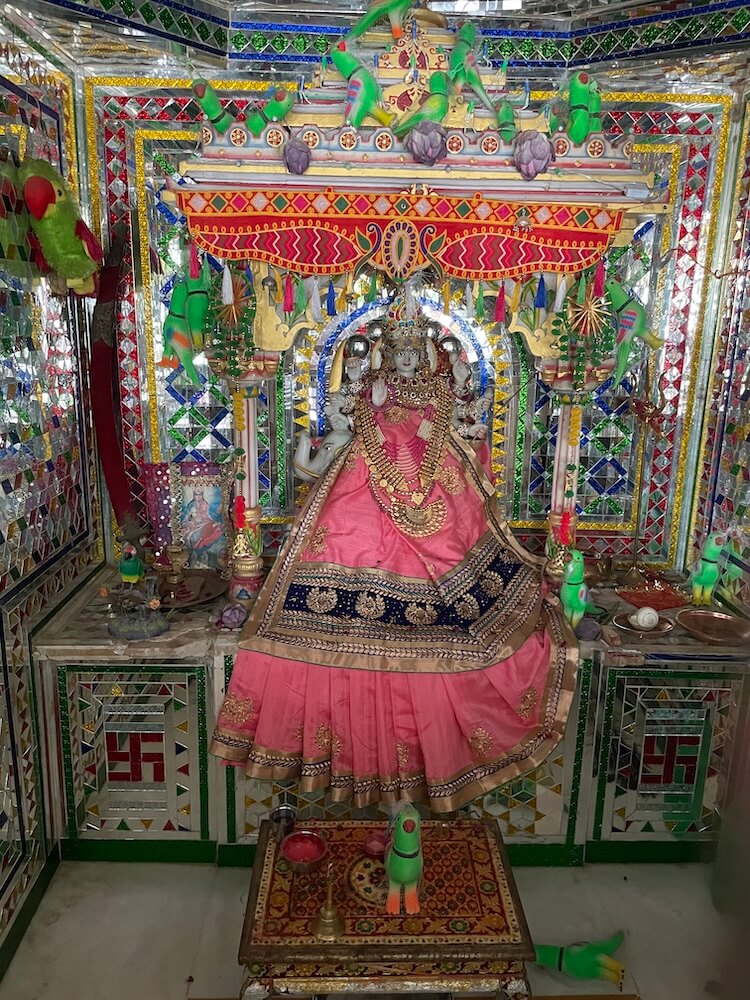
Totara Mata is considered a lokdevta, a primal folk deity. In ancient belief systems, diseases, deformities and speech impairments were thought to be caused by the wrath or grace of divine forces. Hence, people worshipped deities such as Sheetla, Mari Aai, Zari Aai, Bolai, Kankoba and Khokloba. In Vadodara, devotees offer vows to Goddess Bolai to cure speech disorders in children. In Bhimpore (Surat district), consuming the sacred gur prasad at an old Hanuman temple is believed to heal stammering. Similarly, at Totara Mata’s shrine, it’s believed that children brought before the goddess begin to speak fluently, like parrots. Once their vows are fulfilled, devotees traditionally offer symbolic items such as plastic parrots, silver tongues, or berries.
 The shrine is considered spiritually awakened. A remarkable story surrounds this. In 1961, Prime Minister Jawaharlal Nehru laid the foundation stone for the Sardar Sarovar Dam at Kevadia in the Narmada district. The water from this dam is distributed through several canals, including the 458-km-long Narmada Main Canal, which is one of the world’s largest lined irrigation canals. Around 22 years ago, work on the canal in Gandhinagar district reached near Harsoli. Several lands and homes were acquired for the project. The route planned for this canal passed directly through Totara Mata’s temple. So the state government decided to remove the temple and instructed the contactor accordingly. However, locals opposed the move fiercely. Despite this, the contractor, bound by official maps, prepared to dismantle the shrine. Machinery was brought in.
  But it is said that the equipment mysteriously malfunctioned. Strangely, members of the contractor’s family began to stammer and speak with speech defects. Treatments proved useless. Then one night, the goddess appeared in the contractor’s dream and warned, “Abandon your stubbornness to demolish my temple for the canal. Change the route.” The very next day, the shaken contractor visited the temple, begged forgiveness and vowed to build a grand new shrine once his family was healed. Soon after, the government approved an alternative canal route and his family members began speaking normally again. A larger temple was then constructed in front of the original site and on the auspicious day of Chaitra Purnima, April 16, 2003, the idol was ceremonially reinstalled.
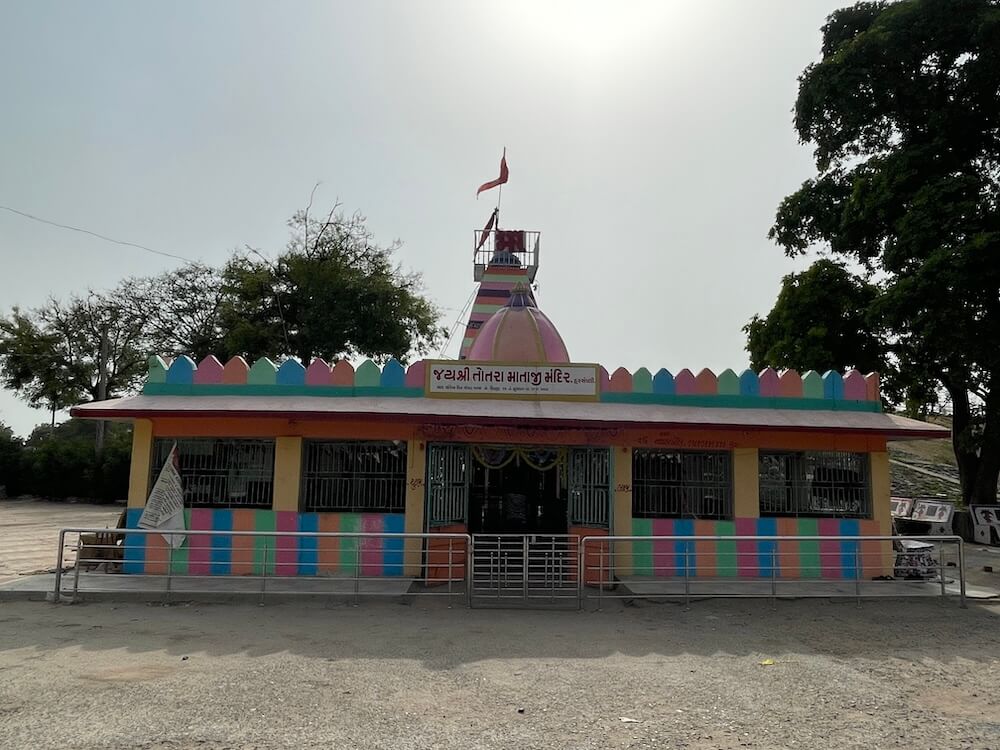
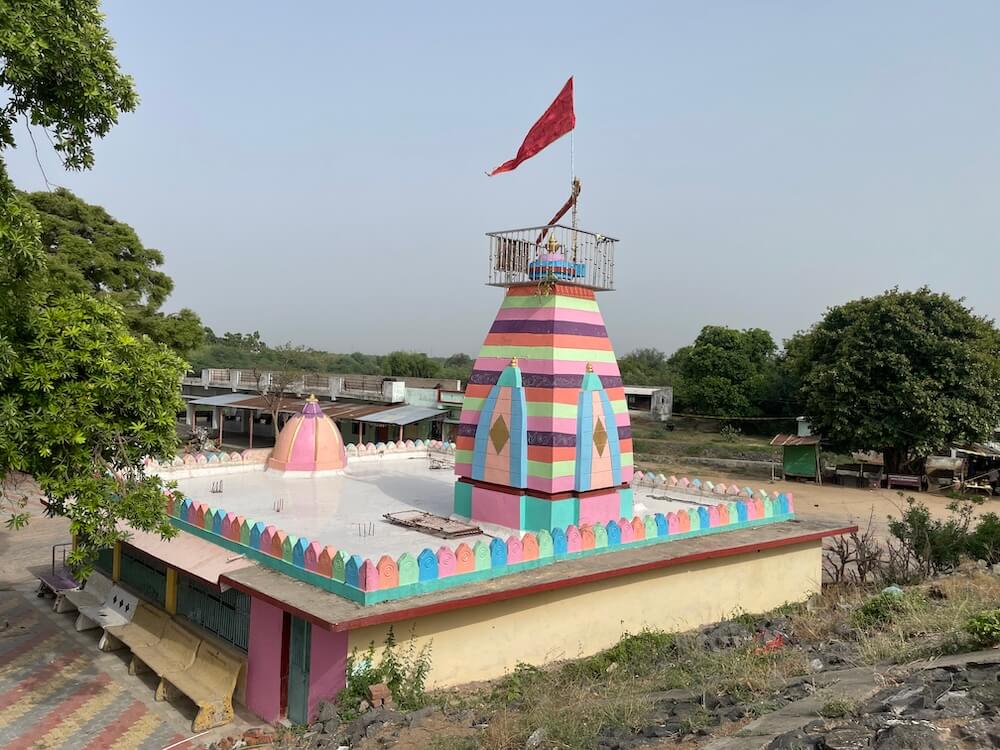
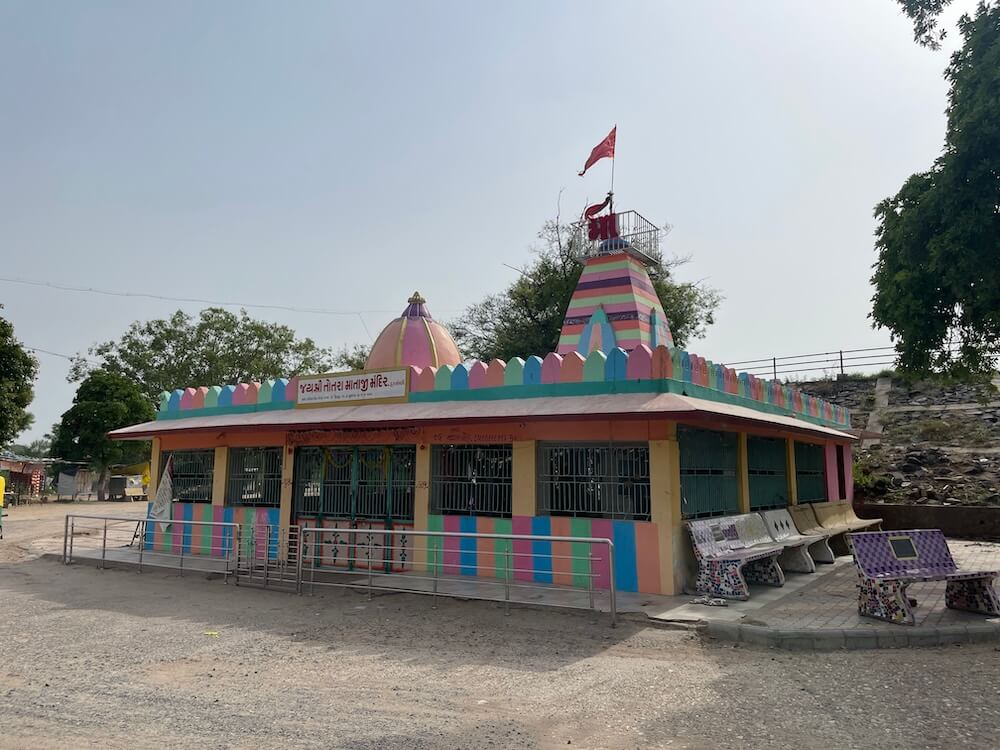
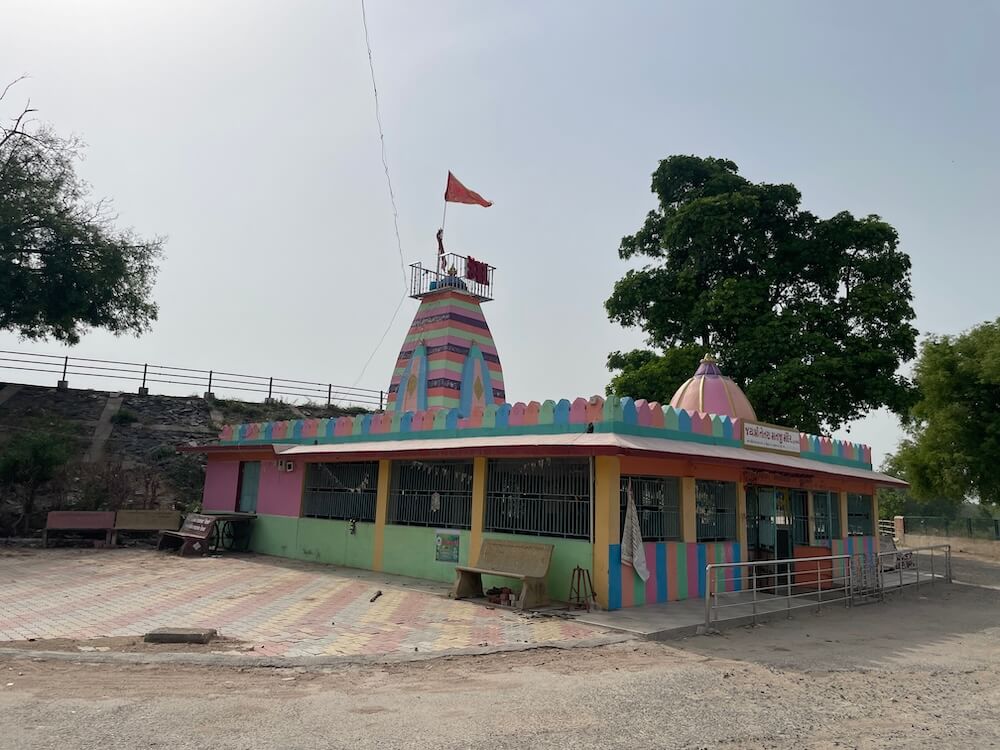
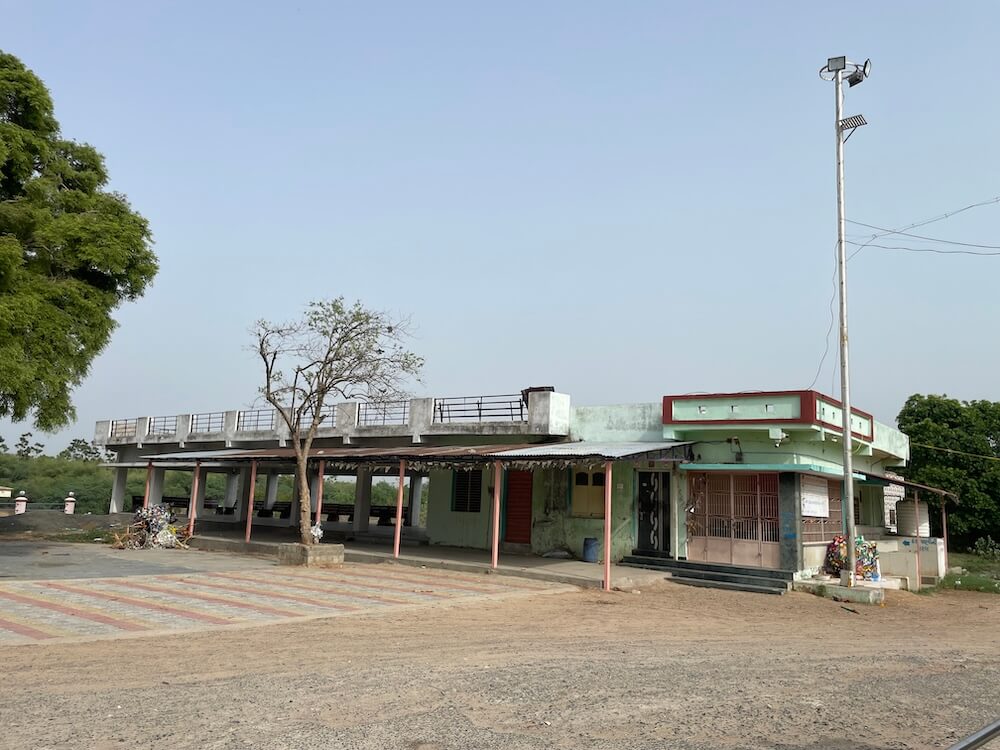
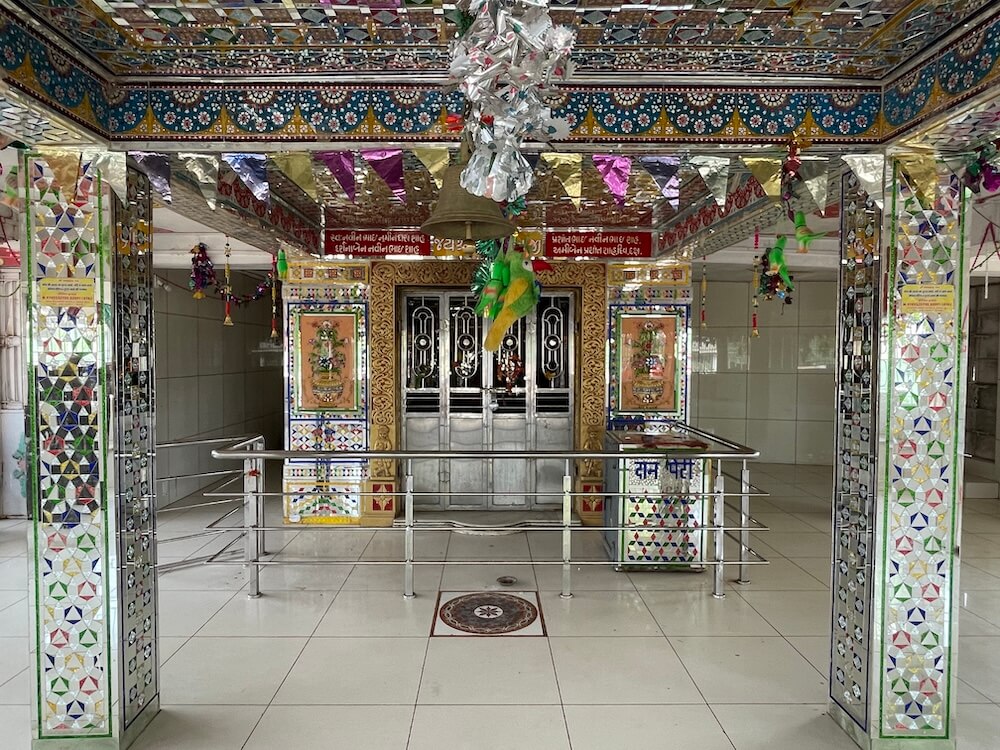 The temple stands quietly by the Meshwi River, in a serene spot away from the village. Behind it flows the Narmada Canal and in front lies a paved open area. Near an older shrine sits a yajna kund and beneath a nearby tree, there’s a small shrine to the serpent deity (Nagdevta). Built in a modern style, the Totara Mata temple features a spacious prayer hall and sanctum. Adjacent to it on the right is a seating area for devotees. The prayer hall is topped with a domed spire, while the sanctum bears a tapering square tower. Large windows fitted with steel grills bring in light, while the interior walls and pillars are clad in polished marble tiles. What makes this temple truly unique is the exquisite glasswork adorning the ceiling of the prayer hall, the sanctum walls and even the supporting pillars. On either side of the sanctum doorway, glass-embedded floral urns enhance the décor.
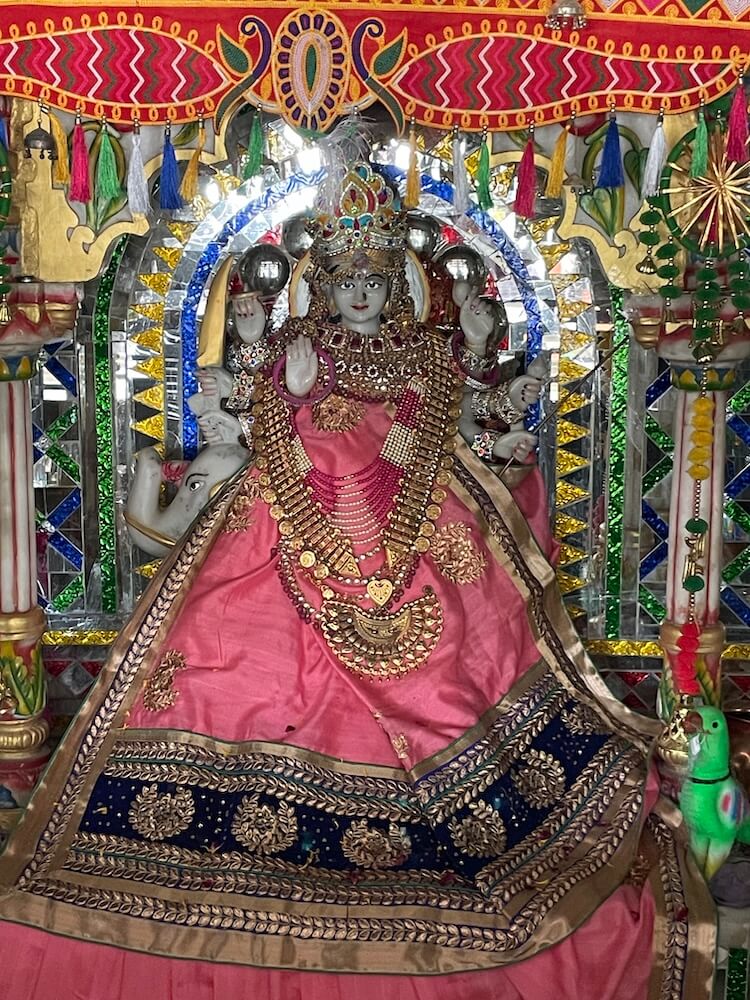
To the left inside, a marble idol of Lord Ganesha sits atop a high platform, while to the right is a shrine to Lord Hanuman. At the heart of the sanctum, on a raised platform and encased in a marble frame, is the beautiful idol of Totara Mata. Crafted from white marble, the eight-armed goddess carries various weapons, one hand extended in blessing. She is seated on a royal elephant, her face glowing with a gentle smile, dressed in ornate garments and crowned with a golden Mukuta. All around the sanctum and hanging above, are plastic parrots offered by devotees in fulfillment of their vows. Daily rituals and offerings are performed with devotion. Sundays and full moon days draw especially large crowds. Couples pray here for children and parents of children with delayed or unclear speech bring them to seek blessings. Once their vows are fulfilled, they return with the children to offer gratitude at the goddess’s feet.
Key Features
- Located 10 km from Dehgam & 36 km from Gandhinagar
- ST bus service available from Dehgam
- Private vehicles can reach up to the temple
- No lodging or food facilities available nearby
- Contact: Naval Singh (Pujari), Mob. 9510119417
तोतारा माता मंदिर हरसोली, त. देहगाम, जिला. गांधीनगर
मंदिरे
Temples
मंदिर
-
भुवनेश्वर महादेव मंदिर सेक्टर 6, गांधीनगर, ता./जि. गांधीनगर
अधिक माहितीBhuvaneshwar Mahadev Temple Sector 6, Gandhinagar, Tal./Dist. Gandhinagar
View DetailsBhuvaneshwar Mahadev Temple Sector 6, Gandhinagar, Tal./Dist. Gandhinagar
विवरण देखें -
लिंबज माता मंदिर रायसेन, ता. / जिल्हा गांधीनगर
अधिक माहितीLimbaj Mata Temple Raysan, Tal. / Dist. Gandhinagar
View Detailsलिम्बज माता मंदिर रायसेन, ता. / जिला गांधीनगर
विवरण देखें -
गायत्री शक्तीपीठ सेक्टर 1, गांधीनगर, ता./जि. गांधीनगर
अधिक माहितीGayatri Shaktipeeth Sector 1, Gandhinagar, Tal./Dist. Gandhinagar
View Detailsगायत्री शक्तिपीठ सेक्टर 1, गांधीनगर, ताल./जिला. गांधीनगर
विवरण देखें