
Jagannath Temple
Adalaj-Uvarsad Road, Adalaj, Tal. / Dist. Gandhinagar
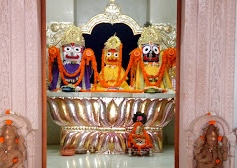 To the north of the famed Trimandir in Adalaj, stands a beautiful temple dedicated to Lord Jagannath. This temple has been constructed on the model of the Jagannath Temple in Puri, Odisha. Traditional rituals and worship of Jagannath are carried out here following the same schedule as the original temple in Puri. The Rath Yatra of Lord Jagannath, held in the month of Ashadha, is the main attraction of this temple. More than 20,000 devotees gather to pull the sacred chariot through the streets with chants of ‘Jai Jagannath’ resounding in the air.
According to mythology behind Puri Jagannath Temple, a tribal king named Vishwavasu secretly worshipped Lord Jagannath in the form of Lord Neelamadhav. 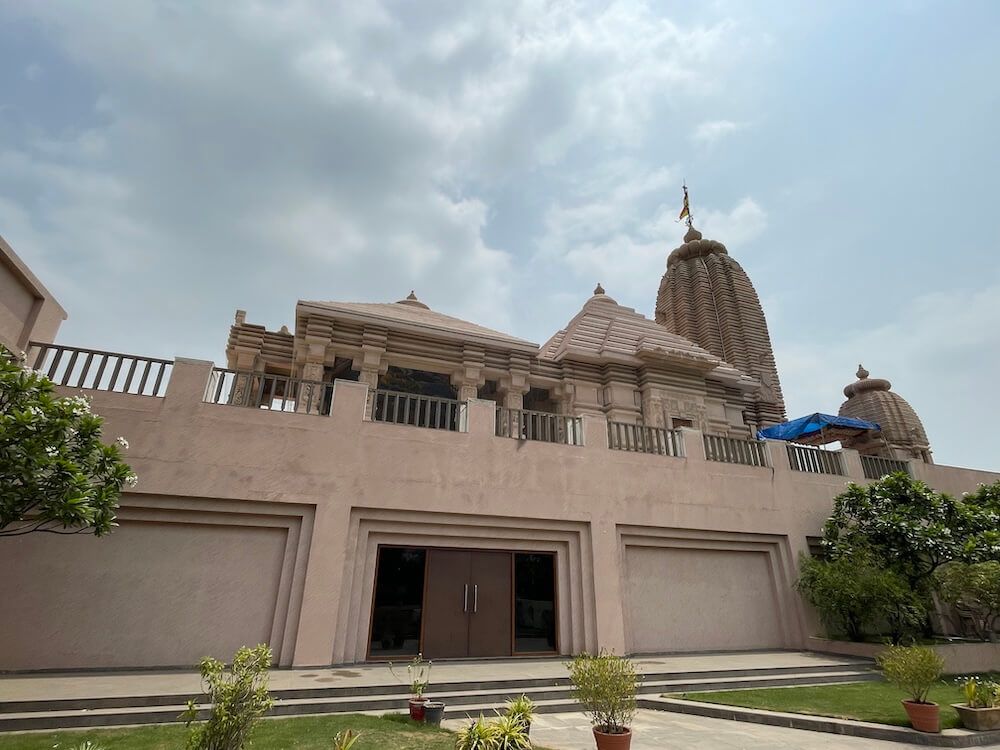 When King Indradyumna learned of this, he sent a Brahmin priest named Vidya Pati to find out more. After failing in all efforts to locate the deity, Vidya Pati married Vishwavasu’s daughter and insisted on seeing the deity’s place of worship. Vishwavasu blindfolded him and took him through the forest. While going, Vishwavasu secretly dropped mustard seeds along the way. Later, the plants grew, marking the path. Learning this, King Indradyumna rushed to the location, only to find the deity gone.
Disheartened, the king built a grand temple on the seashore. Then, he had a dream in which Lord Jagannath told him a log would appear from the sea, which he should worship and carve into an idol to be installed in the temple. From that log, idols of Jagannath, Balram, Subhadra and Sudarshan Chakra were created and installed in the temple. 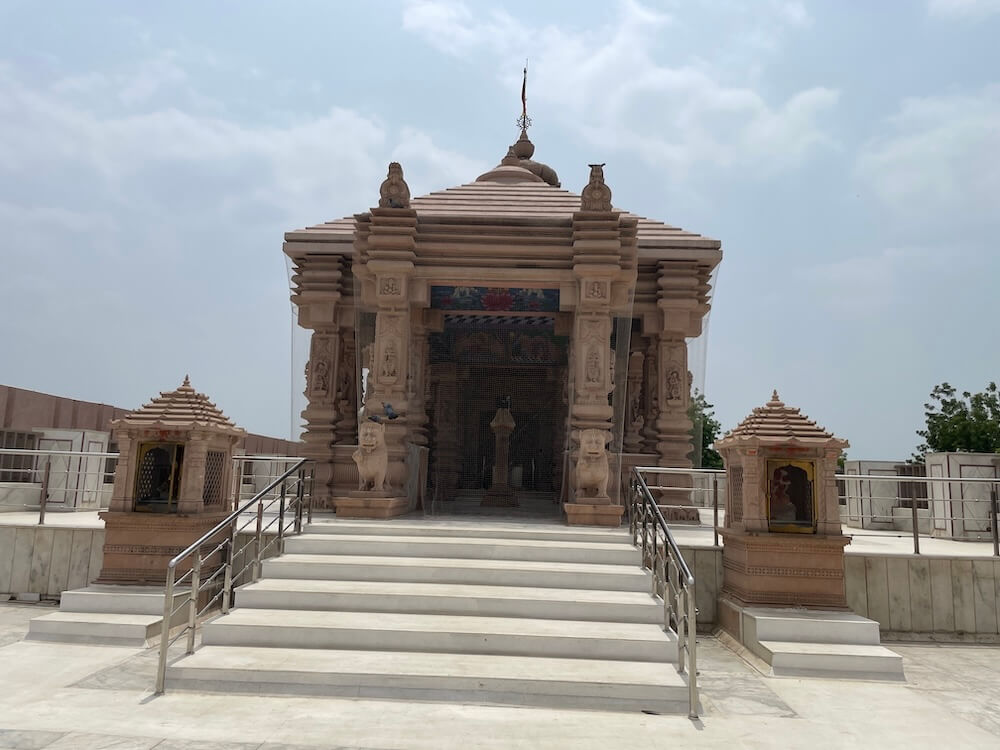 This story is also found in ‘Ain-i-Akbari’ (1598), written by Abul Fazl.
According to historical records, this temple was built around the 12th century by Kalinga kings Chodaganga and Ananga Bhimdev. Some historians believe an earlier temple may have existed, possibly built by Somavanshi King Yayati II (1021–1040 CE) and later restored by Chodaganga. As per Ain-i-Akbari, Kala Pahad, a former Vaishnava Brahmin and general of Sultan Sulaiman Karrani of Bengal, attacked Puri and burned the idols, throwing them into the sea. This event is linked to the legend of King Indradyumna.
The Jagannath Temple in Puri is one of the most sacred pilgrimage sites for Hindus, attracting millions of devotees annually. 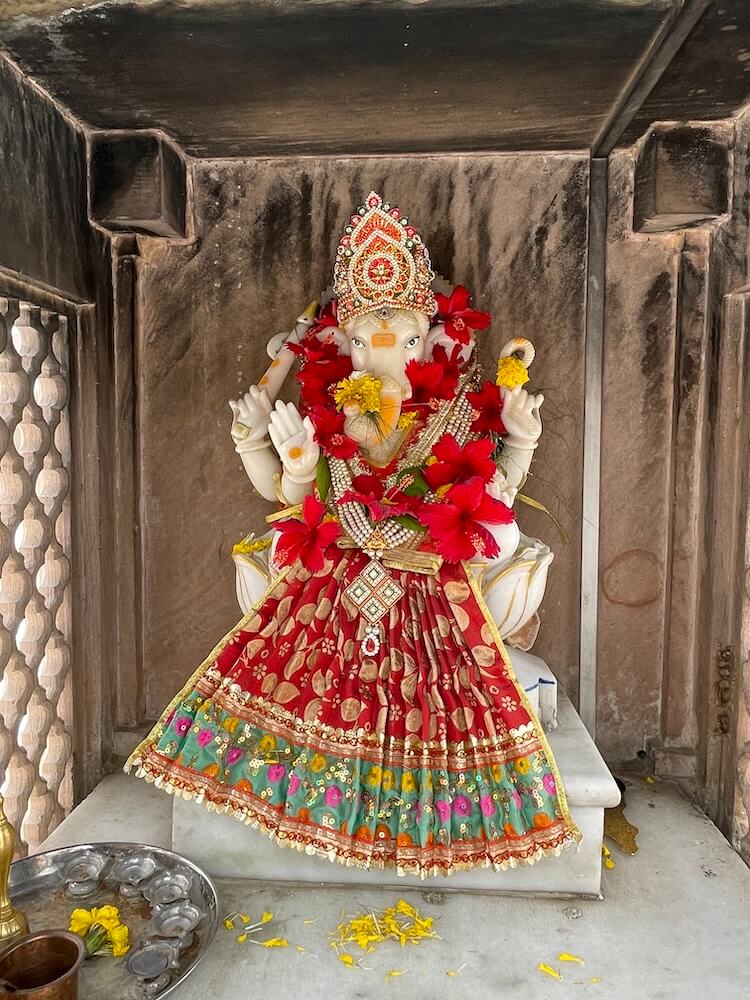 Outside Odisha, another significant Jagannath temple is located in Talangde, Kolhapur, Maharashtra, built during the reign of Rajarshi Chhatrapati Shahu Maharaj. The replica of the Puri Jagannath Temple in Gujarat is located within the premises of the ‘Shree Jagannath Cultural Academy and Research Centre’ (JCARC). The temple is managed by the Odia community. JCARC also provides training to students in fields such as public welfare, skill and entrepreneurship development, arts and culture, education and philosophy. The temple and the center were inaugurated on 29 June 2014 by then Chief Minister Anandiben Patel.
Upon entering the JCARC campus, visitors find a spacious courtyard with gardens. The beauty of the garden is enhanced by various sculptures installed in the greenery.
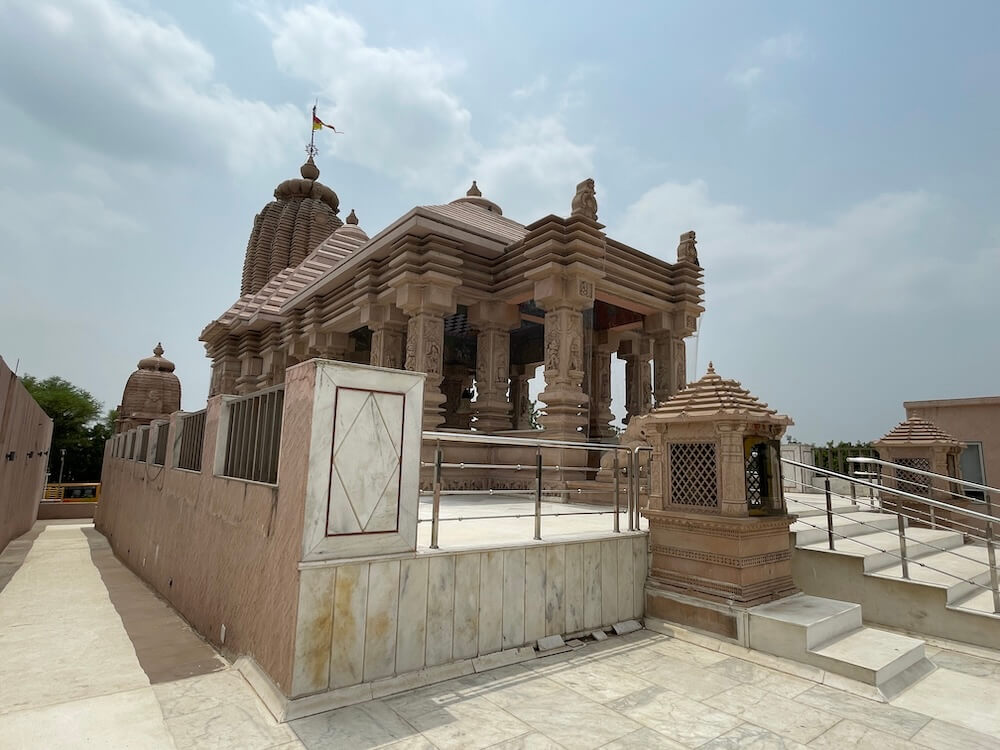
There are two stairways of around 20 steps leading into the temple premises. At the top, the elegant temple structure built in the Nagara style comes into view. The temple has the typical layout of a darshan mandap (viewing hall), open sabha mandap (assembly hall), antaral (vestibule) and garbhagriha (sanctum). The darshan mandap and sabha mandap have pyramid-shaped spires, while the sanctum has a tall urushringa-style shikhara. At the top is an amalaka shaped like lotus petals and a large kalasha (finial) on which the Vaishnava flag permanently flutters.
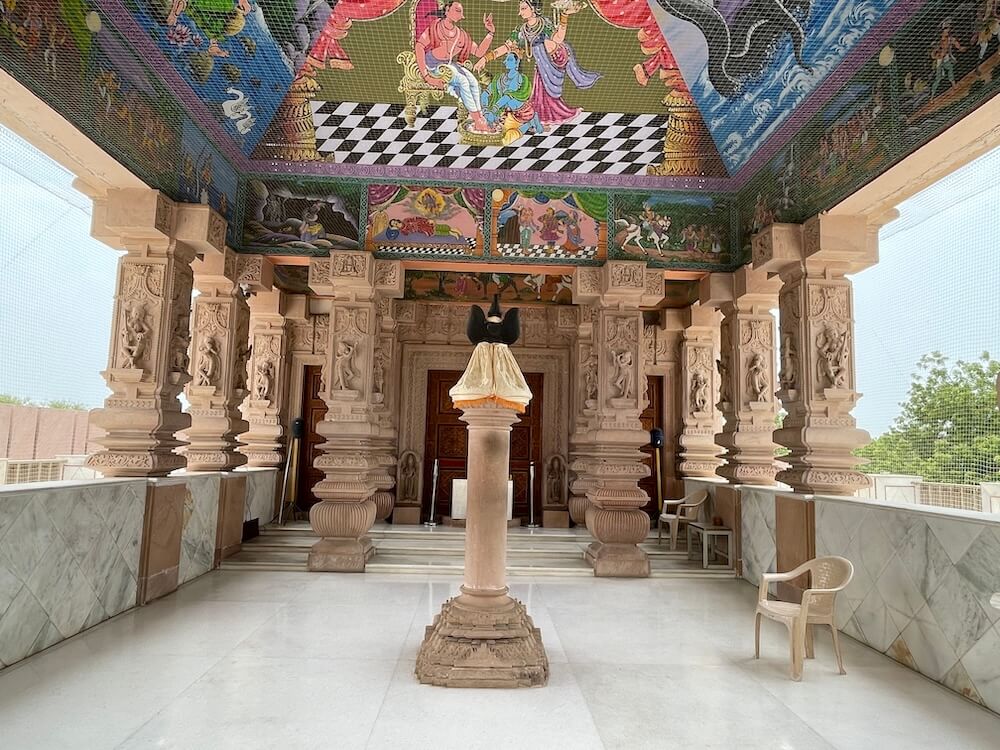
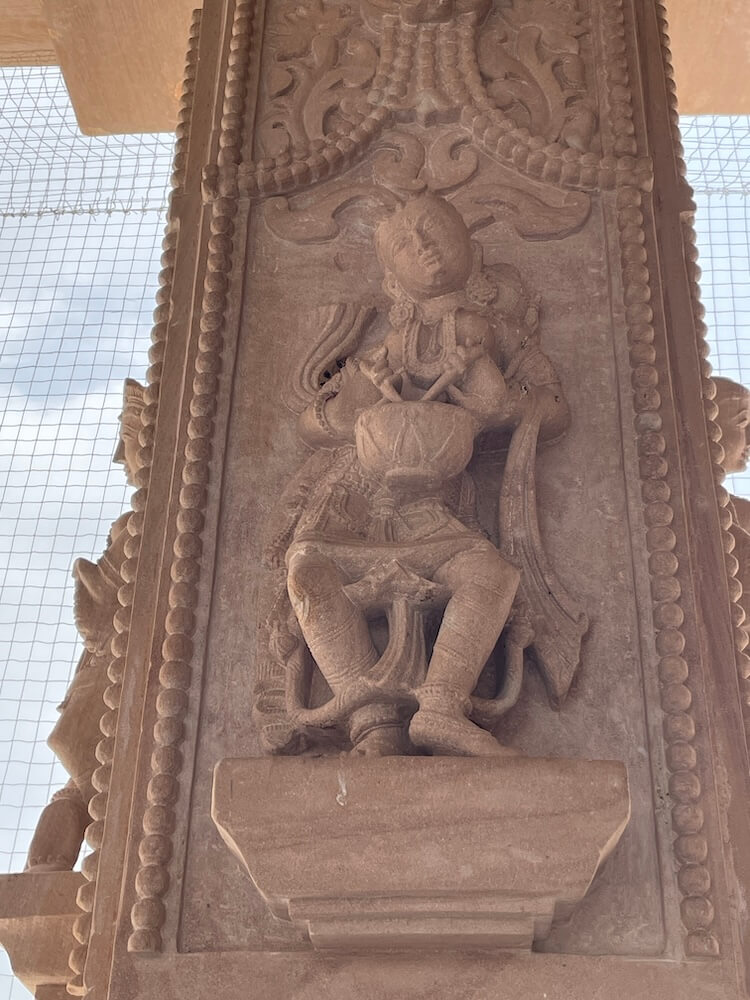
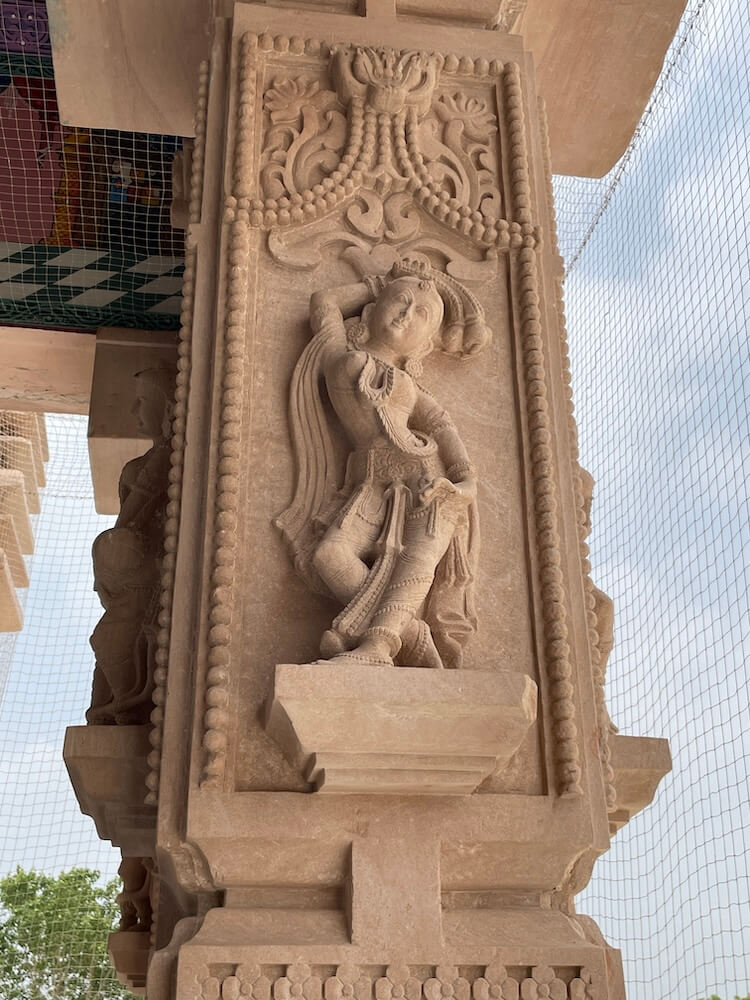
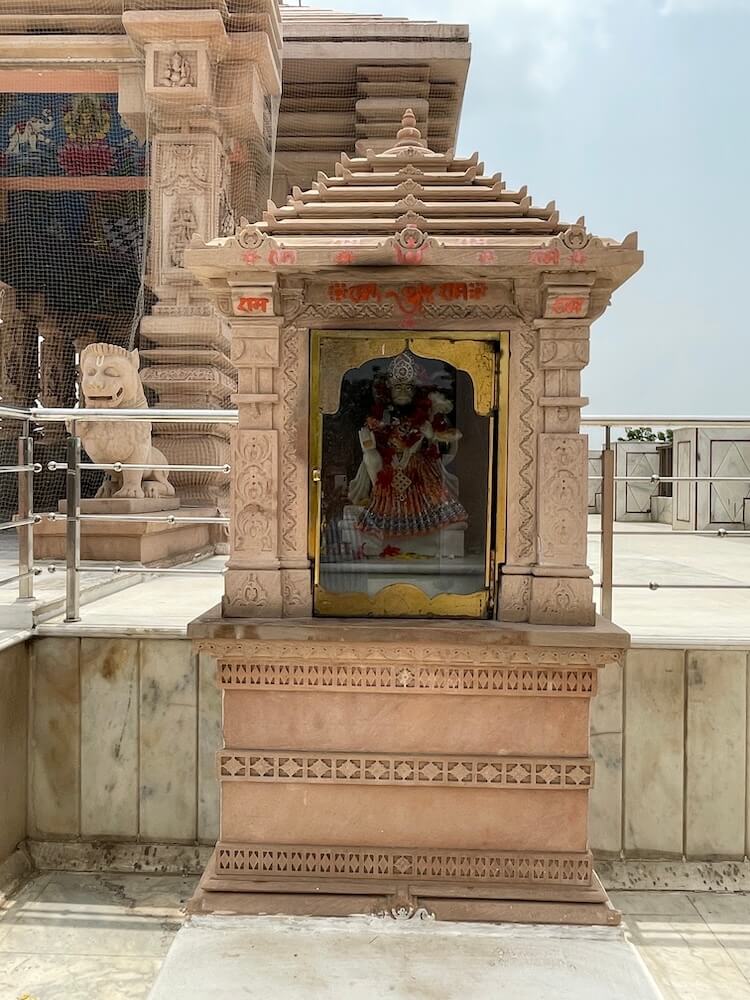 To the left of the temple courtyard is a small Ganesh temple and to the right, a Hanuman temple. After ascending six more steps, one reaches the jagati (temple platform). The mukhamandap (main porch) has beautifully carved large pillars with vyala sculptures near the base. The ceilings of the darshan and sabha mandap are adorned with paintings depicting various forms of Jagannath and mythological stories related to him. These are created in the traditional Odisha ‘Pattachitra’ art style using natural colors. Notable scenes among these include – Krishna and Sudama’s meeting, Sheshashayi Vishnu with Lakshmi, Radha-Krishna and Krishna, Balram and Subhadra in the Puri temple. The pillars in the sabhamandap are adorned with sculptures of celestial maidens in graceful poses and at the center stands the Garuda Stambha, crowned with an idol of Garuda.
The sanctum has three entrances. The central wooden doorway and its frame are finely carved. Vaishnava Dwarapalas (guardians) are sculpted on either side. In the silver-clad sanctum, on a lotus-shaped pedestal, sit the idols of Lord Jagannath, with Subhadra and Balram.
The temple complex also houses small shrines of Mahalakshmi, Vimala Devi and a Shiva temple.
At the Jagannath Temple, devotees can have darshan during the following hours : Early morning: 5:30 AM to 6:00 AM, Morning to afternoon: 8:30 AM to 1:00 PM and Evening: 4:00 PM to 8:30 PM.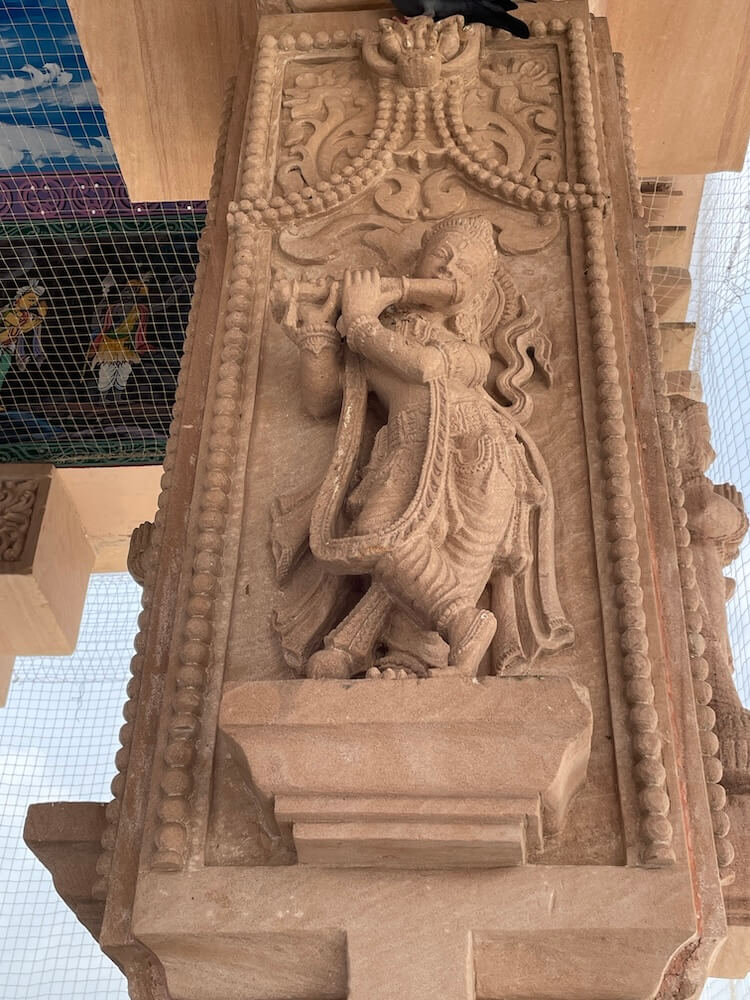 The daily schedule of aartis is as follows : Mangala Aarti at 5:30 AM, Naivedya Aarti at 8:30 AM, Madhyahna Aarti at 12:45 PM, Sandhya Aarti at 6:15 PM and Shayan Aarti at 8:15 PM. Following the evening aarti, verses from the Bhagavad Gita are recited.
Each evening, the temple is beautifully illuminated.
On a designated day each week, Odissi dancers from Odisha perform at the temple.
Many devotees with faith in Lord Jagannath come for darshan. Satyanarayan Puja, mundan (head-shaving ceremonies) and vehicle blessings are common rituals performed here. ‘Abhada’ (prasad) is served from 1:00 PM onwards. Advance registration must be done at the temple office by 8:00 AM, either on the day of visit or the day prior.
On Ashadha Shukla Dwitiya, a grand Rath Yatra (chariot festival) is held. Lord Jagannath, along with his elder brother Balram and sister Subhadra, is placed on decorated chariots. Over 20,000 devotees from Gandhinagar, Adalaj, Kalol and nearby areas participate in pulling the chariots. Rituals begin at dawn. Around 9:00 AM, the yatra begins amidst chants of ‘Haribol’ and ‘Jai Jagannath’, shlokas, hymns and the resounding music of bells and mridangas, filling the air with devotion.
Key Features :
- Located 13 km from Gandhinagar
- ST (state transport) service available from Gandhinagar
- Private vehicles can reach the temple parking area
- Accommodation and refreshments available nearby
- Contact: Temple Office – +91 70165 07101
- Temple Location: https://maps.app.goo.gl/BGSAGULg6L8rAWtv9
मंदिरे
Temples
मंदिर
-
भुवनेश्वर महादेव मंदिर सेक्टर 6, गांधीनगर, ता./जि. गांधीनगर
अधिक माहितीBhuvaneshwar Mahadev Temple Sector 6, Gandhinagar, Tal./Dist. Gandhinagar
View DetailsBhuvaneshwar Mahadev Temple Sector 6, Gandhinagar, Tal./Dist. Gandhinagar
विवरण देखें -
लिंबज माता मंदिर रायसेन, ता. / जिल्हा गांधीनगर
अधिक माहितीLimbaj Mata Temple Raysan, Tal. / Dist. Gandhinagar
View Detailsलिम्बज माता मंदिर रायसेन, ता. / जिला गांधीनगर
विवरण देखें -
गायत्री शक्तीपीठ सेक्टर 1, गांधीनगर, ता./जि. गांधीनगर
अधिक माहितीGayatri Shaktipeeth Sector 1, Gandhinagar, Tal./Dist. Gandhinagar
View Detailsगायत्री शक्तिपीठ सेक्टर 1, गांधीनगर, ताल./जिला. गांधीनगर
विवरण देखें