
Mangalnath / Angareshwar Mahadev Temple
Malsar, Tal. Sinor, Dist. Vadodara
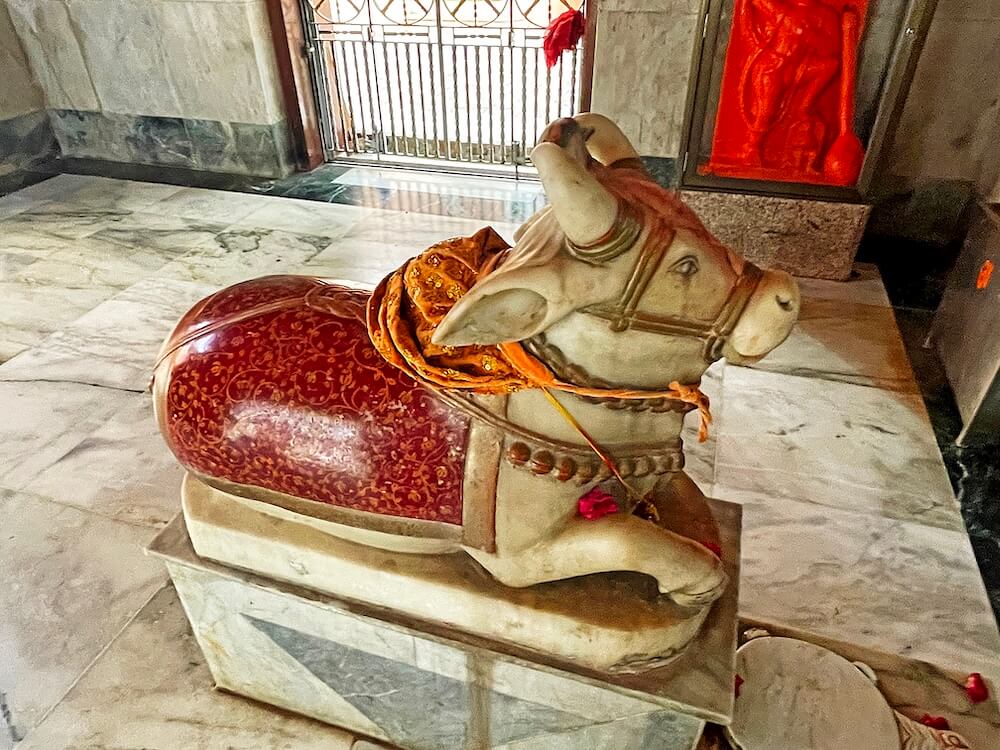
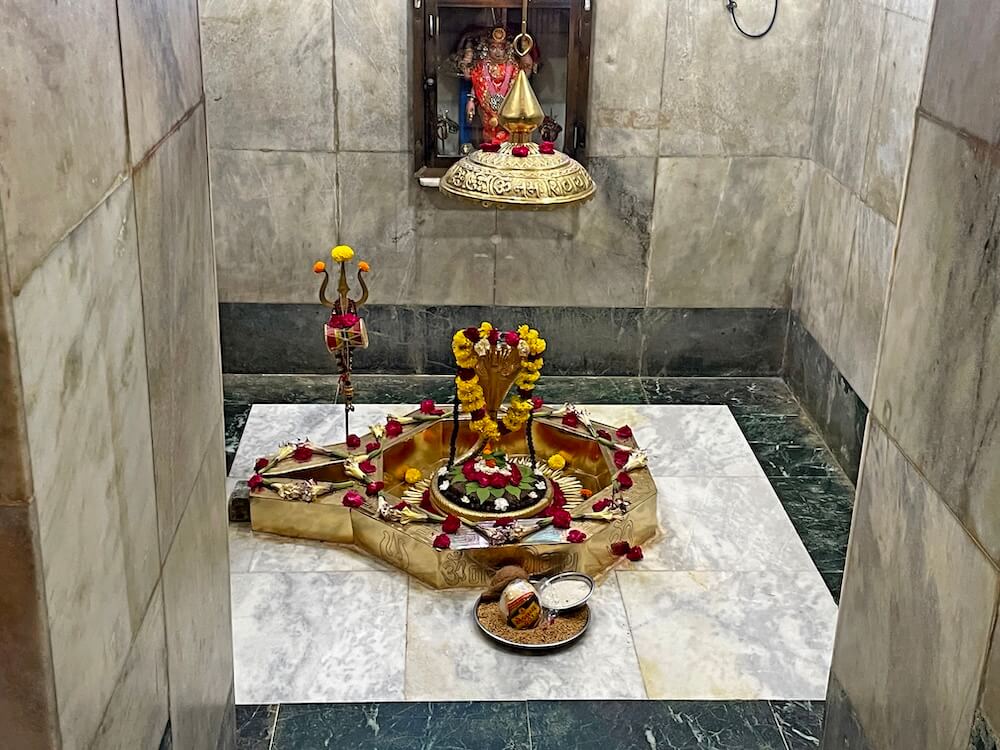 According to ancient legends, the Mangalnath Mahadev Temple in Malsar, situated on the banks of the Narmada River, is sanctified by the penance of the planet Mars (Mangal) and was also visited by the Pandavas during their exile. The Shivling here is believed to be Swayambhu (self-manifested) and awakened (jagrut). A popular folklore tells how the Mughal army, which came to desecrate the temple, was thwarted when burning embers fell upon them from the temple roof, forcing them to flee. It is also believed that Aurangzeb himself later installed the Nandi idol in this temple. Unlike other Shiva temples, where Monday is considered special, here Tuesday holds greater significance and special worship is performed on this day.
The exact period of construction of the ancient Mangalnath Mahadev Temple is unknown, 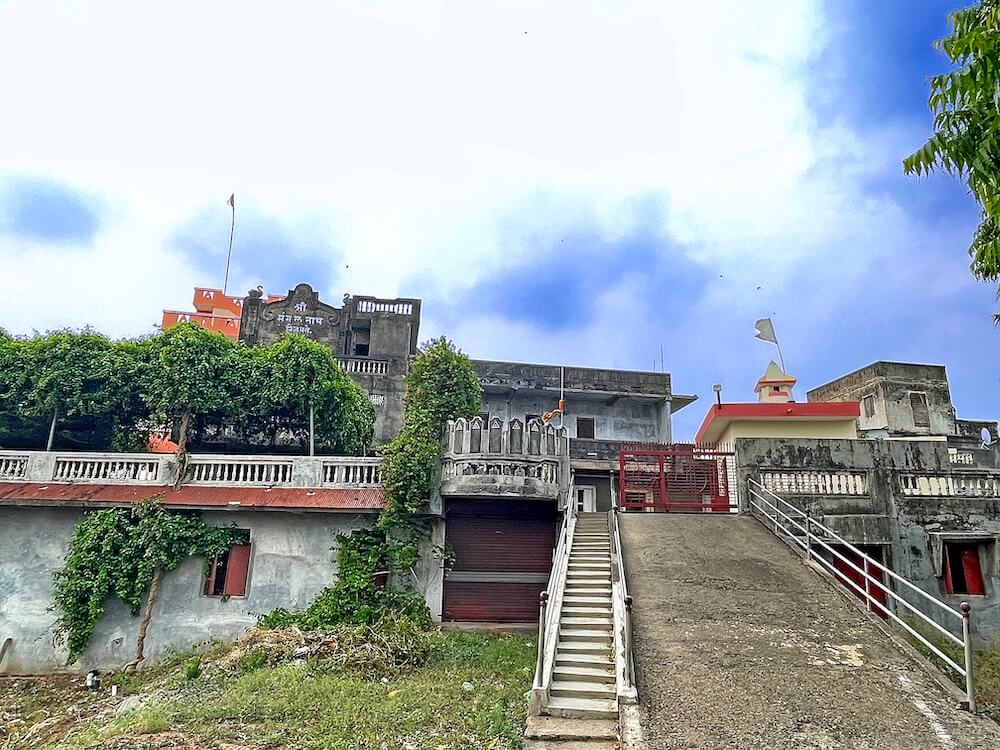 but many local legends exist about it. It is believed that the planet Mars performed penance here and pleased Lord Shiva, who then appeared to him. Consequently, a self-manifested Shivling emerged at this spot. The Pandavas are also said to have spent some time here during their exile. Temples like Markandeshwar Mahadev and Pandeshwar Bhimeshwar, located nearby, are believed to have been established by the Pandavas. Another legend tells of a cow that used to graze in the nearby forest and would release milk at a specific spot, leading to the discovery of the Swayambhu Shivling there.
There is also a story explaining the name Angareshwar. Aurangzeb, who was born in Dahod, Gujarat, served as the Subedar (Governor) of Gujarat from 1645 to 1647 before ascending the Mughal throne in 1658. During his rule, many temples were looted or destroyed. 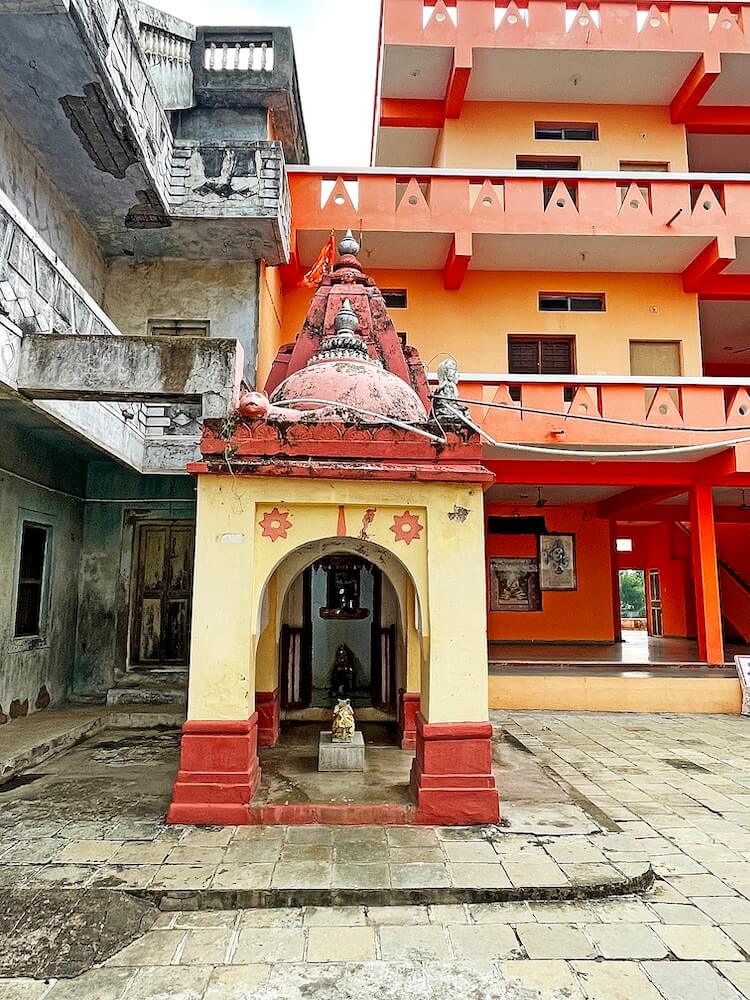 At that time, a revered fakir named Gajebaba Pyare, who resided near Malsar, warned Aurangzeb against destroying the Mangalnath Mahadev Temple. Ignoring the warning, Aurangzeb’s soldiers attacked the temple. As they did, burning embers fell on them from the temple’s roof, causing chaos. The Mughal army fled and even their camp caught fire. Shocked by the event, Aurangzeb sought out the fakir, who advised him to seek forgiveness from Lord Shiva. Following this, Aurangzeb brought a Nandi idol from Rajasthan and had it installed in the temple’s assembly hall by Brahmins, reciting Vedic mantras. From that incident, Lord Shiva here came to be known as Angareshwar Mahadev.
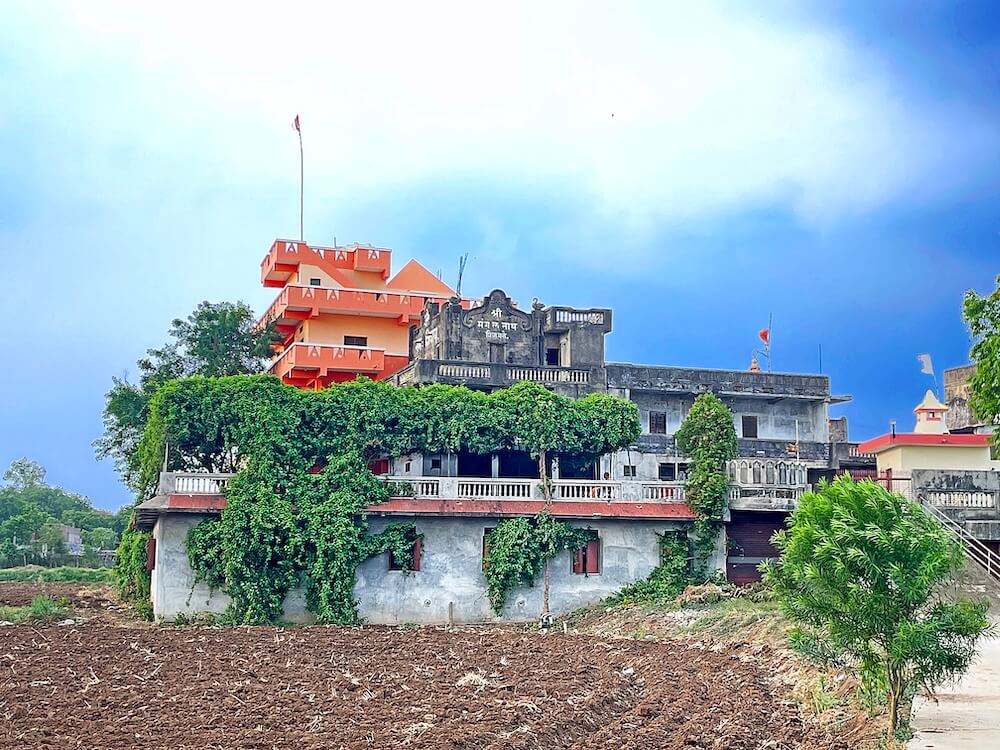
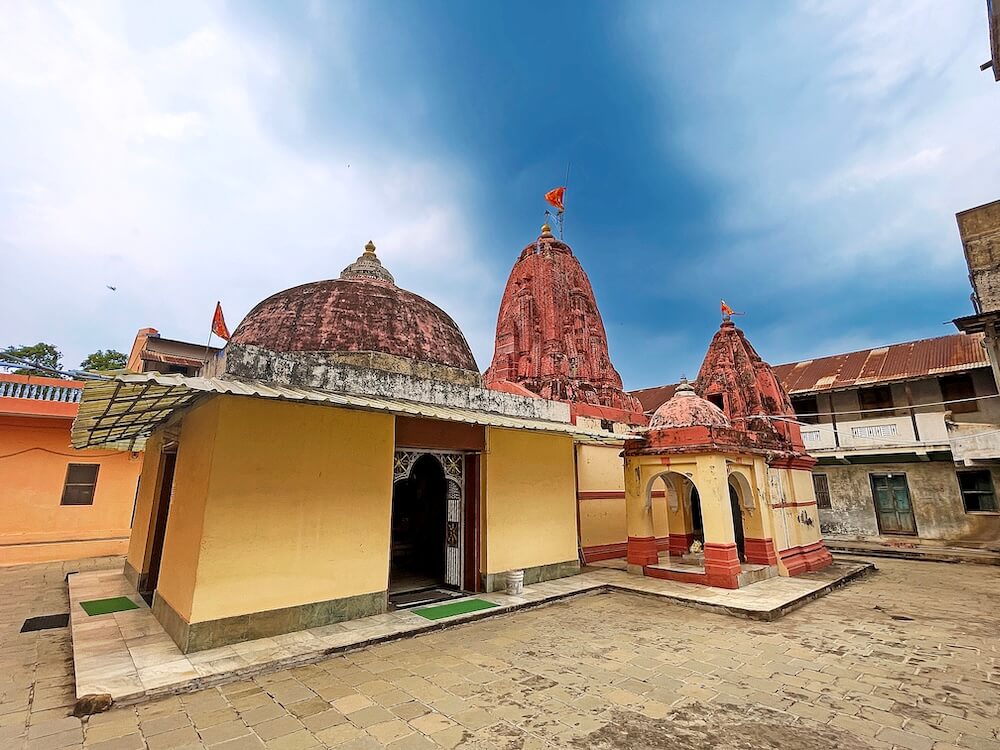
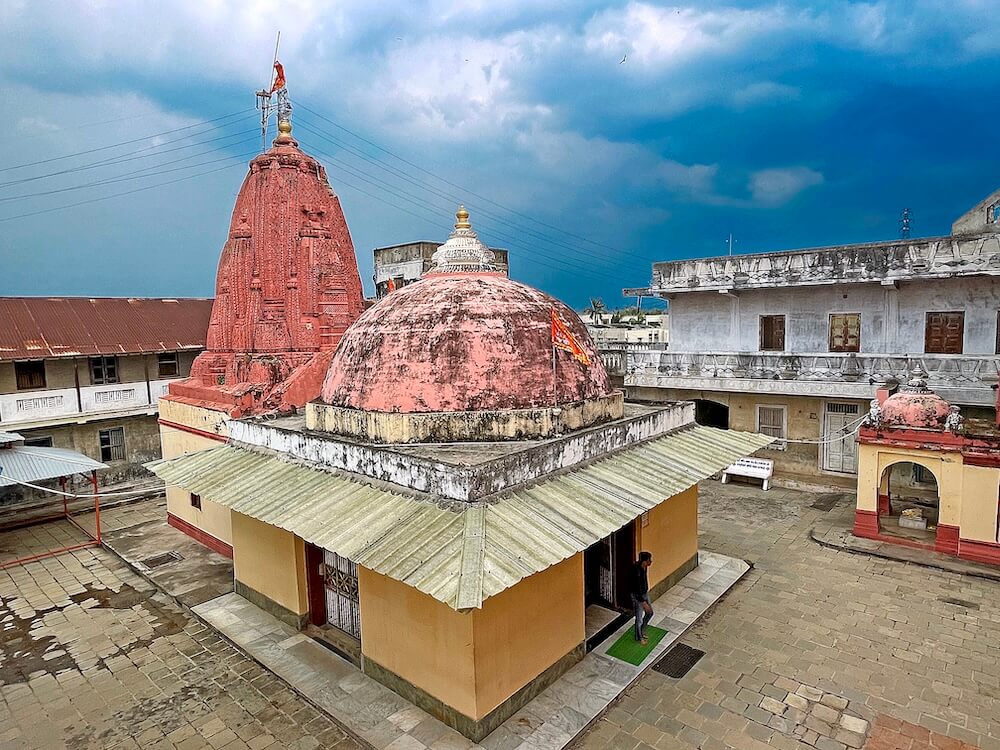
The temple is located on a raised area amidst the village’s farmlands. Buildings surround the temple complex on all four sides, with a spacious courtyard in the center. The ancient temple stands in the middle of this courtyard. Its structure includes an assembly hall (sabhamandap), an antechamber (antaral) and a sanctum (garbhagriha). The assembly hall has a dome-shaped spire with beautifully carved amalaka and a finial (kalash). The sanctum’s tall spire follows the Nagar architectural style with a tapering urushringa design. The temple walls are four feet thick.
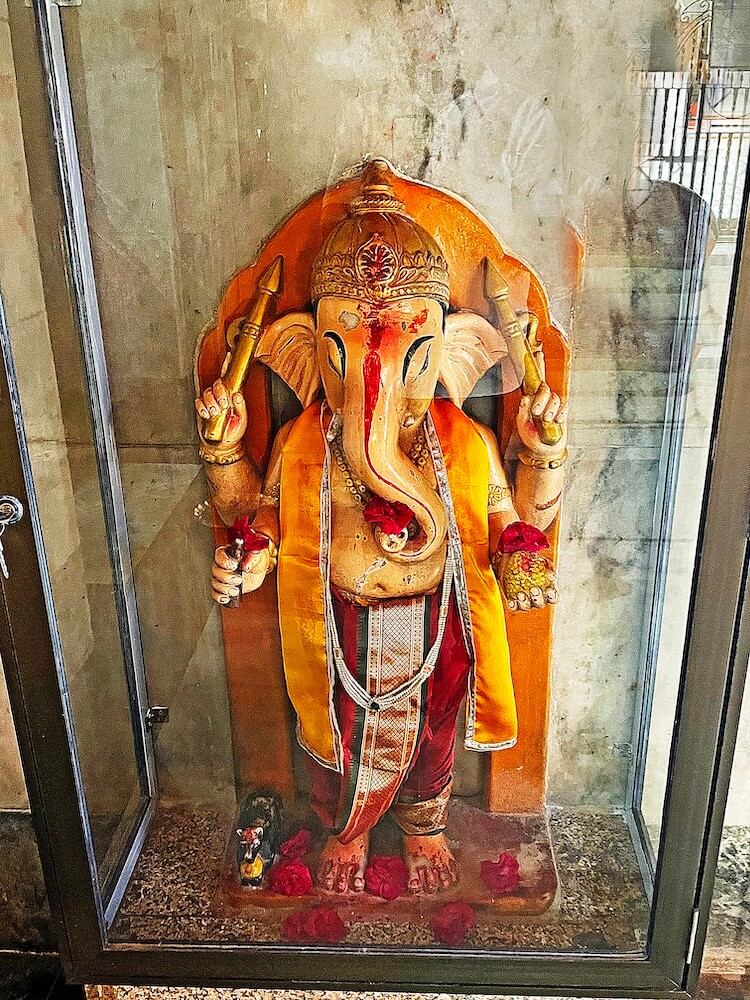
The assembly hall has three entrances. At the center, a high platform supports a large marble idol of Nandi. In front of this platform is a turtle sculpture (kurma-shilpa). 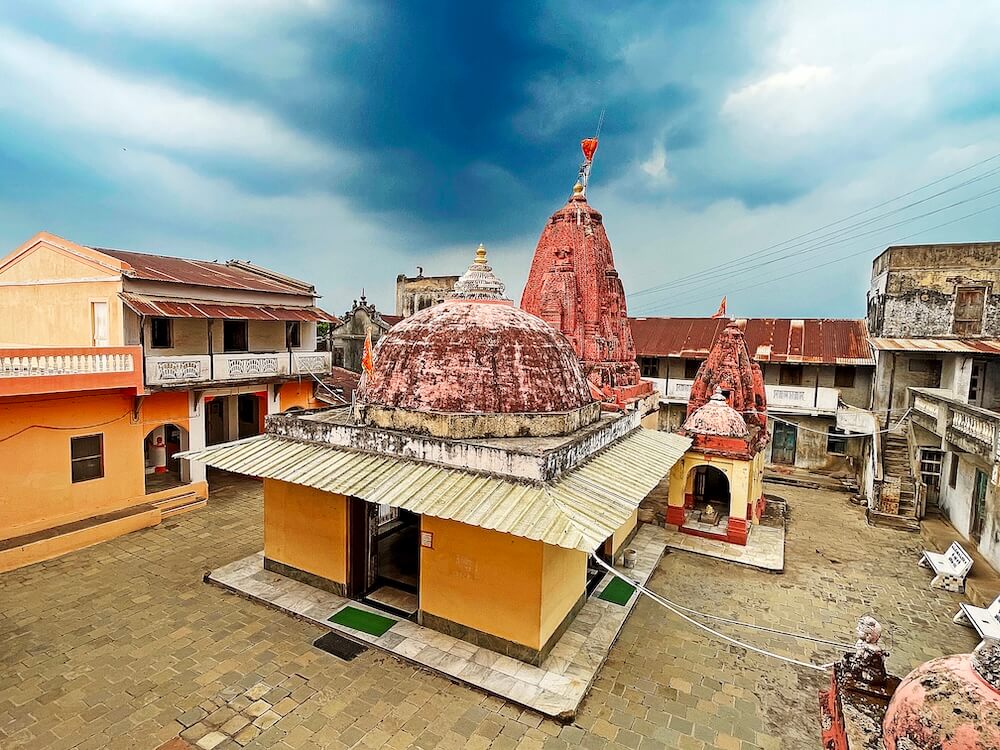 On the left, within a large glass box, stands a tall stone idol of Hanuman and on the right is a statue of Ganesha. Small idols of both Hanuman and Ganesha are also found in the antechamber.
In the sanctum, the Shivling is housed in a five-metal (panchdhatu) base (shaalunka) engraved with sacred symbols such as ‘Om Namah Shivaya’, ‘Om’ and a Swastik. Unlike the usual smooth cylindrical lingams, this Shivling is rough, semi-spherical and made of a stone. A brass snake idol coils over it and a panchdhatu canopy (chhatra) is installed above. Behind the Shivling, within a small shrine on the rear wall, is the seat of Goddess Parvati. The temple complex also houses two other Shiva temples and outside the main compound are temples of Sheetala Mata, Varai Mata and Baliya Dev.
 Devotees believe that heartfelt worship of Mangalnath Mahadev fulfills all wishes. While Mondays are generally associated with Lord Shiva, here, Tuesdays are considered especially auspicious. Devotees believe that special worship on Tuesdays brings quicker fulfillment of desires. It is also said that young men and women facing marriage delays will find their match if they worship Mangalnath Mahadev devoutly on Angarki Chaturthi. On the day of Mahashivratri, the temple hosts a fair-like festival, with various religious programs and offerings made to Lord Shiva, including a 21-seer (unit of weight) ghee-made lotus sweet (kamal bhog). During the month of Shravan, large crowds gather every Monday and Tuesday.
Situated near the Narmada River, Malsar is known as a holy place due to its many religious sites. Notable temples here include Satyanarayan Temple and Panchmukhi Hanuman Temple. The revered saint Dongre Maharaj used to sit under a tree here, reciting the Bhagavad Gita. A center in his name, Bhaktisevashram, is also located in this village.
Key Highlights
- 5 km from Sinor and 62 km from Vadodara
- Accessible by state transport (ST) and private vehicles from Sinor
- Private vehicles can reach the temple’s parking area
- Lodging and snacks available nearby
मंदिरे
Temples
मंदिर
-
रोकडीनाथ हनुमान मंदिर नवा बाजार, वडोदरा, ता./जि. वडोदरा
अधिक माहितीRokadnath Hanuman Temple Nava Bazaar, Vadodara, Tal./Dist. Vadodara
View Detailsरोकड़ीनाथ हनुमान मंदिर नवा बाज़ार, वडोदरा, ताल./जिला. वडोदरा
विवरण देखें -
मंगलनाथ महादेव मंदिर दरबार चोकडी, मांजलपूर, वडोदरा, ता./जि. वडोदरा
अधिक माहितीMangalnath Mahadev Temple Darbar Chowkdi, Manjalpur, Vadodara, Tal./Dist. Vadodara
View Detailsमंगलनाथ महादेव मंदिर दरबार चौकड़ी, मांजलपुर, वडोदरा, ताल./जिला. वडोदरा
विवरण देखें -
अमरुकंटेश्वर महादेव / नवग्रह मंदिर प्रतापुरा, ता. वडोदरा, डिश. वडोदरा
अधिक माहितीAmarkanteshwar Mahadev / Navgrah Mandir Pratappura, Tal. Vadodara, Dist. Vadodara
View Detailsमरकण्टेश्वर महादेव/ नवग्रह मंदिर प्रतापपुरा, ताल. वडोदरा, जिला. वडोदरा
विवरण देखें