
Kotnath Mahadev Temple
Vadasar, Vadodara, District Vadodara
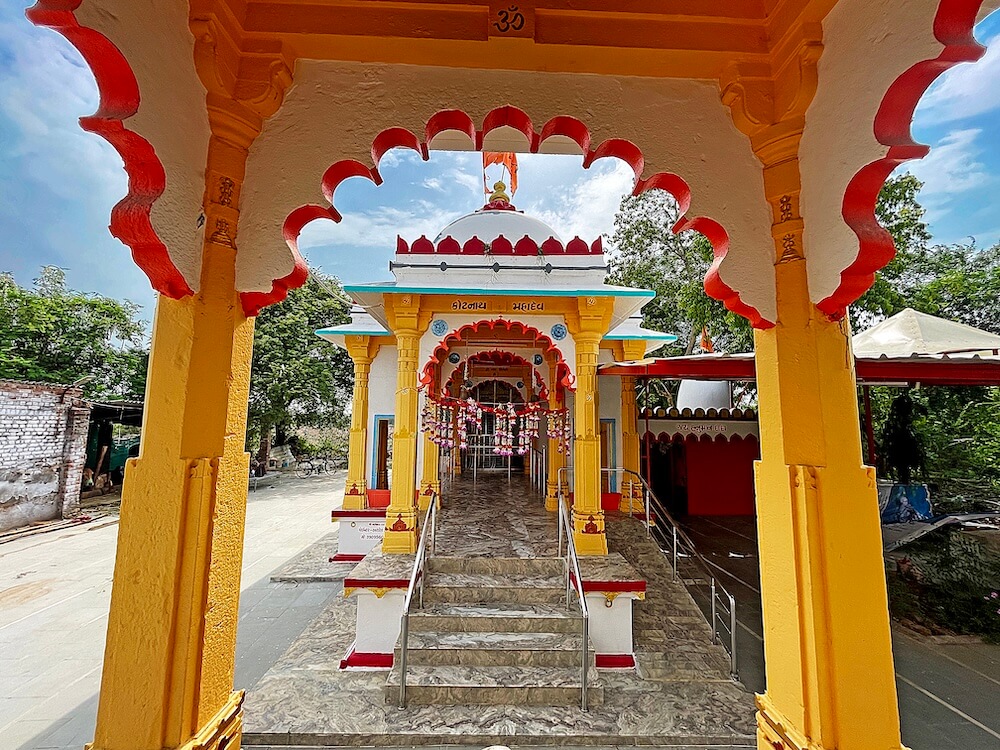
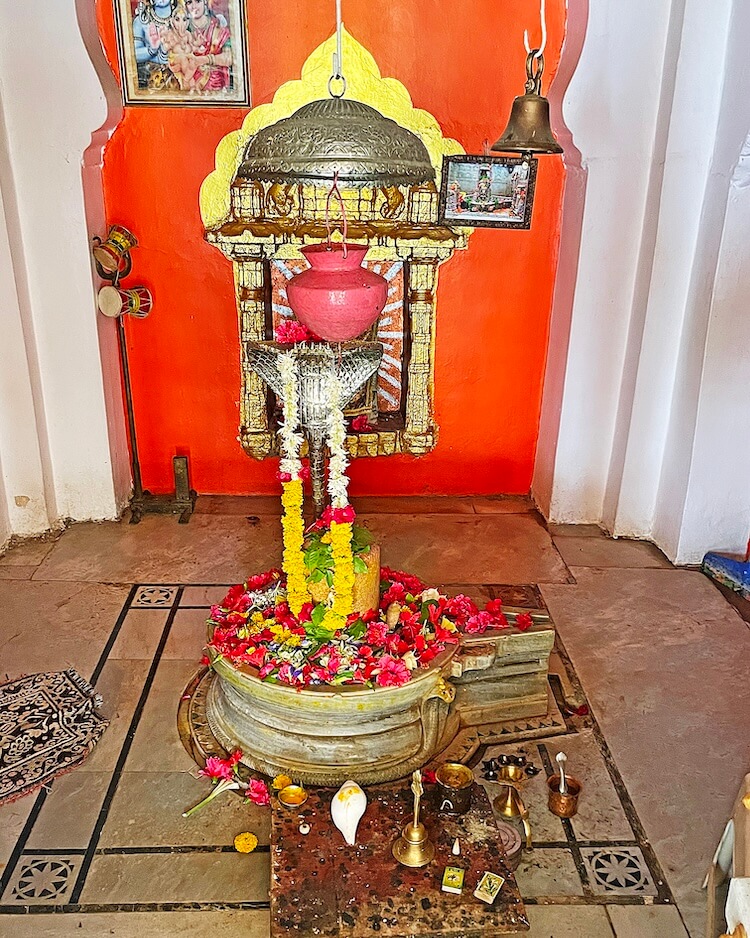 The Kotnath Mahadev Temple, also known as Koteshwar Mahadev, holds the ninth position among the Navnath temples in Vadodara. Located in Vadasar village on the banks of the Vishwamitri River, this temple stands away from the city’s hustle, nestled in nature. The Shivling here is believed to be around 300 years old and is considered jagrut (spiritually awakened). It is said that Maharaja Malharrao Gaekwad built this temple. Constructed in the Nagar architectural style, this beautiful temple attracts many devotees who come with deep faith, especially during Mahashivratri and the Shravan month, when the atmosphere resonates with chants of ‘Har Har Mahadev’.
As mentioned in the biography ‘Maharaja Sayajirao Gaekwad’ (published by ‘Maharashtra Rajya Sahitya ani Sanskruti Mandal’, authored by Eknath Pagar), Malharrao Gaekwad became the ruler of Baroda on 28 November 1870, after the death of his brother, Khanderao Gaekwad II. Malharrao was a disciple of Brahmanand Swami, a yogic saint residing in Chanod. It was at Brahmanand Swami’s request that Malharrao constructed a ghat in Chanod and beautified Sursagar Lake.
An interesting legend is associated with this temple. 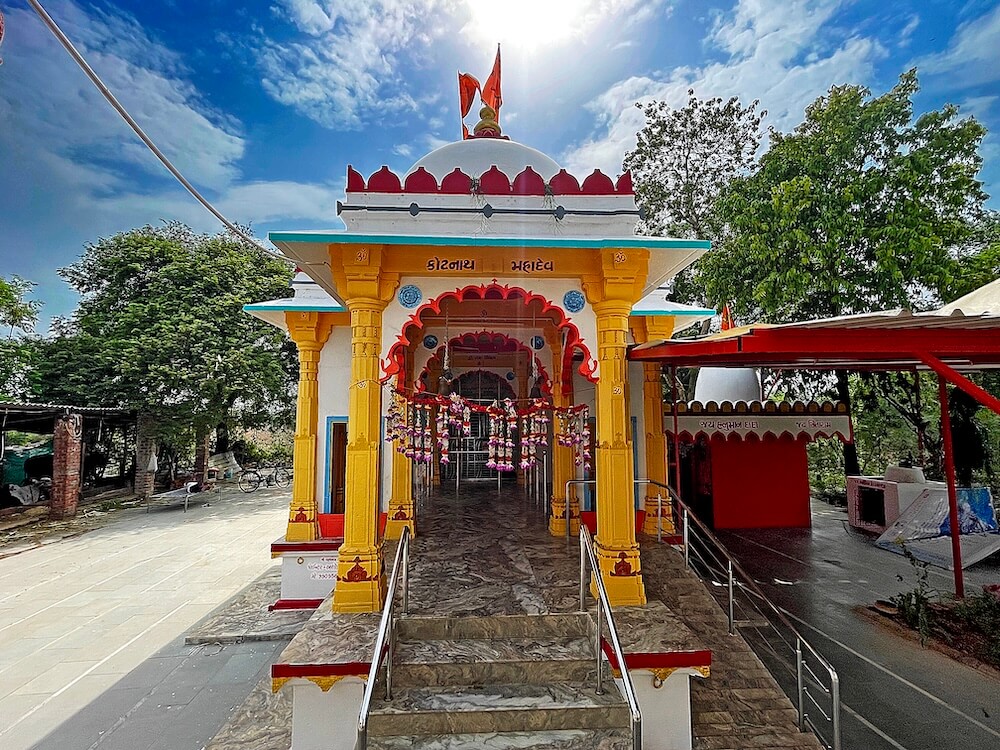 According to it, Malharrao often visited the Vishwamitri riverbank for walks and would rest in the serene surroundings. On one such visit near Vadasar, he noticed a cow releasing milk at a particular spot. Intrigued, he asked for the ground to be dug and a self-manifested (swayambhu) Shivling was discovered. The Shivling was consecrated on-site and named Kotnath, believed to mean protector of a city like a fortress.
In the vicinity of Vadodara city, there are nine Navnath temples, namely Siddhanath Mahadev, Ramnath Mahadev, Thekarnath Mahadev, Motnath Mahadev, Kamnath Mahadev, Bhimnath Mahadev, Kashi Vishweshwar Mahadev, Jagnath Mahadev and Kotnath Mahadev. Locals believe these temples safeguard the city from natural calamities like floods and earthquakes.
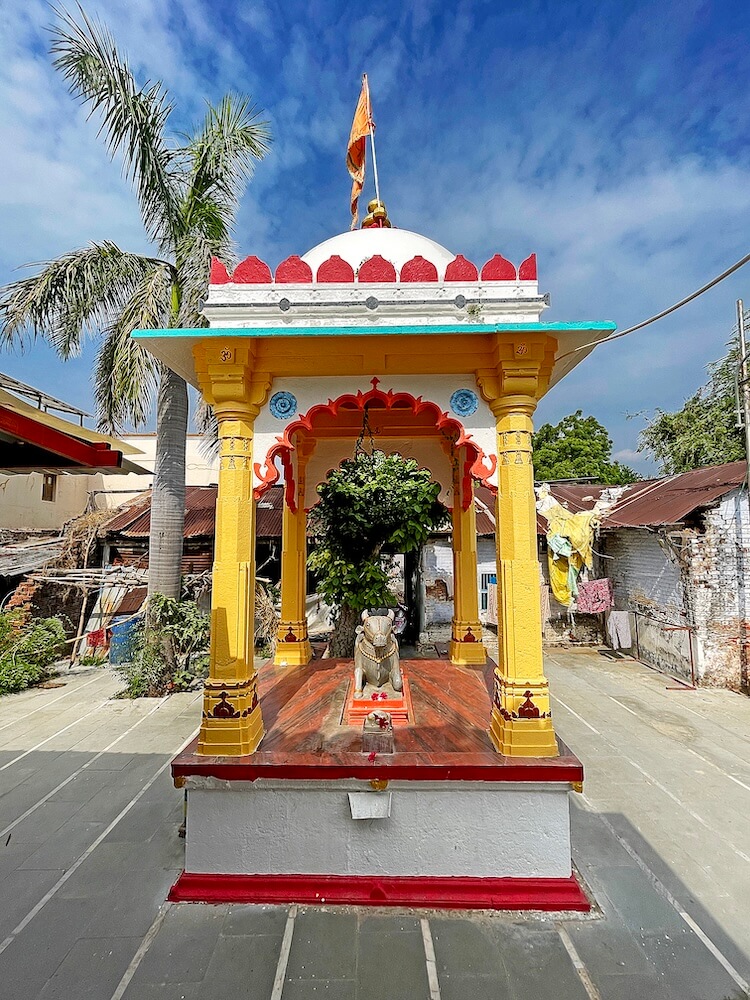
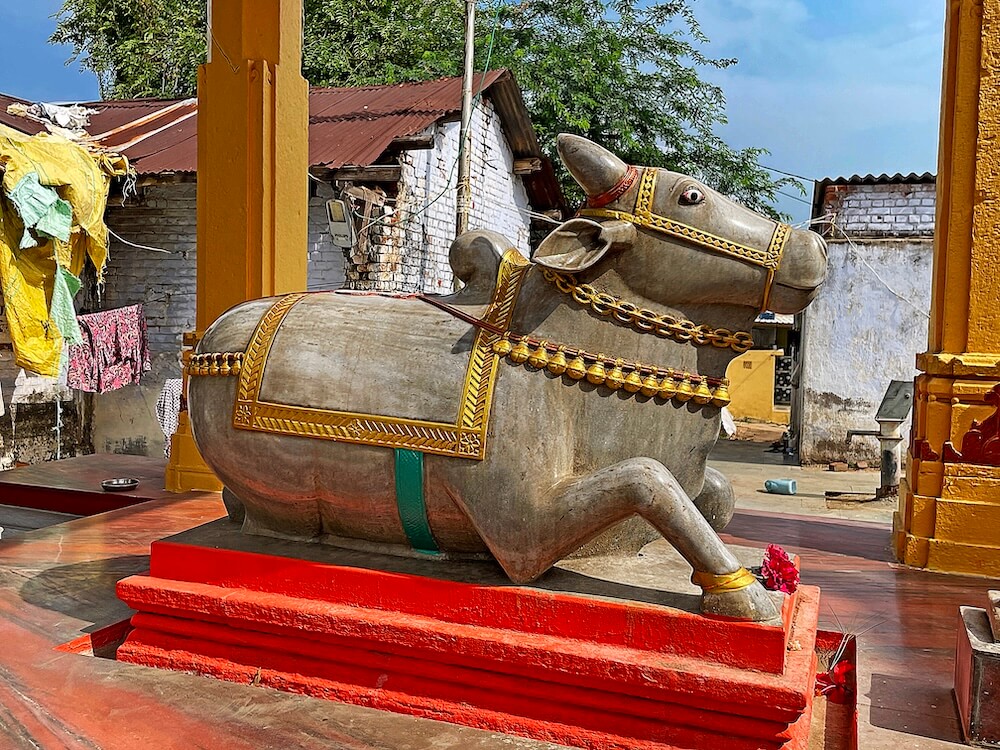
 Vadasar, located around 8 km from Vadodara near the Makarpura Industrial Estate, is connected by a direct road. A Kabir Temple lies en route. The Kotnath Mahadev temple has a spacious stone-paved courtyard. To the left is a gaushala (cow shelter) and directly opposite stands a grand Nandi Mandap, with a large marble statue of Nandi and a marble tortoise sculpture in front of it.
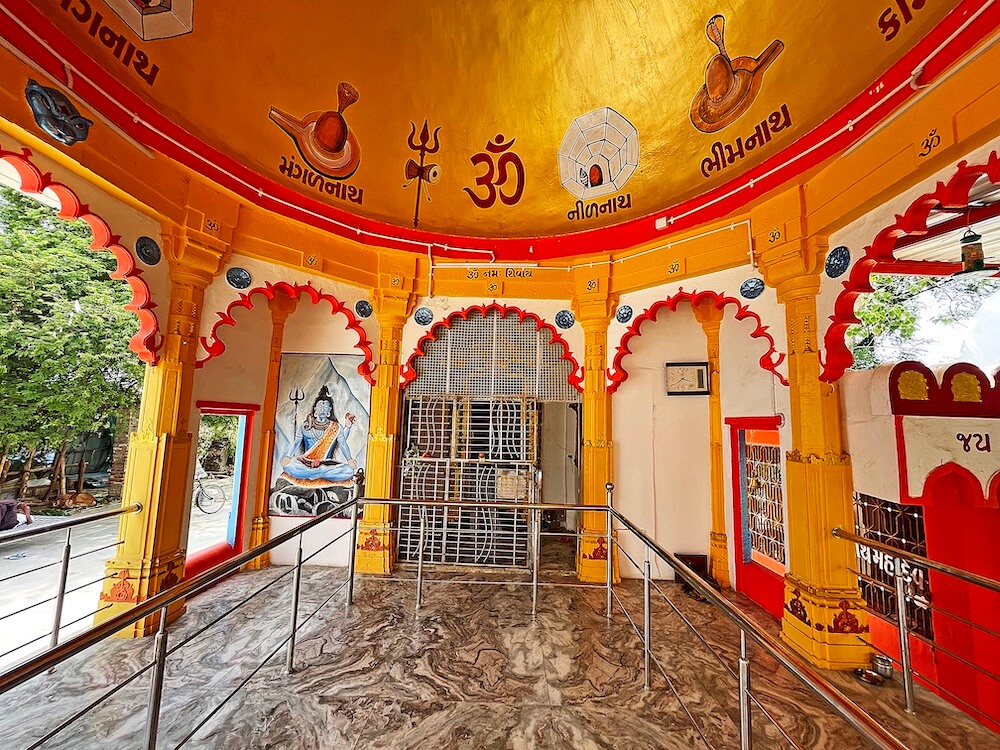
A short walk from the Nandi Mandap leads to the ancient Kotnath Mahadev Temple, featuring Darshan Mandap, Sabhamandap (Assembly Hall), Anteral (Antechamber) and Garbhagriha (Sanctum). The domed spires of the Darshan Mandap and Sabhamandap are topped with lotus-shaped amalakas and kalashas. The main spire follows the Urushringa-style of Nagar architecture. 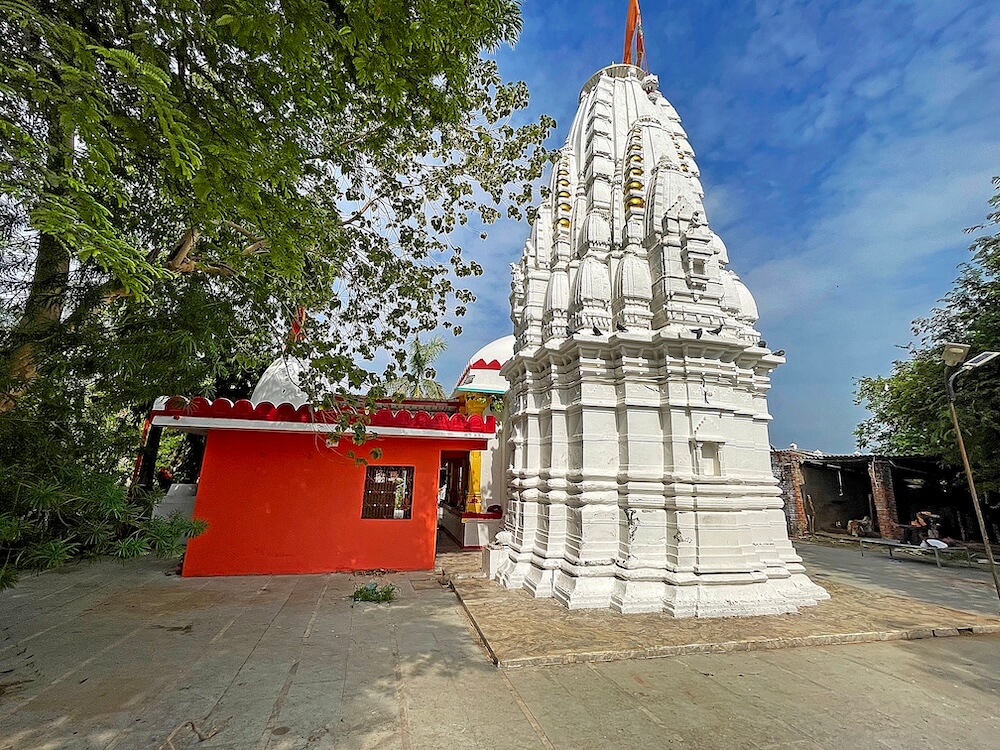 The pillars and arches in the entrance and sabhamandap are intricately carved with makar toranas. Three grand doorways lead into the sabhamandap.
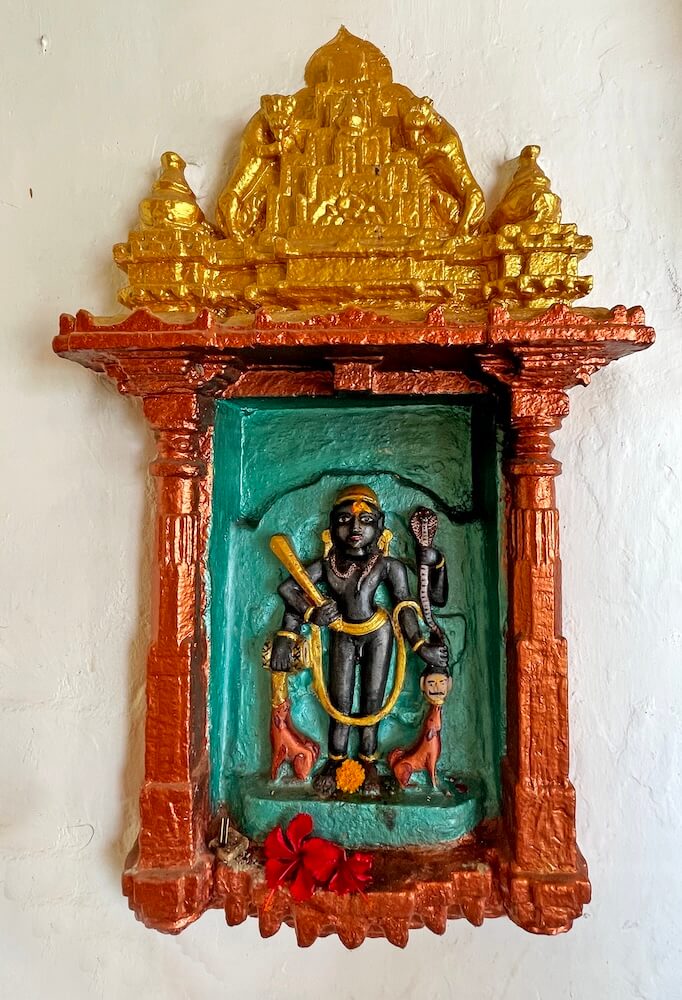
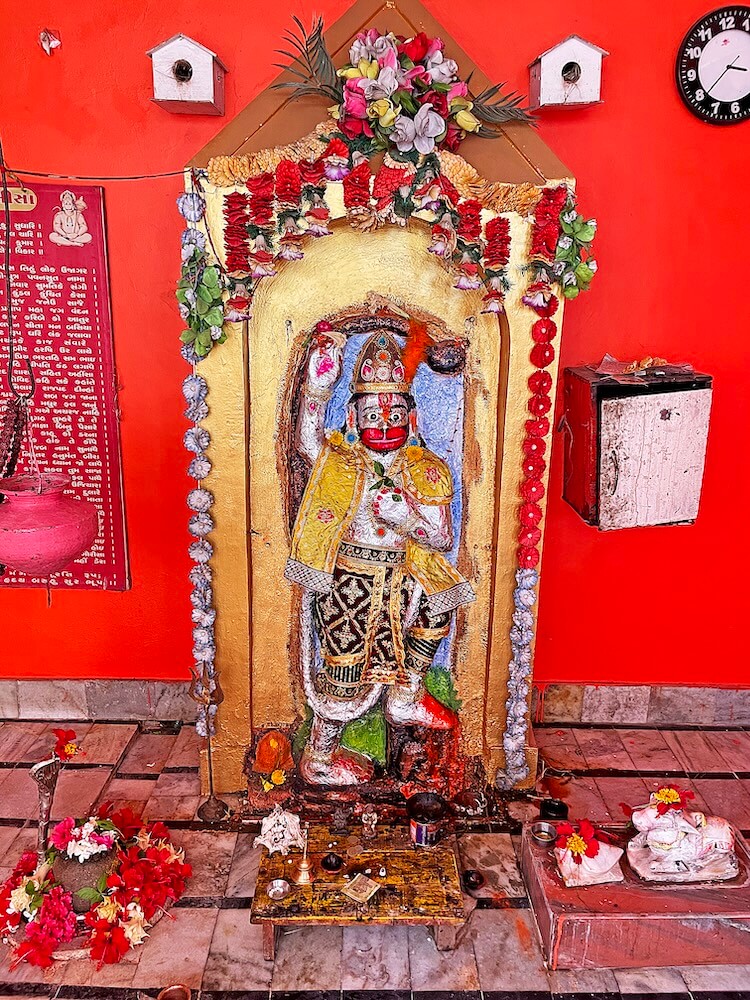
Inside the antechamber are idols of Ganesh and Hanuman. The sanctum’s stone doorway features a Kirtimukh (face motif) on its threshold. The main Shivling, carved from stone, is placed on a tall square shaalunka. Beneath it is a carving of the Naga deity and above it, a large silver cobra forms a canopy. A drip pot allows offerings to continuously flow over the Shivling. Behind it, a shrine to Parvati Mata is adorned with detailed artwork and flanked by lion figures.
To the right of the main temple is a smaller Mahadev temple, said to house the original swayambhu Shivling, with a standing idol of Hanuman nearby.
Daily, numerous devotees offer bel leaves, flowers, water and milk to the awakened Shivling. Mondays see a surge of visitors, especially during Mahashivratri and throughout Shravan. On the final Monday of Shravan, a Kawad Yatra (holy water procession) begins at Siddhanath Mahadev and concludes at Kotnath Mahadev. Thousands participate, coordinated by the Navnath Mahadev Kawad Yatra Samiti. Darshan at the temple is available from 7:00 AM to 8:00 PM. Daily worship and rituals are performed regularly. Many festivals, including Mahashivratri, are celebrated here with great devotion.
Key Highlights:
- Located 9 km from Vadodara Railway Station
- State Transport (ST) buses available from Vadodara
- Private vehicles can reach the temple
- Multiple lodging and food options in the vicinity
मंदिरे
Temples
मंदिर
-
रोकडीनाथ हनुमान मंदिर नवा बाजार, वडोदरा, ता./जि. वडोदरा
अधिक माहितीRokadnath Hanuman Temple Nava Bazaar, Vadodara, Tal./Dist. Vadodara
View Detailsरोकड़ीनाथ हनुमान मंदिर नवा बाज़ार, वडोदरा, ताल./जिला. वडोदरा
विवरण देखें -
मंगलनाथ महादेव मंदिर दरबार चोकडी, मांजलपूर, वडोदरा, ता./जि. वडोदरा
अधिक माहितीMangalnath Mahadev Temple Darbar Chowkdi, Manjalpur, Vadodara, Tal./Dist. Vadodara
View Detailsमंगलनाथ महादेव मंदिर दरबार चौकड़ी, मांजलपुर, वडोदरा, ताल./जिला. वडोदरा
विवरण देखें -
अमरुकंटेश्वर महादेव / नवग्रह मंदिर प्रतापुरा, ता. वडोदरा, डिश. वडोदरा
अधिक माहितीAmarkanteshwar Mahadev / Navgrah Mandir Pratappura, Tal. Vadodara, Dist. Vadodara
View Detailsमरकण्टेश्वर महादेव/ नवग्रह मंदिर प्रतापपुरा, ताल. वडोदरा, जिला. वडोदरा
विवरण देखें