
Gurudevdatt Vitthal Mandir
Ghaspura, Khandwa City, District Khandwa
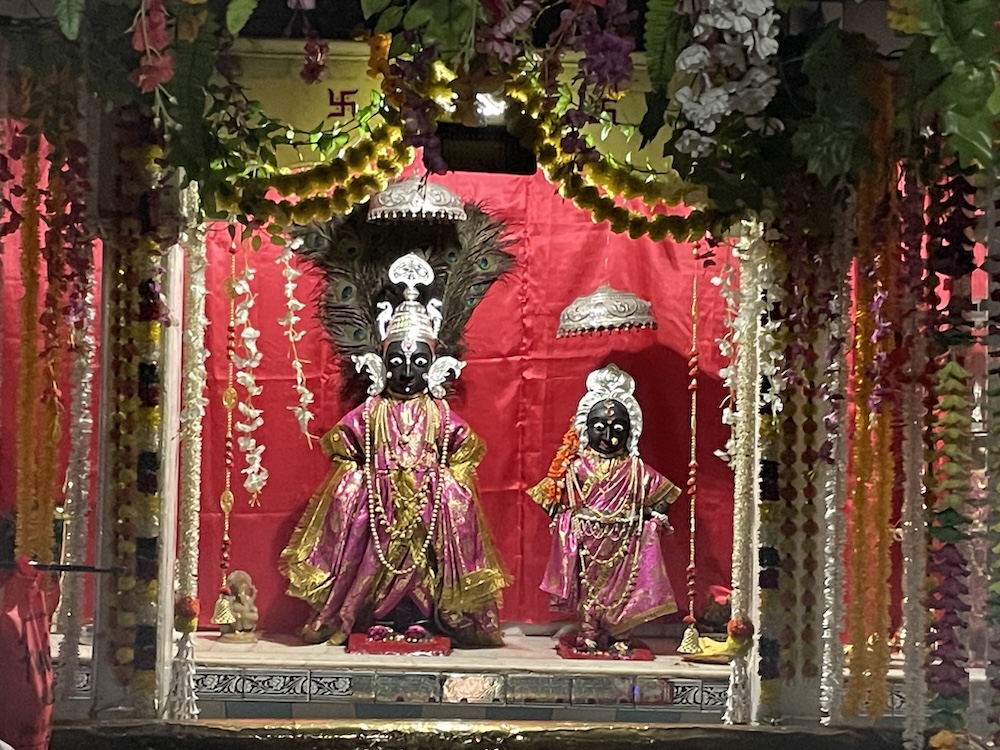 Lord Vitthal, the deity who is said to have stood upon a brick for twenty-eight yugas, with Rakhumai at his side, the beloved of both Rakhumai and Rahi, is considered the very god of Maharashtra. The saints saw in him the form of Vishnu and Krishna. He has been lovingly referred to as ‘Kanada Vitthalu Karnataku’ and Vitthal and Venkatesh are regarded as deities of the same essence. Just as in Maharashtra, temples of Vitthal are also found across Karnataka, Andhra Pradesh, Madhya Pradesh and Gujarat. Among these, an ancient temple of Vitthal in Khandwa, Madhya Pradesh, stands as a place of faith and devotion for countless devotees of the region.
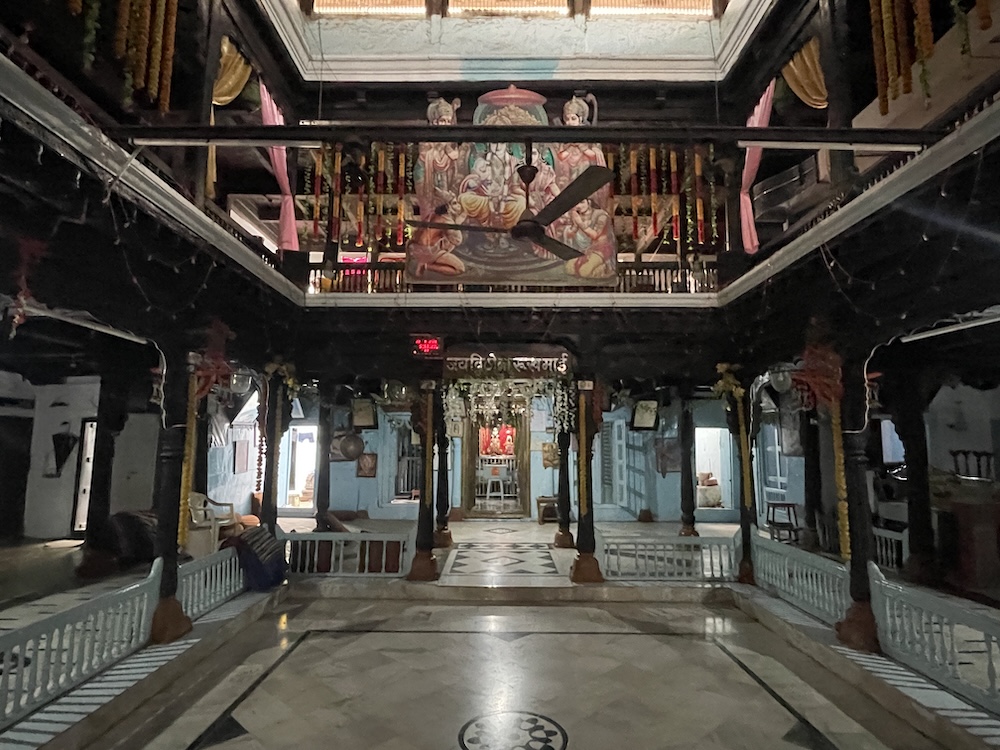 This temple, known as Gurudatt Vitthal Mandir, carries a history of about 175 years. In 1850, just seven years before the First War of Independence, Guru Maharaj Sachchidanand Swami established this temple. In ‘Shri Sant Kathamrit’, the revered work of the saint-poet Das Ganu Maharaj, who was known as the ‘modern Mahipati’, one finds the biography of Sachchidanand Swami. He was also known as Datt Maharaj. Born in 1780 on Bhadrapada Shuddha 15 in a Brahmin family at Mahur, Sachchidanand Swami lost his parents when he was only fifteen years old. Soon after, he donated his household to a teacher and renounced his village life. While meditating on the banks of the Godavari in Nanded, he met Sant Haridas of the Nath tradition.
 After this, he undertook a journey to the south (Dakshin Yatra) and later went to Mahur, where he performed penance for twelve years. It is said that it was at Mahur itself that he received the divine vision of Lord Dattatreya in manifest form. Dattatreya blessed him with a staff and sacred padukas. Thereafter, he went to Burhanpur and his fame spread far and wide. Tradition recounts that he also resided in Khandwa and it was he who established the Vitthal temple here. His disciples included Guru Madhavdas Maharaj and Guru Nana Maharaj. In 1860, he sent Nana Maharaj to Khandwa to serve at the Vitthal temple. In 1902, Nana Maharaj formally embraced renunciation and took the name Guru Anantanand Saraswati Swami Maharaj. Four years later, in 1906, he took samadhi. As he had no sons, the responsibility of the temple passed to his daughter Kashibai, who had married into the Ashtekar family.
  For the past 125 years, the descendants of the Ashtekar family have looked after the temple.
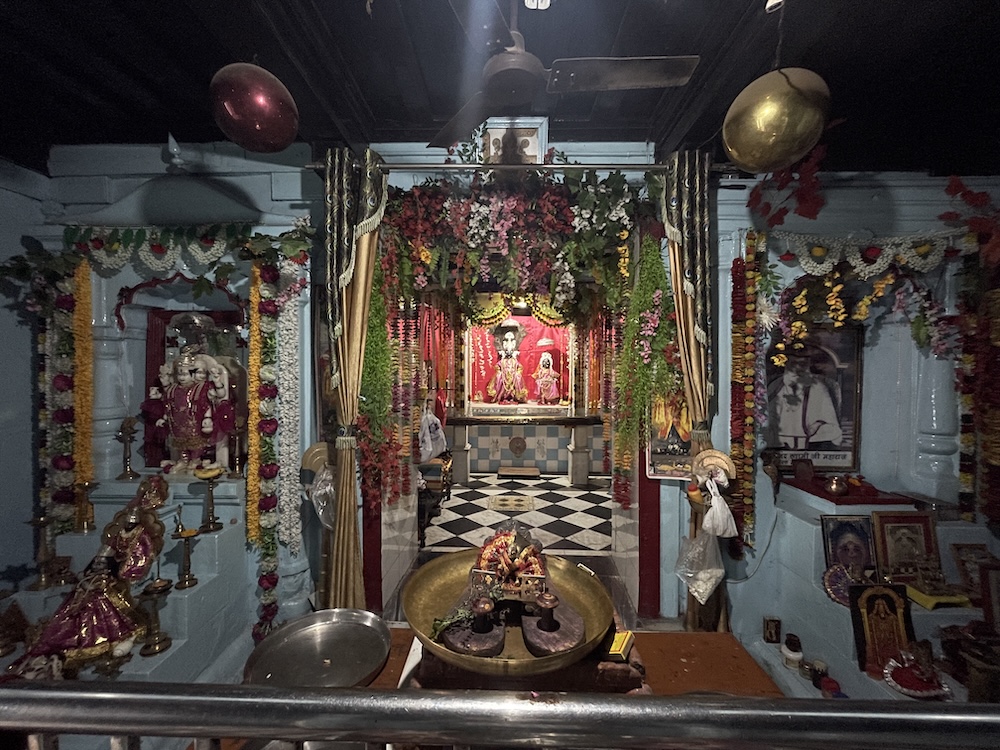
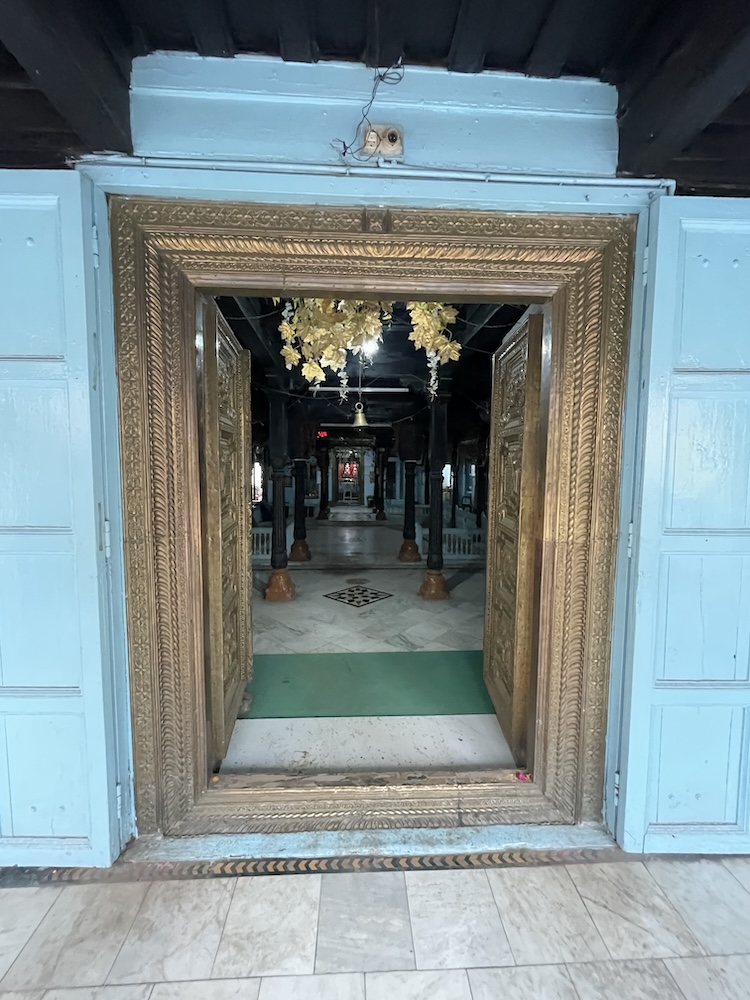
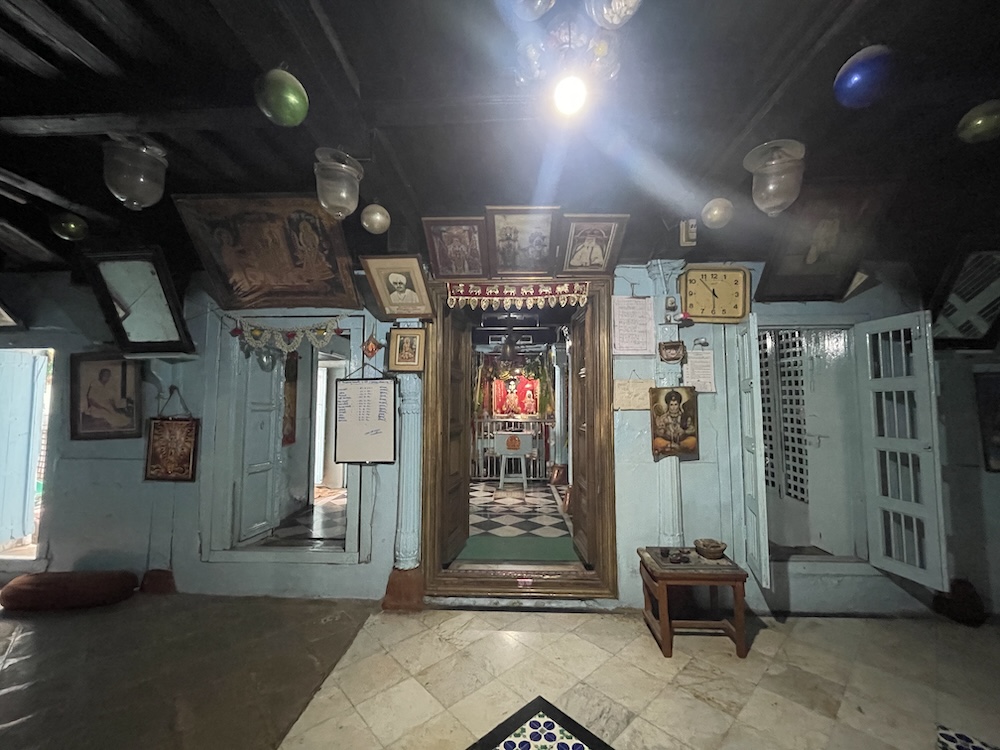
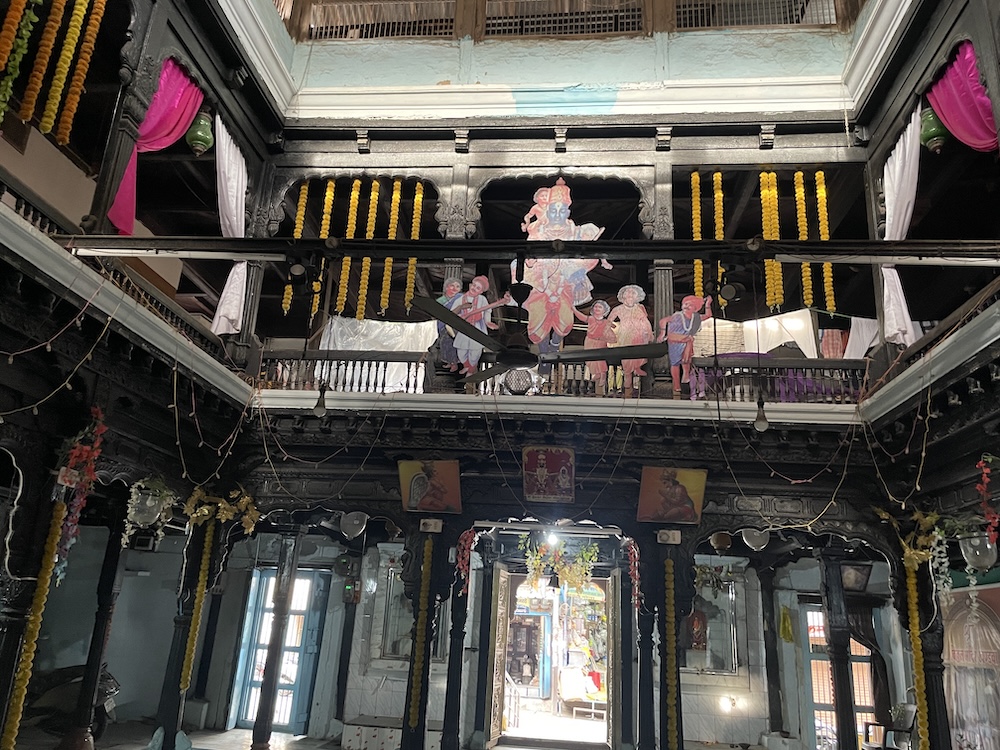
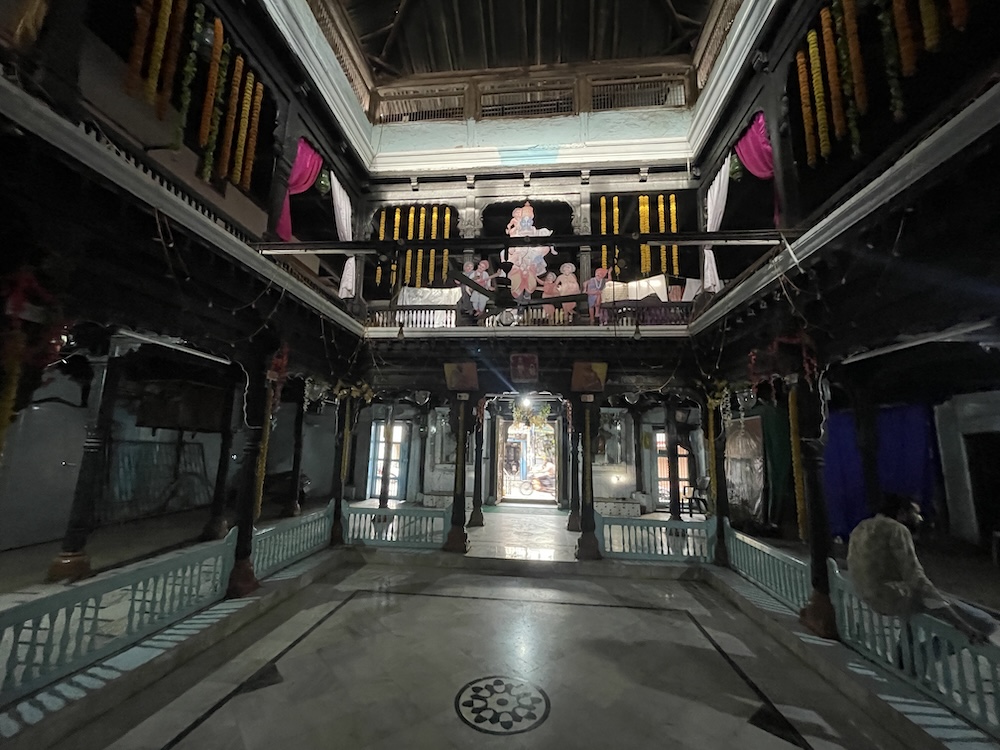
In ancient times, Khandwa was known as Khandavvan, as mentioned in the Mahabharata. Today, this city, the headquarters of the district in Madhya Pradesh, holds within its heart the Vitthal temple. Constructed in the form of a large two-storied mansion, the temple makes extensive use of wood in its architecture. The mansion features a long corridor. In front of the entrance stand sturdy pillars connected with arched beams, above which rises the second story with wooden galleries. Passing through the broad entrance, one enters the expansive assembly hall. Its design reflects the form of old mansions, with side corridors lined with carved wooden pillars, balconies above and an open space in the center. In the middle, on a small platform, stands a large wooden ‘khadava’ (sandals) placed in a brass vessel and seated upon it is the Panchdhatu idol of Balakrishna.
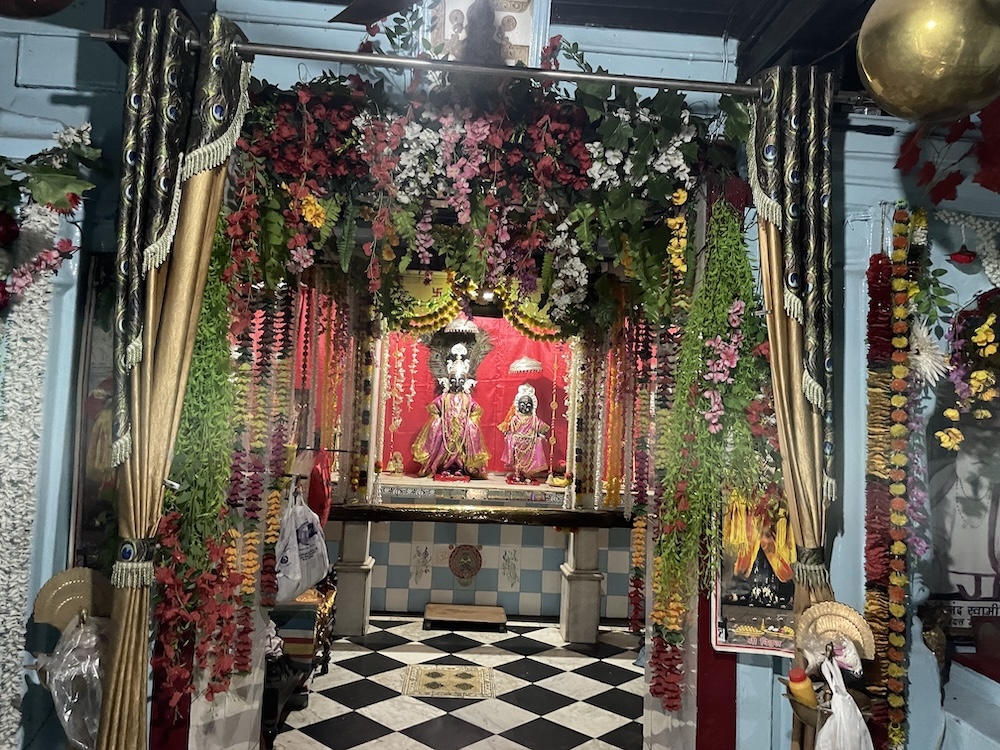
In the sanctum, on a high marble pedestal, stands a silver-decorated shrine. Adorned with carvings of leaves and flowers, this shrine enshrines the black stone idols of Vitthal and Rukmini. Vitthal’s idol is ornamented with silver makara kundalas and a silver crown, while both idols are adorned with garments and ornaments. Above them is a silver canopy.
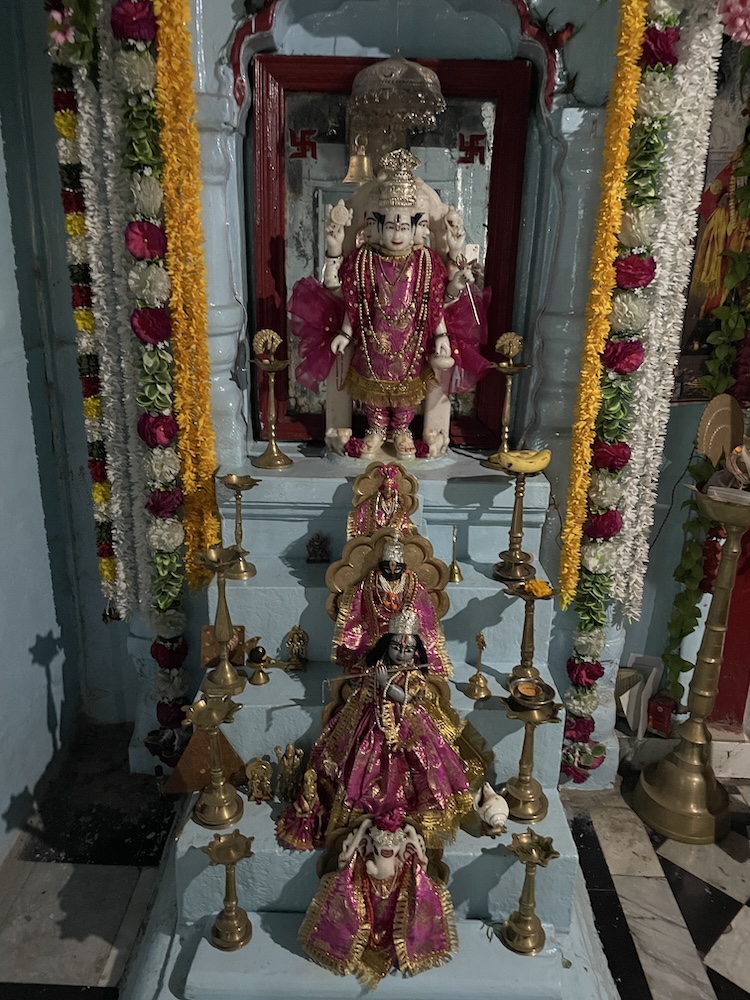 To the left of Vitthal-Rukmini is a shrine housing the idol of Dattatreya. It is said that in 1882, the disciples of Nana Maharaj brought this six-armed, three-headed marble idol of Dattatreya from Jaipur. At that time, Sachchidanand Maharaj was 102 years old. He was brought here in a special palanquin from Raver in Maharashtra and under his hands, the idol was consecrated. Because of this presence of Dattatreya, the temple came to be known as Gurudatt Vitthal Mandir. Opposite the Dattatreya idol stand idols of Vitthal, Rukmini and Krishna, beautifully adorned with garments and ornaments. In another shrine on the wall is the idol of Lakshmi-Narayan. On the right side of the sanctum is an image of Sachchidanand Maharaj himself. The temple also houses images of Ambabai of Kolhapur, Renuka of Mahur, Mahalaxmi, as well as the idols of Shankar-Parvati-Ganesh.
Festivals like Ekadashi and Datt Jayanti are celebrated here with a deeply devotional atmosphere. From Devshayani Ekadashi, a grand Harinam Saptah is organized annually, a tradition said to have begun with the consecration of the Dattatreya idol in 1882. Since then, it has been celebrated without interruption. The week-long program includes continuous bhajans and kirtans, while every day the idols of Vitthal and Rukmini are adorned in different styles. On Guru Purnima, a special palanquin procession of Vitthal is carried out, with countless devotees from across the city joining in the celebration.
Useful Information –
- Located 600 meters from Khandwa Bus Stand
- Regular ST bus service available to Khandwa from many cities in the state
- Private vehicles can reach directly up to the templ
- Temple Location : https://maps.app.goo.gl/mFDAh76LHMFKx5Gv8
मंदिरे
Temples
मंदिर
-
तुळजाभवानी मंदिर संजयनगर, खांडवा, जिल्हा खंडवा
अधिक माहितीTuljabhavani Temple Sanjaynagar, Khandwa, District Khandwa
View Detailsविवरण देखें -
ममलेश्वर ज्योतिर्लिंग ब्रह्मपुरी, ओंकारेश्वर, जि. खांडवा
अधिक माहितीMamleshwar Jyotirlinga Brahmpuri, Omkareshwar, Dist. Khandwa
View Detailsविवरण देखें -
दादाजी धुनीवाले धाम, खांडवा, जि. खांडवा
अधिक माहितीDadaji Dhuniwale Dham, Khandwa, Dist. Khandwa
View Detailsविवरण देखें