
वैकोम महादेव मंदिर
वैकोम, जिल्हा कोट्टायम
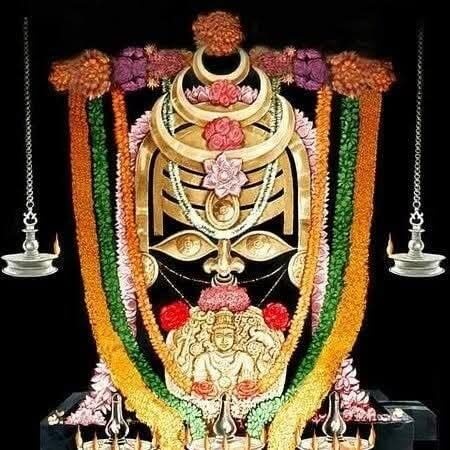 ऐतिहासिकदृष्ट्या महत्त्वपूर्ण असलेले हे शिवमंदिर केरळमधील कोट्टायम जिल्ह्यातील वैकोम शहरात स्थित आहे. या मंदिराला “दक्षिण काशी” (दक्षिणेची काशी) म्हणूनही ओळखले जाते. भगवान शिव हे येथील मुख्य आराध्य दैवत आहेत. मुख्य देवाला “अन्नदान प्रभू” असेही संबोधले जाते, जे भक्तांना अन्नदान करण्याच्या मंदिराच्या प्रबळ परंपरेचे प्रतीक आहे. येथील एक वैशिष्ट्यपूर्ण प्रथा अशी आहे की, रात्री मंदिर बंद करण्यापूर्वी, “रात्रीच्या जेवणासाठी कोणी भुकेले आहे का?” अशी विचारणा केली जाते—हे गरजूंना अन्न देण्याच्या मंदिराच्या दृढ वचनबद्धतेचे प्रतीक आहे.
हे मंदिर सुमारे आठ एकर परिसरात पसरलेले आहे. मंदिराला लागूनच एक कलापीठम (मंदिर कला शाळा) आहे, जिथे पारंपारिक मंदिर कला आणि वाद्ये शिकवली जातात. वैकोम क्षेत्राचे रक्षक आणि अधिष्ठाता म्हणून वैकाथप्पन (वैकोमचे स्वामी) या दैवताची पूजा केली जाते. असे मानले जाते की, इसवी सन ३०० च्या सुमारास होऊन गेलेले महान शिल्पकार पेरुन्थाचन यांनी या मंदिराची मूळ रचना केली होती.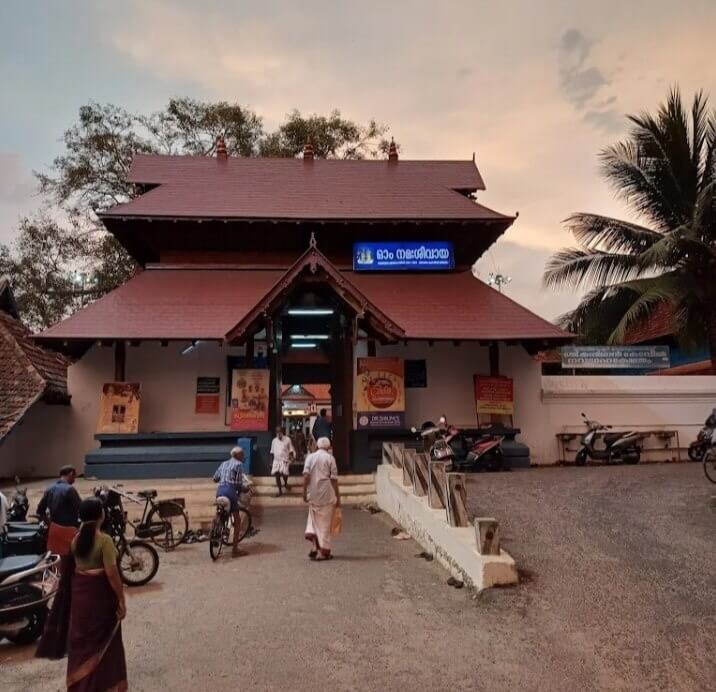
ऐतिहासिक नोंदींमध्ये वेनाड राजांच्या काळातील एका प्राचीन शिलालेखाचा उल्लेख आढळतो, ज्यामध्ये मंदिराच्या बांधकामाचा संदर्भ आहे. हे मंदिर नंतर १५३९ मध्ये सध्याच्या स्वरूपात पुन्हा बांधले गेले. १८ व्या शतकात मार्तंड वर्मा यांच्या राजवटीत, वैकोम महादेव मंदिर त्रावणकोर देवस्वम बोर्डाच्या प्रशासनाखाली आणले गेले, ज्यामुळे त्याचे व्यवस्थापन आणि देखभाल अधिक संघटित आणि बळकट होण्यास मदत झाली. “त्रिप्पदिदानम” (राजकीय समर्पण) नंतर, मंदिराला अधिक राजेशाही आश्रय मिळाला, ज्यामुळे त्याचे महत्त्व आणि स्थिरता वाढली.
वैकोम सत्याग्रह हा मंदिराच्या इतिहासातील एक महत्त्वाचा अध्याय आहे, जो सामाजिक न्यायासाठी दिलेल्या शक्तिशाली लढ्याचे प्रतिनिधित्व करतो. १९२४-२५ दरम्यान झालेली ही चळवळ मंदिराच्या सभोवतालच्या रस्त्यांचा वापर करण्यापासून मागासवर्गीय समुदायांना रोखणाऱ्या अन्यायाविरुद्ध होती. महात्मा गांधींसह अनेक नेत्यांच्या पाठिंब्याने, हा लढा यशस्वी झाला आणि मंदिराच्या इतिहासात समानता आणि मानवी हक्कांसाठी एक ऐतिहासिक विजय ठरला.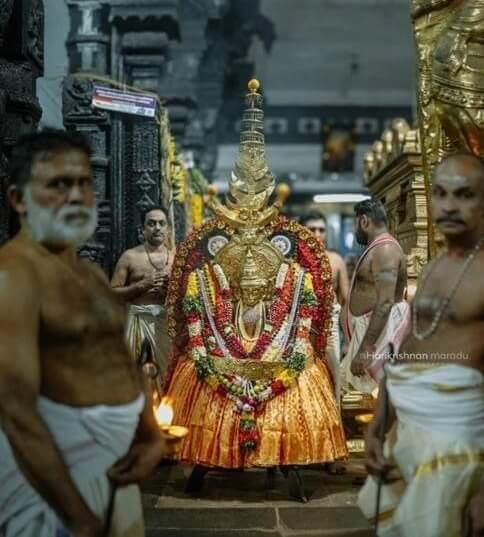
खर नावाच्या असुराने आपले आजोबा मलयवान यांच्याकडून शैव विद्या शिकली आणि भगवान शिवाला प्रसन्न करण्यासाठी तपश्चर्या करण्याच्या उद्देशाने तो चिदंबरम येथे गेला. त्याच्या भक्तीने आणि तपश्चर्येने प्रसन्न होऊन, भगवान शिवाने त्याला तीन शिवलिंगे भेट दिली. ही शिवलिंगे घेऊन आकाशातून प्रवास करत असताना, खर वैकोम येथे पोहोचला आणि वजनामुळे थोडा वेळ विश्रांती घेण्याचे त्याने ठरवले. त्याने आपल्या डाव्या हातातील शिवलिंग जमिनीवर ठेवले आणि विश्रांती घेऊ लागला. जेव्हा तो जागा झाला आणि त्याने ते पुन्हा उचलण्याचा प्रयत्न केला, तेव्हा तो ते हलवू शकला नाही. त्याच क्षणी, भगवान शिवाचा दैवी आवाज (आशरीरी) ऐकू आला, ज्यामध्ये म्हटले होते की हेच ते ठिकाण आहे जिथे त्यांना राहण्याची सर्वात जास्त इच्छा आहे. त्यानंतर खरने ते शिवलिंग तिथे तपश्चर्या करणाऱ्या व्याघ्रपाद ऋषींकडे सोपवले आणि मोक्ष प्राप्त केला.
शिवलिंगाची पूजा केल्यानंतर, व्याघ्रपाद ऋषींना मल्याळम महिना वृश्चिकमच्या कृष्ण पक्षातील अष्टमीच्या दिवशी, सकाळी ७:३० च्या सुमारास भगवान शिव आणि देवी पार्वती यांचे दैवी दर्शन घडले. या शिवलिंगाचे महत्त्व ओळखून परशुरामही तिथे पोहोचले. त्याचे दैवी महत्त्व समजून त्यांनी दैवी शिल्पकार विश्वकर्मा यांना बोलावले आणि तिथे एका भव्य मंदिराची उभारणी केली. 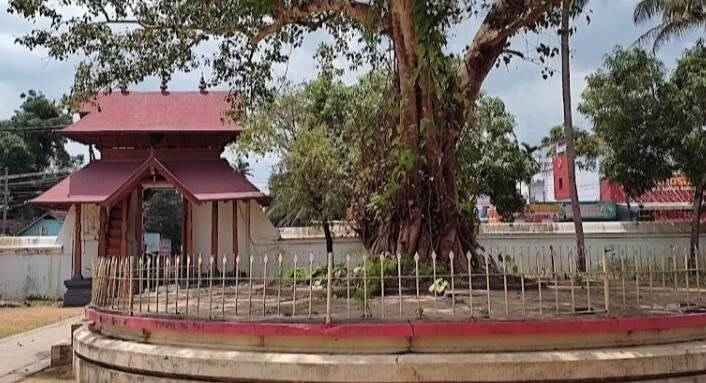 व्याघ्रपाद ऋषी जिथे राहत होते, त्या ठिकाणाला नंतर वैयघ्रापुरम असे नाव पडले, जे कालांतराने वैकोम झाले. हे मंदिर वैकोम शहराच्या मध्यभागी स्थित आहे. सुमारे आठ एकर जमिनीवर पसरलेले हे मंदिर पूर्वमुखी आहे. हे मंदिर चारही बाजूंनी गोपुरांसह असलेल्या तटबंदीने वेढलेले आहे. पूर्व गोपुरातून प्रवेश केल्यावर, पहिली वास्तू हत्तींचे निवारास्थान (आनाक्कोट्टिल) दिसते. जवळच एक पवित्र पिंपळाचे झाड (अरायल वृक्ष) आहे. थोडे पुढे चालत गेल्यावर, आपण दुसऱ्या हत्तींच्या निवारास्थानापर्यंत पोहोचतो.
हे दुसरे आनाक्कोट्टिल विवाह, चोरोणू (पहिले अन्नप्राशन), भजन, 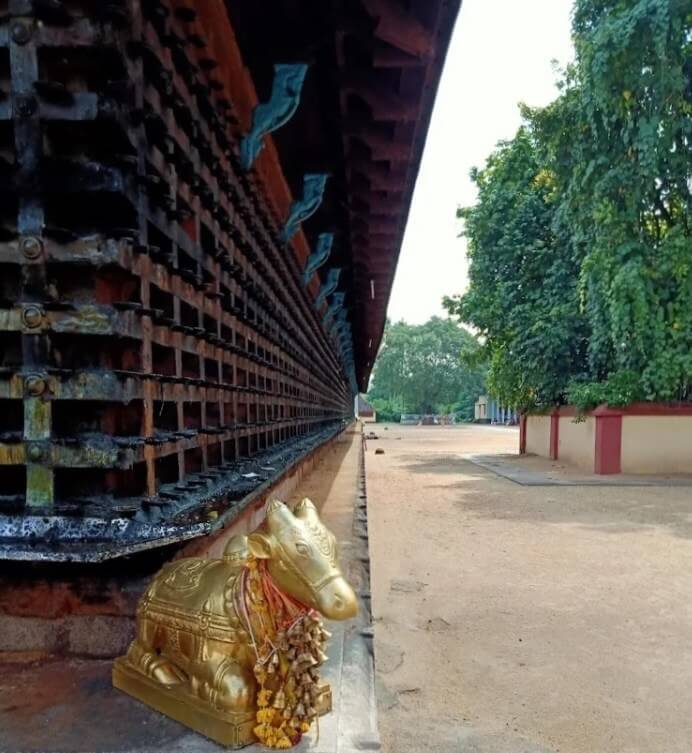 आदिमकिदथल आणि तुलाभारम यांसारख्या धार्मिक विधींसाठी वापरले जाते. येथील काळ्या पाषाणाचे मोठे खांब दैवी आकृत्यांनी सुंदररीत्या कोरलेले आहेत. जवळच भगवान शिवाचे पवित्र वाहन नंदी उभा आहे, ज्याच्या मस्तकावर केरळमधील सर्वात मोठ्या सुवर्णध्वजस्तंभांपैकी एक आहे. ध्वजस्तंभाच्या जवळ बलिकल्पुरा (बळी वेदीचा हॉल) आणि द्वारपालक आहेत, आणि त्याच्या बाजूला केदविलक्कू नावाचा एक मोठा पारंपारिक दिवा आहे. बलिकल्पुराच्या छतावर भगवान ब्रह्मा आणि अष्टदिक्पालांच्या आकृत्या दिसतात. बलिकल्पुराच्या उत्तरेला स्तंभ गणपतीची प्रतिष्ठित मूर्ती आहे.
मंदिराचा गर्भगृह (श्रीकोविल) काळ्या ग्रॅनाइटचा वापर करून लंबवर्तुळाकार (अंडाकृती) स्वरूपात बांधलेला आहे. केरळमधील हे एकमेव लंबवर्तुळाकार श्रीकोविल आहे. सुमारे २०० फूट परिघाचे हे एकमजली श्रीकोविल तांब्याच्या पत्रांनी झाकलेले असून त्यावर सुवर्ण थाझिकाकुडम (कलश) आहे. श्रीकोविलला दोन दालने आणि सहा पायऱ्या आहेत. दुसऱ्या दालनात, गर्भगृहात, सहा फुटांपेक्षा जास्त उंच शिवलिंग दोन फूट उंच पीठावर पूर्व दिशेला तोंड करून स्थापित आहे.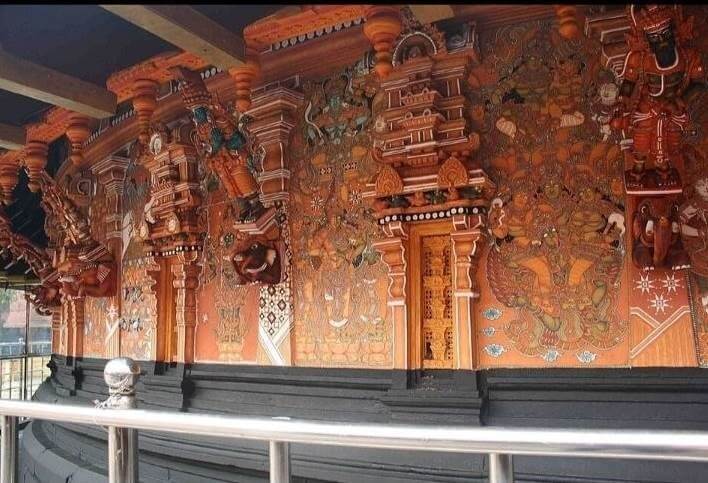 श्रीकोविलच्या भिंती भित्तिचित्रांनी सुंदररीत्या सजवलेल्या आहेत. यामध्ये नटराज, दशावतार, महाविष्णू आणि अर्जुनाची परीक्षा घेतल्यानंतर त्याला पाशुपतास्त्र प्रदान करणारे भगवान शिव यांच्या प्रतिमांचा समावेश आहे. श्रीकोविलच्या पश्चिम बाजूला एक बंद दरवाजा आहे जो कधीही उघडला जात नाही. उत्तर बाजूला, व्यालीच्या (पौराणिक प्राणी) मुखासह एक सुंदर कोरीव पाण्याचा निचरा होणारा मार्ग दिसतो. अभिषेक करताना वापरले जाणारे पवित्र द्रव्य याच मार्गातून बाहेर पडत असल्याने, भक्त त्या बिंदूच्या पलीकडे प्रदक्षिणा करत नाहीत.
वैकोम महादेव मंदिराचा मुख्य उत्सव वैकाथष्टमी आहे, जो मल्याळम महिना वृश्चिकमच्या कृष्ण पक्षातील अष्टमीच्या दिवशी साजरा केला जातो. 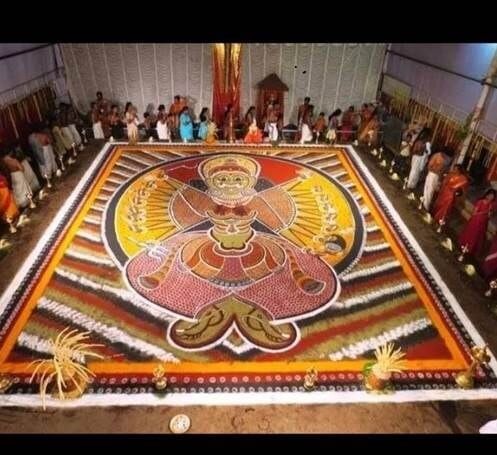 हा उत्सव त्या दिव्य प्रसंगाच्या स्मरणार्थ साजरा केला जातो जेव्हा भगवान शिवाने माता पार्वतीसह व्याघ्रपाद ऋषींना दर्शन देऊन आशीर्वाद दिले होते. वैक्कम अष्टमी हा तेरा दिवस चालणारा एक भव्य उत्सव आहे. या विशेष दिवशी, भाविकांना पहाटे ४:३० पासून दुपारी १:३० पर्यंत मंदिरात अखंड दर्शन घेण्याची अनुमती असते.
वैक्कम महादेव मंदिराचा आणखी एक प्रमुख उत्सव म्हणजे ‘वडक्कुपुरथुपट्टू’. हा उत्सव दर बारा वर्षांनी एकदा आयोजित केला जातो. आदि पराशक्ती, माता भद्रकाली यांचे आशीर्वाद मिळवण्यासाठी हा एक विधी केला जातो. वैक्कम परिसरात जेव्हा संसर्गजन्य रोग पसरले होते, तेव्हा माता कोडुंगलूरहून या भूमीचे रक्षण करण्यासाठी आणि महामारीवर नियंत्रण मिळवण्यासाठी आली होती, या श्रद्धेचे हे प्रतीक आहे. या विधीमध्ये माता कोडुंगलूर अम्मा यांचे आवाहन केले जाते आणि बारा दिवस ‘कलम एझुथू’ आणि भक्तीगीते गायली जातात, त्यानंतर तेराव्या दिवशी ‘गुरुथी’ विधी होतो. पहिल्या चार दिवसांत देवीचे आठ हातांचे चित्र काढले जाते; त्यानंतर हे प्रमाण सोळा, बत्तीस आणि शेवटी चौसष्ट हातांपर्यंत वाढते. 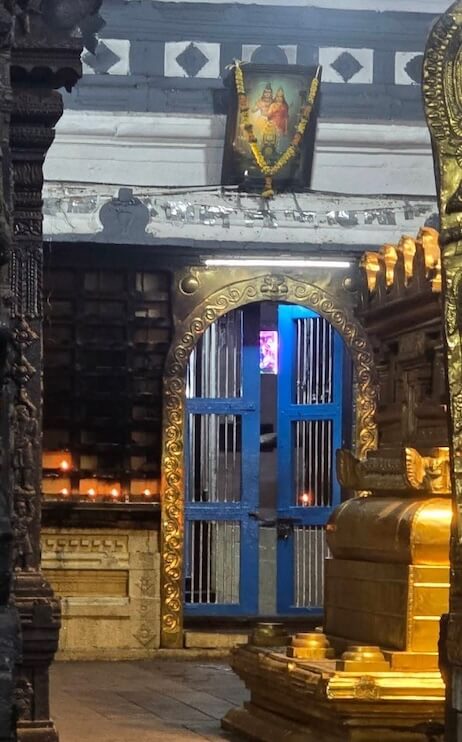 सर्वात अलीकडील वडक्कुपुरथुपट्टू उत्सव २०२५ मध्ये आयोजित करण्यात आला होता.
वैक्कम महादेव मंदिरात साजऱ्या होणाऱ्या इतर महत्त्वाच्या उत्सवांमध्ये मल्याळम महिना कुंभममधील महाशिवरात्री, धनु महिन्यातील तिरुवाथिरा आणि कुंभममधील अष्टमी, जी ‘कीझोत्ताष्टमी’ म्हणून ओळखली जाते, यांचा समावेश होतो. चिंगम महिन्यातील विनायक चतुर्थी, ओणम आणि मेदम महिन्यातील विशू हे सणही मोठ्या भक्तीभावाने साजरे केले जातात. वृश्चिकमच्या पहिल्या दिवसापासून ते धनुच्या अकराव्या दिवसापर्यंत पाळला जाणारा ४१ दिवसांचा ‘मंडल’ काळ हा मंदिराच्या सर्वात महत्त्वाच्या उत्सवांपैकी एक आहे. वैक्कम मंदिर हे सबरीमाला मंदिराकडे जाणाऱ्या भाविकांसाठी एक महत्त्वाचे विश्रामस्थान असल्याने, या काळात मोठ्या संख्येने भाविक येथे भेट देतात.
कन्नी महिन्यातील नऊ दिवसांच्या नवरात्री उत्सवादरम्यान, शेवटचे तीन दिवस मंदिरात विशेष महत्त्वाचे मानले जातात. दुर्गा अष्टमीच्या संध्याकाळी, पूजेसाठी शस्त्रे, पुस्तके आणि वाद्ये मंदिरात ठेवली जातात. महा नवमी ‘अडा पूजा’ (बंद पूजा) म्हणून साजरी केली जाते. विजयादशमीच्या सकाळी, विशेष प्रार्थनेनंतर, या वस्तू त्यांच्या मालकांना परत केल्या जातात. त्याच दिवशी, हजारो मुले मंदिरात त्यांच्या ‘विद्यारंभम’ (शिक्षणाची सुरुवात) विधीला सुरुवात करतात. वैक्कम महादेव मंदिर हे एक भव्य मंदिर आहे, जिथे दररोज पाच पूजा आणि तीन ‘श्रीवेली’ मिरवणुका काढल्या जातात. दैनंदिन विधी पहाटे लवकर सुरू होतात. पहाटे ३:३० वाजता ‘पल्ली उनर्थल’ (देवाला जागे करणे) झाल्यानंतर, मंदिर पहाटे ४:०० वाजता उघडते. त्यानंतर ‘निर्मल्य दर्शन’ होते, जिथे भाविकांना आदल्या रात्रीच्या पूजेनंतर देवाची पहिली झलक मिळते. पहाटे ४:३० वाजता ‘उषा पूजा’ केली जाते, त्यानंतर सकाळी ६:३० वाजता ‘श्रीबली’ होते. त्यानंतर सकाळी ७:३० वाजता ‘पन्थीरादी पूजा’ होते. 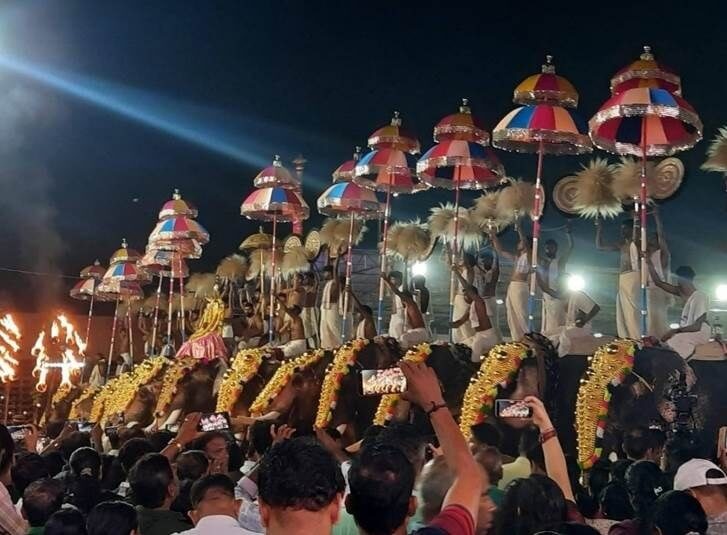 त्यानंतर नवक पूजा, उच्च पूजा (दुपारची पूजा), अभिषेक आणि उच्च श्रीबली हे विधी केले जातात. या विधींनंतर, दुपारी १२:०० वाजता मंदिर बंद होते. संध्याकाळी ५:०० वाजता मंदिर पुन्हा उघडते. संध्याकाळी ६:३० वाजता ‘दीपाराधना’ होते, त्यानंतर रात्री ७:०० वाजता ‘अथाझा पूजा’ आणि रात्री ८:०० वाजता ‘अथाझा श्रीबली’ होते. शेवटी, रात्रीचे विधी पूर्ण झाल्यानंतर, रात्री ९:०० वाजता मंदिर बंद होते. वैक्कम महादेव मंदिरातील सर्वात विशेष आणि महत्त्वाची सेवा (वझीपाडू) म्हणजे ‘प्रथाल’. हे वैक्कमथप्पन यांना अर्पण केलेले एक अद्वितीय आणि पवित्र नैवेद्य आहे, ज्यांना प्रेमाने ‘अन्नदान प्रभू’ – अन्न आणि दानाचे स्वामी म्हणून ओळखले जाते. मंदिरातील इतर महत्त्वाच्या सेवांमध्ये जलाधारा, क्षीराधारा, अला विलक्कू, अप्पम नैवेद्यम, गणपती होमम, मृत्युंजय अर्चना, पंचामृत अभिषेक, उदयस्तमन पूजा आणि सहस्र कलशम यांचा समावेश आहे. या वझीपाडू भाविकांद्वारे आशीर्वाद, समृद्धी, उत्तम आरोग्य, मानसिक शांती आणि आध्यात्मिक कल्याणासाठी केल्या जातात.
मुख्य वैशिष्ट्ये
- एर्नाकुलम शहरापासून ३० किमी आणि कोट्टायम शहरापासून ३५ किमी अंतरावर स्थित आहे.
- वैक्कम ते राज्यातील अनेक शहरांपर्यंत राज्य परिवहन (KSRTC) बस सुविधा उपलब्ध आहे.
- खाजगी वाहने मंदिराच्या नियुक्त पार्किंग क्षेत्रात उभी केली जाऊ शकतात.
- या परिसरात निवास आणि भोजनाची सोय उपलब्ध आहे.
- फोन क्र. १८००४२५४७४७
Vaikom Mahadeva Temple
Vaikom, Dist. Kottayam
This historically significant Shiva temple is located in the town of Vaikom in Kottayam district, Kerala. The temple is also known as “Dakshina Kashi” (the Kashi of the South). Lord Shiva is the main deity worshipped here. The presiding deity is also known as “Annadana Prabhu,” reflecting the temple’s strong tradition of offering food to devotees. One of its unique customs is that before the temple closes for the night, a call is made asking, “Are there any who are hungry for supper?”—an expression of its deep-rooted commitment to feeding the needy.
The temple is situated within a vast area spanning approximately eight acres. Attached to the temple is a Kalapeetham (temple arts school), where traditional temple arts and musical instruments are taught. The deity, Vaikathappan (Lord of Vaikom), is revered as the guardian and presiding lord of the Vaikom region. It is believed that Perunthachan, a legendary master carpenter who lived around 300 AD, carried out the original construction of the temple in the form seen in its early structure.
Historical records also mention the discovery of an ancient inscription from the period of the Venad kings that refers to the temple’s construction. The temple was later rebuilt in its present form in 1539. During the reign of Marthanda Varma in the 18th century, the Vaikom Mahadeva Temple was brought under the administration of the Travancore Devaswom Board, which helped organise and strengthen its management and upkeep. After the “Thrippadidanam” (royal dedication), the temple received stronger royal patronage, enhancing its importance and stability.
The Vaikom Satyagraha marks a significant chapter in the temple’s history, representing a powerful struggle for social justice. This movement, held during 1924–25, protested against the injustice that denied lower-caste communities the right to use the roads surrounding the temple. With the support of leaders including Mahatma Gandhi, the agitation succeeded, becoming a landmark victory for equality and human rights in the temple’s history.
Kharan, the asura, learned Shaiva knowledge from his grandfather Malyavan and went to Chidambaram to perform penance in order to please Lord Shiva. Pleased with his devotion and tapas, Lord Shiva gifted him three Shiva Lingas. While traveling through the sky carrying these Shiva Lingas, Kharan reached Vaikom and decided to rest for a while because of their weight. He placed the Shiva Linga in his left hand on the ground and began resting. When he woke up and tried to lift it again, he could not move it. At that moment, Lord Shiva’s divine voice (Asareeri) was heard, saying that this was the place where He most wished to reside. Kharan then entrusted the Shiva Linga to the sage Vyaghrapada, who was doing penance there, and attained salvation.
After worshipping the Shiva Linga, Sage Vyaghrapada was blessed with the divine darshan of Lord Shiva along with Goddess Parvati on the Ashtami day of the dark fortnight in the Malayalam month of Vrischikam, at around 7:30 in the morning. Realizing the greatness of this Shiva Linga, Parashurama also arrived there. Understanding its divine significance, he invited Vishwakarma, the divine architect, and had a grand temple constructed there. The place where Sage Vyaghrapada lived later came to be known as Vaiyaghrapuram, which eventually became Vaikom. The temple is located almost at the centre of Vaikom town. Spread across nearly eight acres of land, the temple faces east. It is surrounded by a temple wall with gopurams on all four sides. Entering through the eastern gopuram, the first structure seen is the elephant shelter (Aanakkottil). Nearby stands a sacred peepal tree (Arayal tree). Walking a little further, one reaches another elephant shelter.
This second Aanakkottil is used for temple ceremonies such as weddings, Choroonu (first feeding ceremony), Bhajan, Adimakidathal, and Tulabharam. The large black stone pillars here are beautifully carved with divine figures. Nearby stands Nandi, the sacred vehicle of Lord Shiva, bearing on his head one of the largest golden flagpoles in Kerala. Close to the flag staff is the Balikkalpura (sacrificial altar hall) along with the Dwarapalakas (guardian deities), and beside it is a large traditional lamp known as Kedavilakku. On the roof of the Balikkalpura, one can see the forms of Lord Brahma and the Ashta Dikpalakas (guardians of the eight directions). To the north of the Balikkalpura, there is the consecrated idol of Sthambha Ganapathi.
The temple has a sanctum sanctorum (Sreekovil) built in an oval (egg-shaped) form using black granite. It is the only oval-shaped Sreekovil in Kerala. This single-storied Sreekovil, with a circumference of about 200 feet, is roofed with copper plates and crowned with a golden Thazhikakkudam (finial) on top. The Sreekovil has two chambers and six steps leading into it. In the second chamber, the Garbhagriha (sanctum), a Shiva Linga more than six feet tall is installed on a pedestal about two feet high, facing east. The walls of the Sreekovil are beautifully decorated with mural paintings. These include images of Nataraja, Dashavatara, Mahavishnu, and Lord Shiva granting the Pashupatastra to Arjuna after testing him. On the western side of the Sreekovil, there is a closed doorway that is never opened. On the northern side, a beautifully crafted drainage outlet with a Vyali (mythical creature) face can be seen. Since this is the outlet through which the sacred materials used for Abhishekam flow out, devotees do not perform pradakshina (circumambulation) beyond that point.
The main festival of Vaikom Mahadeva Temple is Vaikkathashtami, celebrated on the Ashtami day of the Krishna Paksha (waning phase of the moon) in the Malayalam month of Vrischikam. This festival is observed in remembrance of the divine occasion when Lord Shiva appeared before Sage Vyaghrapada along with Goddess Parvati and blessed him. Vaikkathashtami is a grand festival that lasts for thirteen days. On this special day, devotees are allowed continuous darshan at the temple from 4:30 AM until 1:30 PM.
Another major festival of Vaikom Mahadeva Temple is Vadakkupurathupattu. This festival is conducted once every twelve years. It is a ritual performed to seek the blessings of Goddess Bhadrakali, the primordial divine mother (Adi Parashakti). The celebration commemorates the belief that when contagious diseases spread across the Vaikom region, the Goddess arrived from Kodungallur to protect the land and control the epidemic. In this ritual, Goddess Kodungallur Amma is invoked, and for twelve days, Kalam Ezhuthu and devotional singing are performed, followed by Guruthi on the thirteenth day. During the first four days, the goddess is drawn with eight hands; later this increases to sixteen, then thirty-two, and finally sixty-four hands. The most recent Vadakkupurathupattu festival was held in 2025.
Other important festivals celebrated at Vaikom Mahadeva Temple include Maha Shivaratri in the Malayalam month of Kumbham, Thiruvathira in the month of Dhanu, and the Ashtami in Kumbham, which is known as Keezhottashtami. Vinayaka Chaturthi in the month of Chingam, Onam, and Vishu in the month of Medam are also celebrated with great devotion. The 41-day Mandala season, observed from the first day of Vrischikam to the eleventh day of Dhanu, is one of the most important festival periods of the temple. Since Vaikom Temple also serves as an important resting place for pilgrims traveling to Sabarimala Temple, a large number of devotees visit during this season.
During the nine-day Navaratri celebrations in the month of Kanni, the last three days are observed with special importance in the temple. On Durga Ashtami evening, weapons, books, and musical instruments are placed in the temple for worship. Maha Navami is observed as Ada Pooja (closed worship). On Vijayadashami morning, after special prayers, these items are returned to their owners. On the same day, more than a thousand children begin their Vidyarambham (initiation into learning) at the temple. Vaikom Mahadeva Temple is a grand temple where five daily poojas and three Sreeveli processions are conducted every day. The daily rituals begin early in the morning. After Palli Unarthal (waking the deity) at 3:30 AM, the temple opens at 4:00 AM. This is followed by Nirmalya Darshanam, where devotees have the first darshan of the deity after the previous night’s worship. At 4:30 AM, Usha Pooja is performed, followed by Sreebali at 6:30 AM. After that, Pantheeradi Pooja takes place at 7:30 AM. Later, Navaka Pooja, Ucha Pooja (midday worship), Abhishekam, and Ucha Sreebali are performed. After these rituals, the temple closes at 12:00 PM noon. In the evening, the temple reopens at 5:00 PM. Deeparadhana is held at 6:30 PM, followed by Athazha Pooja at 7:00 PM and Athazha Sreebali at 8:00 PM. Finally, after the night rituals are completed, the temple closes at 9:00 PM. The most special and important offering (Vazhipadu) at Vaikom Mahadeva Temple is Prathal. It is a unique and sacred Nivedyam offered to Vaikkathappan, who is lovingly known as Annadana Prabhu—the Lord of food offering and charity. Other important offerings at the temple include Jaladhara, Ksheeradhara, Ala Vilakku, Appam Nivedyam, Ganapathi Homam, Mrityunjaya Archana, Panchamritha Abhishekam, Udayasthamana Pooja, and Sahasra Kalasam. These vazhipadus are performed by devotees seeking blessings, prosperity, good health, peace of mind, and spiritual well-being.
Key highlights
- Located at 30 km away from Ernakulam town and 35 km away from Kottayam town.
- State Transport [ KSRTC ] bus facilities available from Vaikom to many cities in the state.
- Private vehicle can be parked at the temple designated parking area.
- Accommodation and food facilities are available in this vicinity.
- Phone no. 18004254747
वैकोम महादेव मंदिर
वैकोम, जिला कोट्टायम
ऐतिहासिक रूप से महत्वपूर्ण यह शिव मंदिर केरल के कोट्टायम जिले के वैकोम कस्बे में स्थित है। इस मंदिर को “दक्षिण काशी” के नाम से भी जाना जाता है। भगवान शिव यहाँ के मुख्य पूज्य देवता हैं। अधिष्ठाता देवता को “अन्नदान प्रभु” के रूप में भी जाना जाता है, जो भक्तों को भोजन कराने की मंदिर की सुदृढ़ परंपरा को दर्शाता है। यहाँ की एक अनूठी प्रथा यह है कि रात में मंदिर बंद होने से पहले एक पुकार लगाई जाती है, “क्या कोई रात्रिभोज के लिए भूखा है?”—यह जरूरतमंदों को भोजन कराने के प्रति इसकी गहरी प्रतिबद्धता की अभिव्यक्ति है।
यह मंदिर लगभग आठ एकड़ के विशाल क्षेत्र में स्थित है। मंदिर से एक कलापीठम (मंदिर कला विद्यालय) जुड़ा हुआ है, जहाँ पारंपरिक मंदिर कला और वाद्ययंत्र सिखाए जाते हैं। देवता, वैकथप्पन (वैकोम के स्वामी), को वैकोम क्षेत्र के संरक्षक और अधिष्ठाता प्रभु के रूप में पूजा जाता है। ऐसा माना जाता है कि लगभग ३०० ईस्वी में रहने वाले एक महान बढ़ई पेरुन्थाचन ने मंदिर का मूल निर्माण उस रूप में किया था जैसा कि इसकी प्रारंभिक संरचना में देखा गया था।
ऐतिहासिक अभिलेखों में वेनाड राजाओं के काल के एक प्राचीन शिलालेख की खोज का भी उल्लेख है जो मंदिर के निर्माण का संदर्भ देता है। बाद में १५३९ में मंदिर का पुनर्निर्माण इसके वर्तमान स्वरूप में किया गया। १८वीं शताब्दी में मार्तंड वर्मा के शासनकाल के दौरान, वैकोम महादेव मंदिर को त्रावणकोर देवस्वम बोर्ड के प्रशासन के अधीन लाया गया, जिसने इसके प्रबंधन और रखरखाव को व्यवस्थित और मजबूत करने में मदद की। “त्रिप्पदिदानम” (शाही समर्पण) के बाद, मंदिर को अधिक शाही संरक्षण प्राप्त हुआ, जिससे इसका महत्व और स्थिरता बढ़ गई।
वैकोम सत्याग्रह मंदिर के इतिहास में एक महत्वपूर्ण अध्याय है, जो सामाजिक न्याय के लिए एक शक्तिशाली संघर्ष का प्रतिनिधित्व करता है। १९२४-२५ के दौरान आयोजित इस आंदोलन ने उस अन्याय का विरोध किया जिसने निचली जाति के समुदायों को मंदिर के आसपास की सड़कों का उपयोग करने के अधिकार से वंचित कर दिया था। महात्मा गांधी सहित नेताओं के समर्थन से, यह आंदोलन सफल रहा और मंदिर के इतिहास में समानता और मानवाधिकारों के लिए एक ऐतिहासिक जीत बन गया।
असुर खर ने अपने दादा माल्यवान से शैव ज्ञान सीखा और भगवान शिव को प्रसन्न करने के लिए तपस्या करने चिदंबरम चला गया। उसकी भक्ति और तप से प्रसन्न होकर, भगवान शिव ने उसे तीन शिव लिंग उपहार में दिए। इन शिव लिंगों को लेकर आकाश मार्ग से यात्रा करते समय, खर वैकोम पहुँचा और उनके भार के कारण थोड़ी देर विश्राम करने का निर्णय लिया। उसने अपने बाएं हाथ में स्थित शिव लिंग को जमीन पर रखा और विश्राम करने लगा। जब वह जागा और उसे फिर से उठाने का प्रयास किया, तो वह उसे हिला नहीं सका। उसी क्षण, भगवान शिव की दिव्य वाणी (आशरीरी) सुनाई दी, जिसमें कहा गया था कि यह वही स्थान है जहाँ वे सबसे अधिक निवास करना चाहते थे। तब खर ने शिव लिंग को ऋषि व्याघ्रपाद को सौंप दिया, जो वहाँ तपस्या कर रहे थे, और मोक्ष प्राप्त किया।
शिव लिंग की पूजा करने के बाद, ऋषि व्याघ्रपाद को मलयालम महीने वृश्चिकम के कृष्ण पक्ष की अष्टमी तिथि को सुबह लगभग ७:३० बजे भगवान शिव के साथ देवी पार्वती के दिव्य दर्शन प्राप्त हुए। इस शिव लिंग की महानता को समझते हुए, परशुराम भी वहाँ पहुँचे। इसके दिव्य महत्व को समझकर, उन्होंने दिव्य वास्तुकार विश्वकर्मा को आमंत्रित किया और वहाँ एक भव्य मंदिर का निर्माण करवाया। जिस स्थान पर ऋषि व्याघ्रपाद रहते थे, वह बाद में वैयघ्रपुरम के नाम से जाना गया, जो अंततः वैकोम बन गया। मंदिर वैकोम कस्बे के लगभग केंद्र में स्थित है। लगभग आठ एकड़ भूमि में फैला यह मंदिर पूर्व मुखी है। यह चारों ओर गोपुरम वाले मंदिर की दीवार से घिरा हुआ है। पूर्वी गोपुरम से प्रवेश करने पर, पहली संरचना जो दिखाई देती है वह हाथी आश्रय (आनाक्कोट्टिल) है। पास ही एक पवित्र पीपल का पेड़ (अरायल वृक्ष) स्थित है। थोड़ा और आगे चलने पर, एक और हाथी आश्रय तक पहुँचा जा सकता है।
इस दूसरे आनाक्कोट्टिल का उपयोग मंदिर के समारोहों जैसे विवाह, चोरोनु (प्रथम अन्नप्राशन संस्कार), भजन, आदिमकिदथल और तुलाभारम के लिए किया जाता है। यहाँ के बड़े काले पत्थर के खंभे दिव्य आकृतियों के साथ खूबसूरती से नक्काशीदार हैं। पास ही भगवान शिव का पवित्र वाहन नंदी खड़ा है, जिसके सिर पर केरल के सबसे बड़े स्वर्ण ध्वजदंडों में से एक स्थित है। ध्वजदंड के पास बलि-पत्थर का हॉल (बलिकल्पुरा) है, जिसके साथ द्वारपालक (रक्षक देवता) हैं, और इसके बगल में केदाविलक्कू नामक एक बड़ा पारंपरिक दीपक है। बलिकल्पुरा की छत पर, भगवान ब्रह्मा और अष्ट दिकपालों (आठ दिशाओं के रक्षक) के रूप देखे जा सकते हैं। बलिकल्पुरा के उत्तर में, स्तंभ गणपति की प्रतिष्ठित मूर्ति है।
मंदिर में काले ग्रेनाइट का उपयोग करके अंडाकार (अंडे के आकार) में निर्मित एक गर्भगृह (श्रीकोविल) है। यह केरल का एकमात्र अंडाकार आकार का श्रीकोविल है। लगभग २०० फीट की परिधि वाला यह एकल-मंजिला श्रीकोविल तांबे की प्लेटों से ढका हुआ है और शीर्ष पर एक स्वर्ण थाझिकाक्कुडम (कलश) से सुशोभित है। श्रीकोविल में दो कक्ष और छह सीढ़ियाँ हैं। दूसरे कक्ष, गर्भगृह में, लगभग दो फीट ऊँचे आसन पर छह फीट से अधिक ऊँचा शिव लिंग स्थापित है, जिसका मुख पूर्व की ओर है। श्रीकोविल की दीवारें भित्ति चित्रों से खूबसूरती से सजाई गई हैं। इनमें नटराज, दशावतार, महाविष्णु और अर्जुन की परीक्षा लेने के बाद उन्हें पाशुपतास्त्र प्रदान करते भगवान शिव के चित्र शामिल हैं। श्रीकोविल के पश्चिमी भाग में एक बंद दरवाजा है जो कभी नहीं खोला जाता। उत्तरी भाग में, व्याली (पौराणिक जीव) के मुख वाला एक खूबसूरती से तैयार किया गया जल निकासी आउटलेट देखा जा सकता है। चूँकि यह वह आउटलेट है जिससे अभिषेक के लिए उपयोग की जाने वाली पवित्र सामग्री बाहर बहती है, इसलिए भक्त उस बिंदु से आगे प्रदक्षिणा नहीं करते हैं।
वैकोम महादेव मंदिर का मुख्य त्योहार वैकथष्टमी है, जो मलयालम महीने वृश्चिकम के कृष्ण पक्ष (चंद्रमा का घटता चरण) की अष्टमी तिथि को मनाया जाता है। यह उत्सव उस दिव्य अवसर की स्मृति में मनाया जाता है जब भगवान शिव ने देवी पार्वती के साथ ऋषि व्याघ्रपाद को दर्शन दिए और उन्हें आशीर्वाद प्रदान किया। वैक्कम अष्टमी एक भव्य उत्सव है जो तेरह दिनों तक चलता है। इस विशेष दिन पर, भक्तों को सुबह ४:३० बजे से दोपहर १:३० बजे तक मंदिर में निरंतर दर्शन की अनुमति होती है।
वैक्कम महादेव मंदिर का एक अन्य प्रमुख उत्सव वदक्कुपुरथुपट्टु है। यह उत्सव हर बारह वर्ष में एक बार आयोजित किया जाता है। यह आदि पराशक्ति, देवी भद्रकाली का आशीर्वाद प्राप्त करने के लिए किया जाने वाला एक अनुष्ठान है। यह उत्सव इस विश्वास का स्मरण कराता है कि जब वैक्कम क्षेत्र में संक्रामक रोग फैल गए थे, तब देवी ने भूमि की रक्षा करने और महामारी को नियंत्रित करने के लिए कोडुंगलूर से आगमन किया था। इस अनुष्ठान में देवी कोडुंगलूर अम्मा का आह्वान किया जाता है, और बारह दिनों तक कलम एझुथु और भक्तिपूर्ण गायन किया जाता है, जिसके बाद तेरहवें दिन गुरुथी होती है। पहले चार दिनों के दौरान, देवी को आठ हाथों के साथ चित्रित किया जाता है; बाद में यह बढ़कर सोलह, फिर बत्तीस और अंत में चौंसठ हाथ हो जाते हैं। सबसे हालिया वदक्कुपुरथुपट्टु उत्सव २०२५ में आयोजित किया गया था।
वैक्कम महादेव मंदिर में मनाए जाने वाले अन्य महत्वपूर्ण उत्सवों में मलयालम माह कुंभम में महा शिवरात्रि, धनु माह में तिरुवाथिरा, और कुंभम में अष्टमी शामिल है, जिसे कीझोत्ताष्टमी के रूप में जाना जाता है। चिंगम माह में विनायक चतुर्थी, ओणम और मेदम माह में विशु भी बड़ी भक्ति के साथ मनाए जाते हैं। वृश्चिकम के पहले दिन से धनु के ग्यारहवें दिन तक मनाया जाने वाला ४१ दिवसीय मंडलम सत्र मंदिर के सबसे महत्वपूर्ण उत्सव अवधियों में से एक है। चूंकि वैक्कम मंदिर सबरीमाला मंदिर जाने वाले तीर्थयात्रियों के लिए एक महत्वपूर्ण विश्राम स्थल के रूप में भी कार्य करता है, इसलिए इस मौसम में बड़ी संख्या में भक्त दर्शन के लिए आते हैं।
कन्नी माह में नौ दिवसीय नवरात्रि समारोह के दौरान, अंतिम तीन दिनों को मंदिर में विशेष महत्व के साथ मनाया जाता है। दुर्गा अष्टमी की शाम को, पूजा के लिए मंदिर में शस्त्र, पुस्तकें और वाद्य यंत्र रखे जाते हैं। महा नवमी को अदा पूजा (बंद पूजा) के रूप में मनाया जाता है। विजयादशमी की सुबह, विशेष प्रार्थनाओं के बाद, ये वस्तुएं उनके स्वामियों को लौटा दी जाती हैं। उसी दिन, एक हजार से अधिक बच्चे मंदिर में अपना विद्यारंभम (शिक्षा की शुरुआत) करते हैं। वैक्कम महादेव मंदिर एक भव्य मंदिर है जहाँ प्रतिदिन पांच दैनिक पूजाएं और तीन श्रीवेली जुलूस आयोजित किए जाते हैं। दैनिक अनुष्ठान सुबह जल्दी शुरू होते हैं। सुबह ३:३० बजे पल्ली उनर्थल (देवता को जगाना) के बाद, मंदिर सुबह ४:०० बजे खुलता है। इसके बाद निर्मल्य दर्शन होता है, जहाँ भक्त पिछली रात की पूजा के बाद देवता के प्रथम दर्शन करते हैं। सुबह ४:३० बजे उषा पूजा की जाती है, जिसके बाद सुबह ६:३० बजे श्रीबली होती है। उसके बाद, सुबह ७:३० बजे पन्थीरदी पूजा होती है। इसके बाद नवक पूजा, उच्च पूजा (मध्याह्न पूजा), अभिषेक और उच्च श्रीबली की जाती है। इन अनुष्ठानों के बाद, मंदिर दोपहर १२:०० बजे बंद हो जाता है। शाम को, मंदिर ५:०० बजे फिर से खुलता है। शाम ६:३० बजे दीपाराधना होती है, जिसके बाद शाम ७:०० बजे अथाझा पूजा और रात ८:०० बजे अथाझा श्रीबली होती है। अंत में, रात के अनुष्ठान पूरे होने के बाद, मंदिर रात ९:०० बजे बंद हो जाता है। वैक्कम महादेव मंदिर में सबसे विशेष और महत्वपूर्ण भेंट (वझीपाडु) प्रथाल है। यह वैक्कमथप्पन को अर्पित किया जाने वाला एक अनूठा और पवित्र नैवेद्य है, जिन्हें प्यार से अन्नादाना प्रभु—भोजन और दान के स्वामी—के रूप में जाना जाता है। मंदिर में अन्य महत्वपूर्ण भेंटों में जलाधारा, क्षीराधारा, अला विलक्कु, अप्पम नैवेद्यम, गणपति होमम, मृत्युंजय अर्चना, पंचामृत अभिषेक, उदयस्थमन पूजा और सहस्र कलशम शामिल हैं। ये वझीपाडु उन भक्तों द्वारा किए जाते हैं जो आशीर्वाद, समृद्धि, अच्छा स्वास्थ्य, मन की शांति और आध्यात्मिक कल्याण की कामना करते हैं।
मुख्य विशेषताएं
- एर्नाकुलम शहर से ३० किमी और कोट्टायम शहर से ३५ किमी दूर स्थित है।
- वैक्कम से राज्य के कई शहरों के लिए राज्य परिवहन [ KSRTC ] बस सुविधाएं उपलब्ध हैं।
- निजी वाहन मंदिर के निर्दिष्ट पार्किंग क्षेत्र में पार्क किए जा सकते हैं।
- इस क्षेत्र में आवास और भोजन की सुविधाएं उपलब्ध हैं।
- फोन नंबर १८००४२५४७४७
વૈકમ મહાદેવ મંદિર
વૈકમ, જિલ્લો કોટ્ટાયમ
ઐતિહાસિક રીતે મહત્વ ધરાવતું આ શિવ મંદિર કેરળના કોટ્ટાયમ જિલ્લાના વૈકમ નગરમાં આવેલું છે. આ મંદિરને “દક્ષિણ કાશી” તરીકે પણ ઓળખવામાં આવે છે. ભગવાન શિવ અહીં પૂજાતા મુખ્ય દેવતા છે. અધિષ્ઠાતા દેવતાને “અન્નદાન પ્રભુ” તરીકે પણ ઓળખવામાં આવે છે, જે ભક્તોને ભોજન કરાવવાની મંદિરની મજબૂત પરંપરાને પ્રતિબિંબિત કરે છે. તેની એક અનોખી પ્રથા એ છે કે રાત્રે મંદિર બંધ કરતા પહેલા, એક હાક પાડવામાં આવે છે કે, “શું કોઈ રાત્રિભોજન માટે ભૂખ્યું છે?” — જે જરૂરિયાતમંદોને ભોજન કરાવવાની તેની ઊંડી પ્રતિબદ્ધતાનું પ્રતીક છે.
આ મંદિર આશરે આઠ એકર જેટલા વિશાળ વિસ્તારમાં ફેલાયેલું છે. મંદિર સાથે એક કલાપીઠમ (મંદિર કલા વિદ્યાલય) જોડાયેલું છે, જ્યાં પરંપરાગત મંદિર કલાઓ અને સંગીતના સાધનો શીખવવામાં આવે છે. વૈકથપ્પન (વૈકમના સ્વામી) તરીકે પૂજાતા દેવતાને વૈકમ ક્ષેત્રના રક્ષક અને અધિષ્ઠાતા સ્વામી માનવામાં આવે છે. એવું માનવામાં આવે છે કે ઈ.સ. ૩૦૦ ની આસપાસ થઈ ગયેલા સુપ્રસિદ્ધ મુખ્ય સુથાર પેરુનથચને મંદિરનું મૂળ નિર્માણ તે સ્વરૂપમાં કર્યું હતું જે તેના પ્રારંભિક માળખામાં જોવા મળે છે.
ઐતિહાસિક દસ્તાવેજોમાં વેનાડના રાજાઓના સમયના એક પ્રાચીન શિલાલેખની શોધનો પણ ઉલ્લેખ છે જે મંદિરના નિર્માણનો નિર્દેશ કરે છે. ત્યારબાદ ૧૫૩૯ માં મંદિરનું વર્તમાન સ્વરૂપમાં પુનઃનિર્માણ કરવામાં આવ્યું હતું. ૧૮મી સદીમાં માર્તંડ વર્માના શાસન દરમિયાન, વૈકમ મહાદેવ મંદિરને ત્રાવણકોર દેવસ્વોમ બોર્ડના વહીવટ હેઠળ લાવવામાં આવ્યું હતું, જેણે તેના સંચાલન અને જાળવણીને વ્યવસ્થિત અને મજબૂત બનાવવામાં મદદ કરી હતી. “થ્રીપ્પાદીદાનમ” (રાજકીય સમર્પણ) પછી, મંદિરને વધુ મજબૂત રાજવી આશ્રય મળ્યો, જેનાથી તેનું મહત્વ અને સ્થિરતા વધી.
વૈકમ સત્યાગ્રહ મંદિરના ઇતિહાસમાં એક મહત્વપૂર્ણ અધ્યાય છે, જે સામાજિક ન્યાય માટેના શક્તિશાળી સંઘર્ષનું પ્રતિનિધિત્વ કરે છે. ૧૯૨૪-૨૫ દરમિયાન યોજાયેલ આ આંદોલને તે અન્યાયનો વિરોધ કર્યો હતો જેણે નીચલી જ્ઞાતિના સમુદાયોને મંદિરની આસપાસના રસ્તાઓનો ઉપયોગ કરવાના અધિકારથી વંચિત રાખ્યા હતા. મહાત્મા ગાંધી સહિતના નેતાઓના સમર્થન સાથે, આ આંદોલન સફળ થયું અને મંદિરના ઇતિહાસમાં સમાનતા અને માનવ અધિકારો માટે એક સીમાચિહ્નરૂપ વિજય બન્યું.
અસુર ખરણે તેના દાદા માલ્યવાન પાસેથી શૈવ જ્ઞાન મેળવ્યું અને ભગવાન શિવને પ્રસન્ન કરવા માટે તપસ્યા કરવા ચિદમ્બરમ ગયો. તેની ભક્તિ અને તપથી પ્રસન્ન થઈને, ભગવાન શિવે તેને ત્રણ શિવલિંગ ભેટમાં આપ્યા. આ શિવલિંગો લઈને આકાશમાર્ગે મુસાફરી કરતી વખતે, ખરણ વૈકમ પહોંચ્યો અને તેના વજનને કારણે થોડો આરામ કરવાનું નક્કી કર્યું. તેણે તેના ડાબા હાથમાં રહેલું શિવલિંગ જમીન પર મૂક્યું અને આરામ કરવા લાગ્યો. જ્યારે તે જાગ્યો અને તેને ફરીથી ઉપાડવાનો પ્રયત્ન કર્યો, ત્યારે તે તેને હલાવી શક્યો નહીં. તે ક્ષણે, ભગવાન શિવની દિવ્ય વાણી (આકાશવાણી) સંભળાઈ, જેમાં કહેવામાં આવ્યું હતું કે આ તે સ્થાન છે જ્યાં તેઓ સૌથી વધુ નિવાસ કરવા ઈચ્છે છે. ત્યારબાદ ખરણે તે શિવલિંગ ત્યાં તપસ્યા કરી રહેલા ઋષિ વ્યાઘ્રપાદને સોંપ્યું અને મોક્ષ પ્રાપ્ત કર્યો.
શિવલિંગની પૂજા કર્યા પછી, ઋષિ વ્યાઘ્રપાદને મલયાલમ મહિના વૃશ્ચિકમના કૃષ્ણ પક્ષની અષ્ટમીના દિવસે, સવારે લગભગ ૭:૩૦ વાગ્યે, દેવી પાર્વતી સાથે ભગવાન શિવના દિવ્ય દર્શનનું વરદાન મળ્યું. આ શિવલિંગની મહાનતા જાણીને પરશુરામ પણ ત્યાં પહોંચ્યા. તેનું દિવ્ય મહત્વ સમજીને, તેમણે દિવ્ય સ્થપતિ વિશ્વકર્માને બોલાવ્યા અને ત્યાં એક ભવ્ય મંદિરનું નિર્માણ કરાવ્યું. ઋષિ વ્યાઘ્રપાદ જ્યાં રહેતા હતા તે સ્થાન પાછળથી વૈયાગ્રપુરમ તરીકે ઓળખાયું, જે અંતે વૈકમ બન્યું. મંદિર વૈકમ નગરની લગભગ મધ્યમાં આવેલું છે. આશરે આઠ એકર જમીનમાં ફેલાયેલું આ મંદિર પૂર્વ તરફ મુખ ધરાવે છે. તે ચારે બાજુ ગોપુરમ ધરાવતી મંદિરની દીવાલથી ઘેરાયેલું છે. પૂર્વીય ગોપુરમમાંથી પ્રવેશતા, પ્રથમ માળખું હાથીઘર (આનાક્કોટ્ટિલ) જોવા મળે છે. નજીકમાં એક પવિત્ર પીપળાનું વૃક્ષ (અરાયલ વૃક્ષ) છે. થોડે આગળ ચાલતા, બીજું હાથીઘર આવે છે.
આ બીજા આનાક્કોટ્ટિલનો ઉપયોગ લગ્ન, ચોરૂણુ (અન્નપ્રાશન સંસ્કાર), ભજન, અડીમાકીડથલ અને તુલાભારમ જેવા મંદિરના કાર્યો માટે થાય છે. અહીંના મોટા કાળા પથ્થરના સ્તંભો પર દિવ્ય આકૃતિઓ સુંદર રીતે કોતરેલી છે. નજીકમાં ભગવાન શિવનું પવિત્ર વાહન નંદી બિરાજમાન છે, જેમના મસ્તક પર કેરળના સૌથી મોટા સુવર્ણ ધ્વજદંડોમાંથી એક છે. ધ્વજદંડની નજીક બાલિક્કલપુરા (બલિદાન વેદી ખંડ) છે અને સાથે દ્વારપાળો છે, અને તેની બાજુમાં કેદાવિલાક્કુ તરીકે ઓળખાતો એક મોટો પરંપરાગત દીવો છે. બાલિક્કલપુરાની છત પર, ભગવાન બ્રહ્મા અને અષ્ટદિક્પાલકોના સ્વરૂપો જોઈ શકાય છે. બાલિક્કલપુરાની ઉત્તરે, સ્તંભ ગણપતિની પ્રતિષ્ઠિત મૂર્તિ છે.
મંદિરમાં કાળા ગ્રેનાઈટનો ઉપયોગ કરીને અંડાકાર સ્વરૂપમાં બનેલું ગર્ભગૃહ (શ્રીકોવિલ) છે. તે કેરળનું એકમાત્ર અંડાકાર આકારનું શ્રીકોવિલ છે. આ એક માળનું શ્રીકોવિલ, જેનો પરિઘ લગભગ ૨૦૦ ફૂટ છે, તે તાંબાની પ્લેટોથી છવાયેલું છે અને તેની ટોચ પર સુવર્ણ તાઝિકક્કુડમ (કળશ) છે. શ્રીકોવિલમાં બે ખંડ છે અને તેમાં પ્રવેશવા માટે છ પગથિયાં છે. બીજા ખંડમાં, ગર્ભગૃહમાં, છ ફૂટથી વધુ ઊંચું શિવલિંગ લગભગ બે ફૂટ ઊંચા પીઠ પર પૂર્વ તરફ મુખ રાખીને સ્થાપિત છે. શ્રીકોવિલની દીવાલો ભીંતચિત્રોથી સુંદર રીતે શણગારેલી છે. તેમાં નટરાજ, દશાવતાર, મહાવિષ્ણુ અને અર્જુનની પરીક્ષા લીધા પછી તેને પાશુપતાસ્ત્ર આપતા ભગવાન શિવના ચિત્રોનો સમાવેશ થાય છે. શ્રીકોવિલની પશ્ચિમ બાજુએ એક બંધ દરવાજો છે જે ક્યારેય ખોલવામાં આવતો નથી. ઉત્તર બાજુએ, વ્યાલી (પૌરાણિક પ્રાણી) ના મુખવાળી સુંદર રીતે બનાવેલી જળનળી જોઈ શકાય છે. કારણ કે આ તે નળી છે જેના દ્વારા અભિષેક માટે વપરાતી પવિત્ર સામગ્રી બહાર વહે છે, તેથી ભક્તો તે બિંદુથી આગળ પ્રદક્ષિણા કરતા નથી.
વૈકમ મહાદેવ મંદિરનો મુખ્ય ઉત્સવ વૈકથષ્ટમી છે, જે મલયાલમ મહિના વૃશ્ચિકમના કૃષ્ણ પક્ષની અષ્ટમીના દિવસે ઉજવવામાં આવે છે. આ ઉત્સવ તે દિવ્ય પ્રસંગની યાદમાં ઉજવવામાં આવે છે જ્યારે ભગવાન શિવે દેવી પાર્વતી સાથે વ્યાઘ્રપાદ ઋષિને દર્શન આપી આશીર્વાદ આપ્યા હતા. વૈક્કાથષ્ટમી એક ભવ્ય ઉત્સવ છે જે તેર દિવસ સુધી ચાલે છે. આ વિશેષ દિવસે, ભક્તોને સવારે ૪:૩૦ વાગ્યાથી બપોરે ૧:૩૦ વાગ્યા સુધી મંદિરમાં સતત દર્શન કરવાની છૂટ હોય છે.
વૈકોમ મહાદેવ મંદિરનો અન્ય એક મુખ્ય ઉત્સવ વડક્કુપુરથુપટ્ટુ છે. આ ઉત્સવ દર બાર વર્ષે એકવાર યોજાય છે. આ આદિ પરાશક્તિ, દેવી ભદ્રકાળીના આશીર્વાદ મેળવવા માટે કરવામાં આવતી એક ધાર્મિક વિધિ છે. આ ઉજવણી તે માન્યતાનું સ્મરણ કરાવે છે કે જ્યારે વૈકોમ વિસ્તારમાં ચેપી રોગો ફેલાયા હતા, ત્યારે દેવીએ આ ભૂમિનું રક્ષણ કરવા અને રોગચાળાને નિયંત્રિત કરવા માટે કોડુંગલ્લુરથી આગમન કર્યું હતું. આ વિધિમાં દેવી કોડુંગલ્લુર અમ્માનું આહ્વાન કરવામાં આવે છે, અને બાર દિવસ સુધી કલમ એઝુથુ અને ભક્તિ ગીતોનું ગાન કરવામાં આવે છે, ત્યારબાદ તેરમા દિવસે ગુરુથી કરવામાં આવે છે. પ્રથમ ચાર દિવસ દરમિયાન, દેવીને આઠ હાથ સાથે દોરવામાં આવે છે; ત્યારબાદ આ સંખ્યા સોળ, પછી બત્રીસ અને અંતે ચોસઠ હાથ સુધી વધે છે. સૌથી તાજેતરનો વડક્કુપુરથુપટ્ટુ ઉત્સવ ૨૦૨૫માં યોજાયો હતો.
વૈકોમ મહાદેવ મંદિરમાં ઉજવાતા અન્ય મહત્વપૂર્ણ ઉત્સવોમાં મલયાલમ મહિના કુંભમમાં મહા શિવરાત્રી, ધનુ મહિનામાં થિરુવાથિરા અને કુંભમમાં અષ્ટમી, જે કીઝોટ્ટષ્ટમી તરીકે ઓળખાય છે, તેનો સમાવેશ થાય છે. ચિંગમ મહિનામાં વિનાયક ચતુર્થી, ઓણમ અને મેડમ મહિનામાં વિષુ પણ ખૂબ જ ભક્તિભાવ સાથે ઉજવવામાં આવે છે. વૃશ્ચિકમના પ્રથમ દિવસથી ધનુના અગિયારમા દિવસ સુધી ઉજવાતો ૪૧ દિવસનો મંડલ સીઝન મંદિરના સૌથી મહત્વપૂર્ણ ઉત્સવ સમયગાળામાંનો એક છે. વૈકોમ મંદિર સબરીમાલા મંદિર જતા યાત્રાળુઓ માટે એક મહત્વપૂર્ણ આરામસ્થળ તરીકે પણ સેવા આપતું હોવાથી, આ સીઝન દરમિયાન મોટી સંખ્યામાં ભક્તો મુલાકાત લે છે.
કન્ની મહિનામાં નવ દિવસીય નવરાત્રી ઉજવણી દરમિયાન, છેલ્લા ત્રણ દિવસોને મંદિરમાં વિશેષ મહત્વ સાથે જોવામાં આવે છે. દુર્ગા અષ્ટમીની સાંજે, પૂજા માટે શસ્ત્રો, પુસ્તકો અને સંગીતનાં સાધનો મંદિરમાં મૂકવામાં આવે છે. મહા નવમીને આડા પૂજા (બંધ પૂજા) તરીકે જોવામાં આવે છે. વિજયાદશમીની સવારે, વિશેષ પ્રાર્થનાઓ પછી, આ વસ્તુઓ તેમના માલિકોને પરત કરવામાં આવે છે. તે જ દિવસે, એક હજારથી વધુ બાળકો મંદિરમાં તેમનું વિદ્યારંભમ (શિક્ષણની શરૂઆત) કરે છે. વૈકોમ મહાદેવ મંદિર એક ભવ્ય મંદિર છે જ્યાં દરરોજ પાંચ દૈનિક પૂજાઓ અને ત્રણ શ્રીવેલી સરઘસો કાઢવામાં આવે છે. દૈનિક વિધિઓ વહેલી સવારે શરૂ થાય છે. સવારે ૩:૩૦ વાગ્યે પલ્લી ઉનર્થલ (દેવતાને જગાડવા) પછી, મંદિર સવારે ૪:૦૦ વાગ્યે ખુલે છે. આ પછી નિર્માલ્ય દર્શન થાય છે, જ્યાં ભક્તોને અગાઉની રાત્રિની પૂજા પછી દેવતાના પ્રથમ દર્શન થાય છે. સવારે ૪:૩૦ વાગ્યે ઉષા પૂજા કરવામાં આવે છે, ત્યારબાદ સવારે ૬:૩૦ વાગ્યે શ્રીબલી થાય છે. તે પછી, સવારે ૭:૩૦ વાગ્યે પન્થિરાડી પૂજા થાય છે. ત્યારબાદ, નવક પૂજા, ઉચ્ચ પૂજા (મધ્યાહન પૂજા), અભિષેક અને ઉચ્ચ શ્રીબલી કરવામાં આવે છે. આ વિધિઓ પછી, મંદિર બપોરે ૧૨:૦૦ વાગ્યે બંધ થાય છે. સાંજે, મંદિર સાંજે ૫:૦૦ વાગ્યે ફરી ખુલે છે. સાંજે ૬:૩૦ વાગ્યે દીપારાધના થાય છે, ત્યારબાદ સાંજે ૭:૦૦ વાગ્યે અથાઝા પૂજા અને રાત્રે ૮:૦૦ વાગ્યે અથાઝા શ્રીબલી થાય છે. અંતે, રાત્રિની વિધિઓ પૂર્ણ થયા પછી, મંદિર રાત્રે ૯:૦૦ વાગ્યે બંધ થાય છે. વૈકોમ મહાદેવ મંદિરમાં સૌથી વિશેષ અને મહત્વપૂર્ણ અર્પણ (વઝીપાડુ) પ્રથલ છે. તે વૈક્કાથપ્પન માટે અર્પણ કરવામાં આવતું એક અનોખું અને પવિત્ર નૈવેદ્ય છે, જેમને પ્રેમથી અન્નદાન પ્રભુ—અન્ન અને દાનના ભગવાન તરીકે ઓળખવામાં આવે છે. મંદિરમાં અન્ય મહત્વપૂર્ણ અર્પણોમાં જલાધારા, ક્ષીરાધારા, આલા વિલક્કુ, અપ્પમ નૈવેદ્યમ, ગણપતિ હોમમ, મૃત્યુંજય અર્ચના, પંચામૃત અભિષેક, ઉદયસ્થમન પૂજા અને સહસ્ત્ર કલસમનો સમાવેશ થાય છે. આ વઝીપાડુ ભક્તો દ્વારા આશીર્વાદ, સમૃદ્ધિ, સારું સ્વાસ્થ્ય, માનસિક શાંતિ અને આધ્યાત્મિક સુખાકારી મેળવવા માટે કરવામાં આવે છે.
મુખ્ય વિશેષતાઓ
- એર્નાકુલમ શહેરથી ૩૦ કિમી અને કોટ્ટાયમ શહેરથી ૩૫ કિમી દૂર આવેલું છે.
- વૈકોમથી રાજ્યના ઘણા શહેરો માટે રાજ્ય પરિવહન [ KSRTC ] બસ સુવિધાઓ ઉપલબ્ધ છે.
- ખાનગી વાહન મંદિરના નિર્ધારિત પાર્કિંગ વિસ્તારમાં પાર્ક કરી શકાય છે.
- આ વિસ્તારમાં રહેવાની અને ભોજનની સુવિધાઓ ઉપલબ્ધ છે.
- ફોન નં. ૧૮૦૦૪૨૫૪૭૪૭
வைக்கம் மகாதேவர் கோயில்
வைக்கம், கோட்டயம் மாவட்டம்
வரலாற்றுச் சிறப்புமிக்க இந்தச் சிவபெருமான் கோயில் கேரள மாநிலம் கோட்டயம் மாவட்டத்தில் உள்ள வைக்கம் நகரில் அமைந்துள்ளது. இக்கோயில் “தட்சிண காசி” (தென்னகத்தின் காசி) என்றும் அழைக்கப்படுகிறது. சிவபெருமான் இங்கு முதன்மைக் கடவுளாக வழிபடப்படுகிறார். இக்கோயிலின் மூலவர் “அன்னதான பிரபு” என்றும் அழைக்கப்படுகிறார், இது பக்தர்களுக்கு உணவு வழங்கும் இக்கோயிலின் வலுவான பாரம்பரியத்தைப் பிரதிபலிக்கிறது. இக்கோயிலின் தனித்துவமான வழக்கங்களில் ஒன்று, இரவு கோயில் நடை சாத்தப்படுவதற்கு முன்பு, “இரவு உணவிற்கு யாராவது பசியுடன் இருக்கிறீர்களா?” என்று உரக்கக் கேட்பதாகும்—இது ஏழை எளியவர்களுக்கு உணவளிப்பதில் இக்கோயில் கொண்டுள்ள ஆழமான அர்ப்பணிப்பின் வெளிப்பாடாகும்.
இக்கோயில் சுமார் எட்டு ஏக்கர் பரப்பளவில் அமைந்துள்ளது. இக்கோயிலுடன் ஒரு கலைப்பீடம் (கோயில் கலைப் பள்ளி) இணைக்கப்பட்டுள்ளது, அங்கு பாரம்பரிய கோயில் கலைகளும் இசைக்கருவிகளும் கற்பிக்கப்படுகின்றன. வைக்கம் பகுதியின் காவலராகவும் தலைவராகவும் வைக்கம் அப்பன் (வைக்கத்தப்பன்) போற்றப்படுகிறார். கி.பி. ௩௦௦-ஆம் ஆண்டு வாக்கில் வாழ்ந்த புகழ்பெற்ற தச்சரான பெருந்தச்சன், இக்கோயிலின் ஆரம்பகால அமைப்பை உருவாக்கியதாகக் கருதப்படுகிறது.
வேணாடு மன்னர்களின் காலத்தைச் சேர்ந்த ஒரு பழங்காலக் கல்வெட்டு, இக்கோயிலின் கட்டுமானத்தைக் குறிப்பிடுவதாக வரலாற்று ஆவணங்கள் தெரிவிக்கின்றன. இக்கோயில் பின்னர் ௧௫௩௯-ஆம் ஆண்டில் தற்போதைய வடிவில் மீண்டும் கட்டப்பட்டது. ௧௮-ஆம் நூற்றாண்டில் மார்த்தாண்ட வர்மாவின் ஆட்சிக் காலத்தில், வைக்கம் மகாதேவர் கோயில் திருவிதாங்கூர் தேவஸ்தான வாரியத்தின் நிர்வாகத்தின் கீழ் கொண்டுவரப்பட்டது, இது அதன் நிர்வாகத்தையும் பராமரிப்பையும் ஒழுங்கமைக்கவும் வலுப்படுத்தவும் உதவியது. “திரிப்பாதிதானம்” (அரச அர்ப்பணிப்பு) நிகழ்விற்குப் பிறகு, இக்கோயில் வலுவான அரச ஆதரவைப் பெற்று, அதன் முக்கியத்துவத்தையும் நிலைத்தன்மையையும் அதிகரித்தது.
வைக்கம் சத்தியாகிரகம் இக்கோயிலின் வரலாற்றில் ஒரு முக்கியமான அத்தியாயமாகும், இது சமூக நீதிக்கான ஒரு சக்திவாய்ந்த போராட்டத்தைக் குறிக்கிறது. ௧௯௨௪-௨௫ காலகட்டத்தில் நடைபெற்ற இந்த இயக்கம், தாழ்த்தப்பட்ட சமூகத்தினர் கோயிலைச் சுற்றியுள்ள சாலைகளைப் பயன்படுத்துவதைத் தடுத்த அநீதிக்கு எதிராகப் போராடியது. மகாத்மா காந்தி உள்ளிட்ட தலைவர்களின் ஆதரவுடன், இந்த அறப்போராட்டம் வெற்றி பெற்று, இக்கோயிலின் வரலாற்றில் சமத்துவம் மற்றும் மனித உரிமைகளுக்கான ஒரு மைல்கல் வெற்றியாக அமைந்தது.
கரன் என்ற அசுரன், தனது தாத்தா மாலியவானிடம் சைவக் கல்வியைக் கற்று, சிவபெருமானை மகிழ்விக்கச் சிதம்பரம் சென்று தவம் புரிந்தான். அவனது பக்தியிலும் தவத்திலும் மகிழ்ந்த சிவபெருமான், அவனுக்கு மூன்று சிவலிங்கங்களை வழங்கினார். இந்தச் சிவலிங்கங்களைச் சுமந்து வானத்தில் பயணம் செய்தபோது, கரன் வைக்கத்தை அடைந்து, அவற்றின் எடையின் காரணமாகச் சிறிது நேரம் ஓய்வெடுக்க முடிவு செய்தான். அவன் தனது இடது கையில் இருந்த சிவலிங்கத்தை நிலத்தில் வைத்துவிட்டு ஓய்வெடுக்கத் தொடங்கினான். அவன் விழித்தெழுந்து மீண்டும் அதைத் தூக்க முயன்றபோது, அவனால் அதை நகர்த்த முடியவில்லை. அந்தத் தருணத்தில், சிவபெருமானின் தெய்வீகக் குரல் (அசரீரி) ஒலித்தது, தான் வசிக்க விரும்பும் இடம் இதுவே என்று கூறியது. கரன் பின்னர் அந்தச் சிவலிங்கத்தை அங்கு தவம் செய்து கொண்டிருந்த வியாக்ரபாத முனிவரிடம் ஒப்படைத்துவிட்டு முக்தி அடைந்தான்.
சிவலிங்கத்தை வழிபட்ட பிறகு, வியாக்ரபாத முனிவருக்கு விருச்சிக மாதத்தின் தேய்பிறை அஷ்டமி நாளில், காலை ௭:௩௦ மணி அளவில், சிவபெருமான் பார்வதி தேவியுடன் இணைந்து தெய்வீகக் காட்சி அளித்தார். இந்தச் சிவலிங்கத்தின் பெருமையை உணர்ந்த பரசுராமரும் அங்கு வந்தார். அதன் தெய்வீக முக்கியத்துவத்தைப் புரிந்துகொண்ட அவர், தெய்வீகக் கட்டிடக் கலைஞரான விஸ்வகர்மாவை அழைத்து, அங்கு ஒரு பிரம்மாண்டமான கோயிலைக் கட்டினார். வியாக்ரபாத முனிவர் வாழ்ந்த இடம் பிற்காலத்தில் வியாக்ரபுரம் என்று அழைக்கப்பட்டு, காலப்போக்கில் வைக்கம் என்று மாறியது. இக்கோயில் வைக்கம் நகரின் மையப்பகுதியில் அமைந்துள்ளது. சுமார் எட்டு ஏக்கர் நிலப்பரப்பில் பரந்து விரிந்துள்ள இக்கோயில் கிழக்கு நோக்கி அமைந்துள்ளது. இது நான்கு பக்கங்களிலும் கோபுரங்களைக் கொண்ட சுற்றுச்சுவரால் சூழப்பட்டுள்ளது. கிழக்குக் கோபுரம் வழியாக உள்ளே நுழையும்போது, முதலில் தெரிவது யானைக் கொட்டில் ஆகும். அருகில் ஒரு புனிதமான அரச மரம் உள்ளது. இன்னும் சிறிது தூரம் நடந்தால் மற்றொரு யானைக் கொட்டிலை அடையலாம்.
இந்த இரண்டாவது யானைக் கொட்டில் திருமணம், சோறூண், பஜனை, அடிமகிடத்தல் மற்றும் துலாபாரம் போன்ற கோயில் சடங்குகளுக்குப் பயன்படுத்தப்படுகிறது. இங்குள்ள பெரிய கருங்கற் தூண்கள் தெய்வீக உருவங்களால் அழகாகச் செதுக்கப்பட்டுள்ளன. அருகில் சிவபெருமானின் வாகனமான நந்தி உள்ளது, அதன் தலையில் கேரளாவின் மிகப்பெரிய தங்கக் கொடிமரங்களில் ஒன்று உள்ளது. கொடிமரத்திற்கு அருகில் பலிப்பீட மண்டபமும் துவாரபாலகர்களும் உள்ளனர், அதன் பக்கத்தில் கெடாவிளக்கு என்று அழைக்கப்படும் ஒரு பெரிய பாரம்பரிய விளக்கு உள்ளது. பலிப்பீட மண்டபத்தின் கூரையில் பிரம்மா மற்றும் அஷ்ட திக் பாலகர்களின் வடிவங்களைக் காணலாம். பலிப்பீட மண்டபத்தின் வடக்கே ஸ்தம்ப கணபதியின் பிரதிஷ்டை செய்யப்பட்ட சிலை உள்ளது.
இக்கோயிலின் கருவறை (ஸ்ரீகோவில்) கருங்கற்களைக் கொண்டு முட்டை வடிவில் கட்டப்பட்டுள்ளது. கேரளாவில் முட்டை வடிவில் உள்ள ஒரே ஸ்ரீகோவில் இதுவாகும். சுமார் ௨௦௦ அடி சுற்றளவு கொண்ட இந்த ஒற்றை அடுக்கு ஸ்ரீகோவில், செப்புத் தகடுகளால் வேயப்பட்டு, உச்சியில் தங்கத்தாலான தாழிக்கூடத்தைக் கொண்டுள்ளது. ஸ்ரீகோவிலில் இரண்டு அறைகளும் உள்ளே செல்வதற்கு ஆறு படிகளும் உள்ளன. இரண்டாவது அறையான கருவறையில், ௨ அடி உயர பீடத்தில், கிழக்கு நோக்கி ௬ அடிக்கும் மேலான உயரமுள்ள சிவலிங்கம் நிறுவப்பட்டுள்ளது. ஸ்ரீகோவிலின் சுவர்கள் சுவரோவியங்களால் அழகாக அலங்கரிக்கப்பட்டுள்ளன. இதில் நடராஜர், தசாவதாரம், மகாவிஷ்ணு மற்றும் அர்ஜுனனைச் சோதித்த பிறகு பாசுபதாஸ்திரத்தை வழங்கும் சிவபெருமான் ஆகியோரின் உருவங்கள் உள்ளன. ஸ்ரீகோவிலின் மேற்குப் பகுதியில் ஒருபோதும் திறக்கப்படாத மூடிய கதவு உள்ளது. வடக்குப் பக்கத்தில், வியாக்ர (புராண உயிரினம்) முகத்துடன் கூடிய அழகாக வடிவமைக்கப்பட்ட நீர் வெளியேறும் வழியைக் காணலாம். அபிஷேகத்திற்குப் பயன்படுத்தப்படும் புனிதப் பொருட்கள் வெளியேறும் வழி இது என்பதால், பக்தர்கள் அந்தப் புள்ளிக்கு அப்பால் பிரதட்சிணம் செய்வதில்லை.
வைக்கம் மகாதேவர் கோயிலின் முக்கியத் திருவிழா வைக்காஷ்டமி ஆகும், இது மலையாள மாதமான விருச்சிகத்தில் வரும் கிருஷ்ண பட்ச அஷ்டமி நாளில் கொண்டாடப்படுகிறது. இந்தத் திருவிழா, சிவபெருமான் பார்வதி தேவியுடன் இணைந்து வியாக்ரபாத முனிவருக்குக் காட்சி தந்து அருளிய தெய்வீக நிகழ்வை நினைவுகூரும் வகையில் கொண்டாடப்படுகிறது. வைக்கம் அஷ்டமி என்பது பதிமூன்று நாட்கள் நடைபெறும் ஒரு பிரம்மாண்டமான திருவிழாவாகும். இந்த விசேஷ நாளில், பக்தர்கள் காலை ౪:௩௦ மணி முதல் மதியம் ௧:௩௦ மணி வரை தொடர்ந்து தரிசனம் செய்ய அனுமதிக்கப்படுகிறார்கள்.
வைக்கம் மகாதேவர் கோயிலின் மற்றொரு முக்கிய திருவிழா வடக்கப்புறத்துப்பாட்டு ஆகும். இந்தத் திருவிழா பன்னிரண்டு ஆண்டுகளுக்கு ஒருமுறை நடத்தப்படுகிறது. இது ஆதி பராசக்தியான பத்ரகாளி தேவியின் அருளைப் பெறுவதற்காகச் செய்யப்படும் ஒரு சடங்காகும். வைக்கம் பகுதியில் தொற்றுநோய்கள் பரவியபோது, அந்த நிலத்தைக் காக்கவும் நோயைக் கட்டுப்படுத்தவும் தேவி கொடுங்கல்லூரிலிருந்து வந்ததாகக் கருதப்படும் நம்பிக்கையை இந்த விழா கொண்டாடுகிறது. இந்தச் சடங்கில், கொடுங்கல்லூர் அம்மன் ஆவாகனம் செய்யப்பட்டு, பன்னிரண்டு நாட்களுக்குக் களம் எழுதுதல் மற்றும் பக்திப் பாடல்கள் பாடப்படுகின்றன, அதைத் தொடர்ந்து பதிமூன்றாம் நாளில் குருதி நடைபெறுகிறது. முதல் நான்கு நாட்களில் தேவி எட்டு கைகளுடன் வரையப்படுகிறாள்; பின்னர் இது பதினாறு, முப்பத்திரண்டு, இறுதியாக அறுபத்து நான்கு கைகளாக அதிகரிக்கிறது. சமீபத்திய வடக்கப்புறத்துப்பாட்டு திருவிழா ௨௦௨௫-ஆம் ஆண்டு நடைபெற்றது.
வைக்கம் மகாதேவர் கோயிலில் கொண்டாடப்படும் பிற முக்கிய திருவிழாக்களில் கும்ப மாதத்தில் வரும் மகா சிவராத்திரி, தனு மாதத்தில் வரும் திருவாதிரை மற்றும் கும்ப மாதத்தில் வரும் அஷ்டமி ஆகியவை அடங்கும், இது கீழொட்டஷ்டமி என்று அழைக்கப்படுகிறது. சிங்கம் மாதத்தில் விநாயக சதுர்த்தி, ஓணம் மற்றும் மேடம் மாதத்தில் விஷு ஆகியவையும் மிகுந்த பக்தியுடன் கொண்டாடப்படுகின்றன. விருச்சிகம் மாதத்தின் முதல் நாள் முதல் தனு மாதத்தின் பதினொன்றாம் நாள் வரை கடைபிடிக்கப்படும் ௪௧ நாள் மண்டல காலம், கோயிலின் மிக முக்கியமான திருவிழாக் காலங்களில் ஒன்றாகும். வைக்கம் கோயில் சபரிமலைக்குச் செல்லும் பக்தர்களுக்கு ஒரு முக்கியமான தங்குமிடமாக இருப்பதால், இந்தக் காலத்தில் ஏராளமான பக்தர்கள் வருகை தருகின்றனர்.
கன்னி மாதத்தில் ஒன்பது நாட்கள் நடைபெறும் நவராத்திரி விழாவின் போது, கடைசி மூன்று நாட்கள் கோயிலில் சிறப்பு முக்கியத்துவத்துடன் கடைபிடிக்கப்படுகின்றன. துர்கா அஷ்டமி மாலை அன்று, ஆயுதங்கள், புத்தகங்கள் மற்றும் இசைக்கருவிகள் வழிபாட்டிற்காகக் கோயிலில் வைக்கப்படுகின்றன. மகா நவமி அன்று அட பூஜை (மூடிய வழிபாடு) கடைபிடிக்கப்படுகிறது. விஜயதசமி காலை, சிறப்புப் பிரார்த்தனைகளுக்குப் பிறகு, இந்த பொருட்கள் அவற்றின் உரிமையாளர்களிடம் ஒப்படைக்கப்படுகின்றன. அதே நாளில், ஆயிரத்திற்கும் மேற்பட்ட குழந்தைகள் கோயிலில் வித்யாரம்பத்தைத் (கல்வி தொடங்குதல்) தொடங்குகின்றனர். வைக்கம் மகாதேவர் கோயில் என்பது தினமும் ஐந்து கால பூஜைகளும் மூன்று ஸ்ரீபலி ஊர்வலங்களும் நடத்தப்படும் ஒரு பிரம்மாண்டமான கோயிலாகும். தினசரி சடங்குகள் அதிகாலையிலேயே தொடங்குகின்றன. காலை ௩:௩௦ மணிக்கு பள்ளி உணர்த்தலுக்குப் பிறகு, கோயில் காலை ௪:௦௦ மணிக்குத் திறக்கப்படுகிறது. அதைத் தொடர்ந்து நிர்மால்ய தரிசனம் நடைபெறுகிறது, இதில் முந்தைய நாள் இரவு வழிபாட்டிற்குப் பிறகு பக்தர்கள் இறைவனின் முதல் தரிசனத்தைப் பெறுகிறார்கள். காலை ௪:௩௦ மணிக்கு உஷ பூஜை நடைபெறுகிறது, அதைத் தொடர்ந்து காலை ௬:௩௦ மணிக்கு ஸ்ரீபலி நடைபெறுகிறது. அதன் பிறகு, காலை ௭:௩௦ மணிக்கு பந்தீரடி பூஜை நடைபெறுகிறது. பின்னர், நவகா பூஜை, உச்ச பூஜை (மதிய வழிபாடு), அபிஷேகம் மற்றும் உச்ச ஸ்ரீபலி ஆகியவை நடத்தப்படுகின்றன. இந்தச் சடங்குகளுக்குப் பிறகு, மதியம் ௧௨:௦௦ மணிக்கு கோயில் நடை சாத்தப்படுகிறது. மாலையில், கோயில் மாலை ௫:௦௦ மணிக்கு மீண்டும் திறக்கப்படுகிறது. மாலை ௬:௩௦ மணிக்கு தீபாராதனை நடைபெறுகிறது, அதைத் தொடர்ந்து இரவு ௭:௦௦ மணிக்கு அத்தாழ பூஜையும், இரவு ௮:௦௦ மணிக்கு அத்தாழ ஸ்ரீபலியும் நடைபெறுகிறது. இறுதியாக, இரவு சடங்குகள் முடிந்த பிறகு, இரவு ௯:௦௦ மணிக்கு கோயில் நடை சாத்தப்படுகிறது. வைக்கம் மகாதேவர் கோயிலில் மிகவும் சிறப்பான மற்றும் முக்கியமான வழிபாடானது பிரத்தல் ஆகும். இது அன்னதான பிரபு என்று அன்புடன் அழைக்கப்படும் வைக்கத்தப்பனுக்கு வழங்கப்படும் ஒரு தனித்துவமான மற்றும் புனிதமான நிவேத்தியமாகும். கோயிலில் உள்ள பிற முக்கிய வழிபாடுகளில் ஜலதாரை, க்ஷீரதாரை, ஆலா விளக்கு, அப்பம் நிவேத்தியம், கணபதி ஹோமம், மிருத்யுஞ்சய அர்ச்சனை, பஞ்சாமிர்த அபிஷேகம், உதயஸ்தமன பூஜை மற்றும் சகஸ்ர கலசம் ஆகியவை அடங்கும். இந்த வழிபாடுகள் பக்தர்கள் அருள், செல்வம், நல்ல ஆரோக்கியம், மன அமைதி மற்றும் ஆன்மீக நலம் பெறச் செய்யப்படுகின்றன.
முக்கிய குறிப்புகள்
- எர்ணாகுளம் நகரத்திலிருந்து ௩௦ கி.மீ தொலைவிலும், கோட்டயம் நகரத்திலிருந்து ௩௫ கி.மீ தொலைவிலும் அமைந்துள்ளது.
- வைக்கத்திலிருந்து மாநிலத்தின் பல நகரங்களுக்கு மாநிலப் போக்குவரத்து [ KSRTC ] பேருந்து வசதிகள் உள்ளன.
- தனியார் வாகனங்களை கோயிலின் ஒதுக்கப்பட்ட வாகன நிறுத்துமிடத்தில் நிறுத்தலாம்.
- இந்தச் சுற்றுப்புறத்தில் தங்குமிடம் மற்றும் உணவு வசதிகள் உள்ளன.
- தொலைபேசி எண் ௧௮௦௦౪௨௫౪௭౪௭
వైకోం మహాదేవ ఆలయం
వైకోం, జిల్లా కొట్టాయం
చారిత్రక ప్రాముఖ్యత కలిగిన ఈ శివాలయం కేరళలోని కొట్టాయం జిల్లా, వైకోం పట్టణంలో ఉంది. ఈ ఆలయాన్ని “దక్షిణ కాశి” అని కూడా పిలుస్తారు. ఇక్కడ ప్రధాన దైవం పరమశివుడు. ఈ ఆలయంలో భక్తులకు అన్నదానం చేసే గొప్ప సంప్రదాయం ఉన్నందున, ఇక్కడి దైవాన్ని “అన్నదాన ప్రభువు” అని కూడా పిలుస్తారు. రాత్రి వేళ ఆలయాన్ని మూసివేసే ముందు, “రాత్రి భోజనానికి ఎవరైనా ఆకలితో ఉన్నారా?” అని పిలవడం ఇక్కడి ప్రత్యేక ఆచారాలలో ఒకటి—ఇది ఆకలితో ఉన్నవారికి ఆహారం అందించాలనే ఆలయ నిబద్ధతకు నిదర్శనం.
ఈ ఆలయం సుమారు ౮ ఎకరాల విస్తీర్ణంలో ఉంది. ఆలయానికి అనుబంధంగా ఒక కళాపీఠం (ఆలయ కళాశాల) ఉంది, ఇక్కడ సాంప్రదాయ ఆలయ కళలు మరియు సంగీత వాయిద్యాలను నేర్పిస్తారు. వైకోం ప్రాంతానికి రక్షకుడిగా, అధిపతిగా వైకోం ప్రాంత ప్రజలు వైకోం అప్పన్ (వైకోం దేవుడు)ను కొలుస్తారు. క్రీస్తు శకం ౩౦౦ ప్రాంతంలో జీవించిన పురాణ ప్రసిద్ధ వడ్రంగి పెరుంతచ్చన్, ఈ ఆలయ ప్రాథమిక నిర్మాణాన్ని చేపట్టినట్లు నమ్ముతారు.
వేనాడ్ రాజుల కాలం నాటి పురాతన శాసనం ఒకటి ఆలయ నిర్మాణాన్ని ప్రస్తావిస్తుందని చారిత్రక ఆధారాలు చెబుతున్నాయి. ఈ ఆలయం ౧౫౩౯లో ప్రస్తుత రూపంలో పునర్నిర్మించబడింది. ౧౮వ శతాబ్దంలో మార్తాండ వర్మ పాలనలో, వైకోం మహాదేవ ఆలయం తిరువాన్కూర్ దేవస్వం బోర్డు పరిపాలనలోకి వచ్చింది, ఇది ఆలయ నిర్వహణను మరియు సంరక్షణను క్రమబద్ధీకరించడానికి సహాయపడింది. “త్రిప్పడిదానం” (రాజ అంకితం) తర్వాత, ఆలయం మరింత రాజపోషణను పొంది, దాని ప్రాముఖ్యత మరియు స్థిరత్వం పెరిగాయి.
వైకోం సత్యాగ్రహం ఆలయ చరిత్రలో ఒక ముఖ్యమైన ఘట్టం, ఇది సామాజిక న్యాయం కోసం జరిగిన శక్తివంతమైన పోరాటాన్ని సూచిస్తుంది. ౧౯౨౪–౨౫ మధ్య జరిగిన ఈ ఉద్యమం, ఆలయం చుట్టూ ఉన్న రహదారులను ఉపయోగించే హక్కును అణగారిన వర్గాలకు నిరాకరించిన అన్యాయానికి వ్యతిరేకంగా జరిగింది. మహాత్మా గాంధీ వంటి నాయకుల మద్దతుతో, ఈ ఉద్యమం విజయవంతమై, ఆలయ చరిత్రలో సమానత్వం మరియు మానవ హక్కుల కోసం ఒక మైలురాయిగా నిలిచింది.
ఖరుడు అనే అసురుడు తన తాత మాల్యవంతుడి నుండి శైవ జ్ఞానాన్ని నేర్చుకుని, పరమశివుడిని ప్రసన్నం చేసుకోవడానికి చిదంబరానికి వెళ్లి తపస్సు చేశాడు. ఖరుడి భక్తికి, తపస్సుకు మెచ్చిన పరమశివుడు అతనికి మూడు శివలింగాలను ప్రసాదించాడు. ఆ శివలింగాలను తీసుకుని ఆకాశ మార్గంలో ప్రయాణిస్తున్నప్పుడు, ఖరుడు వైకోం చేరుకున్నాడు. శివలింగాల బరువు కారణంగా కాసేపు విశ్రాంతి తీసుకోవాలని నిర్ణయించుకున్నాడు. తన ఎడమ చేతిలో ఉన్న శివలింగాన్ని నేలపై ఉంచి విశ్రాంతి తీసుకున్నాడు. నిద్రలేచి తిరిగి దానిని ఎత్తడానికి ప్రయత్నించినప్పుడు, అది కదలలేదు. ఆ సమయంలో, తాను నివసించడానికి అత్యంత ఇష్టపడే ప్రదేశం ఇదేనని పరమశివుడి అశరీరవాణి వినిపించింది. అప్పుడు ఖరుడు ఆ శివలింగాన్ని అక్కడ తపస్సు చేసుకుంటున్న వ్యాఘ్రపాద మహర్షికి అప్పగించి, మోక్షాన్ని పొందాడు.
శివలింగాన్ని పూజించిన తర్వాత, వ్యాఘ్రపాద మహర్షికి వృశ్చిక మాసంలోని కృష్ణ పక్ష అష్టమి రోజున, ఉదయం సుమారు ౭:౩౦ గంటలకు పార్వతీ సమేతుడైన పరమశివుడి దివ్య దర్శనం లభించింది. ఈ శివలింగం యొక్క గొప్పతనాన్ని తెలుసుకున్న పరశురాముడు కూడా అక్కడికి చేరుకున్నాడు. దాని దైవిక ప్రాముఖ్యతను అర్థం చేసుకుని, దైవిక శిల్పి అయిన విశ్వకర్మను పిలిపించి, అక్కడ ఒక గొప్ప ఆలయాన్ని నిర్మింపజేశాడు. వ్యాఘ్రపాద మహర్షి నివసించిన ప్రదేశం తర్వాత కాలంలో వ్యాఘ్రపురంగా పిలువబడి, కాలక్రమేణా వైకోంగా మారింది. ఈ ఆలయం వైకోం పట్టణానికి దాదాపు మధ్యలో ఉంది. సుమారు ౮ ఎకరాల విస్తీర్ణంలో ఉన్న ఈ ఆలయం తూర్పు ముఖంగా ఉంటుంది. ఇది నాలుగు వైపులా గోపురాలతో కూడిన ఆలయ ప్రాకారంతో చుట్టబడి ఉంది. తూర్పు గోపురం గుండా ప్రవేశించగానే, మొదట కనిపించే నిర్మాణం ఆనకొట్టిల్ (ఏనుగుల షెడ్డు). సమీపంలోనే ఒక పవిత్రమైన రావి చెట్టు ఉంది. మరికొంత దూరం నడిస్తే మరొక ఆనకొట్టిల్ కనిపిస్తుంది.
ఈ రెండవ ఆనకొట్టిల్ వివాహాలు, చోరోణు (అన్నప్రాసన), భజన, అడిమకిడతల్ మరియు తులభారం వంటి ఆలయ కార్యక్రమాల కోసం ఉపయోగించబడుతుంది. ఇక్కడ ఉన్న పెద్ద నల్లరాతి స్తంభాలు దైవిక రూపాలతో అందంగా చెక్కబడి ఉన్నాయి. సమీపంలో పరమశివుడి వాహనమైన నంది ఉంది, దీని తలపై కేరళలోని అతిపెద్ద బంగారు ధ్వజస్తంభాలలో ఒకటి ఉంది. ధ్వజస్తంభానికి దగ్గరగా బలికల్పూర (బలిపీఠం ఉన్న హాలు) మరియు ద్వారపాలకులు ఉన్నారు, దాని పక్కనే కేదవిళక్కు అని పిలువబడే పెద్ద సాంప్రదాయ దీపం ఉంది. బలికల్పూర పైకప్పుపై బ్రహ్మ దేవుడు మరియు అష్టదిక్పాలకుల రూపాలను చూడవచ్చు. బలికల్పూరకు ఉత్తర దిశలో స్తంభ గణపతి ప్రతిష్టించబడిన విగ్రహం ఉంది.
ఈ ఆలయంలో నల్లరాతితో నిర్మించిన అండాకారపు శ్రీకోవిల్ (గర్భాలయం) ఉంది. కేరళలో అండాకారంలో ఉన్న ఏకైక శ్రీకోవిల్ ఇదే. సుమారు ౨౦౦ అడుగుల చుట్టుకొలత కలిగిన ఈ ఏకస్థాయి శ్రీకోవిల్, రాగి రేకులతో కప్పబడి, పైన బంగారు తాళికక్కుడం (కలశం)తో అలంకరించబడి ఉంటుంది. శ్రీకోవిల్కు రెండు గదులు మరియు లోపలికి వెళ్లడానికి ఆరు మెట్లు ఉన్నాయి. రెండవ గది అయిన గర్భాలయంలో, సుమారు రెండు అడుగుల ఎత్తైన పీఠంపై ఆరు అడుగుల కంటే ఎక్కువ ఎత్తు ఉన్న శివలింగం తూర్పు ముఖంగా ప్రతిష్టించబడింది. శ్రీకోవిల్ గోడలు అద్భుతమైన కుడ్యచిత్రాలతో అలంకరించబడి ఉన్నాయి. వీటిలో నటరాజ, దశావతార, మహావిష్ణువు మరియు అర్జునుడిని పరీక్షించిన తర్వాత పరమశివుడు పాశుపతాస్త్రాన్ని ప్రసాదించే దృశ్యాలు ఉన్నాయి. శ్రీకోవిల్ పడమర వైపు ఎప్పటికీ తెరవని ఒక మూసి ఉన్న తలుపు ఉంది. ఉత్తర వైపున, వ్యాళి (పౌరాణిక జీవి) ముఖంతో అందంగా చెక్కబడిన నీటి పారుదల మార్గం ఉంది. అభిషేకానికి ఉపయోగించే పవిత్ర పదార్థాలు దీని ద్వారానే బయటకు వస్తాయి కాబట్టి, భక్తులు ఆ బిందువు దాటి ప్రదక్షిణ చేయరు.
వైకోం మహాదేవ ఆలయ ప్రధాన పండుగ వైకోత్తష్టమి, ఇది మలయాళ మాసం వృశ్చికంలోని కృష్ణ పక్ష అష్టమి రోజున జరుపుకుంటారు. పరమశివుడు పార్వతీదేవితో కలిసి వ్యాఘ్రపాద మహర్షికి ప్రత్యక్షమై అనుగ్రహించిన దివ్య సందర్భాన్ని స్మరించుకుంటూ ఈ ఉత్సవాన్ని జరుపుకుంటారు. వైక్కాష్టమి అనేది పదమూడు రోజుల పాటు జరిగే ఒక గొప్ప ఉత్సవం. ఈ ప్రత్యేకమైన రోజున, భక్తులకు ఉదయం ౪:౩౦ గంటల నుండి మధ్యాహ్నం ౧:౩౦ గంటల వరకు ఆలయంలో నిరంతర దర్శనం లభిస్తుంది.
వైక్కం మహాదేవ ఆలయంలో మరొక ప్రధాన ఉత్సవం వడక్కుపురత్తుపాట్టు. ఈ ఉత్సవం ప్రతి పన్నెండు సంవత్సరాలకు ఒకసారి జరుగుతుంది. ఆది పరాశక్తి అయిన భద్రకాళీ దేవి ఆశీస్సులను పొందడానికి నిర్వహించే ఒక ఆచారమిది. వైక్కం ప్రాంతంలో అంటువ్యాధులు ప్రబలినప్పుడు, ఆ భూమిని రక్షించడానికి మరియు వ్యాధిని అదుపు చేయడానికి అమ్మవారు కొడుంగల్లూరు నుండి విచ్చేసారని నమ్ముతారు. ఈ ఆచారంలో, కొడుంగల్లూరు అమ్మవారిని ఆవాహన చేసి, పన్నెండు రోజుల పాటు కలం ఎళుత్తు మరియు భక్తి గీతాలను ఆలపిస్తారు, పదమూడవ రోజున గురుతి నిర్వహిస్తారు. మొదటి నాలుగు రోజుల్లో, అమ్మవారిని ఎనిమిది చేతులతో చిత్రీకరిస్తారు; ఆ తర్వాత ఇది పదహారు, ముప్పై రెండు, మరియు చివరికి అరవై నాలుగు చేతులకు పెరుగుతుంది. అత్యంత సమీపంలో జరిగిన వడక్కుపురత్తుపాట్టు ఉత్సవం ౨౦౨౫లో జరిగింది.
వైక్కం మహాదేవ ఆలయంలో జరుపుకునే ఇతర ముఖ్యమైన ఉత్సవాలలో మలయాళ మాసం కుంభంలో మహా శివరాత్రి, ధను మాసంలో తిరువాతిర, మరియు కుంభంలో కీళొట్టాష్టమిగా పిలువబడే అష్టమి ఉన్నాయి. చింగం మాసంలో వినాయక చవితి, ఓణం, మరియు మేడం మాసంలో విషు కూడా ఎంతో భక్తిశ్రద్ధలతో జరుపుకుంటారు. వృశ్చికం మొదటి రోజు నుండి ధను పదకొండవ రోజు వరకు పాటించే ౪౧ రోజుల మండల దీక్షా కాలం ఆలయ అత్యంత ముఖ్యమైన ఉత్సవ సమయాలలో ఒకటి. వైక్కం ఆలయం శబరిమల యాత్ర చేసే భక్తులకు ఒక ముఖ్యమైన విశ్రాంతి కేంద్రంగా కూడా పనిచేస్తుంది కాబట్టి, ఈ సీజన్లో పెద్ద సంఖ్యలో భక్తులు సందర్శిస్తారు.
కన్ని మాసంలో తొమ్మిది రోజుల నవరాత్రి ఉత్సవాల సమయంలో, చివరి మూడు రోజులను ఆలయంలో ప్రత్యేక ప్రాముఖ్యతతో జరుపుకుంటారు. దుర్గాష్టమి సాయంత్రం, ఆయుధాలు, పుస్తకాలు మరియు సంగీత వాయిద్యాలను పూజ కోసం ఆలయంలో ఉంచుతారు. మహా నవమిని అడ పూజ (మూసివేసిన పూజ)గా జరుపుకుంటారు. విజయదశమి ఉదయం, ప్రత్యేక ప్రార్థనల తర్వాత, ఈ వస్తువులను వాటి యజమానులకు తిరిగి ఇస్తారు. అదే రోజున, వెయ్యి మందికి పైగా పిల్లలు ఆలయంలో తమ విద్యాభ్యాసాన్ని (విద్యాారంభం) ప్రారంభిస్తారు. వైక్కం మహాదేవ ఆలయం ప్రతిరోజూ ఐదు పూజలు మరియు మూడు శ్రీబలి ఊరేగింపులు నిర్వహించే ఒక గొప్ప ఆలయం. రోజువారీ ఆచారాలు తెల్లవారుజామునే ప్రారంభమవుతాయి. ౩:౩౦ గంటలకు పల్లి ఉనర్తల్ (దేవుడిని మేల్కొల్పడం) తర్వాత, ఆలయం ౪:౦౦ గంటలకు తెరుస్తారు. దీనిని అనుసరించి నిర్మాల్య దర్శనం జరుగుతుంది, ఇందులో భక్తులు ముందు రోజు రాత్రి పూజ తర్వాత దైవ దర్శనం చేసుకుంటారు. ౪:౩౦ గంటలకు ఉష పూజ నిర్వహిస్తారు, ఆ తర్వాత ౬:౩౦ గంటలకు శ్రీబలి జరుగుతుంది. ఆ తర్వాత, ౭:౩౦ గంటలకు పంతీరడి పూజ జరుగుతుంది. తర్వాత, నవాక పూజ, ఉచ్చ పూజ (మధ్యాహ్న ఆరాధన), అభిషేకం, మరియు ఉచ్చ శ్రీబలి నిర్వహిస్తారు. ఈ ఆచారాల తర్వాత, ఆలయం మధ్యాహ్నం ౧౨:౦౦ గంటలకు మూసివేయబడుతుంది. సాయంత్రం, ఆలయం ౫:౦౦ గంటలకు తిరిగి తెరవబడుతుంది. ౬:౩౦ గంటలకు దీపారాధన, ఆ తర్వాత ౭:౦౦ గంటలకు అత్తాళ పూజ మరియు ౮:౦౦ గంటలకు అత్తాళ శ్రీబలి జరుగుతాయి. చివరగా, రాత్రి ఆచారాలు పూర్తయిన తర్వాత, ఆలయం రాత్రి ౯:౦౦ గంటలకు మూసివేయబడుతుంది. వైక్కం మహాదేవ ఆలయంలో అత్యంత ప్రత్యేకమైన మరియు ముఖ్యమైన నైవేద్యం (వళిపాడు) ప్రతల్. ఇది అన్నదాన ప్రభువుగా ప్రేమతో పిలువబడే వైక్కత్తప్పన్కు సమర్పించే ఒక ప్రత్యేకమైన మరియు పవిత్రమైన నివేద్యం. ఆలయంలో ఇతర ముఖ్యమైన నైవేద్యాలలో జలాధార, క్షీరాధార, ఆల విళక్కు, అప్పం నివేద్యం, గణపతి హోమం, మృత్యుంజయ అర్చన, పంచామృత అభిషేకం, ఉదయాస్తమన పూజ, మరియు సహస్ర కలశం ఉన్నాయి. ఈ వళిపాట్లు భక్తులు తమ ఆశీస్సులు, శ్రేయస్సు, మంచి ఆరోగ్యం, మనశ్శాంతి మరియు ఆధ్యాత్మిక శ్రేయస్సు కోసం నిర్వహిస్తారు.
ముఖ్యాంశాలు
- ఎర్నాకుళం పట్టణం నుండి ౩౦ కి.మీ మరియు కొట్టాయం పట్టణం నుండి ౩౫ కి.మీ దూరంలో ఉంది.
- వైక్కం నుండి రాష్ట్రంలోని అనేక నగరాలకు రాష్ట్ర రవాణా [ KSRTC ] బస్సు సౌకర్యాలు అందుబాటులో ఉన్నాయి.
- ప్రైవేట్ వాహనాలను ఆలయ నిర్దేశిత పార్కింగ్ ప్రాంతంలో పార్క్ చేయవచ్చు.
- ఈ పరిసరాల్లో వసతి మరియు ఆహార సౌకర్యాలు అందుబాటులో ఉన్నాయి.
- ఫోన్ నెం. ౧౮౦౦౪౨౫౪౭౪౭
വൈക്കം മഹാദേവക്ഷേത്രം
വൈക്കം, കോട്ടയം ജില്ല
ചരിത്രപരമായി ഏറെ പ്രാധാന്യമുള്ള ഈ ശിവക്ഷേത്രം കേരളത്തിലെ കോട്ടയം ജില്ലയിലെ വൈക്കം പട്ടണത്തിലാണ് സ്ഥിതി ചെയ്യുന്നത്. “ദക്ഷിണ കാശി” എന്ന പേരിലും ഈ ക്ഷേത്രം അറിയപ്പെടുന്നു. ഭഗവാൻ ശിവനാണ് ഇവിടുത്തെ പ്രധാന പ്രതിഷ്ഠ. ഭക്തർക്ക് അന്നം നൽകുന്ന ക്ഷേത്രത്തിന്റെ മഹത്തായ പാരമ്പര്യത്തെ സൂചിപ്പിച്ചുകൊണ്ട്, ഇവിടുത്തെ പ്രതിഷ്ഠയെ “അന്നദാന പ്രഭു” എന്നും വിളിക്കുന്നു. ക്ഷേത്രം രാത്രിയിൽ അടയ്ക്കുന്നതിന് മുൻപ്, “അത്താഴത്തിന് ആരെങ്കിലും വിശന്നിരിക്കുന്നുണ്ടോ?” എന്ന് വിളിച്ചു ചോദിക്കുന്ന പതിവ് ഇവിടുത്തെ പ്രത്യേകതയാണ്—അവശരായവർക്ക് ഭക്ഷണം നൽകാനുള്ള ക്ഷേത്രത്തിന്റെ അടിയുറച്ച പ്രതിബദ്ധതയുടെ പ്രകടനമാണിത്.
ഏകദേശം ൮ ഏക്കറോളം വരുന്ന വിശാലമായ സ്ഥലത്താണ് ക്ഷേത്രം സ്ഥിതി ചെയ്യുന്നത്. പരമ്പരാഗത ക്ഷേത്രകലകളും സംഗീതോപകരണങ്ങളും അഭ്യസിപ്പിക്കുന്ന ഒരു കലാപീഠം ക്ഷേത്രത്തോട് ചേർന്നുണ്ട്. വൈക്കത്തപ്പൻ (വൈക്കത്തിന്റെ നാഥൻ) എന്നറിയപ്പെടുന്ന ഭഗവാനെ വൈക്കം പ്രദേശത്തിന്റെ കാവൽക്കാരനായും നാഥനായും ഭക്തർ ആരാധിക്കുന്നു. ഏകദേശം ക്രിസ്തുവർഷം ൩൦൦-ൽ ജീവിച്ചിരുന്ന പെരുന്തച്ചൻ എന്ന ഐതിഹാസികനായ ആശാരിയാണ് ക്ഷേത്രത്തിന്റെ ആദ്യകാല ഘടന നിർമ്മിച്ചതെന്ന് വിശ്വസിക്കപ്പെടുന്നു.
ക്ഷേത്രനിർമ്മാണത്തെക്കുറിച്ച് പരാമർശിക്കുന്ന വേണാട് രാജാക്കന്മാരുടെ കാലഘട്ടത്തിലെ പുരാതനമായ ഒരു ശിലാലിഖിതം കണ്ടെത്തിയതിനെക്കുറിച്ച് ചരിത്രരേഖകളിൽ പറയുന്നുണ്ട്. ൧൫൩൯-ൽ ക്ഷേത്രം ഇന്നത്തെ രൂപത്തിൽ പുനർനിർമ്മിച്ചു. പതിനെട്ടാം നൂറ്റാണ്ടിൽ മാർത്താണ്ഡവർമ്മയുടെ ഭരണകാലത്ത്, വൈക്കം മഹാദേവക്ഷേത്രം തിരുവിതാംകൂർ ദേവസ്വം ബോർഡിന്റെ ഭരണത്തിന് കീഴിലായി. ഇത് ക്ഷേത്രത്തിന്റെ നടത്തിപ്പും പരിപാലനവും ക്രമീകരിക്കുന്നതിനും ശക്തിപ്പെടുത്തുന്നതിനും സഹായിച്ചു. “തിരുപ്പടിദാനം” എന്ന രാജകീയ സമർപ്പണത്തിന് ശേഷം, ക്ഷേത്രത്തിന് കൂടുതൽ രാജകീയ പിന്തുണ ലഭിക്കുകയും അതിന്റെ പ്രാധാന്യവും സ്ഥിരതയും വർദ്ധിക്കുകയും ചെയ്തു.
ക്ഷേത്രചരിത്രത്തിലെ സുപ്രധാനമായ ഒരേടാണ് വൈക്കം സത്യാഗ്രഹം; സാമൂഹിക നീതിക്കുവേണ്ടിയുള്ള ശക്തമായ പോരാട്ടമായിരുന്നു അത്. ൧൯൨൪-൨൫ കാലഘട്ടത്തിൽ നടന്ന ഈ പ്രക്ഷോഭം, ക്ഷേത്രത്തിന് ചുറ്റുമുള്ള റോഡുകൾ ഉപയോഗിക്കുന്നതിൽ നിന്ന് താഴ്ന്ന ജാതിക്കാരെ വിലക്കിയ അനീതിക്കെതിരെയായിരുന്നു. മഹാത്മാഗാന്ധി ഉൾപ്പെടെയുള്ള നേതാക്കളുടെ പിന്തുണയോടെ ഈ സമരം വിജയിക്കുകയും, ക്ഷേത്രചരിത്രത്തിലെ സമത്വത്തിനും മനുഷ്യാവകാശങ്ങൾക്കും വേണ്ടിയുള്ള ഒരു നാഴികക്കല്ലായി മാറുകയും ചെയ്തു.
ഖരൻ എന്ന അസുരൻ തന്റെ മുത്തച്ഛനായ മാല്യവാനിൽ നിന്ന് ശൈവജ്ഞാനം അഭ്യസിക്കുകയും, ഭഗവാൻ ശിവനെ പ്രീതിപ്പെടുത്താനായി ചിദംബരത്ത് പോയി തപസ്സ് അനുഷ്ഠിക്കുകയും ചെയ്തു. ഖരന്റെ ഭക്തിയിലും തപസ്സിലും സംപ്രീതനായ ഭഗവാൻ ശിവൻ അദ്ദേഹത്തിന് മൂന്ന് ശിവലിംഗങ്ങൾ സമ്മാനിച്ചു. ഈ ശിവലിംഗങ്ങളുമായി ആകാശമാർഗ്ഗേണ സഞ്ചരിക്കുമ്പോൾ, അവയുടെ ഭാരം കാരണം വിശ്രമിക്കാനായി ഖരൻ വൈക്കത്തെത്തി. തന്റെ ഇടതുകയ്യിലുണ്ടായിരുന്ന ശിവലിംഗം നിലത്തു വെച്ച് അദ്ദേഹം വിശ്രമിക്കാൻ തുടങ്ങി. ഉണർന്നെഴുന്നേറ്റ് അത് വീണ്ടും എടുക്കാൻ ശ്രമിച്ചപ്പോൾ അദ്ദേഹത്തിന് അത് ചലിപ്പിക്കാൻ കഴിഞ്ഞില്ല. ആ നിമിഷം, താൻ വസിക്കാൻ ഏറ്റവും ആഗ്രഹിക്കുന്ന സ്ഥലം ഇതാണെന്ന് ഭഗവാൻ ശിവന്റെ അശരീരി കേൾക്കാനിടയായി. തുടർന്ന്, അവിടെ തപസ്സുചെയ്തിരുന്ന വ്യാഘ്രപാദ മഹർഷിയെ ശിവലിംഗം ഏൽപ്പിച്ച് ഖരൻ മോക്ഷം പ്രാപിച്ചു.
ശിവലിംഗത്തെ ആരാധിച്ച ശേഷം, വൃശ്ചിക മാസത്തിലെ കൃഷ്ണപക്ഷ അഷ്ടമി നാളിൽ രാവിലെ ഏകദേശം ൭:൩൦-ന് ഭഗവാൻ ശിവന്റെയും പാർവ്വതീദേവിയുടെയും ദിവ്യദർശനം ലഭിക്കുന്ന അനുഗ്രഹം വ്യാഘ്രപാദ മഹർഷിക്ക് ലഭിച്ചു. ഈ ശിവലിംഗത്തിന്റെ മഹത്വം മനസ്സിലാക്കിയ പരശുരാമനും അവിടെ എത്തിച്ചേർന്നു. ഇതിന്റെ ദിവ്യപ്രാധാന്യം തിരിച്ചറിഞ്ഞ അദ്ദേഹം, ദേവശില്പിയായ വിശ്വകർമ്മാവിനെ വരുത്തി അവിടെ ഒരു മഹാക്ഷേത്രം നിർമ്മിച്ചു. വ്യാഘ്രപാദ മഹർഷി ജീവിച്ചിരുന്ന സ്ഥലം പിന്നീട് വ്യാഘ്രപുരം എന്ന് അറിയപ്പെടുകയും, കാലക്രമേണ അത് വൈക്കമായി മാറുകയും ചെയ്തു. വൈക്കം പട്ടണത്തിന്റെ മധ്യഭാഗത്തായാണ് ക്ഷേത്രം സ്ഥിതി ചെയ്യുന്നത്. ഏകദേശം ൮ ഏക്കറോളം സ്ഥലത്ത് വ്യാപിച്ചുകിടക്കുന്ന ക്ഷേത്രം കിഴക്കോട്ട് ദർശനമായാണ് സ്ഥിതി ചെയ്യുന്നത്. നാല് വശത്തും ഗോപുരങ്ങളോട് കൂടിയ മതിൽക്കെട്ടാണ് ക്ഷേത്രത്തിനുള്ളത്. കിഴക്കേ ഗോപുരത്തിലൂടെ അകത്തേക്ക് കടക്കുമ്പോൾ ആദ്യം കാണുന്നത് ആനക്കൊട്ടിലാണ്. സമീപത്തായി ഒരു വിശുദ്ധ അരയാൽ മരം നിൽക്കുന്നു. അല്പം കൂടി മുന്നോട്ട് നടന്നാൽ മറ്റൊരു ആനക്കൊട്ടിലിൽ എത്താം.
വിവാഹം, ചോറൂൺ, ഭജൻ, അടിമകിടത്തൽ, തുലാഭാരം തുടങ്ങിയ ക്ഷേത്ര ചടങ്ങുകൾക്കായി ഈ രണ്ടാമത്തെ ആനക്കൊട്ടിൽ ഉപയോഗിക്കുന്നു. ഇവിടുത്തെ വലിയ കരിങ്കൽ തൂണുകളിൽ ദിവ്യരൂപങ്ങൾ മനോഹരമായി കൊത്തിവെച്ചിട്ടുണ്ട്. സമീപത്തായി ഭഗവാൻ ശിവന്റെ വാഹനമായ നന്ദി സ്ഥിതി ചെയ്യുന്നു. നന്ദിയുടെ തലയ്ക്ക് മുകളിലായി കേരളത്തിലെ ഏറ്റവും വലിയ സ്വർണ്ണക്കൊടിമരങ്ങളിൽ ഒന്ന് കാണാം. കൊടിമരത്തിന് സമീപം ബലിക്കൽപ്പുരയും ദ്വാരപാലകന്മാരും ഉണ്ട്, അതിനടുത്ത് കെടാവിളക്ക് എന്നറിയപ്പെടുന്ന വലിയ പരമ്പരാഗത വിളക്കും സ്ഥിതി ചെയ്യുന്നു. ബലിക്കൽപ്പുരയുടെ മേൽക്കൂരയിൽ ബ്രഹ്മാവിന്റെയും അഷ്ടദിക്പാലകന്മാരുടെയും രൂപങ്ങൾ കാണാം. ബലിക്കൽപ്പുരയുടെ വടക്കുഭാഗത്തായി സ്തംഭ ഗണപതിയുടെ പ്രതിഷ്ഠയുണ്ട്.
കരിങ്കല്ലിൽ നിർമ്മിച്ച അണ്ഡാകൃതിയിലുള്ള ശ്രീകോവിലാണ് ക്ഷേത്രത്തിനുള്ളത്. കേരളത്തിൽ അണ്ഡാകൃതിയിലുള്ള ഏക ശ്രീകോവിൽ ഇതാണ്. ഏകദേശം ൨൦൦ അടി ചുറ്റളവുള്ള ഈ ഒറ്റനില ശ്രീകോവിലിന് ചെമ്പ് മേഞ്ഞ മേൽക്കൂരയും മുകളിൽ സ്വർണ്ണനിർമ്മിതമായ താഴികക്കുടവുമുണ്ട്. ശ്രീകോവിലിന് രണ്ട് അറകളും അകത്തേക്ക് പ്രവേശിക്കാൻ ആറ് പടികളുമുണ്ട്. രണ്ടാമത്തെ അറയായ ഗർഭഗൃഹത്തിൽ, ഏകദേശം രണ്ട് അടി ഉയരമുള്ള പീഠത്തിൽ ആറടിയിലധികം ഉയരമുള്ള ശിവലിംഗം കിഴക്കോട്ട് ദർശനമായി പ്രതിഷ്ഠിച്ചിരിക്കുന്നു. ശ്രീകോവിലിന്റെ ഭിത്തികൾ ചുവർച്ചിത്രങ്ങളാൽ മനോഹരമായി അലങ്കരിച്ചിരിക്കുന്നു. നടരാജൻ, ദശാവതാരം, മഹാവിഷ്ണു, അർജ്ജുനനെ പരീക്ഷിച്ച ശേഷം പാശുപതാസ്ത്രം നൽകുന്ന ഭഗവാൻ ശിവൻ എന്നിവയുടെ ചിത്രങ്ങൾ ഇതിൽ ഉൾപ്പെടുന്നു. ശ്രീകോവിലിന്റെ പടിഞ്ഞാറുഭാഗത്ത് ഒരിക്കലും തുറക്കാത്ത ഒരു അടഞ്ഞ വാതിലുണ്ട്. വടക്കുഭാഗത്ത് വ്യാളീമുഖത്തോടുകൂടിയ മനോഹരമായി നിർമ്മിച്ച ഓവ് കാണാം. അഭിഷേകത്തിന് ഉപയോഗിക്കുന്ന വിശുദ്ധ വസ്തുക്കൾ ഒഴുകിപ്പോകുന്ന വഴിയായതിനാൽ, ഭക്തർ ആ ഭാഗത്തിന് അപ്പുറത്തേക്ക് പ്രദക്ഷിണം ചെയ്യാറില്ല.
വൈക്കം മഹാദേവക്ഷേത്രത്തിലെ പ്രധാന ഉത്സവം വൃശ്ചിക മാസത്തിലെ കൃഷ്ണപക്ഷ അഷ്ടമി നാളിൽ ആഘോഷിക്കുന്ന വൈക്കത്തഷ്ടമിയാണ്. വ്യാഘ്രപാദ മഹർഷിക്ക് മുന്നിൽ ഭഗവാൻ പരമശിവൻ പാർവ്വതീദേവിയോടൊപ്പം പ്രത്യക്ഷപ്പെട്ട് അനുഗ്രഹം നൽകിയ ദിവ്യമായ സന്ദർഭത്തിന്റെ ഓർമ്മയ്ക്കായാണ് ഈ ഉത്സവം ആഘോഷിക്കുന്നത്. പതിമൂന്ന് ദിവസങ്ങൾ നീണ്ടുനിൽക്കുന്ന ഒരു വലിയ ഉത്സവമാണ് വൈക്കത്തഷ്ടമി. ഈ വിശേഷദിവസത്തിൽ, പുലർച്ചെ ൪:൩൦ മുതൽ ഉച്ചയ്ക്ക് ൧:൩൦ വരെ ഭക്തർക്ക് ക്ഷേത്രത്തിൽ തടസ്സമില്ലാത്ത ദർശനം അനുവദിക്കുന്നു.
വൈക്കം മഹാദേവക്ഷേത്രത്തിലെ മറ്റൊരു പ്രധാന ഉത്സവമാണ് വടക്കുപുറത്തുപാട്ട്. പന്ത്രണ്ട് വർഷത്തിലൊരിക്കലാണ് ഈ ഉത്സവം നടക്കുന്നത്. ആദിപരാശക്തിയായ ഭദ്രകാളീദേവിയുടെ അനുഗ്രഹം തേടി നടത്തുന്ന ഒരു ചടങ്ങാണിത്. വൈക്കം പ്രദേശത്ത് പകർച്ചവ്യാധികൾ പടർന്നുപിടിച്ചപ്പോൾ, നാടിനെ സംരക്ഷിക്കാനും പകർച്ചവ്യാധിയെ നിയന്ത്രിക്കാനും കൊടുങ്ങല്ലൂരിൽ നിന്ന് ദേവി എഴുന്നള്ളി വന്നു എന്ന വിശ്വാസത്തെയാണ് ഈ ആഘോഷം അനുസ്മരിക്കുന്നത്. ഈ ചടങ്ങിൽ കൊടുങ്ങല്ലൂരമ്മയെ ആവാഹിക്കുകയും, പന്ത്രണ്ട് ദിവസങ്ങളിലായി കളമെഴുത്തും പാട്ടും നടത്തുകയും, പതിമൂന്നാം ദിവസം ഗുരുതി നടത്തുകയും ചെയ്യുന്നു. ആദ്യത്തെ നാല് ദിവസങ്ങളിൽ എട്ട് കൈകളുള്ള ദേവിയെ വരയ്ക്കുന്നു; പിന്നീട് ഇത് പതിനാറായും, മുപ്പത്തിരണ്ടായും, ഒടുവിൽ അറുപത്തിനാല് കൈകളായും വർദ്ധിക്കുന്നു. ഏറ്റവും ഒടുവിലായി വടക്കുപുറത്തുപാട്ട് ഉത്സവം നടന്നത് ൨൦൨൫-ലാണ്.
കുംഭമാസത്തിലെ മഹാശിവരാത്രി, ധനുമാസത്തിലെ തിരുവാതിര, കുംഭമാസത്തിലെ അഷ്ടമി (കീഴോട്ടഷ്ടമി എന്നറിയപ്പെടുന്നു) എന്നിവ വൈക്കം മഹാദേവക്ഷേത്രത്തിൽ ആഘോഷിക്കുന്ന മറ്റ് പ്രധാന ഉത്സവങ്ങളാണ്. ചിങ്ങമാസത്തിലെ വിനായക ചതുർത്ഥി, ഓണം, മേടമാസത്തിലെ വിഷു എന്നിവയും വലിയ ഭക്തിയോടെ ആഘോഷിക്കുന്നു. വൃശ്ചികം ഒന്നാം തീയതി മുതൽ ധനു പതിനൊന്നാം തീയതി വരെ നീണ്ടുനിൽക്കുന്ന ൪൧ ദിവസത്തെ മണ്ഡലകാലം ക്ഷേത്രത്തിലെ ഏറ്റവും പ്രധാനപ്പെട്ട ഉത്സവ കാലയളവുകളിൽ ഒന്നാണ്. ശബരിമല തീർത്ഥാടകർക്ക് വിശ്രമിക്കാനുള്ള പ്രധാന സ്ഥലമായി വൈക്കം ക്ഷേത്രം വർത്തിക്കുന്നതിനാൽ, ഈ കാലയളവിൽ ധാരാളം ഭക്തർ ഇവിടെ ദർശനത്തിനെത്തുന്നു.
കന്നിമാസത്തിലെ ഒമ്പത് ദിവസത്തെ നവരാത്രി ആഘോഷങ്ങളിൽ, അവസാനത്തെ മൂന്ന് ദിവസങ്ങൾക്ക് ക്ഷേത്രത്തിൽ പ്രത്യേക പ്രാധാന്യമുണ്ട്. ദുർഗ്ഗാഷ്ടമി വൈകുന്നേരം, ആയുധങ്ങൾ, പുസ്തകങ്ങൾ, സംഗീതോപകരണങ്ങൾ എന്നിവ പൂജയ്ക്കായി ക്ഷേത്രത്തിൽ വെക്കുന്നു. മഹാനവമി അടപൂജയായി ആചരിക്കുന്നു. വിജയദശമി രാവിലെ, പ്രത്യേക പ്രാർത്ഥനകൾക്ക് ശേഷം, ഈ വസ്തുക്കൾ ഉടമകൾക്ക് തിരികെ നൽകുന്നു. അതേ ദിവസം തന്നെ, ആയിരത്തിലധികം കുട്ടികൾ ക്ഷേത്രത്തിൽ വെച്ച് വിദ്യാരംഭം കുറിക്കുന്നു. ദിവസവും അഞ്ച് പൂജകളും മൂന്ന് ശ്രീവേലി എഴുന്നള്ളിപ്പുകളും നടക്കുന്ന വലിയൊരു ക്ഷേത്രമാണ് വൈക്കം മഹാദേവക്ഷേത്രം. പുലർച്ചെ തന്നെ നിത്യനിദാനങ്ങൾ ആരംഭിക്കുന്നു. പുലർച്ചെ ൩:൩൦-ന് പള്ളിയുണർത്തലിന് ശേഷം, ൪:൦൦-ന് ക്ഷേത്രനട തുറക്കുന്നു. തുടർന്ന് നിർമ്മാല്യ ദർശനം നടക്കുന്നു, തലേദിവസത്തെ പൂജയ്ക്ക് ശേഷം ഭഗവാനെ ദർശിക്കാൻ ഭക്തർക്ക് ലഭിക്കുന്ന ആദ്യ അവസരമാണിത്. ൪:൩൦-ന് ഉഷഃപൂജയും, ൬:൩൦-ന് ശ്രീബലിയും നടക്കുന്നു. അതിനുശേഷം ൭:൩൦-ന് പന്തീരടി പൂജ നടക്കുന്നു. പിന്നീട് നവകപൂജ, ഉച്ചപൂജ, അഭിഷേകം, ഉച്ചശ്രീബലി എന്നിവ നടക്കുന്നു. ഈ ചടങ്ങുകൾക്ക് ശേഷം ഉച്ചയ്ക്ക് ൧൨:൦൦-ന് ക്ഷേത്രനട അടയ്ക്കുന്നു. വൈകുന്നേരം ൫:൦൦-ന് ക്ഷേത്രനട വീണ്ടും തുറക്കുന്നു. ൬:൩൦-ന് ദീപാരാധനയും, തുടർന്ന് ൭:൦൦-ന് അത്താഴപൂജയും ൮:൦൦-ന് അത്താഴശ്രീബലിയും നടക്കുന്നു. ഒടുവിൽ, രാത്രിയിലെ ചടങ്ങുകൾ പൂർത്തിയായ ശേഷം ൯:൦൦-ന് ക്ഷേത്രനട അടയ്ക്കുന്നു. വൈക്കം മഹാദേവക്ഷേത്രത്തിലെ ഏറ്റവും വിശേഷപ്പെട്ടതും പ്രധാനപ്പെട്ടതുമായ വഴിപാടാണ് പ്രസാദമൂട്ട്. അന്നദാന പ്രഭു എന്ന് സ്നേഹത്തോടെ വിളിക്കപ്പെടുന്ന വൈക്കത്തപ്പന് സമർപ്പിക്കുന്ന അതുല്യവും പവിത്രവുമായ നിവേദ്യമാണിത്. ജലധാര, ക്ഷീരധാര, അലവിളക്ക്, അപ്പം നിവേദ്യം, ഗണപതി ഹോമം, മൃത്യുഞ്ജയ അർച്ചന, പഞ്ചാമൃത അഭിഷേകം, ഉദയാസ്തമന പൂജ, സഹസ്രകലശം എന്നിവയാണ് ക്ഷേത്രത്തിലെ മറ്റ് പ്രധാന വഴിപാടുകൾ. ഭക്തർ തങ്ങളുടെ അനുഗ്രഹം, ഐശ്വര്യം, ആരോഗ്യം, മനഃശാന്തി, ആത്മീയ ഉന്നമനം എന്നിവയ്ക്കായി ഈ വഴിപാടുകൾ നടത്തുന്നു.
പ്രധാന വിവരങ്ങൾ
- എറണാകുളം ടൗണിൽ നിന്ന് ൩൦ കി.മീ. അകലെയും കോട്ടയം ടൗണിൽ നിന്ന് ൩൫ കി.മീ. അകലെയും സ്ഥിതി ചെയ്യുന്നു.
- വൈക്കത്ത് നിന്ന് സംസ്ഥാനത്തെ പല നഗരങ്ങളിലേക്കും കെ.എസ്.ആർ.ടി.സി (KSRTC) ബസ് സൗകര്യം ലഭ്യമാണ്.
- സ്വകാര്യ വാഹനങ്ങൾ ക്ഷേത്രത്തിന്റെ നിശ്ചിത പാർക്കിംഗ് ഏരിയയിൽ പാർക്ക് ചെയ്യാവുന്നതാണ്.
- ഈ പരിസരത്ത് താമസ സൗകര്യങ്ങളും ഭക്ഷണ സൗകര്യങ്ങളും ലഭ്യമാണ്.
- ഫോൺ നമ്പർ ൧൮൦൦൪൨൫൪൭൪൭
ವೈಕಂ ಮಹಾದೇವ ದೇವಾಲಯ
ವೈಕಂ, ಜಿಲ್ಲೆ ಕೊಟ್ಟಾಯಂ
ಐತಿಹಾಸಿಕವಾಗಿ ಮಹತ್ವಪೂರ್ಣವಾದ ಈ ಶಿವ ದೇವಾಲಯವು ಕೇರಳದ ಕೊಟ್ಟಾಯಂ ಜಿಲ್ಲೆಯ ವೈಕಂ ಪಟ್ಟಣದಲ್ಲಿದೆ. ಈ ದೇವಾಲಯವನ್ನು “ದಕ್ಷಿಣ ಕಾಶಿ” ಎಂದೂ ಕರೆಯುತ್ತಾರೆ. ಇಲ್ಲಿ ಭಗವಾನ್ ಶಿವನು ಮುಖ್ಯ ದೇವತೆಯಾಗಿ ಪೂಜಿಸಲ್ಪಡುತ್ತಾನೆ. ಇಲ್ಲಿನ ಮೂಲ ದೇವತೆಯನ್ನು “ಅನ್ನದಾನ ಪ್ರಭು” ಎಂದೂ ಕರೆಯುತ್ತಾರೆ, ಇದು ಭಕ್ತರಿಗೆ ಅನ್ನದಾನ ಮಾಡುವ ದೇವಾಲಯದ ಬಲವಾದ ಸಂಪ್ರದಾಯವನ್ನು ಪ್ರತಿಬಿಂಬಿಸುತ್ತದೆ. ದೇವಾಲಯವು ರಾತ್ರಿ ಮುಚ್ಚುವ ಮೊದಲು, “ರಾತ್ರಿಯ ಊಟಕ್ಕೆ ಯಾರಾದರೂ ಹಸಿದವರಿದ್ದೀರಾ?” ಎಂದು ಕೇಳುವ ಒಂದು ವಿಶಿಷ್ಟ ಪದ್ಧತಿಯಿದೆ—ಇದು ನಿರ್ಗತಿಕರಿಗೆ ಆಹಾರ ನೀಡುವ ದೇವಾಲಯದ ಆಳವಾದ ಬದ್ಧತೆಯ ಸಂಕೇತವಾಗಿದೆ.
ಈ ದೇವಾಲಯವು ಸುಮಾರು ೮ ಎಕರೆಗಳಷ್ಟು ವಿಶಾಲವಾದ ಪ್ರದೇಶದಲ್ಲಿ ನೆಲೆಗೊಂಡಿದೆ. ದೇವಾಲಯಕ್ಕೆ ಹೊಂದಿಕೊಂಡಂತೆ ಕಲಾಪೀಠಂ (ದೇವಾಲಯದ ಕಲಾ ಶಾಲೆ) ಇದೆ, ಅಲ್ಲಿ ಸಾಂಪ್ರದಾಯಿಕ ದೇವಾಲಯದ ಕಲೆಗಳು ಮತ್ತು ಸಂಗೀತ ವಾದ್ಯಗಳನ್ನು ಕಲಿಸಲಾಗುತ್ತದೆ. ವೈಕಂನ ಅಧಿಪತಿ ಮತ್ತು ರಕ್ಷಕನಾಗಿ ವೈಕತ್ತಪ್ಪನನ್ನು (ವೈಕಂನ ಪ್ರಭು) ಪೂಜಿಸಲಾಗುತ್ತದೆ. ಸುಮಾರು ಕ್ರಿ.ಶ. ೩೦೦ರ ಸುಮಾರಿಗೆ ಜೀವಿಸಿದ್ದ ಪೆರುಂತಚ್ಚನ್ ಎಂಬ ಪೌರಾಣಿಕ ವಾಸ್ತುಶಿಲ್ಪಿ, ದೇವಾಲಯದ ಮೂಲ ರಚನೆಯನ್ನು ಈಗ ಕಾಣುವ ರೂಪದಲ್ಲಿ ನಿರ್ಮಿಸಿದರೆಂದು ನಂಬಲಾಗಿದೆ.
ಐತಿಹಾಸಿಕ ದಾಖಲೆಗಳು ವೇನಾಡ್ ರಾಜರ ಕಾಲದ ಪ್ರಾಚೀನ ಶಾಸನವೊಂದರ ಬಗ್ಗೆಯೂ ಉಲ್ಲೇಖಿಸುತ್ತವೆ, ಅದು ದೇವಾಲಯದ ನಿರ್ಮಾಣದ ಬಗ್ಗೆ ತಿಳಿಸುತ್ತದೆ. ನಂತರ ೧೫೩೯ರಲ್ಲಿ ದೇವಾಲಯವನ್ನು ಈಗಿನ ರೂಪದಲ್ಲಿ ಪುನರ್ನಿರ್ಮಿಸಲಾಯಿತು. ೧೮ನೇ ಶತಮಾನದಲ್ಲಿ ಮಾರ್ತಾಂಡ ವರ್ಮನ ಆಳ್ವಿಕೆಯಲ್ಲಿ, ವೈಕಂ ಮಹಾದೇವ ದೇವಾಲಯವನ್ನು ತಿರುವಾಂಕೂರು ದೇವಸ್ವಂ ಮಂಡಳಿಯ ಆಡಳಿತಕ್ಕೆ ಒಳಪಡಿಸಲಾಯಿತು, ಇದು ಅದರ ನಿರ್ವಹಣೆ ಮತ್ತು ಪಾಲನೆಯನ್ನು ಸಂಘಟಿಸಲು ಮತ್ತು ಬಲಪಡಿಸಲು ಸಹಾಯ ಮಾಡಿತು. “ತ್ರಿಪ್ಪಡಿದಾನಂ” (ರಾಜಕೀಯ ಸಮರ್ಪಣೆ) ನಂತರ, ದೇವಾಲಯವು ಬಲವಾದ ರಾಜಾಶ್ರಯವನ್ನು ಪಡೆಯಿತು, ಇದು ಅದರ ಪ್ರಾಮುಖ್ಯತೆ ಮತ್ತು ಸ್ಥಿರತೆಯನ್ನು ಹೆಚ್ಚಿಸಿತು.
ವೈಕಂ ಸತ್ಯಾಗ್ರಹವು ದೇವಾಲಯದ ಇತಿಹಾಸದಲ್ಲಿ ಒಂದು ಮಹತ್ವದ ಅಧ್ಯಾಯವಾಗಿದೆ, ಇದು ಸಾಮಾಜಿಕ ನ್ಯಾಯಕ್ಕಾಗಿ ನಡೆದ ಪ್ರಬಲ ಹೋರಾಟವನ್ನು ಪ್ರತಿನಿಧಿಸುತ್ತದೆ. ೧೯೨೪-೨೫ರ ಅವಧಿಯಲ್ಲಿ ನಡೆದ ಈ ಚಳುವಳಿಯು, ಕೆಳಜಾತಿಯ ಸಮುದಾಯಗಳಿಗೆ ದೇವಾಲಯದ ಸುತ್ತಮುತ್ತಲಿನ ರಸ್ತೆಗಳನ್ನು ಬಳಸುವ ಹಕ್ಕನ್ನು ನಿರಾಕರಿಸಿದ ಅನ್ಯಾಯದ ವಿರುದ್ಧ ಪ್ರತಿಭಟಿಸಿತು. ಮಹಾತ್ಮ ಗಾಂಧೀಜಿ ಸೇರಿದಂತೆ ಹಲವು ನಾಯಕರ ಬೆಂಬಲದೊಂದಿಗೆ, ಈ ಆಂದೋಲನವು ಯಶಸ್ವಿಯಾಯಿತು ಮತ್ತು ದೇವಾಲಯದ ಇತಿಹಾಸದಲ್ಲಿ ಸಮಾನತೆ ಮತ್ತು ಮಾನವ ಹಕ್ಕುಗಳಿಗಾಗಿ ಒಂದು ಐತಿಹಾಸಿಕ ವಿಜಯವಾಯಿತು.
ಖರನೆಂಬ ಅಸುರನು ತನ್ನ ಅಜ್ಜ ಮಾಲ್ಯವಾನನಿಂದ ಶೈವ ಜ್ಞಾನವನ್ನು ಕಲಿತು, ಭಗವಾನ್ ಶಿವನನ್ನು ಮೆಚ್ಚಿಸಲು ಚಿದಂಬರಕ್ಕೆ ಹೋಗಿ ತಪಸ್ಸು ಮಾಡಿದನು. ಅವನ ಭಕ್ತಿ ಮತ್ತು ತಪಸ್ಸಿಗೆ ಮೆಚ್ಚಿದ ಭಗವಾನ್ ಶಿವನು ಅವನಿಗೆ ಮೂರು ಶಿವಲಿಂಗಗಳನ್ನು ನೀಡಿದನು. ಈ ಶಿವಲಿಂಗಗಳನ್ನು ಹೊತ್ತು ಆಕಾಶ ಮಾರ್ಗವಾಗಿ ಪ್ರಯಾಣಿಸುತ್ತಿದ್ದಾಗ, ಖರನು ವೈಕಂಗೆ ತಲುಪಿದನು ಮತ್ತು ಅವುಗಳ ಭಾರದಿಂದಾಗಿ ಸ್ವಲ್ಪ ವಿಶ್ರಾಂತಿ ಪಡೆಯಲು ನಿರ್ಧರಿಸಿದನು. ಅವನು ತನ್ನ ಎಡಗೈಯಲ್ಲಿದ್ದ ಶಿವಲಿಂಗವನ್ನು ನೆಲದ ಮೇಲೆ ಇಟ್ಟು ವಿಶ್ರಾಂತಿ ಪಡೆಯಲು ಪ್ರಾರಂಭಿಸಿದನು. ಅವನು ಎಚ್ಚರಗೊಂಡು ಅದನ್ನು ಮತ್ತೆ ಎತ್ತಲು ಪ್ರಯತ್ನಿಸಿದಾಗ, ಅದನ್ನು ಅಲುಗಾಡಿಸಲು ಸಾಧ್ಯವಾಗಲಿಲ್ಲ. ಆ ಕ್ಷಣದಲ್ಲಿ, “ನಾನು ನೆಲೆಸಲು ಬಯಸುವ ಸ್ಥಳ ಇದೇ” ಎಂಬ ಭಗವಾನ್ ಶಿವನ ದಿವ್ಯವಾಣಿ (ಅಶರೀರವಾಣಿ) ಕೇಳಿಸಿತು. ನಂತರ ಖರನು ಆ ಶಿವಲಿಂಗವನ್ನು ಅಲ್ಲಿ ತಪಸ್ಸು ಮಾಡುತ್ತಿದ್ದ ವ್ಯಾಘ್ರಪಾದ ಮುನಿಗಳಿಗೆ ಒಪ್ಪಿಸಿ ಮೋಕ್ಷವನ್ನು ಪಡೆದನು.
ಶಿವಲಿಂಗವನ್ನು ಪೂಜಿಸಿದ ನಂತರ, ವ್ಯಾಘ್ರಪಾದ ಮುನಿಗಳಿಗೆ ಮಲಯಾಳಂ ತಿಂಗಳಾದ ವೃಶ್ಚಿಕ ಮಾಸದ ಕೃಷ್ಣ ಪಕ್ಷದ ಅಷ್ಟಮಿ ದಿನದಂದು, ಬೆಳಿಗ್ಗೆ ಸುಮಾರು ೭:೩೦ಕ್ಕೆ ಭಗವಾನ್ ಶಿವನು ದೇವೀ ಪಾರ್ವತಿಯೊಂದಿಗೆ ದಿವ್ಯ ದರ್ಶನವನ್ನು ನೀಡಿದನು. ಈ ಶಿವಲಿಂಗದ ಮಹತ್ವವನ್ನು ಅರಿತ ಪರಶುರಾಮರೂ ಅಲ್ಲಿಗೆ ಆಗಮಿಸಿದರು. ಅದರ ದಿವ್ಯ ಮಹತ್ವವನ್ನು ಅರ್ಥಮಾಡಿಕೊಂಡ ಅವರು, ದಿವ್ಯ ವಾಸ್ತುಶಿಲ್ಪಿ ವಿಶ್ವಕರ್ಮನನ್ನು ಕರೆಸಿ, ಅಲ್ಲಿ ಭವ್ಯವಾದ ದೇವಾಲಯವನ್ನು ನಿರ್ಮಿಸಿದರು. ವ್ಯಾಘ್ರಪಾದ ಮುನಿಗಳು ವಾಸಿಸುತ್ತಿದ್ದ ಸ್ಥಳವು ನಂತರ ವೈಯಾಘ್ರಪುರಂ ಎಂದು ಕರೆಯಲ್ಪಟ್ಟಿತು, ಅದು ಕಾಲಕ್ರಮೇಣ ವೈಕಂ ಆಯಿತು. ದೇವಾಲಯವು ವೈಕಂ ಪಟ್ಟಣದ ಮಧ್ಯಭಾಗದಲ್ಲಿದೆ. ಸುಮಾರು ೮ ಎಕರೆ ಭೂಮಿಯಲ್ಲಿ ಹರಡಿರುವ ಈ ದೇವಾಲಯವು ಪೂರ್ವಕ್ಕೆ ಮುಖಮಾಡಿದೆ. ಇದು ನಾಲ್ಕು ದಿಕ್ಕುಗಳಲ್ಲಿ ಗೋಪುರಗಳನ್ನು ಹೊಂದಿರುವ ದೇವಾಲಯದ ಗೋಡೆಯಿಂದ ಸುತ್ತುವರೆದಿದೆ. ಪೂರ್ವ ಗೋಪುರದ ಮೂಲಕ ಪ್ರವೇಶಿಸಿದಾಗ, ಮೊದಲು ಕಾಣುವ ರಚನೆಯು ಆನೆ ಕೊಟ್ಟಿಗೆ (ಆನಕ್ಕೊಟ್ಟಿಲ್). ಹತ್ತಿರದಲ್ಲಿಯೇ ಪವಿತ್ರವಾದ ಅರಳಿ ಮರವಿದೆ. ಸ್ವಲ್ಪ ಮುಂದೆ ನಡೆದರೆ ಮತ್ತೊಂದು ಆನೆ ಕೊಟ್ಟಿಗೆ ಸಿಗುತ್ತದೆ.
ಈ ಎರಡನೇ ಆನಕ್ಕೊಟ್ಟಿಲ್ ಅನ್ನು ವಿವಾಹಗಳು, ಚೋರೂಣು (ಅನ್ನಪ್ರಾಶನ), ಭಜನೆ, ಅಡಿಮಕಿಡತ್ತಲ್ ಮತ್ತು ತುಲಾಭಾರ ಮುಂತಾದ ದೇವಾಲಯದ ಸಮಾರಂಭಗಳಿಗಾಗಿ ಬಳಸಲಾಗುತ್ತದೆ. ಇಲ್ಲಿನ ದೊಡ್ಡ ಕಪ್ಪು ಕಲ್ಲಿನ ಕಂಬಗಳು ದಿವ್ಯ ಮೂರ್ತಿಗಳ ಕೆತ್ತನೆಗಳಿಂದ ಸುಂದರವಾಗಿ ಅಲಂಕೃತವಾಗಿವೆ. ಹತ್ತಿರದಲ್ಲಿಯೇ ಭಗವಾನ್ ಶಿವನ ಪವಿತ್ರ ವಾಹನವಾದ ನಂದಿ ಇದೆ, ಅದರ ತಲೆಯ ಮೇಲೆ ಕೇರಳದ ಅತಿದೊಡ್ಡ ಚಿನ್ನದ ಧ್ವಜಸ್ತಂಭಗಳಲ್ಲಿ ಒಂದನ್ನು ಹೊಂದಿದೆ. ಧ್ವಜಸ್ತಂಭದ ಹತ್ತಿರ ಬಲಿಕಲ್ಪುರ (ಯಜ್ಞ ಮಂಟಪ) ಮತ್ತು ದ್ವಾರಪಾಲಕರು ಇದ್ದಾರೆ, ಮತ್ತು ಅದರ ಪಕ್ಕದಲ್ಲಿ ಕೇದವಿಳಕ್ಕು ಎಂದು ಕರೆಯಲ್ಪಡುವ ದೊಡ್ಡ ಸಾಂಪ್ರದಾಯಿಕ ದೀಪವಿದೆ. ಬಲಿಕಲ್ಪುರದ ಮೇಲ್ಛಾವಣಿಯಲ್ಲಿ ಬ್ರಹ್ಮ ದೇವರು ಮತ್ತು ಅಷ್ಟದಿಕ್ಪಾಲಕರ ರೂಪಗಳನ್ನು ಕಾಣಬಹುದು. ಬಲಿಕಲ್ಪುರದ ಉತ್ತರಕ್ಕೆ ಸ್ಥಂಭ ಗಣಪತಿಯ ಪ್ರತಿಷ್ಠಾಪಿತ ವಿಗ್ರಹವಿದೆ.
ದೇವಾಲಯವು ಕಪ್ಪು ಗ್ರಾನೈಟ್ ಬಳಸಿ ಅಂಡಾಕಾರದ (ಮೊಟ್ಟೆಯಾಕಾರದ) ರೂಪದಲ್ಲಿ ನಿರ್ಮಿಸಲಾದ ಗರ್ಭಗುಡಿಯನ್ನು (ಶ್ರೀಕೋವಿಲ್) ಹೊಂದಿದೆ. ಇದು ಕೇರಳದಲ್ಲಿರುವ ಏಕೈಕ ಅಂಡಾಕಾರದ ಶ್ರೀಕೋವಿಲ್ ಆಗಿದೆ. ಸುಮಾರು ೨೦೦ ಅಡಿ ಸುತ್ತಳತೆಯ ಈ ಏಕಮಹಡಿಯ ಶ್ರೀಕೋವಿಲ್ ತಾಮ್ರದ ತಗಡುಗಳಿಂದ ಮಾಡಲ್ಪಟ್ಟಿದೆ ಮತ್ತು ಮೇಲ್ಭಾಗದಲ್ಲಿ ಚಿನ್ನದ ತಾಳಿಕಕ್ಕೂಡಂ (ಕಳಶ) ಹೊಂದಿದೆ. ಶ್ರೀಕೋವಿಲ್ ಎರಡು ಕೋಣೆಗಳನ್ನು ಮತ್ತು ಅದಕ್ಕೆ ಪ್ರವೇಶಿಸಲು ಆರು ಮೆಟ್ಟಿಲುಗಳನ್ನು ಹೊಂದಿದೆ. ಎರಡನೇ ಕೋಣೆಯಲ್ಲಿ, ಗರ್ಭಗೃಹದಲ್ಲಿ, ಆರು ಅಡಿಗಿಂತ ಎತ್ತರದ ಶಿವಲಿಂಗವನ್ನು ಸುಮಾರು ಎರಡು ಅಡಿ ಎತ್ತರದ ಪೀಠದ ಮೇಲೆ ಪೂರ್ವಕ್ಕೆ ಮುಖಮಾಡಿ ಪ್ರತಿಷ್ಠಾಪಿಸಲಾಗಿದೆ. ಶ್ರೀಕೋವಿಲ್ನ ಗೋಡೆಗಳು ಭಿತ್ತಿಚಿತ್ರಗಳಿಂದ ಸುಂದರವಾಗಿ ಅಲಂಕೃತವಾಗಿವೆ. ಇವುಗಳಲ್ಲಿ ನಟರಾಜ, ದಶಾವತಾರ, ಮಹಾವಿಷ್ಣು ಮತ್ತು ಅರ್ಜುನನನ್ನು ಪರೀಕ್ಷಿಸಿದ ನಂತರ ಅವನಿಗೆ ಪಾಶುಪತಾಸ್ತ್ರವನ್ನು ನೀಡುತ್ತಿರುವ ಭಗವಾನ್ ಶಿವನ ಚಿತ್ರಗಳು ಸೇರಿವೆ. ಶ್ರೀಕೋವಿಲ್ನ ಪಶ್ಚಿಮ ಭಾಗದಲ್ಲಿ ಎಂದಿಗೂ ತೆರೆಯದ ಮುಚ್ಚಿದ ಬಾಗಿಲಿದೆ. ಉತ್ತರ ಭಾಗದಲ್ಲಿ, ವ್ಯಾಳಿ (ಪೌರಾಣಿಕ ಜೀವಿ) ಮುಖವನ್ನು ಹೊಂದಿರುವ ಸುಂದರವಾಗಿ ಕೆತ್ತಿದ ಚರಂಡಿ ಔಟ್ಲೆಟ್ ಅನ್ನು ಕಾಣಬಹುದು. ಅಭಿಷೇಕಕ್ಕೆ ಬಳಸುವ ಪವಿತ್ರ ವಸ್ತುಗಳು ಹರಿದು ಹೋಗುವ ಔಟ್ಲೆಟ್ ಇದಾಗಿರುವುದರಿಂದ, ಭಕ್ತರು ಆ ಹಂತದ ನಂತರ ಪ್ರದಕ್ಷಿಣೆ ಮಾಡುವುದಿಲ್ಲ.
ವೈಕಂ ಮಹಾದೇವ ದೇವಾಲಯದ ಮುಖ್ಯ ಹಬ್ಬವು ವೈಕತ್ತಷ್ಟಮಿ, ಇದನ್ನು ಮಲಯಾಳಂ ತಿಂಗಳಾದ ವೃಶ್ಚಿಕ ಮಾಸದ ಕೃಷ್ಣ ಪಕ್ಷದ ಅಷ್ಟಮಿ ದಿನದಂದು ಆಚರಿಸಲಾಗುತ್ತದೆ. ಈ ಉತ್ಸವವು ಭಗವಾನ್ ಶಿವನು ಪಾರ್ವತೀ ದೇವಿಯೊಂದಿಗೆ ವ್ಯಾಘ್ರಪಾದ ಮುನಿಗಳಿಗೆ ದರ್ಶನ ನೀಡಿ ಅನುಗ್ರಹಿಸಿದ ದಿವ್ಯ ಸಂದರ್ಭದ ನೆನಪಿಗಾಗಿ ಆಚರಿಸಲ್ಪಡುತ್ತದೆ. ವೈಕ್ಕತ್ತಷ್ಟಮಿ ಹದಿಮೂರು ದಿನಗಳ ಕಾಲ ನಡೆಯುವ ಒಂದು ಭವ್ಯವಾದ ಉತ್ಸವವಾಗಿದೆ. ಈ ವಿಶೇಷ ದಿನದಂದು, ಭಕ್ತರಿಗೆ ಬೆಳಿಗ್ಗೆ ೪:೩೦ ರಿಂದ ಮಧ್ಯಾಹ್ನ ೧:೩೦ ರವರೆಗೆ ದೇವಾಲಯದಲ್ಲಿ ನಿರಂತರ ದರ್ಶನಕ್ಕೆ ಅವಕಾಶವಿರುತ್ತದೆ.
ವೈಕಂ ಮಹಾದೇವ ದೇವಾಲಯದ ಮತ್ತೊಂದು ಪ್ರಮುಖ ಉತ್ಸವವೆಂದರೆ ‘ವಡಕ್ಕುಪುರತ್ತುಪಟ್ಟು’. ಈ ಉತ್ಸವವು ಪ್ರತಿ ಹನ್ನೆರಡು ವರ್ಷಕ್ಕೊಮ್ಮೆ ನಡೆಯುತ್ತದೆ. ಇದು ಆದಿಪರಾಶಕ್ತಿಯಾದ ಭದ್ರಕಾಳಿ ದೇವಿಯ ಅನುಗ್ರಹವನ್ನು ಪಡೆಯಲು ನಡೆಸುವ ಒಂದು ಧಾರ್ಮಿಕ ವಿಧಿಯಾಗಿದೆ. ವೈಕಂ ಪ್ರದೇಶದಲ್ಲಿ ಸಾಂಕ್ರಾಮಿಕ ರೋಗಗಳು ಹರಡಿದಾಗ, ಭೂಮಿಯನ್ನು ರಕ್ಷಿಸಲು ಮತ್ತು ಸಾಂಕ್ರಾಮಿಕವನ್ನು ನಿಯಂತ್ರಿಸಲು ದೇವಿ ಕೊಡಂಗಲ್ಲೂರಿನಿಂದ ಆಗಮಿಸಿದಳು ಎಂಬ ನಂಬಿಕೆಯ ಸ್ಮರಣಾರ್ಥವಾಗಿ ಈ ಆಚರಣೆಯನ್ನು ನಡೆಸಲಾಗುತ್ತದೆ. ಈ ವಿಧಿಯಲ್ಲಿ ಕೊಡಂಗಲ್ಲೂರು ಅಮ್ಮನನ್ನು ಆವಾಹಿಸಲಾಗುತ್ತದೆ ಮತ್ತು ಹನ್ನೆರಡು ದಿನಗಳ ಕಾಲ ಕಳಂ ಎಳುತ್ತು (ರಂಗೋಲಿ ಕಲೆ) ಹಾಗೂ ಭಕ್ತಿಗೀತೆಗಳನ್ನು ನಡೆಸಲಾಗುತ್ತದೆ, ನಂತರ ಹದಿಮೂರನೇ ದಿನದಂದು ಗುರುತಿಯನ್ನು ನಡೆಸಲಾಗುತ್ತದೆ. ಮೊದಲ ನಾಲ್ಕು ದಿನಗಳಲ್ಲಿ, ದೇವಿಯನ್ನು ಎಂಟು ಕೈಗಳೊಂದಿಗೆ ಚಿತ್ರಿಸಲಾಗುತ್ತದೆ; ನಂತರ ಇದು ಹದಿನಾರು, ಮೂವತ್ತೆರಡು ಮತ್ತು ಅಂತಿಮವಾಗಿ ಅರವತ್ತನಾಲ್ಕು ಕೈಗಳಿಗೆ ಹೆಚ್ಚಾಗುತ್ತದೆ. ಇತ್ತೀಚಿನ ವಡಕ್ಕುಪುರತ್ತುಪಟ್ಟು ಉತ್ಸವವು ೨೦೨೫ ರಲ್ಲಿ ನಡೆಯಿತು.
ವೈಕಂ ಮಹಾದೇವ ದೇವಾಲಯದಲ್ಲಿ ಆಚರಿಸಲಾಗುವ ಇತರ ಪ್ರಮುಖ ಉತ್ಸವಗಳೆಂದರೆ ಮಲಯಾಳಂ ತಿಂಗಳಾದ ಕುಂಭಂನಲ್ಲಿ ಮಹಾ ಶಿವರಾತ್ರಿ, ಧನು ಮಾಸದಲ್ಲಿ ತಿರುವಾತಿರ ಮತ್ತು ಕುಂಭಂನಲ್ಲಿ ನಡೆಯುವ ಅಷ್ಟಮಿ, ಇದನ್ನು ಕೀಳೊತ್ತಷ್ಟಮಿ ಎಂದು ಕರೆಯಲಾಗುತ್ತದೆ. ಚಿಂಗಂ ಮಾಸದಲ್ಲಿ ವಿನಾಯಕ ಚತುರ್ಥಿ, ಓಣಂ ಮತ್ತು ಮೇಡಂ ಮಾಸದಲ್ಲಿ ವಿಷು ಹಬ್ಬಗಳನ್ನು ಸಹ ಅತ್ಯಂತ ಭಕ್ತಿಯಿಂದ ಆಚರಿಸಲಾಗುತ್ತದೆ. ವೃಶ್ಚಿಕಂನ ಮೊದಲ ದಿನದಿಂದ ಧನು ಮಾಸದ ಹನ್ನೊಂದನೇ ದಿನದವರೆಗೆ ಆಚರಿಸಲಾಗುವ ೪೧ ದಿನಗಳ ಮಂಡಲ ಕಾಲವು ದೇವಾಲಯದ ಅತ್ಯಂತ ಪ್ರಮುಖ ಉತ್ಸವ ಅವಧಿಗಳಲ್ಲಿ ಒಂದಾಗಿದೆ. ವೈಕಂ ದೇವಾಲಯವು ಶಬರಿಮಲೆಗೆ ತೆರಳುವ ಭಕ್ತರಿಗೆ ಪ್ರಮುಖ ವಿಶ್ರಾಂತಿ ತಾಣವಾಗಿರುವುದರಿಂದ, ಈ ಅವಧಿಯಲ್ಲಿ ಹೆಚ್ಚಿನ ಸಂಖ್ಯೆಯ ಭಕ್ತರು ಭೇಟಿ ನೀಡುತ್ತಾರೆ.
ಕನ್ನಿ ಮಾಸದಲ್ಲಿ ನಡೆಯುವ ಒಂಬತ್ತು ದಿನಗಳ ನವರಾತ್ರಿ ಆಚರಣೆಯ ಸಮಯದಲ್ಲಿ, ಕೊನೆಯ ಮೂರು ದಿನಗಳಿಗೆ ದೇವಾಲಯದಲ್ಲಿ ವಿಶೇಷ ಮಹತ್ವ ನೀಡಲಾಗುತ್ತದೆ. ದುರ್ಗಾ ಅಷ್ಟಮಿಯ ಸಂಜೆ, ಆಯುಧಗಳು, ಪುಸ್ತಕಗಳು ಮತ್ತು ಸಂಗೀತ ವಾದ್ಯಗಳನ್ನು ಪೂಜೆಗಾಗಿ ದೇವಾಲಯದಲ್ಲಿ ಇರಿಸಲಾಗುತ್ತದೆ. ಮಹಾ ನವಮಿಯನ್ನು ‘ಅಡ ಪೂಜೆ’ (ಮುಚ್ಚಿದ ಪೂಜೆ) ಎಂದು ಆಚರಿಸಲಾಗುತ್ತದೆ. ವಿಜಯದಶಮಿಯ ಬೆಳಿಗ್ಗೆ, ವಿಶೇಷ ಪ್ರಾರ್ಥನೆಗಳ ನಂತರ, ಈ ವಸ್ತುಗಳನ್ನು ಅವುಗಳ ಮಾಲೀಕರಿಗೆ ಹಿಂತಿರುಗಿಸಲಾಗುತ್ತದೆ. ಅದೇ ದಿನ, ಸಾವಿರಕ್ಕೂ ಹೆಚ್ಚು ಮಕ್ಕಳು ದೇವಾಲಯದಲ್ಲಿ ತಮ್ಮ ವಿದ್ಯಾರಂಭವನ್ನು ಪ್ರಾರಂಭಿಸುತ್ತಾರೆ. ವೈಕಂ ಮಹಾದೇವ ದೇವಾಲಯವು ಪ್ರತಿದಿನ ಐದು ಪೂಜೆಗಳು ಮತ್ತು ಮೂರು ಶ್ರೀವೇಲಿ ಮೆರವಣಿಗೆಗಳು ನಡೆಯುವ ಒಂದು ಭವ್ಯವಾದ ದೇವಾಲಯವಾಗಿದೆ. ದೈನಂದಿನ ಧಾರ್ಮಿಕ ವಿಧಿಗಳು ಮುಂಜಾನೆಯೇ ಪ್ರಾರಂಭವಾಗುತ್ತವೆ. ಬೆಳಿಗ್ಗೆ ೩:೩೦ ಕ್ಕೆ ಪಳ್ಳಿ ಉಣರ್ತಲ್ (ದೇವರಿಗೆ ಎಚ್ಚರಗೊಳಿಸುವುದು) ನಂತರ, ದೇವಾಲಯವು ಬೆಳಿಗ್ಗೆ ೪:೦೦ ಕ್ಕೆ ತೆರೆಯುತ್ತದೆ. ಇದರ ನಂತರ ನಿರ್ಮಾಲ್ಯ ದರ್ಶನ ನಡೆಯುತ್ತದೆ, ಅಲ್ಲಿ ಭಕ್ತರು ಹಿಂದಿನ ರಾತ್ರಿಯ ಪೂಜೆಯ ನಂತರ ದೇವರ ಮೊದಲ ದರ್ಶನವನ್ನು ಪಡೆಯುತ್ತಾರೆ. ಬೆಳಿಗ್ಗೆ ೪:೩೦ ಕ್ಕೆ ಉಷಾ ಪೂಜೆ ನಡೆಯುತ್ತದೆ, ನಂತರ ೬:೩೦ ಕ್ಕೆ ಶ್ರೀಬಲಿ ನಡೆಯುತ್ತದೆ. ಅದರ ನಂತರ, ೭:೩೦ ಕ್ಕೆ ಪಂತೀರಡಿ ಪೂಜೆ ನಡೆಯುತ್ತದೆ. ನಂತರ ನವಕ ಪೂಜೆ, ಉಚ್ಚ ಪೂಜೆ (ಮಧ್ಯಾಹ್ನದ ಪೂಜೆ), ಅಭಿಷೇಕ ಮತ್ತು ಉಚ್ಚ ಶ್ರೀಬಲಿ ನಡೆಸಲಾಗುತ್ತದೆ. ಈ ವಿಧಿಗಳ ನಂತರ, ದೇವಾಲಯವು ಮಧ್ಯಾಹ್ನ ೧೨:೦೦ ಕ್ಕೆ ಮುಚ್ಚುತ್ತದೆ. ಸಂಜೆ, ದೇವಾಲಯವು ೫:೦೦ ಕ್ಕೆ ಮತ್ತೆ ತೆರೆಯುತ್ತದೆ. ಸಂಜೆ ೬:೩೦ ಕ್ಕೆ ದೀಪಾರಾಧನೆ ನಡೆಯುತ್ತದೆ, ನಂತರ ರಾತ್ರಿ ೭:೦೦ ಕ್ಕೆ ಅത്താಳ ಪೂಜೆ ಮತ್ತು ೮:೦೦ ಕ್ಕೆ ಅത്താಳ ಶ್ರೀಬಲಿ ನಡೆಯುತ್ತದೆ. ಅಂತಿಮವಾಗಿ, ರಾತ್ರಿಯ ವಿಧಿಗಳು ಪೂರ್ಣಗೊಂಡ ನಂತರ, ದೇವಾಲಯವು ರಾತ್ರಿ ೯:೦೦ ಕ್ಕೆ ಮುಚ್ಚುತ್ತದೆ. ವೈಕಂ ಮಹಾದೇವ ದೇವಾಲಯದಲ್ಲಿ ಅತ್ಯಂತ ವಿಶೇಷ ಮತ್ತು ಪ್ರಮುಖವಾದ വഴിപാട് (ವಜಿಪಾಡು) ಎಂದರೆ ‘ಪ್ರತಲ್’. ಇದು ಅನ್ನದಾನ ಪ್ರಭು ಎಂದು ಪ್ರೀತಿಯಿಂದ ಕರೆಯಲ್ಪಡುವ ವೈಕ್ಕತ್ತಪ್ಪನಿಗೆ ಅರ್ಪಿಸಲಾಗುವ ಒಂದು ವಿಶಿಷ್ಟ ಮತ್ತು ಪವಿತ್ರ ನೈವೇದ್ಯವಾಗಿದೆ. ದೇವಾಲಯದ ಇತರ ಪ್ರಮುಖ വഴിಪಾಡುಗಳಲ್ಲಿ ಜಲಾಧಾರ, ಕ್ಷೀರಾಧಾರ, ಆಳ ವಿಳಕ್ಕು, ಅಪ್ಪಂ ನೈವೇದ್ಯಂ, ಗಣಪತಿ ಹೋಮ, ಮೃತ್ಯುಂಜಯ ಅರ್ಚನೆ, ಪಂಚಾಮೃತ ಅಭಿಷೇಕ, ಉದಯಾಸ್ತಮನ ಪೂಜೆ ಮತ್ತು ಸಹಸ್ರ ಕಲಶ ಸೇರಿವೆ. ಈ ವಜಿಪಾಡುಗಳನ್ನು ಭಕ್ತರು ಆಶೀರ್ವಾದ, ಸಮೃದ್ಧಿ, ಉತ್ತಮ ಆರೋಗ್ಯ, ಮನಸ್ಸಿನ ಶಾಂತಿ ಮತ್ತು ಆಧ್ಯಾತ್ಮಿಕ ಯೋಗಕ್ಷೇಮಕ್ಕಾಗಿ ಮಾಡಿಸುತ್ತಾರೆ.
ಪ್ರಮುಖ ಅಂಶಗಳು
- ಎರ್ನಾಕುಲಂ ಪಟ್ಟಣದಿಂದ ೩೦ ಕಿ.ಮೀ ಮತ್ತು ಕೊಟ್ಟಾಯಂ ಪಟ್ಟಣದಿಂದ ೩೫ ಕಿ.ಮೀ ದೂರದಲ್ಲಿದೆ.
- ವೈಕಂನಿಂದ ರಾಜ್ಯದ ಅನೇಕ ನಗರಗಳಿಗೆ ಕೆ.ಎಸ್.ಆರ್.ಟಿ.ಸಿ (KSRTC) ಬಸ್ ಸೌಲಭ್ಯ ಲಭ್ಯವಿದೆ.
- ಖಾಸಗಿ ವಾಹನಗಳನ್ನು ದೇವಾಲಯದ ನಿಗದಿತ ಪಾರ್ಕಿಂಗ್ ಪ್ರದೇಶದಲ್ಲಿ ನಿಲ್ಲಿಸಬಹುದು.
- ಈ ಸಮೀಪದಲ್ಲಿ ವಸತಿ ಮತ್ತು ಆಹಾರ ಸೌಲಭ್ಯಗಳು ಲಭ್ಯವಿವೆ.
- ದೂರವಾಣಿ ಸಂಖ್ಯೆ ೧೮೦೦೪೨೫೪೭೪೭
বাইকম মহাদেব মন্দির
বাইকম, জেলা কোট্টায়াম
ঐতিহাসিকভাবে গুরুত্বপূর্ণ এই শিব মন্দিরটি কেরালা রাজ্যের কোট্টায়াম জেলার বাইকম শহরে অবস্থিত। মন্দিরটি “দক্ষিণ কাশী” (দক্ষিণের কাশী) নামেও পরিচিত। ভগবান শিব এখানে প্রধান পূজিত দেবতা। মন্দিরের অধিষ্ঠাতা দেবতা “অন্নদান প্রভু” নামেও পরিচিত, যা ভক্তদের অন্নদানের ক্ষেত্রে মন্দিরের সুদৃঢ় ঐতিহ্যের প্রতিফলন। এর একটি অনন্য প্রথা হলো, রাতে মন্দির বন্ধ করার আগে একটি আহ্বান জানানো হয়, “রাতের খাবারের জন্য কি কেউ ক্ষুধার্ত আছেন?”—এটি অভাবী মানুষদের অন্ন জোগানোর প্রতি মন্দিরের গভীর অঙ্গীকারের বহিঃপ্রকাশ।
মন্দিরটি প্রায় আট একর বিস্তৃত বিশাল এলাকা জুড়ে অবস্থিত। মন্দিরের সাথে একটি কলাপিঠম (মন্দির শিল্পকলা বিদ্যালয়) সংযুক্ত রয়েছে, যেখানে ঐতিহ্যবাহী মন্দির শিল্পকলা ও বাদ্যযন্ত্র শেখানো হয়। দেবতা বাইকথাপ্পান (বাইকমের প্রভু) বাইকম অঞ্চলের রক্ষক ও অধিষ্ঠাতা দেবতা হিসেবে পূজিত হন। বিশ্বাস করা হয় যে, ৩০০ খ্রিস্টাব্দের দিকে বসবাসকারী কিংবদন্তি প্রধান স্থপতি পেরুনথাচান মন্দিরের আদি কাঠামোটি নির্মাণ করেছিলেন।
ঐতিহাসিক নথিপত্রে ভেনাদ রাজাদের আমলের একটি প্রাচীন শিলালিপির উল্লেখ পাওয়া যায়, যেখানে মন্দির নির্মাণের কথা বলা হয়েছে। ১৫৩৯ সালে মন্দিরটি বর্তমান রূপে পুনর্নির্মিত হয়। অষ্টাদশ শতাব্দীতে মার্তণ্ড বর্মার রাজত্বকালে বাইকম মহাদেব মন্দিরটি ত্রিবাঙ্কুর দেবস্বম বোর্ডের প্রশাসনের অধীনে আনা হয়, যা এর ব্যবস্থাপনা ও রক্ষণাবেক্ষণকে সুসংগঠিত ও শক্তিশালী করতে সাহায্য করে। “ত্রিপ্পাদিদানম” (রাজকীয় উৎসর্গ)-এর পর মন্দিরটি আরও শক্তিশালী রাজকীয় পৃষ্ঠপোষকতা লাভ করে, যা এর গুরুত্ব ও স্থায়িত্ব বৃদ্ধি করে।
বাইকম সত্যাগ্রহ মন্দিরের ইতিহাসে একটি গুরুত্বপূর্ণ অধ্যায়, যা সামাজিক ন্যায়বিচারের জন্য এক শক্তিশালী সংগ্রামের প্রতিনিধিত্ব করে। ১৯২৪-২৫ সালে অনুষ্ঠিত এই আন্দোলনটি নিম্নবর্ণের মানুষদের মন্দিরের চারপাশের রাস্তা ব্যবহারের অধিকার থেকে বঞ্চিত করার অন্যায়ের বিরুদ্ধে প্রতিবাদ করেছিল। মহাত্মা গান্ধীসহ অন্যান্য নেতাদের সমর্থনে এই আন্দোলন সফল হয় এবং মন্দিরের ইতিহাসে সমতা ও মানবাধিকারের ক্ষেত্রে একটি মাইলফলক বিজয় হিসেবে চিহ্নিত হয়।
অসুর খর তার পিতামহ মাল্যবানের কাছ থেকে শৈব জ্ঞান অর্জন করেন এবং ভগবান শিবকে প্রসন্ন করার জন্য কঠোর তপস্যা করতে চিদম্বরমে যান। খরার ভক্তি ও তপস্যায় প্রসন্ন হয়ে ভগবান শিব তাকে তিনটি শিবলিঙ্গ উপহার দেন। আকাশপথে এই শিবলিঙ্গগুলো বহন করে নিয়ে যাওয়ার সময় খর বাইকমে পৌঁছান এবং শিবলিঙ্গগুলোর ভারের কারণে কিছুক্ষণ বিশ্রাম নেওয়ার সিদ্ধান্ত নেন। তিনি তার বাম হাতের শিবলিঙ্গটি মাটিতে রেখে বিশ্রাম নিতে শুরু করেন। ঘুম থেকে উঠে যখন তিনি সেটি আবার তুলতে যান, তখন তিনি তা সরাতে পারেননি। সেই মুহূর্তে ভগবান শিবের দৈববাণী (আশরীরি) শোনা যায়, যেখানে বলা হয় যে, এই স্থানটিই তাঁর বসবাসের জন্য সবচেয়ে প্রিয়। খর তখন সেই শিবলিঙ্গটি ঋষি ব্যাঘ্রপাদকে অর্পণ করেন, যিনি সেখানে তপস্যা করছিলেন এবং খর মোক্ষ লাভ করেন।
শিবলিঙ্গের পূজা করার পর, ঋষি ব্যাঘ্রপাদ মালায়ালম মাস বৃশ্চিকমের কৃষ্ণপক্ষের অষ্টমী তিথিতে সকাল প্রায় ৭:৩০ মিনিটে ভগবান শিব ও দেবী পার্বতীর দিব্য দর্শন লাভ করেন। এই শিবলিঙ্গের মাহাত্ম্য উপলব্ধি করে পরশুরামও সেখানে উপস্থিত হন। এর দিব্য তাৎপর্য বুঝে তিনি দিব্য স্থপতি বিশ্বকর্মাকে আমন্ত্রণ জানান এবং সেখানে এক বিশাল মন্দির নির্মাণ করান। ঋষি ব্যাঘ্রপাদ যেখানে বাস করতেন, সেই স্থানটি পরবর্তীতে বৈয়াঘ্রপুরম নামে পরিচিত হয়, যা কালক্রমে বাইকম হয়ে ওঠে। মন্দিরটি বাইকম শহরের প্রায় কেন্দ্রে অবস্থিত। প্রায় আট একর জমি জুড়ে বিস্তৃত মন্দিরটি পূর্বমুখী। এটি চারদিকে গোপুরমসহ একটি প্রাচীর দ্বারা পরিবেষ্টিত। পূর্ব দিকের গোপুরম দিয়ে প্রবেশ করলে প্রথম যে কাঠামোটি দেখা যায় তা হলো হাতিশালা (আনাক্কোট্টিল)। কাছেই একটি পবিত্র অশ্বত্থ গাছ (আরায়াল গাছ) রয়েছে। একটু এগিয়ে গেলে আরেকটি হাতিশালা পাওয়া যায়।
এই দ্বিতীয় আনাক্কোট্টিলটি মন্দিরের বিভিন্ন অনুষ্ঠান যেমন বিবাহ, চোরুনু (প্রথম অন্নপ্রাশন), ভজন, আদিমকিদথাল এবং তুলাভারমের জন্য ব্যবহৃত হয়। এখানকার বড় কালো পাথরের স্তম্ভগুলোতে দিব্য মূর্তির সুন্দর খোদাই করা রয়েছে। কাছেই রয়েছে ভগবান শিবের পবিত্র বাহন নন্দী, যার মাথার ওপর কেরালার অন্যতম বৃহত্তম স্বর্ণখচিত ধ্বজস্তম্ভ রয়েছে। ধ্বজস্তম্ভের কাছেই রয়েছে বলিক্কলপুরা (বলিদান মণ্ডপ) এবং দ্বারপালকগণ, আর তার পাশেই রয়েছে কেদাবিলাক্কু নামে পরিচিত একটি বিশাল ঐতিহ্যবাহী প্রদীপ। বলিক্কলপুরার ছাদে ভগবান ব্রহ্মা এবং অষ্টদিকপালকদের রূপ দেখা যায়। বলিক্কলপুরার উত্তরে স্তম্ভ গণপতির পবিত্র মূর্তি প্রতিষ্ঠিত রয়েছে।
মন্দিরের গর্ভগৃহ (শ্রীকোভিল) কালো গ্রানাইট পাথর ব্যবহার করে ডিম্বাকৃতিতে নির্মিত। এটি কেরালার একমাত্র ডিম্বাকৃতি শ্রীকোভিল। প্রায় ২০০ ফুট পরিধির এই একতলা শ্রীকোভিলটি তামার পাত দিয়ে আচ্ছাদিত এবং এর চূড়ায় একটি স্বর্ণখচিত তাঝিকাক্কুডাম (কলস) রয়েছে। শ্রীকোভিলের দুটি কক্ষ এবং ভেতরে প্রবেশের জন্য ছয়টি ধাপ রয়েছে। দ্বিতীয় কক্ষে, অর্থাৎ গর্ভগৃহে, প্রায় দুই ফুট উঁচু বেদীর ওপর ছয় ফুটেরও বেশি লম্বা একটি শিবলিঙ্গ পূর্বমুখী হয়ে প্রতিষ্ঠিত। শ্রীকোভিলের দেয়ালগুলো সুন্দর ম্যুরাল চিত্র দ্বারা সজ্জিত। এর মধ্যে রয়েছে নটরাজ, দশাভতার, মহাবিষ্ণু এবং অর্জুনকে পরীক্ষা করার পর ভগবান শিবের পশুপতাস্ত্র প্রদানের দৃশ্য। শ্রীকোভিলের পশ্চিম দিকে একটি বন্ধ দরজা রয়েছে যা কখনোই খোলা হয় না। উত্তর দিকে একটি ব্যালি (পৌরাণিক প্রাণী) মুখমণ্ডলসহ সুন্দরভাবে নির্মিত জলনির্গমন পথ দেখা যায়। যেহেতু এটি সেই পথ যার মাধ্যমে অভিষেকের পবিত্র সামগ্রী প্রবাহিত হয়, তাই ভক্তরা সেই বিন্দুর বাইরে প্রদক্ষিণ করেন না।
বাইকম মহাদেব মন্দিরের প্রধান উৎসব হলো বাইক্থাশটমী, যা মালায়ালম মাস বৃশ্চিকমের কৃষ্ণপক্ষের অষ্টমী তিথিতে উদযাপিত হয়। এই উৎসবটি সেই দিব্য ঘটনার স্মরণে পালন করা হয় যখন ভগবান শিব দেবী পার্বতীর সাথে ব্যাঘ্রপাদ মুনির সামনে আবির্ভূত হয়ে তাঁকে আশীর্বাদ করেছিলেন। বৈকম অষ্টমী একটি মহোৎসব যা তেরো দিন ধরে চলে। এই বিশেষ দিনে, ভক্তরা ভোর ৪:৩০ থেকে দুপুর ১:৩০ পর্যন্ত মন্দিরে নিরবচ্ছিন্ন দর্শন করার সুযোগ পান।
বৈকম মহাদেব মন্দিরের আরেকটি প্রধান উৎসব হলো বডক্কুপুরথুপাট্টু। এই উৎসব প্রতি বারো বছর অন্তর একবার অনুষ্ঠিত হয়। এটি আদি পরাশক্তি দেবী ভদ্রকালীর আশীর্বাদ লাভের জন্য একটি বিশেষ আচার। এই উৎসবটি এই বিশ্বাসের স্মারক যে, যখন বৈকম অঞ্চলে সংক্রামক রোগ ছড়িয়ে পড়েছিল, তখন দেবী কোডুঙ্গালুর থেকে এই ভূমিকে রক্ষা করতে এবং মহামারী নিয়ন্ত্রণে এসেছিলেন। এই আচারে দেবী কোডুঙ্গালুর আম্মাকে আহ্বান করা হয় এবং বারো দিন ধরে কালাম এঝুথু ও ভক্তিগীতি পরিবেশন করা হয়, যার শেষে ত্রয়োদশ দিনে গুরুথি অনুষ্ঠিত হয়। প্রথম চার দিন দেবীকে আটটি হাত দিয়ে চিত্রিত করা হয়; পরবর্তীতে এটি ষোলো, তারপর বত্রিশ এবং পরিশেষে চৌষট্টি হাতে উন্নীত হয়। সর্বশেষ বডক্কুপুরথুপাট্টু উৎসব ২০২৫ সালে অনুষ্ঠিত হয়েছিল।
বৈকম মহাদেব মন্দিরে পালিত অন্যান্য গুরুত্বপূর্ণ উৎসবের মধ্যে রয়েছে মালায়ালম মাস কুম্ভমের মহা শিবরাত্রি, ধনু মাসের তিরুভাথিরা এবং কুম্ভমের অষ্টমী, যা কিঝোট্টাশটমী নামে পরিচিত। চিংগম মাসের বিনায়ক চতুর্থী, ওনাম এবং মেদাম মাসের বিষুও অত্যন্ত ভক্তির সাথে উদযাপিত হয়। বৃশ্চিকমের প্রথম দিন থেকে ধনুর একাদশ দিন পর্যন্ত পালিত ৪১ দিনের মণ্ডলা মরসুম মন্দিরের অন্যতম গুরুত্বপূর্ণ উৎসবের সময়। যেহেতু বৈকম মন্দির শবরীমালা মন্দিরে তীর্থযাত্রীদের জন্য একটি গুরুত্বপূর্ণ বিশ্রামস্থল হিসেবেও কাজ করে, তাই এই মরসুমে প্রচুর সংখ্যক ভক্ত এখানে আসেন।
কন্নি মাসের নয় দিনের নবরাত্রি উৎসবের সময়, শেষ তিন দিন মন্দিরে বিশেষ গুরুত্বের সাথে পালন করা হয়। দুর্গা অষ্টমীর সন্ধ্যায়, অস্ত্র, বই এবং বাদ্যযন্ত্র পূজার জন্য মন্দিরে রাখা হয়। মহানবমী আদা পূজা (বন্ধ পূজা) হিসেবে পালিত হয়। বিজয়া দশমীর সকালে, বিশেষ প্রার্থনার পর, এই সামগ্রীগুলো তাদের মালিকদের ফিরিয়ে দেওয়া হয়। একই দিনে, এক হাজারেরও বেশি শিশু মন্দিরে তাদের বিদ্যারম্ভ (শিক্ষার সূচনা) শুরু করে। বৈকম মহাদেব মন্দির একটি বিশাল মন্দির যেখানে প্রতিদিন পাঁচটি পূজা এবং তিনটি শ্রীবলি শোভাযাত্রা অনুষ্ঠিত হয়। প্রাত্যহিক আচার-অনুষ্ঠান খুব ভোরে শুরু হয়। ভোর ৩:৩০ মিনিটে পল্লী উনারথাল (দেবতাকে জাগানো)-এর পর, মন্দির ভোর ৪:০০ টায় খোলে। এরপর নির্মাল্য দর্শন হয়, যেখানে ভক্তরা আগের রাতের পূজার পর দেবতার প্রথম দর্শন পান। ভোর ৪:৩০ মিনিটে ঊষা পূজা এবং সকাল ৬:৩০ মিনিটে শ্রীবলি অনুষ্ঠিত হয়। এরপর সকাল ৭:৩০ মিনিটে পন্থীরাদি পূজা হয়। পরবর্তীতে নবক পূজা, উচা পূজা (মধ্যাহ্ন পূজা), অভিষেক এবং উচা শ্রীবলি অনুষ্ঠিত হয়। এই আচারগুলোর পর, দুপুর ১২:০০ টায় মন্দির বন্ধ হয়ে যায়। সন্ধ্যায়, মন্দির বিকেল ৫:০০ টায় পুনরায় খোলে। সন্ধ্যা ৬:৩০ মিনিটে দীপারাধনা হয়, এরপর সন্ধ্যা ৭:০০ টায় আথাজা পূজা এবং রাত ৮:০০ টায় আথাজা শ্রীবলি অনুষ্ঠিত হয়। পরিশেষে, রাতের আচার সম্পন্ন হওয়ার পর রাত ৯:০০ টায় মন্দির বন্ধ হয়। বৈকম মহাদেব মন্দিরের সবচেয়ে বিশেষ এবং গুরুত্বপূর্ণ নৈবেদ্য (বজিপাদু) হলো প্রথল। এটি বৈকমথাপ্পনের উদ্দেশ্যে নিবেদিত একটি অনন্য এবং পবিত্র নিবেদ্য, যিনি অন্নদান প্রভু—অন্ন ও দানের দেবতা হিসেবে পরম আদরে পরিচিত। মন্দিরের অন্যান্য গুরুত্বপূর্ণ নৈবেদ্যের মধ্যে রয়েছে জলাধারা, ক্ষীরধারা, আলা বিলক্কু, অপ্পম নিবেদ্যম, গণপতি হোমম, মৃত্যুঞ্জয় অর্চনা, পঞ্চামৃত অভিষেক, উদয়স্থমন পূজা এবং সহস্র কলসম। এই বজিপাদুগুলো ভক্তরা আশীর্বাদ, সমৃদ্ধি, সুস্বাস্থ্য, মানসিক শান্তি এবং আধ্যাত্মিক কল্যাণের কামনায় সম্পন্ন করেন।
মূল বৈশিষ্ট্য
- এরনাকুলাম শহর থেকে ৩০ কিমি এবং কোট্টায়াম শহর থেকে ৩৫ কিমি দূরে অবস্থিত।
- বৈকম থেকে রাজ্যের অনেক শহরে যাওয়ার জন্য রাজ্য পরিবহন [ KSRTC ] বাস পরিষেবা উপলব্ধ।
- ব্যক্তিগত যানবাহন মন্দিরের নির্ধারিত পার্কিং এলাকায় রাখা যেতে পারে।
- এই এলাকায় থাকার এবং খাবারের সুবিধা উপলব্ধ।
- ফোন নম্বর ১৮০০৪২৫৪৭৪৭
ਵਾਈਕੋਮ ਮਹਾਦੇਵ ਮੰਦਰ
ਵਾਈਕੋਮ, ਜ਼ਿਲ੍ਹਾ ਕੋਟਾਯਮ
ਇਹ ਇਤਿਹਾਸਕ ਤੌਰ ‘ਤੇ ਮਹੱਤਵਪੂਰਨ ਸ਼ਿਵ ਮੰਦਰ ਕੇਰਲ ਦੇ ਕੋਟਾਯਮ ਜ਼ਿਲ੍ਹੇ ਦੇ ਵਾਈਕੋਮ ਕਸਬੇ ਵਿੱਚ ਸਥਿਤ ਹੈ। ਇਸ ਮੰਦਰ ਨੂੰ “ਦੱਖਣੀ ਕਾਸ਼ੀ” (ਦੱਖਣ ਦੀ ਕਾਸ਼ੀ) ਵਜੋਂ ਵੀ ਜਾਣਿਆ ਜਾਂਦਾ ਹੈ। ਭਗਵਾਨ ਸ਼ਿਵ ਇੱਥੇ ਪੂਜੇ ਜਾਣ ਵਾਲੇ ਮੁੱਖ ਦੇਵਤੇ ਹਨ। ਸਥਾਪਿਤ ਦੇਵਤੇ ਨੂੰ “ਅੰਨਦਾਨ ਪ੍ਰਭੂ” ਵੀ ਕਿਹਾ ਜਾਂਦਾ ਹੈ, ਜੋ ਕਿ ਸ਼ਰਧਾਲੂਆਂ ਨੂੰ ਭੋਜਨ ਕਰਵਾਉਣ ਦੀ ਮੰਦਰ ਦੀ ਮਜ਼ਬੂਤ ਪਰੰਪਰਾ ਨੂੰ ਦਰਸਾਉਂਦਾ ਹੈ। ਇਸ ਦੀਆਂ ਵਿਲੱਖਣ ਰੀਤਾਂ ਵਿੱਚੋਂ ਇੱਕ ਇਹ ਹੈ ਕਿ ਰਾਤ ਨੂੰ ਮੰਦਰ ਬੰਦ ਹੋਣ ਤੋਂ ਪਹਿਲਾਂ, ਇੱਕ ਆਵਾਜ਼ ਲਗਾਈ ਜਾਂਦੀ ਹੈ, “ਕੀ ਕੋਈ ਰਾਤ ਦੇ ਖਾਣੇ ਲਈ ਭੁੱਖਾ ਹੈ?”—ਇਹ ਲੋੜਵੰਦਾਂ ਨੂੰ ਭੋਜਨ ਕਰਵਾਉਣ ਦੀ ਇਸ ਦੀ ਡੂੰਘੀ ਵਚਨਬੱਧਤਾ ਦਾ ਪ੍ਰਗਟਾਵਾ ਹੈ।
ਇਹ ਮੰਦਰ ਲਗਭਗ ਅੱਠ ਏਕੜ ਦੇ ਵਿਸ਼ਾਲ ਖੇਤਰ ਵਿੱਚ ਫੈਲਿਆ ਹੋਇਆ ਹੈ। ਮੰਦਰ ਦੇ ਨਾਲ ਇੱਕ ਕਲਾਪੀਠਮ (ਮੰਦਰ ਕਲਾ ਸਕੂਲ) ਜੁੜਿਆ ਹੋਇਆ ਹੈ, ਜਿੱਥੇ ਰਵਾਇਤੀ ਮੰਦਰ ਕਲਾਵਾਂ ਅਤੇ ਸੰਗੀਤਕ ਸਾਜ਼ ਸਿਖਾਏ ਜਾਂਦੇ ਹਨ। ਦੇਵਤੇ, ਵਾਈਕਥੱਪਨ (ਵਾਈਕੋਮ ਦੇ ਸੁਆਮੀ), ਨੂੰ ਵਾਈਕੋਮ ਖੇਤਰ ਦੇ ਸਰਪ੍ਰਸਤ ਅਤੇ ਪ੍ਰਧਾਨ ਦੇਵਤੇ ਵਜੋਂ ਪੂਜਿਆ ਜਾਂਦਾ ਹੈ। ਇਹ ਮੰਨਿਆ ਜਾਂਦਾ ਹੈ ਕਿ ਪੇਰੁੰਥਚਨ, ਇੱਕ ਮਹਾਨ ਮਾਸਟਰ ਤਰਖਾਣ ਜੋ ੩੦੦ ਈਸਵੀ ਦੇ ਆਸ-ਪਾਸ ਰਹਿੰਦਾ ਸੀ, ਨੇ ਮੰਦਰ ਦੀ ਅਸਲ ਉਸਾਰੀ ਉਸ ਰੂਪ ਵਿੱਚ ਕੀਤੀ ਸੀ ਜੋ ਇਸਦੇ ਸ਼ੁਰੂਆਤੀ ਢਾਂਚੇ ਵਿੱਚ ਦਿਖਾਈ ਦਿੰਦਾ ਹੈ।
ਇਤਿਹਾਸਕ ਰਿਕਾਰਡਾਂ ਵਿੱਚ ਵੇਨਾਡ ਰਾਜਿਆਂ ਦੇ ਸਮੇਂ ਦੇ ਇੱਕ ਪ੍ਰਾਚੀਨ ਸ਼ਿਲਾਲੇਖ ਦੀ ਖੋਜ ਦਾ ਵੀ ਜ਼ਿਕਰ ਹੈ ਜੋ ਮੰਦਰ ਦੀ ਉਸਾਰੀ ਦਾ ਹਵਾਲਾ ਦਿੰਦਾ ਹੈ। ਮੰਦਰ ਨੂੰ ਬਾਅਦ ਵਿੱਚ ੧੫੩੯ ਵਿੱਚ ਇਸਦੇ ਮੌਜੂਦਾ ਰੂਪ ਵਿੱਚ ਦੁਬਾਰਾ ਬਣਾਇਆ ਗਿਆ ਸੀ। ੧੮ਵੀਂ ਸਦੀ ਵਿੱਚ ਮਾਰਥੰਡ ਵਰਮਾ ਦੇ ਸ਼ਾਸਨਕਾਲ ਦੌਰਾਨ, ਵਾਈਕੋਮ ਮਹਾਦੇਵ ਮੰਦਰ ਨੂੰ ਤ੍ਰਾਵਣਕੋਰ ਦੇਵਸਵੋਮ ਬੋਰਡ ਦੇ ਪ੍ਰਸ਼ਾਸਨ ਅਧੀਨ ਲਿਆਂਦਾ ਗਿਆ ਸੀ, ਜਿਸ ਨੇ ਇਸਦੇ ਪ੍ਰਬੰਧਨ ਅਤੇ ਦੇਖਭਾਲ ਨੂੰ ਸੰਗਠਿਤ ਅਤੇ ਮਜ਼ਬੂਤ ਕਰਨ ਵਿੱਚ ਮਦਦ ਕੀਤੀ। “ਥ੍ਰਿਪਾਡੀਦਾਨਮ” (ਰਾਜਕੀ ਸਮਰਪਣ) ਤੋਂ ਬਾਅਦ, ਮੰਦਰ ਨੂੰ ਮਜ਼ਬੂਤ ਰਾਜਕੀ ਸਰਪ੍ਰਸਤੀ ਪ੍ਰਾਪਤ ਹੋਈ, ਜਿਸ ਨਾਲ ਇਸਦੀ ਮਹੱਤਤਾ ਅਤੇ ਸਥਿਰਤਾ ਵਿੱਚ ਵਾਧਾ ਹੋਇਆ।
ਵਾਈਕੋਮ ਸੱਤਿਆਗ੍ਰਹਿ ਮੰਦਰ ਦੇ ਇਤਿਹਾਸ ਵਿੱਚ ਇੱਕ ਮਹੱਤਵਪੂਰਨ ਅਧਿਆਇ ਹੈ, ਜੋ ਸਮਾਜਿਕ ਨਿਆਂ ਲਈ ਇੱਕ ਸ਼ਕਤੀਸ਼ਾਲੀ ਸੰਘਰਸ਼ ਨੂੰ ਦਰਸਾਉਂਦਾ ਹੈ। ੧੯੨੪-੨੫ ਦੌਰਾਨ ਹੋਏ ਇਸ ਅੰਦੋਲਨ ਨੇ ਉਸ ਬੇਇਨਸਾਫ਼ੀ ਦਾ ਵਿਰੋਧ ਕੀਤਾ ਜਿਸ ਨੇ ਨੀਵੀਂ ਜਾਤੀ ਦੇ ਭਾਈਚਾਰਿਆਂ ਨੂੰ ਮੰਦਰ ਦੇ ਆਲੇ-ਦੁਆਲੇ ਦੀਆਂ ਸੜਕਾਂ ਦੀ ਵਰਤੋਂ ਕਰਨ ਦੇ ਅਧਿਕਾਰ ਤੋਂ ਵਾਂਝਾ ਰੱਖਿਆ ਸੀ। ਮਹਾਤਮਾ ਗਾਂਧੀ ਸਮੇਤ ਹੋਰ ਆਗੂਆਂ ਦੇ ਸਮਰਥਨ ਨਾਲ, ਇਹ ਅੰਦੋਲਨ ਸਫਲ ਰਿਹਾ, ਜੋ ਮੰਦਰ ਦੇ ਇਤਿਹਾਸ ਵਿੱਚ ਸਮਾਨਤਾ ਅਤੇ ਮਨੁੱਖੀ ਅਧਿਕਾਰਾਂ ਲਈ ਇੱਕ ਮੀਲ ਪੱਥਰ ਸਾਬਤ ਹੋਇਆ।
ਖਰਨ ਨਾਮਕ ਅਸੁਰ ਨੇ ਆਪਣੇ ਦਾਦਾ ਮਾਲਯਵਾਨ ਤੋਂ ਸ਼ੈਵ ਗਿਆਨ ਸਿੱਖਿਆ ਅਤੇ ਭਗਵਾਨ ਸ਼ਿਵ ਨੂੰ ਖੁਸ਼ ਕਰਨ ਲਈ ਤਪੱਸਿਆ ਕਰਨ ਵਾਸਤੇ ਚਿਦੰਬਰਮ ਚਲਾ ਗਿਆ। ਉਸਦੀ ਭਗਤੀ ਅਤੇ ਤਪੱਸਿਆ ਤੋਂ ਖੁਸ਼ ਹੋ ਕੇ, ਭਗਵਾਨ ਸ਼ਿਵ ਨੇ ਉਸਨੂੰ ਤਿੰਨ ਸ਼ਿਵ ਲਿੰਗ ਭੇਟ ਕੀਤੇ। ਇਨ੍ਹਾਂ ਸ਼ਿਵ ਲਿੰਗਾਂ ਨੂੰ ਲੈ ਕੇ ਅਕਾਸ਼ ਮਾਰਗ ਰਾਹੀਂ ਯਾਤਰਾ ਕਰਦੇ ਹੋਏ, ਖਰਨ ਵਾਈਕੋਮ ਪਹੁੰਚਿਆ ਅਤੇ ਉਨ੍ਹਾਂ ਦੇ ਭਾਰ ਕਾਰਨ ਕੁਝ ਸਮਾਂ ਆਰਾਮ ਕਰਨ ਦਾ ਫੈਸਲਾ ਕੀਤਾ। ਉਸਨੇ ਆਪਣੇ ਖੱਬੇ ਹੱਥ ਵਿੱਚ ਫੜਿਆ ਸ਼ਿਵ ਲਿੰਗ ਜ਼ਮੀਨ ‘ਤੇ ਰੱਖ ਦਿੱਤਾ ਅਤੇ ਆਰਾਮ ਕਰਨ ਲੱਗਾ। ਜਦੋਂ ਉਹ ਜਾਗਿਆ ਅਤੇ ਉਸਨੇ ਇਸਨੂੰ ਦੁਬਾਰਾ ਚੁੱਕਣ ਦੀ ਕੋਸ਼ਿਸ਼ ਕੀਤੀ, ਤਾਂ ਉਹ ਇਸਨੂੰ ਹਿਲਾ ਨਾ ਸਕਿਆ। ਉਸੇ ਪਲ, ਭਗਵਾਨ ਸ਼ਿਵ ਦੀ ਦੈਵੀ ਆਵਾਜ਼ (ਅਸਰੀਰੀ) ਸੁਣਾਈ ਦਿੱਤੀ, ਜਿਸ ਵਿੱਚ ਕਿਹਾ ਗਿਆ ਸੀ ਕਿ ਇਹ ਉਹ ਸਥਾਨ ਹੈ ਜਿੱਥੇ ਉਹ ਸਭ ਤੋਂ ਵੱਧ ਰਹਿਣਾ ਚਾਹੁੰਦੇ ਹਨ। ਖਰਨ ਨੇ ਫਿਰ ਸ਼ਿਵ ਲਿੰਗ ਨੂੰ ਰਿਸ਼ੀ ਵਿਆਘ੍ਰਪਾਦ ਨੂੰ ਸੌਂਪ ਦਿੱਤਾ, ਜੋ ਉੱਥੇ ਤਪੱਸਿਆ ਕਰ ਰਹੇ ਸਨ, ਅਤੇ ਮੁਕਤੀ ਪ੍ਰਾਪਤ ਕੀਤੀ।
ਸ਼ਿਵ ਲਿੰਗ ਦੀ ਪੂਜਾ ਕਰਨ ਤੋਂ ਬਾਅਦ, ਰਿਸ਼ੀ ਵਿਆਘ੍ਰਪਾਦ ਨੂੰ ਮਲਿਆਲਮ ਮਹੀਨੇ ਵ੍ਰਿਸ਼ਚਿਕਮ ਦੇ ਹਨੇਰੇ ਪੱਖ ਦੀ ਅਸ਼ਟਮੀ ਦੇ ਦਿਨ, ਸਵੇਰੇ ਲਗਭਗ ੭:੩੦ ਵਜੇ, ਦੇਵੀ ਪਾਰਵਤੀ ਦੇ ਨਾਲ ਭਗਵਾਨ ਸ਼ਿਵ ਦੇ ਦੈਵੀ ਦਰਸ਼ਨਾਂ ਦਾ ਵਰਦਾਨ ਮਿਲਿਆ। ਇਸ ਸ਼ਿਵ ਲਿੰਗ ਦੀ ਮਹਾਨਤਾ ਨੂੰ ਸਮਝਦੇ ਹੋਏ, ਪਰਸ਼ੂਰਾਮ ਵੀ ਉੱਥੇ ਪਹੁੰਚ ਗਏ। ਇਸਦੇ ਦੈਵੀ ਮਹੱਤਵ ਨੂੰ ਸਮਝ ਕੇ, ਉਨ੍ਹਾਂ ਨੇ ਦੈਵੀ ਆਰਕੀਟੈਕਟ ਵਿਸ਼ਵਕਰਮਾ ਨੂੰ ਬੁਲਾਇਆ ਅਤੇ ਉੱਥੇ ਇੱਕ ਸ਼ਾਨਦਾਰ ਮੰਦਰ ਦਾ ਨਿਰਮਾਣ ਕਰਵਾਇਆ। ਉਹ ਸਥਾਨ ਜਿੱਥੇ ਰਿਸ਼ੀ ਵਿਆਘ੍ਰਪਾਦ ਰਹਿੰਦੇ ਸਨ, ਬਾਅਦ ਵਿੱਚ ਵੈਯਾਘ੍ਰਪੁਰਮ ਵਜੋਂ ਜਾਣਿਆ ਜਾਣ ਲੱਗਾ, ਜੋ ਅੰਤ ਵਿੱਚ ਵਾਈਕੋਮ ਬਣ ਗਿਆ। ਮੰਦਰ ਵਾਈਕੋਮ ਕਸਬੇ ਦੇ ਲਗਭਗ ਕੇਂਦਰ ਵਿੱਚ ਸਥਿਤ ਹੈ। ਲਗਭਗ ਅੱਠ ਏਕੜ ਜ਼ਮੀਨ ਵਿੱਚ ਫੈਲਿਆ ਇਹ ਮੰਦਰ ਪੂਰਬ ਵੱਲ ਮੂੰਹ ਕਰਦਾ ਹੈ। ਇਹ ਚਾਰੇ ਪਾਸੇ ਗੋਪੁਰਮਾਂ ਵਾਲੀ ਮੰਦਰ ਦੀ ਕੰਧ ਨਾਲ ਘਿਰਿਆ ਹੋਇਆ ਹੈ। ਪੂਰਬੀ ਗੋਪੁਰਮ ਰਾਹੀਂ ਦਾਖਲ ਹੋਣ ‘ਤੇ, ਪਹਿਲਾ ਢਾਂਚਾ ਹਾਥੀ ਸ਼ੈਲਟਰ (ਆਨੱਕੋਟਿਲ) ਦਿਖਾਈ ਦਿੰਦਾ ਹੈ। ਨੇੜੇ ਹੀ ਇੱਕ ਪਵਿੱਤਰ ਪਿੱਪਲ ਦਾ ਰੁੱਖ (ਅਰਾਯਲ ਰੁੱਖ) ਖੜ੍ਹਾ ਹੈ। ਥੋੜ੍ਹਾ ਅੱਗੇ ਚੱਲ ਕੇ, ਕੋਈ ਦੂਜੇ ਹਾਥੀ ਸ਼ੈਲਟਰ ਤੱਕ ਪਹੁੰਚਦਾ ਹੈ।
ਇਹ ਦੂਜਾ ਆਨੱਕੋਟਿਲ ਮੰਦਰ ਦੇ ਸਮਾਰੋਹਾਂ ਜਿਵੇਂ ਕਿ ਵਿਆਹ, ਚੋਰੂਨੂ (ਪਹਿਲੀ ਵਾਰ ਭੋਜਨ ਕਰਵਾਉਣ ਦੀ ਰਸਮ), ਭਜਨ, ਅਦੀਮਾਕਿਦਾਥਲ, ਅਤੇ ਤੁਲਾਭਾਰਮ ਲਈ ਵਰਤਿਆ ਜਾਂਦਾ ਹੈ। ਇੱਥੇ ਵੱਡੇ ਕਾਲੇ ਪੱਥਰ ਦੇ ਥੰਮ੍ਹ ਦੈਵੀ ਆਕ੍ਰਿਤੀਆਂ ਨਾਲ ਸੁੰਦਰਤਾ ਨਾਲ ਉੱਕਰੇ ਹੋਏ ਹਨ। ਨੇੜੇ ਹੀ ਨੰਦੀ, ਭਗਵਾਨ ਸ਼ਿਵ ਦਾ ਪਵਿੱਤਰ ਵਾਹਨ, ਖੜ੍ਹਾ ਹੈ, ਜਿਸਦੇ ਸਿਰ ‘ਤੇ ਕੇਰਲ ਦੇ ਸਭ ਤੋਂ ਵੱਡੇ ਸੁਨਹਿਰੀ ਝੰਡੇ ਦੇ ਖੰਭਿਆਂ ਵਿੱਚੋਂ ਇੱਕ ਹੈ। ਝੰਡੇ ਦੇ ਖੰਭੇ ਦੇ ਨੇੜੇ ਬਲੀਕੱਲਪੁਰਾ (ਬਲੀਦਾਨ ਵੇਦੀ ਹਾਲ) ਹੈ ਅਤੇ ਨਾਲ ਹੀ ਦਵਾਰਪਾਲਕ (ਰਖਿਅਕ ਦੇਵਤੇ) ਹਨ, ਅਤੇ ਇਸਦੇ ਨਾਲ ਇੱਕ ਵੱਡਾ ਰਵਾਇਤੀ ਦੀਵਾ ਹੈ ਜਿਸਨੂੰ ਕੇਦਾਵਿਲੱਕੂ ਕਿਹਾ ਜਾਂਦਾ ਹੈ। ਬਲੀਕੱਲਪੁਰਾ ਦੀ ਛੱਤ ‘ਤੇ, ਭਗਵਾਨ ਬ੍ਰਹਮਾ ਅਤੇ ਅਸ਼ਟ ਦਿਗਪਾਲਕਾਂ (ਅੱਠ ਦਿਸ਼ਾਵਾਂ ਦੇ ਰਖਿਅਕ) ਦੇ ਰੂਪ ਦੇਖੇ ਜਾ ਸਕਦੇ ਹਨ। ਬਲੀਕੱਲਪੁਰਾ ਦੇ ਉੱਤਰ ਵੱਲ, ਸਥੰਭ ਗਣਪਤੀ ਦੀ ਪਵਿੱਤਰ ਮੂਰਤੀ ਹੈ।
ਮੰਦਰ ਵਿੱਚ ਇੱਕ ਗਰਭਗ੍ਰਹਿ (ਸ਼੍ਰੀਕੋਵਿਲ) ਹੈ ਜੋ ਕਾਲੇ ਗ੍ਰੇਨਾਈਟ ਦੀ ਵਰਤੋਂ ਕਰਕੇ ਅੰਡਾਕਾਰ (ਅੰਡੇ ਦੇ ਆਕਾਰ) ਵਿੱਚ ਬਣਿਆ ਹੈ। ਇਹ ਕੇਰਲ ਵਿੱਚ ਇਕਲੌਤਾ ਅੰਡਾਕਾਰ ਆਕਾਰ ਦਾ ਸ਼੍ਰੀਕੋਵਿਲ ਹੈ। ਇਹ ਇੱਕ-ਮੰਜ਼ਲਾ ਸ਼੍ਰੀਕੋਵਿਲ, ਜਿਸਦਾ ਘੇਰਾ ਲਗਭਗ ੨੦੦ ਫੁੱਟ ਹੈ, ਤਾਂਬੇ ਦੀਆਂ ਪਲੇਟਾਂ ਨਾਲ ਛੱਤਿਆ ਹੋਇਆ ਹੈ ਅਤੇ ਸਿਖਰ ‘ਤੇ ਇੱਕ ਸੁਨਹਿਰੀ ਥਾਜ਼ੀਕੱਕੁਡਮ (ਕਲਸ਼) ਨਾਲ ਸਜਿਆ ਹੋਇਆ ਹੈ। ਸ਼੍ਰੀਕੋਵਿਲ ਵਿੱਚ ਦੋ ਕਮਰੇ ਅਤੇ ਛੇ ਪੌੜੀਆਂ ਹਨ ਜੋ ਇਸ ਵਿੱਚ ਜਾਂਦੀਆਂ ਹਨ। ਦੂਜੇ ਕਮਰੇ ਵਿੱਚ, ਗਰਭਗ੍ਰਹਿ ਵਿੱਚ, ਛੇ ਫੁੱਟ ਤੋਂ ਵੱਧ ਉੱਚਾ ਇੱਕ ਸ਼ਿਵ ਲਿੰਗ ਲਗਭਗ ਦੋ ਫੁੱਟ ਉੱਚੇ ਚਬੂਤਰੇ ‘ਤੇ ਸਥਾਪਿਤ ਹੈ, ਜਿਸਦਾ ਮੂੰਹ ਪੂਰਬ ਵੱਲ ਹੈ। ਸ਼੍ਰੀਕੋਵਿਲ ਦੀਆਂ ਕੰਧਾਂ ਨੂੰ ਮੂਰਲ ਪੇਂਟਿੰਗਾਂ ਨਾਲ ਸੁੰਦਰਤਾ ਨਾਲ ਸਜਾਇਆ ਗਿਆ ਹੈ। ਇਹਨਾਂ ਵਿੱਚ ਨਟਰਾਜ, ਦਸ਼ਾਵਤਾਰ, ਮਹਾਵਿਸ਼ਨੂੰ, ਅਤੇ ਭਗਵਾਨ ਸ਼ਿਵ ਦੀਆਂ ਤਸਵੀਰਾਂ ਸ਼ਾਮਲ ਹਨ ਜੋ ਅਰਜੁਨ ਦੀ ਪ੍ਰੀਖਿਆ ਲੈਣ ਤੋਂ ਬਾਅਦ ਉਸਨੂੰ ਪਸ਼ੂਪਤਾਸਤਰ ਪ੍ਰਦਾਨ ਕਰ ਰਹੇ ਹਨ। ਸ਼੍ਰੀਕੋਵਿਲ ਦੇ ਪੱਛਮੀ ਪਾਸੇ, ਇੱਕ ਬੰਦ ਦਰਵਾਜ਼ਾ ਹੈ ਜੋ ਕਦੇ ਨਹੀਂ ਖੋਲ੍ਹਿਆ ਜਾਂਦਾ। ਉੱਤਰੀ ਪਾਸੇ, ਇੱਕ ਵਿਆਲੀ (ਪੌਰਾਣਿਕ ਜੀਵ) ਦੇ ਚਿਹਰੇ ਵਾਲਾ ਸੁੰਦਰਤਾ ਨਾਲ ਬਣਾਇਆ ਗਿਆ ਡਰੇਨੇਜ ਆਊਟਲੈੱਟ ਦੇਖਿਆ ਜਾ ਸਕਦਾ ਹੈ। ਕਿਉਂਕਿ ਇਹ ਉਹ ਆਊਟਲੈੱਟ ਹੈ ਜਿਸ ਰਾਹੀਂ ਅਭਿਸ਼ੇਕ ਲਈ ਵਰਤੀਆਂ ਜਾਣ ਵਾਲੀਆਂ ਪਵਿੱਤਰ ਸਮੱਗਰੀਆਂ ਬਾਹਰ ਨਿਕਲਦੀਆਂ ਹਨ, ਸ਼ਰਧਾਲੂ ਉਸ ਬਿੰਦੂ ਤੋਂ ਅੱਗੇ ਪ੍ਰਦਕਸ਼ਿਣਾ (ਪਰਿਕਰਮਾ) ਨਹੀਂ ਕਰਦੇ ਹਨ।
ਵਾਈਕੋਮ ਮਹਾਦੇਵ ਮੰਦਰ ਦਾ ਮੁੱਖ ਤਿਉਹਾਰ ਵਾਈਕੱਥਸ਼ਟਮੀ ਹੈ, ਜੋ ਮਲਿਆਲਮ ਮਹੀਨੇ ਵ੍ਰਿਸ਼ਚਿਕਮ ਵਿੱਚ ਕ੍ਰਿਸ਼ਨ ਪੱਖ (ਚੰਦਰਮਾ ਦੇ ਘਟਦੇ ਪੜਾਅ) ਦੀ ਅਸ਼ਟਮੀ ਦੇ ਦਿਨ ਮਨਾਇਆ ਜਾਂਦਾ ਹੈ। ਇਹ ਤਿਉਹਾਰ ਉਸ ਬ੍ਰਹਮ ਅਵਸਰ ਦੀ ਯਾਦ ਵਿੱਚ ਮਨਾਇਆ ਜਾਂਦਾ ਹੈ ਜਦੋਂ ਭਗਵਾਨ ਸ਼ਿਵ ਨੇ ਦੇਵੀ ਪਾਰਵਤੀ ਦੇ ਨਾਲ ਰਿਸ਼ੀ ਵਯਾਘ੍ਰਪਾਦ ਨੂੰ ਦਰਸ਼ਨ ਦਿੱਤੇ ਅਤੇ ਉਨ੍ਹਾਂ ਨੂੰ ਆਸ਼ੀਰਵਾਦ ਦਿੱਤਾ। ਵੈੱਕਮ ਅਸ਼ਟਮੀ ਇੱਕ ਸ਼ਾਨਦਾਰ ਤਿਉਹਾਰ ਹੈ ਜੋ ਤੇਰ੍ਹਾਂ ਦਿਨਾਂ ਤੱਕ ਚੱਲਦਾ ਹੈ। ਇਸ ਵਿਸ਼ੇਸ਼ ਦਿਨ ‘ਤੇ, ਸ਼ਰਧਾਲੂਆਂ ਨੂੰ ਸਵੇਰੇ ੪:੩੦ ਵਜੇ ਤੋਂ ਦੁਪਹਿਰ ੧:੩੦ ਵਜੇ ਤੱਕ ਮੰਦਿਰ ਵਿੱਚ ਨਿਰੰਤਰ ਦਰਸ਼ਨ ਕਰਨ ਦੀ ਆਗਿਆ ਹੁੰਦੀ ਹੈ।
ਵੈੱਕਮ ਮਹਾਦੇਵ ਮੰਦਿਰ ਦਾ ਇੱਕ ਹੋਰ ਪ੍ਰਮੁੱਖ ਤਿਉਹਾਰ ਵਡੱਕੂਪੁਰਥੁਪੱਟੂ ਹੈ। ਇਹ ਤਿਉਹਾਰ ਹਰ ਬਾਰਾਂ ਸਾਲਾਂ ਵਿੱਚ ਇੱਕ ਵਾਰ ਮਨਾਇਆ ਜਾਂਦਾ ਹੈ। ਇਹ ਆਦਿ ਪਰਾਸ਼ਕਤੀ, ਦੇਵੀ ਭੱਦਰਕਾਲੀ ਦਾ ਆਸ਼ੀਰਵਾਦ ਪ੍ਰਾਪਤ ਕਰਨ ਲਈ ਕੀਤੀ ਜਾਣ ਵਾਲੀ ਇੱਕ ਰਸਮ ਹੈ। ਇਹ ਜਸ਼ਨ ਇਸ ਵਿਸ਼ਵਾਸ ਨੂੰ ਸਮਰਪਿਤ ਹੈ ਕਿ ਜਦੋਂ ਵੈੱਕਮ ਖੇਤਰ ਵਿੱਚ ਛੂਤ ਦੀਆਂ ਬਿਮਾਰੀਆਂ ਫੈਲ ਗਈਆਂ ਸਨ, ਤਾਂ ਦੇਵੀ ਇਸ ਧਰਤੀ ਦੀ ਰੱਖਿਆ ਕਰਨ ਅਤੇ ਮਹਾਂਮਾਰੀ ਨੂੰ ਕਾਬੂ ਕਰਨ ਲਈ ਕੋਡੁੰਗੱਲੂਰ ਤੋਂ ਆਏ ਸਨ। ਇਸ ਰਸਮ ਵਿੱਚ, ਦੇਵੀ ਕੋਡੁੰਗੱਲੂਰ ਅੰਮਾ ਦਾ ਆਵਾਹਨ ਕੀਤਾ ਜਾਂਦਾ ਹੈ, ਅਤੇ ਬਾਰਾਂ ਦਿਨਾਂ ਤੱਕ ਕਲਮ ਏਝੁੱਥੂ ਅਤੇ ਭਗਤੀ ਗੀਤ ਗਾਏ ਜਾਂਦੇ ਹਨ, ਜਿਸ ਤੋਂ ਬਾਅਦ ਤੇਰ੍ਹਵੇਂ ਦਿਨ ਗੁਰੂਥੀ ਹੁੰਦੀ ਹੈ। ਪਹਿਲੇ ਚਾਰ ਦਿਨਾਂ ਦੌਰਾਨ, ਦੇਵੀ ਨੂੰ ਅੱਠ ਹੱਥਾਂ ਨਾਲ ਚਿਤਰਿਆ ਜਾਂਦਾ ਹੈ; ਬਾਅਦ ਵਿੱਚ ਇਹ ਗਿਣਤੀ ਸੋਲਾਂ, ਫਿਰ ਬੱਤੀ ਅਤੇ ਅੰਤ ਵਿੱਚ ਚੌਂਹਠ ਹੱਥਾਂ ਤੱਕ ਵੱਧ ਜਾਂਦੀ ਹੈ। ਸਭ ਤੋਂ ਹਾਲੀਆ ਵਡੱਕੂਪੁਰਥੁਪੱਟੂ ਤਿਉਹਾਰ ੨੦੨੫ ਵਿੱਚ ਆਯੋਜਿਤ ਕੀਤਾ ਗਿਆ ਸੀ।
ਵੈੱਕਮ ਮਹਾਦੇਵ ਮੰਦਿਰ ਵਿੱਚ ਮਨਾਏ ਜਾਣ ਵਾਲੇ ਹੋਰ ਮਹੱਤਵਪੂਰਨ ਤਿਉਹਾਰਾਂ ਵਿੱਚ ਮਲਿਆਲਮ ਮਹੀਨੇ ਕੁੰਭਮ ਵਿੱਚ ਮਹਾ ਸ਼ਿਵਰਾਤਰੀ, ਧਨੂ ਮਹੀਨੇ ਵਿੱਚ ਤਿਰੂਵਥਿਰਾ, ਅਤੇ ਕੁੰਭਮ ਵਿੱਚ ਅਸ਼ਟਮੀ ਸ਼ਾਮਲ ਹੈ, ਜਿਸਨੂੰ ਕੀਝੋੱਟਾਸਟਮੀ ਵਜੋਂ ਜਾਣਿਆ ਜਾਂਦਾ ਹੈ। ਚਿੰਗਮ ਮਹੀਨੇ ਵਿੱਚ ਵਿਨਾਇਕ ਚਤੁਰਥੀ, ਓਨਮ ਅਤੇ ਮੇਦਮ ਮਹੀਨੇ ਵਿੱਚ ਵਿਸ਼ੂ ਵੀ ਬਹੁਤ ਸ਼ਰਧਾ ਨਾਲ ਮਨਾਏ ਜਾਂਦੇ ਹਨ। ੪੧-ਦਿਨਾਂ ਦਾ ਮੰਡਲਾ ਸੀਜ਼ਨ, ਜੋ ਵ੍ਰਿਸ਼ਚਿਕਮ ਦੇ ਪਹਿਲੇ ਦਿਨ ਤੋਂ ਧਨੂ ਦੇ ਗਿਆਰ੍ਹਵੇਂ ਦਿਨ ਤੱਕ ਮਨਾਇਆ ਜਾਂਦਾ ਹੈ, ਮੰਦਿਰ ਦੇ ਸਭ ਤੋਂ ਮਹੱਤਵਪੂਰਨ ਤਿਉਹਾਰਾਂ ਵਿੱਚੋਂ ਇੱਕ ਹੈ। ਕਿਉਂਕਿ ਵੈੱਕਮ ਮੰਦਿਰ ਸਬਰੀਮਾਲਾ ਮੰਦਿਰ ਜਾਣ ਵਾਲੇ ਸ਼ਰਧਾਲੂਆਂ ਲਈ ਇੱਕ ਮਹੱਤਵਪੂਰਨ ਵਿਸ਼ਰਾਮ ਸਥਾਨ ਵਜੋਂ ਵੀ ਕੰਮ ਕਰਦਾ ਹੈ, ਇਸ ਲਈ ਇਸ ਸੀਜ਼ਨ ਦੌਰਾਨ ਵੱਡੀ ਗਿਣਤੀ ਵਿੱਚ ਸ਼ਰਧਾਲੂ ਇੱਥੇ ਆਉਂਦੇ ਹਨ।
ਕੰਨੀ ਮਹੀਨੇ ਵਿੱਚ ਨੌਂ ਦਿਨਾਂ ਦੇ ਨਵਰਾਤਰੀ ਜਸ਼ਨਾਂ ਦੌਰਾਨ, ਮੰਦਿਰ ਵਿੱਚ ਆਖਰੀ ਤਿੰਨ ਦਿਨਾਂ ਨੂੰ ਵਿਸ਼ੇਸ਼ ਮਹੱਤਵ ਦਿੱਤਾ ਜਾਂਦਾ ਹੈ। ਦੁਰਗਾ ਅਸ਼ਟਮੀ ਦੀ ਸ਼ਾਮ ਨੂੰ, ਹਥਿਆਰ, ਕਿਤਾਬਾਂ ਅਤੇ ਸੰਗੀਤਕ ਸਾਜ਼ ਪੂਜਾ ਲਈ ਮੰਦਿਰ ਵਿੱਚ ਰੱਖੇ ਜਾਂਦੇ ਹਨ। ਮਹਾ ਨੌਮੀ ਨੂੰ ਅਡਾ ਪੂਜਾ (ਬੰਦ ਪੂਜਾ) ਵਜੋਂ ਮਨਾਇਆ ਜਾਂਦਾ ਹੈ। ਵਿਜੇਦਸ਼ਮੀ ਦੀ ਸਵੇਰ ਨੂੰ, ਵਿਸ਼ੇਸ਼ ਪ੍ਰਾਰਥਨਾਵਾਂ ਤੋਂ ਬਾਅਦ, ਇਹ ਵਸਤੂਆਂ ਉਨ੍ਹਾਂ ਦੇ ਮਾਲਕਾਂ ਨੂੰ ਵਾਪਸ ਕਰ ਦਿੱਤੀਆਂ ਜਾਂਦੀਆਂ ਹਨ। ਉਸੇ ਦਿਨ, ਇੱਕ ਹਜ਼ਾਰ ਤੋਂ ਵੱਧ ਬੱਚੇ ਮੰਦਿਰ ਵਿੱਚ ਆਪਣਾ ਵਿਦਿਆਰੰਭਮ (ਸਿੱਖਿਆ ਦੀ ਸ਼ੁਰੂਆਤ) ਕਰਦੇ ਹਨ। ਵੈੱਕਮ ਮਹਾਦੇਵ ਮੰਦਿਰ ਇੱਕ ਸ਼ਾਨਦਾਰ ਮੰਦਿਰ ਹੈ ਜਿੱਥੇ ਹਰ ਰੋਜ਼ ਪੰਜ ਰੋਜ਼ਾਨਾ ਪੂਜਾਵਾਂ ਅਤੇ ਤਿੰਨ ਸ਼੍ਰੀਵੇਲੀ ਜਲੂਸ ਕੱਢੇ ਜਾਂਦੇ ਹਨ। ਰੋਜ਼ਾਨਾ ਦੀਆਂ ਰਸਮਾਂ ਸਵੇਰੇ ਜਲਦੀ ਸ਼ੁਰੂ ਹੁੰਦੀਆਂ ਹਨ। ੩:੩੦ ਵਜੇ ਪੱਲੀ ਉਨਾਰਥਲ (ਦੇਵਤੇ ਨੂੰ ਜਗਾਉਣਾ) ਤੋਂ ਬਾਅਦ, ਮੰਦਿਰ ੪:੦੦ ਵਜੇ ਖੁੱਲ੍ਹਦਾ ਹੈ। ਇਸ ਤੋਂ ਬਾਅਦ ਨਿਰਮਲਯ ਦਰਸ਼ਨ ਹੁੰਦਾ ਹੈ, ਜਿੱਥੇ ਸ਼ਰਧਾਲੂ ਪਿਛਲੀ ਰਾਤ ਦੀ ਪੂਜਾ ਤੋਂ ਬਾਅਦ ਦੇਵਤੇ ਦੇ ਪਹਿਲੇ ਦਰਸ਼ਨ ਕਰਦੇ ਹਨ। ੪:੩੦ ਵਜੇ ਊਸ਼ਾ ਪੂਜਾ ਕੀਤੀ ਜਾਂਦੀ ਹੈ, ਜਿਸ ਤੋਂ ਬਾਅਦ ੬:੩੦ ਵਜੇ ਸ਼੍ਰੀਬਲੀ ਹੁੰਦੀ ਹੈ। ਉਸ ਤੋਂ ਬਾਅਦ, ੭:੩੦ ਵਜੇ ਪੰਥੀਰਾਦੀ ਪੂਜਾ ਹੁੰਦੀ ਹੈ। ਬਾਅਦ ਵਿੱਚ, ਨਵਕਾ ਪੂਜਾ, ਉੱਚਾ ਪੂਜਾ (ਦੁਪਹਿਰ ਦੀ ਪੂਜਾ), ਅਭਿਸ਼ੇਕ ਅਤੇ ਉੱਚਾ ਸ਼੍ਰੀਬਲੀ ਕੀਤੀ ਜਾਂਦੀ ਹੈ। ਇਨ੍ਹਾਂ ਰਸਮਾਂ ਤੋਂ ਬਾਅਦ, ਮੰਦਿਰ ਦੁਪਹਿਰ ੧੨:੦੦ ਵਜੇ ਬੰਦ ਹੋ ਜਾਂਦਾ ਹੈ। ਸ਼ਾਮ ਨੂੰ, ਮੰਦਿਰ ੫:੦੦ ਵਜੇ ਦੁਬਾਰਾ ਖੁੱਲ੍ਹਦਾ ਹੈ। ੬:੩੦ ਵਜੇ ਦੀਪਾਰਾਧਨਾ ਹੁੰਦੀ ਹੈ, ਜਿਸ ਤੋਂ ਬਾਅਦ ੭:੦੦ ਵਜੇ ਅਥਾਜ਼ਾ ਪੂਜਾ ਅਤੇ ੮:੦੦ ਵਜੇ ਅਥਾਜ਼ਾ ਸ਼੍ਰੀਬਲੀ ਹੁੰਦੀ ਹੈ। ਅੰਤ ਵਿੱਚ, ਰਾਤ ਦੀਆਂ ਰਸਮਾਂ ਪੂਰੀਆਂ ਹੋਣ ਤੋਂ ਬਾਅਦ, ਮੰਦਿਰ ੯:੦੦ ਵਜੇ ਬੰਦ ਹੋ ਜਾਂਦਾ ਹੈ। ਵੈੱਕਮ ਮਹਾਦੇਵ ਮੰਦਿਰ ਵਿੱਚ ਸਭ ਤੋਂ ਖਾਸ ਅਤੇ ਮਹੱਤਵਪੂਰਨ ਭੇਟ (ਵਜ਼ੀਪਾਦੂ) ਪ੍ਰਥਲ ਹੈ। ਇਹ ਵੈੱਕੱਥੱਪਨ ਨੂੰ ਭੇਟ ਕੀਤਾ ਜਾਣ ਵਾਲਾ ਇੱਕ ਵਿਲੱਖਣ ਅਤੇ ਪਵਿੱਤਰ ਨਿਵੇਦਯਮ ਹੈ, ਜਿਨ੍ਹਾਂ ਨੂੰ ਪਿਆਰ ਨਾਲ ਅੰਨਦਾਨ ਪ੍ਰਭੂ—ਭੋਜਨ ਅਤੇ ਦਾਨ ਦੇ ਪ੍ਰਭੂ—ਵਜੋਂ ਜਾਣਿਆ ਜਾਂਦਾ ਹੈ। ਮੰਦਿਰ ਵਿੱਚ ਹੋਰ ਮਹੱਤਵਪੂਰਨ ਭੇਟਾਂ ਵਿੱਚ ਜਲਧਾਰਾ, ਖੀਰਧਾਰਾ, ਆਲਾ ਵਿਲੱਕੂ, ਅੱਪਮ ਨਿਵੇਦਯਮ, ਗਣਪਤੀ ਹੋਮਮ, ਮ੍ਰਿਤਯੁੰਜਯ ਅਰਚਨਾ, ਪੰਚਾਮ੍ਰਿਤ ਅਭਿਸ਼ੇਕ, ਉਦਯਾਸਥਮਨਾ ਪੂਜਾ ਅਤੇ ਸਹਸ੍ਰ ਕਲਸਮ ਸ਼ਾਮਲ ਹਨ। ਇਹ ਵਜ਼ੀਪਾਦੂ ਸ਼ਰਧਾਲੂਆਂ ਦੁਆਰਾ ਆਸ਼ੀਰਵਾਦ, ਖੁਸ਼ਹਾਲੀ, ਚੰਗੀ ਸਿਹਤ, ਮਾਨਸਿਕ ਸ਼ਾਂਤੀ ਅਤੇ ਅਧਿਆਤਮਿਕ ਭਲਾਈ ਦੀ ਪ੍ਰਾਪਤੀ ਲਈ ਕੀਤੇ ਜਾਂਦੇ ਹਨ।
ਮੁੱਖ ਹਾਈਲਾਈਟਸ
- ਅਰਨਾਕੁਲਮ ਸ਼ਹਿਰ ਤੋਂ ੩੦ ਕਿਲੋਮੀਟਰ ਅਤੇ ਕੋਟਾਯਮ ਸ਼ਹਿਰ ਤੋਂ ੩੫ ਕਿਲੋਮੀਟਰ ਦੀ ਦੂਰੀ ‘ਤੇ ਸਥਿਤ ਹੈ।
- ਵੈੱਕਮ ਤੋਂ ਰਾਜ ਦੇ ਕਈ ਸ਼ਹਿਰਾਂ ਲਈ ਰਾਜ ਟਰਾਂਸਪੋਰਟ [ KSRTC ] ਬੱਸ ਸਹੂਲਤਾਂ ਉਪਲਬਧ ਹਨ।
- ਨਿੱਜੀ ਵਾਹਨ ਮੰਦਿਰ ਦੇ ਨਿਰਧਾਰਤ ਪਾਰਕਿੰਗ ਖੇਤਰ ਵਿੱਚ ਪਾਰਕ ਕੀਤੇ ਜਾ ਸਕਦੇ ਹਨ।
- ਇਸ ਖੇਤਰ ਵਿੱਚ ਰਿਹਾਇਸ਼ ਅਤੇ ਭੋਜਨ ਦੀਆਂ ਸਹੂਲਤਾਂ ਉਪਲਬਧ ਹਨ।
- ਫੋਨ ਨੰਬਰ ੧੮੦੦੪੨੫੪੭੪੭
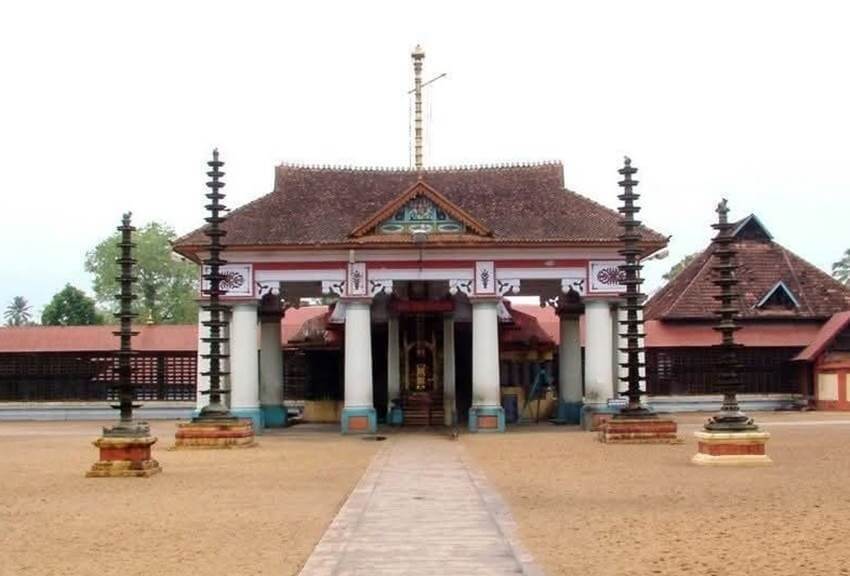
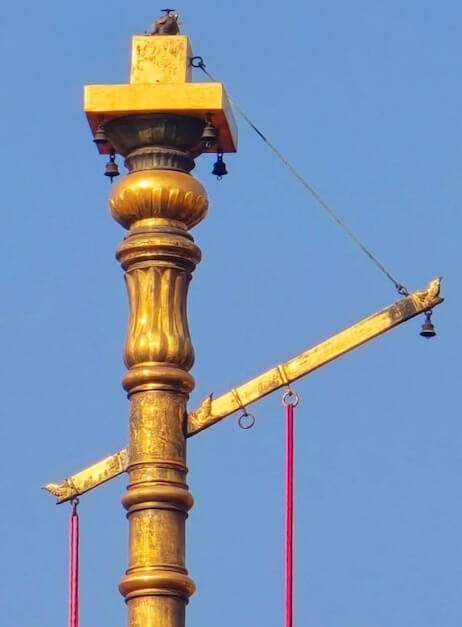
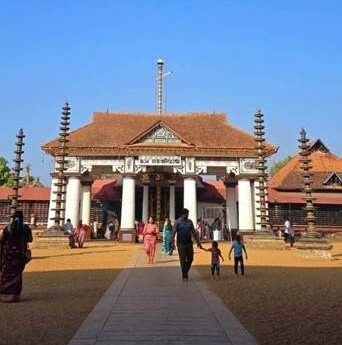
मंदिरे
Temples
मंदिर
મંદિરો
கோவில்கள்
దేవాలయాలు
ക്ഷേത്രങ്ങൾ
ದೇವಾಲಯಗಳು
মন্দিরসমূহ
ਮੰਦਿਰ
-
वेल्लूर श्री सुब्रह्मण्य स्वामी मंदिर पामपाडी, जि. कोट्टायम
अधिक माहितीVelloor Sree Subrahmanya Swamy Temple Pampady, Dist. Kottayam
View Detailsवेल्लोर श्री सुब्रह्मण्य स्वामी मंदिर पंपडी, जिला. कोट्टायम
विवरण देखेंVelloor Sree Subrahmanya Swamy Temple Pampady, Dist. Kottayam
વિગત જુઓVelloor Sree Subrahmanya Swamy Temple Pampady, Dist. Kottayam
விவரங்களைக் காண்கVelloor Sree Subrahmanya Swamy Temple Pampady, Dist. Kottayam
వివరాలను చూడండిVelloor Sree Subrahmanya Swamy Temple Pampady, Dist. Kottayam
വിശദാംശങ്ങൾ കാണുകVelloor Sree Subrahmanya Swamy Temple Pampady, Dist. Kottayam
ವಿವರಗಳನ್ನು ವೀಕ್ಷಿಸಿVelloor Sree Subrahmanya Swamy Temple Pampady, Dist. Kottayam
বিস্তারিত দেখুনVelloor Sree Subrahmanya Swamy Temple Pampady, Dist. Kottayam
ਵੇਰਵੇ ਦੇਖੋ -
पुलियान्नूर शिव मंदिर पाला, जि. कोट्टायम
अधिक माहितीPuliyannur Siva Temple Pala, Dist. Kottayam
View Detailsपुलियान्नुर शिव मंदिर पाला, जिला. कोट्टायम
विवरण देखेंPuliyannur Siva Temple Pala, Dist. Kottayam
વિગત જુઓPuliyannur Siva Temple Pala, Dist. Kottayam
விவரங்களைக் காண்கPuliyannur Siva Temple Pala, Dist. Kottayam
వివరాలను చూడండిPuliyannur Siva Temple Pala, Dist. Kottayam
വിശദാംശങ്ങൾ കാണുകPuliyannur Siva Temple Pala, Dist. Kottayam
ವಿವರಗಳನ್ನು ವೀಕ್ಷಿಸಿPuliyannur Siva Temple Pala, Dist. Kottayam
বিস্তারিত দেখুনPuliyannur Siva Temple Pala, Dist. Kottayam
ਵੇਰਵੇ ਦੇਖੋ -
परिपू महादेवाचे मंदिर आयमनम, जि. कोट्टायम
अधिक माहितीParippu Mahadeva Temple Aymanam, Dist. Kottayam
View Detailsपरिप्पु महादेव मंदिर अयमानम, जिला. कोट्टायम
विवरण देखेंParippu Mahadeva Temple Aymanam, Dist. Kottayam
વિગત જુઓParippu Mahadeva Temple Aymanam, Dist. Kottayam
விவரங்களைக் காண்கParippu Mahadeva Temple Aymanam, Dist. Kottayam
వివరాలను చూడండిParippu Mahadeva Temple Aymanam, Dist. Kottayam
വിശദാംശങ്ങൾ കാണുകParippu Mahadeva Temple Aymanam, Dist. Kottayam
ವಿವರಗಳನ್ನು ವೀಕ್ಷಿಸಿParippu Mahadeva Temple Aymanam, Dist. Kottayam
বিস্তারিত দেখুনParippu Mahadeva Temple Aymanam, Dist. Kottayam
ਵੇਰਵੇ ਦੇਖੋ