
मल्लियूर श्री महा गणपती मंदिर
मंजूर कुरुप्पंथरा, जिल्हा कोट्टायम
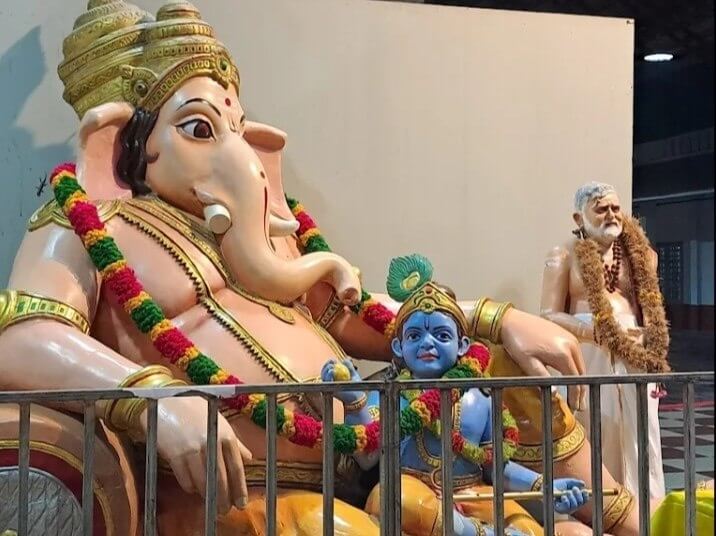 मल्लियूर श्री महा गणपती मंदिर हे केरळमधील सर्वात प्रसिद्ध गणपती मंदिरांपैकी एक असून ते कोट्टायम जिल्ह्यातील कुरुप्पंथरा जवळ स्थित आहे. या मंदिराचे मुख्य दैवत भगवान गणेशाचे दुर्मिळ रूप ‘बीज गणपती’ आहे. भक्त प्रेमाने या दैवताला “मल्लियूरप्पन” असे संबोधतात आणि त्यांचा असा विश्वास आहे की भगवान गणपती सर्व अडथळे दूर करतात आणि समृद्धी, शैक्षणिक यश, करिअरमधील प्रगती आणि कौटुंबिक शांतता प्रदान करतात. हे मंदिर मुख्य पुजारी आणि विद्वान, संततुल्य मल्लियूर शंकरन नंबुद्री यांच्या नावाशी घट्ट जोडलेले आहे. “भागवत हंसम” म्हणून ओळखल्या जाणाऱ्या त्यांनी जवळजवळ २,५०० भागवत सप्ताहांचे आयोजन केले होते, ज्यामध्ये श्रीमद् भागवताचे सात दिवस अखंड पठण आणि स्पष्टीकरण केले जाते.
 या मंदिराचा इतिहास केरळच्या पूर्व-पेरुमल काळातील असल्याचे मानले जाते. सुरुवातीला हे केवळ एक छोटेसे कौटुंबिक मंदिर होते. एकेकाळी हे मंदिर जीर्ण अवस्थेत होते, परंतु भागवत हंसम मल्लियूर शंकरन नंबुद्री यांच्या काळात त्याचा पुनरुद्धार होऊन ते सध्याच्या स्वरूपात विकसित झाले. भगवान गणपतीप्रती असलेल्या त्यांच्या गाढ भक्तीमुळे या मंदिराला मोठी प्रसिद्धी मिळाली. ते भगवान गणेशाच्या उपस्थितीत भागवताचे पठण करत असत, त्यामुळे हे दैवत गणेशाच्या मांडीवर बाळ कृष्ण घेऊन भागवत ऐकणारे दैवत म्हणून ओळखले जाऊ लागले. विसाव्या शतकाच्या मध्यापासून मंदिराच्या रचनेने सध्याचे स्वरूप धारण करण्यास सुरुवात केली. १९८० च्या दशकापर्यंत हे मंदिर संपूर्ण केरळमध्ये प्रसिद्ध झाले आणि एक प्रमुख तीर्थक्षेत्र म्हणून विकसित झाले. त्यानंतर, अनेक नूतनीकरणे आणि विस्तार करण्यात आले.
पौराणिक कथेनुसार, अनेक शतकांपूर्वी मल्लियूर मना (पारंपारिक ब्राह्मण कुटुंब) चे प्रमुख असलेल्या एका अत्यंत आध्यात्मिक ब्राह्मणाला त्यांच्या प्रवासात भगवान गणेशाची एक सुंदर मूर्ती मिळाली. ही मूर्ती बीज गणपतीच्या स्वरूपात होती, जिला चार हात होते आणि सोंड उजव्या बाजूला वळलेली होती.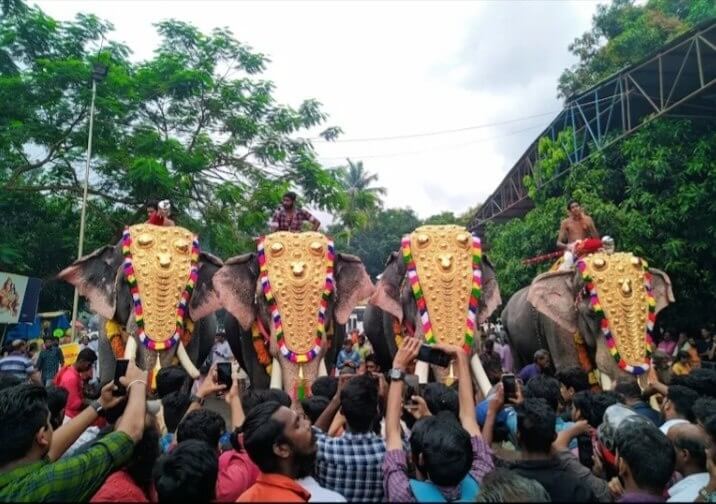 त्यांनी ही मूर्ती मल्लियूर मनाच्या थेवरप्पुरा (कौटुंबिक देवघर) मध्ये स्थापित केली. त्यांच्या पूजेने प्रसन्न होऊन भगवान गणपतीने स्वतंत्र मंदिराची मागणी केली, असे मानले जाते. या दैवी इच्छेनुसार, ब्राह्मणाने एक मंदिर बांधले आणि तिथे दैवताची स्थापना केली. ते मंदिर नंतर मल्लियूर महा गणपती मंदिर म्हणून ओळखले जाऊ लागले.
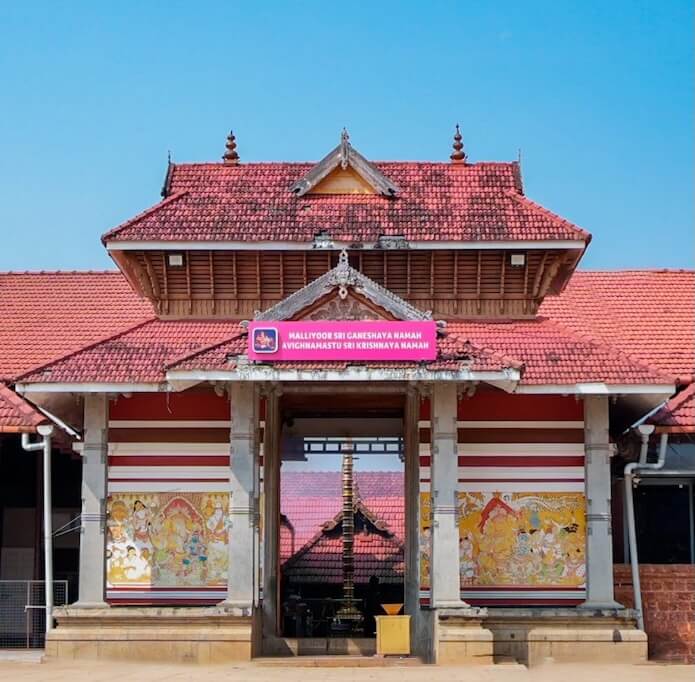
बाहेरून पाहिल्यास, हे मंदिर भक्ती आणि केरळच्या पारंपारिक वास्तुकलेचा एक सुंदर संगम दर्शवते. हे मंदिर केरळच्या उत्कृष्ट मंदिर शैलीत बांधलेले आहे. समोर एक सुंदर गोपुरम (मंदिराचे प्रवेशद्वार) आहे. पूर्व गोपुरमच्या अगदी समोर एक पवित्र पिंपळाचे झाड (अरायल वृक्ष) आहे, ज्याला हिंदू धर्मात पवित्र मानले जाते आणि ते त्रिमूर्तीचे प्रतीक मानले जाते. पूर्व गोपुरातून प्रवेश केल्यावर, भक्त प्रथम मोठ्या हत्ती निवाऱ्यात (आनाक्कोट्टिल) पोहोचतात, जे सुंदररित्या डिझाइन केलेले आहे आणि तिथे मंदिराच्या मिरवणुकीसाठी पाच हत्ती राहू शकतात.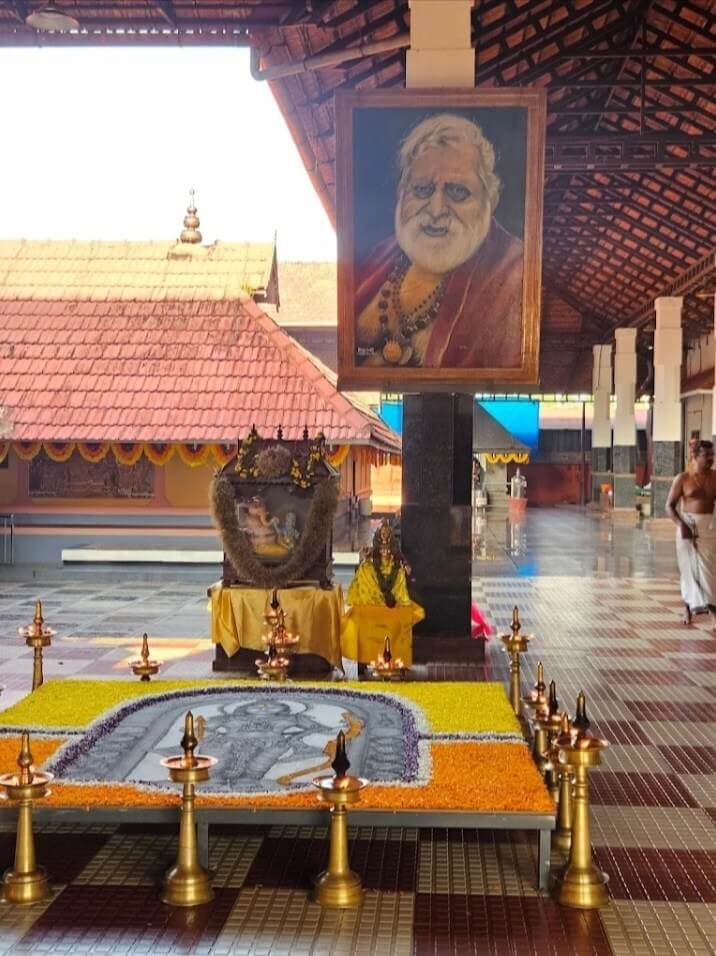
हत्ती निवाऱ्याच्या दक्षिणेला गणपती होमासाठी एक विशेष मंडप आहे. त्यापलीकडे सोन्याचा ध्वजस्तंभ आहे, ज्यावर भगवान गणेशाचे वाहन असलेल्या मूषकाची प्रतिमा आहे. सुमारे ४० फूट उंच असलेला हा ध्वजस्तंभ २०११ मध्ये स्थापित करण्यात आला. ध्वजस्तंभाच्या पलीकडे बलिकल्पुरा (बळी देण्याचे क्षेत्र) आहे, जिथे एक अतिशय लहान बळीचा दगड आहे.
मंदिरात काळ्या पाषाणापासून बनवलेले एक लहान, एकमजली गर्भगृह (श्रीकोविल) आहे. त्याचे छप्पर पूर्णपणे तांब्याच्या पत्र्यांनी झाकलेले आहे, तर आजूबाजूचा भाग सोन्याचा मुलामा दिलेला आहे. गर्भगृहाच्या आत मूर्ती स्थापित आहे. तीन फूट उंच असलेली भगवान गणेशाची चतुर्भुज मूर्ती पूर्वेकडे तोंड करून आहे. हे दैवत बीज गणपतीच्या दुर्मिळ रूपात आहे. मागील उजव्या हातात त्यांनी परशू (कुऱ्हाड), मागील डाव्या हातात पाश, पुढच्या डाव्या हातात लिंबू आणि पुढच्या उजव्या हातात लाडू धरला आहे. सोंड उजव्या बाजूला वळलेली आहे. जवळच एक शालिग्रामही ठेवलेला आहे. मंदिराच्या दक्षिण बाजूला भगवान शास्ता यांचे स्वतंत्र गर्भगृह आहे, ज्याचे तोंड पूर्वेकडे आहे. मूर्ती सुमारे तीन फूट उंच असून उजव्या हातात अमृत कलश धरलेली आहे. शबरीमलाचे भाविक परंपरेनुसार येथे आपली माळ घालतात आणि इरुमुडी तयार करतात. शास्तांच्या मंदिराच्या पश्चिमेला, एका स्वतंत्र चौथऱ्यावर ब्रह्मराक्षसाची स्थापना आहे. येथील एक विशेष परंपरा अशी आहे की, कोणतीही मोठी विधी ब्रह्मराक्षसाची परवानगी घेतल्याशिवाय सुरू होत नाही.
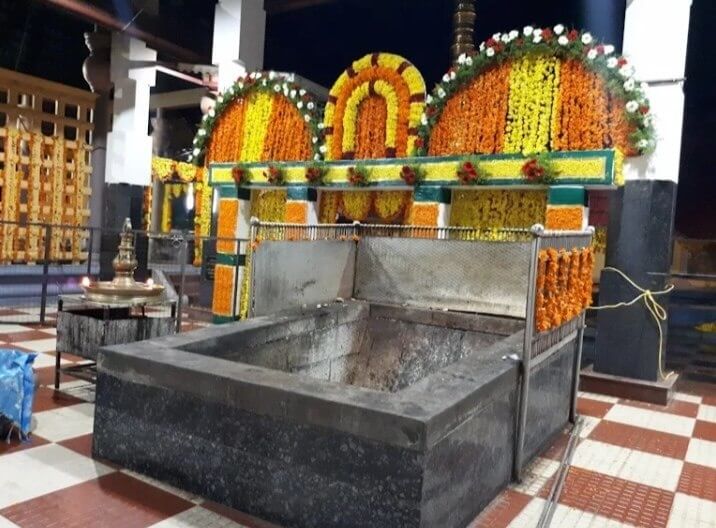 मंदिराच्या उत्तर बाजूला देवी दुर्गेचे मंदिर आहे. हे दैवत मंदिरात प्रथम विराजमान झाले होते असे मानले जात असल्याने, या मंदिराला विशेष महत्त्व दिले जाते. हे दैवत चतुर्भुज स्वरूपातील विष्णू दुर्गा आहे. मागील उजव्या हातात चक्र, मागील डाव्या हातात शंख, पुढच्या डाव्या हातात कटिबद्ध मुद्रा आणि पुढच्या उजव्या हातात वरद मुद्रा आहे. देवीच्या समोर आणखी एक उप-दैवत ‘अथी महाकाल’ आहे, ज्याला मंदिराचा रक्षक मानले जाते. अथी महाकाल हे भगवान शिवाने यमाला (मृत्यूची देवता) वश करण्यासाठी धारण केलेले रूप मानले जाते. हे दैवत एका लहान शिव लिंगाद्वारे दर्शविले जाते.
मल्लियूर महा गणपती मंदिराचा मुख्य उत्सव ‘मल्लियूर तीर्थयात्रा उत्सव’ म्हणून साजरा केला जातो. 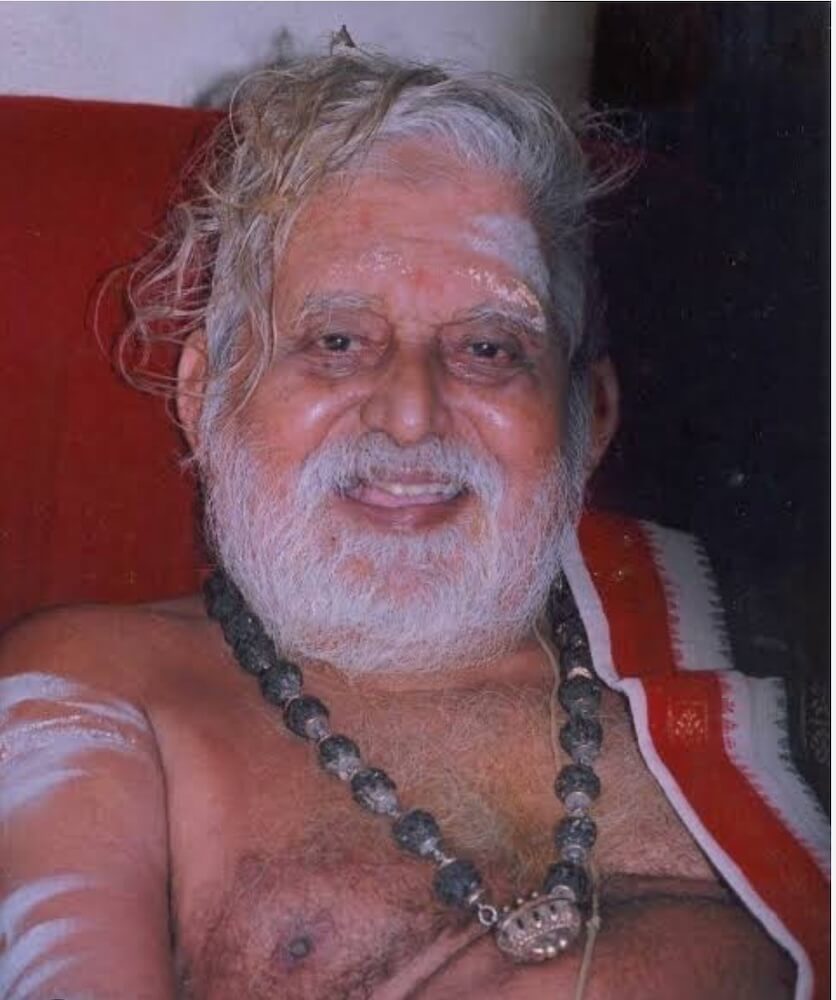 विनायक चतुर्थी हा येथील मुख्य उत्सव आहे. त्या दिवशी १०,००८ नारळांचा भव्य महागणपती होम केला जातो. गजपूजा (हत्तींची पूजा), आनयूट्टू (हत्तींना भोजन देणे), काझचा श्रीबली आणि कुडामट्टम हे विधी देखील पार पाडले जातात. मंदिरात केली जाणारी सर्वात महत्त्वाची सेवा म्हणजे महागणपती होम. या सेवेसाठी मल्याळम महिन्यातील चिंगम महिन्यातील शुक्ल पक्ष चतुर्थी हा सर्वोत्तम दिवस मानला जातो. भक्त समृद्धी, कल्याण आणि मानसिक शांतीसाठी हा विधी करतात.
दुसरी एक महत्त्वाची सेवा म्हणजे मुक्कुट्टी पुष्पांजली. या विधीमध्ये, मुक्कुट्टी फुलांच्या मुळासहित १०८ देठांना विशेष पद्धतीने तयार केलेल्या त्रिमाधुरात बुडवून देवाला अर्पण केले जाते. ही एक अत्यंत प्रभावी आध्यात्मिक सेवा मानली जात असल्याने, दिवसातून केवळ पाचच पुष्पांजली केल्या जातात. इतर महत्त्वाच्या सेवांमध्ये तांत्रिक परंपरेनुसार केली जाणारी उदयस्तमन पूजा आणि सहस्र कलश (पवित्र जलाच्या एक हजार कलशांनी केलेला अभिषेक) यांचा समावेश होतो. विवाहातील अडथळे दूर करण्यासाठी आणि कौटुंबिक कल्याणासाठी, भक्त ‘पझमाला’ अर्पण करतात — ही २८ केळ्यांची माळ असून तिला ‘नक्षत्रमाला’ असेही म्हणतात. थाडी निवेद्यम, चतुर्थी ऊट्टू, पालपायसम, मुळुक्काप्पू, तुलाभारम आणि पुष्पांजली या देखील लोकप्रिय सेवा आहेत.
मंदिर पहाटे ५:०० वाजता निर्मल्य दर्शनाने उघडते. सकाळी ५:३० वाजता अभिषेक आणि मालार निवेद्यम केले जाते. सकाळी ८:०० वाजता मुक्कुट्टी पुष्पांजली होते. सकाळी १०:०० वाजता उच्च पूजा झाल्यानंतर, मंदिर सकाळी ११:३० वाजता बंद होते. संध्याकाळी मंदिर ५:३० वाजता पुन्हा उघडते. संध्याकाळी ६:३० वाजता दीपाराधना होते, त्यानंतर ७:०० वाजता अथाझा निवेद्यम केले जाते आणि रात्री ८:०० वाजता मंदिर बंद होते.
मुख्य वैशिष्ट्ये
- कोट्टायम शहरापासून १९ किमी आणि वैकोम शहरापासून २० किमी अंतरावर स्थित आहे. राज्य परिवहन
- (केएसआरटीसी) आणि स्थानिक बस सुविधा सर्व प्रमुख शहरांतून कुरुप्पंथरापर्यंत उपलब्ध आहेत. खाजगी
- वाहने मंदिराच्या विस्तीर्ण पार्किंग ग्राउंडमध्ये उभी करता येतात. राहण्याची आणि भोजनाची सोय
- मंदिराच्या परिसरात उपलब्ध आहे. संपर्क क्रमांक: ०४८२९ २४३४५५
- ईमेल-administrative@malliyoortemple.org
Malliyoor Sree Maha Ganapathy Temple
Manjoor Kuruppanthara, Dist. Kottayam
Malliyoor Sree Maha Ganapathy Temple is one of the most famous Ganapathi temples in Kerala, situated near Kuruppanthara in Kottayam district. The presiding deity of the temple is the rare form of Lord Ganesha known as Beeja Ganapathi. Devotees lovingly call the deity “Malliyoorappan” and believe that Lord Ganapathi removes obstacles and grants prosperity, academic success, career growth, and family peace. The temple is closely associated with the name of the chief priest and scholar, the saint-like Malliyoor Sankaran Namboothiri. Known as “Bhagavatha Hamsam,” he conducted nearly 2,500 Bhagavatha Sapthahams, the seven-day continuous recitation and explanation of the Srimad Bhagavatham.
The history of the temple is believed to date back to the pre-Perumal era of Kerala. In the beginning, it was only a small family temple. At one time, the temple had fallen into a dilapidated condition, but during the time of Bhagavatha Hamsam Malliyoor Sankaran Namboothiri, it was revived and developed into its present form. His deep devotion to Lord Ganapathi brought the temple great fame. Because he used to recite the Bhagavatham in the presence of Lord Ganesha, the deity came to be known as Ganesha holding little Krishna on His lap, listening to the Bhagavatham. The temple structure began to take its present form during the mid-20th century. By the 1980s, the temple had become famous throughout Kerala and developed into a major pilgrimage centre. Later, many renovations and expansions were carried out.
According to legend, many centuries ago, a highly spiritual Brahmin, the head of the Malliyoor Mana (traditional Brahmin household), received a beautiful idol of Lord Ganesha during his travels. The idol was in the form of Beeja Ganapathi, with four hands and the trunk turned to the right side. He installed this idol in the Thevarappura (family shrine) of Malliyoor Mana. Pleased with his worship, Lord Ganapathi is believed to have asked for a separate temple. Following this divine wish, the Brahmin built a temple and installed the deity there. That temple later became known as Malliyoor Maha Ganapathi Temple.
From the outside, the temple presents a beautiful blend of devotion and traditional Kerala architecture. It is built in the classic Kerala temple style. At the front stands a beautiful gopuram (temple gateway). Directly in front of the eastern gopuram stands a sacred peepal tree (arayal tree), considered holy in Hindu belief and regarded as a symbol of the Trimurti. Entering through the eastern gopuram, devotees first reach the large elephant shelter (Aanakkottil), which is beautifully designed and can accommodate five elephants for temple processions.
To the south of the elephant shelter is a special mandapam for Ganapathi Homam. Beyond that stands the golden flagstaff, carrying the image of Mushika, the divine mouse vehicle of Lord Ganesha. This flagstaff, about 40 feet tall, was installed in 2011. Beyond the flagstaff is the Balikkalpura (sacrificial altar area), where there is a very small bali stone.
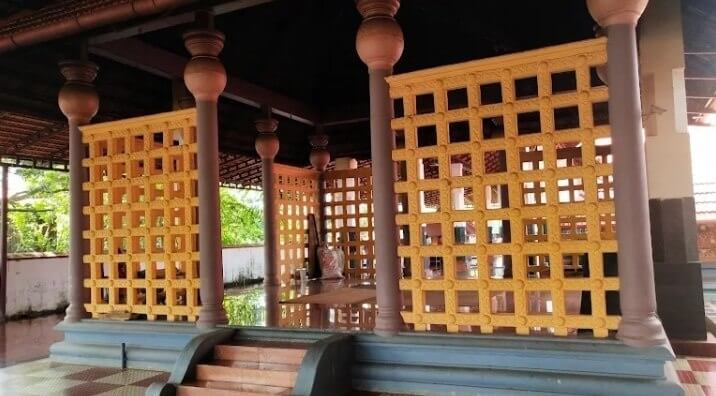
The temple has a small single-storied sanctum sanctorum (Sreekovil) made of black stone. Its roof is completely covered with copper sheets, while the surrounding portions are gold-plated. Inside the sanctum is the Garbhagriha, where the idol is installed. The three-foot-tall four-armed idol of Lord Ganesha faces east. The deity is in the rare form of Beeja Ganapathi. In the rear right hand, He holds an axe; in the rear left hand, a rope; in the front left hand, a lemon; and in the front right hand, a laddu. The trunk bends to the right side. A Salagrama is also placed nearby. On the southern side of the temple, there is a separate sanctum dedicated to Lord Sastha, facing east. The idol is about three feet tall and is shown holding an Amritha Kalasha (pot of nectar) in the right hand. Sabarimala pilgrims traditionally wear their mala and prepare their irumudi here. To the west of Sastha’s shrine, on a separate platform, there is a Brahmarakshas installation. A special tradition here is that no major ritual begins without first seeking the permission of Brahmarakshas.
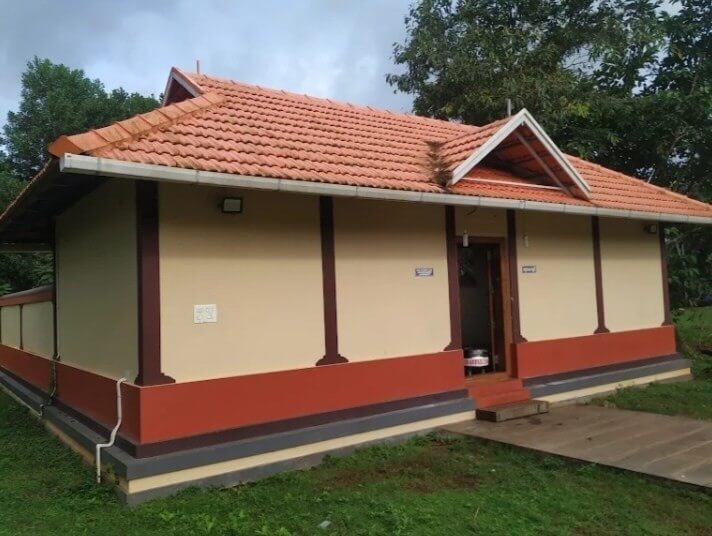
On the northern side of the temple stands the shrine of Goddess Durga. Since it is believed that this deity was the first to reside in the temple, this shrine is given special importance. The deity is Vishnu Durga in a four-armed form. In the rear right hand is the Chakra, in the rear left hand the Shankha, the front left hand shows Katibaddha Mudra, and the front right hand displays Vara Mudra. Facing the Goddess is another sub-deity, Athi Mahakalan, considered the guardian of the temple. Athi Mahakalan is believed to be the form assumed by Lord Shiva to subdue Yama, the god of death. This deity is represented by a small Shiva Lingam.
The main festival season of Malliyoor Maha Ganapathi Temple is celebrated as the Malliyoor pilgrimage festival. Vinayaka Chaturthi is the principal festival. On that day, the grand Maha Ganapathi Homam with 10,008 coconuts is performed. Gaja Pooja (elephant worship), Aanayootu (feeding elephants), Kazhcha Sreebali, and Kudamattam are also conducted. The most important offering in the temple is Maha Ganapathi Homam. The best day for this offering is the Shukla Paksha Chaturthi in the Malayalam month of Chingam. Devotees perform this ritual for prosperity, well-being, and mental peace.
Another important offering is Mukkutti Pushpanjali. In this ritual, 108 stalks of Mukkutti flowers with roots are dipped in a specially prepared Trimadhuram and offered to the deity. Since this is considered an intense spiritual offering, only five such Pushpanjalis are performed in a day. Other important offerings include Udayasthamana Pooja performed according to Tantric tradition, and Sahasra Kalasam (abhishekam with one thousand pots of sacred water). For removing obstacles related to marriage and for family welfare, devotees offer Pazhamala — a garland made of 28 bananas known as Nakshathramala. Thadi Nivedyam, Chaturthi Oottu, Palpayasam, Muzhukkappu, Thulabharam, and Pushpanjali are also popular offerings.
The temple opens at 5:00 AM with Nirmalyam Darshan. At 5:30 AM, Abhishekam and Malar Nivedyam are performed. At 8:00 AM, Mukkutti Pushpanjali takes place. After the Ucha Pooja at 10:00 AM, the temple closes at 11:30 AM. In the evening, the temple reopens at 5:30 PM. Deeparadhana is performed at 6:30 PM, followed by Athazha Nivedyam at 7:00 PM, and the temple closes for the day at 8:00 PM.
Key highlight
- Located at 19 km away from Kottayam town and 20 km away from Vaikom city. State Transport
- ( KSRTC ) and local bus facilities available to Kuruppanthara from all major cities. Private
- vehicles can park at the vast parking ground of the temple. Accommodation and food facilities
- are available around the temple. Contact number: 04829 243455
- Email-administrative@malliyoortemple.org
मल्लियूर श्री महा गणपति मंदिर
मंज़ूर कुरुप्पंथरा, ज़िला कोट्टायम
मल्लियूर श्री महा गणपति मंदिर केरल के सबसे प्रसिद्ध गणपति मंदिरों में से एक है, जो कोट्टायम ज़िले के कुरुप्पंथरा के पास स्थित है। मंदिर के मुख्य देवता भगवान गणेश का दुर्लभ स्वरूप ‘बीज गणपति’ हैं। भक्त प्रेमपूर्वक देवता को “मल्लियूरप्पन” कहकर पुकारते हैं और उनका मानना है कि भगवान गणपति बाधाओं को दूर करते हैं और समृद्धि, शैक्षणिक सफलता, करियर में उन्नति और पारिवारिक शांति प्रदान करते हैं। यह मंदिर मुख्य पुजारी और विद्वान, संत-तुल्य मल्लियूर शंकरन नंबूदिरी के नाम से गहराई से जुड़ा हुआ है। “भागवत हंसम” के रूप में विख्यात, उन्होंने लगभग २,५०० भागवत सप्ताहों का आयोजन किया, जो श्रीमद्भागवत का सात दिवसीय निरंतर पाठ और व्याख्या है।
माना जाता है कि मंदिर का इतिहास केरल के पूर्व-पेरुमल युग का है। शुरुआत में, यह केवल एक छोटा पारिवारिक मंदिर था। एक समय मंदिर जीर्ण-शीर्ण अवस्था में पहुँच गया था, लेकिन भागवत हंसम मल्लियूर शंकरन नंबूदिरी के समय में, इसका पुनरुद्धार हुआ और यह अपने वर्तमान स्वरूप में विकसित हुआ। भगवान गणपति के प्रति उनकी गहरी भक्ति ने मंदिर को बहुत प्रसिद्धि दिलाई। चूँकि वे भगवान गणेश की उपस्थिति में भागवत का पाठ किया करते थे, इसलिए देवता को भगवान गणेश के रूप में जाना जाने लगा, जो अपनी गोद में नन्हे कृष्ण को लिए भागवत सुन रहे हैं। मंदिर की संरचना ने २०वीं सदी के मध्य में अपना वर्तमान स्वरूप लेना शुरू किया। १९८० के दशक तक, यह मंदिर पूरे केरल में प्रसिद्ध हो गया और एक प्रमुख तीर्थ केंद्र के रूप में विकसित हुआ। बाद में, कई जीर्णोद्धार और विस्तार कार्य किए गए।
पौराणिक कथाओं के अनुसार, कई सदियों पहले, मल्लियूर मना (पारंपरिक ब्राह्मण परिवार) के मुखिया, एक अत्यंत आध्यात्मिक ब्राह्मण को अपनी यात्रा के दौरान भगवान गणेश की एक सुंदर प्रतिमा प्राप्त हुई। यह प्रतिमा बीज गणपति के रूप में थी, जिसकी चार भुजाएँ थीं और सूंड दाईं ओर मुड़ी हुई थी। उन्होंने इस प्रतिमा को मल्लियूर मना के तेवरप्पुरा (पारिवारिक मंदिर) में स्थापित किया। उनकी पूजा से प्रसन्न होकर, माना जाता है कि भगवान गणपति ने एक अलग मंदिर की इच्छा प्रकट की। इस दिव्य इच्छा का पालन करते हुए, ब्राह्मण ने एक मंदिर बनवाया और वहां देवता को स्थापित किया। वह मंदिर बाद में मल्लियूर महा गणपति मंदिर के नाम से जाना गया।
बाहर से, मंदिर भक्ति और पारंपरिक केरल वास्तुकला का एक सुंदर मिश्रण प्रस्तुत करता है। यह शास्त्रीय केरल मंदिर शैली में निर्मित है। सामने एक सुंदर गोपुरम (मंदिर का प्रवेश द्वार) स्थित है। पूर्वी गोपुरम के ठीक सामने एक पवित्र पीपल का पेड़ (अरायल वृक्ष) है, जिसे हिंदू धर्म में पवित्र माना जाता है और त्रिमूर्ति का प्रतीक माना जाता है। पूर्वी गोपुरम से प्रवेश करते ही, भक्त सबसे पहले बड़े हाथी आश्रय (आनाक्कोट्टिल) तक पहुँचते हैं, जिसे खूबसूरती से डिज़ाइन किया गया है और इसमें मंदिर के जुलूसों के लिए पाँच हाथियों को रखा जा सकता है।
हाथी आश्रय के दक्षिण में गणपति होमम के लिए एक विशेष मंडप है। उसके आगे स्वर्ण ध्वजस्तंभ है, जिस पर भगवान गणेश के दिव्य मूषक वाहन की छवि अंकित है। लगभग ४० फीट ऊँचा यह ध्वजस्तंभ २०११ में स्थापित किया गया था। ध्वजस्तंभ के आगे बलि पत्थर का क्षेत्र (बलिकल्लुपुरा) है, जहाँ एक बहुत छोटा बलि पत्थर स्थित है।
मंदिर में काले पत्थर से बना एक छोटा, एक मंजिला गर्भगृह (श्रीकोविल) है। इसकी छत पूरी तरह से तांबे की चादरों से ढकी हुई है, जबकि आसपास के हिस्से सोने की परत चढ़े हुए हैं। गर्भगृह के अंदर वह स्थान है जहाँ प्रतिमा स्थापित है। भगवान गणेश की तीन फीट ऊँची चार भुजाओं वाली प्रतिमा पूर्व की ओर मुख किए हुए है। देवता बीज गणपति के दुर्लभ स्वरूप में हैं। पीछे के दाहिने हाथ में वे कुल्हाड़ी, पीछे के बाएं हाथ में पाश, सामने के बाएं हाथ में नींबू और सामने के दाहिने हाथ में लड्डू लिए हुए हैं। सूंड दाईं ओर मुड़ी हुई है। पास में ही एक शालिग्राम भी रखा गया है। मंदिर के दक्षिणी भाग में भगवान शास्ता को समर्पित एक अलग गर्भगृह है, जिसका मुख पूर्व की ओर है। प्रतिमा लगभग तीन फीट ऊँची है और दाहिने हाथ में अमृत कलश लिए हुए दिखाई गई है। सबरीमाला के तीर्थयात्री पारंपरिक रूप से यहीं अपनी माला पहनते हैं और इरुमुडी तैयार करते हैं। शास्ता के मंदिर के पश्चिम में, एक अलग चबूतरे पर ब्रह्मराक्षस की स्थापना है। यहाँ एक विशेष परंपरा यह है कि कोई भी बड़ा अनुष्ठान ब्रह्मराक्षस की अनुमति लिए बिना शुरू नहीं होता है।
मंदिर के उत्तरी भाग में देवी दुर्गा का मंदिर स्थित है। चूँकि यह माना जाता है कि यह देवी मंदिर में निवास करने वाली पहली देवता थीं, इसलिए इस मंदिर को विशेष महत्व दिया जाता है। देवी विष्णु दुर्गा हैं जो चार भुजाओं वाले स्वरूप में हैं। पीछे के दाहिने हाथ में चक्र, पीछे के बाएं हाथ में शंख, सामने का बायां हाथ कटिबद्ध मुद्रा में है और सामने का दाहिना हाथ वर मुद्रा प्रदर्शित करता है। देवी के सामने एक और उप-देवता, अति महाकालन हैं, जिन्हें मंदिर का रक्षक माना जाता है। माना जाता है कि अति महाकालन, भगवान शिव द्वारा यमराज को वश में करने के लिए धारण किया गया स्वरूप है। यह देवता एक छोटे शिव लिंग द्वारा दर्शाया गया है।
मल्लियूर महा गणपति मंदिर का मुख्य उत्सव मल्लियूर तीर्थ उत्सव के रूप में मनाया जाता है। विनायक चतुर्थी यहाँ का मुख्य उत्सव है। उस दिन १०,००८ नारियल के साथ भव्य महा गणपति होमम् संपन्न किया जाता है। गज पूजा (हाथी की पूजा), आनयूट्टू (हाथियों को भोजन कराना), काझचा श्रीबली और कुडामट्टम भी आयोजित किए जाते हैं। मंदिर में सबसे महत्वपूर्ण भेंट महा गणपति होमम् है। इस भेंट के लिए सबसे उत्तम दिन मलयालम माह चिंगम का शुक्ल पक्ष चतुर्थी है। भक्त समृद्धि, कल्याण और मानसिक शांति के लिए यह अनुष्ठान करते हैं।
एक अन्य महत्वपूर्ण भेंट मुक्कुट्टी पुष्पांजलि है। इस अनुष्ठान में, जड़ों सहित मुक्कुट्टी फूलों की १०८ डंठलों को विशेष रूप से तैयार त्रि-मधुरम में डुबोकर देवता को अर्पित किया जाता है। चूंकि इसे एक गहन आध्यात्मिक भेंट माना जाता है, इसलिए एक दिन में केवल पाँच ऐसी पुष्पांजलि ही की जाती हैं। अन्य महत्वपूर्ण भेंटों में तांत्रिक परंपरा के अनुसार की जाने वाली उदयस्तमन पूजा और सहस्र कलशम् (पवित्र जल के एक हजार कलशों से अभिषेक) शामिल हैं। विवाह संबंधी बाधाओं को दूर करने और पारिवारिक कल्याण के लिए, भक्त फलमाला अर्पित करते हैं — जो २८ केलों से बनी एक माला है जिसे नक्षत्रमाला के नाम से जाना जाता है। थाडी निवेद्यम, चतुर्थी ऊट्टू, पालपायसम, मुळुक्काप्पु, तुलाभारम और पुष्पांजलि भी लोकप्रिय भेंट हैं।
मंदिर ५:०० बजे निर्मल्य दर्शन के साथ खुलता है। ५:३० बजे अभिषेक और मलार निवेद्यम किया जाता है। ८:०० बजे मुक्कुट्टी पुष्पांजलि होती है। १०:०० बजे उच्च पूजा के बाद, मंदिर ११:३० बजे बंद हो जाता है। शाम को, मंदिर ५:३० बजे फिर से खुलता है। ६:३० बजे दीपाराधना की जाती है, जिसके बाद ७:०० बजे अथाझा निवेद्यम होता है, और मंदिर ८:०० बजे दिन के लिए बंद हो जाता है।
मुख्य आकर्षण
- कोट्टायम शहर से १९ किमी और वैकोम शहर से २० किमी दूर स्थित है। राज्य परिवहन
- (केएसआरटीसी) और स्थानीय बस सुविधाएँ सभी प्रमुख शहरों से कुरुप्पंथरा के लिए उपलब्ध हैं। निजी
- वाहन मंदिर के विशाल पार्किंग मैदान में पार्क किए जा सकते हैं। मंदिर के आसपास आवास और भोजन की सुविधाएँ
- उपलब्ध हैं। संपर्क संख्या: ०४८२९ २४३४५५
- ईमेल-administrative@malliyoortemple.org
મલ્લિયૂર શ્રી મહા ગણપતિ મંદિર
મંજૂર કુરુપન્થરા, જિ. કોટ્ટાયમ
મલ્લિયૂર શ્રી મહા ગણપતિ મંદિર કેરળના સૌથી પ્રખ્યાત ગણપતિ મંદિરોમાંનું એક છે, જે કોટ્ટાયમ જિલ્લાના કુરુપન્થરા નજીક આવેલું છે. મંદિરના મુખ્ય દેવતા ભગવાન ગણેશનું દુર્લભ સ્વરૂપ છે, જેને બીજ ગણપતિ તરીકે ઓળખવામાં આવે છે. ભક્તો પ્રેમથી દેવતાને “મલ્લિયૂરપ્પન” કહીને બોલાવે છે અને માને છે કે ભગવાન ગણપતિ અવરોધો દૂર કરે છે અને સમૃદ્ધિ, શૈક્ષણિક સફળતા, કારકિર્દીમાં પ્રગતિ અને પારિવારિક શાંતિ પ્રદાન કરે છે. આ મંદિર મુખ્ય પૂજારી અને વિદ્વાન, સંત સમાન મલ્લિયૂર શંકરન નમ્બૂદિરીના નામ સાથે ગાઢ રીતે જોડાયેલું છે. “ભાગવત હંસમ” તરીકે જાણીતા, તેમણે લગભગ ૨,૫૦૦ ભાગવત સપ્તાહનું આયોજન કર્યું હતું, જે શ્રીમદ ભાગવતનું સાત દિવસીય સતત પઠન અને વ્યાખ્યાન છે.
મંદિરનો ઇતિહાસ કેરળના પૂર્વ-પેરુમાળ યુગનો હોવાનું માનવામાં આવે છે. શરૂઆતમાં, તે માત્ર એક નાનું પારિવારિક મંદિર હતું. એક સમયે, મંદિર જર્જરિત અવસ્થામાં આવી ગયું હતું, પરંતુ ભાગવત હંસમ મલ્લિયૂર શંકરન નમ્બૂદિરીના સમય દરમિયાન, તેનો જીર્ણોદ્ધાર કરવામાં આવ્યો અને તેને વર્તમાન સ્વરૂપમાં વિકસાવવામાં આવ્યું. ભગવાન ગણપતિ પ્રત્યેની તેમની ગહન ભક્તિએ મંદિરને ખૂબ ખ્યાતિ અપાવી. કારણ કે તેઓ ભગવાન ગણેશની હાજરીમાં ભાગવતનો પાઠ કરતા હતા, તેથી દેવતા ભગવાન કૃષ્ણને પોતાના ખોળામાં બેસાડીને ભાગવત સાંભળતા ગણેશ તરીકે ઓળખાવા લાગ્યા. મંદિરનું માળખું ૨૦મી સદીના મધ્યમાં તેનું વર્તમાન સ્વરૂપ લેવા લાગ્યું. ૧૯૮૦ના દાયકા સુધીમાં, આ મંદિર સમગ્ર કેરળમાં પ્રખ્યાત થઈ ગયું હતું અને એક મુખ્ય તીર્થસ્થાન તરીકે વિકસ્યું હતું. ત્યારબાદ, ઘણા નવીનીકરણ અને વિસ્તરણ કરવામાં આવ્યા હતા.
દંતકથા અનુસાર, ઘણી સદીઓ પહેલા, મલ્લિયૂર માના (પરંપરાગત બ્રાહ્મણ પરિવાર) ના વડા, એક અત્યંત આધ્યાત્મિક બ્રાહ્મણને તેમની મુસાફરી દરમિયાન ભગવાન ગણેશની એક સુંદર મૂર્તિ મળી હતી. આ મૂર્તિ બીજ ગણપતિના સ્વરૂપમાં હતી, જેમાં ચાર હાથ હતા અને સૂંઢ જમણી બાજુ વળેલી હતી. તેમણે આ મૂર્તિને મલ્લિયૂર માનાના તેવરાપ્પુરા (પારિવારિક મંદિર) માં સ્થાપિત કરી. તેમની પૂજાથી પ્રસન્ન થઈને, ભગવાન ગણપતિએ એક અલગ મંદિરની માંગણી કરી હોવાનું માનવામાં આવે છે. આ દૈવી ઈચ્છાને અનુસરીને, બ્રાહ્મણે એક મંદિર બનાવ્યું અને ત્યાં દેવતાની સ્થાપના કરી. તે મંદિર પાછળથી મલ્લિયૂર મહા ગણપતિ મંદિર તરીકે ઓળખાયું.
બહારથી, મંદિર ભક્તિ અને પરંપરાગત કેરળ સ્થાપત્યનું સુંદર મિશ્રણ રજૂ કરે છે. તે ક્લાસિક કેરળ મંદિર શૈલીમાં બનેલું છે. આગળના ભાગમાં એક સુંદર ગોપુરમ (મંદિરનું પ્રવેશદ્વાર) છે. પૂર્વીય ગોપુરમની બરાબર સામે એક પવિત્ર પીપળાનું વૃક્ષ (અરાયલ વૃક્ષ) છે, જેને હિન્દુ માન્યતામાં પવિત્ર અને ત્રિમૂર્તિનું પ્રતીક માનવામાં આવે છે. પૂર્વીય ગોપુરમમાંથી પ્રવેશતા, ભક્તો સૌ પ્રથમ મોટા હાથીના આશ્રયસ્થાન (આનાક્કોટ્ટિલ) સુધી પહોંચે છે, જે સુંદર રીતે ડિઝાઇન કરવામાં આવ્યું છે અને તેમાં મંદિરના સરઘસો માટે પાંચ હાથીઓ સમાઈ શકે છે.
હાથીના આશ્રયસ્થાનની દક્ષિણે ગણપતિ હોમ માટે એક વિશેષ મંડપ છે. તેની પેલે પાર સુવર્ણ ધ્વજસ્તંભ છે, જેના પર ભગવાન ગણેશના દૈવી ઉંદર વાહન મુષિકની છબી છે. આ ધ્વજસ્તંભ, લગભગ ૪૦ ફૂટ ઊંચો, ૨૦૧૧માં સ્થાપિત કરવામાં આવ્યો હતો. ધ્વજસ્તંભની પેલે પાર બાલિક્કલપુરા (બલિદાન વેદી વિસ્તાર) છે, જ્યાં એક ખૂબ જ નાનો બલિ પથ્થર છે.
મંદિરમાં કાળા પથ્થરથી બનેલો એક નાનો એક માળનો ગર્ભગૃહ (શ્રીકોવિલ) છે. તેની છત સંપૂર્ણપણે તાંબાની શીટ્સથી ઢંકાયેલી છે, જ્યારે આસપાસના ભાગો સોનાના પતરાથી મઢેલા છે. ગર્ભગૃહની અંદર ગર્ભગૃહ છે, જ્યાં મૂર્તિ સ્થાપિત છે. ભગવાન ગણેશની ત્રણ ફૂટ ઊંચી ચાર હાથવાળી મૂર્તિ પૂર્વ તરફ મુખ કરે છે. દેવતા બીજ ગણપતિના દુર્લભ સ્વરૂપમાં છે. પાછળના જમણા હાથમાં, તેઓ કુહાડી ધારણ કરે છે; પાછળના ડાબા હાથમાં, એક દોરડું; આગળના ડાબા હાથમાં, એક લીંબુ; અને આગળના જમણા હાથમાં, એક લાડુ છે. સૂંઢ જમણી બાજુ વળેલી છે. નજીકમાં એક સાલિગ્રામ પણ મૂકવામાં આવ્યો છે. મંદિરની દક્ષિણ બાજુએ, ભગવાન શાસ્તાને સમર્પિત એક અલગ ગર્ભગૃહ છે, જે પૂર્વ તરફ મુખ કરે છે. મૂર્તિ લગભગ ત્રણ ફૂટ ઊંચી છે અને જમણા હાથમાં અમૃત કલશ (અમૃતનો ઘડો) પકડેલી દર્શાવવામાં આવી છે. શબરીમાલાના યાત્રાળુઓ પરંપરાગત રીતે અહીં તેમની માળા પહેરે છે અને તેમની ઈરુમુડી તૈયાર કરે છે. શાસ્તાના મંદિરની પશ્ચિમે, એક અલગ પ્લેટફોર્મ પર, બ્રહ્મરાક્ષસની સ્થાપના છે. અહીં એક વિશેષ પરંપરા એ છે કે બ્રહ્મરાક્ષસની પરવાનગી લીધા વિના કોઈ મોટું ધાર્મિક વિધિ શરૂ થતું નથી.
મંદિરની ઉત્તર બાજુએ દેવી દુર્ગાનું મંદિર છે. કારણ કે એવું માનવામાં આવે છે કે આ દેવી મંદિરમાં રહેનાર પ્રથમ હતા, તેથી આ મંદિરને વિશેષ મહત્વ આપવામાં આવે છે. દેવતા ચાર હાથવાળા સ્વરૂપમાં વિષ્ણુ દુર્ગા છે. પાછળના જમણા હાથમાં ચક્ર છે, પાછળના ડાબા હાથમાં શંખ છે, આગળનો ડાબો હાથ કટિબદ્ધ મુદ્રા દર્શાવે છે, અને આગળનો જમણો હાથ વર મુદ્રા દર્શાવે છે. દેવીની સામે અન્ય એક પેટા-દેવતા, અતિ મહાકાલન છે, જેમને મંદિરના રક્ષક માનવામાં આવે છે. અતિ મહાકાલન એ ભગવાન શિવ દ્વારા મૃત્યુના દેવતા યમને વશ કરવા માટે ધારણ કરેલું સ્વરૂપ માનવામાં આવે છે. આ દેવતા એક નાના શિવલિંગ દ્વારા દર્શાવવામાં આવ્યા છે.
મલ્લિયૂર મહા ગણપતિ મંદિરનો મુખ્ય ઉત્સવ મલ્લિયૂર તીર્થયાત્રા ઉત્સવ તરીકે ઉજવવામાં આવે છે. વિનાયક ચતુર્થી અહીંનો મુખ્ય ઉત્સવ છે. તે દિવસે ૧૦,૦૦૮ નાળિયેર સાથે ભવ્ય મહા ગણપતિ હોમ કરવામાં આવે છે. ગજ પૂજા (હાથીની પૂજા), આનાયૂટ્ટુ (હાથીઓને ભોજન કરાવવું), કાઝચા શ્રીબલી અને કુડામટ્ટમ પણ યોજાય છે. મંદિરમાં સૌથી મહત્વની ભેટ મહા ગણપતિ હોમ છે. આ ભેટ માટે મલયાલમ મહિના ચિંગમના શુક્લ પક્ષની ચતુર્થીનો દિવસ શ્રેષ્ઠ માનવામાં આવે છે. ભક્તો સમૃદ્ધિ, સુખાકારી અને માનસિક શાંતિ માટે આ વિધિ કરાવે છે.
અન્ય એક મહત્વની ભેટ મુક્કુટ્ટી પુષ્પાંજલિ છે. આ વિધિમાં, મુક્કુટ્ટી ફૂલોની ૧૦૮ ડાળીઓને મૂળ સાથે ખાસ તૈયાર કરેલા ત્રિમધુરમાં બોળીને દેવતાને અર્પણ કરવામાં આવે છે. આ એક અત્યંત આધ્યાત્મિક ભેટ ગણાતી હોવાથી, એક દિવસમાં માત્ર પાંચ જ પુષ્પાંજલિ કરવામાં આવે છે. અન્ય મહત્વની ભેટોમાં તાંત્રિક પરંપરા મુજબ કરવામાં આવતી ઉદયસ્થમન પૂજા અને સહસ્ત્ર કલશમ (પવિત્ર જળના એક હજાર કળશ સાથે અભિષેક)નો સમાવેશ થાય છે. લગ્ન સંબંધિત અવરોધો દૂર કરવા અને કૌટુંબિક કલ્યાણ માટે, ભક્તો ફળમાળા અર્પણ કરે છે — જે ૨૮ કેળામાંથી બનેલી માળા છે, જેને નક્ષત્રમાળા તરીકે ઓળખવામાં આવે છે. થાડી નિવેદ્યમ, ચતુર્થી ઊટ્ટુ, પાલપાયસમ, મુઝુક્કાપ્પુ, તુલાભારમ અને પુષ્પાંજલિ પણ લોકપ્રિય ભેટો છે.
મંદિર સવારે ૫:૦૦ વાગ્યે નિર્માલ્ય દર્શન સાથે ખુલે છે. સવારે ૫:૩૦ વાગ્યે અભિષેક અને મલાર નિવેદ્યમ કરવામાં આવે છે. સવારે ૮:૦૦ વાગ્યે મુક્કુટ્ટી પુષ્પાંજલિ થાય છે. સવારે ૧૦:૦૦ વાગ્યે ઉચ્ચ પૂજા બાદ, મંદિર ૧૧:૩૦ વાગ્યે બંધ થાય છે. સાંજે, મંદિર ૫:૩૦ વાગ્યે ફરી ખુલે છે. સાંજે ૬:૩૦ વાગ્યે દીપારાધના કરવામાં આવે છે, ત્યારબાદ ૭:૦૦ વાગ્યે અથાઝા નિવેદ્યમ થાય છે અને રાત્રે ૮:૦૦ વાગ્યે મંદિર બંધ થાય છે.
મુખ્ય વિશેષતા
- કોટ્ટાયમ શહેરથી ૧૯ કિમી અને વૈકમ શહેરથી ૨૦ કિમી દૂર આવેલું છે. સ્ટેટ ટ્રાન્સપોર્ટ
- (કેએસઆરટીસી) અને સ્થાનિક બસ સુવિધાઓ તમામ મુખ્ય શહેરોમાંથી કુરુપ્પન્થરા સુધી ઉપલબ્ધ છે. ખાનગી
- વાહનો મંદિરના વિશાળ પાર્કિંગ ગ્રાઉન્ડમાં પાર્ક કરી શકાય છે. રહેવાની અને ભોજનની સુવિધાઓ
- મંદિરની આસપાસ ઉપલબ્ધ છે. સંપર્ક નંબર: ૦૪૮૨૯ ૨૪૩૪૫૫
- ઈમેલ-administrative@malliyoortemple.org
மல்லியூர் ஸ்ரீ மகா கணபதி கோயில்
மஞ்சூர், குறுப்பந்தறா, கோட்டயம் மாவட்டம்
கேரளாவின் மிகப்பிரசித்தி பெற்ற கணபதி கோயில்களில் ஒன்று மல்லியூர் ஸ்ரீ மகா கணபதி கோயில். இது கோட்டயம் மாவட்டத்தில் உள்ள குறுப்பந்தறா அருகே அமைந்துள்ளது. இக்கோயிலின் மூலவர் ‘பீஜ கணபதி’ என்று அழைக்கப்படும் அபூர்வமான திருவுருவம் கொண்ட விநாயகப் பெருமான் ஆவார். பக்தர்கள் அன்புடன் இறைவனை “மல்லியூர்ப்பன்” என்று அழைக்கிறார்கள். தடைகளை நீக்கி, வளம், கல்வி வெற்றி, தொழில் வளர்ச்சி மற்றும் குடும்ப அமைதியை அருளும் தெய்வமாக கணபதி பெருமானை பக்தர்கள் நம்புகின்றனர். இக்கோயில், தலைமை அர்ச்சகரும் அறிஞருமான மல்லியூர் சங்கரன் நம்பூதிரி என்ற மகான் பெயருடன் நெருங்கிய தொடர்புடையது. “பாகவத ஹம்சம்” என்று போற்றப்படும் அவர், ஸ்ரீமத் பாகவதத்தின் ஏழு நாள் தொடர் பாராயணமும் விளக்கமுமான பாகவத சப்தாஹங்களை சுமார் ௨,௫௦௦ முறை நடத்தியுள்ளார்.
இக்கோயிலின் வரலாறு கேரளாவின் பெருமாள் காலத்திற்கு முந்தைய காலத்தைச் சேர்ந்ததாகக் கருதப்படுகிறது. தொடக்கத்தில் இது ஒரு சிறிய குடும்பக் கோயிலாகவே இருந்தது. ஒரு காலத்தில் கோயில் சிதிலமடைந்த நிலையில் இருந்தது, ஆனால் பாகவத ஹம்சம் மல்லியூர் சங்கரன் நம்பூதிரியின் காலத்தில், அது புத்துயிர் பெற்று தற்போதைய நிலைக்கு வளர்ந்தது. கணபதி பெருமானின் மீது அவர் கொண்டிருந்த ஆழ்ந்த பக்தி இக்கோயிலுக்குப் பெரும் புகழைத் தேடித்தந்தது. அவர் விநாயகப் பெருமானின் முன்னிலையில் பாகவதத்தை பாராயணம் செய்ததால், விநாயகர் தனது மடியில் சிறிய கிருஷ்ணனை அமரவைத்து பாகவதத்தைக் கேட்பது போன்ற தோற்றத்தில் இருப்பதாகக் கருதப்படுகிறது. ௨௦-ஆம் நூற்றாண்டின் நடுப்பகுதியில் கோயிலின் அமைப்பு தற்போதைய வடிவத்தைப் பெறத் தொடங்கியது. ௧௯௮௦-களுக்குள், இக்கோயில் கேரளா முழுவதும் புகழ்பெற்று ஒரு முக்கிய யாத்திரை மையமாக வளர்ந்தது. பின்னர், பல புனரமைப்பு மற்றும் விரிவாக்கப் பணிகள் மேற்கொள்ளப்பட்டன.
புராணங்களின்படி, பல நூற்றாண்டுகளுக்கு முன்பு, மல்லியூர் மனையின் (பாரம்பரிய பிராமணக் குடும்பம்) தலைவரான ஒரு சிறந்த ஆன்மீகவாதி, தனது பயணத்தின் போது விநாயகப் பெருமானின் அழகான விக்கிரகம் ஒன்றைப் பெற்றார். அந்த விக்கிரகம் நான்கு கரங்களுடன், தும்பிக்கை வலதுபுறம் திரும்பிய நிலையில் பீஜ கணபதி வடிவில் இருந்தது. அவர் இந்த விக்கிரகத்தை மல்லியூர் மனையின் தேவார அறையில் பிரதிஷ்டை செய்தார். அவரது வழிபாட்டில் மகிழ்ந்த கணபதி பெருமான், தனக்கென ஒரு தனி கோயில் வேண்டுமெனக் கேட்டதாக நம்பப்படுகிறது. இந்த தெய்வீக விருப்பத்தைத் தொடர்ந்து, அந்த பிராமணர் ஒரு கோயிலைக் கட்டி, அங்கு இறைவனைப் பிரதிஷ்டை செய்தார். அந்த கோயிலே பிற்காலத்தில் மல்லியூர் மகா கணபதி கோயில் என்று அழைக்கப்பட்டது.
வெளியிலிருந்து பார்க்கும்போது, இக்கோயில் பக்தியும் பாரம்பரிய கேரளக் கட்டிடக்கலையும் இணைந்த ஒரு அழகான காட்சியை அளிக்கிறது. இது பாரம்பரிய கேரள கோயில் பாணியில் கட்டப்பட்டுள்ளது. முன்புறத்தில் அழகான கோபுரம் உள்ளது. கிழக்கு கோபுரத்திற்கு நேர் முன்னால், இந்து நம்பிக்கையில் புனிதமாகக் கருதப்படும் மற்றும் மும்மூர்த்திகளின் அடையாளமாகப் போற்றப்படும் அரச மரம் உள்ளது. கிழக்கு கோபுரம் வழியாக உள்ளே நுழையும் பக்தர்கள், முதலில் பெரிய யானைக் கொட்டிலை (ஆனக்கொட்டில்) அடைகிறார்கள். இது அழகாக வடிவமைக்கப்பட்டுள்ளது மற்றும் கோயில் ஊர்வலங்களுக்காக ஐந்து யானைகளை நிறுத்தும் வசதி கொண்டது.
யானைக் கொட்டிலின் தெற்கே கணபதி ஹோமத்திற்காக ஒரு சிறப்பு மண்டபம் உள்ளது. அதற்கு அப்பால், விநாயகப் பெருமானின் வாகனமான மூஷிகத்தின் உருவம் தாங்கிய தங்கக் கொடிமரம் உள்ளது. சுமார் ௪௦ அடி உயரமுள்ள இந்தக் கொடிமரம் ௨௦௧௧-ஆம் ஆண்டு நிறுவப்பட்டது. கொடிமரத்திற்கு அப்பால் பலிக்கல்புறா உள்ளது, அங்கு மிகச்சிறிய பலிக்கல் உள்ளது.
இக்கோயில் கருங்கல்லால் ஆன சிறிய, ஒற்றை அடுக்கு கருவறையைக் (ஸ்ரீகோவில்) கொண்டுள்ளது. அதன் கூரை முழுவதும் செப்புத் தகடுகளால் மூடப்பட்டுள்ளது, அதே சமயம் சுற்றியுள்ள பகுதிகள் தங்க முலாம் பூசப்பட்டவை. கருவறைக்குள் விக்கிரகம் பிரதிஷ்டை செய்யப்பட்டுள்ளது. மூன்று அடி உயரமுள்ள நான்கு கரங்களைக் கொண்ட விநாயகப் பெருமானின் விக்கிரகம் கிழக்கு நோக்கி உள்ளது. இறைவன் பீஜ கணபதி என்ற அபூர்வ வடிவில் உள்ளார். பின் வலது கையில் மழுவும், பின் இடது கையில் பாசமும், முன் இடது கையில் எலுமிச்சையும், முன் வலது கையில் லட்டுவும் ஏந்தியுள்ளார். தும்பிக்கை வலதுபுறம் வளைந்துள்ளது. அருகில் ஒரு சாளக்கிராமமும் வைக்கப்பட்டுள்ளது. கோயிலின் தெற்குப் பகுதியில், கிழக்கு நோக்கி அமைந்துள்ள சாஸ்தா பெருமானுக்கான தனி கருவறை உள்ளது. விக்கிரகம் சுமார் மூன்று அடி உயரம் கொண்டது மற்றும் வலது கையில் அமிர்த கலசத்தை ஏந்தியபடி உள்ளது. சபரிமலை பக்தர்கள் பாரம்பரியமாக இங்கு மாலை அணிந்து இருமுடி கட்டுகிறார்கள். சாஸ்தா சன்னதிக்கு மேற்கே, ஒரு தனி மேடையில் பிரம்மராட்சஸ பிரதிஷ்டை உள்ளது. இங்குள்ள ஒரு சிறப்பு வழக்கம் என்னவென்றால், பிரம்மராட்சஸிடம் அனுமதி பெறாமல் எந்த முக்கிய சடங்கும் தொடங்குவதில்லை.
கோயிலின் வடக்கு பக்கத்தில் துர்க்கை அம்மன் சன்னதி உள்ளது. இக்கோயிலில் முதன்முதலில் குடியேறிய தெய்வம் இவரே என்று நம்பப்படுவதால், இந்த சன்னதிக்கு சிறப்பு முக்கியத்துவம் அளிக்கப்படுகிறது. தேவி நான்கு கரங்களைக் கொண்ட விஷ்ணு துர்க்கை வடிவில் உள்ளார். பின் வலது கையில் சக்கரமும், பின் இடது கையில் சங்கும், முன் இடது கையில் கதிபத்த முத்திரையும், முன் வலது கையில் வர முத்திரையும் உள்ளன. தேவியை நோக்கியபடி கோயிலின் பாதுகாவலராகக் கருதப்படும் அதி மகா காலன் என்ற துணை தெய்வம் உள்ளது. அதி மகா காலன் என்பது எமனை அடக்குவதற்காக சிவபெருமான் எடுத்த வடிவம் என்று நம்பப்படுகிறது. இந்த தெய்வம் ஒரு சிறிய சிவலிங்கமாக வழிபடப்படுகிறது.
மல்லியூர் மகா கணபதி கோயிலின் முக்கிய திருவிழா காலம் மல்லியூர் யாத்திரை திருவிழாவாகக் கொண்டாடப்படுகிறது. விநாயக சதுர்த்தி இங்குள்ள முதன்மையான திருவிழாவாகும். அன்று, ௧௦,௦௦௮ தேங்காய்களைக் கொண்டு பிரம்மாண்டமான மகா கணபதி ஹோமம் நடைபெறுகிறது. கஜ பூஜை (யானை வழிபாடு), ஆனையூட்டு, காட்சி ஸ்ரீபலி மற்றும் குடமாற்றம் ஆகியவையும் நடத்தப்படுகின்றன. இக்கோயிலின் மிக முக்கியமான வழிபாடாக மகா கணபதி ஹோமம் கருதப்படுகிறது. இந்த வழிபாட்டிற்கு மலையாள மாதமான சிங்கம் மாதத்தில் வரும் சுக்ல பட்ச சதுர்த்தி சிறந்த நாளாகும். பக்தர்கள் தங்கள் செழிப்பு, நல்வாழ்வு மற்றும் மன அமைதிக்காக இந்த வழிபாட்டைச் செய்கின்றனர்.
மற்றொரு முக்கியமான வழிபாடு முக்குற்றி புஷ்பாஞ்சலி ஆகும். இந்த வழிபாட்டில், வேர்களுடன் கூடிய ௧௦௮ முக்குற்றி மலர் தண்டுகள் பிரத்யேகமாகத் தயாரிக்கப்பட்ட திரிமதுரத்தில் நனைக்கப்பட்டு இறைவனுக்குச் சமர்ப்பிக்கப்படுகின்றன. இது மிகவும் சக்திவாய்ந்த ஆன்மீக வழிபாடாகக் கருதப்படுவதால், ஒரு நாளில் ஐந்து புஷ்பாஞ்சலிகள் மட்டுமே செய்யப்படுகின்றன. தந்திர முறைப்படி செய்யப்படும் உதயஸ்தமன பூஜை மற்றும் சகஸ்ர கலசம் (ஆயிரம் குட புனித நீர் கொண்டு அபிஷேகம்) ஆகியவை பிற முக்கிய வழிபாடுகளாகும். திருமணம் தொடர்பான தடைகளை நீக்கவும், குடும்ப நலனுக்காகவும், பக்தர்கள் பழமாலை — அதாவது ௨௮ வாழைப்பழங்களைக் கொண்ட நட்சத்திரமாலை — சமர்ப்பிக்கின்றனர். தடி நிவேத்தியம், சதுர்த்தி ஊட்டு, பால்பாயசம், முழுக்காப்பு, துலாபாரம் மற்றும் புஷ்பாஞ்சலி ஆகியவையும் பிரபலமான வழிபாடுகளாகும்.
கோயில் அதிகாலை ௫:௦௦ மணிக்கு நிர்மால்ய தரிசனத்துடன் திறக்கப்படுகிறது. காலை ௫:௩௦ மணிக்கு அபிஷேகம் மற்றும் மலர் நிவேத்தியம் நடைபெறுகிறது. காலை ௮:௦௦ மணிக்கு முக்குற்றி புஷ்பாஞ்சலி நடைபெறுகிறது. காலை ௧௦:௦௦ மணிக்கு உச்சா பூஜை முடிந்த பிறகு, காலை ௧௧:௩௦ மணிக்கு கோயில் நடை சாத்தப்படுகிறது. மாலையில், கோயில் ௫:௩௦ மணிக்கு மீண்டும் திறக்கப்படுகிறது. மாலை ௬:௩௦ மணிக்கு தீபாராதனையும், அதனைத் தொடர்ந்து இரவு ௭:௦௦ மணிக்கு அத்தாழ நிவேத்தியமும் நடைபெற்று, இரவு ௮:௦௦ மணிக்கு கோயில் நடை சாத்தப்படுகிறது.
முக்கிய சிறப்பம்சம்
- கோட்டயம் நகரத்திலிருந்து ௧௯ கி.மீ தொலைவிலும், வைக்கம் நகரத்திலிருந்து ௨௦ கி.மீ தொலைவிலும் அமைந்துள்ளது. மாநிலப் போக்குவரத்து
- (KSRTC) மற்றும் உள்ளூர் பேருந்து வசதிகள் அனைத்து முக்கிய நகரங்களிலிருந்தும் குறுப்பந்துறைக்குக் கிடைக்கின்றன. தனியார்
- வாகனங்கள் கோயிலின் விசாலமான வாகன நிறுத்துமிடத்தில் நிறுத்தப்படலாம். தங்குமிடம் மற்றும் உணவு வசதிகள்
- கோயிலைச் சுற்றி கிடைக்கின்றன. தொடர்பு எண்: ௦౪௮௨௯ ௨౪௩౪௫௫
- மின்னஞ்சல்-administrative@malliyoortemple.org
మల్లియూర్ శ్రీ మహా గణపతి ఆలయం
మంజూర్, కురుప్పంతర, జిల్లా కొట్టాయం
కేరళలోని అత్యంత ప్రసిద్ధ గణపతి ఆలయాలలో మల్లియూర్ శ్రీ మహా గణపతి ఆలయం ఒకటి, ఇది కొట్టాయం జిల్లాలోని కురుప్పంతర సమీపంలో ఉంది. ఈ ఆలయ ప్రధాన దైవం బీజ గణపతిగా పిలువబడే అరుదైన రూపంలోని గణేశుడు. భక్తులు ఈ దైవాన్ని ప్రేమతో “మల్లియూరప్పన్” అని పిలుస్తారు. గణపతి విఘ్నాలను తొలగించి, ఐశ్వర్యాన్ని, విద్యాభివృద్ధిని, వృత్తిపరమైన ఎదుగుదలను మరియు కుటుంబ శాంతిని ప్రసాదిస్తాడని భక్తుల నమ్మకం. ఈ ఆలయం ప్రధాన పూజారి మరియు పండితులు, సత్పురుషులైన మల్లియూర్ శంకరన్ నంబూద్రి పేరుతో విడదీయలేని అనుబంధాన్ని కలిగి ఉంది. “భాగవత హంసం”గా పిలువబడే ఆయన, దాదాపు ౨,౫౦౦ భాగవత సప్తహాలను, అంటే శ్రీమద్ భాగవతాన్ని ఏడు రోజుల పాటు నిరంతరాయంగా పఠించడం మరియు వివరించడం వంటి కార్యక్రమాలను నిర్వహించారు.
ఈ ఆలయ చరిత్ర కేరళలోని పెరుమాళ్ కాలానికి పూర్వమే మొదలైందని నమ్ముతారు. ప్రారంభంలో ఇది ఒక చిన్న కుటుంబ ఆలయంగా మాత్రమే ఉండేది. ఒకానొక సమయంలో ఈ ఆలయం శిథిలావస్థకు చేరుకుంది, కానీ భాగవత హంస మల్లియూర్ శంకరన్ నంబూద్రి కాలంలో, ఇది పునరుద్ధరించబడి ప్రస్తుత రూపంలోకి అభివృద్ధి చెందింది. గణపతిపై ఆయనకున్న గాఢమైన భక్తి ఈ ఆలయానికి గొప్ప కీర్తిని తెచ్చిపెట్టింది. ఆయన గణేశుని సమక్షంలో భాగవతాన్ని పఠించేవారు కాబట్టి, ఆ దైవం తన ఒడిలో చిన్న కృష్ణుడిని ఉంచుకుని భాగవతాన్ని వింటున్నట్లుగా ప్రసిద్ధి చెందారు. ౨౦వ శతాబ్దం మధ్యకాలంలో ఆలయ నిర్మాణం ప్రస్తుత రూపాన్ని సంతరించుకోవడం ప్రారంభమైంది. ౧౯౮౦ల నాటికి, ఈ ఆలయం కేరళ అంతటా ప్రసిద్ధి చెంది ఒక ప్రధాన పుణ్యక్షేత్రంగా అభివృద్ధి చెందింది. ఆ తర్వాత, అనేక పునరుద్ధరణలు మరియు విస్తరణలు జరిగాయి.
పురాణాల ప్రకారం, అనేక శతాబ్దాల క్రితం, మల్లియూర్ మన (సాంప్రదాయ బ్రాహ్మణ గృహం) అధిపతి అయిన ఒక గొప్ప ఆధ్యాత్మిక బ్రాహ్మణుడు తన ప్రయాణాలలో గణేశుని యొక్క అందమైన విగ్రహాన్ని పొందారు. ఆ విగ్రహం నాలుగు చేతులు కలిగి, తొండం కుడివైపునకు తిరిగి ఉన్న బీజ గణపతి రూపంలో ఉంది. ఆయన ఈ విగ్రహాన్ని మల్లియూర్ మనలోని దేవరపురలో (కుటుంబ మందిరం) ప్రతిష్టించారు. ఆయన పూజలకు ప్రసన్నుడైన గణపతి, తన కోసం ఒక ప్రత్యేక ఆలయాన్ని కోరుకున్నాడని నమ్ముతారు. ఈ దైవిక కోరికను అనుసరించి, ఆ బ్రాహ్మణుడు ఒక ఆలయాన్ని నిర్మించి, అక్కడ దైవాన్ని ప్రతిష్టించారు. ఆ ఆలయమే కాలక్రమేణా మల్లియూర్ మహా గణపతి ఆలయంగా ప్రసిద్ధి చెందింది.
బయటి నుండి చూస్తే, ఈ ఆలయం భక్తి మరియు సాంప్రదాయ కేరళ వాస్తుశిల్పకళల కలయికతో అందంగా కనిపిస్తుంది. ఇది క్లాసిక్ కేరళ ఆలయ శైలిలో నిర్మించబడింది. ముందు భాగంలో ఒక అందమైన గోపురం ఉంది. తూర్పు గోపురానికి సరిగ్గా ఎదురుగా ఒక పవిత్రమైన రావి చెట్టు ఉంది, ఇది హిందూ విశ్వాసంలో పవిత్రమైనదిగా మరియు త్రిమూర్తుల చిహ్నంగా పరిగణించబడుతుంది. తూర్పు గోపురం గుండా ప్రవేశించగానే, భక్తులు మొదట పెద్ద ఆనకొట్టిల్ను (ఏనుగుల షెల్టర్) చేరుకుంటారు, ఇది చాలా అందంగా రూపొందించబడింది మరియు ఆలయ ఊరేగింపుల కోసం ఐదు ఏనుగులను ఉంచడానికి వీలుగా ఉంటుంది.
ఆనకొట్టిల్కు దక్షిణాన గణపతి హోమం కోసం ఒక ప్రత్యేక మండపం ఉంది. దాని వెనుక గణేశుని వాహనమైన మూషిక ప్రతిమను కలిగి ఉన్న బంగారు ధ్వజస్తంభం ఉంది. సుమారు ౪౦ అడుగుల ఎత్తు ఉన్న ఈ ధ్వజస్తంభాన్ని ౨౦౧౧లో ప్రతిష్టించారు. ధ్వజస్తంభం దాటిన తర్వాత బలికల్పూర ఉంది, అక్కడ చాలా చిన్న బలిపీఠం ఉంటుంది.
ఈ ఆలయంలో నల్లరాతితో చేసిన చిన్న ఏకస్థల శ్రీకోవిల్ ఉంది. దీని పైకప్పు పూర్తిగా రాగి రేకులతో కప్పబడి ఉండగా, చుట్టుపక్కల భాగాలు బంగారు పూత పూయబడి ఉంటాయి. గర్భాలయంలో విగ్రహం ప్రతిష్టించబడింది. మూడు అడుగుల ఎత్తు ఉన్న నాలుగు చేతుల గణేశుని విగ్రహం తూర్పు ముఖంగా ఉంటుంది. ఈ దైవం అరుదైన బీజ గణపతి రూపంలో ఉంటారు. వెనుక కుడి చేతిలో గొడ్డలి, వెనుక ఎడమ చేతిలో పాశం, ముందు ఎడమ చేతిలో నిమ్మకాయ, మరియు ముందు కుడి చేతిలో లడ్డు ఉంటాయి. తొండం కుడివైపునకు తిరిగి ఉంటుంది. సమీపంలో ఒక శాలిగ్రామం కూడా ఉంచబడింది. ఆలయానికి దక్షిణ వైపున, తూర్పు ముఖంగా ఉన్న శివశాస్త ఆలయం ఉంది. ఈ విగ్రహం సుమారు మూడు అడుగుల ఎత్తు ఉండి, కుడి చేతిలో అమృత కలశాన్ని పట్టుకుని ఉంటుంది. శబరిమల యాత్రికులు సాంప్రదాయకంగా ఇక్కడ మాల ధరించి, ఇరుముడిని సిద్ధం చేసుకుంటారు. శాస్త ఆలయానికి పశ్చిమాన, ఒక ప్రత్యేక వేదికపై బ్రహ్మరాక్షస ప్రతిష్ట ఉంది. ఇక్కడ ఒక ప్రత్యేక సంప్రదాయం ఏమిటంటే, బ్రహ్మరాక్షస అనుమతి లేకుండా ఎటువంటి ప్రధాన ఆచారాలు ప్రారంభం కావు.
ఆలయానికి ఉత్తర వైపున దుర్గాదేవి ఆలయం ఉంది. ఈ దైవమే మొదట ఆలయంలో కొలువైందని నమ్ముతారు కాబట్టి, ఈ ఆలయానికి ప్రత్యేక ప్రాముఖ్యత ఇవ్వబడింది. ఈ దైవం నాలుగు చేతులతో విష్ణు దుర్గా రూపంలో ఉంటారు. వెనుక కుడి చేతిలో చక్రం, వెనుక ఎడమ చేతిలో శంఖం, ముందు ఎడమ చేతిలో కటిబద్ధ ముద్ర, మరియు ముందు కుడి చేతిలో వర ముద్ర ఉంటాయి. అమ్మవారికి ఎదురుగా ఆలయ రక్షకుడిగా పరిగణించబడే మరో ఉపదైవం అతి మహాకాళన్ ఉన్నారు. అతి మహాకాళన్ మృత్యువుకు అధిపతి అయిన యముడిని అణచివేయడానికి శివుడు ధరించిన రూపమని నమ్ముతారు. ఈ దైవం ఒక చిన్న శివలింగ రూపంలో ఉంటుంది.
మల్లియూర్ మహా గణపతి ఆలయ ప్రధాన ఉత్సవ కాలం మల్లియూర్ తీర్థయాత్ర ఉత్సవంగా జరుపుకుంటారు. వినాయక చతుర్థి ఇక్కడి ప్రధాన పండుగ. ఆ రోజున ౧౦,౦౦౮ కొబ్బరికాయలతో అత్యంత వైభవంగా మహా గణపతి హోమం నిర్వహిస్తారు. గజ పూజ, ఆనయూట్టు (ఏనుగులకు ఆహారం అందించడం), కాഴ്ച శ్రీబలి మరియు కుడమాట్టం వంటి కార్యక్రమాలు కూడా జరుగుతాయి. ఆలయంలో అత్యంత ముఖ్యమైన నైవేద్యం మహా గణపతి హోమం. ఈ హోమానికి మలయాళ మాసమైన చింగం నెలలో వచ్చే శుక్ల పక్ష చతుర్థి అత్యంత శ్రేష్టమైన రోజు. భక్తులు తమ శ్రేయస్సు, క్షేమం మరియు మానసిక ప్రశాంతత కోసం ఈ పూజను నిర్వహిస్తారు.
మరొక ముఖ్యమైన నైవేద్యం ముక్కుట్టి పుష్పాంజలి. ఈ పూజా కార్యక్రమంలో, ౧౦౮ ముక్కుట్టి పూల మొక్కలను వేర్లతో సహా సేకరించి, ప్రత్యేకంగా తయారుచేసిన త్రిమధురంలో ముంచి దేవునికి సమర్పిస్తారు. ఇది అత్యంత శక్తివంతమైన ఆధ్యాత్మిక నైవేద్యంగా పరిగణించబడుతుంది కాబట్టి, రోజుకు ఐదు పుష్పాంజలులు మాత్రమే నిర్వహిస్తారు. తాంత్రిక సంప్రదాయం ప్రకారం నిర్వహించే ఉదయాస్తమన పూజ, సహస్ర కలశం (వెయ్యి కలశాల పవిత్ర జలంతో అభిషేకం) ఇతర ముఖ్యమైన నైవేద్యాలు. వివాహ సంబంధిత అడ్డంకులు తొలగిపోవడానికి మరియు కుటుంబ శ్రేయస్సు కోసం, భక్తులు నక్షత్రమాల అని పిలువబడే ౨౮ అరటిపండ్లతో చేసిన పళమాలను సమర్పిస్తారు. తాడి నివేద్యం, చతుర్థి ఊట్టు, పాలపాయసం, ముళుక్కప్పు, తులాభారం మరియు పుష్పాంజలి కూడా ఇక్కడ ప్రసిద్ధ నైవేద్యాలు.
ఆలయం ఉదయం ౫:౦౦ గంటలకు నిర్మాల్య దర్శనంతో తెరుచుకుంటుంది. ఉదయం ౫:౩౦ గంటలకు అభిషేకం మరియు మలర్ నివేద్యం నిర్వహిస్తారు. ఉదయం ౮:౦౦ గంటలకు ముక్కుట్టి పుష్పాంజలి జరుగుతుంది. ఉదయం ౧౦:౦౦ గంటలకు ఉచ్చ పూజ తర్వాత, ౧౧:౩౦ గంటలకు ఆలయం మూసివేయబడుతుంది. సాయంత్రం ౫:౩౦ గంటలకు ఆలయం తిరిగి తెరుచుకుంటుంది. సాయంత్రం ౬:౩౦ గంటలకు దీపారాధన, రాత్రి ౭:౦౦ గంటలకు అത്താళ నివేద్యం నిర్వహిస్తారు, రాత్రి ౮:౦౦ గంటలకు ఆలయం మూసివేయబడుతుంది.
ముఖ్య విశేషం
- కొట్టాయం పట్టణం నుండి ౧౯ కి.మీ మరియు వైకోమ్ నగరం నుండి ౨౦ కి.మీ దూరంలో ఉంది. రాష్ట్ర రవాణా
- ( KSRTC ) మరియు స్థానిక బస్సు సౌకర్యాలు అన్ని ప్రధాన నగరాల నుండి కురుప్పంతరకు అందుబాటులో ఉన్నాయి. ప్రైవేట్
- వాహనాలను ఆలయ విశాలమైన పార్కింగ్ స్థలంలో నిలుపుకోవచ్చు. ఆలయం చుట్టూ వసతి మరియు భోజన సదుపాయాలు
- అందుబాటులో ఉన్నాయి. సంప్రదించవలసిన నంబర్: ౦౪౮౨౯ ౨౪౩౪౫౫
- ఈమెయిల్-administrative@malliyoortemple.org
മല്ലിയൂർ ശ്രീ മഹാ ഗണപതി ക്ഷേത്രം
മഞ്ഞൂർ, കുറുപ്പന്തറ, കോട്ടയം ജില്ല
കേരളത്തിലെ ഏറ്റവും പ്രശസ്തമായ ഗണപതി ക്ഷേത്രങ്ങളിൽ ഒന്നാണ് കോട്ടയം ജില്ലയിലെ കുറുപ്പന്തറയ്ക്ക് സമീപം സ്ഥിതി ചെയ്യുന്ന മല്ലിയൂർ ശ്രീ മഹാ ഗണപതി ക്ഷേത്രം. ബീജ ഗണപതി എന്നറിയപ്പെടുന്ന അപൂർവ്വമായ ഗണപതി രൂപമാണ് ഇവിടുത്തെ പ്രതിഷ്ഠ. ഭക്തർ സ്നേഹത്തോടെ ഈ ദേവനെ “മല്ലിയൂരപ്പൻ” എന്ന് വിളിക്കുന്നു. തടസ്സങ്ങൾ നീക്കി ഐശ്വര്യവും വിദ്യാഭ്യാസ വിജയവും തൊഴിൽ പുരോഗതിയും കുടുംബ സമാധാനവും നൽകുന്ന ദൈവമാണ് ഗണപതിയെന്ന് ഭക്തർ വിശ്വസിക്കുന്നു. ഭാഗവത ഹംസം എന്നറിയപ്പെട്ടിരുന്ന പ്രമുഖ പണ്ഡിതനും മുഖ്യ തന്ത്രിയുമായിരുന്ന മല്ലിയൂർ ശങ്കരൻ നമ്പൂതിരിയുടെ നാമധേയവുമായി ഈ ക്ഷേത്രം അഭേദ്യമായി ബന്ധപ്പെട്ടിരിക്കുന്നു. ശ്രീമദ് ഭാഗവതം ഏഴ് ദിവസം കൊണ്ട് പാരായണം ചെയ്ത് വ്യാഖ്യാനിക്കുന്ന ഭാഗവത സപ്താഹങ്ങൾ ഏകദേശം ൨,൫൦൦ തവണ അദ്ദേഹം നടത്തിയിട്ടുണ്ട്.
കേരളത്തിലെ പെരുമാൾ ഭരണകാലത്തിന് മുൻപ് തന്നെ ഈ ക്ഷേത്രത്തിന്റെ ചരിത്രം ആരംഭിക്കുന്നു എന്ന് വിശ്വസിക്കപ്പെടുന്നു. തുടക്കത്തിൽ ഇതൊരു ചെറിയ കുടുംബ ക്ഷേത്രം മാത്രമായിരുന്നു. ഒരു കാലഘട്ടത്തിൽ ക്ഷേത്രം ജീർണ്ണാവസ്ഥയിലായെങ്കിലും, ഭാഗവത ഹംസം മല്ലിയൂർ ശങ്കരൻ നമ്പൂതിരിയുടെ കാലത്ത് അത് പുനരുദ്ധരിക്കപ്പെടുകയും ഇന്നത്തെ നിലയിലേക്ക് വളരുകയും ചെയ്തു. ഗണപതി ഭഗവാനോടുള്ള അദ്ദേഹത്തിന്റെ അഗാധമായ ഭക്തി ഈ ക്ഷേത്രത്തിന് വലിയ പ്രശസ്തി നേടിക്കൊടുത്തു. ഗണപതി സന്നിധിയിൽ ഇരുന്ന് അദ്ദേഹം ഭാഗവതം പാരായണം ചെയ്തിരുന്നതുകൊണ്ട്, മടിയിൽ ഉണ്ണിക്കണ്ണനെ ഇരുത്തി ഭാഗവതം കേൾക്കുന്ന ഗണപതിയായി ഭഗവാൻ അറിയപ്പെടാൻ തുടങ്ങി. ഇരുപതാം നൂറ്റാണ്ടിന്റെ മധ്യത്തോടെയാണ് ക്ഷേത്രത്തിന് ഇന്നത്തെ രൂപം ലഭിച്ചു തുടങ്ങിയത്. ൧൯൮൦-കളോടെ ഈ ക്ഷേത്രം കേരളത്തിലുടനീളം പ്രശസ്തമാവുകയും ഒരു പ്രധാന തീർത്ഥാടന കേന്ദ്രമായി മാറുകയും ചെയ്തു. പിന്നീട് പലതവണ നവീകരണങ്ങളും വിപുലീകരണങ്ങളും നടന്നു.
ഐതിഹ്യമനുസരിച്ച്, നൂറ്റാണ്ടുകൾക്ക് മുൻപ് മല്ലിയൂർ മനയിലെ കാരണവരായ ഒരു ഉത്തമ ബ്രാഹ്മണന് തന്റെ യാത്രയ്ക്കിടയിൽ ഗണപതി ഭഗവാന്റെ മനോഹരമായ ഒരു വിഗ്രഹം ലഭിച്ചു. നാല് കൈകളോടുകൂടിയതും തുമ്പിക്കൈ വലത്തോട്ട് തിരിഞ്ഞതുമായ ബീജ ഗണപതി രൂപമായിരുന്നു അത്. അദ്ദേഹം ഈ വിഗ്രഹം മല്ലിയൂർ മനയിലെ തേവാരപ്പുരയിൽ പ്രതിഷ്ഠിച്ചു. അദ്ദേഹത്തിന്റെ പൂജയിൽ സംപ്രീതനായ ഗണപതി ഭഗവാൻ തനിക്കായി ഒരു പ്രത്യേക ക്ഷേത്രം വേണമെന്ന് ആവശ്യപ്പെട്ടുവെന്ന് വിശ്വസിക്കപ്പെടുന്നു. ഈ ദിവ്യമായ ആഗ്രഹം അനുസരിച്ച് ബ്രാഹ്മണൻ ഒരു ക്ഷേത്രം പണിത് അവിടെ പ്രതിഷ്ഠ നടത്തി. ആ ക്ഷേത്രമാണ് പിന്നീട് മല്ലിയൂർ മഹാ ഗണപതി ക്ഷേത്രം എന്നറിയപ്പെട്ടത്.
പുറമെ നിന്ന് നോക്കുമ്പോൾ ഭക്തിയും കേരളീയ വാസ്തുവിദ്യയും ഒത്തുചേരുന്ന മനോഹരമായ കാഴ്ചയാണ് ഈ ക്ഷേത്രം സമ്മാനിക്കുന്നത്. ക്ലാസിക് കേരളീയ ക്ഷേത്ര ശൈലിയിലാണ് ഇത് നിർമ്മിച്ചിരിക്കുന്നത്. മുൻവശത്തായി മനോഹരമായ ഒരു ഗോപുരം സ്ഥിതി ചെയ്യുന്നു. കിഴക്കേ ഗോപുരത്തിന് നേരെ മുന്നിലായി ഹൈന്ദവ വിശ്വാസപ്രകാരം ത്രിമൂർത്തി സ്വരൂപമായി കരുതപ്പെടുന്ന പുണ്യവൃക്ഷമായ അരയാൽ നിൽക്കുന്നു. കിഴക്കേ ഗോപുരത്തിലൂടെ അകത്തേക്ക് പ്രവേശിക്കുന്ന ഭക്തർ ആദ്യം എത്തുന്നത് വിശാലമായ ആനക്കൊട്ടിലിലാണ്. അഞ്ച് ആനകളെ എഴുന്നള്ളിക്കാൻ സൗകര്യമുള്ള രീതിയിലാണ് ഇതിന്റെ നിർമ്മാണം.
ആനക്കൊട്ടിലിന് തെക്ക് വശത്തായി ഗണപതി ഹോമത്തിനായി പ്രത്യേക മണ്ഡപമുണ്ട്. അതിനപ്പുറം ഗണപതി ഭഗവാന്റെ വാഹനമായ മൂഷികന്റെ രൂപം ആലേഖനം ചെയ്ത സ്വർണ്ണക്കൊടിമരം സ്ഥിതി ചെയ്യുന്നു. ഏകദേശം ൪൦ അടി ഉയരമുള്ള ഈ കൊടിമരം ൨൦൧൧-ലാണ് സ്ഥാപിച്ചത്. കൊടിമരത്തിന് അപ്പുറത്തായി ബലിക്കല്ല് സ്ഥിതി ചെയ്യുന്ന ബലിക്കൽപ്പുരയുണ്ട്.
കരിങ്കല്ലിൽ നിർമ്മിച്ച ഒറ്റനിലയിലുള്ള ശ്രീകോവിലാണ് ക്ഷേത്രത്തിനുള്ളത്. ഇതിന്റെ മേൽക്കൂര പൂർണ്ണമായും ചെമ്പ് തകിട് പൊതിഞ്ഞതും ചുറ്റുമുള്ള ഭാഗങ്ങൾ സ്വർണ്ണം പൂശിയതുമാണ്. ശ്രീകോവിലിനുള്ളിലെ ഗർഭഗൃഹത്തിലാണ് വിഗ്രഹം പ്രതിഷ്ഠിച്ചിരിക്കുന്നത്. മൂന്ന് അടി ഉയരമുള്ള നാല് കൈകളോടുകൂടിയ ഗണപതി വിഗ്രഹം കിഴക്കോട്ട് ദർശനമായാണ് സ്ഥിതി ചെയ്യുന്നത്. ബീജ ഗണപതി എന്ന അപൂർവ്വ രൂപമാണിത്. പിന്നിലെ വലത് കയ്യിൽ മഴുവും, പിന്നിലെ ഇടത് കയ്യിൽ പാശവും, മുന്നിലെ ഇടത് കയ്യിൽ നാരങ്ങയും, മുന്നിലെ വലത് കയ്യിൽ ലഡ്ഡുവും ഭഗവാൻ ധരിച്ചിരിക്കുന്നു. തുമ്പിക്കൈ വലത്തോട്ട് തിരിഞ്ഞിരിക്കുന്നു. ഇതിനടുത്ത് ഒരു ശാലഗ്രാമവും പ്രതിഷ്ഠിച്ചിട്ടുണ്ട്. ക്ഷേത്രത്തിന്റെ തെക്ക് വശത്തായി കിഴക്കോട്ട് ദർശനമായി ശാസ്താവിന്റെ പ്രത്യേക ശ്രീകോവിലുണ്ട്. ഏകദേശം മൂന്ന് അടി ഉയരമുള്ള വിഗ്രഹത്തിന്റെ വലത് കയ്യിൽ അമൃതകലശമുണ്ട്. ശബരിമല തീർത്ഥാടകർ ഇവിടെ വെച്ചാണ് മാലയിടുന്നതും ഇരുമുടി കെട്ടുന്നതും. ശാസ്താവിന്റെ ശ്രീകോവിലിന് പടിഞ്ഞാറ് വശത്തായി പ്രത്യേക തറയിൽ ബ്രഹ്മരക്ഷസ്സ് പ്രതിഷ്ഠയുണ്ട്. ഒരു പ്രധാന ചടങ്ങും ബ്രഹ്മരക്ഷസ്സിന്റെ അനുവാദം കൂടാതെ ഇവിടെ ആരംഭിക്കാറില്ല എന്നത് ഇവിടുത്തെ പ്രത്യേകതയാണ്.
ക്ഷേത്രത്തിന്റെ വടക്ക് വശത്തായി ദുർഗ്ഗാദേവിയുടെ ശ്രീകോവിൽ സ്ഥിതി ചെയ്യുന്നു. ക്ഷേത്രത്തിൽ ആദ്യം കുടിയിരുന്നത് ഈ ദേവിയാണെന്ന് വിശ്വസിക്കപ്പെടുന്നതിനാൽ ഈ ശ്രീകോവിലിന് പ്രത്യേക പ്രാധാന്യമുണ്ട്. നാല് കൈകളോടുകൂടിയ വിഷ്ണു ദുർഗ്ഗയാണ് ഇവിടുത്തെ പ്രതിഷ്ഠ. പിന്നിലെ വലത് കയ്യിൽ ചക്രവും, പിന്നിലെ ഇടത് കയ്യിൽ ശംഖും, മുന്നിലെ ഇടത് കയ്യിൽ കടിബന്ധ മുദ്രയും, മുന്നിലെ വലത് കയ്യിൽ വരദ മുദ്രയും കാണാം. ദേവിക്ക് അഭിമുഖമായി ക്ഷേത്രപാലകനായി കരുതപ്പെടുന്ന അതിമഹാകാലൻ എന്ന ഉപദേവതയുമുണ്ട്. യമനെ അടക്കി ഭരിക്കാൻ പരമശിവൻ സ്വീകരിച്ച രൂപമാണ് അതിമഹാകാലൻ എന്ന് വിശ്വസിക്കപ്പെടുന്നു. ഒരു ചെറിയ ശിവലിംഗ രൂപത്തിലാണ് ഈ ദേവനെ ആരാധിക്കുന്നത്.
മല്ലിയൂർ മഹാ ഗണപതി ക്ഷേത്രത്തിലെ പ്രധാന ഉത്സവകാലം മല്ലിയൂർ തീർത്ഥാടന മഹോത്സവമായി ആഘോഷിക്കപ്പെടുന്നു. വിനായക ചതുർത്ഥിയാണ് ഇവിടുത്തെ പ്രധാന ഉത്സവം. അന്ന് ൧൦,൦൦൮ നാളികേരം ഉപയോഗിച്ചുള്ള മഹാ ഗണപതി ഹോമം നടക്കുന്നു. ഗജപൂജ, ആനയൂട്ട്, കാഴ്ചശീവേലി, കുടമാറ്റം എന്നിവയും ആഘോഷപൂർവ്വം നടത്തപ്പെടുന്നു. ക്ഷേത്രത്തിലെ ഏറ്റവും പ്രധാനപ്പെട്ട വഴിപാട് മഹാ ഗണപതി ഹോമമാണ്. ചിങ്ങമാസത്തിലെ ശുക്ലപക്ഷ ചതുർത്ഥിയാണ് ഈ വഴിപാടിന് ഏറ്റവും ഉത്തമമായ ദിവസം. ഐശ്വര്യത്തിനും ക്ഷേമത്തിനും മാനസിക സമാധാനത്തിനുമായി ഭക്തർ ഈ വഴിപാട് നടത്തുന്നു.
മറ്റൊരു പ്രധാന വഴിപാടാണ് മുക്കുറ്റി പുഷ്പാഞ്ജലി. ഈ ചടങ്ങിൽ, വേരോടെ പറിച്ചെടുത്ത ൧൦൮ മുക്കുറ്റി ചെടികൾ പ്രത്യേകമായി തയ്യാറാക്കിയ ത്രിമധുരത്തിൽ മുക്കി ദേവന് സമർപ്പിക്കുന്നു. ഇതൊരു അതീവ വിശേഷപ്പെട്ട ആത്മീയ വഴിപാടായതിനാൽ, ഒരു ദിവസം അഞ്ച് പുഷ്പാഞ്ജലികൾ മാത്രമേ അനുവദിക്കൂ. തന്ത്രപരമായ രീതിയിൽ നടത്തുന്ന ഉദയാസ്തമന പൂജ, സഹസ്ര കലശം (ആയിരം കുടം ജലം കൊണ്ടുള്ള അഭിഷേകം) എന്നിവയാണ് മറ്റ് പ്രധാന വഴിപാടുകൾ. വിവാഹ തടസ്സങ്ങൾ നീങ്ങുന്നതിനും കുടുംബക്ഷേമത്തിനുമായി ഭക്തർ പഴമാല (നക്ഷത്രമാല എന്നറിയപ്പെടുന്ന ൨൮ പഴങ്ങൾ കൊണ്ടുള്ള മാല) സമർപ്പിക്കുന്നു. തടി നിവേദ്യം, ചതുർത്ഥി ഊട്ട്, പാൽപ്പായസം, മുഴുക്കാപ്പ്, തുലാഭാരം, പുഷ്പാഞ്ജലി എന്നിവയും ഇവിടെയുള്ള പ്രധാന വഴിപാടുകളാണ്.
ക്ഷേത്രം രാവിലെ ൫:൦൦-ന് നിർമ്മാല്യ ദർശനത്തോടെ തുറക്കുന്നു. ൫:൩൦-ന് അഭിഷേകവും മലർ നിവേദ്യവും നടക്കുന്നു. രാവിലെ ൮:൦൦-ന് മുക്കുറ്റി പുഷ്പാഞ്ജലി നടക്കുന്നു. ൧൦:൦൦-ന് ഉച്ചപൂജയ്ക്ക് ശേഷം ൧൧:൩൦-ന് ക്ഷേത്രനട അടയ്ക്കുന്നു. വൈകുന്നേരം ൫:൩൦-ന് ക്ഷേത്രം വീണ്ടും തുറക്കുന്നു. ൬:൩൦-ന് ദീപാരാധനയും, തുടർന്ന് ൭:൦൦-ന് അത്താഴ നിവേദ്യവും നടക്കുന്നു. രാത്രി ൮:൦൦-ന് ക്ഷേത്രനട അടയ്ക്കുന്നു.
പ്രധാന സവിശേഷത
- കോട്ടയം ടൗണിൽ നിന്ന് ൧൯ കിലോമീറ്ററും വൈക്കം നഗരത്തിൽ നിന്ന് ൨൦ കിലോമീറ്ററും അകലെയാണ് ക്ഷേത്രം സ്ഥിതി ചെയ്യുന്നത്. സംസ്ഥാന ഗതാഗത
- (കെ.എസ്.ആർ.ടി.സി) ബസ്സുകളും മറ്റ് പ്രാദേശിക ബസ് സൗകര്യങ്ങളും എല്ലാ പ്രധാന നഗരങ്ങളിൽ നിന്നും കുറവിലങ്ങാട്ടേക്ക് ലഭ്യമാണ്. സ്വകാര്യ
- വാഹനങ്ങൾ പാർക്ക് ചെയ്യുന്നതിനായി ക്ഷേത്രത്തിന് വിശാലമായ പാർക്കിംഗ് സൗകര്യമുണ്ട്. താമസത്തിനും ഭക്ഷണത്തിനുമുള്ള സൗകര്യങ്ങൾ
- ക്ഷേത്രത്തിന് ചുറ്റും ലഭ്യമാണ്. ബന്ധപ്പെടേണ്ട നമ്പർ: ൦൪൮൨൯ ൨൪൩൪൫൫
- ഇമെയിൽ-administrative@malliyoortemple.org
ಮಲ್ಲಿಯೂರು ಶ್ರೀ ಮಹಾ ಗಣಪತಿ ದೇವಸ್ಥಾನ
ಮಂಜೂರು ಕುರುಪ್ಪಂತಾರ, ಜಿಲ್ಲೆ ಕೊಟ್ಟಾಯಂ
ಮಲ್ಲಿಯೂರು ಶ್ರೀ ಮಹಾ ಗಣಪತಿ ದೇವಸ್ಥಾನವು ಕೇರಳದ ಅತ್ಯಂತ ಪ್ರಸಿದ್ಧ ಗಣಪತಿ ದೇವಾಲಯಗಳಲ್ಲಿ ಒಂದಾಗಿದ್ದು, ಕೊಟ್ಟಾಯಂ ಜಿಲ್ಲೆಯ ಕುರುಪ್ಪಂತಾರದ ಸಮೀಪದಲ್ಲಿದೆ. ಈ ದೇವಾಲಯದ ಮೂಲ ದೇವತೆಯು ಬೀಜ ಗಣಪತಿ ಎಂದು ಕರೆಯಲ್ಪಡುವ ಅಪರೂಪದ ರೂಪದ ಶ್ರೀ ಗಣೇಶನಾಗಿದ್ದಾನೆ. ಭಕ್ತರು ಪ್ರೀತಿಯಿಂದ ದೇವತೆಯನ್ನು “ಮಲ್ಲಿಯೂರಪ್ಪನ್” ಎಂದು ಕರೆಯುತ್ತಾರೆ ಮತ್ತು ಗಣಪತಿಯು ಅಡೆತಡೆಗಳನ್ನು ನಿವಾರಿಸಿ ಸಮೃದ್ಧಿ, ಶೈಕ್ಷಣಿಕ ಯಶಸ್ಸು, ವೃತ್ತಿಜೀವನದ ಬೆಳವಣಿಗೆ ಮತ್ತು ಕೌಟುಂಬಿಕ ಶಾಂತಿಯನ್ನು ನೀಡುತ್ತಾನೆ ಎಂದು ನಂಬುತ್ತಾರೆ. ಈ ದೇವಾಲಯವು ಮುಖ್ಯ ಅರ್ಚಕರು ಮತ್ತು ವಿದ್ವಾಂಸರಾದ, ಸಂತ ಸದೃಶ ಮಲ್ಲಿಯೂರು ಶಂಕರನ್ ನಂಬೂದಿರಿಯವರ ಹೆಸರಿನೊಂದಿಗೆ ನಿಕಟ ಸಂಬಂಧ ಹೊಂದಿದೆ. “ಭಾಗವತ ಹಂಸಂ” ಎಂದು ಕರೆಯಲ್ಪಡುವ ಅವರು ಸುಮಾರು ೨,೫೦೦ ಭಾಗವತ ಸಪ್ತಾಹಗಳನ್ನು ನಡೆಸಿಕೊಟ್ಟಿದ್ದಾರೆ, ಇದು ಶ್ರೀಮದ್ ಭಾಗವತದ ಏಳು ದಿನಗಳ ನಿರಂತರ ಪಠಣ ಮತ್ತು ವಿವರಣೆಯಾಗಿದೆ.
ದೇವಾಲಯದ ಇತಿಹಾಸವು ಕೇರಳದ ಪೂರ್ವ-ಪೆರುಮಾಳ್ ಯುಗಕ್ಕೆ ಸೇರಿದ್ದು ಎಂದು ನಂಬಲಾಗಿದೆ. ಆರಂಭದಲ್ಲಿ, ಇದು ಕೇವಲ ಒಂದು ಸಣ್ಣ ಕುಟುಂಬದ ದೇವಾಲಯವಾಗಿತ್ತು. ಒಂದು ಕಾಲದಲ್ಲಿ, ದೇವಾಲಯವು ಶಿಥಿಲಾವಸ್ಥೆಗೆ ತಲುಪಿತ್ತು, ಆದರೆ ಭಾಗವತ ಹಂಸಂ ಮಲ್ಲಿಯೂರು ಶಂಕರನ್ ನಂಬೂದಿರಿಯವರ ಕಾಲದಲ್ಲಿ, ಅದನ್ನು ಪುನರುಜ್ಜೀವನಗೊಳಿಸಿ ಈಗಿನ ರೂಪಕ್ಕೆ ಅಭಿವೃದ್ಧಿಪಡಿಸಲಾಯಿತು. ಗಣಪತಿಯ ಮೇಲಿನ ಅವರ ಆಳವಾದ ಭಕ್ತಿಯು ದೇವಾಲಯಕ್ಕೆ ಅಪಾರ ಕೀರ್ತಿಯನ್ನು ತಂದುಕೊಟ್ಟಿತು. ಅವರು ಗಣೇಶನ ಸಮ್ಮುಖದಲ್ಲಿ ಭಾಗವತವನ್ನು ಪಠಿಸುತ್ತಿದ್ದ ಕಾರಣ, ದೇವತೆಯು ತನ್ನ ಮಡಿಲಲ್ಲಿ ಬಾಲಕೃಷ್ಣನನ್ನು ಹಿಡಿದುಕೊಂಡು ಭಾಗವತವನ್ನು ಕೇಳುತ್ತಿರುವ ಗಣೇಶನಾಗಿ ಪ್ರಸಿದ್ಧವಾಯಿತು. ದೇವಾಲಯದ ರಚನೆಯು ೨೦ನೇ ಶತಮಾನದ ಮಧ್ಯಭಾಗದಲ್ಲಿ ತನ್ನ ಪ್ರಸ್ತುತ ರೂಪವನ್ನು ಪಡೆಯಲು ಪ್ರಾರಂಭಿಸಿತು. ೧೯೮೦ರ ದಶಕದ ವೇಳೆಗೆ, ದೇವಾಲಯವು ಕೇರಳದಾದ್ಯಂತ ಪ್ರಸಿದ್ಧವಾಯಿತು ಮತ್ತು ಪ್ರಮುಖ ಯಾತ್ರಾ ಕೇಂದ್ರವಾಗಿ ಬೆಳೆಯಿತು. ನಂತರ, ಅನೇಕ ನವೀಕರಣಗಳು ಮತ್ತು ವಿಸ್ತರಣೆಗಳನ್ನು ಕೈಗೊಳ್ಳಲಾಯಿತು.
ಪುರಾಣದ ಪ್ರಕಾರ, ಅನೇಕ ಶತಮಾನಗಳ ಹಿಂದೆ, ಮಲ್ಲಿಯೂರು ಮನದ (ಸಾಂಪ್ರದಾಯಿಕ ಬ್ರಾಹ್ಮಣ ಕುಟುಂಬ) ಮುಖ್ಯಸ್ಥರಾದ ಅತೀಂದ್ರಿಯ ಶಕ್ತಿಯುಳ್ಳ ಬ್ರಾಹ್ಮಣರೊಬ್ಬರು ತಮ್ಮ ಪ್ರಯಾಣದ ಸಮಯದಲ್ಲಿ ಶ್ರೀ ಗಣೇಶನ ಸುಂದರವಾದ ವಿಗ್ರಹವನ್ನು ಪಡೆದರು. ಈ ವಿಗ್ರಹವು ಬೀಜ ಗಣಪತಿಯ ರೂಪದಲ್ಲಿತ್ತು, ನಾಲ್ಕು ಕೈಗಳನ್ನು ಹೊಂದಿದ್ದು, ಸೊಂಡಿಲು ಬಲಕ್ಕೆ ತಿರುಗಿದೆ. ಅವರು ಈ ವಿಗ್ರಹವನ್ನು ಮಲ್ಲಿಯೂರು ಮನದ ತೇವರಪ್ಪರದಲ್ಲಿ (ಕುಟುಂಬದ ದೇವಾಲಯ) ಪ್ರತಿಷ್ಠಾಪಿಸಿದರು. ಅವರ ಪೂಜೆಗೆ ಮೆಚ್ಚಿದ ಗಣಪತಿಯು ಪ್ರತ್ಯೇಕ ದೇವಾಲಯವನ್ನು ಕೇಳಿದನು ಎಂದು ನಂಬಲಾಗಿದೆ. ಈ ದೈವಿಕ ಇಚ್ಛೆಯ ಮೇರೆಗೆ, ಬ್ರಾಹ್ಮಣರು ದೇವಾಲಯವನ್ನು ನಿರ್ಮಿಸಿ ದೇವತೆಯನ್ನು ಅಲ್ಲಿ ಪ್ರತಿಷ್ಠಾಪಿಸಿದರು. ಆ ದೇವಾಲಯವು ನಂತರ ಮಲ್ಲಿಯೂರು ಮಹಾ ಗಣಪತಿ ದೇವಸ್ಥಾನ ಎಂದು ಕರೆಯಲ್ಪಟ್ಟಿತು.
ಹೊರಗಿನಿಂದ ನೋಡಿದರೆ, ದೇವಾಲಯವು ಭಕ್ತಿ ಮತ್ತು ಸಾಂಪ್ರದಾಯಿಕ ಕೇರಳ ವಾಸ್ತುಶಿಲ್ಪದ ಸುಂದರ ಸಮ್ಮಿಲನವನ್ನು ಪ್ರಸ್ತುತಪಡಿಸುತ್ತದೆ. ಇದನ್ನು ಶಾಸ್ತ್ರೀಯ ಕೇರಳ ದೇವಾಲಯದ ಶೈಲಿಯಲ್ಲಿ ನಿರ್ಮಿಸಲಾಗಿದೆ. ಮುಂಭಾಗದಲ್ಲಿ ಸುಂದರವಾದ ಗೋಪುರವಿದೆ. ಪೂರ್ವ ಗೋಪುರದ ನೇರ ಮುಂಭಾಗದಲ್ಲಿ ಪವಿತ್ರ ಅರಳಿ ಮರವಿದೆ, ಇದನ್ನು ಹಿಂದೂ ಧರ್ಮದಲ್ಲಿ ಪವಿತ್ರವೆಂದು ಪರಿಗಣಿಸಲಾಗುತ್ತದೆ ಮತ್ತು ತ್ರಿಮೂರ್ತಿಗಳ ಸಂಕೇತವೆಂದು ಭಾವಿಸಲಾಗುತ್ತದೆ. ಪೂರ್ವ ಗೋಪುರದ ಮೂಲಕ ಪ್ರವೇಶಿಸಿದಾಗ, ಭಕ್ತರು ಮೊದಲು ದೊಡ್ಡ ಆನೆ ಕೊಟ್ಟಿಗೆಯನ್ನು (ಆನಕ್ಕೊಟ್ಟಿಲ್) ತಲುಪುತ್ತಾರೆ, ಇದು ಸುಂದರವಾಗಿ ವಿನ್ಯಾಸಗೊಳಿಸಲ್ಪಟ್ಟಿದೆ ಮತ್ತು ದೇವಾಲಯದ ಮೆರವಣಿಗೆಗಾಗಿ ಐದು ಆನೆಗಳನ್ನು ನಿಲ್ಲಿಸಲು ಅವಕಾಶ ಕಲ್ಪಿಸುತ್ತದೆ.
ಆನೆ ಕೊಟ್ಟಿಗೆಯ ದಕ್ಷಿಣಕ್ಕೆ ಗಣಪತಿ ಹೋಮಕ್ಕಾಗಿ ವಿಶೇಷ ಮಂಟಪವಿದೆ. ಅದರ ಆಚೆಗೆ ಚಿನ್ನದ ಧ್ವಜಸ್ತಂಭವಿದೆ, ಇದು ಗಣೇಶನ ದೈವಿಕ ವಾಹನವಾದ ಮೂಷಿಕನ ಚಿತ್ರವನ್ನು ಹೊಂದಿದೆ. ಸುಮಾರು ೪೦ ಅಡಿ ಎತ್ತರದ ಈ ಧ್ವಜಸ್ತಂಭವನ್ನು ೨೦೧೧ರಲ್ಲಿ ಸ್ಥಾಪಿಸಲಾಯಿತು. ಧ್ವಜಸ್ತಂಭದ ಆಚೆಗೆ ಬಲಿಕಲ್ಲುಪುರ ಇದೆ, ಅಲ್ಲಿ ಬಹಳ ಚಿಕ್ಕದಾದ ಬಲಿಕಲ್ಲು ಇದೆ.
ದೇವಾಲಯವು ಕಪ್ಪು ಕಲ್ಲಿನಿಂದ ಮಾಡಿದ ಸಣ್ಣ ಏಕಮಹಡಿಯ ಗರ್ಭಗುಡಿಯನ್ನು (ಶ್ರೀಕೋವಿಲ್) ಹೊಂದಿದೆ. ಇದರ ಮೇಲ್ಛಾವಣಿಯು ಸಂಪೂರ್ಣವಾಗಿ ತಾಮ್ರದ ಹಾಳೆಗಳಿಂದ ಮುಚ್ಚಲ್ಪಟ್ಟಿದೆ, ಆದರೆ ಸುತ್ತಮುತ್ತಲಿನ ಭಾಗಗಳು ಚಿನ್ನದ ಲೇಪಿತವಾಗಿವೆ. ಗರ್ಭಗುಡಿಯ ಒಳಗೆ ವಿಗ್ರಹವನ್ನು ಪ್ರತಿಷ್ಠಾಪಿಸಲಾಗಿದೆ. ಮೂರು ಅಡಿ ಎತ್ತರದ ನಾಲ್ಕು ಕೈಗಳ ಗಣೇಶನ ವಿಗ್ರಹವು ಪೂರ್ವಕ್ಕೆ ಮುಖಮಾಡಿದೆ. ದೇವತೆಯು ಬೀಜ ಗಣಪತಿಯ ಅಪರೂಪದ ರೂಪದಲ್ಲಿದೆ. ಹಿಂದಿನ ಬಲಗೈಯಲ್ಲಿ ಕೊಡಲಿ, ಹಿಂದಿನ ಎಡಗೈಯಲ್ಲಿ ಪಾಶ, ಮುಂದಿನ ಎಡಗೈಯಲ್ಲಿ ನಿಂಬೆಹಣ್ಣು ಮತ್ತು ಮುಂದಿನ ಬಲಗೈಯಲ್ಲಿ ಲಡ್ಡು ಹಿಡಿದಿದ್ದಾನೆ. ಸೊಂಡಿಲು ಬಲಕ್ಕೆ ಬಾಗಿದೆ. ಹತ್ತಿರದಲ್ಲಿ ಸಾಲಿಗ್ರಾಮವನ್ನೂ ಇರಿಸಲಾಗಿದೆ. ದೇವಾಲಯದ ದಕ್ಷಿಣ ಭಾಗದಲ್ಲಿ, ಪೂರ್ವಕ್ಕೆ ಮುಖಮಾಡಿದ ಭಗವಾನ್ ಶಾಸ್ತಾರಿಗೆ ಮೀಸಲಾದ ಪ್ರತ್ಯೇಕ ಗರ್ಭಗುಡಿಯಿದೆ. ವಿಗ್ರಹವು ಸುಮಾರು ಮೂರು ಅಡಿ ಎತ್ತರವಿದ್ದು, ಬಲಗೈಯಲ್ಲಿ ಅಮೃತ ಕಲಶವನ್ನು ಹಿಡಿದಿದೆ. ಶಬರಿಮಲೆ ಯಾತ್ರಿಕರು ಸಾಂಪ್ರದಾಯಿಕವಾಗಿ ಇಲ್ಲಿ ಮಾಲೆ ಧರಿಸಿ ಇರುಮುಡಿಯನ್ನು ಸಿದ್ಧಪಡಿಸುತ್ತಾರೆ. ಶಾಸ್ತಾ ದೇವಾಲಯದ ಪಶ್ಚಿಮಕ್ಕೆ, ಪ್ರತ್ಯೇಕ ವೇದಿಕೆಯ ಮೇಲೆ ಬ್ರಹ್ಮರಾಕ್ಷಸನ ಪ್ರತಿಷ್ಠಾಪನೆಯಿದೆ. ಇಲ್ಲಿನ ವಿಶೇಷ ಸಂಪ್ರದಾಯವೆಂದರೆ, ಬ್ರಹ್ಮರಾಕ್ಷಸನ ಅನುಮತಿ ಪಡೆಯದೆ ಯಾವುದೇ ಪ್ರಮುಖ ಧಾರ್ಮಿಕ ವಿಧಿಗಳು ಪ್ರಾರಂಭವಾಗುವುದಿಲ್ಲ.
ದೇವಾಲಯದ ಉತ್ತರ ಭಾಗದಲ್ಲಿ ದೇವಿ ದುರ್ಗೆಯ ದೇವಾಲಯವಿದೆ. ಈ ದೇವತೆಯು ದೇವಾಲಯದಲ್ಲಿ ಮೊದಲು ನೆಲೆಸಿದ್ದಳು ಎಂದು ನಂಬಲಾಗಿರುವುದರಿಂದ, ಈ ದೇವಾಲಯಕ್ಕೆ ವಿಶೇಷ ಪ್ರಾಮುಖ್ಯತೆಯನ್ನು ನೀಡಲಾಗುತ್ತದೆ. ದೇವತೆಯು ನಾಲ್ಕು ಕೈಗಳ ರೂಪದಲ್ಲಿ ವಿಷ್ಣು ದುರ್ಗೆಯಾಗಿದ್ದಾಳೆ. ಹಿಂದಿನ ಬಲಗೈಯಲ್ಲಿ ಚಕ್ರ, ಹಿಂದಿನ ಎಡಗೈಯಲ್ಲಿ ಶಂಖ, ಮುಂದಿನ ಎಡಗೈಯಲ್ಲಿ ಕಟಿಬದ್ಧ ಮುದ್ರೆ ಮತ್ತು ಮುಂದಿನ ಬಲಗೈಯಲ್ಲಿ ವರದ ಮುದ್ರೆಯನ್ನು ಪ್ರದರ್ಶಿಸುತ್ತಾಳೆ. ದೇವಿಯ ಎದುರಿಗೆ ದೇವಾಲಯದ ರಕ್ಷಕ ಎಂದು ಪರಿಗಣಿಸಲ್ಪಟ್ಟ ಮತ್ತೊಂದು ಉಪದೇವತೆ ಅತಿ ಮಹಾಕಾಲನಿದ್ದಾನೆ. ಅತಿ ಮಹಾಕಾಲನು ಮೃತ್ಯುವಿನ ದೇವನಾದ ಯಮನನ್ನು ಹತ್ತಿಕ್ಕಲು ಶಿವನು ಧರಿಸಿದ ರೂಪ ಎಂದು ನಂಬಲಾಗಿದೆ. ಈ ದೇವತೆಯನ್ನು ಸಣ್ಣ ಶಿವಲಿಂಗದ ರೂಪದಲ್ಲಿ ಪ್ರತಿನಿಧಿಸಲಾಗುತ್ತದೆ.
ಮಲ್ಲಿಯೂರು ಮಹಾ ಗಣಪತಿ ದೇವಸ್ಥಾನದ ಮುಖ್ಯ ಉತ್ಸವದ ಋತುವನ್ನು ಮಲ್ಲಿಯೂರು ಯಾತ್ರಾ ಮಹೋತ್ಸವವಾಗಿ ಆಚರಿಸಲಾಗುತ್ತದೆ. ವಿನಾಯಕ ಚತುರ್ಥಿಯು ಇಲ್ಲಿನ ಪ್ರಮುಖ ಹಬ್ಬವಾಗಿದೆ. ಅಂದು ೧೦,೦೦೮ ತೆಂಗಿನಕಾಯಿಗಳನ್ನು ಬಳಸಿ ಭವ್ಯವಾದ ಮಹಾ ಗಣಪತಿ ಹೋಮವನ್ನು ನೆರವೇರಿಸಲಾಗುತ್ತದೆ. ಗಜ ಪೂಜೆ, ಆನಯೂಟ್ಟು (ಆನೆಗಳಿಗೆ ಆಹಾರ ನೀಡುವುದು), ಕಾಲ್ಚ ಶ್ರೀಬಲಿ ಮತ್ತು ಕುಡಮಾಟಂ ಕಾರ್ಯಕ್ರಮಗಳನ್ನು ಸಹ ನಡೆಸಲಾಗುತ್ತದೆ. ದೇವಾಲಯದ ಅತ್ಯಂತ ಪ್ರಮುಖ ಸೇವೆ ಮಹಾ ಗಣಪತಿ ಹೋಮವಾಗಿದೆ. ಈ ಸೇವೆಗೆ ಮಲಯಾಳಂ ತಿಂಗಳಾದ ಚಿಂಗಂನ ಶುಕ್ಲ ಪಕ್ಷದ ಚತುರ್ಥಿಯು ಅತ್ಯಂತ ಶ್ರೇಷ್ಠವಾದ ದಿನವಾಗಿದೆ. ಭಕ್ತರು ತಮ್ಮ ಏಳಿಗೆ, ಯೋಗಕ್ಷೇಮ ಮತ್ತು ಮಾನಸಿಕ ಶಾಂತಿಗಾಗಿ ಈ ಧಾರ್ಮಿಕ ವಿಧಿಯನ್ನು ನೆರವೇರಿಸುತ್ತಾರೆ.
ಮತ್ತೊಂದು ಪ್ರಮುಖ ಸೇವೆ ಮುಕ್ಕುಟ್ಟಿ ಪುಷ್ಪಾಂಜಲಿ. ಈ ವಿಧಿಯಲ್ಲಿ, ಬೇರು ಸಹಿತ ೧೦೮ ಮುಕ್ಕುಟ್ಟಿ ಹೂವಿನ ಕಡ್ಡಿಗಳನ್ನು ವಿಶೇಷವಾಗಿ ಸಿದ್ಧಪಡಿಸಿದ ತ್ರಿಮಧುರದಲ್ಲಿ ಅದ್ದಿ ದೇವರಿಗೆ ಅರ್ಪಿಸಲಾಗುತ್ತದೆ. ಇದು ಅತ್ಯಂತ ಶಕ್ತಿಯುತವಾದ ಆಧ್ಯಾತ್ಮಿಕ ಸೇವೆಯಾಗಿರುವುದರಿಂದ, ದಿನಕ್ಕೆ ಕೇವಲ ಐದು ಪುಷ್ಪಾಂಜಲಿಗಳನ್ನು ಮಾತ್ರ ನೆರವೇರಿಸಲಾಗುತ್ತದೆ. ತಾಂತ್ರಿಕ ಸಂಪ್ರದಾಯದಂತೆ ನಡೆಸುವ ಉದಯಾಸ್ತಮಾನ ಪೂಜೆ ಮತ್ತು ಸಹಸ್ರ ಕಲಶ (ಸಾವಿರ ಕಲಶಗಳ ಪವಿತ್ರ ಜಲದಿಂದ ಅಭಿಷೇಕ) ಇತರ ಪ್ರಮುಖ ಸೇವೆಗಳಾಗಿವೆ. ವಿವಾಹಕ್ಕೆ ಸಂಬಂಧಿಸಿದ ಅಡೆತಡೆಗಳನ್ನು ನಿವಾರಿಸಲು ಮತ್ತು ಕೌಟುಂಬಿಕ ಕಲ್ಯಾಣಕ್ಕಾಗಿ, ಭಕ್ತರು ನಕ್ಷತ್ರಮಾಲೆ ಎಂದು ಕರೆಯಲ್ಪಡುವ ೨೮ ಬಾಳೆಹಣ್ಣುಗಳ ಹಾರವನ್ನು (ಪಳಮಾಲ) ಅರ್ಪಿಸುತ್ತಾರೆ. ತಾಡಿ ನಿವೇದ್ಯಂ, ಚತುರ್ಥಿ ಊಟ್ಟು, ಪಾಲ್ ಪಾಯಸಂ, ಮುಳುಕ್ಕಪ್ಪು, ತುಲಾಭಾರಂ ಮತ್ತು ಪುಷ್ಪಾಂಜಲಿಗಳು ಸಹ ಇಲ್ಲಿನ ಜನಪ್ರಿಯ ಸೇವೆಗಳಾಗಿವೆ.
ದೇವಾಲಯವು ಬೆಳಿಗ್ಗೆ ೫:೦೦ ಗಂಟೆಗೆ ನಿರ್ಮಾಲ್ಯ ದರ್ಶನದೊಂದಿಗೆ ತೆರೆಯುತ್ತದೆ. ಬೆಳಿಗ್ಗೆ ೫:೩೦ಕ್ಕೆ ಅಭಿಷೇಕ ಮತ್ತು ಮಲರ್ ನಿವೇದ್ಯಂ ನೆರವೇರುತ್ತದೆ. ಬೆಳಿಗ್ಗೆ ೮:೦೦ ಗಂಟೆಗೆ ಮುಕ್ಕುಟ್ಟಿ ಪುಷ್ಪಾಂಜಲಿ ನಡೆಯುತ್ತದೆ. ಬೆಳಿಗ್ಗೆ ೧೦:೦೦ ಗಂಟೆಗೆ ಉಚ್ಚ ಪೂಜೆಯ ನಂತರ, ದೇವಾಲಯವು ೧೧:೩೦ಕ್ಕೆ ಮುಚ್ಚಲ್ಪಡುತ್ತದೆ. ಸಂಜೆ ದೇವಾಲಯವು ೫:೩೦ಕ್ಕೆ ಪುನಃ ತೆರೆಯುತ್ತದೆ. ಸಂಜೆ ೬:೩೦ಕ್ಕೆ ದೀಪಾರಾಧನೆ ನಡೆಯುತ್ತದೆ, ನಂತರ ೭:೦೦ ಗಂಟೆಗೆ ಅത്താಳ ನಿವೇದ್ಯಂ ನೆರವೇರಿ, ರಾತ್ರಿ ೮:೦೦ ಗಂಟೆಗೆ ದೇವಾಲಯವು ಮುಚ್ಚಲ್ಪಡುತ್ತದೆ.
ಪ್ರಮುಖ ಅಂಶಗಳು
- ಕೊಟ್ಟಾಯಂ ಪಟ್ಟಣದಿಂದ ೧೯ ಕಿ.ಮೀ ಮತ್ತು ವೈಕಂ ನಗರದಿಂದ ೨೦ ಕಿ.ಮೀ ದೂರದಲ್ಲಿದೆ. ರಾಜ್ಯ ಸಾರಿಗೆ
- (ಕೆ.ಎಸ್.ಆರ್.ಟಿ.ಸಿ) ಮತ್ತು ಸ್ಥಳೀಯ ಬಸ್ ಸೌಲಭ್ಯಗಳು ಎಲ್ಲಾ ಪ್ರಮುಖ ನಗರಗಳಿಂದ ಕುರುಪ್ಪಂತರಕ್ಕೆ ಲಭ್ಯವಿವೆ. ಖಾಸಗಿ
- ವಾಹನಗಳನ್ನು ದೇವಾಲಯದ ವಿಶಾಲವಾದ ಪಾರ್ಕಿಂಗ್ ಮೈದಾನದಲ್ಲಿ ನಿಲ್ಲಿಸಬಹುದು. ದೇವಾಲಯದ ಸುತ್ತಮುತ್ತ ವಸತಿ ಮತ್ತು ಆಹಾರ ಸೌಲಭ್ಯಗಳು
- ಲಭ್ಯವಿವೆ. ಸಂಪರ್ಕ ಸಂಖ್ಯೆ: ೦೪೮೨೯ ೨೪೩೪೫೫
- ಇಮೇಲ್-administrative@malliyoortemple.org
মল্লিয়ূর শ্রী মহা গণপতি মন্দির
মঞ্জূর কুরুপ্পান্থারা, জেলা কোট্টায়াম
মল্লিয়ূর শ্রী মহা গণপতি মন্দির কেরালার অন্যতম বিখ্যাত গণপতি মন্দির, যা কোট্টায়াম জেলার কুরুপ্পান্থারার কাছে অবস্থিত। মন্দিরের প্রধান দেবতা হলেন ভগবান গণেশের এক বিরল রূপ, যা বীজ গণপতি নামে পরিচিত। ভক্তরা পরম ভক্তিভরে দেবতাকে “মল্লিয়ূরপ্পন” বলে ডাকেন এবং বিশ্বাস করেন যে ভগবান গণপতি সমস্ত বাধা দূর করেন এবং সমৃদ্ধি, শিক্ষাগত সাফল্য, কর্মজীবনের উন্নতি ও পারিবারিক শান্তি প্রদান করেন। মন্দিরটি প্রধান পুরোহিত ও পণ্ডিত, সাধুতুল্য মল্লিয়ূর শঙ্করন নাম্বুদিরির নামের সাথে ঘনিষ্ঠভাবে জড়িত। “ভাগবতা হংসাম” নামে পরিচিত তিনি প্রায় ২,৫০০টি ভাগবত সপ্তাহ পরিচালনা করেছিলেন, যা হলো শ্রীমদ ভাগবতের সাত দিনব্যাপী নিরবচ্ছিন্ন পাঠ ও ব্যাখ্যা।
মন্দিরের ইতিহাস কেরালার প্রাক-পেরুমল যুগের বলে মনে করা হয়। শুরুতে এটি কেবল একটি ছোট পারিবারিক মন্দির ছিল। একসময় মন্দিরটি জরাজীর্ণ অবস্থায় পড়ে গিয়েছিল, কিন্তু ভাগবতা হংসাম মল্লিয়ূর শঙ্করন নাম্বুদিরির সময়ে এটি পুনরুজ্জীবিত হয় এবং বর্তমান রূপ লাভ করে। ভগবান গণপতির প্রতি তাঁর গভীর ভক্তি মন্দিরটিকে ব্যাপক খ্যাতি এনে দেয়। যেহেতু তিনি ভগবান গণেশের উপস্থিতিতে ভাগবত পাঠ করতেন, তাই দেবতা “গণেশ যাঁর কোলে ছোট কৃষ্ণ বসে ভাগবত শুনছেন” এই রূপে পরিচিত হন। বিংশ শতাব্দীর মাঝামাঝি সময়ে মন্দিরের কাঠামো বর্তমান রূপ নিতে শুরু করে। ১৯৮০-এর দশকের মধ্যে মন্দিরটি সমগ্র কেরালায় বিখ্যাত হয়ে ওঠে এবং একটি প্রধান তীর্থকেন্দ্রে পরিণত হয়। পরবর্তীতে, অনেক সংস্কার ও সম্প্রসারণের কাজ করা হয়।
কিংবদন্তি অনুসারে, বহু শতাব্দী আগে মল্লিয়ূর মানার (ঐতিহ্যবাহী ব্রাহ্মণ পরিবার) প্রধান, একজন অত্যন্ত আধ্যাত্মিক ব্রাহ্মণ, তাঁর ভ্রমণের সময় ভগবান গণেশের একটি সুন্দর মূর্তি লাভ করেন। মূর্তিটি ছিল বীজ গণপতির রূপ, যার চারটি হাত এবং শুঁড় ডান দিকে ঘোরানো। তিনি এই মূর্তিটি মল্লিয়ূর মানার তেভারাপ্পুরায় (পারিবারিক মন্দির) প্রতিষ্ঠা করেন। তাঁর পূজায় সন্তুষ্ট হয়ে ভগবান গণপতি একটি পৃথক মন্দির চেয়েছিলেন বলে বিশ্বাস করা হয়। এই ঐশ্বরিক ইচ্ছা অনুসারে, ব্রাহ্মণ একটি মন্দির নির্মাণ করেন এবং সেখানে দেবতাকে প্রতিষ্ঠা করেন। সেই মন্দিরটি পরবর্তীতে মল্লিয়ূর মহা গণপতি মন্দির নামে পরিচিত হয়।
বাইরে থেকে, মন্দিরটি ভক্তি এবং ঐতিহ্যবাহী কেরালা স্থাপত্যের এক সুন্দর সংমিশ্রণ উপস্থাপন করে। এটি ধ্রুপদী কেরালা মন্দির শৈলীতে নির্মিত। সামনে একটি সুন্দর গোপুরম (মন্দিরের প্রবেশদ্বার) রয়েছে। পূর্ব গোপুরমের ঠিক সামনে একটি পবিত্র অশ্বত্থ গাছ (আরায়াল গাছ) দাঁড়িয়ে আছে, যা হিন্দু বিশ্বাসে পবিত্র এবং ত্রিমূর্তির প্রতীক হিসেবে গণ্য হয়। পূর্ব গোপুরম দিয়ে প্রবেশ করে ভক্তরা প্রথমে বিশাল হস্তিশালায় (আনাক্কোত্তিল) পৌঁছান, যা সুন্দরভাবে নকশা করা এবং মন্দিরের শোভাযাত্রার জন্য পাঁচটি হাতি ধারণ করতে পারে।
হস্তিশালার দক্ষিণে গণপতি হোমমের জন্য একটি বিশেষ মণ্ডপ রয়েছে। তার বাইরে স্বর্ণখচিত ধ্বজস্তম্ভ দাঁড়িয়ে আছে, যাতে ভগবান গণেশের ঐশ্বরিক বাহন মুষিকের প্রতিকৃতি রয়েছে। প্রায় ৪০ ফুট উঁচু এই ধ্বজস্তম্ভটি ২০১১ সালে প্রতিষ্ঠিত হয়েছিল। ধ্বজস্তম্ভের বাইরে বলিক্কলপুরা (বলিদান বেদি এলাকা) রয়েছে, যেখানে একটি খুব ছোট বলি পাথর আছে।
মন্দিরটিতে কালো পাথরের তৈরি একটি ছোট একতলা গর্ভগৃহ (শ্রীকোভিল) রয়েছে। এর ছাদ সম্পূর্ণ তামার পাত দিয়ে ঢাকা, আর চারপাশের অংশ স্বর্ণমণ্ডিত। গর্ভগৃহের ভেতরে মূর্তিটি প্রতিষ্ঠিত। তিন ফুট উঁচু চার হাত বিশিষ্ট ভগবান গণেশের মূর্তিটি পূর্বমুখী। দেবতা বীজ গণপতির বিরল রূপে রয়েছেন। পিছনের ডান হাতে তিনি একটি কুঠার, পিছনের বাম হাতে একটি পাশ, সামনের বাম হাতে একটি লেবু এবং সামনের ডান হাতে একটি লাড্ডু ধারণ করেছেন। শুঁড়টি ডান দিকে বাঁকানো। কাছেই একটি শালগ্রামও রাখা আছে। মন্দিরের দক্ষিণ দিকে ভগবান শাস্তার জন্য একটি পৃথক গর্ভগৃহ রয়েছে, যা পূর্বমুখী। মূর্তিটি প্রায় তিন ফুট উঁচু এবং ডান হাতে একটি অমৃত কলস ধারণ করে আছে। শবরীমালা তীর্থযাত্রীরা ঐতিহ্যগতভাবে এখানে তাদের মালা পরেন এবং ইরমুরি প্রস্তুত করেন। শাস্তার মন্দিরের পশ্চিমে, একটি পৃথক বেদীতে ব্রহ্মরাক্ষস প্রতিষ্ঠা করা হয়েছে। এখানকার একটি বিশেষ ঐতিহ্য হলো, ব্রহ্মরাক্ষসের অনুমতি ছাড়া কোনো বড় আচার শুরু হয় না।
মন্দিরের উত্তর দিকে দেবী দুর্গার মন্দির রয়েছে। যেহেতু বিশ্বাস করা হয় যে এই দেবীই প্রথম মন্দিরে অধিষ্ঠিত হয়েছিলেন, তাই এই মন্দিরটিকে বিশেষ গুরুত্ব দেওয়া হয়। দেবী এখানে চতুর্ভূজা বিষ্ণু দুর্গা রূপে রয়েছেন। পিছনের ডান হাতে চক্র, পিছনের বাম হাতে শঙ্খ, সামনের বাম হাতে কটিবদ্ধ মুদ্রা এবং সামনের ডান হাতে বরা মুদ্রা রয়েছে। দেবীর মুখোমুখি অন্য এক উপ-দেবতা অতি মহাকালন রয়েছেন, যিনি মন্দিরের রক্ষক হিসেবে বিবেচিত। অতি মহাকালন হলেন ভগবান শিবের সেই রূপ যা তিনি যমকে দমন করার জন্য ধারণ করেছিলেন। এই দেবতাকে একটি ছোট শিবলিঙ্গ দ্বারা উপস্থাপন করা হয়।
মল্লিয়ূর মহা গণপতি মন্দিরের প্রধান উৎসবের মরসুম মল্লিয়ূর তীর্থযাত্রা উৎসব হিসেবে পালিত হয়। বিনায়ক চতুর্থী এখানকার প্রধান উৎসব। সেই দিন ১০,০০৮টি নারকেল দিয়ে মহা গণপতি হোম অনুষ্ঠিত হয়। গজ পূজা (হস্তী পূজা), আনয়োট্টু (হাতিদের অন্নদান), কাঝচা শ্রীবলী এবং কুডামাট্টমও সম্পন্ন করা হয়। মন্দিরের সবচেয়ে গুরুত্বপূর্ণ নৈবেদ্য হলো মহা গণপতি হোম। এই নৈবেদ্যের জন্য সেরা দিন হলো মালায়ালম মাস চিঙ্গমের শুক্লপক্ষ চতুর্থী। ভক্তরা সমৃদ্ধি, কল্যাণ এবং মানসিক শান্তির জন্য এই আচার পালন করেন।
অন্য একটি গুরুত্বপূর্ণ নৈবেদ্য হলো মুক্কুট্টি পুষ্পাঞ্জলি। এই আচারে, শিকড়সহ ১০৮টি মুক্কুট্টি ফুলের ডাঁটা বিশেষভাবে প্রস্তুত ত্রিমধুরে ডুবিয়ে দেবতার উদ্দেশ্যে নিবেদন করা হয়। যেহেতু এটি একটি অত্যন্ত আধ্যাত্মিক নৈবেদ্য হিসেবে বিবেচিত, তাই দিনে মাত্র পাঁচটি পুষ্পাঞ্জলিই সম্পন্ন করা হয়। অন্যান্য গুরুত্বপূর্ণ নৈবেদ্যের মধ্যে রয়েছে তান্ত্রিক রীতি অনুযায়ী উদয়াস্তমন পূজা এবং সহস্র কলসম (এক হাজার কলস পবিত্র জল দিয়ে অভিষেক)। বিবাহ সংক্রান্ত বাধা দূর করতে এবং পারিবারিক কল্যাণের জন্য ভক্তরা পজহামালা নিবেদন করেন — যা ২৮টি কলা দিয়ে তৈরি একটি মালা, এটি নক্ষত্রমালা নামেও পরিচিত। থাডি নিবেদ্যম, চতুর্থী ওট্টু, পালপায়সম, মুঝুক্কাপ্পু, তুলাভারম এবং পুষ্পাঞ্জলিও জনপ্রিয় নৈবেদ্য।
মন্দির ভোর ৫:০০ টায় নির্মাল্যম দর্শনের মাধ্যমে খোলে। ভোর ৫:৩০ টায় অভিষেক এবং মালার নিবেদ্যম সম্পন্ন হয়। সকাল ৮:০০ টায় মুক্কুট্টি পুষ্পাঞ্জলি অনুষ্ঠিত হয়। সকাল ১০:০০ টায় উচা পূজা শেষ হওয়ার পর, সকাল ১১:৩০ টায় মন্দির বন্ধ হয়ে যায়। সন্ধ্যায়, বিকাল ৫:৩০ টায় মন্দির পুনরায় খোলে। সন্ধ্যা ৬:৩০ টায় দীপারাধনা অনুষ্ঠিত হয়, এরপর সন্ধ্যা ৭:০০ টায় আথাজা নিবেদ্যম হয় এবং রাত ৮:০০ টায় দিনের জন্য মন্দির বন্ধ হয়ে যায়।
প্রধান আকর্ষণ
- কোট্টায়াম শহর থেকে ১৯ কিমি এবং ভাইকম শহর থেকে ২০ কিমি দূরে অবস্থিত। রাজ্য পরিবহন
- (কেএসআরটিসি) এবং স্থানীয় বাস পরিষেবা সমস্ত প্রধান শহর থেকে কুরুপানথারা পর্যন্ত উপলব্ধ। ব্যক্তিগত
- যানবাহন মন্দিরের বিশাল পার্কিং গ্রাউন্ডে রাখা যাবে। মন্দিরের আশেপাশে থাকার এবং খাওয়ার সুবিধা
- উপলব্ধ। যোগাযোগ নম্বর: ০৪৮২৯ ২৪৩৪৫৫
- ইমেইল-administrative@malliyoortemple.org
ਮੱਲੀਯੂਰ ਸ੍ਰੀ ਮਹਾ ਗਣਪਤੀ ਮੰਦਰ
ਮੰਜੂਰ ਕੁਰੂਪਨਥਰਾ, ਜ਼ਿਲ੍ਹਾ ਕੋਟਾਯਮ
ਮੱਲੀਯੂਰ ਸ੍ਰੀ ਮਹਾ ਗਣਪਤੀ ਮੰਦਰ ਕੇਰਲ ਦੇ ਸਭ ਤੋਂ ਪ੍ਰਸਿੱਧ ਗਣਪਤੀ ਮੰਦਰਾਂ ਵਿੱਚੋਂ ਇੱਕ ਹੈ, ਜੋ ਕੋਟਾਯਮ ਜ਼ਿਲ੍ਹੇ ਵਿੱਚ ਕੁਰੂਪਨਥਰਾ ਦੇ ਨੇੜੇ ਸਥਿਤ ਹੈ। ਮੰਦਰ ਦੇ ਮੁੱਖ ਦੇਵਤਾ ਭਗਵਾਨ ਗਣੇਸ਼ ਦਾ ਦੁਰਲੱਭ ਰੂਪ ਹੈ ਜਿਸਨੂੰ ਬੀਜ ਗਣਪਤੀ ਕਿਹਾ ਜਾਂਦਾ ਹੈ। ਸ਼ਰਧਾਲੂ ਪਿਆਰ ਨਾਲ ਦੇਵਤੇ ਨੂੰ “ਮੱਲੀਯੂਰੱਪਨ” ਕਹਿ ਕੇ ਬੁਲਾਉਂਦੇ ਹਨ ਅਤੇ ਮੰਨਦੇ ਹਨ ਕਿ ਭਗਵਾਨ ਗਣਪਤੀ ਰੁਕਾਵਟਾਂ ਨੂੰ ਦੂਰ ਕਰਦੇ ਹਨ ਅਤੇ ਖੁਸ਼ਹਾਲੀ, ਵਿਦਿਅਕ ਸਫਲਤਾ, ਕਰੀਅਰ ਵਿੱਚ ਤਰੱਕੀ ਅਤੇ ਪਰਿਵਾਰਕ ਸ਼ਾਂਤੀ ਪ੍ਰਦਾਨ ਕਰਦੇ ਹਨ। ਇਹ ਮੰਦਰ ਮੁੱਖ ਪੁਜਾਰੀ ਅਤੇ ਵਿਦਵਾਨ, ਸੰਤ-ਸਮਾਨ ਮੱਲੀਯੂਰ ਸ਼ੰਕਰਨ ਨੰਬੂਦਿਰੀ ਦੇ ਨਾਮ ਨਾਲ ਨੇੜਿਓਂ ਜੁੜਿਆ ਹੋਇਆ ਹੈ। “ਭਾਗਵਤ ਹੰਸਮ” ਵਜੋਂ ਜਾਣੇ ਜਾਂਦੇ, ਉਨ੍ਹਾਂ ਨੇ ਲਗਭਗ ੨,੫੦੦ ਭਾਗਵਤ ਸਪਤਾਹਾਂ ਦਾ ਆਯੋਜਨ ਕੀਤਾ, ਜੋ ਕਿ ਸ੍ਰੀਮਦ ਭਾਗਵਤਮ ਦਾ ਸੱਤ-ਦਿਨਾਂ ਨਿਰੰਤਰ ਪਾਠ ਅਤੇ ਵਿਆਖਿਆ ਹੈ।
ਮੰਨਿਆ ਜਾਂਦਾ ਹੈ ਕਿ ਮੰਦਰ ਦਾ ਇਤਿਹਾਸ ਕੇਰਲ ਦੇ ਪੂਰਵ-ਪੇਰੂਮਲ ਯੁੱਗ ਦਾ ਹੈ। ਸ਼ੁਰੂ ਵਿੱਚ, ਇਹ ਸਿਰਫ਼ ਇੱਕ ਛੋਟਾ ਪਰਿਵਾਰਕ ਮੰਦਰ ਸੀ। ਇੱਕ ਸਮੇਂ, ਮੰਦਰ ਖਸਤਾ ਹਾਲਤ ਵਿੱਚ ਚਲਾ ਗਿਆ ਸੀ, ਪਰ ਭਾਗਵਤ ਹੰਸਮ ਮੱਲੀਯੂਰ ਸ਼ੰਕਰਨ ਨੰਬੂਦਿਰੀ ਦੇ ਸਮੇਂ ਦੌਰਾਨ, ਇਸਨੂੰ ਮੁੜ ਸੁਰਜੀਤ ਕੀਤਾ ਗਿਆ ਅਤੇ ਇਸਦੇ ਮੌਜੂਦਾ ਰੂਪ ਵਿੱਚ ਵਿਕਸਤ ਕੀਤਾ ਗਿਆ। ਭਗਵਾਨ ਗਣਪਤੀ ਪ੍ਰਤੀ ਉਨ੍ਹਾਂ ਦੀ ਡੂੰਘੀ ਸ਼ਰਧਾ ਨੇ ਮੰਦਰ ਨੂੰ ਬਹੁਤ ਪ੍ਰਸਿੱਧੀ ਦਿਵਾਈ। ਕਿਉਂਕਿ ਉਹ ਭਗਵਾਨ ਗਣੇਸ਼ ਦੀ ਮੌਜੂਦਗੀ ਵਿੱਚ ਭਾਗਵਤਮ ਦਾ ਪਾਠ ਕਰਦੇ ਸਨ, ਇਸ ਲਈ ਦੇਵਤੇ ਨੂੰ ਗਣੇਸ਼ ਵਜੋਂ ਜਾਣਿਆ ਜਾਣ ਲੱਗਾ ਜੋ ਆਪਣੀ ਗੋਦ ਵਿੱਚ ਛੋਟੇ ਕ੍ਰਿਸ਼ਨ ਨੂੰ ਬਿਠਾ ਕੇ ਭਾਗਵਤਮ ਸੁਣ ਰਹੇ ਹਨ। ਮੰਦਰ ਦਾ ਢਾਂਚਾ ੨੦ਵੀਂ ਸਦੀ ਦੇ ਮੱਧ ਵਿੱਚ ਆਪਣੇ ਮੌਜੂਦਾ ਰੂਪ ਵਿੱਚ ਆਉਣਾ ਸ਼ੁਰੂ ਹੋਇਆ। ੧੯੮੦ ਦੇ ਦਹਾਕੇ ਤੱਕ, ਮੰਦਰ ਪੂਰੇ ਕੇਰਲ ਵਿੱਚ ਮਸ਼ਹੂਰ ਹੋ ਗਿਆ ਅਤੇ ਇੱਕ ਪ੍ਰਮੁੱਖ ਤੀਰਥ ਸਥਾਨ ਵਜੋਂ ਵਿਕਸਤ ਹੋ ਗਿਆ। ਬਾਅਦ ਵਿੱਚ, ਬਹੁਤ ਸਾਰੇ ਨਵੀਨੀਕਰਨ ਅਤੇ ਵਿਸਤਾਰ ਕੀਤੇ ਗਏ।
ਦੰਤਕਥਾ ਦੇ ਅਨੁਸਾਰ, ਕਈ ਸਦੀਆਂ ਪਹਿਲਾਂ, ਇੱਕ ਬਹੁਤ ਹੀ ਅਧਿਆਤਮਿਕ ਬ੍ਰਾਹਮਣ, ਜੋ ਮੱਲੀਯੂਰ ਮਾਨਾ (ਰਵਾਇਤੀ ਬ੍ਰਾਹਮਣ ਪਰਿਵਾਰ) ਦਾ ਮੁਖੀ ਸੀ, ਨੂੰ ਆਪਣੀ ਯਾਤਰਾ ਦੌਰਾਨ ਭਗਵਾਨ ਗਣੇਸ਼ ਦੀ ਇੱਕ ਸੁੰਦਰ ਮੂਰਤੀ ਪ੍ਰਾਪਤ ਹੋਈ। ਇਹ ਮੂਰਤੀ ਬੀਜ ਗਣਪਤੀ ਦੇ ਰੂਪ ਵਿੱਚ ਸੀ, ਜਿਸ ਦੀਆਂ ਚਾਰ ਭੁਜਾਵਾਂ ਸਨ ਅਤੇ ਸੁੰਡ ਸੱਜੇ ਪਾਸੇ ਮੁੜੀ ਹੋਈ ਸੀ। ਉਸਨੇ ਇਸ ਮੂਰਤੀ ਨੂੰ ਮੱਲੀਯੂਰ ਮਾਨਾ ਦੇ ਦੇਵਰਾਪੁਰਾ (ਪਰਿਵਾਰਕ ਮੰਦਰ) ਵਿੱਚ ਸਥਾਪਿਤ ਕੀਤਾ। ਉਸਦੀ ਪੂਜਾ ਤੋਂ ਖੁਸ਼ ਹੋ ਕੇ, ਮੰਨਿਆ ਜਾਂਦਾ ਹੈ ਕਿ ਭਗਵਾਨ ਗਣਪਤੀ ਨੇ ਇੱਕ ਵੱਖਰਾ ਮੰਦਰ ਮੰਗਿਆ ਸੀ। ਇਸ ਬ੍ਰਹਮ ਇੱਛਾ ਦਾ ਪਾਲਣ ਕਰਦੇ ਹੋਏ, ਬ੍ਰਾਹਮਣ ਨੇ ਇੱਕ ਮੰਦਰ ਬਣਾਇਆ ਅਤੇ ਉੱਥੇ ਦੇਵਤੇ ਨੂੰ ਸਥਾਪਿਤ ਕੀਤਾ। ਉਹ ਮੰਦਰ ਬਾਅਦ ਵਿੱਚ ਮੱਲੀਯੂਰ ਮਹਾ ਗਣਪਤੀ ਮੰਦਰ ਵਜੋਂ ਜਾਣਿਆ ਜਾਣ ਲੱਗਾ।
ਬਾਹਰੋਂ, ਮੰਦਰ ਸ਼ਰਧਾ ਅਤੇ ਰਵਾਇਤੀ ਕੇਰਲ ਆਰਕੀਟੈਕਚਰ ਦਾ ਇੱਕ ਸੁੰਦਰ ਸੁਮੇਲ ਪੇਸ਼ ਕਰਦਾ ਹੈ। ਇਹ ਕਲਾਸਿਕ ਕੇਰਲ ਮੰਦਰ ਸ਼ੈਲੀ ਵਿੱਚ ਬਣਾਇਆ ਗਿਆ ਹੈ। ਸਾਹਮਣੇ ਇੱਕ ਸੁੰਦਰ ਗੋਪੁਰਮ (ਮੰਦਰ ਦਾ ਪ੍ਰਵੇਸ਼ ਦੁਆਰ) ਹੈ। ਪੂਰਬੀ ਗੋਪੁਰਮ ਦੇ ਬਿਲਕੁਲ ਸਾਹਮਣੇ ਇੱਕ ਪਵਿੱਤਰ ਪਿੱਪਲ ਦਾ ਰੁੱਖ (ਅਰਾਯਲ ਰੁੱਖ) ਹੈ, ਜਿਸਨੂੰ ਹਿੰਦੂ ਧਰਮ ਵਿੱਚ ਪਵਿੱਤਰ ਮੰਨਿਆ ਜਾਂਦਾ ਹੈ ਅਤੇ ਤ੍ਰਿਮੂਰਤੀ ਦਾ ਪ੍ਰਤੀਕ ਮੰਨਿਆ ਜਾਂਦਾ ਹੈ। ਪੂਰਬੀ ਗੋਪੁਰਮ ਰਾਹੀਂ ਦਾਖਲ ਹੋ ਕੇ, ਸ਼ਰਧਾਲੂ ਪਹਿਲਾਂ ਵੱਡੇ ਹਾਥੀ ਸ਼ੈਲਟਰ (ਆਨਾਕੋਟਿਲ) ਤੱਕ ਪਹੁੰਚਦੇ ਹਨ, ਜੋ ਸੁੰਦਰ ਢੰਗ ਨਾਲ ਡਿਜ਼ਾਈਨ ਕੀਤਾ ਗਿਆ ਹੈ ਅਤੇ ਮੰਦਰ ਦੇ ਜਲੂਸਾਂ ਲਈ ਪੰਜ ਹਾਥੀਆਂ ਨੂੰ ਰੱਖ ਸਕਦਾ ਹੈ।
ਹਾਥੀ ਸ਼ੈਲਟਰ ਦੇ ਦੱਖਣ ਵੱਲ ਗਣਪਤੀ ਹੋਮਮ ਲਈ ਇੱਕ ਵਿਸ਼ੇਸ਼ ਮੰਡਪ ਹੈ। ਉਸ ਤੋਂ ਪਰੇ ਸੁਨਹਿਰੀ ਝੰਡਾ ਹੈ, ਜਿਸ ਉੱਤੇ ਭਗਵਾਨ ਗਣੇਸ਼ ਦਾ ਬ੍ਰਹਮ ਮੂਸ਼ਕ ਵਾਹਨ (ਚੂਹਾ) ਬਣਿਆ ਹੋਇਆ ਹੈ। ਇਹ ਝੰਡਾ, ਲਗਭਗ ੪੦ ਫੁੱਟ ਉੱਚਾ, ੨੦੧੧ ਵਿੱਚ ਸਥਾਪਿਤ ਕੀਤਾ ਗਿਆ ਸੀ। ਝੰਡੇ ਤੋਂ ਪਰੇ ਬਾਲੀਕਲਪੁਰਾ (ਬਲੀਦਾਨ ਵੇਦੀ ਖੇਤਰ) ਹੈ, ਜਿੱਥੇ ਇੱਕ ਬਹੁਤ ਹੀ ਛੋਟਾ ਬਾਲੀ ਪੱਥਰ ਹੈ।
ਮੰਦਰ ਵਿੱਚ ਕਾਲੇ ਪੱਥਰ ਦਾ ਬਣਿਆ ਇੱਕ ਛੋਟਾ ਇੱਕ ਮੰਜ਼ਿਲਾ ਗਰਭਗ੍ਰਹਿ (ਸ੍ਰੀਕੋਵਿਲ) ਹੈ। ਇਸਦੀ ਛੱਤ ਪੂਰੀ ਤਰ੍ਹਾਂ ਤਾਂਬੇ ਦੀਆਂ ਚਾਦਰਾਂ ਨਾਲ ਢੱਕੀ ਹੋਈ ਹੈ, ਜਦੋਂ ਕਿ ਆਲੇ-ਦੁਆਲੇ ਦੇ ਹਿੱਸੇ ਸੋਨੇ ਦੇ ਪਾਣੀ ਵਾਲੇ ਹਨ। ਗਰਭਗ੍ਰਹਿ ਦੇ ਅੰਦਰ ਉਹ ਸਥਾਨ ਹੈ ਜਿੱਥੇ ਮੂਰਤੀ ਸਥਾਪਿਤ ਹੈ। ਭਗਵਾਨ ਗਣੇਸ਼ ਦੀ ਤਿੰਨ ਫੁੱਟ ਉੱਚੀ ਚਾਰ ਭੁਜਾਵਾਂ ਵਾਲੀ ਮੂਰਤੀ ਪੂਰਬ ਵੱਲ ਮੂੰਹ ਕਰਦੀ ਹੈ। ਦੇਵਤਾ ਬੀਜ ਗਣਪਤੀ ਦੇ ਦੁਰਲੱਭ ਰੂਪ ਵਿੱਚ ਹਨ। ਪਿਛਲੇ ਸੱਜੇ ਹੱਥ ਵਿੱਚ, ਉਹ ਇੱਕ ਕੁਹਾੜੀ ਫੜਦੇ ਹਨ; ਪਿਛਲੇ ਖੱਬੇ ਹੱਥ ਵਿੱਚ, ਇੱਕ ਰੱਸੀ; ਅਗਲੇ ਖੱਬੇ ਹੱਥ ਵਿੱਚ, ਇੱਕ ਨਿੰਬੂ; ਅਤੇ ਅਗਲੇ ਸੱਜੇ ਹੱਥ ਵਿੱਚ, ਇੱਕ ਲੱਡੂ। ਸੁੰਡ ਸੱਜੇ ਪਾਸੇ ਮੁੜੀ ਹੋਈ ਹੈ। ਨੇੜੇ ਹੀ ਇੱਕ ਸਾਲਗ੍ਰਾਮ ਵੀ ਰੱਖਿਆ ਗਿਆ ਹੈ। ਮੰਦਰ ਦੇ ਦੱਖਣੀ ਪਾਸੇ, ਭਗਵਾਨ ਸ਼ਾਸਤਾ ਨੂੰ ਸਮਰਪਿਤ ਇੱਕ ਵੱਖਰਾ ਗਰਭਗ੍ਰਹਿ ਹੈ, ਜਿਸਦਾ ਮੂੰਹ ਪੂਰਬ ਵੱਲ ਹੈ। ਮੂਰਤੀ ਲਗਭਗ ਤਿੰਨ ਫੁੱਟ ਉੱਚੀ ਹੈ ਅਤੇ ਸੱਜੇ ਹੱਥ ਵਿੱਚ ਅੰਮ੍ਰਿਤ ਕਲਸ਼ ਫੜੀ ਹੋਈ ਦਿਖਾਈ ਗਈ ਹੈ। ਸਬਰੀਮਾਲਾ ਦੇ ਸ਼ਰਧਾਲੂ ਰਵਾਇਤੀ ਤੌਰ ‘ਤੇ ਇੱਥੇ ਆਪਣੀ ਮਾਲਾ ਪਹਿਨਦੇ ਹਨ ਅਤੇ ਆਪਣੀ ਇਰੂਮੁਦੀ ਤਿਆਰ ਕਰਦੇ ਹਨ। ਸ਼ਾਸਤਾ ਦੇ ਮੰਦਰ ਦੇ ਪੱਛਮ ਵੱਲ, ਇੱਕ ਵੱਖਰੇ ਪਲੇਟਫਾਰਮ ‘ਤੇ, ਇੱਕ ਬ੍ਰਹਮਰਾਕਸ਼ਸ ਦੀ ਸਥਾਪਨਾ ਹੈ। ਇੱਥੇ ਇੱਕ ਵਿਸ਼ੇਸ਼ ਪਰੰਪਰਾ ਇਹ ਹੈ ਕਿ ਕੋਈ ਵੀ ਵੱਡਾ ਰੀਤੀ-ਰਿਵਾਜ ਪਹਿਲਾਂ ਬ੍ਰਹਮਰਾਕਸ਼ਸ ਦੀ ਇਜਾਜ਼ਤ ਲਏ ਬਿਨਾਂ ਸ਼ੁਰੂ ਨਹੀਂ ਹੁੰਦਾ।
ਮੰਦਰ ਦੇ ਉੱਤਰੀ ਪਾਸੇ ਦੇਵੀ ਦੁਰਗਾ ਦਾ ਮੰਦਰ ਹੈ। ਕਿਉਂਕਿ ਇਹ ਮੰਨਿਆ ਜਾਂਦਾ ਹੈ ਕਿ ਇਹ ਦੇਵੀ ਮੰਦਰ ਵਿੱਚ ਸਭ ਤੋਂ ਪਹਿਲਾਂ ਨਿਵਾਸ ਕਰਦੀ ਸੀ, ਇਸ ਲਈ ਇਸ ਮੰਦਰ ਨੂੰ ਵਿਸ਼ੇਸ਼ ਮਹੱਤਵ ਦਿੱਤਾ ਜਾਂਦਾ ਹੈ। ਦੇਵੀ ਚਾਰ ਭੁਜਾਵਾਂ ਵਾਲੇ ਰੂਪ ਵਿੱਚ ਵਿਸ਼ਨੂੰ ਦੁਰਗਾ ਹੈ। ਪਿਛਲੇ ਸੱਜੇ ਹੱਥ ਵਿੱਚ ਚੱਕਰ ਹੈ, ਪਿਛਲੇ ਖੱਬੇ ਹੱਥ ਵਿੱਚ ਸ਼ੰਖ ਹੈ, ਅਗਲਾ ਖੱਬਾ ਹੱਥ ਕਟੀਬੱਧ ਮੁਦਰਾ ਦਿਖਾਉਂਦਾ ਹੈ, ਅਤੇ ਅਗਲਾ ਸੱਜਾ ਹੱਥ ਵਰ ਮੁਦਰਾ ਪ੍ਰਦਰਸ਼ਿਤ ਕਰਦਾ ਹੈ। ਦੇਵੀ ਦੇ ਸਾਹਮਣੇ ਇੱਕ ਹੋਰ ਉਪ-ਦੇਵਤਾ, ਅਥੀ ਮਹਾਕਾਲਨ ਹੈ, ਜਿਸਨੂੰ ਮੰਦਰ ਦਾ ਰੱਖਿਅਕ ਮੰਨਿਆ ਜਾਂਦਾ ਹੈ। ਅਥੀ ਮਹਾਕਾਲਨ ਨੂੰ ਭਗਵਾਨ ਸ਼ਿਵ ਦੁਆਰਾ ਮੌਤ ਦੇ ਦੇਵਤੇ ਯਮ ਨੂੰ ਕਾਬੂ ਕਰਨ ਲਈ ਧਾਰਨ ਕੀਤਾ ਗਿਆ ਰੂਪ ਮੰਨਿਆ ਜਾਂਦਾ ਹੈ। ਇਹ ਦੇਵਤਾ ਇੱਕ ਛੋਟੇ ਸ਼ਿਵ ਲਿੰਗ ਦੁਆਰਾ ਦਰਸਾਇਆ ਗਿਆ ਹੈ।
ਮੱਲੀਯੂਰ ਮਹਾ ਗਣਪਤੀ ਮੰਦਰ ਦਾ ਮੁੱਖ ਤਿਉਹਾਰ ਮੱਲੀਯੂਰ ਤੀਰਥ ਯਾਤਰਾ ਵਜੋਂ ਮਨਾਇਆ ਜਾਂਦਾ ਹੈ। ਵਿਨਾਇਕ ਚਤੁਰਥੀ ਇੱਥੋਂ ਦਾ ਮੁੱਖ ਤਿਉਹਾਰ ਹੈ। ਉਸ ਦਿਨ ੧੦,੦੦੮ ਨਾਰੀਅਲਾਂ ਨਾਲ ਵਿਸ਼ਾਲ ਮਹਾ ਗਣਪਤੀ ਹੋਮ ਕੀਤਾ ਜਾਂਦਾ ਹੈ। ਗਜ ਪੂਜਾ (ਹਾਥੀ ਦੀ ਪੂਜਾ), ਆਨਾਯੂਟੂ (ਹਾਥੀਆਂ ਨੂੰ ਭੋਜਨ ਕਰਾਉਣਾ), ਕਾਜ਼ਚਾ ਸ੍ਰੀਬਲੀ ਅਤੇ ਕੁਡਾਮੱਟਮ ਵੀ ਆਯੋਜਿਤ ਕੀਤੇ ਜਾਂਦੇ ਹਨ। ਮੰਦਰ ਵਿੱਚ ਸਭ ਤੋਂ ਮਹੱਤਵਪੂਰਨ ਭੇਟ ਮਹਾ ਗਣਪਤੀ ਹੋਮ ਹੈ। ਇਸ ਭੇਟ ਲਈ ਸਭ ਤੋਂ ਵਧੀਆ ਦਿਨ ਮਲਿਆਲਮ ਮਹੀਨੇ ਚਿੰਗਮ ਦਾ ਸ਼ੁਕਲ ਪੱਖ ਚਤੁਰਥੀ ਹੈ। ਸ਼ਰਧਾਲੂ ਖੁਸ਼ਹਾਲੀ, ਭਲਾਈ ਅਤੇ ਮਾਨਸਿਕ ਸ਼ਾਂਤੀ ਲਈ ਇਹ ਰਸਮ ਨਿਭਾਉਂਦੇ ਹਨ।
ਇੱਕ ਹੋਰ ਮਹੱਤਵਪੂਰਨ ਭੇਟ ਮੁੱਕੁੱਟੀ ਪੁਸ਼ਪਾਂਜਲੀ ਹੈ। ਇਸ ਰਸਮ ਵਿੱਚ, ਮੁੱਕੁੱਟੀ ਫੁੱਲਾਂ ਦੀਆਂ ੧੦੮ ਡੰਡੀਆਂ ਨੂੰ ਜੜ੍ਹਾਂ ਸਮੇਤ ਵਿਸ਼ੇਸ਼ ਤੌਰ ‘ਤੇ ਤਿਆਰ ਕੀਤੇ ਤ੍ਰਿਮਧੁਰਮ ਵਿੱਚ ਡੁਬੋ ਕੇ ਦੇਵਤੇ ਨੂੰ ਭੇਟ ਕੀਤਾ ਜਾਂਦਾ ਹੈ। ਕਿਉਂਕਿ ਇਸ ਨੂੰ ਇੱਕ ਤੀਬਰ ਅਧਿਆਤਮਿਕ ਭੇਟ ਮੰਨਿਆ ਜਾਂਦਾ ਹੈ, ਇਸ ਲਈ ਇੱਕ ਦਿਨ ਵਿੱਚ ਸਿਰਫ਼ ਪੰਜ ਅਜਿਹੀਆਂ ਪੁਸ਼ਪਾਂਜਲੀਆਂ ਹੀ ਕੀਤੀਆਂ ਜਾਂਦੀਆਂ ਹਨ। ਹੋਰ ਮਹੱਤਵਪੂਰਨ ਭੇਟਾਂ ਵਿੱਚ ਤਾਂਤਰਿਕ ਪਰੰਪਰਾ ਅਨੁਸਾਰ ਕੀਤੀ ਜਾਣ ਵਾਲੀ ਉਦਯਾਸਥਮਾਨ ਪੂਜਾ ਅਤੇ ਸਹਸ੍ਰ ਕਲਸਮ (ਪਵਿੱਤਰ ਜਲ ਦੇ ਇੱਕ ਹਜ਼ਾਰ ਘੜਿਆਂ ਨਾਲ ਅਭਿਸ਼ੇਕ) ਸ਼ਾਮਲ ਹਨ। ਵਿਆਹ ਨਾਲ ਸਬੰਧਤ ਰੁਕਾਵਟਾਂ ਨੂੰ ਦੂਰ ਕਰਨ ਅਤੇ ਪਰਿਵਾਰਕ ਭਲਾਈ ਲਈ, ਸ਼ਰਧਾਲੂ ਪਜ਼ਾਮਾਲਾ ਭੇਟ ਕਰਦੇ ਹਨ — ਜੋ ੨੮ ਕੇਲਿਆਂ ਨਾਲ ਬਣੀ ਇੱਕ ਮਾਲਾ ਹੈ ਜਿਸਨੂੰ ਨਕਸ਼ਤਰਮਾਲਾ ਕਿਹਾ ਜਾਂਦਾ ਹੈ। ਥਾਡੀ ਨਿਵੇਦਯਮ, ਚਤੁਰਥੀ ਊਟੂ, ਪਾਲਪਾਯਸਮ, ਮੁਜ਼ੁੱਕੱਪੂ, ਤੁਲਾਭਾਰਮ ਅਤੇ ਪੁਸ਼ਪਾਂਜਲੀ ਵੀ ਪ੍ਰਸਿੱਧ ਭੇਟਾਂ ਹਨ।
ਮੰਦਰ ਸਵੇਰੇ ੫:੦੦ ਵਜੇ ਨਿਰਮਾਲਯਮ ਦਰਸ਼ਨ ਨਾਲ ਖੁੱਲ੍ਹਦਾ ਹੈ। ਸਵੇਰੇ ੫:੩੦ ਵਜੇ ਅਭਿਸ਼ੇਕ ਅਤੇ ਮਲਾਰ ਨਿਵੇਦਯਮ ਕੀਤੇ ਜਾਂਦੇ ਹਨ। ਸਵੇਰੇ ੮:੦੦ ਵਜੇ ਮੁੱਕੁੱਟੀ ਪੁਸ਼ਪਾਂਜਲੀ ਹੁੰਦੀ ਹੈ। ਸਵੇਰੇ ੧੦:੦੦ ਵਜੇ ਉੱਚਾ ਪੂਜਾ ਤੋਂ ਬਾਅਦ, ਮੰਦਰ ੧੧:੩੦ ਵਜੇ ਬੰਦ ਹੋ ਜਾਂਦਾ ਹੈ। ਸ਼ਾਮ ਨੂੰ, ਮੰਦਰ ੫:੩੦ ਵਜੇ ਦੁਬਾਰਾ ਖੁੱਲ੍ਹਦਾ ਹੈ। ੬:੩੦ ਵਜੇ ਦੀਪਾਰਾਧਨਾ ਕੀਤੀ ਜਾਂਦੀ ਹੈ, ਜਿਸ ਤੋਂ ਬਾਅਦ ੭:੦੦ ਵਜੇ ਅਥਾਜ਼ਾ ਨਿਵੇਦਯਮ ਹੁੰਦਾ ਹੈ, ਅਤੇ ਮੰਦਰ ਰਾਤ ੮:੦੦ ਵਜੇ ਬੰਦ ਹੋ ਜਾਂਦਾ ਹੈ।
ਮੁੱਖ ਵਿਸ਼ੇਸ਼ਤਾ
- ਕੋਟਾਯਮ ਸ਼ਹਿਰ ਤੋਂ ੧੯ ਕਿਲੋਮੀਟਰ ਅਤੇ ਵੈਕੋਮ ਸ਼ਹਿਰ ਤੋਂ ੨੦ ਕਿਲੋਮੀਟਰ ਦੀ ਦੂਰੀ ‘ਤੇ ਸਥਿਤ ਹੈ। ਸਟੇਟ ਟ੍ਰਾਂਸਪੋਰਟ
- ( KSRTC ) ਅਤੇ ਸਥਾਨਕ ਬੱਸ ਸਹੂਲਤਾਂ ਸਾਰੇ ਪ੍ਰਮੁੱਖ ਸ਼ਹਿਰਾਂ ਤੋਂ ਕੁਰੂਪਨਥਾਰਾ ਲਈ ਉਪਲਬਧ ਹਨ। ਨਿੱਜੀ
- ਵਾਹਨ ਮੰਦਰ ਦੇ ਵਿਸ਼ਾਲ ਪਾਰਕਿੰਗ ਮੈਦਾਨ ਵਿੱਚ ਪਾਰਕ ਕੀਤੇ ਜਾ ਸਕਦੇ ਹਨ। ਰਿਹਾਇਸ਼ ਅਤੇ ਭੋਜਨ ਦੀਆਂ ਸਹੂਲਤਾਂ
- ਮੰਦਰ ਦੇ ਆਲੇ-ਦੁਆਲੇ ਉਪਲਬਧ ਹਨ। ਸੰਪਰਕ ਨੰਬਰ: ੦੪੮੨੯ ੨੪੩੪੫੫
- ਈਮੇਲ-administrative@malliyoortemple.org
मंदिरे
Temples
मंदिर
મંદિરો
கோவில்கள்
దేవాలయాలు
ക്ഷേത്രങ്ങൾ
ದೇವಾಲಯಗಳು
মন্দিরসমূহ
ਮੰਦਿਰ
-
वेल्लूर श्री सुब्रह्मण्य स्वामी मंदिर पामपाडी, जि. कोट्टायम
अधिक माहितीVelloor Sree Subrahmanya Swamy Temple Pampady, Dist. Kottayam
View Detailsवेल्लोर श्री सुब्रह्मण्य स्वामी मंदिर पंपडी, जिला. कोट्टायम
विवरण देखेंVelloor Sree Subrahmanya Swamy Temple Pampady, Dist. Kottayam
વિગત જુઓVelloor Sree Subrahmanya Swamy Temple Pampady, Dist. Kottayam
விவரங்களைக் காண்கVelloor Sree Subrahmanya Swamy Temple Pampady, Dist. Kottayam
వివరాలను చూడండిVelloor Sree Subrahmanya Swamy Temple Pampady, Dist. Kottayam
വിശദാംശങ്ങൾ കാണുകVelloor Sree Subrahmanya Swamy Temple Pampady, Dist. Kottayam
ವಿವರಗಳನ್ನು ವೀಕ್ಷಿಸಿVelloor Sree Subrahmanya Swamy Temple Pampady, Dist. Kottayam
বিস্তারিত দেখুনVelloor Sree Subrahmanya Swamy Temple Pampady, Dist. Kottayam
ਵੇਰਵੇ ਦੇਖੋ -
पुलियान्नूर शिव मंदिर पाला, जि. कोट्टायम
अधिक माहितीPuliyannur Siva Temple Pala, Dist. Kottayam
View Detailsपुलियान्नुर शिव मंदिर पाला, जिला. कोट्टायम
विवरण देखेंPuliyannur Siva Temple Pala, Dist. Kottayam
વિગત જુઓPuliyannur Siva Temple Pala, Dist. Kottayam
விவரங்களைக் காண்கPuliyannur Siva Temple Pala, Dist. Kottayam
వివరాలను చూడండిPuliyannur Siva Temple Pala, Dist. Kottayam
വിശദാംശങ്ങൾ കാണുകPuliyannur Siva Temple Pala, Dist. Kottayam
ವಿವರಗಳನ್ನು ವೀಕ್ಷಿಸಿPuliyannur Siva Temple Pala, Dist. Kottayam
বিস্তারিত দেখুনPuliyannur Siva Temple Pala, Dist. Kottayam
ਵੇਰਵੇ ਦੇਖੋ -
परिपू महादेवाचे मंदिर आयमनम, जि. कोट्टायम
अधिक माहितीParippu Mahadeva Temple Aymanam, Dist. Kottayam
View Detailsपरिप्पु महादेव मंदिर अयमानम, जिला. कोट्टायम
विवरण देखेंParippu Mahadeva Temple Aymanam, Dist. Kottayam
વિગત જુઓParippu Mahadeva Temple Aymanam, Dist. Kottayam
விவரங்களைக் காண்கParippu Mahadeva Temple Aymanam, Dist. Kottayam
వివరాలను చూడండిParippu Mahadeva Temple Aymanam, Dist. Kottayam
വിശദാംശങ്ങൾ കാണുകParippu Mahadeva Temple Aymanam, Dist. Kottayam
ವಿವರಗಳನ್ನು ವೀಕ್ಷಿಸಿParippu Mahadeva Temple Aymanam, Dist. Kottayam
বিস্তারিত দেখুনParippu Mahadeva Temple Aymanam, Dist. Kottayam
ਵੇਰਵੇ ਦੇਖੋ