
श्री राजराजेश्वर मंदिर
थालीपरंबा चिरवक्कू, थालीपरंबा, जि. कन्नूर.
Sree Rajarajeswara Temple
Thaliparamba Chiravakku, Thaliparamba, Dist. Kannur.
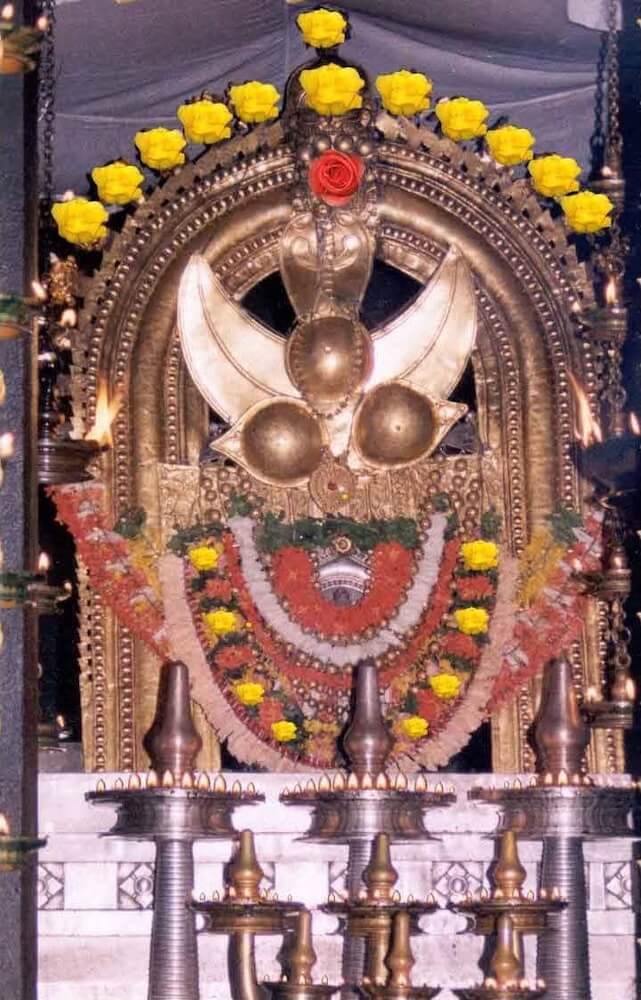 Located in Taliparamba in Kannur district, the Taliparamba Rajarajeshwara Temple is one of the most ancient and revered Shiva temples in Kerala. Holding a prominent place among the 108 Shiva temples believed to have been consecrated by Lord Parashurama, this sacred shrine worships Lord Shiva in the majestic form of Rajarajeshwara, meaning “the King of Kings.” Known throughout history by names such as Perumchellur, Perumthrikkovil and Taliparamba Temple, this temple is renowned for its ancient heritage and unique ritual traditions.
One of the distinctive features of this temple is that several rituals commonly associated with Shiva temples, such as Koovalam Archana, Dhara, Rudrabhishekam and Pradosha observances, are not traditionally performed here. In accordance with the temple’s unique customs, women are permitted to enter the Nalambalam only after the Athazha Pooja in the evening. It is also noteworthy that children below the age of five are not allowed inside the Nalambalam. The temple holds special significance for Devaprasnam consultations and remedies and continues to serve as an important spiritual centre for devotees across South India. Blending devotion, faith, history and tradition, this magnificent temple remains a priceless jewel in Kerala’s spiritual heritage. Today, this great temple is under the administration of the Malabar Devaswom Board.
When Kerala was divided into various administrative regions in ancient times, the Taliparamba Rajarajeshwara Temple was regarded as one of the most important among the 18 Thali temples that governed these territories.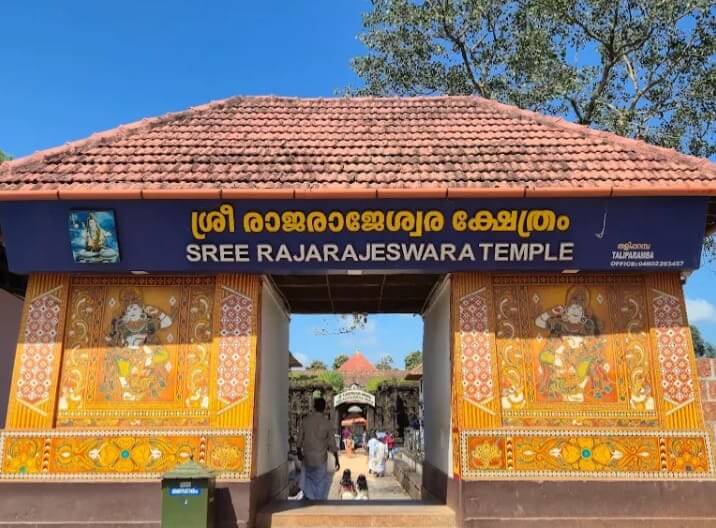 It is believed that the name “Taliparamba” originated from the term “Thalikavattam”. In ancient times, this region was known as Perinchellur and was under the rule of the Mushika dynasty of Ezhimala. From the 3rd to the 12th century AD, the Mushika kings renovated the temple and initiated the construction of many of the grand structures that can be seen today. During that period, Lord Rajarajeshwara was also worshipped under the names Perinchelloorappan and Perumthrikkovilappan.
In the late 18th century, during the military campaigns of Tipu Sultan, the temple came under severe attack. The massive seven-storeyed gopurams that once stood at the eastern and western entrances were destroyed and the temple was set on fire. 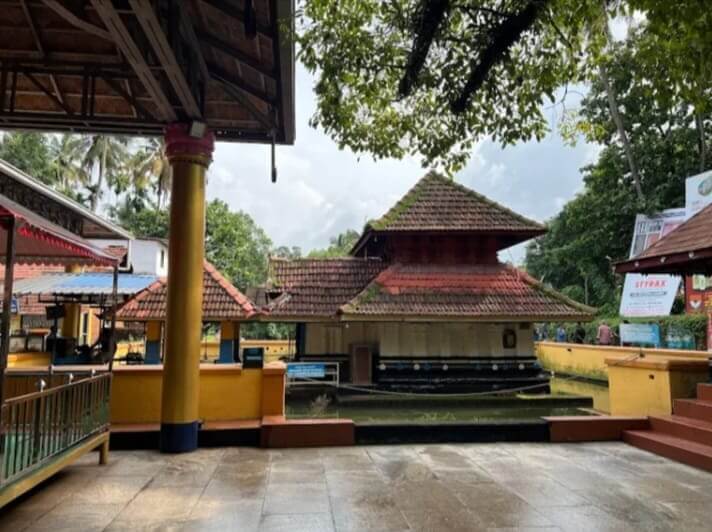 According to local tradition, the first people to arrive and help extinguish the fire were members of the local Muslim community. In recognition of this act, a unique custom was established whereby Muslims were permitted to enter the temple premises to offer assistance whenever an emergency occurred and the temple alarm bell was sounded. Following the extensive destruction, the temple gradually regained its former glory through the combined efforts of devotees and the royal family over the course of nearly a century.
This temple is mentioned in several ancient Sanskrit texts, including the Kerala Mahatmyam, Kerala Kshetra Mahatmyam and Mushika Vamsa Kavya, as well as in numerous other literary works. Another notable feature of the temple is the presence of the “Maramuthassi”, a sacred tree believed to be more than 900 years old, 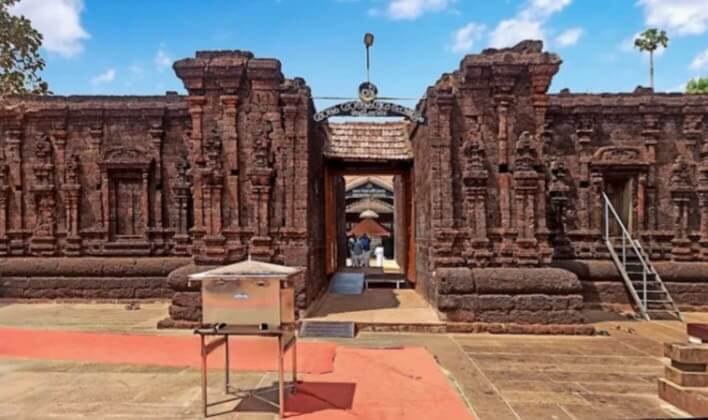 which still stands within the temple compound.
According to temple tradition, the legend of the shrine dates back to the Treta Yuga and is associated with three divine Shiva Lingams created by Vishwakarma, the celestial architect. King Mandhata of the Ikshvaku dynasty is said to have performed intense penance and received a Shiva Lingam as a boon from Goddess Parvati. However, the Goddess stipulated that the Lingam could only be consecrated in a place that had never been touched by death or funeral rites. After searching far and wide, the king discovered a small piece of sacred land, said to be no larger than a ceremonial plate (thali).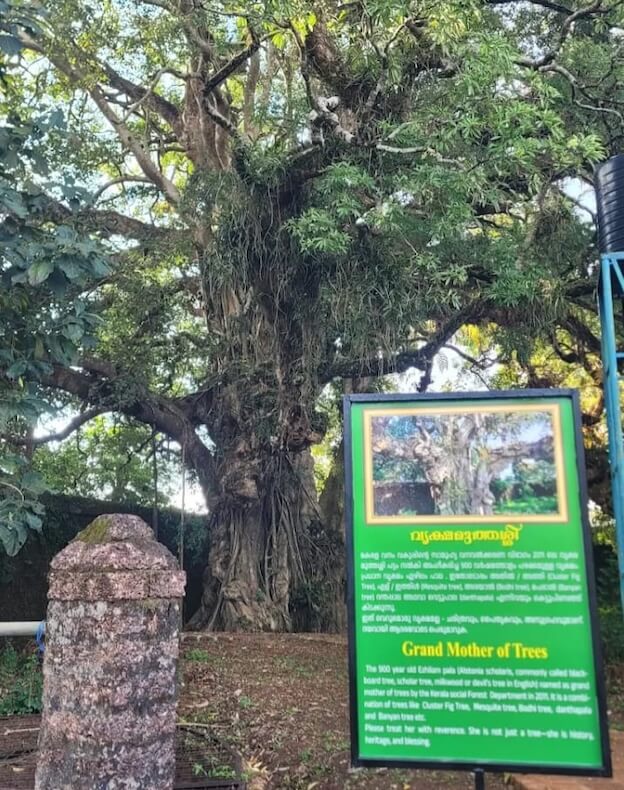 It was at this holy spot that the Shiva Lingam was consecrated.
Over time, however, the Shiva Lingam gradually sank into the earth. Thereafter, King Muchukunda, the son of Mandhata, performed penance and obtained a second Shiva Lingam, which he consecrated at the same location. Yet this Lingam too is believed to have disappeared into the ground. Later, King Shatasoma of the Mushika dynasty acquired a third Shiva Lingam through intense penance and had it consecrated at the same sacred site by the sage Agastya Maharshi.
When this third Lingam also began to sink into the earth, King Shatasoma, filled with devotion and reverence, prostrated before Lord Shiva and prayed while chanting the Ashwamedha Mantra. According to tradition, by the time he had completed twelve and a half prostrations, the Lingam ceased sinking and became firmly established in its place. Temple legend holds that the present Rajarajeshwara Prathishta worshipped in the shrine is this very third Shiva Lingam.
The Taliparamba Rajarajeshwara Temple is also regarded as one of the prominent Shakti Peethas of India. 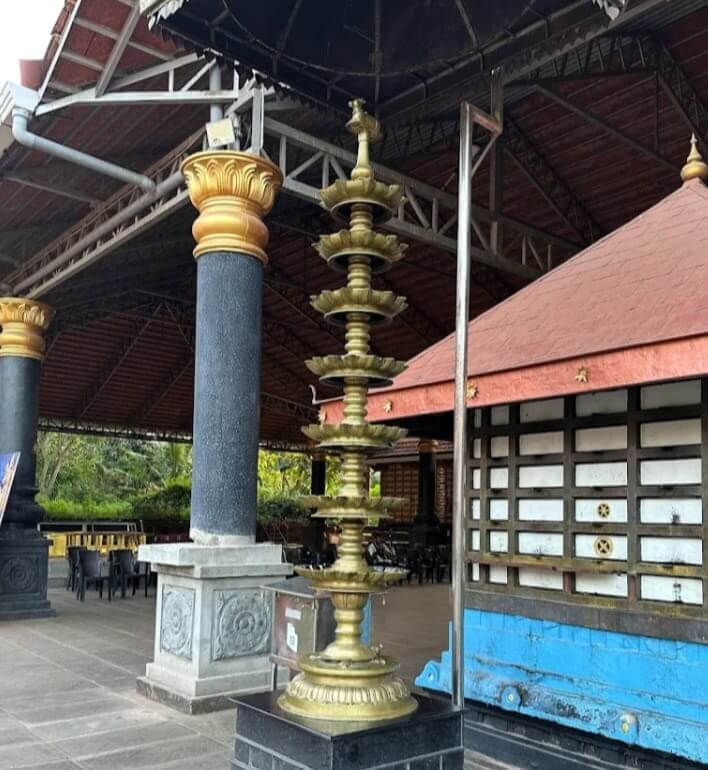 According to Hindu tradition, after the Daksha Yaga, Goddess Sati immolated herself in the sacred fire. Overcome with grief, Lord Shiva carried her body and performed the cosmic dance of destruction. To restore balance to the universe, Lord Mahavishnu used his Sudarshana Chakra to divide Sati’s body into several parts. These sacred body parts fell at different locations across the Indian subcontinent, which later became revered as Shakti Peethas. It is believed that the head of Goddess Sati fell at Taliparamba, making this site especially significant in both the Shaiva and Shakta traditions of worship.
According to temple legend, Lord Rama visited the Taliparamba Rajarajeshwara Temple while returning to Ayodhya after the defeat of Ravana. It is believed that, overwhelmed by the divine and awe-inspiring presence of the Lord, Sri Rama fell prostrate in the temple’s Namaskara Mandapam and offered his prayers with deep devotion. Lakshmana, Sugriva, and the other companions are said to have prayed from outside the mandapam. Owing to the belief that this sacred spot was touched by the feet of Lord Rama, ordinary devotees are not permitted to enter the Namaskara Mandapam and offer prostrations there even today.
Another legend states that towards the end of the Dvapara Yuga, when the temple had fallen into a state of disrepair, Lord Parashurama arrived at the site, renovated the shrine and appointed the Thantri families responsible for conducting its rituals and worship. It is believed that many of the temple’s traditional customs and ritual practices were established during this period.
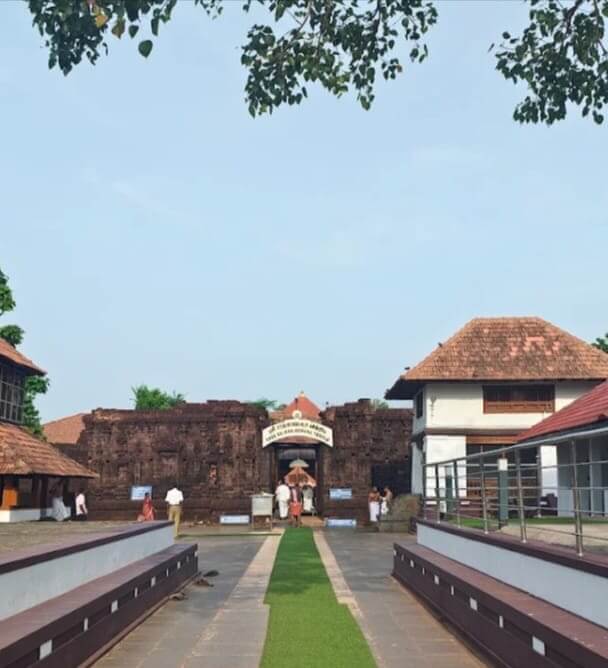
The architecture of the Taliparamba Rajarajeshwara Temple is a remarkable blend of traditional Kerala temple architecture and the ancient Chola architectural style. 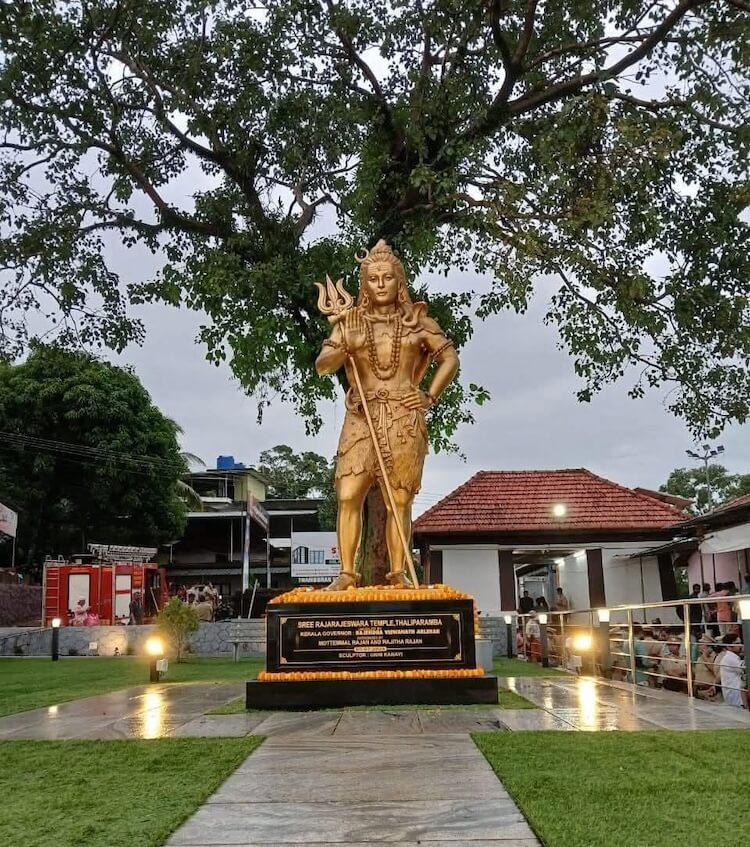 Spanning approximately six acres, the temple complex is regarded as one of the largest temple precincts in South India.
The main Sreekovil is a two-storeyed structure built in a quadrangular design. Its pyramid-shaped roof is covered with copper sheets and crowned with a magnificent golden finial (Thazhikakudam). Although the Sreekovil has four entrances, only the eastern and southern doors are normally opened for devotees.
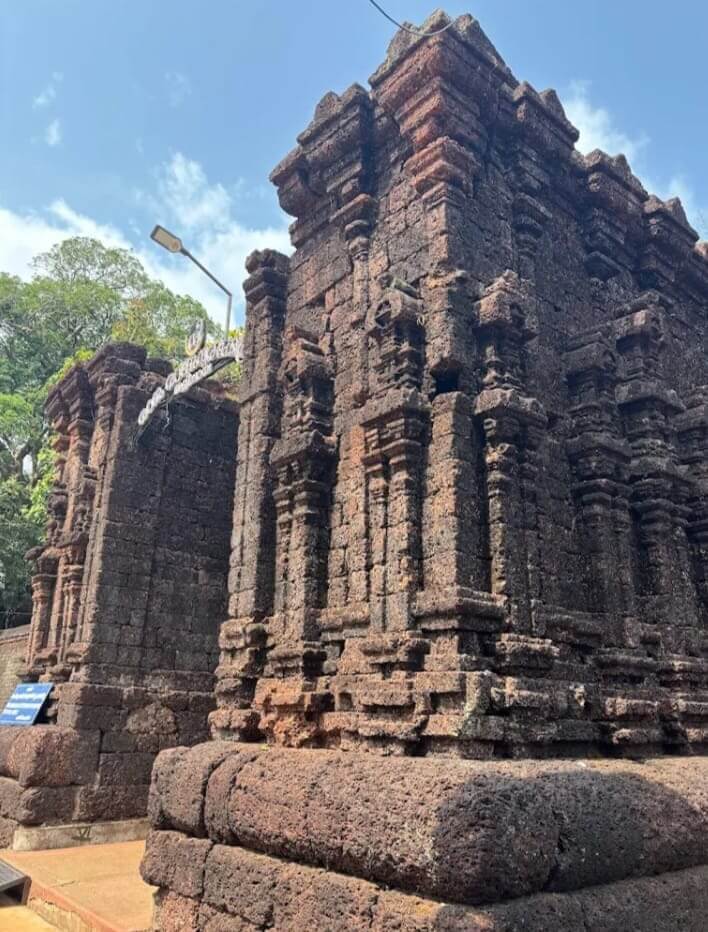
The massive temple walls are an architectural marvel, constructed by carefully stacking huge granite blocks without the use of cement or mortar. The remnants of the ancient gopurams that were destroyed centuries ago can still be seen near the temple entrances. The Namaskara Mandapam situated in front of the Sreekovil and the large Balikkal (sacrificial stone) near the eastern entrance are particularly noteworthy for their intricate carvings and craftsmanship. The temple also preserves several inscriptions dating back to the Chola period.
One of the major attractions within the temple complex is a magnificent bronze statue of Lord Shiva, standing 14 feet tall and weighing approximately 4,200 kilograms. Created by the sculptor Unni Kanayi, this monumental work of art was completed after nearly four years of dedicated effort, f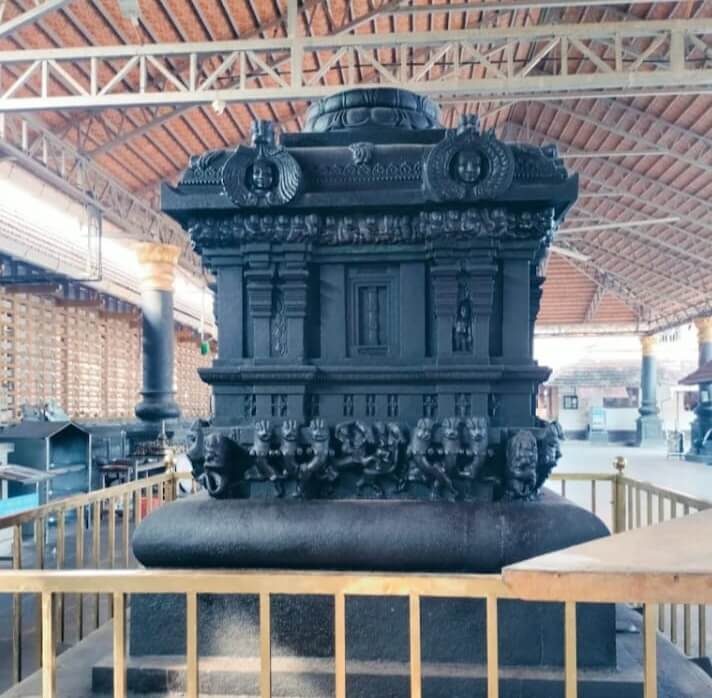 rom 2021 to 2025.
The principal deity of the temple is Lord Shiva. He is worshipped in the exalted form of Rajarajeshwara Perumal, also known as Perumthrikkovilappan, embodying the concept of the “King of Kings.” As the Shiva Lingam is exceptionally large, the rituals and worship are performed while standing. A special shrine dedicated to Goddess Parvati is situated on the western side of the main Sreekovil, although the door to this sanctum traditionally remains closed at all times. Lord Ganesha is consecrated in the south-western corner (Kannimoola) of the Sreekovil, Dakshinamurthy is enshrined near the southern entrance and Lord Subrahmanya is worshipped on the north-western side. Symbolic representations of Lord Parashurama and Nandikesha, the divine vehicle of Lord Shiva, can also be found within the temple precincts.
 Near the temple pond stands the shrine of Aravathappan (Kumbhodaran/Bhoothanathan), one of the chief attendants of Lord Shiva. Devotees traditionally offer prayers here before entering the main temple. A small shrine dedicated to Yakshi, regarded as a guardian deity, is located on the northern side outside the Nalambalam. The temple also accords significance to Lord Krishna (Trichambaramappan) as an attendant deity of Rajarajeshwara. Furthermore, while circumambulating outside the Nalambalam, devotees traditionally meditate upon and offer prayers to Cherukunnu Annapoorneshwari from the south-western side and Madayikavilamma from the western side. The invisible presence of these goddesses forms an important aspect of the temple’s sacred traditions and beliefs.
One of the unique features of this temple is the absence of a conventional annual festival and Kodimaram (flagstaff). In addition, the principal deity is never taken outside the temple walls in procession. The most important celebration of the temple is Maha Shivaratri, observed during the Malayalam month of Kumbham. On this occasion, special rituals are conducted and the Balibimbam is ceremonially carried on an elephant within the temple premises. A rare ritual associated with Shivaratri involves bringing the festival idol from the nearby Trichambaram Sree Krishna Temple to this temple, where special worship is performed in the form of Shankaranarayana, symbolising the unity of Shiva and Vishnu.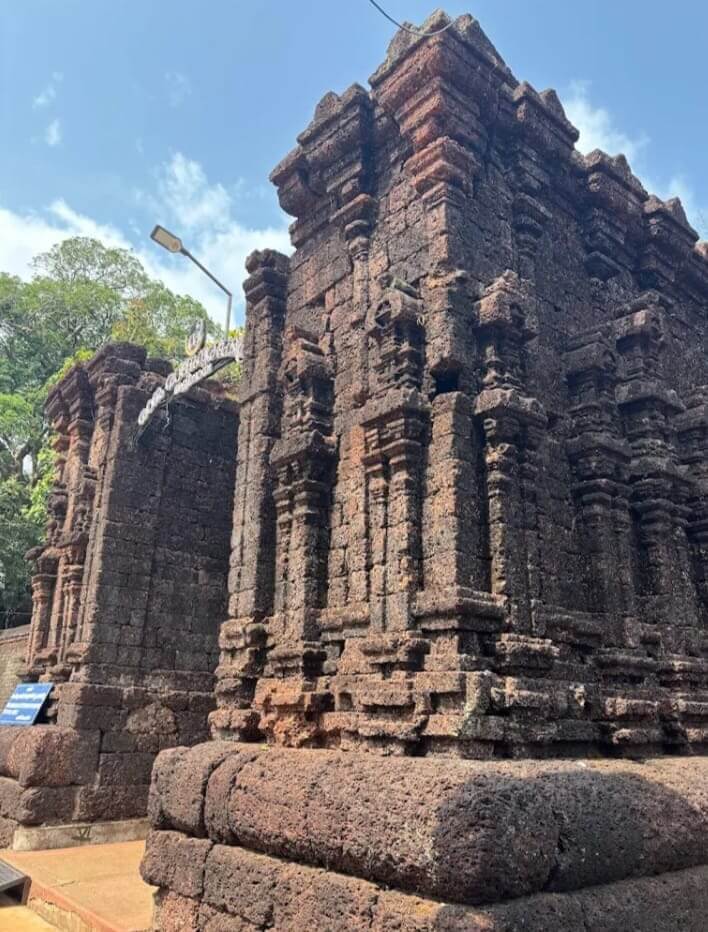 While Mondays are generally considered the most auspicious day in Shiva temples, Wednesday is observed as the most significant day here, as the consecration of the deity is believed to have taken place on a Wednesday. Festivals and observances such as Vishu, Puthari, Nira and Karkidaka Sankramam are also celebrated with great devotion and special rituals.
The most important offering at the Taliparamba Rajarajeshwara Temple is Neyyamrithu. The pure ghee offered by devotees is used for the sacred abhishekam of the Shiva Lingam. Devotees perform this offering seeking relief from illnesses, fulfilment of wishes and prosperity for their families. Other significant offerings include Ponnin Kudam (Golden Pot Offering), Vellikkudam (Silver Pot Offering) and Neyvilakku (Ghee Lamp Offering), which are believed to bring wealth, professional and business success, mental peace and overall well-being. Another important offering is Pattar Choru, a form of annadanam (food offering) made to Brahmins, which is traditionally believed to bestow the blessings of progeny and help alleviate poverty. While Koovalam Mala (garlands of bael leaves) is the customary offering in most Shiva temples, Tulasi Mala is also offered here owing to the temple’s unique blend of Shaiva and Vaishnava traditions.
The temple is open to devotees daily from 5:00 a.m. to 12:00 noon and from 5:00 p.m. to 8:30 p.m. The daily rituals commence with the Usha Pooja at 5:30 a.m., followed by Ethirthu Pooja at 6:00 a.m., Pantheeradi Pooja at 7:30 a.m. and Ucha Pooja between 10:30 a.m. and 11:00 a.m. The Athazha Pooja is conducted between 7:00 p.m. and 7:15 p.m. One of the most distinctive customs of this temple is that women are permitted to enter the Nalambalam and have darshan only after the Athazha Pooja, between 7:15 p.m. and 8:30 p.m. According to temple belief, Lord Shiva is in a state of divine contentment with Goddess Parvati during this period and women who offer prayers at this time are believed to be blessed with marital prosperity and the boon of a long and auspicious married life.
Key highlight :-
- Located 21 km from Kannur town and 3 km from Thaliparamba town.
- 23 km from Kannur railway station and 23 km from Payyannur railway station.
- Regular KSRTC and local bus services are available to Taliparamba. From the Taliparamba bus stand, devotees can easily reach the temple by auto-rickshaw.
- Ample parking facilities are available near the temple for devotees arriving by private vehicles.
- Accommodation and food facilities are available in the nearby town.
- Contact number 04602203457
श्री राजराजेश्वर मंदिर
थलिपरम्बा चिरावक्कु, थालिपरम्बा, जिला। कन्नूर.
मंदिरे
Temples
मंदिर
મંદિરો
கோவில்கள்
దేవాలయాలు
ക്ഷേത്രങ്ങൾ
ದೇವಾಲಯಗಳು
মন্দিরসমূহ
ਮੰਦਿਰ
-
श्री मदायी तिरुवरकाडू भगवती मंदिर मदयकावू, पऱ्हांगडी, जि. कन्नूर.
अधिक माहितीSree Madayi Thiruvarkadu Bhagavathy Temple Madayikavu, Pazhayangadi, Dist. Kannur.
View Detailsश्री मदायि तिरुवरकाडु भगवती मंदिर मदायिकावु, पझायंगडी, जिला। कन्नूर.
विवरण देखेंSree Madayi Thiruvarkadu Bhagavathy Temple Madayikavu, Pazhayangadi, Dist. Kannur.
વિગત જુઓSree Madayi Thiruvarkadu Bhagavathy Temple Madayikavu, Pazhayangadi, Dist. Kannur.
விவரங்களைக் காண்கSree Madayi Thiruvarkadu Bhagavathy Temple Madayikavu, Pazhayangadi, Dist. Kannur.
వివరాలను చూడండిSree Madayi Thiruvarkadu Bhagavathy Temple Madayikavu, Pazhayangadi, Dist. Kannur.
വിശദാംശങ്ങൾ കാണുകSree Madayi Thiruvarkadu Bhagavathy Temple Madayikavu, Pazhayangadi, Dist. Kannur.
ವಿವರಗಳನ್ನು ವೀಕ್ಷಿಸಿSree Madayi Thiruvarkadu Bhagavathy Temple Madayikavu, Pazhayangadi, Dist. Kannur.
বিস্তারিত দেখুনSree Madayi Thiruvarkadu Bhagavathy Temple Madayikavu, Pazhayangadi, Dist. Kannur.
ਵੇਰਵੇ ਦੇਖੋ -
अणियाराम शिव मंदिर अनियाराम, थलासेरी, जि. कन्नूर.
अधिक माहितीAniyaram Shiva Temple Aniyaram, Thalassery, Dist. Kannur.
View Detailsअनियाराम शिव मंदिर अनियाराम, थालास्सेरी, जिला। कन्नूर.
विवरण देखेंAniyaram Shiva Temple Aniyaram, Thalassery, Dist. Kannur.
વિગત જુઓAniyaram Shiva Temple Aniyaram, Thalassery, Dist. Kannur.
விவரங்களைக் காண்கAniyaram Shiva Temple Aniyaram, Thalassery, Dist. Kannur.
వివరాలను చూడండిAniyaram Shiva Temple Aniyaram, Thalassery, Dist. Kannur.
വിശദാംശങ്ങൾ കാണുകAniyaram Shiva Temple Aniyaram, Thalassery, Dist. Kannur.
ವಿವರಗಳನ್ನು ವೀಕ್ಷಿಸಿAniyaram Shiva Temple Aniyaram, Thalassery, Dist. Kannur.
বিস্তারিত দেখুনAniyaram Shiva Temple Aniyaram, Thalassery, Dist. Kannur.
ਵੇਰਵੇ ਦੇਖੋ -
पेरालासेरी सुब्रमणिया मंदिर मुंडलूर, पेरालासेरी, कन्नूर जिल्हा.
अधिक माहितीPeralassery Subramania Temple Mundalur, Peralassery, Dist. Kannur.
View Detailsपेरलास्सेरी सुब्रमण्यम मंदिर मुंडालूर, पेरालास्सेरी, कन्नूर जिला।
विवरण देखेंPeralassery Subramania Temple Mundalur, Peralassery, Dist. Kannur.
વિગત જુઓPeralassery Subramania Temple Mundalur, Peralassery, Dist. Kannur.
விவரங்களைக் காண்கPeralassery Subramania Temple Mundalur, Peralassery, Dist. Kannur.
వివరాలను చూడండిPeralassery Subramania Temple Mundalur, Peralassery, Dist. Kannur.
വിശദാംശങ്ങൾ കാണുകPeralassery Subramania Temple Mundalur, Peralassery, Dist. Kannur.
ವಿವರಗಳನ್ನು ವೀಕ್ಷಿಸಿPeralassery Subramania Temple Mundalur, Peralassery, Dist. Kannur.
বিস্তারিত দেখুনPeralassery Subramania Temple Mundalur, Peralassery, Dist. Kannur.
ਵੇਰਵੇ ਦੇਖੋ