
श्री सनातन मंदिर (फ्री-लँड-गंज),
गोध्रा रोड, दाहोद, जि. दाहोद
Shri Sanatan Hindu Devalaya
Free-land-ganj, Dahod, Dist. Dahod
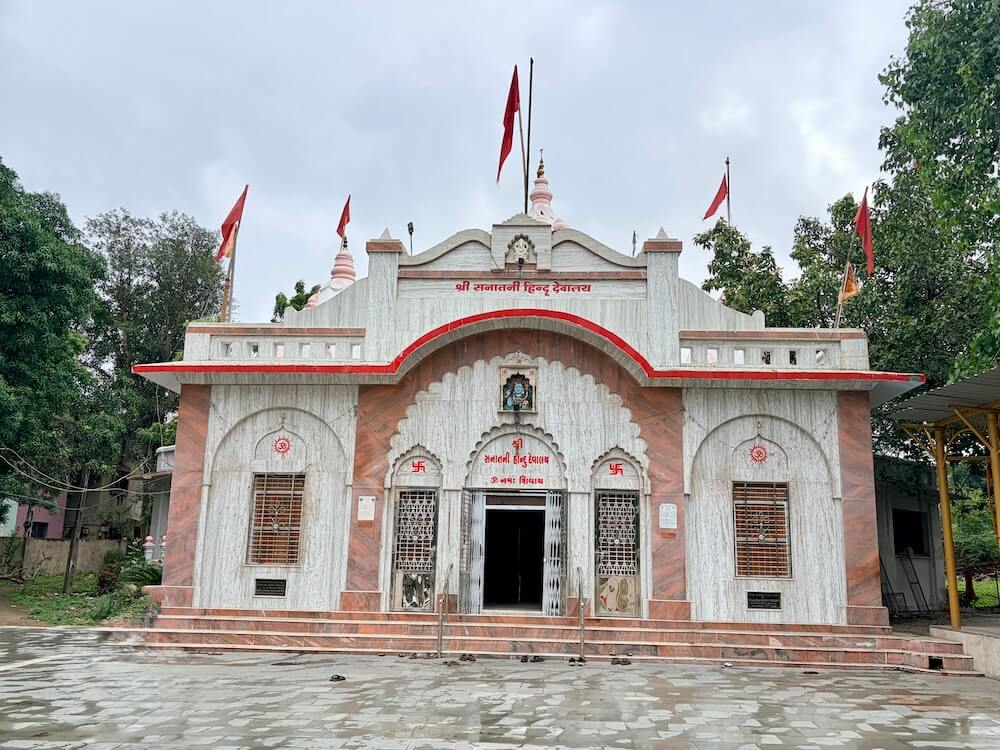
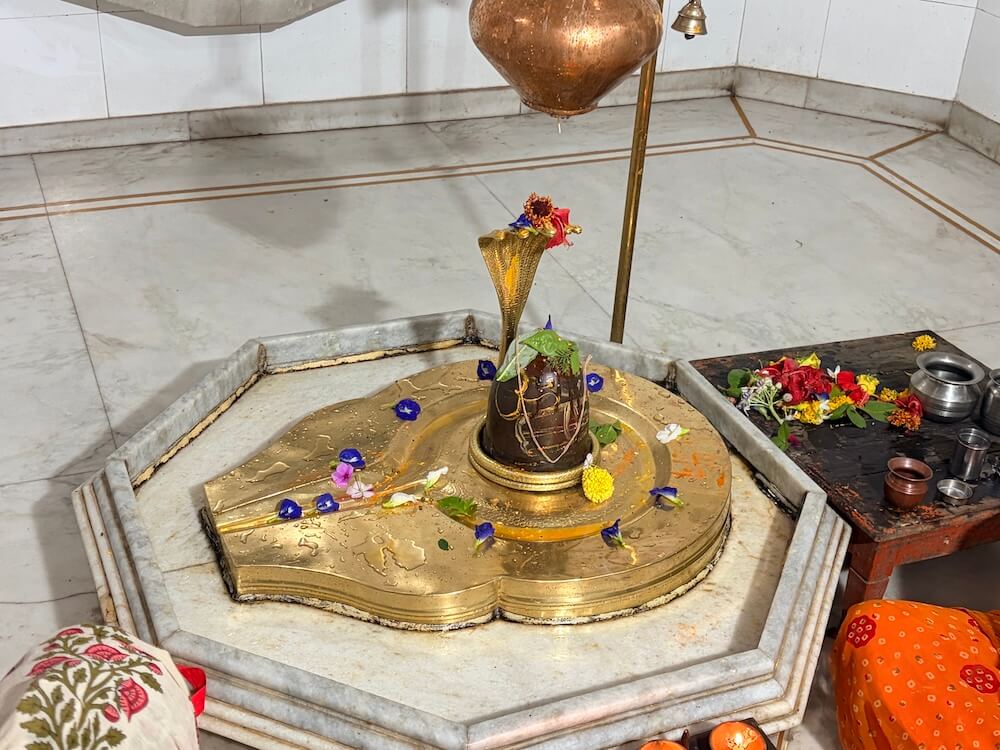 Shri Sanatan Hindu Devalaya is situated on Godhra Road in the Free-land-ganj locality of Dahod. The city, lying close to the borders of Madhya Pradesh and Rajasthan, is traditionally believed to have derived its name from its location, where the frontiers of two regions met. This historic land is known for the Dudhimati River, its association with the birthplace of the Mughal emperor Aurangzeb and the tenth-century Bavka Shiva Temple. During the latter half of the nineteenth century, residents, inspired by the teachings of Swami Dayanand Saraswati, the founder of the Arya Samaj, laid the foundation of this Shri Sanatan Hindu Devalaya. Its principal objective was to preserve the Sanatan Vedic tradition while fostering harmony within society.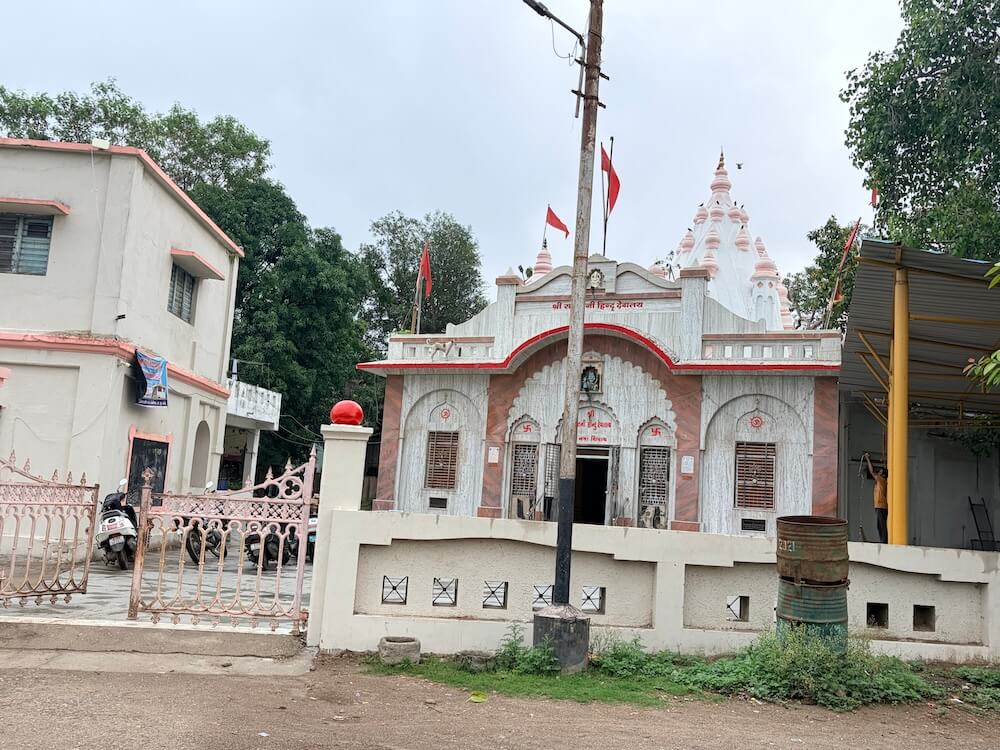
During the nineteenth-century movement for religious and social reform, Swami Dayanand Saraswati proclaimed that the Vedas alone were the source of divine knowledge. Born at Tankara in present-day Gujarat, he founded the Arya Samaj in 1875 and gave the inspiring call, ‘Back to the Vedas’. He travelled extensively across Gujarat, spreading the principles of Vedic philosophy. According to a record published in the weekly periodical ‘Sadhana’, the establishment of this temple at Dahod was inspired by his ideals. Although the exact year of its foundation is not recorded in historical documents, it is believed that local citizens collectively built the temple during the late nineteenth or the early twentieth century.
The temple stands in the heart of Dahod city. The Free-land-ganj locality, where it is situated, lies close to Dahod Railway Station.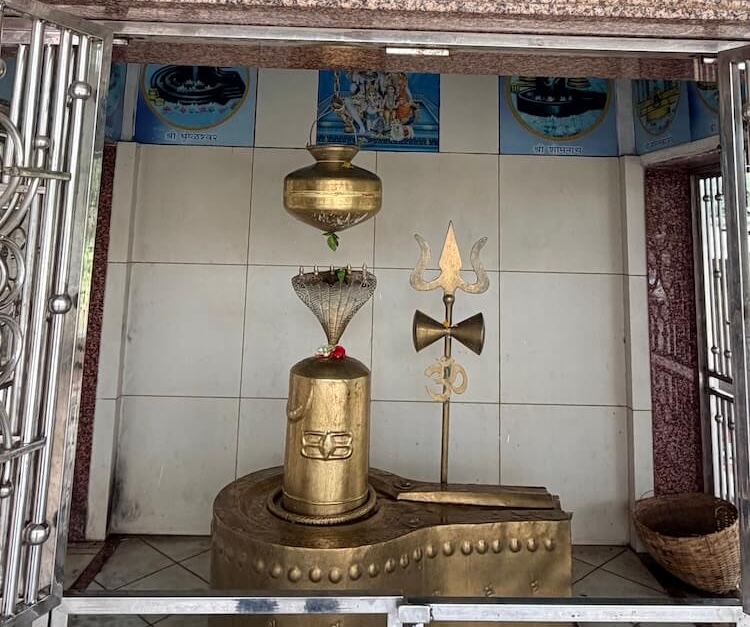 During the British period, this neighbourhood developed as a residential colony for employees of the ‘Bombay, Baroda and Central India Railway’ (BB&CI Railway). In earlier times, the region lay on an important trade and military route linking Gujarat with the Malwa region.
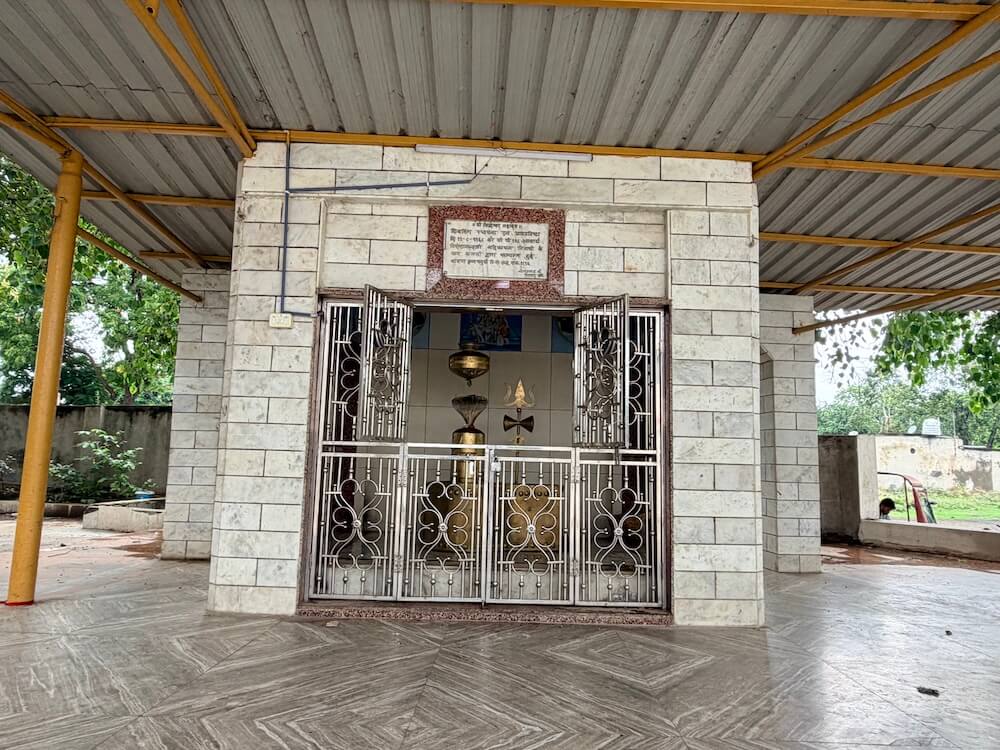
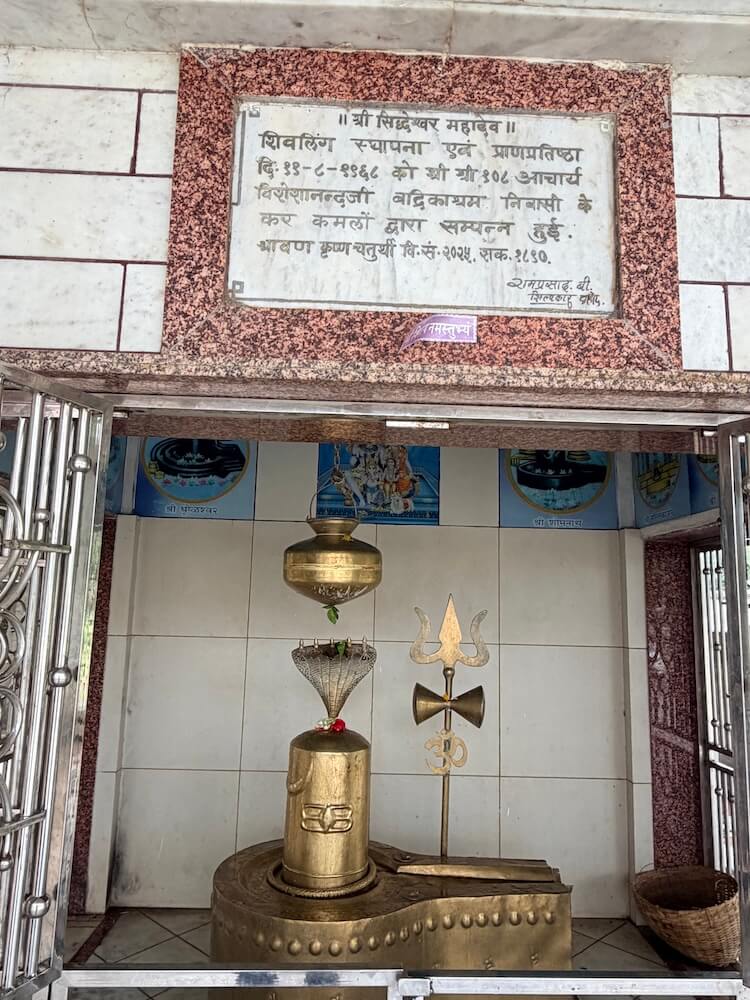
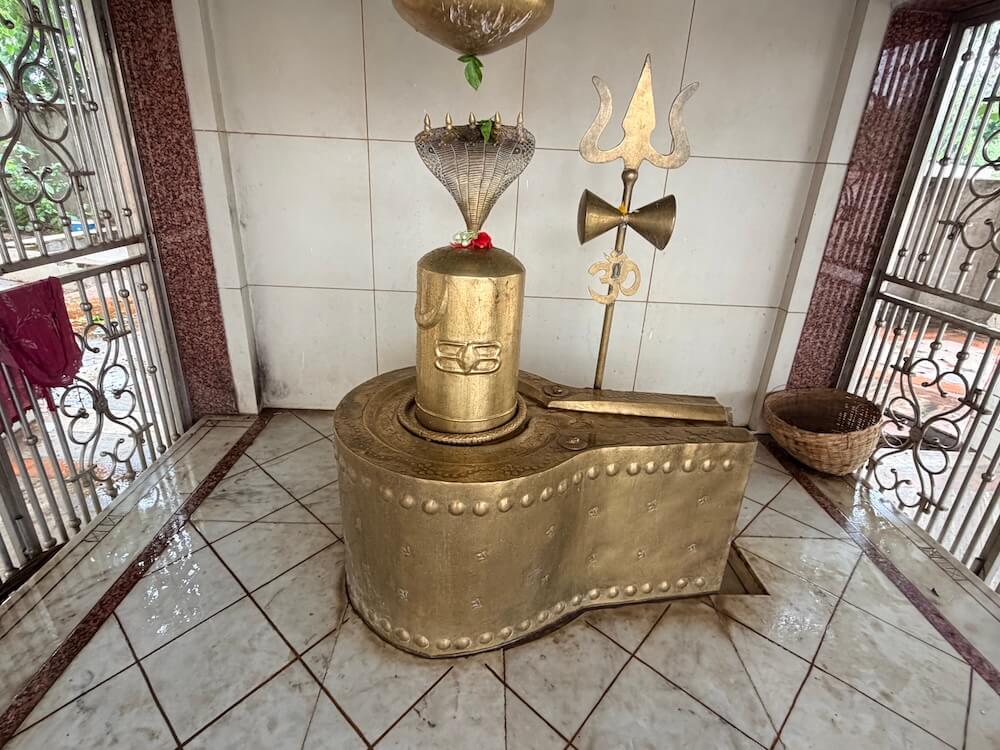
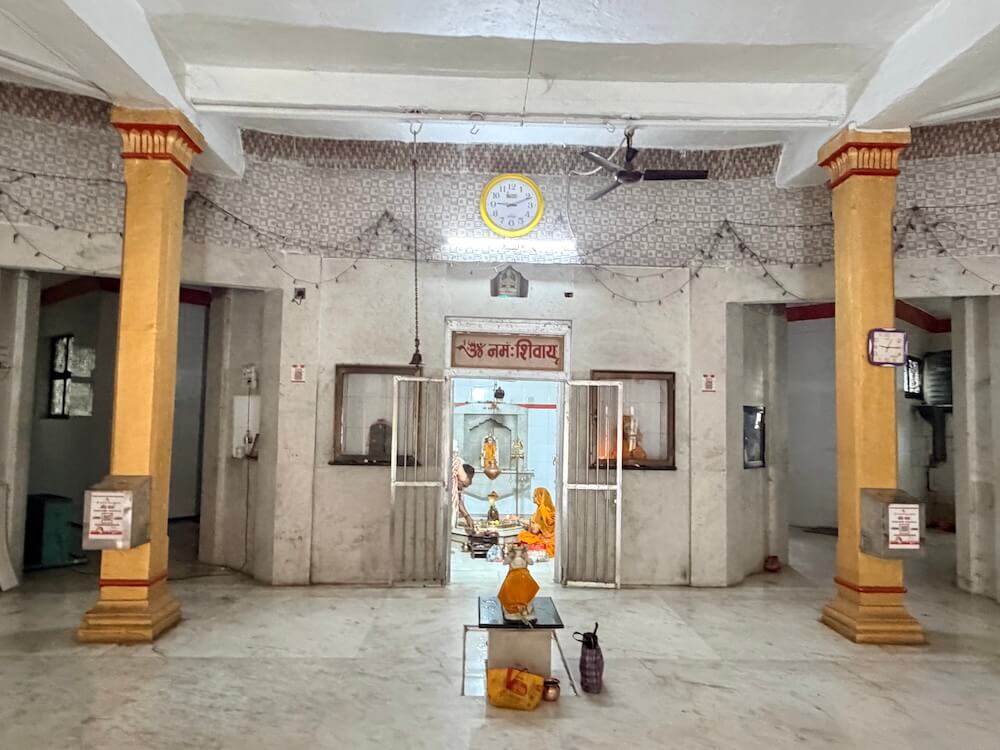
The temple complex is entered through a gateway in the enclosing boundary wall. To the right of the principal shrine stands the Siddheshwar Mahadev Temple. This shrine comprises a semi-open assembly hall and a sanctum. The sanctum is reached through an assembly hall paved with polished marble. At its centre, set at floor level, is a large Shiva Linga clad in an ornate brass covering. A brass serpent spreads its hood above the Linga, while a brass Trishula stand beside it. According to an inscription within the temple, the Prana Pratishtha of this Shivalinga was performed on 13 August 1968 by Shri Shri 108 Acharya Vireshanandji of Badrikashram.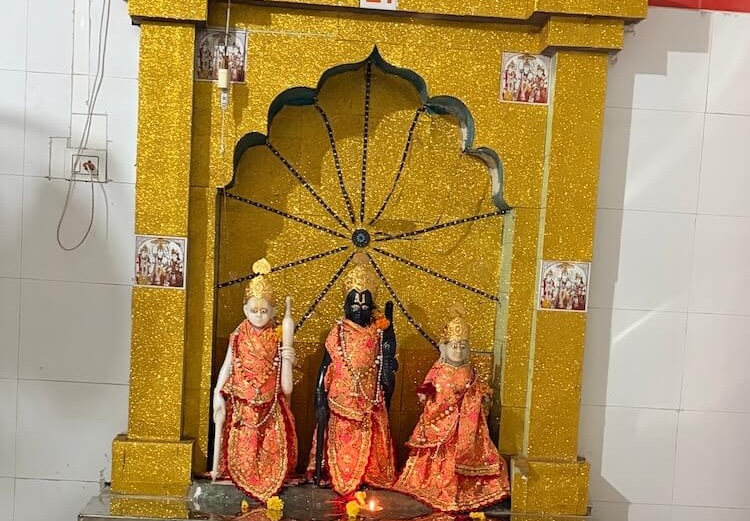
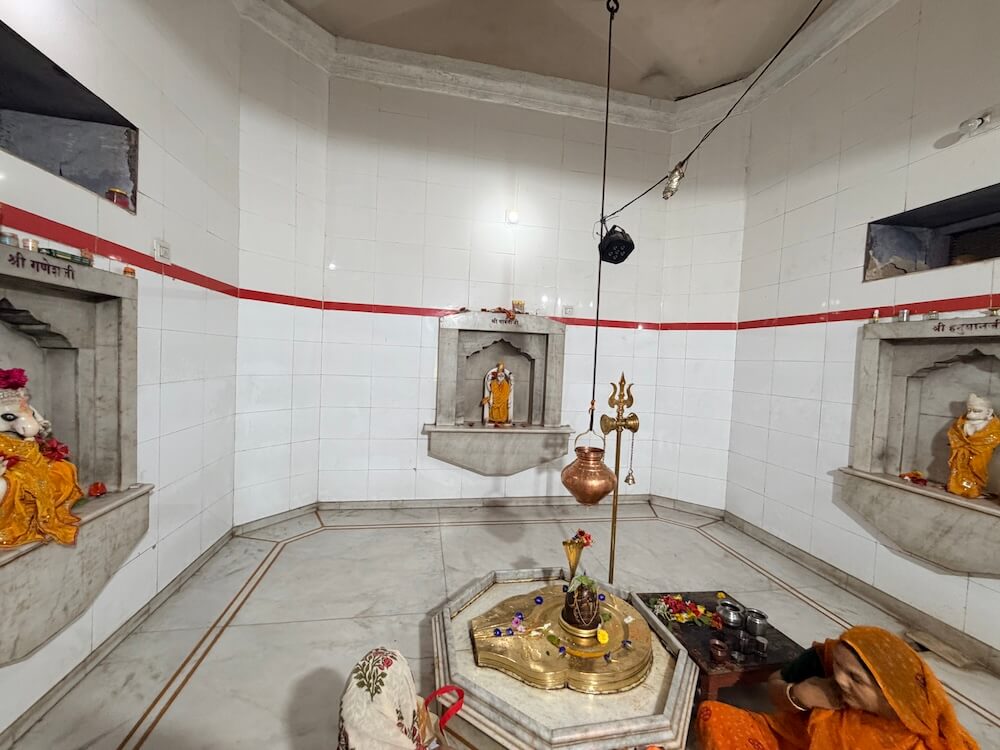
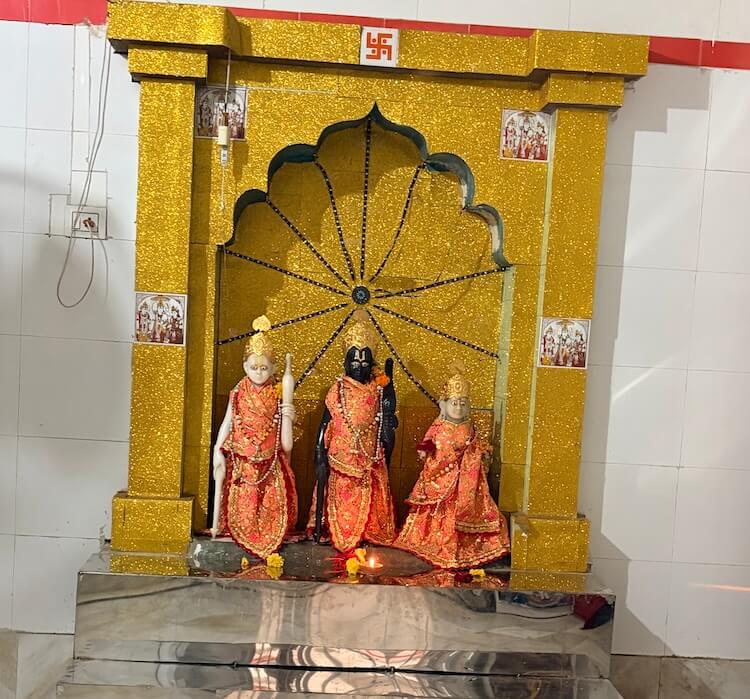
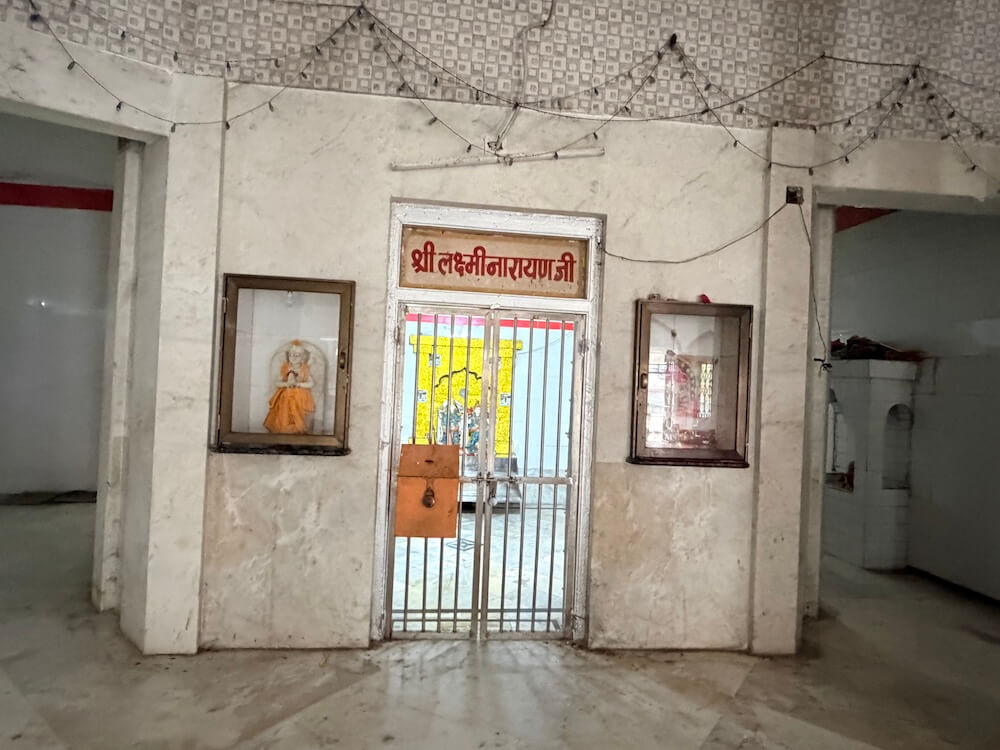
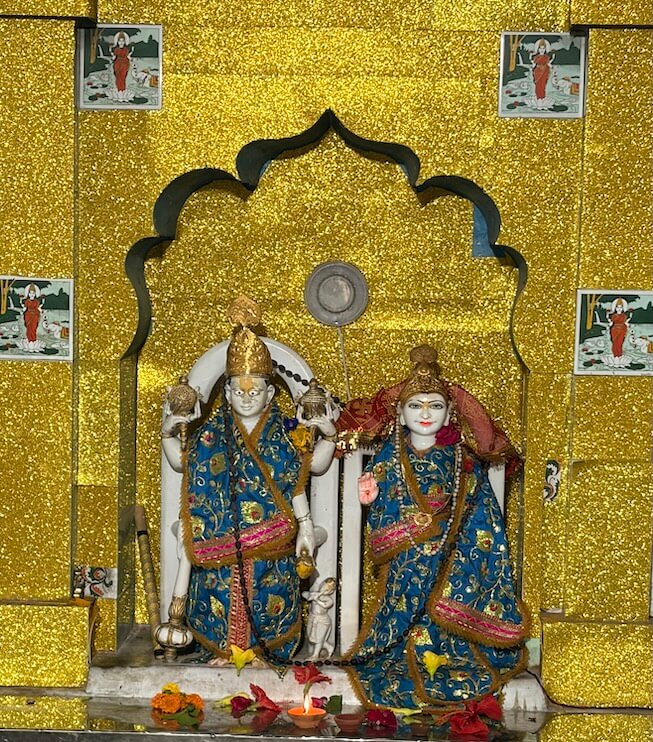
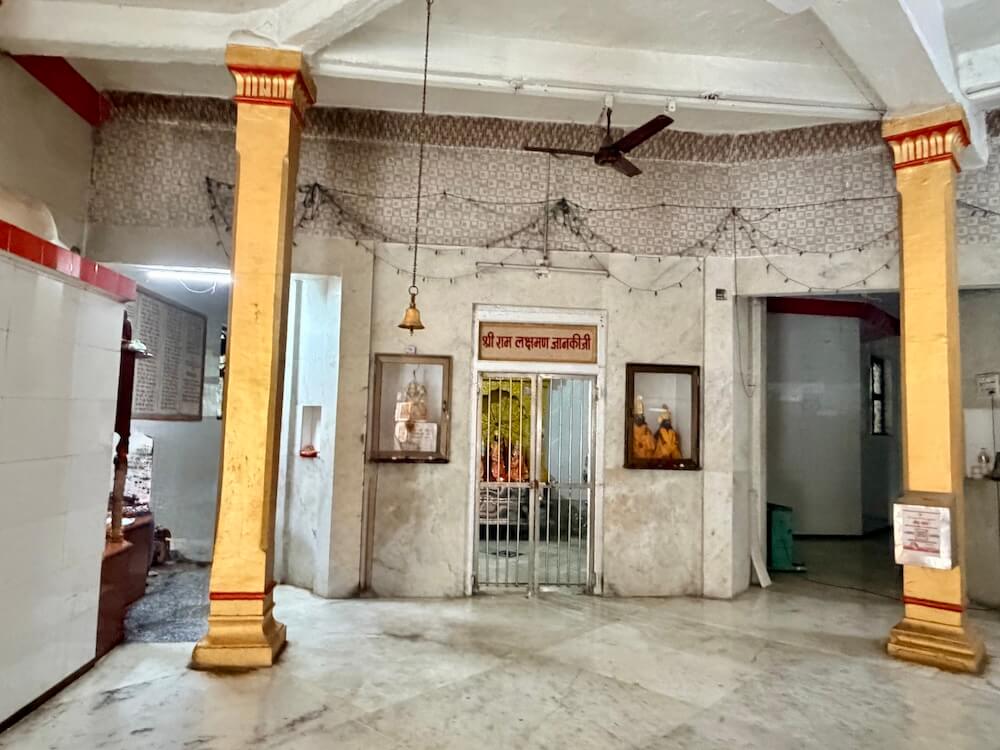
From the paved courtyard, four steps lead to the temple’s elevated plinth and into the assembly hall. Beyond the circumambulatory passage lies the principal sanctum, where a Shivalinga stands at floor level upon an octagonal vajrapitha. The Shalunka of the Shivalinga is encased in brass. A niche in the rear wall houses a pristine white marble image of Goddess Parvati. Niches in the side walls contain images of Lord Ganesha and Lord Hanuman. Additional subsidiary sanctums within the temple enshrine the deities Shri Ram, Lakshmana and Sita, Lakshmi-Narayana and Goddess Durga.
The principal spire above the main sanctum is one of the temple’s most distinctive architectural features.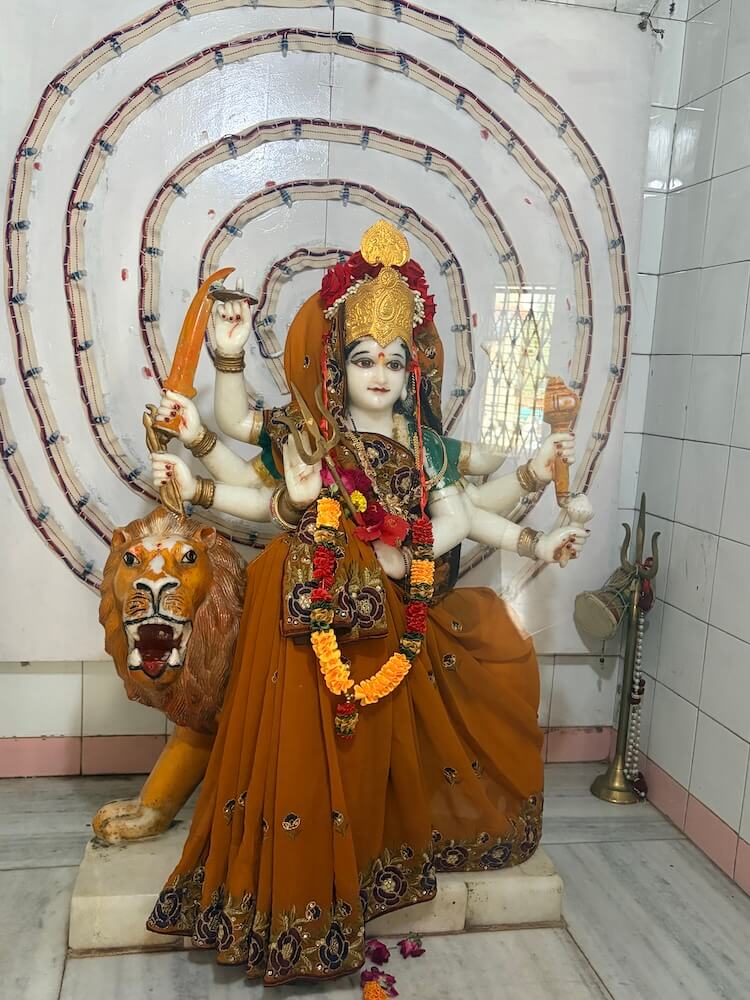 Circular in form and gradually tapering towards the summit, it is adorned with numerous miniature spires and Kalashas.
Devotees may have darshan every day from 6.00 a.m. to 12 noon and again from 4.00 p.m. until 8.30 p.m. When the temple opens at 6.00 a.m., the deity is ceremonially bathed, adorned and worshipped. The first principal Aarti is performed at 7.30 a.m. The sanctum closes at 12 noon and reopens for devotees at 4.00 p.m. At sunset, Dhupa Aarti and the evening Sandhya Aarti are performed. After the Shayana Aarti at 8.30 p.m., the temple doors are closed for the day. In accordance with Vedic tradition, Vedic hymns and devotional Stotras are recited every morning and evening. On special occasions, religious ceremonies and Yajnas are also conducted.
The temple celebrates numerous festivals throughout the year. Its foremost annual celebration is the ‘Navratri Mahotsav’. During this nine-day festival, traditional Garba dances are organised each evening. On Ram Navami, the temple conducts a recitation of the ‘Sundara Kanda’ from the Ramayana. Makar Sankranti, Mahashivratri, Hanuman Jayanti and Diwali are likewise celebrated according to traditional customs. On Mahashivratri, special Jalabhisheka and Rudrabhisheka rituals are performed. Every Monday during the holy month of Shravan, the temple witnesses large gatherings of devotees. The temple trust also organises a range of social initiatives, including lectures promoting moral values, the distribution of educational materials to students and free health camps.
Useful Information :
- Situated approximately 1 km from Dahod Railway Station and 1.5 km from Dahod Bus Station.
- State Transport (ST) bus services are available to Dahod from many towns across the district.
- Private vehicles can reach the temple directly.
- Accommodation and breakfast facilities are available nearby.
- Contact: Temple Office – +91 9427035345, +91 9427807280
श्री सनातन मंदिर (फ्री-लँड-गंज),
गोध्रा रोड, दाहोद, जि. दाहोद
मंदिरे
Temples
मंदिर
મંદિરો
கோவில்கள்
దేవాలయాలు
ക്ഷേത്രങ്ങൾ
ದೇವಾಲಯಗಳು
মন্দিরসমূহ
ਮੰਦਿਰ
-
पंचकृष्ण मंदिर थेरका, ता. झालोद, जि. दाहोद
अधिक माहितीPanchakrishna Temple Therka, Tal. Jhalod, Dist. Dahod
View Detailsपंचकृष्ण मंदिर थेरका, ताल. झालोद, जिला. दाहोद
विवरण देखेंPanchakrishna Temple Therka, Tal. Jhalod, Dist. Dahod
વિગત જુઓPanchakrishna Temple Therka, Tal. Jhalod, Dist. Dahod
விவரங்களைக் காண்கPanchakrishna Temple Therka, Tal. Jhalod, Dist. Dahod
వివరాలను చూడండిPanchakrishna Temple Therka, Tal. Jhalod, Dist. Dahod
വിശദാംശങ്ങൾ കാണുകPanchakrishna Temple Therka, Tal. Jhalod, Dist. Dahod
ವಿವರಗಳನ್ನು ವೀಕ್ಷಿಸಿPanchakrishna Temple Therka, Tal. Jhalod, Dist. Dahod
বিস্তারিত দেখুনPanchakrishna Temple Therka, Tal. Jhalod, Dist. Dahod
ਵੇਰਵੇ ਦੇਖੋ -
घुघरदेव महादेव मंदिर चकल्या, ता. झालोद, जि. दाहोद
अधिक माहितीGhughardev Mahadev Temple Chakaliya, Tal. Jhalod, Dist. Dahod
View Detailsघुघरदेव महादेव मंदिर चकलिया, ताल. झालोद, जिला. दाहोद
विवरण देखेंGhughardev Mahadev Temple Chakaliya, Tal. Jhalod, Dist. Dahod
વિગત જુઓGhughardev Mahadev Temple Chakaliya, Tal. Jhalod, Dist. Dahod
விவரங்களைக் காண்கGhughardev Mahadev Temple Chakaliya, Tal. Jhalod, Dist. Dahod
వివరాలను చూడండిGhughardev Mahadev Temple Chakaliya, Tal. Jhalod, Dist. Dahod
വിശദാംശങ്ങൾ കാണുകGhughardev Mahadev Temple Chakaliya, Tal. Jhalod, Dist. Dahod
ವಿವರಗಳನ್ನು ವೀಕ್ಷಿಸಿGhughardev Mahadev Temple Chakaliya, Tal. Jhalod, Dist. Dahod
বিস্তারিত দেখুনGhughardev Mahadev Temple Chakaliya, Tal. Jhalod, Dist. Dahod
ਵੇਰਵੇ ਦੇਖੋ -
देवझरी महादेव मंदिर जळकोट, ता./जि. दाहोद
अधिक माहितीDevjhari Mahadev Temple Jekot, Tal./Dist. Dahod
View Detailsदेवझरी महादेव मंदिर जेकोट, ताल./जिला. दाहोद
विवरण देखेंDevjhari Mahadev Temple Jekot, Tal./Dist. Dahod
વિગત જુઓDevjhari Mahadev Temple Jekot, Tal./Dist. Dahod
விவரங்களைக் காண்கDevjhari Mahadev Temple Jekot, Tal./Dist. Dahod
వివరాలను చూడండిDevjhari Mahadev Temple Jekot, Tal./Dist. Dahod
വിശദാംശങ്ങൾ കാണുകDevjhari Mahadev Temple Jekot, Tal./Dist. Dahod
ವಿವರಗಳನ್ನು ವೀಕ್ಷಿಸಿDevjhari Mahadev Temple Jekot, Tal./Dist. Dahod
বিস্তারিত দেখুনDevjhari Mahadev Temple Jekot, Tal./Dist. Dahod
ਵੇਰਵੇ ਦੇਖੋ