
रामजी मंदिर
नवसारी, ता./जि. नवसारी
Ramji Temple
Navsari, Tal./Dist. Navsari
 For thousands of years, Indians have been captivated by Maryada Purushottam Shri Ramchandra. Honoured as a ruler of great valour, a man of his word and a leader steadfast in truth, he is widely regarded as the foundation and highest ideal of Indian culture. According to traditional genealogies, Shri Ram was the 34th king of the Raghu dynasty and the ‘Ramayan’ narrates the wondrous story of his 64-year life. Beyond India, this epic is sung across Sri Lanka, Thailand, Tibet, Malaysia and even the Muslim-majority nation of Indonesia. Hardly an Indian village exists without a temple of Shri Ram and the city of Navsari too is home to an ancient shrine of the deity. Linked to the revolutionary history of 1857, this Ramji Temple remains a centre of faith for countless devotees in Navsari.
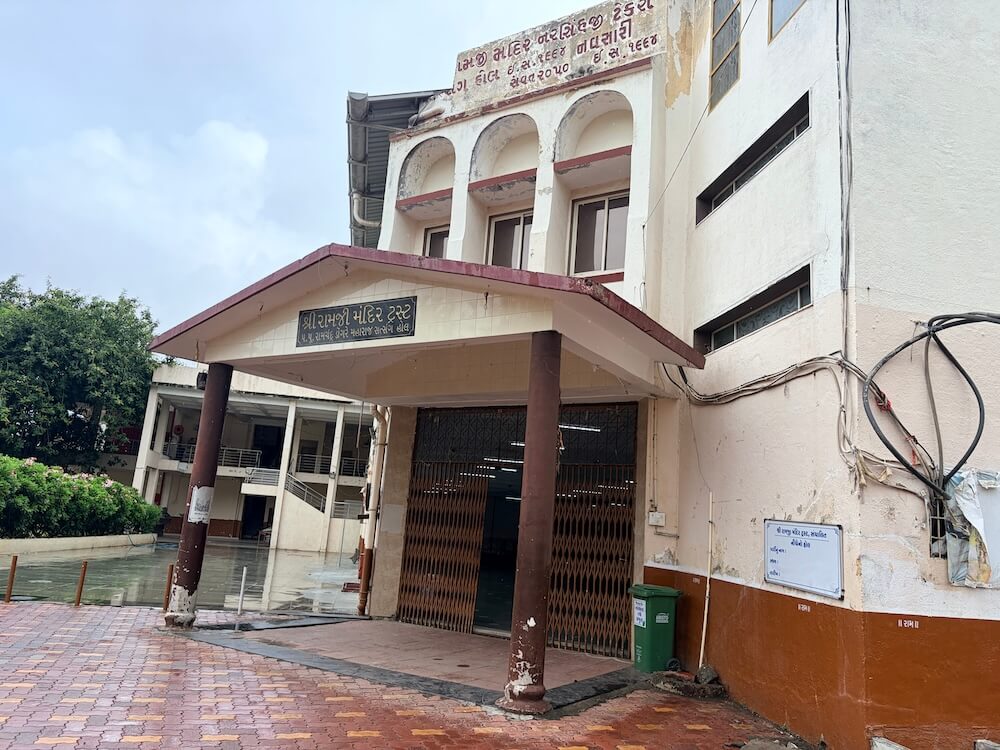
Navsari is a historic city in Gujarat with a rich cultural, religious and commercial heritage. Since ancient times, this region of South Gujarat has witnessed the rule of various dynasties, the coexistence of different faiths, maritime trade and key events in India’s freedom struggle. In antiquity, the town was known by several names, including Navasarika, Nagarika, Nagavardhan, Nagashahi, Nagasarika, Nagamandal and Navsareh, which appear in copper-plate inscriptions, historical records and folk traditions. Ancient Greek geographical accounts are also believed to mention the settlement, 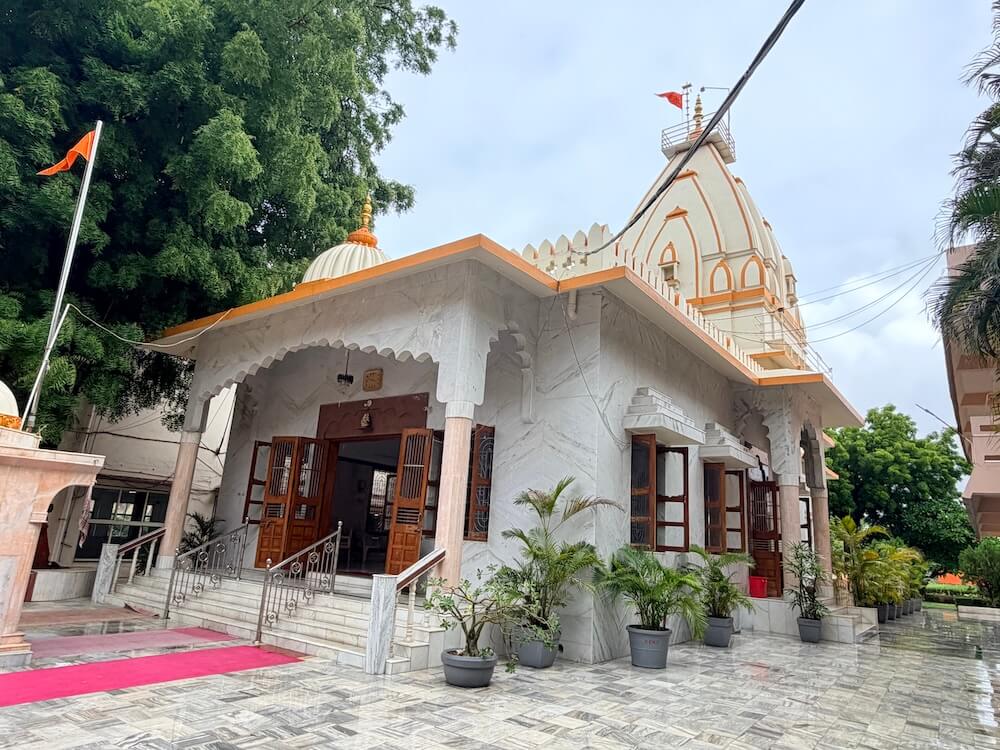 with Ptolemy’s 2nd-century work ‘Geography’ linked to present-day Navsari. In the 7th century, Jayasimhavarman established Chalukya rule in South Gujarat and made Navasarika his capital. Set against this historical backdrop, the temple of Shri Ram stands within a spacious precinct near Dudhiya Talav.
Exact records of the temple’s establishment do not survive, though local authorities and knowledgeable residents estimate that the shrine is around 250 years old. Local tradition links the temple to Tatya Tope, one of the prominent leaders of the First War of Indian Independence. According to Anandswaroop Mishra’s book ‘Nanasaheb Peshwa and the Fight for Freedom’, Ramchandra Pandurang Bhat (Yawalkar), popularly known as Tatya Tope, was born into a Deshastha Brahmin family in Maharashtra. Tatya was his household nickname. 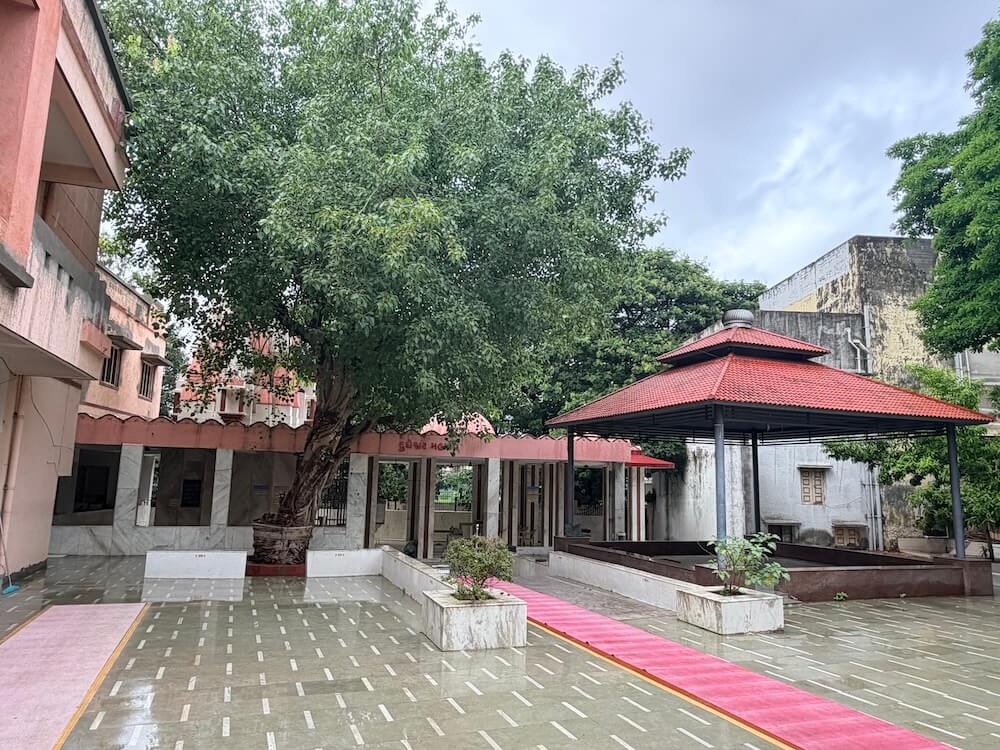 One account states that he came to be called Tatya Tope after Peshwa Baji Rao II presented him with a valuable cap of a distinctive design, while another holds that he acquired the surname Tope after working for some time in the artillery of the East India Company’s Bengal Army.
Tatya Tope served Nanasaheb Peshwa, the adopted son of Peshwa Baji Rao II and later rose to become one of his principal military leaders. After the soldiers who rebelled in 1857 accepted Nanasaheb as their leader, Tatya Tope joined the uprising. He fought his final battle against the East India Company’s forces at Sikar on 21st January 1859, where he was defeated by Colonel Holmes. According to the ‘Gujarat State Gazetteers (Panchmahals District)’, the freedom fighter subsequently sought refuge in the Panchmahals region of Gujarat and remained in hiding there for around two weeks. 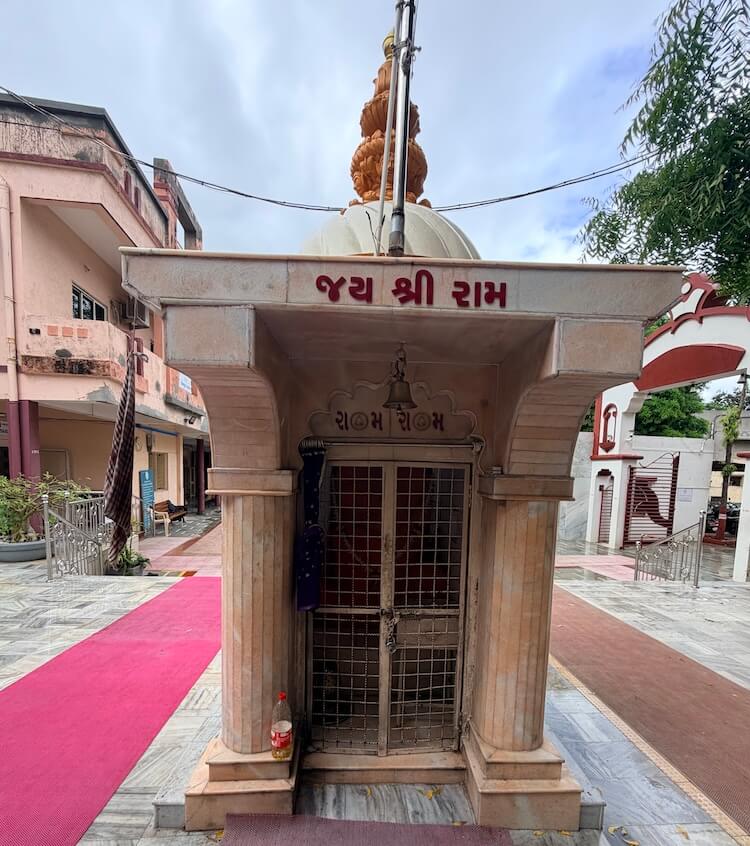 However, his trusted associate Raja Mansingh Kachhwaha, ruler of the Narwar princely state in Madhya Pradesh, joined hands with the British commander Major Meade and betrayed him to the British. Major Meade himself later recounted the circumstances of the arrest, after which the British executed Tatya Tope at Shivpuri, then known as Sipri, on 18th April 1859.
In his book, however, Anandswaroop Mishra points out that doubt persists over whether the man executed was actually Tatya Tope or an impostor. According to some accounts, Raja Mansingh Kachhwaha had devised a plan to save the revolutionary leader. A special issue of the Hindi weekly ‘Hindustan’, published on 17th August 1958, carried an article by Srinivas Balaji Hardikar, President of the Kanpur District Congress Committee. According to Hardikar’s article, after 18th April 1859, Tatya Tope travelled in disguise to Bithoor to secretly meet his father and was present there dressed as a sannyasi when his parents died in 1862. Local legend associated with the Ramji Temple in Navsari similarly holds that he lived at this shrine for some time disguised as a sannyasi under the name Sant Tahaldas. 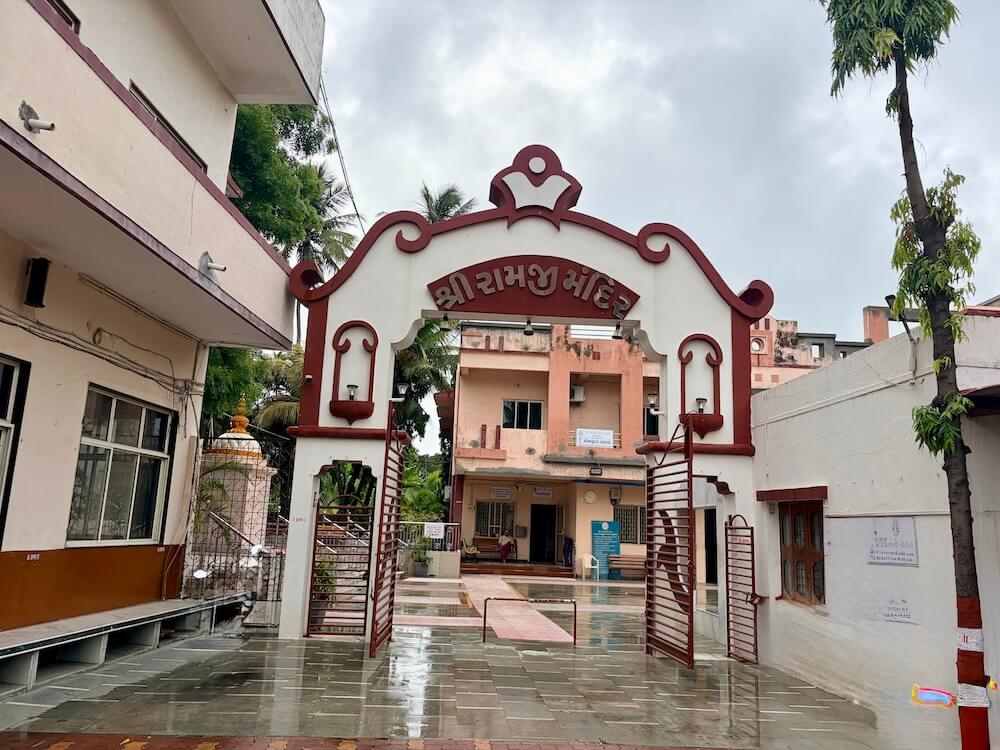 Because Tatya Tope’s original name was Ramchandra, it is regarded as a remarkable coincidence that he spent part of his time in hiding at a temple of Shri Ram.
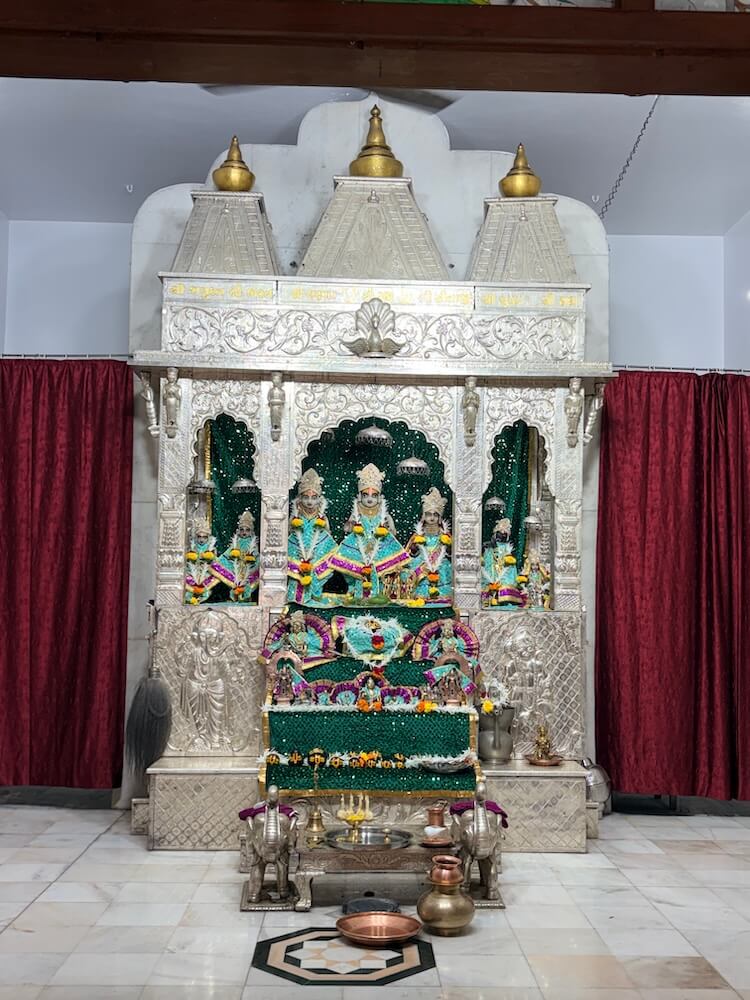
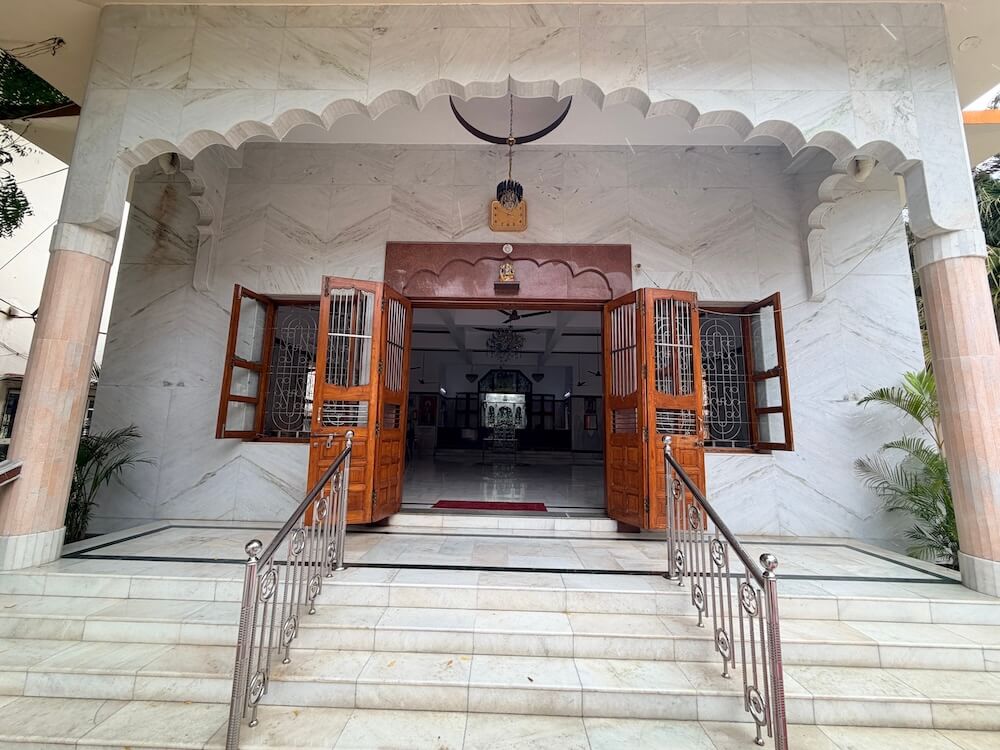
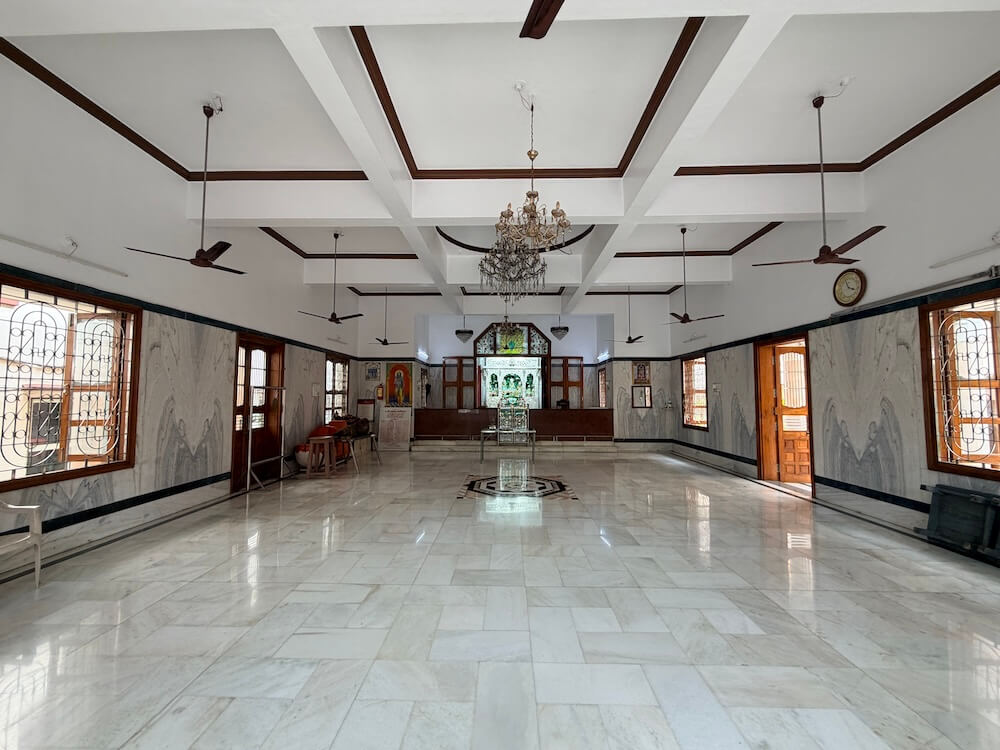
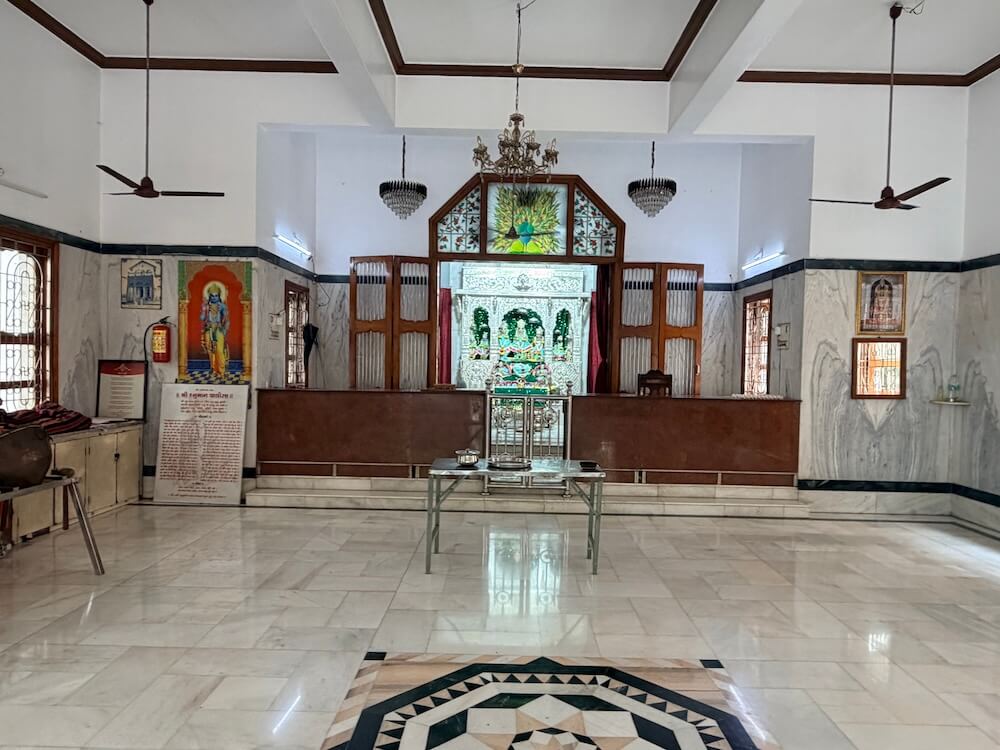
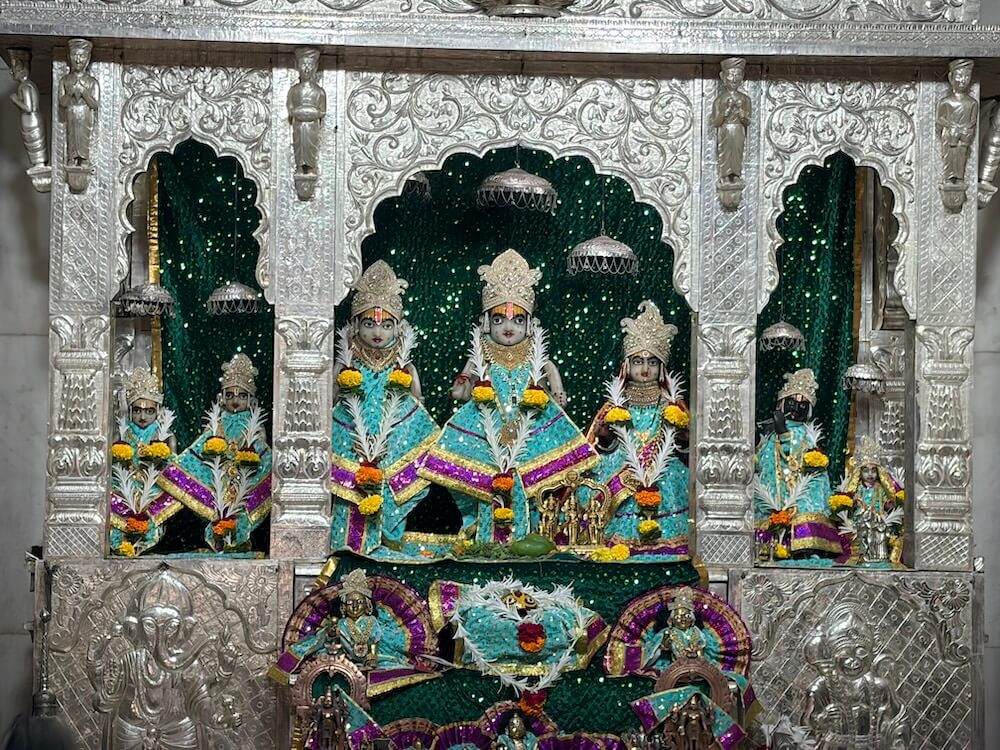
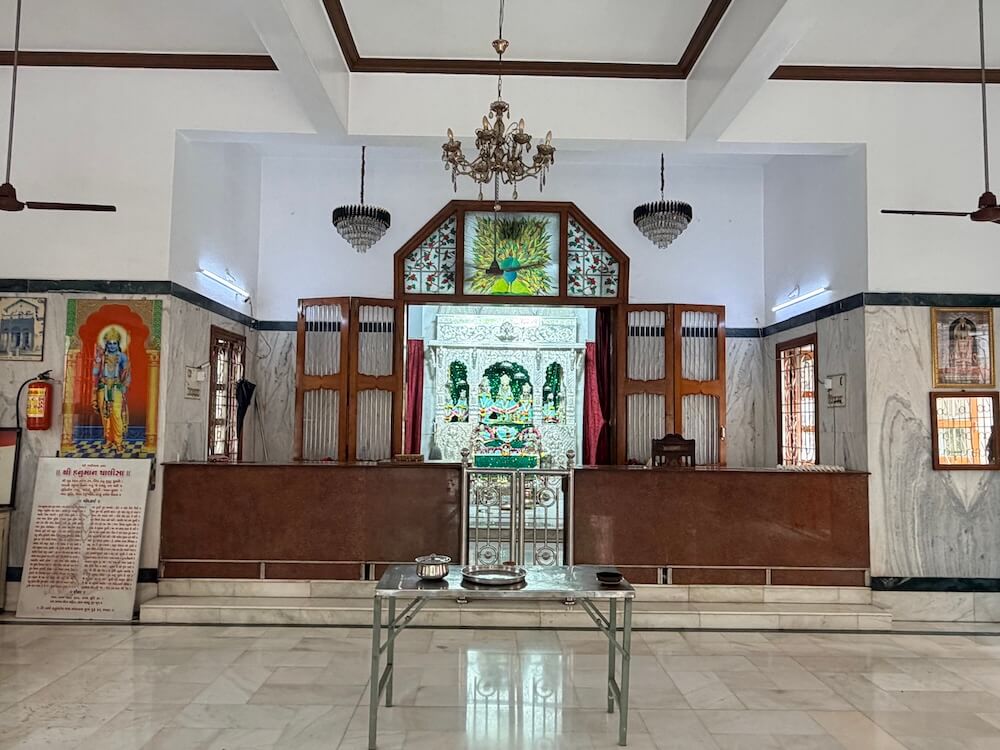
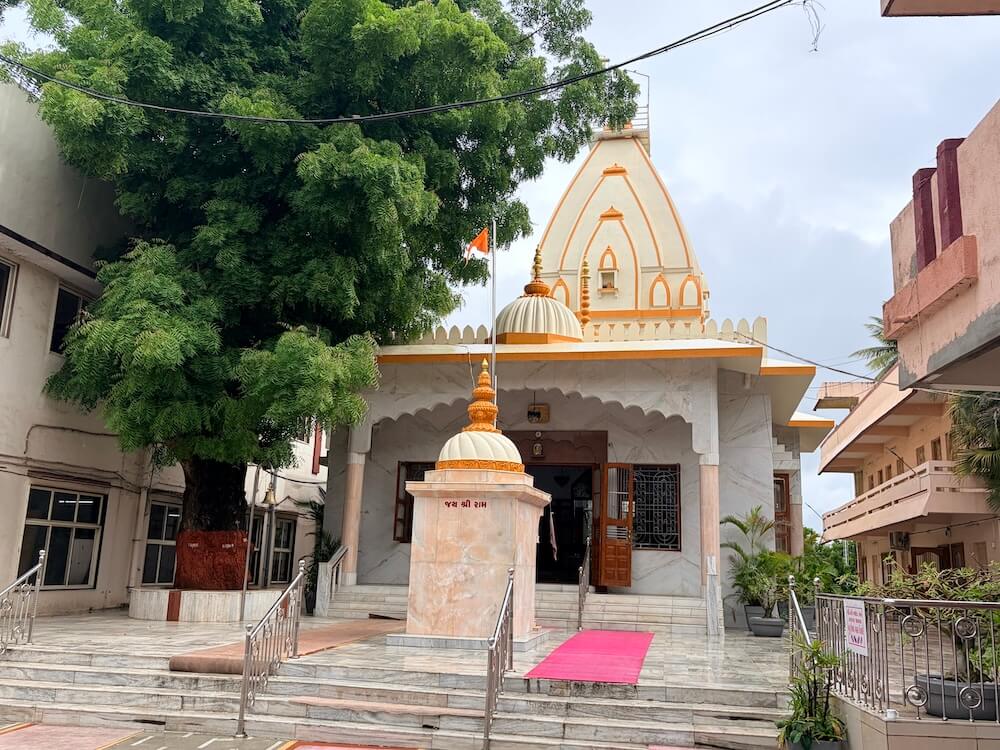
A gateway in the compound wall opens into the courtyard, where the Ramji Temple stands on a high adhishthan (raised stone base) facing a small shrine of Lord Hanuman. Four steps lead from the courtyard to the mukhamandap (entrance porch) and into a spacious sabhamandap with polished marble flooring, followed by the antaral (vestibule) and the garbhagriha. Inside the sanctum, white marble murtis of Lakshman, Shri Ram and Sita stand in the centre on a high vajrapith (raised stone pedestal) within a finely crafted silver makhar (decorative frame). 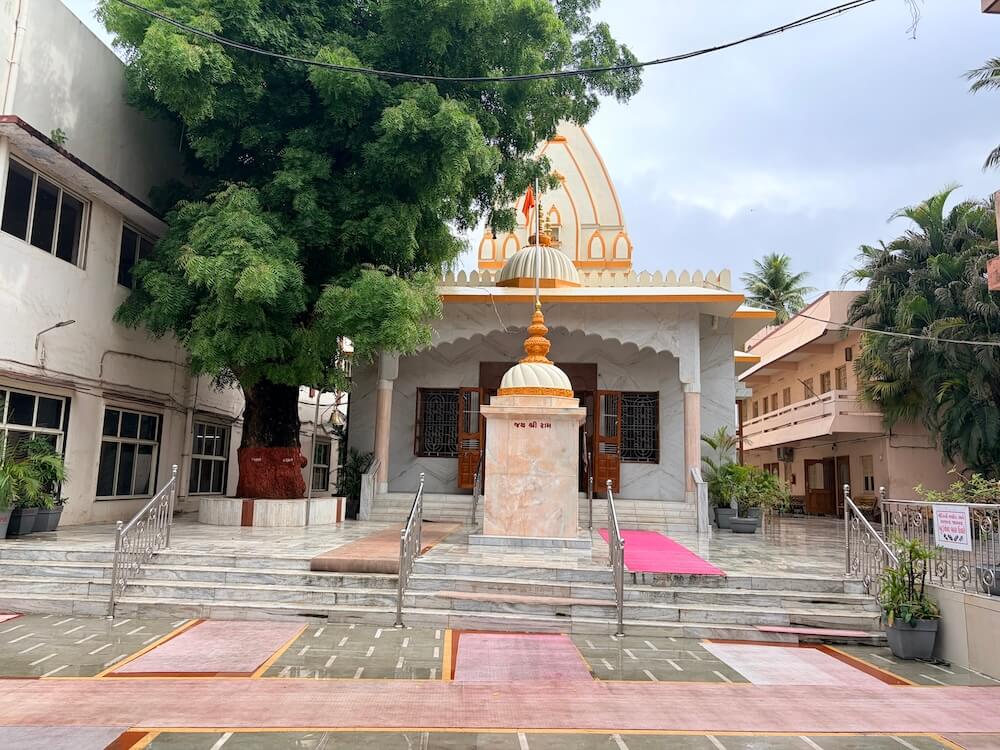 Idols of Lakshmi-Narayan and Shri Krishna stand to their right and left, with all the deities wearing richly worked crowns under silver canopies. A domed roof covers the mukhamandap, while the sanctum’s principal shikhar features urushrings (miniature spires) tapering towards the top on all four sides. The temple precinct also houses a yajnamandap and a shrine of Dudheshwar Mahadev.
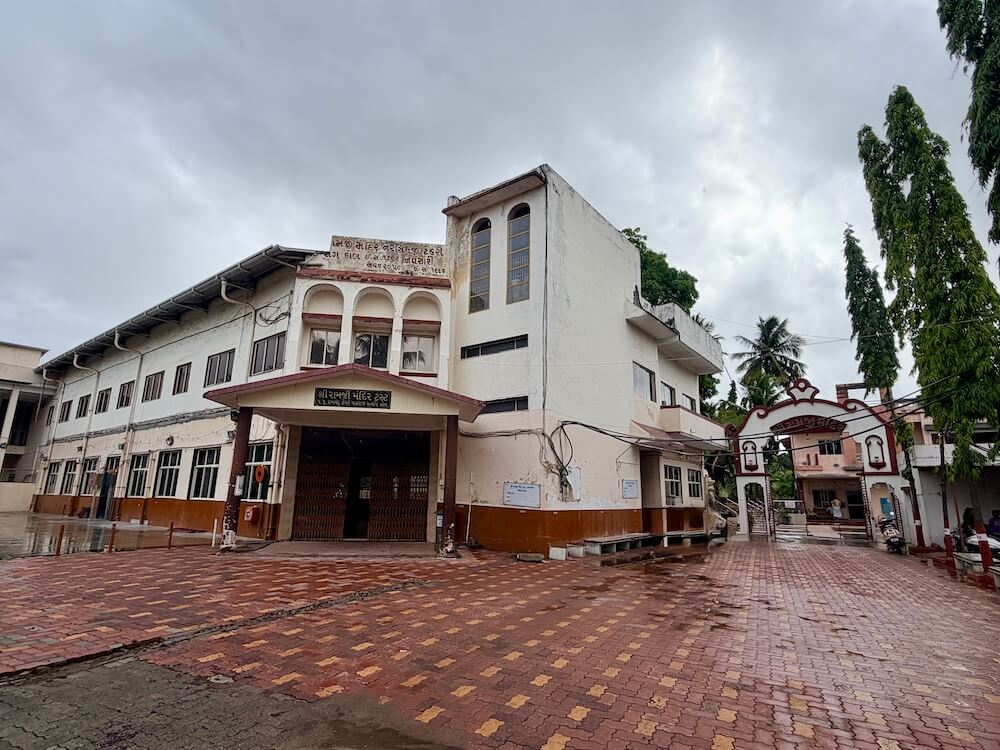
The Ramji Temple remains open from 6 am to 12 pm and from 4 pm to 8.30 pm, with daily aarti performed from 6.30 am to 7 am and from 7 pm to 7.30 pm. Throughout the year, the shrine organises a variety of religious, cultural and social programmes with great enthusiasm. Shri Ram Navami is the temple’s grandest festival, marked by maha aarti, devotional singing, a palkhi procession and the distribution of mahaprasad. Thousands of devotees from Navsari and surrounding areas take part in the celebrations, forming long queues for the darshan of Shri Ram on this auspicious day. Festivals such as Hanuman Jayanti, Shri Krishna Janmashtami, Diwali and Padwa are also celebrated with special religious events. Alongside these festivities, the temple trust runs several welfare and health-related initiatives, while the cultural hall on the premises hosts wedding ceremonies, religious discourses, free health check-up camps and social gatherings.
Useful Information :
- Located 1 km from Navsari Bus Station
- ST bus services to Navsari are available from various cities across Gujarat
- Private vehicles can travel up to the temple
- Accommodation and breakfast facilities are available nearby
- Contact : Temple Office Telephone : 02637-250698
रामजी मंदिर
नवसारी, ताल./जिला. नवसारी
मंदिरे
Temples
मंदिर
મંદિરો
கோவில்கள்
దేవాలయాలు
ക്ഷേത്രങ്ങൾ
ದೇವಾಲಯಗಳು
মন্দিরসমূহ
ਮੰਦਿਰ
-
सोमनाथ महादेव मंदिर बिलीमोरा, ता. गाणदेवी, जि. नवसारी
अधिक माहितीSomnath Mahadev Temple Bilimora, Tal. Gandevi, Dist. Navsari
View Detailsसोमनाथ महादेव मंदिर बिलिमोरा, ताल. गणदेवी, जिला. नवसारी
विवरण देखेंSomnath Mahadev Temple Bilimora, Tal. Gandevi, Dist. Navsari
વિગત જુઓSomnath Mahadev Temple Bilimora, Tal. Gandevi, Dist. Navsari
விவரங்களைக் காண்கSomnath Mahadev Temple Bilimora, Tal. Gandevi, Dist. Navsari
వివరాలను చూడండిSomnath Mahadev Temple Bilimora, Tal. Gandevi, Dist. Navsari
വിശദാംശങ്ങൾ കാണുകSomnath Mahadev Temple Bilimora, Tal. Gandevi, Dist. Navsari
ವಿವರಗಳನ್ನು ವೀಕ್ಷಿಸಿSomnath Mahadev Temple Bilimora, Tal. Gandevi, Dist. Navsari
বিস্তারিত দেখুনSomnath Mahadev Temple Bilimora, Tal. Gandevi, Dist. Navsari
ਵੇਰਵੇ ਦੇਖੋ -
स्वामीनारायण गुरुकुल सांस्कृतिक गौधाम नवगम पाटिया, चंद्रवासन सुपा, जि. नवसारी
अधिक माहितीSwaminarayan Gurukul Cultural Gaudham Navagam Patiya, Chandravasan Supa, Dist. Navsari
View Detailsस्वामीनारायण गुरुकुल सांस्कृतिक गौधाम नवगाम पाटिया, चंद्रवासन सुपा, जिला। नवसारी
विवरण देखेंSwaminarayan Gurukul Cultural Gaudham Navagam Patiya, Chandravasan Supa, Dist. Navsari
વિગત જુઓSwaminarayan Gurukul Cultural Gaudham Navagam Patiya, Chandravasan Supa, Dist. Navsari
விவரங்களைக் காண்கSwaminarayan Gurukul Cultural Gaudham Navagam Patiya, Chandravasan Supa, Dist. Navsari
వివరాలను చూడండిSwaminarayan Gurukul Cultural Gaudham Navagam Patiya, Chandravasan Supa, Dist. Navsari
വിശദാംശങ്ങൾ കാണുകSwaminarayan Gurukul Cultural Gaudham Navagam Patiya, Chandravasan Supa, Dist. Navsari
ವಿವರಗಳನ್ನು ವೀಕ್ಷಿಸಿSwaminarayan Gurukul Cultural Gaudham Navagam Patiya, Chandravasan Supa, Dist. Navsari
বিস্তারিত দেখুনSwaminarayan Gurukul Cultural Gaudham Navagam Patiya, Chandravasan Supa, Dist. Navsari
ਵੇਰਵੇ ਦੇਖੋ -
आशापुरी माता मंदिर विजलपूर मेन रोड, नवसारी, ता./जि. नवसारी
अधिक माहितीAshapuri Mata Temple Vijalpore Main Road, Navsari, Tal./Dist. Navsari
View Detailsआशापुरी माता मंदिर विजलपोर मेन रोड, नवसारी, ताल./जिला. नवसारी
विवरण देखेंઆશાપુરી માતા મંદિર, વિજલપોર મેઈન રોડ, નવસારી, તા./જિ. નવસારી
વિગત જુઓஆஷாபுரி மாதா கோயில், விஜல்போர் மெயின் ரோடு, நவ்சாரி, தாலுகா/மாவட்டம் நவ்சாரி
விவரங்களைக் காண்கఆశాపురి మాతా దేవాలయం, విజల్పోర్ మెయిన్ రోడ్, నవసారి, తాలూకా/జిల్లా నవసారి
వివరాలను చూడండిആശാപുരി മാതാ ക്ഷേത്രം, വിജൽപോർ മെയിൻ റോഡ്, നവ്സാരി, താലൂക്ക്/ജില്ല നവ്സാരി
വിശദാംശങ്ങൾ കാണുകಆಶಾಪುರಿ ಮಾತಾ ದೇವಸ್ಥಾನ, ವಿಜಲ್ಪುರ ಮುಖ್ಯ ರಸ್ತೆ, ನವಸಾರಿ, ತಾಲ್ಲೂಕು/ಜಿಲ್ಲೆ ನವಸಾರಿ
ವಿವರಗಳನ್ನು ವೀಕ್ಷಿಸಿআশাপুরী মাতা মন্দির, ভিজলপুর মেইন রোড, নবসারি, তালুক/জেলা নবসারি
বিস্তারিত দেখুনਆਸ਼ਾਪੁਰੀ ਮਾਤਾ ਮੰਦਰ, ਵਿਜਲਪੋਰ ਮੇਨ ਰੋਡ, ਨਵਸਾਰੀ, ਤਾਲੁਕਾ/ਜ਼ਿਲ੍ਹਾ ਨਵਸਾਰੀ
ਵੇਰਵੇ ਦੇਖੋ