
पिशरीकल भगवती मंदिर
अरियुर, आर्यभावु, जि. पलक्कड.
Pisharikkal Bhagavathi Temple
Ariyoor, Aryambhavu, Dist. Palakkad.
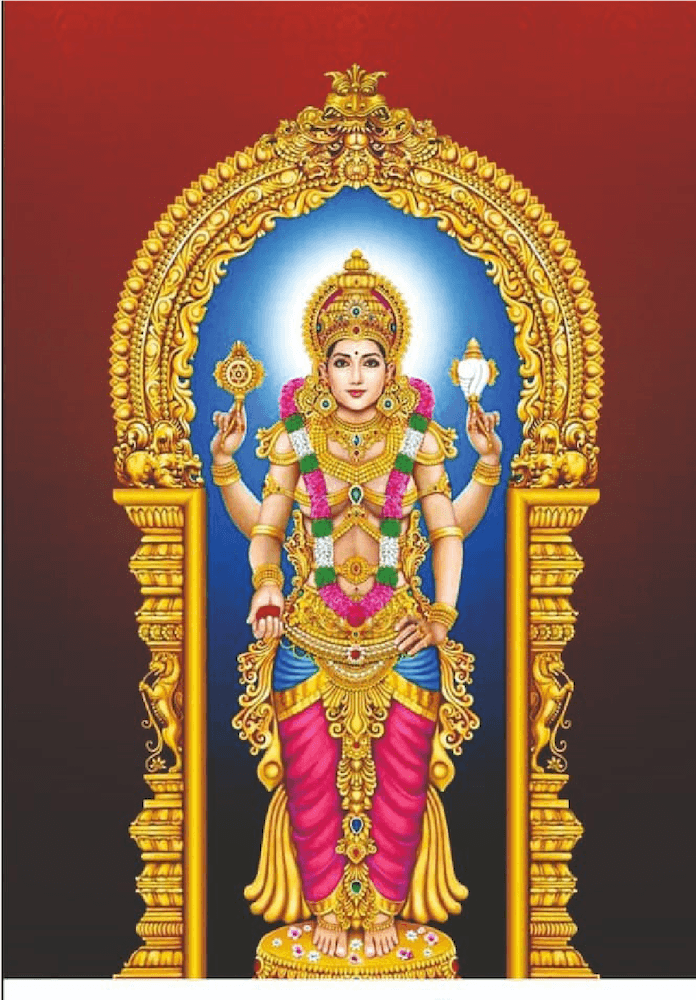 Amidst the tranquil rural landscape of Ariyoor in Palakkad district stands the revered Ariyoor Sree Pisharikkal Bhagavathi Temple, a shrine dedicated to Goddess Durga, worshipped here in the powerful yet benevolent form of Mahishasuramardhini. The temple is situated in the Ariyoor–Aryambhavu region of Mannarkkad, close to the Kozhikode– Palakkad route and is recognised among the prominent Bhagavathi temples of the area. Ariyoor itself is characterised by the quiet beauty of a traditional Kerala village, where the rhythms of rural life continue alongside longstanding religious traditions. Within this setting, the temple forms an important spiritual and cultural centre for the local community. Though the present structure is the result of a relatively recent reconstruction, the sacred history associated with the shrine is believed to extend back approximately five centuries. The presiding deity is represented in a standing form with four arms and a serene expression, combining the protective power of Shakti with an atmosphere of compassion and grace. For generations, devotees have approached the Goddess seeking protection, fulfilment of aspirations and blessings for the well being of their families.
The history of Ariyoor Sree Pisharikkal Bhagavathi Temple is closely associated with the Zamorin rulers of Kozhikode. According to the traditional account of the temple, the shrine is believed to have been established approximately 500 years ago under the patronage and direction of the Zamorin royal house, which exercised authority over the region during that period.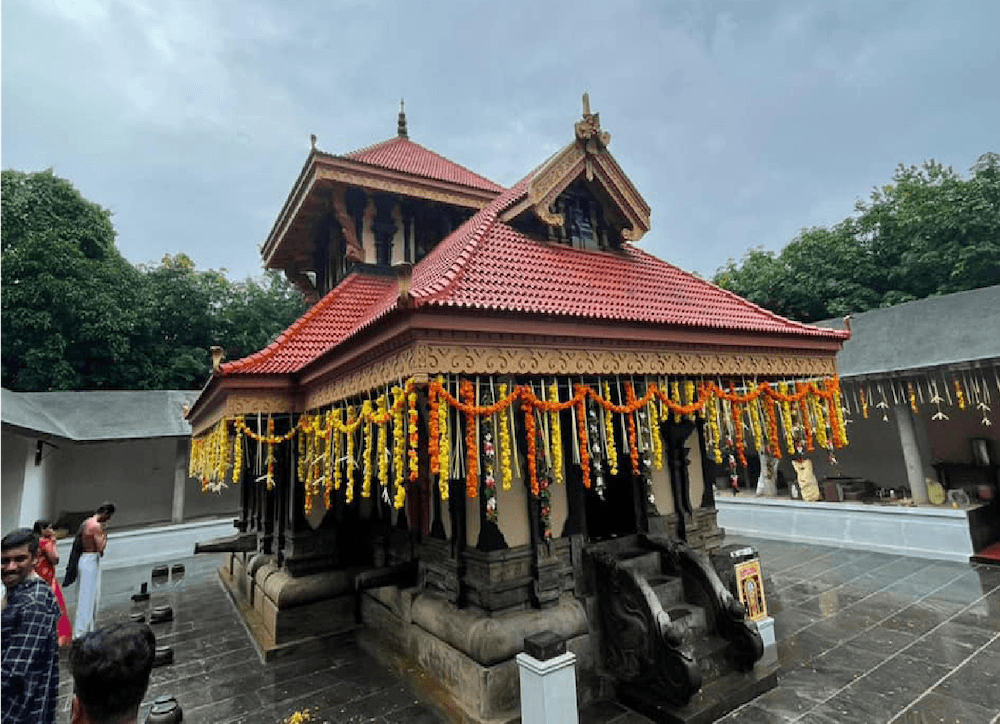 Historical descriptions available likewise associate the earlier temple with the Zamorin of Kozhikode. The temple was administered under the authority of the Zamorin. Its early history therefore forms part of the wider religious and political landscape of the Malabar region, where several temples maintained connections with ruling houses and local communities. The temple, however, experienced a period of severe decline during the military campaigns associated with Tipu Sultan. According to local tradition, the shrine was attacked during the invasion and the original temple structure was extensively destroyed. Only the foundation of the former temple is believed to have survived the destruction. Sources describing the shrine similarly associate its decline with Tipu Sultan’s campaigns approximately two centuries ago.
For many decades thereafter, the temple remained in a ruined condition. 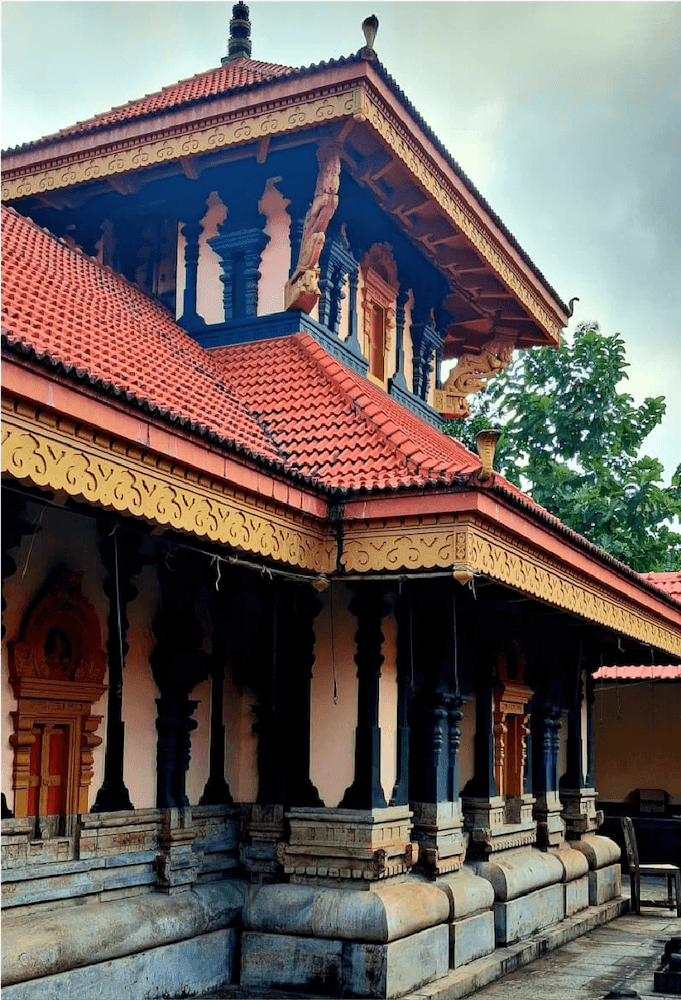 The remnants of the earlier structure stood as a reminder of the shrine’s former prominence, while the sacred traditions associated with the Goddess continued to survive within the local community. A significant chapter in the temple’s modern history began when local residents and devotees took the initiative to revive the shrine. A temple reconstruction committee was formed through their collective efforts and the temple was rebuilt and reconsecrated in 2019. The present structure is therefore not merely a new building but a symbol of the community’s determination to restore a place of worship with a long-standing spiritual heritage.
At present, the administration of the temple is entrusted to a trust. The governing body consists of ten representatives from the local community along with three representatives associated with the Zamorin family. This arrangement preserves a symbolic connection with the temple’s historic association with the Zamorin while placing its present-day administration within a community-supported framework.
The traditional legend of Ariyoor Pisharikkal Bhagavathi begins in an age when the surrounding region is believed to have been covered by dense forest. In this secluded landscape, a sage is said to have undertaken intense penance and meditation. According to the sacred tradition, the Goddess appeared before the sage as a result of his austerities.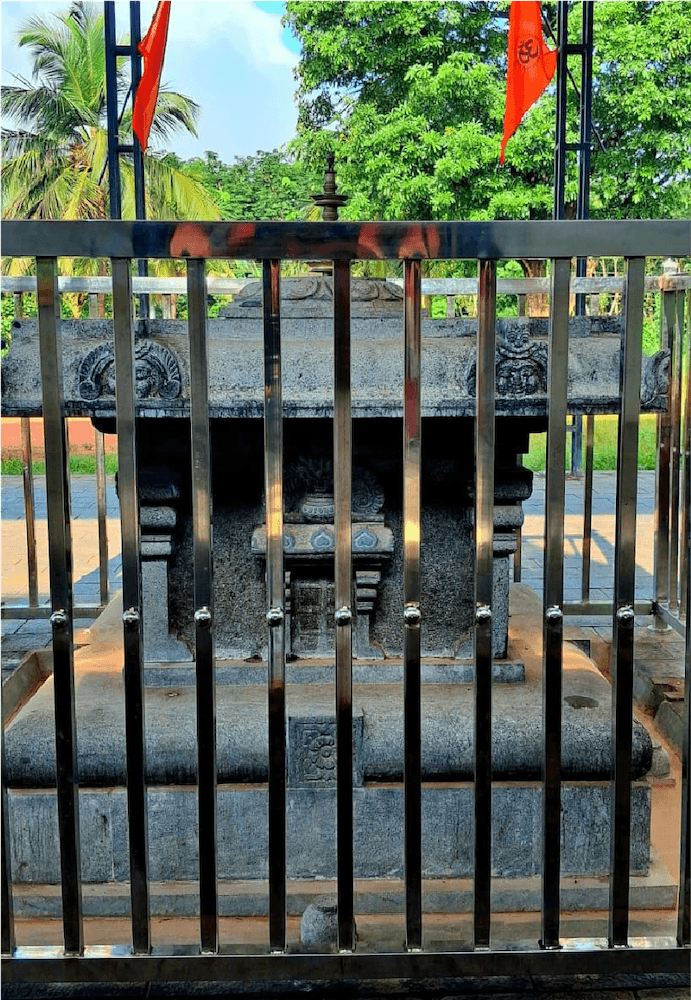 Having granted his prayers and blessed him, the Goddess manifested herself at the location in the form of a stone image believed to be selfmanifested or swayambhu. The sacred presence is said to have remained at the site for generations. Nature itself became part of the setting in which the divine presence was revered.
The legend continues with a Brahmin from a nearby settlement. He is believed to have received a divine revelation in a dream informing him of the presence of the Goddess at the location. Following the dream, he visited the area and discovered the stone form of the deity.
The Brahmin subsequently conveyed the information to the Zamorin ruler of Kozhikode. It is traditionally believed that the ruler recognised the spiritual significance of the discovery and under his patronage, established the shrine with the Goddess consecrated in the form of Mahishasuramardhini. Thus, the temple’s sacred narrative brings together three important elements: the austerities of the sage, the self manifestation of the Goddess and the royal patronage through which the shrine was formally established. These traditions continue to form an important part of the identity of Ariyoor Pisharikkal Bhagavathi Temple.
The present Temple is an attractive example of a temple developed in the traditional architectural language of
Kerala. Its architectural character is expressed through
the relationship between the entrance elements, the deepastambha, balipeetha, nalambalam and the principal sreekovil, together creating a harmonious sacred enclosure.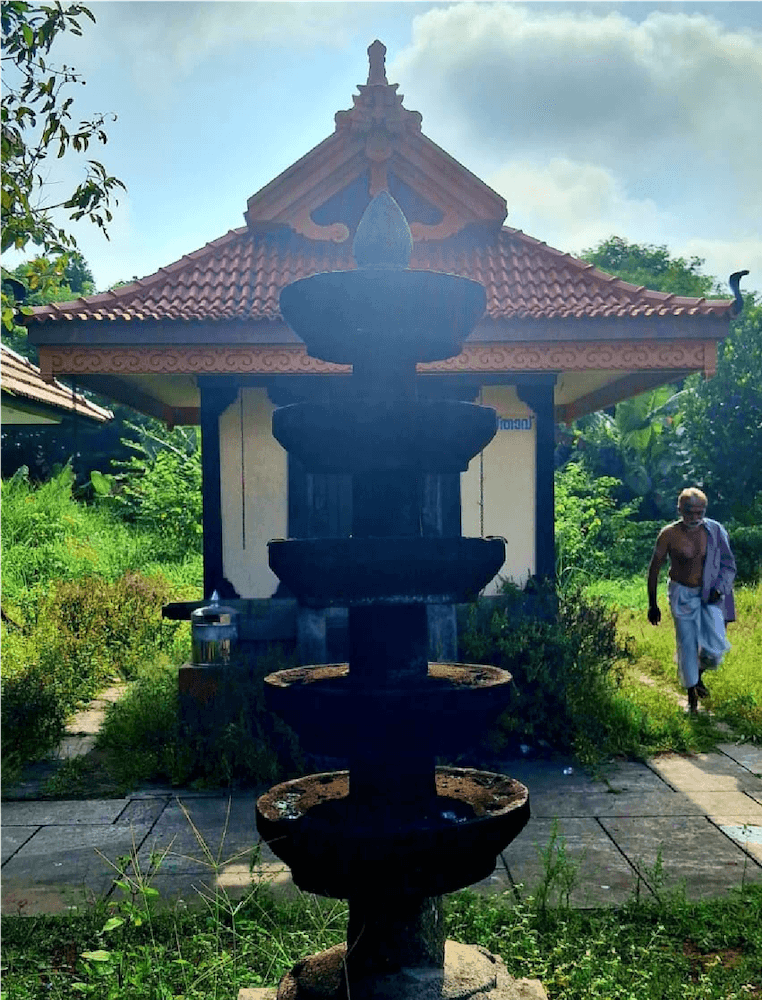 One of the first architectural features encountered by a visitor upon entering the temple premises is the imposing deepastambha, fashioned in black stone. Its vertical form provides an immediate visual focus within the temple courtyard. Positioned in front of it is a balipeetha, also executed in black stone, establishing an important ritual and visual relationship between the approach to the sanctum and the sacred interior of the temple. The nalambalam forms the principal enclosed architectural zone surrounding the central shrine. The sloping roofscape, characteristic of Kerala’s response to the region’s heavy monsoon climate, also contributes considerably to the visual identity of the temple. Passing into the nalambalam, the sreekovil becomes the principal architectural focus. The sanctum is square in plan and rises in two distinct levels. The base of the sreekovil is executed in black stone and incorporates decorative workmanship. The sopana or stone steps leading towards the sanctum, is likewise fashioned from black stone. The walls of the sreekovil are constructed in brick and finished with a smooth plastered surface. The roof of the sreekovil is covered with traditional clay tiles and slopes downwards on all four sides. The first roof level extends beyond the walls, creating a pronounced overhanging eave. This not only gives the shrine a graceful silhouette but also provides architectural protection to the wall surfaces from rain and intense sunlight. Above the first level is a smaller second storey. This upper portion continues the visual language of the lower level.
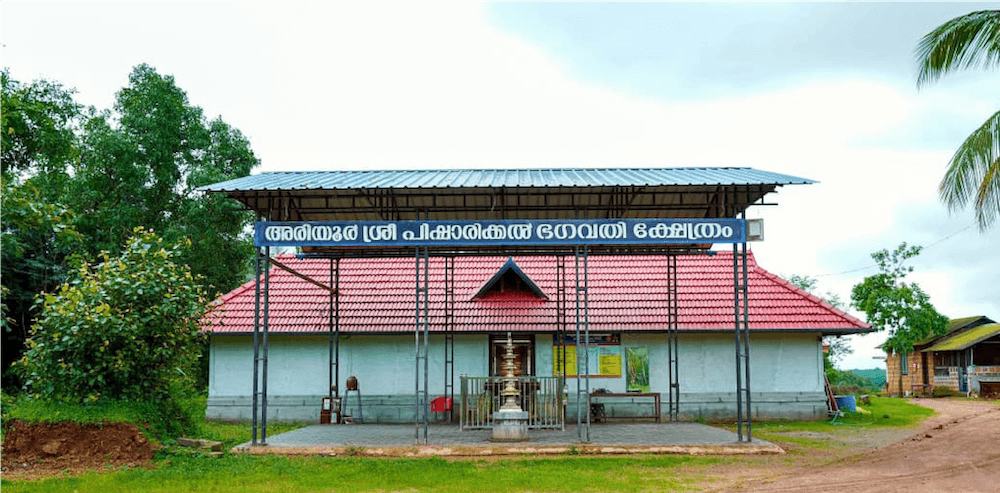 Its comparatively smaller scale creates a natural stepped progression towards the summit of the shrine. The roofs of both levels are tiled, maintaining visual continuity throughout the vertical composition.
At the highest point is the thazhikakudam, which provides the architectural culmination of the sreekovil. The gradual transition from the broad lower roof to the smaller upper level and finally to the crowning element creates a pleasing sense of proportion. Another notable aspect of the temple is its circumambulatory path. 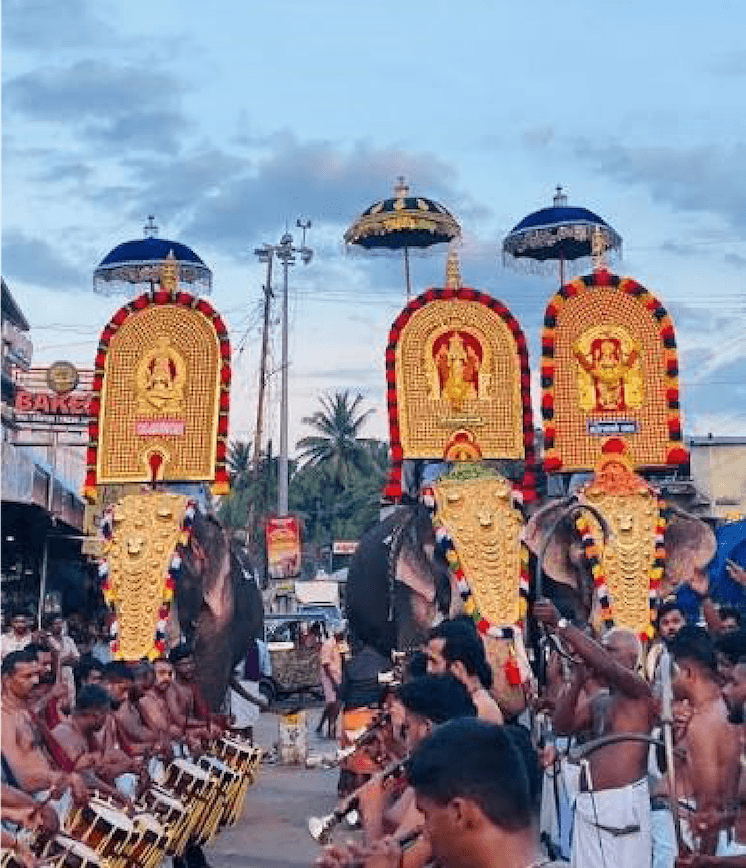 The pathway around the sreekovil has been paved extensively with carefully finished black stone. The architectural composition therefore balances function, ritual movement and aesthetic proportion. The deepastambha establishes the vertical axis of the approach, the balipeetha marks the ritual foreground, the nalambalam defines the principal enclosure and the two-tiered sreekovil forms the visual and spiritual centre of the complex.
The principal deity of the temple is Goddess Durga, worshipped in the Mahishasuramardhini concept. The deity is represented in a standing form with four arms. One of the hands is placed upon the hip, giving the image a distinctive compositional character. Although Mahishasuramardhini is traditionally associated with the victorious aspect of Goddess Durga, the deity at Ariyoor is described as having a serene and benevolent expression. This combination of strength and tranquillity forms an important part of the devotional character of the shrine. The western-facing darshan of the deity is another distinctive feature of the temple.
The temple complex also accommodates several sub deities. Within the nalambalam, at the south-eastern corner, is the shrine of Lord Ganapathi. As the remover of obstacles and an important deity invoked before auspicious undertakings,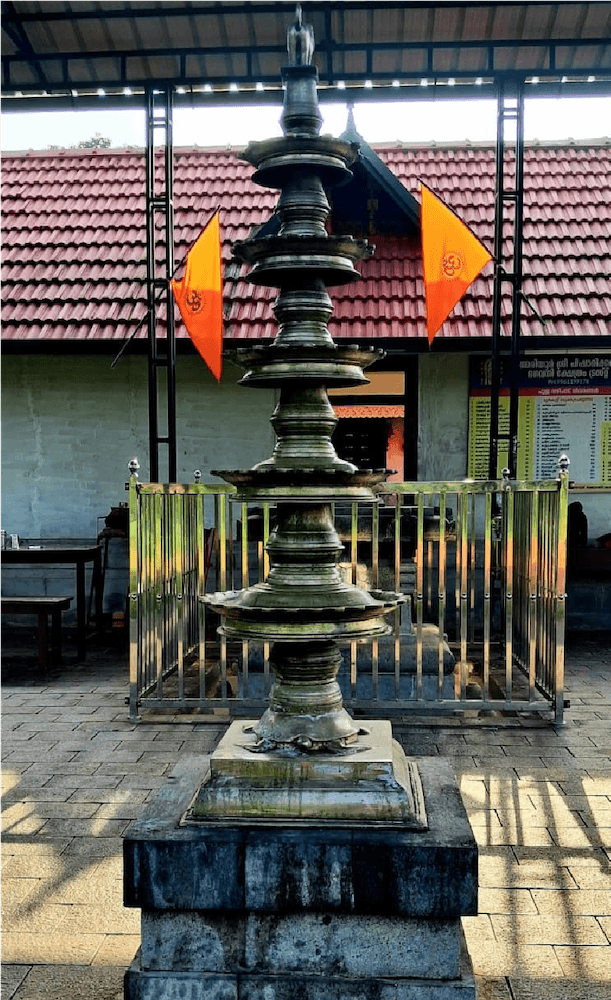 Ganapathi occupies a significant place within the temple’s ritual arrangement. Outside the nalambalam, towards the south-western side, is a naga shrine associated with Anantha, together with the presence of Muneeswaran. The coexistence of nagadevatha worship and the Muneeswaran tradition adds another layer to the sacred landscape of the temple. A shrine dedicated to Sastha is situated outside the nalambalam towards the south-eastern side.
These upadevatha shrines broaden the ritual character of the temple complex and provide devotees with opportunities to honour several divine traditions within the same sacred precinct.
The annual celebration of Ariyoor Pisharikkal Bhagavathi Temple is the Thrikkarthika Maholsavam, observed on the Karthika day of the Malayalam month of Vrischikam. The festival extends over seven days and forms the most important annual period of celebration at the temple. The seventh day is particularly significant, with special observances including Kallampaattu and Niramala. An elephant procession is also held as part of the celebrations. Cultural programmes are conducted during the evenings throughout the seven-day festival, bringing together devotional observance and the cultural traditions of the local community. Annadhanam is organised on the seventh day, adding an important social dimension to the festival. The shared meal transforms the celebration into an occasion of collective participation, where devotion, community and hospitality come together. A special pooja and annadanam are also conducted on the third Friday of every month, providing devotees with a recurring opportunity to participate in special worship.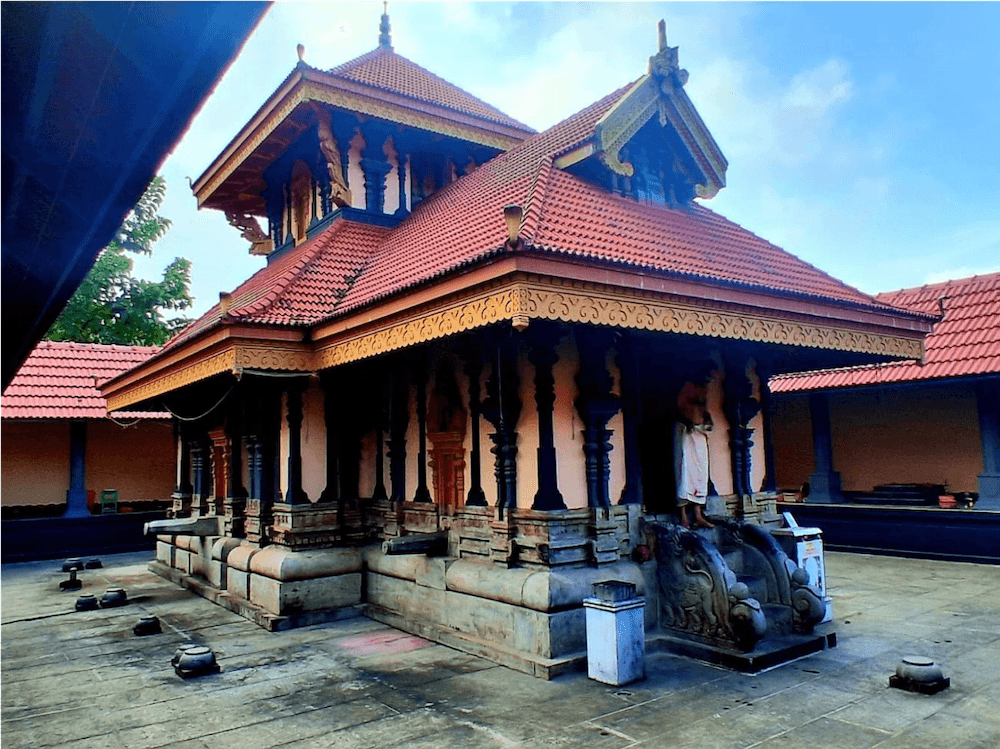
The Prathishta Dinam or consecration
anniversary, is another important observance. It falls on the Chothi day of the Malayalam month of Mithunam. Special tantric rituals, poojas and annadanam form part of the day’s observances. The temple also conducts a Pongala festival on the first Sunday of March. Women devotees participate in the offering by preparing Pongala and dedicating it to the Goddess. The ritual provides a deeply devotional atmosphere and has become another significant annual gathering at the temple. Pongala is also documented among the temple’s principal festival observances.
Among the principal offerings performed at the temple are Karyasaadhya Pushpanjali, Ganapathi Homam,
Nagapooja and the regular daily poojas.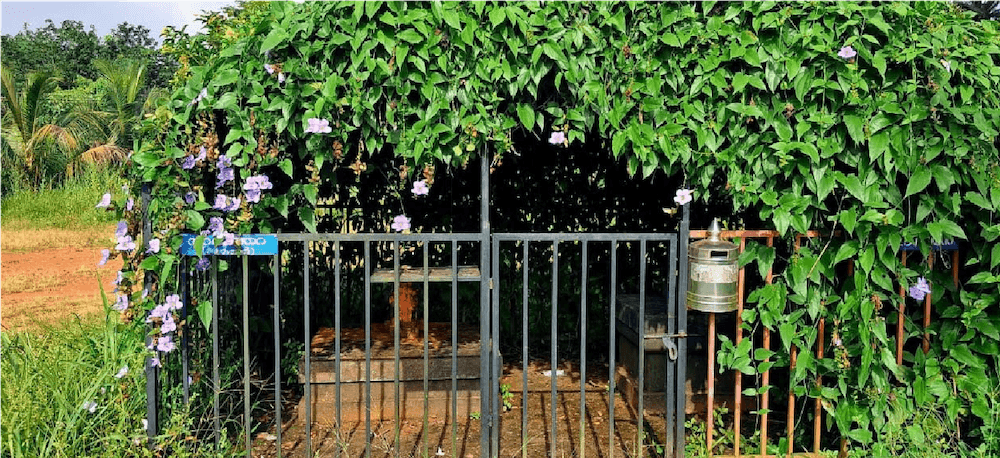 Karyasaadhya Pushpanjali is performed by devotees seeking the fulfilment of particular aspirations. Ganapathi Homam is associated with the removal of obstacles and the commencement of auspicious undertakings, while Nagapooja reflects the importance of naga worship within the temple’s sacred traditions. The range of offerings reflects the diverse devotional practices maintained within the temple and allows devotees to approach the Goddess and the sub deities according to their individual prayers and observances.
The temple opens in the morning at 5.30 am. The morning worship includes Nirmalyam, Malar Nivedyam and Ushapooja. Following the completion of the morning rituals, the temple closes at approximately 9.00 am. In the evening, the temple reopens at 5.30 pm and remains open until approximately 6.30 pm. Deeparadhana and Malar Nivedyam are conducted during the evening session.
key highlights
- Located 7 km from Mannarkkad, 3 km from Kottappadam and 1 km from Aryambhavu.
- Melattur Railway Station is the nearest Railway Station, abot 20 km from the temple.
- Private bus services are available to the temple from Kottappadam and Aryambhavu.
- Private vehicles can be parked in the temple’s designated parking area.
- Accomodation and food facilities are available in the nearby towns.
पिशारिक्कल भगवती मंदिर
अरियूर, आर्यंभावु, जिला। पलक्कड़.
मंदिरे
Temples
मंदिर
મંદિરો
கோவில்கள்
దేవాలయాలు
ക്ഷേത്രങ്ങൾ
ದೇವಾಲಯಗಳು
মন্দিরসমূহ
ਮੰਦਿਰ
-
नजरालथ श्री राम स्वामी मंदिर अलानल्लूर, जिल्हा पालक्काड.
अधिक माहितीNjaralath Sree Rama Swamy Temple Alanallur, Dist. Palakkad.
View Detailsनजरालथ श्री राम स्वामी मंदिर अलनाल्लूर, जिला पलक्कड़।
विवरण देखेंNjaralath Sree Rama Swamy Temple Alanallur, Dist. Palakkad.
વિગત જુઓNjaralath Sree Rama Swamy Temple Alanallur, Dist. Palakkad.
விவரங்களைக் காண்கNjaralath Sree Rama Swamy Temple Alanallur, Dist. Palakkad.
వివరాలను చూడండిNjaralath Sree Rama Swamy Temple Alanallur, Dist. Palakkad.
വിശദാംശങ്ങൾ കാണുകNjaralath Sree Rama Swamy Temple Alanallur, Dist. Palakkad.
ವಿವರಗಳನ್ನು ವೀಕ್ಷಿಸಿNjaralath Sree Rama Swamy Temple Alanallur, Dist. Palakkad.
বিস্তারিত দেখুনNjaralath Sree Rama Swamy Temple Alanallur, Dist. Palakkad.
ਵੇਰਵੇ ਦੇਖੋ -
विष्णुमाया कुट्टीचाथन मंदिर थ्रिक्कनगोडे, ओटापलम, जि. पलक्कड.
अधिक माहितीVishnumaya Kuttichathan Temple Thrikkangode, Ottapalam, Dist. Palakkad.
View Detailsविष्णुमाया कुट्टीचाथन मंदिर थ्रीक्कनगोडे, ओट्टापलम, जिला। पलक्कड़.
विवरण देखेंVishnumaya Kuttichathan Temple Thrikkangode, Ottapalam, Dist. Palakkad.
વિગત જુઓVishnumaya Kuttichathan Temple Thrikkangode, Ottapalam, Dist. Palakkad.
விவரங்களைக் காண்கVishnumaya Kuttichathan Temple Thrikkangode, Ottapalam, Dist. Palakkad.
వివరాలను చూడండిVishnumaya Kuttichathan Temple Thrikkangode, Ottapalam, Dist. Palakkad.
വിശദാംശങ്ങൾ കാണുകVishnumaya Kuttichathan Temple Thrikkangode, Ottapalam, Dist. Palakkad.
ವಿವರಗಳನ್ನು ವೀಕ್ಷಿಸಿVishnumaya Kuttichathan Temple Thrikkangode, Ottapalam, Dist. Palakkad.
বিস্তারিত দেখুনVishnumaya Kuttichathan Temple Thrikkangode, Ottapalam, Dist. Palakkad.
ਵੇਰਵੇ ਦੇਖੋ -
एलामन्नम शंकरनारायण स्वामी मंदिर थेनकुरीसी, जि. पलक्कड.
अधिक माहितीElamannam Sankaranarayana Swamy Temple Thenkurissi, Dist. Palakkad.
View Detailsएलमन्नम शंकरनारायण स्वामी मंदिर थेनकुरिसि, जिला. पलक्कड़.
विवरण देखेंElamannam Sankaranarayana Swamy Temple Thenkurissi, Dist. Palakkad.
વિગત જુઓElamannam Sankaranarayana Swamy Temple Thenkurissi, Dist. Palakkad.
விவரங்களைக் காண்கElamannam Sankaranarayana Swamy Temple Thenkurissi, Dist. Palakkad.
వివరాలను చూడండిElamannam Sankaranarayana Swamy Temple Thenkurissi, Dist. Palakkad.
വിശദാംശങ്ങൾ കാണുകElamannam Sankaranarayana Swamy Temple Thenkurissi, Dist. Palakkad.
ವಿವರಗಳನ್ನು ವೀಕ್ಷಿಸಿElamannam Sankaranarayana Swamy Temple Thenkurissi, Dist. Palakkad.
বিস্তারিত দেখুনElamannam Sankaranarayana Swamy Temple Thenkurissi, Dist. Palakkad.
ਵੇਰਵੇ ਦੇਖੋ