
मत्तनचेरी पझायनूर भगवती मंदिर
कप्पालंदीमुक्कू, मत्तनचेरी, जि. एर्नाकुलम.
Mattancherry Pazhayannur Bhagavathy Temple
Kappalandimukku, Mattancherry, Dist. Ernakulam.
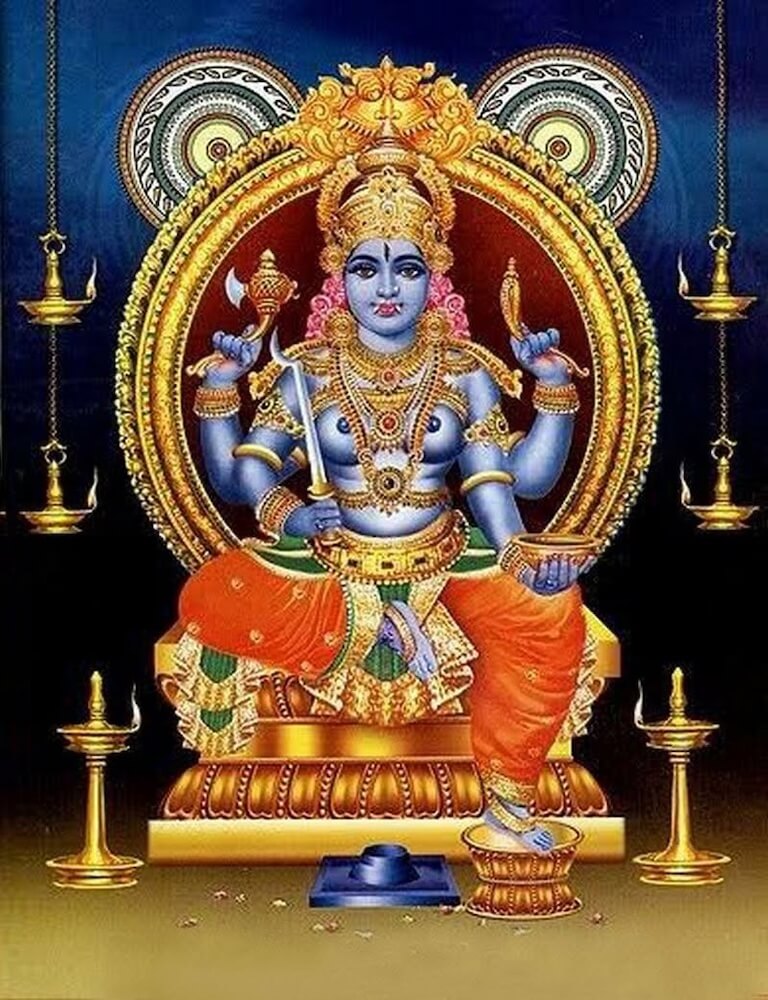 Located in the heart of Mattancherry, where Kerala’s rich history and culture come alive, the Mattancherry Pazhayannur Bhagavathy Temple is a unique and sacred place of worship. Dedicated to Pazhayannur Amma, the family deity of the Kochi Royal Family, the temple is not only an important spiritual centre but also a witness to many significant moments in history. Situated within the courtyard of the historic Dutch Palace (Mattancherry Palace), the temple reflects the grandeur of the royal era of Kochi. The Jewish Synagogue on one side, the Mattancherry Palace on the other and this Hindu temple standing nearby together are a fine example of the religious harmony and peaceful coexistence that existed in the past.
The history of the Mattancherry Pazhayannur Bhagavathy Temple is closely linked with the history of the Kochi Royal Family. The original temple of Pazhayannur Amma, the family deity of the royal family, is located at Pazhayannur in Thrissur district. In the 16th century, when the Kochi rulers moved their capital to Mattancherry for security and administrative reasons, they established this temple by installing the idol of Pazhayannur Amma in the courtyard of the new royal palace.
In AD 1555, the Portuguese built the Mattancherry Palace as a gift to Veera Kerala Varma, the King of Kochi. 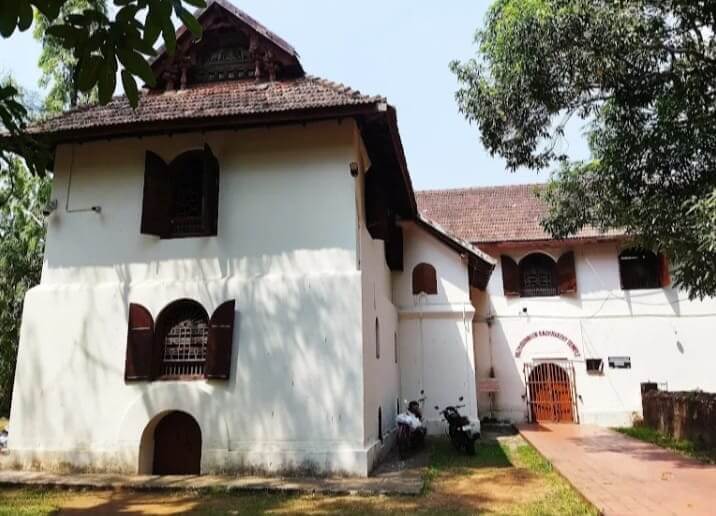 It was later renovated by the Dutch and came to be known as the Dutch Palace. The temple was designed so that the royal family could have direct access to the shrine from the palace.
In AD 1568, the King of Kochi granted land next to the palace to the Jewish community who had arrived from abroad, allowing them to settle there and build the Jewish Synagogue. For centuries, the temple and the synagogue have stood side by side in peaceful coexistence, making this a fine example of religious harmony. Important royal ceremonies, including the coronation of the Kochi kings, were held here. Before making any major decision, the kings would visit Pazhayannur Amma and seek her blessings.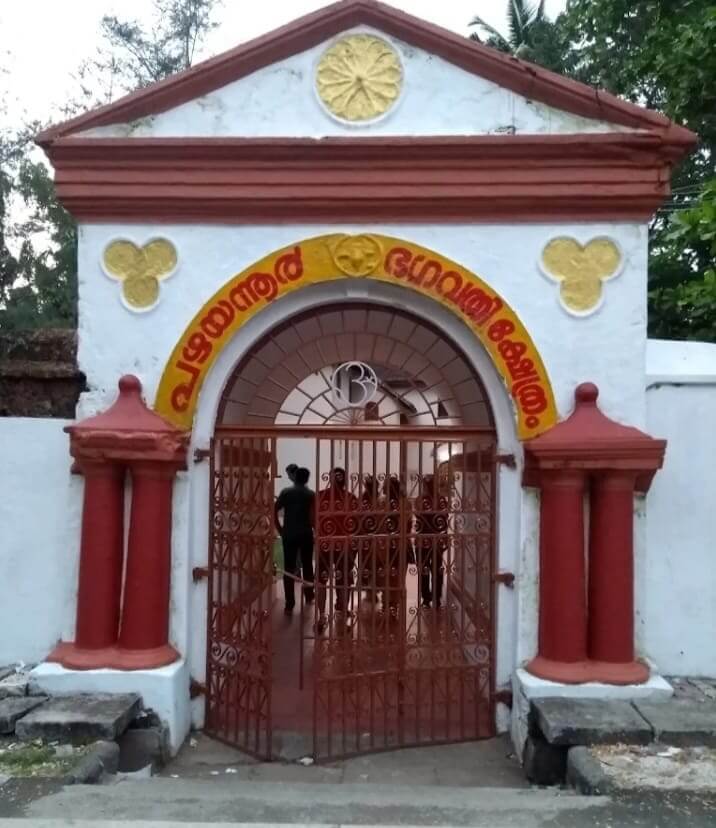 After India gained Independence, the palace came under the protection of the Archaeological Department. The administration of the temple was later entrusted to the Cochin Devaswom Board, and it continues to be an active place of worship where daily rituals are performed.
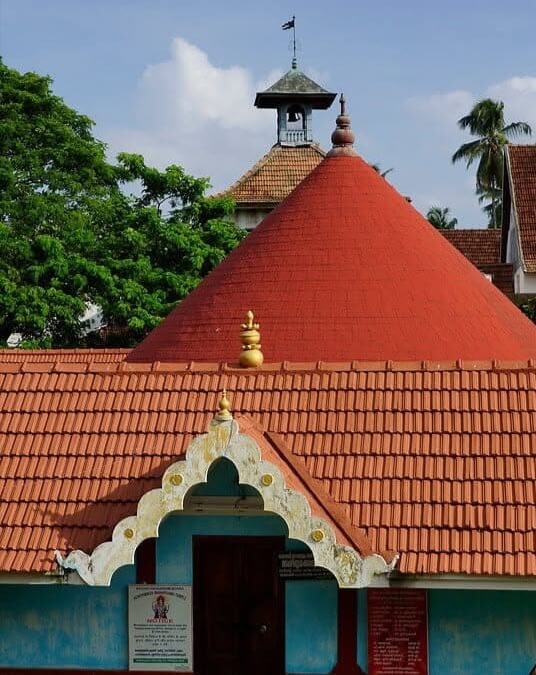
The architecture of the Mattancherry Pazhayannur Bhagavathy Temple is a unique blend of traditional Kerala temple design and the foreign influences seen in the palace complex. Unlike most temples, it is located in the central courtyard of the two-storeyed Mattancherry Palace, which is built in the traditional Nalukettu style. As a result, the temple cannot be seen directly from outside. Instead, visitors first see the Portuguese-style arches and the palace’s white walls. It is only after passing through the main entrance of the palace and entering the central courtyard that the temple comes into view. Another unique feature is that one side of the temple wall stands adjoining the wall of the Jewish Synagogue.
On entering the central courtyard through the main entrance of the palace,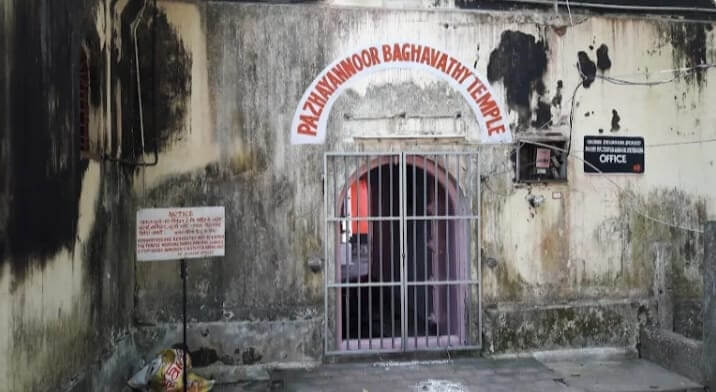 visitors can see a small square-shaped Sreekovil (sanctum) built in the traditional Kerala style at the centre of the courtyard. This single-storey shrine stands on a granite base and is surrounded by a simple Chuttambalam. Its sloping copper-covered roof and traditional finial add to its beauty. Inside the Sreekovil is the main idol of Pazhayannur Amma, a calm four-armed form carved from Krishna Shila (black granite). The Goddess holds a conch, discus and sword, while the fourth hand is in the Varada Mudra, symbolising blessings and protection. As the idol is carved from Krishna Shila, it has remained well preserved despite centuries of age and the daily ritual ablutions (abhishekam).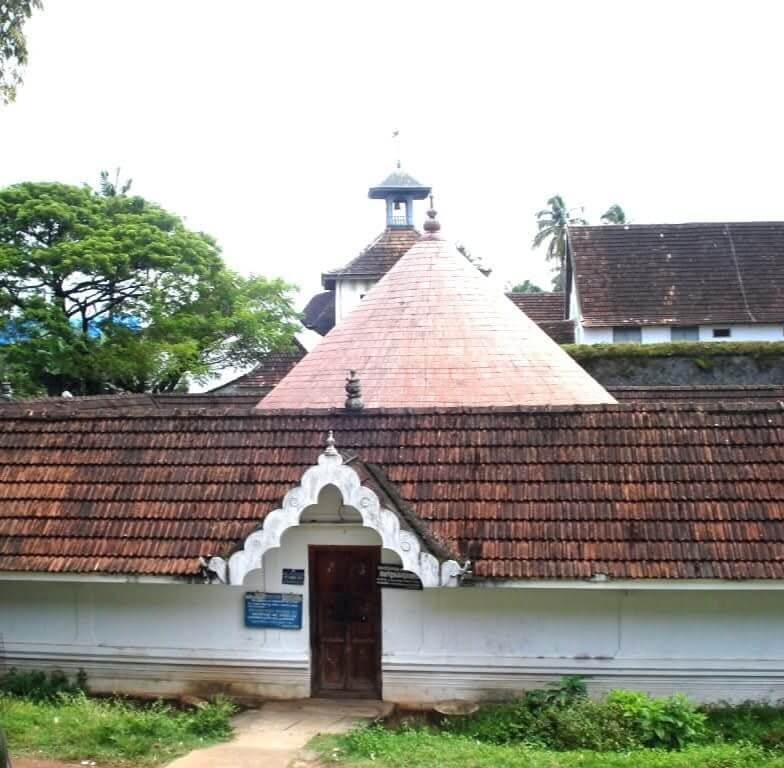
Near the main Sreekovil, there is also a shrine dedicated to Lord Shiva. As in the original Pazhayannur Temple in Thrissur, Lord Shiva is worshipped here with equal importance. In the south-west corner of the temple stands the shrine of Lord Ganapathi, the remover of obstacles. It is customary for devotees to offer prayers to Ganapathi before proceeding to the main shrine. In the north-east corner of the palace complex, beneath the shade of trees, is the Naga Shrine. Built in the traditional style of Kerala’s sacred Naga groves, it houses stone idols of Nagaraja and Nagayakshi.
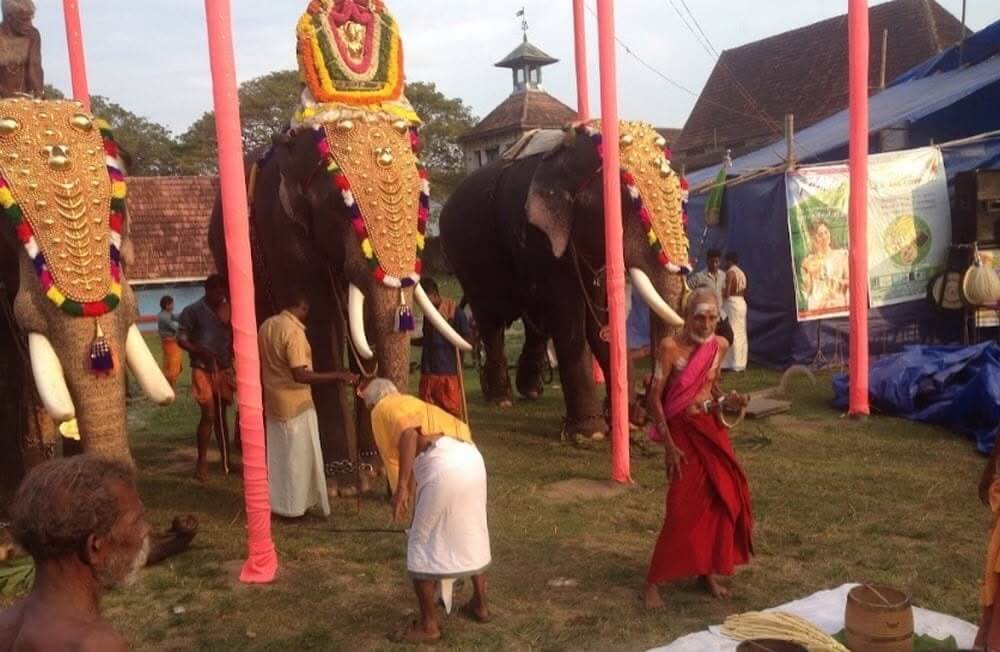
Navaratri is the most important festival celebrated at this temple. During the nine-day festival, Navaratri Vilakku and special poojas are conducted and on Vijayadashami, many devotees bring their children here for the Vidyarambham (initiation into learning) ceremony. Niramala, an important ritual in Bhagavathy temples, is also observed with great devotion. On this day, the temple is beautifully decorated with flower garlands and traditional oil lamps.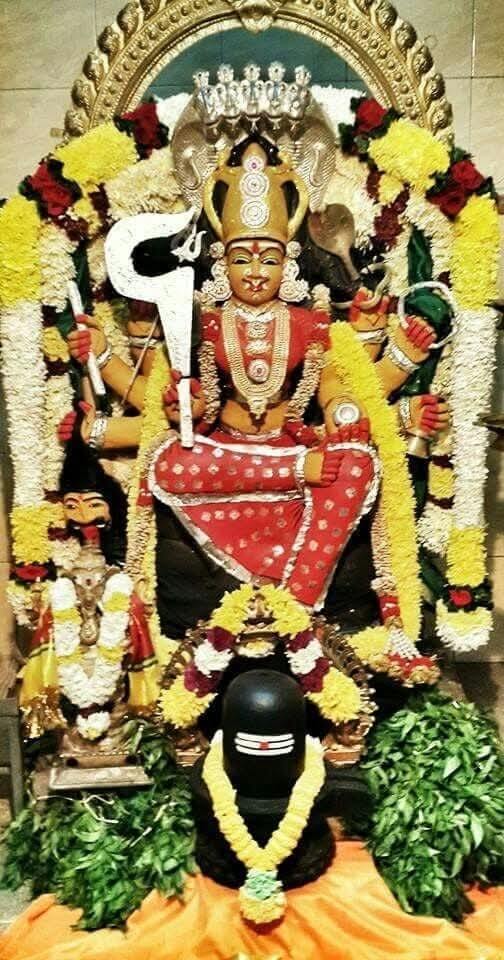 The 41-day Mandala season, beginning on the first day of the Malayalam month of Vrischikam, is marked by special poojas and the traditional Kalamezhuthu Pattu ritual. The temple’s consecration anniversary is also celebrated with special Tantric rituals and offerings. On Maha Shivaratri, special abhishekam and Dhara are performed for Lord Shiva. Every month, on the Ayilyam star day, Sarpa Bali and special Naga poojas are conducted at the Naga Shrine in the north-east corner of the temple complex.
One of the most unique offerings at this temple is the ritual of releasing live roosters before the Goddess and feeding them with rice. Devotees also offer Koottu Payasam, Kadum Payasam, Raktha Pushpanjali and Chandanam Charthal to seek the blessings of the Goddess and the fulfilment of their prayers. Chuttuvilakku and Niramala are also important offerings performed for the well-being and prosperity of the family. Special offerings are made to the other deities as well. Ganapathi Homam is performed for Lord Ganapathi to remove obstacles, Dhara and Koovalam Mala are offered to Lord Shiva for good health and long life and Noorum Palum is offered at the Naga Shrine for relief from Sarpa Dosha.
The temple is open to devotees every day from 5:00 AM to 10:00 AM and from 5:00 PM to 7:30 PM. The day’s rituals begin at 5:00 AM with the opening of the sanctum and Nirmalya Darshan. This is followed by Abhishekam and the offering of Malar Nivedyam to the Goddess. Between 5:30 AM and 6:00 AM, Usha Pooja and Ganapathi Homam are performed. The morning session concludes with Ucha Pooja and the offering of Payasam Nivedyam between 9:30 AM and 10:00 AM, after which the temple closes. The temple reopens at 5:00 PM for the evening rituals. Deeparadhana, performed at sunset, is one of the most sacred ceremonies of the day. The day’s rituals conclude with Athazha Pooja, followed by the offering of Thrippuka and the temple closes at 7:30 PM. During special occasions such as Navaratri and the Mandala season, the pooja timings may change.
Key highlight :-
- Located about 12 km from Ernakulam city centre.
- KSRTC and local bus services are available to Mattancherry from various parts of Kochi and
- other major cities in Kerala.
- Pay-and-park facilities are available near the temple.
- Accommodation and dining facilities are available near the temple.
मट्टनचेरी पझायन्नूर भगवती मंदिर
कप्पलांडीमुक्कु, मट्टनचेरी, जिला। एर्नाकुलम.
मंदिरे
Temples
मंदिर
મંદિરો
கோவில்கள்
దేవాలయాలు
ക്ഷേത്രങ്ങൾ
ದೇವಾಲಯಗಳು
মন্দিরসমূহ
ਮੰਦਿਰ
-
परांदूर भगवती मंदिर पेरांदूर, जि. एर्नाकुलम
अधिक माहितीPerandoor Bhagavathy Temple Perandoor, Dist. Ernakulam
View Detailsपेरंदूर भगवती मंदिर पेरंदूर, जिला. एर्नाकुलम
विवरण देखेंPerandoor Bhagavathy Temple Perandoor, Dist. Ernakulam
વિગત જુઓPerandoor Bhagavathy Temple Perandoor, Dist. Ernakulam
விவரங்களைக் காண்கPerandoor Bhagavathy Temple Perandoor, Dist. Ernakulam
వివరాలను చూడండిPerandoor Bhagavathy Temple Perandoor, Dist. Ernakulam
വിശദാംശങ്ങൾ കാണുകPerandoor Bhagavathy Temple Perandoor, Dist. Ernakulam
ವಿವರಗಳನ್ನು ವೀಕ್ಷಿಸಿPerandoor Bhagavathy Temple Perandoor, Dist. Ernakulam
বিস্তারিত দেখুনPerandoor Bhagavathy Temple Perandoor, Dist. Ernakulam
ਵੇਰਵੇ ਦੇਖੋ -
किझक्के कडुंगल्लूर श्री भुवनेश्वरी महादेवी मंदिर कडुंगल्लूर, जि. एर्नाकुलम
अधिक माहितीKizhakke Kadungalloor Sree Bhuvaneswari Mahadevi Temple Kadungalloor, Dist. Ernakulam
View Detailsकिज़हक्के कडुंगल्लूर श्री भुवनेश्वरी महादेवी मंदिर कडुंगल्लूर, जिला. एर्नाकुलम
विवरण देखेंKizhakke Kadungalloor Sree Bhuvaneswari Mahadevi Temple Kadungalloor, Dist. Ernakulam
વિગત જુઓKizhakke Kadungalloor Sree Bhuvaneswari Mahadevi Temple Kadungalloor, Dist. Ernakulam
விவரங்களைக் காண்கKizhakke Kadungalloor Sree Bhuvaneswari Mahadevi Temple Kadungalloor, Dist. Ernakulam
వివరాలను చూడండిKizhakke Kadungalloor Sree Bhuvaneswari Mahadevi Temple Kadungalloor, Dist. Ernakulam
വിശദാംശങ്ങൾ കാണുകKizhakke Kadungalloor Sree Bhuvaneswari Mahadevi Temple Kadungalloor, Dist. Ernakulam
ವಿವರಗಳನ್ನು ವೀಕ್ಷಿಸಿKizhakke Kadungalloor Sree Bhuvaneswari Mahadevi Temple Kadungalloor, Dist. Ernakulam
বিস্তারিত দেখুনKizhakke Kadungalloor Sree Bhuvaneswari Mahadevi Temple Kadungalloor, Dist. Ernakulam
ਵੇਰਵੇ ਦੇਖੋ -
अवनामकोडे सरस्वती मंदिर नेदुंबसेरी, जि. एर्नाकुलम
अधिक माहितीAvanamkode Saraswathi Temple Nedumbassery, Dist. Ernakulam
View Detailsअवनमकोड सरस्वती मंदिर नेदुम्बस्सेरी, जिला. एर्नाकुलम
विवरण देखेंAvanamkode Saraswathi Temple Nedumbassery, Dist. Ernakulam
વિગત જુઓAvanamkode Saraswathi Temple Nedumbassery, Dist. Ernakulam
விவரங்களைக் காண்கAvanamkode Saraswathi Temple Nedumbassery, Dist. Ernakulam
వివరాలను చూడండిAvanamkode Saraswathi Temple Nedumbassery, Dist. Ernakulam
വിശദാംശങ്ങൾ കാണുകAvanamkode Saraswathi Temple Nedumbassery, Dist. Ernakulam
ವಿವರಗಳನ್ನು ವೀಕ್ಷಿಸಿAvanamkode Saraswathi Temple Nedumbassery, Dist. Ernakulam
বিস্তারিত দেখুনAvanamkode Saraswathi Temple Nedumbassery, Dist. Ernakulam
ਵੇਰਵੇ ਦੇਖੋ