
लाखेश्वरी माता मंदिर
जलत, ता./जि. दाहोद
Lakheshwari Mata Temple
Jalat, Tal./Dist. Dahod
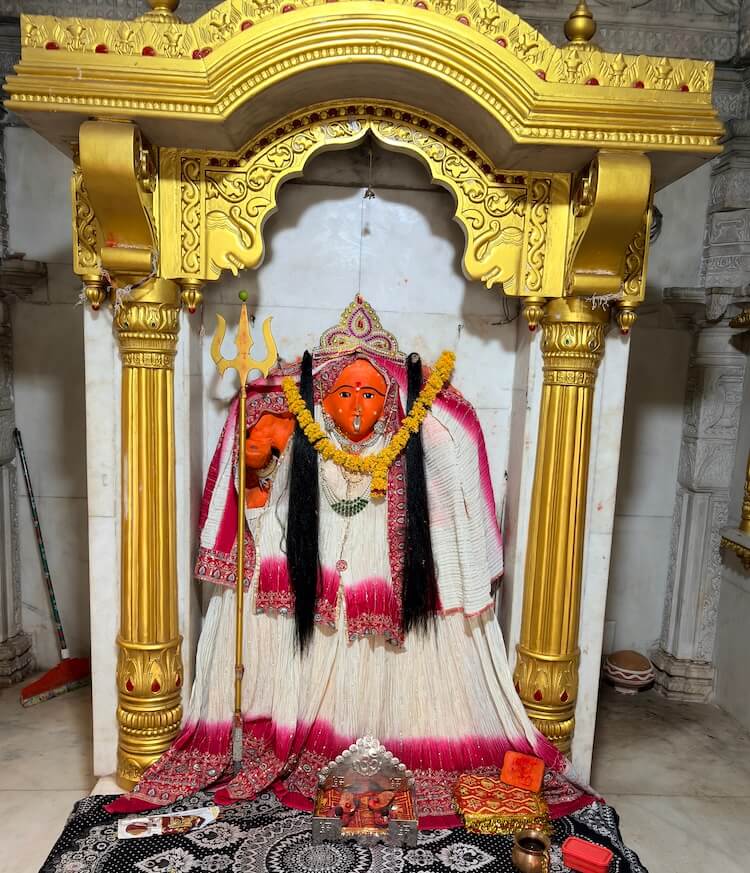 The Lakheshwari Mata Temple is situated on the Dahod–Indore Highway near the village of Jalat. Goddess Lakheshwari is regarded as the harmonious embodiment of both Goddess Parvati’s fierce manifestation as Durga and Her gentle, benevolent form as Gauri. She is revered by followers from all four traditional Varnas of Hindu society. With a tradition spanning nearly seven centuries, this shrine is regarded as the principal subsidiary seat (Upapitha) of the main shrine at Lakhiya Forest near Bhitarwar in Gwalior district of Madhya Pradesh. It is believed to be built during the rule of the Solanki dynasty.
The name ‘Lakheshwari’ is traditionally signifies countless blessings, prosperity and divine protection. According to mythological references, the Goddess is worshipped as the divine power (Shakti) of Lord Shiva in His form as Lakheshwar. In this manifestation, She is believed to embody the combined powers of Mahakali, Mahalakshmi and Mahasaraswati. Descriptions of this form are also found in regional Devi Mahatmya traditions. It is believed that when demonic forces increased upon the earth and devotees were afflicted by adversity, Goddess Parvati assumed this form.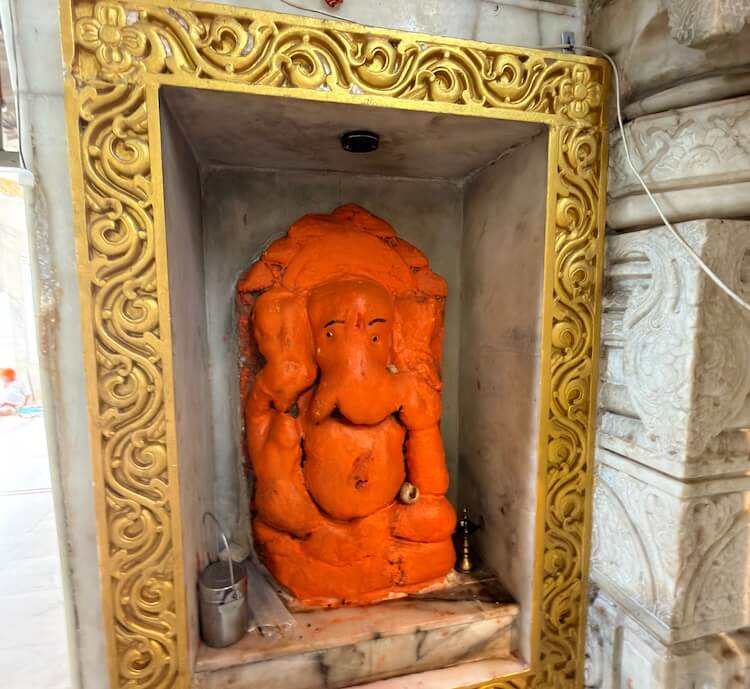 In popular tradition, She came to be known as the deity who fulfils countless wishes and removes suffering. Lakheshwari Mata is also revered as the Kuladevi, or family deity, by numerous communities and lineages.
The principal shrine of Goddess Lakheshwari is situated atop a hill in Lakhiya Forest near Bhitarwar in Gwalior district of Madhya Pradesh. According to local tradition, it was established by King Nala. Several subsidiary shrines associated with this principal seat are found across India. Although the local devotees state that the Jalat shrine was established during the reign of the Solanki kings, no definitive historical documents are presently available to confirm this tradition.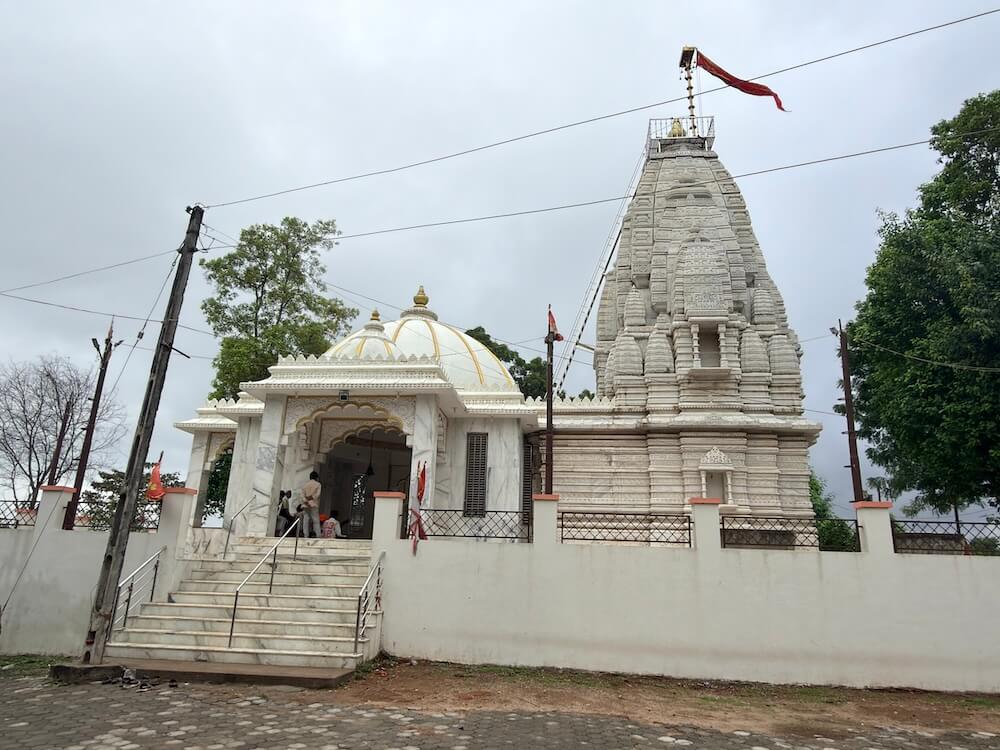
A popular local legend is associated with this temple. In ancient times, a devout worshipper of the Goddess lived in the village of Jalat. He longed to visit the principal shrine in Lakhiya Forest but was unable to undertake the long and difficult journey. He therefore began worshipping the Goddess in a nearby forest. After twelve consecutive years of rigorous penance, the Goddess appeared before him and invited him to ask for a boon. The devotee requested that She permanently reside at that very spot so that all who came there for darshan might have their wishes fulfilled. Pleased with his devotion, the Goddess manifested Herself there in the form of a sacred stone image. According to tradition, a Solanki king later built the temple at this site.
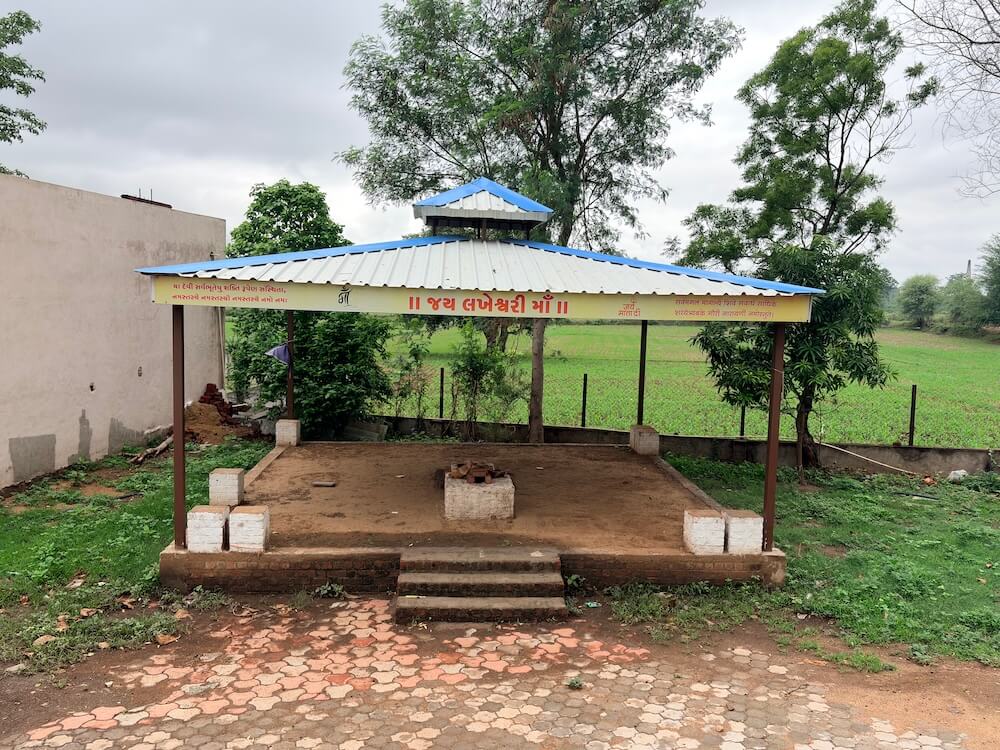
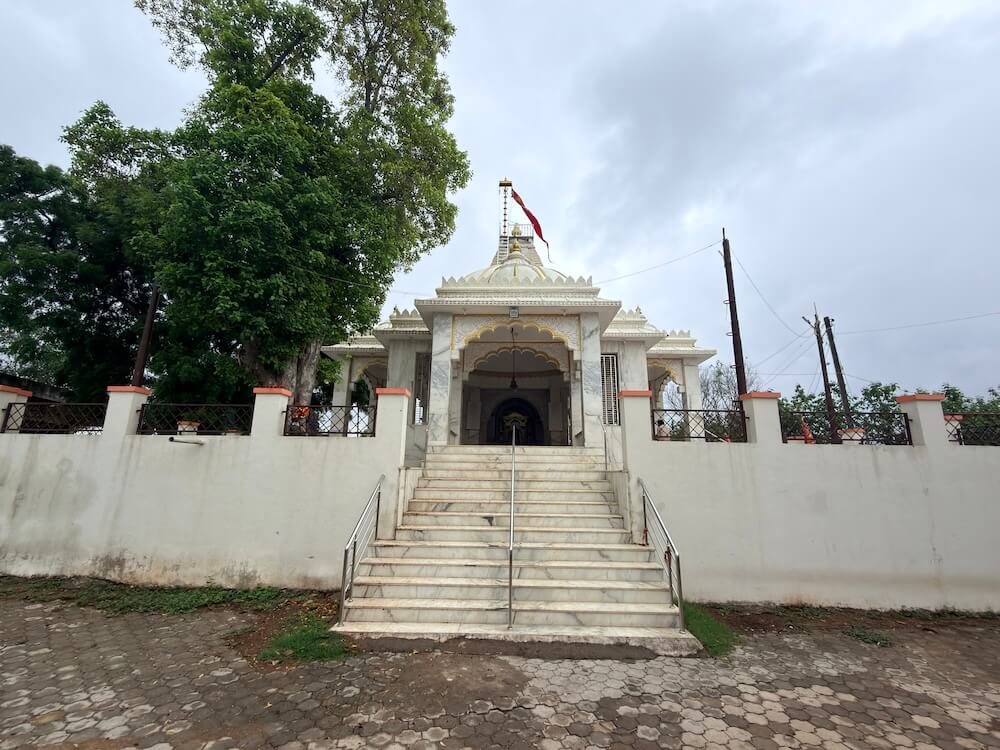
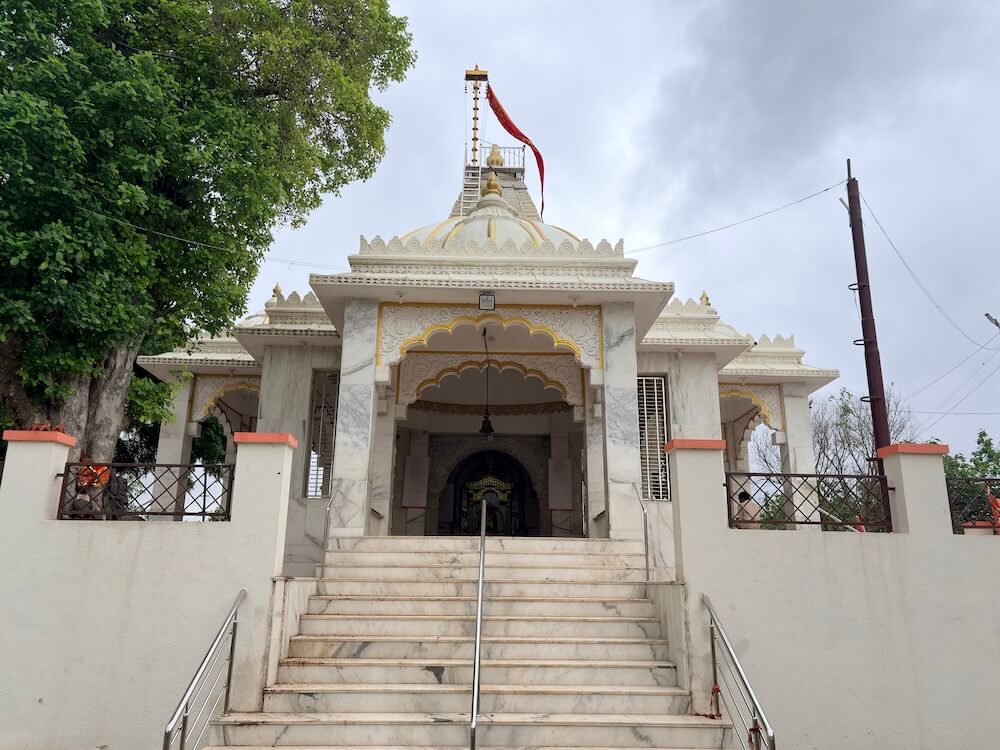
A ceremonial entrance arch stands beside the approach road to the temple.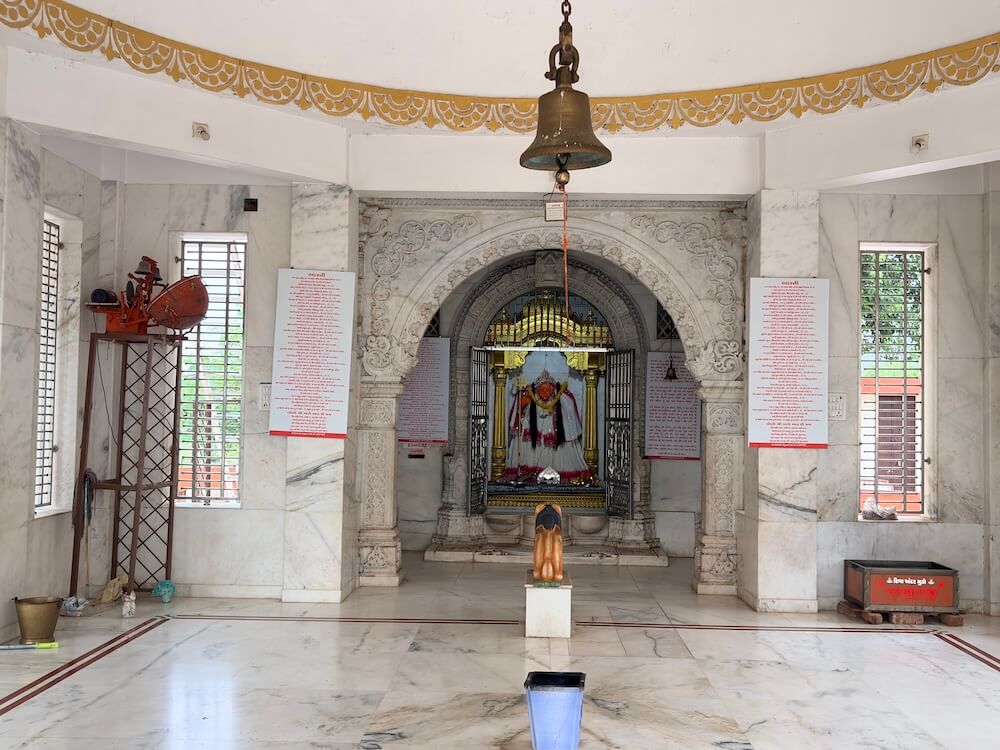 It consists of two square pillars supporting an ornamental Torana. The temple grounds are planted with a variety of trees, creating a serene atmosphere. A Yajna Kunda has been constructed in front of the temple. The shrine itself stands upon a plinth approximately six feet above ground level. From the courtyard, a flight of nine steps leads to the entrance hall.
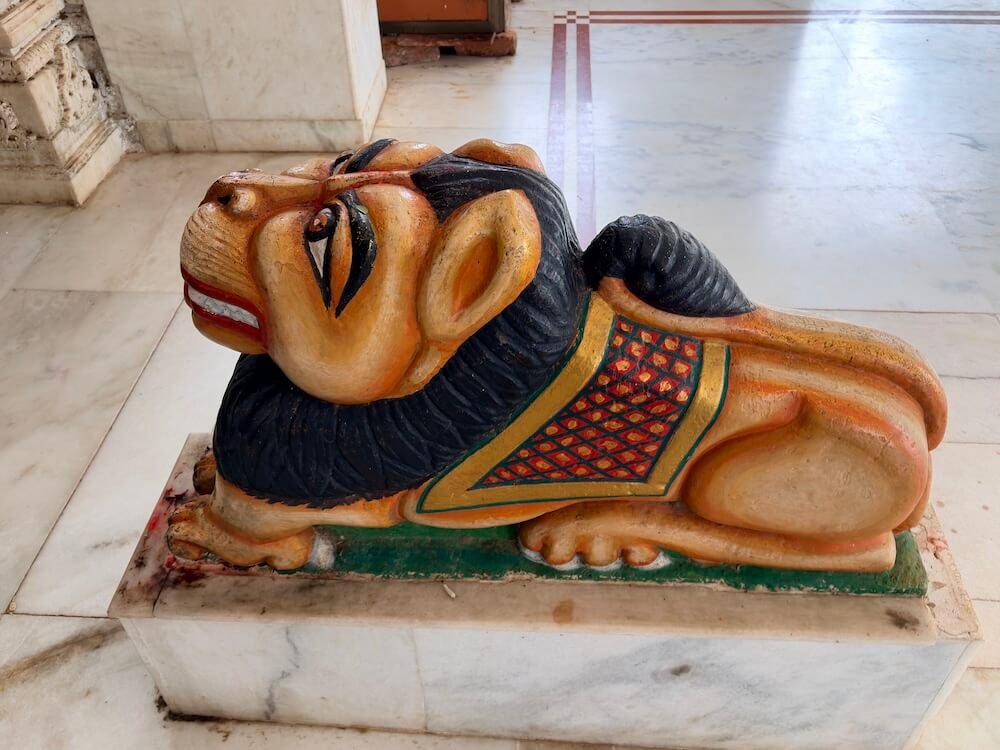
The temple consists of three entrance halls (Mukha Mandapas), an enclosed assembly hall (Sabha Mandapa), an Antarala (vestibule) and the sanctum (Garbhagriha). The three entrance halls are interconnected by graceful arched Toranas. The enclosed assembly hall has additional entrances on both its left and right sides. Within the hall, directly opposite the entrance to the vestibule, a sculpted lion stands upon a vajrapitha.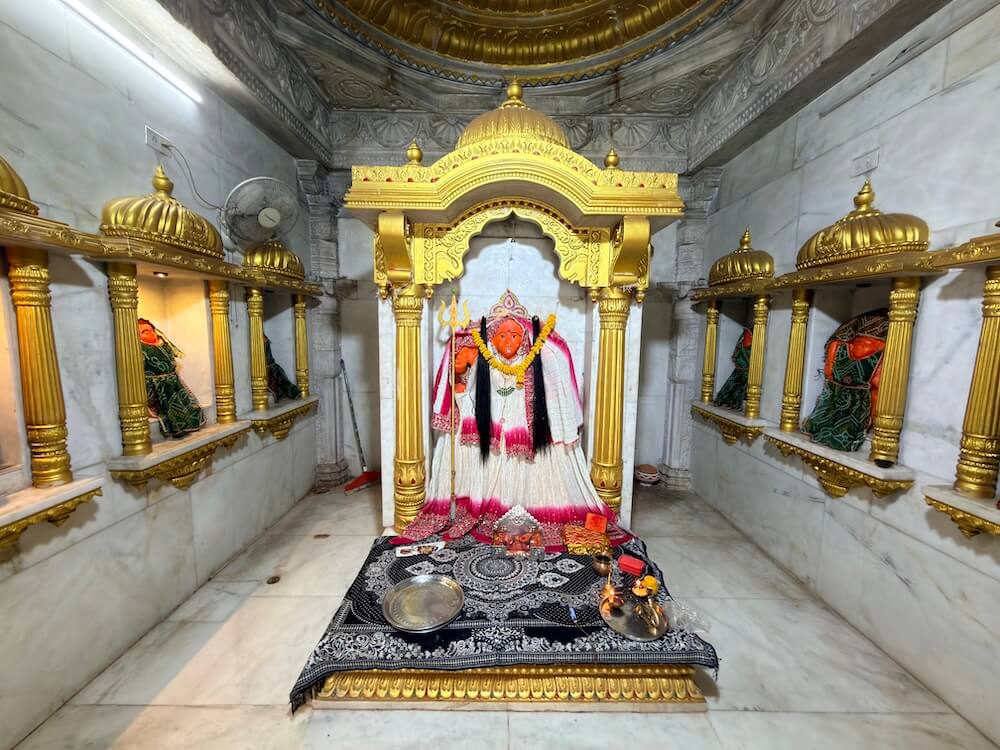 The entrance to the vestibule is flanked by richly ornamented pillars supporting a semi-circular arch. Within the vestibule, directly before the sanctum, is a sculpted tortoise. The sanctum entrance is framed by finely carved door jambs.
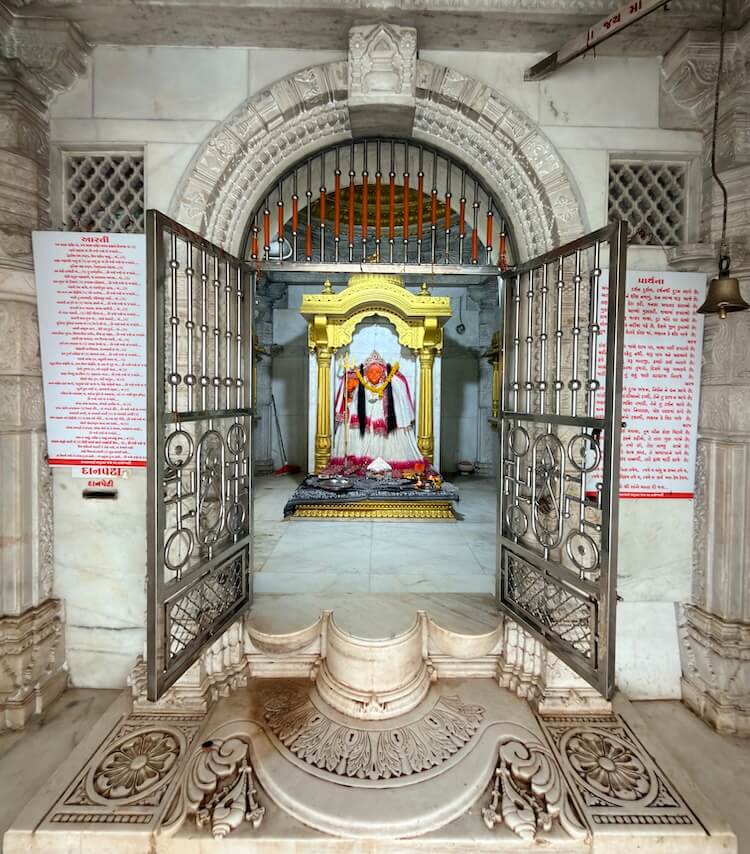
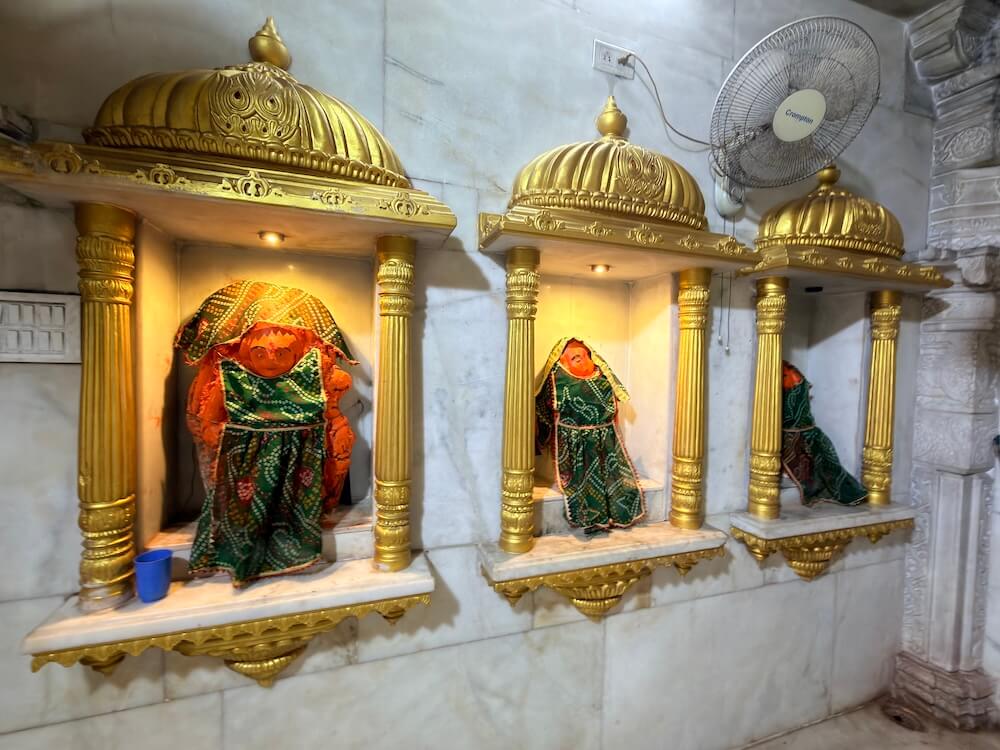
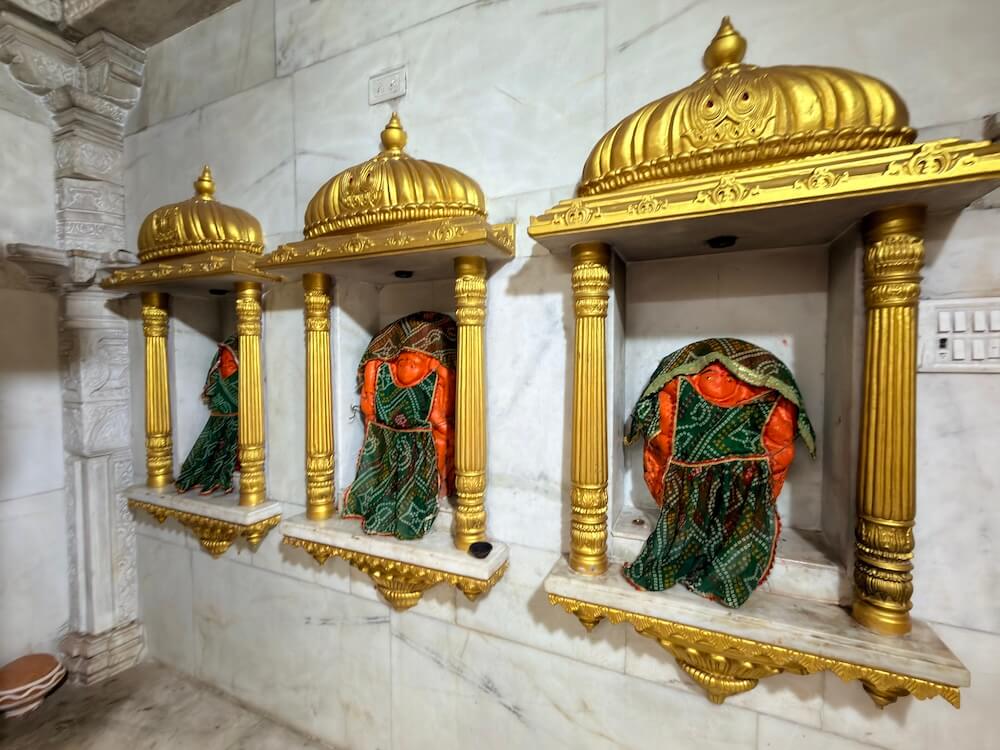
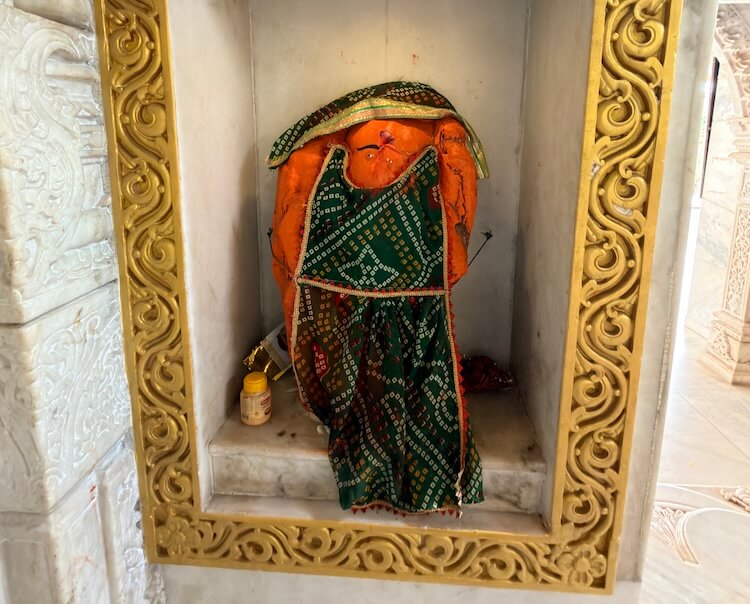
Inside the sanctum, the vermilion-anointed stone image of Goddess Lakheshwari is enshrined within an ornate makhar placed upon a vajrapitha. The Goddess is adorned with garments and ornaments, while a silver crown graces Her head. A silver canopy suspended above the makhar shelters the image. Niches in the left and right walls of the sanctum contain representations of the Goddess in Her other manifestations.
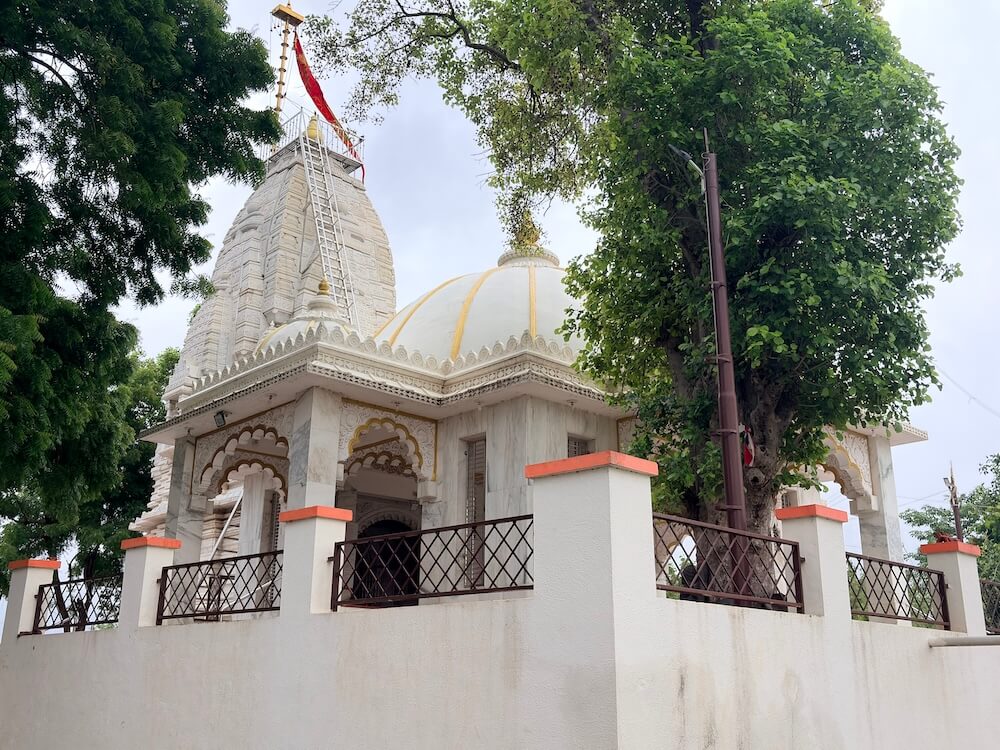
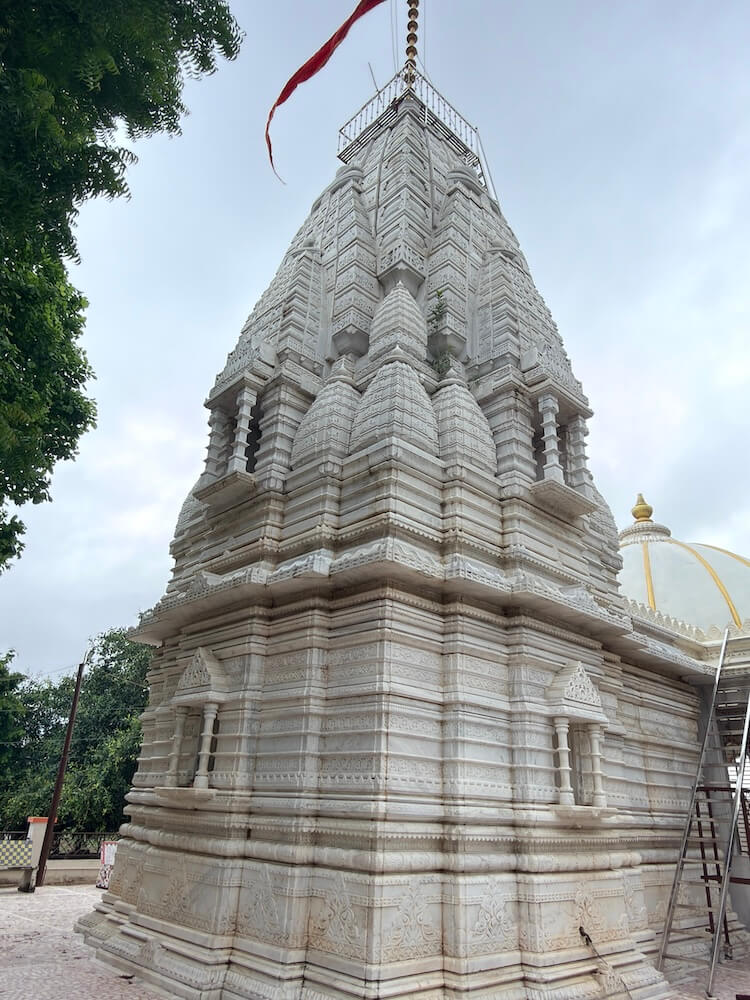
Each of the three entrance halls is crowned by a small domed spire surmounted by an Amalaka and a Kalasha.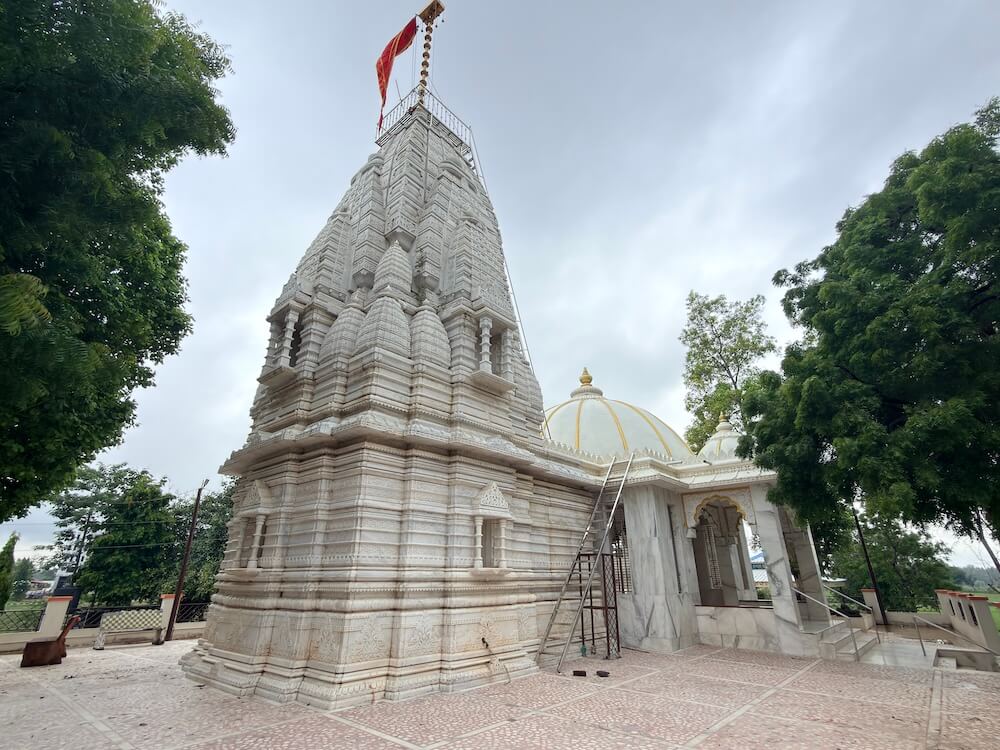 The assembly hall is crowned by a comparatively larger domed spire. Above the sanctum rises a tall, square principal spire embellished with subsidiary spires (Angashringas). Niches on all four sides of the spire contain images of various deities.
Chaitra Navratri and Sharad Navratri are the temple’s principal annual festivals. During these celebrations, Shata Chandi Yajna, recitations of the Durga Saptashati, Kanya Pujan, the chanting of the Lalita Sahasranama, traditional Garba, Jagrata, devotional singing, Kirtans and the distribution of Mahaprasad are organised. The temple also celebrates Dussehra, Diwali, Kojagiri Purnima and Shakambhari Purnima according to long-established traditions. Regular religious observances include Abhisheka, ritual worship, Homa-Havana and Maha Aarti. Large numbers of devotees visit the temple on Tuesdays, Fridays, Ashtami, Purnima and Amavasya. Devotees may have darshan of Lakheshwari Mata every day from 6.00 a.m. until 9.00 p.m.
Useful Information :
- Situated approximately 6 km from Dahod.
- State Transport (ST) buses and private vehicles are available from Dahod city.
- Private vehicles can reach the temple directly.
- Accommodation and breakfast facilities are available nearby.
लखेश्वरी माता मंदिर
जालत, त./जिला दाहोद
मंदिरे
Temples
मंदिर
મંદિરો
கோவில்கள்
దేవాలయాలు
ക്ഷേത്രങ്ങൾ
ದೇವಾಲಯಗಳು
মন্দিরসমূহ
ਮੰਦਿਰ
-
पंचकृष्ण मंदिर थेरका, ता. झालोद, जि. दाहोद
अधिक माहितीPanchakrishna Temple Therka, Tal. Jhalod, Dist. Dahod
View Detailsपंचकृष्ण मंदिर थेरका, ताल. झालोद, जिला. दाहोद
विवरण देखेंPanchakrishna Temple Therka, Tal. Jhalod, Dist. Dahod
વિગત જુઓPanchakrishna Temple Therka, Tal. Jhalod, Dist. Dahod
விவரங்களைக் காண்கPanchakrishna Temple Therka, Tal. Jhalod, Dist. Dahod
వివరాలను చూడండిPanchakrishna Temple Therka, Tal. Jhalod, Dist. Dahod
വിശദാംശങ്ങൾ കാണുകPanchakrishna Temple Therka, Tal. Jhalod, Dist. Dahod
ವಿವರಗಳನ್ನು ವೀಕ್ಷಿಸಿPanchakrishna Temple Therka, Tal. Jhalod, Dist. Dahod
বিস্তারিত দেখুনPanchakrishna Temple Therka, Tal. Jhalod, Dist. Dahod
ਵੇਰਵੇ ਦੇਖੋ -
घुघरदेव महादेव मंदिर चकल्या, ता. झालोद, जि. दाहोद
अधिक माहितीGhughardev Mahadev Temple Chakaliya, Tal. Jhalod, Dist. Dahod
View Detailsघुघरदेव महादेव मंदिर चकलिया, ताल. झालोद, जिला. दाहोद
विवरण देखेंGhughardev Mahadev Temple Chakaliya, Tal. Jhalod, Dist. Dahod
વિગત જુઓGhughardev Mahadev Temple Chakaliya, Tal. Jhalod, Dist. Dahod
விவரங்களைக் காண்கGhughardev Mahadev Temple Chakaliya, Tal. Jhalod, Dist. Dahod
వివరాలను చూడండిGhughardev Mahadev Temple Chakaliya, Tal. Jhalod, Dist. Dahod
വിശദാംശങ്ങൾ കാണുകGhughardev Mahadev Temple Chakaliya, Tal. Jhalod, Dist. Dahod
ವಿವರಗಳನ್ನು ವೀಕ್ಷಿಸಿGhughardev Mahadev Temple Chakaliya, Tal. Jhalod, Dist. Dahod
বিস্তারিত দেখুনGhughardev Mahadev Temple Chakaliya, Tal. Jhalod, Dist. Dahod
ਵੇਰਵੇ ਦੇਖੋ -
देवझरी महादेव मंदिर जळकोट, ता./जि. दाहोद
अधिक माहितीDevjhari Mahadev Temple Jekot, Tal./Dist. Dahod
View Detailsदेवझरी महादेव मंदिर जेकोट, ताल./जिला. दाहोद
विवरण देखेंDevjhari Mahadev Temple Jekot, Tal./Dist. Dahod
વિગત જુઓDevjhari Mahadev Temple Jekot, Tal./Dist. Dahod
விவரங்களைக் காண்கDevjhari Mahadev Temple Jekot, Tal./Dist. Dahod
వివరాలను చూడండిDevjhari Mahadev Temple Jekot, Tal./Dist. Dahod
വിശദാംശങ്ങൾ കാണുകDevjhari Mahadev Temple Jekot, Tal./Dist. Dahod
ವಿವರಗಳನ್ನು ವೀಕ್ಷಿಸಿDevjhari Mahadev Temple Jekot, Tal./Dist. Dahod
বিস্তারিত দেখুনDevjhari Mahadev Temple Jekot, Tal./Dist. Dahod
ਵੇਰਵੇ ਦੇਖੋ