
कुप्पीडिक्कवू देवी मंदिर
थोटकम, वायकोम, जि. कोट्टायम
Kuppedikkavu Devi Temple
Thottakam, Vaikom, Dist. Kottayam
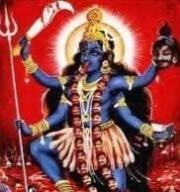 Kuppedikkavu Devi Temple is a well-known Hindu place of worship located at Thottakam, near Vaikom in Kottayam district, Kerala. The main deity, Kuppedikkavilamma, is worshipped as Durga Devi or Bhadrakali, forms of Adi Parashakti. This sacred place was originally a sacred grove (Kavu) and is believed to have later developed into a large temple. It is believed that Kuppedikkavilamma blesses devotees who seek her with protection and prosperity.
As part of Kerala’s traditional farming culture, this place was originally a sacred grove (Kavu) where nature and trees were worshipped. In the past, the Kavu was also an important meeting place for local groups and residents. Before the rise of large centralised administrative systems, it was protected by leading local families and the people of the area. Various rituals and customs connected with agricultural harvests were held here. Later, as temple construction centred around sacred groves became more common in Kerala, the Kavu developed into a temple complex with a Sreekovil and Chuttambalam and the deity was installed according to traditional rituals. 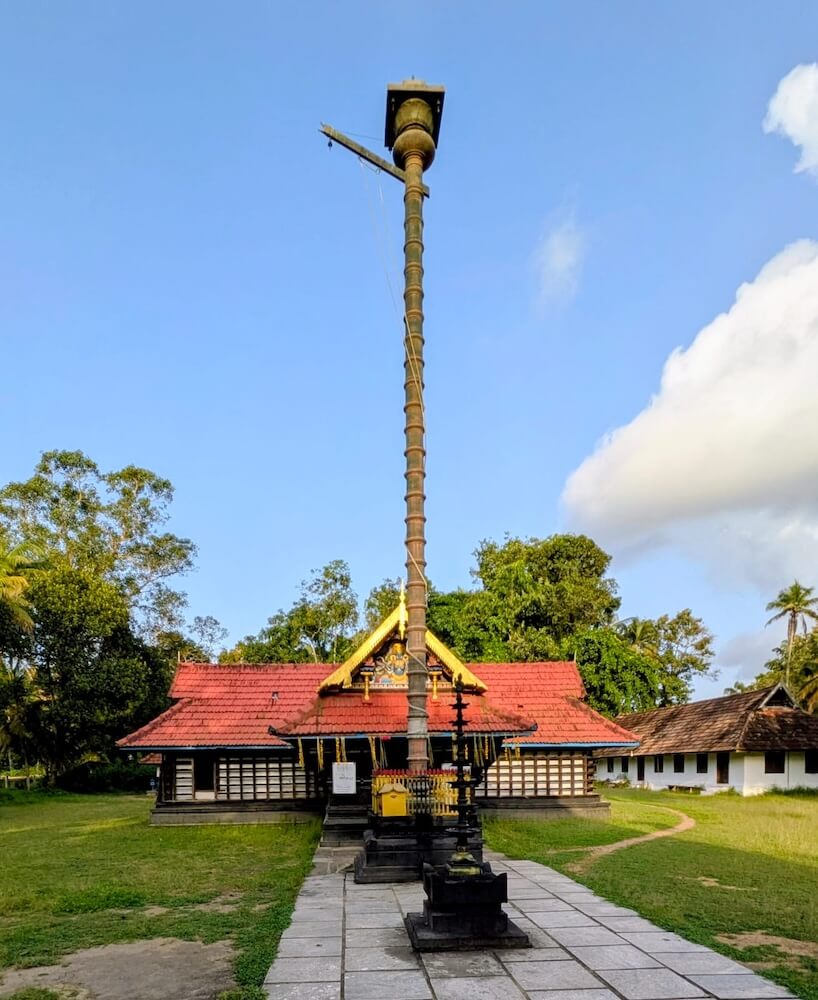 The Kavu worship tradition is believed to be more than 300 to 500 years old, while the present temple complex is estimated to be around 50 to 100 years old. Today, the temple is managed by a committee of local residents and is not directly controlled by any particular royal family or major Devaswom Board. Its modern history has developed through the collective efforts of the local community.
Kuppedikkavu is believed to be a place blessed with the divine presence of Kodungallooramma. In the past, the area is said to have had a large forest and a sacred grove that inspired fear. People travelling through the area would pray to the forest deity for protection. According to local tradition, the belief that the deity removed their fear led to the idea of a “Kavu that removes fear”. There is also a local belief that the name “Kuppedikkavu” developed from expressions meaning “a place where waste had gathered” and “a Kavu that removes fear”. In the paddy fields near the Kavu, farmers traditionally offered the first harvest to the deity before planting and after the harvest. Earlier generations of farmers believed that offering the first harvest would bring a good yield, while failing to make the offering could lead to disturbances from wild animals. There was also a belief among the elders that, at night, the presence of the deity appeared in the form of a light to guide people travelling through the Kavu and protect them from wild animals.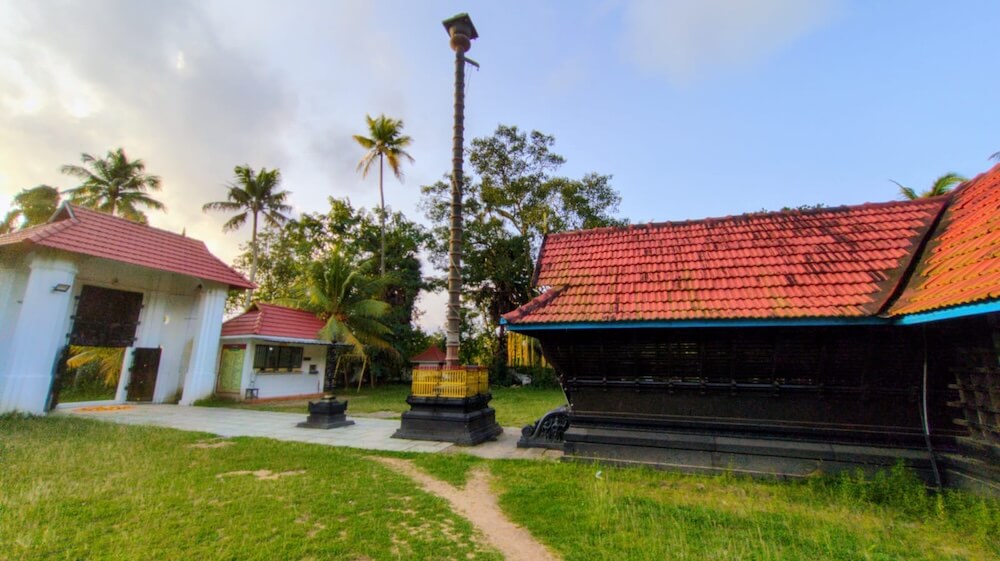
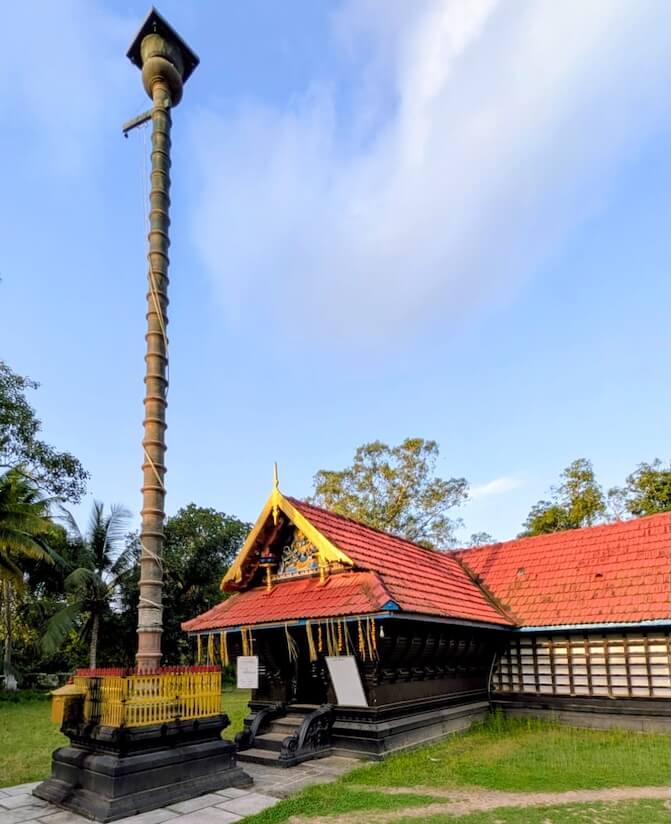
A large banyan tree with a raised platform around it stands in front of the temple. From the road, the temple has a green and peaceful village setting. A large entrance arch has been built to provide access from the main road to the temple grounds, through which devotees enter. The temple is surrounded by a traditional compound wall made of laterite stone. After passing through the entrance, devotees first reach a spacious courtyard covered with sand. The Chuttambalam of the main temple is built in the traditional Kerala architectural style, with a well-designed tiled roof.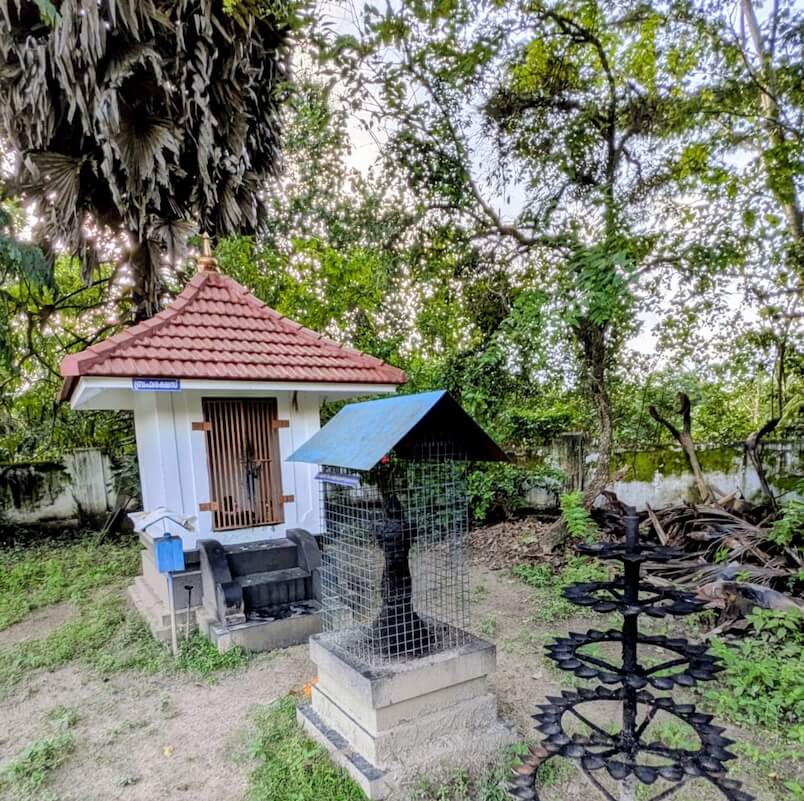
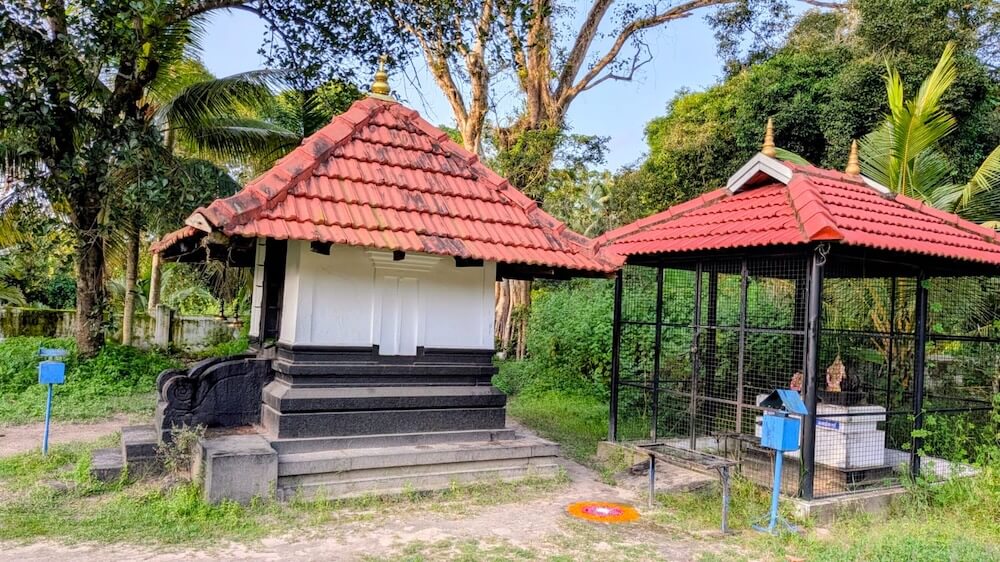
The main Sreekovil of the temple is square in shape and follows the simple and sacred single-tier style of traditional Kerala architecture. Its foundation and walls are mainly built using laterite and granite stone. The outer walls are coated with white cement or lime. The Sreekovil has a traditional sloping tiled roof, topped with a small finial. In front of the Sreekovil, there is a Sopana with a few steps made of granite. The main deity, Kuppedikkavilamma, is worshipped as Vanadurga, reflecting the temple’s early sacred grove tradition and as Bhadrakali, the protective form of the Goddess. A beautiful idol of the Goddess, carved from black stone, is installed inside the Sreekovil. During daily worship and special decorations, the Goddess is adorned with silk cloth and ornaments, including the Thankayanki and gives darshan to devotees in a richly decorated form. The main deity faces east.
Outside the main Sreekovil, a small idol of Lord Ganesha is installed in the south-western corner of the Chuttambalam. 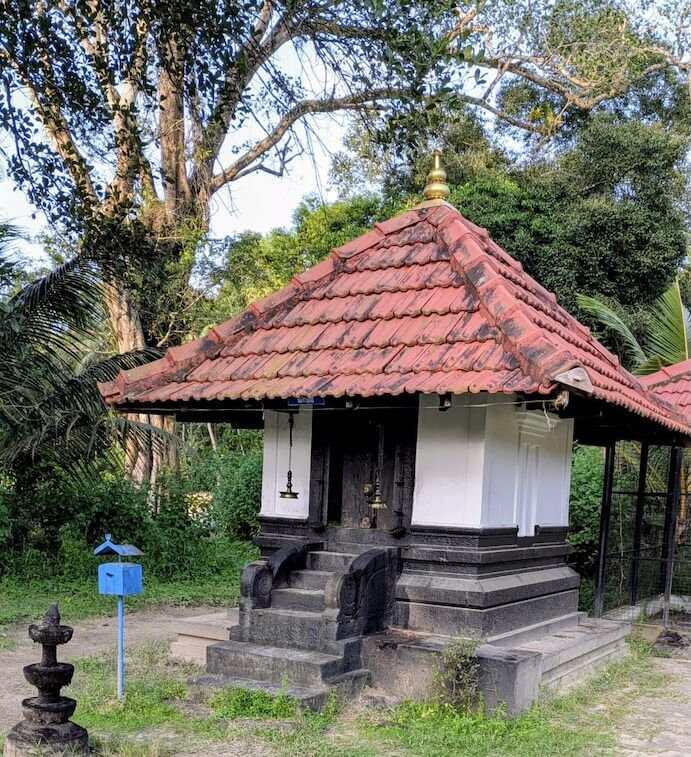 The idol faces east. The Naga shrine dedicated to Nagaraja and Nagayakshi is located in the south-western corner within the temple compound. The Naga deities are placed under the shade of trees, preserving the tradition of the old sacred grove. Outside the Chuttambalam, Lord Sastha is installed in a small Sreekovil built in the north-western part of the temple. The deity also faces east. Near the Sastha shrine, in the north-western corner outside the Chuttambalam, Yakshiyamma is worshipped on an open platform. Set under the shade of trees, this natural setting preserves the temple’s sacred grove tradition.
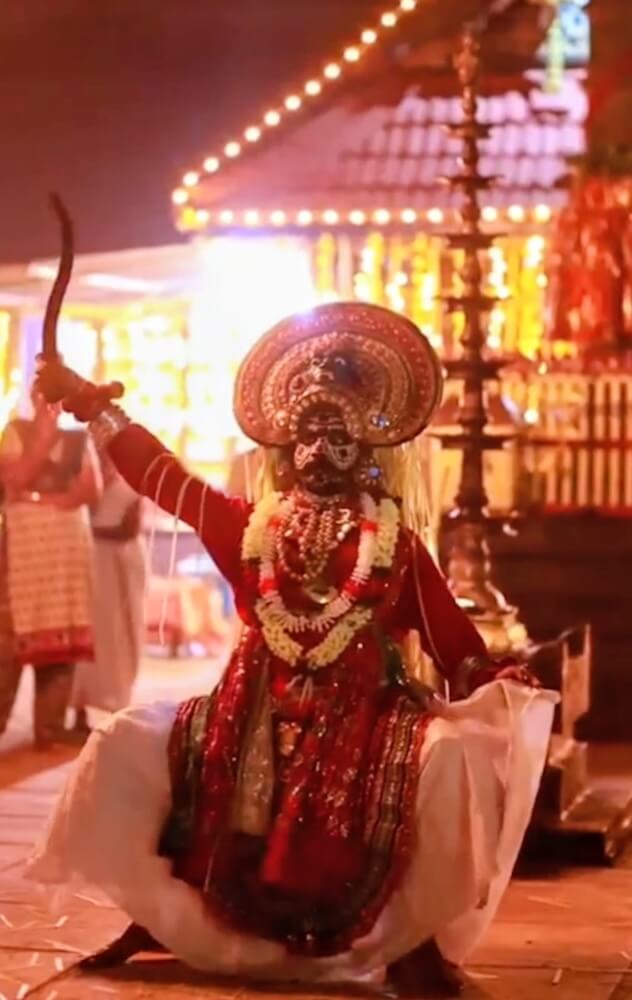
The main annual festival of the temple is the Pooram festival, held in the Malayalam month of Meenam (March–April). The festival lasts for several days and includes Kodiyettu, Pallivetta and Aarattu, along with special poojas, a Thalappoli procession and traditional art performances. The Navaratri period in the month of Kanni (September–October) is also an important occasion. Special decorations and poojas are held for the Goddess throughout the nine days, followed by the Vidyarambham ceremony for children on Vijayadashami. 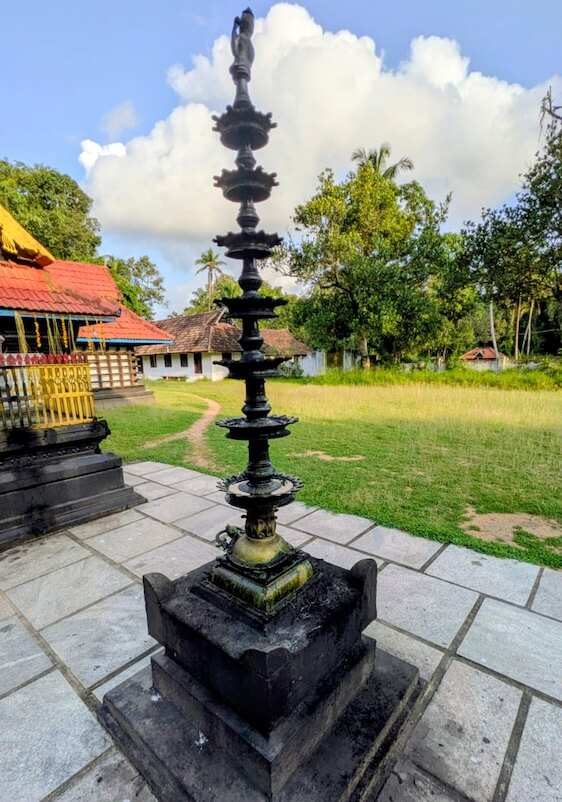 During the 41-day Mandala season, from Vrischikam 1 to Dhanu 11, special poojas are also performed at the temple. Special Neyyabhishekam and Kalabhabhishekam are performed for the main Goddess and Sastha during this period. On Thrikarthika in the month of Vrischikam, earthen lamps are lit around the temple and its compound walls as part of the traditional Deepakkazhcha. On the Ayilyam star day of every Malayalam month, special Noorum Paalum pooja and Sarpa Bali are performed for the Naga deities. Ayilyam in the months of Kanni and Thulam is observed with greater importance.
The main offerings to the Goddess include Kadumpayasam and Neypayasam, which devotees make for the fulfilment of wishes and family prosperity. Rakthapushpanjali and Lalitha Sahasranama Archana are performed for the fulfilment of wishes, relief from difficulties caused by enemies and good health. Offering silk cloth and a Thali to the Goddess is an important offering for marital blessings and a long married life. Chuttuvilakku and Niramala are performed for peace of mind and to overcome major obstacles. For Lord Ganesha, Ganapathi Homam and Karukamala are offered to remove obstacles and before starting new ventures. For the Naga deities, Noorum Paalum and turmeric powder abhishekam are performed on the Ayilyam star day of every Malayalam month for relief from Sarpa Dosha and for the blessing of children. For Lord Sastha, devotees light sesame wicks and perform Neerajanam to reduce the effects of Shani Dosha and to overcome difficulties.
The daily poojas at the temple begin with Nirmalya Darshan at 06:30 AM when the temple opens. This is followed by Usha Pooja and the first main offering. Uchappooja is performed from 09:15 AM to 09:30 AM, during which Kadumpayasam and other main offerings are made to the Goddess. In the evening, Deeparadhana is held from 06:30 PM to 06:45 PM. This includes the traditional camphor Aarati and lighting of the temple lamps around sunset. The main poojas for the day conclude with Athazha Pooja at 07:15 PM, before the temple closes. The pooja timings may vary on special days and during festivals, Thrikarthika and the Mandala season.
Key highlight :-
- Located 6 km from Vaikom, 23 km from Tripunithura and 32 km from Kottayam.
- The nearest railway station is Vaikom Road, about 16 km away.
- KSRTC and local bus facilities are available to the temple from Vaikom.
- Private vehicles can be parked near the temple.
- Accommodation and food facilities are available in the nearby towns.
- Contact number +91 9400070074.
कुप्पेडिक्कावु देवी मंदिर
थोट्टाकम, वैकोम, जिला। कोट्टायम
मंदिरे
Temples
मंदिर
મંદિરો
கோவில்கள்
దేవాలయాలు
ക്ഷേത്രങ്ങൾ
ದೇವಾಲಯಗಳು
মন্দিরসমূহ
ਮੰਦਿਰ
-
इदयाझम सुब्रह्मण्य स्वामी मंदिर एडायझम, जि. कोट्टायम.
अधिक माहितीEdayazham Subrahmanya Swamy Temple Edayazham, Dist. Kottayam.
View Detailsएडयाज़म सुब्रह्मण्य स्वामी मंदिर एडयाज़म, जिला। कोट्टायम.
विवरण देखेंEdayazham Subrahmanya Swamy Temple Edayazham, Dist. Kottayam.
વિગત જુઓEdayazham Subrahmanya Swamy Temple Edayazham, Dist. Kottayam.
விவரங்களைக் காண்கEdayazham Subrahmanya Swamy Temple Edayazham, Dist. Kottayam.
వివరాలను చూడండిEdayazham Subrahmanya Swamy Temple Edayazham, Dist. Kottayam.
വിശദാംശങ്ങൾ കാണുകEdayazham Subrahmanya Swamy Temple Edayazham, Dist. Kottayam.
ವಿವರಗಳನ್ನು ವೀಕ್ಷಿಸಿEdayazham Subrahmanya Swamy Temple Edayazham, Dist. Kottayam.
বিস্তারিত দেখুনEdayazham Subrahmanya Swamy Temple Edayazham, Dist. Kottayam.
ਵੇਰਵੇ ਦੇਖੋ -
पुमकवू देवी मंदिर थलायझम, जि. कोट्टायम.
अधिक माहितीPoomkavu Devi Temple Thalayazham, Dist. Kottayam.
View Detailsपूमकवु देवी मंदिर थलयाज़म, जिला। कोट्टायम.
विवरण देखेंPoomkavu Devi Temple Thalayazham, Dist. Kottayam.
વિગત જુઓPoomkavu Devi Temple Thalayazham, Dist. Kottayam.
விவரங்களைக் காண்கPoomkavu Devi Temple Thalayazham, Dist. Kottayam.
వివరాలను చూడండిPoomkavu Devi Temple Thalayazham, Dist. Kottayam.
വിശദാംശങ്ങൾ കാണുകPoomkavu Devi Temple Thalayazham, Dist. Kottayam.
ವಿವರಗಳನ್ನು ವೀಕ್ಷಿಸಿPoomkavu Devi Temple Thalayazham, Dist. Kottayam.
বিস্তারিত দেখুনPoomkavu Devi Temple Thalayazham, Dist. Kottayam.
ਵੇਰਵੇ ਦੇਖੋ -
गोविंदापुरम श्रीकृष्ण मंदिर वेचूर, जि. कोट्टायम.
अधिक माहितीGovindapuram Sree Krishna Temple Vechoor, Dist. Kottayam.
View Detailsगोविंदपुरम श्री कृष्ण मंदिर वेचूर, जिला. कोट्टायम.
विवरण देखेंGovindapuram Sree Krishna Temple Vechoor, Dist. Kottayam.
વિગત જુઓGovindapuram Sree Krishna Temple Vechoor, Dist. Kottayam.
விவரங்களைக் காண்கGovindapuram Sree Krishna Temple Vechoor, Dist. Kottayam.
వివరాలను చూడండిGovindapuram Sree Krishna Temple Vechoor, Dist. Kottayam.
വിശദാംശങ്ങൾ കാണുകGovindapuram Sree Krishna Temple Vechoor, Dist. Kottayam.
ವಿವರಗಳನ್ನು ವೀಕ್ಷಿಸಿGovindapuram Sree Krishna Temple Vechoor, Dist. Kottayam.
বিস্তারিত দেখুনGovindapuram Sree Krishna Temple Vechoor, Dist. Kottayam.
ਵੇਰਵੇ ਦੇਖੋ