 Situated near the majestic confluence where the Narmada River meets the Arabian Sea lies the sacred tirtha (pilgrimage site) of Koteshwar. According to Puranic legend, thirty-three koti (types) of deities consecrated the Shivalinga at this very spot. Consequently, the site became known as Koteshwar and the resident deity was venerated as Koteshwar Mahadev. Another legend tells of the moment Mata Narmada arrived here, the Arabian Sea is said to have welcomed her by offering a throne encrusted with precious gems, earning the location the evocative title of ‘Narmada Sangam Ratnasagar’ (The Gem-Ocean of the Narmada Confluence). It is believed that any act of japa (chanting), tapa (penance), or dan-dharma (charity) performed in this hallowed precinct yields spiritual merit multiplied ten-million-fold.
 In the Narmada Parikrama tradition too, this tirtha holds a place of profound significance. It is said that when Parikrama pilgrims have darshan, offer salutations, perform worship and make offerings to Koteshwar Mahadev, they receive the merit equal to visiting every sacred shrine from Amarkantak to the Narmada Sangam. The revered legend relating to this site states that thirty-three categories of deities once installed the Shivalinga here. In Sanskrit, the word koti signifies type or class. Hence the expression ‘thirty-three koti devata’ refers not to numerical crores but to thirty-three distinct categories of deities. These are believed to comprise eight Vasu, eleven Rudra, twelve Aditya, one Indra and one Prajapati. When these deities consecrated the Shivalinga, Mother Narmada and the presiding Sea Deity are also believed to have been present.
  After performing abhisheka upon the Shivalinga with the sacred waters of Narmada, the deities are said to have requested Mahadev to remain seated here eternally.
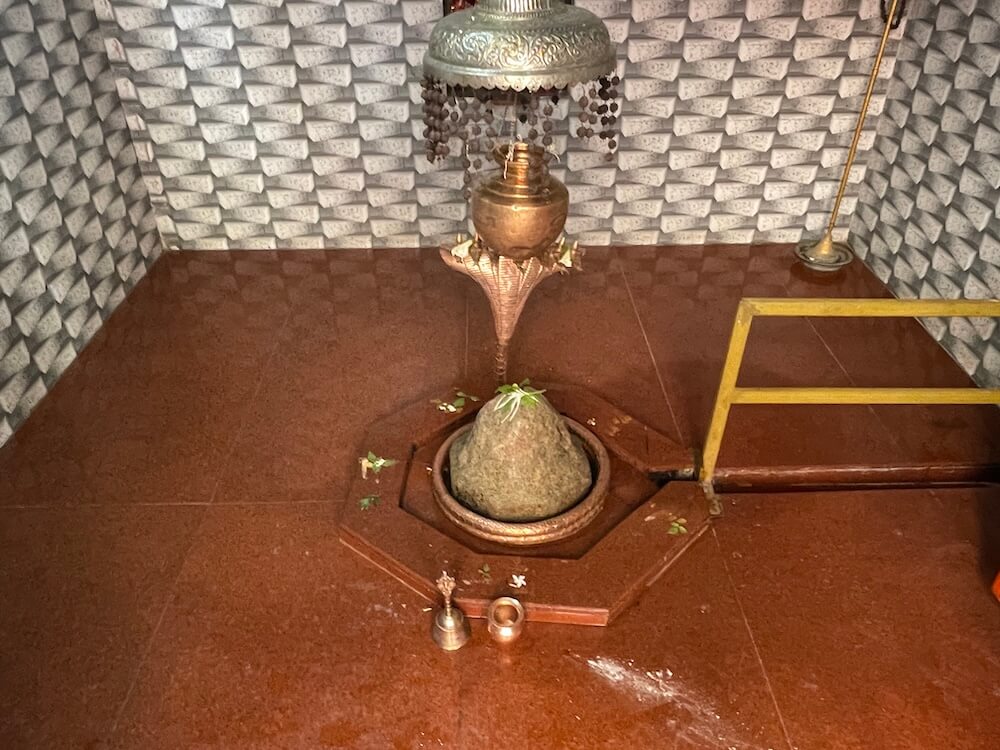
The Shivalinga within this temple possesses unique architectural characteristics. While most Shivalingas are cylindrical or oval, the icon here is distinct. It is octagonal at its base and transitions into a domed shape at the crown. It is noted that during the temple’s restoration in 2004, the lower portion of the Shivalinga became submerged beneath the floor level, meaning the full original form is no longer visible to the naked eye. The main channel of the Narmada flows just one kilometre from the temple before merging with the Arabian Sea. During high tide, the seawater advances significantly towards the temple boundaries.
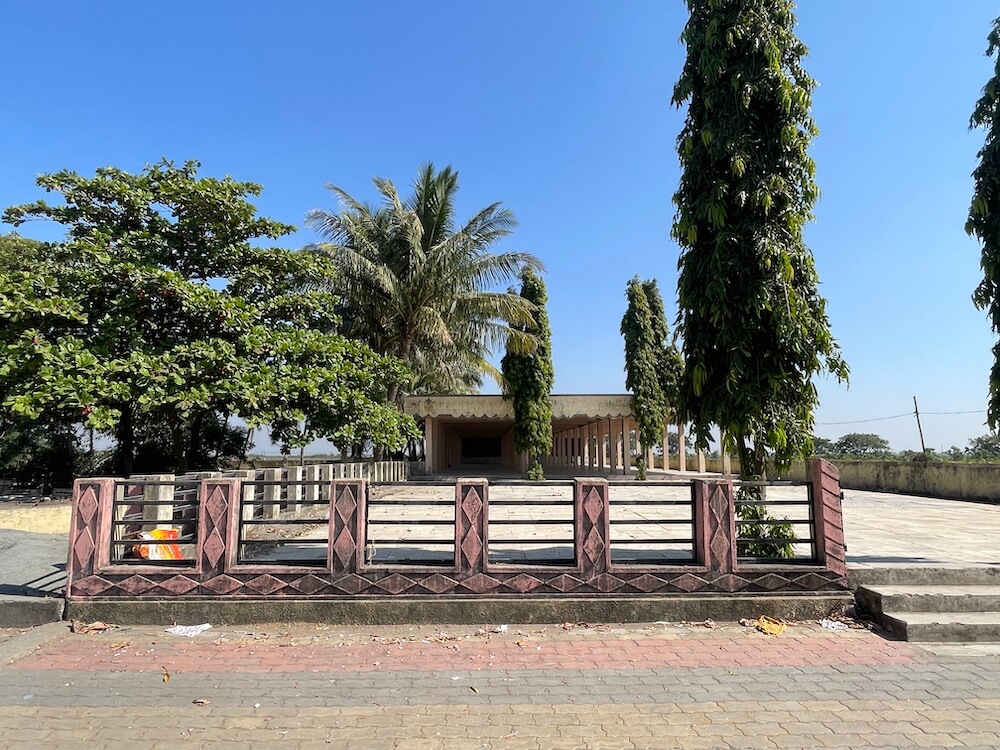
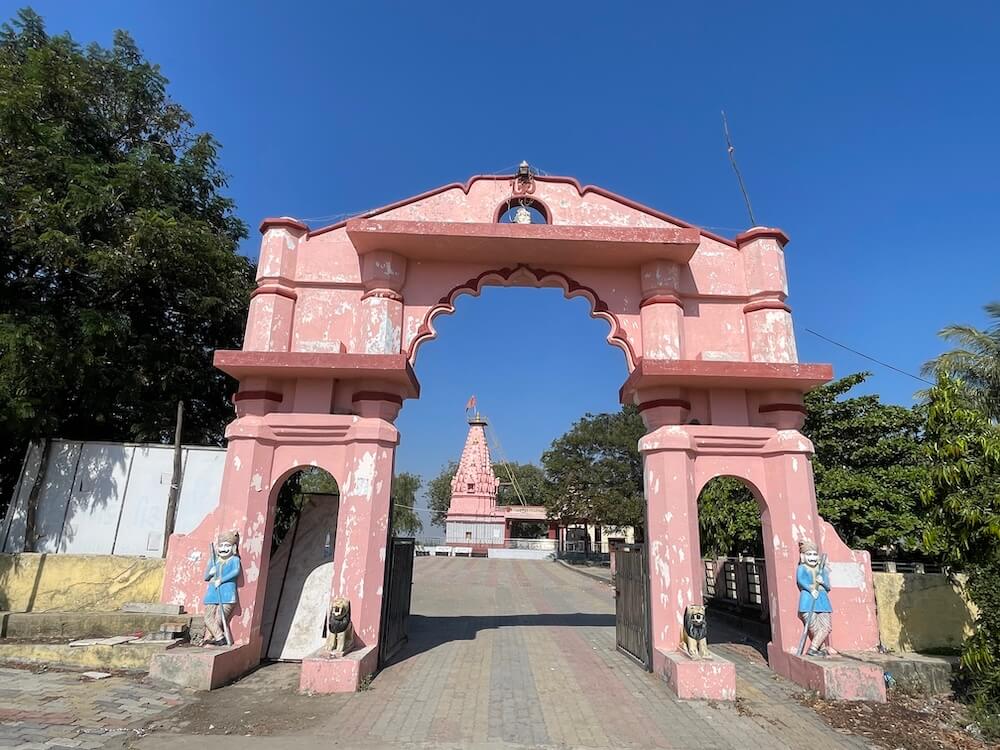 Situated about four kilometres from human habitation, the temple rests in a tranquil landscape of natural beauty. The expansive courtyard is approached through a grand gateway fitted with two arched timbered doors. Sculpted guardians and lions stand near the gateway pillars. Above the entrance, at the centre, are carved images of Ganesh and the Shivalinga. Within the courtyard grow tall trees and coconut palms, lending sacred calm to the surroundings. Near the entrance, on the left, is a large pavilion built for the rest and respite of Narmada Parikrama pilgrims.
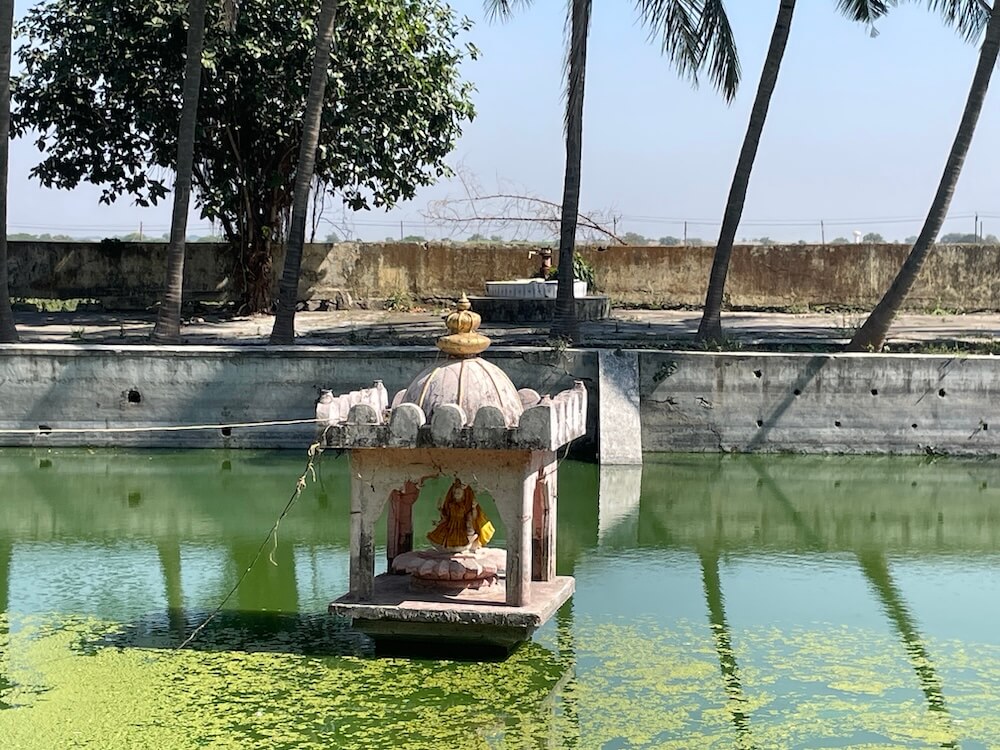
A little distance away lies the substantial embanked tank known as Koteshwar Tirtha. At its centre, upon a tiny shrine-like structure, is installed an idol of Mother Narmada. It is said that turtles and water-snakes dwell within this tank.
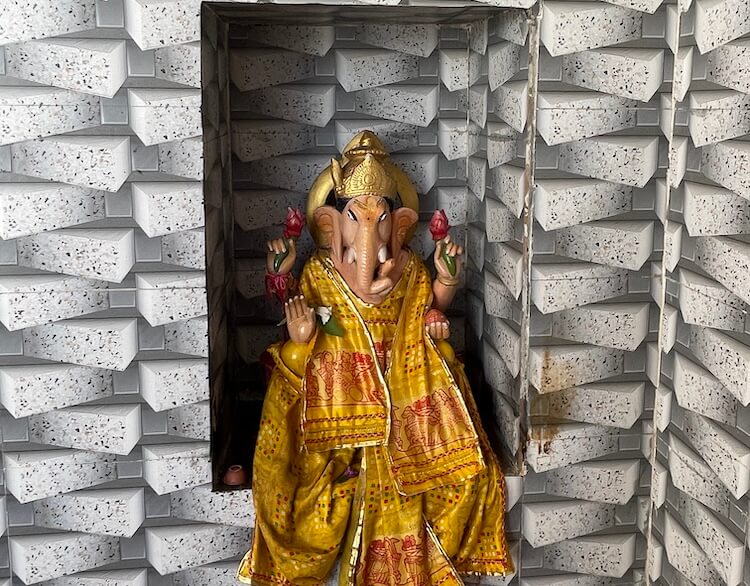
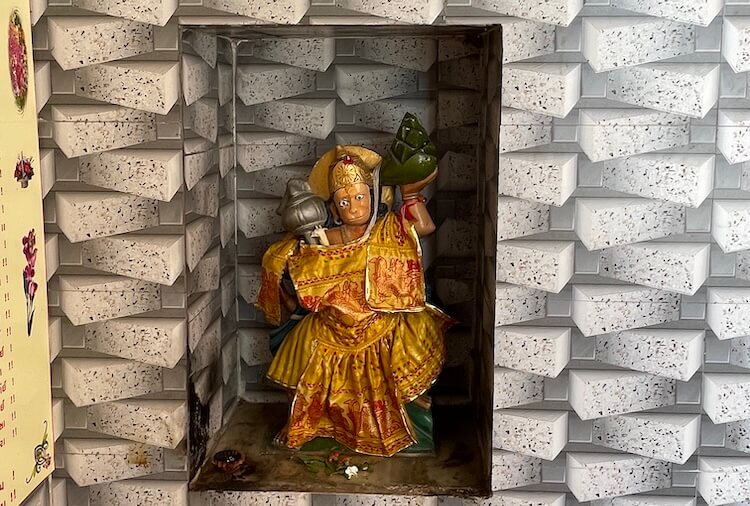
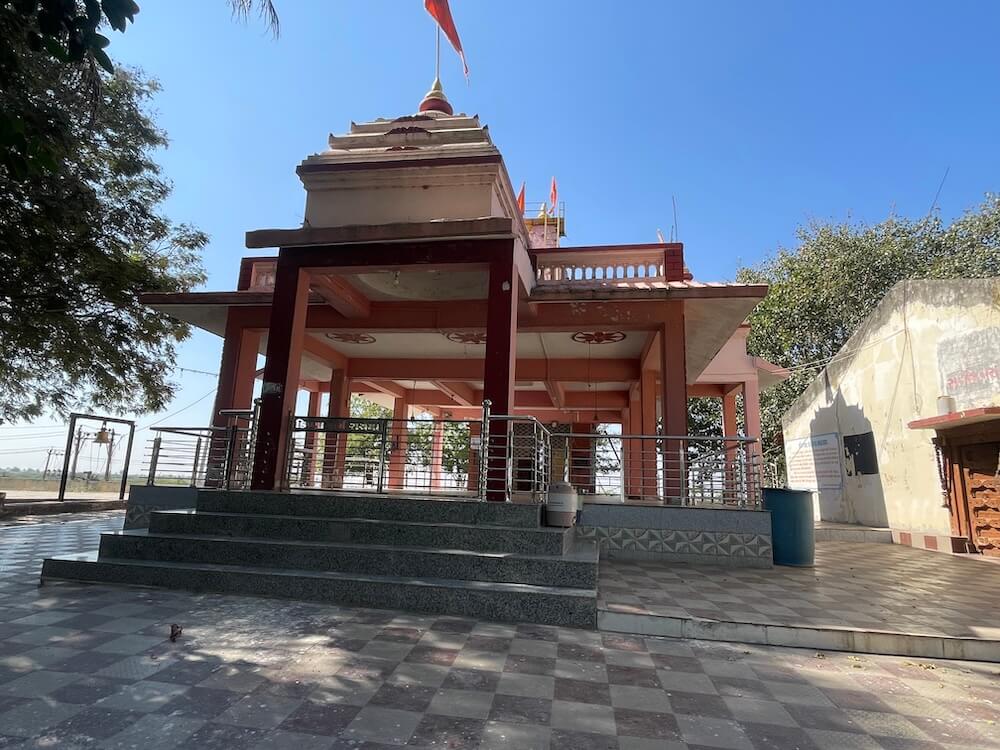
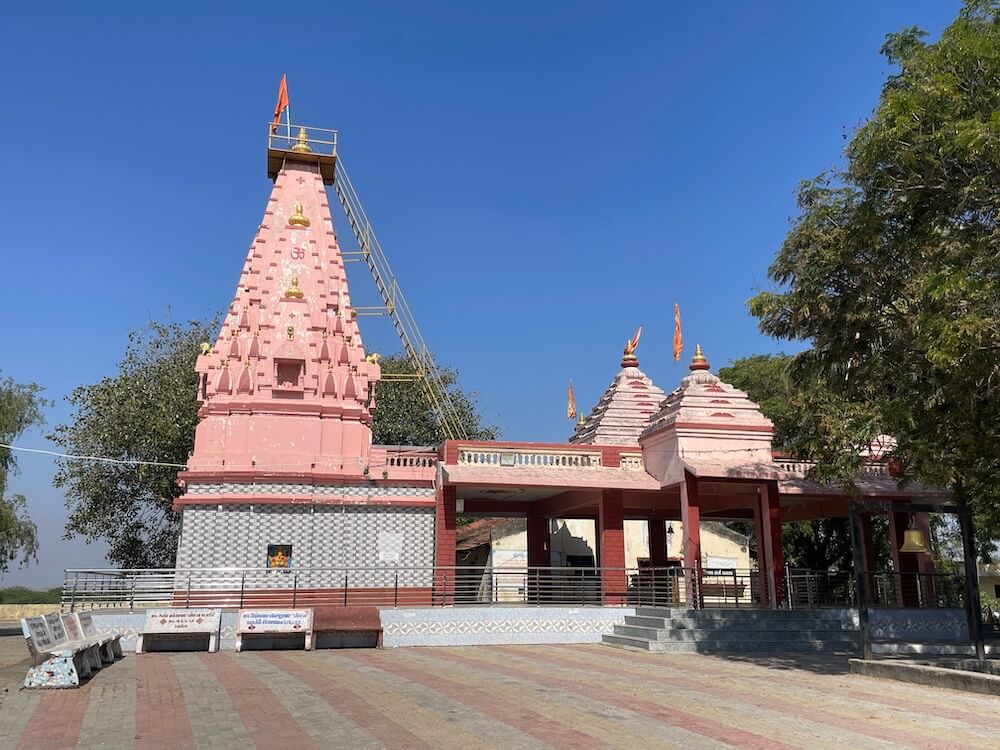
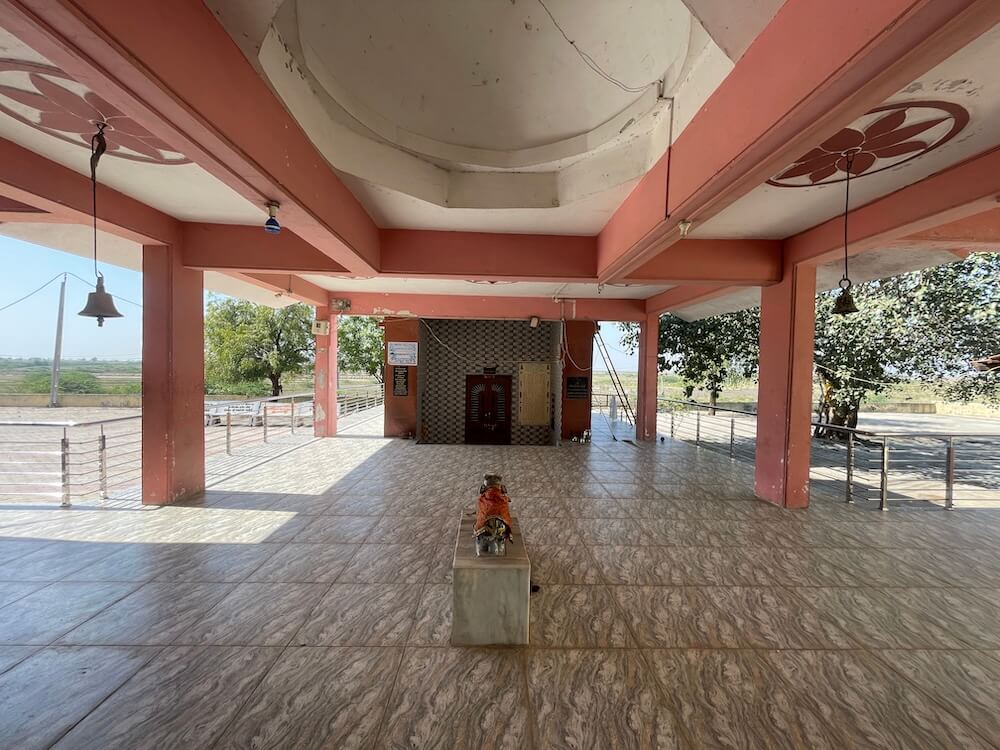 Directly opposite this sacred tank stands the Koteshwar Mahadev temple. On the outer left side hangs a large bell. Built upon a lofty plinth in the Nagara architectural style, the temple comprises a Mukha mandapa, Sabha mandapa, Antarala (vestibule) and Garbhagriha (sanctum). The sabha mandapa is open and spacious, with entrance porches on both sides. These porches, as well as the front pavilion, bear small pyramid-shaped shikhara. At the centre of the hall, upon a pedestal, sits the dignified idol of Nandi. In the niches of the antarala walls stand the idols of Ganapati and Hanuman. The sanctum lies at a lower level than the hall and one descends a few steps to enter it. In the slightly sunken enclosure at the centre rests the stone Shivalinga of Koteshwar Mahadev. Beside it stands a seven-sided marble shalunaka. Over the linga is placed a copper serpent-hood,
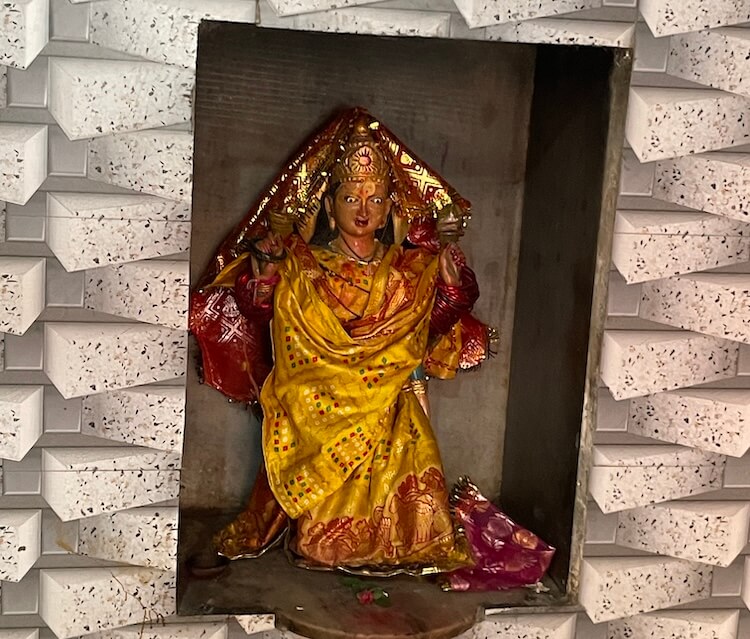
  above which hangs a brass vessel for ritual ablution and above that yet another silver canopy. In the rear niche of the sanctum wall is seated Mother Parvati.
Above the sanctum rises a shikhara constructed in the urushringa style, crowned with a two-tiered amalaka and a kalasha. Sculpted lions and divine niches embellish the tower. Upon the outer walls of the sanctum, within ornamental niches, are enshrined Ganesh, Saraswati and other deities.
To the right of the temple stands a substantial Sant-nivas (residence for saints), providing accommodation for visiting ascetics and sages. The management of this ashram is conducted under the guidance of Mahant Gopaldas Mahatyagi. Ritual worship is performed with unwavering regularity and various havans (sacred fire rituals) and anushthāns (religious observances) take place throughout the year. Alongside the weary parikramavasis, many devotees travel here specifically to behold the unique Shivalinga of Koteshwar.