
कानिचुकुलंगरा भगवती मंदिर
कानिचुकुलंगरा, जि. अलप्पुझा
Kanichukulangara Bhagavathy Temple
Kanichukulangara, Dist. Alappuzha
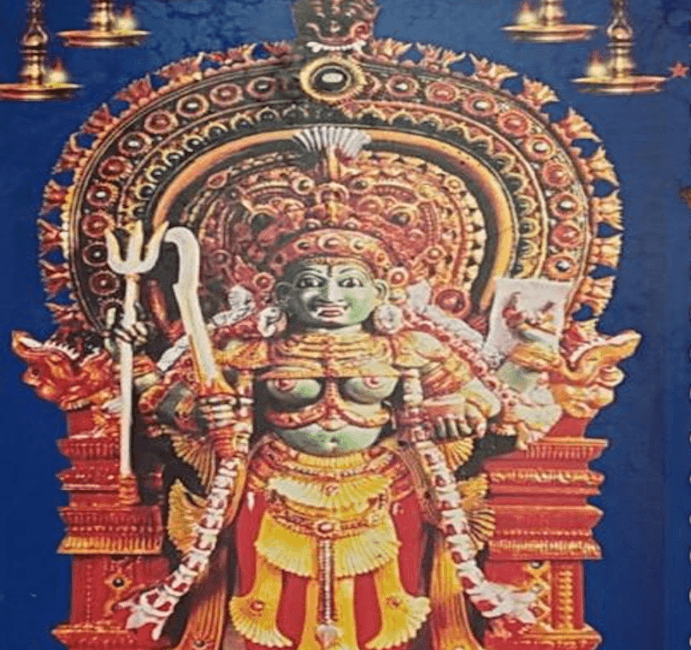 Kanichukulangara Devi Temple is one of the prominent and ancient Devi temples in Kerala, located at Kanichukulangara near Cherthala in the Alappuzha district. The presiding deity of the temple is Devi Bhagavathy, who is worshipped by devotees as a powerful and benevolent mother Devi. The temple is an important center of religious faith and cultural traditions in the region. Kanichukulangara Devi Temple is situated close to the coastal area of Kanichukulangara and a sacred pond is located beside the temple. The pond is closely connected with the temple’s traditional stories and rituals. Hindu devotees of any age group, irrespective of gender, can enter the temple to worship Kanichukulangara Bhagavathy. At Kanichukulangara Bhagavathy temple devotees worship Devi Bhagavathy for their protection from difficulties and misfortunes, success in work and financial matters.
Kanichukulangara Devi temple is generally associated with the eighteenth century.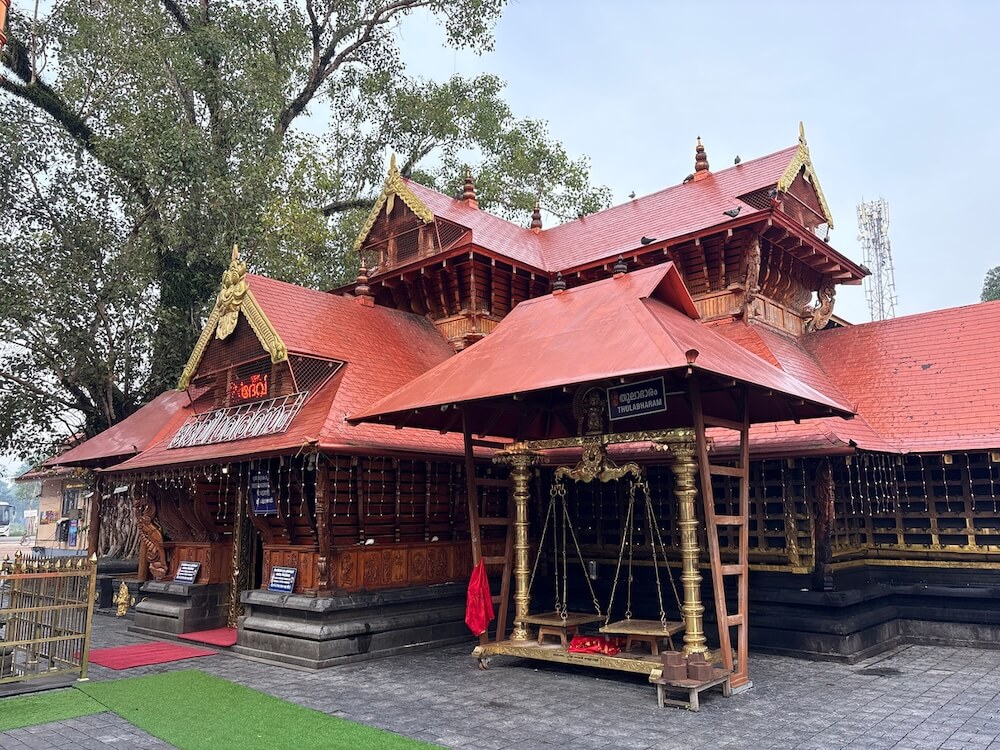 The history states that the temple’s origins begin with the people who migrated Southwards from the Malabar region during the period of Tipu Sultan’s campaigns in Malabar. The temple was established in the 18th century, particularly between 1873 and 1890. The Padu Kanichukulangara family was associated with the inheritance and traditional rights connected with the temple. Later in 1908, an executive body of seven members began managing the temple. Today, the temple is now under an autonomous body called the Kanichukulangara Devaswom formed under SNDP. Today it stands as a well-maintained shrine where the traditional pooja system is preserved in full.
Kanichukulangara Bhagavathy Temple is traditionally believed to be around 600 years old. 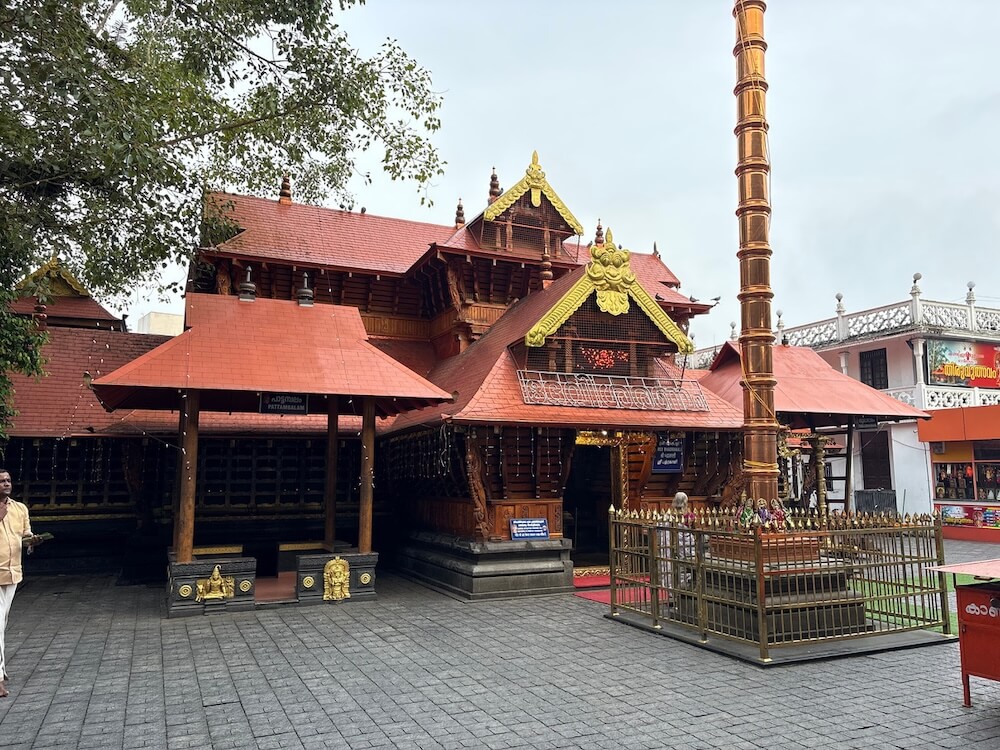 According to local legend, the sacred idol of Bhagavathy arrived by sea and was recovered after a ship carrying the deity was wrecked off the coast near Kanichukulangara. A Brahmin devotee who recognised the divine presence and consecrated the deity at the present location. The temple was initially administered under Brahmin trusteeship and later came under the management of the Ezhava community. The temple’s traditional history is closely associated with the local legends of the Brahmin trustee and Chakki Amma (a prominent figure in the Ezhava community) whose memorial shrines are believed to be situated within the temple premises.
When you walk in and the first things you notice are the elephant stable — the Annakottil — off to one side and the tall flagpole, the Dhwaja Stambham, standing right at the entrance. It’s a quiet start, nothing dramatic yet. 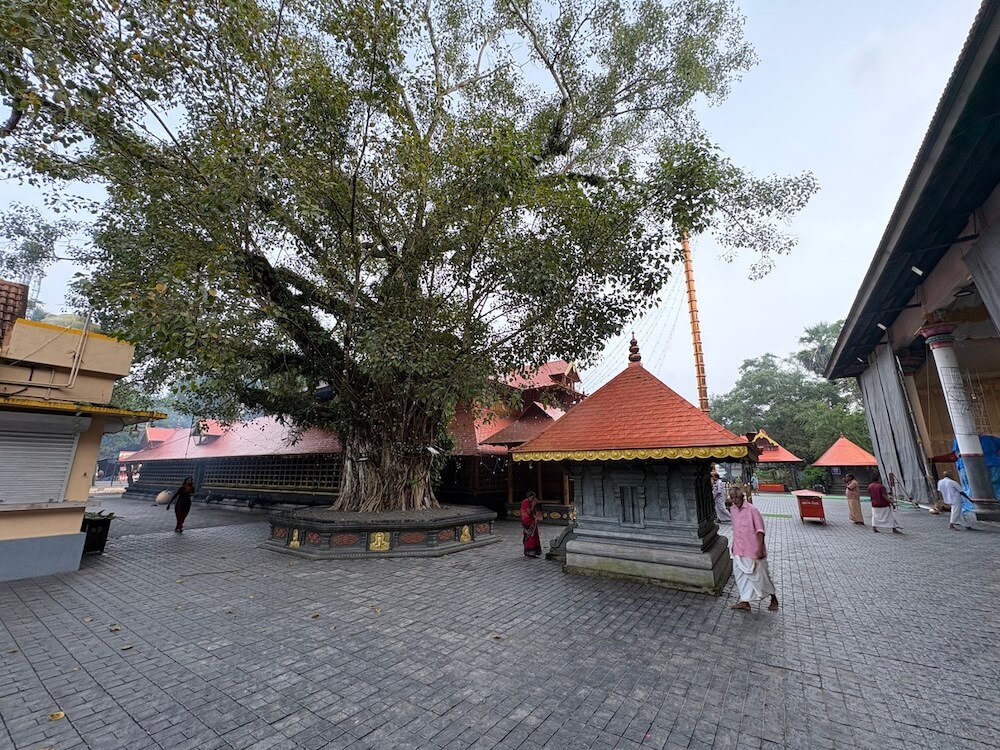 Keep going and you reach the Nalambalam, this open rectangular courtyard that wraps around the inner shrine. There’s a stone here called the Balikkallu, where people leave rice and other offerings — it’s simple, but you can tell it’s been used for a long, long time. Nearby is the Deepa Sthambham, the lamp pillar. During the day it doesn’t really stand out. But in the evening, once they start lighting it up for worship or during a festival, it completely changes character — rows of small flames climbing up the pillar and honestly, it’s one of those things that’s hard to describe until you’ve actually seen it lit.
The courtyard itself is meant for Pradakshina — walking around the sanctum, which people do slowly, almost without thinking, like their feet already know the path. And then you get to the sanctum itself — a square structure, the Chathurasra Sreekovil, where Kanichukulangara Devi is enshrined, facing East. She’s shown standing, holding a sword, 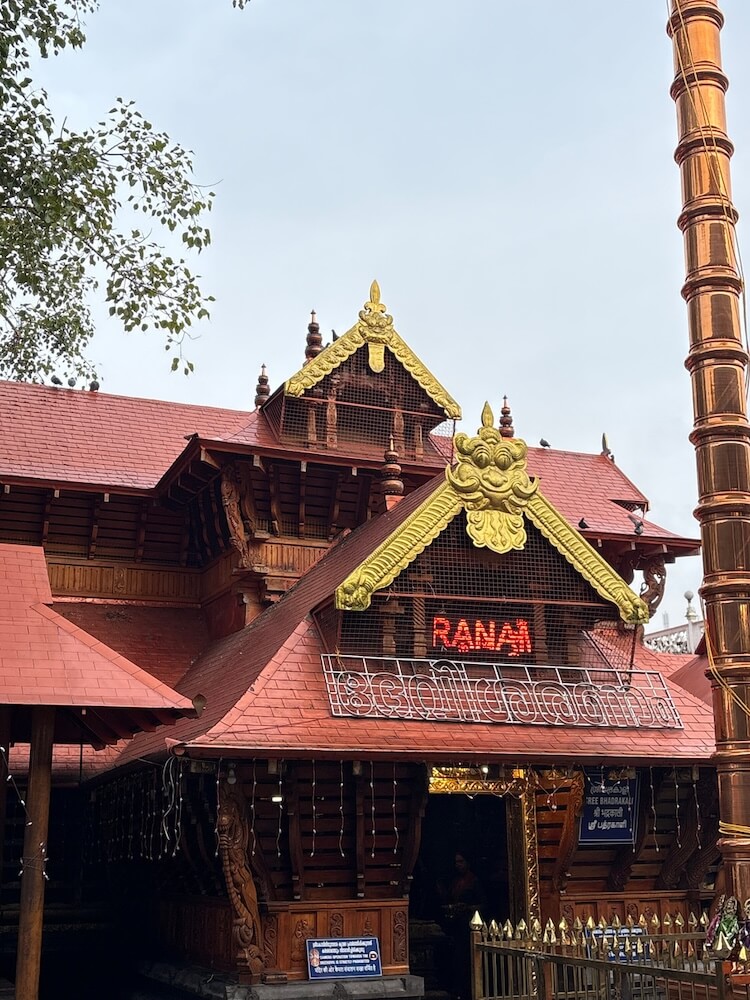 a trident, a ritual vessel and a conch — one in each hand. Right in front of her is a traditional Kerala nilavilakku, the bronze standing lamp, its flame flickering and throwing soft light onto the deity. It’s a small thing, but it changes the whole feel of the space. Before you even get to her, though, you pass through the Namaskara Mandapam — a covered hall where people usually pause, fold their hands and perform their prayers to the Devi before stepping further in.
The sub-deities are arranged and carefully placed outside the SreeKovil. Here, Lord Mahadeva and Parvathi Devi reside on the left side of the Nalambalam. On the right side of the Nalambalam, there is a separate SreeKovil for Sri Maha Ganapathy and Bhadrakali Amma. Besides these, Lord Nagaraja is placed in traditional Sarpakavu (A traditional sacred natural space believed to be the residence of Nagaraja and Naga devatas) along with Chakki Amma shrine, who was a devout woman associated with temple and is remembered for her deep faith and service to Kanichukulangara Devi. All these sub-deities face East. The daily rituals follow the full traditional order, with Abhishekam, poojas and Shiveli processions conducted every day. Brahmarakshas and Yakshiamma are also placed as sub-deities facing West. Lord Dhanwanthari, god of medicine is also placed as a sub deity facing West to ensure health and prosperity to the devotees
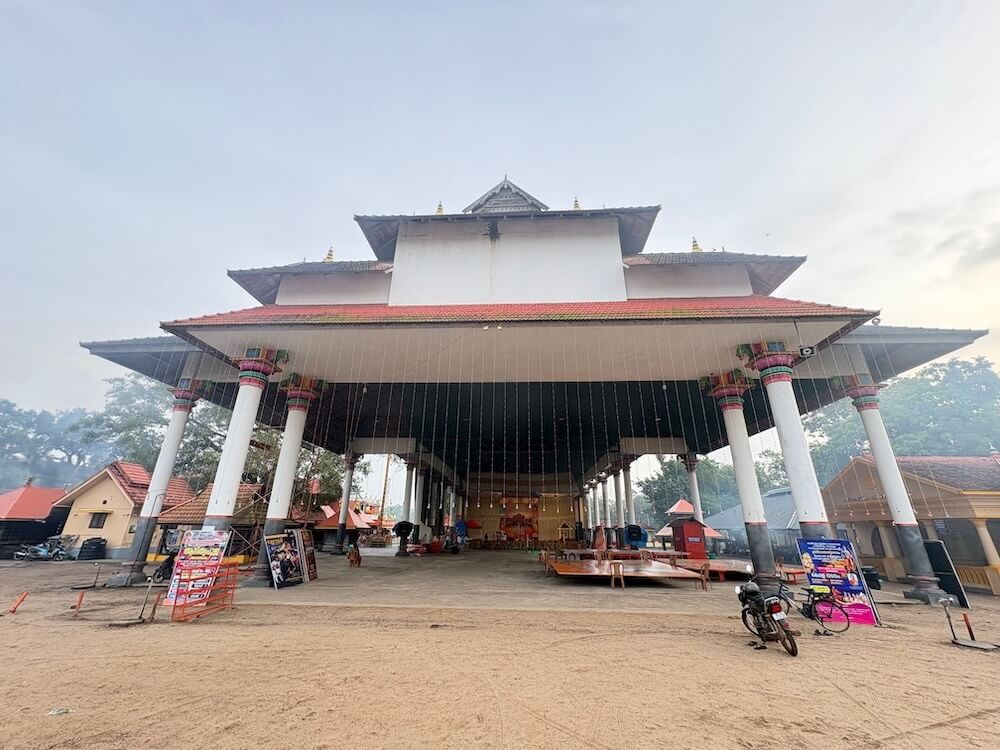
.The principal festival of the temple is the twenty-one-day Mahotsavam celebrated during the Malayalam month of Kumbham (February–March). The festival begins with the Kodiyettu (flag hoisting) and concludes with the Arattu, the ceremonial holy bath of the deity. During the festival days the shrine is adorned with plantain stems, coconut fronds, flowers and rows of traditional lamps and the evenings are enlivened by classical temple arts and cultural performances, drawing large gatherings of devotees. Important observances during the festival include Thalappoli, in which women carry decorated lamps and offerings, Kumbhakudam in the month of Kumbham (February–March) and the distinctive Chikkara Kottikkal, which is associated particularly with children and prayers for their well-being. 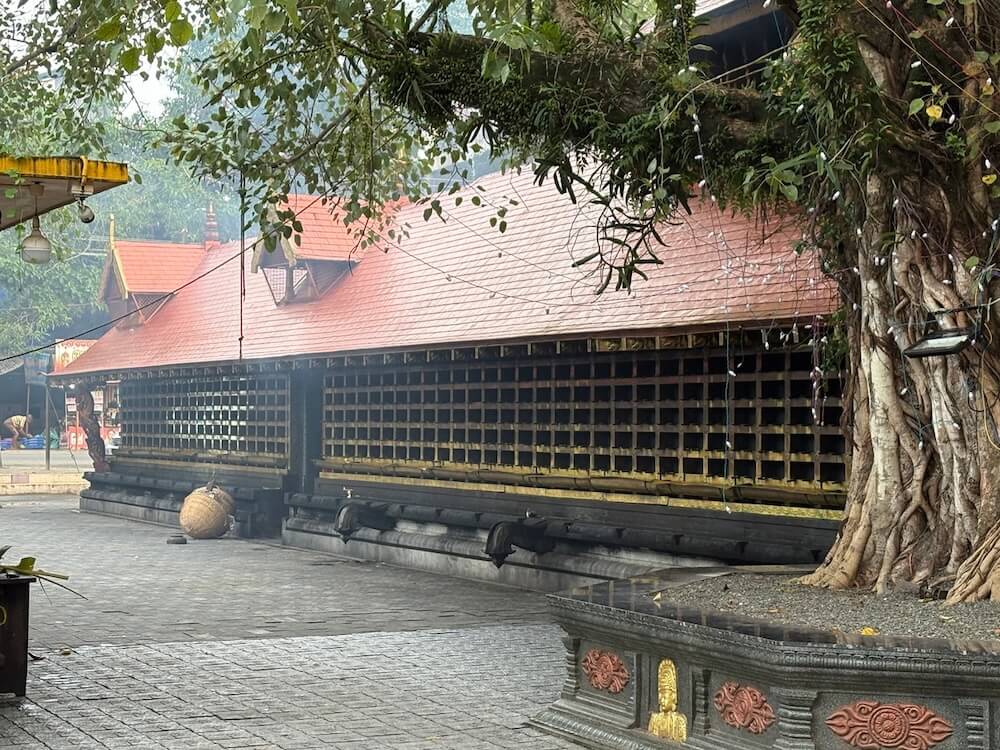 Thiruvonam in Chingam, Vinayaka Chaturthi, Ashtami Rohini, pooja Vaypu and Vidyarambham in Kanni (October-November), Ayilyam pooja in Thulam (October–November), the Mandala pooja season in Vrischikam (November–December), Vishukkani in Medam (April–May), Bhagavatha Saptaham and the Ramayana Masacharanam through the month of Karkidakam (July-August).
The important offerings (Vazhipadu) at Kanichukulangara Devi Temple are closely associated with the worship of Devi Bhagavathy and are performed by devotees seeking blessings, protection, prosperity, family welfare and the fulfilment of their prayers. Pongala (offering made with rice and jaggery) and Puzhukku (offering made with Cassava and lentils) are also important traditional offerings made to Devi. In which devotees prepare and offer traditional food as an expression of devotion and gratitude.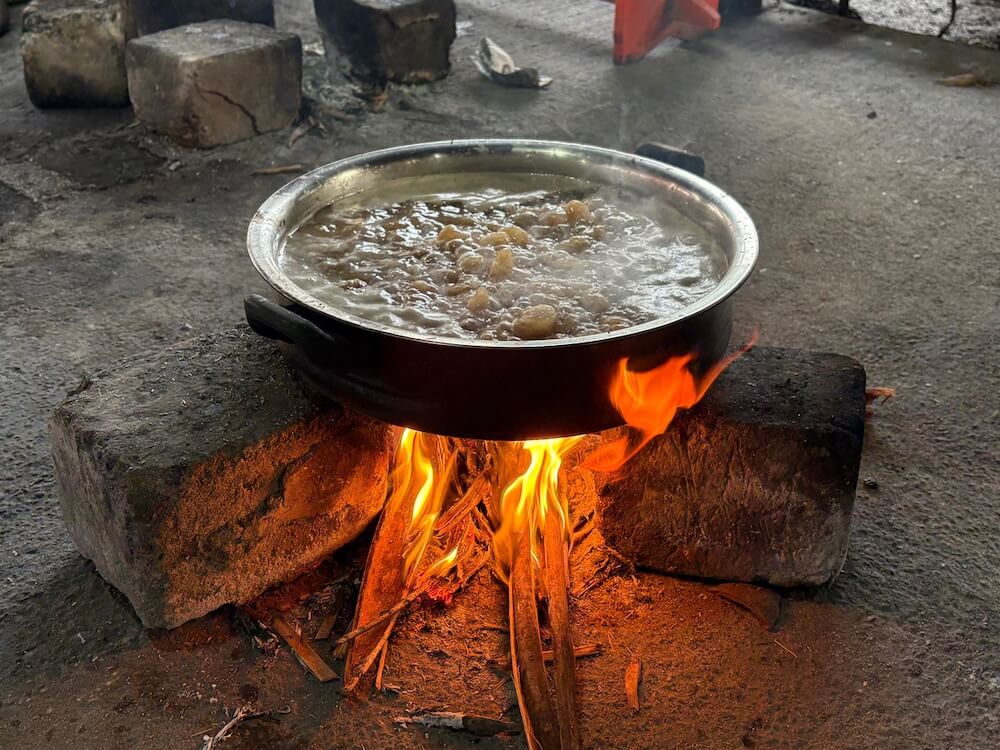 Kumbakudam, in which devotees carry decorated sacred pots as an offering to the deity, is also an important devotional practice associated with the temple. Thooka Chadu is another distinctive traditional offering performed by devotees as part of their vows and prayers to the Devi. These vazhipadus are performed by devotees seeking blessings, health, prosperity and well-being.
The day begins gently, well before dawn. At 5:00 am, the temple doors open for the Nada Thurakkal — the quiet ritual that marks the start of worship, performed while the world outside is still asleep. Soon after, at 5:30, comes the Abhishekam, the sacred bathing of the deity, followed at 7:00 by the Shiveli, a slow procession that moves around the shrine. As late morning arrives, the Ucha pooja takes place around 11:00 and by noon, the temple closes — a natural pause, much like the rest of the day settling into stillness.Evening brings it back to life. The doors reopen at 5:00 pm and as dusk deepens, around 6:40, the Deeparadhana unfolds — rows of lamps lit in offering, casting a warm, golden light across the sanctum. It’s often considered the most beautiful moment of the day, when the temple feels most alive. At 7:30, the Athazha pooja follows, the final ritual before rest. By 8:00 pm, the doors close for the night and a calm settles over the temple — until the next morning, when the Nada Thurakkal begins it all again.
Key highlights
- Located approximately 3.8 km from Mararikkulam Junction.
- Kanichukulangara Bus Stop is only about 100 m from the temple.
- Cherthala Railway Station is approximately 13 km away from the temple.
- Alappuzha Railway Station is approximately 19 km away from the temple.
- Local bus services are available to Kanichukulangara and nearby areas.
- Private vehicles can access the temple through the local road network, with parking facilities available in and around the temple premises.
- Accommodation and food facilities are available in nearby areas.
- Contact Information: 0478 286 2570.
कनिचुकुलंगरा भगवती मंदिर
कनिचुकुलंगरा, जिला. अलाप्पुझा
मंदिरे
Temples
मंदिर
મંદિરો
கோவில்கள்
దేవాలయాలు
ക്ഷേത്രങ്ങൾ
ದೇವಾಲಯಗಳು
মন্দিরসমূহ
ਮੰਦਿਰ
-
पाझवेदु श्रीभागवती मंदिर पाळावेडू, जि. अलप्पुझा
अधिक माहितीPazhaveedu Sree Bhagavathy Temple Pazhaveedu, Dist. Alappuzha
View Detailsपझावीडु श्री भगवती मंदिर पझावीडु, जिला. अलाप्पुझा
विवरण देखेंPazhaveedu Sree Bhagavathy Temple Pazhaveedu, Dist. Alappuzha
વિગત જુઓPazhaveedu Sree Bhagavathy Temple Pazhaveedu, Dist. Alappuzha
விவரங்களைக் காண்கPazhaveedu Sree Bhagavathy Temple Pazhaveedu, Dist. Alappuzha
వివరాలను చూడండిPazhaveedu Sree Bhagavathy Temple Pazhaveedu, Dist. Alappuzha
വിശദാംശങ്ങൾ കാണുകPazhaveedu Sree Bhagavathy Temple Pazhaveedu, Dist. Alappuzha
ವಿವರಗಳನ್ನು ವೀಕ್ಷಿಸಿPazhaveedu Sree Bhagavathy Temple Pazhaveedu, Dist. Alappuzha
বিস্তারিত দেখুনPazhaveedu Sree Bhagavathy Temple Pazhaveedu, Dist. Alappuzha
ਵੇਰਵੇ ਦੇਖੋ -
पथ्यामकुलंगारा देवी मंदिर कालारकोड, जि. अलप्पुझा
अधिक माहितीPathiyamkulangara Devi Temple Kalarcode, Dist. Alappuzha
View Detailsपथियामकुलंगरा देवी मंदिर कलारकोड, जिला. अलाप्पुझा
विवरण देखेंPathiyamkulangara Devi Temple Kalarcode, Dist. Alappuzha
વિગત જુઓPathiyamkulangara Devi Temple Kalarcode, Dist. Alappuzha
விவரங்களைக் காண்கPathiyamkulangara Devi Temple Kalarcode, Dist. Alappuzha
వివరాలను చూడండిPathiyamkulangara Devi Temple Kalarcode, Dist. Alappuzha
വിശദാംശങ്ങൾ കാണുകPathiyamkulangara Devi Temple Kalarcode, Dist. Alappuzha
ವಿವರಗಳನ್ನು ವೀಕ್ಷಿಸಿPathiyamkulangara Devi Temple Kalarcode, Dist. Alappuzha
বিস্তারিত দেখুনPathiyamkulangara Devi Temple Kalarcode, Dist. Alappuzha
ਵੇਰਵੇ ਦੇਖੋ -
श्री राजराजेश्वरी मंदिर मुल्लक्कल, जि. अलप्पुझा
अधिक माहितीSree Rajarajeswari Temple Mullakkal, Dist. Alappuzha
View Detailsश्री राजराजेश्वरी मंदिर मुल्लाक्कल, जिला. अलाप्पुझा
विवरण देखेंSree Rajarajeswari Temple Mullakkal, Dist. Alappuzha
વિગત જુઓSree Rajarajeswari Temple Mullakkal, Dist. Alappuzha
விவரங்களைக் காண்கSree Rajarajeswari Temple Mullakkal, Dist. Alappuzha
వివరాలను చూడండిSree Rajarajeswari Temple Mullakkal, Dist. Alappuzha
വിശദാംശങ്ങൾ കാണുകSree Rajarajeswari Temple Mullakkal, Dist. Alappuzha
ವಿವರಗಳನ್ನು ವೀಕ್ಷಿಸಿSree Rajarajeswari Temple Mullakkal, Dist. Alappuzha
বিস্তারিত দেখুনSree Rajarajeswari Temple Mullakkal, Dist. Alappuzha
ਵੇਰਵੇ ਦੇਖੋ