
कल्लील भगवती मंदिर
मेथाळा, पेरुंबवूर, जि. एर्नाकुलम.
Kallil Bhagavathy Temple
Methala, Perumbavoor, Dist. Ernakulam.
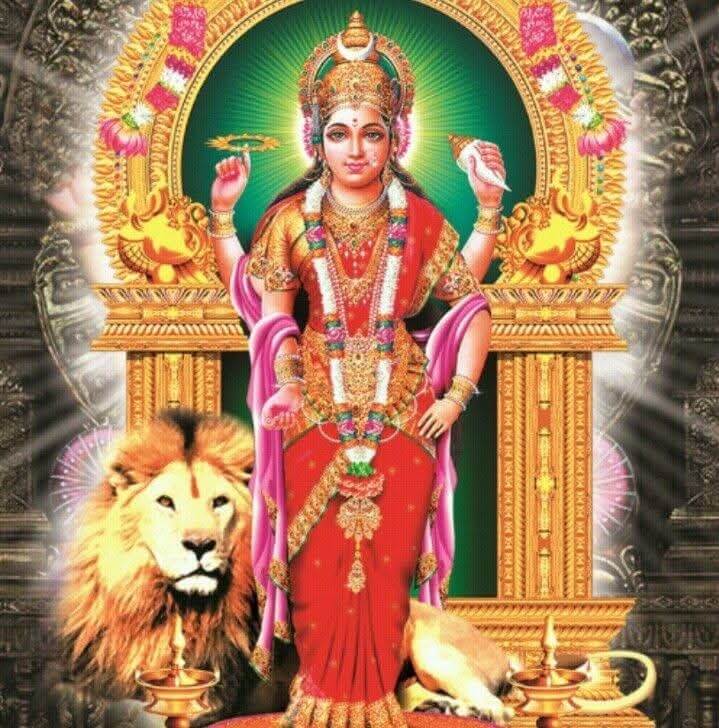 Kallil Bhagavathy Temple is a famous cave temple located in Methala village near Perumbavoor in Ernakulam district, Kerala. Carved into a large natural rock, the temple is an important example of Kerala’s ancient Jain and Hindu heritage. Considered one of the oldest Hindu temples in Kerala, it is situated within a forest spread over about 28 acres. Built on top of a large rock, the temple can be reached by climbing over the rocky steps and path.
Historical studies suggest that the Kallil cave temple may date back to around the 3rd century BC. During a period when Jainism had a strong influence in South India, particularly in Kerala, the site is believed to have been an important place of meditation for Jain monks. The early deities worshipped here were Parshvanatha, the 23rd Tirthankara of Jainism, Vardhamana Mahavira, the 24th Tirthankara and Padmavati Devi, a Jain Yakshi. A seated carving of Mahavira on the rock in front of the cave and a carving of Parshvanatha inside the cave are visible historical evidence of the temple’s Jain heritage.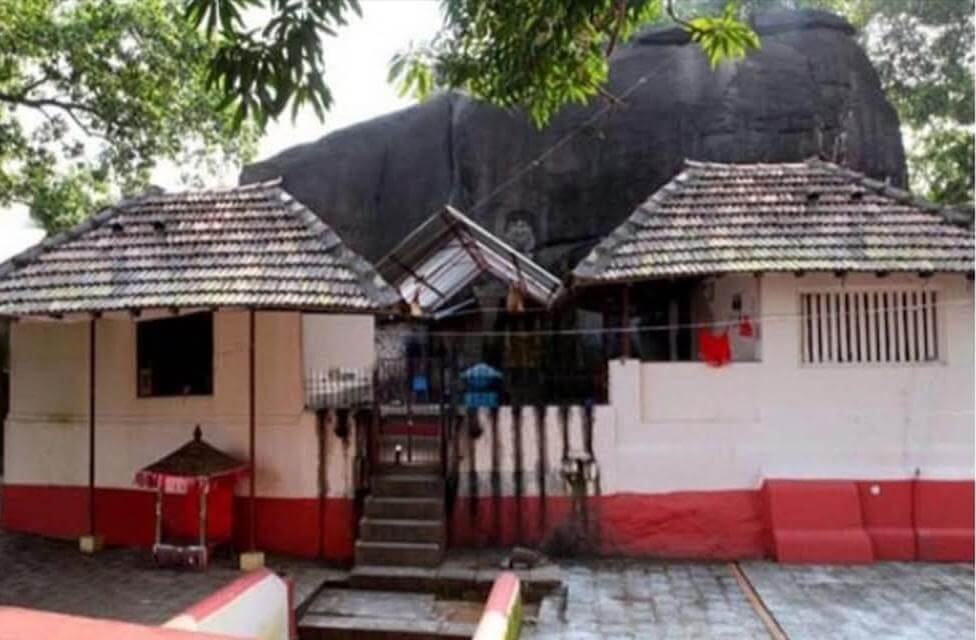
By the 9th century AD, the influence of Jainism in Kerala had declined and many Jain and Buddhist centres were converted into Hindu temples. During this period, Padmavati Devi, the Jain Yakshi worshipped at Kallil, came to be worshipped as Bhagavathy (Durga), while the images of Parshvanatha and Mahavira came to be associated with Shiva and Vishnu. Later, the temple came under the ownership of the Kallil Pisharody family and was subsequently brought under the management of Pisharath Devaswom. Today, the Kallil cave temple is a protected historical monument under the Kerala State Archaeology Department. It stands as a historical example of a site that began as a place of worship for Jain monks and later became a Hindu Bhagavathy temple.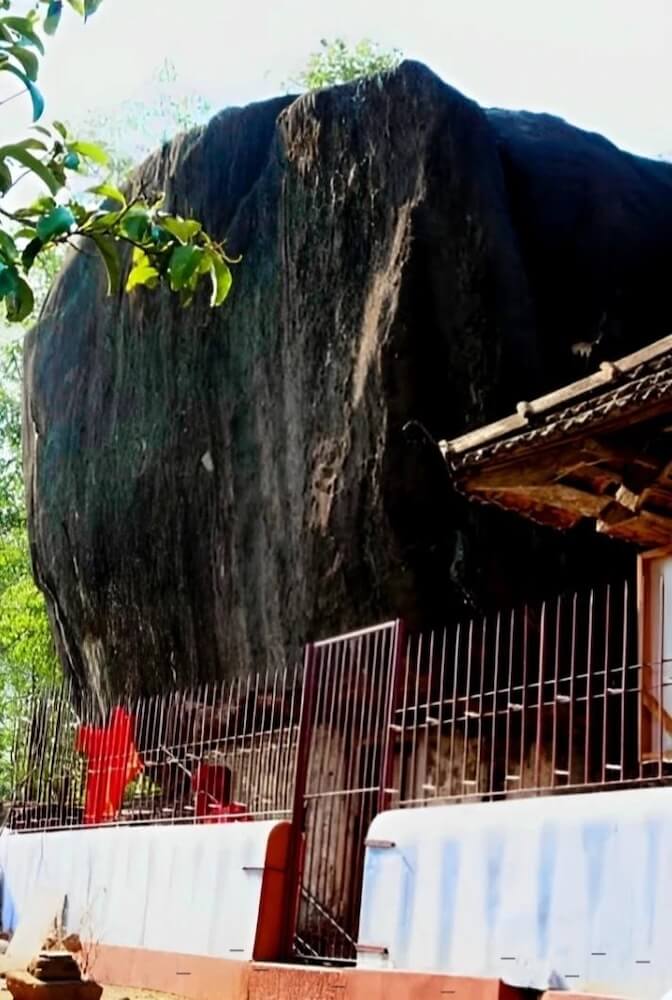
According to local legend, when this area was once covered by forest, some people who went into the forest to collect resources saw a beautiful woman playing with large rocks. When she noticed the strangers watching her, she quickly made a cave using the rocks she was playing with and disappeared inside it. It is believed that one of the large rocks she threw into the air remained suspended and became the roof of the present temple, while another rock that fell down became the seat of the goddess. Devotees believe that the beautiful woman was Kallil Bhagavathy herself. Local legend also says that the huge rock forming the temple roof stands without touching the ground and cannot be moved even if 15 elephants pull it together, as the divine presence of the goddess is believed to keep it in place.
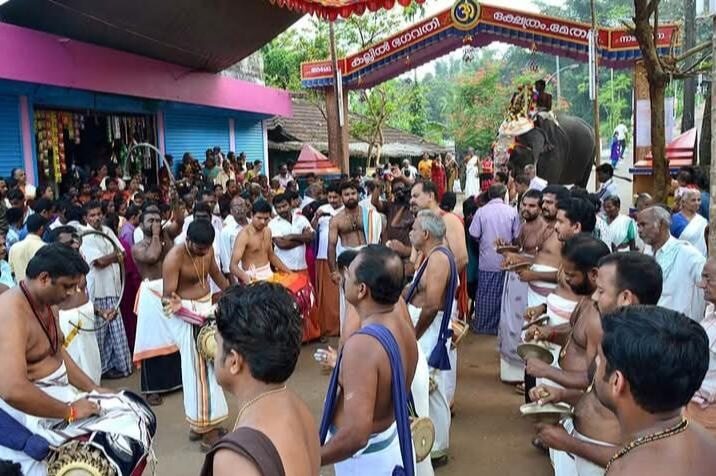
Another local legend says that Kallil Bhagavathy, Alparakkavu Bhagavathy near Kodungallur and Iringolekkavu Bhagavathy are either different forms of the same goddess or sisters. There are also stories that the huge rocks found here were formed when the three goddesses played with stones in the forest, a game known as Kallukali. While male elephants are usually used in temple processions during festivals, only female elephants are used at Kallil Temple. According to local belief, this is because the goddess is female and only female elephants should be used for the procession. It is also believed that attempts to use male elephants in the past led to unpleasant incidents.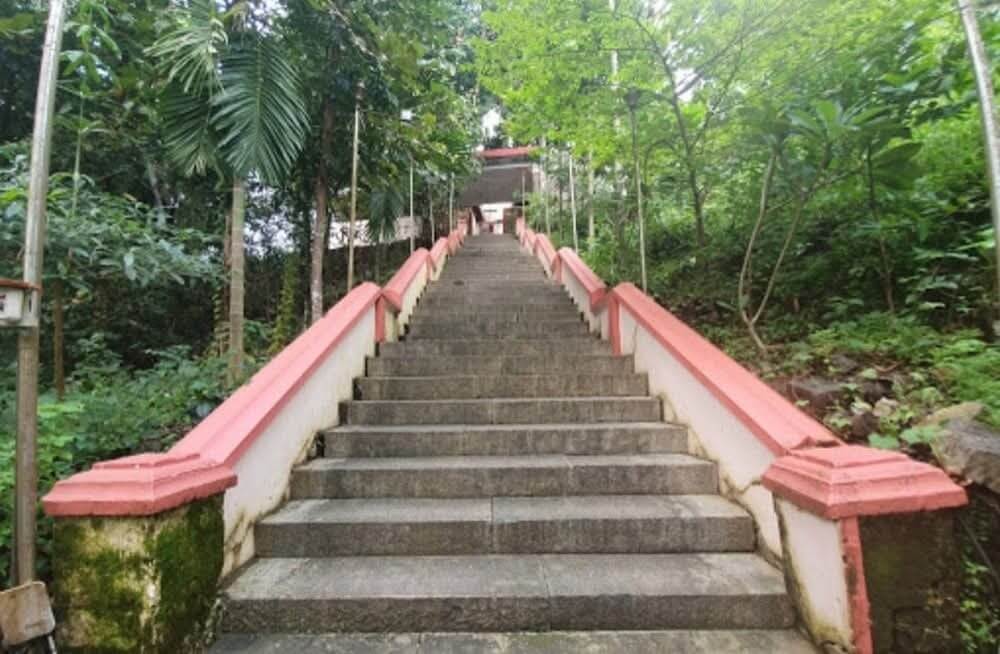
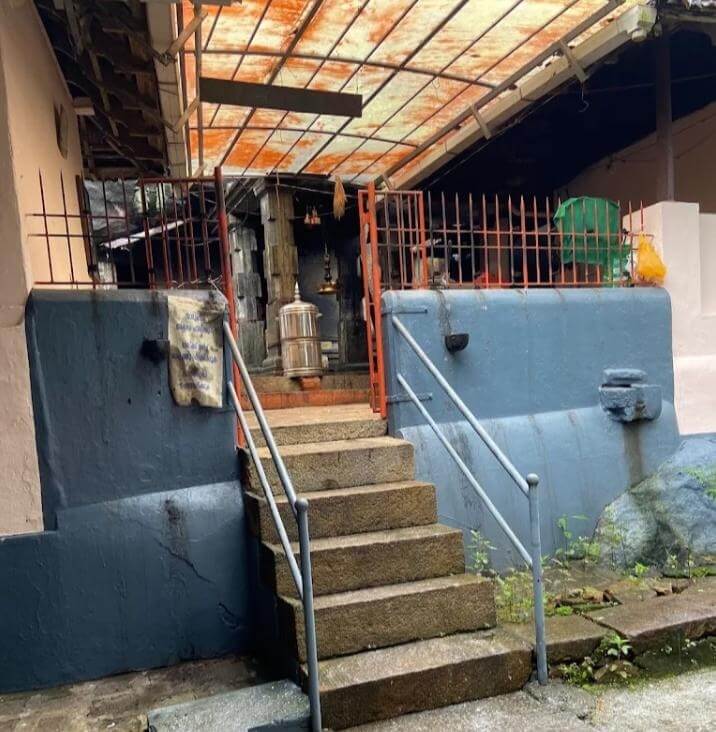
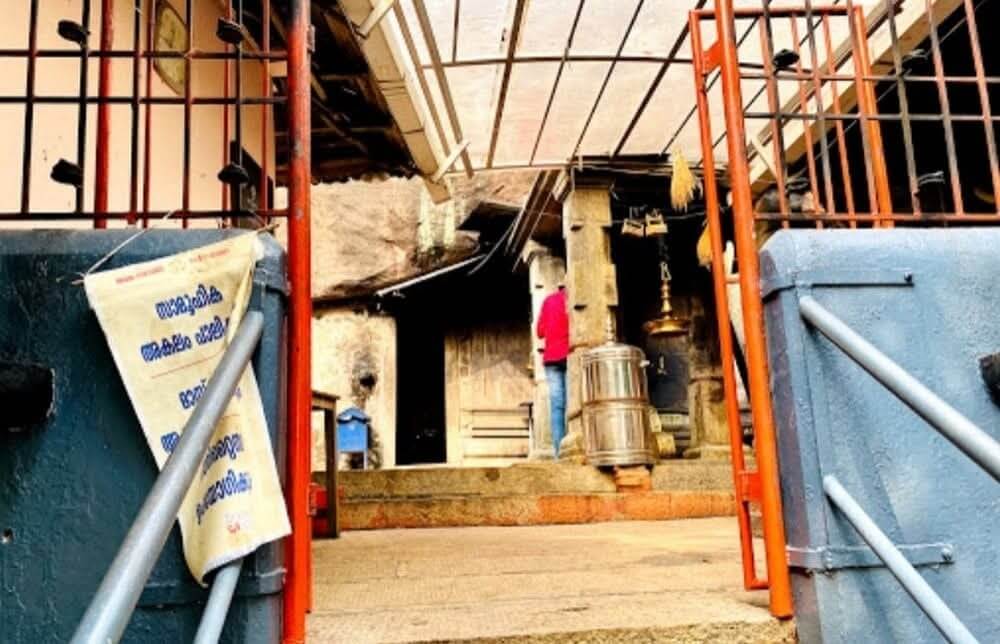
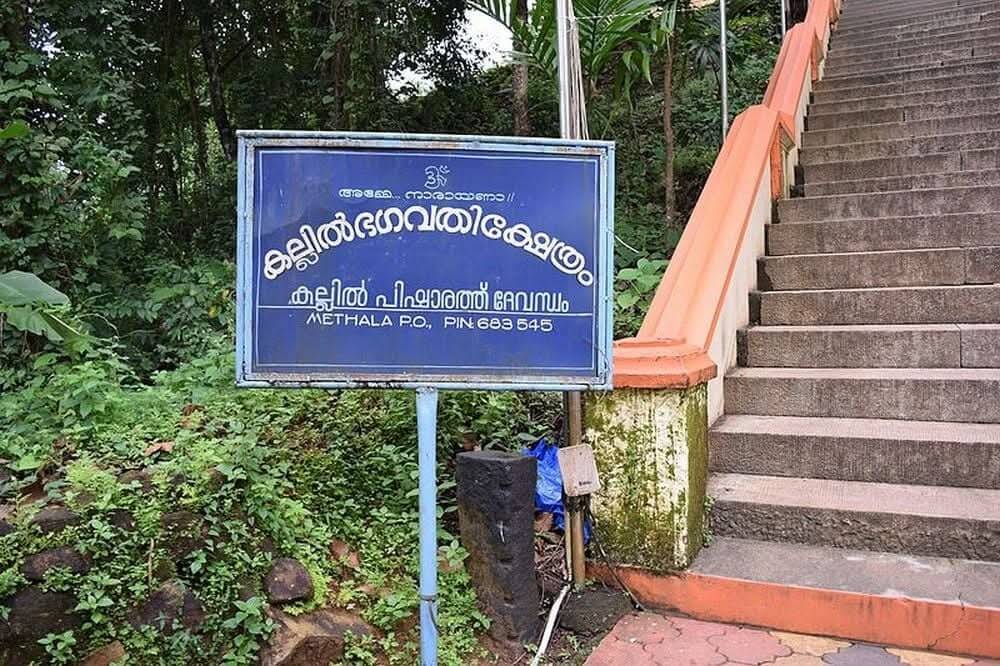
From the road, the first thing you can see is a large forest and hill covering about 28 acres. Unlike traditional temples, there is no large gateway tower or flagstaff that immediately catches the eye. At the entrance, there are around 120 stone steps leading uphill. These steps pass through green forest on both sides and lead to the top. At the top, the first thing that catches the eye is a huge natural rock, almost the size of a house, rising above the ground. The cave is located beneath a small gap under this rock. Instead of a usual sanctum built with cement or bricks, the sanctum here has been carved into the huge rock itself. The sanctum consists of a large cave with three chambers.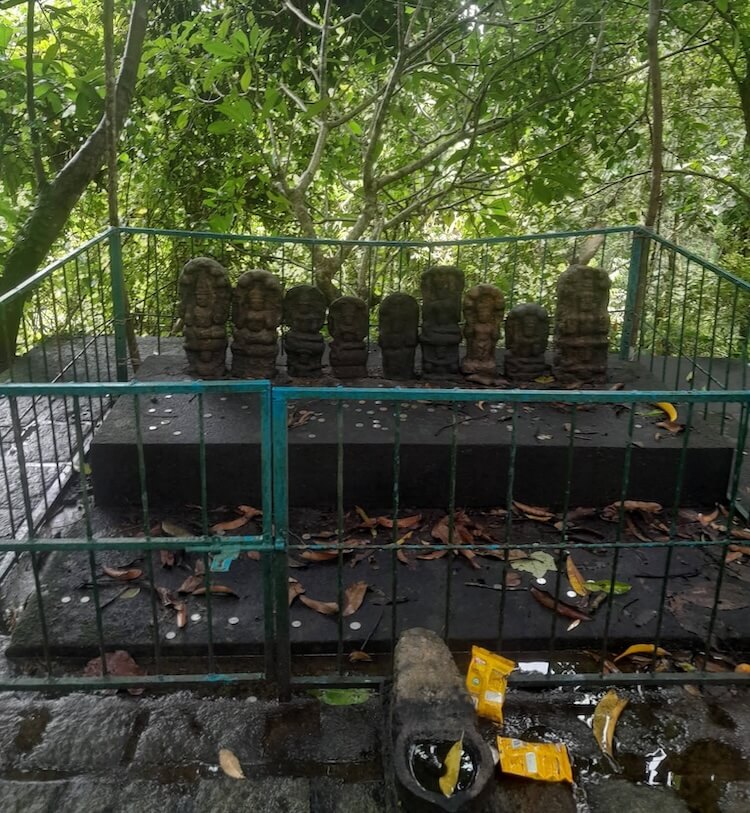
There is no square sanctum, surrounding temple structure or large prayer hall, as commonly seen in traditional Kerala temples. The temple has been built by keeping the natural cave largely unchanged. It is a fine example of the ancient rock-cut architectural style of South India. A huge single rock, about 75 feet long and 45 feet wide, forms the natural roof of the sanctum. Due to the natural slope of the rock, rainwater flows towards the sides instead of entering the cave. As the sanctum is built against the rock inside the cave, devotees cannot walk around it from behind for pradakshina. Instead, they complete the pradakshina by coming to the front of the cave and offering prayers to the rock.
The main deity in the sanctum, slightly to the right and shown in a seated posture, is the Jain Yakshi Padmavati Devi. Later, a Panchaloha idol of Bhagavathy was also installed and worshipped as a form of Durga. Above the cave entrance, a partly unfinished rock carving of Vardhamana Mahavira faces east and is worshipped as Shiva in the Hindu tradition. A standing carving of the Jain Tirthankara Parshvanatha on the inner wall of the cave is worshipped as Vishnu.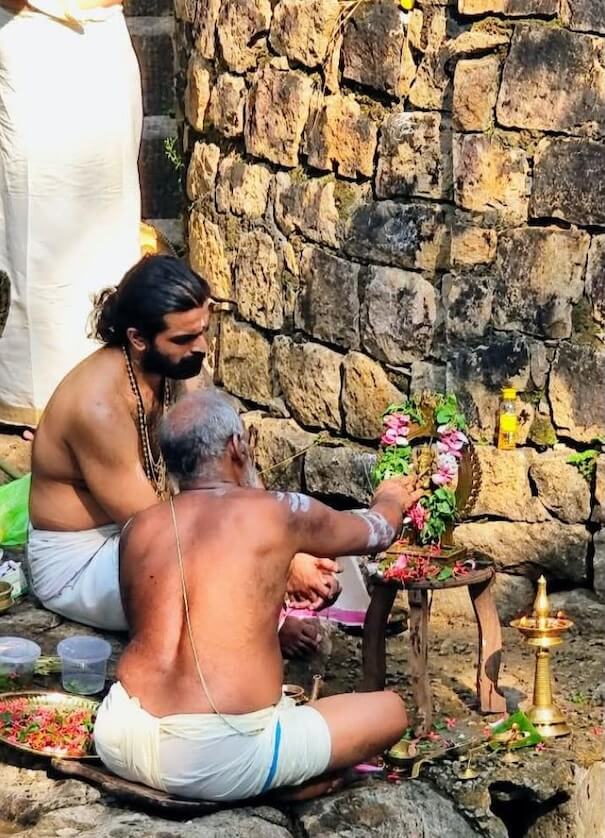 Ganesha and Ayyappan were later installed in other chambers of the cave. Overall, the architectural style of Kallil Temple has strong similarities to the ancient Digambara Jain rock-cut architecture found in South India, including Tamil Nadu.
The main annual festival of the temple is the Thrikkarthika Mahotsavam, which begins on the Karthika star day in the Malayalam month of Vrischikam and ends on the eighth day with the Aarattu ceremony. The Idithozhal, held at 12:00 PM on Karthika day, is one of the main rituals of the festival. A mixture made by pounding raw rice, betel leaves, areca nut, lime and turmeric in a large wooden mortar is offered to the goddess and then distributed to devotees as prasadam. Utsavabali is held on the sixth day and Valiyavilakku on the seventh day. Unlike many other temple festivals, only female elephants are used for the procession here. Navaratri Mahotsavam and Vidyarambham are celebrated in the month of Thulam (September–October), while Kalashavarshikam is held on the Uthradam star day in Medam (April–May) and Niraputhari on the Uthradam star day in Chingam (August–September). A special Ayilyam Pooja for the Naga deities is held on the Ayilyam star day in Kanni (September–October). During the month of Karkidakam (July–August), special Ganapathi Homam, Bhagavathi Seva and Ramayana recitation are conducted every day.
The most famous offering at the temple is Chool Nercha. 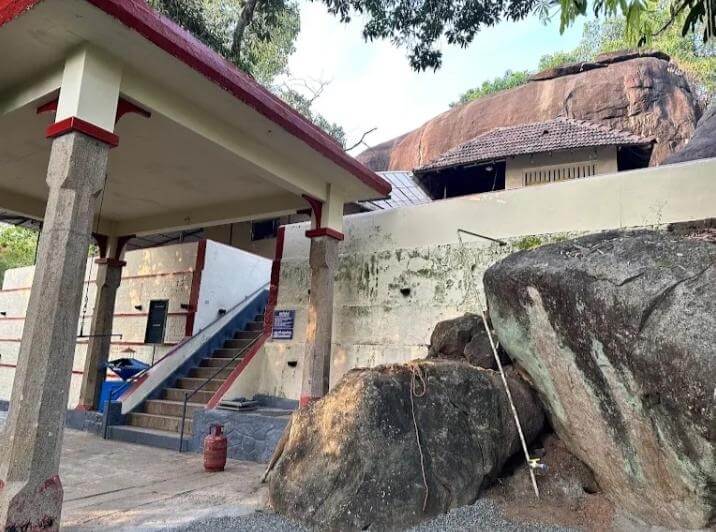 Devotees perform this offering for women’s hair to grow well, to reduce hair loss and to remove conflicts and unrest in the family. For this offering, devotees make a palm-leaf broom by hand without using metal tools and offer it to the goddess. Kallu Nercha is performed for the smooth and quick completion of house and building work that has been delayed. Stones from the foundation of the house or building under construction are offered for this purpose. Idithozhal, performed only on the Thrikkarthika day at 12:00 PM, involves pounding raw rice, betel leaves, areca nut, lime and turmeric in a large wooden mortar and offering the mixture to the goddess. Devotees believe that consuming it helps to remove illness and suffering. Kadumpayasam, Koottapayasam and Neypayasam are the main payasam offerings.
 Devotees also perform Lalitha Sahasranama Archana, Bhagyasooktha Pushpanjali and Shatrusamhara Pushpanjali. Neerajanam and coconut breaking are performed for Shastha and Ganesha to remove the effects of Shani dosha.
The temple’s darshan timings are usually from 06:00 AM to 10:30 AM and from 05:30 PM to 07:00 PM. Daily rituals begin with Palli Unarthal at 05:30 AM, followed by the opening of the temple at 06:00 AM, Nirmalya Darshan, Abhishekam and Malar Nivedyam. Ethrith Pooja is held at 07:00 AM, followed by Ucha Pooja at 10:15 AM, after which the temple closes for the morning. The temple reopens at 05:30 PM, followed by Deeparadhana at 06:30 PM and Athazha Pooja at 07:15 PM. As the temple is located within a large forest area, it usually remains closed after the morning rituals and reopens in the evening. Darshan timings and pooja schedules may change on special festival days and Karthika days.
Key highlight :-
- Located 10 km from Perumbavoor and 12 km from Muvattupuzha.
- 26 km from Aluva railway station.
- KSRTC buses are available to Perumbavoor, from where local buses can be taken to the temple.
- Private vehicles can be parked in the temple’s parking area.
- Accommodation and food facilities are available in the nearby towns.
- Contact number +91 9947798302, 9448604637.
कल्लिल भगवती मंदिर
मेथला, पेरुम्बवूर, जिला। एर्नाकुलम.
मंदिरे
Temples
मंदिर
મંદિરો
கோவில்கள்
దేవాలయాలు
ക്ഷേത്രങ്ങൾ
ದೇವಾಲಯಗಳು
মন্দিরসমূহ
ਮੰਦਿਰ
-
चेरनाल्लूर श्री महादेवाचे मंदिर चेरनाल्लूर पूर्व, जि. एर्नाकुलम.
अधिक माहितीCheranalloor Sree Mahadeva Temple Cheranalloor East, Dist. Ernakulam.
View Detailsचेरनल्लूर श्री महादेव मंदिर चेरनल्लूर पूर्व, जिला। एर्नाकुलम.
विवरण देखेंCheranalloor Sree Mahadeva Temple Cheranalloor East, Dist. Ernakulam.
વિગત જુઓCheranalloor Sree Mahadeva Temple Cheranalloor East, Dist. Ernakulam.
விவரங்களைக் காண்கCheranalloor Sree Mahadeva Temple Cheranalloor East, Dist. Ernakulam.
వివరాలను చూడండిCheranalloor Sree Mahadeva Temple Cheranalloor East, Dist. Ernakulam.
വിശദാംശങ്ങൾ കാണുകCheranalloor Sree Mahadeva Temple Cheranalloor East, Dist. Ernakulam.
ವಿವರಗಳನ್ನು ವೀಕ್ಷಿಸಿCheranalloor Sree Mahadeva Temple Cheranalloor East, Dist. Ernakulam.
বিস্তারিত দেখুনCheranalloor Sree Mahadeva Temple Cheranalloor East, Dist. Ernakulam.
ਵੇਰਵੇ ਦੇਖੋ -
श्री परमारा देवी मंदिर एर्नाकुलम उत्तर, कचेरीपाडी, जि. एर्नाकुलम.
अधिक माहितीSree Paramara Devi Temple Ernakulam North, Kacheripady, Dist. Ernakulam.
View Detailsश्री परमार देवी मंदिर एर्नाकुलम उत्तर, कचेरीपाडी, जिला। एर्नाकुलम.
विवरण देखेंSree Paramara Devi Temple Ernakulam North, Kacheripady, Dist. Ernakulam.
વિગત જુઓSree Paramara Devi Temple Ernakulam North, Kacheripady, Dist. Ernakulam.
விவரங்களைக் காண்கSree Paramara Devi Temple Ernakulam North, Kacheripady, Dist. Ernakulam.
వివరాలను చూడండిSree Paramara Devi Temple Ernakulam North, Kacheripady, Dist. Ernakulam.
വിശദാംശങ്ങൾ കാണുകSree Paramara Devi Temple Ernakulam North, Kacheripady, Dist. Ernakulam.
ವಿವರಗಳನ್ನು ವೀಕ್ಷಿಸಿSree Paramara Devi Temple Ernakulam North, Kacheripady, Dist. Ernakulam.
বিস্তারিত দেখুনSree Paramara Devi Temple Ernakulam North, Kacheripady, Dist. Ernakulam.
ਵੇਰਵੇ ਦੇਖੋ -
वलंजंबलम श्रीदेवी मंदिर वलंजम्बलम, एर्नाकुलम दक्षिण, जि. एर्नाकुलम.
अधिक माहितीValanjambalam Sree Devi Temple Valanjambalam, Ernakulam south, Dist. Ernakulam.
View Detailsवलंजम्बलम श्री देवी मंदिर वलंजम्बलम, एर्नाकुलम दक्षिण, जिला। एर्नाकुलम.
विवरण देखेंValanjambalam Sree Devi Temple Valanjambalam, Ernakulam south, Dist. Ernakulam.
વિગત જુઓValanjambalam Sree Devi Temple Valanjambalam, Ernakulam south, Dist. Ernakulam.
விவரங்களைக் காண்கValanjambalam Sree Devi Temple Valanjambalam, Ernakulam south, Dist. Ernakulam.
వివరాలను చూడండిValanjambalam Sree Devi Temple Valanjambalam, Ernakulam south, Dist. Ernakulam.
വിശദാംശങ്ങൾ കാണുകValanjambalam Sree Devi Temple Valanjambalam, Ernakulam south, Dist. Ernakulam.
ವಿವರಗಳನ್ನು ವೀಕ್ಷಿಸಿValanjambalam Sree Devi Temple Valanjambalam, Ernakulam south, Dist. Ernakulam.
বিস্তারিত দেখুনValanjambalam Sree Devi Temple Valanjambalam, Ernakulam south, Dist. Ernakulam.
ਵੇਰਵੇ ਦੇਖੋ