
चेरनाल्लूर श्री महादेवाचे मंदिर
चेरनाल्लूर पूर्व, जि. एर्नाकुलम.
Cheranalloor Sree Mahadeva Temple
Cheranalloor East, Dist. Ernakulam.
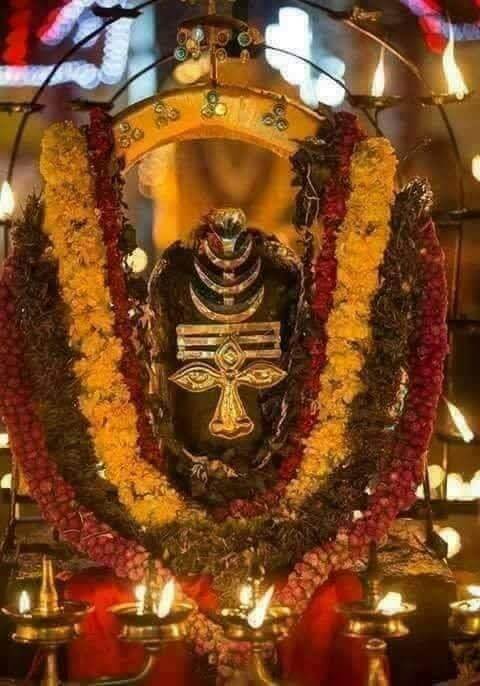 Kizhakke Cheranalloor Sree Mahadeva Temple is an ancient and famous Hindu temple located on the sacred banks of the Periyar River near Kalady in Ernakulam district. It is believed to be one of the 108 famous Shiva temples in Kerala consecrated by Parashurama. Lord Shiva here is worshipped as ‘Rinmochaka’, the one who removes debts and difficulties from the lives of devotees and blesses them with relief and well-being.
Historians and archaeologists who have studied the temple’s architecture and structure estimate that it is more than 1,000 years old. It is believed that the temple was built in its present large form during the period of the Chera rulers of Kerala or the medieval Cochin Kingdom. Although historical records do not mention the name of a specific person who built the temple, it was one of the important and strategically significant temples in the Cochin Kingdom. Built in the Kerala-Dravidian architectural style, the temple features a circular sanctum, a large Nalambalam and a square Namaskara Mandapam, which are fine examples of traditional Kerala architecture. As the temple is located on the banks of the Periyar River, its surroundings once served as an important cultural and trading centre in the northern part of the Cochin Kingdom, when waterways were a major means of transport. Historical records also indicate that the temple once owned large areas of land and received around 24 tonnes of paddy (24,000 paras of paddy) every year as land revenue.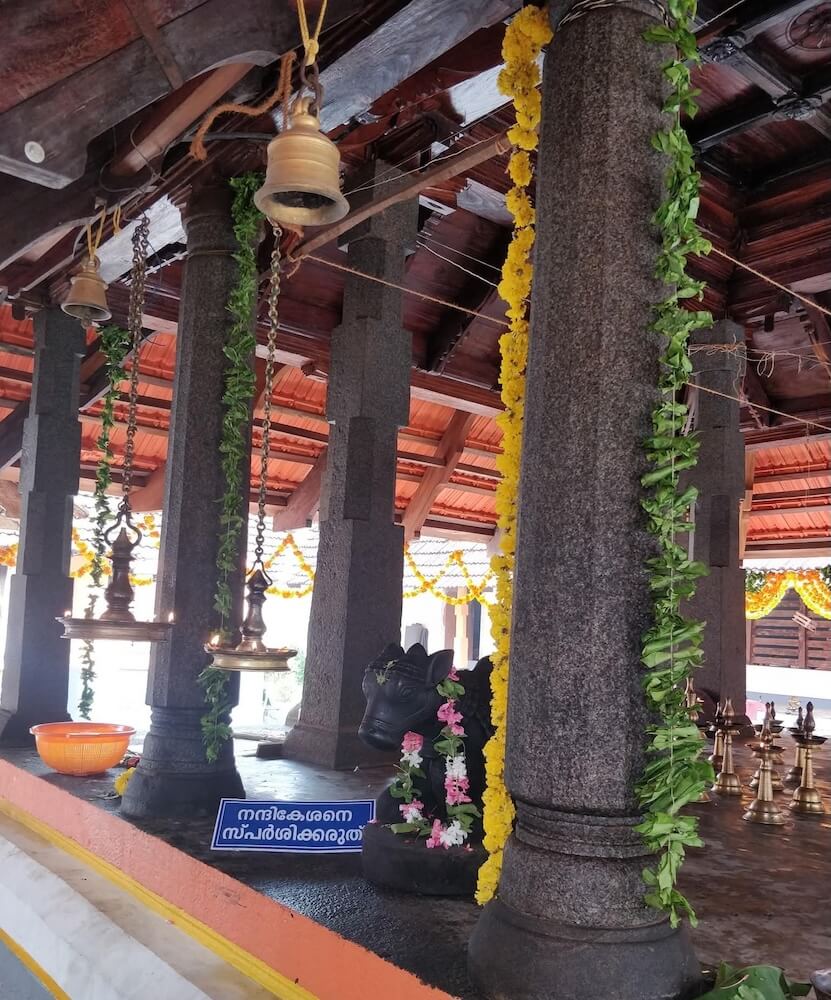
In the early years, the temple was owned and managed by some prominent Namboothiri families (Ooralans) in the area. Leading families from traditional Ambalavasi communities such as Gurikkans, Nambyars, Sharadi and Marars also had important roles in the daily administration and religious affairs of the temple. With the introduction of the Agrarian Reforms in the 1970s, the temple lost a large part of its land, making it financially difficult for the traditional Ooralans to manage the temple. As a result, there was a period when the temple faced decline. Later, local residents and devotees came together to form a managing committee and restored the temple. At present, this local managing committee is responsible for the administration, daily activities and festivals of the temple.
According to the main legend, this is one of the 108 Shiva temples in Kerala believed to have been consecrated by Parashurama during the Treta Yuga. Devotees believe that Lord Shiva is worshipped here in a deep meditative form, having given up worldly life after being saddened by the self-sacrifice of Sati Devi in the fire during the Daksha Yaga. As Lord Shiva is believed to be in deep meditation, fragrant flowers, rose water and incense sticks are not used for worship, so that his meditation is not disturbed. 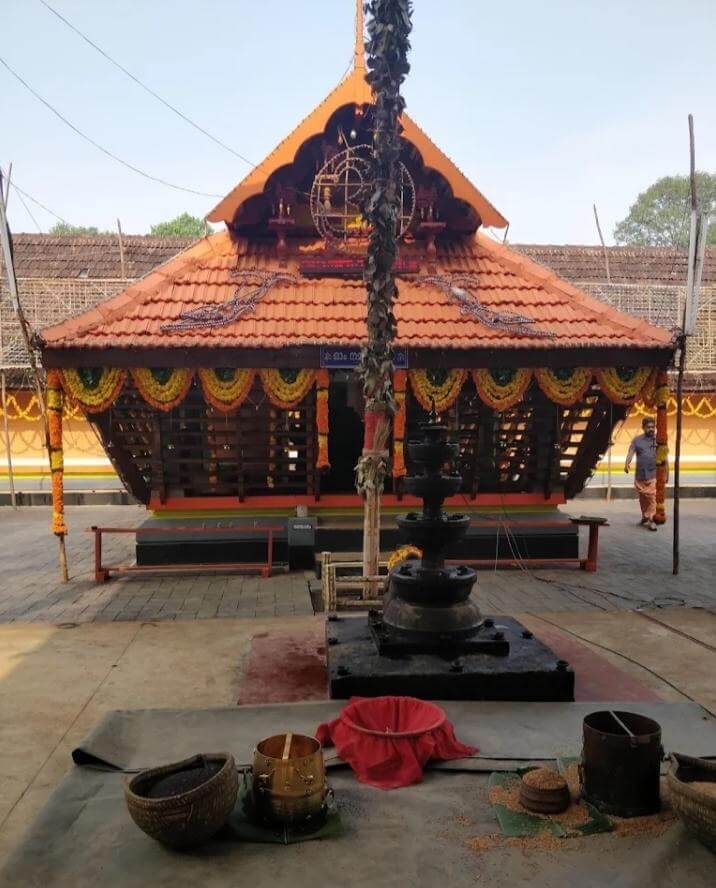 Bilva leaves are the only exception. Lord Mahadeva is known here as ‘Rinmochaka’, the one who listens to the prayers of devotees and blesses them by removing their physical and spiritual debts, illnesses, financial difficulties and other hardships. There is also a legend about the origin of the temple’s name. It is believed that ‘Cheranalloor’ comes from ‘Cheraan Nalla Ooru’, meaning ‘a suitable place to come together and unite’.
When viewed from the road, the temple is located close to the Periyar River, with greenery surrounding the temple premises. In front of the main entrance is a medium-sized Anakkottil, which is used for festivals and other ceremonies. After passing the Anakkottil and entering through the main entrance, the first structure seen is the Balikkalpura, which houses a large Balikkallu. The Chuttambalam and other structures of the temple have traditional Kerala-style tiled roofs. The Nalambalam is larger than those of many other temples and features traditional wood carvings and craftsmanship. Next to the Nalambalam is the Thidappalli, where offerings for the Lord are prepared, which has also been renovated. Directly in front of the Sreekovil is a square-shaped Namaskara Mandapam. It was built in earlier times for Brahmins to sit, chant mantras and for other purposes.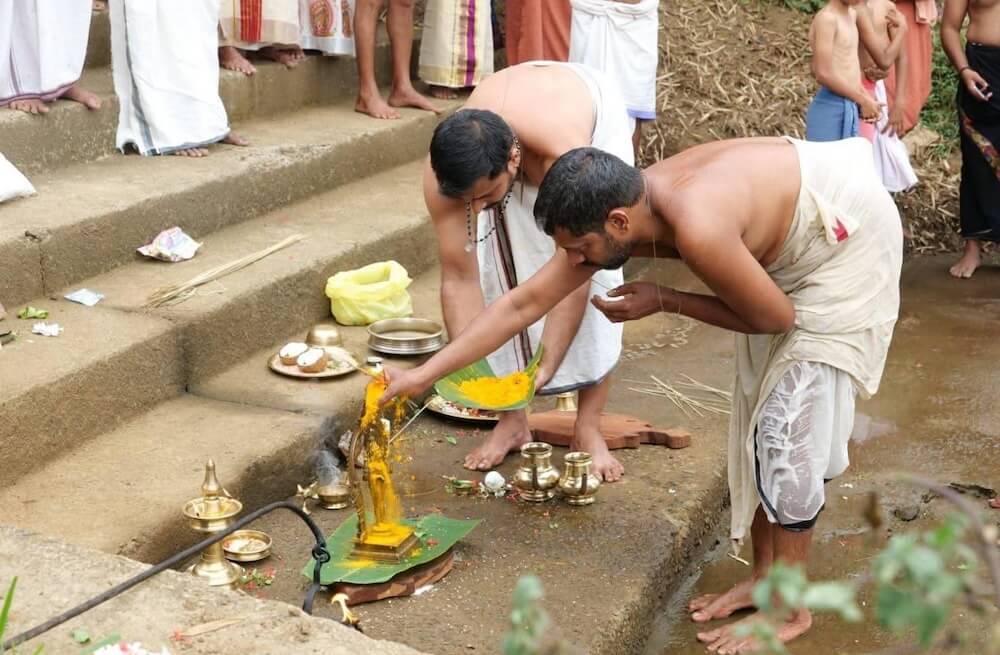
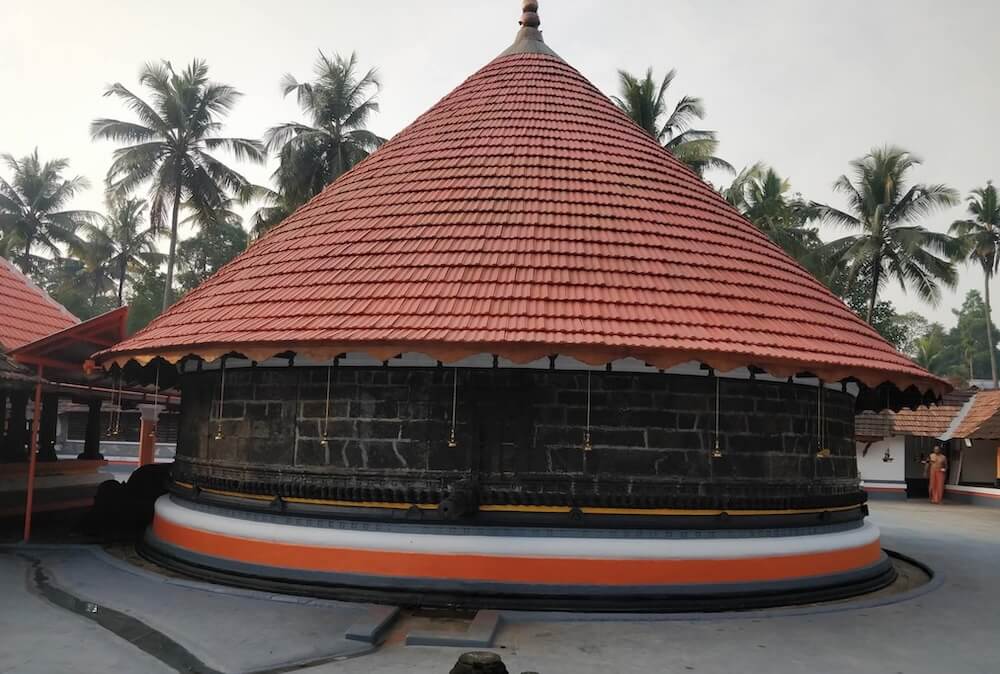
The temple has a circular Sreekovil, a feature found in only a few temples in Kerala. This circular Sreekovil, which is a fine example of medieval Kerala craftsmanship, faces east. The main deity faces the nearby Periyar River. The circular Sreekovil has a two-tiered roof, with the lower tier having a larger diameter and the upper tier a smaller diameter. Both tiers are covered with copper sheets. The Adhishtana, or base of the Sreekovil, is made entirely of carved granite. The stone steps leading to the Sreekovil, known as Sopanam, have curved designs and feature a carved Vyali face in an ancient style. At the centre of the Sreekovil, the main deity is a Shiva Lingam made of black granite, installed in the sanctum. The deity is worshipped as ‘Rinmochaka Moorthi’.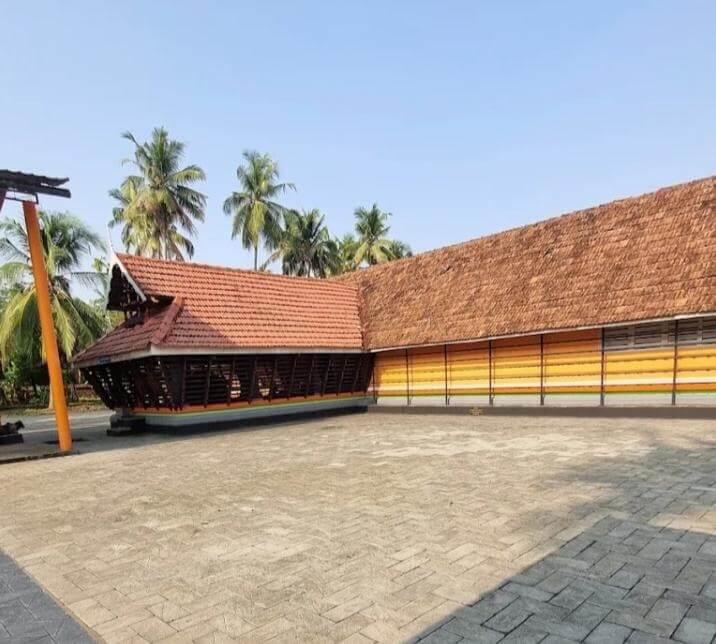
Lord Ganesha is installed in the Kannimoola (South-West corner) of the main Sreekovil, facing east. Lord Dharmasastha / Ayyappa is installed in a separate Sreekovil outside the Nalambalam, in the South-East corner of the temple. Shiva Bhoothas, the attendants of Lord Shiva, are also worshipped at specific places within the temple.
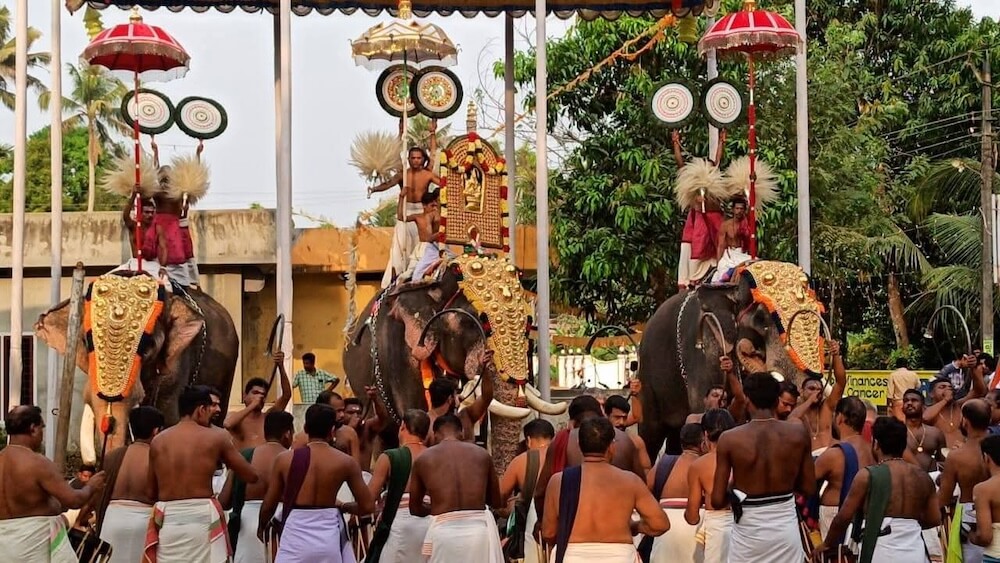
The main annual festival of the temple is celebrated in the Malayalam month of Kumbham (February–March). The festival usually lasts for eight days, beginning with the Kodiyettam and ending with the Aarattu. During the festival, special Tantric poojas and abhishekams are performed for the Lord, along with elephant processions, traditional music, Panchavadyam, various cultural programmes and fireworks, organised on a large scale by the local community. 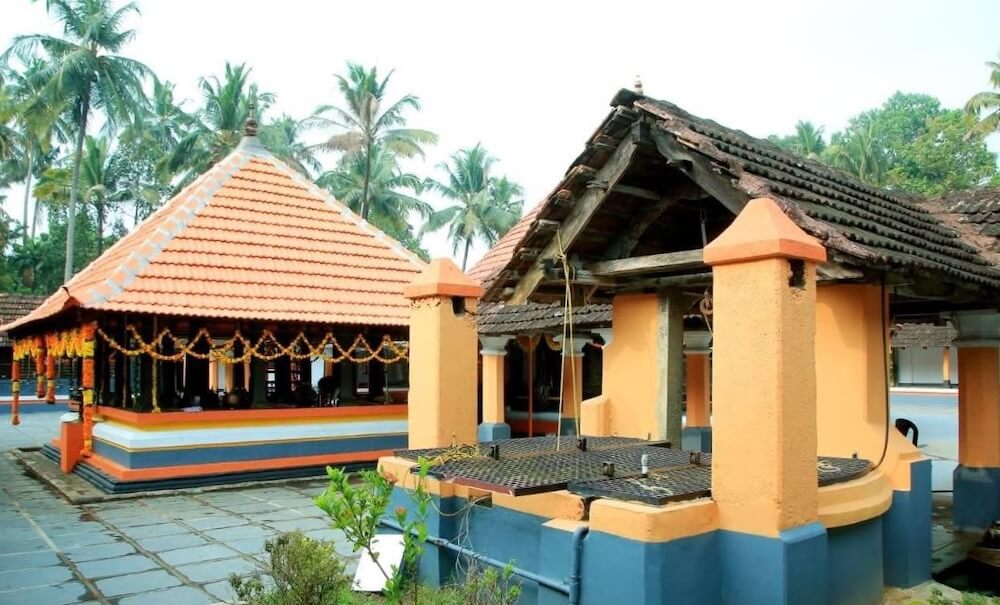 As this is a Shiva temple, Maha Shivaratri is also one of the main special occasions. On this day, many devotees arrive from early morning, and continuous Neyyabhishekam, Dhara and special Pushpanjali are performed for the Lord. Devotees also observe the Shivaratri fast and stay awake throughout the night as part of the observance. The 41-day Mandala season, from the first day of Vrischikam to the 11th day of Dhanu (November–December), is also observed as a special period at the temple. During this period, a special Vrischika Mahotsavam is held, along with Mandala Vilakku poojas and special Saturday poojas for the sub-deity, Lord Ayyappa.
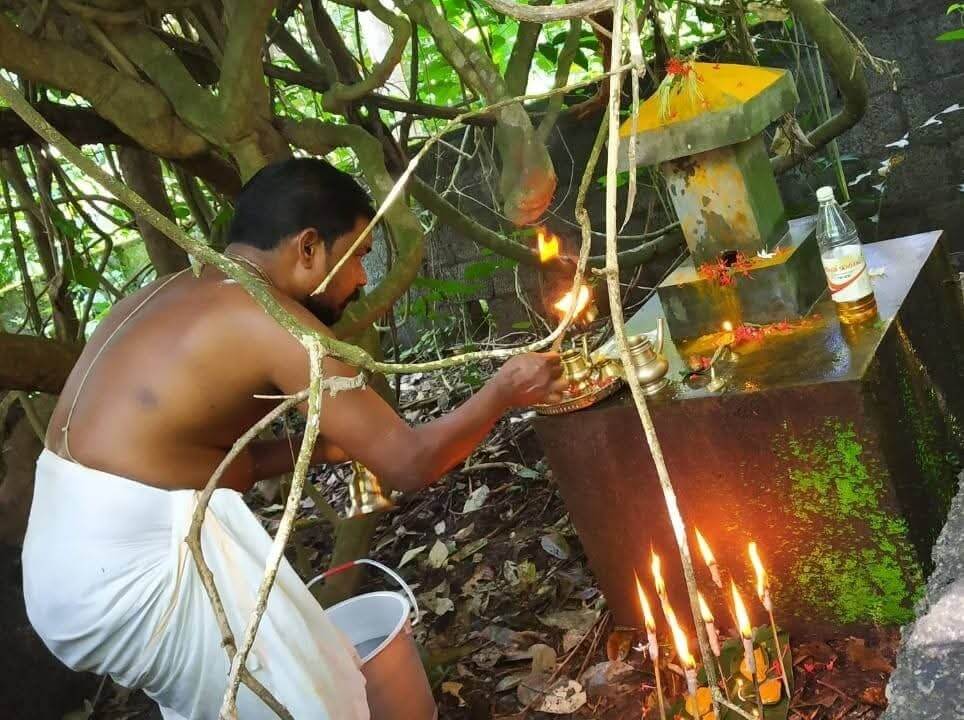 Special Pradosha poojas and processions of the Lord are held on Pradosha days every month. The Thiruvathira star in the month of Dhanu is also observed as a special occasion. During the Malayalam month of Karkidakam (July–August), Ramayana recitation and a special Laksharchana are also conducted for the Lord.
One of the most famous offerings at the temple is Rinmochana Pushpanjali. Devotees especially perform this offering to seek relief from financial difficulties, mental distress and family problems. Dhara is also performed to provide a cooling effect to the Lord’s ascetic form. Karippodi Dhara, Neyyu Dhara and Elaneer Dhara are the main types of Dhara offered.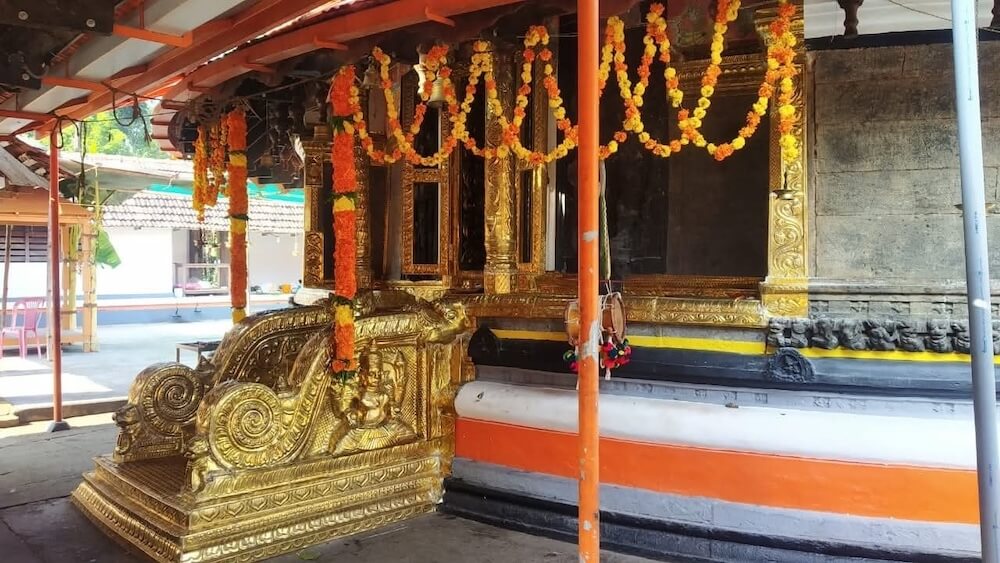 Dhara is believed to be beneficial for relief from astrological difficulties and for good health and longevity. Kuvvalamala Samarpanam, in which a garland made of Kuvvalam leaves, which are considered dear to the Lord, is offered, is believed to be beneficial for healing and fulfilment of wishes. Other fragrant flowers are not generally used here. Shankhabhishekam is a special abhishekam performed using sacred water taken in a conch and offered to the Lord. Pinvilakku, in which a lamp is lit behind the Sreekovil in the concept of Goddess Parvati, is performed by devotees to seek relief from difficulties related to marriage. Special offerings are also performed for the sub-deities.
 For Lord Ganesha, Ganapathi Homam is performed daily to remove obstacles, while Appam Moodal is conducted on special days. For relief from the adverse effects of Shani and to overcome obstacles related to employment, the main offerings to Lord Ayyappa on Saturdays are Elluvilakku, Neeranjanam and Kashaya Nivedyam.
The daily poojas at the temple begin at 04:30 AM with Palli Unarthal. At 05:00 AM, the temple opens for Nirmalya Darshan and Abhishekam. Usha Pooja is performed at 07:00 AM, followed by Ucha Pooja at 10:30 AM. The temple closes for the morning at 11:00 AM. In the evening, it reopens at 05:30 PM, followed by Deeparadhana at 06:30 PM. At 07:30 PM, Athazha Pooja and Thrippuka are performed, after which the temple closes. The evening Deeparadhana time may vary slightly depending on the time of sunset. On special occasions such as Maha Shivaratri, the annual festival and the Mandala season, the temple may open earlier in the morning.
Key highlight :-
- Located 6 km from Kalady and 13 km from Angamaly.
- The nearest railway station is Angamaly railway station, about 13 km away.
- 15 km from Cochin International Airport.
- Local bus facilities are available to the temple.
- Private vehicles can be parked in the temple’s parking area.
- Accommodation and food facilities are available in the nearby towns.
- Contact number +91 4842649024
चेरनल्लूर श्री महादेव मंदिर
चेरनल्लूर पूर्व, जिला। एर्नाकुलम.
मंदिरे
Temples
मंदिर
મંદિરો
கோவில்கள்
దేవాలయాలు
ക്ഷേത്രങ്ങൾ
ದೇವಾಲಯಗಳು
মন্দিরসমূহ
ਮੰਦਿਰ
-
श्री परमारा देवी मंदिर एर्नाकुलम उत्तर, कचेरीपाडी, जि. एर्नाकुलम.
अधिक माहितीSree Paramara Devi Temple Ernakulam North, Kacheripady, Dist. Ernakulam.
View Detailsश्री परमार देवी मंदिर एर्नाकुलम उत्तर, कचेरीपाडी, जिला। एर्नाकुलम.
विवरण देखेंSree Paramara Devi Temple Ernakulam North, Kacheripady, Dist. Ernakulam.
વિગત જુઓSree Paramara Devi Temple Ernakulam North, Kacheripady, Dist. Ernakulam.
விவரங்களைக் காண்கSree Paramara Devi Temple Ernakulam North, Kacheripady, Dist. Ernakulam.
వివరాలను చూడండిSree Paramara Devi Temple Ernakulam North, Kacheripady, Dist. Ernakulam.
വിശദാംശങ്ങൾ കാണുകSree Paramara Devi Temple Ernakulam North, Kacheripady, Dist. Ernakulam.
ವಿವರಗಳನ್ನು ವೀಕ್ಷಿಸಿSree Paramara Devi Temple Ernakulam North, Kacheripady, Dist. Ernakulam.
বিস্তারিত দেখুনSree Paramara Devi Temple Ernakulam North, Kacheripady, Dist. Ernakulam.
ਵੇਰਵੇ ਦੇਖੋ -
वलंजंबलम श्रीदेवी मंदिर वलंजम्बलम, एर्नाकुलम दक्षिण, जि. एर्नाकुलम.
अधिक माहितीValanjambalam Sree Devi Temple Valanjambalam, Ernakulam south, Dist. Ernakulam.
View Detailsवलंजम्बलम श्री देवी मंदिर वलंजम्बलम, एर्नाकुलम दक्षिण, जिला। एर्नाकुलम.
विवरण देखेंValanjambalam Sree Devi Temple Valanjambalam, Ernakulam south, Dist. Ernakulam.
વિગત જુઓValanjambalam Sree Devi Temple Valanjambalam, Ernakulam south, Dist. Ernakulam.
விவரங்களைக் காண்கValanjambalam Sree Devi Temple Valanjambalam, Ernakulam south, Dist. Ernakulam.
వివరాలను చూడండిValanjambalam Sree Devi Temple Valanjambalam, Ernakulam south, Dist. Ernakulam.
വിശദാംശങ്ങൾ കാണുകValanjambalam Sree Devi Temple Valanjambalam, Ernakulam south, Dist. Ernakulam.
ವಿವರಗಳನ್ನು ವೀಕ್ಷಿಸಿValanjambalam Sree Devi Temple Valanjambalam, Ernakulam south, Dist. Ernakulam.
বিস্তারিত দেখুনValanjambalam Sree Devi Temple Valanjambalam, Ernakulam south, Dist. Ernakulam.
ਵੇਰਵੇ ਦੇਖੋ -
श्रीसंथाना गोपाला श्रीकृष्ण स्वामी मंदिर एरूर दक्षिण, त्रिपुनिथुरा, जि. एर्नाकुलम.
अधिक माहितीSree Santhana Gopala Sree Krishna Swamy Temple Eroor South, Tripunithura, Dist. Ernakulam.
View Detailsश्री संथाना गोपाल श्री कृष्ण स्वामी मंदिर एरूर साउथ, त्रिपुनिथुरा, जिला। एर्नाकुलम.
विवरण देखेंSree Santhana Gopala Sree Krishna Swamy Temple Eroor South, Tripunithura, Dist. Ernakulam.
વિગત જુઓSree Santhana Gopala Sree Krishna Swamy Temple Eroor South, Tripunithura, Dist. Ernakulam.
விவரங்களைக் காண்கSree Santhana Gopala Sree Krishna Swamy Temple Eroor South, Tripunithura, Dist. Ernakulam.
వివరాలను చూడండిSree Santhana Gopala Sree Krishna Swamy Temple Eroor South, Tripunithura, Dist. Ernakulam.
വിശദാംശങ്ങൾ കാണുകSree Santhana Gopala Sree Krishna Swamy Temple Eroor South, Tripunithura, Dist. Ernakulam.
ವಿವರಗಳನ್ನು ವೀಕ್ಷಿಸಿSree Santhana Gopala Sree Krishna Swamy Temple Eroor South, Tripunithura, Dist. Ernakulam.
বিস্তারিত দেখুনSree Santhana Gopala Sree Krishna Swamy Temple Eroor South, Tripunithura, Dist. Ernakulam.
ਵੇਰਵੇ ਦੇਖੋ