
कडप्पत्तूर श्री महादेवाचे मंदिर
कडप्पत्तूर, पाला, जि. कोट्टायम
Kadappattoor Sree Mahadeva Temple
Kadappattoor, Pala, Dist. Kottayam
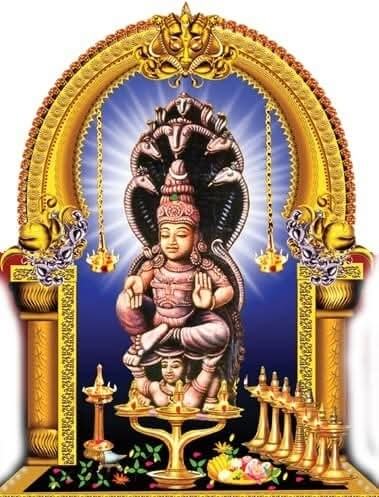 Kadappattoor Mahadeva Temple is a famous Shaiva temple located on the banks of the Meenachil River near Pala in Kottayam district, Kerala. This ancient temple, believed to be over a thousand years old, is widely regarded as a highly revered center of devotion. The main deity here is Lord Mahadeva (Shiva), lovingly worshipped as “Kadappattoorappan.” The serene spiritual atmosphere and divine ambience of the temple deeply attract devotees.
What makes this temple unique compared to other Shiva temples in Kerala is that Lord Shiva is not worshipped here in the form of a traditional Shiva Linga, but in the form of a rare sculpted idol known as the “Nagabhushana Linga.” This divine idol, intricately carved with the form of Lord Shiva, is believed to have been discovered from inside a tree. Because of its uniqueness, Kadappattoor Mahadeva Temple is considered one of the most special Shiva temples in Kerala. The temple is also a sacred place where one can experience both devotion and Kerala’s traditional temple architecture and heritage. It is regarded as a must-visit pilgrimage centre for Shiva devotees.
The history of Kadappattoor Mahadeva Temple is a beautiful blend of ancient heritage and a remarkable modern discovery. The temple is believed to be over a thousand years old and gradually developed as one of the major Shaiva worship centres in central Kerala. 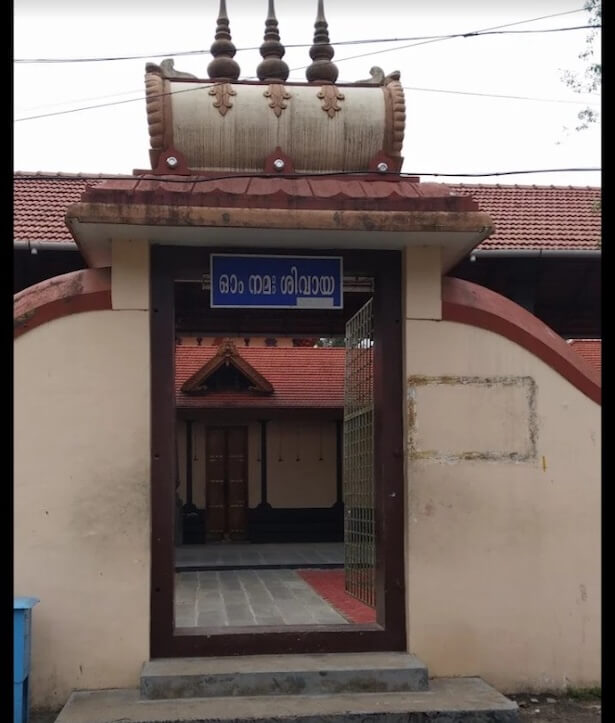 The region on the banks of the Meenachil River was once a Brahmin settlement and a center of spiritual activities. Hence, the temple gained great social, cultural, and religious importance. Over time, it developed under the patronage of local rulers and devotees, and its traditional Kerala architectural style and ancient craftsmanship still reflect its glory today.
However, the most notable historical event associated with the temple took place on July 14, 1960. While cutting a large fig tree on the banks of the Meenachil River, a rare Shiva idol known as the “Nagabhushana Linga” was discovered inside the tree. This sculpted idol of Lord Shiva, unlike the usual Shiva Linga, created great awe and devotion among people.
The news spread quickly, and many devotees began visiting the site. Later, through the collective efforts of the local people and devotees, the temple gained greater prominence. Today, Kadappattoor Mahadeva Temple is known as a sacred pilgrimage centre that blends heritage and devotion. According to the myth associated with this temple, the region has been considered a sacred land blessed by Lord Mahadeva since ancient times. 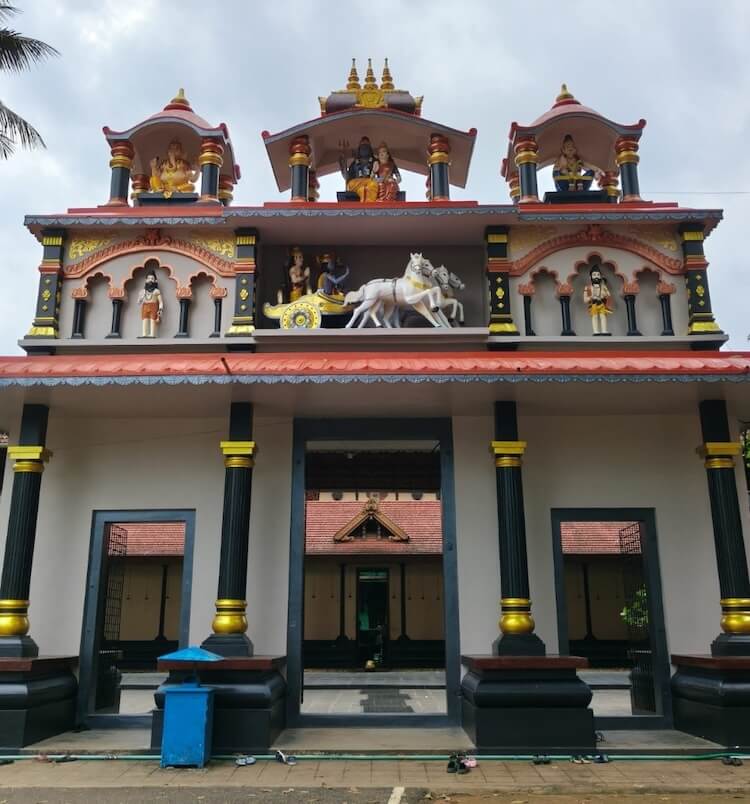 It is believed that sages and ascetics once performed penance and Shiva worship on the banks of the Meenachil River. Pleased by their devotion, Lord Shiva is believed to have manifested his divine presence here, which later became the Kadappattoor Mahadeva Temple.
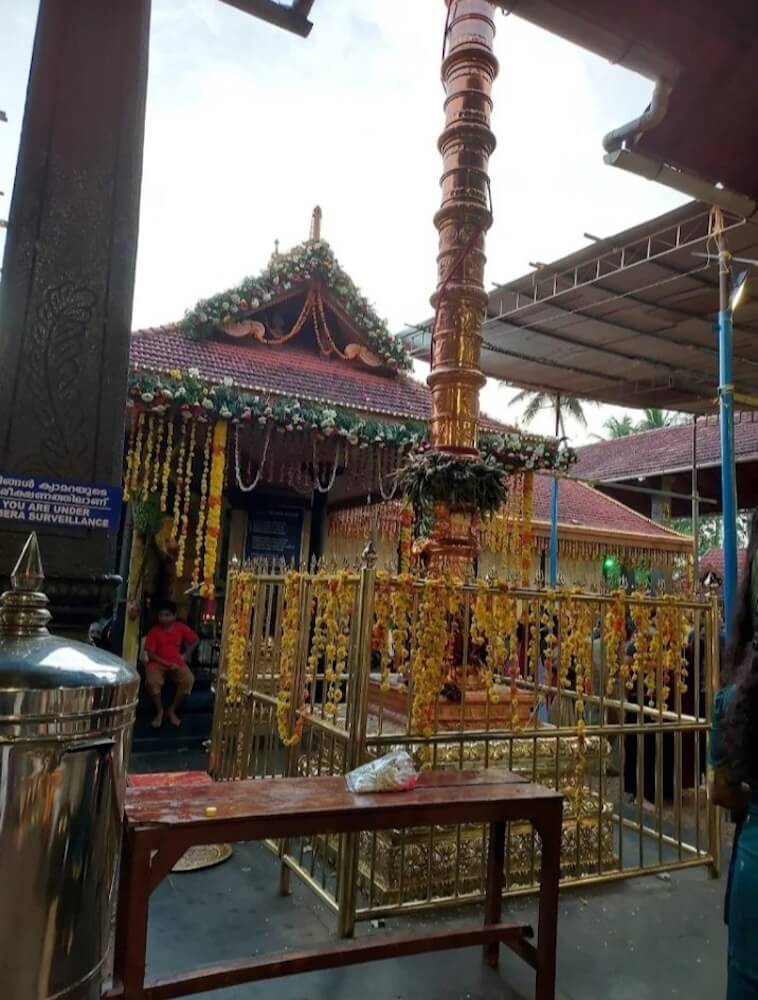
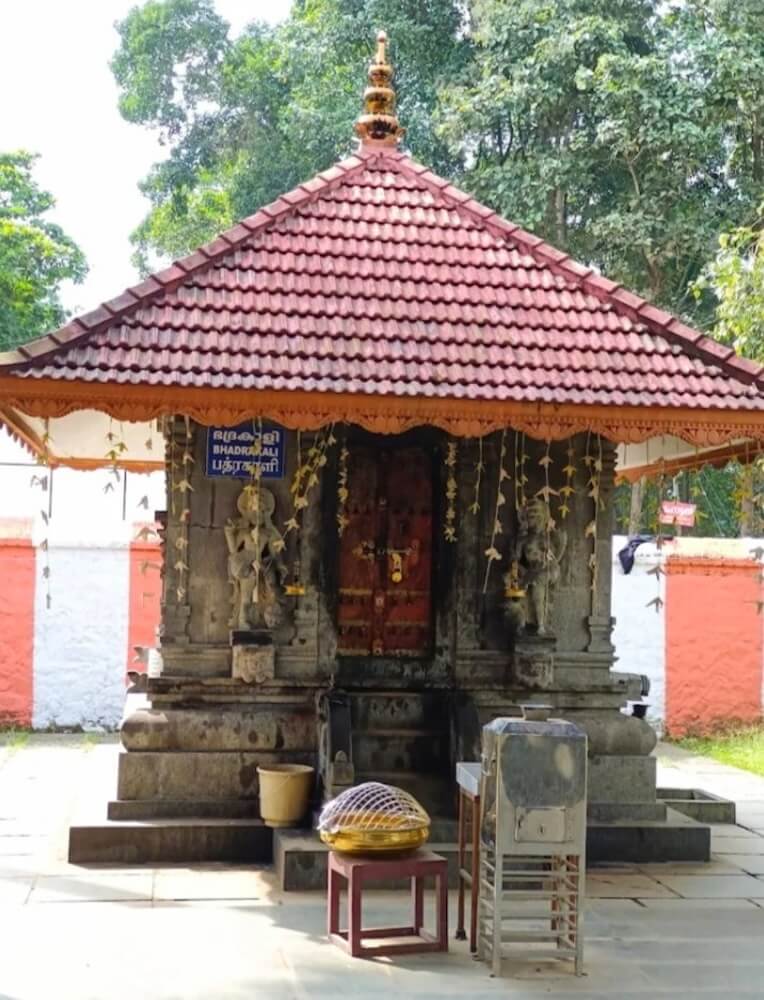
After entering through the outer wall, one first sees a vast and serene temple courtyard. The old stone walls and traditional entrance gateway create a sense of heritage and grandeur. Inside, the open space and greenery on both sides provide a peaceful experience. The tall flagstaff (dhwajastambha) stands prominently in front, along with the lamp tower and sacrificial stones. During festivals, this area becomes beautifully illuminated. Behind the flagstaff lies the chuttambalam and nalambalam, showcasing traditional Kerala wooden and stone craftsmanship. Inside the nalambalam, one experiences a deep spiritual silence. Along the path to the sanctum are sub-deities such as Lord Ganesha, Goddess Bhadrakali, Lord Ayyappa, and serpent deities. Finally, the sanctum sanctorum (Sreekovil) appears at the heart of the temple.
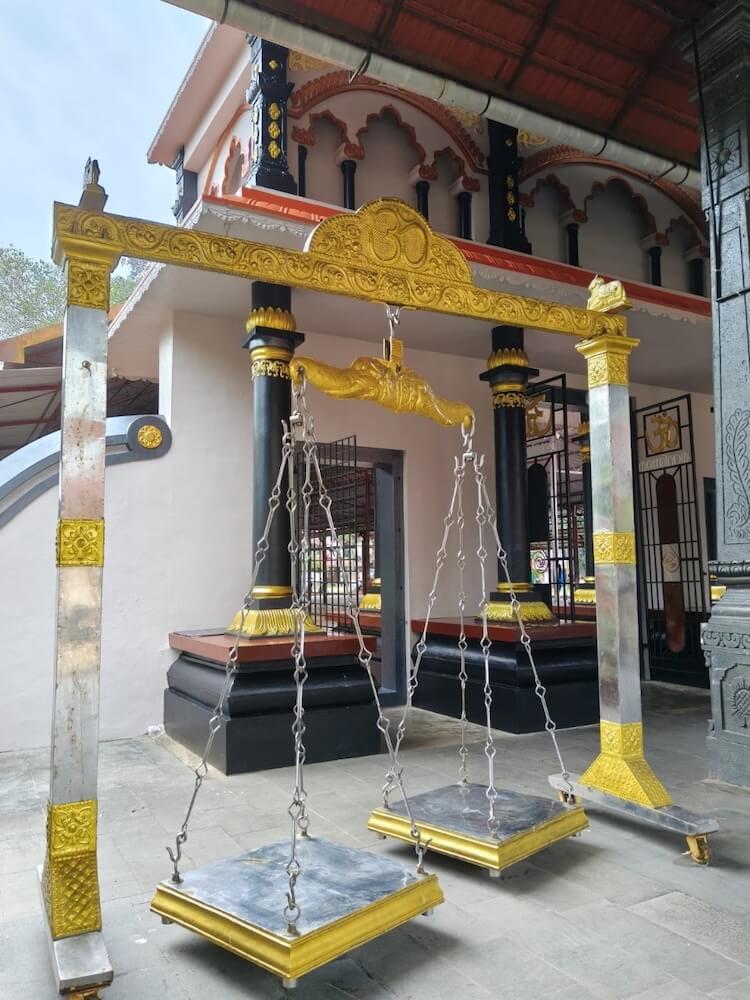
From the outside, the temple reflects the serene and grand beauty of traditional Kerala temple architecture. 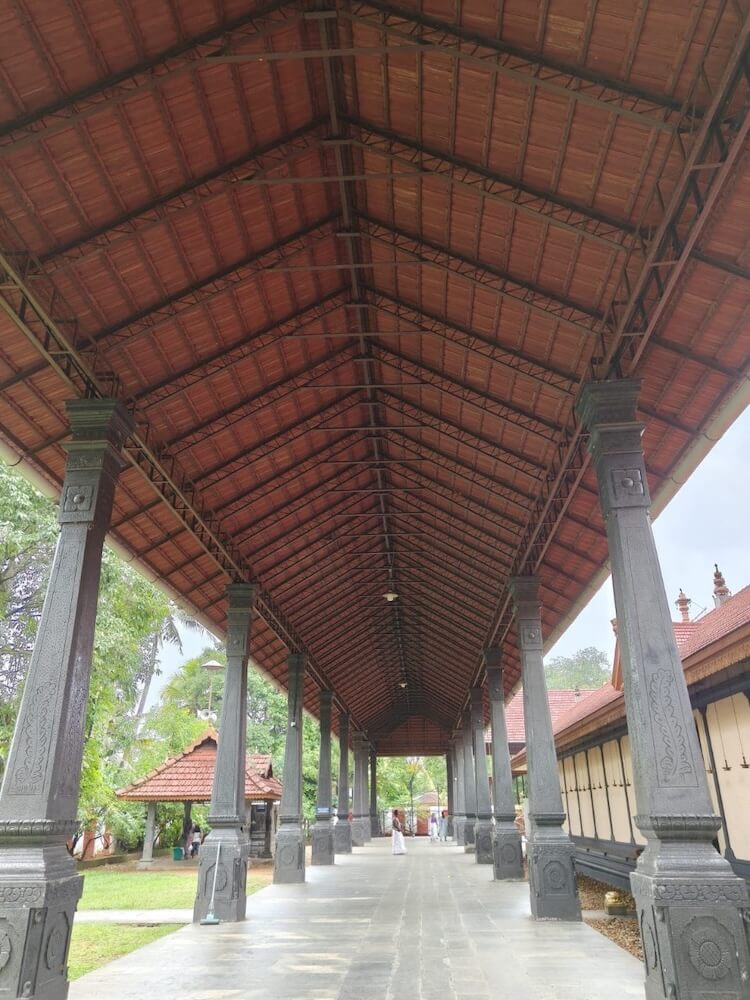 Situated amidst the natural beauty of the Meenachil River, the temple is surrounded by greenery and a peaceful environment that creates a deep spiritual experience for devotees. The ancient compound walls and traditional entrance gateway reflect its heritage significance. The sloping tiled roof in Kerala style and wooden craftsmanship are notable features. The flagstaff (kodimaram) and the lamp tower (deepasthambham) immediately catch the attention of visitors. The wide open courtyard and the peaceful surroundings make the temple a centre of devotion and tranquility. At night, when the lamps are lit, the temple becomes even more divine and beautiful.
The Sreekovil is a fine example of traditional Kerala temple architecture. It is built on a raised platform with a square structure and a sloping roof made of copper sheets or tiles. The wooden walls and ancient carvings enhance its grandeur. The nalambalam and chuttambalam together create a divine and peaceful atmosphere. The beauty of the Sreekovil becomes even more divine under the glow of oil lamps. The main uniqueness of this temple lies in its deity. Unlike typical Shiva temples where Lord Shiva is worshipped in the form of a Shiva Linga, here the deity is enshrined in the rare sculpted form known as the “Nagabhushana Linga.” The divine form of Shiva is intricately carved, and the presence of lamps, bells, and incense creates a deeply spiritual experience.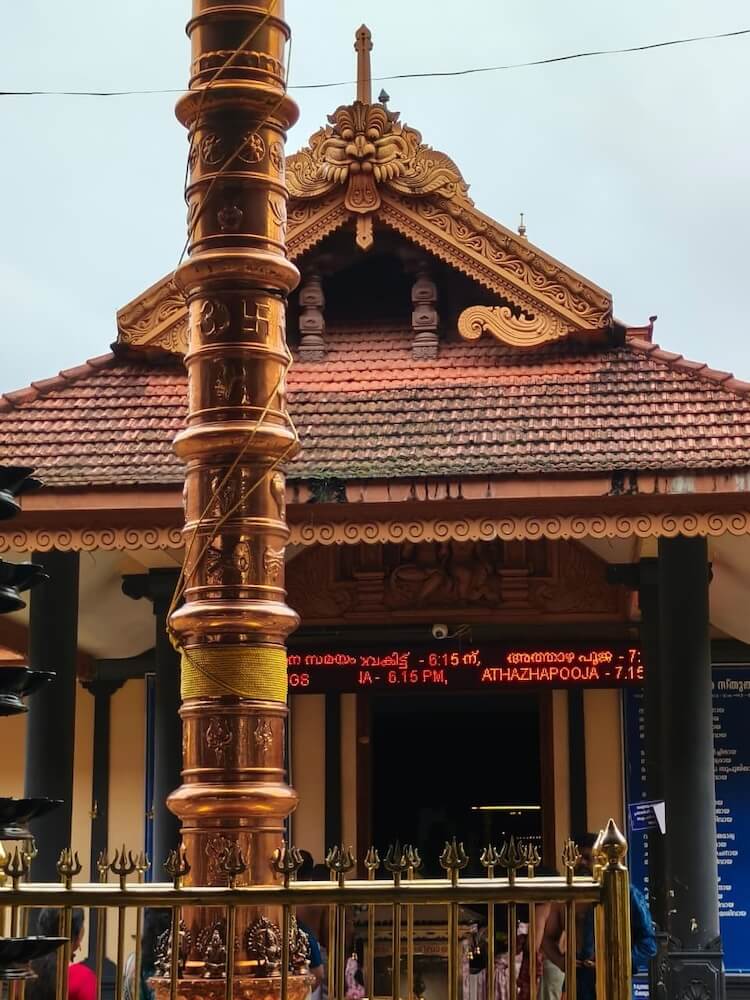
The most important festival here is Maha Shivaratri. On this day, special abhishekam, Rudra chanting, deepa aradhana, bhajans, and night-long vigil are conducted with great devotion. Many devotees observe fasting and come for worship. The “Mahadeva Vilakku,” celebrated in the Malayalam month of Meenam, is the main annual festival of the temple. It lasts for several days and includes special rituals, processions, lamp displays, cultural programs, and fireworks. During the festival, the entire temple complex becomes vibrant and devotional. In addition, special days include Vrischika month Mondays, Pradosham, monthly Shivaratri, and Thiruvathira. During the Dhanu month, many Sabarimala pilgrims visit the temple, making it a spiritually significant period.
Temple darshan and rituals usually begin early in the morning. The temple opens at around 5:00 AM for Nirmalya Darshan and abhishekam. Morning rituals continue and are completed by around 10:30 to 11:00 AM, after which the temple closes for the afternoon. In the evening, the temple reopens at around 5:00 PM for deepa aradhana and evening rituals. After darshan and prayers, the temple closes at around 8:00 PM. During special occasions and festivals, timings may vary slightly.
The main offerings of Kadappattoor Mahadeva Temple are deeply rooted in Shiva worship traditions. The most important is Rudrabhishekam, where the deity is bathed with water, milk, honey, and ghee accompanied by sacred chanting. Another important offering is Dhara, the continuous pouring of water over the Shiva Linga. Other common offerings include Pushpanjali, Mala Pooja, Sarkara Payasam, Neyvilakku, Ganapathi Homam, and Naga Pooja. Devotees perform these offerings for fulfillment of wishes and good health.
Key highlight
- Located at 3 km away from Pala town and 25 km away from Kottayam.
- Nearest railway station is Ettumanoor railway station.
- State Transport ( KSRTC ) and local bus facilities available from Kadappattoor to many cities in the state.
- Private vehicles can reach the temple’s parking area.
- Accommodation and food facilities are available in this vicinity.
- Contact number: 04822 212448
कडप्पट्टूर श्री महादेव मंदिर
कडप्पट्टूर, पाला, जिला। कोट्टायम
मंदिरे
Temples
मंदिर
-
आदित्यपुरम सूर्यदेव मंदिर आदित्यपुरम, कडूथुरुथी, जि. कोट्टायम.
अधिक माहितीAdithyapuram Sooryadeva Temple Adithyapuram, Kaduthuruthy, Dist. Kottayam.
View Detailsआदित्यपुरम सूर्यदेव मंदिर आदित्यपुरम, कडुथुरूथी, जिला। कोट्टायम.
विवरण देखें -
एत्तुमनूर महादेवाचे मंदिर एत्तुमनूर, जि. कोट्टायम
अधिक माहितीEttumanoor Mahadeva Temple Ettumanoor, Dist. Kottayam
View Detailsएट्टुमानूर महादेव मंदिर एट्टुमानूर, जिला। कोट्टायम
विवरण देखें -
थाळीतील महादेवाचे मंदिर थाळथांगडी, जि. कोट्टायम
अधिक माहितीThaliyil Mahadeva Temple Thazhathangady, Dist. Kottayam
View Detailsथालियिल महादेव मंदिर थज़थंगाडी, जिला। कोट्टायम
विवरण देखें