
कोचीन थिरुमाला देवस्वोम मंदिर
चेरलाई, मत्तनचेरी, जि. एर्नाकुलम.
Cochin Thirumala Devaswom Temple
Cherlai, Mattancherry, Dist. Ernakulam.
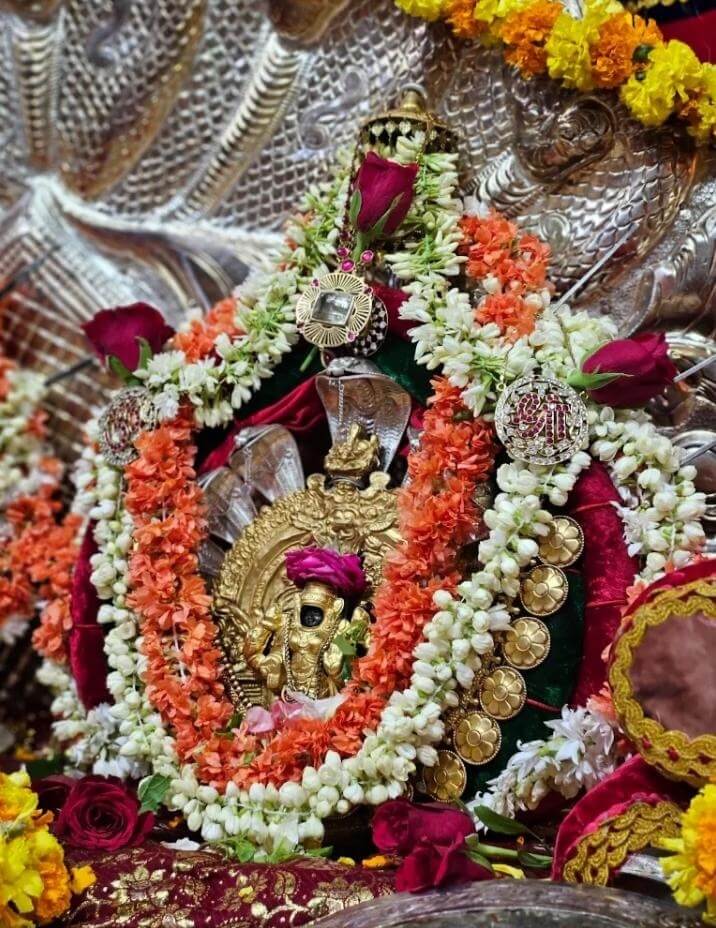
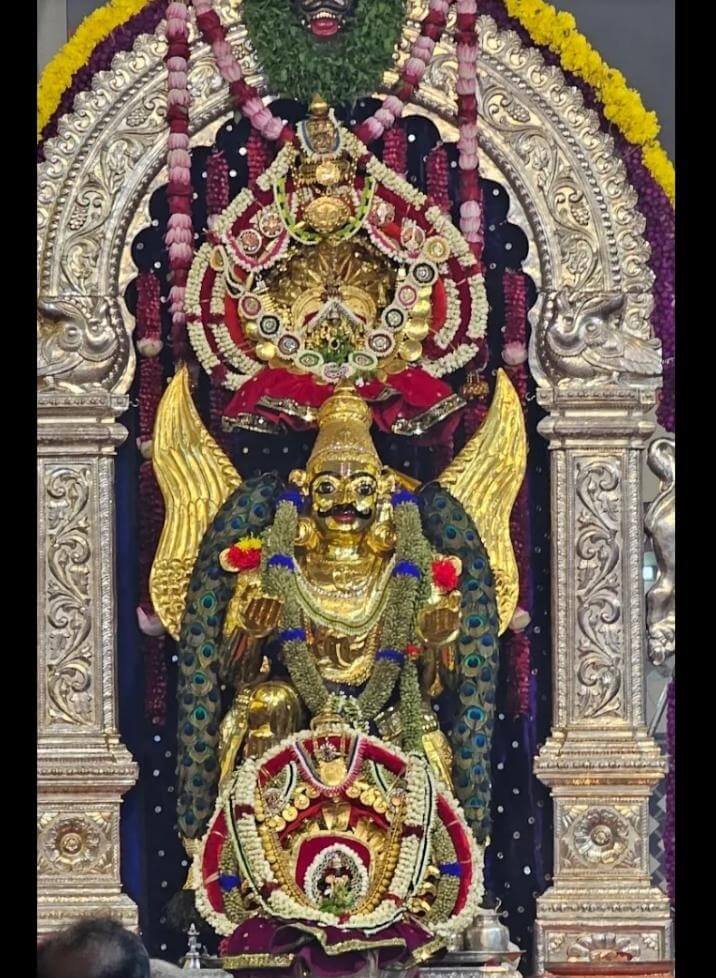 Cochin Thirumala Devaswom, also known as Goshreepuram, is located at Cherlai in Mattancherry, Kochi. It is one of the largest and most important social and religious institutions of the Gaud Saraswat Brahmin (GSB) community in Kerala. Established in the late sixteenth century, this historic temple is closely connected with the history and heritage of the GSB community in the state. The main deity is Lord Venkatachalapathy (Lord Mahavishnu). For centuries, the temple has served as an important centre of worship, culture and community life for the GSB community and remains a significant part of Kochi’s religious and cultural heritage.
During Portuguese rule in Goa, increasing religious persecution and forced conversions led many Gaud Saraswat Brahmin (GSB) families to migrate to Kochi in the mid-sixteenth century. The King of Kochi at the time, Keshava Rama Varma (reigned 1565–1601), granted them land at Cherlai in Mattancherry and allowed them to settle and carry on their trade. In 1599, the community built the first Thirumala Temple for worship and installed the idol of Lord Venkatachalapathy (Lord Mahavishnu), which they had safely brought from Goa. Over the centuries, the temple became the main religious and social centre of the Gaud Saraswat Brahmin community in Kerala.
In 1662, the Portuguese attacked and destroyed the temple, but the devotees safely moved the main idol to Udayamperoor before the attack. 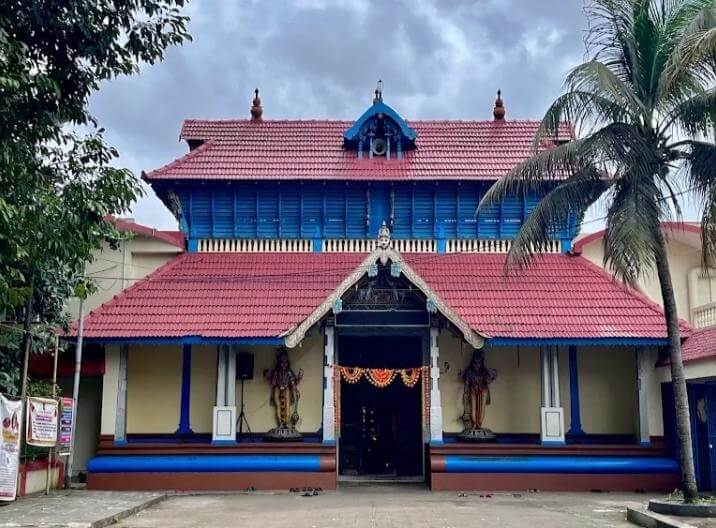 In 1663, after the Dutch captured Kochi from the Portuguese, the GSB community returned to Mattancherry and rebuilt the temple with the support of the Dutch authorities. The idol was ceremonially reinstalled in 1719. Later, following a dispute during the reign of Sakthan Thampuran, the idol was moved to Alappuzha in 1791. After remaining there for 62 years, it was brought back in a grand procession and reinstalled at the Mattancherry temple in 1853. The temple was extensively renovated in 1881, giving it much of its present appearance, including the famous large bronze bell.
Several legends associated with the temple have been passed down through generations. According to one of the most well-known traditions, in the fifteenth century, Lord Venkatachalapathy appeared in a dream to Saluva Narasimha Raya, the ruler of the Vijayanagara Empire. 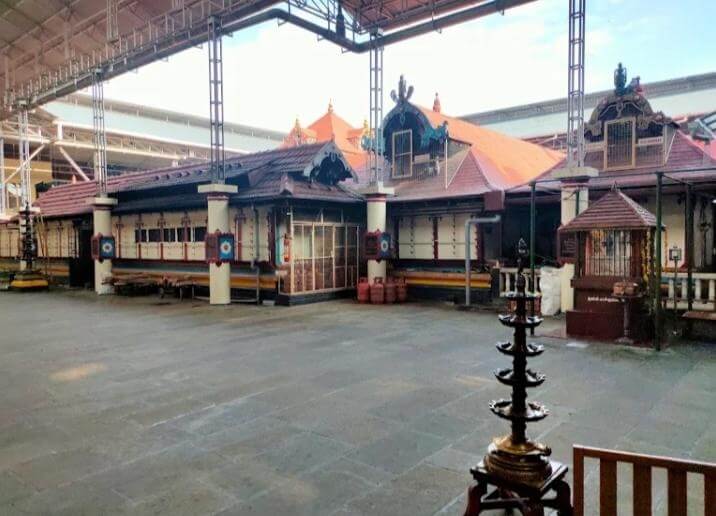 It is believed that the Lord later appeared in the form of a divine sculptor and manifested Himself as the idol. After the fall of the Vijayanagara Empire, the idol was hidden in a well for safety. According to tradition, its location was later revealed in a dream to Sri Vijayendra Tirtha Swamiji of the Kumbakonam Math, who recovered the idol and presented it to the Gaud Saraswat Brahmin community in Kochi. It is also believed that, just before the consecration in 1599, black crows flying over the temple were regarded as an inauspicious sign and the ceremony was postponed before being completed later after the prescribed rituals. Another popular legend says that during the Dutch period, the main idol mysteriously disappeared and was found a few days later on the Kochi seashore.
 The idol was kept for a short time at the Dutch Governor’s residence before being returned to the devotees and ceremonially reinstalled in the temple.
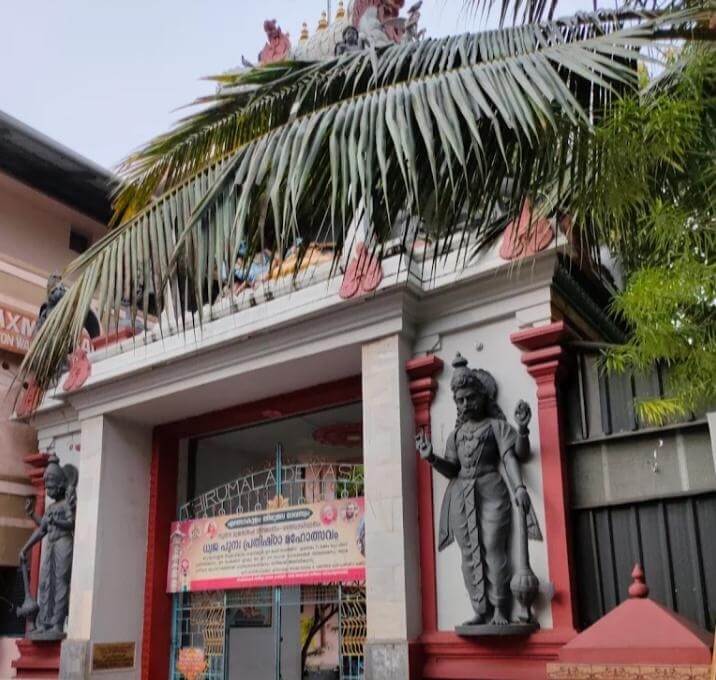
The temple’s architecture is a unique blend of traditional Kerala and Konkan–Goan temple styles. Its most striking feature is the South Indian-style Rajagopuram (entrance tower), decorated in deep red and white, which is clearly visible from the main street of Mattancherry. In front of the temple is the large Swami Pushkarini (temple tank), with a beautiful pavilion at its centre. A spacious Aanappanthal (covered hall) with finely carved pillars stands near the entrance. Inside the temple, visitors are greeted by a massive bronze bell on the left, regarded as one of the largest temple bells in India. The traditional Nalambalam (inner courtyard) and rows of oil lamps reflect the Kerala temple style, while the marble and granite flooring and decorative pillars add to the grandeur of the complex. Facing the main sanctum is the 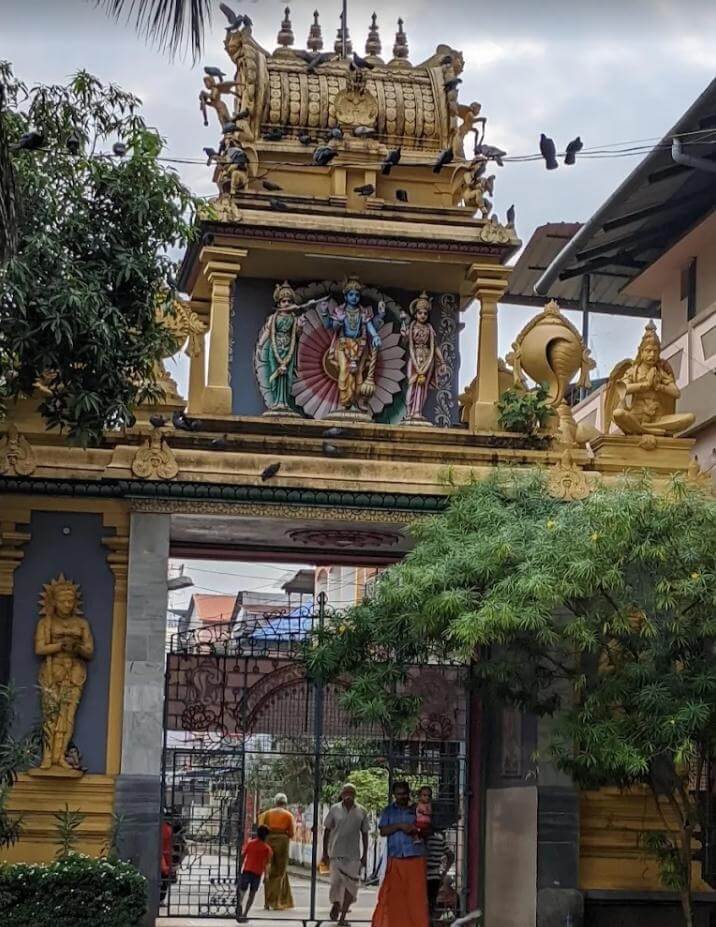
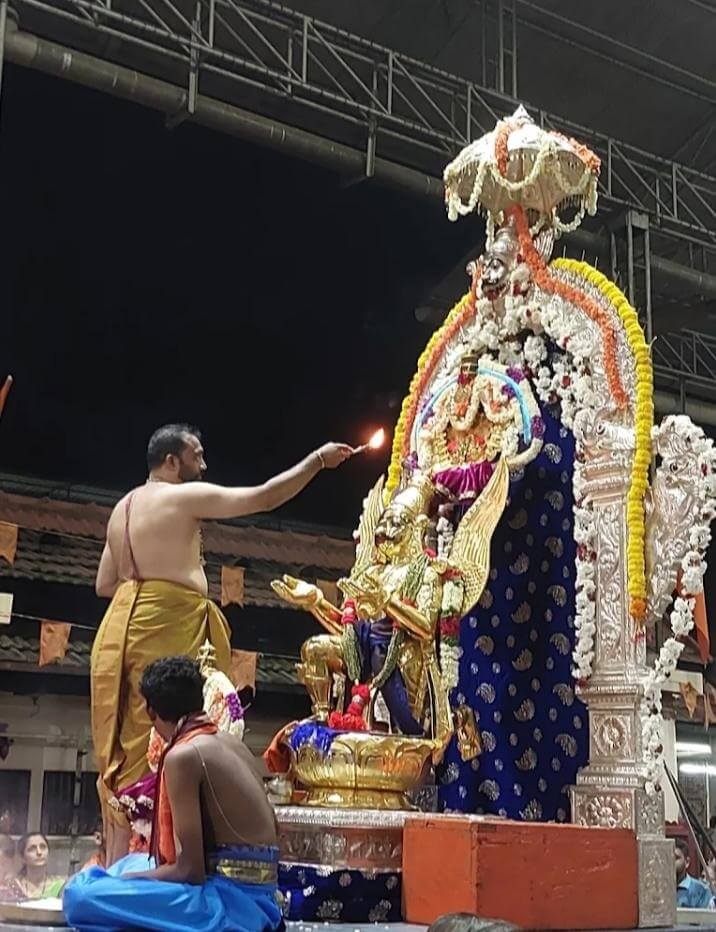
The Sreekovil (sanctum sanctorum) is built in the North Indian Nagara style, with a tower-like Vimana rising above it. The roof is covered with copper sheets and crowned with a golden finial. The entrance doors of the sanctum are richly decorated with gold and silver carvings depicting scenes from the Dashavatara (the ten incarnations of Lord Mahavishnu). The ceiling of the Namaskara Mandapam in front of the sanctum features finely carved wooden panels illustrating episodes from the Ramayana, Mahabharata and Bhagavata. Inside the sanctum, the main deity, Lord Venkatachalapathy, along with Sridevi and Bhudevi, is enshrined on a beautifully carved five-tiered stone pedestal. The lower tiers house the Utsava Murtis (festival idols), Utsava Lakshmi and sacred Salagramas. The sanctum is illuminated only by the soft glow of traditional ghee lamps made of gold, silver and bronze. Shrines dedicated to Lord Vighneshwara (Ganesha), Lord Hanuman and Lord Garuda are also located within the temple complex. Outside the Nalambalam are separate shrines for Mahalakshmi, Manja Bhagavathi, the Brindavan (memorial shrine) of Sri Vijayendra Tirtha Swamiji and a Naga shrine, all of which are important places of worship within the temple.
The temple’s major annual festivals include the eight-day Mahotsavam, held during March–April and the Rathotsavam, 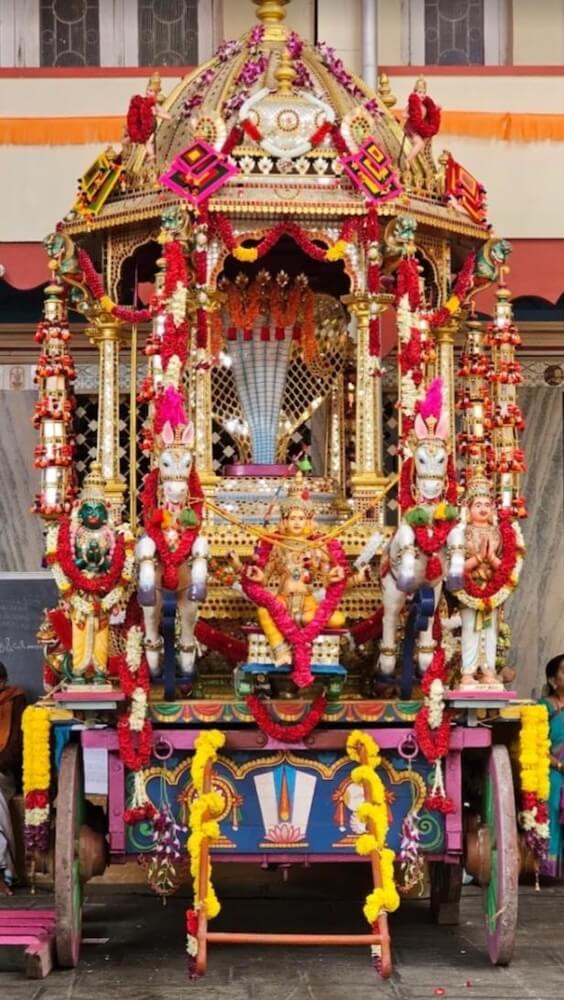 celebrated during November–December. Both festivals begin with the ceremonial Dhwajarohanam (flag hoisting) of the Garuda flag and conclude on the eighth day with the Arattu (holy bath ceremony) in the temple tank. On the seventh day of the Rathotsavam, the idol of Lord Venkatachalapathy is taken in a grand procession through the streets on a beautifully decorated wooden chariot known as the Pushpaka Vimanam, attracting large number of devotees. Another unique feature of the temple is the celebration of Manjakuli (Okuli), held during the North Indian festival of Holi, when devotees joyfully celebrate with turmeric water and coloured powders. The temple also observes important Vaishnavite festivals such as Navaratri, Mahanavami, Utthana Ekadashi (Vaikuntha Ekadashi), Deepavali, Garuda Panchami and Vinayaka Chaturthi with special rituals and prayers.
The temple offers a variety of vazhipadus (devotional offerings). Chandanam Charthal (sandalwood paste offering) is performed to seek the Lord’s blessings, peace of mind and the fulfilment of wishes. Suvarna Pallaki Pooja (Golden Palanquin Pooja) is offered for family prosperity, well-being and as an act of thanksgiving. Tulasi Mala Samarpanam (offering of a garland of holy basil) and Sahasranamarchana are performed for good health, prosperity, family welfare and divine blessings. Devotees also offer Tirupati Laddu, Appam, Payasam and Vada as Nivedyam, which are later received as Prasadam. Among the subsidiary shrines, the Salt Offering to Manja Bhagavathi, along with black pepper, is made by devotees praying for relief from skin diseases and other health problems. Venna Charthal (butter offering) to Lord Hanuman is performed for peace of mind and protection from fear, while Vada Mala is offered to seek strength, courage and protection from negative influences. 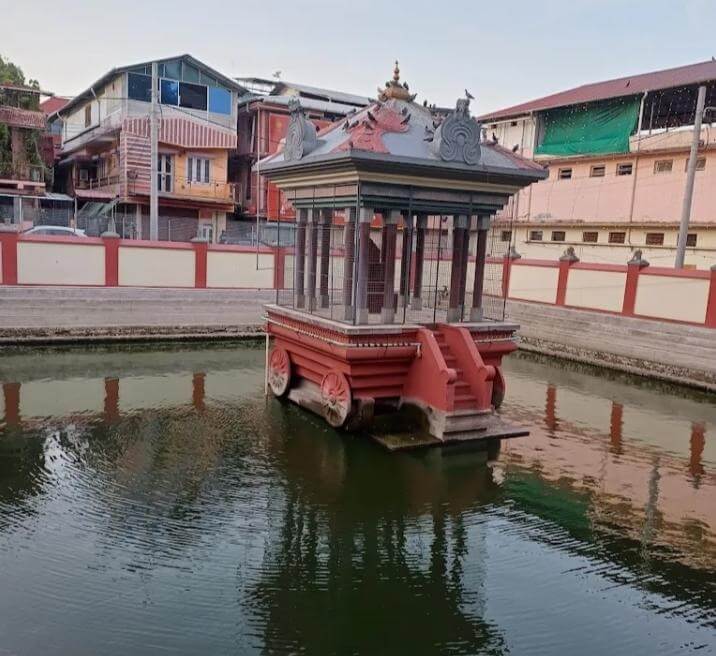 Karuka Mala and Modakam are offered to Lord Ganesha for the removal of obstacles, success in new ventures, progress in education and the well-being of the family.
The temple opens at 06:00 AM with Nirmalya Darshanam, when devotees have the first darshan of the deity before the previous day’s flower garlands and decorations are removed. This is followed by Abhishekam at 06:30 AM, Nivedyam at 07:30 AM and the main morning Pooja and Deeparadhana at 08:30 AM. The Ucha Pooja with Maha Nivedyam is performed at 11:30 AM, after which the temple closes at 12:30 PM. The temple reopens at 06:00 PM, followed by Deeparadhana at 06:45 PM. The evening ceremony, accompanied by the ringing of the large bronze bell and the offering of Karpoora Arati, is one of the most significant moments of the day. Athazha Pooja and Nivedyam are performed at 08:15 PM and the temple closes at 09:00 PM after the Shekhara Pooja. Pooja timings may vary slightly on festival days, Saturdays and other special occasions.
Key highlight :-
- Located 3 km from Fort Kochi and 10 km from Ernakulam Town.
- The nearest railway station is Ernakulam Junction, about 10 km away.
- The nearest airport is Cochin International Airport, about 28 km away.
- KSRTC and local bus services are available to the temple from Ernakulam.
- Private vehicles can be parked in the temple’s parking area.
- Accommodation and food facilities are available near the temple.
- Contact number +91 4842225459
कोचीन थिरुमाला देवास्वोम मंदिर
चेरलाई, मट्टनचेरी, जिला। एर्नाकुलम.
मंदिरे
Temples
मंदिर
મંદિરો
கோவில்கள்
దేవాలయాలు
ക്ഷേത്രങ്ങൾ
ದೇವಾಲಯಗಳು
মন্দিরসমূহ
ਮੰਦਿਰ
-
श्री लक्ष्मी नारायण मंदिर कुंबलम, जि. एर्नाकुलम.
अधिक माहितीSree Lakshmi Narayana Temple Kumbalam, Dist. Ernakulam.
View Detailsश्री लक्ष्मी नारायण मंदिर कुम्बलम, जिला. एर्नाकुलम.
विवरण देखेंSree Lakshmi Narayana Temple Kumbalam, Dist. Ernakulam.
વિગત જુઓSree Lakshmi Narayana Temple Kumbalam, Dist. Ernakulam.
விவரங்களைக் காண்கSree Lakshmi Narayana Temple Kumbalam, Dist. Ernakulam.
వివరాలను చూడండిSree Lakshmi Narayana Temple Kumbalam, Dist. Ernakulam.
വിശദാംശങ്ങൾ കാണുകSree Lakshmi Narayana Temple Kumbalam, Dist. Ernakulam.
ವಿವರಗಳನ್ನು ವೀಕ್ಷಿಸಿSree Lakshmi Narayana Temple Kumbalam, Dist. Ernakulam.
বিস্তারিত দেখুনSree Lakshmi Narayana Temple Kumbalam, Dist. Ernakulam.
ਵੇਰਵੇ ਦੇਖੋ -
पझूर पेरुमथ्रिककोविल महादेवाचे मंदिर पझूर, पिरावोम, जि. एर्नाकुलम.
अधिक माहितीPazhoor Perumthrikkovil Mahadeva Temple Pazhoor, Piravom, Diist. Ernakulam.
View Detailsपज़हूर पेरुमथ्रिककोविल महादेव मंदिर पज़हूर, पिरावोम, जिला। एर्नाकुलम.
विवरण देखेंPazhoor Perumthrikkovil Mahadeva Temple Pazhoor, Piravom, Diist. Ernakulam.
વિગત જુઓPazhoor Perumthrikkovil Mahadeva Temple Pazhoor, Piravom, Diist. Ernakulam.
விவரங்களைக் காண்கPazhoor Perumthrikkovil Mahadeva Temple Pazhoor, Piravom, Diist. Ernakulam.
వివరాలను చూడండిPazhoor Perumthrikkovil Mahadeva Temple Pazhoor, Piravom, Diist. Ernakulam.
വിശദാംശങ്ങൾ കാണുകPazhoor Perumthrikkovil Mahadeva Temple Pazhoor, Piravom, Diist. Ernakulam.
ವಿವರಗಳನ್ನು ವೀಕ್ಷಿಸಿPazhoor Perumthrikkovil Mahadeva Temple Pazhoor, Piravom, Diist. Ernakulam.
বিস্তারিত দেখুনPazhoor Perumthrikkovil Mahadeva Temple Pazhoor, Piravom, Diist. Ernakulam.
ਵੇਰਵੇ ਦੇਖੋ -
पट्टुपुरक्कावू देवी मंदिर त्रिक्काकारा, कक्कनड, जि. एर्नाकुलम.
अधिक माहितीPattupurakkavu Devi Temple Thrikkakara, Kakkanad, Dist. Ernakulam.
View Detailsपत्तुपुरक्कवु देवी मंदिर थ्रिक्काकारा, कक्कानाड, जिला। एर्नाकुलम.
विवरण देखेंPattupurakkavu Devi Temple Thrikkakara, Kakkanad, Dist. Ernakulam.
વિગત જુઓPattupurakkavu Devi Temple Thrikkakara, Kakkanad, Dist. Ernakulam.
விவரங்களைக் காண்கPattupurakkavu Devi Temple Thrikkakara, Kakkanad, Dist. Ernakulam.
వివరాలను చూడండిPattupurakkavu Devi Temple Thrikkakara, Kakkanad, Dist. Ernakulam.
വിശദാംശങ്ങൾ കാണുകPattupurakkavu Devi Temple Thrikkakara, Kakkanad, Dist. Ernakulam.
ವಿವರಗಳನ್ನು ವೀಕ್ಷಿಸಿPattupurakkavu Devi Temple Thrikkakara, Kakkanad, Dist. Ernakulam.
বিস্তারিত দেখুনPattupurakkavu Devi Temple Thrikkakara, Kakkanad, Dist. Ernakulam.
ਵੇਰਵੇ ਦੇਖੋ