
अरुविक्कल श्री शिव सुब्रमण्य स्वामी मंदिर
कुरविलंगड, जि. कोट्टायम
Aruvikkal Sree Shiva Subramanya Swamy Temple
Kuravilangad, Dist. Kottayam
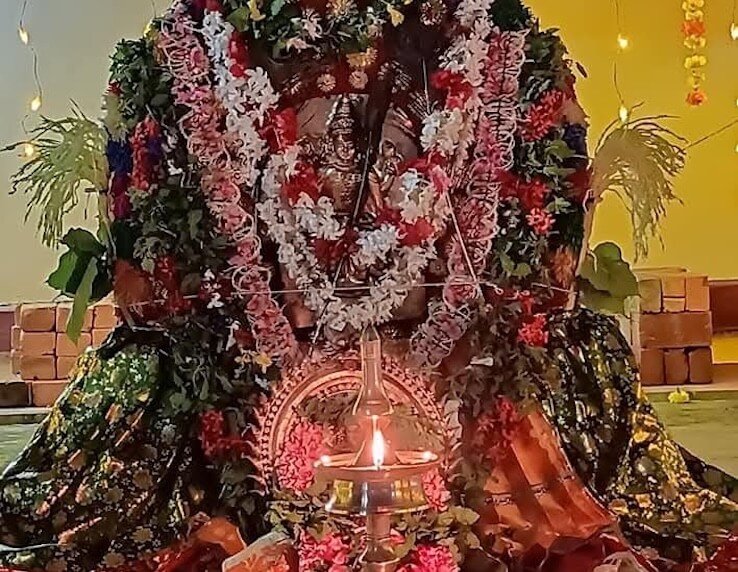 Aruvikkal Sree Shiva Subramanya Swamy Temple is one of the ancient and spiritually significant temples located near Kuravilangad in Kottayam district. Dedicated to Lord Shiva and Lord Subrahmanya Swamy, the temple is regarded as a rare centre where Shaiva and Kaumara worship traditions come together. Surrounded by peaceful rural beauty and greenery, the temple offers devotees a deeply serene spiritual atmosphere. With a history believed to span several centuries, the temple remains an important spiritual centre for devotees in the region. It is widely believed that worshipping here brings the blessings of Lord Shiva along with the divine protection of Lord Subrahmanya Swamy. Many devotees visit the temple seeking relief from serpent doshas, success in education, family prosperity and blessings for childbirth.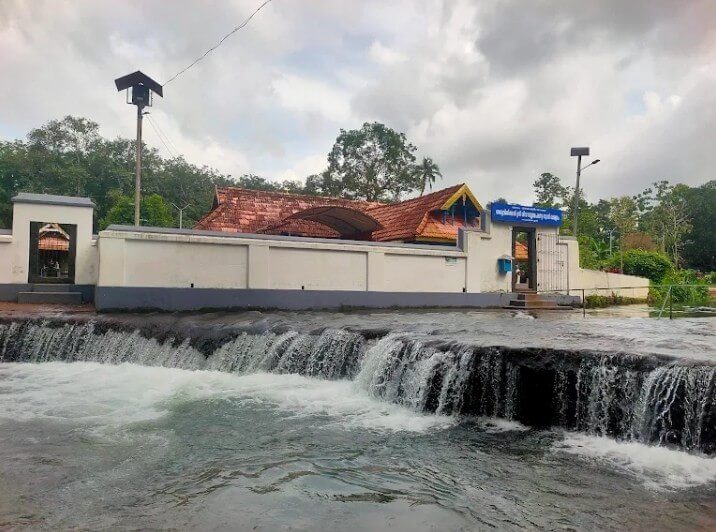
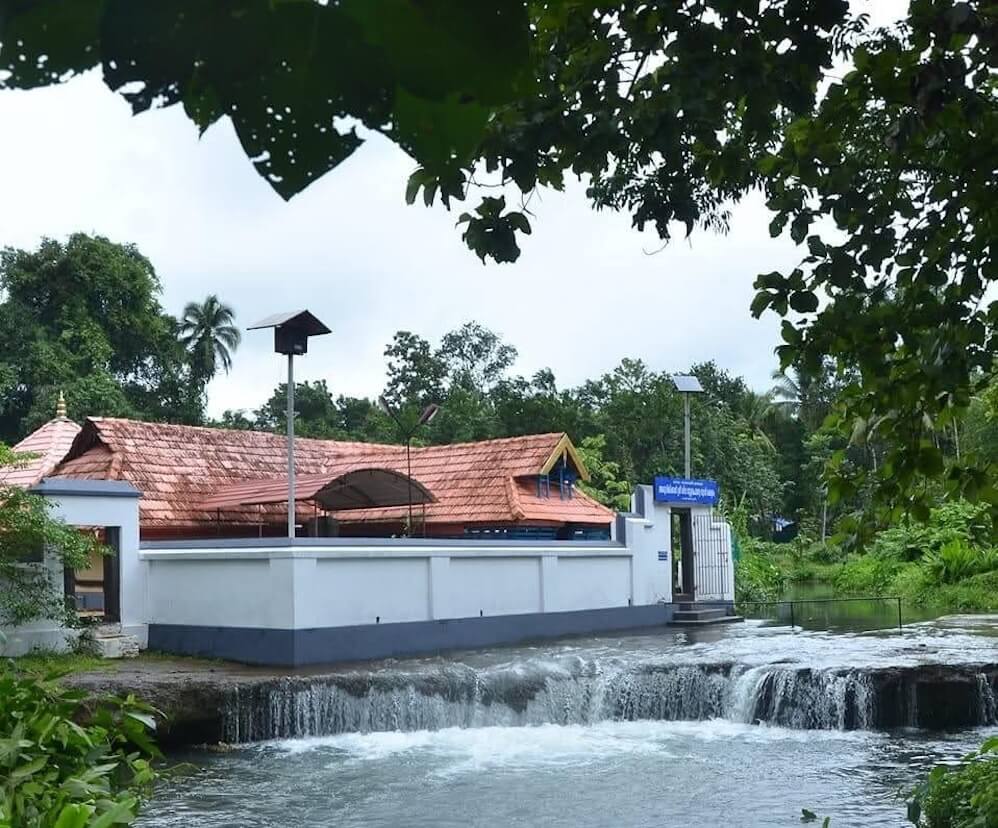
The temple blends harmoniously with nature, and one of its most striking features is the river that flows directly in front of the temple premises. This natural setting greatly enhances the temple’s spiritual charm and tranquil ambiance. The temple is believed to be over 500 years old and is considered one of the ancient Shaiva-Kaumara worship centres of the Kuravilangad region. According to local belief, only Shiva worship existed here initially, and the temple gained greater prominence after the installation of Lord Subrahmanya Swamy. It is also believed that in ancient times the area was covered with dense forests where sages and ascetics performed penance, making the site a sacred spiritual centre from early times. The name “Aruvikkal” is believed to have originated from the nearby stream or flowing water (“Aruvi”) associated with the area.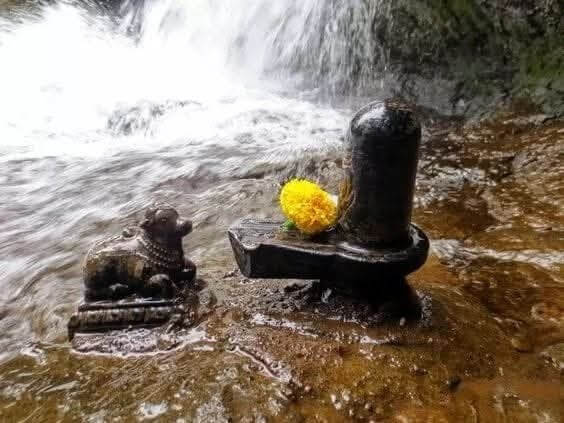 Over time, the temple developed under the protection of local ruling families and devotees. Though several renovations have taken place, the temple still preserves many features of traditional Kerala temple heritage and architecture.
A well-known local legend connected to the origin of the temple is associated with Ettumanoor Mahadeva Temple. According to the legend, the temple at Ettumanoor once became abandoned and overgrown with forest due to a curse by Lomamaharshi. Later, Vilwamangalam Swamiyar, during his travels, experienced the divine presence of Lord Shiva there and revived the worship. It is believed that during the period when worship at Ettumanoor was interrupted, Aruvikkal Temple was established as one of the nearby centers to continue Shiva worship.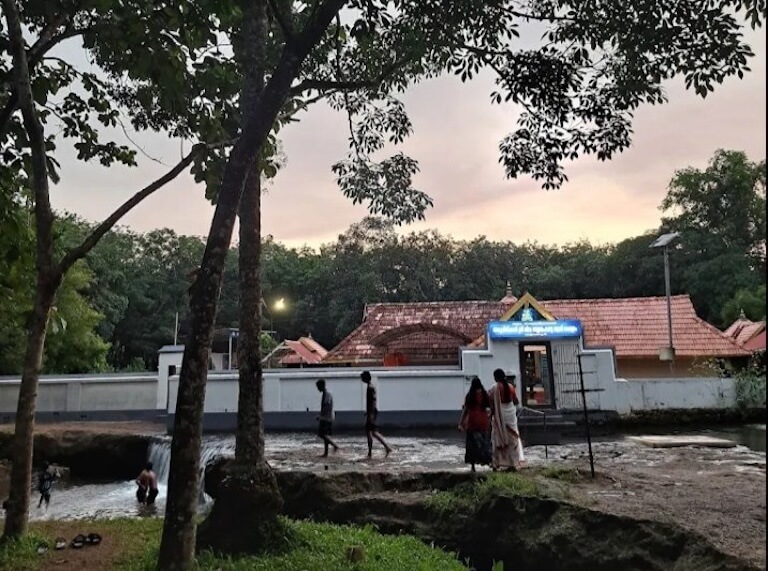 Another legend states that beneath the present temple once existed a large cave where the original worship took place. Over time, the entrance to the cave became sealed, after which the current temple structure was built above it. These stories survive mainly through oral traditions and devotional beliefs rather than documented historical records, yet they continue to hold deep spiritual significance among devotees.
These temples were once owned by the local noble family known as “Ashtamoorthi Mangalathu Moothathumars.” Later, when they were entrusted with the administration of Ettumanoor Mahadeva Temple, they shifted their residence to Ettumanoor and eventually became known as “Valyadeth Illam.” Viewed from outside, Aruvikkal Temple reflects the elegance and simplicity of traditional Kerala temple architecture. 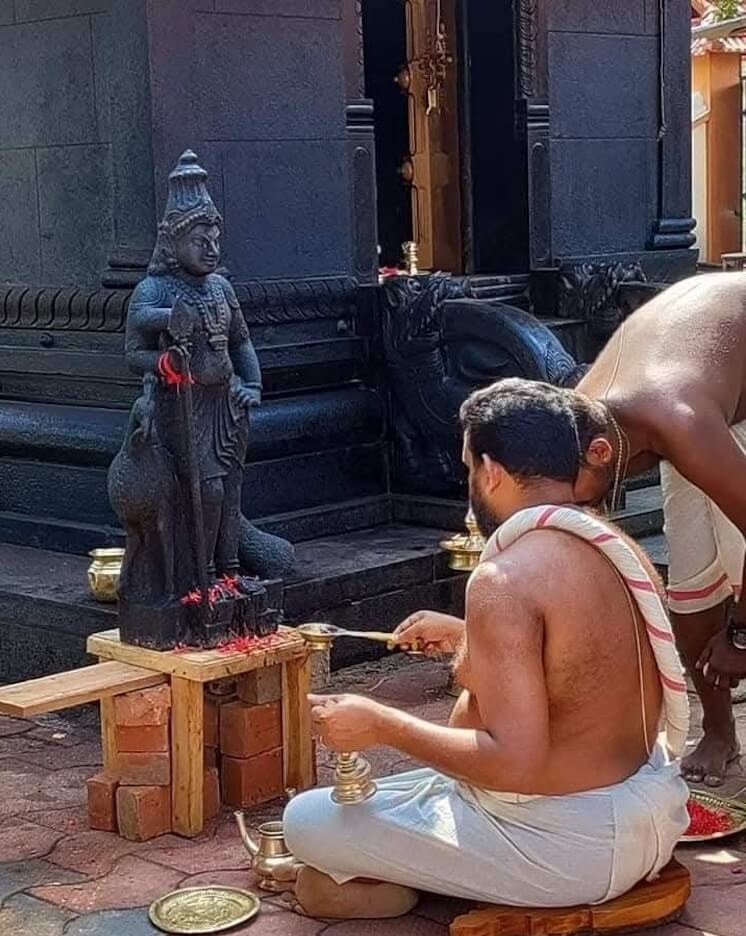 Though not grand in size or ornamentation, the temple possesses a deeply spiritual and rustic beauty. Surrounded by greenery and trees, the temple radiates peace and divine serenity. As one approaches the temple, the old temple walls and entrance structures immediately evoke a sense of antiquity. Inside, the nalambalam, traditional sloping tiled roofs and deepasthambam together create a devotional atmosphere.
Another local belief says that the temple surroundings once had a very powerful serpent presence. It is believed that people who suffered from serpent-related afflictions prayed to Lord Shiva and Lord Subrahmanya Swamy, after which peace and prosperity returned to the region. Because of this belief, serpent dosha remedies and serpent worship continue to hold great importance at the temple.
Another important legend associated with the temple is connected to Chalappilly Sree Krishna Swamy Temple. According to local belief, the Vaishnava divine presence that once existed as a sub-deity at Aruvikkal Temple was later consecrated at the nearby Chalappilly Sree Krishna Swamy Temple, located about 300 meters away. Devotees believe these two temples share a deep spiritual connection.
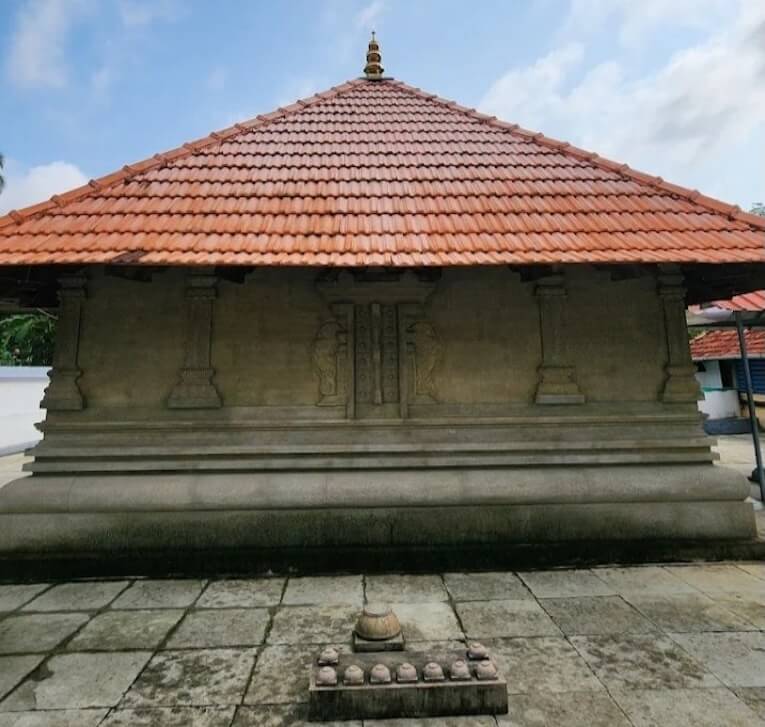
One of the temple’s greatest attractions is the river and temple bathing ghat located directly in front of it. The sight of the temple standing beside the flowing waters creates a spiritually uplifting scene.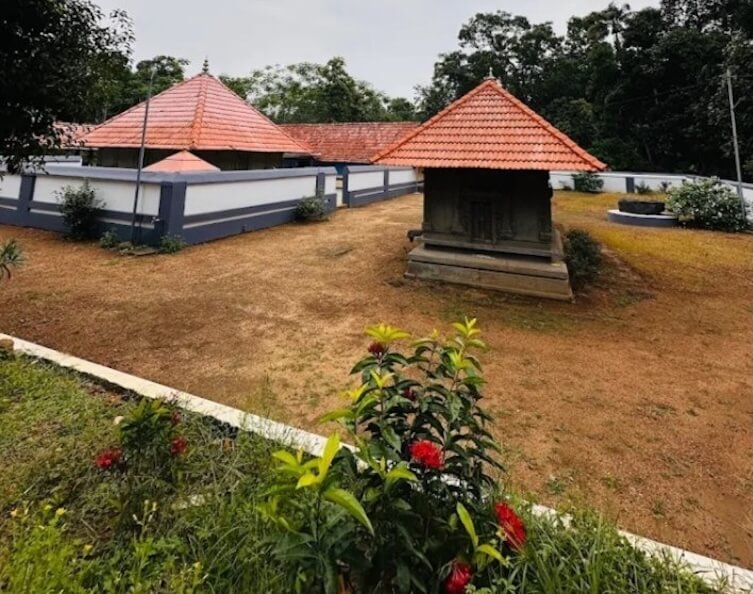 The stone steps leading down to the river add to the temple’s ancient charm. During dawn and dusk, the reflection of temple lamps upon the river during deeparadhana creates an especially mesmerising view. Crossing the entrance, devotees first encounter the peaceful temple courtyard shaded by old trees. Moving inward, the deepasthambam and balipeetam come into view. During deeparadhana, the glow of traditional oil lamps fills the atmosphere with devotion. Entering the nalambalam reveals the beauty of traditional Kerala architecture through its wooden craftsmanship and tiled roofing. Nearing the sanctum, devotees experience the divine presence of Lord Shiva and Lord Subrahmanya Swamy. The fragrance of incense, soft lamp light and silence around the sanctum create a deeply spiritual experience. The sanctum sanctorum follows traditional Kerala temple architecture Built using stone and wood, the structure preserves a simple yet ancient aesthetic.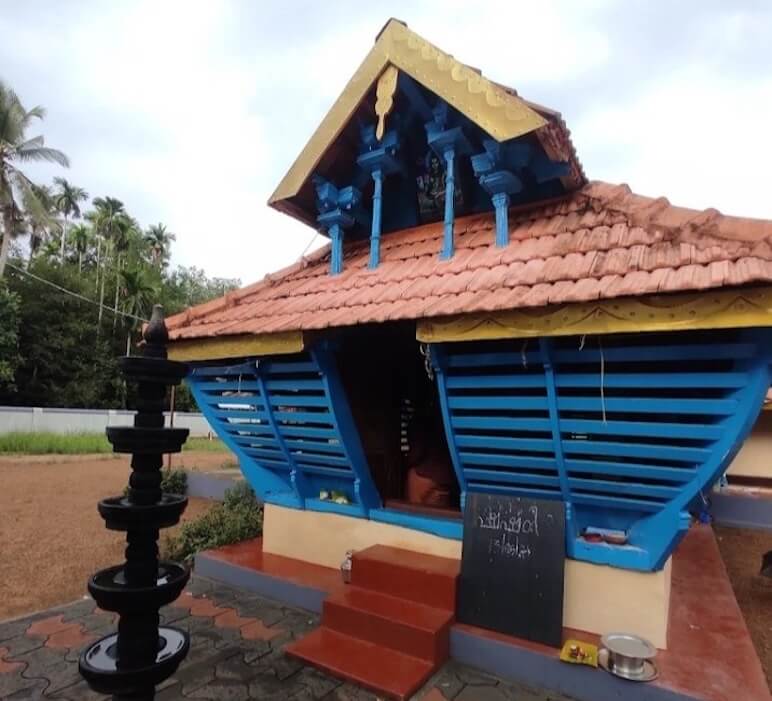
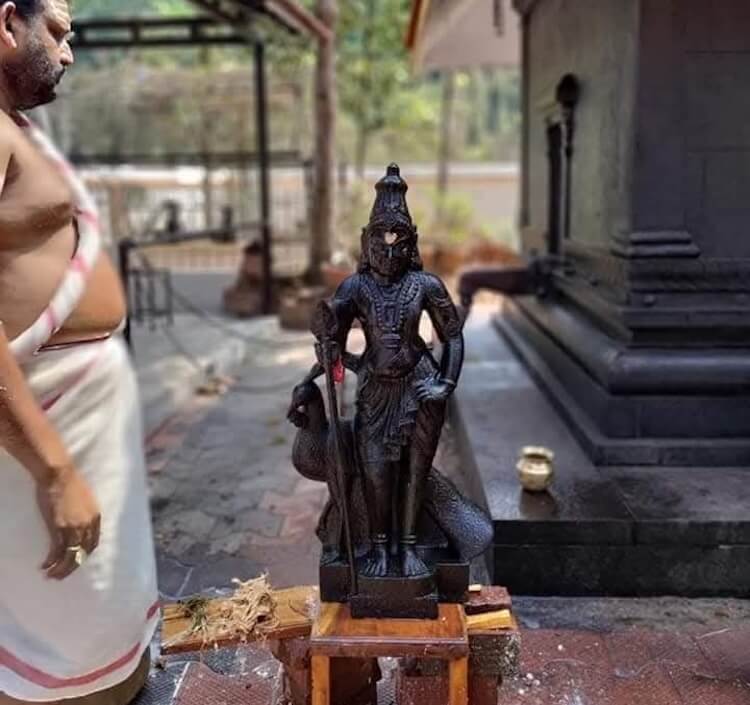
The sloping tiled roof and shrine design resemble those found in old Kerala Shiva temples. Though heavily ornate carvings are absent, delicate wooden craftsmanship and metalwork on the doors reflect the temple’s antiquity. The main sanctum houses Lord Shiva at the central position, with Lord Subrahmanya Swamy consecrated beside him. The major sub-deities of the temple include Lord Ganesha, Nagaraja and serpent deities, and Bhagavathy. The Ganesha shrine is located near the entrance, where devotees traditionally offer prayers before entering the main sanctum. The serpent shrines are situated beneath trees in the quieter areas of the temple premises, where special rituals are performed during the Ayilyam star day in the Malayalam month of Kanni. The Bhagavathy shrine is located on one side of the temple complex.
Among the temple’s most important observances, Maha Shivaratri holds special significance.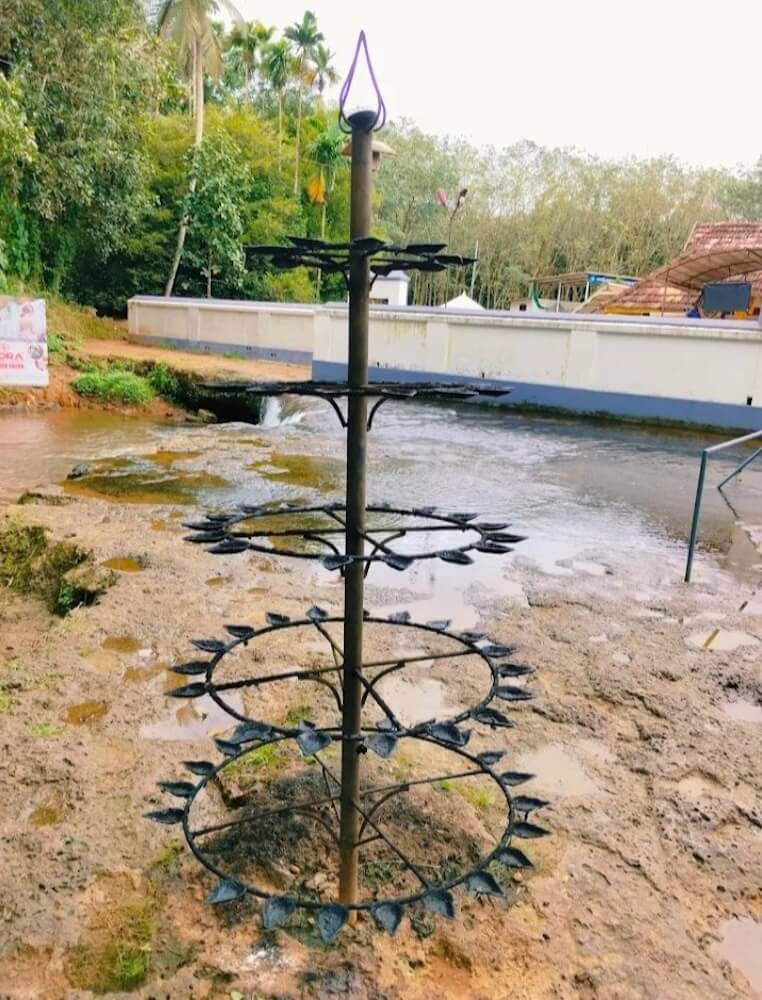 On this day, special poojas, abhishekams, bhajans, and night-long worship are conducted with great devotion. Monthly Pradosham and Thiruvathira are also observed with special Shiva worship. Festivals associated with Lord Subrahmanya Swamy such as Skanda Shashti and Thaipooyam are celebrated grandly. During the Ayilyam day in the Malayalam month of Kanni, special serpent worship rituals including Sarppabali and Noorum Paalum are conducted, attracting many devotees seeking relief from serpent doshas.
The temple is also closely connected with the annual Aarattu ritual of Chalappilly Sree Krishna Swamy Temple. On the final day of the festival, the ceremonial Aarattu takes place at the river ghat of Aruvikkal Temple. Devotees from different places gather to witness the spiritually significant meeting of Aruvikkal Mahadevan and Chalappilly Sree Krishna Swamy, regarded as the guardian deities of the Kolathur region. This is followed by deeparadhana and ceremonial lamp offerings at Aruvikkal Temple.
The temple’s main offerings include rituals related to Shiva worship, Subrahmanya worship, and serpent worship. For Lord Shiva, devotees commonly offer Dhara, Abhishekam, Rudrabhishekam, Pushpanjali, and Vilakku Vazhipadu. These offerings are especially important during Pradosham and Maha Shivaratri. For Lord Subrahmanya Swamy, offerings such as milk abhishekam, Panchamritham, Sarkkara Payasam, Kavadi, and Pushpanjali are performed. During Ayilyam in the month of Kanni, serpent worship offerings like Sarppabali and Noorum Paalum hold special significance. Devotees offer these rituals seeking family welfare, relief from serpent doshas, blessings for childbirth, and educational success.
The temple opens daily at 6:00 AM. After Nirmalya Darshanam, Ganapathi Homam is conducted at 7:30 AM, followed by the main pooja at 9:30 AM. The temple closes at 10:00 AM. In the evening, the temple reopens at 5:30 PM, followed by Deeparadhana at 6:45 PM and Athazha Pooja at 7:00 PM. The temple closes for the day at 7:30 PM.
Key highlight
- Located 30 km away from Vaikom and 20 km away from Kottayam. 20 km away from Kottayam railway station.
- State Transport ( KSRTC ) and local transportation available to this temple.
- Parking facilities for private vehicles are available near the temple.
- Accommodation and food facilities are also available near to the temple
अरुविक्कल श्री शिव सुब्रमण्यम स्वामी मंदिर
कुराविलंगड, जिला. कोट्टायम
मंदिरे
Temples
मंदिर
-
आदित्यपुरम सूर्यदेव मंदिर आदित्यपुरम, कडूथुरुथी, जि. कोट्टायम.
अधिक माहितीAdithyapuram Sooryadeva Temple Adithyapuram, Kaduthuruthy, Dist. Kottayam.
View Detailsआदित्यपुरम सूर्यदेव मंदिर आदित्यपुरम, कडुथुरूथी, जिला। कोट्टायम.
विवरण देखें -
एत्तुमनूर महादेवाचे मंदिर एत्तुमनूर, जि. कोट्टायम
अधिक माहितीEttumanoor Mahadeva Temple Ettumanoor, Dist. Kottayam
View Detailsएट्टुमानूर महादेव मंदिर एट्टुमानूर, जिला। कोट्टायम
विवरण देखें -
थाळीतील महादेवाचे मंदिर थाळथांगडी, जि. कोट्टायम
अधिक माहितीThaliyil Mahadeva Temple Thazhathangady, Dist. Kottayam
View Detailsथालियिल महादेव मंदिर थज़थंगाडी, जिला। कोट्टायम
विवरण देखें