
चेरुवरणम अय्यपंचेरी श्री धर्मसंस्था मंदिर
चेरुवरनम, जि. अलप्पुझा
Cheruvaranam Ayyappanchery Sri Dharma Sastha Temple
Cheruvaranam, Dist. Alappuzha
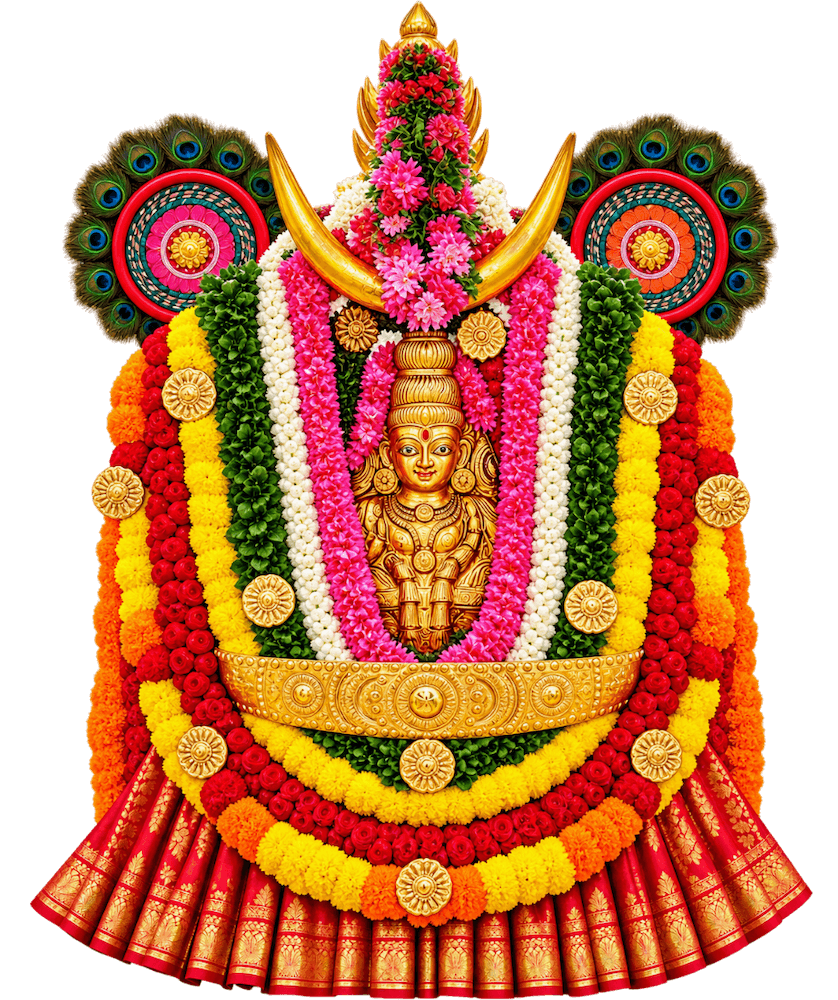 Cheruvaranam Ayyappanchery Sri Dharma Sastha Temple is an ancient place of worship dedicated to Lord Ayyappa, situated at Cheruvaranam in Cherthala Taluk of Alappuzha District, Kerala. The temple is closely connected with the traditions, beliefs and cultural heritage of the local community. The temple has played an important role in the social and spiritual life of the people of Cheruvaranam and the surrounding areas, including Varanam and Puthanangadi. Over generations, local traditions and legends have become closely associated with the temple and its presiding deity, Sri Dharma Sastha.
According to local tradition, the temple originated in the 18th century, when the Raja of Cochin is believed to have converted and rebuilt an existing Brahmin residence (Illam) as a shrine dedicated to Dharma Sastha. The temple is further associated with the reign of Maharaja Marthanda Varma (1729–1758), who is traditionally said to have transferred it, along with eight other temples in the Karappuram region, to the Namboothiri family of Pazhoor Paduthol Mana at Piravom.The temple has close associations with the agricultural traditions and communal life of the surrounding region.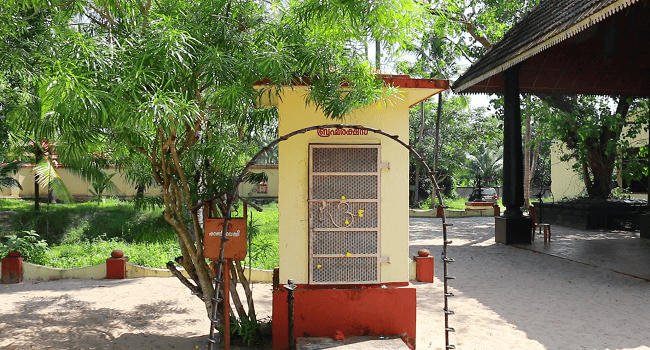 In earlier times, when the area was covered by forests and wild vegetation, the deity was worshipped as the Gramadevan or guardian deity of the village and was believed to protect the people from hardships, wild animals and other dangers. Over time, the temple fell into a state of disrepair. It was subsequently restored through the active participation of local community organisations and devotees. Since 1981, two Nair Karayogams of Cheruvaranam have jointly administered the temple with full rights and authority.
Cheruvaranam Ayyappanchery Sri Dharma Sastha Temple is associated with local traditions that have been passed down through generations. 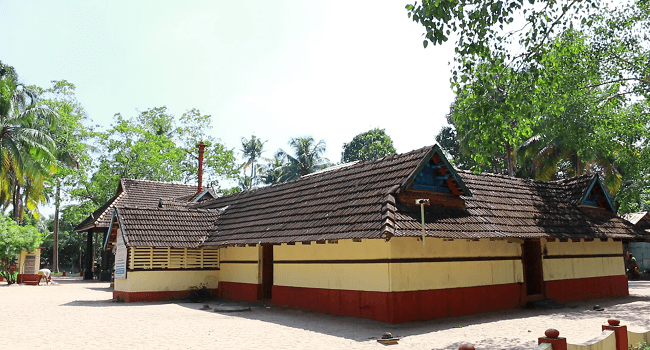 According to one such tradition, the area surrounding the present temple was once covered with dense forest and wild vegetation. One day, a woman who had come to cut grass sharpened her sickle on a stone lying on the ground. Blood is said to have begun flowing from the stone. Frightened by what she witnessed, she informed the local people and prominent members of the community.
A traditional Prasna Chinthana or astrological enquiry was subsequently conducted. According to the tradition,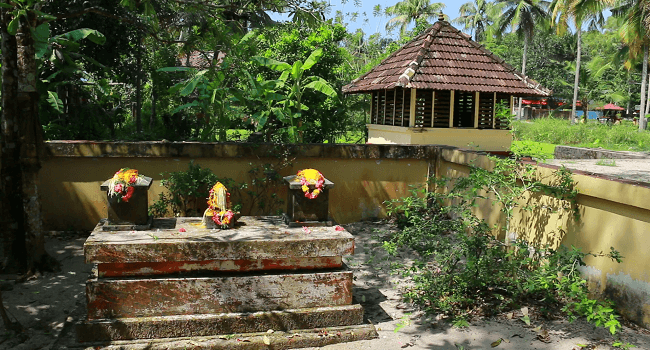 it revealed the divine presence of Dharma Sastha or Lord Ayyappa, at the site. The local people then came together and established a temple there. The temple also has a traditional association with the Sabarimala pilgrimage. In earlier times, when the journey to Sabarimala was considerably more difficult, Kanni Swamis and Guru Swamis travelling on foot to the sacred hill are believed to have visited this temple to seek the blessings of Dharma Sastha. The temple was also associated with the preparation of the Irumudi by devotees before undertaking the pilgrimage.
 The deity is worshipped with the belief that the consecration embodies the same divine spiritual presence associated with Lord Sastha of Sabarimala.
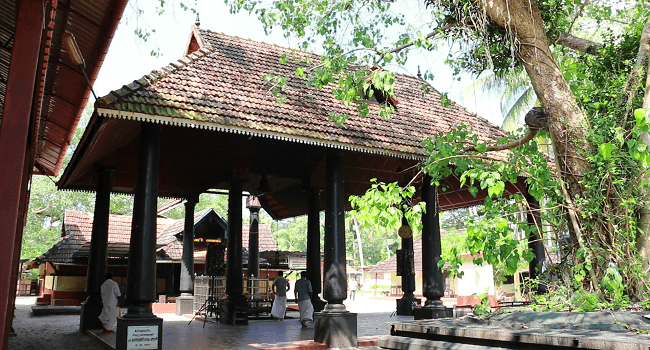
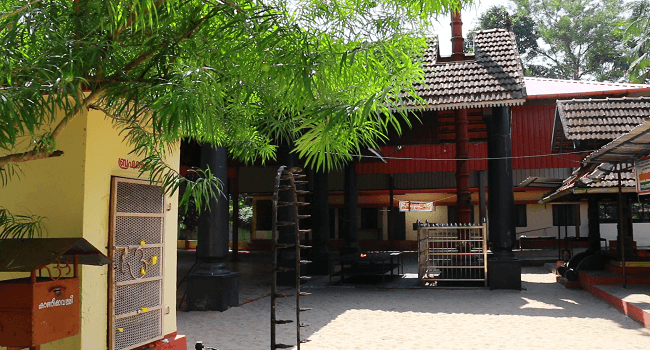
The temple complex is arranged within a compound containing several structures reflecting the traditional architectural style of Kerala. From the entrance, an open courtyard leads towards the main temple buildings. The temple grounds contain mature trees, including coconut palms and the structures are arranged around the central open space. 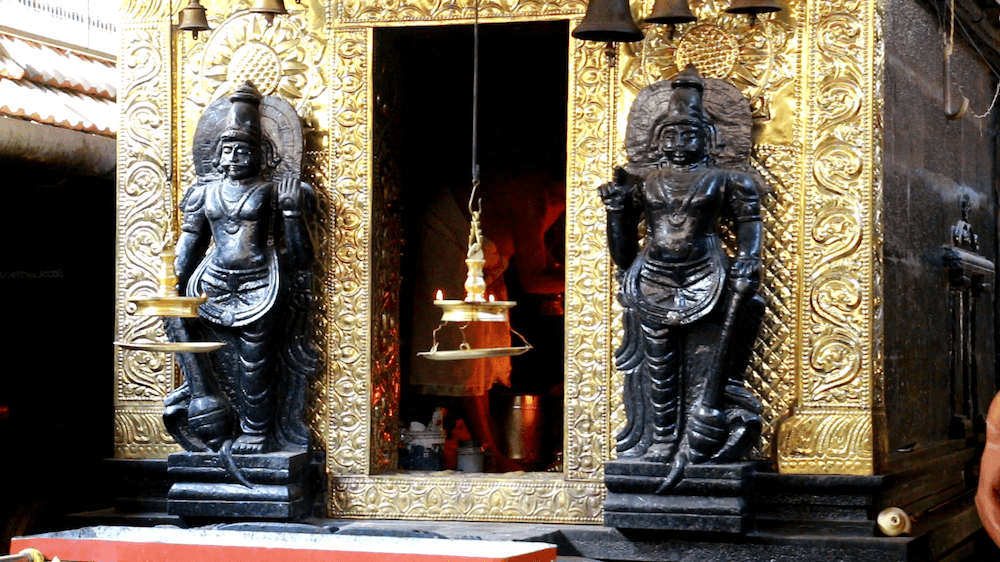 The buildings in the complex have low, sloping roofs covered with traditional clay tiles. Within the courtyard stands a Deepastambham or lamp pillar, marking the approach towards the main covered structure. The central covered area consists of a Chuttambalam, supported by a series of dark-coloured pillars. Some of the pillars and structural elements are made of stone. The Chuttambalam has a sloping tiled roof supported by timber beams and other wooden members. Traditional hanging lamps and oil lamps are placed within the covered areas.
At the centre of the covered temple complex is the Sreekovil, the principal sanctum of the temple.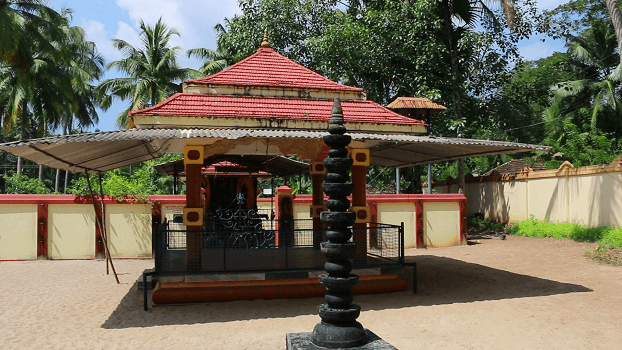 It is raised on a plinth and incorporates dark stone elements in its construction. The entrance is framed with decorative metal cladding, with sculptural figures placed on either side. Hanging bells and traditional oil lamps adorn the entrance area. Sri Dharma Sastha, the presiding deity of the temple, is consecrated within the Sreekovil. In addition to the principal deity, Dharma Sastha, the temple complex accommodates several sub-deities. Lord Ganapathi, Vanadurga and Brahmarakshas are consecrated in separate shrines within the temple premises, each forming part of the temple’s traditional ritual arrangement.
 The temple also has a Nagathara, where the Naga Devatas are worshipped, adding another important element to the sacred landscape of the temple complex.
The annual Thiruvulsavam is celebrated from the day of Punartham in the Malayalam month of Dhanu, when the ceremonial flag is hoisted and concludes with the Arattu on the day of Uthram. The re-consecration anniversary of Sri Dharma Sastha is observed on the day of Punartham in the Malayalam month of Edavam, with Kalabhabhishekam and Kalasham. Similarly, the re-consecration anniversary of Goddess Durga is observed on the day of Punartham in the month of Mithunam, with Kalasham. The Mandala season, extending from the first day of Vrischikam to the eleventh day of Dhanu, is observed with particular importance at the temple. During this period, Valiya Guruthi is conducted at the shrine of the Goddess on Tuesdays and Fridays. A Vavu Pooja for the propitiation of ancestors is performed every Malayalam month on the full-moon day. Karthika Pooja and the Naranga Vilakku offering are observed every month on the day of Karthika, while special poojas and offerings are conducted on every Uthram, which is observed as the birth star of Lord Ayyappa. An important annual observance is the 1008 Coconut Ganapathi Homam, conducted on the last day of the Malayalam month of Karkidakam. In addition, the temple conducts the Srimad Bhagavata Saptaham every year from 4 to 11 April.
The temple offers a range of special poojas and ritual offerings, each traditionally associated with particular spiritual purposes and benefits. Shani Shanthi Homam is recommended for those who, according to astrological belief, have Saturn in unfavourable positions in their horoscope or are experiencing the effects of Ezharai Shani or Kandaka Shani. The Shani Shanthi Homam and Shaneeswara Pooja may be performed on Saturdays or on one’s monthly birth-star day. Shaneeswara Pooja is similarly offered to seek relief from difficulties traditionally associated with unfavourable Saturn influences. Bhajan is a form of devotional worship conducted through the singing and chanting of the divine names of Lord Ayyappa and is traditionally associated with the fulfilment of wishes and general prosperity. Neyyabhishekam and Bhasmabhishekam are important forms of ritual anointment offered to Lord Sri Dharma Sastha and are traditionally believed to bring relief from Shani Dosha, enmity, sins, illness and other difficulties. Navagraha Pooja is offered to the nine planetary deities to seek their blessings and is traditionally associated with relief from adverse planetary influences and the fulfilment of specific wishes. Ellu Payasam or sesame payasam, is a special offering made for the protection of health and to seek the blessings of Lord Ayyappa.
The temple is open for darshan from 4:45 AM to 10:30 AM, with extended morning hours on Saturdays from 4:30 AM to 11:30 AM. In the evening, the temple opens at 5:30 PM, followed by Deeparadhana at approximately 6:30 PM. The temple closes at 7:30 PM after the Athazha Pooja.
Key Highlights
- Located about 5 km from Cherthala town.
- About 10 km from Cherthala Railway Station.
- Local bus services are available.
- Dedicated parking is available for private vehicles.
- Accommodation and dining facilities are available nearby.
- Phone : 0478 281 1869
चेरुवरनम अय्यप्पनचेरी श्री धर्म संस्था मंदिर
चेरुवरनम, जिला. अलाप्पुझा
मंदिरे
Temples
मंदिर
મંદિરો
கோவில்கள்
దేవాలయాలు
ക്ഷേത്രങ്ങൾ
ದೇವಾಲಯಗಳು
মন্দিরসমূহ
ਮੰਦਿਰ
-
पाझवेदु श्रीभागवती मंदिर पाळावेडू, जि. अलप्पुझा
अधिक माहितीPazhaveedu Sree Bhagavathy Temple Pazhaveedu, Dist. Alappuzha
View Detailsपझावीडु श्री भगवती मंदिर पझावीडु, जिला. अलाप्पुझा
विवरण देखेंપઝાવેદુ શ્રી ભગવતી મંદિર, પઝાવેદુ, જિલ્લો આલાપ્પુઝા
વિગત જુઓபழவீடு ஸ்ரீ பகவதி கோயில், பழவீடு, மாவட்டம் ஆலப்புழா
விவரங்களைக் காண்கపళవీడు శ్రీ భగవతి ఆలయం, పళవీడు, జిల్లా అలప్పుజ
వివరాలను చూడండిപഴവീട് ശ്രീ ഭഗവതി ക്ഷേത്രം, പഴവീട്, ആലപ്പുഴ ജില്ല
വിശദാംശങ്ങൾ കാണുകಪಳವೇಡು ಶ್ರೀ ಭಗವತಿ ದೇವಸ್ಥಾನ, ಪಳವೇಡು, ಜಿಲ್ಲೆ: ಆಲಪ್ಪುಳ
ವಿವರಗಳನ್ನು ವೀಕ್ಷಿಸಿপাজহাভীড়ু শ্রী ভগবতী মন্দির, পাজহাভীড়ু, জেলা আলাপ্পুঝা
বিস্তারিত দেখুনਪਾਝਵੇਦੂ ਸ੍ਰੀ ਭਗਵਤੀ ਮੰਦਰ, ਪਾਝਵੇਦੂ, ਜ਼ਿਲ੍ਹਾ ਅਲਾਪੁਝਾ
ਵੇਰਵੇ ਦੇਖੋ -
पथ्यामकुलंगारा देवी मंदिर कालारकोड, जि. अलप्पुझा
अधिक माहितीPathiyamkulangara Devi Temple Kalarcode, Dist. Alappuzha
View Detailsपथियामकुलंगरा देवी मंदिर कलारकोड, जिला. अलाप्पुझा
विवरण देखेंપાથિયમકુલંગરા દેવી મંદિર, કલરકોડ, જિલ્લો આલાપ્પુઝા
વિગત જુઓபதியம்குளங்கரை தேவி திருக்கோயில், களர்கோடு, மாவட்டம்: ஆலப்புழை
விவரங்களைக் காண்கపాతియంకుళంకర దేవి ఆలయం, కలర్కోడ్, జిల్లా ఆలప్పుళ
వివరాలను చూడండిപാതിയാംകുളങ്ങര ദേവി ക്ഷേത്രം, കളർകോട്, ആലപ്പുഴ ജില്ല
വിശദാംശങ്ങൾ കാണുകಪಾತಿಯಂಕುಳಂಗರ ದೇವಿ ದೇವಸ್ಥಾನ, ಕಳರ್ಕೋಡ್, ಜಿಲ್ಲೆ: ಆಲಪ್ಪುಳ
ವಿವರಗಳನ್ನು ವೀಕ್ಷಿಸಿপাথিয়ামকুলাঙ্গারা দেবী মন্দির, কালারকোড, জেলা: আলাপ্পুঝা
বিস্তারিত দেখুনਪਥੀਯਮਕੁਲੰਗਰਾ ਦੇਵੀ ਮੰਦਰ, ਕਲਾਰਕੋਡ, ਜ਼ਿਲ੍ਹਾ ਅਲਾਪੁਝਾ
ਵੇਰਵੇ ਦੇਖੋ -
श्री राजराजेश्वरी मंदिर मुल्लक्कल, जि. अलप्पुझा
अधिक माहितीSree Rajarajeswari Temple Mullakkal, Dist. Alappuzha
View Detailsश्री राजराजेश्वरी मंदिर मुल्लाक्कल, जिला. अलाप्पुझा
विवरण देखेंSree Rajarajeswari Temple Mullakkal, Dist. Alappuzha
વિગત જુઓSree Rajarajeswari Temple Mullakkal, Dist. Alappuzha
விவரங்களைக் காண்கSree Rajarajeswari Temple Mullakkal, Dist. Alappuzha
వివరాలను చూడండిSree Rajarajeswari Temple Mullakkal, Dist. Alappuzha
വിശദാംശങ്ങൾ കാണുകSree Rajarajeswari Temple Mullakkal, Dist. Alappuzha
ವಿವರಗಳನ್ನು ವೀಕ್ಷಿಸಿSree Rajarajeswari Temple Mullakkal, Dist. Alappuzha
বিস্তারিত দেখুনSree Rajarajeswari Temple Mullakkal, Dist. Alappuzha
ਵੇਰਵੇ ਦੇਖੋ