
एलमकुन्नापुझा श्री सुब्रमण्य स्वामी मंदिर
एलमकुन्नापुझा, वायपिन, जि. एर्नाकुलम.
Elamkunnapuzha Sree Subramanya Swamy Temple
Elamkunnapuzha, Vypin, Dist. Ernakulam.
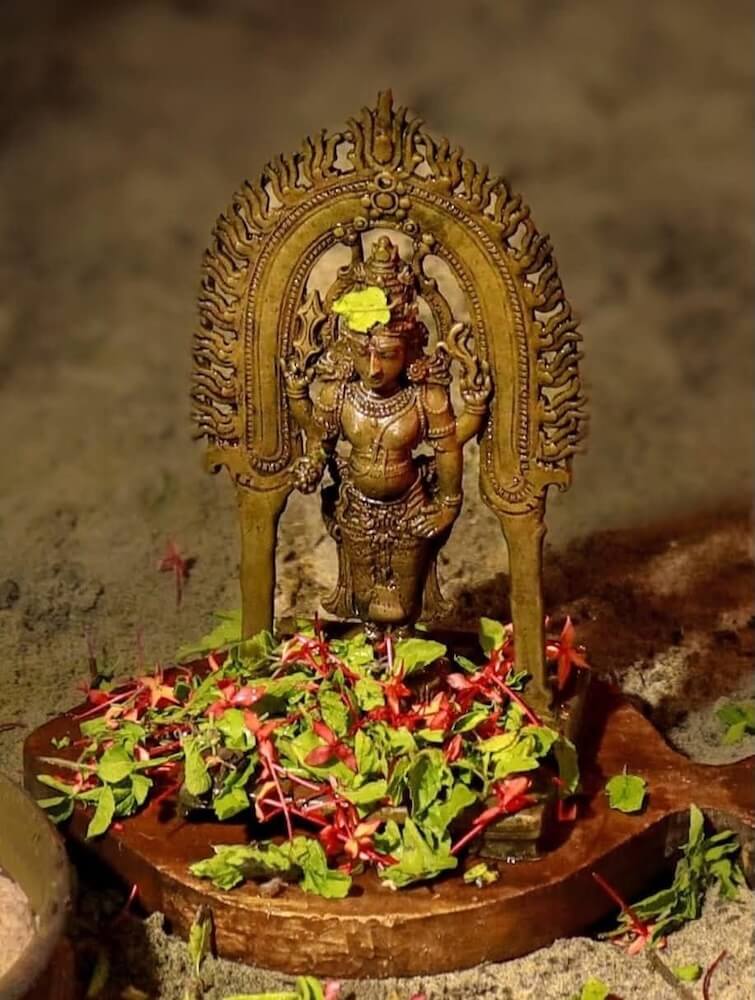 Elamkunnapuzha Sree Subramanya Swamy Temple is an ancient Hindu temple located on Vypin Island in Ernakulam district, with a history of more than nine centuries. Located about 10 kilometres from Kochi city, it is one of the important Subramanya Swamy temples in Kerala. It is also known as ‘Kerala’s Tiruchendur’ because of its legend connected with the famous Tiruchendur Temple in Tamil Nadu.
Historically, the present-day Vypin Island was formed after the great Periyar flood of AD 1341. However, a smaller land area and settlements already existed in this region before the flood. The temple was established in one of the early settlements in the area. According to archaeological research, the earliest structure of the temple dates to between the 11th and 12th centuries AD, giving it a history of about 900 years. The temple also had political and administrative importance in medieval Kerala. It functioned as an independent Sanketam, with the temple and its lands managed by a governing body of Brahmin ooralar families and local Nair chiefs. Historical accounts record that the Kochi Raja and other local rulers had no direct administrative authority within the boundaries of the Sanketam and that the king’s army was not allowed to enter its territory.
During the wars between the Kochi royal family and the Zamorin, 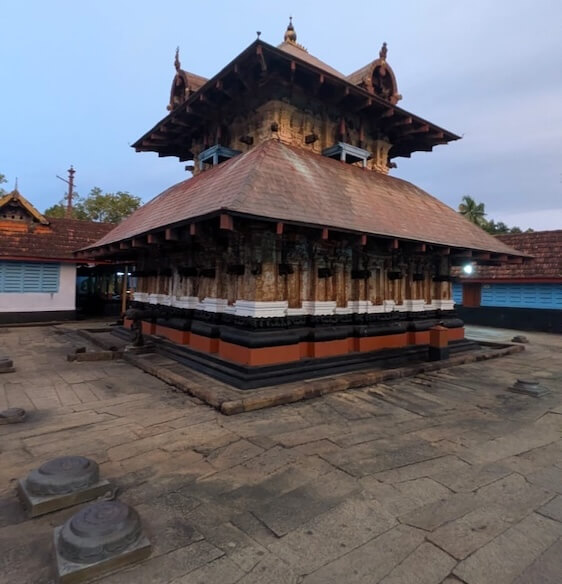 medieval historical records and Portuguese records mention that the Kochi Raja sought refuge within the Elamkunnapuzha temple Sanketam when his life was under threat. Because the Sanketam had a protected status, enemies were not allowed to enter its boundaries and attack him. Later, particularly during the reign of Shakthan Thampuran in the 18th century, the Kochi royal administration took control of the autonomy of temple Sanketams and brought the temple under the administration of the Kochi kingdom. Thereafter, the temple’s daily expenses and administrative supervision were supported directly by the Kochi kings. The temple is also important in the history of Kerala temple architecture. Historian H. Sarkar and others have referred to its Sreekovil structure in studies of Kerala temple architecture. The wood carvings and mural paintings made with natural colours are important examples of the artistic traditions of medieval Kerala.
The temple was also connected with Kerala’s social reform movements in the early 20th century. At a time when temple entry was denied to lower-caste communities,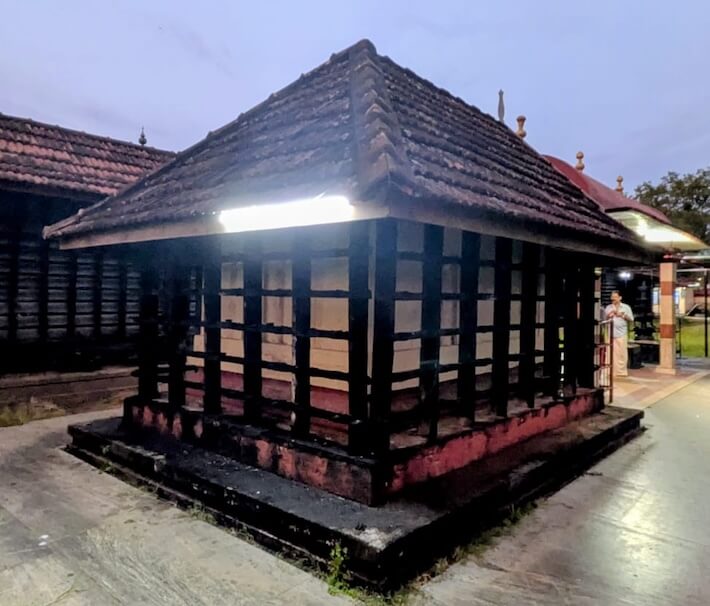 protests and Misra Bhojanam movements were held in Vypin under the leadership of Sahodaran Ayyappan (a social reformer and thinker from Kerala). The temple later became notable for providing freedom of worship to people from all caste and religious groups. The ‘Ananthasayanam’ mural, painted using natural leaf juices, is one of its important artistic features. Elamkunnapuzha was once a major coastal trade route to the Kochi kingdom and the areas under the temple developed as commercial centres. Records of the Kochi kingdom indicate that part of the income from this trade was used for temple renovation. Dutch and Portuguese records also mention the special tax exemptions and autonomous status granted to the temple Sanketam.
The most well-known legend about the temple’s main idol is connected with the famous Tiruchendur Murugan Temple in Tamil Nadu.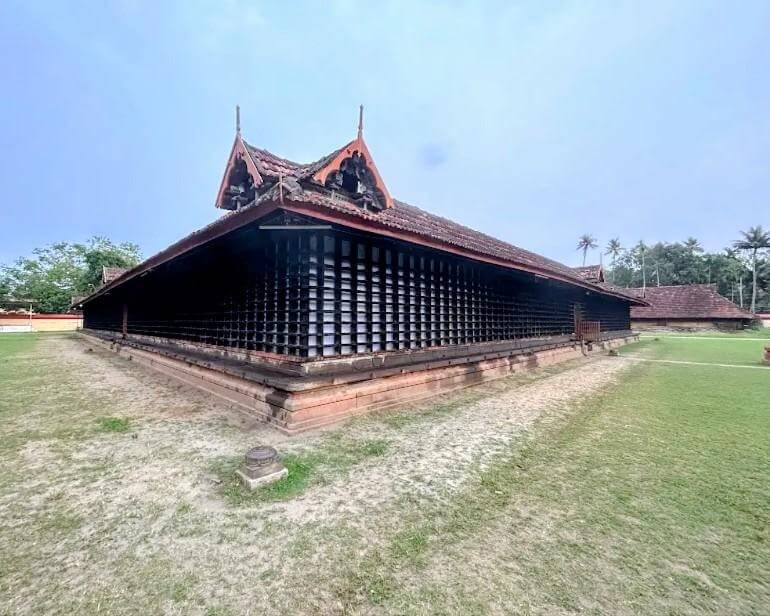 According to the legend, the main idol at Tiruchendur was once slightly damaged and as it could no longer be used for worship according to temple rules, it was placed in the sea and a new idol was installed in its place. The old idol did not sink but floated in the sea and eventually washed ashore at Elamkunnapuzha. The idol had been consecrated with divine power by Sage Sanalkumara and this divine presence remained even after it was immersed in the sea. When the idol was found here, its divine power was confirmed through astrological examination. A temple was then built here and the idol was installed. Because of this legendary connection, the temple is also known as ‘Malayala Tiruchendur’ and ‘Kerala’s Tiruchendur’.
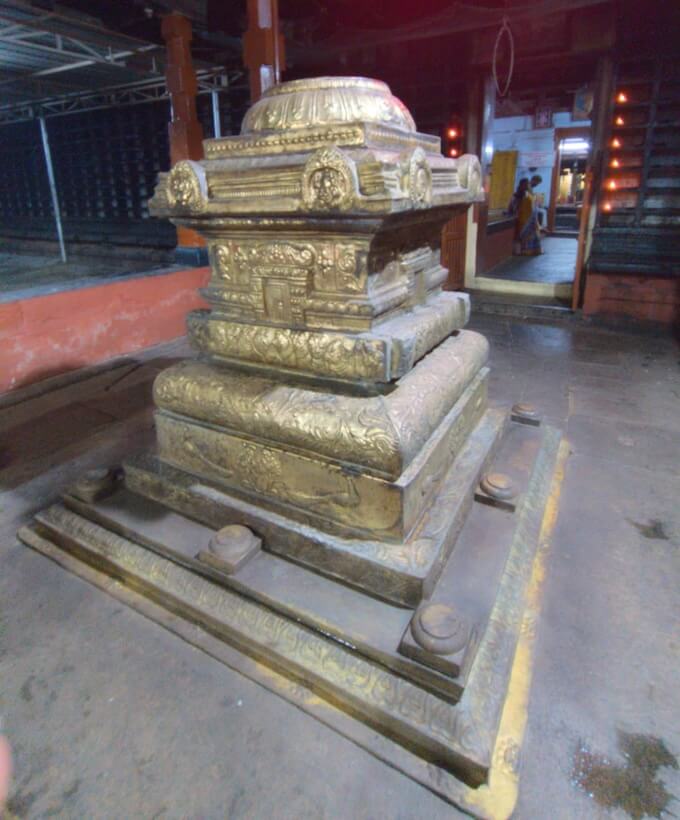
Located beside the Vypin–Munambam State Highway, the temple first draws attention with its tall Aanapandal and the entrance gate beside it. 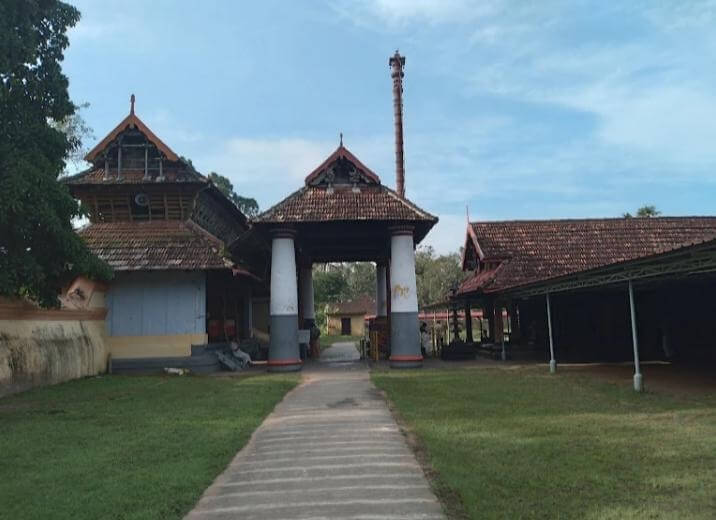 An ancient and spacious temple pond can also be seen near the main entrance. After passing through the gate, visitors see the large Balikkallu, followed by the large tiled-roof Nalambalam (Perumbambalam) built in the traditional Kerala style. Rows of wooden lamp posts are fixed along the outer walls of the Nalambalam and are lit in the evening. The huge golden flagstaff standing in the temple courtyard is another notable feature. Beyond the Balikkallu, the layout of the Chuttambalam and its various temple structures can be seen clearly.
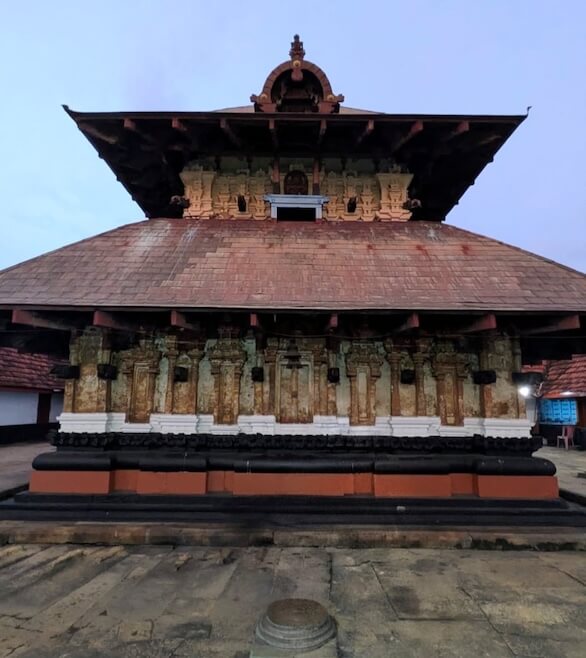
The Sreekovil is built in a square, two-storeyed Vimana style. The lower level is made of granite, while the upper level is made entirely of wood. The large pyramidal roof is covered with copper sheets and topped with a gold-plated finial. 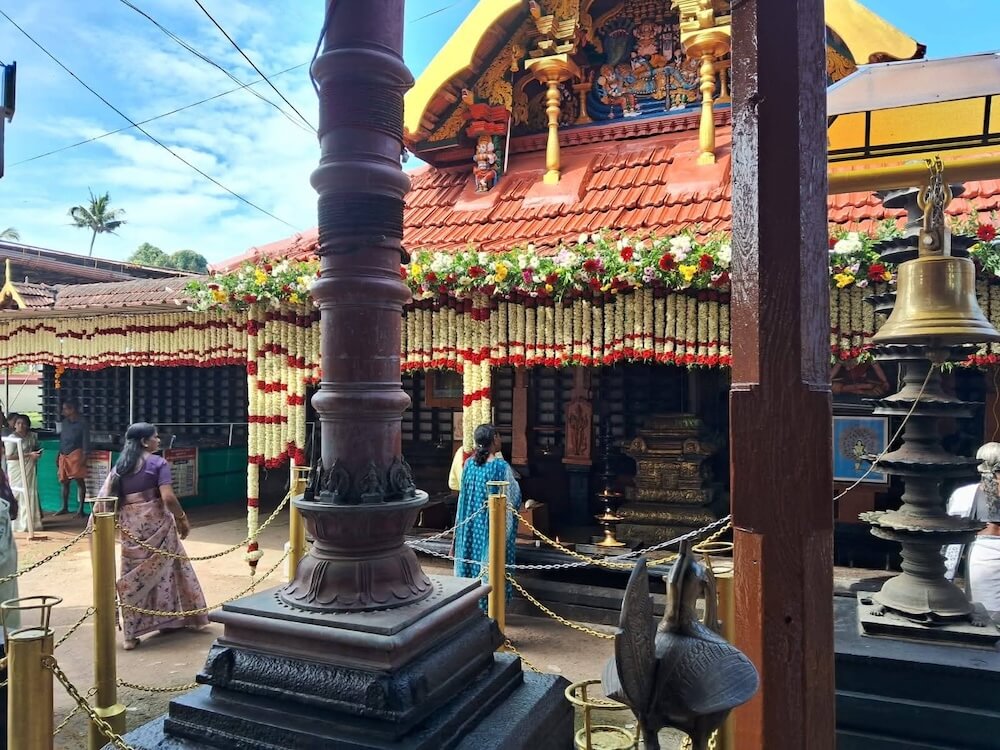 The wooden walls and gables of the upper level feature carvings depicting the Dashavatara, the Churning of the Ocean of Milk, scenes from the Ramayana and other traditional subjects. The lower granite walls also contain medieval mural paintings made with natural colours, including a prominent depiction of Ananthasayanam, the reclining form of Lord Vishnu. The granite steps leading to the Sreekovil have carvings of Vyali figures on both sides. The main idol inside is about six feet tall and is carved from Vanashila, with Panchaloha also used in its construction. Murugan is depicted as a four-armed standing figure with a pleasant expression, holding a Vel in one hand. The dark black idol is decorated with a silver covering and sandalwood paste and its form and fine workmanship can be seen more clearly in the light of the ghee lamps inside the Sreekovil.
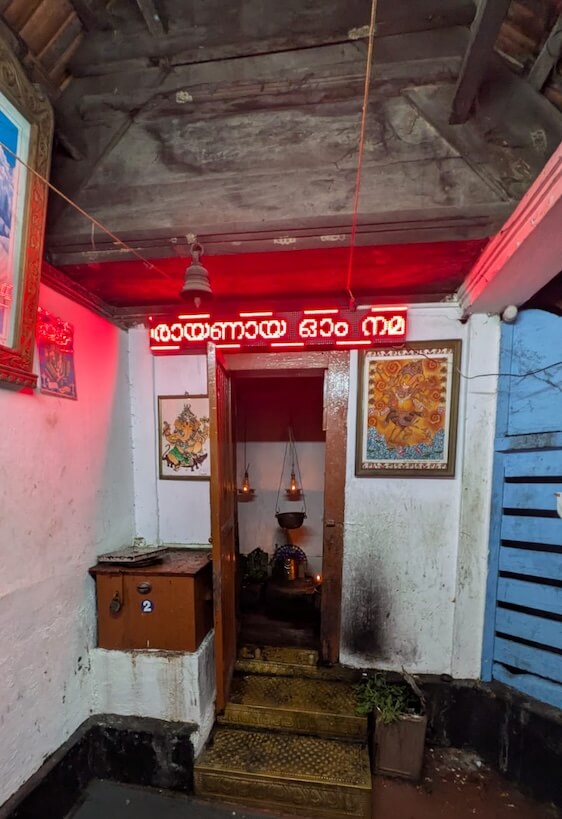
Inside the Nalambalam, the shrine of Lord Ganesha is located at the south-western corner, known as Kannimoola and faces east. A shrine dedicated to Dakshinamurthy is set into the southern wall of the main Sreekovil, while a shrine dedicated to Goddess Durga is located in the north-western part of the Nalambalam. Outside the Nalambalam, along the Pradakshina path, a separate Sreekovil dedicated to Dharma Sastha is located in the south-western part and faces east. Nearby, under the shade of a tree, the Nagathara has the idols of Naga-raja and Naga-yakshi. A separate platform at the south-western corner of the temple courtyard is dedicated to Brahmarakshass. The north-western corner, known as Vayukona, also has a shrine dedicated to Yakshiyamma.
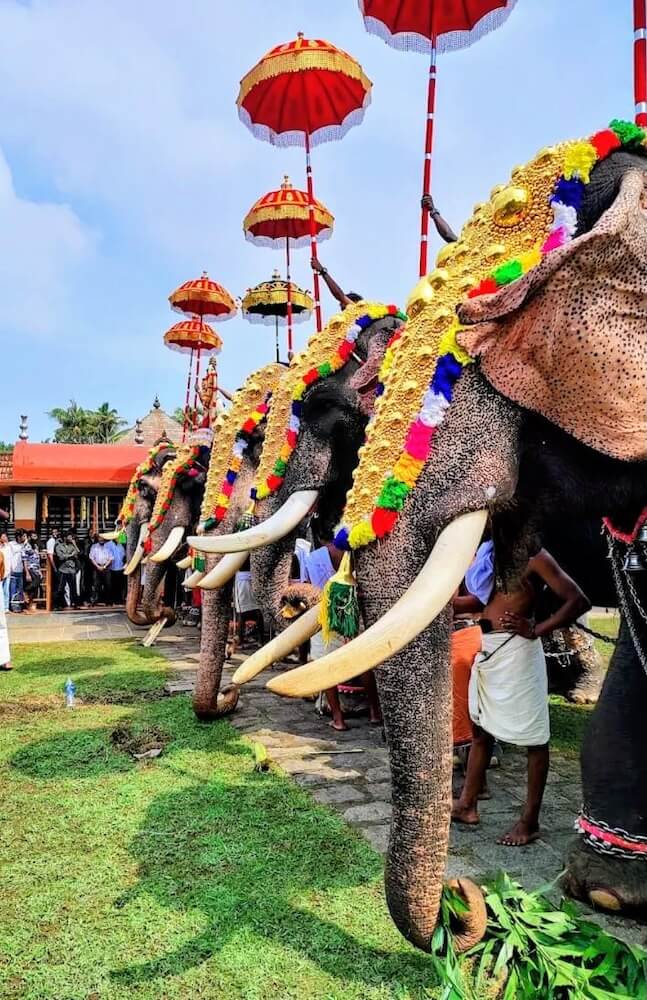
The main celebration at the temple is the annual ten-day festival held in the month of Vrischikam (November–December). The festival begins with the flag-hoisting ceremony and ends with the Aarattu on the Karthika star of Vrischikam. Elephant processions, Chenda melam, Thayambaka and Panchavadyam are held throughout the ten days. Temple art forms such as Kathakali, Ottanthullal and Kurathiyattam are also presented, along with Chakyar Koothu during the first ten days. Lakshadeepam is another major ceremony of the festival. Thaippooyam, which falls under the Pooyam star in the month of Makaram (January–February), is an important day of worship dedicated to Subramanya. On this day, devotees visit the temple carrying Kavadi, 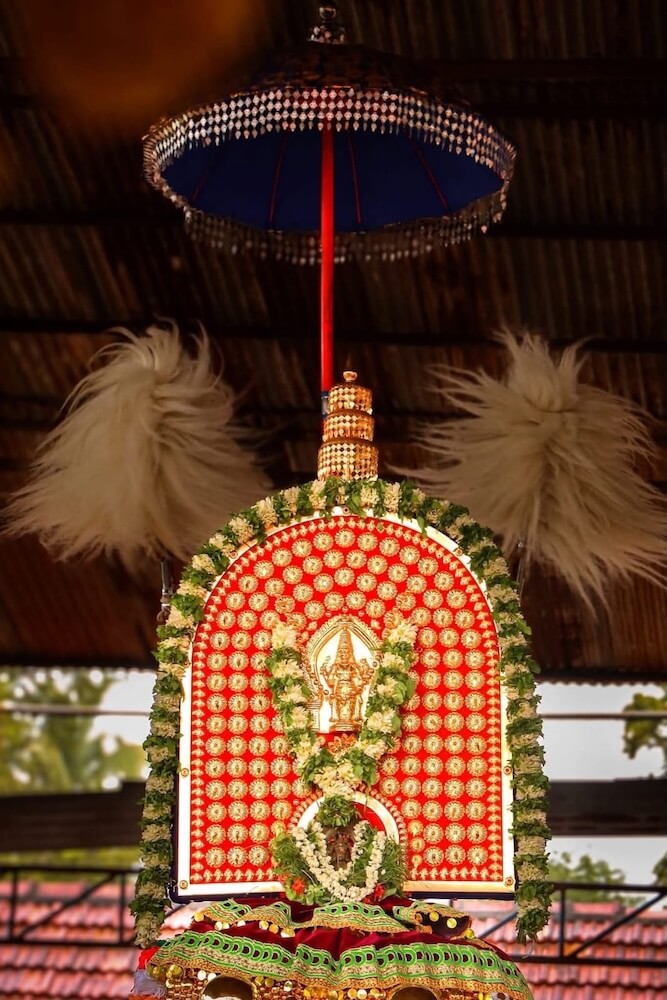 Manikavadi and Alaku Kavadi. Prathishta Day is also observed during the same period.
Skanda Shashti, which falls in the month of Thulam (October–November), is observed with special poojas and Shashti Sadhya for devotees observing the Shashti fast. Bhasma Abhishekam and Kavadi offerings are the main offerings on this day. During the 41-day Mandalam period, from 1 Vrischikam to 11 Dhanu, Bhagavatha Saptaha Yajnam and special Deeparadhana are held. Special Abhishekams and poojas are also performed on the Shashti thithi that occurs in every Malayalam month.
Offerings are made separately to the main deity and the sub-deities. The main offerings include Panchamritabhishekam, Palabhishekam, Chathushatham, Vedivazhipadu and Kavadi offering. Panchamritabhishekam, made with banana, honey, ghee, jaggery and sugar candy, is performed for relief from illness and good health. Palabhishekam using milk and ghee is offered for marital well-being and the blessing of children. Chathushatham, prepared with jaggery, rice and ghee, is offered as a thanksgiving after prayers are fulfilled. Kathi Vedivazhipadu is performed to remove obstacles and the effects of enemies, while Kavadi is offered on special occasions, particularly Thaippooyam and Shashti. Among the sub-deities, Appam and Modakam are offered to Ganesha at Kannimoola to remove obstacles. Pinvilakku and Dhara are performed for Dakshinamurthy for learning and knowledge. Sesame oil lamps are lit for Sastha outside the Nalambalam to remove the adverse effects of Shani. 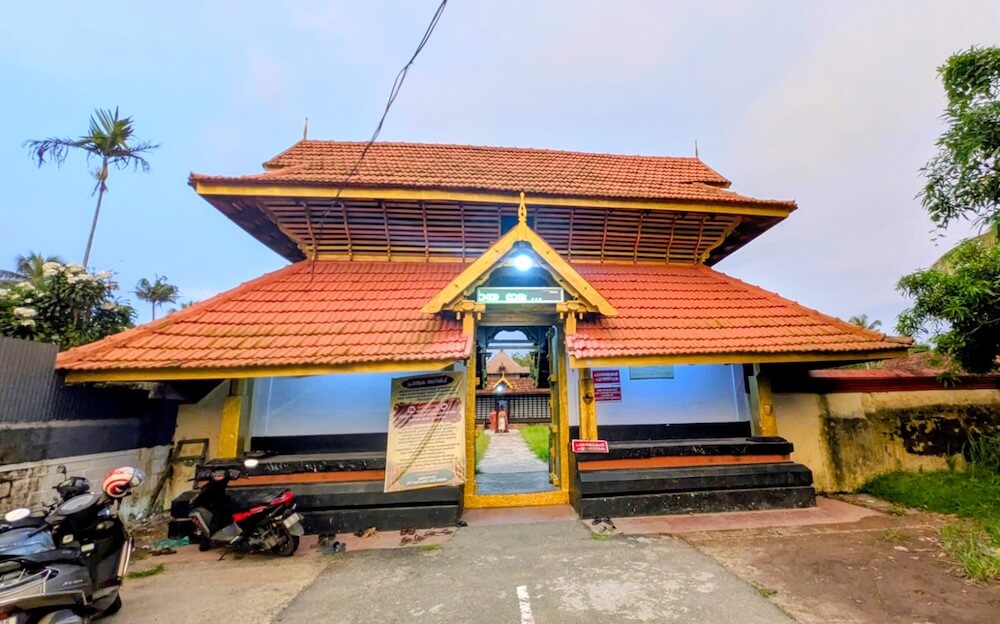 For the Naga deities, Ayilya Pooja, Noorum Paalum and Sarpabali are performed for family prosperity and relief from Rahu–Ketu-related afflictions.
The daily pooja rituals begin at 05:00 AM with the opening of the temple and Nirmalya Darshan. Various Abhishekams are then performed, followed by Ushah Pooja at 06:30 AM. Ethirthu Pooja, also known as Pantheeradi Pooja, is held at 07:30 AM, followed by Ucha Pooja at 10:00 AM. The temple closes for the morning at around 10:30 AM after Ucha Pooja. It reopens at 05:00 PM, followed by Deeparadhana at 06:30 PM and Athazha Pooja at 07:30 PM. The temple closes at around 08:00 PM after Athazha Pooja. On special days such as Thaippooyam, during the Mandalam period and the annual festival in Vrischikam, the pooja schedule and darshan timings may vary.
Key highlight :-
- Located 10 km from Vypin, 10 km from Ernakulam city and 20 km from North Paravur.
- 14 km from Ernakulam town railway station.
- KSRTC and local bus facilities are available to the temple.
- Private vehicles can be parked in the temple’s parking area.
- Accommodation and food facilities are available in the nearby towns.
- Contact number +91 8137832105.
एलमकुन्नपुझा श्री सुब्रमण्यम स्वामी मंदिर
एलमकुन्नापुझा, विपिन, जिला। एर्नाकुलम.
मंदिरे
Temples
मंदिर
મંદિરો
கோவில்கள்
దేవాలయాలు
ക്ഷേത്രങ്ങൾ
ದೇವಾಲಯಗಳು
মন্দিরসমূহ
ਮੰਦਿਰ
-
ओचन्थुरुथ श्रीकार्तिकेय क्षेत्रम ओचन्थुरुथ, वायपिन, जि. एर्नाकुलम.
अधिक माहितीOchanthuruth Sree Karthikeya Kshethram Ochanthuruth, Vypin, Dist. Ernakulam.
View Detailsओचनथुरुथ श्री कार्तिकेय क्षेत्रम् ओचंथुरूथ, वाइपिन, जिला। एर्नाकुलम.
विवरण देखेंOchanthuruth Sree Karthikeya Kshethram Ochanthuruth, Vypin, Dist. Ernakulam.
વિગત જુઓOchanthuruth Sree Karthikeya Kshethram Ochanthuruth, Vypin, Dist. Ernakulam.
விவரங்களைக் காண்கOchanthuruth Sree Karthikeya Kshethram Ochanthuruth, Vypin, Dist. Ernakulam.
వివరాలను చూడండిOchanthuruth Sree Karthikeya Kshethram Ochanthuruth, Vypin, Dist. Ernakulam.
വിശദാംശങ്ങൾ കാണുകOchanthuruth Sree Karthikeya Kshethram Ochanthuruth, Vypin, Dist. Ernakulam.
ವಿವರಗಳನ್ನು ವೀಕ್ಷಿಸಿOchanthuruth Sree Karthikeya Kshethram Ochanthuruth, Vypin, Dist. Ernakulam.
বিস্তারিত দেখুনOchanthuruth Sree Karthikeya Kshethram Ochanthuruth, Vypin, Dist. Ernakulam.
ਵੇਰਵੇ ਦੇਖੋ -
अझीकल श्री मल्लिकार्जुन मंदिर अझीकल, वायपिन, जिल्हा एर्नाकुलम.
अधिक माहितीAzheekal Sree Mallikarjuna Temple Azheekal, Vypin, Dist. Ernakulam.
View Detailsअझीकल श्री मल्लिकार्जुन मंदिर अझीकल, वाइपिन, ज़िला एर्नाकुलम।
विवरण देखेंAzheekal Sree Mallikarjuna Temple Azheekal, Vypin, Dist. Ernakulam.
વિગત જુઓAzheekal Sree Mallikarjuna Temple Azheekal, Vypin, Dist. Ernakulam.
விவரங்களைக் காண்கAzheekal Sree Mallikarjuna Temple Azheekal, Vypin, Dist. Ernakulam.
వివరాలను చూడండిAzheekal Sree Mallikarjuna Temple Azheekal, Vypin, Dist. Ernakulam.
വിശദാംശങ്ങൾ കാണുകAzheekal Sree Mallikarjuna Temple Azheekal, Vypin, Dist. Ernakulam.
ವಿವರಗಳನ್ನು ವೀಕ್ಷಿಸಿAzheekal Sree Mallikarjuna Temple Azheekal, Vypin, Dist. Ernakulam.
বিস্তারিত দেখুনAzheekal Sree Mallikarjuna Temple Azheekal, Vypin, Dist. Ernakulam.
ਵੇਰਵੇ ਦੇਖੋ -
श्री त्रिपुरायर महादेवाचे मंदिर चौवारा, अलुवा, जि. एर्नाकुलम.
अधिक माहितीSree Thripurayar Mahadeva Temple Chowara, Aluva, Dist. Ernakulam.
View Detailsश्री त्रिपुरयार महादेव मंदिर चौरा, अलुवा, जिला। एर्नाकुलम.
विवरण देखेंSree Thripurayar Mahadeva Temple Chowara, Aluva, Dist. Ernakulam.
વિગત જુઓSree Thripurayar Mahadeva Temple Chowara, Aluva, Dist. Ernakulam.
விவரங்களைக் காண்கSree Thripurayar Mahadeva Temple Chowara, Aluva, Dist. Ernakulam.
వివరాలను చూడండిSree Thripurayar Mahadeva Temple Chowara, Aluva, Dist. Ernakulam.
വിശദാംശങ്ങൾ കാണുകSree Thripurayar Mahadeva Temple Chowara, Aluva, Dist. Ernakulam.
ವಿವರಗಳನ್ನು ವೀಕ್ಷಿಸಿSree Thripurayar Mahadeva Temple Chowara, Aluva, Dist. Ernakulam.
বিস্তারিত দেখুনSree Thripurayar Mahadeva Temple Chowara, Aluva, Dist. Ernakulam.
ਵੇਰਵੇ ਦੇਖੋ