
श्री त्रिपुरायर महादेवाचे मंदिर
चौवारा, अलुवा, जि. एर्नाकुलम.
Sree Thripurayar Mahadeva Temple
Chowara, Aluva, Dist. Ernakulam.
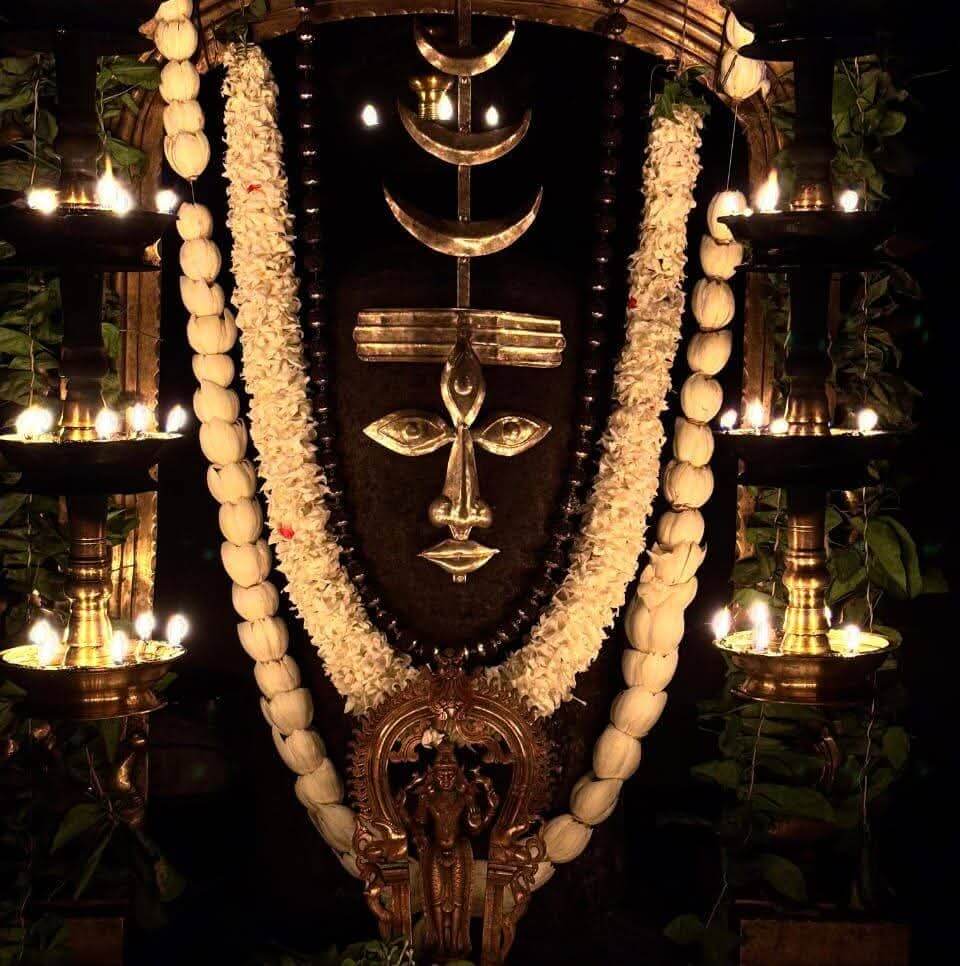 Sree Thripurayar Mahadeva Temple is an ancient Hindu place of worship located at Chowara Purayar, near Aluva in Ernakulam district, on the banks of the Periyar River. It is one of the 108 Shiva temples of Kerala believed to have been consecrated by Parashurama and is believed to be centuries old. The main deity is Lord Shiva. The temple is one of the few temples where elephants are not allowed and large fireworks are not conducted. Located close to a branch of the Periyar River, the temple has a natural setting where visitors can pray and have darshan in a quiet environment.
No inscriptions recording the exact year in which the temple was built have been found here. However, based on the structure of the circular Sreekovil, the style of its base and the ancient wooden carvings, archaeologists date its construction to the medieval period of Kerala, between the 12th and 15th centuries AD. At one time, the temple stood on the boundary between the Kingdom of Cochin and the Kingdom of Travancore.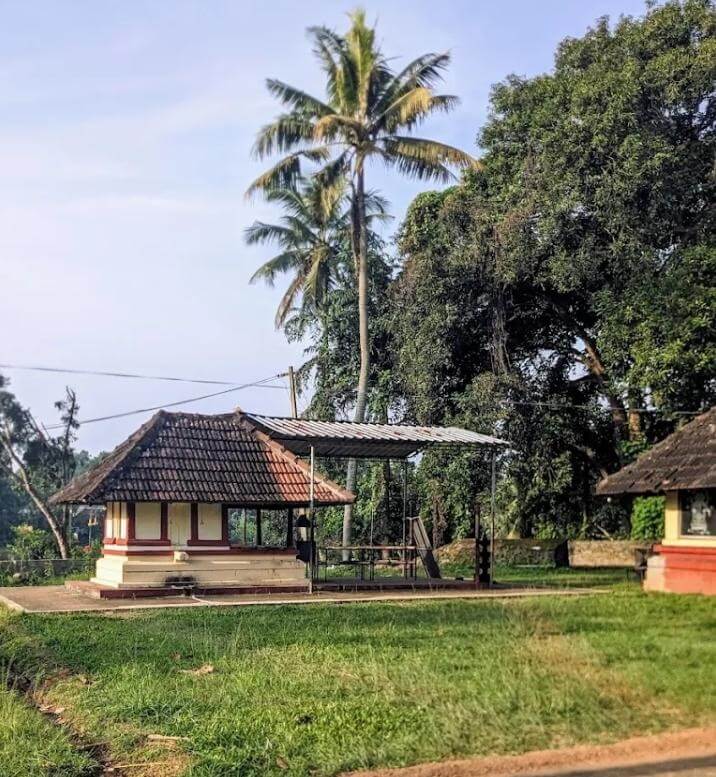 The part containing the Sreekovil was in Travancore, while the areas with the balikkallu and flagstaff were in Cochin. It was a rare temple where the flag was raised in Cochin territory while the festival was conducted in Travancore territory. During periods of conflict between the two kingdoms, Ambalavasi families living in Cochin faced difficulties in receiving their traditional rights connected with the temple. Even the padachoru, the share of food they received from the temple, could not be taken to Cochin due to restrictions. The ‘Kothikkallu’, a boundary stone that marked the division between the two kingdoms, is located within the temple premises. The kings of Cochin and Travancore visited the temple as part of asserting their rights over it. In earlier times, the temple was managed by local oorala families and prominent Namboothiri illams.
As the temple is located on the banks of the Periyar River, its structure has been affected by major floods at different times, including the Periyar flood of 1341 and the flood of 1924 (Malayalam Era 1099). As a result, reconstruction and repair works were carried out at different stages of its history. The restoration of the chuttambalam and roof was part of these works.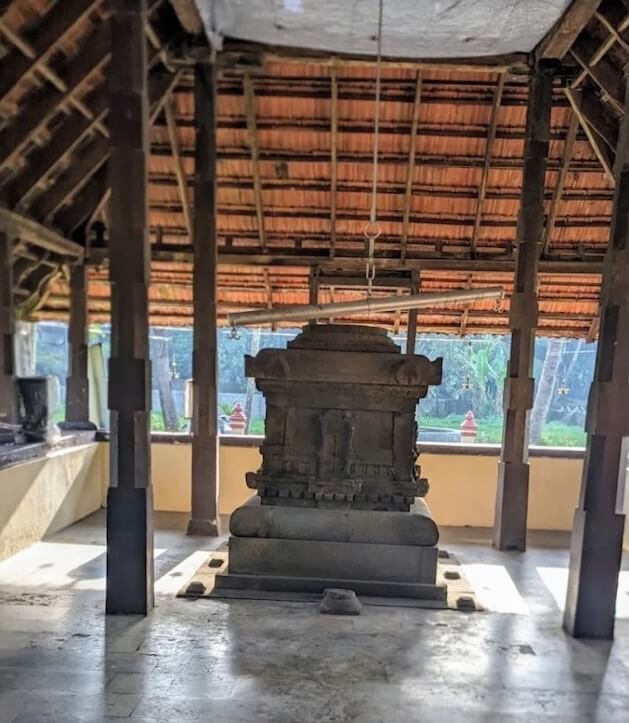 Renovation work has also been carried out in recent years while retaining the traditional character of the temple. At present, the temple is not under the direct control of any Devaswom Board. Its day-to-day affairs and administration are managed by a local committee known as the ‘Sree Thripurayar Devaswom’.
Like many ancient Shiva temples in Kerala, this temple also has legends associated with Parashurama. According to legend, after killing the Kshatriyas, Parashurama reclaimed the land of Kerala from the sea as an act of penance and established 108 major Shiva temples to protect the land. The Purayar Mahadeva Temple is believed to be one of these temples. Another local legend connects the names ‘Purayar’ and ‘Thripurayar’ with three sacred structures. According to the story, during a major flood in the Periyar, three Sreekovils or ‘puras’, from a large temple in another area were washed away and reached this riverbank, where the temple was later established around them. A local belief also connects the name ‘Thripurayar’ with the words ‘Thiru’ (sacred), ‘Pura’ (Sreekovil) and ‘Ar’ (river).
 The Shiva deity here is believed to be in a calm form and is said to be with Goddess Parvathy in a happy aspect. According to legend, the presence of Lord Vishnu close to Shiva was established as part of the Harihara concept, to balance the fierce nature often associated with Shiva temples. There is also a local legend behind the practice of not using elephants or large fireworks during festivals. The Mahadeva is believed to be calm and deep in meditation and the sound of elephants’ footsteps and loud fireworks is said to disturb his peace and meditation. Considering the deity’s dislike of such noise, elephants and large fireworks have been completely avoided during festivals at the temple since earlier times.
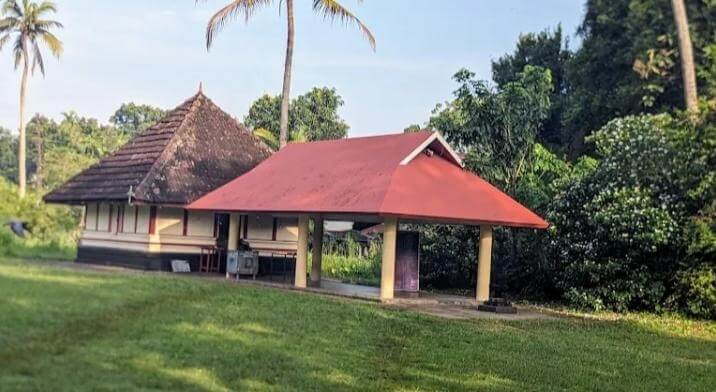
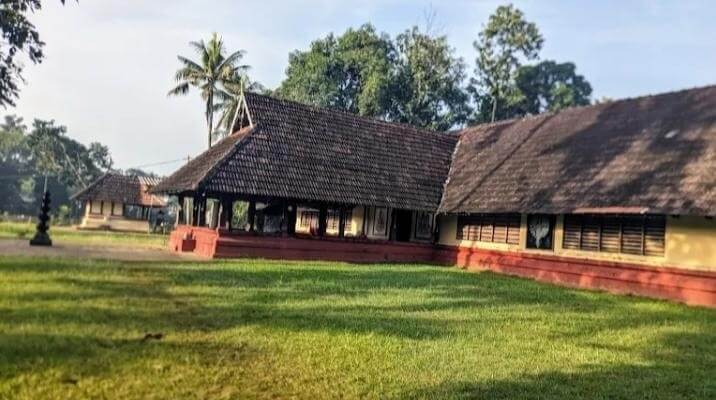
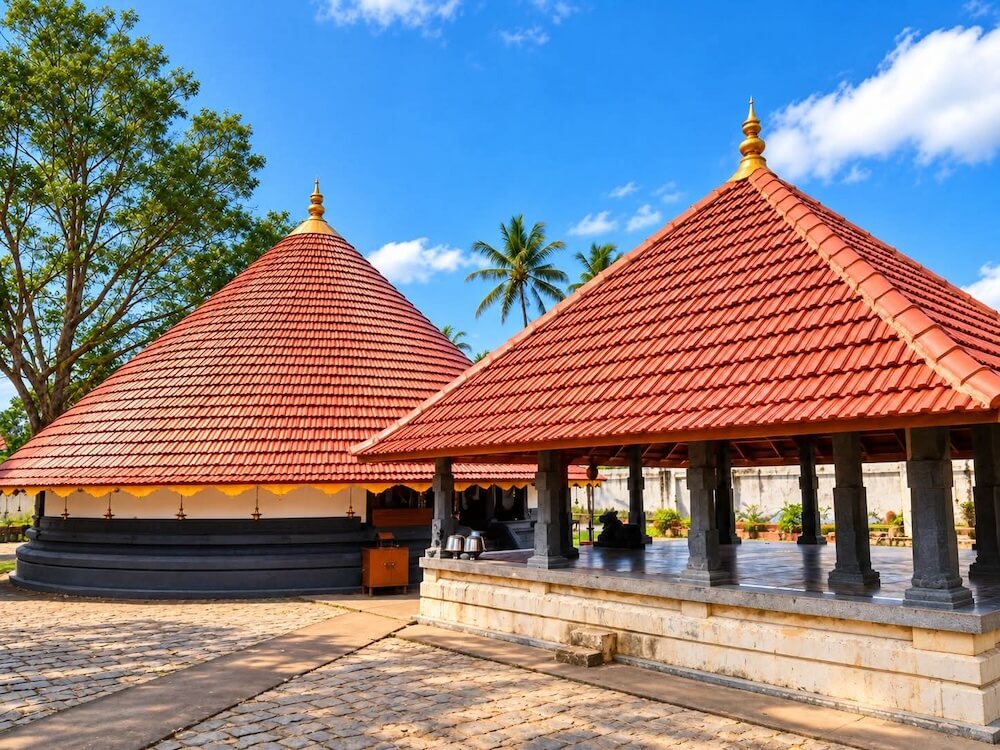
Sree Thripurayar Mahadeva Temple is built in the traditional Kerala architectural style in the Chowara Purayar area along the Aluva–Kalady Road. A traditional entrance structure and gateway can be seen at the front of the temple from the main road. Although elephants are not allowed for processions, the entrance structure features elements typical of Kerala temple architecture. One side of the temple is close to a branch of the Periyar River, allowing views of trees along the riverbank and the water from the temple premises. The temple is enclosed by an outer wall built with laterite stone. After passing through the main gateway, visitors enter the valiyambalam, where a tiled-roof structure and a vilakkumadam (lamp stand) can be seen around it. Lamps are lit on the vilakkumadam on special days. The nalambalam can be entered after passing through the valiyambalam and its inner circumambulatory path is paved with granite stones.
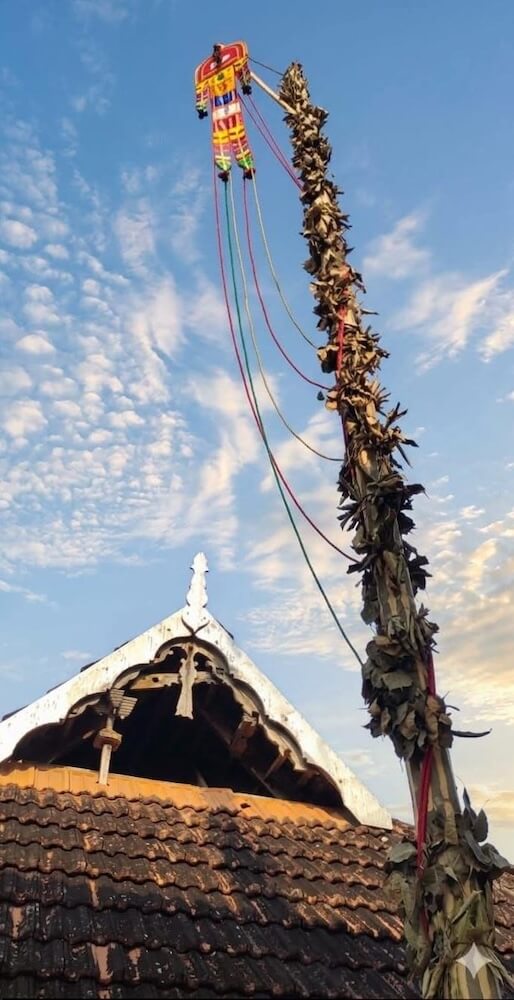
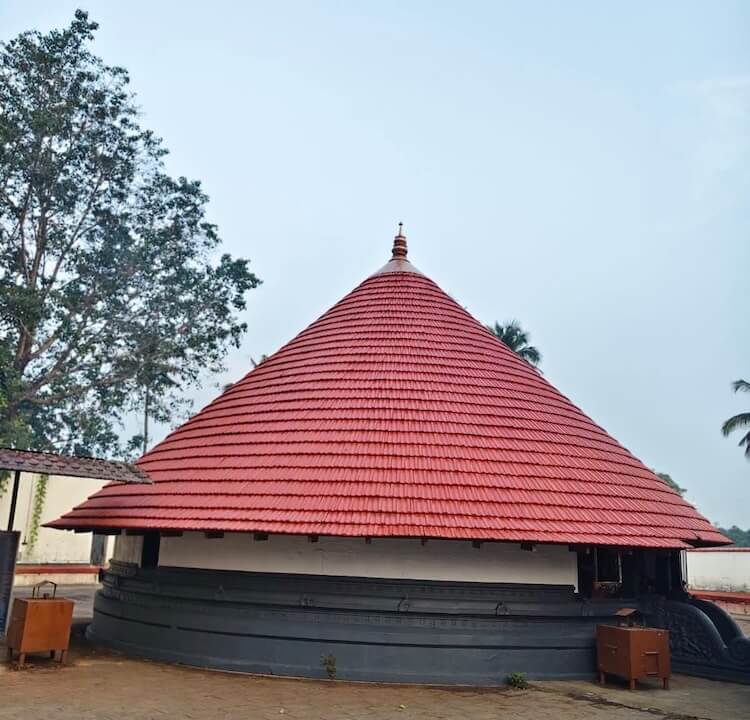
Inside the nalambalam, two main Sreekovils of equal importance are located side by side. This is a rare feature in Kerala temple architecture, with a circular Sreekovil for the main deity, Lord Shiva and a square Sreekovil for Lord Mahavishnu next to it. The base of the circular Sreekovil of Lord Shiva is made entirely of granite. Its walls are built with laterite stone and finished with lime plaster. The roof has a pointed conical shape, with a wooden upper structure covered with clay tiles and a bronze stupika at the top. The granite steps leading to the sanctum have sculptures of Dwarapalas on both sides. The main Shiva idol is a black stone Shivalinga facing east and represents Shiva in a calm form with Goddess Parvathy. The square Sreekovil of Lord Mahavishnu has a pyramidal roof and houses a black stone, four-armed idol holding a conch, discus, mace and lotus.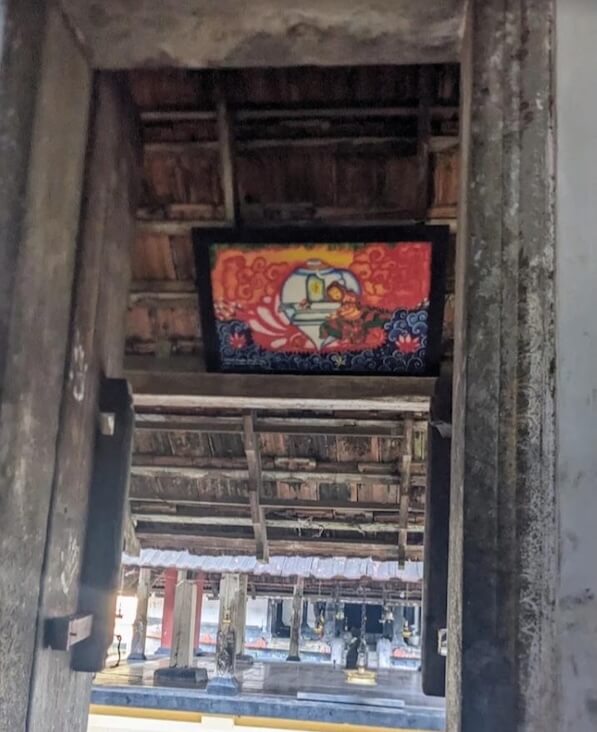 Both Sreekovils have ancient wooden carvings on their gables, featuring scenes from Hindu mythology and floral designs. These detailed wooden carvings reflect the traditional carpentry of medieval Kerala.
Inside the nalambalam, Lord Ganapathi is installed at the south-west corner of the main Sreekovil. On the southern side of the temple premises, outside the main nalambalam and beside the outer circumambulatory path, a small separate Sreekovil is dedicated to Lord Ayyappa or Sastha. At the north-west corner of the temple complex, Naga deities, including Nagaraja and Nagayakshi, are installed on a tree-filled, grove-like platform. Along with the calm form of Lord Shiva, the presence of Goddess Parvathy is also believed to be present within the temple as part of the concept of Shiva with Parvathy.
The main annual festival is held in the Malayalam month of Meenam (March–April) and lasts for eight days. The festival begins with the flag-hoisting on the Chathayam star of Meenam and ends with the aarattu on the eighth day. As elephants are not used for processions, the deity’s thidambu is carried on a jeevatha (palanquin) or by hand during the procession.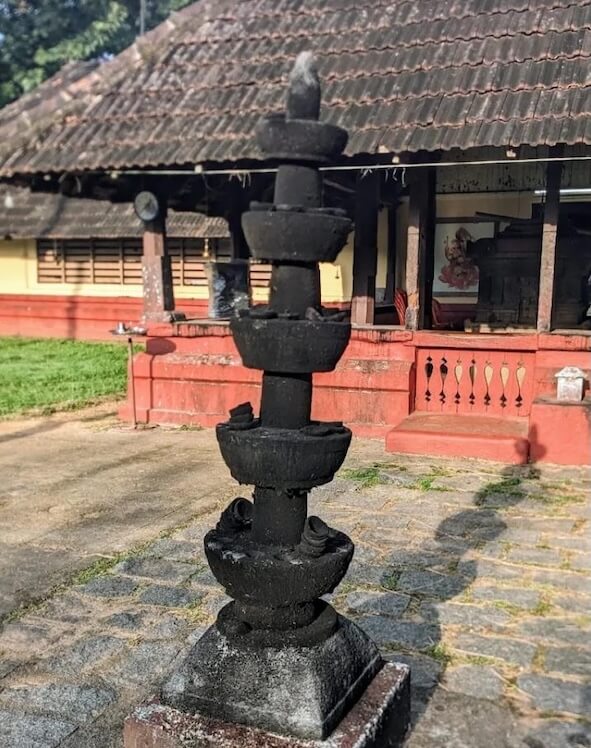 The aarattu is held at a branch of the Periyar River. Maha Shivaratri, observed on the dark fourteenth day of Kumbham (February–March), is another major special day, with special abhishekams and poojas held at night. During the 41-day Mandala season, from Vrischikam 1 to Dhanu 11 (November–December), special poojas, circumambulatory lamp offerings and Laksharchana are performed for Lord Ayyappa. Ayyappa devotees travelling to Sabarimala also visit the temple during this period. Special poojas are held for Lord Shiva on Pradosham days every month. During Karkidakam (July–August), Ramayana recitation and special offerings, including Oushadha Seva, are conducted. Vishu kani darshan in Medam and Navaratri pooja veyppu in Kanni are other important special occasions.
The main offerings at the temple include Jaldhara and Ksheeradhara for Lord Shiva, in which water and milk are continuously poured over the head of the deity. These offerings are performed for peace of mind and relief from health problems. Pinvilakku, a lamp lit behind the Sreekovil as a representation of Goddess Parvathy, is offered for family prosperity and marital harmony. A garland made of bilva leaves is offered for good health and long life. Umamaheshwara Pooja is performed to remove marital difficulties and for the blessing of children. The main offerings for the equally important Lord Mahavishnu shrine include Palpayasam, Purusha Sukta Pushpanjali and a Tulasi garland.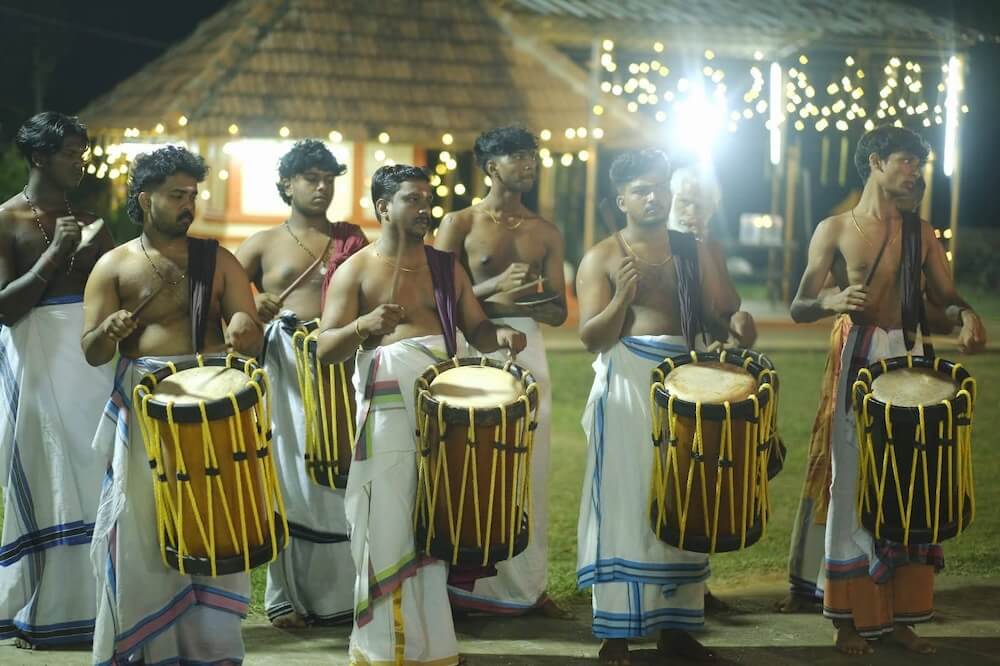 Palpayasam is offered for prosperity and fulfilment of wishes, while Purusha Sukta Pushpanjali is performed for fulfilment of wishes and professional progress. A Tulasi garland is also offered to Lord Vishnu as an important offering. Among the sub-deities, Ottayappam, Appam Moodal and Karukamala are offered to Lord Ganapathi, while Elluthiri (Neerajanam) is lit for Lord Ayyappa on Saturdays for relief from the effects of Shani. Noorum Paalum is offered to Nagaraja and Nagayakshi for relief from Naga doshas and skin ailments.
The temple’s daily pooja begins at 05:30 AM with the opening of the sanctum and Nirmalya Darshan. 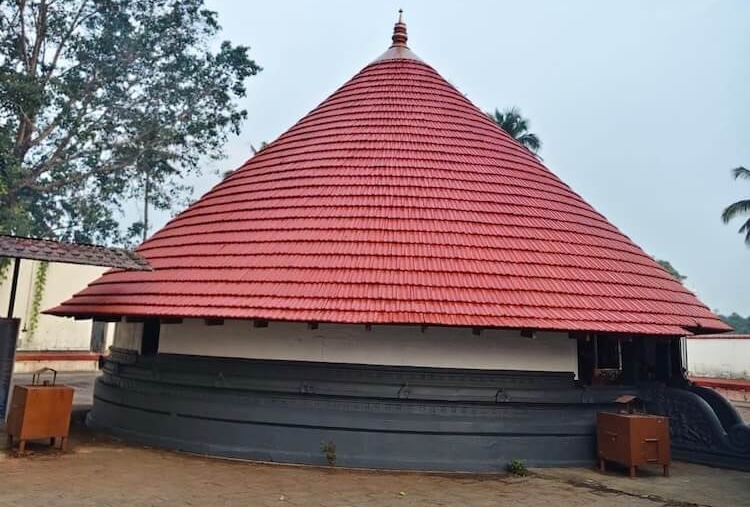 This is followed by water abhishekam and other abhishekams using special offerings for the main deities, Lord Shiva and Lord Mahavishnu. Before sunrise, Usha Pooja and the first morning offering are performed. Individual archana and Pushpanjali offerings booked by devotees can be made until 09:30 AM. After the midday pooja, the temple closes at around 09:45 AM. The temple reopens at 05:30 PM for evening darshan. At sunset, lamps are lit in the chuttambalam and Sreekovils as part of Deeparadhana. Athazha Pooja and the final night offering are then performed, followed by putting the deity to rest. The temple closes at around 07:30 PM. These timings may change on special days such as Maha Shivaratri, Pradosham and the annual festival in Meenam.
Key highlight :-
- Located 6 km from Aluva and 13 km from Perumbavoor.
- 6 km from Aluva railway station.
- 12 km from Cochin International Airport.
- KSRTC and local bus facilities are available to the temple.
- Private vehicles can be parked in the temple’s parking area.
- Accommodation and food facilities are available in the nearby towns.
- Contact number +91 7736747701.
श्री त्रिपुरयार महादेव मंदिर
चौरा, अलुवा, जिला। एर्नाकुलम.
मंदिरे
Temples
मंदिर
મંદિરો
கோவில்கள்
దేవాలయాలు
ക്ഷേത്രങ്ങൾ
ದೇವಾಲಯಗಳು
মন্দিরসমূহ
ਮੰਦਿਰ
-
ओचन्थुरुथ श्रीकार्तिकेय क्षेत्रम ओचन्थुरुथ, वायपिन, जि. एर्नाकुलम.
अधिक माहितीOchanthuruth Sree Karthikeya Kshethram Ochanthuruth, Vypin, Dist. Ernakulam.
View Detailsओचनथुरुथ श्री कार्तिकेय क्षेत्रम् ओचंथुरूथ, वाइपिन, जिला। एर्नाकुलम.
विवरण देखेंOchanthuruth Sree Karthikeya Kshethram Ochanthuruth, Vypin, Dist. Ernakulam.
વિગત જુઓOchanthuruth Sree Karthikeya Kshethram Ochanthuruth, Vypin, Dist. Ernakulam.
விவரங்களைக் காண்கOchanthuruth Sree Karthikeya Kshethram Ochanthuruth, Vypin, Dist. Ernakulam.
వివరాలను చూడండిOchanthuruth Sree Karthikeya Kshethram Ochanthuruth, Vypin, Dist. Ernakulam.
വിശദാംശങ്ങൾ കാണുകOchanthuruth Sree Karthikeya Kshethram Ochanthuruth, Vypin, Dist. Ernakulam.
ವಿವರಗಳನ್ನು ವೀಕ್ಷಿಸಿOchanthuruth Sree Karthikeya Kshethram Ochanthuruth, Vypin, Dist. Ernakulam.
বিস্তারিত দেখুনOchanthuruth Sree Karthikeya Kshethram Ochanthuruth, Vypin, Dist. Ernakulam.
ਵੇਰਵੇ ਦੇਖੋ -
अझीकल श्री मल्लिकार्जुन मंदिर अझीकल, वायपिन, जिल्हा एर्नाकुलम.
अधिक माहितीAzheekal Sree Mallikarjuna Temple Azheekal, Vypin, Dist. Ernakulam.
View Detailsअझीकल श्री मल्लिकार्जुन मंदिर अझीकल, वाइपिन, ज़िला एर्नाकुलम।
विवरण देखेंAzheekal Sree Mallikarjuna Temple Azheekal, Vypin, Dist. Ernakulam.
વિગત જુઓAzheekal Sree Mallikarjuna Temple Azheekal, Vypin, Dist. Ernakulam.
விவரங்களைக் காண்கAzheekal Sree Mallikarjuna Temple Azheekal, Vypin, Dist. Ernakulam.
వివరాలను చూడండిAzheekal Sree Mallikarjuna Temple Azheekal, Vypin, Dist. Ernakulam.
വിശദാംശങ്ങൾ കാണുകAzheekal Sree Mallikarjuna Temple Azheekal, Vypin, Dist. Ernakulam.
ವಿವರಗಳನ್ನು ವೀಕ್ಷಿಸಿAzheekal Sree Mallikarjuna Temple Azheekal, Vypin, Dist. Ernakulam.
বিস্তারিত দেখুনAzheekal Sree Mallikarjuna Temple Azheekal, Vypin, Dist. Ernakulam.
ਵੇਰਵੇ ਦੇਖੋ -
एलमकुन्नापुझा श्री सुब्रमण्य स्वामी मंदिर एलमकुन्नापुझा, वायपिन, जि. एर्नाकुलम.
अधिक माहितीElamkunnapuzha Sree Subramanya Swamy Temple Elamkunnapuzha, Vypin, Dist. Ernakulam.
View Detailsएलमकुन्नपुझा श्री सुब्रमण्यम स्वामी मंदिर एलमकुन्नापुझा, विपिन, जिला। एर्नाकुलम.
विवरण देखेंElamkunnapuzha Sree Subramanya Swamy Temple Elamkunnapuzha, Vypin, Dist. Ernakulam.
વિગત જુઓElamkunnapuzha Sree Subramanya Swamy Temple Elamkunnapuzha, Vypin, Dist. Ernakulam.
விவரங்களைக் காண்கElamkunnapuzha Sree Subramanya Swamy Temple Elamkunnapuzha, Vypin, Dist. Ernakulam.
వివరాలను చూడండిElamkunnapuzha Sree Subramanya Swamy Temple Elamkunnapuzha, Vypin, Dist. Ernakulam.
വിശദാംശങ്ങൾ കാണുകElamkunnapuzha Sree Subramanya Swamy Temple Elamkunnapuzha, Vypin, Dist. Ernakulam.
ವಿವರಗಳನ್ನು ವೀಕ್ಷಿಸಿElamkunnapuzha Sree Subramanya Swamy Temple Elamkunnapuzha, Vypin, Dist. Ernakulam.
বিস্তারিত দেখুনElamkunnapuzha Sree Subramanya Swamy Temple Elamkunnapuzha, Vypin, Dist. Ernakulam.
ਵੇਰਵੇ ਦੇਖੋ