
अरुल्मिगु श्री नागराज मंदिर
नागरकोइल, जि. कन्याकुमारी.
Arulmigu Sri Nagaraja Temple
Nagercoil, Dist. Kanyakumari.
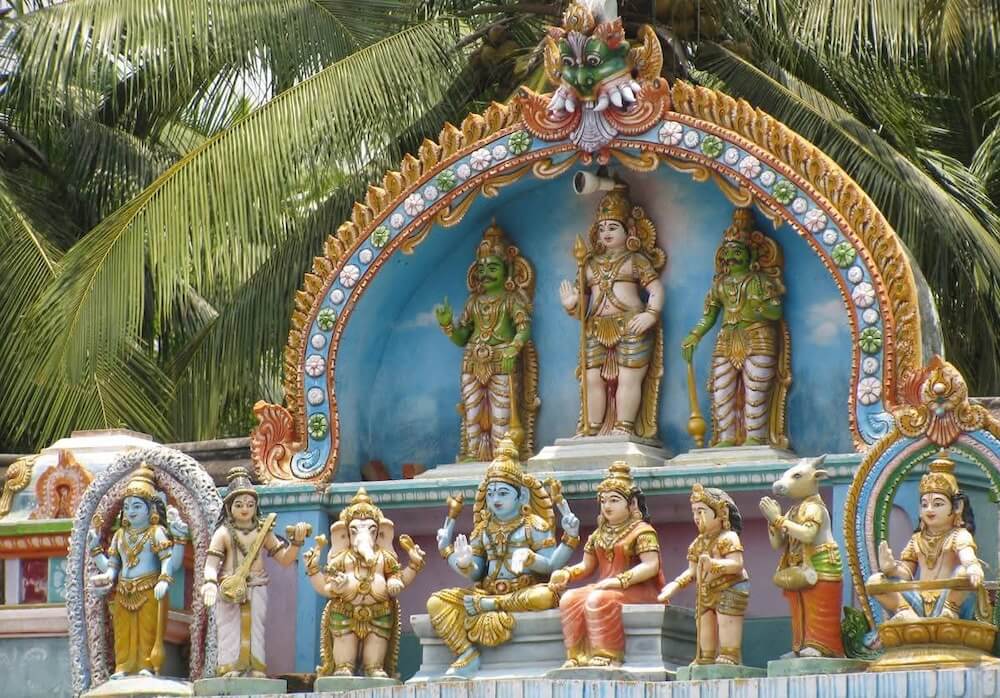
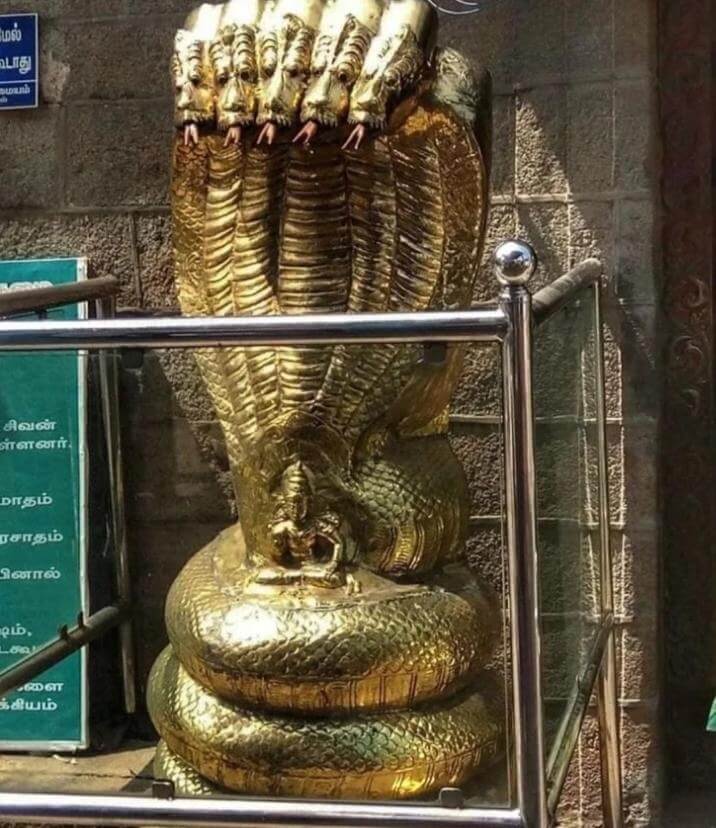 Arulmigu Sri Nagaraja Temple, located in Kanniyakumari district of Tamil Nadu, is one of the most famous centres of Naga worship in India, dedicated to Vasuki, the king of the Nagas. The city is believed to have received the name “Nagercoil” from the presence of this temple. Built in the traditional Kerala architectural style, the temple has several historical features and beliefs associated with it. Many devotees visit the temple seeking relief from Naga Dosha and the practice of giving sacred soil as Prasadam is one of its main features.
Before the 12th century, this site was a major Jain place of worship (Dravidian Jain Site). The pillars of the Arthamandapa feature carvings of Jain Tirthankaras Mahavira and Parshvanatha. As Nagas were regarded as sacred in Jainism, a five-headed Naga is depicted above the head of Parshvanatha. The temple’s main entrance, known as ‘Mahameryu Malika’, is designed in the form of a Buddhist monastery (Buddhist Monastery), providing historical evidence of Buddhist influence in the region. In the 16th century, from around AD 1520 onwards, the site became fully established as a Hindu temple during the rule of the Venad (Travancore) kings. 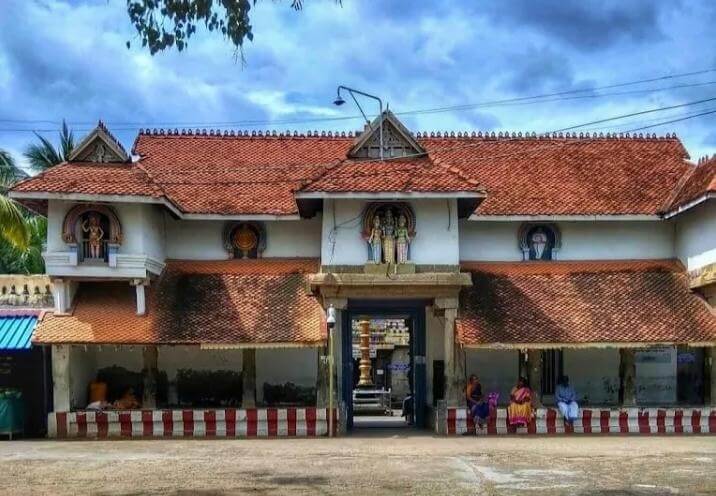 During the reign of the Travancore king Sri Veera Udaya Marthanda Varma, the temple was extensively renovated and shrines dedicated to Ananthakrishna and Shiva were added along with the shrine of Nagaraja. Historical records refer to the area as ‘Kottar’. As the Naga temple became famous, the area later came to be known as ‘Nagercoil’.
For centuries, the administration and management of the temple were under the Travancore kings. Following the reorganisation of states in 1956, Kanniyakumari district became part of Tamil Nadu and the administration of the temple came under the Tamil Nadu Government. At present, the Hindu Religious and Charitable Endowments Department (HR&CE) of the Tamil Nadu Government oversees the administration of the temple.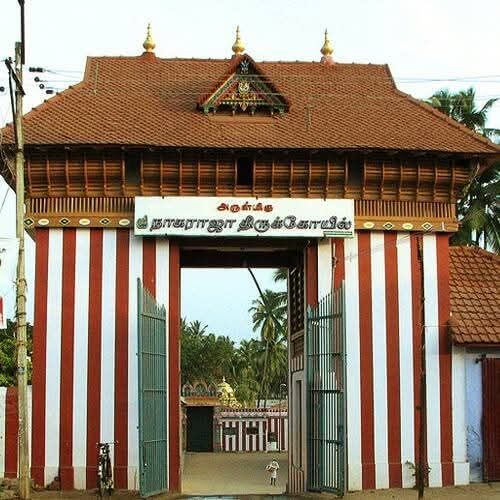 The day-to-day activities, regular expenses, festivals, facilities for devotees and staff matters are managed under the supervision of an Executive Officer appointed by the Tamil Nadu Government.
According to the most famous legend about the origin of the temple, this area was once covered with thick vegetation. One day, while a grass cutter was cutting grass here, his sickle accidentally struck a large Naga. Blood immediately began to flow from the Naga. Frightened, the grass cutter informed the local people. When they arrived and saw the bleeding Naga, they understood it as a divine presence and built a small thatched shelter there for worship. The soil from the place where the Naga was injured is still worshipped as the sacred soil inside the Sreekovil. This is why the Sreekovil continues to have a roof made only of bamboo and coconut leaves. Another important legend associated with the temple’s rise to fame concerns Sri Veera Udaya Marthanda Varma, the Venad (Travancore) king.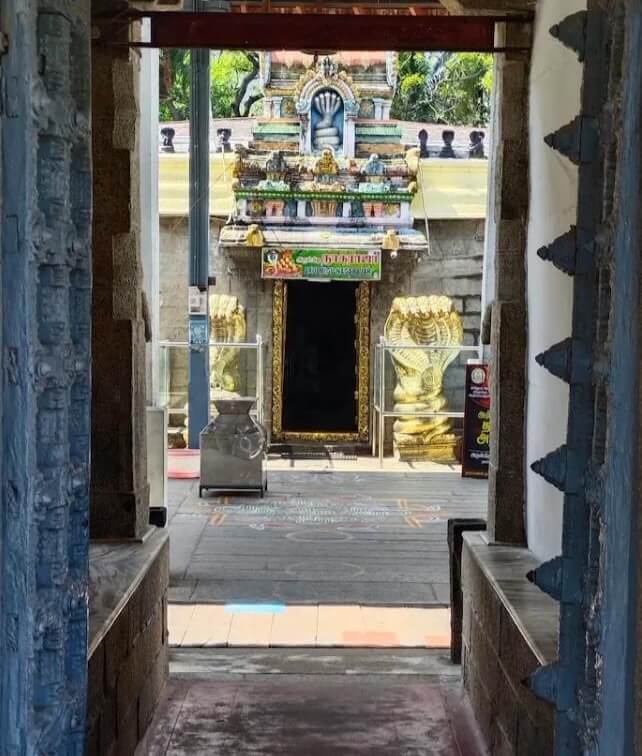 The king, who was skilled in Kalaripayattu and warfare, suffered from a persistent skin disease that did not improve despite treatment by several physicians. Finally, he came here, prayed to Nagaraja and applied the sacred soil from the temple to his body. According to the legend, the king’s illness was completely cured. In gratitude, he built the temple’s large surrounding walls and the grand gateway known as ‘Mahameryu Malika’. Devotees believe that many poisonous snakes are found in the temple premises, but that they do not bite anyone who comes here. According to the legend, Nagas always remain as guardians of Nagaraja, the main deity of the temple.
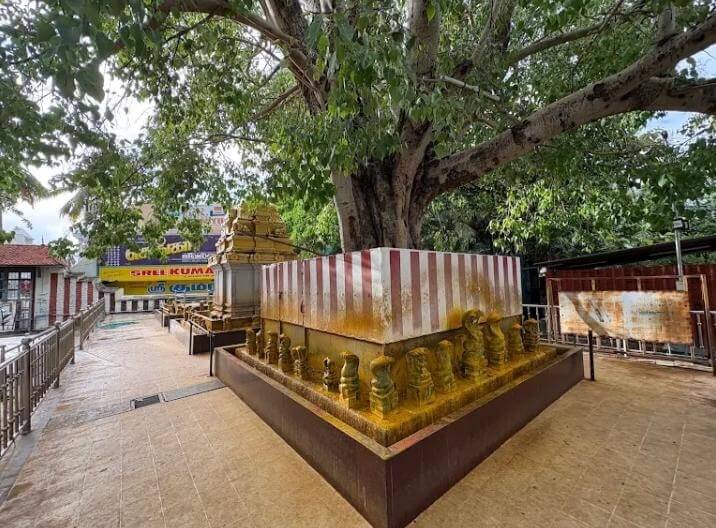
The architecture of Nagercoil Nagaraja Temple shows distinctive influences of Kerala, Tamil, Buddhist and Jain styles. The main entrance, known as ‘Mahameryu Malika’, is not a tall tower in the traditional Tamil style but a two-storeyed structure built in the form of a Buddhist monastery. Its sloping roof shows Chinese-Buddhist architectural influence. Beyond the main entrance is a spacious courtyard covered with sand, with large banyan trees and other trees. A large number of Naga stones offered by devotees are arranged in rows beneath these trees. 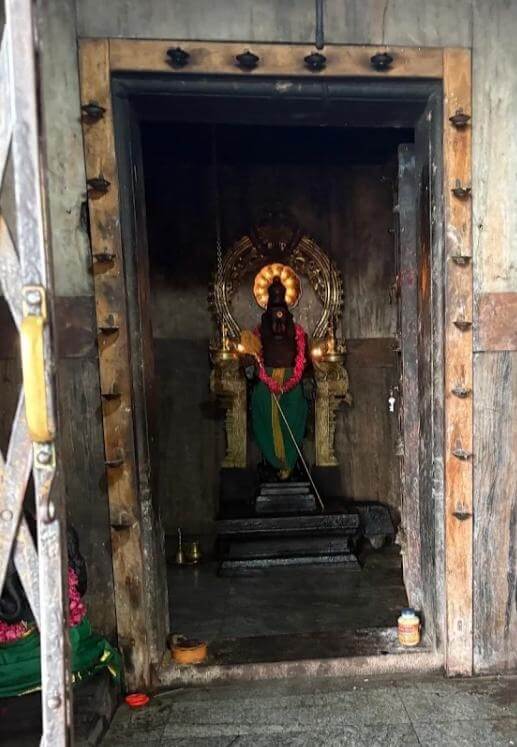 The stone pillars inside the temple feature carvings of the Jain Tirthankaras Mahavira and Parshvanatha, providing evidence of the temple’s ancient Jain heritage. Some parts of the inner mandapa also resemble the architectural style of the Sri Padmanabhaswamy Temple in Thiruvananthapuram.
In most temples, the Sreekovil roof is made of materials such as stone, copper or gold. However, the Sreekovil of Nagaraja here has a roof made of bamboo and coconut leaves. The floor inside the Sreekovil consists of ordinary soil and remains moist at all times. This thatched roof has been maintained in the same manner for centuries. Even when the roof is replaced once a year, it is traditionally not rebuilt using stone or concrete. The main deity is Vasuki, the king of the Nagas. The idol is carved in the form of a large five-headed Naga with its hoods spread out. It is believed that a part of the idol bears a mark left by the sickle that struck the Naga in the past.
The Sreekovils of Ananthakrishna and Shiva are located near the main Nagaraja Sreekovil. They are built in traditional granite. The Ananthakrishna Sreekovil houses a beautiful idol of Lord Krishna in a dancing pose, depicting Kaliyamardana. This Sreekovil is built in the traditional Kerala architectural style. The Shiva Sreekovil is built in the traditional Tamil temple architectural style.
The most important annual festival of the temple is the Thai Brahmotsavam, also known as Periya Thiruvizha. 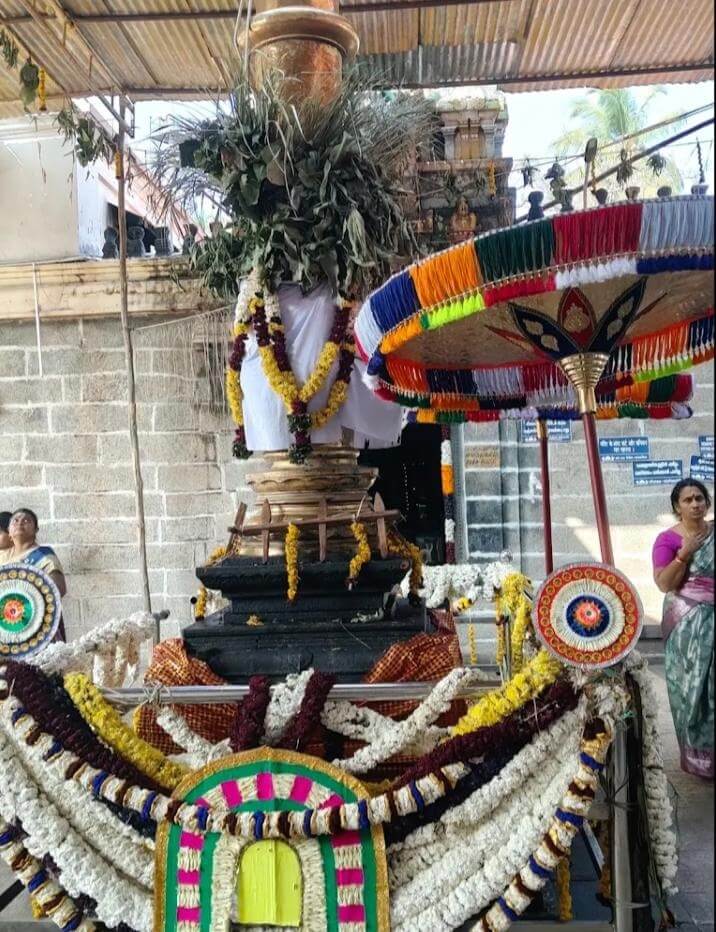 Held in the Tamil month of Thai (January–February), the festival lasts for 10 days, beginning with the Kodiyetram under the Revathi star and concluding with Theerthavari under the Ayilyam star. The main attraction is the Ther Thiruvizha on the ninth day, when the palanquin of Nagaraja is placed on a beautifully decorated large chariot and taken in procession through the town by devotees. The Brahmotsavam concludes on the tenth day with the ceremonial bath or Aarattu, of Nagaraja. All Sundays in the Tamil month of Aavani (August–September) are also considered especially important for Nagaraja. Many devotees from different places visit the temple on these days and offer milk and turmeric powder seeking relief from Naga Dosha.
Special Abhishekams and poojas are conducted on the Ayilyam star day of every Tamil month, with the Ayilyam days in Aavani and Aippasi being celebrated with special importance. Naga Panchami, which falls in the Tamil month of Aadi or Aavani, is also observed with special poojas at the temple. Devotees offer prayers and offerings before the Naga stones placed beneath the trees. As Ananthakrishna and Shiva are also enshrined along with Nagaraja, festivals such as Gokulashtami or Krishna Jayanthi, Karthigai Deepam and Navaratri are also observed here. During Karthigai Deepam, lamps are lit throughout the temple, while special poojas are conducted for nine days during Navaratri.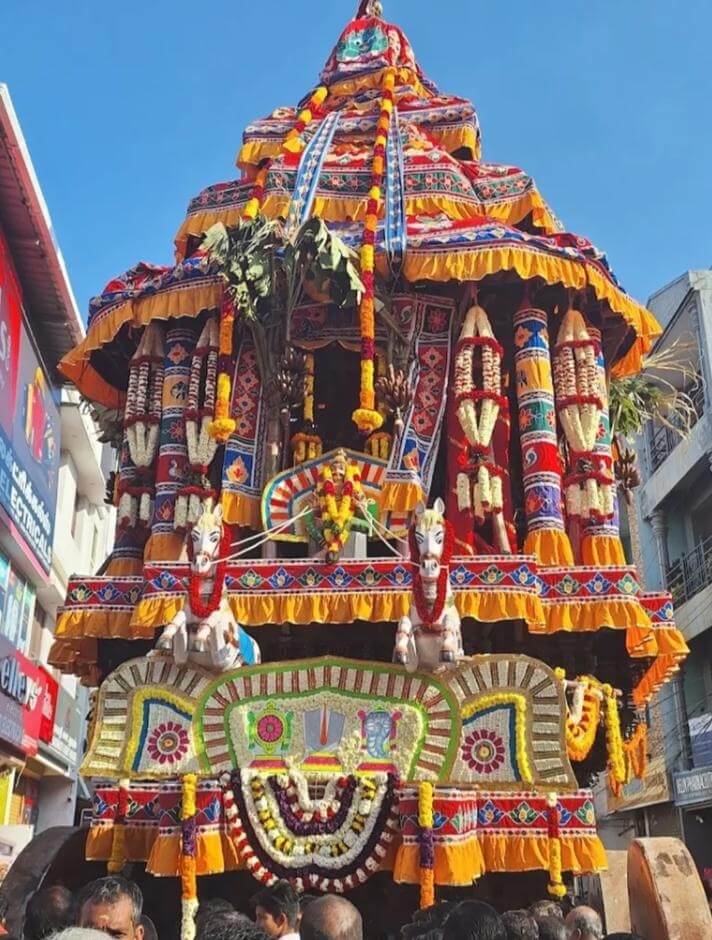
One of the main offerings at the temple is Paal Abhishekam. Devotees bring milk and perform Abhishekam on the Naga idols placed in the temple courtyard and beneath the banyan trees. Offering turmeric powder to the Naga deities is another important practice; the turmeric powder purchased from the temple is offered and later received as Prasadam. Devotees also fill small earthen pots with milk and offer them before the Naga idols. Naga Prathishta is another important offering performed to overcome marriage obstacles and to seek the blessing of children. Devotees worship new Naga stones and install them beneath the banyan trees within the temple premises.
Special Archana and Parihara Poojas are conducted for Naga Dosha and Rahu-Ketu Doshas in the horoscope. Paal Payasam is an important offering made to Nagaraja and Ananthakrishna Swamy during the Uchikala Pooja. The most important Prasadam of the temple is the sacred soil obtained from the earthen floor of the Sreekovil. This soil, collected from the Naga pit beneath the earthen floor where the deity is enshrined, is mixed with turmeric powder and given to devotees as ‘Mann Prasadam’. It is traditionally applied to the body to seek relief from skin diseases. A notable feature is that this sacred soil is said to naturally change colour, 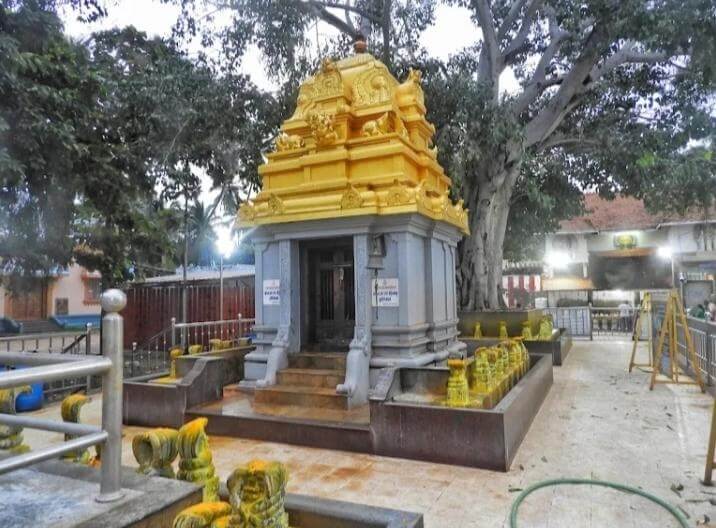 appearing black in some months and white in others.
The temple is open daily from 04:30 AM to 12:00 PM and from 05:00 PM to 08:00 PM. The daily poojas include Ushakkala Pooja from 05:00 AM to 05:30 AM and Uchikala Pooja from 11:00 AM to 11:30 AM. Uchikala Abhishekam is performed before the Uchikala Pooja, followed by the distribution of Paal Payasam Prasadam to devotees. Sayaratchai Pooja and Deeparadhana are conducted from 06:30 PM to 07:00 PM. Arthajama Pooja is held from 07:45 PM to 08:00 PM, after which the day’s poojas are completed and the temple closes. The pooja and darshan timings may vary slightly on special days and during festivals.
 Men should enter the temple wearing a dhoti (mundu), veshti or pyjamas. Jeans, bermuda shorts and shorts are not allowed. When having darshan in front of the main Sreekovil, men must remove upper garments such as shirts and vests. Women may wear sarees, churidars, pavadas or other traditional clothing. The use of mobile phones and photography is strictly prohibited inside the temple, especially within the Sreekovil and mandapas. Mobile phones should be kept on silent mode or left outside before entering the temple. As a major temple under the HR&CE Department of the Tamil Nadu Government, free lunch, known as Annadanam, is provided to devotees every day after the Uchikala Pooja.
Key highlight :-
- Located 20 km from Kanniyakumari and 30 km from Marthandam.
- The nearest railway station is Nagercoil, about 4 km away.
- TNSTC, KSRTC and local bus facilities are available to the temple.
- Private vehicles can be parked in the temple’s parking area.
- Accommodation and food facilities are available near the temple.
- Contact number +91 4652232420
अरुल्मिगु श्री नागराजा मंदिर
नागरकोइल, जिला. कन्याकुमारी.
मंदिरे
Temples
मंदिर
મંદિરો
கோவில்கள்
దేవాలయాలు
ക്ഷേത്രങ്ങൾ
ದೇವಾಲಯಗಳು
মন্দিরসমূহ
ਮੰਦਿਰ
-
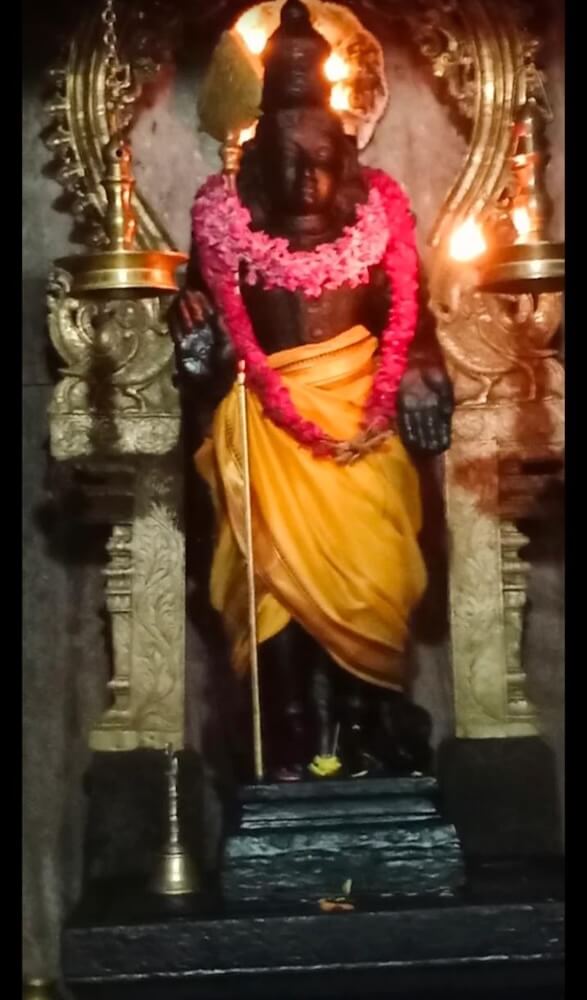
श्री थानुमलयन स्वामी मंदिर सुचिंद्रम, जि. कन्याकुमारी.
अधिक माहितीShree Thanumalayan Swamy Temple Suchindram, Dist. Kanyakumari.
View Detailsश्री थानुमालयन स्वामी मंदिर सुचिन्द्रम, जिला. कन्याकुमारी.
विवरण देखेंShree Thanumalayan Swamy Temple Suchindram, Dist. Kanyakumari.
વિગત જુઓShree Thanumalayan Swamy Temple Suchindram, Dist. Kanyakumari.
விவரங்களைக் காண்கShree Thanumalayan Swamy Temple Suchindram, Dist. Kanyakumari.
వివరాలను చూడండిShree Thanumalayan Swamy Temple Suchindram, Dist. Kanyakumari.
വിശദാംശങ്ങൾ കാണുകShree Thanumalayan Swamy Temple Suchindram, Dist. Kanyakumari.
ವಿವರಗಳನ್ನು ವೀಕ್ಷಿಸಿShree Thanumalayan Swamy Temple Suchindram, Dist. Kanyakumari.
বিস্তারিত দেখুনShree Thanumalayan Swamy Temple Suchindram, Dist. Kanyakumari.
ਵੇਰਵੇ ਦੇਖੋ -
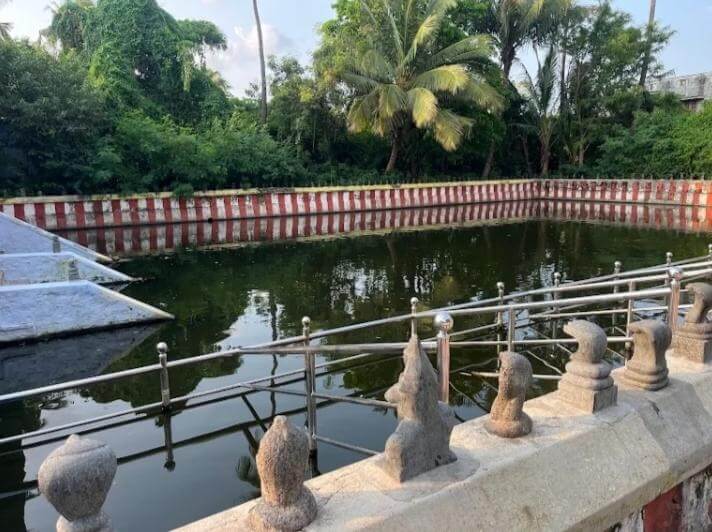
श्री व्यंकटेश्वर स्वामी मंदिर चिन्नमुत्तम मेन रोड, विवेकानंतपुरम, जि. कन्याकुमारी.
अधिक माहितीSri Venkateswara Swamy Temple Chinnamuttom main road, Vivekananthapuram, Dist. Kanyakumari.
View Detailsश्री वेंकटेश्वर स्वामी मंदिर चिन्नामुट्टम मुख्य सड़क, विवेकानंतपुरम, जिला। कन्याकुमारी.
विवरण देखेंSri Venkateswara Swamy Temple Chinnamuttom main road, Vivekananthapuram, Dist. Kanyakumari.
વિગત જુઓSri Venkateswara Swamy Temple Chinnamuttom main road, Vivekananthapuram, Dist. Kanyakumari.
விவரங்களைக் காண்கSri Venkateswara Swamy Temple Chinnamuttom main road, Vivekananthapuram, Dist. Kanyakumari.
వివరాలను చూడండిSri Venkateswara Swamy Temple Chinnamuttom main road, Vivekananthapuram, Dist. Kanyakumari.
വിശദാംശങ്ങൾ കാണുകSri Venkateswara Swamy Temple Chinnamuttom main road, Vivekananthapuram, Dist. Kanyakumari.
ವಿವರಗಳನ್ನು ವೀಕ್ಷಿಸಿSri Venkateswara Swamy Temple Chinnamuttom main road, Vivekananthapuram, Dist. Kanyakumari.
বিস্তারিত দেখুনSri Venkateswara Swamy Temple Chinnamuttom main road, Vivekananthapuram, Dist. Kanyakumari.
ਵੇਰਵੇ ਦੇਖੋ -
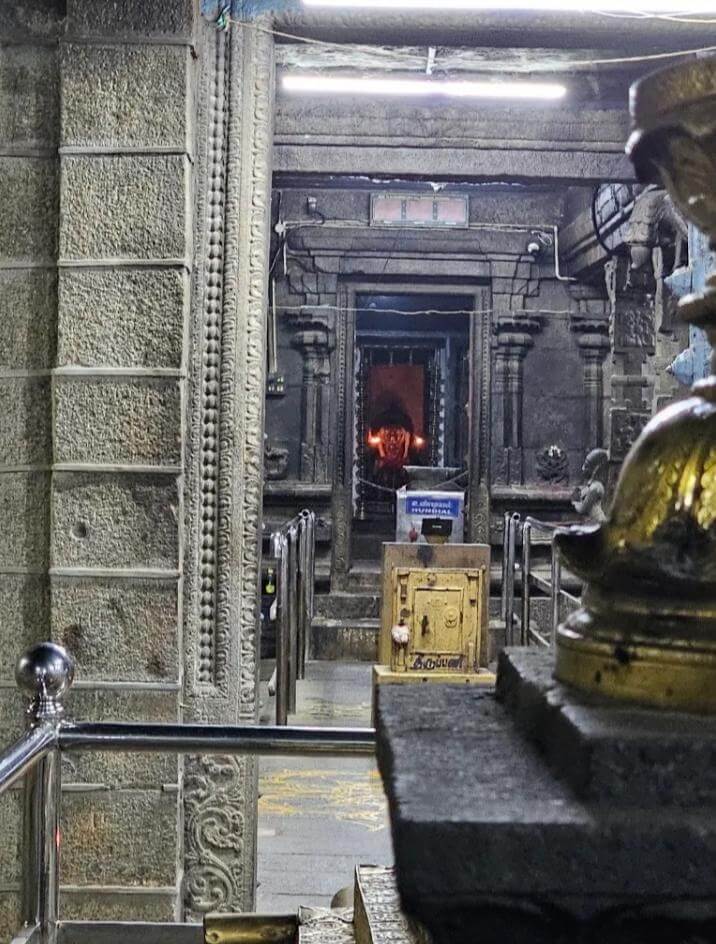
श्री आदि केशव पेरुमल मंदिर तिरुवत्तर, जि. कन्याकुमारी.
अधिक माहितीSree Adhi Kesava Perumal Temple Thiruvattar, Dist. Kanyakumari.
View Detailsश्री आदि केशव पेरुमल मंदिर तिरुवत्तार, जिला. कन्याकुमारी.
विवरण देखेंSree Adhi Kesava Perumal Temple Thiruvattar, Dist. Kanyakumari.
વિગત જુઓSree Adhi Kesava Perumal Temple Thiruvattar, Dist. Kanyakumari.
விவரங்களைக் காண்கSree Adhi Kesava Perumal Temple Thiruvattar, Dist. Kanyakumari.
వివరాలను చూడండిSree Adhi Kesava Perumal Temple Thiruvattar, Dist. Kanyakumari.
വിശദാംശങ്ങൾ കാണുകSree Adhi Kesava Perumal Temple Thiruvattar, Dist. Kanyakumari.
ವಿವರಗಳನ್ನು ವೀಕ್ಷಿಸಿSree Adhi Kesava Perumal Temple Thiruvattar, Dist. Kanyakumari.
বিস্তারিত দেখুনSree Adhi Kesava Perumal Temple Thiruvattar, Dist. Kanyakumari.
ਵੇਰਵੇ ਦੇਖੋ