
एरट्टाकुलंगरा श्री महादेवाचे मंदिर
इरट्टाकुलंगरा, जि. अलप्पुझा
Erattakulangara Sree Mahadeva Temple
Erattakulangara, Dist. Alappuzha
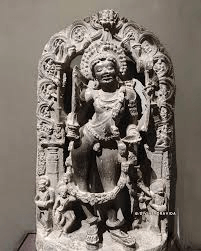 Erattakulangara Sree Mahadeva Temple is an ancient Shiva temple situated at Komana, near Ambalappuzha, in Alappuzha district, Kerala. The temple is dedicated to Lord Mahadeva (Shiva) and occupies an important place in the religious and cultural landscape of the Ambalappuzha region. Kerala Tourism officially lists the shrine as the venue of the annual Shivaratri Mahotsavam. The temple is traditionally associated with the name Erattakulangara, which is understood to derive from Eratta (two) and Kulam (pond), referring to the two ponds that were traditionally believed to have existed around the shrine. A temple pond continues to be an important feature of its surroundings. The main shrine is traditionally described as West-facing, giving the temple a distinctive setting within the landscape.
Erattakulangara Temple was built in the 1800s by the Chembakassery Kingdom under the patronage of the Chembakassery royal house, which ruled the region around Ambalappuzha before the kingdom was Incorporated into Travancore. The deity was also said to have been worshipped originally at Chomaala Illam, a Brahmin household associated with the Eastern entrance of the temple, before the present shrine was developed.
There were two temple ponds in front of the temple, 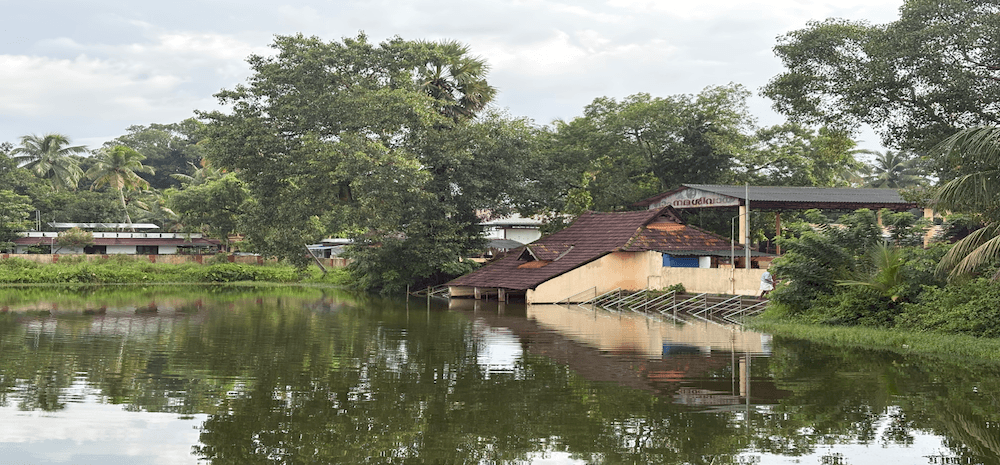 one inside the other and Eratta (two) and Kulam (pond) are traditionally understood to have contributed to the name Erattakulangara. Erattakulangara Mahadeva Temple also has an important ritual connection with the nearby Ambalappuzha Sree Krishna Swamy Temple. During the annual festival of Ambalappuzha Sree Krishna Temple, the Arattu, or ceremonial holy bath of the deity, is conducted at Erattakulangara Mahadeva Temple.
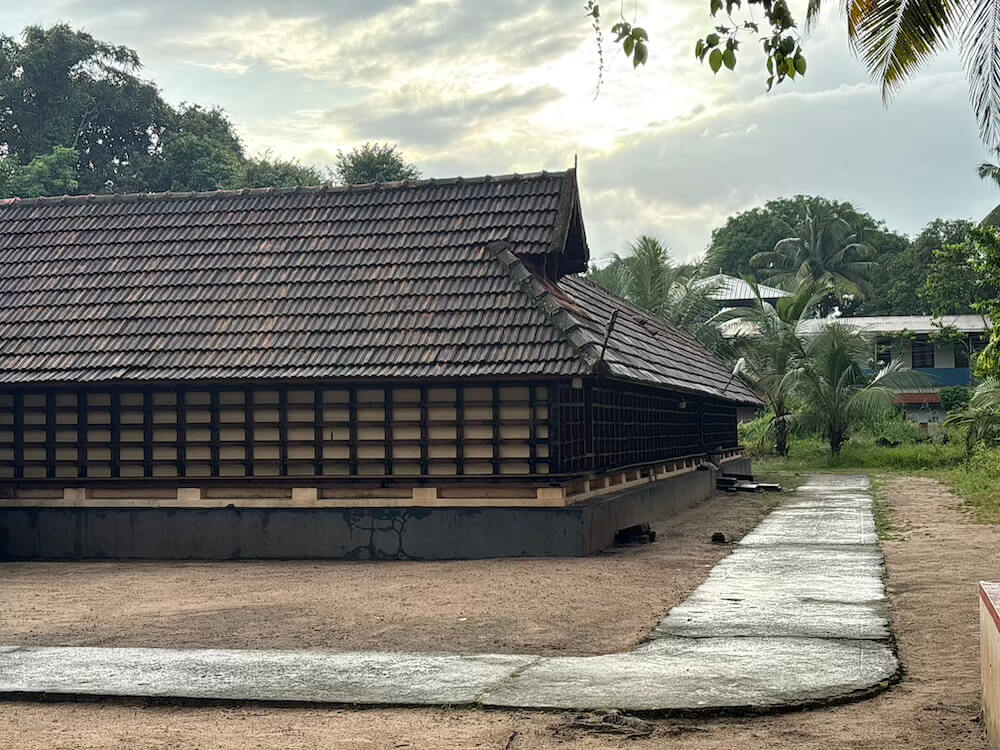 The procession between the two temples is regarded as auspicious and forms an important part of the festival traditions. After 1950, the temple was handed over to the Travancore Devaswom Board, under whose control the temple flourished and became one of the prominent Shiva shrines in Alappuzha.
A particularly significant tradition concerns the form of Shiva worshipped at the temple. The deity is described as Kirata-Murti, the hunter form of Lord Shiva. In this interpretation, Shiva and Parvati are understood through the forms of Kattalan and Kattalathy (hunter forms). The temple is consequently associated with the Uma-Maheshvara concept—the divine union of Shiva and Parvati. The distinctive form attributed to the Shiva Lingam is traditionally interpreted in relation to this concept. 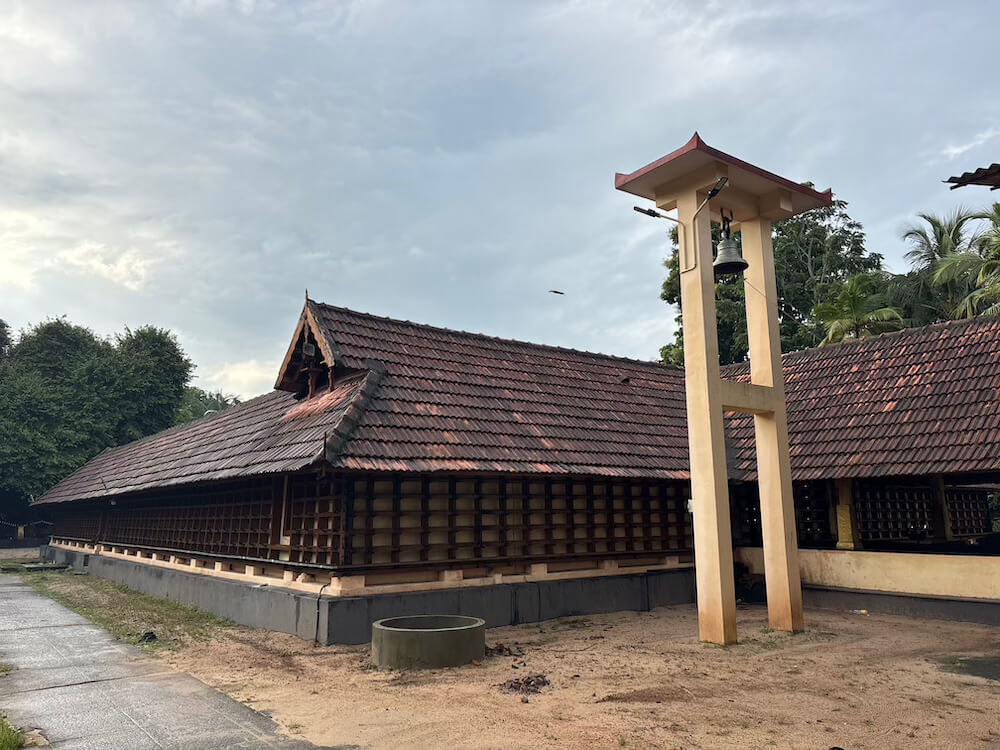 The shrine has therefore acquired particular importance among devotees seeking the blessings of Shiva and Parvati for family welfare and marital harmony.
Another important tradition connects the temple with Erattakulangara Rama Warrier, a noted Malayalam literary figure associated with the Keeratham Attakatha (a distinct genre of literary performance based on Kirata, the hunter form of Lord Shiva). According to temple tradition, Rama Warrier was a devoted worshipper of Mahadeva and composed the Keeratham Attakatha as an offering to the deity. A temple tradition further states that he met his tragic death after being gored by a bull within the temple compound. Another account states that Rama Warrier’s ancestral home was situated near the temple and that his family held the Kazhakam, or traditional administrative/service responsibility, of the shrine. He is also described as having been associated with the court of Travancore and with the artistic traditions of the period.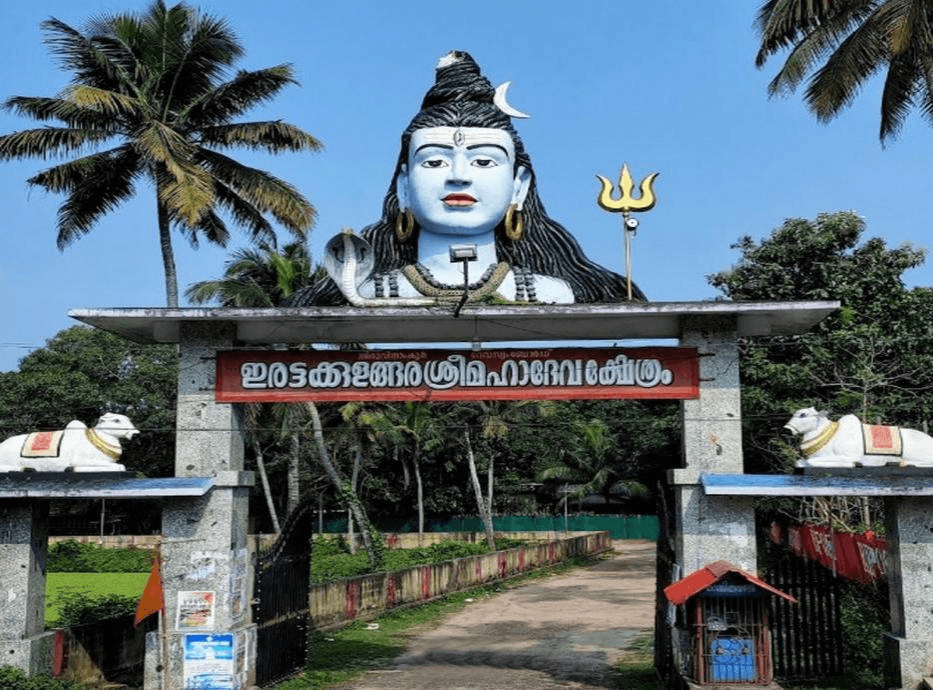
As devotees step into the sacred precincts of the temple, they are welcomed by the graceful presence of the Annakottil, the traditional elephant stable, standing as a silent guardian at the entrance. Beyond this, the path gently unfolds into the Nalambalam, the sacred rectangular enclosure that embraces the spiritual heart of the temple. Within its serene surroundings stand the Balikkallu, bearing witness to ancient ritual offerings and the radiant Deepa Sthambham, whose countless lamps illuminate the temple with a warm and divine glow. At the heart of this sacred space resides Lord Mahadeva, enshrined within a Vatta Sree Kovil in the form of Kirata Murti (the hunter form of Lord Shiva) the beautiful circular sanctum facing West.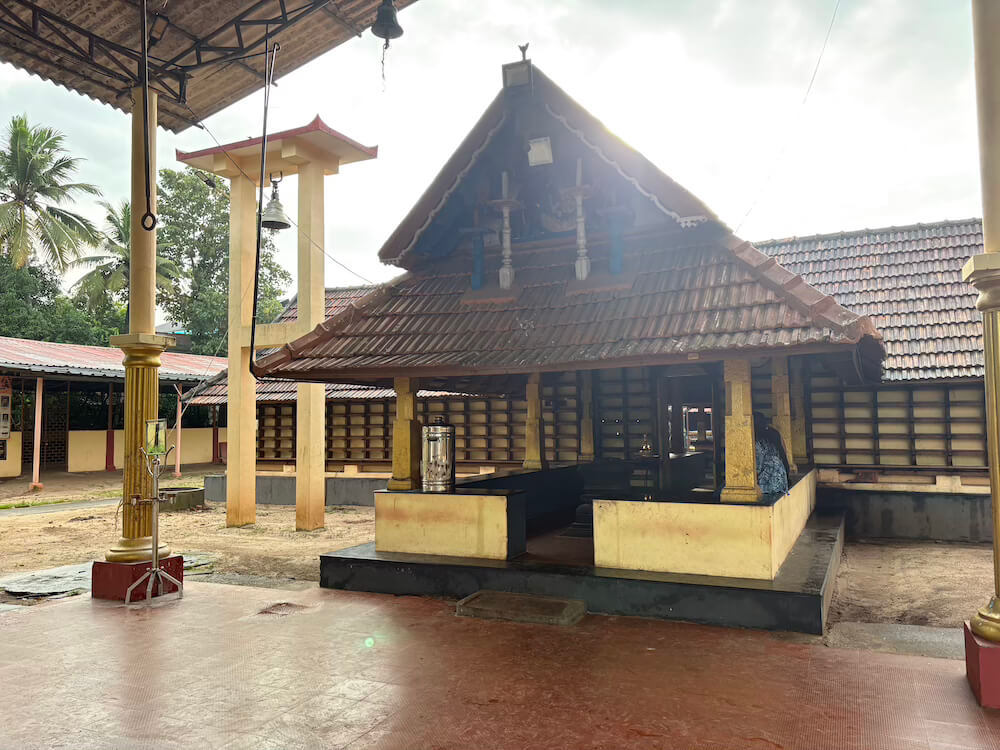 The sanctum, crowned with a gleaming Thazhikakkudam crafted entirely from copper, rises gracefully beneath the Kerala sky, preserving the timeless beauty of traditional temple architecture.
Before the Nalambalam lie two sacred temple ponds, one nestled within the other, their tranquil waters reflecting the serenity of the shrine. These holy waters form an integral part of the temple’s rituals and become especially significant during Karkidakam (July–August), when devotees gather to perform Pithru Bali, the sacred rites offered in remembrance of their ancestors. Standing gracefully before the sanctum is the Namaskara Mandapam, a sacred rectangular hall supported by beautifully carved pillars and fashioned in accordance with the timeless principles of Kerala Hindu temple architecture. Within this serene Mandapam rests Nandeeshwaran, the devoted divine vehicle of Lord Shiva, eternally facing Lord Mahadeva in silent reverence. 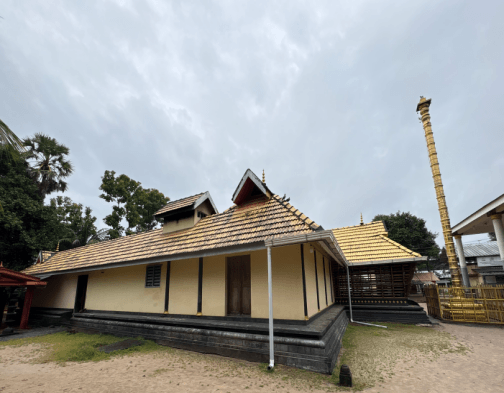 Here the West sea facing Mahadevan is highly powerful and is considered an extremely rare sight as most of the Shiva Shrines have East facing Idols. As per the devotees if you seek blessings with deep devotion you will be benefited from it without any doubt.
The sub-deities are consecrated in dedicated shrines positioned outside the main sanctum. Outside the Nalambalam, a dedicated Sree Kovil is provided for Lord Ganapathy, who faces East in accordance with traditional Kerala architectural principles. Beside this, a sacred, lush Sarpa Kavu (a traditional sacred natural space believed to be the residence of Nagaraja and Naga Devatas) is preserved on the temple grounds for Lord Nagaraja and Naga Devatas, where periodic Naga Pooja and Noorum Palum (a special offering made with turmeric milk to please Naga Deities) are performed.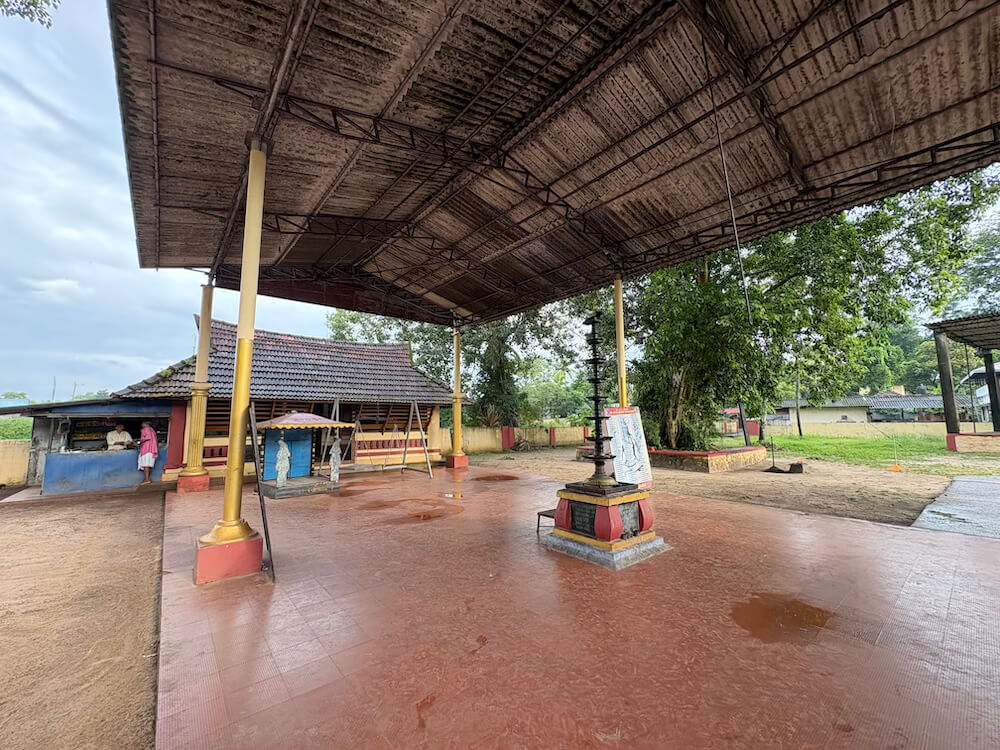
Maha Shivaratri is the principal festival associated with Erattakulangara Mahadeva Temple. As a shrine dedicated to Lord Shiva, the festival is centred on special worship and devotional observances dedicated to Mahadeva. The festival normally falls in the Malayalam month of Kumbham (February–March), according to the Hindu lunar calendar. The Shivaratri Mahotsavam at Erattakulangara Mahadeva Temple is highly regarded as a traditional religious festival of Alappuzha. Throughout the festival, the shrine is beautifully adorned with traditional decorations, plantain stems and rows of illuminated lamps, while the temple premises resonate with sacred chants, night-time worship, traditional temple artsand cultural programmes that draw large gatherings of devotees from near and far. 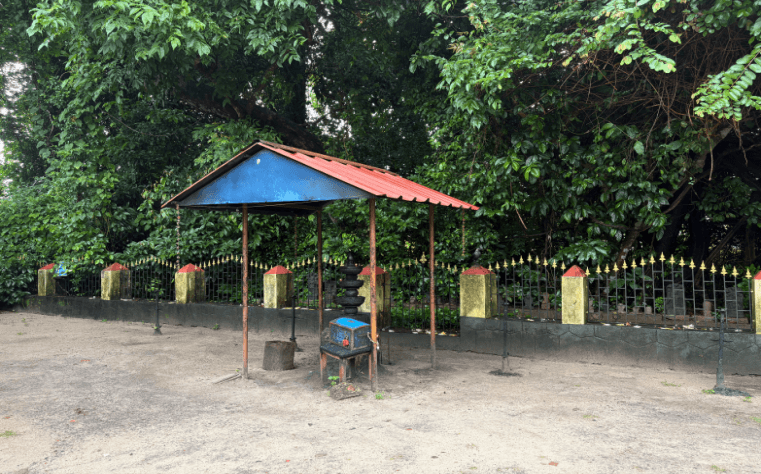 During the ten-day annual festival of Ambalappuzha Sree Krishna Temple, the ceremonial Arattu (holy bath) of the festival deity takes place at Erattakulangara Mahadeva Temple. The procession carrying the deity from Ambalappuzha to Erattakulangara.
The most important offering (Vazhipadu) to Erattakulangara Mahadevan is the Dhara, the continuous ceremonial pouring of holy water over the Shivalinga, performed to cool the Lord and remove impurities. The Koovalathu Mala, a garland of sacred bilva leaves, which is especially dear to Lord Shiva, is offered for prosperity and freedom from obstacles.
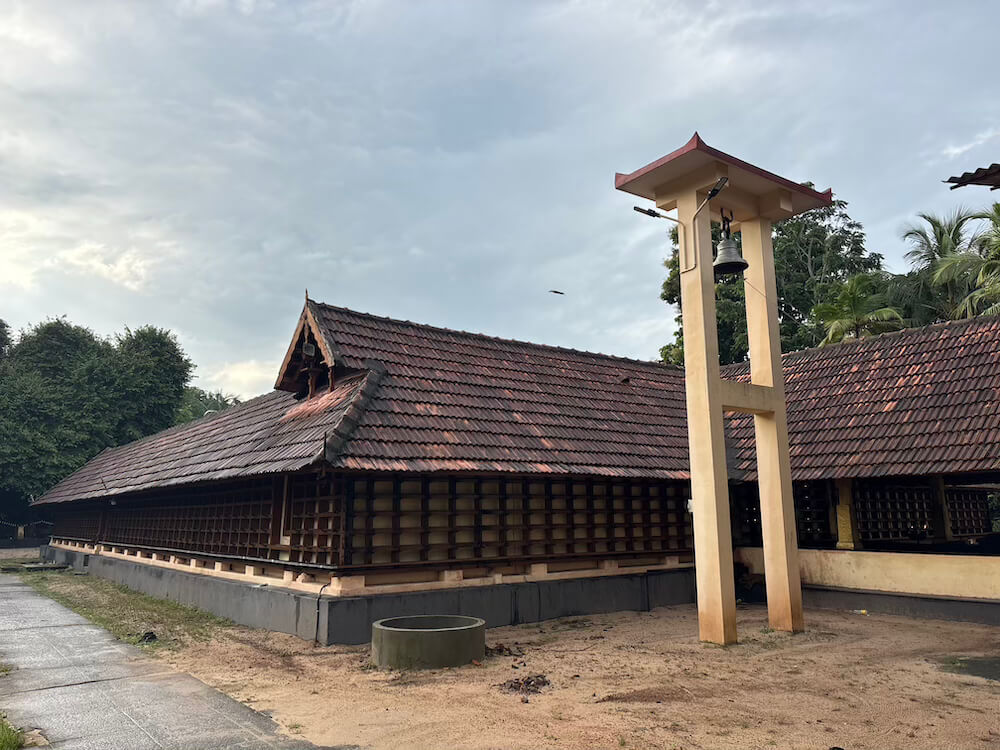 Additionally, the Ashtadravya Maha Ganapathy Homam (pooja for Lord Ganapathy performed with eight sacred items) is regularly conducted to eliminate all hindrances, while the periodic Noorum Palum (turmeric milk) offering at the Sarpa Kavu is performed to please the Naga deities for family protection and relief from Sarpa Dosha. These Vazhipadus (offerings) are devoutly performed by pilgrims seeking divine grace, protection and religious fulfilment.
At the first soft whisper of dawn, the sacred doors gently swing open for Nada Thurakkal at 5:00 am, welcoming the quiet prayers of early devotees into the awakening sanctuary. Morning light unfolds in serene rhythm with Usha Pooja at 6:30 am and Pantheeradi Pooja at 8:00 am, leading to the divine noon offering of Ucha Pooja at 11:30 AM before the temple rests at 12:00 PM. As dusk paints the skies, the holy gates reopen at 5:30 PM, bathed soon after in the golden, flickering glow of Deeparadhana at 6:45 pm. The day’s devotion culminates in the peaceful Athazha Pooja at 7:45 PM, closing the sanctuary at 8:00 pm into a quiet, star-lit stillness.
Key highlights
- Located 14 km from Alappuzha Bus Stand.
- Located 13 km from Alappuzha Railway Station.
- Just 2 km away from Ambalappuzha town.
- Kerala Road Transport and local bus facilities are available to Erattakulangara from major nearby towns.
- Private vehicles can be parked in the designated temple parking space.
- Accommodation and dining options are available in the surrounding town area.
- Contact information: 9605683501
एराट्टकुलंगरा श्री महादेव मंदिर
एराट्टकुलंगारा, जिला. अलाप्पुझा
मंदिरे
Temples
मंदिर
મંદિરો
கோவில்கள்
దేవాలయాలు
ക്ഷേത്രങ്ങൾ
ದೇವಾಲಯಗಳು
মন্দিরসমূহ
ਮੰਦਿਰ
-
पाझवेदु श्रीभागवती मंदिर पाळावेडू, जि. अलप्पुझा
अधिक माहितीPazhaveedu Sree Bhagavathy Temple Pazhaveedu, Dist. Alappuzha
View Detailsपझावीडु श्री भगवती मंदिर पझावीडु, जिला. अलाप्पुझा
विवरण देखेंPazhaveedu Sree Bhagavathy Temple Pazhaveedu, Dist. Alappuzha
વિગત જુઓPazhaveedu Sree Bhagavathy Temple Pazhaveedu, Dist. Alappuzha
விவரங்களைக் காண்கPazhaveedu Sree Bhagavathy Temple Pazhaveedu, Dist. Alappuzha
వివరాలను చూడండిPazhaveedu Sree Bhagavathy Temple Pazhaveedu, Dist. Alappuzha
വിശദാംശങ്ങൾ കാണുകPazhaveedu Sree Bhagavathy Temple Pazhaveedu, Dist. Alappuzha
ವಿವರಗಳನ್ನು ವೀಕ್ಷಿಸಿPazhaveedu Sree Bhagavathy Temple Pazhaveedu, Dist. Alappuzha
বিস্তারিত দেখুনPazhaveedu Sree Bhagavathy Temple Pazhaveedu, Dist. Alappuzha
ਵੇਰਵੇ ਦੇਖੋ -
पथ्यामकुलंगारा देवी मंदिर कालारकोड, जि. अलप्पुझा
अधिक माहितीPathiyamkulangara Devi Temple Kalarcode, Dist. Alappuzha
View Detailsपथियामकुलंगरा देवी मंदिर कलारकोड, जिला. अलाप्पुझा
विवरण देखेंPathiyamkulangara Devi Temple Kalarcode, Dist. Alappuzha
વિગત જુઓPathiyamkulangara Devi Temple Kalarcode, Dist. Alappuzha
விவரங்களைக் காண்கPathiyamkulangara Devi Temple Kalarcode, Dist. Alappuzha
వివరాలను చూడండిPathiyamkulangara Devi Temple Kalarcode, Dist. Alappuzha
വിശദാംശങ്ങൾ കാണുകPathiyamkulangara Devi Temple Kalarcode, Dist. Alappuzha
ವಿವರಗಳನ್ನು ವೀಕ್ಷಿಸಿPathiyamkulangara Devi Temple Kalarcode, Dist. Alappuzha
বিস্তারিত দেখুনPathiyamkulangara Devi Temple Kalarcode, Dist. Alappuzha
ਵੇਰਵੇ ਦੇਖੋ -
श्री राजराजेश्वरी मंदिर मुल्लक्कल, जि. अलप्पुझा
अधिक माहितीSree Rajarajeswari Temple Mullakkal, Dist. Alappuzha
View Detailsश्री राजराजेश्वरी मंदिर मुल्लाक्कल, जिला. अलाप्पुझा
विवरण देखेंSree Rajarajeswari Temple Mullakkal, Dist. Alappuzha
વિગત જુઓSree Rajarajeswari Temple Mullakkal, Dist. Alappuzha
விவரங்களைக் காண்கSree Rajarajeswari Temple Mullakkal, Dist. Alappuzha
వివరాలను చూడండిSree Rajarajeswari Temple Mullakkal, Dist. Alappuzha
വിശദാംശങ്ങൾ കാണുകSree Rajarajeswari Temple Mullakkal, Dist. Alappuzha
ವಿವರಗಳನ್ನು ವೀಕ್ಷಿಸಿSree Rajarajeswari Temple Mullakkal, Dist. Alappuzha
বিস্তারিত দেখুনSree Rajarajeswari Temple Mullakkal, Dist. Alappuzha
ਵੇਰਵੇ ਦੇਖੋ